
Affiliate disclosure: This post may contain affiliate links. Please see full disclosure.
Lemon peel has a lot more to offer than a place in the compost bin. The yellow outer skin adds bright flavor to cakes, savory food, sugar, and dressings, while the leftover peel can help with a few household cleaning jobs. The trick is using the right part of the peel for the job, and not expecting lemon juice to replace a proper cleaner or disinfectant.
Start with a clean lemon

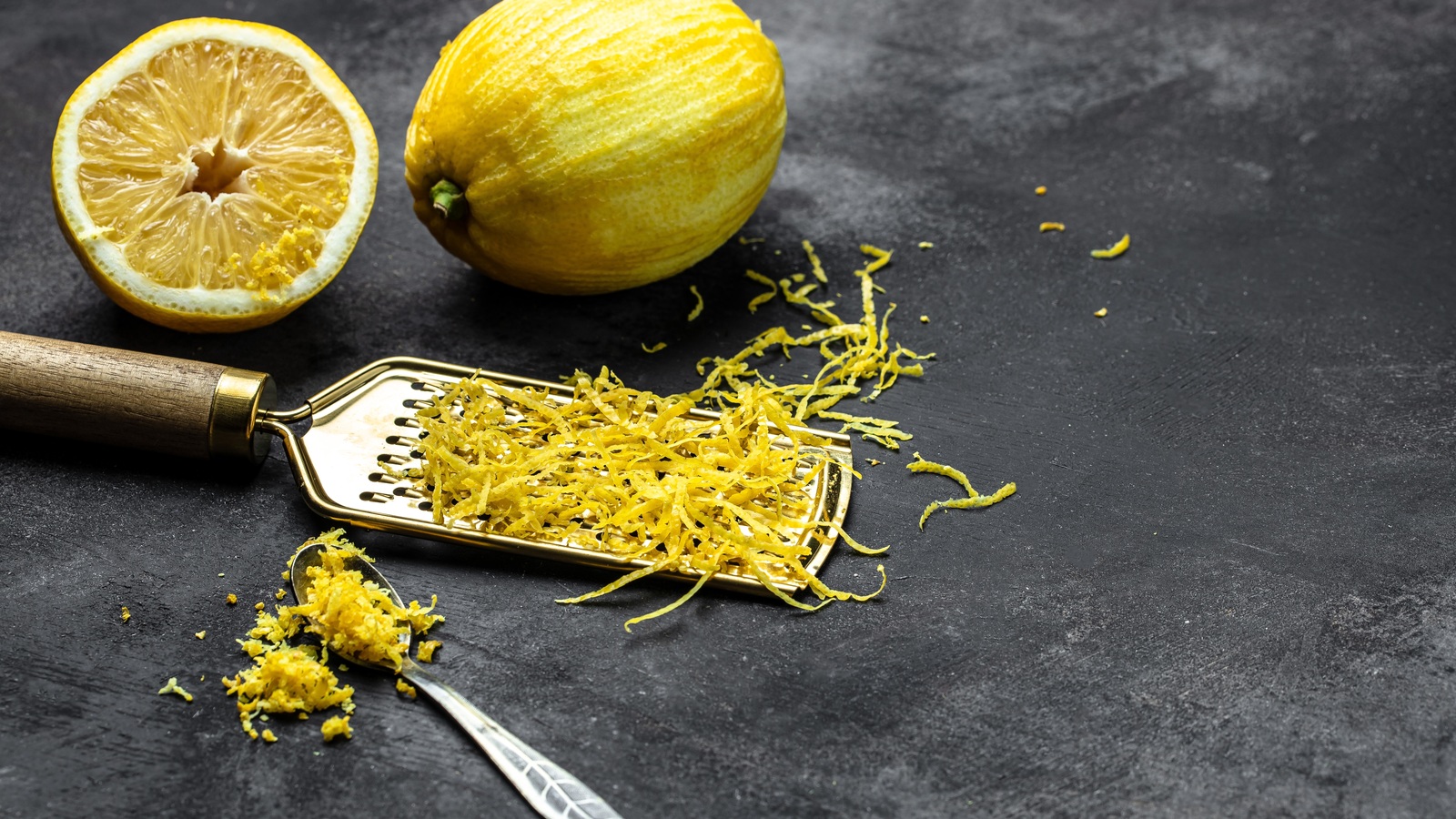
Wash lemons under running water before zesting, even if you’re only using the skin. Don’t wash them with soap. If you plan to eat the zest, use sound fruit and remove any stickers. Choose unwaxed fruit when possible, or scrub the surface well. The fragrant yellow outer layer is what you want for food. The white pith underneath can be bitter, so stop zesting when you begin to see it.
Freeze zest for later

Zest the lemon before squeezing it, when the fruit is still firm and easy to hold. Use a fine grater or citrus zester, taking off the yellow layer and leaving most of the pith. Freeze small portions in a labeled, airtight container. You can add frozen zest directly to cookie dough, muffin batter, salad dressing, or a pan of vegetables. A teaspoon can be enough to brighten a whole dish.
Make lemon sugar

Rub finely grated zest into granulated sugar with clean fingertips until the sugar smells strongly of lemon. This releases the fragrant oils into the sugar. Use it straightaway in shortbread, pound cake, pancakes, or a simple cake glaze. For longer storage, freeze a small sealed portion rather than leaving damp fresh zest mixed with sugar in a jar at room temperature. It isn’t worth risking a spoiled batch to save a minute.
Flavor salt for savory cooking

Mix finely grated fresh zest into salt just before using it on roasted potatoes, grilled vegetables, fish, or chicken. For a dry blend you intend to store, start with zest that’s thoroughly dehydrated and crisp, not fresh moist strips. Label the jar and keep it dry. I particularly like the idea of finishing a dish with a little citrus rather than making everything taste sharply of lemon juice.
Add zest to baked goods

Lemon zest gives muffins, scones, pancakes, quick breads, and cookies a flavor that juice alone can’t quite match. Rub the zest into the recipe’s sugar before adding butter or other ingredients. For recipes that already contain lemon juice, the zest usually makes the flavor fuller without adding extra liquid and throwing off the batter.
Brighten rice, beans, and vegetables

Stir a little lemon zest into hot rice or couscous with olive oil and herbs, or scatter it over roasted carrots, green beans, or zucchini just before serving. It works well in dressings too. Start small and taste. Large pieces of peel can be tough and unpleasant to chew, so grate it finely or remove strips after infusing.
Infuse oil only for immediate use

A strip of clean peel can briefly perfume warmed olive oil before you drizzle it over cooked vegetables. Remove the peel and use the oil promptly. Don’t put fresh lemon peel in a bottle of oil and leave it on the counter for weeks. Moist ingredients stored under oil can create food-safety problems. Make only what you need for the meal unless you’re following a properly tested preservation method.
Dry peel for tea and baking
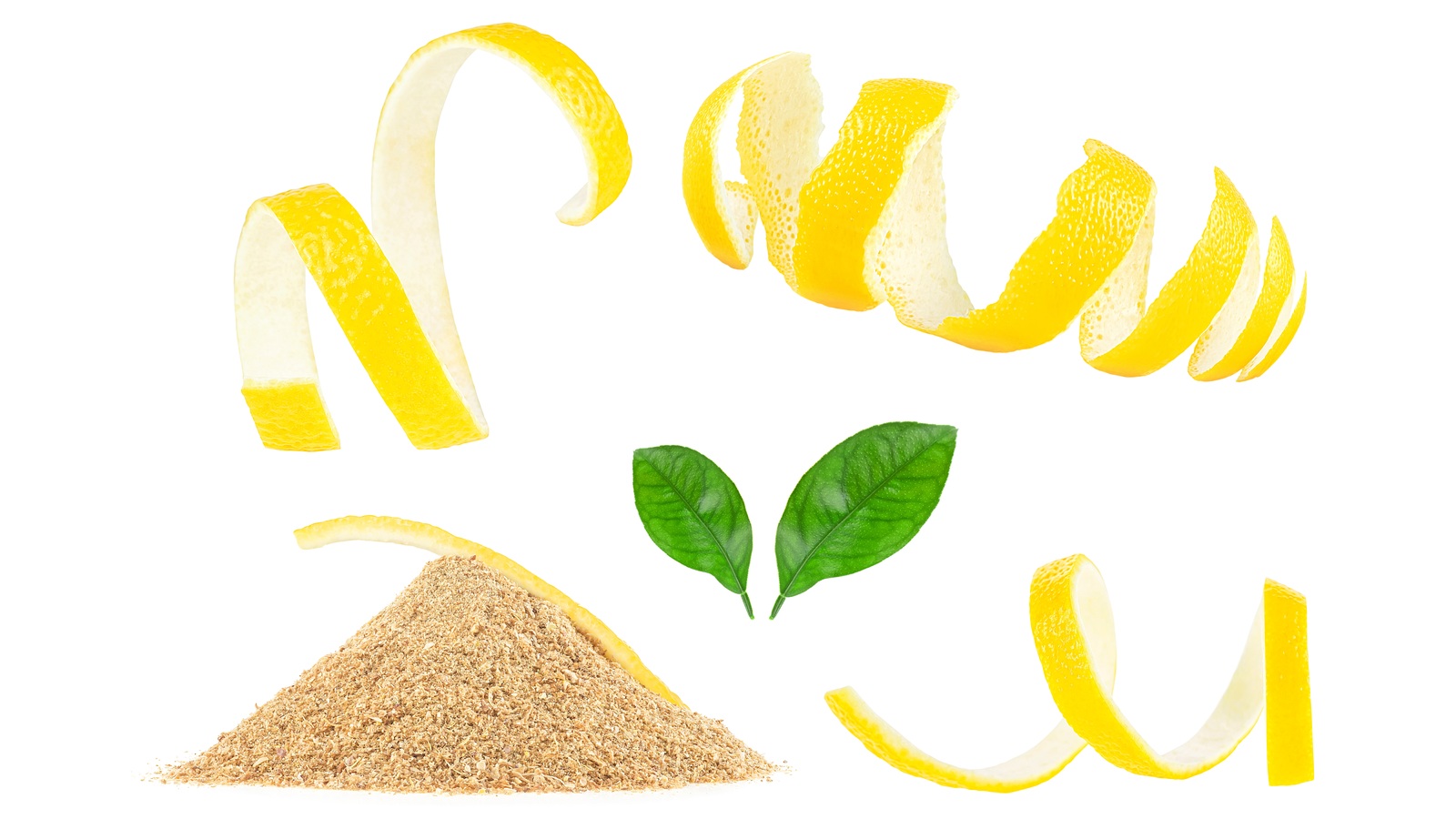
Peel thin strips from a clean lemon, avoiding as much pith as possible. Dry them in a food dehydrator using its fruit setting, or in a low oven with close attention, until they are fully crisp rather than leathery. Cool completely before storing in a clean, dry, airtight jar. Use a little in tea, grind some into a seasoning, or rehydrate strips in a simmering syrup. Discard any batch that develops dampness or mold.
Make candied peel

Candying turns peel into a useful cake topping and a little sweet treat. Cut washed peel into even strips, blanch if you want to reduce bitterness, then simmer gently in sugar syrup until translucent. Drain and let cool. Follow a tested candying recipe for exact proportions and storage; an improvised batch isn’t automatically shelf-stable. Chop candied peel into fruitcakes and gingerbread, or use a few pieces to decorate cookies.
Lift everyday smells from a garbage disposal
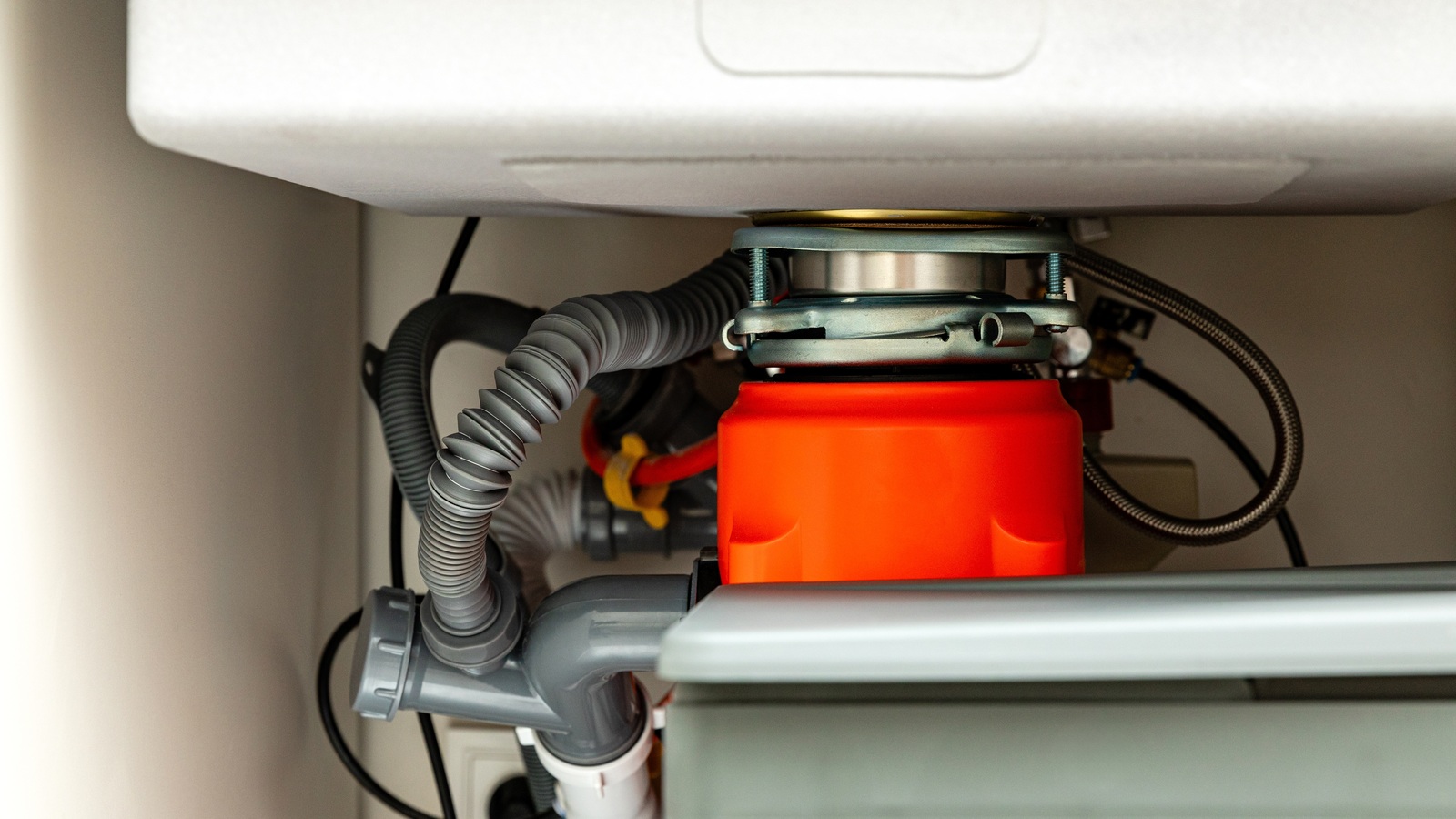
If you have a disposal, a small piece of lemon peel may temporarily freshen the smell while the unit runs with plenty of cold water, provided the manufacturer’s instructions allow it. It won’t clear a blocked drain, remove built-up grease, or disinfect the appliance. Don’t force thick rinds into a struggling machine. Thorough cleaning is still the real answer when odors keep returning.
Loosen mild grime on suitable hard surfaces

Use the cut side of a squeezed lemon or a little juice on a small area of compatible, nonporous surface to help loosen light mineral residue, then rinse and dry. Avoid marble, limestone, travertine, and other acid-sensitive stone, as well as unprotected metal or finishes whose manufacturer advises against acids. Lemon juice can etch or damage the wrong surface. Test first, and never mix acidic cleaners with bleach.
Freshen a microwave with steam
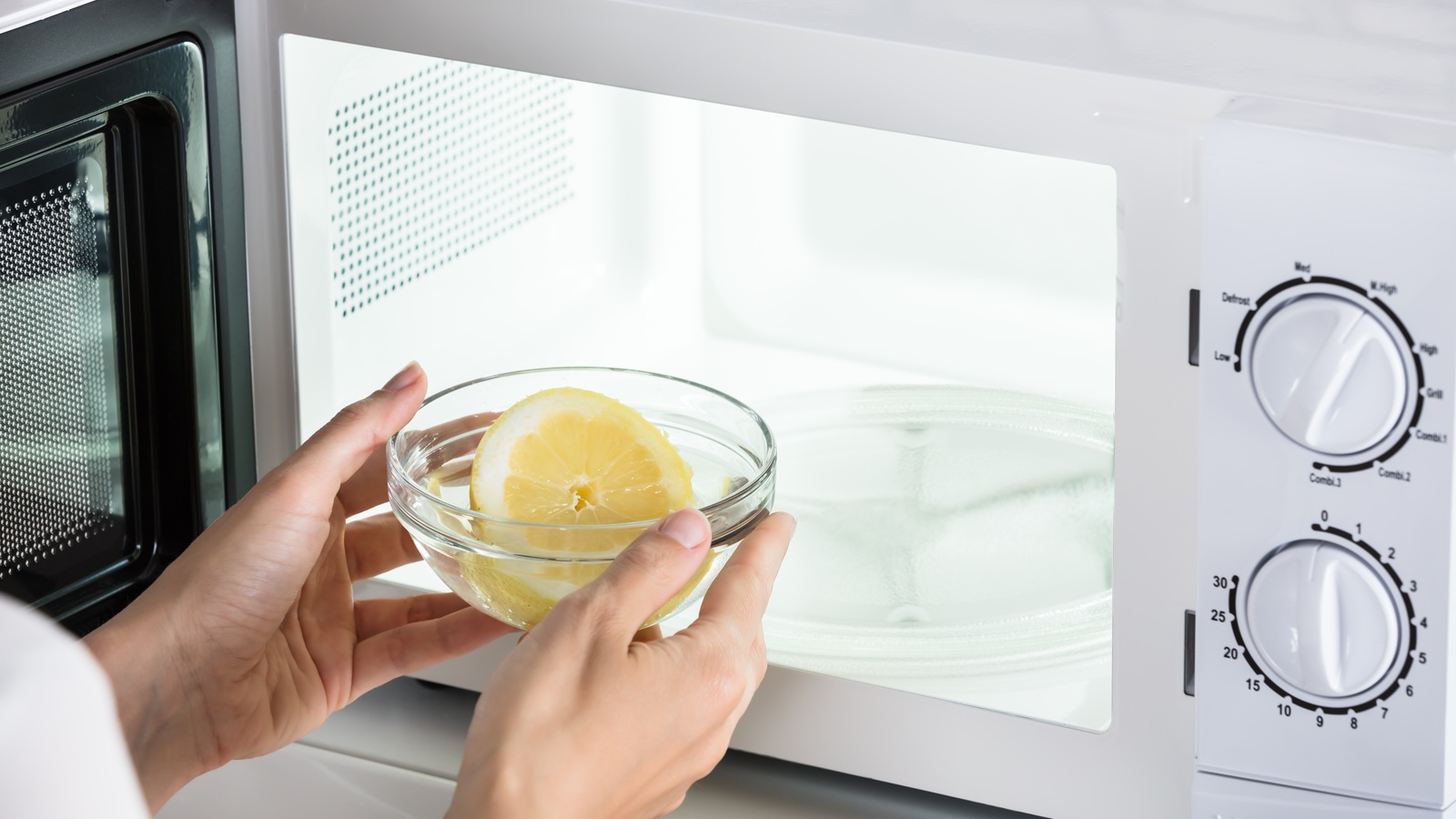
Put a few lemon peels in a microwave-safe bowl of water. Heat until the water steams, then allow it to cool enough to handle safely. The steam can soften ordinary splatters so you can wipe them away with a cloth. Keep the bowl well away from boiling dry, avoid burns, and don’t mistake a fresh smell for sanitizing. A greasy microwave still needs washing.
Compost what’s left

Once you’ve taken the zest and any usable strips, the remaining pith and rind can go to a properly managed compost heap in modest quantities. Chop large pieces and mix them with other greens and browns rather than burying a mound of citrus in one spot. Citrus isn’t forbidden in compost, but a large mass of thick peel decomposes slowly. You can get two useful jobs from a lemon and still give the final scraps back to the soil.
My preference is to zest first, squeeze second, and compost last. It takes almost no extra effort when you’re already cooking with lemons, and it means the most useful part of the peel doesn’t disappear into the bin.
You might also like…
The Victorian Cleaning Trick That Lifts Soot and Grime From Wallpaper Without Scrubbing It
Skip the Store-Bought Cleaner: The Homemade Combo That Cuts Through Grease

