Affiliate disclosure: This post may contain affiliate links. Please see full disclosure.
Washing soda and dish soap, mixed with warm water in a spray bottle, is the combo. Washing soda is sodium carbonate, a cleaner with a pH around 11, and it’s what actually supplies the grease-breaking alkalinity here. Dish soap’s surfactants finish the job by grabbing what’s left so you can wipe it away. Together they go after baked-on kitchen grease the same way a store-bought degreaser does, for a fraction of the cost.
What Washing Soda Actually Is
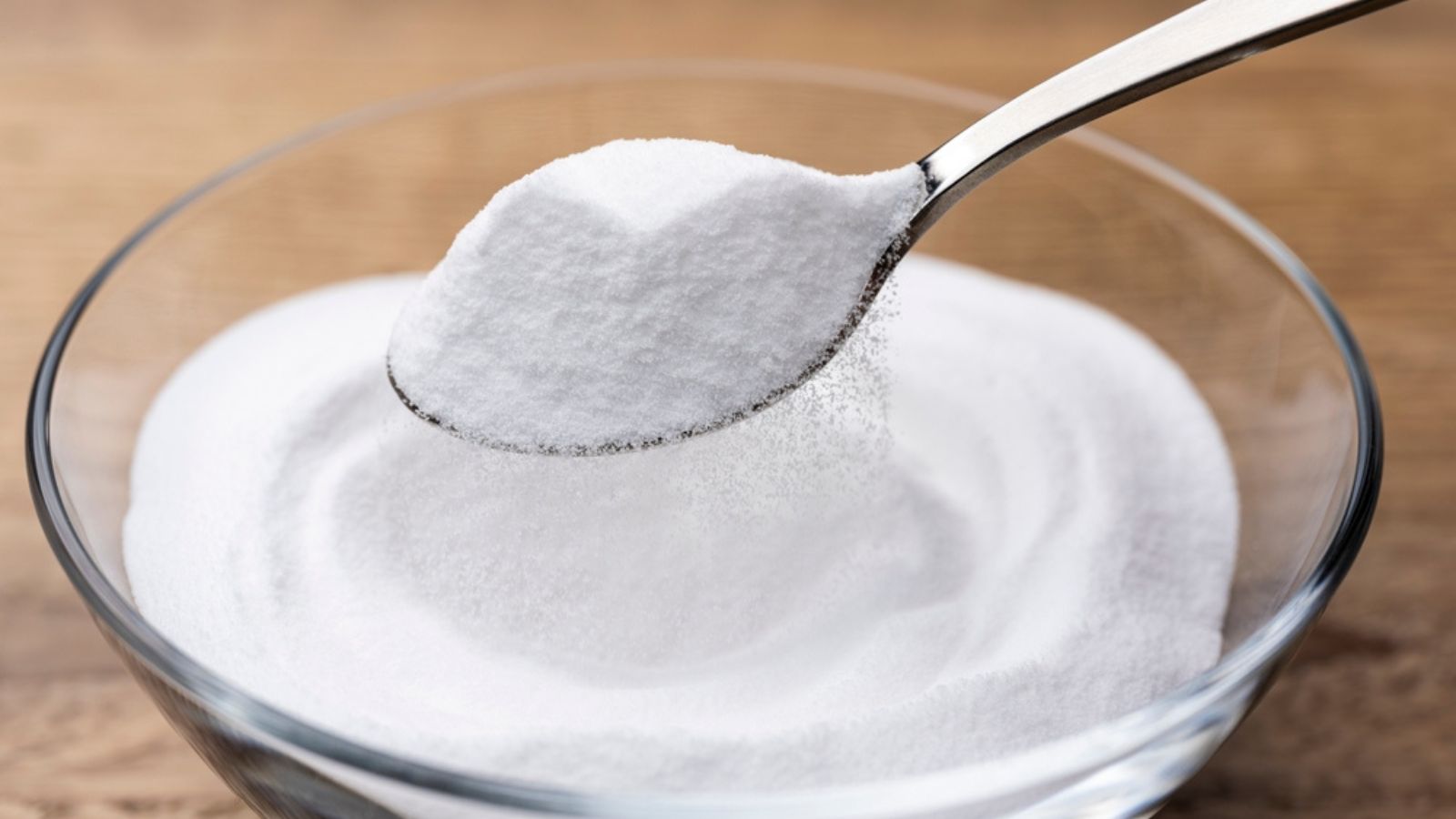
Washing soda is sodium carbonate, a mineral salt with a pH of around 11, and it’s a completely different substance from baking soda, which is sodium bicarbonate sitting at a much milder pH of around 8. That gap matters more than it sounds like it should. The higher the pH, the more effectively a cleaner breaks down fats and oils, which is exactly what grease is made of.
I spent years reaching for baking soda on stubborn stovetop grease before I learned this, and it always felt like I was working twice as hard for half the result. Washing soda is the ingredient that actually earns the reputation baking soda gets credit for.
You won’t find it in the cleaning aisle. Look for it in the laundry aisle, usually as Arm & Hammer Super Washing Soda, and a large box costs under $5 and lasts for dozens of batches.
The Two-Ingredient Degreasing Spray
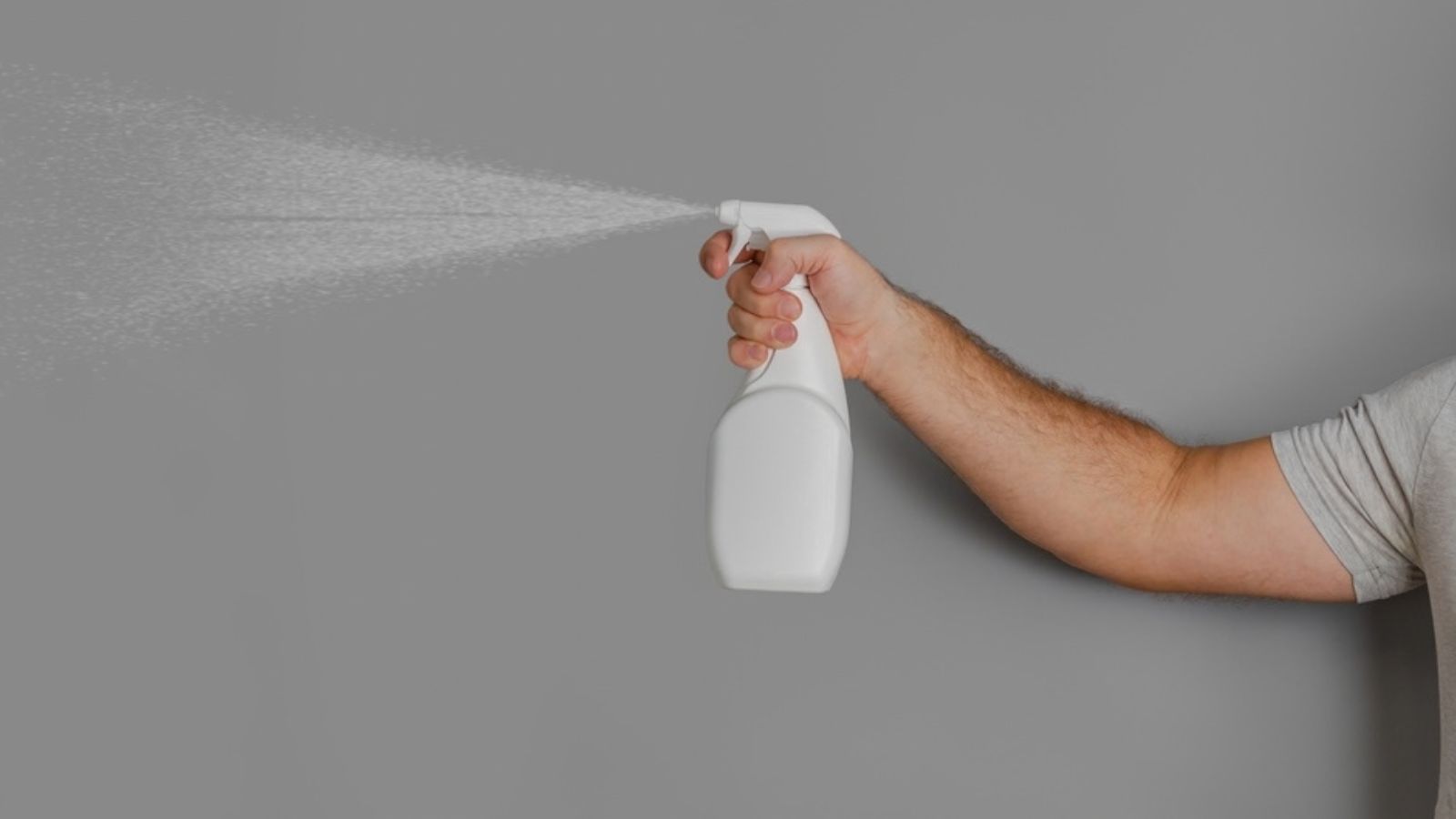
Dissolve 1 tablespoon of washing soda completely in a splash of warm water before adding anything else, since it clumps if you rush this step. Once it’s dissolved, add 1 teaspoon of dish soap and top up with warm water to about 2 cups total in a spray bottle. Give it a gentle shake rather than a hard one, or you’ll end up with more foam than spray.
Spray it directly onto grease and let it sit for 2 to 5 minutes on heavier buildup. That dwell time is what does the real work, since the alkalinity needs a minute to actually break the grease down rather than just sit on top of it. Wipe with a damp cloth or sponge afterward.
Washing soda is alkaline enough to irritate skin and eyes, so wear gloves for anything beyond a quick wipe, and keep the bottle away from kids and pets. It’s not edible and shouldn’t be treated like anything you’d want lingering on bare skin.
How to Use It Around the Kitchen
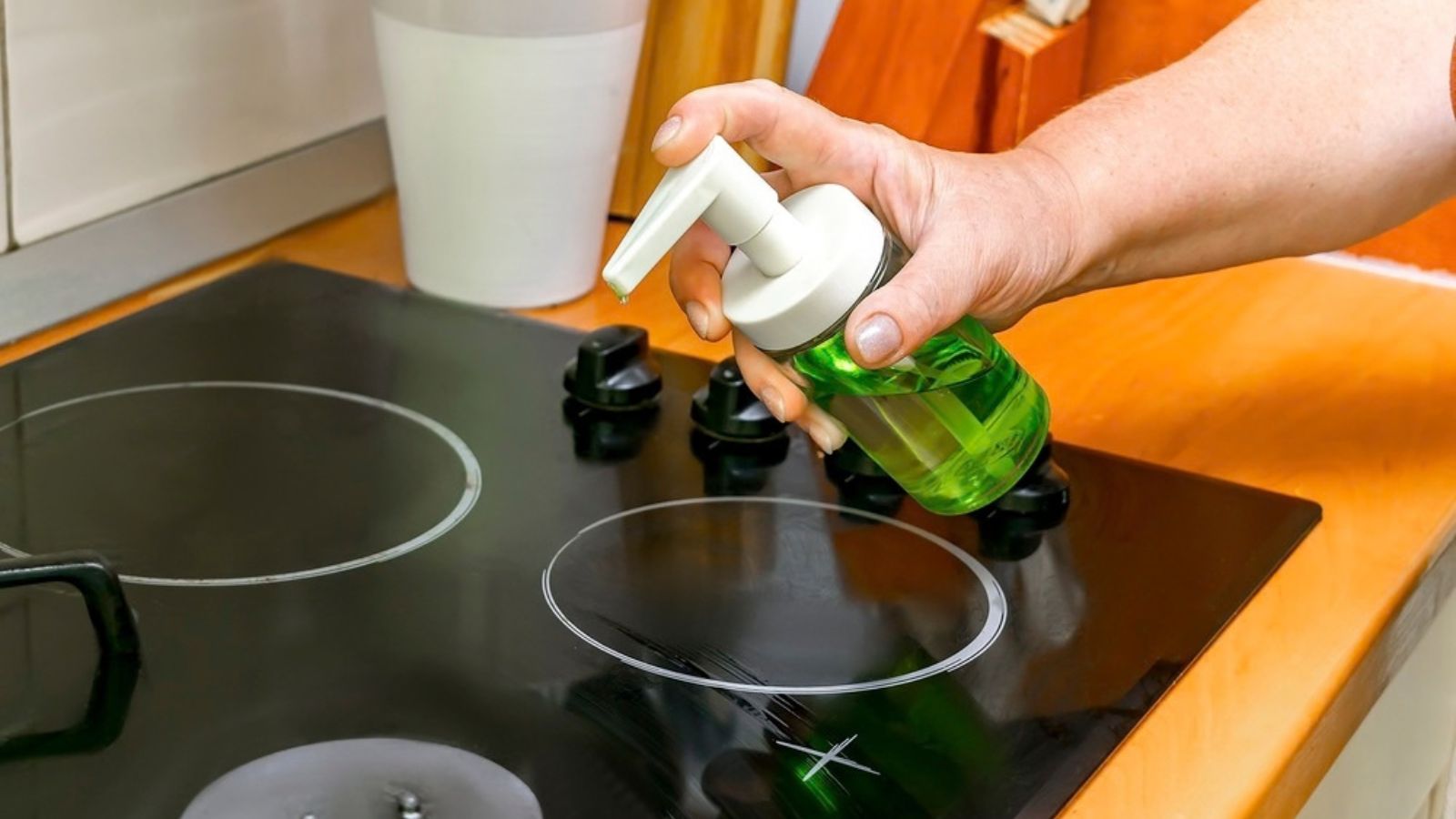
Stovetop
Spray it directly onto cooled stovetop surfaces and let it sit the full 5 minutes on anything baked on from last night’s dinner. Wipe with a damp cloth, then go over it once more with plain water to lift any residue.
Range Hood Filter
Soak the filter instead of spraying it. Remove it from the hood, submerge it in a basin of hot water with a double batch of the solution, and let it sit for 15 to 20 minutes. A filter with grease built up in layers responds far better to a soak than a spray, since the solution needs time to work into the mesh.
Oven Interior
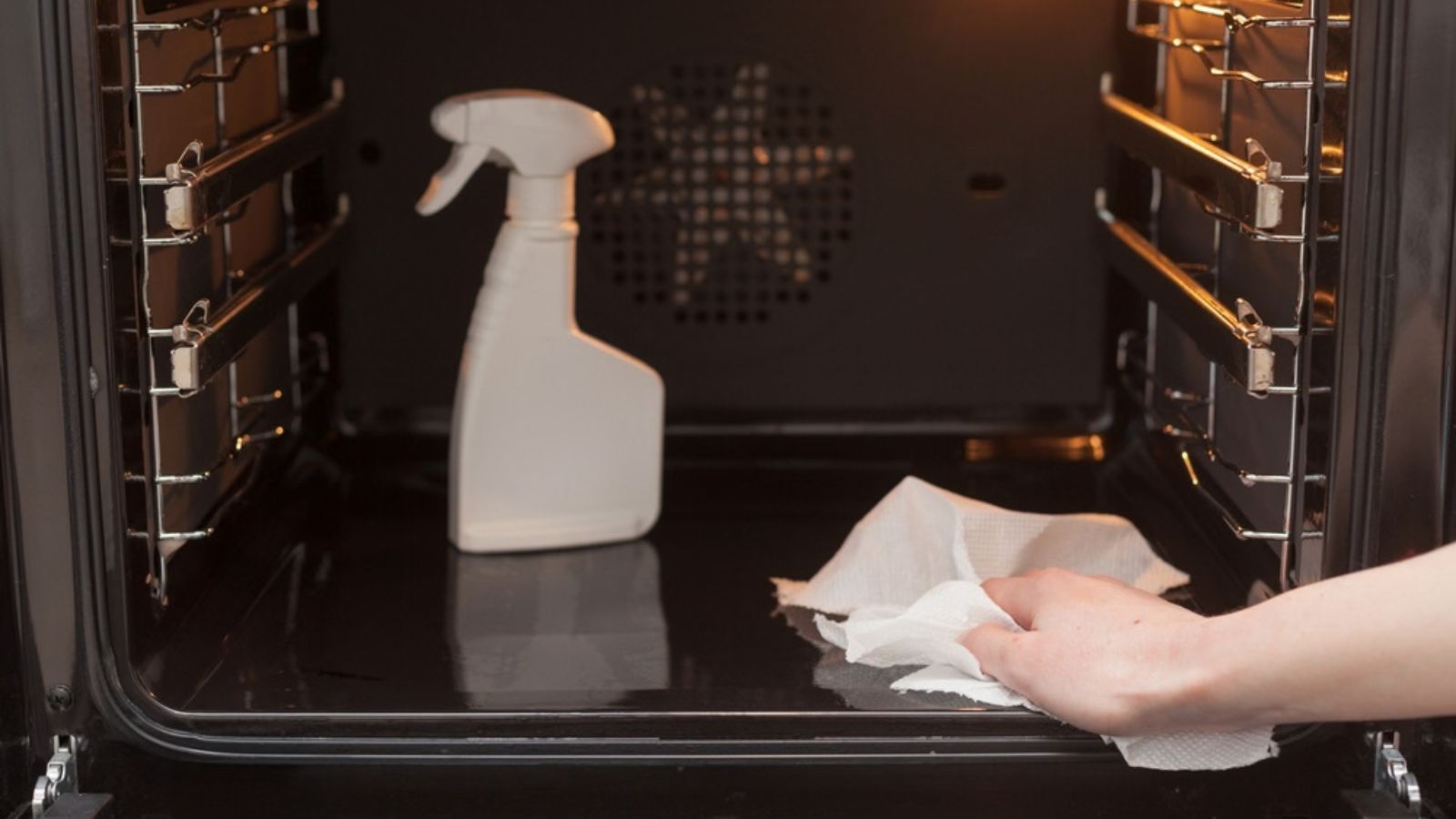
Spray the interior surfaces once the oven is completely cool, avoiding bare metal heating elements. Let it sit for a full 10 minutes on baked-on grime, then wipe with a damp cloth or a non-scratch pad for anything stubborn.
Greasy Cabinet Fronts
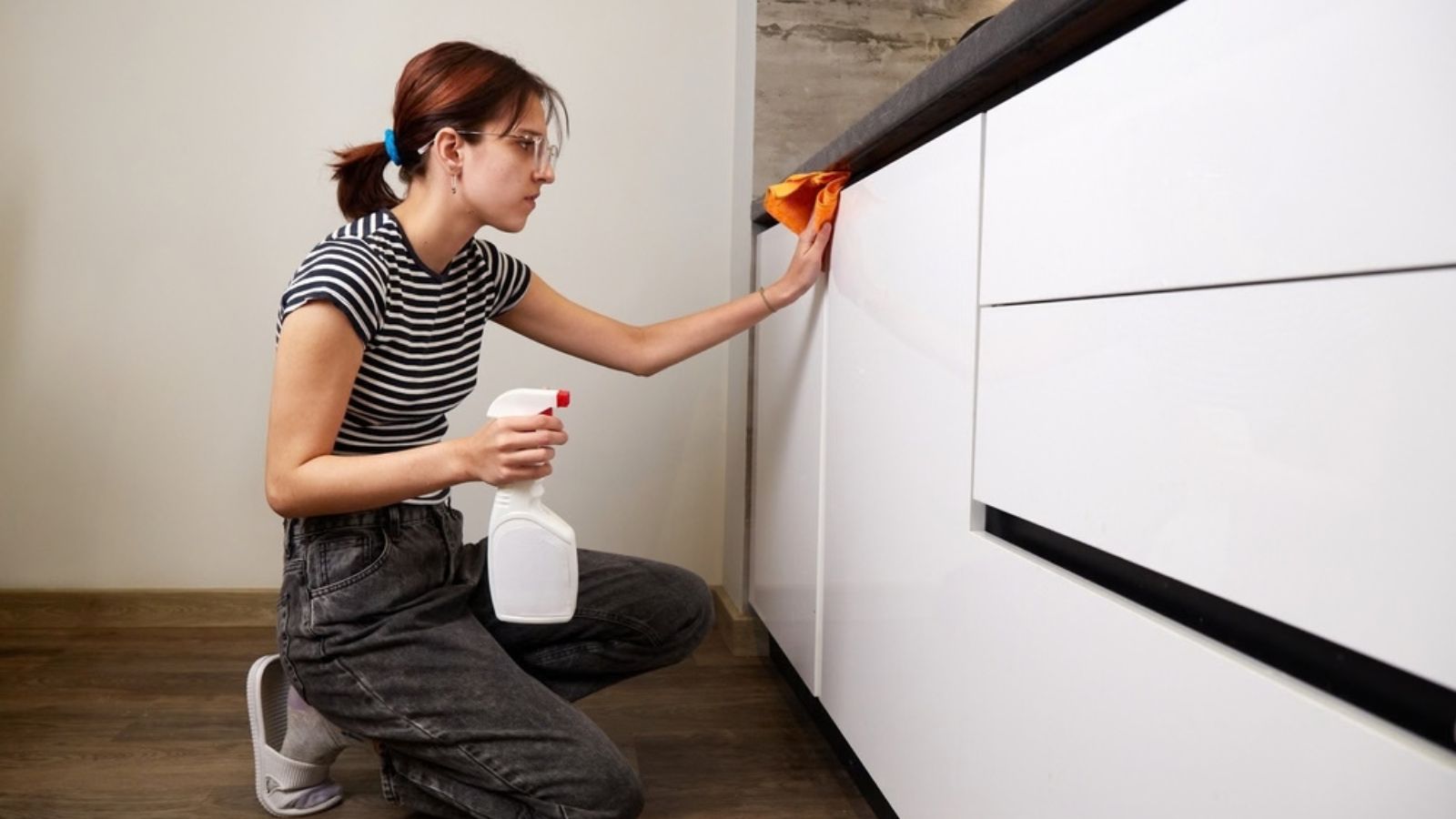
Spot spray painted or laminate cabinet fronts and wipe quickly rather than letting it sit, since standing liquid is more likely to damage a finish than a quick pass helps clean it. Skip raw or waxed wood entirely, since the alkalinity strips the finish before it ever gets to the grease.
Surfaces to Keep This Combo Away From
Washing soda reacts with aluminum, leaving behind dark spots and pitting that won’t buff out, so keep it off aluminum pots, trim, and foil entirely.
Waxed or polished surfaces are next. The same alkalinity that cuts grease also strips wax and polish, which is why no-wax floors and treated or unfinished wood are off-limits too. The finish goes before the grease does.
Natural stone counters, marble, and granite deserve caution as well. Alkaline cleaners can break down the sealant on stone over time and leave the surface duller than it started, even though the damage isn’t as immediate as what acid does to stone. If your counters are sealed stone, stick to a pH-neutral cleaner made for that surface instead.
FAQs
Is washing soda the same thing as soda ash?
Yes, washing soda and soda ash are the same substance, sodium carbonate, just marketed under different names depending on where you find it. Laundry aisles tend to label it washing soda, while some pool supply or hardware stores sell the identical product as soda ash.
Can I use baking soda instead if that’s what I have?
You can, but it won’t cut grease nearly as well. Baking soda’s pH sits around 8 compared to washing soda’s 11, making it a much gentler cleaner suited to odors and light scrubbing rather than baked-on grease. Use it in a pinch for a light job, but don’t expect the same results on anything heavy.
How long does the mixed spray stay good for?
A batch mixed with plain water and dish soap stays effective for a few weeks stored at room temperature, though it works best used within the first week or two before the soap starts to separate. Give the bottle a shake before each use to redistribute anything that’s settled.
Is it safe to use on surfaces where I prepare food?
It’s fine on sealed countertops and stovetops as long as you rinse the surface with plain water afterward. Washing soda isn’t something you want lingering anywhere food touches directly without a thorough rinse first, since it’s alkaline enough to irritate skin and isn’t meant to be ingested.
Can I make a bigger batch to save time?
Yes, just keep the ratio the same and scale it up. Doubling to 2 tablespoons of washing soda, 2 teaspoons of dish soap, and 4 cups of warm water fills most standard spray bottles and lasts through several cleaning sessions.