Affiliate disclosure: This post may contain affiliate links. Please see full disclosure.
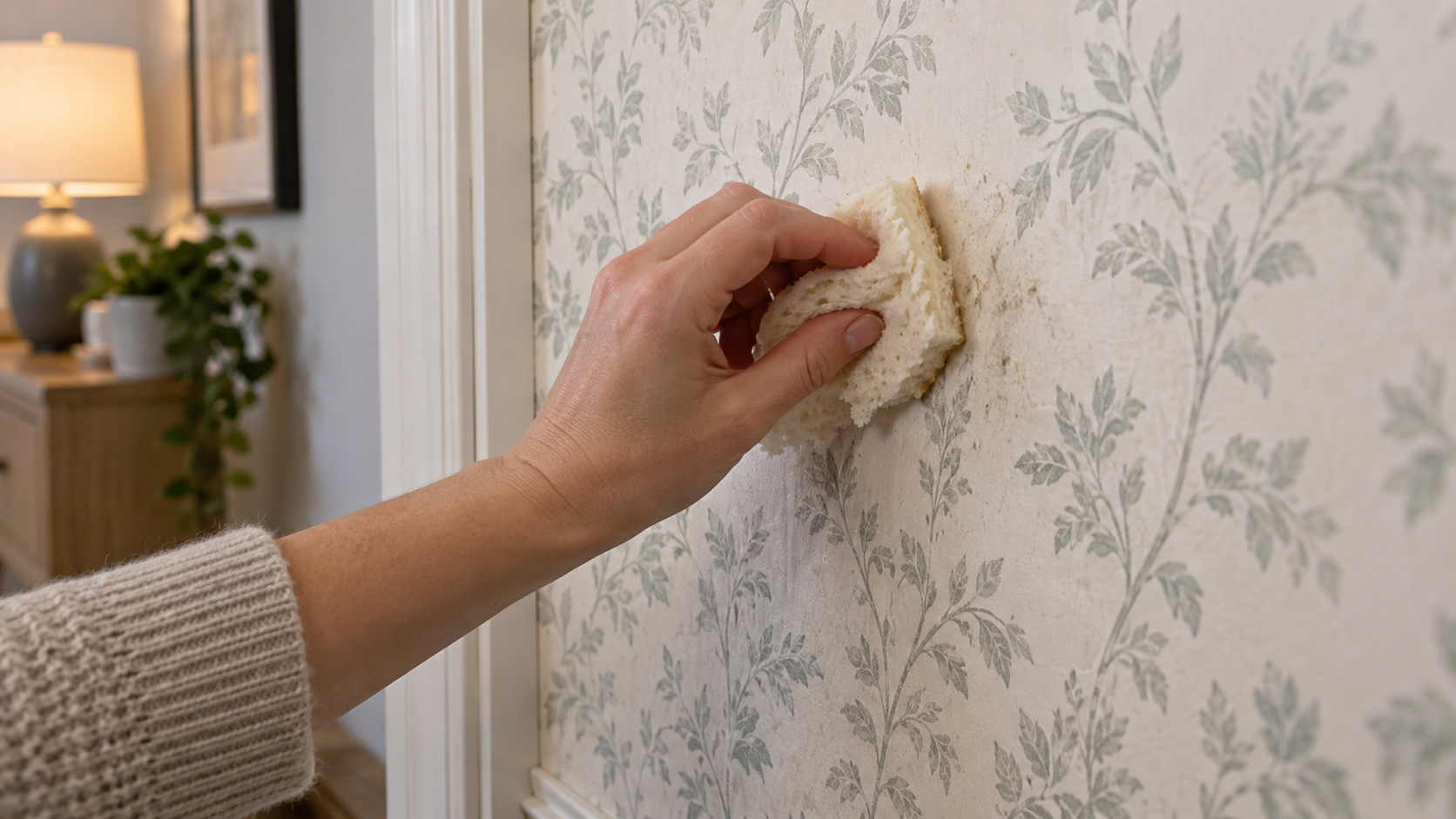
Soft white bread can lift surface dirt from wallpaper without soaking it or giving it a vigorous scrub. The useful part is the crumb, meaning the soft center of the loaf, rather than the crust or dried breadcrumbs you’d scatter over a casserole.
It’s an old housekeeping method worth considering when a little surface grime is making otherwise sound wallpaper look grubby. You may already have what you need in the kitchen. But I’d start with a small, hidden patch, because saving a few dollars on cleaner isn’t much of a bargain if you damage the pattern.
Bread was a practical way to clean papered walls
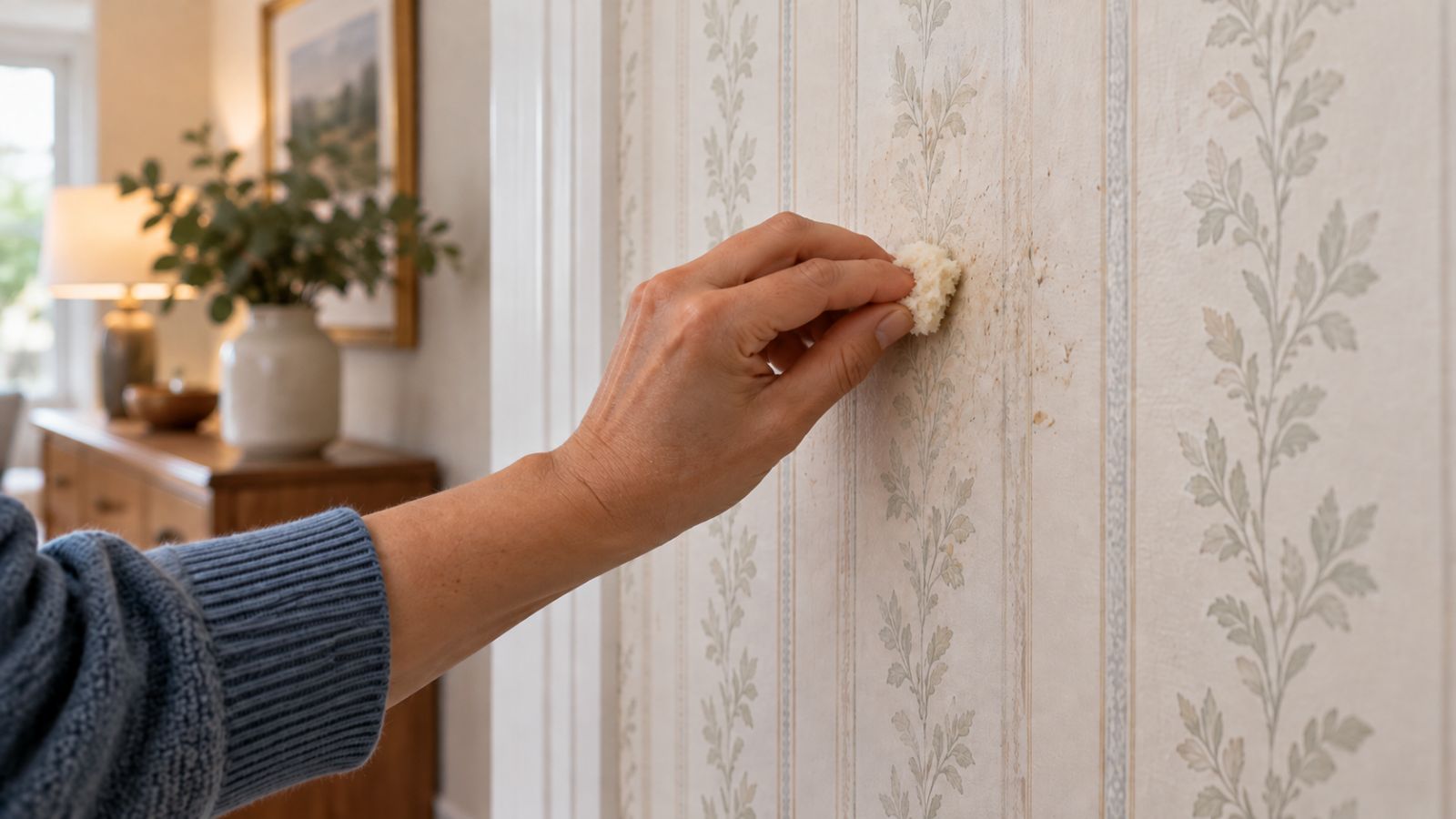
Bread was used to clean wallpaper in the early 19th century and into the Victorian era. Old housekeeping instructions described removing loose dust first, then working lightly downward with the soft part of a white loaf. The crumbs and dirt fell away together.
It was a way to tackle the dirty surface without washing the paper. That distinction still matters. Wallpaper that isn’t washable needs a dry cleaning method rather than a wet sponge.
The bread works as a soft, disposable cleaning pad, collecting dirt as you move it gently over the surface. Think light soot and dusty grime, rather than sticky kitchen grease or a stain that’s soaked into the paper. You’re trying to pick up what’s sitting on the wallpaper, not scrub something out of it.
Choose soft bread and check the wallpaper first
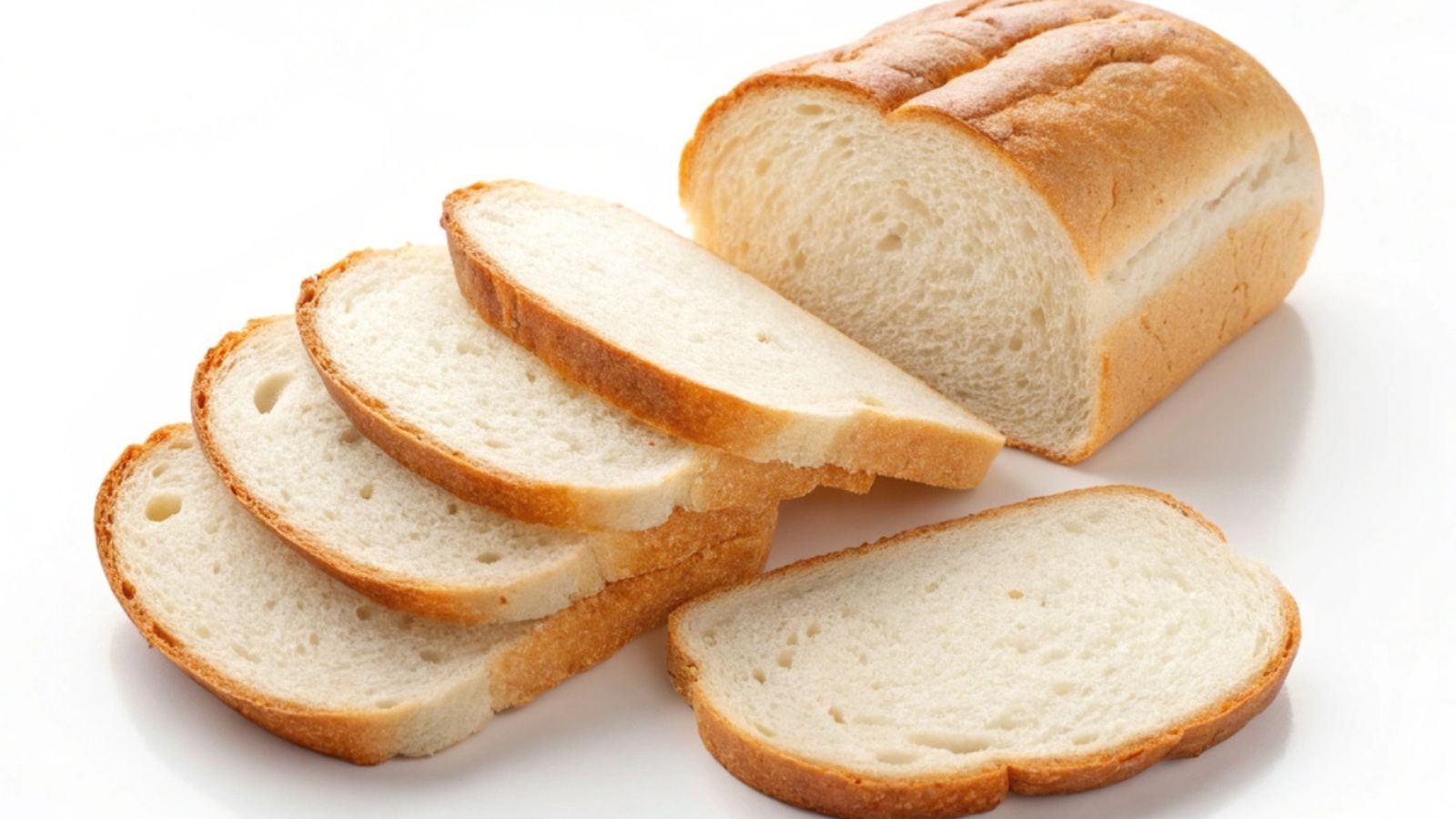
Use fresh white bread, because stale bread can be too abrasive. Remove the crust and use the plain, soft center. Don’t add water, soap, or anything else.
Some historical instructions called for stale bread, but I’d choose the gentler fresh version. There’s no benefit in making a delicate cleaning job more abrasive.
Check the wallpaper’s care instructions before doing anything. Cleaning requirements vary between wallcoverings, so a method that suits one paper may be wrong for another. If yours is washable, its approved routine may be as simple as a lightly dampened sponge with a little dish soap. You don’t necessarily need an expensive specialist spray.
I’d leave antique, hand-painted, flaking, or badly damaged wallpaper to a conservator. Bread being soft doesn’t make every surface safe to clean.
Lift the grime gently and clean up the crumbs
For an ordinary paper in good condition, begin with a tiny test behind a door or somewhere else out of sight. Have clean hands, a piece of crustless white bread, and a cloth to catch the crumbs.
- Remove loose dust carefully. Follow the paper’s care instructions. Where suitable, use a vacuum with a soft brush attachment, taking care around seams and loose edges.
- Prepare the bread. Gather the soft crumb into a small, pliable pad. Keep it soft enough to give under your fingers.
- Make a very light downward pass. Work on a small area without pressing hard or rubbing back and forth. Check both the paper and the bread.
- Expose a clean surface. Once the bread looks dirty, turn it or replace it. Don’t keep wiping with the same dirty patch.
- Stop if the finish changes. Color coming off, a shiny patch, roughened paper, or spreading smears are reasons to leave it alone.
- Clear away every crumb. Collect debris from the floor and nearby ledges. Bread crumbs can attract pests, so cleanup is part of the job.
If the test lifts dirt and leaves the finish intact, continue cautiously in small sections. If the mark stays put, don’t increase the pressure.
For a larger job, I’d choose a dry cleaning sponge or eraser intended for delicate, nonwashable wallpaper and test that too. Bread is a useful option for a small patch when you’ve already got a loaf handy. You don’t need to buy a new cleaning product for every household job, but you do need to know when to stop.