
Affiliate disclosure: This post may contain affiliate links. Please see full disclosure.
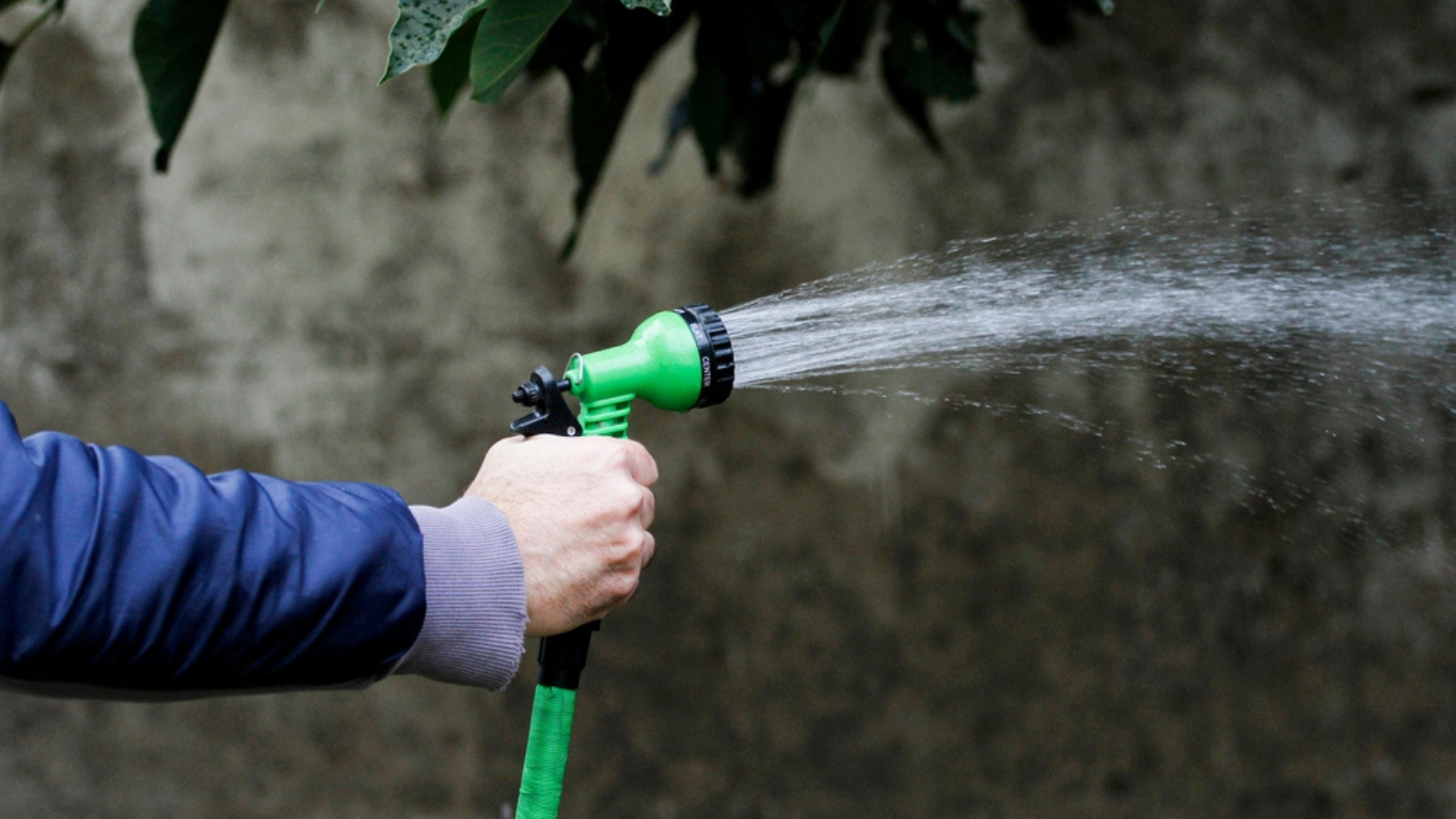
Yes, you may still need to water your garden after the first frost. But a frosty morning is not, by itself, a reason to reach for the hose. If the soil around a living plant’s roots is dry and still unfrozen, watering may help. If it’s already moist, leave it alone.
The plants I’d check first are newly planted trees, shrubs, and perennials, evergreens in exposed spots, and anything in a container. A mature flower border that’s had plenty of rain is a different matter, as is an established lawn. The aim is to help individual plants through dry weather without wasting water on beds and borders that are already wet.
A frosty night doesn’t mean the roots are frozen
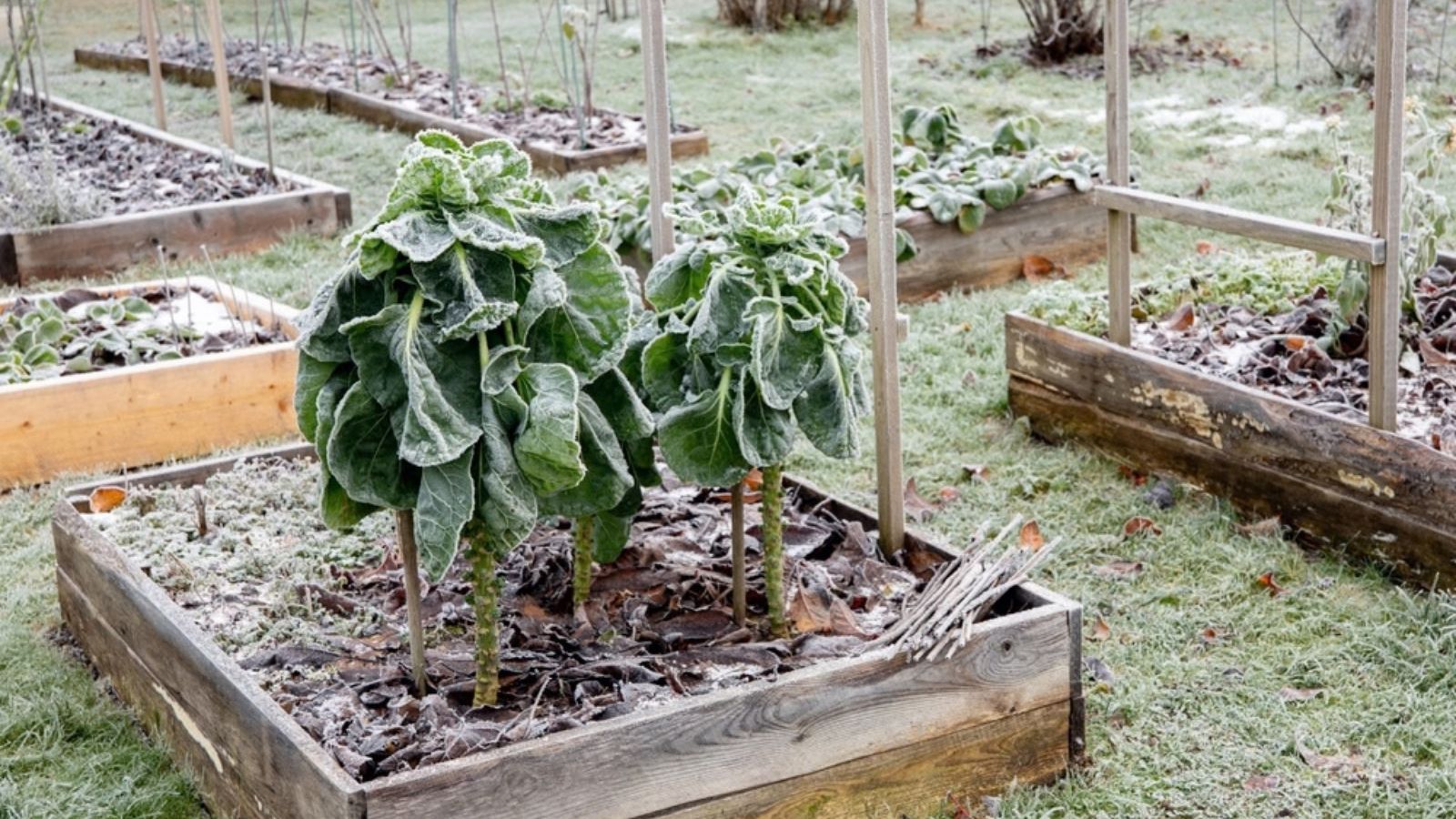
An air frost means temperatures have dropped to 32°F (0°C) or below. Soil is insulated by the ground around it and responds more slowly to changes in air temperature. Frost on the lawn, a silvery coating on the flower beds, or a thin skin of ice on the birdbath doesn’t tell you whether the roots several inches down are frozen.
Even when a deciduous tree has lost its leaves, its roots are still alive and can continue growing slowly in cool, unfrozen soil. There’s quite a difference between a light frost followed by a mild afternoon and weeks of hard freezing weather.
That’s why I wouldn’t choose a single date to put the watering equipment away. In a mild, wet climate, you might hardly need to water at all after summer. In an area with a long, dry fall, even several frosty nights might leave the root zone short of moisture.
Test the soil, not just the surface

Move the mulch aside and use a finger, narrow trowel, or wooden stick to check the soil where the roots are. For a newly planted shrub or tree, try around 4 to 6 inches down beside the root ball. Check a little shallower for small seedlings, or deeper where a larger plant’s main roots sit. You don’t need an expensive meter to do this.
If the soil feels cool and damp, don’t water. If it’s dry and crumbly at root depth, and the ground is thawed, a slow soak is worthwhile. If it is muddy, sticky, or already saturated, more water is exactly what it doesn’t need. Roots require oxygen as well as moisture.
Look at the rainfall, too, but don’t trust a shower to tell the whole story. A little rain can darken the top inch while leaving the roots dry. Soil beneath roof eaves, fences, or the canopy of an established tree may also miss much of the rainfall. Sandy beds drain quickly, while heavy soils hold water longer. Test the particular spot before doing anything.
Give new plantings first priority in a dry spell
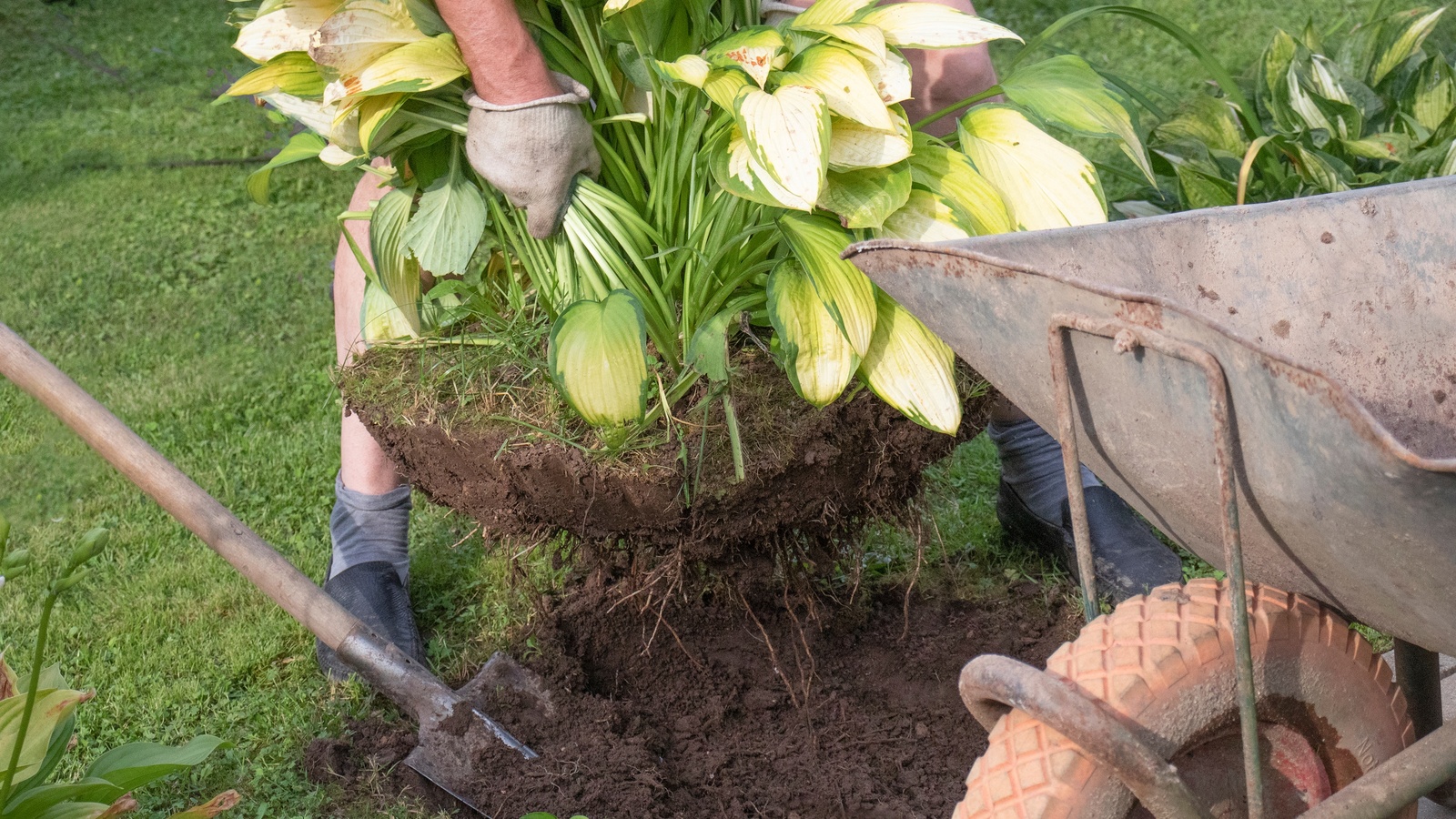
Newly planted ornamental trees, shrubs, hedges, roses, and hardy perennials have limited root systems. They can’t reach nearly as far into the surrounding soil as established plants. Even if their leaves have dropped or their top growth has died back for winter, the roots need to survive until spring.
Check around their root balls during a prolonged dry spell. If the soil is unfrozen and genuinely dry, water slowly enough to reach the roots, then let the moisture settle before deciding whether more is needed. A thorough watering when necessary is better than frequent little splashes that barely wet the surface.
I prioritize new plants over old, settled ones. There’s little sense in soaking an entire flower border when a recently planted hydrangea or rose is the only thing struggling for moisture. Once a mature plant has established a decent root system, it usually needs less help in normal fall conditions.
Keep an eye on evergreens and windy corners
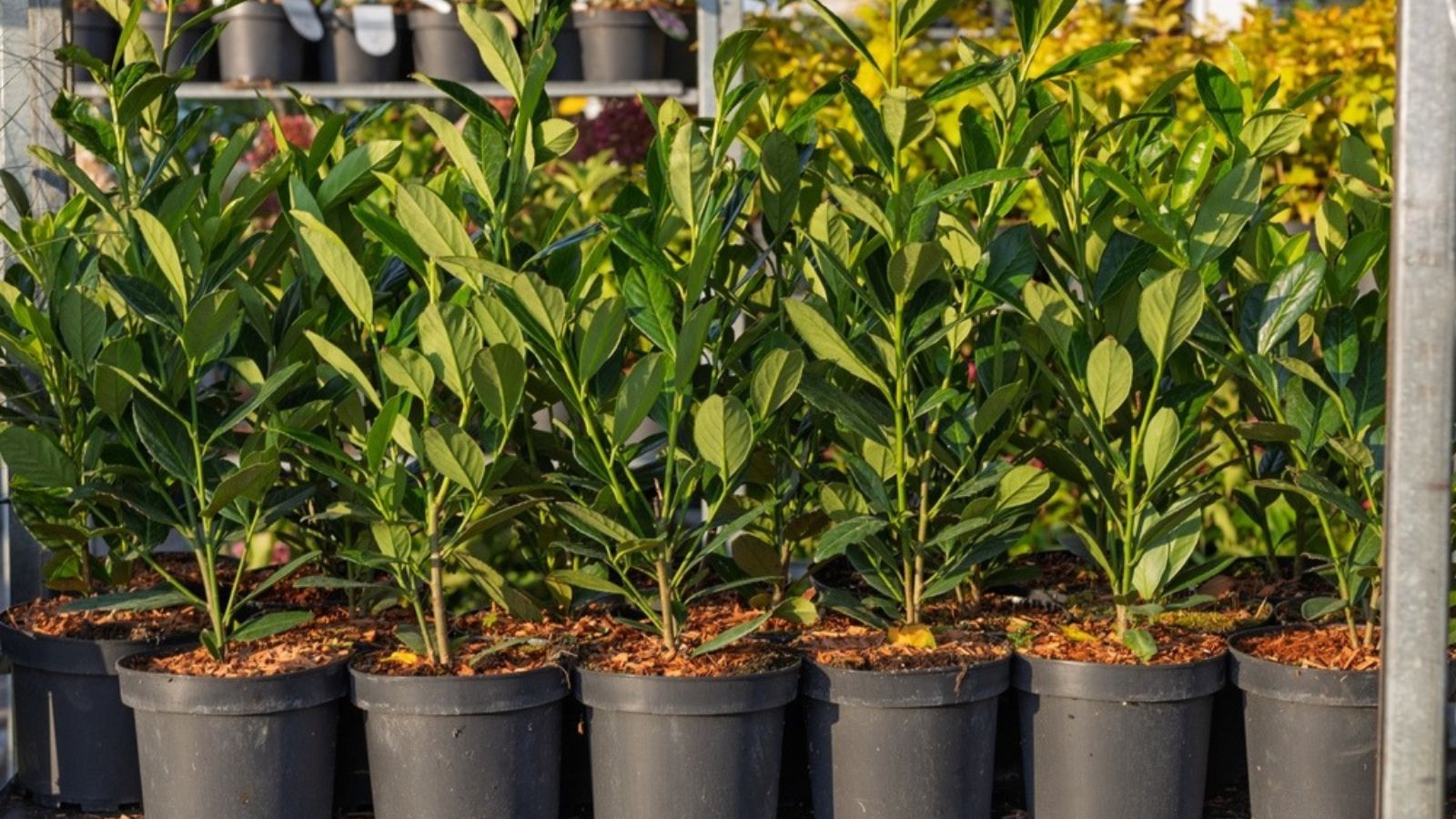
Evergreens still lose water through their foliage during winter. When cold winds and bright sunshine dry leaves or needles, the roots may struggle to replace that moisture if the ground is very dry or frozen. Brown leaf edges or needles can have several causes, but fall drought is one problem worth preventing.
Check exposed conifers, evergreen hedges, and shrubs, especially newly planted ones. Water when the soil is dry and workable rather than waiting for obvious damage. A layer of homemade compost, leaf mold, or shredded leaves around the root area helps hold moisture and reduces temperature swings. Keep mulch away from the actual stems and trunks.
Moist soil can buffer living roots against cold better than bone-dry soil. That does not mean you should flood the garden before every frost. The benefit comes from adequate moisture, not waterlogged ground.
Outdoor pots need their own winter checks
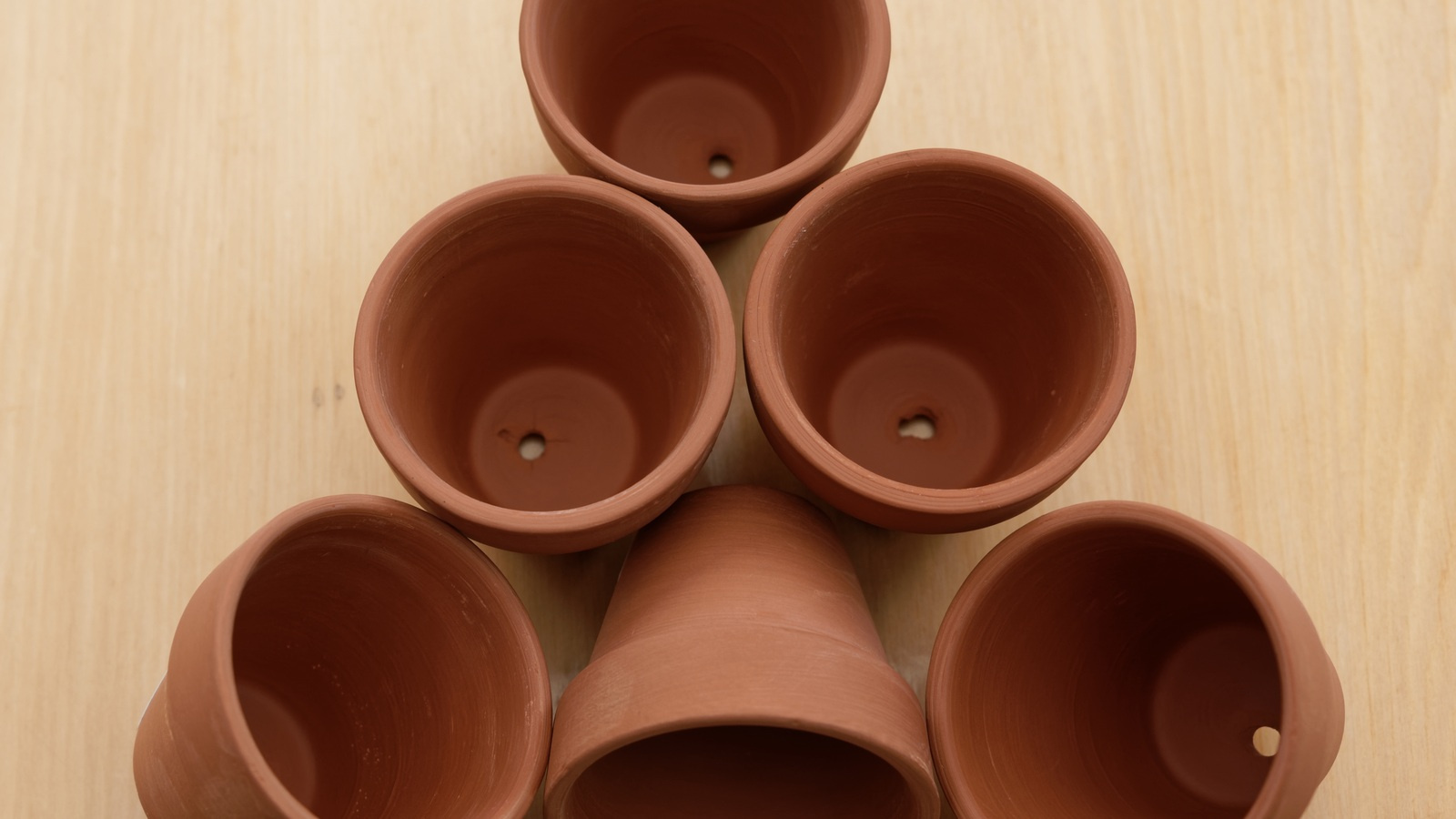
Container plants are a special case. Their roots have less soil around them to insulate against freezing, and the potting mix can dry out surprisingly quickly during mild, breezy weather. Pots under a porch, greenhouse roof, or overhang may receive little rainfall even while the garden beds are wet.
Feel below the top of the potting mix. If it’s dry and thawed, water gently at the base until the root area is moistened, then let excess water drain away. Make sure drainage holes aren’t blocked. Remove saucers that collect rain, and raise pots on pot feet or bricks if they would otherwise stand in a puddle.
Don’t pour water onto a pot frozen solid. Protect vulnerable containers during severe cold, and check their moisture when they thaw. Dormant plants normally need much less water than they did in summer, while evergreen plants in sheltered pots may need an occasional drink.
Flower beds and lawns need different treatment

A frosty flower bed may contain both dormant, established perennials and newly planted pansies, violas, or other winter bedding. The established plants often need no extra water in a normally wet fall. The new additions deserve a soil check after a prolonged dry spell, especially if they’re tucked beneath a roof overhang or a large shrub. Don’t keep the entire border wet for the sake of a few new plants.
Lawns also depend on their age and the weather. An established lawn rarely needs watering in a damp fall, but recently sown seed or newly laid sod may still need moisture while roots establish. In dry, low-snow regions, prolonged winter drought can also affect established grass, especially in sunny, windy spots. Check the soil and whether the grass is still establishing before deciding to irrigate. Don’t spray a frozen lawn.
Areas beneath rain-shedding covers need separate attention. A cold frame full of hardy seedlings or an outdoor container sheltered by an overhang can become dry even when the rest of the garden is soaked. The same is true of winter vegetables under plastic tunnels. And when frost has finished tender summer bedding or annual crops, you can stop watering those spent plants. Protect or mulch the bare soil instead.
Frozen or waterlogged ground is a clear reason to stop
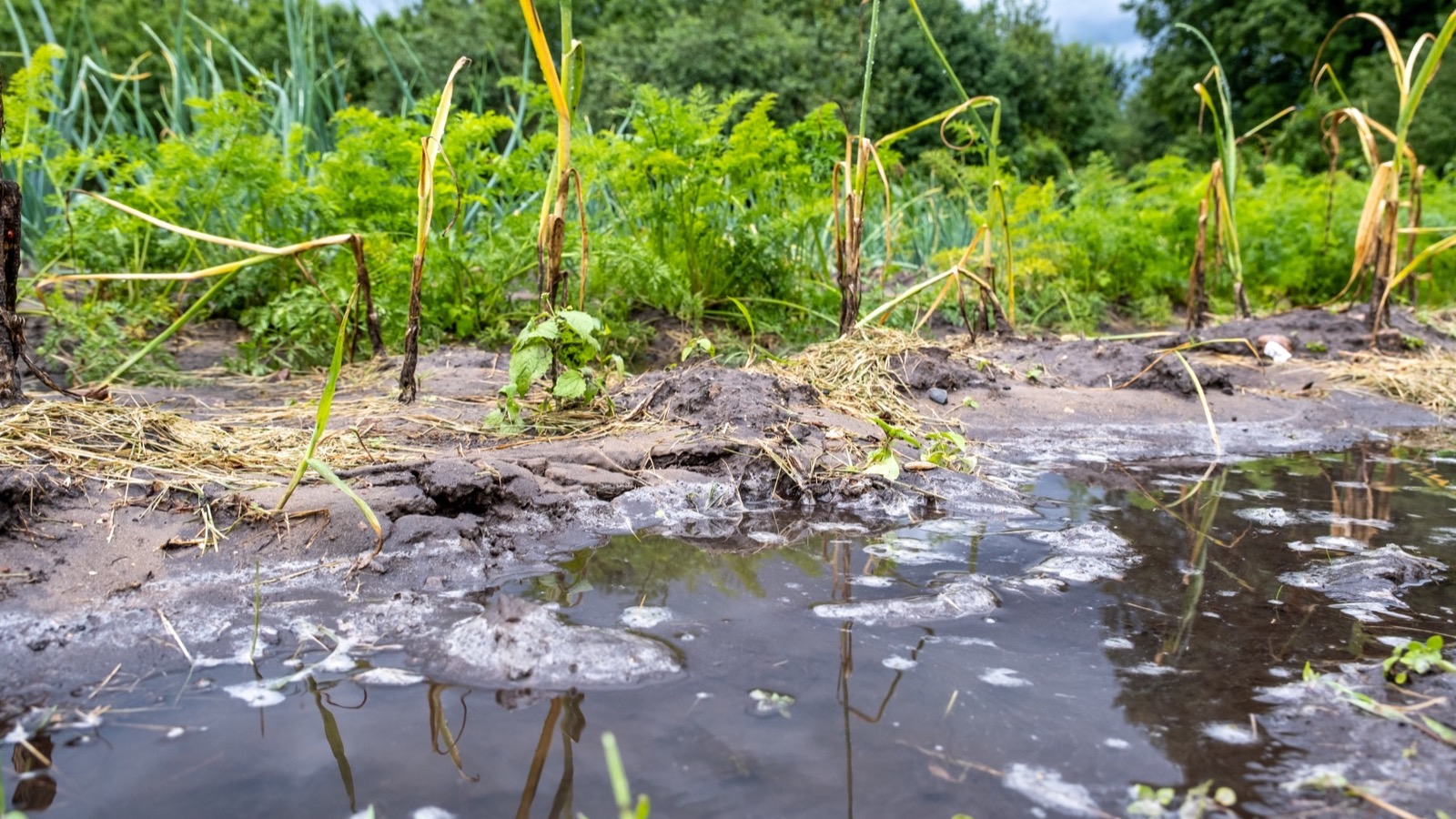
When the ground is frozen hard, extra water cannot readily soak into the roots’ working zone. It may run off or freeze at the surface. Wait for a proper thaw before testing moisture again. A brief sunny interval is not enough if the soil several inches down remains frozen.
Waterlogged soil is just as good a reason to put the hose away. Water fills the gaps between soil particles and leaves roots short of the oxygen they need. If water stands for days after heavy rain, the longer-term issue is drainage or compaction, not a lack of watering.
And remember that you don’t have to water just because a frost is forecast. If the ground is already damp, adding more does no useful job. I wouldn’t turn a perfectly sensible fall garden into a bog for the sake of a watering myth.
If watering is needed, choose a mild day

Water when the soil is thawed and the day is mild enough for it to soak in before freezing conditions return. In cold, dry regions, a daytime temperature above about 40°F (4°C) is a useful practical guide. Late morning or midday is generally a better choice than watering as the sun goes down.
Aim a watering can or gentle hose stream directly at the root zone, rather than spraying the foliage. Let the water soak in slowly and check that it has reached the depth you’re trying to moisten. There’s no need for a rigid once-a-week rule. The next check depends on rainfall, soil type, and the plant.
After the first frost, the most useful garden chore may be a five-minute walk with a trowel. Check the newly planted border, the evergreen hedge, the pots on the patio, and any patch of fresh lawn. Look at the rainfall and the forecast, then water only where the roots are dry. You’ll protect living plants without wasting water on ground that’s already wet.
You might also like…
10 Ways to Protect Plants From Frost
Which Vegetables Can Wait Through a Light Frost
Should You Leave Carrots In The Ground After The First Frost?