Affiliate disclosure: This post may contain affiliate links. Please see full disclosure.
You’ve spent months growing a lovely crop of carrots, and now the first frost is on its way. Do you need to rush outside and pull them all up before the temperature drops below freezing? Actually, leaving your carrots in the ground a little longer can give you a sweeter, better-tasting harvest.
Carrots are one of the vegetables that actually improve in flavor after a light frost. As temperatures fall, the roots undergo changes that increase their sugar content, making them noticeably sweeter than carrots harvested during warm weather. And, provided your soil drains well and doesn’t freeze solid, you can leave mature carrots in the ground for weeks or even months after the first frost.
I’m a master gardener specializing in organic food growing and permaculture, and I like making the most of crops that can stay in the garden well into the colder months. Carrots are particularly useful because leaving them in the soil saves you the trouble of harvesting and storing everything at once. But there are limits, and knowing when to leave them alone and when to dig them up makes all the difference.
Can carrots survive the first frost?
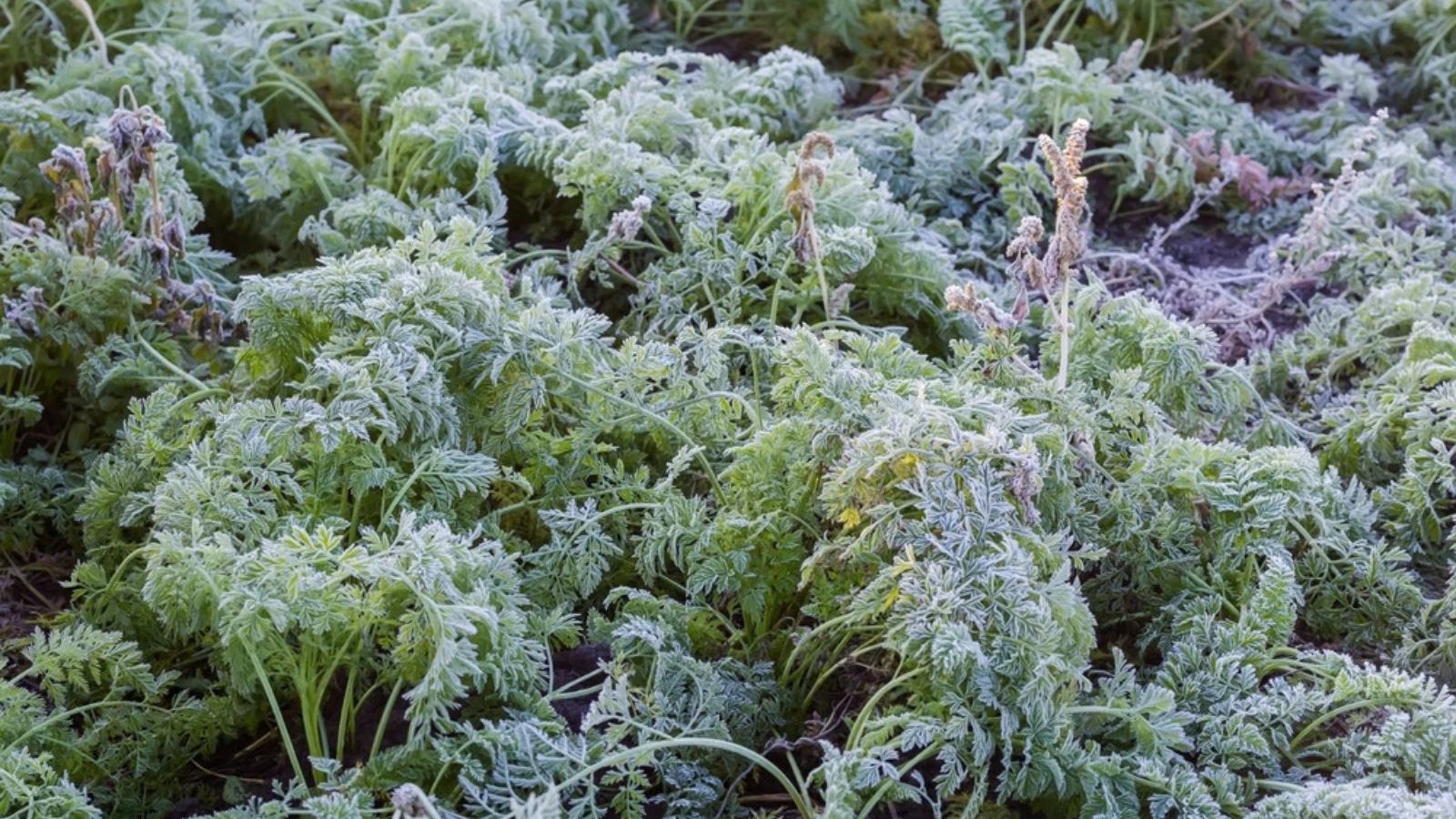
Yes, carrots can survive a light frost, and there’s usually no need to harvest them immediately. Unlike tomatoes, peppers, and other tender vegetables, carrots are cold-hardy root crops that tolerate temperatures around 32°F (0°C) without serious damage. In fact, carrots can remain in the garden after light frosts, and many gardeners deliberately leave them growing until the weather turns colder.
The important thing to understand is that the leafy tops and the roots don’t experience cold in exactly the same way. The foliage is exposed to freezing air, while the edible root is insulated by the surrounding soil. Your carrot tops might look a little battered after several frosty nights, but that doesn’t necessarily mean the roots underneath have been damaged.
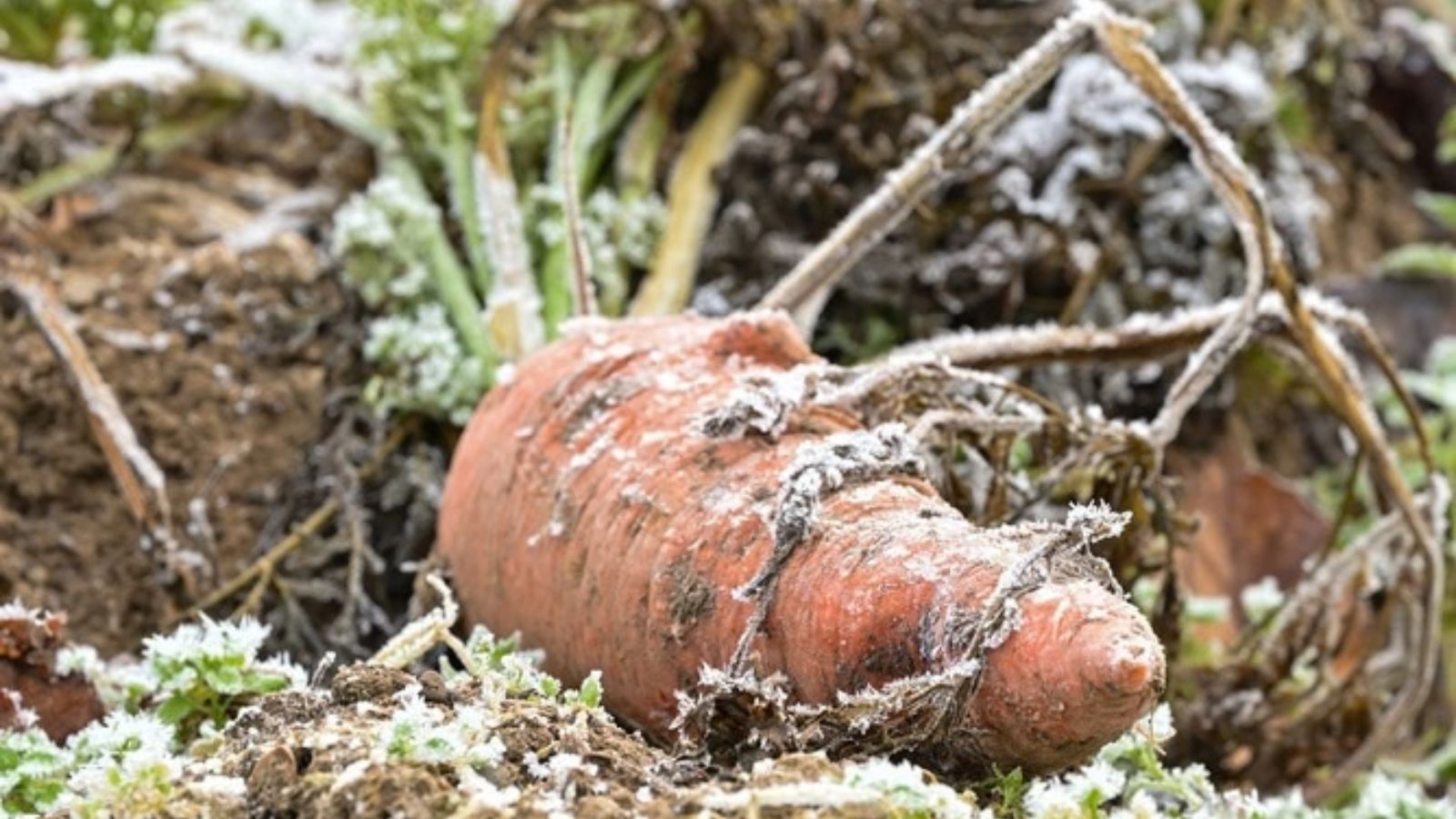
A brief overnight frost is very different from several days of freezing temperatures that cause the ground to freeze hard. As long as the soil remains workable and the roots are healthy, you can continue harvesting carrots as you need them. However, once freezing temperatures penetrate the soil deeply enough to freeze the roots, their texture and storage quality can suffer.
Why do carrots taste sweeter after frost?
Carrots have a clever way of protecting themselves against cold weather. As temperatures drop, they adjust the sugars and other carbohydrates stored in their roots. This increase in sugars helps protect plant cells against freezing damage, while also making the carrots taste sweeter.
The sugars act a bit like a natural antifreeze, helping the plant tolerate cold conditions. It’s a useful survival mechanism for the carrot, but it’s also good news for anyone who enjoys eating them. The increased sweetness is particularly noticeable when you eat frost-sweetened carrots raw, although it also makes them delicious when roasted.
However, this change doesn’t happen instantly. One chilly night won’t necessarily transform an ordinary carrot into something wonderfully sweet. The sweetening process develops as the vegetables experience cooler conditions over time, so leaving mature carrots in the ground through several light frosts can improve their flavor.
You don’t need to expose the roots themselves to damaging freezing temperatures to get the benefit. The gradual cooling of the soil is enough to encourage these changes, particularly when the plants have had plenty of time to mature. This is one reason fall-grown carrots often have such excellent flavor compared with those harvested during the hottest part of summer.
How long can you leave carrots in the ground after frost?
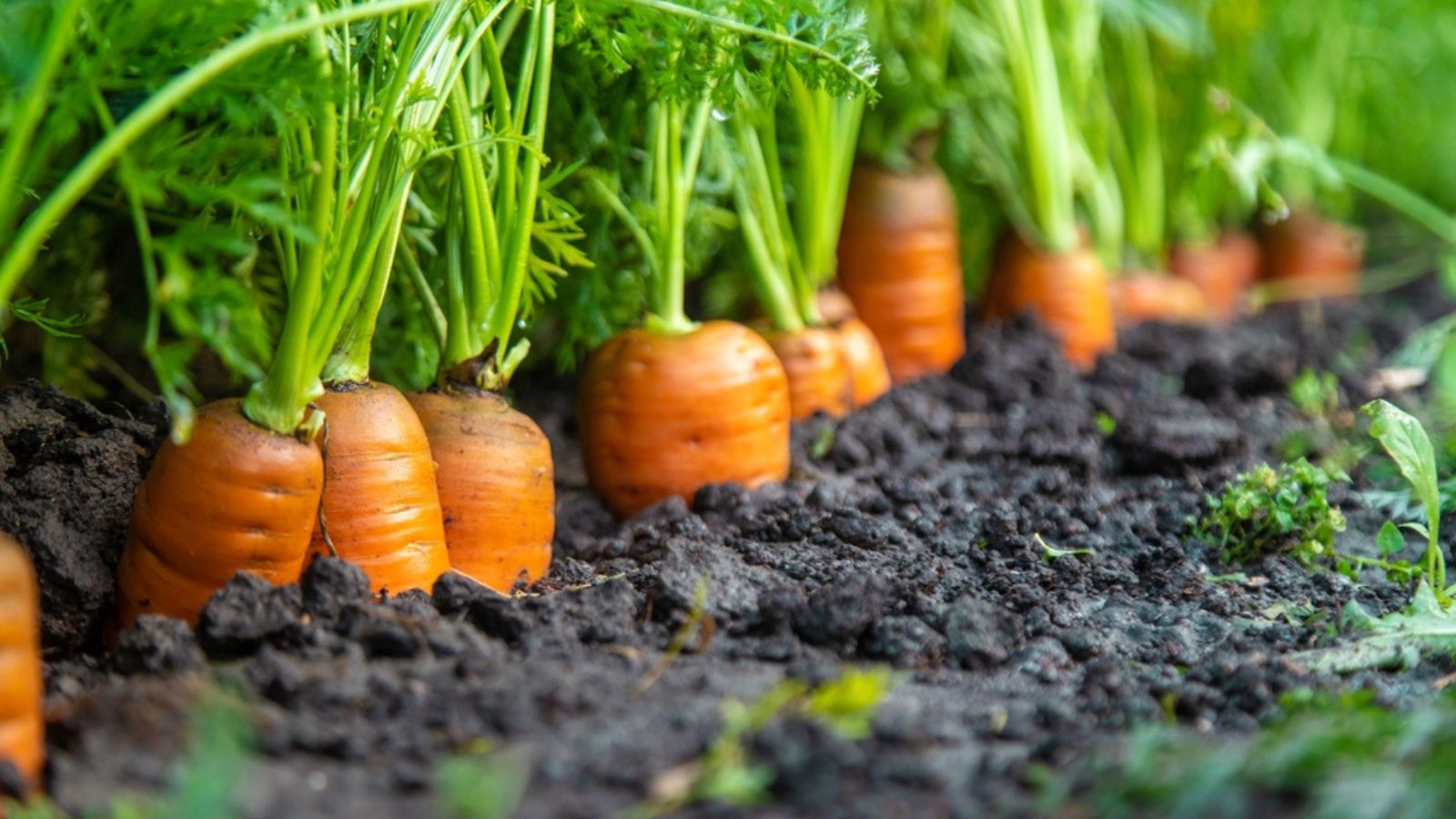
In many temperate gardens, you can leave mature carrots in the ground for several weeks after the first frost, harvesting them gradually through late fall. If your winters are relatively mild, and the soil remains well-drained and workable, you may be able to keep harvesting throughout winter. Carrots can remain in the garden until they’re needed, provided the growing conditions remain suitable.
In colder climates, the situation is a little different. Although carrots tolerate light frost, leaving them unprotected through prolonged freezing weather can damage the roots or make them impossible to harvest. Where the ground freezes deeply, I’d recommend lifting most of the crop before that happens, unless you’ve prepared the bed for winter harvesting with a substantial layer of insulating mulch.
There’s no reliable date when every gardener needs to harvest their carrots, because soil conditions vary so much. Sandy soil, heavy clay, raised beds, mulch, snow cover, and local temperatures all affect how quickly the ground freezes. Even within the same garden, a sheltered bed near a south-facing wall may remain workable longer than an exposed raised bed.
If you’re unsure, dig up a couple of carrots after the first few frosts and check their condition. They should feel firm, with smooth, healthy roots and no soft or rotten patches. If they’re in good condition and the soil remains workable, you can leave the rest for a little longer and harvest them gradually.
How to protect carrots left in the ground over winter
If you’re planning to leave carrots in the garden beyond the first few frosts, mulch is one of the easiest ways to protect them. A thick layer of insulating material helps slow down soil freezing and reduces sudden temperature changes around the roots. It’s particularly useful if you want to keep harvesting throughout late fall and early winter without digging up the whole crop.
Cover carrots with straw or leaves
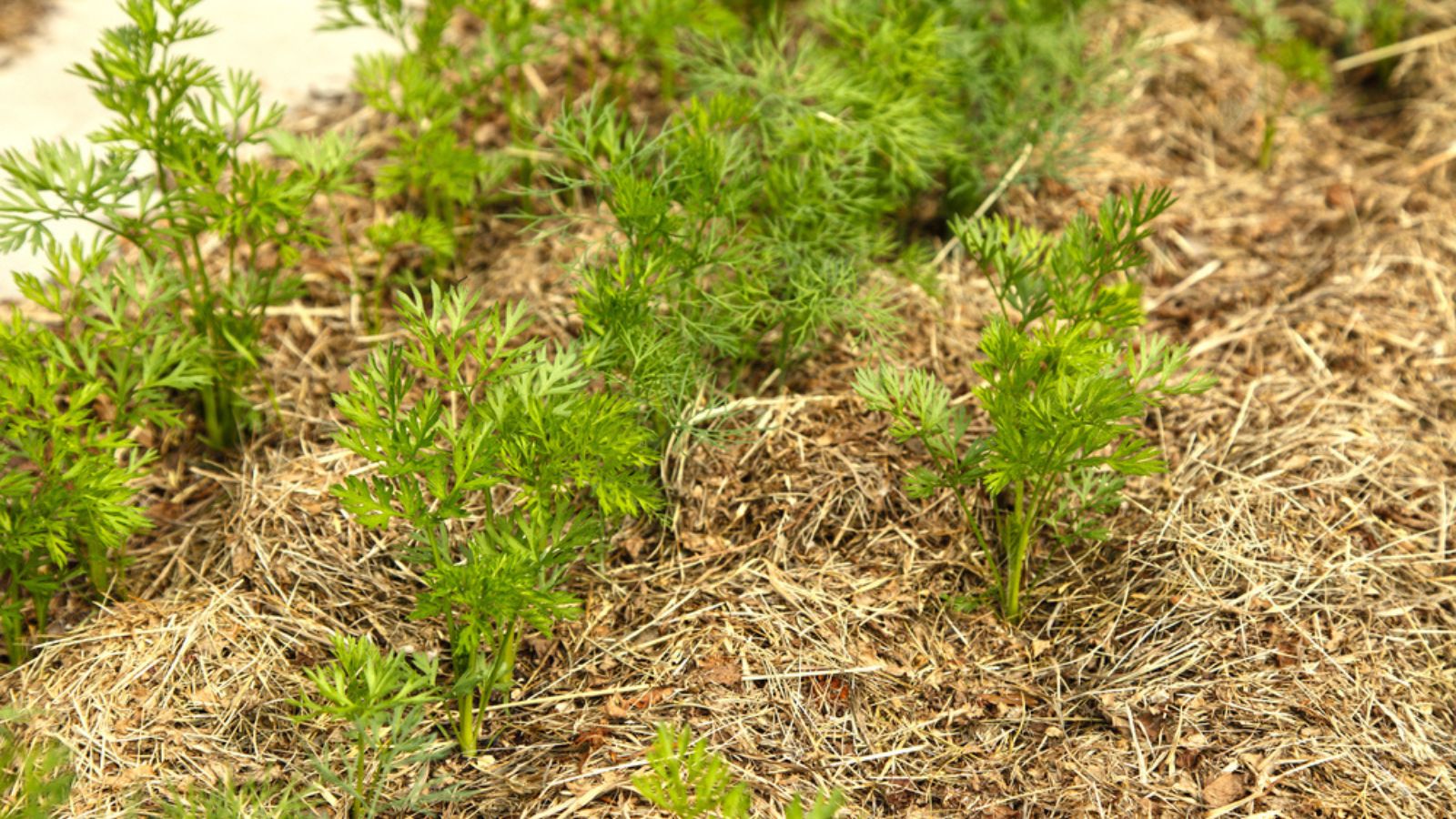
Once you’ve had the first heavy frosts, cover your carrot bed with around 6 to 8 inches (15 to 20 cm) of loose straw, hay, or leaves. This provides insulation and helps keep the soil beneath the mulch workable for longer. A 6- to 8-inch layer of organic mulch is recommended for protecting carrots through winter.
I prefer straw for this job because it’s light, easy to move aside when harvesting, and doesn’t usually form a dense, soggy mat. Shredded dry leaves are another good option if you’ve got plenty available, although they can become compacted when wet. You can also use clean, loose hay, but be aware that hay often contains more weed seeds than straw.
The mulch doesn’t actually produce heat. Instead, it slows the movement of heat out of the soil, helping protect the roots from rapid temperature changes. In particularly cold climates, it may not prevent the ground from freezing eventually, but it can extend the period when you can harvest your carrots.
Mark your carrot rows before winter
Before adding mulch, mark the ends of your carrot rows with sturdy stakes or another visible marker. Once the tops have died back and the bed is covered with straw or snow, it’s surprisingly easy to forget exactly where the carrots are planted. Having clear markers makes winter harvesting much easier and prevents you from accidentally digging into the roots.
If you’re planning to harvest during snowy weather, use stakes tall enough to remain visible above the expected snow cover. I also recommend keeping the mulch reasonably loose so you can move it aside without having to fight through a solid, frozen layer. There’s not much point leaving carrots in the ground for convenience if you need a pickaxe to get them out.
When should you harvest carrots instead of leaving them in the ground?
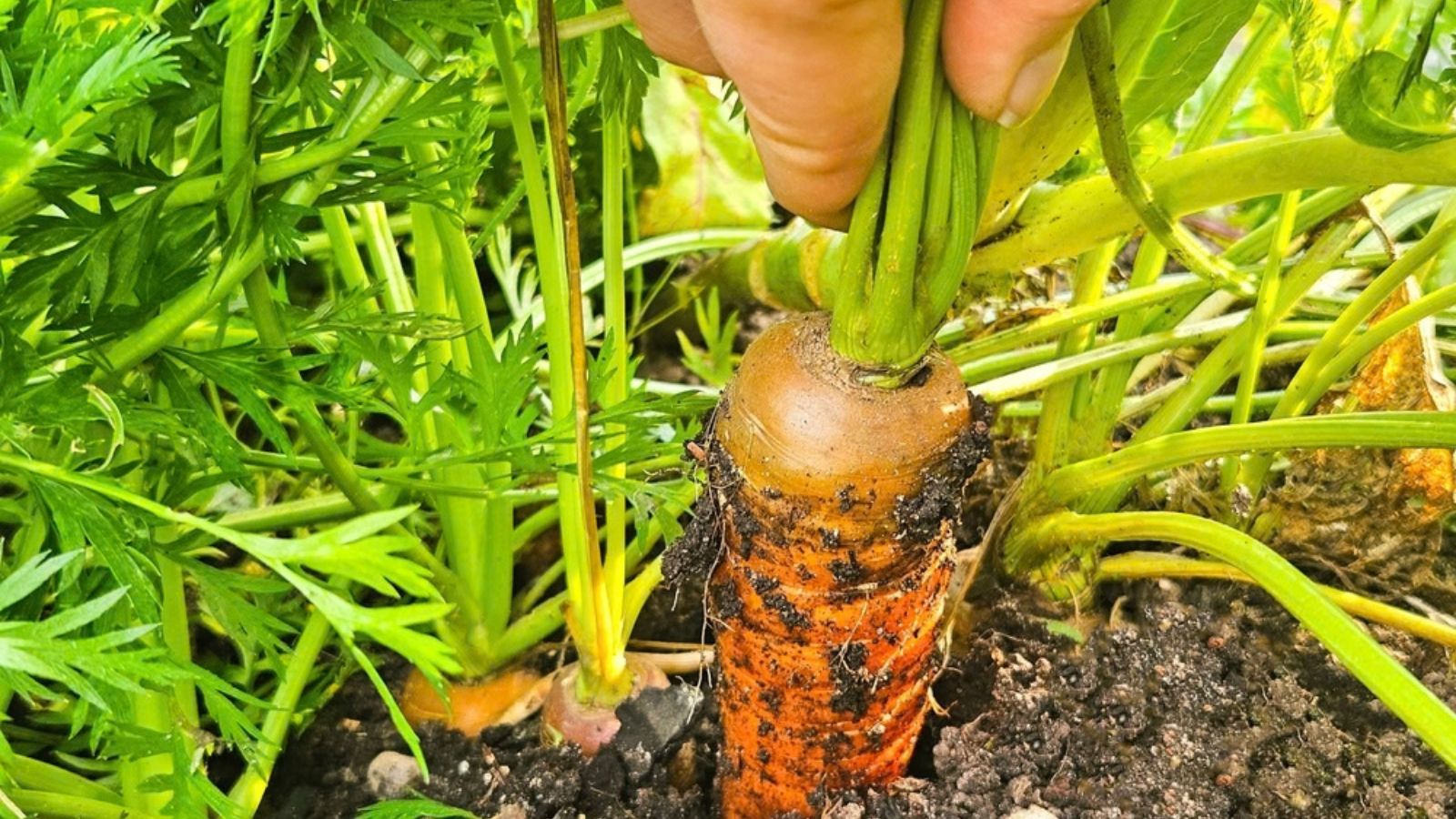
Although carrots tolerate cold weather well, there are several situations where leaving them in the soil becomes more of a risk than a benefit. The main things to watch are prolonged freezing temperatures, waterlogged soil, and damage from pests. If any of these problems are likely, you’re usually better off harvesting the crop and storing it somewhere suitable.
Before the ground freezes solid
The most important reason to harvest is an approaching period of severe cold that will freeze the soil deeply. Carrots are generally best harvested before the ground freezes hard, particularly if you haven’t insulated the bed with mulch. Frozen ground makes harvesting difficult, and forcing a garden fork through hard soil can damage or break the roots.
Don’t assume that one night at 28°F (-2°C) means the soil has frozen solid. Soil cools more slowly than the surrounding air, and a brief overnight frost may have little effect on roots several inches below the surface. However, several consecutive days of subfreezing weather can eventually freeze the ground, especially if there’s little snow or mulch to provide insulation.
If the forecast shows an extended hard freeze and you haven’t protected your carrot bed, I’d harvest the remaining crop beforehand. You can still benefit from the sweetness developed during the earlier cold weather without risking the whole harvest. It’s better to store healthy carrots than discover a few weeks later that they’re frozen into the ground.
When the soil becomes waterlogged
Cold temperatures aren’t the only problem for carrots left in the garden. Prolonged wet weather can be just as damaging, particularly if you’re growing in heavy clay soil with poor drainage. Carrots need moisture while they’re growing, but leaving mature roots sitting in saturated soil through winter increases the risk of rotting.
If your garden becomes waterlogged every winter, it’s better to lift and store your carrots rather than leave them in wet soil. This is particularly important in areas with mild but very wet winters, where freezing might not be a major problem but soil conditions remain soggy for weeks. Raised beds can improve drainage, although they may also freeze more quickly than beds at ground level.
Check the roots occasionally if you’re leaving them in the ground during a wet fall. If you notice soft patches, discoloration, an unpleasant smell, or roots beginning to rot, harvest any healthy carrots that remain. There’s little benefit in leaving a crop outside longer if the quality is already deteriorating.
When mice, voles, and other pests become a problem
Unfortunately, you’re not the only creature interested in those lovely sweet carrots. Mice, voles, and other rodents can feed on root vegetables throughout winter, particularly when other food becomes scarce. Voles can cause considerable damage to overwintered carrot crops, sometimes eating into the roots while leaving the tops looking relatively undisturbed.
Thick mulch provides useful insulation, but it can also give small rodents somewhere sheltered to move around. If you’ve had problems with voles in previous years, I wouldn’t leave an entire carrot harvest in the ground and hope for the best. Check the bed regularly, look for tunnels and gnaw marks, and consider harvesting most of the crop before winter.
Carrot fly larvae and other soil-dwelling pests can also damage roots while they’re still in the ground. Carrot fly larvae tunnel into the roots and leave rusty-colored marks, often making damaged carrots more vulnerable to rotting. If you’re finding increasing pest damage, harvest the healthy roots promptly rather than leaving them exposed for longer.
Discard carrots contaminated by rodent feeding or droppings, and any that have become rotten. You can trim away minor cosmetic blemishes on otherwise healthy carrots, but badly damaged roots won’t store well. When you’re growing food for your household, it’s worth being cautious about anything that shows signs of animal contamination.
Before the carrots start growing again in spring
Carrots are biennial plants, which means they normally produce roots during their first growing season and flowers and seeds during their second. If they survive winter, they can start producing flower stalks as temperatures rise in spring. Once this happens, the plant begins using the energy stored in its root to support new growth.
As the carrot puts energy into producing flowers and seeds, the root can become tougher, more fibrous, and less pleasant to eat. If you’ve overwintered carrots successfully, aim to harvest them before strong spring growth begins. Don’t leave them in the ground indefinitely expecting them to keep improving.
How to harvest and store carrots after frost
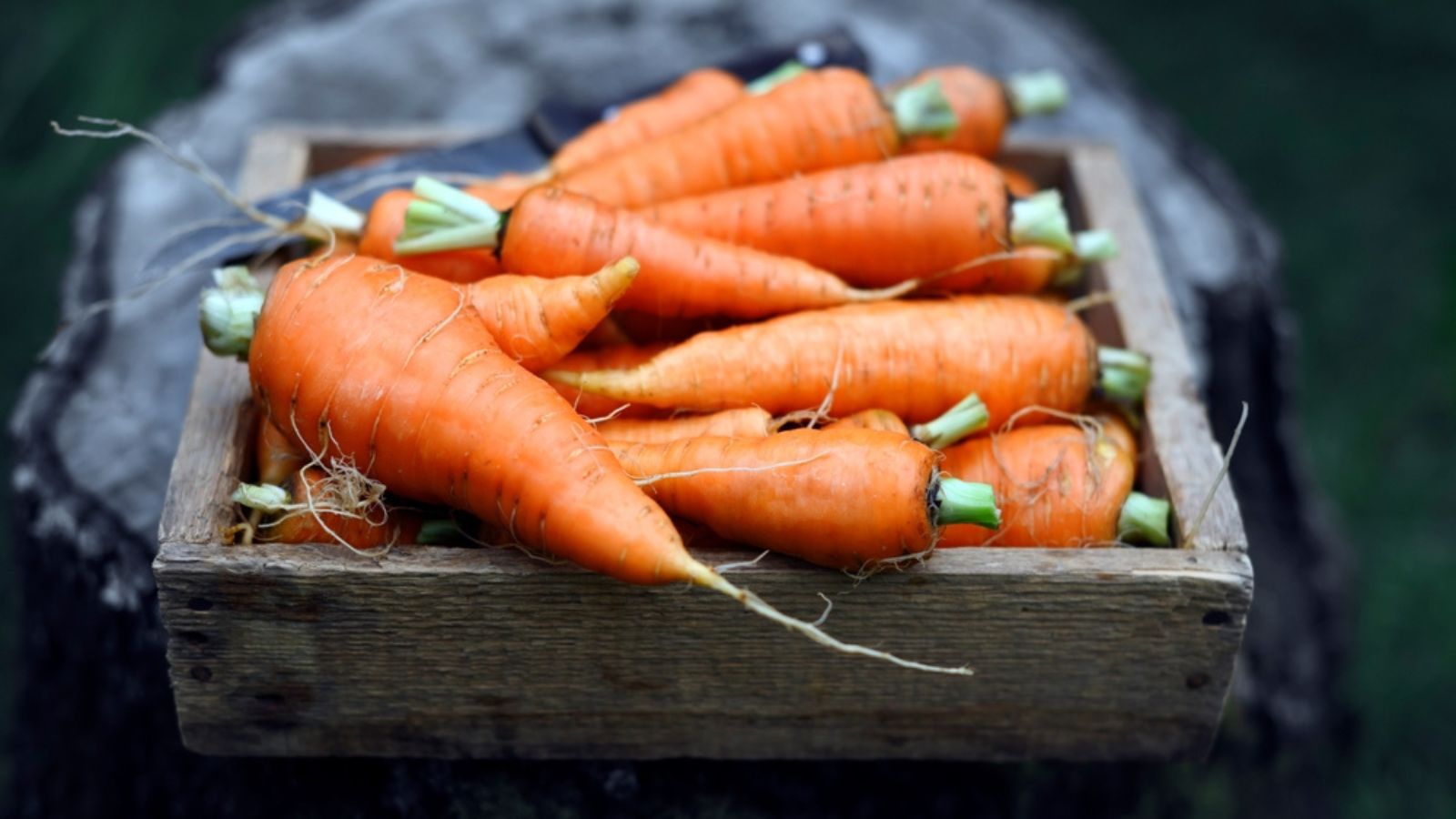
When you’re ready to harvest, move the mulch aside and gently loosen the soil around the carrots with a garden fork. Don’t pull hard on the leafy tops, particularly after frost, because they may break away before the root comes free. Loosening the soil beside the roots before lifting helps prevent broken carrots.
Once harvested, remove the leafy tops, leaving approximately ½ inch (1.25 cm) of stem attached. This helps prevent the foliage from drawing moisture out of the roots during storage. Sort through the crop and set aside any cracked, damaged, or unusually small carrots for immediate use rather than long-term storage.
For the longest storage life, carrots need a cold, humid environment. Ideally, store mature carrots at around 32°F (0°C) with 95% to 100% relative humidity. A suitable root cellar works well, but you can also keep smaller quantities in the refrigerator in a loosely closed or perforated bag to help prevent moisture loss.
If you’ve grown more carrots than you can eat fresh, you can also blanch and freeze them for use in soups, stews, and other cooked dishes. I like keeping a mixture of fresh and frozen vegetables available through winter, particularly when the garden isn’t producing much. It means less waste and fewer trips to the grocery store.
Should you leave all your carrots in the ground after frost?
Personally, I think the best approach is to leave some carrots in the ground after the first frost while harvesting others for storage. That way, you get the benefit of sweeter, freshly harvested roots without risking your entire crop to freezing weather, pests, or rot. How many you leave depends on your soil, climate, and how reliably you can protect the bed.
In a mild winter climate with good drainage, leaving most of your carrots in the soil can work very well. If you regularly experience prolonged hard freezes, heavy snow, or serious rodent problems, you’re probably better off harvesting most of them before winter really sets in. You can still leave a smaller section mulched and protected to see how well it performs.
The main thing to remember is that the first frost isn’t a deadline for harvesting carrots. A little cold can actually improve their flavor, and leaving them in the soil for a few extra weeks is often worthwhile. Just keep an eye on the weather and the condition of your crop, and harvest before freezing ground, pests, or wet soil undo all the work you’ve put into growing them.
You might also like…
16 Best Herbs and Flowers for Companion Planting With Vegetables