Affiliate disclosure: This post may contain affiliate links. Please see full disclosure.
Harvest tomatoes, peppers, cucumbers, beans, eggplant, and summer squash before the first frost. Leave established kale, collards, Brussels sprouts, and many mature root vegetables a little longer if conditions are right. The tricky part is knowing when a vegetable can survive cold but still lose its quality.
I grow a substantial amount of my own food, and after decades of organic gardening, I’ve learned that rushing to clear every bed at the first frost warning creates unnecessary work. Equally, hanging on to crops just because they’re described as frost-hardy can cost you a perfectly good harvest. I look at the forecast, how mature the crop is, and what’s happening in the soil before deciding what stays.
Know whether you’re facing a light frost or a hard freeze
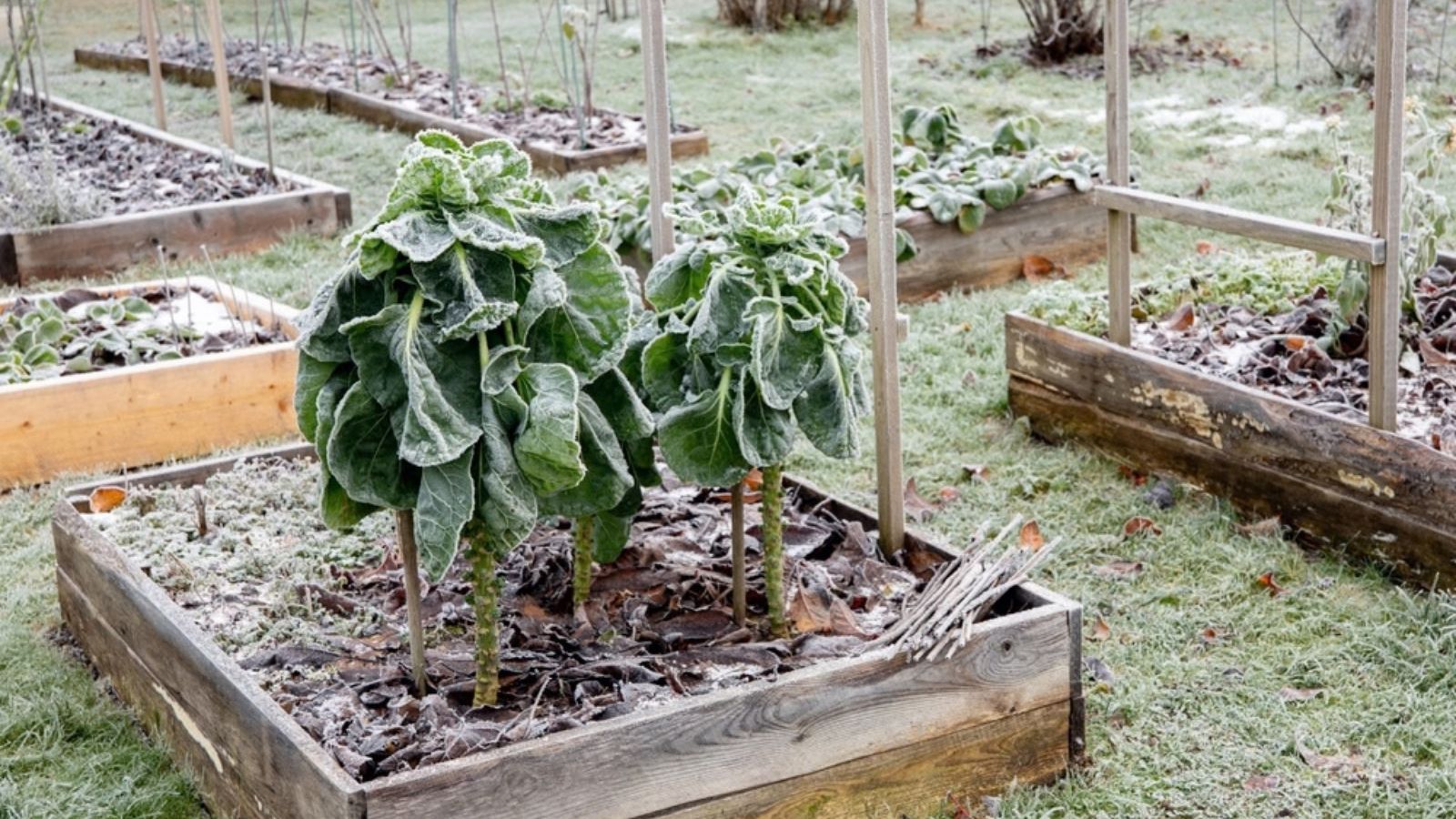
A light frost generally means temperatures around 28 to 32°F (-2 to 0°C) for a short time. A hard freeze is commonly around 28°F (-2°C) or lower, although how long the cold lasts matters just as much as the lowest number. A brief dip on a clear night is quite different from several days of freezing weather.
Forecast temperatures are measured above ground, and your vegetable beds can be colder, particularly in a low spot where cold air collects. Don’t treat 32°F (0°C) as a magic line. A crop in a sheltered raised bed may fare differently from the same vegetable in an exposed field.
Pick tender vegetables before frost arrives

Tomatoes, peppers, eggplants, beans, cucumbers, okra, and summer squash are at the top of my harvest list. Their foliage and fruit can suffer frost injury, and waiting for one more warm afternoon isn’t worth losing the lot. Pick usable fruit ahead of the cold, even if some won’t reach their ideal size.
For tomatoes, take fruit that’s showing color and mature-green tomatoes that have reached full size and begun changing from their dark, immature green. Those can ripen indoors. Very small, immature green tomatoes won’t reliably ripen simply because you’ve picked them. Beans and cucumbers are best used promptly, and small zucchini are still worth harvesting.
Pumpkins and winter squash deserve attention too. Even though their tough-looking skins suggest otherwise, frost can damage the vines and reduce the keeping quality of the fruit. Harvest mature squash before a freeze, keeping a piece of stem attached and handling them carefully to avoid bruising. An immature pumpkin that’s just beginning to color may color further after picking, but it won’t store as well as one that fully matured on a healthy vine.
Sweet potatoes are another priority. Their roots need lifting before the soil becomes seriously cold, ideally before soil temperatures fall below 50°F (10°C). With ordinary potatoes, frost may kill the tops while leaving the tubers below ground intact, but don’t let them sit in freezing, sodden soil.
Let mature brassicas take a little cold
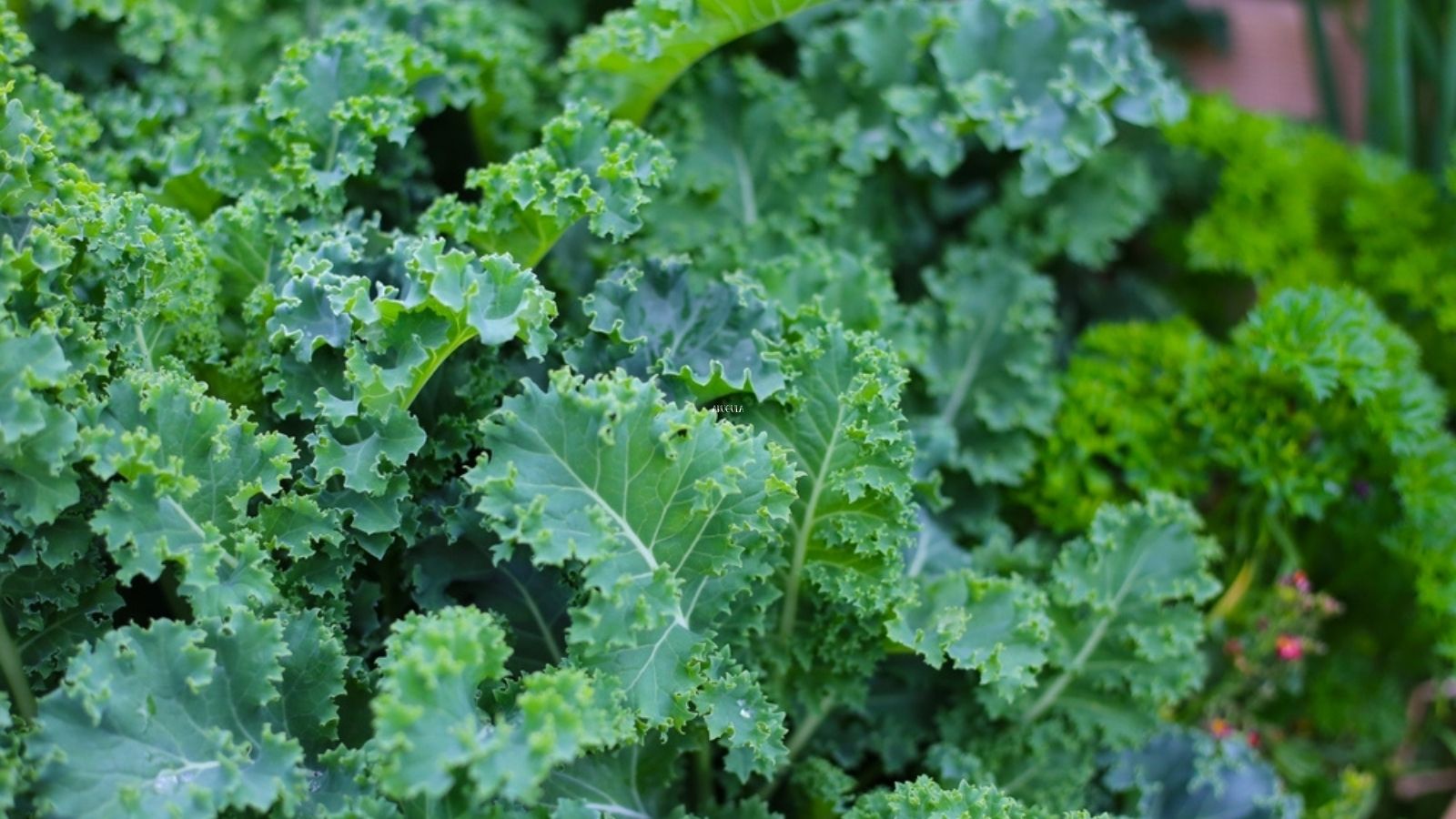
Kale, collards, winter cabbage, and Brussels sprouts are much more forgiving. Established, hardened plants can withstand temperatures that would finish off a pepper plant. Cold weather can also improve the sweetness of kale and Brussels sprouts, which is a good reason not to strip those beds prematurely.
I particularly like harvesting kale leaf by leaf, taking the lower, mature leaves and leaving the growing center intact. Brussels sprouts can be picked from the bottom of the stem as the buds become firm. A fully headed winter cabbage can often stay in the garden through light frosts, but check it regularly for splitting, rotting outer leaves, or slug damage.
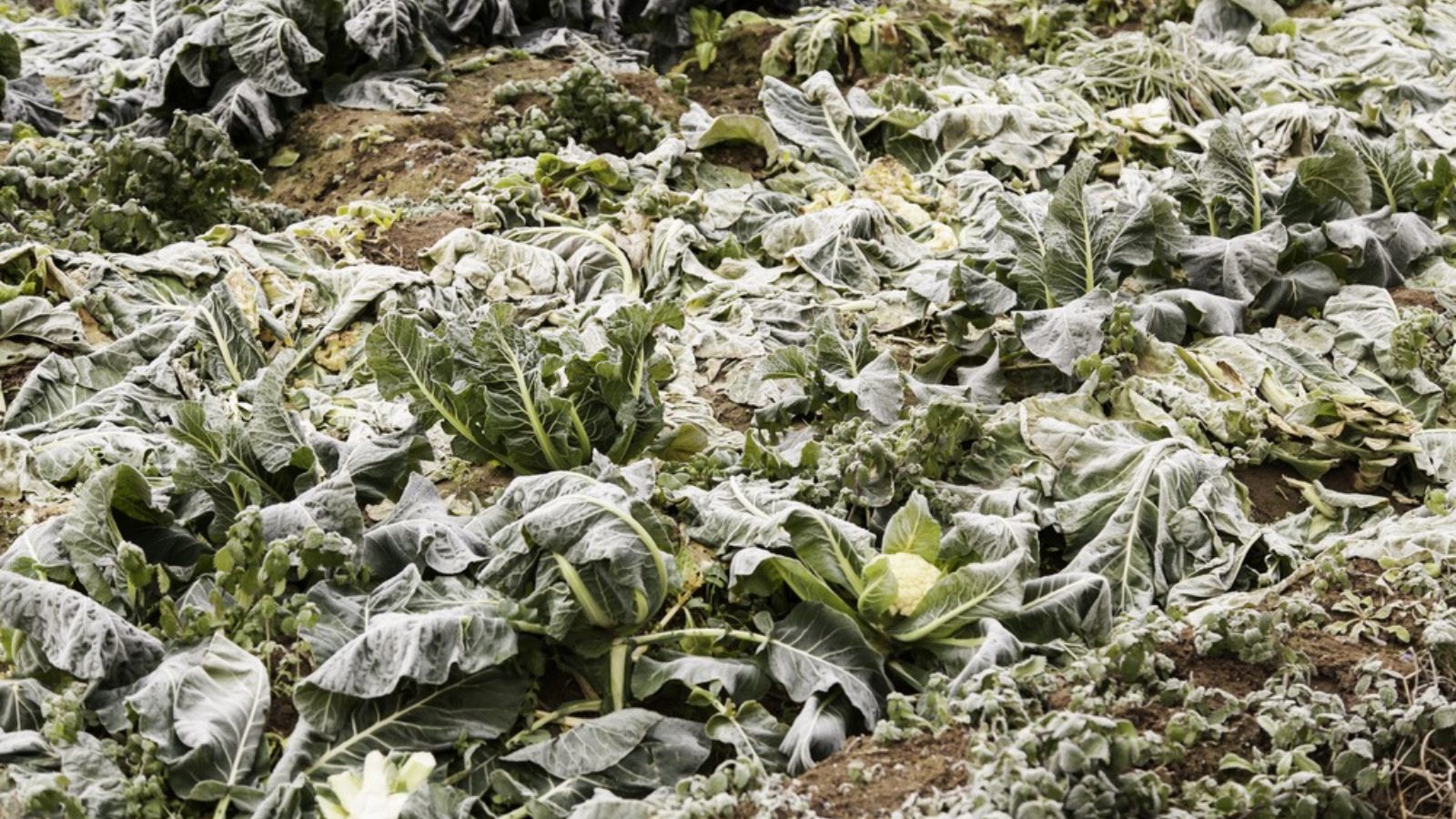
Don’t lump every brassica together, though. Broccoli plants may survive freezing weather while their developing florets suffer damage. Cauliflower heads are especially worth harvesting once they’re ready if a more substantial freeze is coming. And a small, immature cabbage won’t suddenly develop a full head just because you let it sit through winter.
Carrots and parsnips can wait, provided the ground cooperates
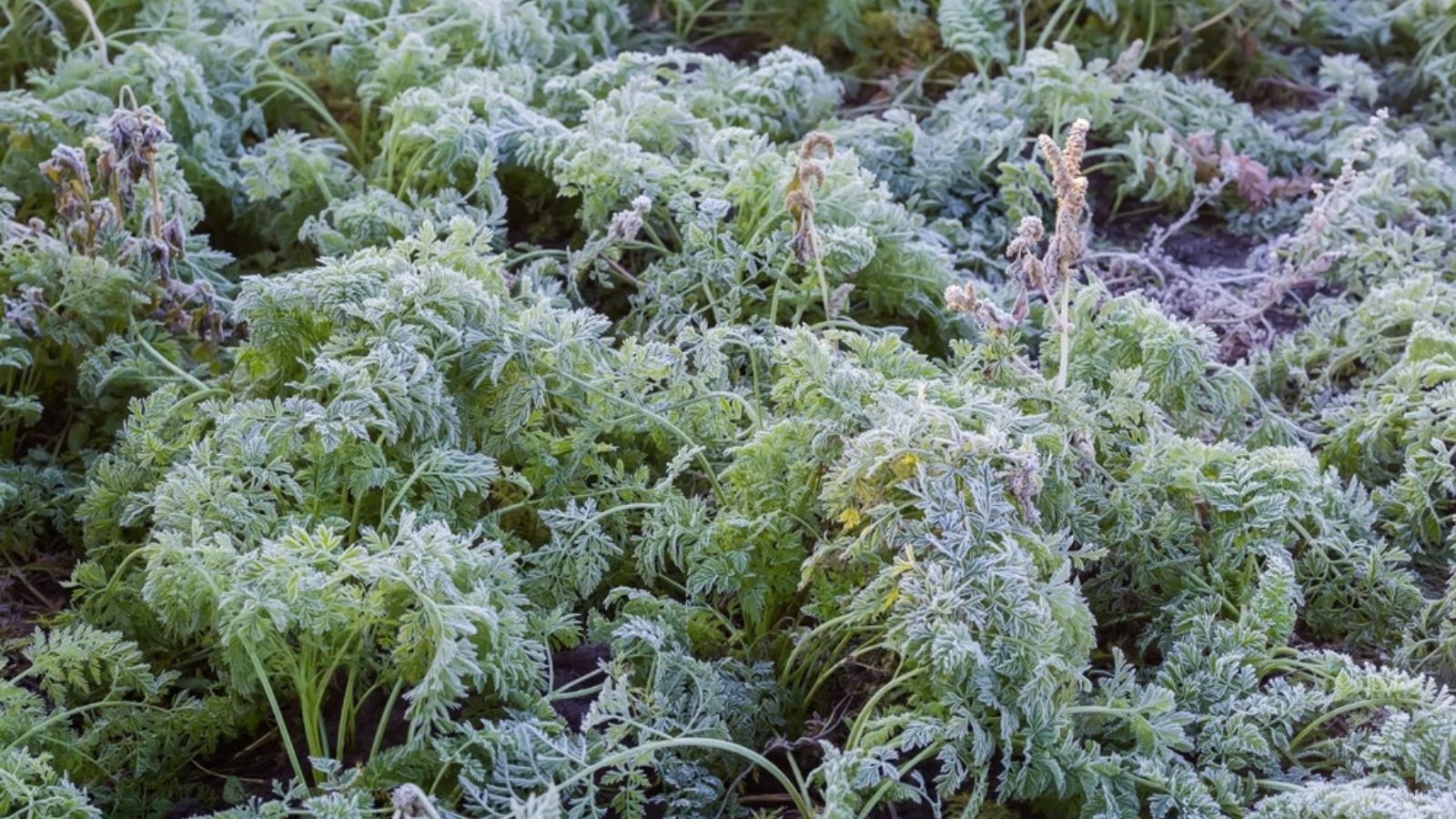
Established carrots, parsnips, turnips, and some beets can handle a light frost. Parsnips, in particular, often develop a sweeter flavor after exposure to cold. Carrots may also taste sweeter as temperatures drop. But that doesn’t mean every root crop benefits from repeated freezing, and it certainly doesn’t mean the roots can grow indefinitely in cold soil.
If your carrots and parsnips are already a useful size, leaving them in place under a layer of loose straw or leaf mulch can give you a convenient living store. I recommend harvesting before the soil freezes solid if you need regular access, or earlier if your beds are persistently waterlogged. Roots left in saturated soil are more likely to deteriorate, and digging frozen ground is no one’s idea of a good time.
Pull radishes when they’re the size you want rather than waiting for frost to supposedly improve them. The same goes for turnips that are already getting large and coarse. Beets tolerate some cold, but in severe winter conditions I’d lift a ready crop rather than gamble on the roots freezing.
Treat lettuce, chard, and spinach as the middle group
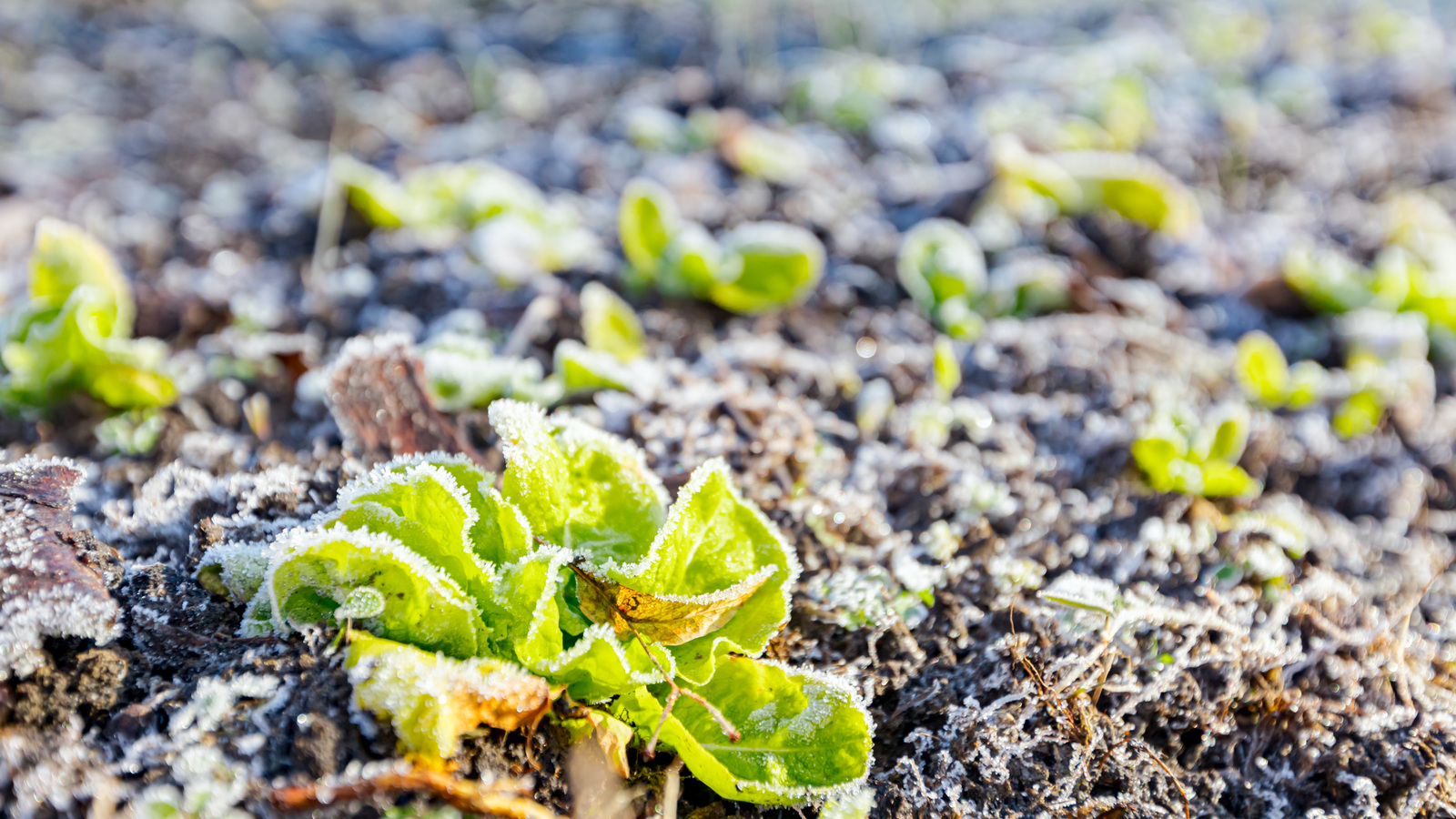
Spinach is surprisingly cold-tolerant, particularly when established and grown as a suitable cool-season variety. Swiss chard, lettuce, and many salad greens can cope with a mild frost, but exposed leaves may become damaged or lose their texture as cold intensifies.
My advice is to cut mature lettuce and chard leaves before a forecast hard freeze, while leaving healthy spinach and protected hardy greens for later picking. If you’ve had a frosty night, wait until frozen leaves have thawed naturally before harvesting. Handling leaves while they’re still frozen can leave you with limp, damaged greens.
Make the final call from the forecast and the crop

Before picking everything, check the overnight low for the next few nights, not just tonight. Then walk through the beds. Is the crop actually mature? Is there healthy growth worth protecting? Is the soil draining properly? Can you reach the roots if the ground freezes? Those questions matter more than a blanket list of frost-tolerant vegetables.
For one isolated light frost followed by milder days, I’d concentrate on tender produce and leave the healthy, established cold-season crops alone. If several nights of severe cold are on the way, pick ready cauliflower, vulnerable greens, and roots you can’t afford to lose. A simple row cover may buy time for an almost-ready crop, but it won’t turn a tender summer vegetable into a winter-hardy one. Our advice on protecting plants from frost explains the options.
The aim isn’t to prove how much cold your garden can withstand. It’s to bring good food indoors at the right time, while letting the genuinely hardy vegetables keep earning their space.
You might also like…
10 Ways to Protect Plants From Frost
Should You Leave Carrots In The Ground After The First Frost?