Affiliate disclosure: This post may contain affiliate links. Please see full disclosure.
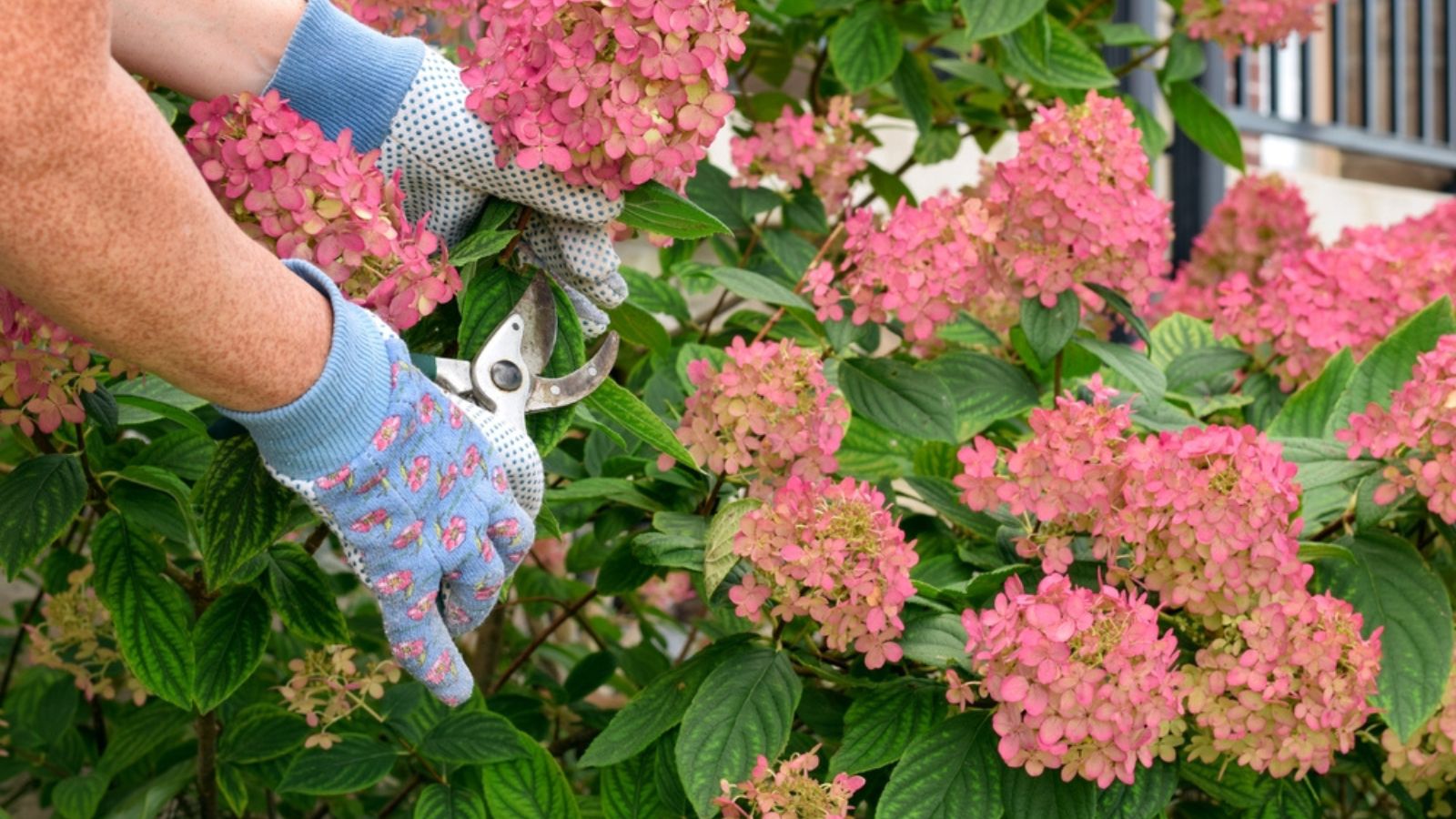
If you’ve got a bigleaf hydrangea, put the pruning shears away this fall. Those lovely mophead or lacecap flowers you want next year may already be sitting inside buds on the stems. Cut the stems back now and you could be cutting off the flowers before they’ve even had a chance to appear.
I understand the temptation. Once the flowers fade and the leaves start looking tired, an unruly hydrangea can make an otherwise tidy garden look a bit neglected. But as a master gardener, I’d rather put up with a few scruffy stems over winter than sacrifice an entire season of flowers for the sake of neatness.
Bigleaf hydrangeas have already made next year’s flower buds
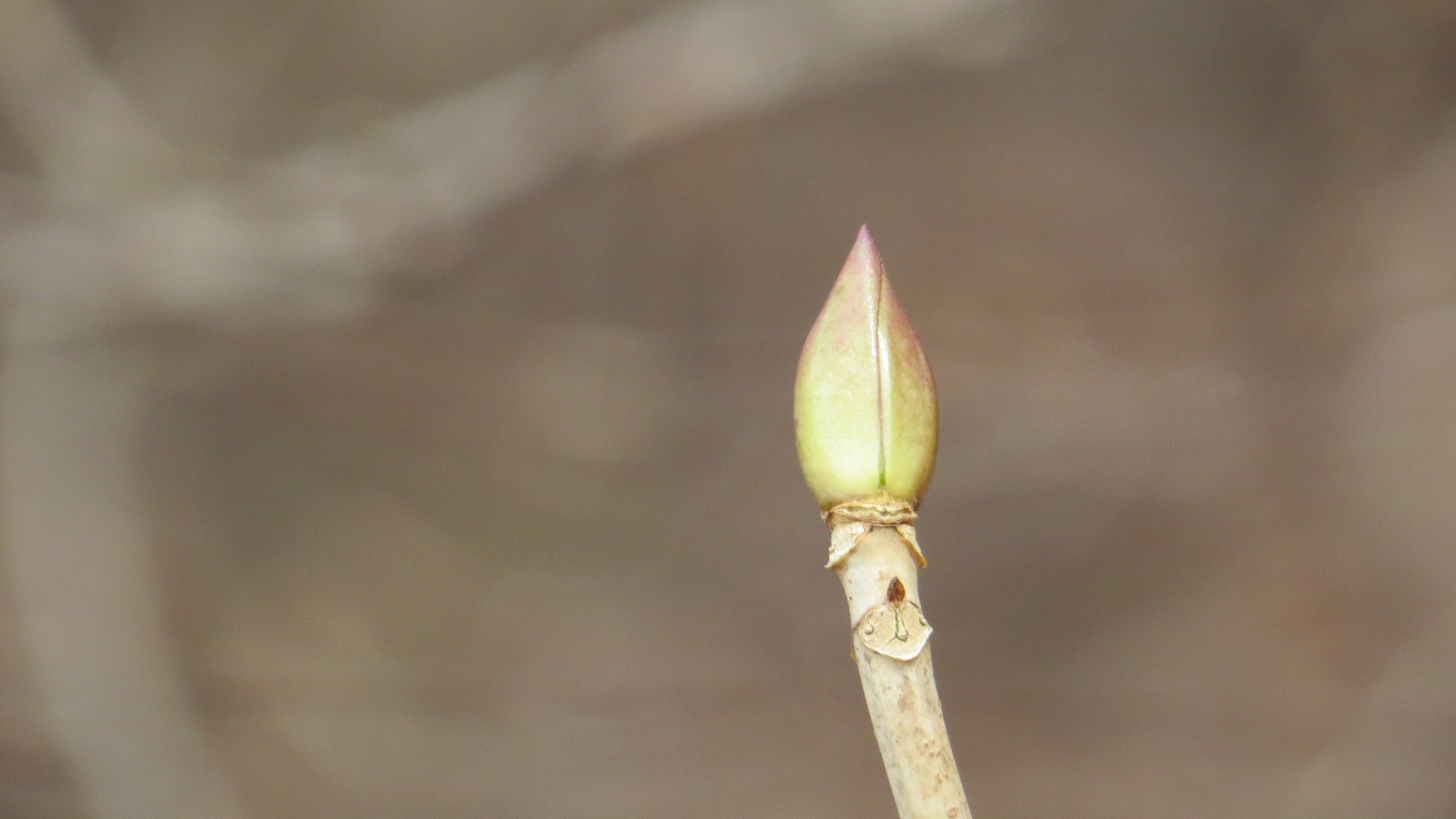
Most traditional bigleaf hydrangeas (Hydrangea macrophylla), including the familiar round-flowered mopheads and flat-topped lacecaps, flower on what’s called old wood. That simply means they bloom from buds formed on stems that grew during the previous season. By late summer and fall, the plant has already started preparing next year’s display. Those buds remain on the stems through winter, ready to develop as conditions warm.
If you give the whole shrub a good haircut in October or November, you’re removing those buds. The plant may recover perfectly well and produce masses of healthy green leaves next year, but very few flowers. That’s a particularly frustrating result when you thought you were doing the plant a favor.
The safest approach for a healthy, old-wood bigleaf hydrangea is to leave its stems alone in fall. It doesn’t need an annual hard prune, and there is no benefit in cutting it down just because the growing season is coming to an end.
Know which hydrangea you’re growing
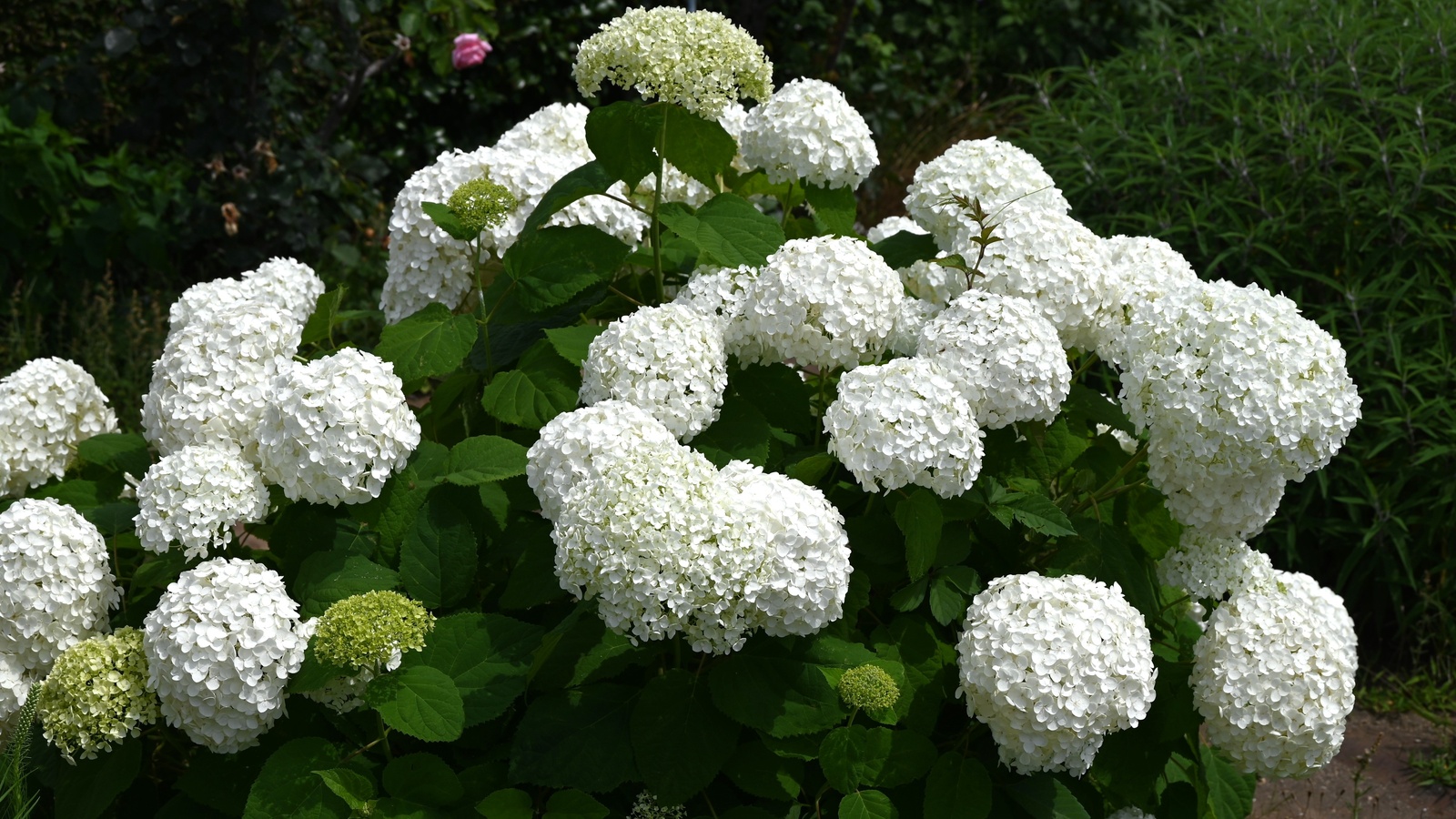
Not every hydrangea follows the same rules. If yours has large rounded heads of blue, pink, or purple flowers, it may well be a bigleaf type. Lacecaps have smaller fertile flowers clustered in the middle, surrounded by a ring of showier flowers. But appearances alone aren’t always enough, particularly with newer cultivars, so check the plant label or cultivar name if you have it.
Panicle hydrangeas (Hydrangea paniculata), including popular varieties such as ‘Limelight’, typically produce cone-shaped flower clusters. Smooth hydrangeas (Hydrangea arborescens), including ‘Annabelle’, often have rounded heads that can look rather like mopheads. Both panicle and smooth hydrangeas flower on new wood, meaning growth produced during the flowering year. They can generally be pruned in late winter or early spring, before new growth begins.
I still wouldn’t automatically attack those shrubs with shears in late fall. Waiting until the end of winter lets you see the plant’s structure and deal with any winter damage. Panicle hydrangeas in particular don’t always need severe pruning, and cutting too hard can spoil their natural shape.
Reblooming bigleaf hydrangeas are an exception, but don’t be reckless
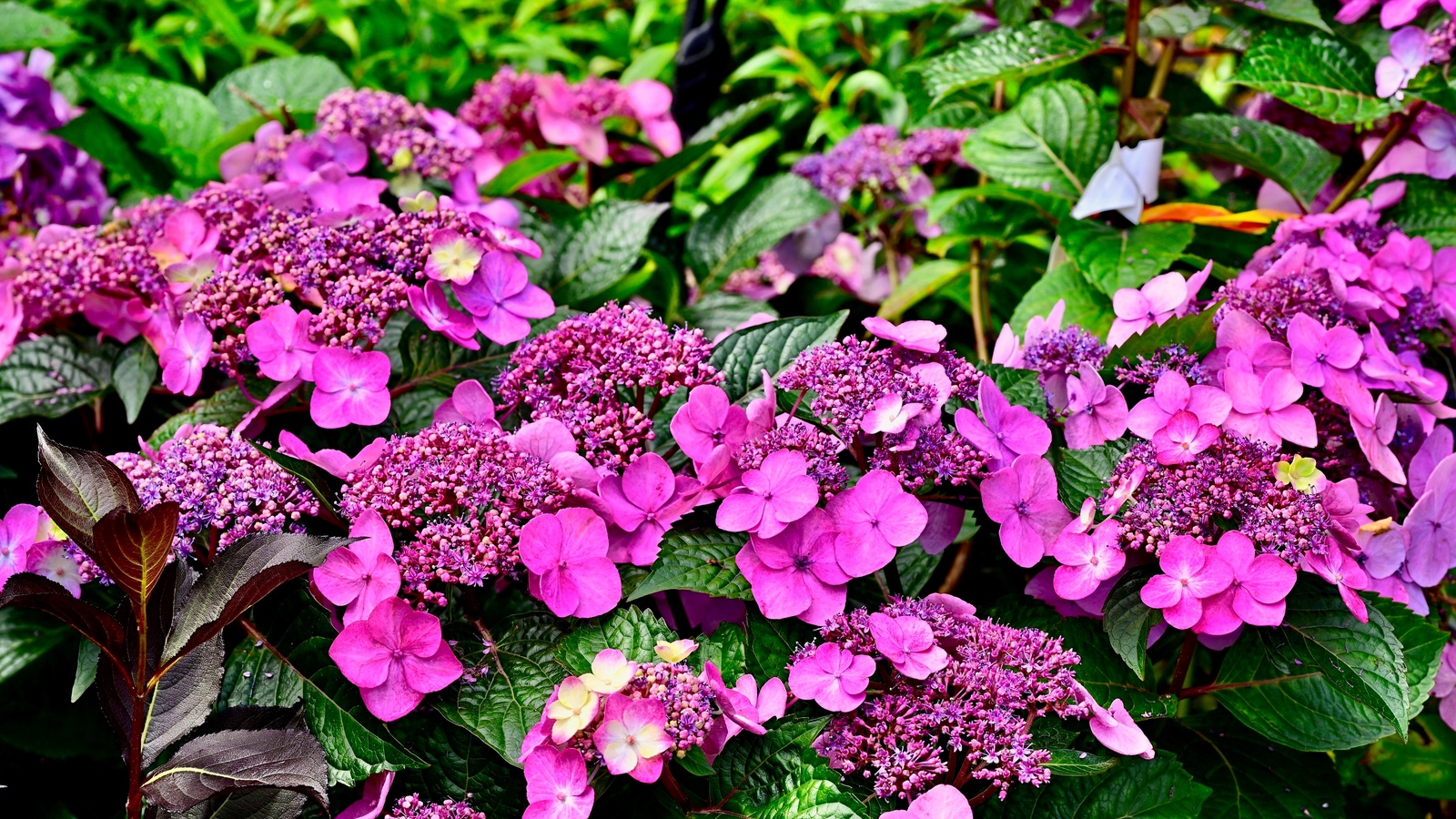
Some modern bigleaf cultivars can flower on both old and new wood. These are called reblooming, or remontant, varieties. The Endless Summer series is one well-known example. If winter cold damages the buds on old stems, these plants may still produce flowers on fresh growth later in the season.
That’s useful, especially if you garden somewhere with harsh winters or late spring frosts. But it isn’t a reason to prune them hard every fall. Removing old stems can still reduce the early flush of flowers, while the replacement blooms may arrive later. Depending on the variety, weather, and length of the growing season, that second display won’t necessarily make up for what you’ve removed.
If you aren’t certain whether yours is a rebloomer, treat it as an old-wood bigleaf hydrangea until you know otherwise. That’s far less likely to cost you flowers.
Save most pruning for the right season
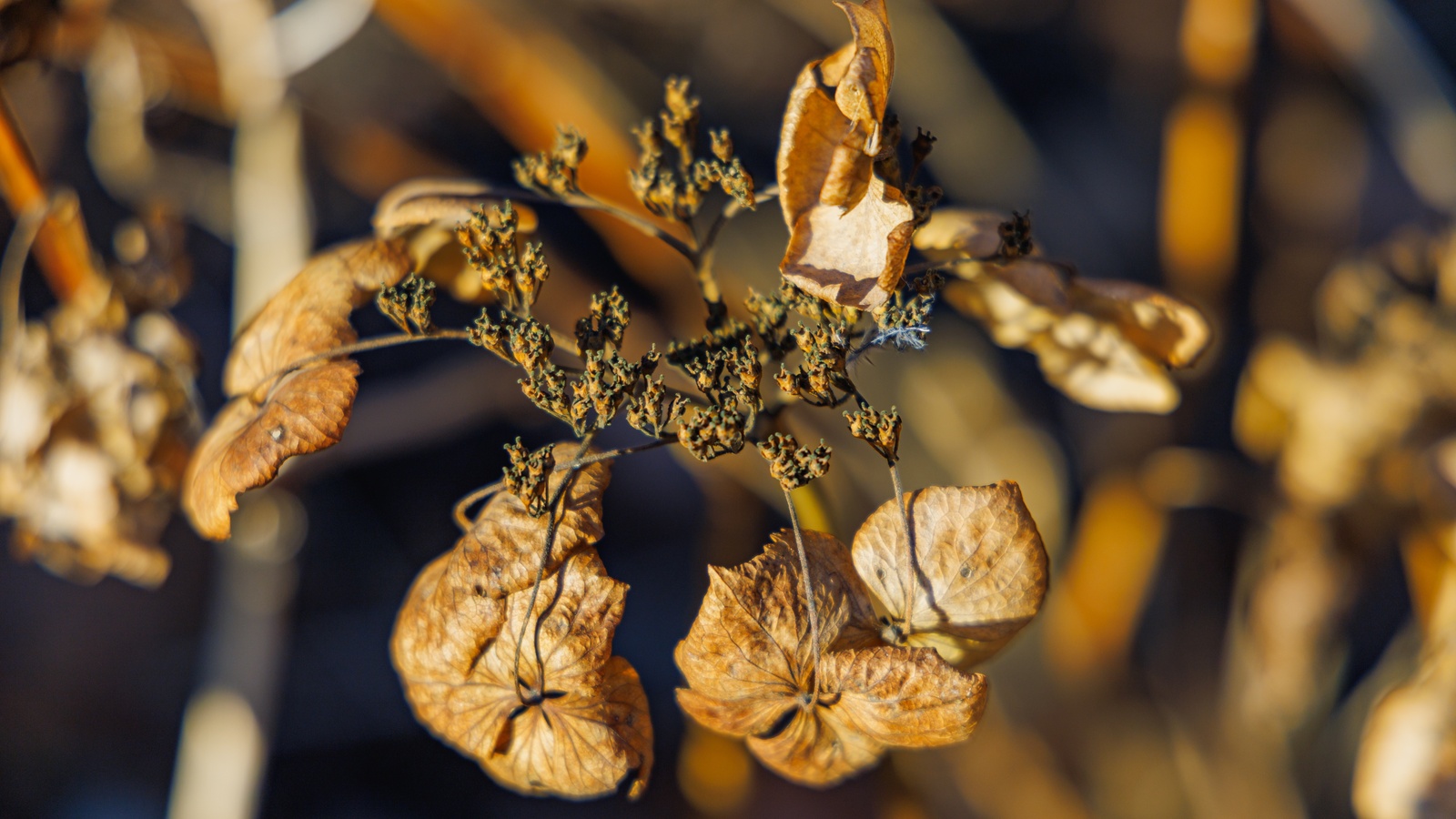
For traditional bigleaf hydrangeas that actually need shaping, the usual window is shortly after flowering, while there’s still time for the plant to develop buds for the following year. But flowering dates vary with climate and cultivar, so an arbitrary calendar deadline isn’t especially useful. If flowering has finished very late in the season, I’d leave the pruning until next year rather than risk removing newly developing buds.
If winter kills parts of the shrub, wait until spring growth makes it clear which stems are alive. A bare stem isn’t automatically dead. Check for swelling buds and, where necessary, make a small scratch in the bark to see whether the tissue underneath is green. Dead stems can be removed once new growth is visible, without cutting back the healthy flowering wood.
Spent flowers can often be left in place through winter. They provide a bit of structure in an otherwise bare garden, and you can tidy them in spring with a careful snip above healthy buds. There’s no need to remove several inches of stem just to take off a dry flowerhead.
What if you’ve already pruned it?
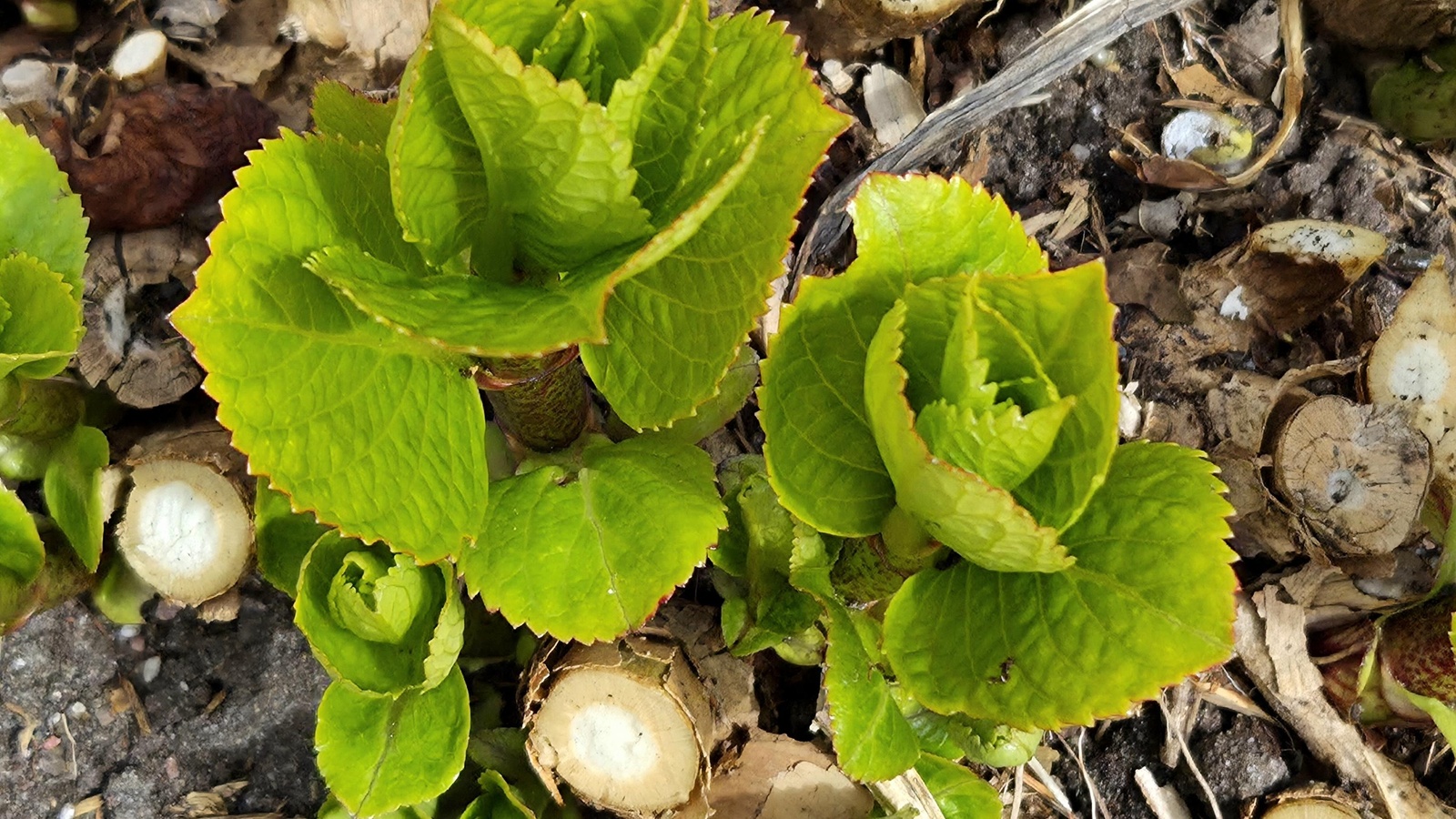
If you’ve already cut your old-wood hydrangea back this fall, don’t panic. You’ve probably reduced next season’s flowering potential, but that doesn’t mean you’ve killed the shrub. Give it normal care, avoid further unnecessary pruning, and let it regrow. It may take another flowering season to put on the display you’re used to.
And if you haven’t touched it yet, leave it alone. Mulch around the root zone with organic material, keeping mulch clear of the stems, and make sure the plant isn’t going into winter suffering from drought. In colder areas, the buds themselves can also be damaged by winter weather, even when pruning hasn’t been an issue.
Hydrangeas are a good reminder that tidy gardening isn’t always good gardening. If you’re unsure what kind you’ve got, it’s better to identify it first than follow a blanket instruction to prune every shrub in fall. Some shrubs benefit from winter pruning, while others carry the next season’s flowers on existing stems. Bigleaf hydrangeas are firmly in the second group.
You might also like…
12 plants you should prune in winter (and 6 you shouldn’t)
How to Prune Raspberries by Cane Type, Step by Step
How to Prune Pepper Plants for Optimal Health and Bigger Harvests