
Affiliate disclosure: This post may contain affiliate links. Please see full disclosure. AI-assisted.
A hard freeze has a talent for finding the weak spots in a home. The faucet stops running, the heating quits at precisely the wrong moment, and the flashlight you were certain lived in the kitchen drawer has apparently moved out. A sensible winter reserve deals with those ordinary problems before they become miserable ones. Start with what you already have, check what still works, and fill the gaps rather than buying half a hardware store.
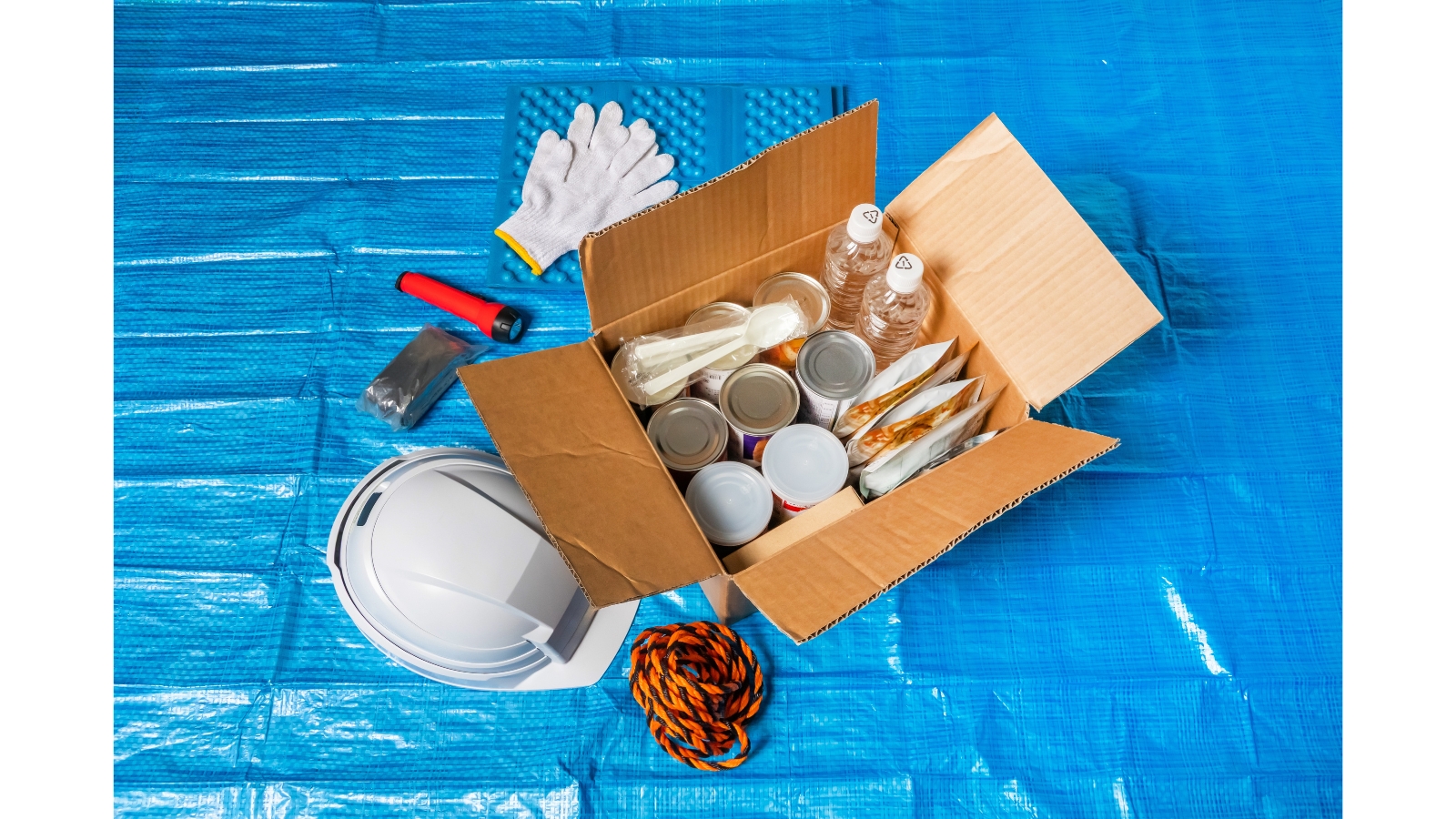
Think in layers: a three-day emergency kit and a longer stay-at-home supply for an extended disruption. The Red Cross suggests keeping at least two weeks of supplies at home where possible. That doesn’t mean two weeks of expensive survival food. It means meals your household will actually eat, usable water, necessary medicines, and equipment you know how to operate. Rotate anything that expires, and remember to count the animals as well as the people.
Your local winter matters, too. A brief freeze in the South can be harder on unprotected plumbing than a routine cold snap farther north. In snow country, clearing access and keeping a vehicle equipped may be more pressing. And an ice storm can bring down power lines without burying the neighborhood in snow. Stock for the likely problems at your address, not somebody else’s dramatic blizzard checklist.
Make a safe warmth plan first
First, decide where everyone will go if the house becomes dangerously cold, particularly if someone depends on electrically powered medical equipment. Extra blankets buy comfort, not an unlimited amount of safe time. Never heat a room with an oven, grill or camp stove. If you use a generator, run it outdoors at least 20 feet from doors, windows and vents, in a place protected from rain and snow, and follow the manufacturer’s instructions. Carbon monoxide doesn’t give you a useful warning before it becomes dangerous.
Heat and fire safety
1. Heating fuel for the system you already use
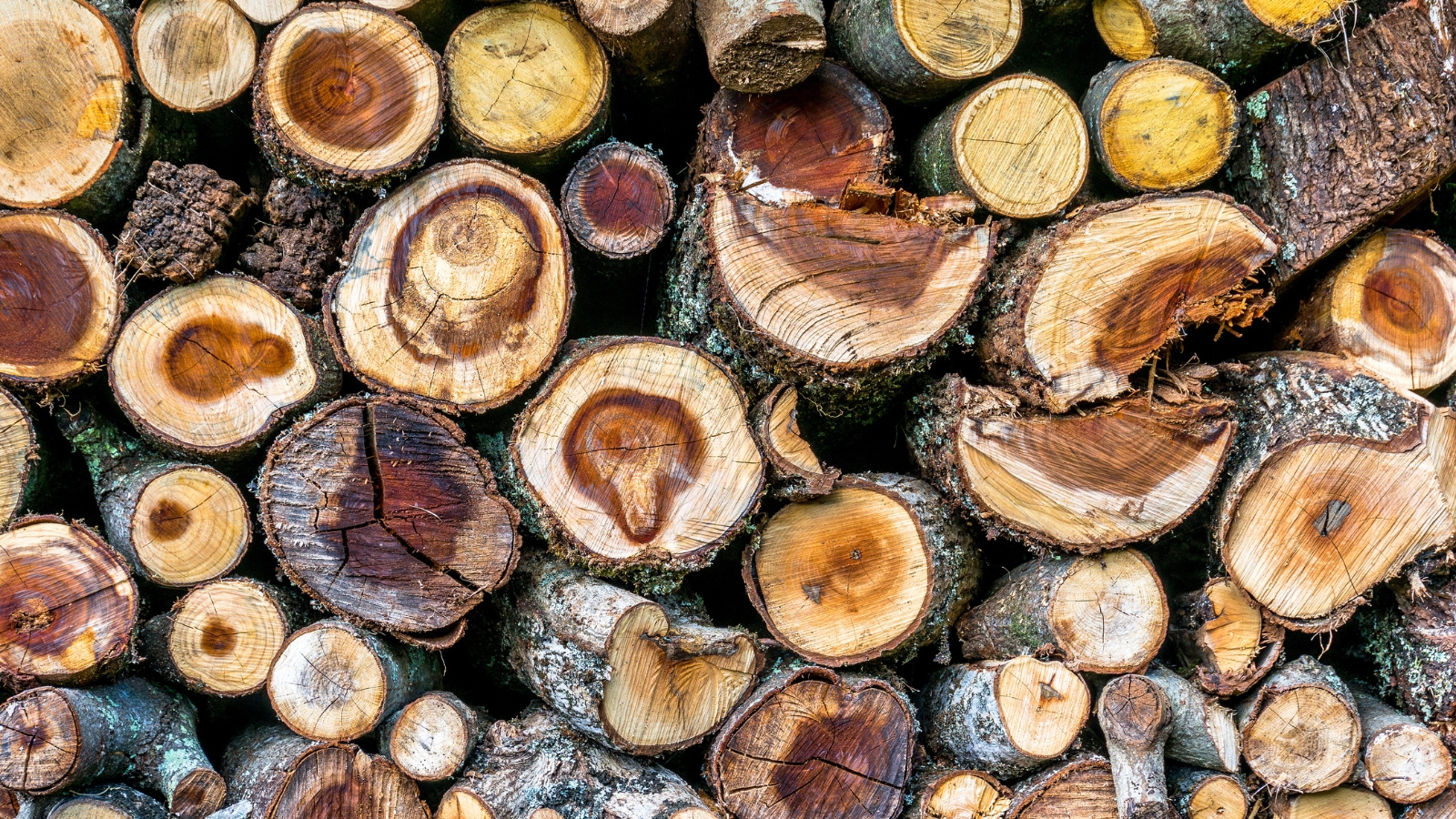
If you heat with a wood stove, a beautifully stacked log pile is no help when the wood is too wet to burn properly. For oil or propane heat, check the delivery schedule while trucks can still get through. Buy fuel for the system you already have, not for an improvised heater you’ve never used. Keep seasoned firewood outside, off the ground with the top protected from rain. One detail people overlook: many oil, propane and pellet systems still need electricity, so a full tank doesn’t necessarily mean the heat will stay on in an outage.
2. Working smoke and carbon monoxide alarms
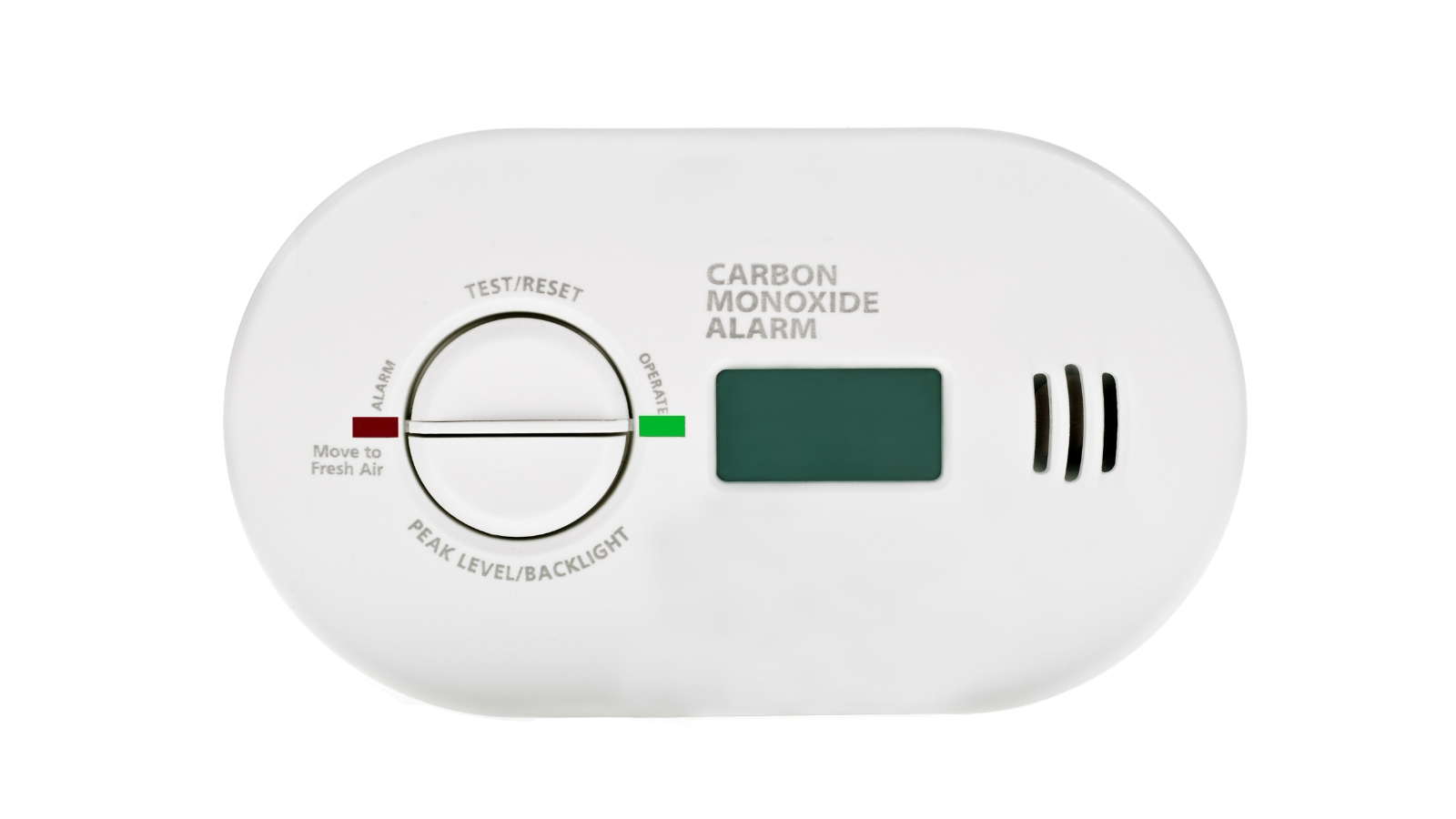
Winter is when heating equipment earns its keep, which also makes working alarms nonnegotiable. Test your smoke and carbon monoxide alarms, check their age and replace units that have reached the end of their service life. The test button alone can’t tell you whether an old alarm should stay. Follow the maker’s placement directions, including CO alarms on each level and outside sleeping areas. An alarm is your warning to get out and seek help, not a safeguard that makes running a grill or generator indoors acceptable.
3. A serviceable household fire extinguisher
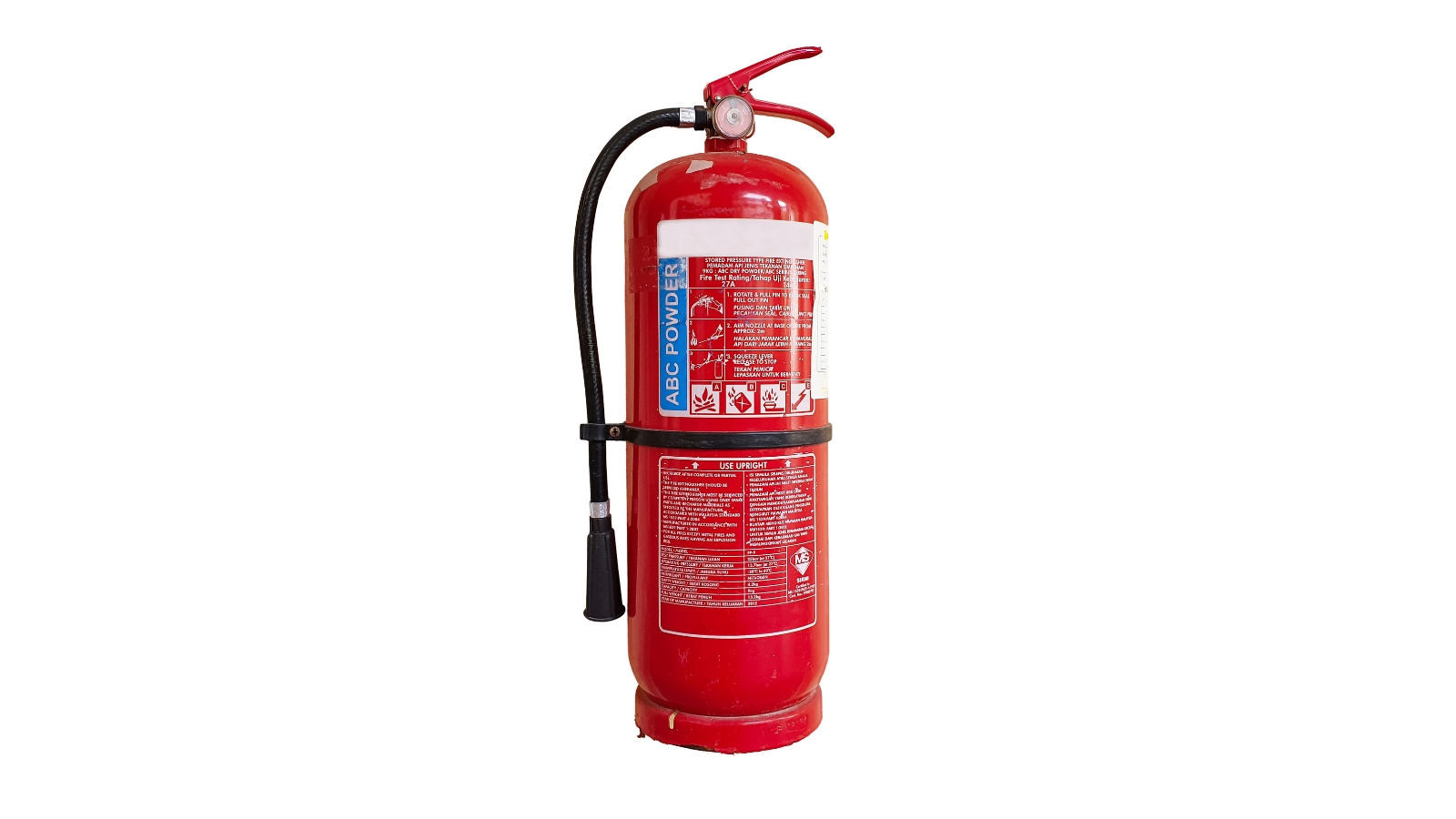
An extinguisher you can’t reach, lift or operate is mostly an ornament. Check that you have a suitable multipurpose ABC extinguisher, that its indicator and condition are satisfactory, and that the people who may need it know where it lives. It’s intended for a very small, contained fire when help has been called and you have a clear way out. If smoke is building or the fire is spreading, leave. The rest of the house isn’t worth the risk of trying to play firefighter.
Water and sanitation
4. Stored drinking water
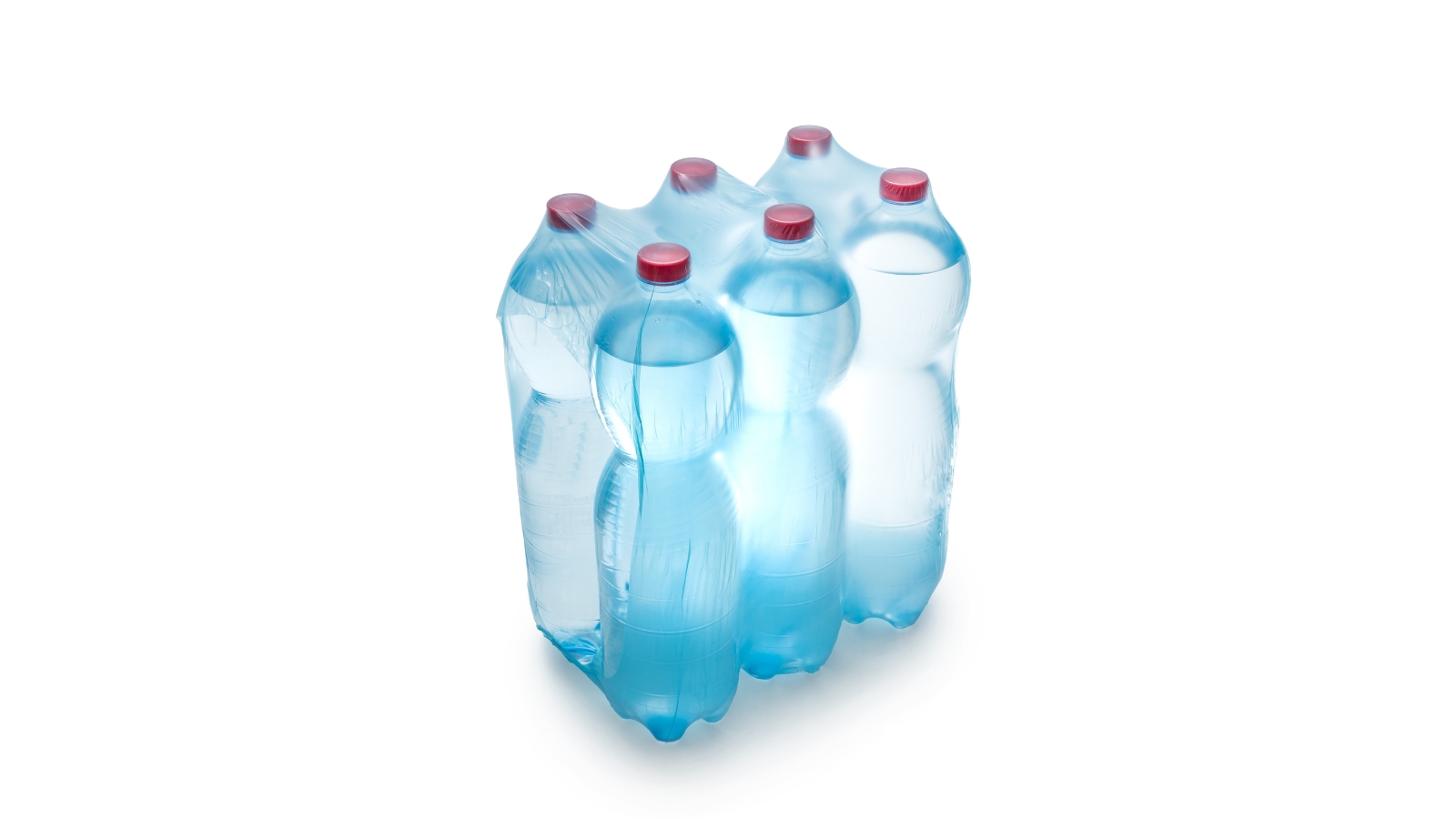
Water becomes surprisingly awkward the moment a pipe freezes or an electric well pump stops. The CDC’s starting point is at least one gallon per person per day for three days, with a two-week reserve if you can manage it. Pets and some household needs require extra. Unopened bottled water is convenient, but clean food-grade containers work for home-filled supplies. Label those with the filling date, replace the water every six months, and store it away from fuel, chemicals and freezing temperatures. Count actual gallons, not the number of attractive bottles on a shelf.
5. Pipe insulation sleeves
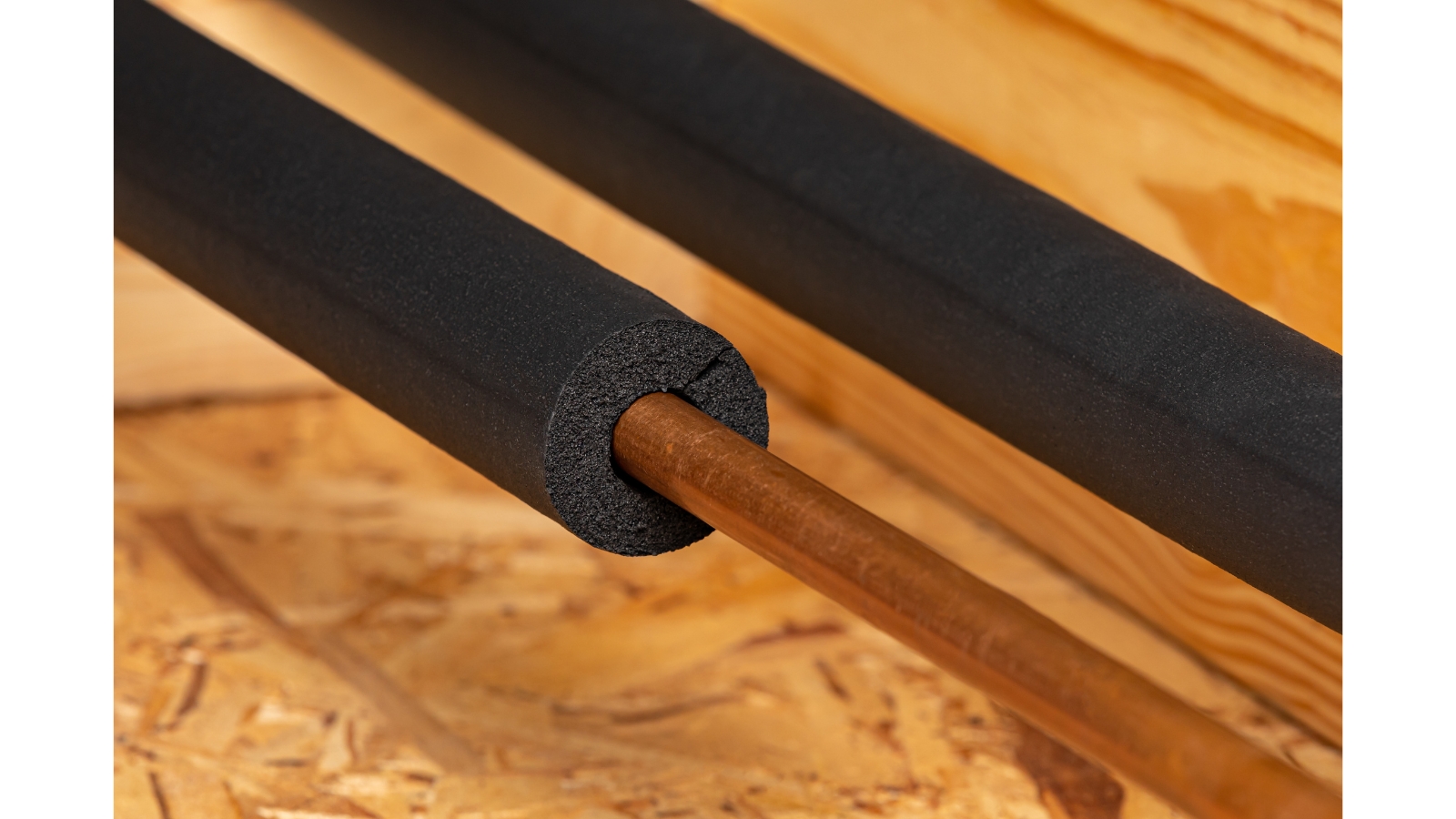
Those exposed pipes in a garage or crawl space are easy to ignore right up until they freeze. Buy properly sized pipe insulation sleeves for vulnerable lines and fit them before a cold-weather warning sends everyone to the same hardware aisle. Drain and disconnect outdoor hoses as well. Insulation helps, but it isn’t a magic force field against a long freeze, especially if the heat goes off. Find and label your main water shutoff now, while you can do it calmly and without water running across the floor.
6. A practical sanitation supply
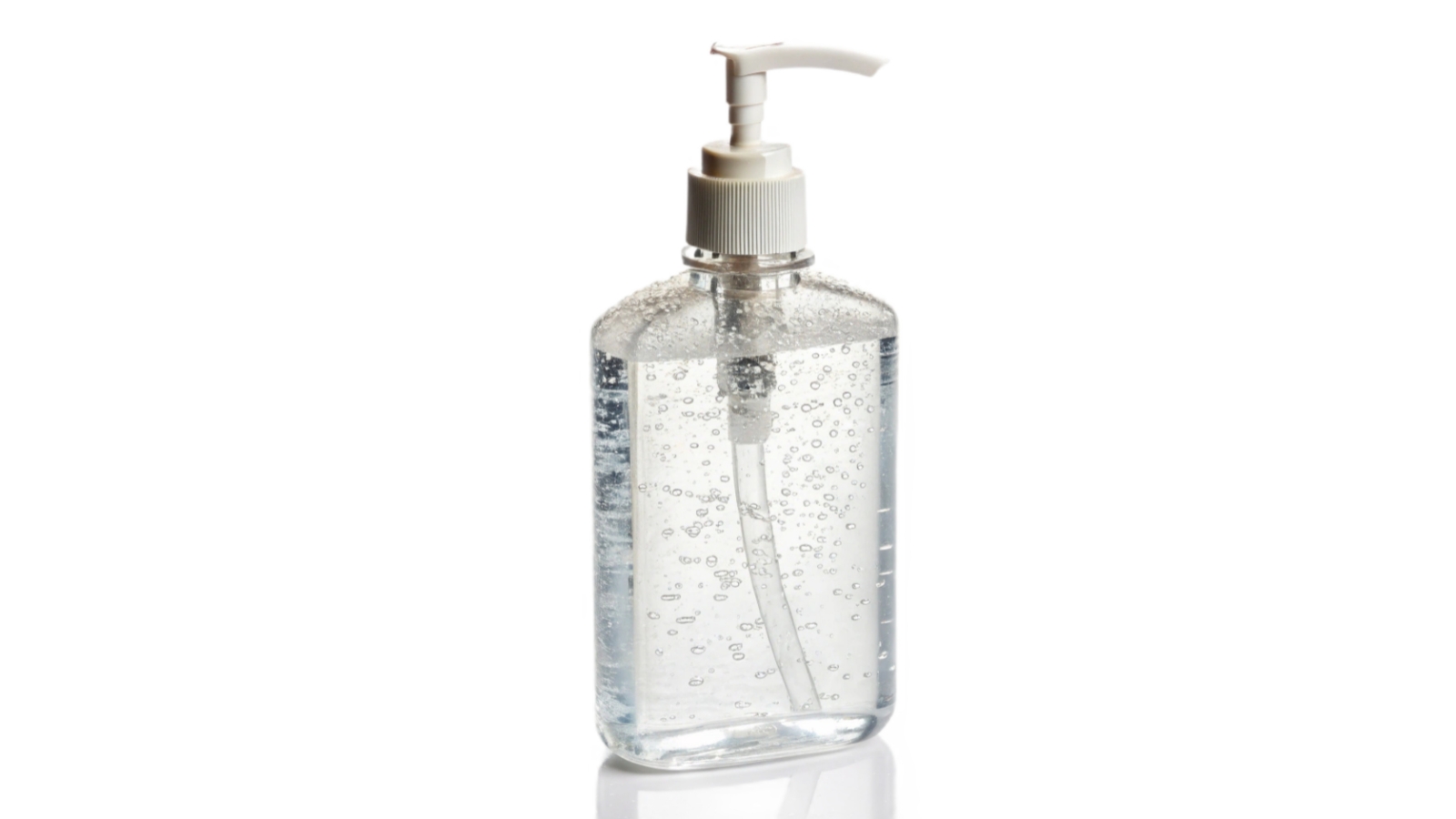
A water outage affects far more than drinking. Handwashing, toilets, diapers, menstrual products and cleaning all become harder to manage. Keep a modest reserve of soap, toilet paper, strong trash bags and whatever personal hygiene or continence supplies your family actually uses. When washing with soap and safe water isn’t possible, a hand sanitizer with at least 60% alcohol can help, although it isn’t a replacement for proper washing in every situation. If sewer service is disrupted, follow utility instructions before flushing toilets.
Lighting and communication
7. Battery-powered flashlights or lanterns
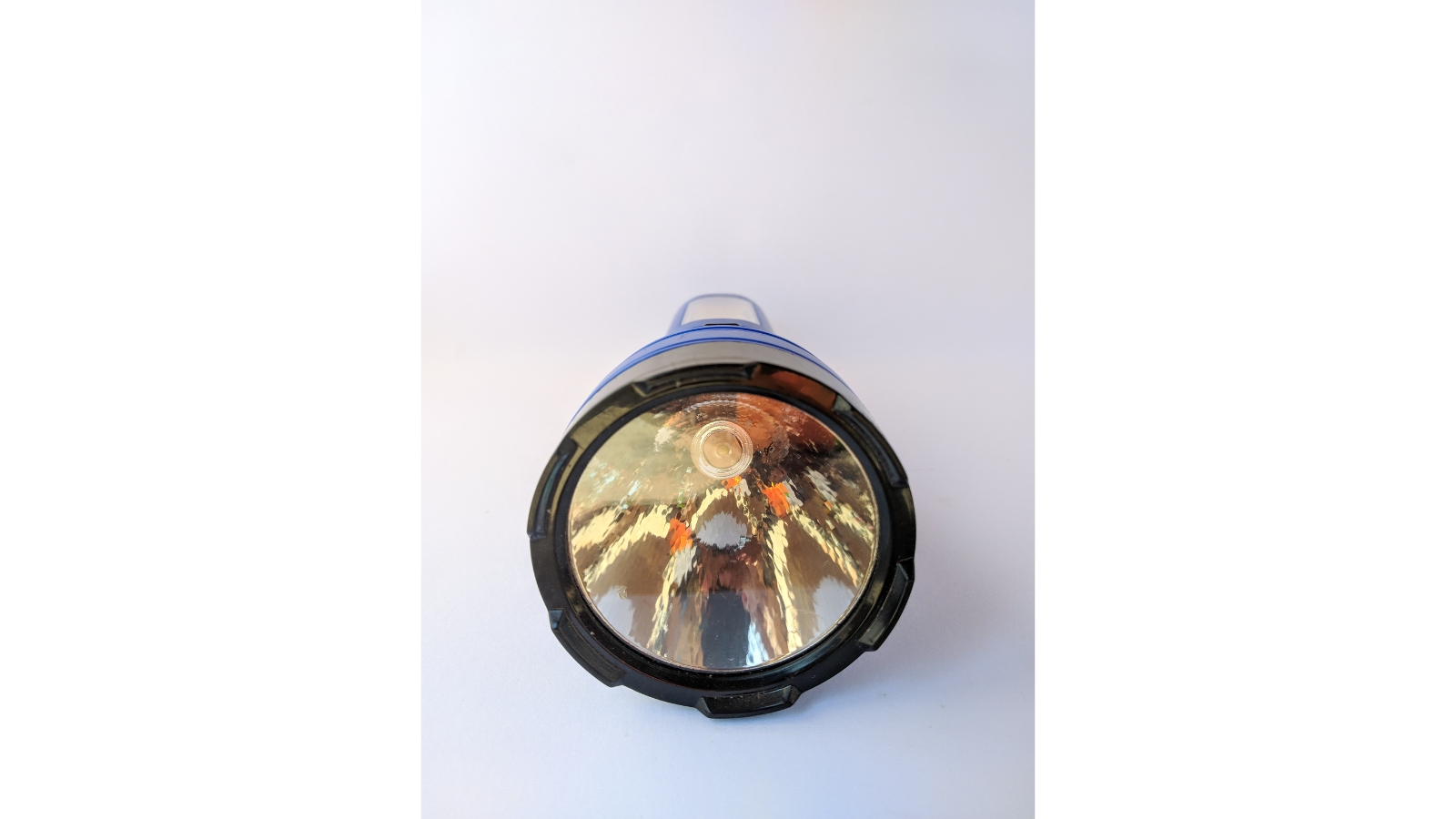
The best flashlight is the one you can find when everything goes black. Put working battery-powered lights by beds, the main exit and wherever you’d normally search for the breaker box. A flashlight is handy for moving around; a lantern on a stable surface makes eating, reading instructions or sorting supplies less of a juggling act. Test them before the weather turns. I’d choose battery lights over candles every time during an outage. There is quite enough to worry about without adding an open flame to the room.
8. Fresh batteries that fit your equipment
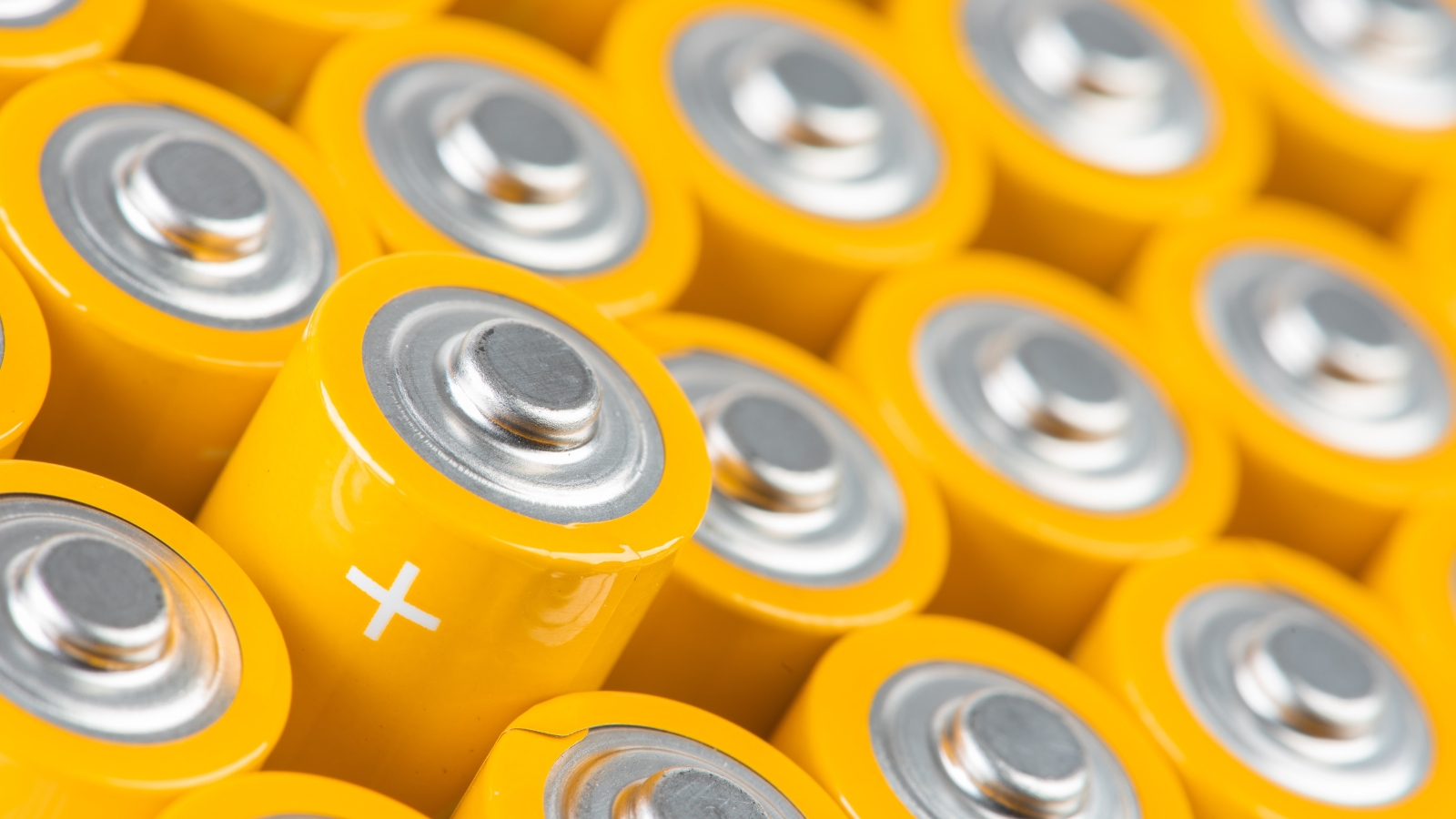
Before buying a bumper pack of batteries, look at the devices you actually depend on. Your weather radio might take one size, the lantern another, and some rechargeable gear won’t use disposable cells at all. Keep the right replacements in their packaging in a dry indoor spot, away from loose metal and curious children. Follow basic battery care, including not mixing old and new cells or different types. Fifty AA batteries are an impressive stockpile only if something you own needs AA batteries.
9. A battery-backed NOAA weather radio
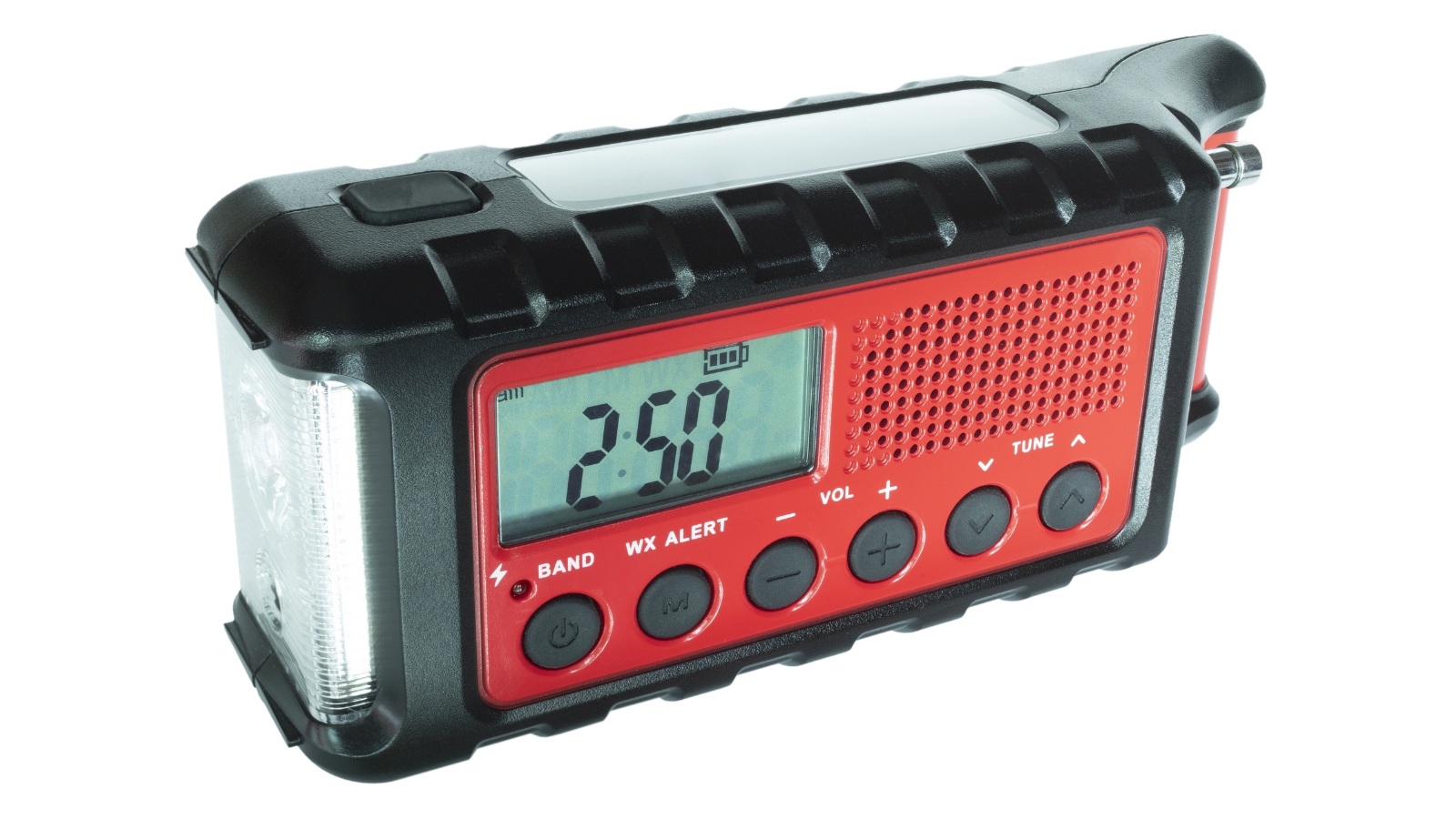
A phone alert is useful until the battery dies or the network goes down. A separate receiver for NOAA Weather Radio broadcasts gives you another way to follow conditions and warnings. Check that it receives the weather band, not just ordinary AM/FM stations, and test reception from your home. If the model offers location-specific alerts, set them up before you need them. Check its battery backup, too. Learning how to work a new radio by flashlight during a storm is a thoroughly avoidable nuisance.
10. A charged phone power bank and matching cable
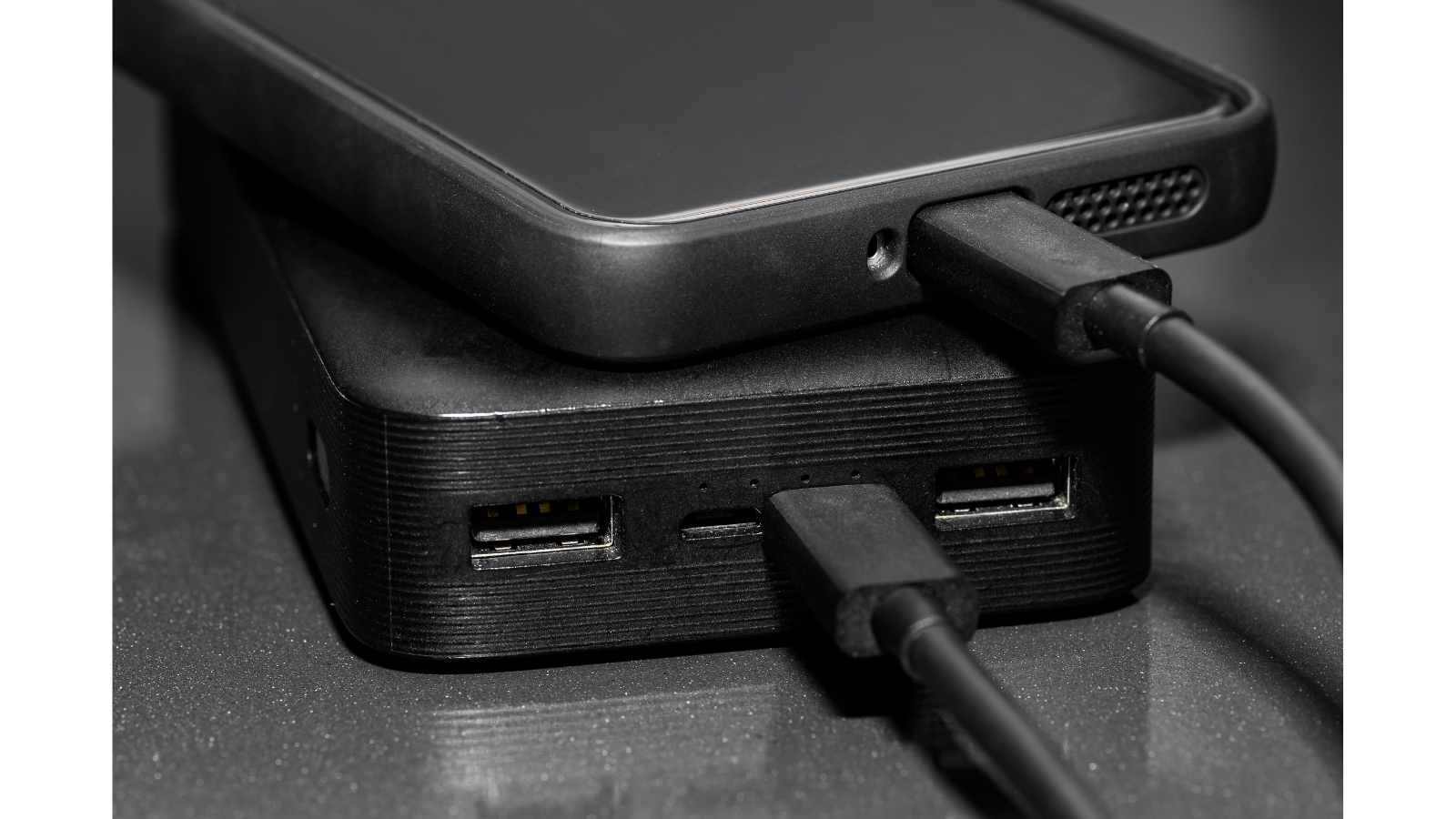
Charge the portable power bank before a storm is forecast and store it with a cable that genuinely fits your phone. Better still, plug everything together once and prove it works. That extra charge can keep a phone available for alerts, messages or finding emergency information when the outlets are dead. Don’t guess how many charges a battery pack will provide, especially in cold conditions, and don’t rely on one to run heating or life-sustaining medical equipment. Those need their own properly planned backup arrangements.
Personal warmth and care
11. Warm blankets or suitable sleeping bags
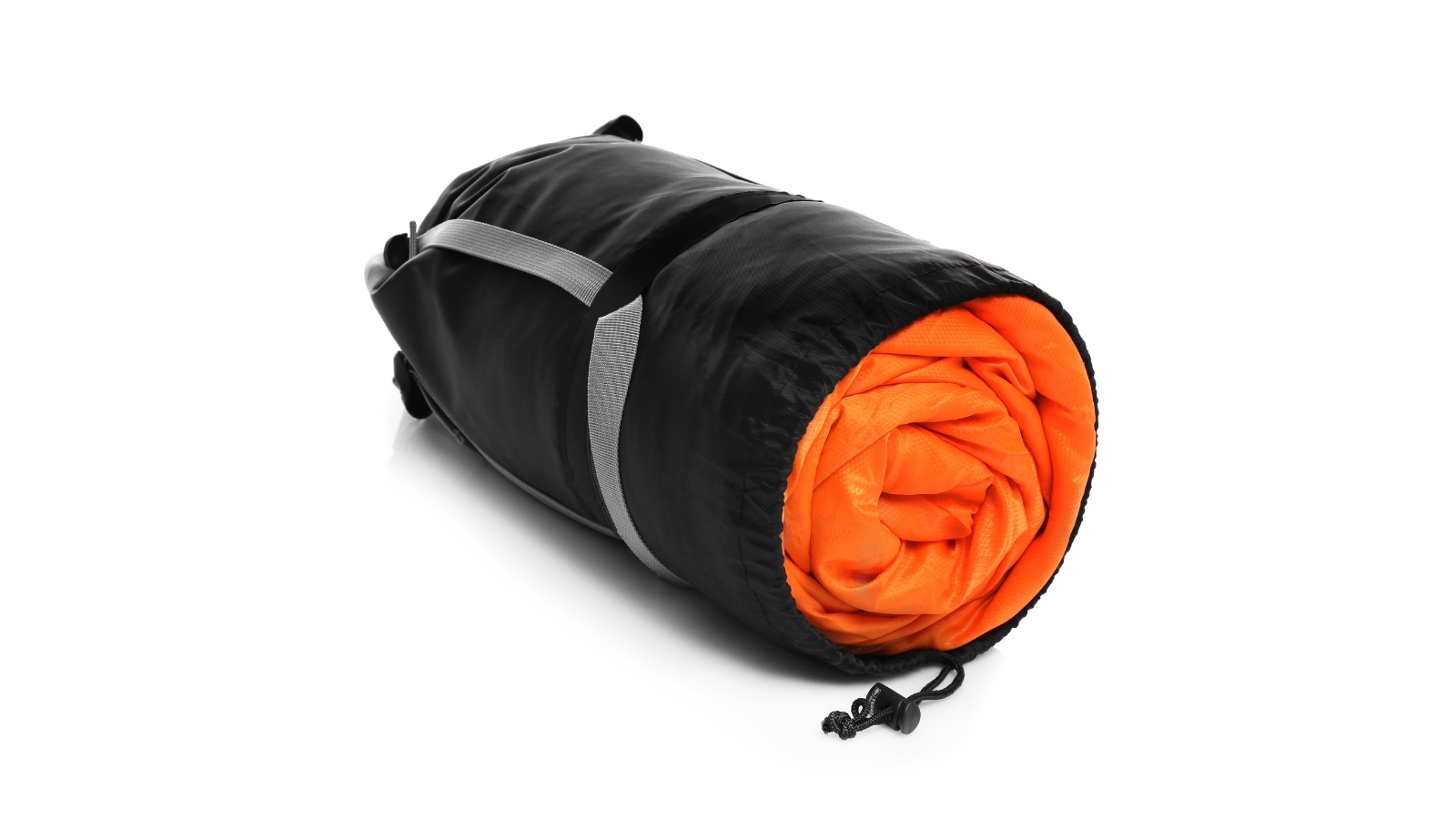
Extra bedding sounds obvious, until you realize the spare blankets are damp in a garage or the sleeping bags are buried behind summer camping gear. Bring enough dry, usable bedding together for each person and keep it somewhere accessible. Sleeping bags can be particularly handy if you have to relocate to a warmer building. Check condition and size rather than assuming an old camping bag is suitable for extreme temperatures. Babies need safe infant sleep arrangements, not piles of adult blankets tucked around them.
12. A complete set of dry winter layers
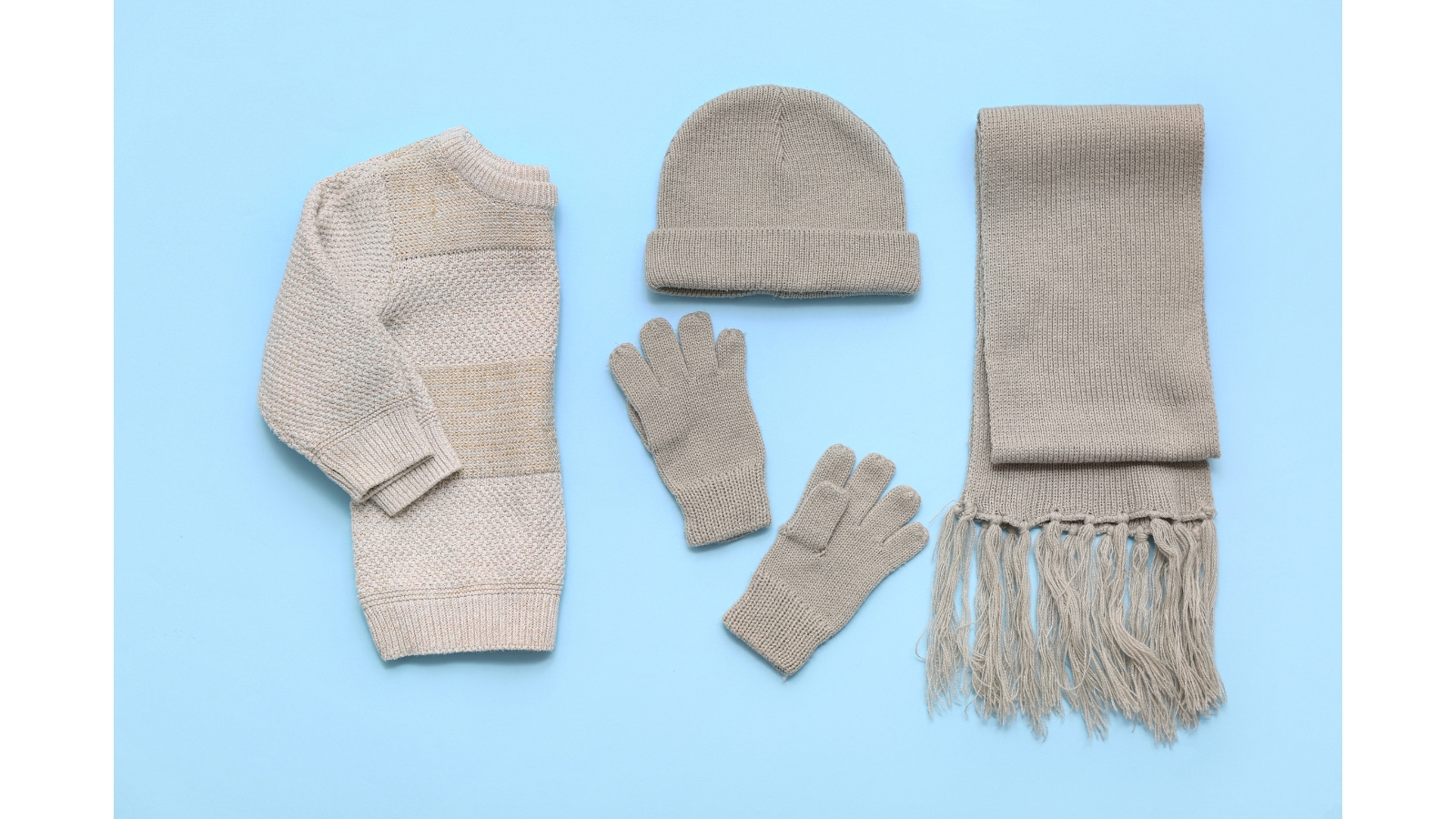
Dry socks can matter as much as a heavy coat when you’re dealing with snow, sleet or a leaking pipe. Put together warm, easy-to-layer clothing for each person: base layers, socks, gloves, a hat, suitable footwear and a weather-resistant outer layer if they may go outside. Check children’s sizes now; winter gear has an unfortunate habit of fitting perfectly last March and nowhere near fitting in November. In the car, avoid bulky coats underneath a child’s car-seat harness; secure the harness properly over thinner clothing and add warmth on top.
13. Essential medicines and replenished first-aid supplies
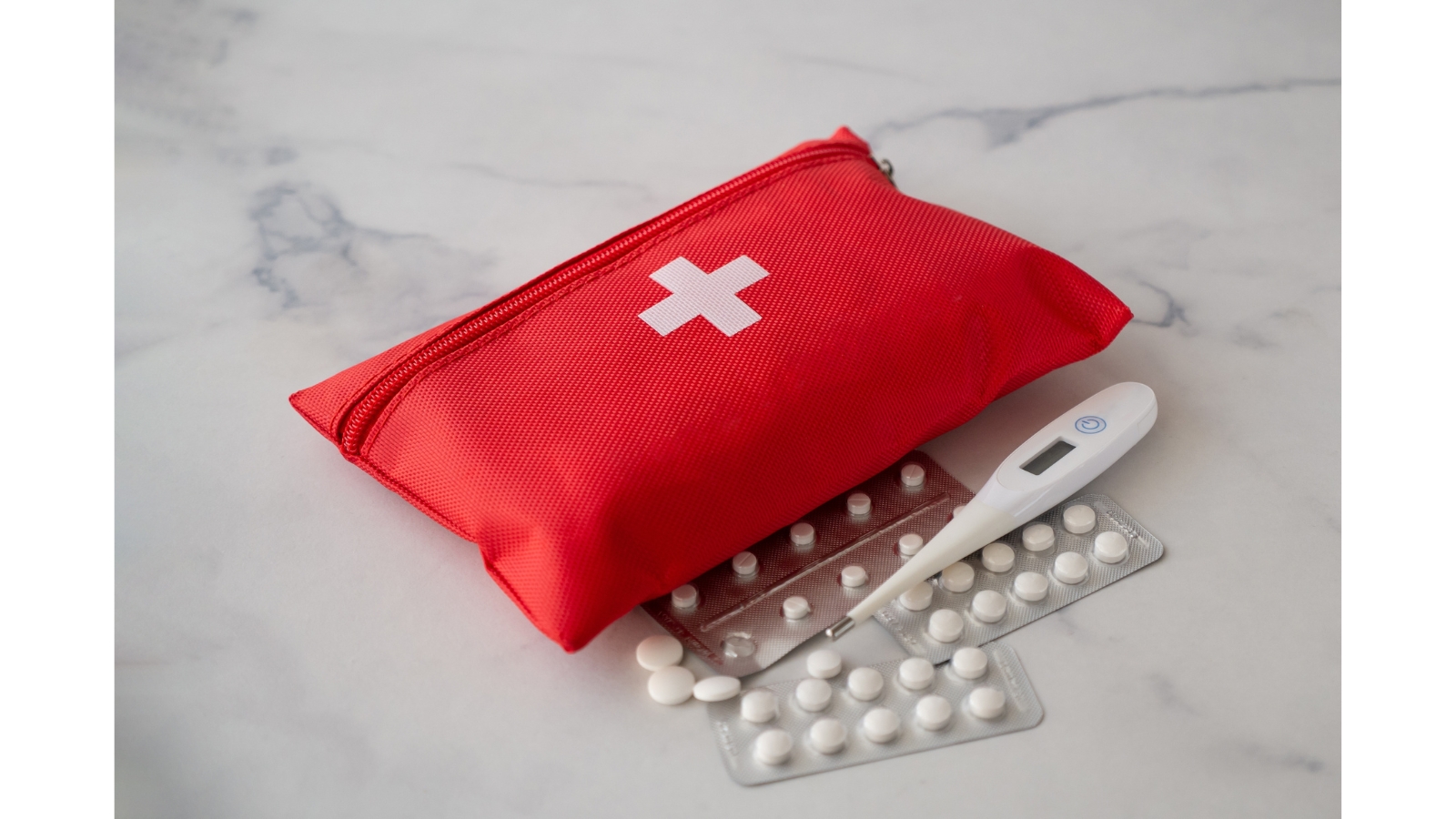
Missing a necessary prescription because the pharmacy is closed is not an emergency you want to improvise your way through. Check refill dates with your pharmacist or prescriber, and restock dressings, gloves and other first-aid supplies you’ve already used. Ask about an appropriate emergency medication supply rather than assuming an extra refill is automatically available. Keep a written medication list where it can travel with you. Anything that needs refrigeration or has specific temperature limits needs a separate plan, including protection from freezing.
Food and cold storage
14. Food you can eat without cooking

A pantry full of dried beans is useful on a normal day, but less so when the stove doesn’t work and you have little water. Choose some foods that need no cooking, chilling or added water: ready-to-eat canned meals, crackers, nut butter where appropriate, fruit cups and other shelf-stable things people will genuinely eat. Think in actual breakfasts, lunches and dinners, not just individual cans. Include any special-diet or infant-feeding needs, and work the older stock into regular meals before it gets forgotten at the back of the cupboard.
15. A manual can opener

There’s a particularly irritating kind of power-outage problem: plenty of canned food and an electric opener that can’t open any of it. Put a sturdy manual can opener with the pantry reserve and try it on a can now. If grip strength or hand mobility is an issue, choose a design that’s manageable or favor pull-tab packages and ready-to-eat pouches. It’s a small purchase, and one that earns its shelf space the first time the kitchen outlets go silent.
16. Refrigerator and freezer thermometers
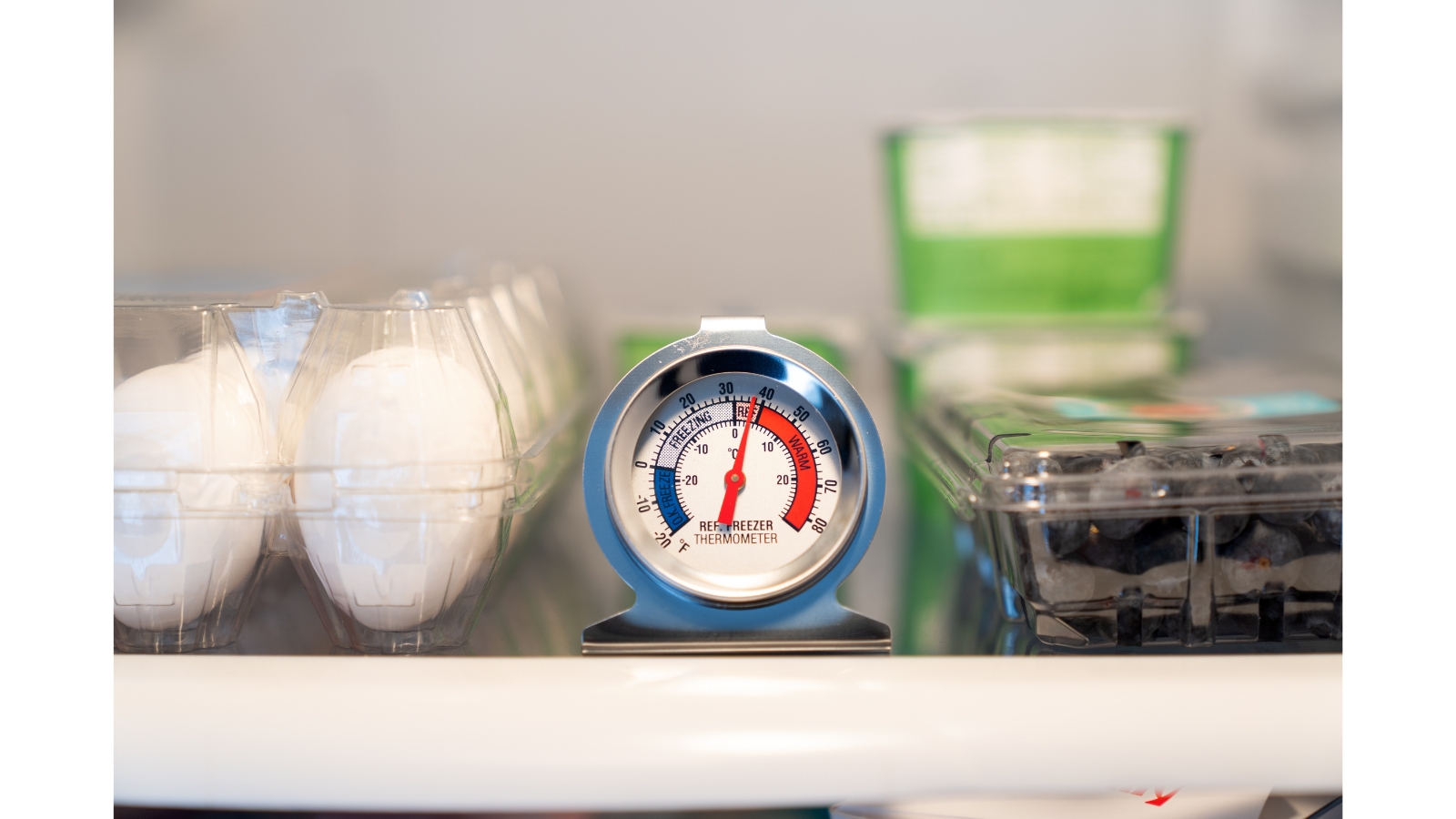
Cold food doesn’t become safe or unsafe based on whether the fridge still feels chilly when you open it. Keep appliance thermometers in the refrigerator and freezer so you have useful readings. The refrigerator should be 40°F (4°C) or below, and the freezer 0°F (-18°C) or below. A closed refrigerator generally stays cold for about four hours in an outage, but that is not permission to keep perishables above 40°F for two hours or longer. Follow the food-safety guidance and throw out food when you can’t establish that it stayed safe. Smell is not a reliable test.
17. A cooler with frozen ice packs
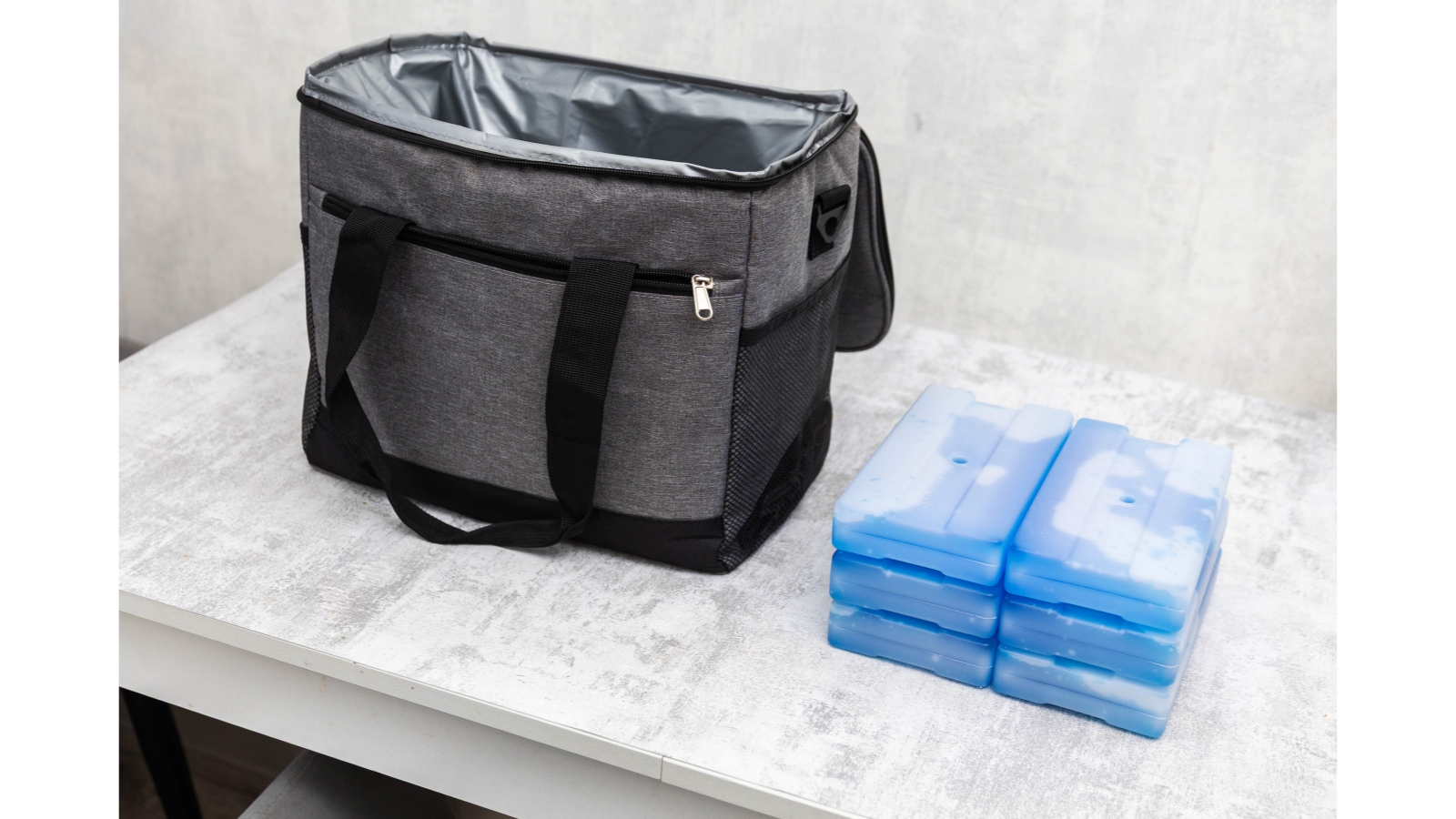
A cooler is more useful when the ice packs are already frozen than when you’re frantically looking for something cold after the power goes off. Check the lid and seals, and freeze reusable cold packs ahead of a likely outage. If you need to move perishables, use a thermometer and enough ice or packs to hold them at 40°F (4°C) or below. Packing food in a snowbank or leaving it on a wintry porch isn’t dependable refrigeration. Outdoor temperatures change, sunlight warms things, and wildlife may be grateful for your efforts.
Pets
18. Extra portions of your pet’s regular food

Pets still need their regular meals when deliveries stop or roads close. Count their food separately from the human pantry and set aside enough of their usual diet for your emergency plan, including any prescription food. Add drinking water for them, too. For dry food, keeping the original package inside a secure bin makes it easier to retain the date and lot number. Rotate the reserve rather than storing a forgotten sack for years. Opened canned or wet food still needs safe handling if your refrigerator loses power.
19. A vet-approved reserve of pet medication

If an animal relies on daily medication, find out now what happens when you can’t get to the vet or pharmacy for several days. Discuss an appropriate reserve with your veterinarian and keep written instructions for each pet, including the name, dose, schedule and practice contact details. Ask about temperature limits if a product must be refrigerated or protected from frost. Don’t substitute human painkillers, supplements or another pet’s prescription. Emergency preparation is about avoiding a missed treatment, not inventing one.
20. A ready-to-use carrier with familiar bedding
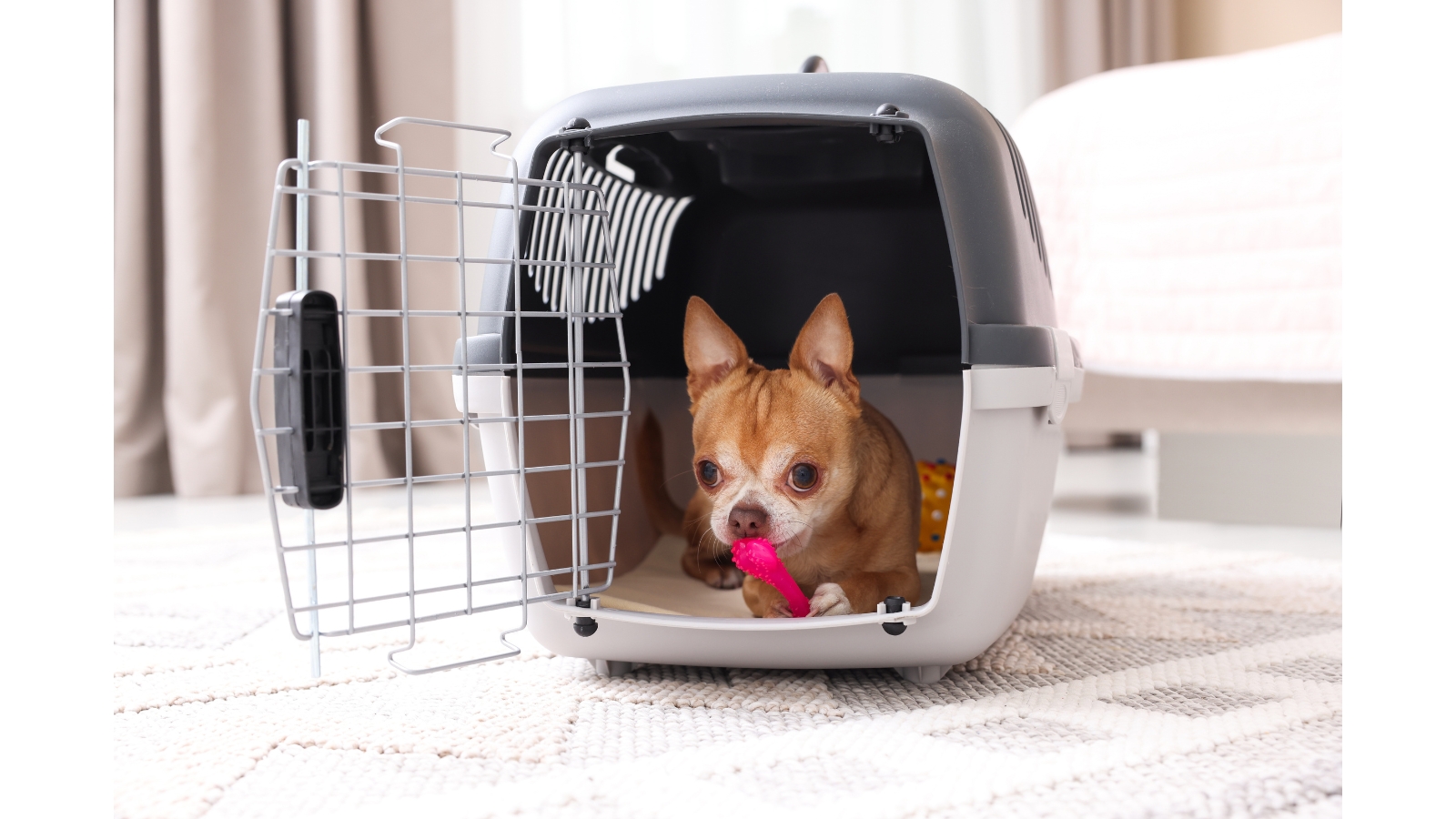
An evacuation is awkward enough without trying to persuade a frightened pet into a carrier they’ve never seen before. Keep a suitable carrier or restraint, ID information, a lead and familiar dry bedding together. Practice using the carrier while the house is quiet, and check that the place you would evacuate to can accommodate your animals. Add litter or waste bags. Dogs and cats are only part of the picture: animals that require controlled temperatures need a species-specific plan agreed with the appropriate professional.
Transport and safe access
21. A sturdy snow shovel
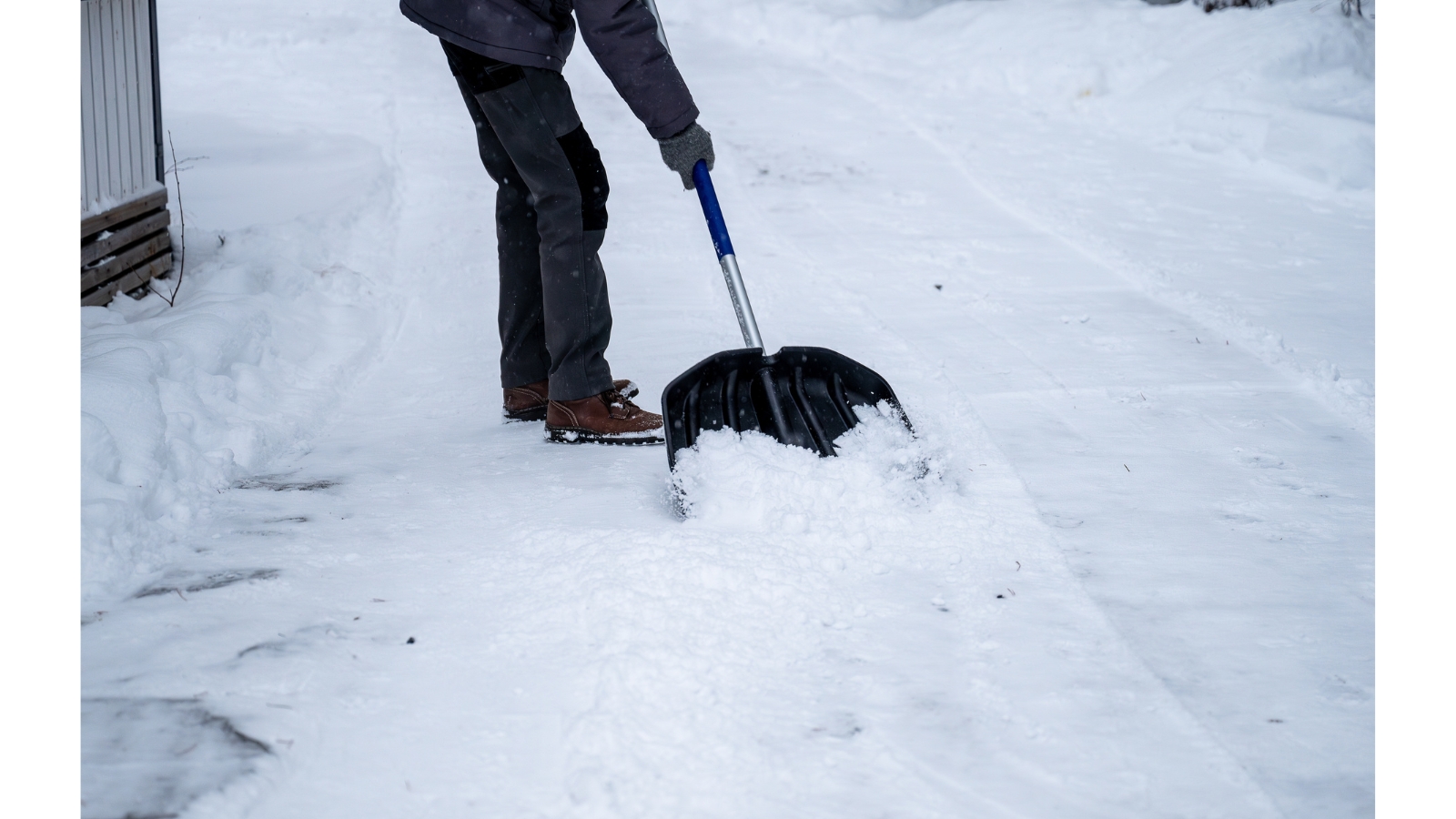
A snow shovel doesn’t have to be fancy, but it does have to be sturdy and somewhere you can reach without crossing the very ice you’re trying to clear. Choose one you can handle comfortably and keep a smaller version in the vehicle if your area regularly gets significant snow. Clear the routes you genuinely need, take breaks, and don’t let a tidy driveway tempt you to overexert yourself in severe cold. If shoveling is risky for your health, arrange help before the storm rather than trying to manage it alone.
22. An ice scraper and snow brush
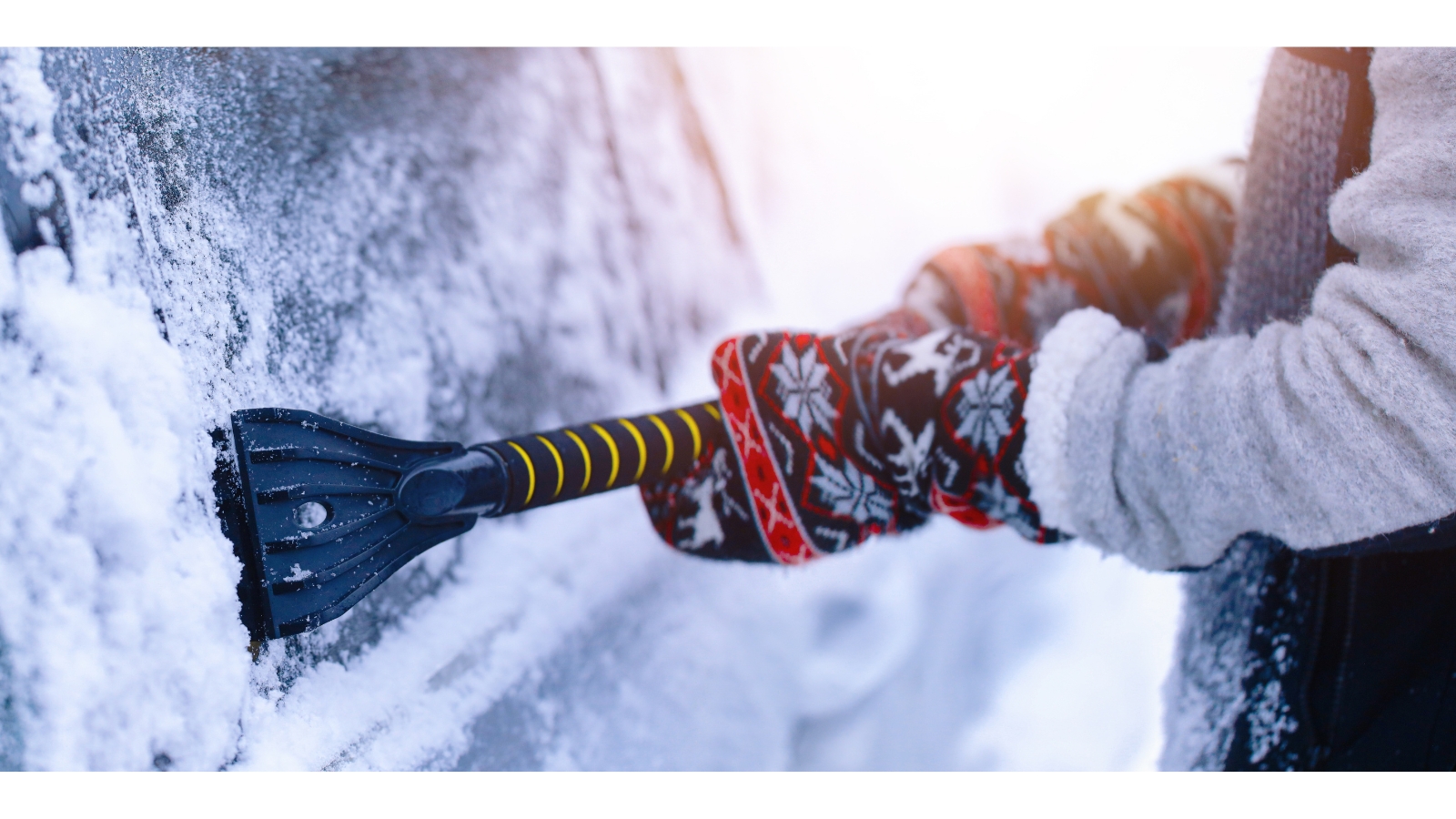
An ice scraper belongs in the car, not on the kitchen counter where it will be wonderfully accessible after you’ve reached a frozen vehicle. Choose a brush-and-scraper combination that reaches the windows and roof of your vehicle. Before driving, clear the glass and loose snow properly, check the wipers and use winter-rated washer fluid for your local temperatures. Don’t pour water onto a frozen windshield: it can refreeze, and sudden temperature changes can damage glass. When the roads are unsafe, a clear windshield still isn’t a reason to travel.
23. A small supply of traction sand

Sand and deicer do different jobs, which is why both can earn a spot in a winter kit. A small lidded container of coarse traction sand can make icy steps or a slippery path less treacherous. It’s also useful to have in some vehicle-recovery situations. Sand adds grip rather than melting ice, so it can help where a chemical deicer is ineffective or unsuitable. Store it somewhere dry and easy to carry, not in an enormous sack that nobody can shift once the ground is slick.
24. Ice melt suited to your surfaces and climate

Before grabbing the cheapest bag of ice melt, consider the paving, the temperature range and anything growing beside the path. Different products work at different temperatures and can affect concrete, plants, soil and nearby water. Pick one labeled for your surfaces and conditions, clear snow first, then use only the directed amount where it is needed. Keep the bag away from pets and children. Even products marketed as pet-friendly should not be eaten or left caked on paws.
25. Jumper cables suitable for your vehicle
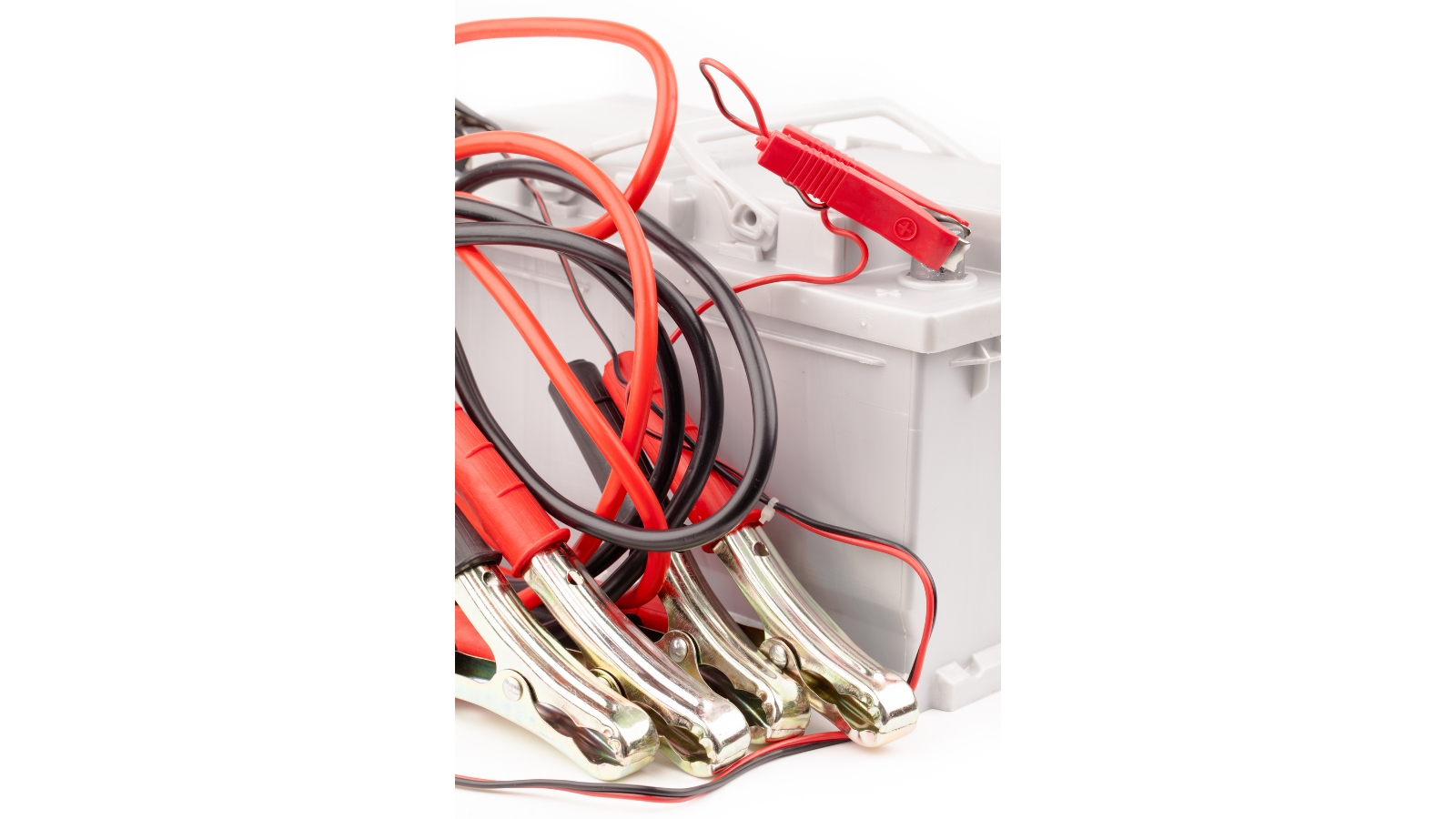
A weak car battery often waits for the coldest morning to announce itself. If jumper cables are suitable for your vehicle, inspect them and keep them with the owner’s manual or accessible jump-start instructions. Hybrids, EVs and modern cars may have particular connection points or restrictions, so follow the vehicle manufacturer’s directions. Never try to jump a frozen, cracked or damaged battery. If you’re uncertain or the vehicle shouldn’t be jump-started, get roadside assistance rather than experimenting with cables in freezing weather.
Check the supplies before the forecast turns serious
Once a winter kit is assembled, it needs an occasional reality check. Before the season starts, test every light and radio, charge the power bank, look at dates on water, food and medication, and make sure the spare clothing still fits. Keep a few key phone numbers on paper. Most importantly, agree on a safe, warm place to go if staying home stops being possible. A smaller collection of supplies you can find and use beats a grand stockpile nobody has checked since the last big storm.
You might also like:
Prepping After 60? Your Emergency Supplies May Need a Rethink
Getting Your Family Involved in Prepping Without the Doom and Gloom

