Affiliate disclosure: This post may contain affiliate links. Please see full disclosure.
A food forest can begin in one sunny corner of an ordinary backyard. You don’t need acres, an orchard, or seven layers of plants squeezed into a space the size of a picnic blanket. Start with one modest fruiting tree or shrub, add a couple of compatible perennial edibles, and let the planting develop over time.
The idea is to grow food at different heights, much as plants grow in a woodland. A small tree or shrub gives structure, herbs occupy the lower layer, and a low-growing crop covers some of the soil. Because most of these plants live for several years, you won’t be starting from scratch every spring.
One thing I care about in permaculture design is whether the planting actually works for the gardener. You need to be able to pick the fruit, water the roots, control enthusiastic spreaders, and keep enough sunlight for the rest of the garden. A little patch that gives you herbs and berries without becoming a maintenance headache is a much better start than an impressive drawing that doesn’t fit the ground.
Choose a corner with enough light and room to grow
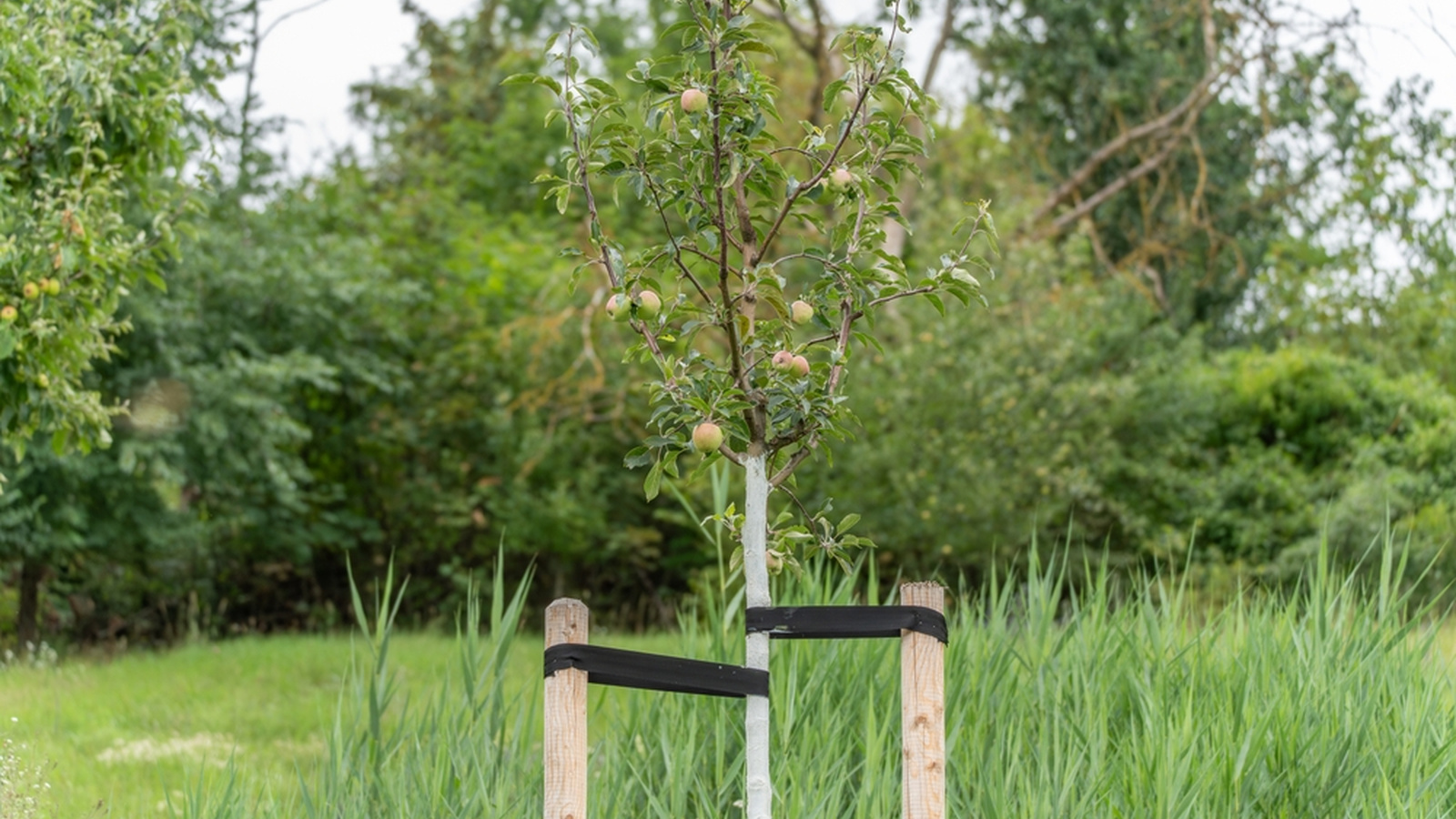
Watch the proposed spot over a few days, preferably during the growing season. Note where the sun reaches in the morning and afternoon, whether rainwater sits after a storm, and how easily you can get a watering can or hose to it. Most fruit trees need around eight hours of direct summer sun for a productive crop, and even small fruit plants usually fruit better with plenty of light.
A corner that looks empty in winter may be shaded by a fence, shed, or mature tree in summer. Don’t plant a new fruit tree there simply because you want to put the space to work. If the area only gets partial sun, look for a locally suitable fruit shrub that tolerates it, or choose a different position.
Allow for the mature width of everything you choose, not the size of the plants in their nursery pots. Leave enough space to get behind plants for pruning and harvesting. If the tree’s future branches would hang over your neighbor’s fence, block a path, or shade your best vegetable bed, it isn’t the right tree for that corner.
Start with one fruiting tree or shrub
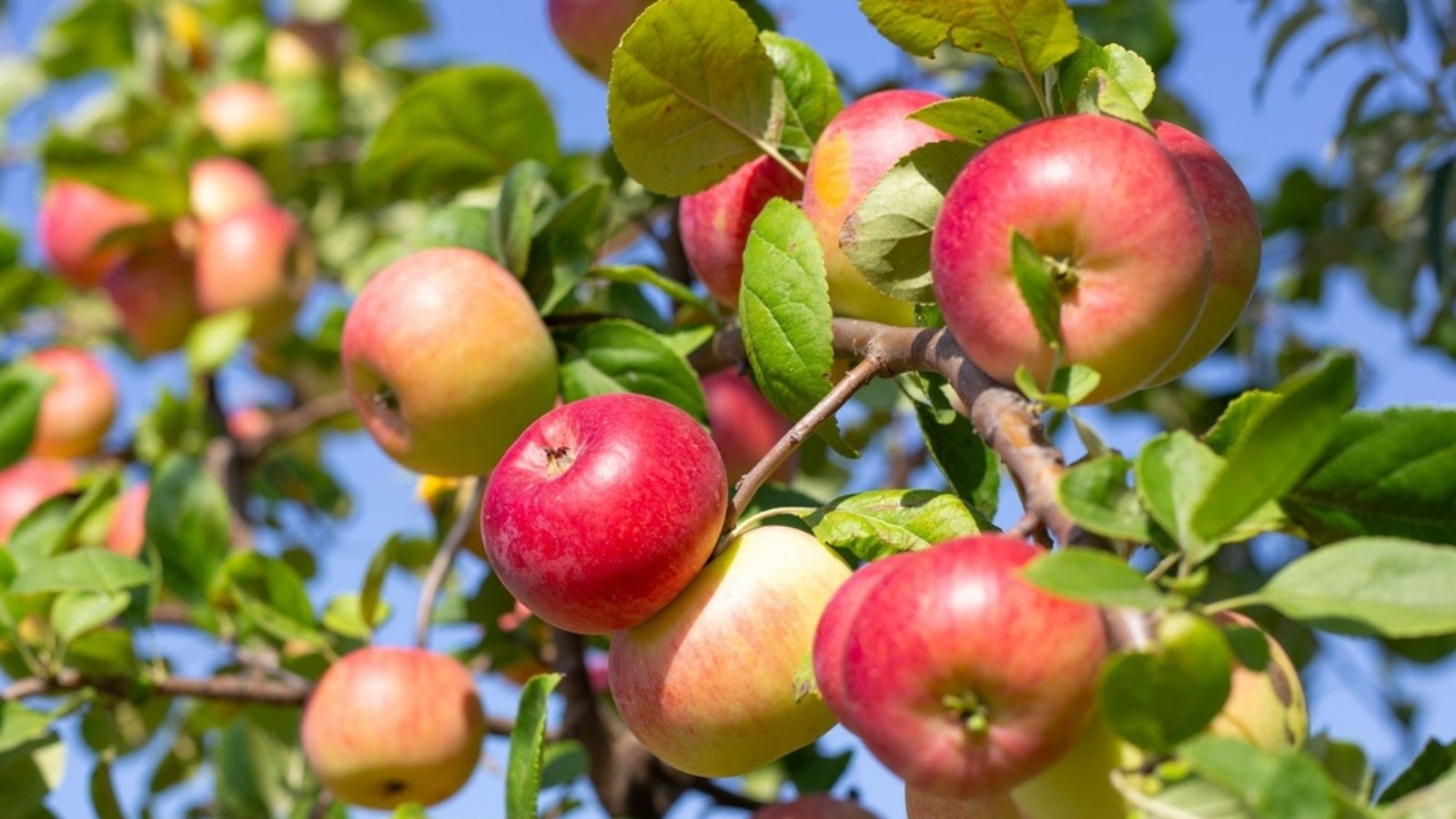
For a roughly 12-by-12-foot sunny area, a carefully chosen dwarf apple can be a useful anchor plant. The key word is chosen. Ask the nursery for its rootstock, expected mature height and spread, disease resistance, and any staking needs. A tree sold simply as ‘small’ isn’t enough information. Look for a variety that copes with the winters and summer conditions where you live.
Check pollination before buying. Most apples need pollen from a different, compatible apple variety that flowers at the same time. A nearby crabapple may do the job, but don’t assume that any apple tree a few streets away is close enough. If you don’t have a suitable pollinator and room for a second tree, choose another fruiting plant rather than planting an apple that barely fruits.
I wouldn’t force a tree into a very small garden corner. A compact berry shrub can be a more sensible first layer, especially where you can spare only a small bed. Choose by its adult size, light needs, and local climate. If you’re considering blueberries, remember they need substantially more acidic soil than most ordinary garden plants. A separate container or specifically prepared acidic bed is usually easier than trying to make every plant in the corner like the same soil.
Add a useful herb layer and a low strawberry edge
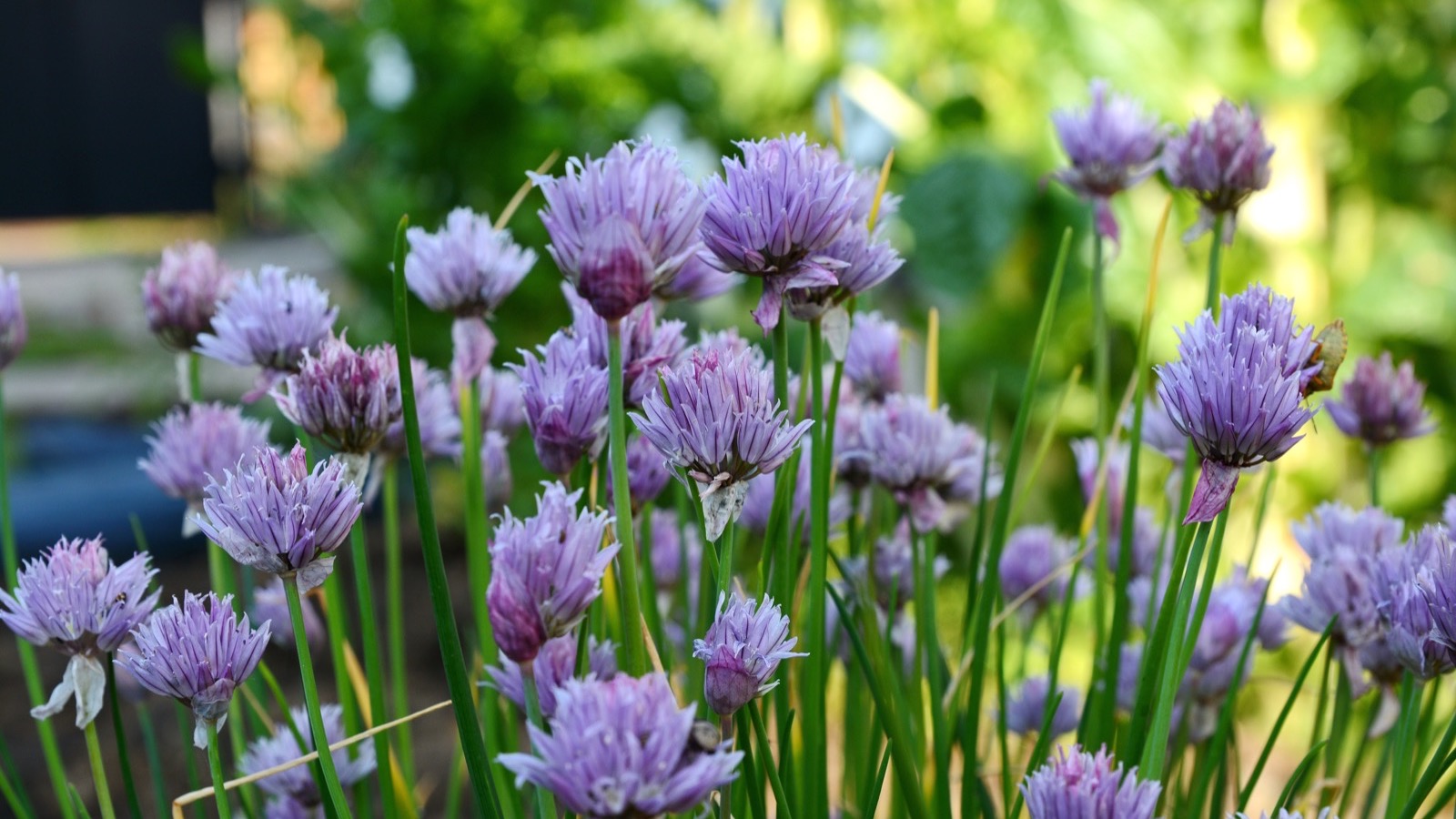
Chives are an easy perennial to add at the sunny edge. They produce edible leaves, and you can let some of their flowers bloom for visiting insects. They work well with the ordinary, moist but well-drained soil preferred by many fruiting plants. Two small clumps are plenty to start; you can divide them later if you want more.
For ground cover, I recommend alpine or woodland strawberries rather than trying to carpet the whole area with vigorous garden strawberries. Their little fruits are wonderfully aromatic, and some varieties grow in tidy clumps while others make runners. They tolerate light shade, though they’ll give you more berries in the sunnier part of the planting. Put them where you can spot the ripe fruit without crawling under the tree.
These three edible layers are enough to get started. There’s no obligation to add a climbing vine, a nitrogen fixer, a root crop, and a shrub just because a food-forest diagram labels those layers. Plants need room, water, and light. I don’t believe in packing a garden with supposed companion plants unless they have a genuine purpose and compatible growing conditions.
Try a simple layout you can actually maintain
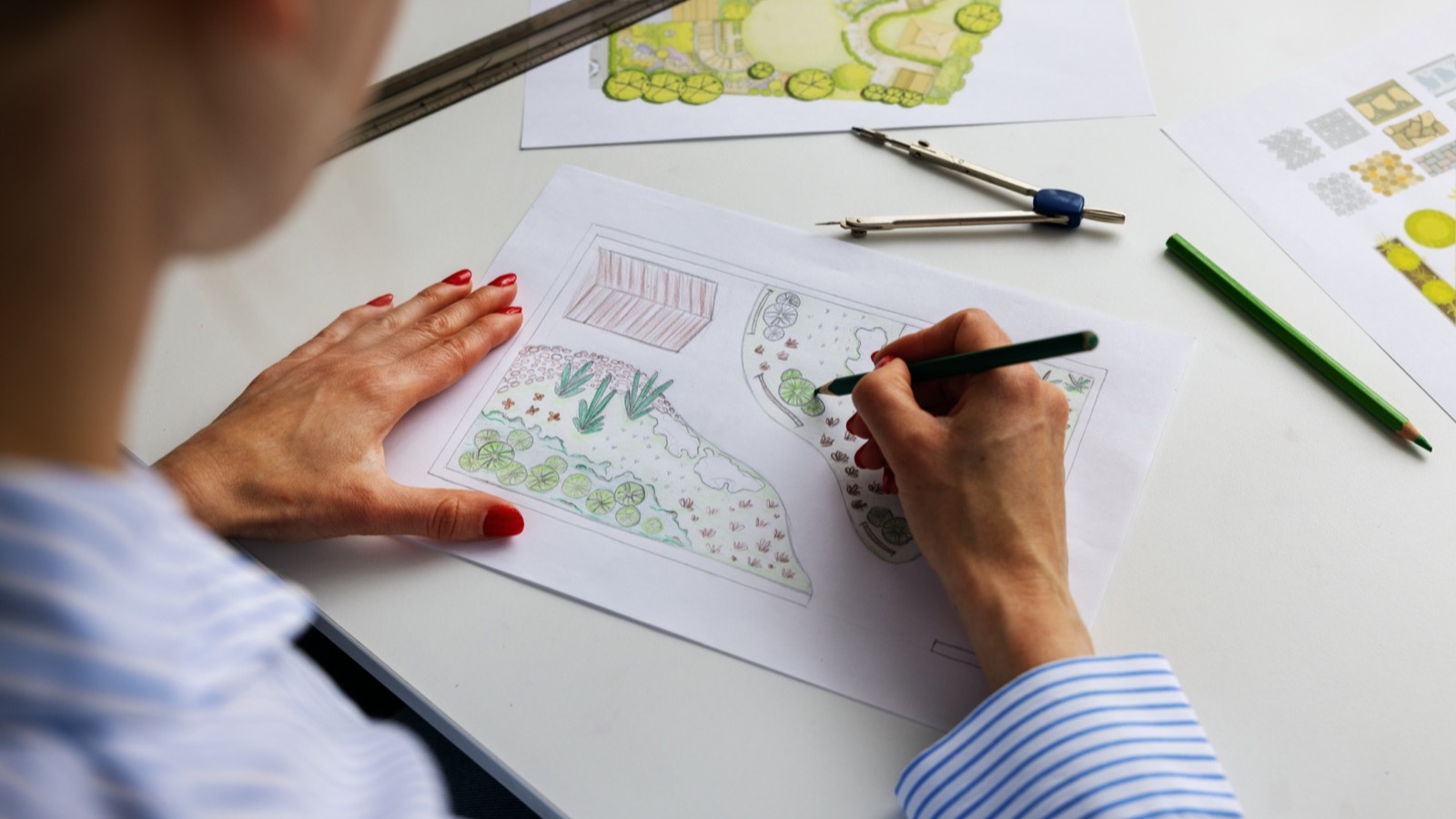
In a sunny corner about 12 feet by 12 feet, mark where the dwarf tree’s managed canopy will be when mature. Put the tree toward the northern side only if there’s still proper clearance from fences, buildings, and neighboring property. That helps keep the southern edge open to sunshine. Check the nursery’s size guidance rather than assuming every dwarf tree fits this footprint.
Leave a clear, mulched area at least a few feet around the young trunk so the new tree isn’t immediately competing with grass and ground covers. Around the outer sunny edge, place two chive clumps and three to five alpine strawberry plants, spaced for their eventual spread. You can add more later if they thrive. Keep an open strip or stepping-stone approach so you can reach the tree to prune, check for pests, and pick fruit without trampling the smaller plants.
If your space is closer to 6 by 8 feet, leave the apple tree out. Start with one genuinely compact fruit shrub, a small patch of alpine strawberries, and chives along the edge, provided their sun and soil requirements match. It still gives you more than one productive layer, and it can grow into a fuller planting as you learn how the space behaves.
Prepare the ground, plant, and mulch properly
Clear perennial weeds and lawn grass first. If the ground is weedy but otherwise suitable, covering it to smother growth before planting is less disruptive than repeatedly digging the whole patch. Check drainage and test soil pH if you’re uncertain about the soil. A little finished compost can improve the soil, but don’t build a tiny pocket of rich potting mix in an otherwise poor site and expect the roots to stay happy there forever.
Plant a fruit tree at the correct depth, with the root flare at the soil surface and the graft union above it. Spread the roots into a broad planting hole, backfill with the existing soil, and water well. Use a support if the rootstock or exposure calls for one, and protect the trunk if rabbits or deer visit your garden.
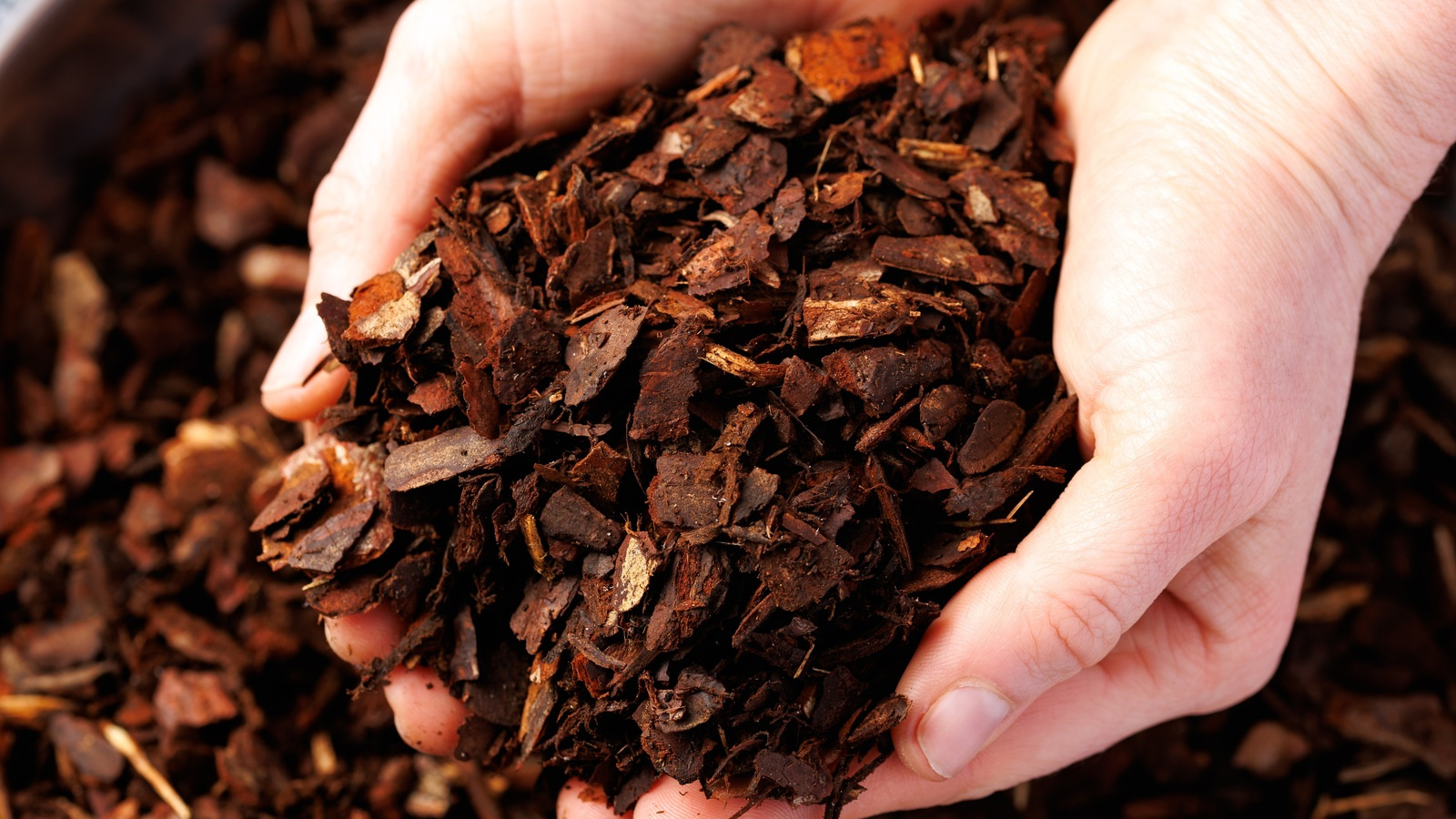
Then spread roughly 2 to 3 inches of shredded leaves or wood chips across the bare soil, tapering the mulch away from the trunk rather than piling it against the bark. Keep a similarly clear space around the crowns of strawberries and other small plants. Water the planting regularly during its first growing season, adjusting for rainfall and drainage. Perennial doesn’t mean self-watering.
Keep annual vegetables in a separate bed

A food forest is useful for fruit, herbs, and other long-lived crops, but it doesn’t replace the vegetable garden. Tomatoes, peppers, squash, and many beans need a good deal of sun and open space. As the fruit tree grows, its canopy will make those conditions harder to provide.
Carrots, beets, radishes, and potatoes are also easier to manage in a dedicated vegetable bed. You can prepare the soil, sow in rows or blocks, thin seedlings, and lift roots without disturbing the permanent roots of your fruit trees and shrubs. Lettuce, peas, spinach, and many other annual vegetables benefit from being sown in succession as one crop finishes and another begins.
I grow a substantial amount of my own food, and I’d keep the two systems working together rather than trying to make one do everything. Use the food forest for harvests that return year after year and the vegetable beds for the crops you want to sow, rotate, and harvest intensively. A small sunny raised bed can be far more productive for tomatoes and carrots than the increasingly shady ground beneath a fruit tree.
Let the first plants settle before adding more
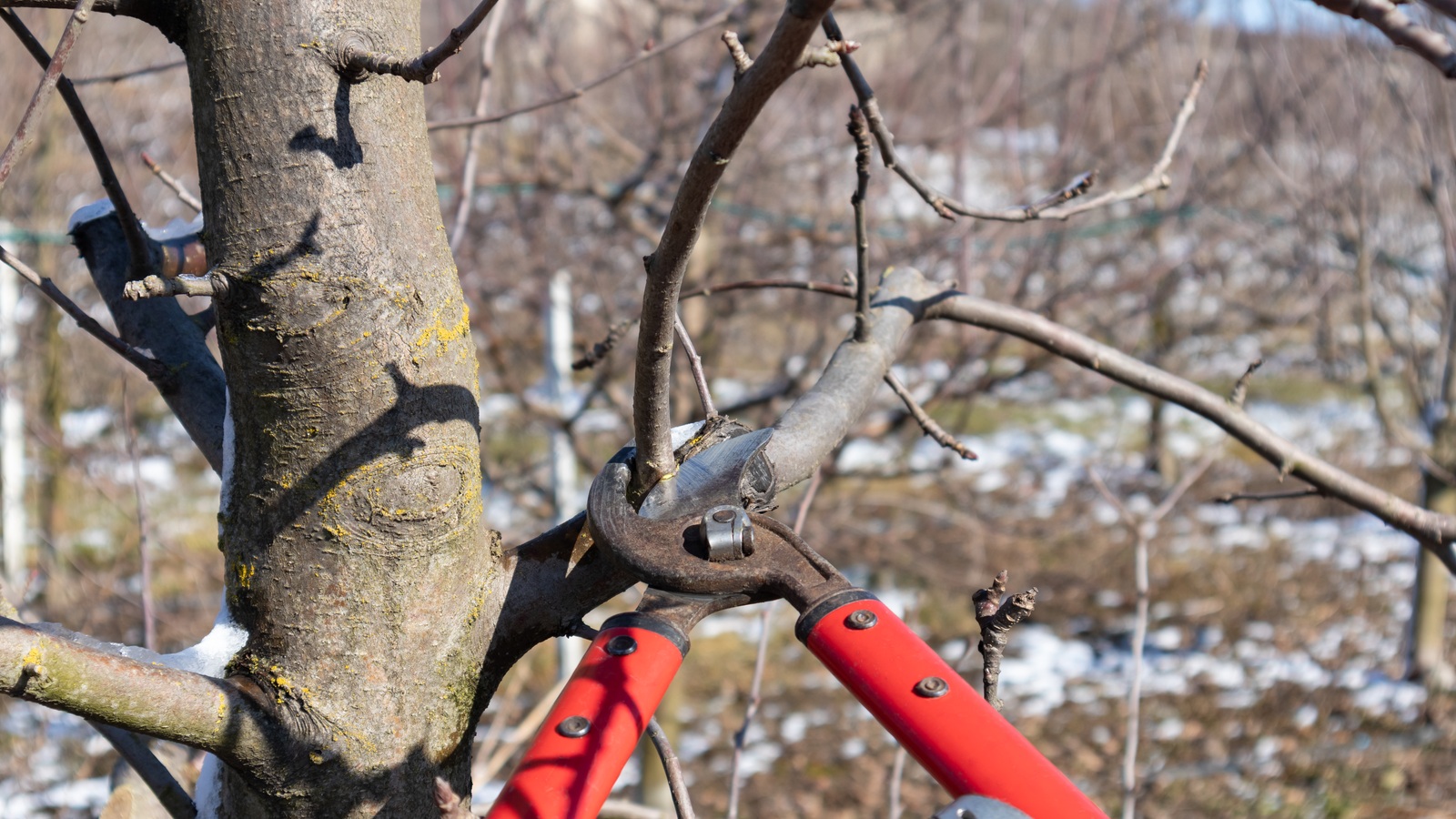
Give the new planting a full growing season before filling every gap. Watch where the shade falls as the foliage expands, whether the strawberries spread too quickly, and which spots dry out first. Top up mulch as it breaks down, keep weeds away from young woody plants, and prune your tree to suit its species and training system.
In time, you may have room for another perennial herb or a small fruit shrub. You may also discover that the original three layers are enough. Mint, running raspberries, and huge rhubarb plants all have their uses, but I wouldn’t squeeze them into a tiny corner without planning for their mature spread.
Start with plants you actually eat and can look after. A few chives for the kitchen, a handful of alpine strawberries, and eventually fruit from a well-chosen tree might not look like a forest at first. That’s fine. You’re building a productive planting that has room to grow, not trying to make the whole garden wild overnight.
You might also like…
Grow a Living Fence for Privacy, Flowers, and Fruit
What Your Fruit Trees Need After Harvest, and What Should Wait
12 fruits and vegetables to plant in January for earlier harvests