Affiliate disclosure: This post may contain affiliate links. Please see full disclosure.
One frosty night can put an end to a tomato plant that’s still loaded with unripe fruit. If the cold spell is brief, a well-anchored cover may buy those tomatoes more time on the vine. If a hard freeze is coming, you’re better off harvesting the mature fruit before it freezes and letting it finish ripening indoors.
I don’t see much point in keeping a dying plant alive through endless cold nights just for the sake of it. What matters is getting the last usable tomatoes into the kitchen. Sometimes that means making a quick cover from an old sheet. Sometimes it means heading outside with a basket and picking the lot.
Work out whether you’re facing a light frost or the end of the season
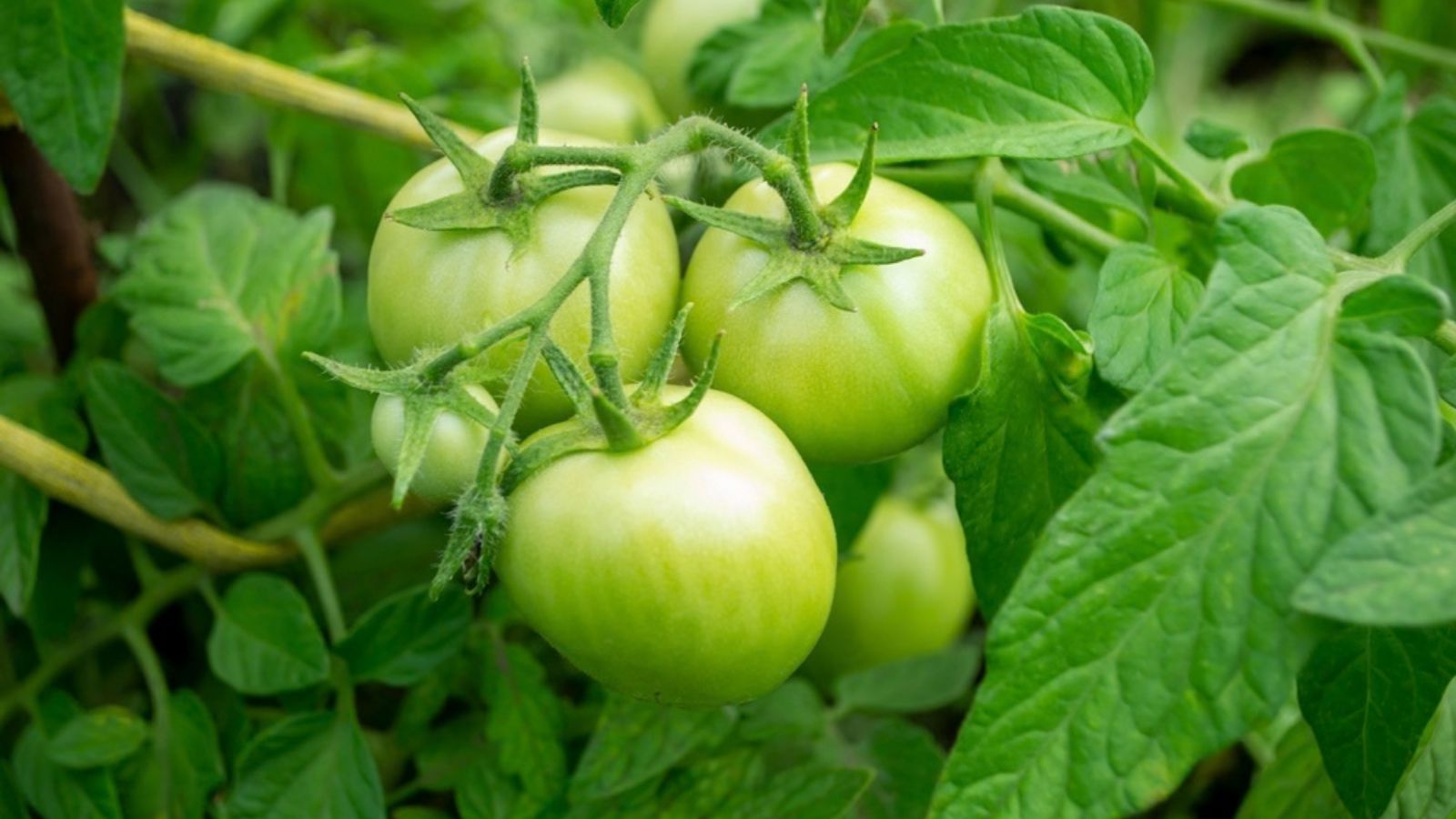
A brief, light frost followed by warmer days is worth protecting against, particularly when the vines are healthy and the larger tomatoes are nearly ripe. But tomatoes are tender plants, and freezing weather can kill the foliage and damage the fruit. Once nights regularly fall below 50°F (10°C), ripening also slows considerably, even if the plants haven’t actually frozen.
Check the forecast for the whole week, not just tonight. A single chilly night followed by several pleasant afternoons gives you a reasonable chance of another harvest. Several frosty nights in a row, or a sustained hard freeze, are a different story. I wouldn’t gamble a crop of nearly mature fruit on a thin sheet of fabric in those conditions. Also remember that a sheltered wall and an exposed, low-lying bed can have very different temperatures on the same night.
Cover the tomatoes before the evening turns cold
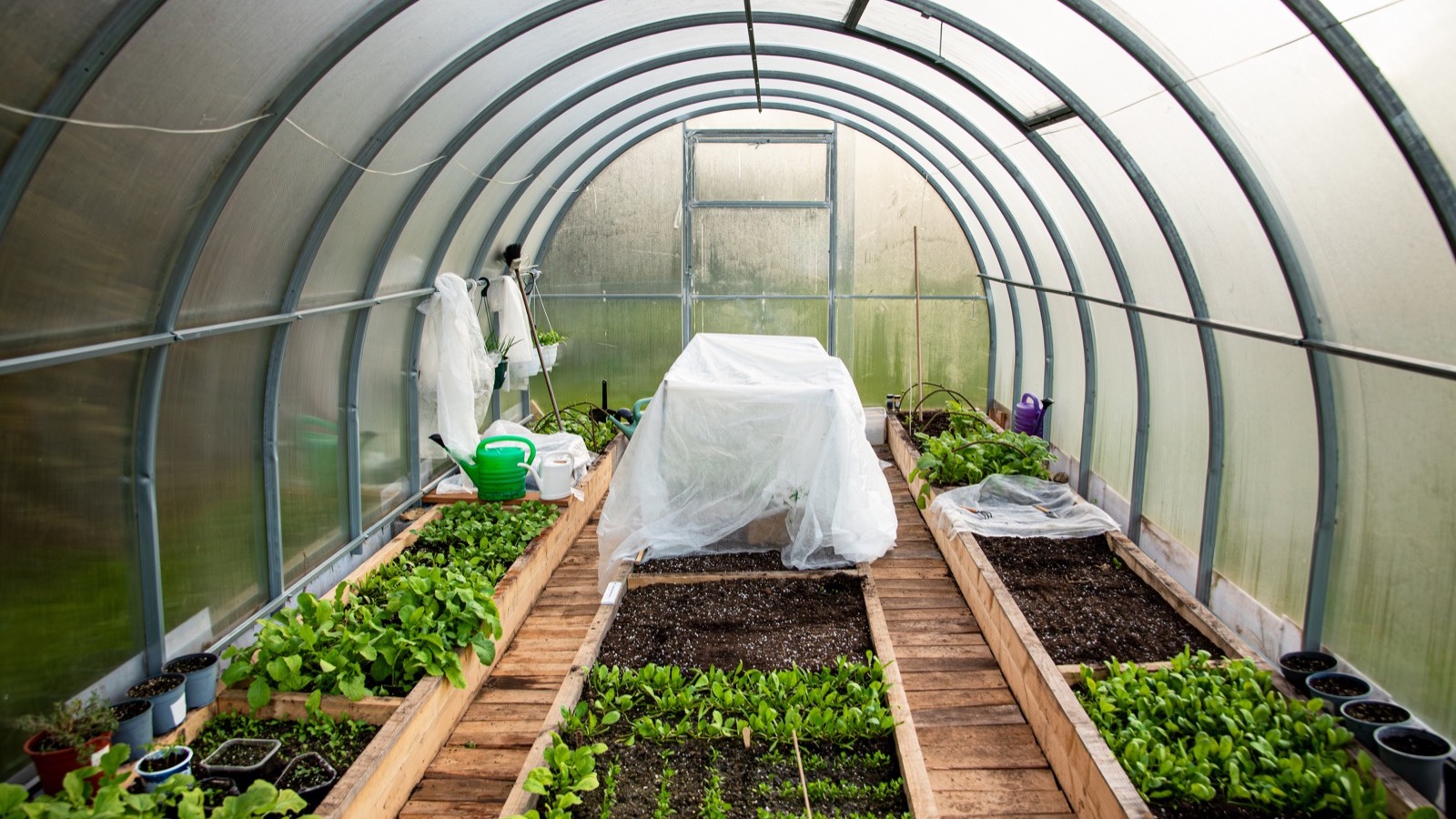
For a last-minute frost, I prefer horticultural fleece or a clean, lightweight sheet over the plant’s existing cage or supports. You don’t need to buy a mini greenhouse to save a few tomatoes.
- Pick any ripe tomatoes and those already starting to blush. They’re ready to finish indoors anyway, and there’s no reason to risk them overnight.
- Drape the fabric over the whole plant while there’s still some warmth in the ground. Use the tomato cage, sturdy stakes, or a simple frame to keep a heavy sheet from pulling branches down or knocking fruit off.
- Bring the fabric right down to the soil and secure the edges with boards, bricks, soil, or other weights. Don’t just wrap the top of the foliage. The cover works partly by holding onto warmth released by the ground.
- Take the cover off, or open it up, once temperatures rise the next morning. Plants still need light and ventilation. If you’ve used clear plastic over a frame, be especially careful: it can heat up quickly in sunshine, and it shouldn’t lie directly against the leaves.
Breathable fleece is generally easier to manage than an airtight plastic cover and gives a modest amount of frost protection. Reuse what you have where possible. A sheet can be quite adequate for a mild frost, provided it is properly anchored and not allowed to crush the plant. Neither will reliably save tender tomatoes from prolonged freezing weather.
If your tomatoes are in pots, move them into a frost-free garage, porch, or other sheltered space for the night. Make sure it’s actually above freezing in there. If the soil is very dry, water the ground earlier in the day, rather than soaking the plants just as temperatures fall. Wet, sodden soil doesn’t need another drink.
Know when it’s time to stop covering and start picking
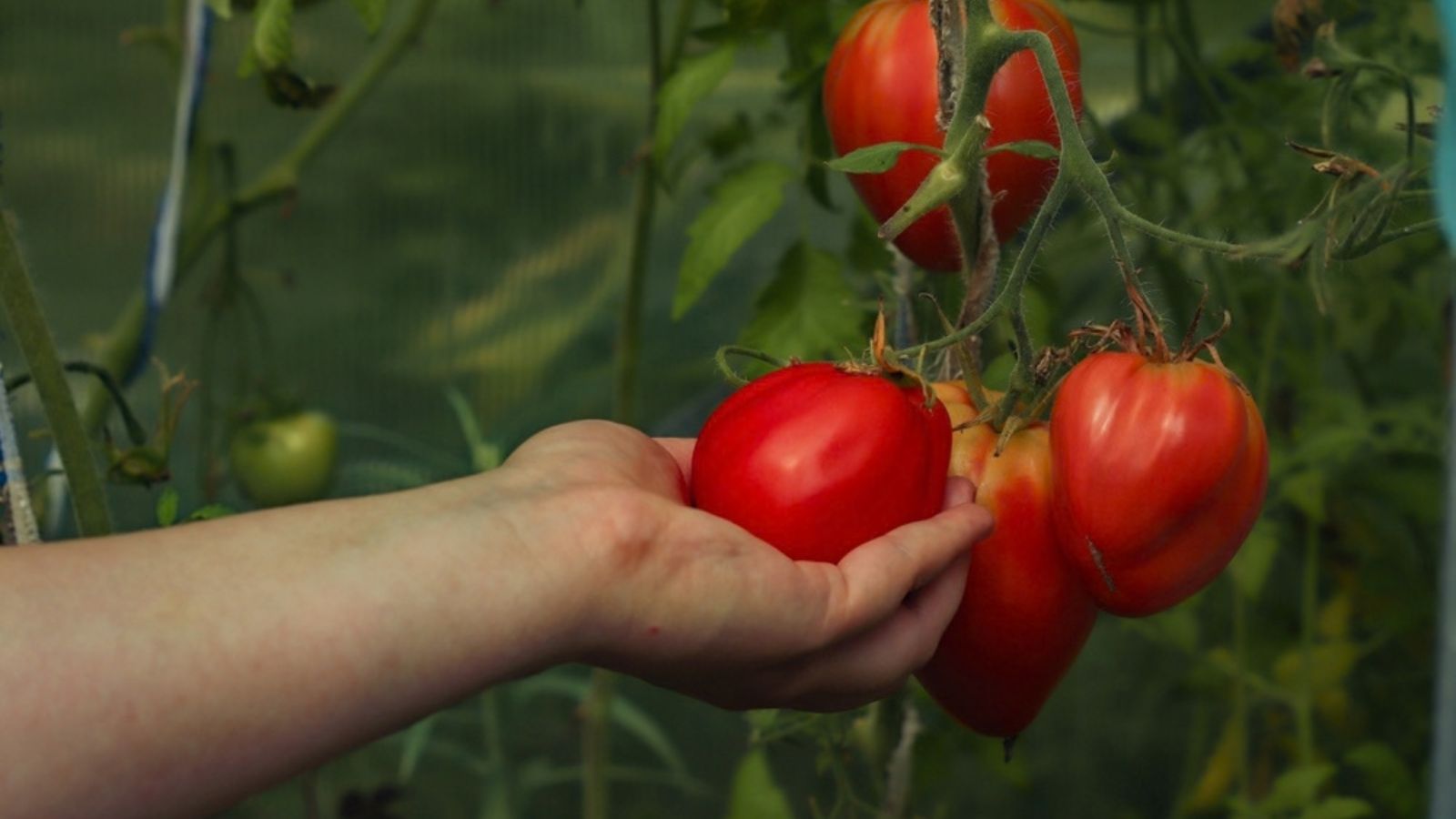
A cover is a short-term fix. It can get a plant past an early frost while you wait for a few warmer days, but it won’t make October or November behave like midsummer. When the forecast shows a hard freeze or a run of cold, gray days, bring in the fruit before you lose it.
I’d take every colored tomato first, including those showing only a small patch of pink, yellow, orange, or whatever their ripe color should be. Then sort the green ones. You don’t need to keep the vines going for fruit that’s already developed enough to ripen off the plant. And don’t be tempted to strip away most of the leaves to expose the tomatoes to sunshine. The fruit doesn’t need direct sun to turn color, and you can end up doing more harm than good.
Pick mature green tomatoes, not just anything green
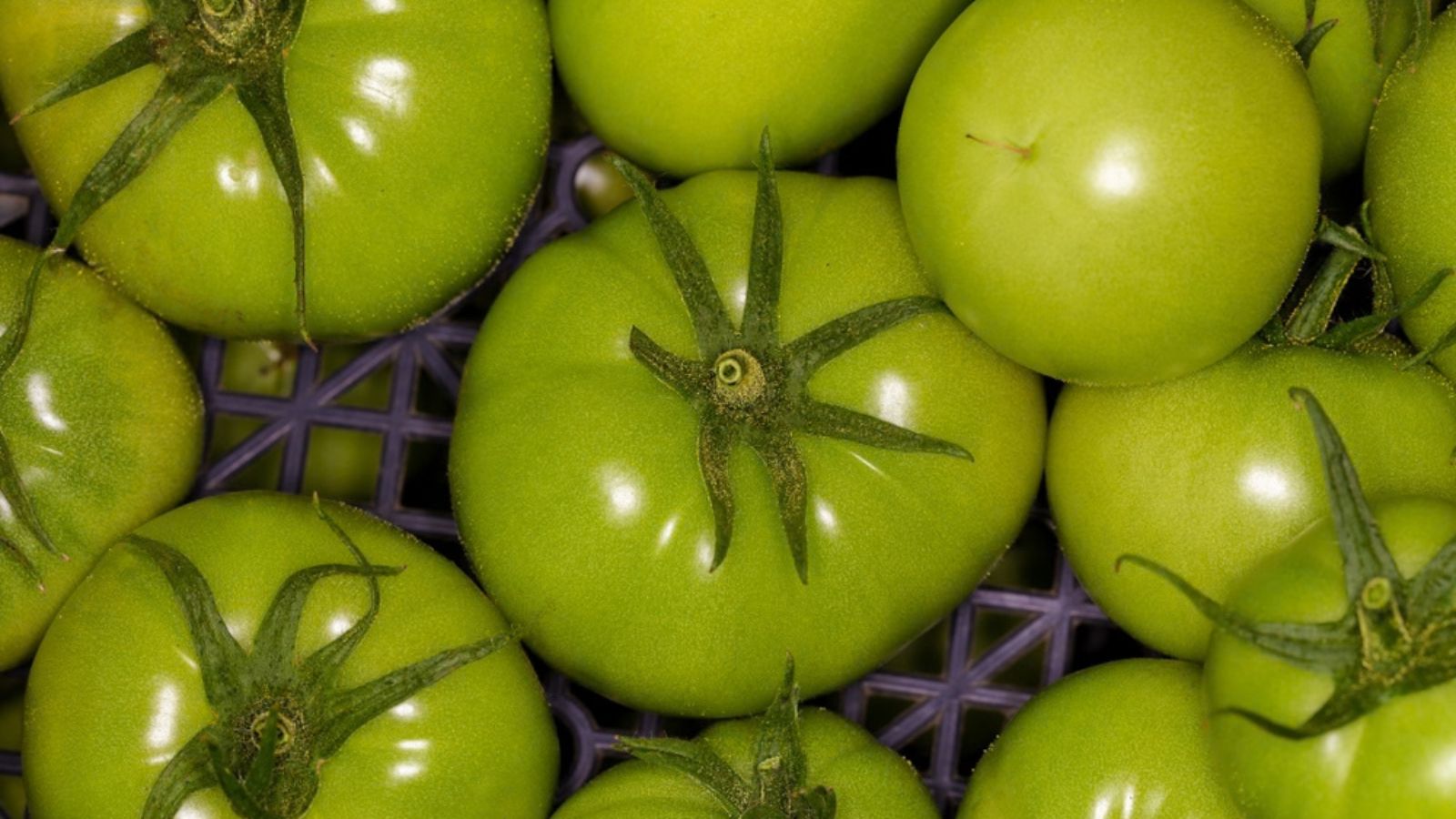
The green tomatoes worth saving for indoor ripening are nearly full-sized and have developed past that hard, dark-green, immature stage. Many turn a little paler or glossy, sometimes with a creamy or whitish star at the blossom end. They’re still firm, but they no longer look like tiny, undeveloped marbles. A tomato that’s just beginning to change color is an even better bet.
Not sure? Cut open one representative green tomato. In a mature fruit, the seeds sit in a jellylike gel. Very immature tomatoes have little gel and soft, undeveloped seeds, and they’re far less likely to ripen properly after picking. That quick check is useful if you’ve got a whole cluster at the same stage, though obviously you don’t want to cut up every tomato to find out.
Pick with care, removing or trimming the stems so they can’t puncture neighboring fruit. Keep sound, unblemished tomatoes for ripening. If a fruit has split, gone soft, developed a suspicious dark patch, or shows signs of rot, don’t tuck it into a box with the good ones. Small, sound, immature green tomatoes can still be useful for cooking, but don’t expect them all to turn red on the windowsill.
Ripen the last tomatoes indoors, without needing a sunny windowsill
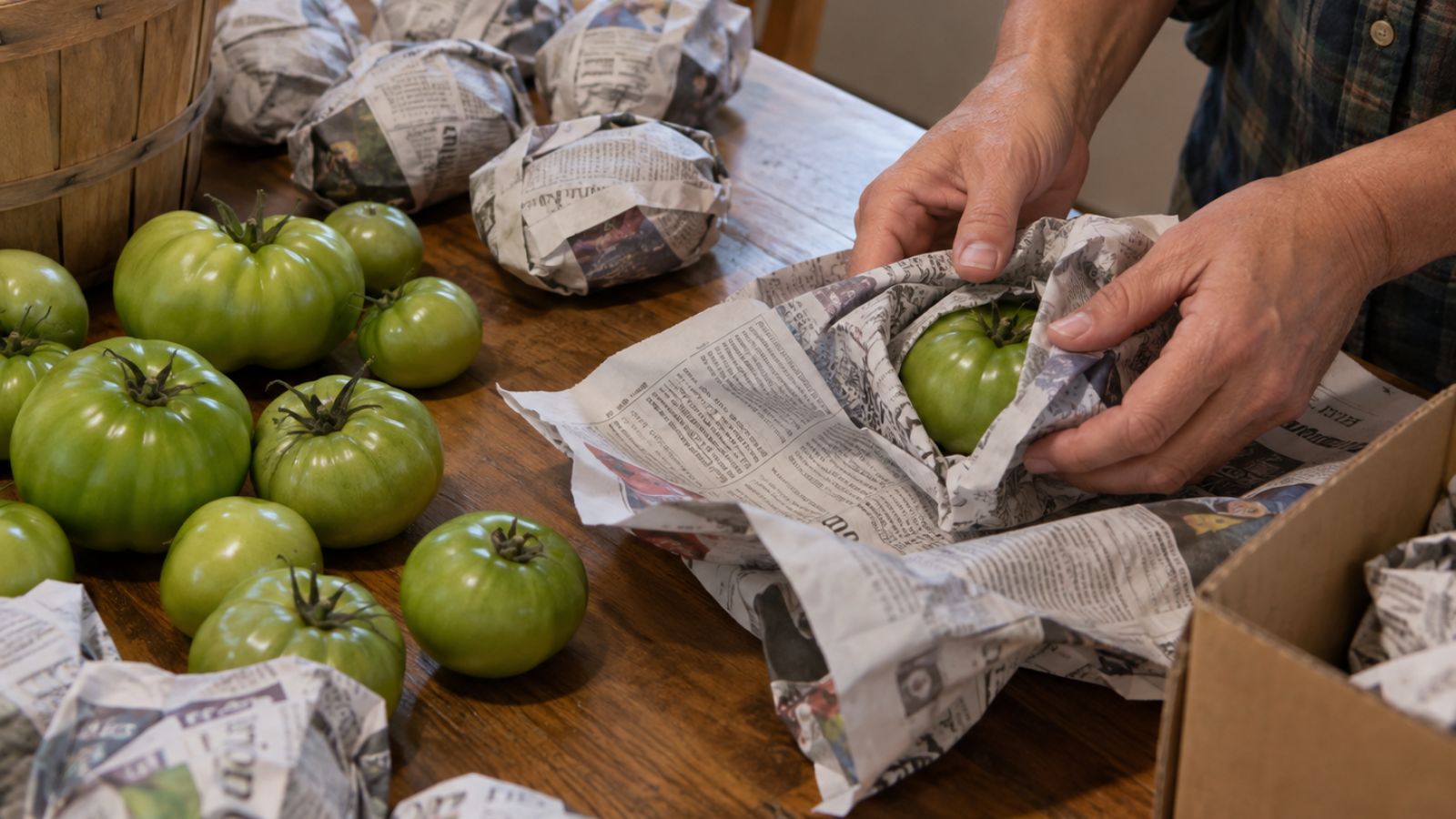
Tomatoes don’t need sunshine once they’re mature enough to ripen off the vine. They need a suitable temperature, time, and somewhere they won’t be bruised or left to rot. For a batch of late-season fruit, this is the simplest method:
- Rinse off garden dirt, then dry each tomato thoroughly. Remove stems and sort the fruit by how far along it is, separating those already changing color from the fully green ones.
- Arrange them in a single layer on a paper-lined tray or shallow cardboard box, ideally without the fruits touching. Loosely cover with paper if your room is very dry, but don’t seal wet tomatoes inside an airtight plastic bag.
- Keep them out of direct sun at roughly 60°F to 70°F (16°C to 21°C). At the warmer end they’ll ripen faster, often in a couple of weeks; cooler conditions slow the process. Avoid temperatures below 50°F (10°C), including a cold garage or refrigerator.
- Check every couple of days. Take out anything that’s ripe and ready to eat, and discard tomatoes developing soft spots or mold before they affect their neighbors.
You can wrap individual mature green tomatoes loosely in paper if you want them to ripen more gradually. I’ve no objection to a ripe apple or banana in the box to encourage ripening, but it isn’t necessary, and I’d rather have a box I can easily inspect than a forgotten bag of sticky fruit. The last tomatoes may not have quite the flavor of a summer tomato picked at its peak, but plenty will still be good for cooking and eating.
Don’t try to store tomatoes that have actually frozen

After a frost, leave the plant alone until it has thawed before judging the damage. Blackened, limp leaves tell you the vine has suffered, but check the fruit itself. Tomatoes that are water-soaked, translucent, mushy, or beginning to decay aren’t candidates for indoor ripening. Remove them from sound fruit, and throw away anything spoiled.
There’s an extra precaution if you preserve your harvest: don’t use tomatoes from dead or frost-killed vines for home canning. Their acidity and condition may no longer meet the assumptions of safe, tested canning directions. It’s particularly frustrating to lose the last crop, but a jar of spoiled tomatoes is no consolation.
You might also like…
How Cold is Too Cold for Tomato Plants?
82 EASY Tomato Recipes for When You’ve Got Too Many Tomatoes!
The Plentiful Weed You Can Use to Fertilize Your Tomatoes for Free