
Affiliate disclosure: This post may contain affiliate links. Please see full disclosure.

Disclosure: This post contains affiliate links. Click here to read my affiliate policy.
Temperatures below 50°F (10°C) are too cold for tomatoes, as they’ll suffer injury and can drop fruits and flowers. But, if the temperature drops below 40°F (4.5°C), they’ll most likely suffer irreparable Tdamage. At 32 degrees Fahrenheit (0°C), they’ll definitely die.
Tomato temperature tolerance is a fairly narrow range, with the minimum temperature for active growth being 55°F. Just like pepper temperature tolerance, the ideal range for tomato plants is 60°F to 85°F during the day, and 55°F and 60°F at night. They don’t do well with extreme heat as this can cause sunscald. And unseasonably cool nighttime temperatures can limit tomato fruits or even kill off young plants.
There are, however, cold-hardy tomato varieties that can tolerate cooler temperatures below 55°F. These short- to mid-season tomatoes mature quickly, within 55 to 75 days, and can be a better choice for those living in colder climates. Some examples of cold-hardy tomato varieties include Early Girl, Golden Nugget, Oregon Spring, Celebrity, Orange Pixie, and Husky Gold. Knowing your specific growing conditions and selecting the right tomato variety can help ensure a successful harvest despite the challenges of colder weather.

Tomato Plant Basics
Yes, I start my tomatoes as early as possible, but I don’t put them out, unprotected, until I’m reasonably certain the danger of frost has passed in mid to late spring. Getting them started early lets me get good yields for longer, because I give them a head start. The same applies for growing peppers. They’re closely-related warm-season plants. And, because you can never be too careful, I’m always ready with a frost cover, just in case we get an unexpected cold snap, as even a light frost can kill young tomato plants or cause flowers and fruits to fall from mature tomato plants.
Temperature Requirements
Tomatoes are warm-weather plants that thrive in warm weather, with the ideal daytime temperature range between 60°F to 85°F. At night, they prefer cooler temperatures, ideally between 55°F and 60°F. If temperatures drop below 50°F, tomato plants can experience stunted growth, dropped flowers, and may eventually cease growing altogether. Prolonged exposure to temperatures below 50°F can cause chilling injury, where leaves and stems may turn black, and the plant may be damaged beyond repair.
Growing Season
Your tomato plants require a long and warm growing season. It is crucial to plant them at the right time to ensure they receive the necessary warmth during their life cycle. Generally, the growing season for tomatoes starts when temperatures are consistently above 50°F, best achieved by providing essential heat through the use of mulches, row covers, or greenhouse. You can also use a seedling heat mat to keep tomato seeds and seedlings warm in cold climates before you’re ready to make the transition outdoors.
USDA Hardiness Zone

The USDA Hardiness Zone is a valuable tool for determining the most suitable plants for a specific region. Tomatoes are generally suited to Zones 3 to 10, with the ideal temperature range mentioned above. To grow tomatoes successfully in your area, consult the USDA Hardiness Zone map and ensure your region falls within the appropriate zone for tomato plants.
In summary, understanding the temperature requirements, growing season, and suitable USDA Hardiness Zones for tomato plants is essential to their successful growth. Keep in mind the ideal temperature ranges and specific needs of your tomato plants to help them thrive in your garden.
Effect of Cold on Tomatoes
Freezing temperatures kill tomato plants and cooler temperatures, below 50 degrees Fahrenheit can slow growth, cause fruit yield to decline, and generally stunt growth and ruin your tomato crop.
Freezing Temperatures

When temperatures reach below 32 degrees Fahrenheit, your tomato plants can be destroyed by frost, damaging both the plants and the fruit. Ensure you know how much cold your tomato plants can tolerate to avoid losing your crop.
Cold Damage
A tomato plant is susceptible to chilling injury at temperatures between 0°C and 5°C, causing stunted growth, wilting, surface pits or necrosis of foliage, and increased susceptibility to disease.
Stunted Growth
When your tomato plants are exposed to temperatures below 50°F (10°C) for more than a few days, they may experience damage such as leaf discoloration and stunted growth. However, as long as the plants are still alive and have some green leaves, they will likely recover once the weather warms up again.
Blossom Drop
Cold temperatures can also cause blossom drop in your tomato plants, especially if the temperature falls below 50°F. Your plants may suffer from blossom drop, but temperatures this low won’t kill them.
Fruit Production Issues
Low temperatures, particularly below 50° F, can have a negative impact on fruit production in your tomato plants. The seedlings won’t germinate, young plants will have stunted growth, and mature plants won’t produce fruit. Remember that a temperature below 32° F will cause frost that can kill the plants and fruits.
To protect your plants from cold temperatures, consider using techniques like mulching, covering them with frost blankets or cloches, or moving them indoors. Keep an eye on the last frost date for your area to know the best time to transplant your tomato seedlings outdoors. By taking these precautions, your tomato plants have a better chance of thriving and producing a healthy and bountiful harvest.
Cold Tolerant Tomato Varieties

As a gardener, you may be interested in growing tomato varieties that can withstand cooler temperatures. This section introduces some cold-tolerant tomato varieties, discusses their temperature tolerance, and highlights features that make them suitable for cool climates. Remember to provide frost protection for your tomato plants and monitor temperature conditions to ensure the best results.
Heirloom Varieties
Heirloom tomato varieties are passed down from generation to generation, often having unique flavors, textures, and colors. Some heirloom varieties can tolerate cooler temperatures, such as Oregon Spring. To find cold-tolerant heirloom varieties suitable for your area, consult local gardening experts or tomato growers.
Early Girl
Early Girl tomatoes are known for their ability to mature quickly, typically in 55 to 75 days after planting. These tomatoes can tolerate temperatures below 55°F, which makes them an excellent choice for regions with cooler climates.
Tiny Tim
Tiny Tim tomatoes are a dwarf variety that grows well in containers and small spaces. Not only do they have an appealing, compact growth habit, but they are also cold-tolerant. This makes Tiny Tim ideal for gardeners who have limited space and live in regions with cooler temperatures.
Glacier Tomatoes
Glacier tomatoes are a variety specifically bred for their ability to thrive in cool climates. Cold-tolerant and with a lower yield, these tomatoes produce smaller fruit compared to other varieties. Despite their size, Glacier tomatoes still offer fresh and delicious tomatoes for your enjoyment.
Protecting Tomato Plants from Cold Temperatures
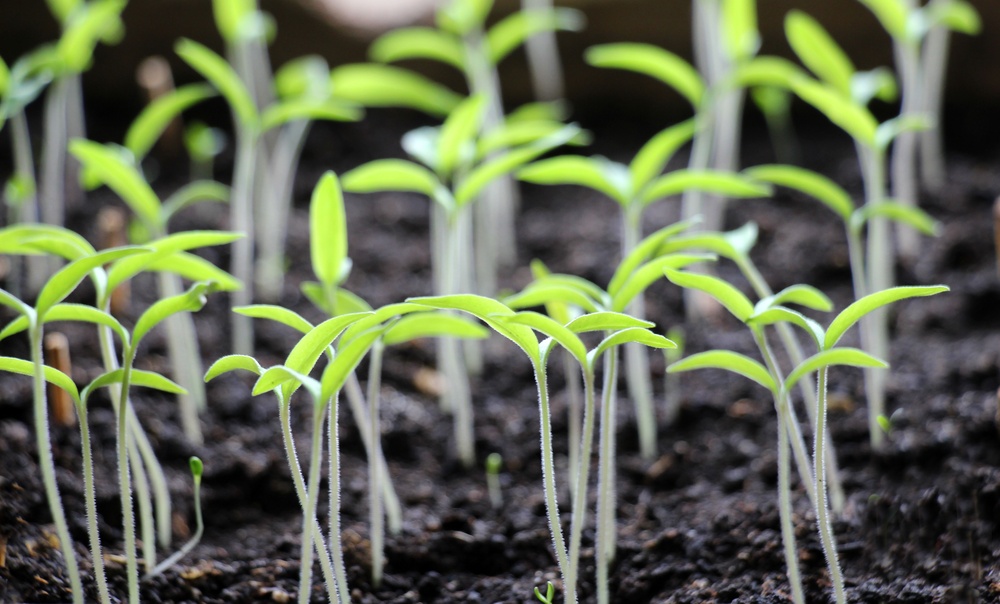
It’s not difficult to protect tomato plants when temperatures dip, you’ve just got to be on the ball, as the saying goes. They can survive temperatures below freezing if you protect them from frost by using cloches, row covers, and other insulting techniques that’ll help your tomato plants survive.
Cloches
Cloches are an effective way to provide temporary protection for your tomato plants from cold temperatures. Simply place a cloche over each plant, creating a small greenhouse that traps heat and keeps the plant warm. This method is especially helpful during fluctuating nighttime temperatures. Be sure to remove or ventilate the cloches during the day to avoid overheating your plants.
Row Covers
Using row covers can help insulate your tomato plants and protect them from frost and cold temperatures. Spun-polyester row covers are a popular choice, as they allow sunlight, air, and moisture to reach the plants while providing frost protection. Secure the row covers over your plants, ensuring they are held in place, and remove them when the temperature rises.
Cold Frame
A cold frame is a simple structure that can effectively protect your tomato plants from cold temperatures. Build or purchase a cold frame to provide an insulated environment for your plants. Position the cold frame in a spot with full sun to ensure it captures and retains heat throughout the day. Monitor the soil temperature and ventilate the cold frame as needed to maintain a suitable temperature range for your plants.
Container Gardening
Growing tomatoes in containers allows you to easily move your plants in response to changing temperatures, protecting them from cold and frost. Select a well-draining container, fill it with high-quality potting soil, and plant your tomatoes. Be sure to place the containers in a location with full sun and monitor the soil moisture. Bring the containers indoors or to a sheltered area when temperatures drop below the plants’ temperature tolerance.
Adding Insulation
Adding insulation around your tomato plants can help to stabilize the soil temperature and provide extra protection against cold. Methods for adding insulation include placing straw or mulch around the base of the plants, and using bubble wrap or foam around containers. Be sure to balance insulation with proper ventilation and moisture management to keep your plants healthy.
By incorporating these methods, you can better protect your tomato plants from cold weather, even in cool climates, and enjoy a successful growing season.