
Affiliate disclosure: This post may contain affiliate links. Please see full disclosure.
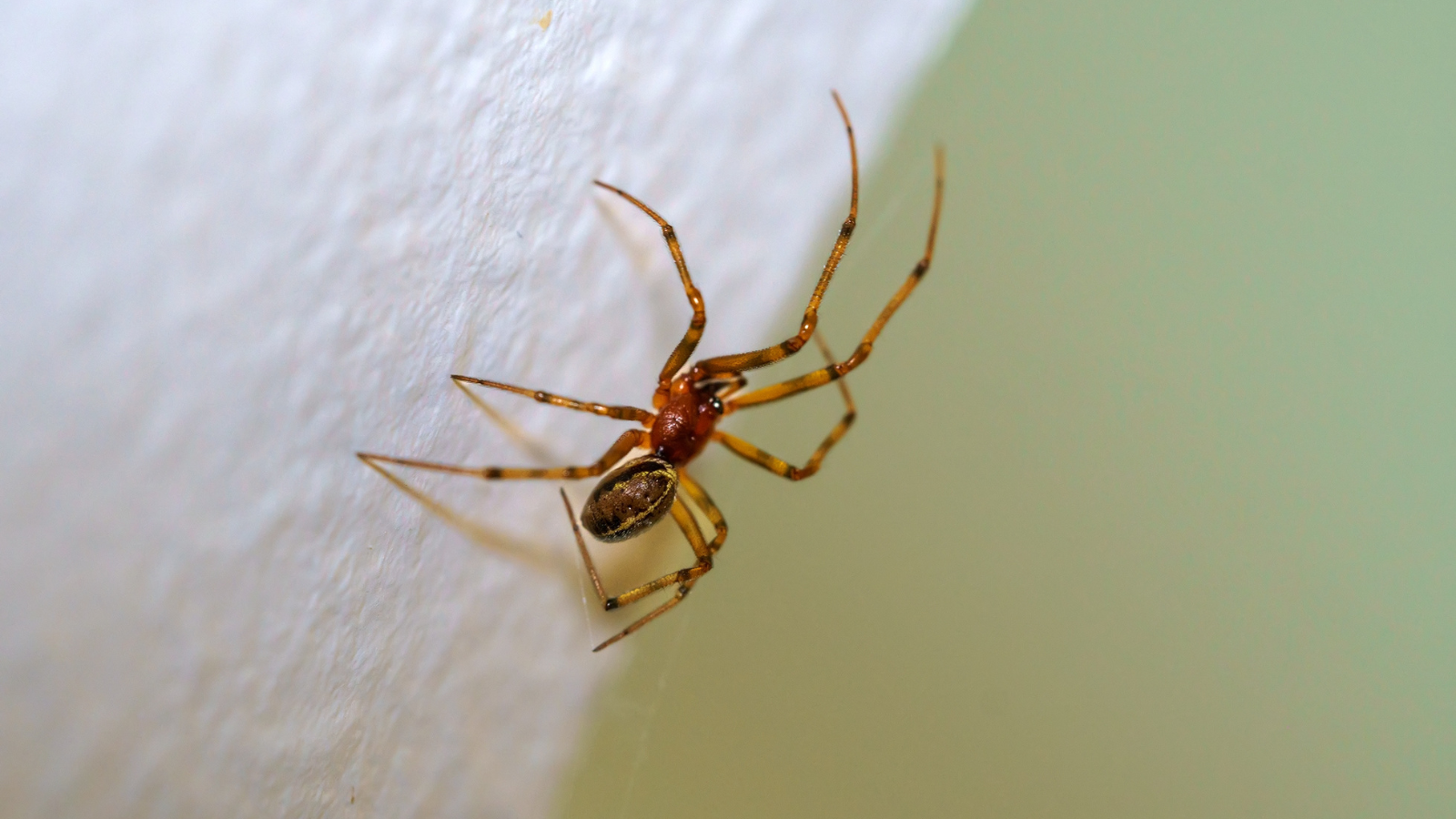
Usually, spiders don’t come inside for winter because many of the spiders you see indoors are already living there. These resident house spiders are adapted to life in buildings, and the increase in sightings during fall often has more to do with mating than escaping cold weather. Some outdoor spiders do find their way inside as temperatures change, but that doesn’t mean every spider crossing your floor has just arrived from the garden.
The distinction matters if your first instinct is to catch a spider and put it outside. Moving an indoor-adapted spider into freezing weather can be fatal, even when you’re trying to help.
I’m quite happy to share my home with harmless spiders, although I understand why not everyone feels the same. You don’t have to like spiders to deal with them sensibly. You just need to know when to leave one alone, where to move it if necessary, and how to discourage unwanted visitors without harming the useful predators living in your garden.
Most house spiders were living indoors long before fall
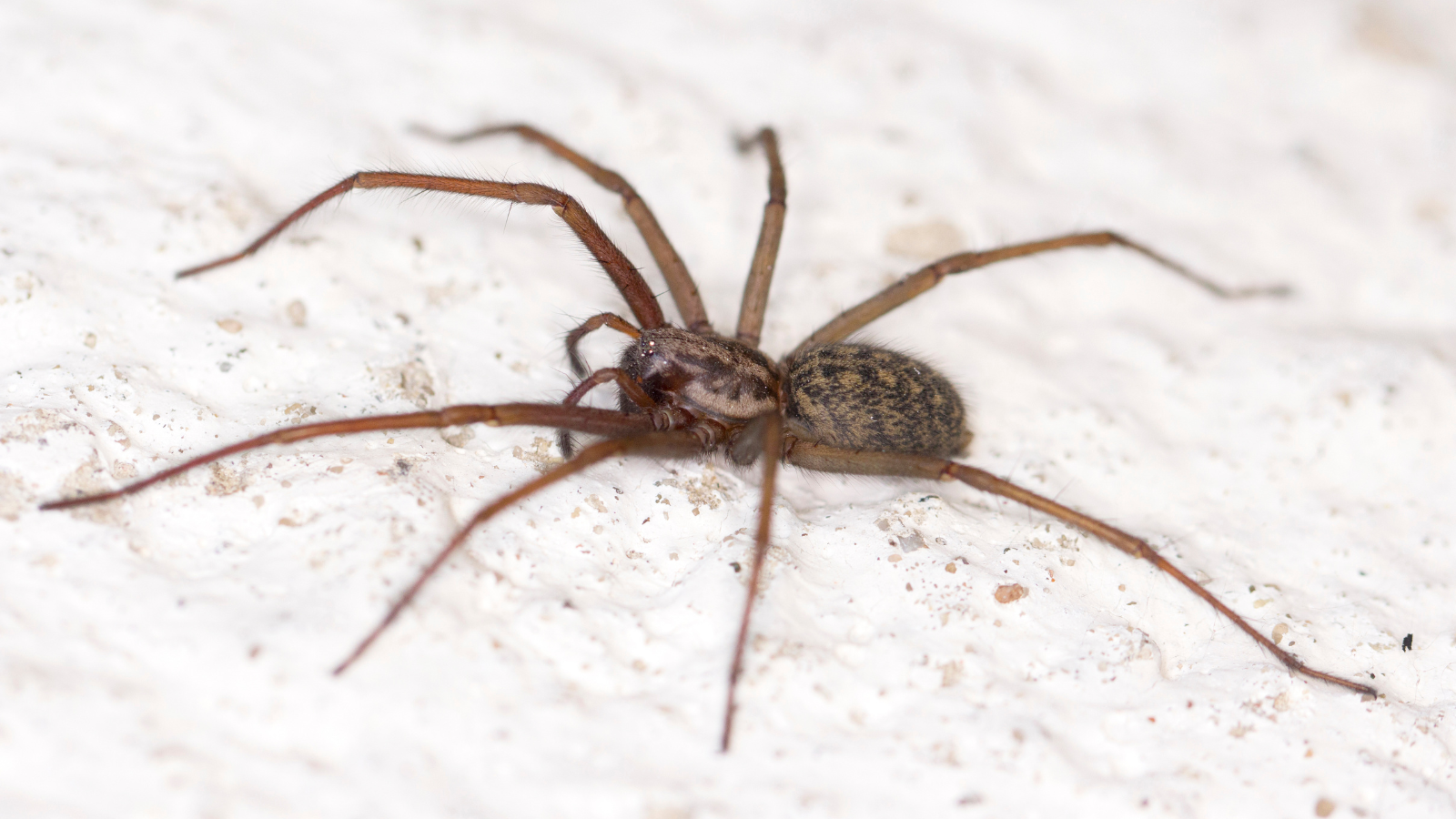
Many common house spiders spend their entire lives in or around buildings, feeding, mating, and reproducing without needing to venture into the garden. They occupy places we rarely inspect, including behind furniture, beneath cabinets, along basement ceilings, and in quiet corners of garages.
Some may arrive as egg sacs carried in with furniture or other materials. Once established, they can remain largely unnoticed.
Common cobweb spiders and long-legged cellar spiders are familiar indoor residents. However, not every spider found in a house is exclusively adapted to indoor life. Some web-building species can live and reproduce both inside and outside.
That’s why I don’t recommend treating every indoor spider as an intruder. A harmless spider quietly occupying an out-of-the-way corner is catching small insects that might otherwise be wandering around your home.
You might not want one hanging above your kitchen counter or beside your pillow, and that’s reasonable. But a spider tucked behind a basement shelf is a different matter. If it isn’t bothering anyone, leaving it alone is often the simplest choice.
Why spiders become more visible in fall
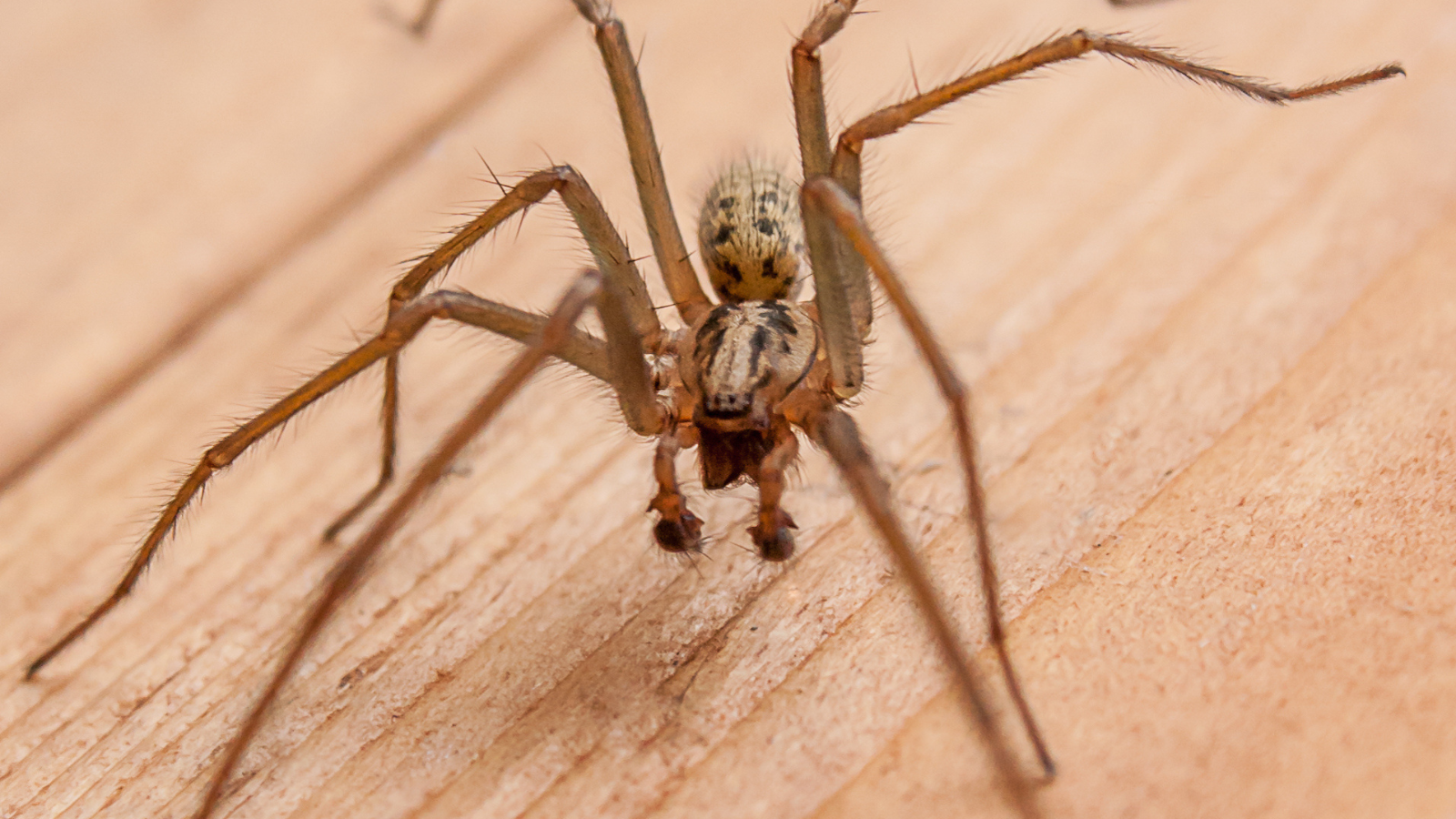
In some house spider species, adult males become more noticeable when they leave their hiding places to search for females. Females and younger spiders may remain hidden, making the wandering adults particularly conspicuous.
The timing varies with species and local conditions, so there isn’t a single spider season that applies across the United States.
There are genuine outdoor visitors, too. Some spiders seek shelter inside buildings during early fall, while others enter accidentally through doors, damaged screens, or gaps around the foundation. An outdoor hunting spider may find little suitable food or habitat indoors and struggle to establish itself.
Meanwhile, spiders that remain outside have their own ways of surviving winter. Depending on the species, they may overwinter as eggs, immature spiders, or adults, often remaining inactive or sheltered during unfavorable weather. They don’t all need to move into houses to survive.
As an organic grower, I consider garden spiders valuable predators. They help control other insects, and I prefer to maintain suitable habitat for them rather than remove every possible hiding place. That doesn’t mean letting vegetation grow against the house or piling debris beside the foundation. You can support wildlife in the garden while keeping the immediate area around your home tidy.
Choose the right destination before moving a spider
We tend to assume that because spiders are wild animals, outdoors must be their natural home. But a spider adapted to living inside buildings may struggle outdoors, particularly during cold weather.
Some house spiders can survive outside. Others do poorly, and certain species may perish quickly after being removed from their protected surroundings. Putting an indoor-adapted spider outside in freezing conditions can kill it, although that doesn’t mean every spider released outdoors will die.
For a known, harmless house spider, my first choice is to leave it alone. If it’s somewhere inconvenient, consider moving it to a quieter, suitable indoor location, such as an undisturbed basement corner. That won’t guarantee its survival, but it avoids automatically exposing an indoor-adapted spider to winter conditions.
A local outdoor species that accidentally entered is different. If you’ve identified it and conditions are suitable, returning it promptly to nearby sheltered outdoor habitat may be appropriate. Choose somewhere with natural cover rather than an exposed doorstep, frozen lawn, or patch of bare ground.
Identification matters more than the date on the calendar. You shouldn’t automatically put a spider outside because it’s fall, or keep an outdoor spider indoors because winter is approaching.
Decide where the spider belongs before trying to capture it. If you’re unsure of the species, leave it safely undisturbed while you seek identification or assistance rather than keeping it trapped in a container while you decide.
How to move a harmless spider with a cup and card
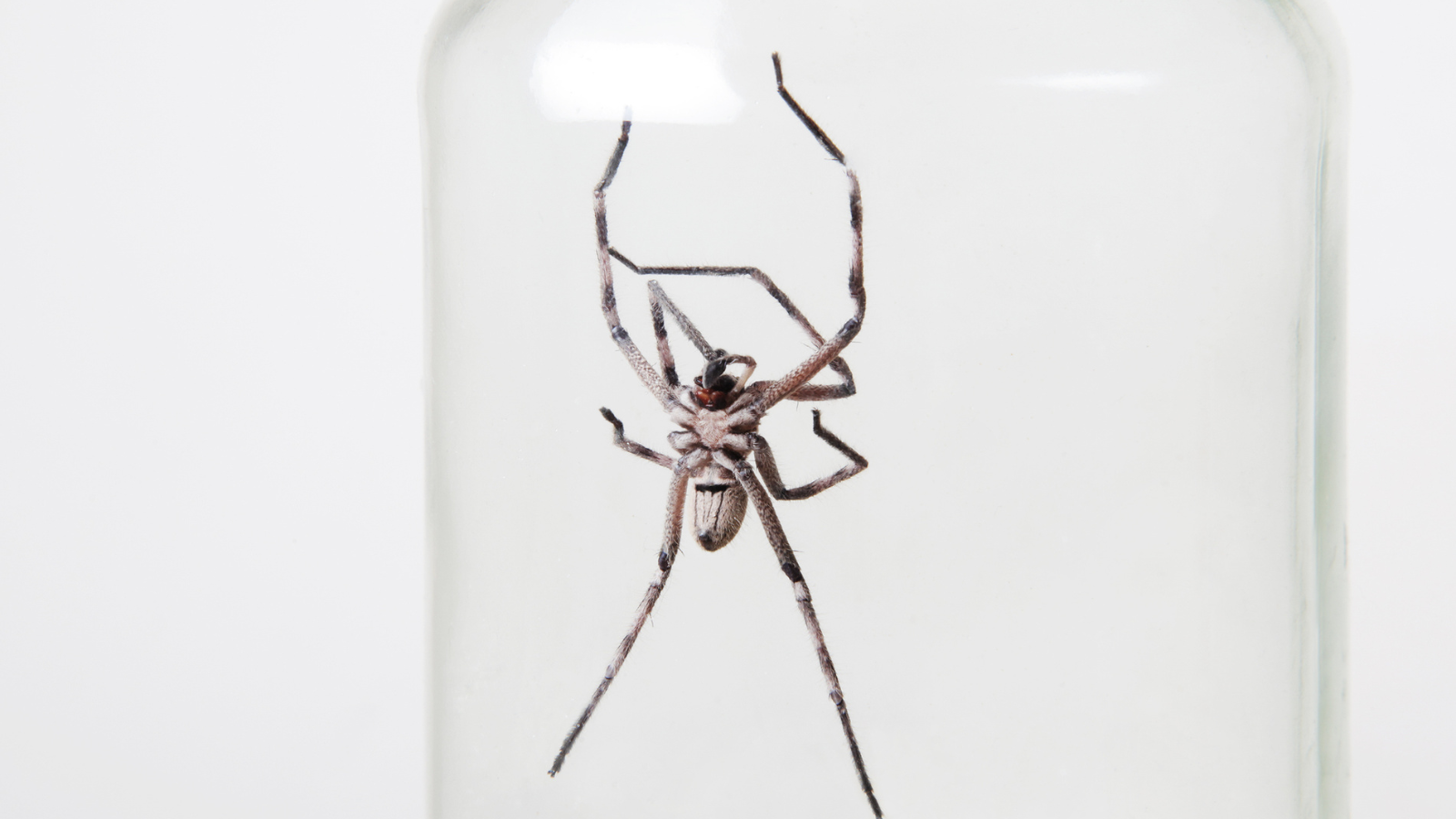
For a spider you know is harmless and genuinely need to move, the cup-and-card method is straightforward. It avoids handling the spider directly and reduces the risk of injuring its legs or body.
You’ll need a clear drinking glass or smooth-sided container and a piece of stiff paper or thin cardboard large enough to cover the opening.
- Approach slowly. Avoid startling the spider. If it’s high on a wall or ceiling, don’t attempt the capture from an unsafe position.
- Lower the container gently. Place it over the spider, making sure its legs are clear of the rim.
- Slide the card underneath. Keep the container steady and check that no legs become trapped between the card and rim.
- Secure the opening. Hold the card firmly against the container while carrying it to your chosen location.
- Release it gently. Set the container down, ease the card away, and allow the spider to leave without shaking or tapping the glass.
If you’re frightened of spiders, there’s no reason to force yourself to do this. Ask someone comfortable with the process to help, or leave the spider undisturbed until assistance is available.
I wouldn’t use a vacuum cleaner for live rescue. Spiders have soft bodies that can be fatally injured inside a vacuum, so emptying the canister outdoors doesn’t make this a humane relocation method.
Reduce indoor spider encounters without poisoning your garden
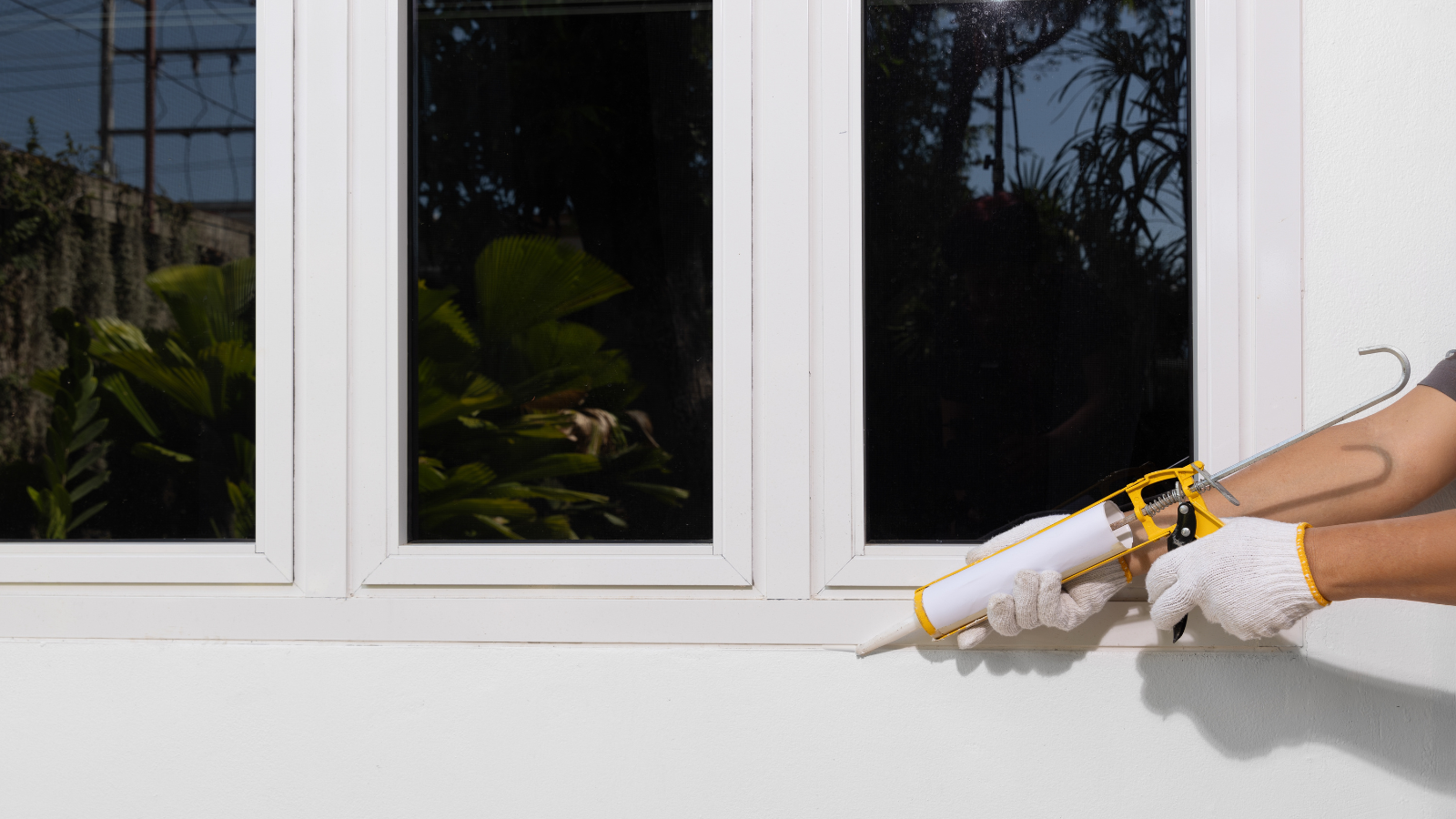
If you’re seeing more spiders indoors than you’re comfortable with, concentrate on physical exclusion and making the building less attractive to the insects they feed on.
Start by inspecting window screens, exterior door sweeps, and gaps around utility pipes. Check whether doors close properly, particularly along the bottom. Repair damaged screens and seal suitable cracks around windows, doors, and the foundation.
These are among the most useful ways to keep spiders out of your home, and they also help exclude other unwanted insects.
Next, look at storage. Cardboard boxes left undisturbed on basement floors and clutter pushed against walls create convenient hiding places. Where practical, use sealed storage containers, keep belongings organized, and leave enough room to inspect and clean behind stored items.
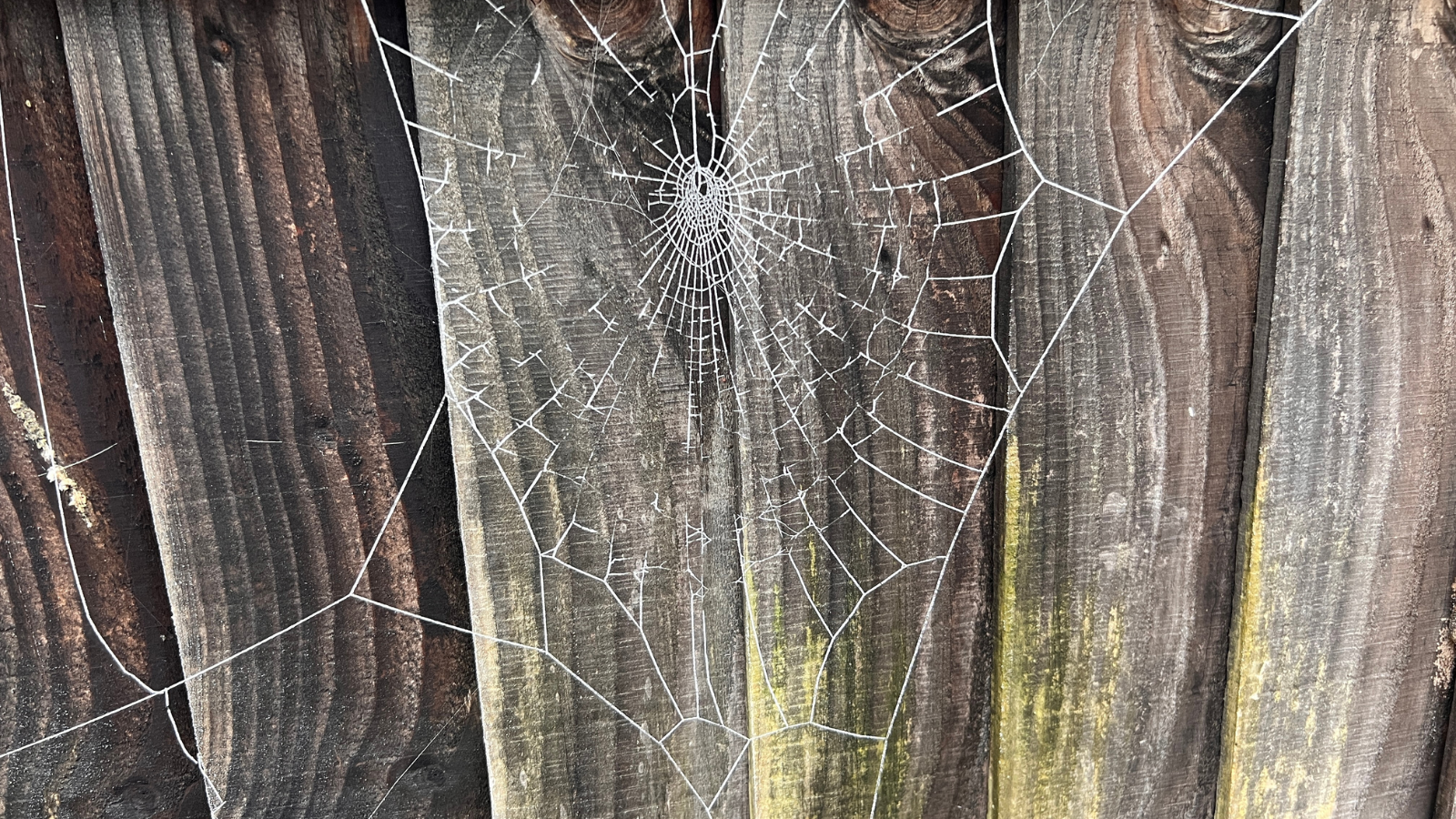
Regular housekeeping helps you spot unwanted webs and potential hiding places before they become established. Remove webbing from corners where you don’t want spiders living, but don’t assume every messy cobweb is abandoned. Some irregular webs are actively occupied.
Outdoor lighting deserves attention, too. Lights attract insects that can draw spiders toward doors and windows. Use exterior lighting where it’s needed rather than illuminating entrances all night. Motion-activated fixtures can help reduce unnecessary lighting.
Keep branches and dense vegetation from touching the building, and avoid storing firewood directly against exterior walls. There’s no need to clear every fallen leaf or remove every sheltered spot from the rest of your garden.
I draw a firm distinction between making a house less accessible and trying to eliminate spiders from the property. A healthy garden contains predators, and spiders are part of that balance. Removing them indiscriminately can also remove useful natural pest control.
Routine insecticide spraying isn’t my preferred response to harmless house spiders. It doesn’t repair damaged screens, close entry gaps, or resolve the conditions that encourage insects to gather around your home.
If you have a persistent indoor insect problem, investigate that separately. Fix moisture issues, deal with accessible food sources, and repair openings that let pests enter. You’re addressing the conditions that support unwanted insect activity instead of repeatedly treating the spiders that feed on them.
Know when a spider needs identification or professional help
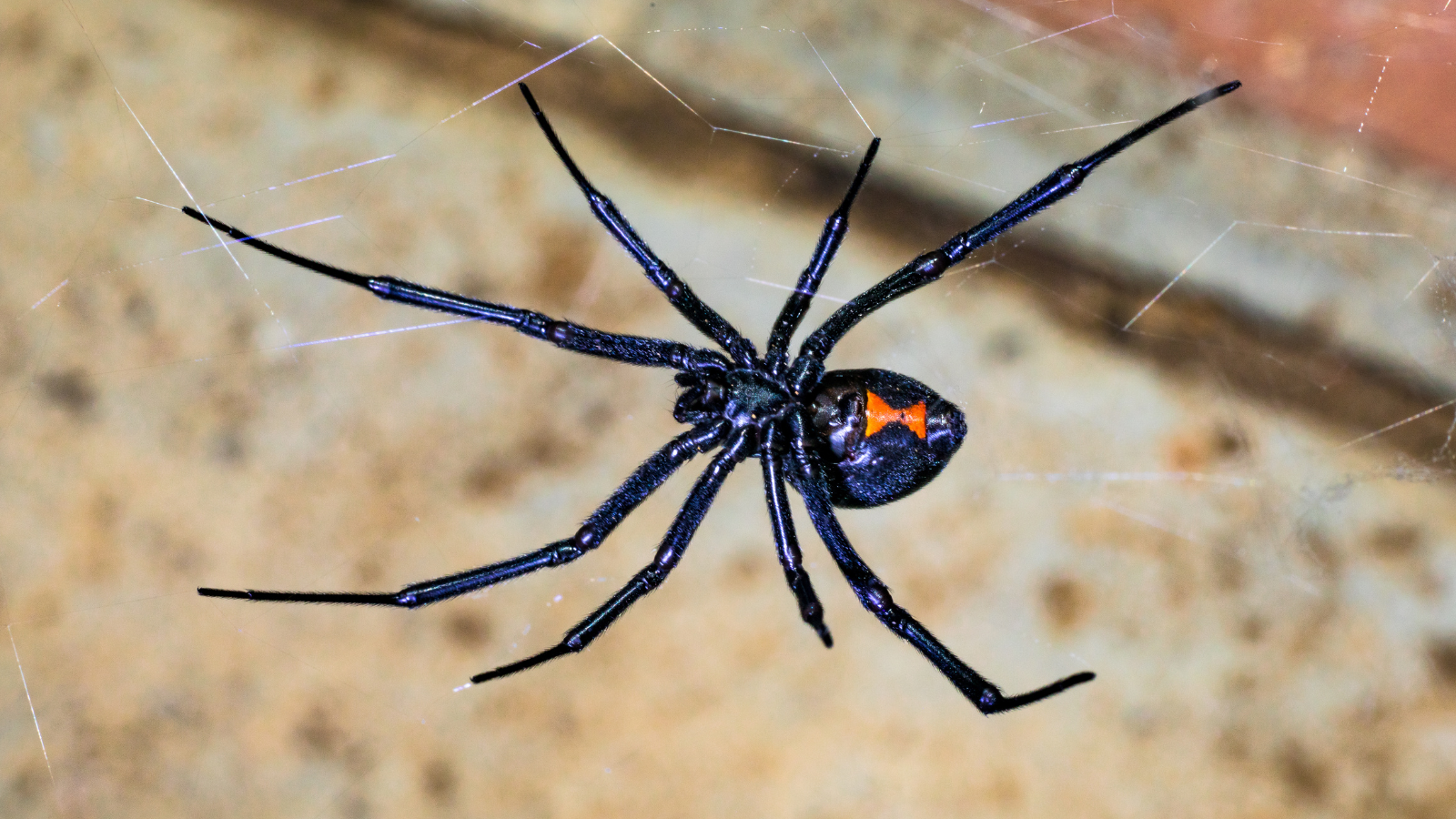
Most spiders encountered around homes aren’t a serious threat, but that doesn’t mean every species should be handled the same way.
Black widows and brown recluses deserve additional caution in areas where they occur. Their geographic distributions differ, and many harmless species are mistaken for them.
You cannot reliably identify a brown recluse from its color or a vaguely violin-shaped marking alone. If you’re concerned, consult reliable information about brown recluse identification and lookalikes rather than making a judgment from one feature.
Your county Extension office may be able to help identify an uncertain spider using a sharp photograph and your location. Don’t try to catch or handle a spider you suspect may be a widow or recluse. Keep people and pets away while arranging appropriate help.
If medically significant spiders are repeatedly confirmed in areas people regularly use, consult a qualified pest management professional. If you suspect a widow or recluse bite, or experience serious symptoms after a possible spider bite, seek medical advice promptly.
Don’t assume an unexplained skin mark must be a spider bite, either. Spider bites are uncommon, and other skin problems are frequently mistaken for them.
If harmless spiders keep appearing near the same door or window, inspect the screen, door sweep, and surrounding gaps before reaching for a spray. And if a harmless resident is quietly catching insects somewhere out of the way, I’d be inclined to let it stay.
You might also like…
7 Natural Ways to Keep Spiders Out of Your Home
18 Massive Spiders From Around the World
15 Biggest Spiders in America (and the Only 2 You Actually Need to Worry About)

