Affiliate disclosure: This post may contain affiliate links. Please see full disclosure.
Some flowers deserve a place in the kitchen for more than their good looks. Nasturtiums bring a proper peppery bite, sweet violets smell wonderful, and chive blossoms give potato salad a gentle onion kick. Others, such as pansies, are mainly there for the color, which is reason enough when you want a cake or summer dish to look special.
You don’t need an elaborate cutting garden to get started. A few edible annuals, some familiar culinary herbs and perhaps a flowering shrub can give you plenty to experiment with. The important bit is knowing exactly which plant you’re growing, which part belongs on the plate and whether you’ll enjoy its flavor.
Before picking flowers for food
Never identify an edible flower by its color, a common name or a photograph. Check the botanical name and the precise edible part, then grow it from correctly labeled seed or plants with a known food-growing history. Florist flowers, roadside plants, polluted sites and ornamental stock with unknown spray treatments are poor choices. Washing won’t necessarily remove pesticide residues.
Harvest clean, healthy blooms, check carefully for insects, rinse gently under cool running water and use them while they’re fresh. Try a small amount first, particularly if allergies are a concern. Flowers sold as edible are still ingredients, not medicinal treatments, and essential oils are not substitutes. Use pasteurized egg white for crystallized flowers, and refrigerate homemade syrups, flavored butters and other moist preparations unless you’re following a properly tested preservation recipe.
Safety and handling references
Colorful petals for everyday cooking
A handful of petals can do a surprising amount of work. These cheerful annuals offer everything from genuine peppery heat to citrus notes, with colors you would struggle to get from an ordinary herb pot.
1. Nasturtium

Botanical name: Tropaeolum majus. Edible part: Flowers or separated petals.
Nasturtiums really earn their place on the plate. The flowers have a sharp, watercress-like kick that wakes up a cream-cheese sandwich or a bowl of ripe tomatoes. Use the blooms whole for color or tear off a few petals when you want a lighter touch.
These annuals are happiest in sun and well-drained soil that hasn’t been lavishly fed. Too much fertilizer encourages leaves instead of flowers, which is rather missing the point here. Give them afternoon shade in very hot summers, and check inside the nectar spurs when picking newly opened blooms.
Growing and identification guide
2. Calendula

Botanical name: Calendula officinalis. Edible part: Petals, with the bitter green base discarded.
Calendula petals bring glowing orange or yellow color to rice, scrambled eggs and creamy soups. They have a slight tang and can be a little bitter, so think of them as a colorful ingredient rather than a homemade replacement for the taste of saffron. Pull the petals away from the green base before using them.
Calendula enjoys the cooler end of the growing season. Sow it near the last frost, or start plants indoors, in a sunny spot with moderately fertile, well-drained soil. Keep removing spent heads and you’ll encourage more flowers to pick.
Growing and identification guide
3. Signet marigold
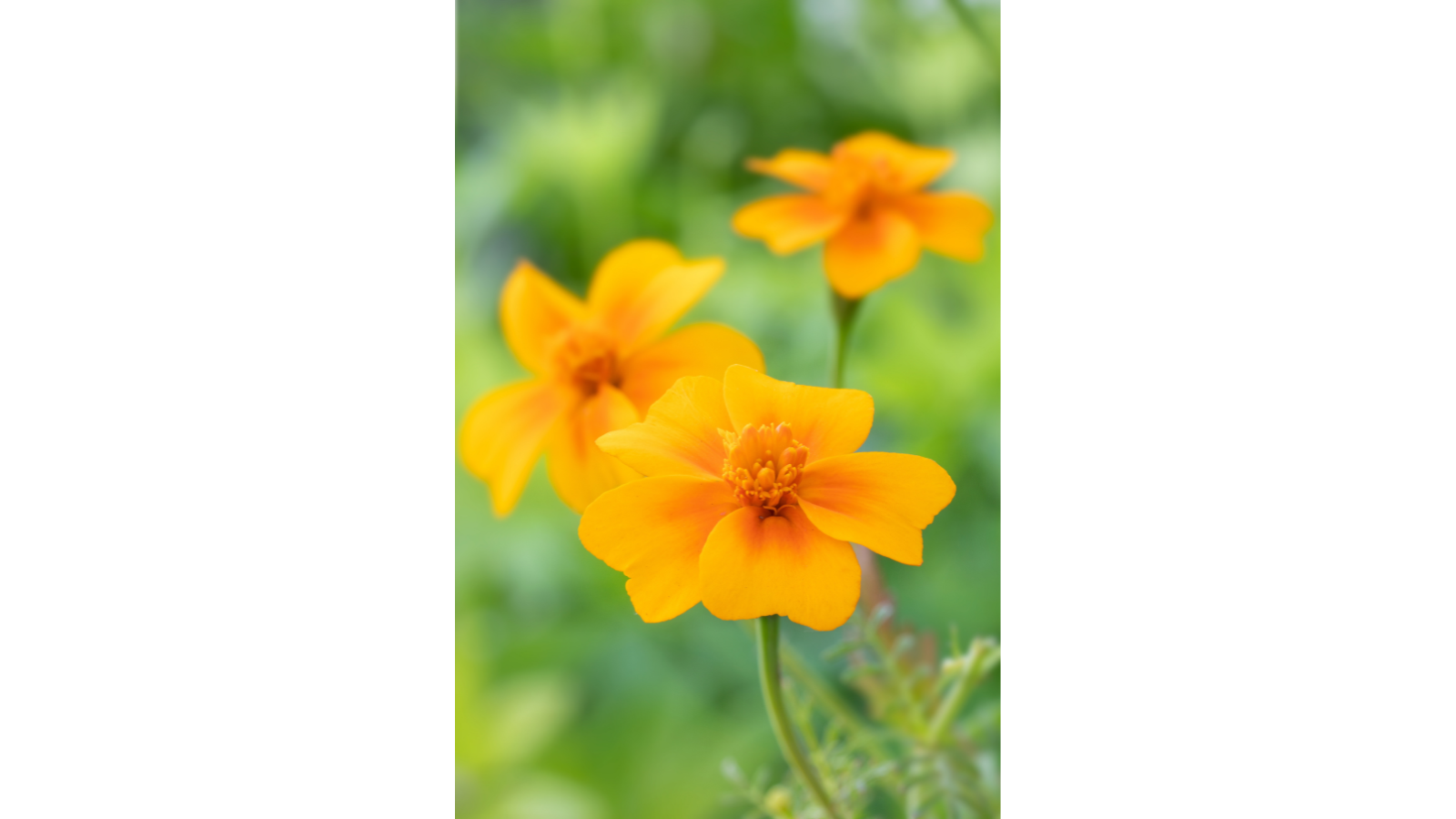
Botanical name: Tagetes tenuifolia. Edible part: Petals in small culinary amounts.
The small flowers of signet marigolds can have a refreshing citrus note, especially culinary varieties such as ‘Orange Gem’. A scattering of petals is lively over avocado or a grain bowl, although the flavor varies from one variety to another. Try a petal first rather than assuming every marigold will taste alike.
Start these sun-loving annuals indoors six to eight weeks before the last frost and move them outside once frost has passed. They aren’t terribly fussy about soil, provided it drains. Pick the flowers when they’re open and separate the petals before adding them to food.
Stick to correctly identified Tagetes tenuifolia grown for culinary use, and serve modest amounts. Its sap and flowers can irritate sensitive skin, so gloves are sensible if handling the plant causes a reaction. Other marigold species are not automatically interchangeable.
Growing and identification guide
4. Cornflower

Botanical name: Centaurea cyanus. Edible part: Petals/florets, with the tough base removed.
Cornflowers are mostly about that extraordinary blue. Their delicate florets look striking against soft cheese, and dried food-grade petals can bring color to a tea blend. The flavor is gentle, with a slight spicy sweetness, so don’t expect them to dominate a dish.
Give cornflowers sunshine and soil that drains freely. In mild-winter areas you can sow in fall; taller varieties may need a little support. Remove spent heads if you want to rein in self-seeding, and pluck the fresh florets away from the coarse base for kitchen use.
Growing and identification guide
Flowers for cakes, fruit and fragrant infusions
For cakes and sweet dishes, fragrance matters as much as appearance. Some of these blooms have barely any flavor, while others are so aromatic that a small handful is plenty. Choose your plants with their intended kitchen use in mind.
5. Pansy
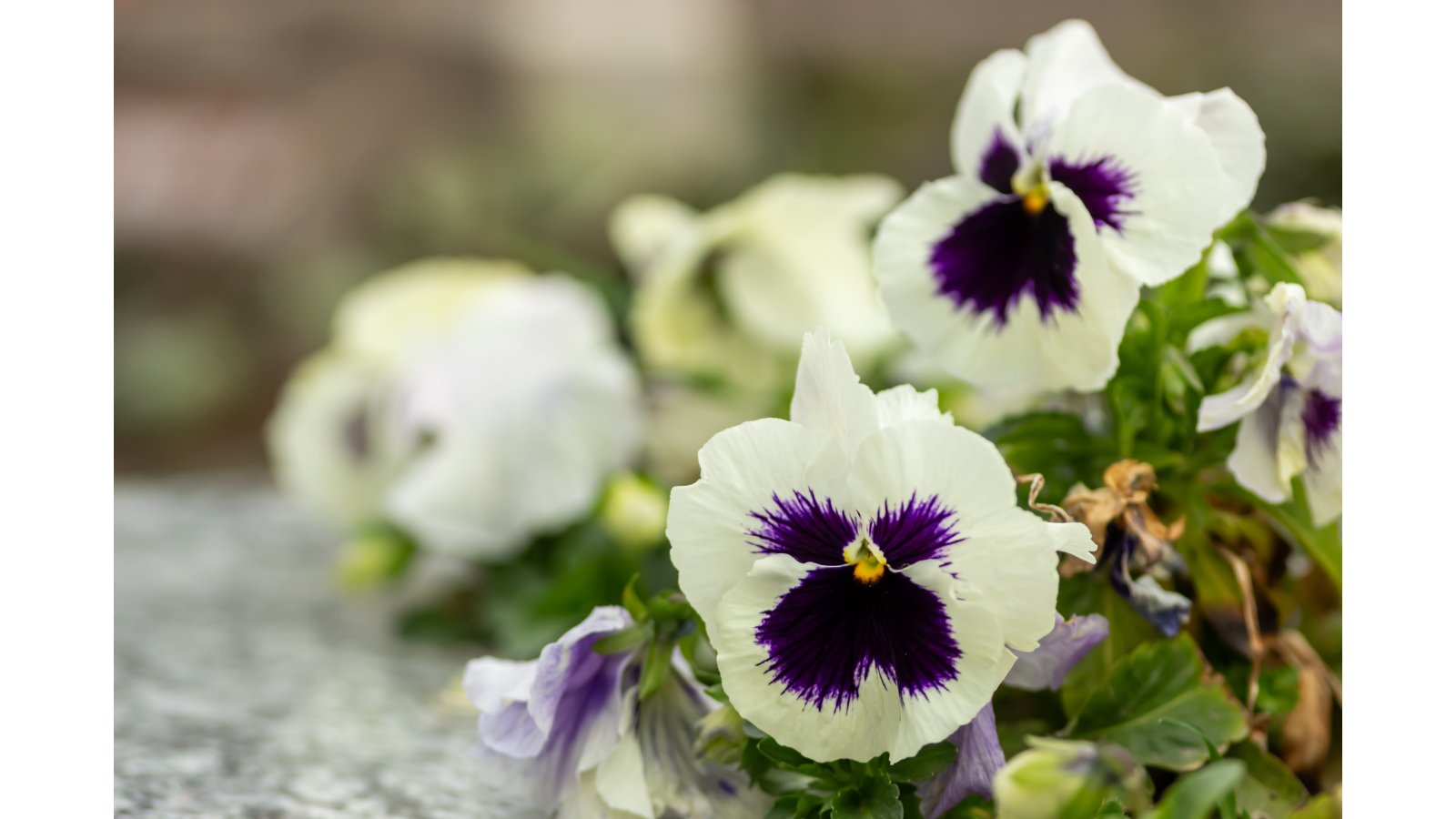
Botanical name: Viola × wittrockiana. Edible part: Flowers/petals, without stems.
A pansy pressed onto a shortbread cookie or tucked into a translucent rice-paper roll looks almost too pretty to eat. Its broad petals give you a bold splash of color, but the taste is mild and grassy. These are decorating flowers rather than a source of rich floral flavor.
Pansies thrive in the cooler months, in moist, humus-rich soil that drains well. Give them sun or partial shade, and treat fall through spring as their main season where summers are very hot. Choose fresh, unblemished blooms and dry them gently after rinsing so they don’t stick to everything they touch.
Ordinary garden-center bedding pansies may have been treated with systemic pesticides. If you want to eat the flowers, raise them from suitable seed or buy plants whose food-growing history you can verify.
Growing and identification guide
6. Sweet violet
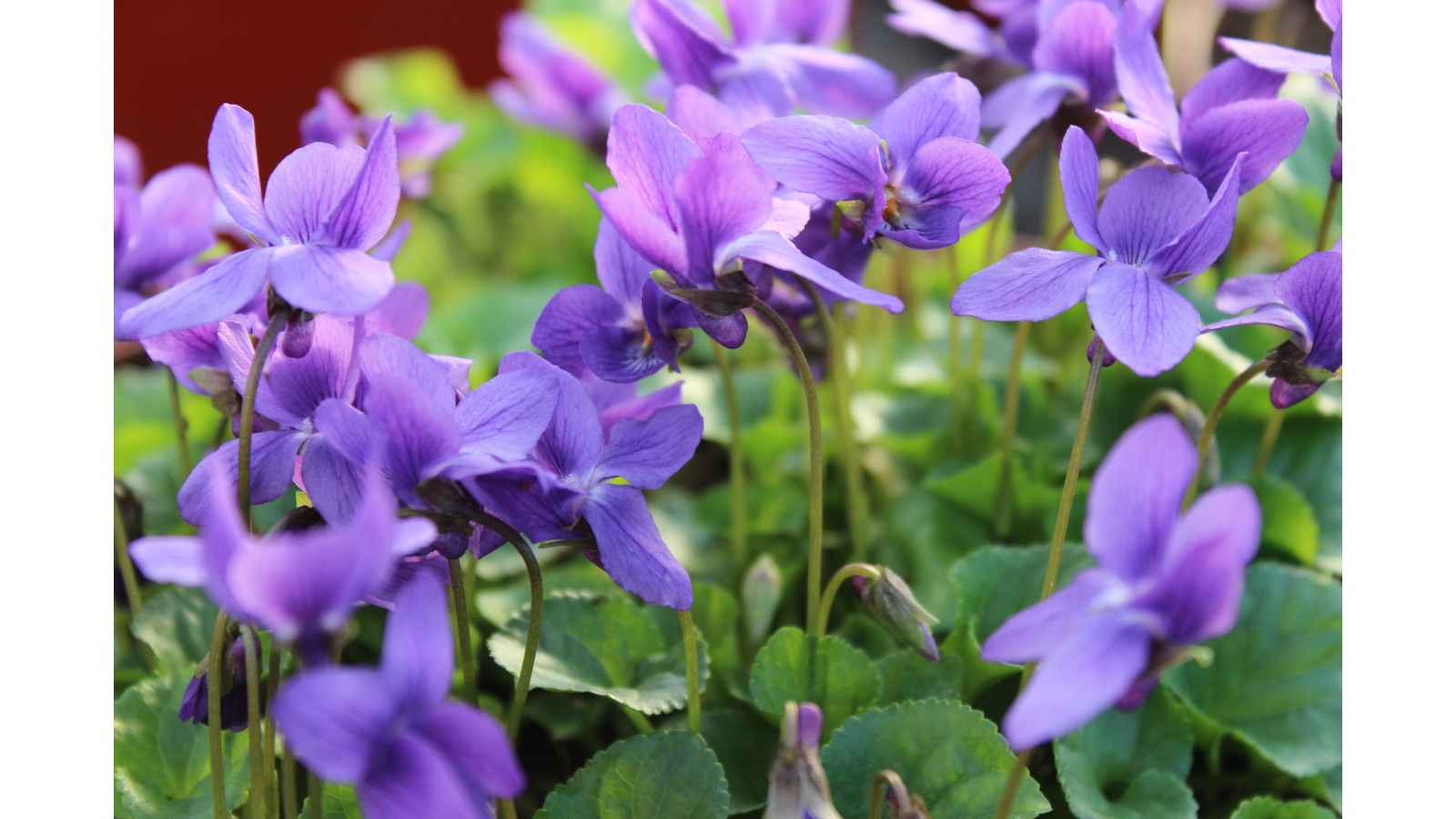
Botanical name: Viola odorata. Edible part: Flowers.
Sweet violet is a different proposition from a fairly bland bedding pansy. Its little spring flowers have a delicate, genuinely sweet fragrance that suits candied cake decorations or a small batch of scented syrup. Keep a homemade syrup refrigerated and use it promptly rather than treating it as a shelf-stable preserve.
This is a spreading perennial for partial shade and moist but well-drained soil. A container can be useful if you don’t want runners wandering through the border. Pick a few fresh spring blooms and leave plenty for the plant to carry on flowering.
Use positively identified Viola odorata, not an African violet or another houseplant with violet in its name. If you’re crystallizing the flowers, follow a suitable recipe using pasteurized egg white.
Growing and identification guide
7. Rose
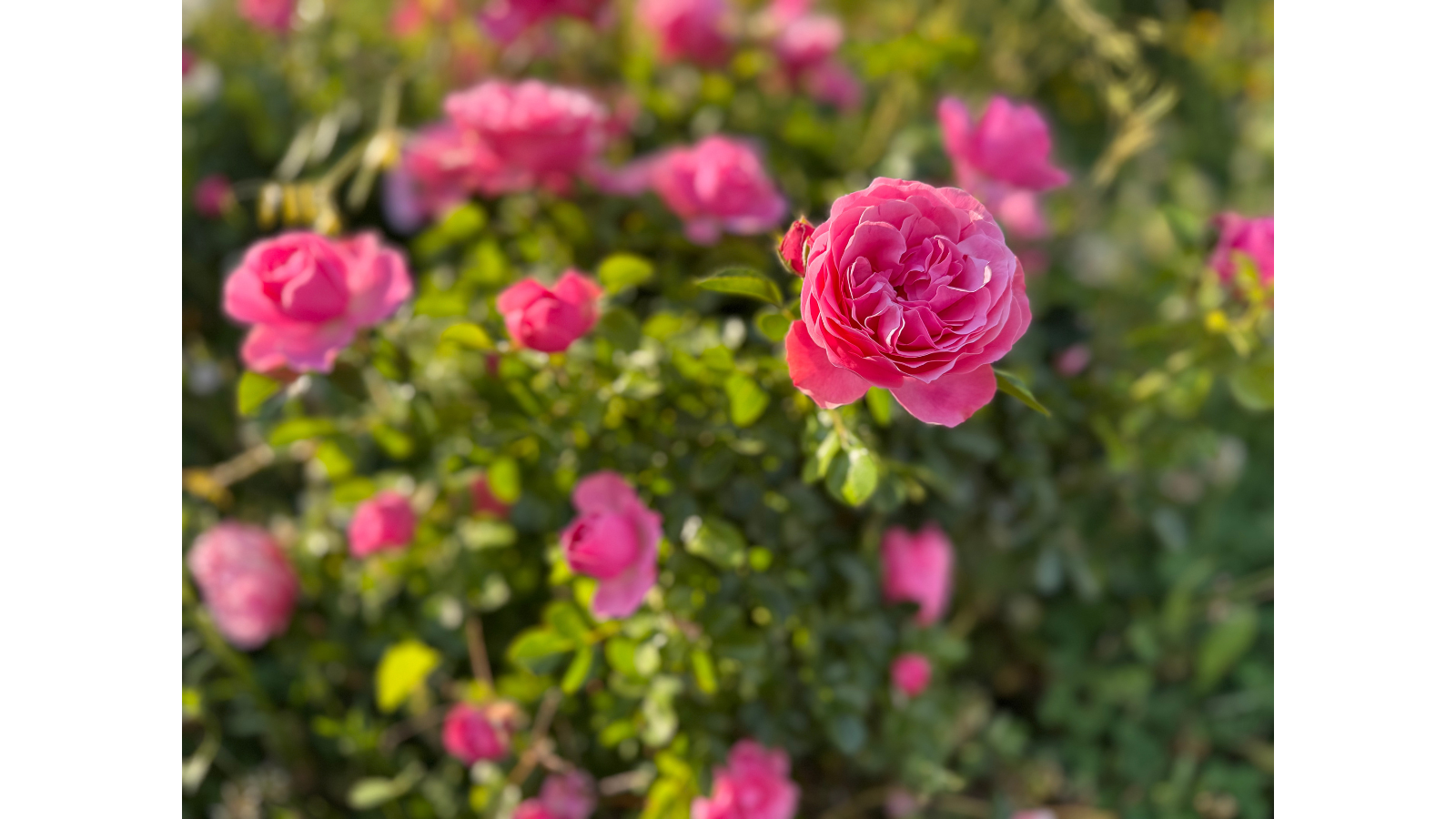
Botanical name: Rosa spp. and garden hybrids. Edible part: Petals; trim away the pale bitter heel.
Choose roses with your nose, not merely your eyes. Fragrant petals can make beautiful rose sugar, scent cream or lift a fruit dessert, but some impressive-looking blooms have disappointingly little flavor. Taste a clean petal first, and trim off its pale, often bitter base.
Most garden roses need sun, reasonably fertile soil, good drainage and space for air to move through the plant. Pick a disease-resistant variety suited to your climate, then harvest fresh petals from a rose you’ve grown without unsuitable ornamental sprays. Florist roses are for the vase, not the dinner plate.
Growing and identification guide
8. Clove pink
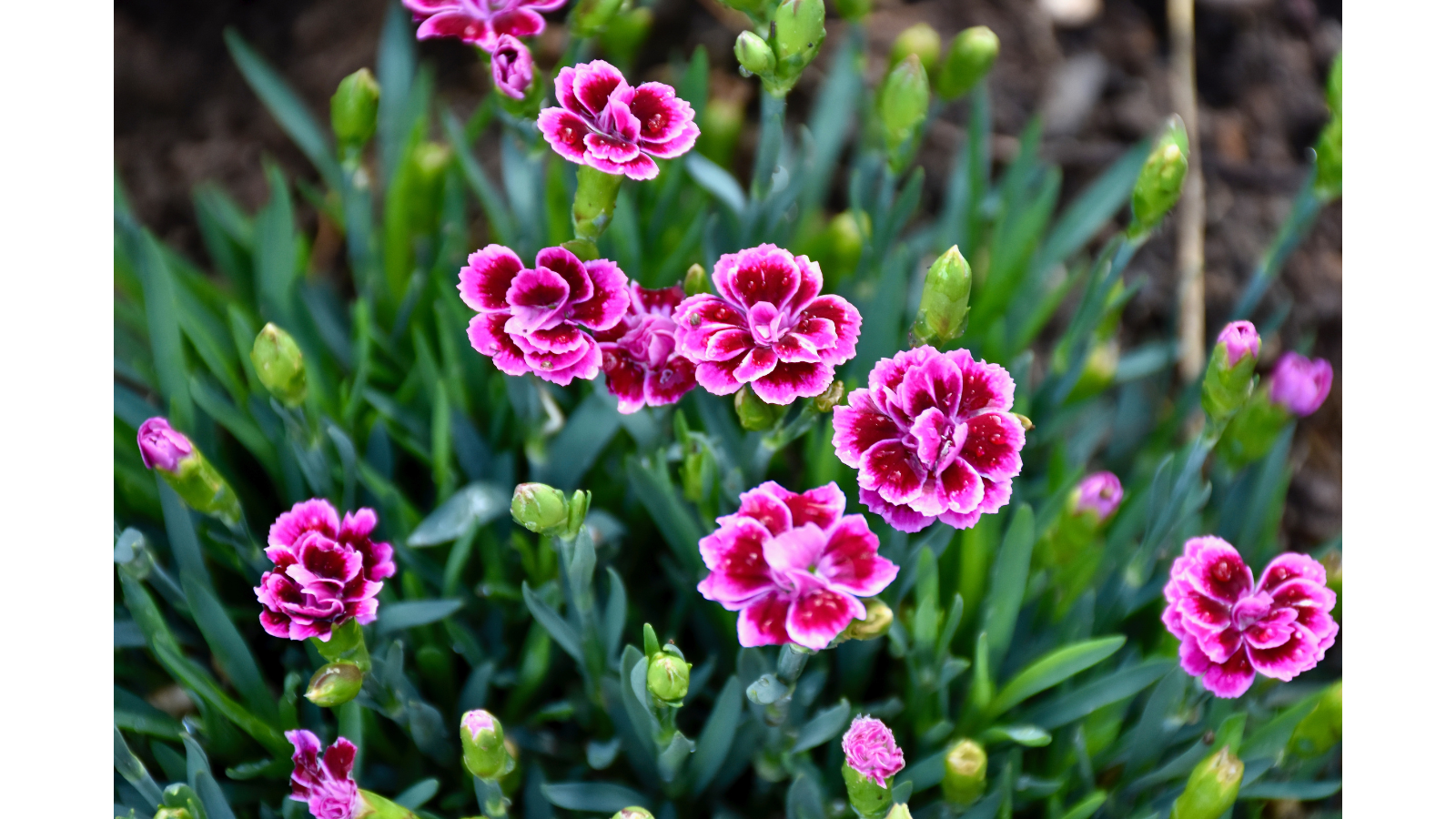
Botanical name: Dianthus caryophyllus. Edible part: Petals only; remove the bitter white base.
Clove pinks have a sweet, gently spicy perfume that works especially well with fruit or sorbet. The petals are the prize here, particularly from old-fashioned fragrant varieties; the bitter white heel needs snipping away. A scentless florist carnation won’t give the same result.
Give these short-lived perennials, often grown as annuals, a sunny place with gritty, well-drained soil. They appreciate cooler summers, and deadheading helps them carry on flowering. When gathering blooms, remove the green calyx and use only the prepared petals.
Avoid florist-treated carnations and keep the calyx and other flower parts out of food. Even edible Dianthus petals can cause mild stomach or skin irritation in sensitive people, so begin with a small amount.
Growing and identification guide
9. English lavender

Botanical name: Lavandula angustifolia. Edible part: Flower buds and blossoms; remove coarse stalks.
Lavender can take over a dessert very quickly. A few buds of English lavender will scent baking sugar or cream for ice cream; a heavy-handed addition can make everything taste more like a scented drawer sachet. Strain out coarse stalks if you’re infusing a liquid.
If there’s one thing lavender dislikes, it’s sitting in cold, wet ground. Give this perennial subshrub full sun and excellent drainage, using a raised position or container where the soil stays heavy. Pick clean buds or newly opening flowers from a plant grown for culinary use.
Choose the named culinary species, Lavandula angustifolia, and use small food quantities. Lavender essential oil and craft-store scented lavender are not substitutes for edible flowers.
Growing and identification guide
10. German chamomile
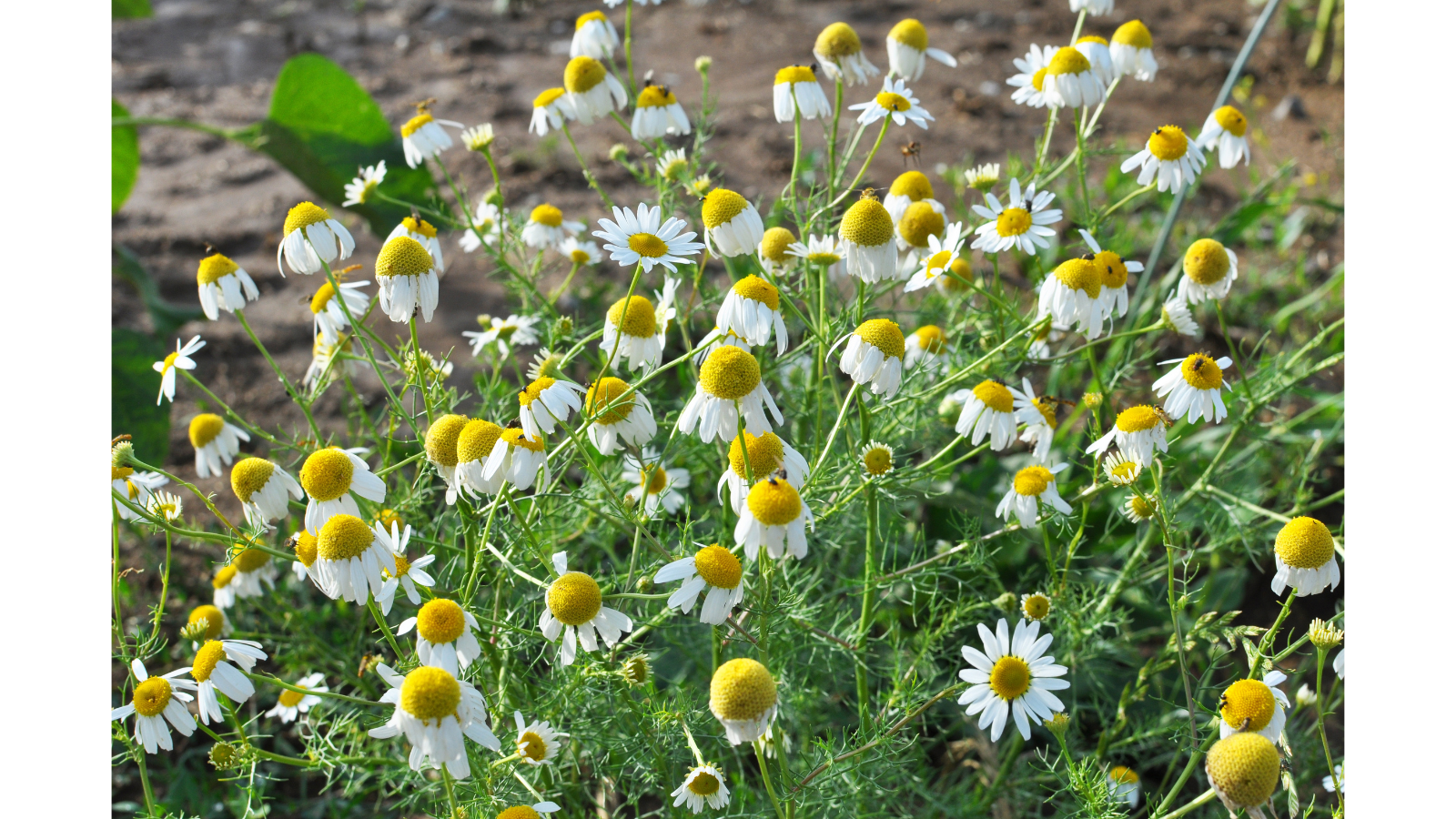
Botanical name: Matricaria chamomilla (syn. M. recutita). Edible part: Flower heads.
German chamomile has a gentle apple scent that makes its flower heads an appealing choice for tea. You can also infuse them into milk for a softly floral custard. Enjoy it for the flavor, without turning a cup of homemade tea into a claim about curing insomnia.
This annual prefers sunshine and light, well-drained soil rather than a rich, soggy bed. Sow near the last frost or start it in individual pots; it isn’t particularly fond of being transplanted. Gather open heads from a clearly identified crop, not the first white daisy-like flowers you see.
Chamomile can trigger reactions in people allergic to related daisy-family plants. Reported medication interactions and limited safety information during pregnancy or nursing make regular use something to discuss with a clinician in those circumstances.
Growing and identification guide
Distinctive flowers from perennials, shrubs and trees
These plants offer more unusual flavors, but they aren’t all tiny herbs for a windowsill. A spreading perennial, a substantial shrub and a flowering tree have very different demands on garden space, so choose for your climate as well as your menu.
11. Anise hyssop

Botanical name: Agastache foeniculum. Edible part: Individual blossoms.
If you like anise or licorice, anise hyssop is worth a spot in the herb garden. Its tiny blossoms taste sweetly aromatic, and a few scattered over peaches are much more interesting than a generic flower garnish. Bees are rather keen on the flowering spikes too.
This perennial enjoys sun or light partial shade and soil that drains freely. It can self-seed, and established plants cope with fairly dry conditions, but waterlogged winter soil can damage the crown. Take a few open blossoms and leave the rest of the spike busy with pollinators.
Growing and identification guide
12. Bee balm

Botanical name: Monarda didyma. Edible part: Individual tubular flowers.
Bee balm flowers have a bold, spicy, minty aroma with a citrus edge that varies by variety. Pull the narrow tubular flowers from their shaggy heads and try a few with rice and poultry or in a summer tea. A little goes further than you might expect.
Give bee balm moisture-retentive soil that still drains, with sun or light shade. It spreads into a clump and benefits from good airflow, because powdery mildew can become a nuisance. Harvest healthy, clean blooms and leave any mildewed flowers in the garden.
Growing and identification guide
13. Pineapple sage
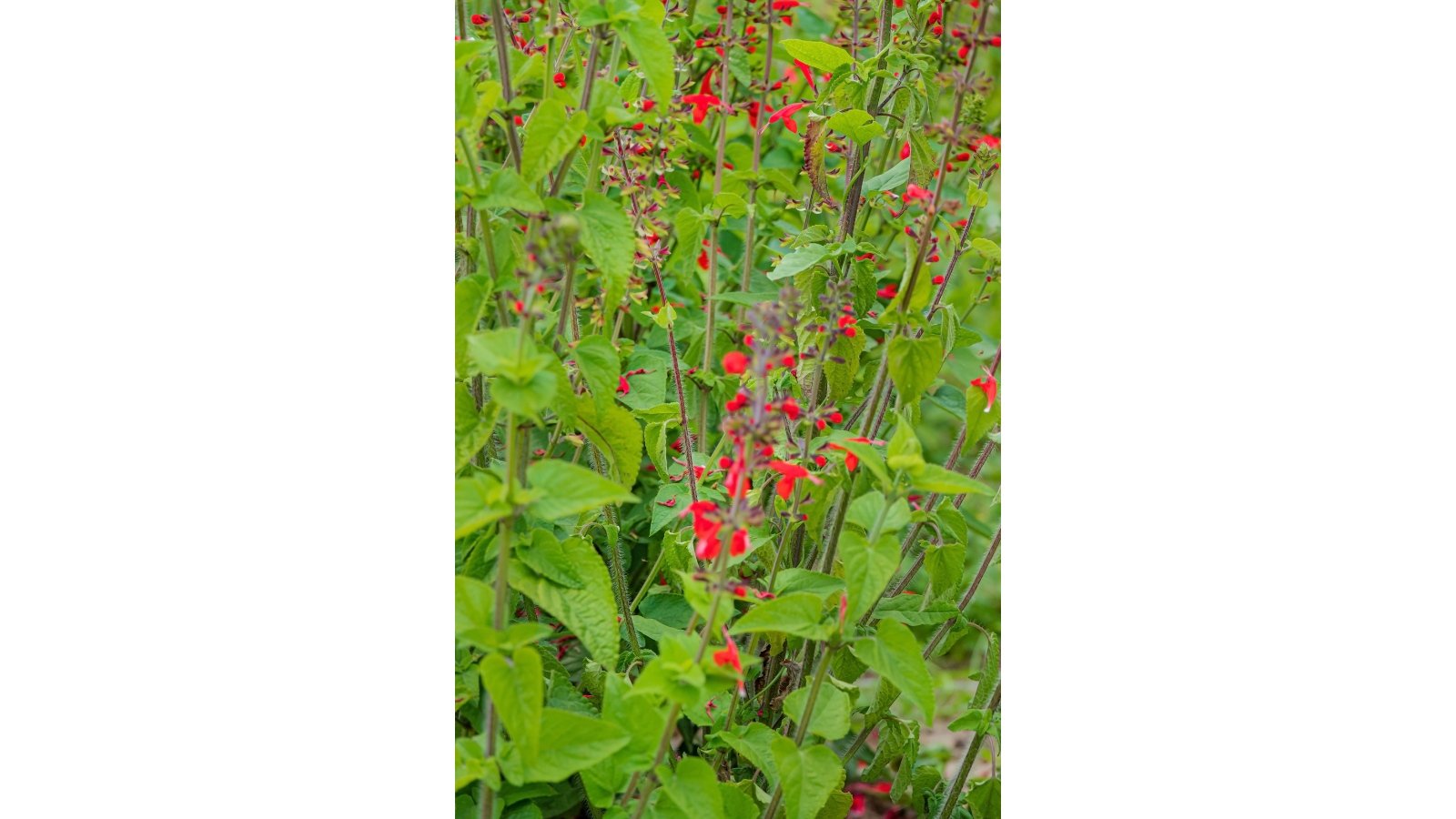
Botanical name: Salvia elegans. Edible part: Flowers.
Those slender red flowers on pineapple sage are a treat for anyone who enjoys fruity, gently minty flavors. They look gorgeous against a bowl of mixed fruit or on a simple dessert, and taste sweeter than the flowers of ordinary culinary sage. Hummingbirds appreciate them as much as gardeners do.
Pineapple sage is tender, so in colder climates it’s usually grown as an annual or protected for winter. Give it sun, steady moisture and good drainage. It flowers late in the season, which means early frosts can put an end to the display just as it gets going.
Make sure the plant is genuinely Salvia elegans. Scarlet sage, Salvia coccinea, and other ornamental red salvias are not culinary substitutes simply because the flowers look similar.
Growing and identification guide
14. Pineapple guava

Botanical name: Acca sellowiana (syn. Feijoa sellowiana). Edible part: Fleshy petals.
Pineapple guava has wonderfully fleshy petals with a soft, sweet taste often compared with marshmallow or tropical fruit. They’re substantial enough to enjoy with berries or scattered over a fruit tart, rather than disappearing into the dish like tiny herb flowers. Take the petals gently and leave the center of the flower where possible.
You need a suitable climate and a bit of space for this evergreen shrub. It generally suits USDA zones 8 through 10, with sun, well-drained soil and consistent moisture. A suitably sized container is possible, but it isn’t a plant to squeeze into a tiny herb pot.
Only the fleshy petals of correctly identified Acca sellowiana are the focus here. A plant with guava in its common name is not necessarily the same species, and this isn’t advice to eat the leaves or bark.
Growing and identification guide
15. Eastern redbud

Botanical name: Cercis canadensis. Edible part: Flowers.
Redbud makes spring feel edible. Its clusters of rosy blossoms have a mild, pea-like flavor with a little tartness and look lovely over cucumber salad or crunchy slaw. Just a small handful is enough to enjoy an early harvest from a tree that’s mainly grown for its beautiful flowers.
Choose a permanent spot for an eastern redbud rather than treating it like a plant you can move around later. This small deciduous tree likes sun or partial shade and moist, well-drained soil, with room to spread its canopy. Pick a few clean blooms from branches you can reach without damaging the tree.
Take flowers only from a positively identified tree that hasn’t been exposed to unsuitable garden or lawn sprays. Not every pink-blossomed spring tree belongs on a plate.
Growing and identification guide
Big blooms and a second harvest from the vegetable plot
A vegetable garden can offer flowers as well as leaves, roots and fruit. Squash blossoms are big enough to stuff, while bolted radishes and arugula still have something to contribute. Just remember that picking certain flowers means giving up some of the crop that would have followed.
16. Hollyhock
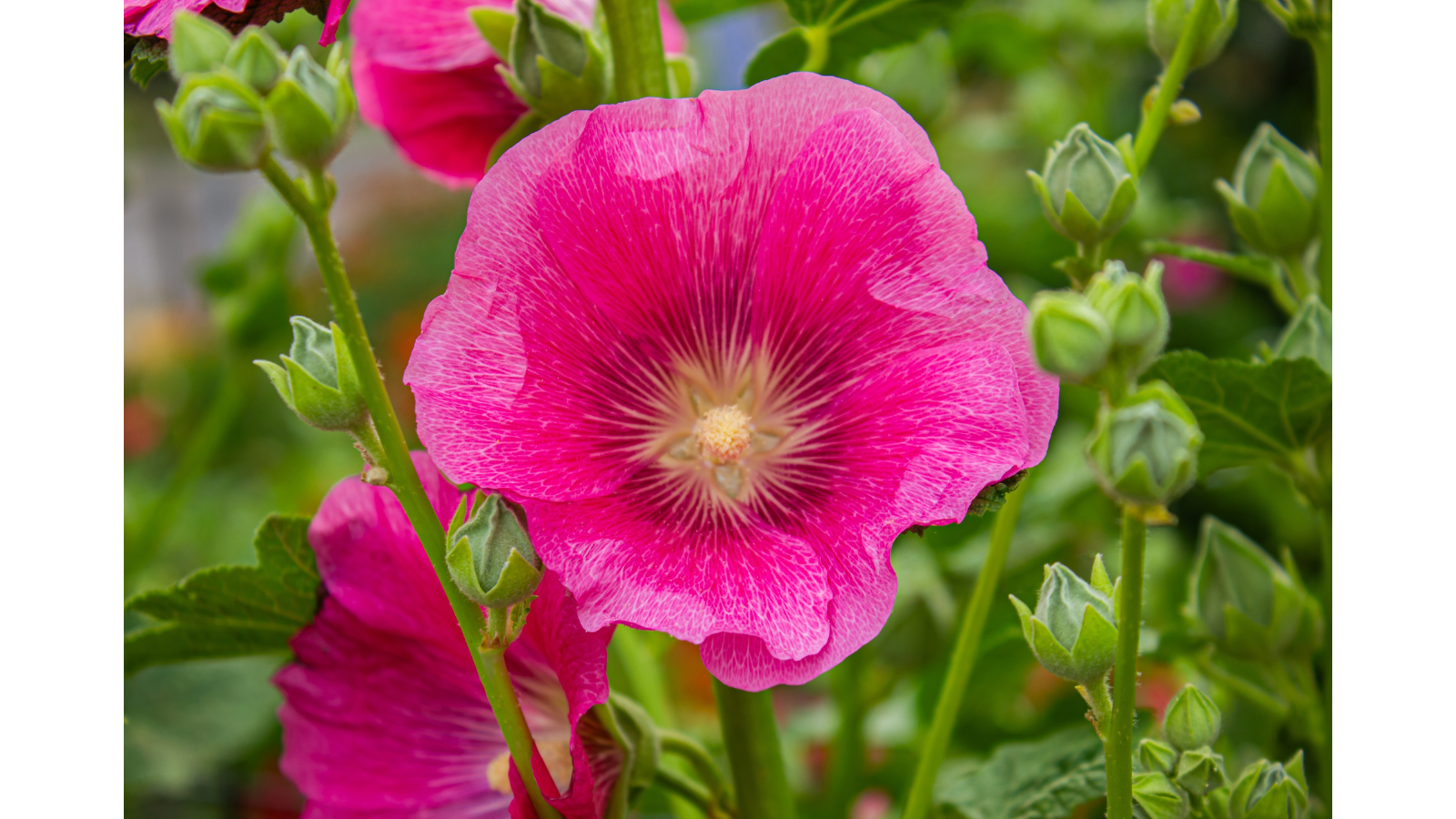
Botanical name: Alcea rosea. Edible part: Petals, after removing pollen-bearing parts and green base.
Hollyhock petals are large enough to make a real visual statement, especially floating on chilled soup or prepared as crystallized decorations. Their flavor is mild, sometimes slightly bitter, so appearance is their main attraction. Use only the petals after removing the green base and the pollen-bearing structures.
Hollyhocks often behave as biennials or short-lived perennials, sending up their tall flower spikes in the second year. They need sun, reasonably rich, moist but drained soil and enough room for those lofty stems. Rust is common, so choose only sound, unblemished blooms.
Leave rust-marked or sprayed flowers alone, and strip out the pollen, stamens, pistil and calyx before using the petals. The fact that hollyhock petals are edible doesn’t make every related mallow a culinary plant.
Growing and identification guide
17. Sunflower

Botanical name: Helianthus annuus. Edible part: Petal-like ray florets; unopened buds are a separate culinary option.
Sunflower petals are cheerful, though they can taste rather bitter, so a scattering over grains is usually more successful than a whole bowlful. Unopened young buds are quite another ingredient: cooked, they’re often compared with artichokes and suit a little garlic butter. Harvest a bud and, of course, there will be no enormous sunflower head in its place later.
Sow annual sunflowers after frost in a sunny bed with good drainage. Tall varieties can need support, especially in exposed gardens. Decide whether you’re growing for petals, young buds, seeds or birds before you start harvesting everything in sight.
Growing and identification guide
18. Squash blossom
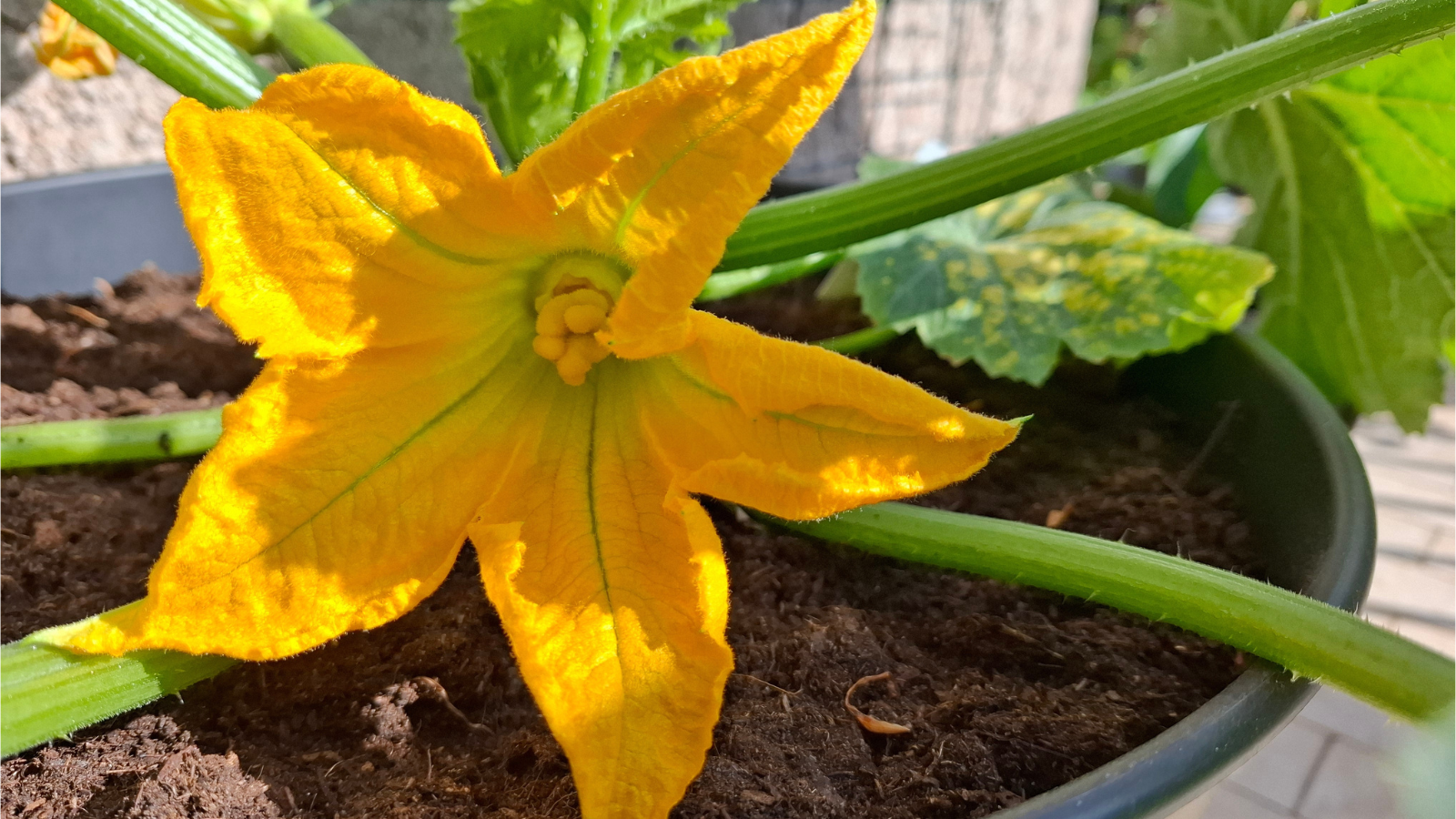
Botanical name: Cucurbita pepo, culinary zucchini/summer-squash cultivars. Edible part: Fresh blossoms, with inner reproductive parts removed.
Squash blossoms are one of the few flowers that can be the main attraction on the plate. Their mild, squash-like flavor suits a cheese filling before baking or frying, and sliced blossoms are delicious folded through an omelet. Use a proper recipe for cooked fillings rather than improvising with unsafe raw ingredients.
Grow a known zucchini or summer-squash variety in warm, fertile soil with plenty of sunshine and steady moisture. Male flowers can be picked selectively, but leave enough for pollination and keep the female flowers if you want squash later. They wilt quickly, so this is a harvest to use the same day if possible.
Stick to known edible Cucurbita pepo cultivars, not ornamental gourds or mystery volunteer plants. If any squash tastes unusually bitter, don’t eat it. The troublesome cucurbitacins aren’t made safe by cooking.
Growing and identification guide
19. Garden pea

Botanical name: Pisum sativum (also listed as Lathyrus oleraceus). Edible part: Flowers of edible garden peas.
The delicate flowers of edible garden peas taste faintly of the peas themselves. They’re charming over pea-and-mint soup or in a crisp spring salad, although I wouldn’t strip a productive plant bare for the sake of decoration. Every blossom you pick is one fewer potential pod.
Peas are cool-season growers that like sun and evenly moist, well-drained soil. Direct sow when the ground is suitable, give climbing types a trellis and expect heat to shorten the season. Harvest flowers sparingly from a labeled edible garden-pea crop.
Garden peas are edible Pisum sativum, also classified as Lathyrus oleraceus in some current sources. Ornamental sweet peas, Lathyrus odoratus, are not a substitute, and the shared genus name in some classifications does not make every Lathyrus edible.
Growing and identification guide
20. Arugula
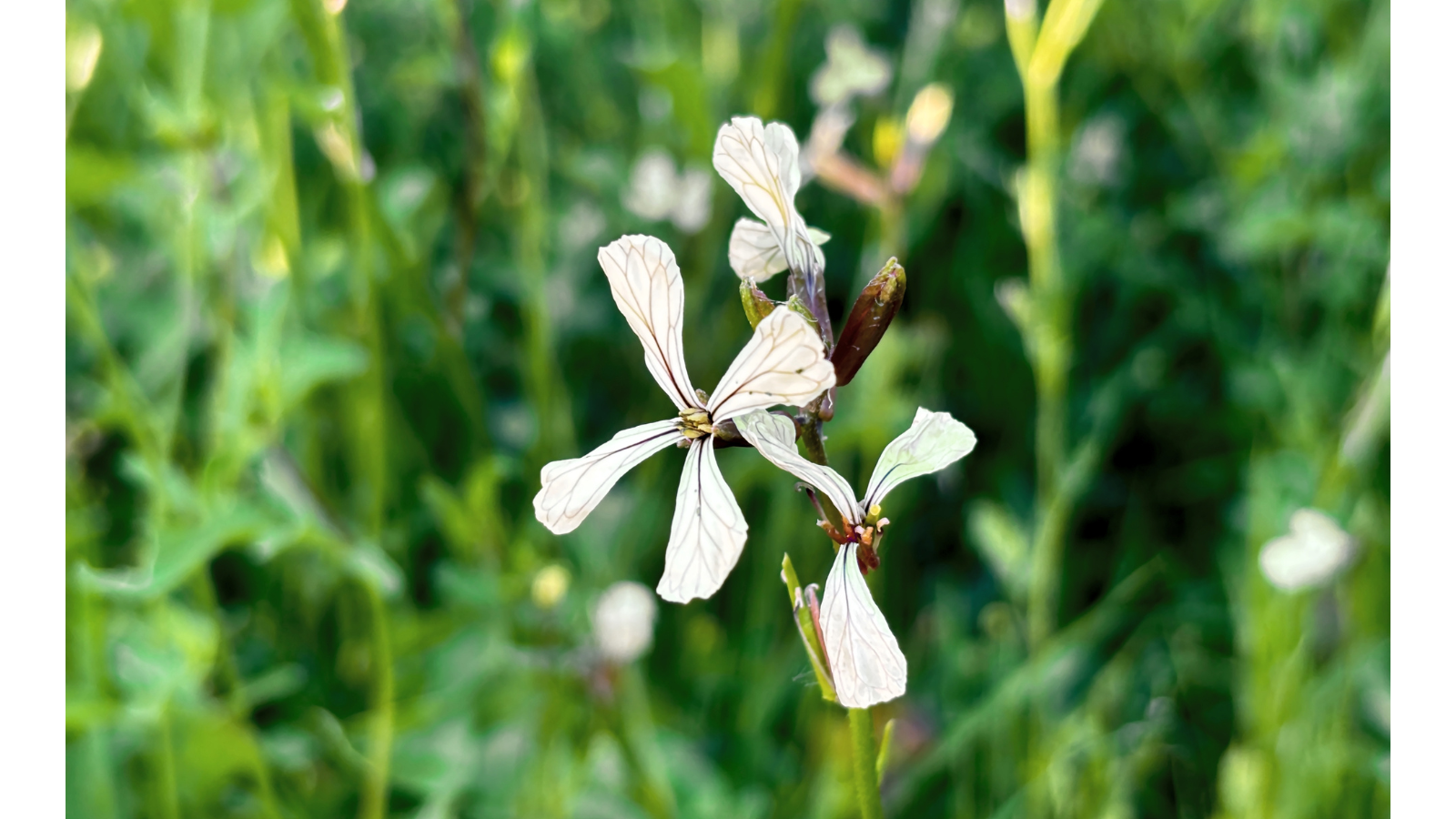
Botanical name: Eruca vesicaria (syn. Eruca sativa). Edible part: Flowers.
When arugula bolts, the leaves can become rather fierce, but the plant isn’t finished being useful. Its small, pale flowers, marked with fine dark veins, have a peppery to nutty bite that works well over a freshly baked pizza or a hot potato. Add them after cooking so they keep their shape.
Arugula is happiest in the cool part of the growing season, with sun or partial shade and fertile, moist soil. Allow one plant to flower while sowing another batch for tender leaves. Pick fresh blossoms from a crop you know, rather than sampling wild lookalikes.
Growing and identification guide
21. Radish
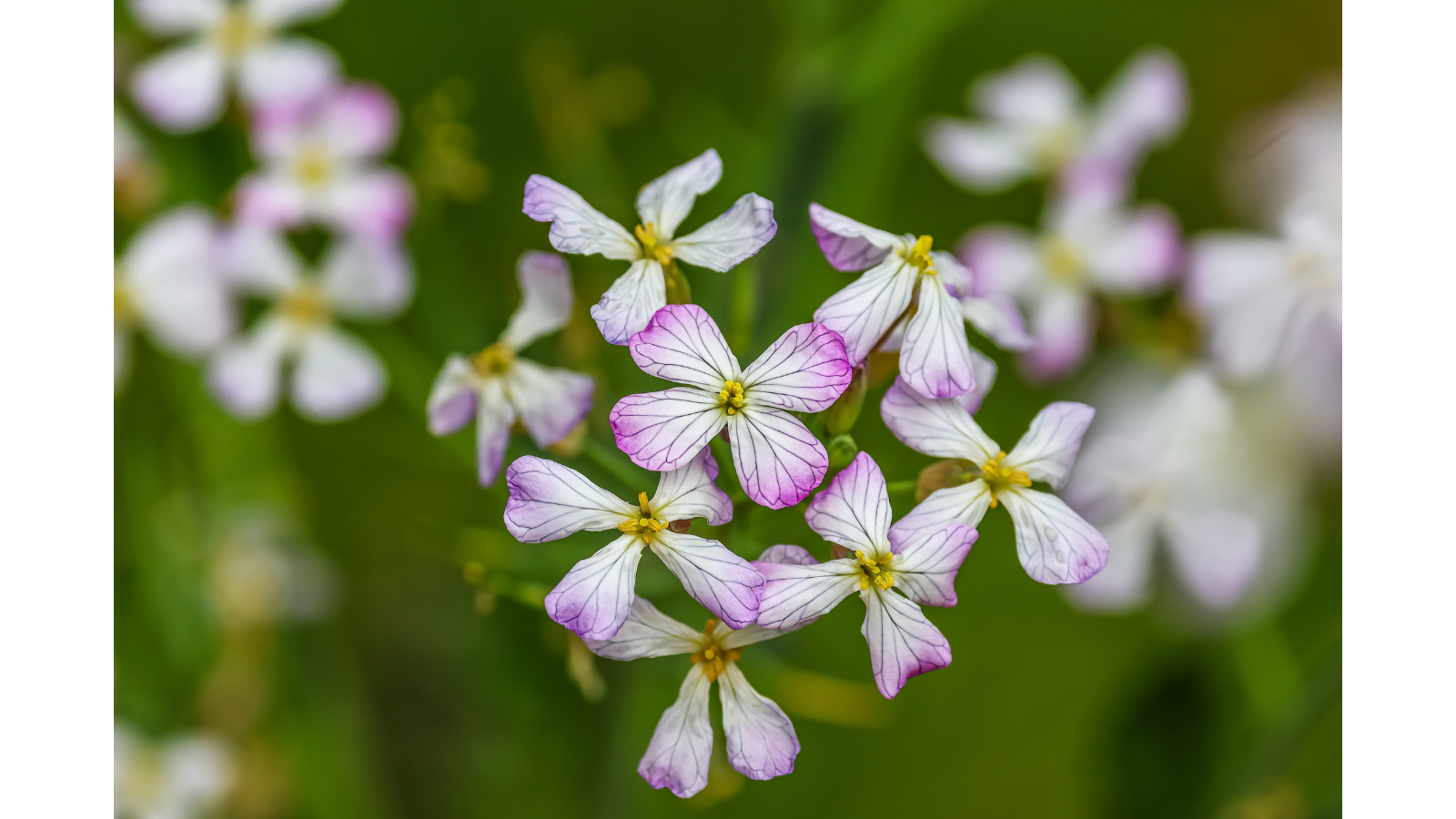
Botanical name: Raphanus raphanistrum subsp. sativus (syn. R. sativus). Edible part: Flowers.
A radish that’s gone woody after bolting is hardly a triumph for the salad drawer, but its flowers are still useful. Those little white or pink blossoms taste peppery and radish-like, making them good scattered over tacos, noodles or egg salad. It’s a nice consolation prize when the root harvest hasn’t gone to plan.
Grow radishes in loose, well-drained soil with sunshine and consistent moisture. Keep sowing fresh rows if you want roots, and let a few older plants run to flower. Pick only fresh blooms from your cultivated radish plants.
This means flowers from identified cultivated radishes, not unidentified four-petaled roadside plants. Handle with care if you are prone to contact dermatitis.
Growing and identification guide
Savory blossoms from the culinary herb garden
Herb flowers are especially satisfying because many offer a softer version of a flavor you already know. Let one plant bloom for the kitchen while keeping the others clipped for leaves, and you’ll often get the best of both harvests.
22. Chives
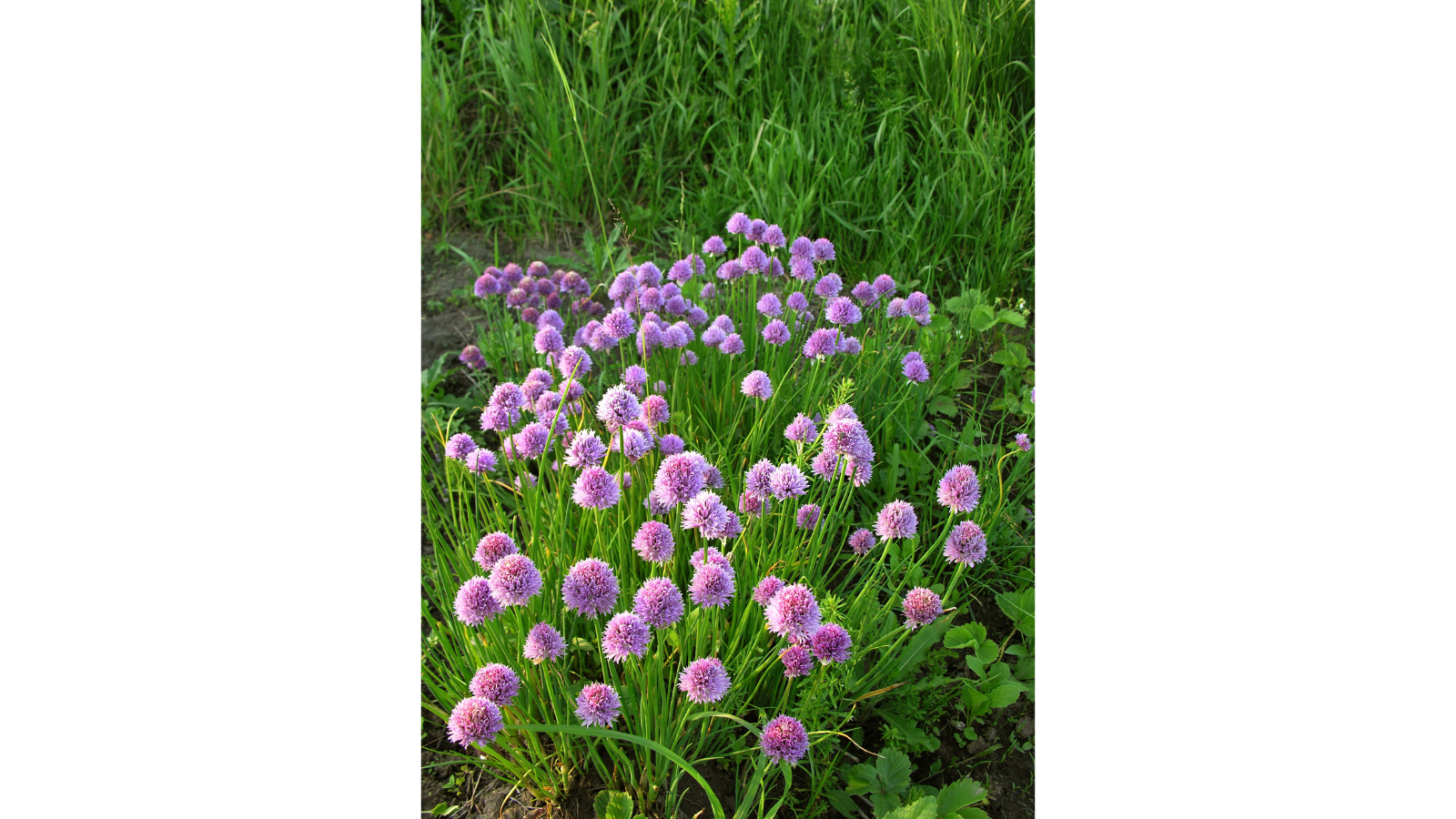
Botanical name: Allium schoenoprasum. Edible part: Separated florets.
A chive flower head is made up of many tiny onion-flavored blossoms. Pull it apart and scatter the purple florets over potato salad, scrambled eggs or herb butter; you get little hits of flavor rather than one enormous mouthful of flower. It’s one of the easiest edible blooms to use without learning a new way of cooking.
Chives grow in perennial clumps in sun or partial shade, provided the soil drains. Divide an overcrowded clump in spring or fall and remove seed heads if you don’t want volunteers. Pick newly opened purple heads and separate the florets from their stalk.
Harvest from known garden chives. A wild plant’s onion smell or similar-looking flowers aren’t enough to rule out toxic lookalikes.
Growing and identification guide
23. Garlic chives

Botanical name: Allium tuberosum. Edible part: Separated florets.
Garlic chive flowers look quite different from ordinary chives: small white stars gathered into rounded heads. Their garlicky flavor is excellent over tofu, steamed green beans or noodles, and a little can brighten a very plain dish. Break the head into florets and leave the tough stalk behind.
This perennial enjoys sun and well-drained soil, but can spread with enthusiasm if it sets seed. Grow it in a pot where appropriate or cut off heads before they ripen. Harvest the open white flowers while they’re fresh.
Use small seasoning quantities; large amounts of Allium compounds may upset the stomach. These flowers are for human meals, not for sharing with pets.
Growing and identification guide
24. Basil

Botanical name: Ocimum basilicum. Edible part: Small flowers, without tough stalks.
A basil plant in flower isn’t a total loss. The little blossoms still taste recognizably of basil, sometimes with a spicier edge, and they’re delicious over tomatoes, mozzarella or pasta after cooking. If you want plenty of leafy basil as well, let one plant flower and keep pinching the others.
Basil wants warmth, sunshine and moist soil that drains well. Pinch young tips to build a bushier plant, and choose a disease-resistant culinary cultivar if that’s useful in your area. Pick the tiny fresh flowers and leave the wiry stems out of dinner.
Growing and identification guide
25. Dill
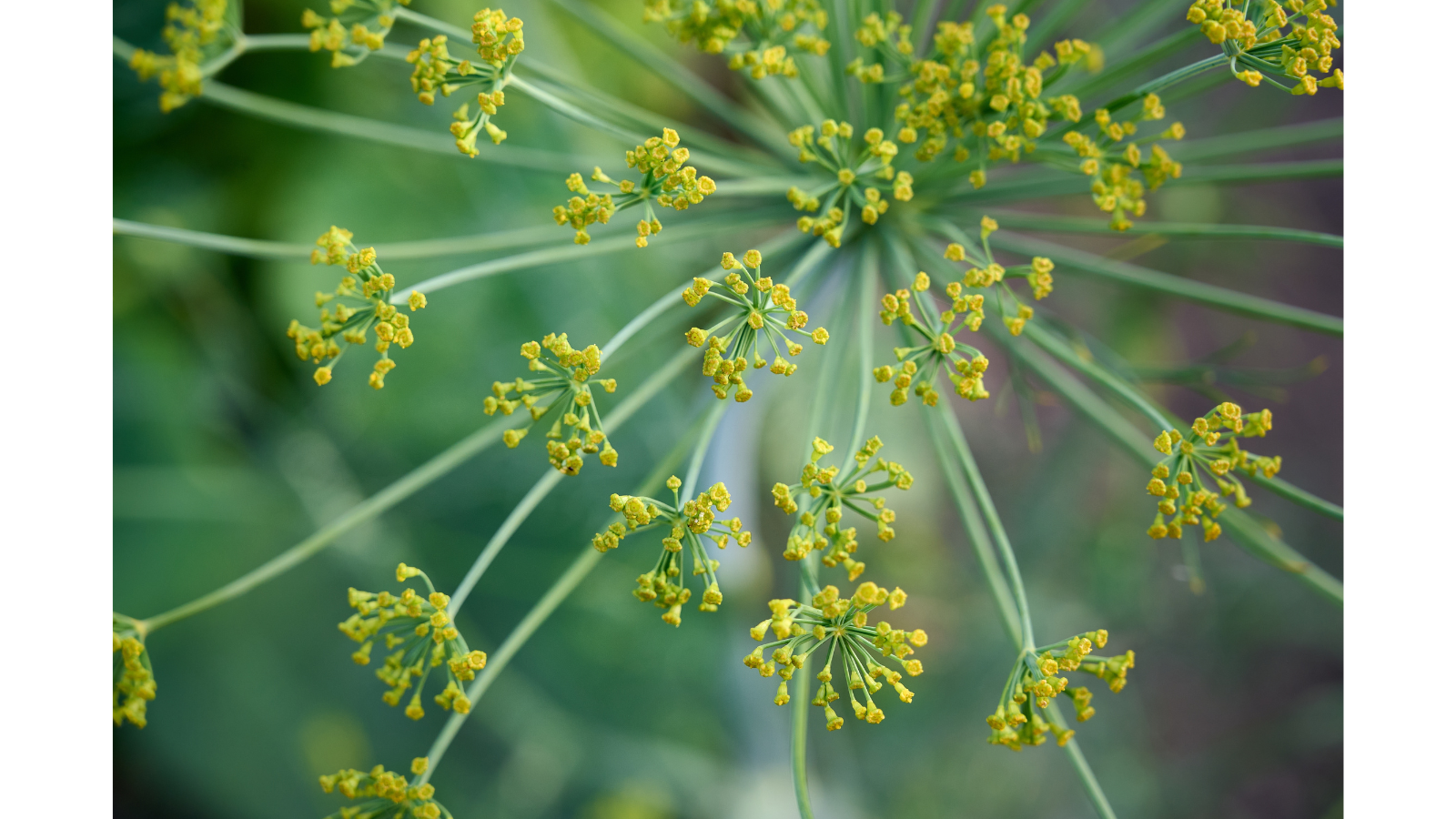
Botanical name: Anethum graveolens. Edible part: Tiny flowers/umbel sections.
Dill flowers carry that familiar dill flavor, sometimes with more intensity than the feathery leaves. They’re lovely with fish or in cucumber-and-yogurt sauce, and the yellow heads have a traditional place in pickling. For anything you intend to can, though, use a tested pickle recipe rather than relying on a casual flower addition.
Direct sow dill in sun and well-drained soil, as its taproot makes transplanting awkward. Several small sowings will give you a longer season, and a little shelter helps stop tall stems from flopping in strong winds. Snip tender flowering sections before they turn into coarse seed heads.
Only harvest from dill you’ve grown and identified. Wild carrot-family flowers can resemble one another, and some, including poison hemlock, are dangerously toxic.
Growing and identification guide
26. Fennel

Botanical name: Foeniculum vulgare. Edible part: Tiny flowers.
Fennel’s tiny yellow flowers taste sweetly of anise or licorice. Use a few over fish or eggs when you want a softer, more floral version of that flavor. They’re worth trying alongside dill so you can appreciate just how different two similar-looking yellow flower heads can taste.
Before planting fennel, check local invasive-species guidance: it is a problem in some areas, including parts of California. Where appropriate to grow, it needs sun, drainage and space for its tall stems. Pick small fresh flower clusters and prevent unwanted seed production.
Never identify wild carrot-family plants from a picture. Fennel seed may irritate sensitive skin, and growing the plant in a container does not override local invasive-plant restrictions.
Growing and identification guide
27. Cilantro

Botanical name: Coriandrum sativum. Edible part: Tiny flowers.
If your cilantro rushes into flower as soon as the weather warms, you can at least enjoy the delicate blossoms. They have a gentler version of cilantro’s distinctive flavor and look lovely over salsa, beans or chilled vegetable soup. Leave some to develop coriander seed if that’s part of your plan.
Sow cilantro during cool weather in moist, well-drained soil, with sun or a little shade. Heat encourages bolting, so grow fresh leaf crops in succession while a separate plant flowers. Snip the tender sections and discard the coarse stems.
Use flowers from identified cultivated cilantro, not wild carrot-family lookalikes. Fresh blossoms and dried coriander seeds don’t have the same strength or flavor, so they aren’t interchangeable spoon for spoon.
Growing and identification guide
28. Rosemary

Botanical name: Salvia rosmarinus (syn. Rosmarinus officinalis). Edible part: Flowers, separated from woody stems.
Rosemary flowers have a gentler flavor than the tough, needle-like leaves. A few scattered over roasted potatoes or white beans after cooking give you a fresh rosemary note without leaving anyone chewing on a twig. They’re a particularly nice bonus from a herb you’re probably growing already.
Rosemary needs sun and extremely good drainage. In mild regions it grows as an evergreen shrub; elsewhere a movable container can help it through cold weather. Cuttings are usually easier than starting from seed, and wet roots are a far bigger threat than a little neglect.
Choose culinary rosemary and use its flowers in ordinary food quantities. Essential oil is a different, concentrated product, and the plant’s current Salvia classification does not mean other ornamental salvias are edible.
Growing and identification guide
29. Garden sage

Botanical name: Salvia officinalis. Edible part: Flowers in small culinary amounts.
Sage flowers are subtly musky and aromatic, with a softer version of the leaves’ familiar flavor. A few over ricotta toast, cooked beans or roasted squash add interest without turning the whole dish into stuffing seasoning. This is very much a small-scattering flower.
Give garden sage full sun and medium-to-dry soil with excellent drainage. It’s a relatively short-lived perennial and dislikes heavy wet ground. Harvest young plants lightly, avoid cutting back into bare old wood, and pluck the fresh flowers away from coarse stems.
Stick to small food quantities of Salvia officinalis flowers. Larger amounts aren’t recommended, and the advice doesn’t extend to ornamental salvias, extracts or essential oils.
Growing and identification guide
30. Thyme

Botanical name: Thymus vulgaris. Edible part: Flowers, without woody stems.
Thyme flowers are tiny but remarkably useful. They bring a gentler version of the herb’s savory flavor to roasted carrots, mushrooms or a slice of toast with something creamy on top. A separate flowering pot is a neat trick if you want blossoms without sacrificing your regular supply of leafy sprigs.
Give this low, woody herb full sun and lean, gritty, well-drained soil. A light trim helps keep it compact; cuttings and divisions tend to be more reliable than seed. Pinch the flowers off their stems so you don’t end up with woody bits in your food.
Growing and identification guide
A small first planting
If I were planting an edible-flower patch from scratch, I’d begin with nasturtiums for their peppery flavor, pansies for color and chives because they’re useful in so many meals. Once those are thriving, adding a fragrant violet or something more unusual becomes much easier to judge. Pick what you’ll actually use, and leave enough blossoms for the bees.