Affiliate disclosure: This post may contain affiliate links. Please see full disclosure.
The quickest way to ruin a decent pair of gardening gloves is to assume they can all go in the washing machine. Cotton gloves, rubber-dipped gloves, and leather pruning gauntlets need different treatment. Check the care label first, knock off the loose soil, and clean only as aggressively as the material allows.
After years of growing food and working in the garden, I know how quickly gloves collect damp soil, compost, and plant debris. I also know that a pair that fits properly is worth looking after. There’s little point saving five minutes on cleaning if you end up with stiff leather fingers or a cracked coating that no longer grips anything.
Identify the material before you add water
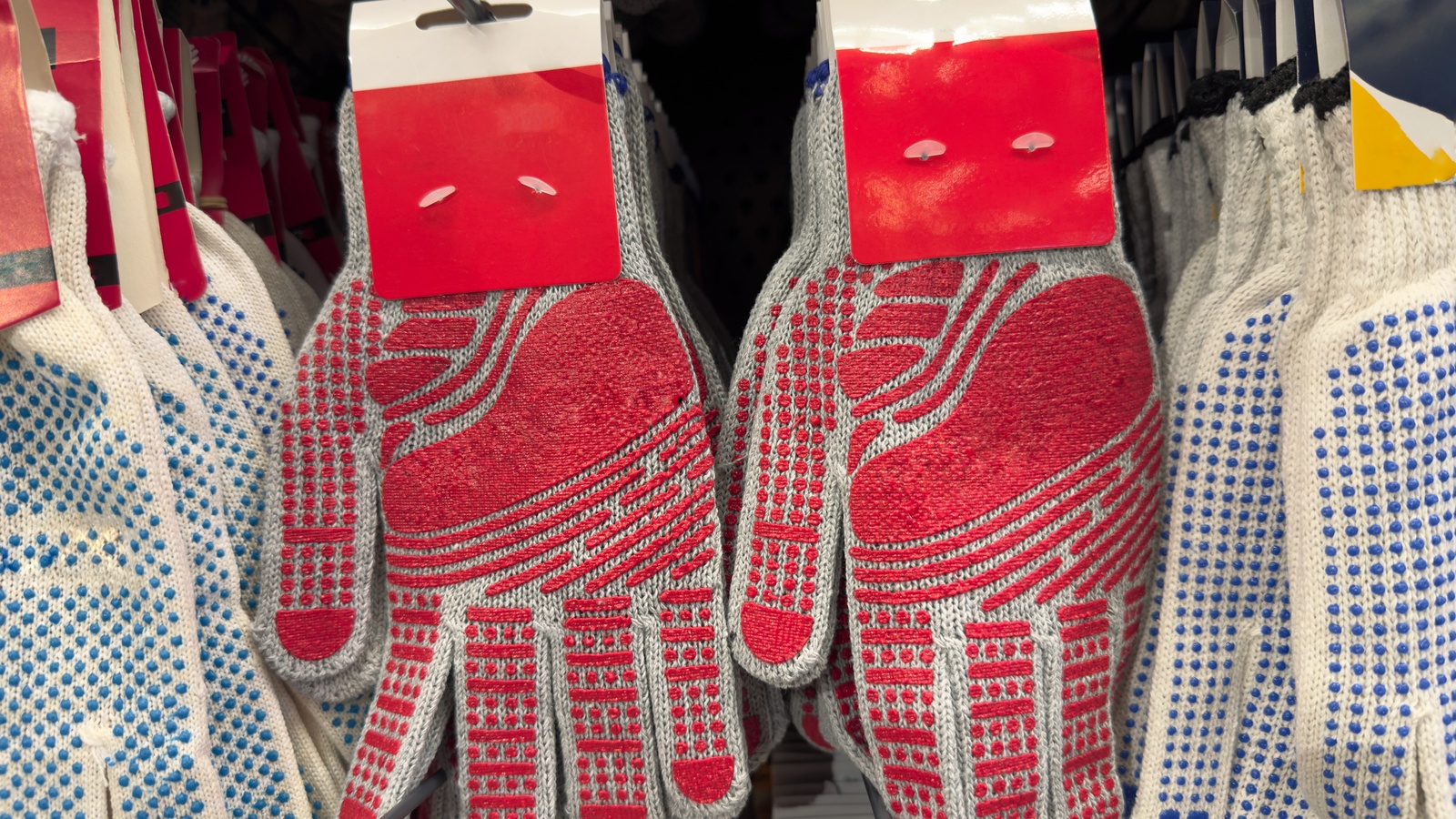
Start with the label inside the cuff, or the manufacturer’s product instructions if the label has worn away. Plain cotton or polyester gloves are often washable. Knitted gloves with nitrile, latex, or polyurethane dipped onto the palms need more care, since the coating and the fabric backing may tolerate washing differently. Leather, suede, and gloves with leather reinforcement are another category again.
Don’t mistake synthetic leather for real leather. Some synthetic gloves are specifically designed to be machine washed, while genuine leather gloves often need spot cleaning. Even two pairs that look similar may have different linings, adhesives, coatings, and washing instructions. Some manufacturers permit cold machine washing for cotton and synthetic gloves but recommend hand washing nitrile-coated types.
Brush off soil before washing

Shake the gloves outside and brush off loose potting mix, dry mud, seeds, and bits of leaves with a soft brush. If they’re covered in thick, wet mud, let it dry enough to crumble away first. That saves you rubbing gritty soil into the fibers and seams.
Pay attention to the fingertips, between the fingers, and around the cuffs. Those are the spots where dirt builds up and where a quick rinse tends to miss it. Check for thorns, splinters, and holes while you’re at it. If a glove is torn right through the palm, washing won’t restore its protection.
Wash fabric gloves only when the label allows it
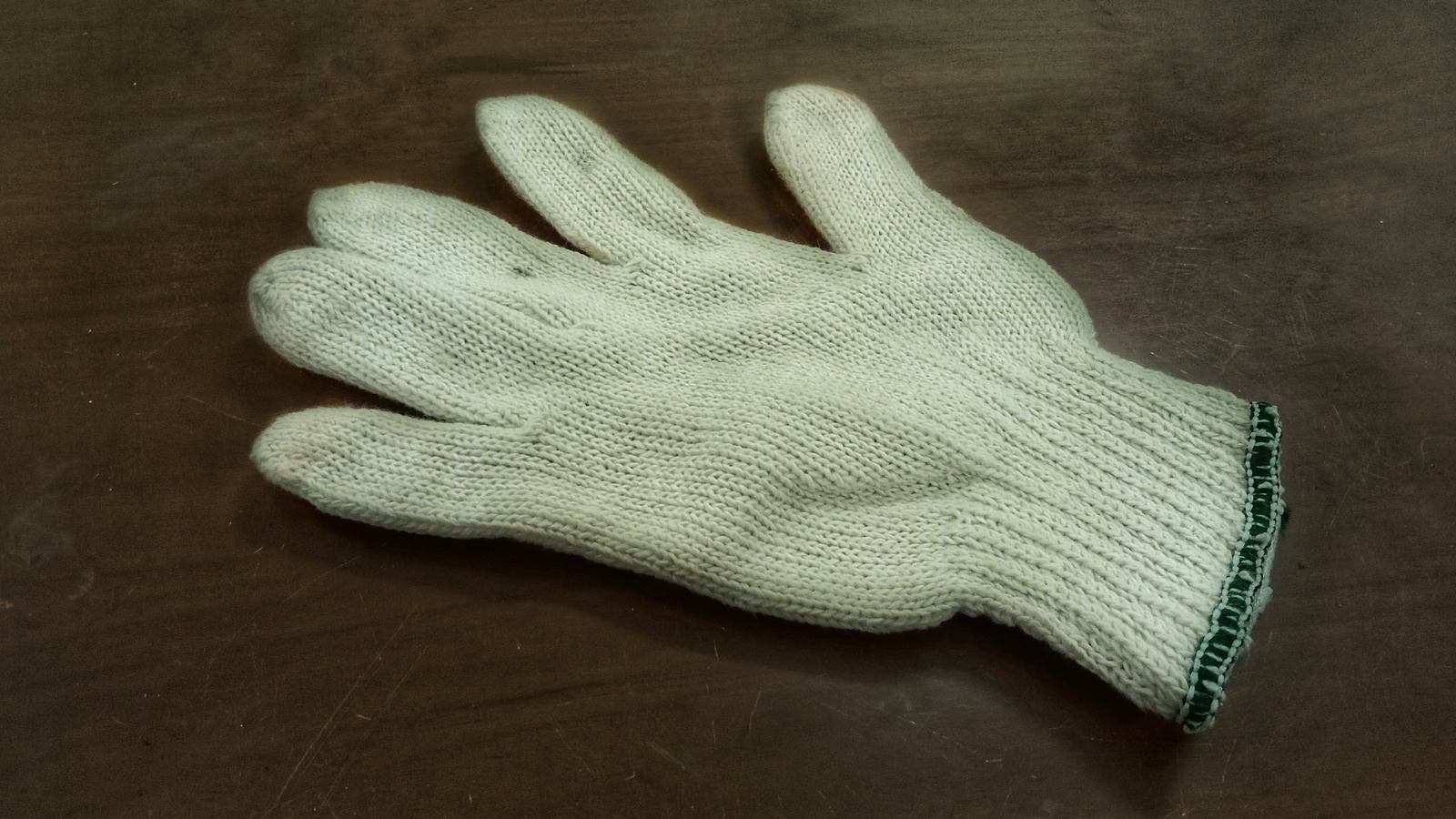
For plain cotton or synthetic gardening gloves marked machine washable, use a cool or cold gentle cycle with a little mild detergent. Wash them separately from delicate clothing, especially if they’re heavily soiled. Skip bleach and harsh stain removers. If the instructions call for hand washing, use a basin of cool or lukewarm water instead, gently working the fabric to release the dirt.
Rinse until the soap is gone. It’s fine if an old pair still has a few soil stains; clean doesn’t necessarily mean showroom-white. I wouldn’t wash a pair repeatedly just to chase discoloration that’s worked into the fabric.
Fabric gloves can shrink or lose their fit when exposed to heat, so air-drying is the safer default. Cold washing and air-drying are specified for many synthetic work gloves, but the care label on your particular pair still takes priority.
Clean coated palms without damaging their grip

Those stretchy knitted gloves with grippy dipped palms are wonderfully useful for weeding, potting on, and handling tools. Unfortunately, the nitrile, latex, or other coating can crack, peel, or wear away, especially if it’s exposed to unsuitable cleaning products or too much heat.
Unless the maker explicitly says otherwise, gently hand wash them in cool water with a small amount of mild soap. Rub the coated areas with your fingers or a soft cloth, then rinse thoroughly. Don’t scrub them with a stiff wire brush, wring them tightly, or put them on a radiator to dry. Hand washing, avoiding bleach and solvents, and allowing dipped gloves to air-dry are sensible measures for protecting their finish.
Once dry, inspect the coating. If it’s flaking away or has worn through, the glove may no longer provide the grip or protection you bought it for. Don’t count on a clean appearance to mean it’s still suitable for thorny or rough work.
Treat leather gardening gloves more gently

Leather pruning gloves and rose gauntlets deserve a different approach. Brush dry soil away first, then wipe dirty areas with a slightly damp cloth. For marks that won’t lift, use a leather cleaner or saddle soap only if it’s appropriate for that type of leather and the manufacturer permits it. Test an inconspicuous patch before treating the whole glove.
I wouldn’t soak an ordinary pair of leather gauntlets in a bucket or put them through the washing machine on the assumption that all leather behaves alike. Some specialist leather gloves do have approved washing procedures, but many don’t. Too much water, harsh detergent, and rapid drying can leave leather stiff, shrunken, or brittle. Leather glove care typically calls for gentle brushing, careful hand cleaning, and natural drying.
If the leather feels dry after cleaning, a small amount of conditioner intended for that specific leather may help, provided the manufacturer allows it. Don’t automatically use oils or heavy conditioners on suede, nubuck, or coated leather. They can darken the surface or change its finish.
Dry them properly before storing them

Set clean gloves somewhere airy and out of direct heat. Gently reshape the fingers and cuffs while they’re still slightly damp. Don’t leave them crumpled in a bucket, on a hot radiator, or baking on a sunny windowsill. Heat can damage leather and some coatings, and damp gloves stored in a heap are an invitation to musty smells and mildew.
Thicker gloves can feel dry on the outside while their fingers and linings are still damp. Check inside before putting them away. Store completely dry pairs somewhere clean and ventilated, ideally where mice and damp can’t get to them.
One final point: if you’ve used gloves for handling pesticides or other hazardous chemicals, ordinary garden-glove washing advice isn’t enough. Follow the chemical label and glove manufacturer’s decontamination instructions, and replace disposable or contaminated gloves when required. For everyday soil and compost, though, a brush, mild cleaner, and careful drying will usually do more good than a fierce wash.
You might also like…
Mulching Your Perennials Before Winter? The Timing Could Make All the Difference
Which Vegetables Can Wait Through a Light Frost—and Which Should You Harvest First?