Affiliate disclosure: This post may contain affiliate links. Please see full disclosure.
If you’re planning to pile extra mulch over your perennials for winter, don’t be too quick. For plants that need protection against winter’s freeze-thaw cycles, the best time to put that insulating blanket down is usually after the soil begins to freeze, not during the first cool spell of fall. Mulch too early and you can keep the ground warmer than you intended.
I’m a big believer in mulching. After decades of organic gardening, I wouldn’t want to manage beds without it. But there’s a difference between a normal layer of compost or shredded bark that protects the soil throughout the year and a thicker, temporary layer meant to see a vulnerable perennial through winter. The second needs rather more careful timing.
Why winter mulch is about steady temperatures

The problem isn’t always how cold the soil gets. It’s how often it freezes, thaws, and freezes again. During these repeated changes, water in the upper soil freezes and expands. The soil can gradually push shallow-rooted plants upward, leaving crowns and roots exposed. That’s frost heave, and it can damage a plant that would otherwise tolerate the winter perfectly well.
Newly planted or recently divided perennials are especially vulnerable because their roots haven’t had time to anchor themselves. Some shallow-rooted plants, including coral bells and garden mums, can be prone to heaving, too. A loose layer of winter mulch helps reduce those soil-temperature swings and keeps the plant from being pushed out of place.
Think of winter mulch as insulation rather than a heater. You’re trying to keep the ground cold and relatively stable, not encourage another flush of growth just before winter arrives.
Wait until the soil starts freezing
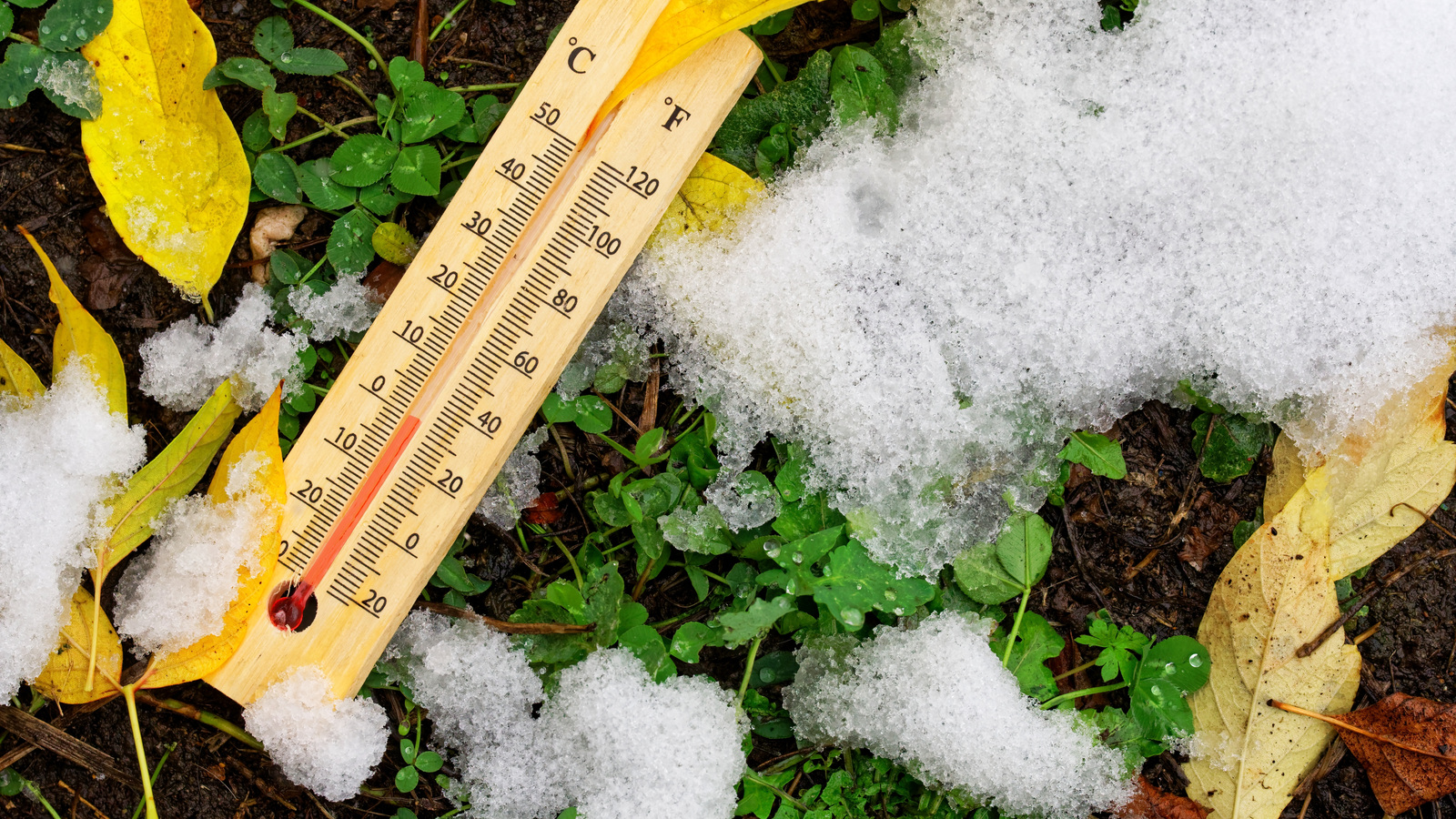
For frost-heave protection, I recommend holding off until the top of the soil has begun to freeze and the plants have settled into dormancy. Putting protective mulch on too early can delay dormancy, while applying it after the ground starts freezing helps keep that cold soil from warming up repeatedly during mild spells.
Don’t choose an arbitrary November or December weekend and assume it will be right everywhere. A gardener in northern Minnesota has a completely different winter to someone along the Gulf Coast. Watch the conditions in your own beds. A frosty morning isn’t proof that the soil has frozen, and some mild-winter gardens may never need this extra protection at all.
This timing rule doesn’t mean you must leave bare soil exposed all fall. Ordinary mulches for weed control, moisture retention, and soil improvement can be applied earlier, especially around newly planted specimens. It’s the additional protective winter blanket that is generally best held back.
Choose something loose that won’t smother the plants
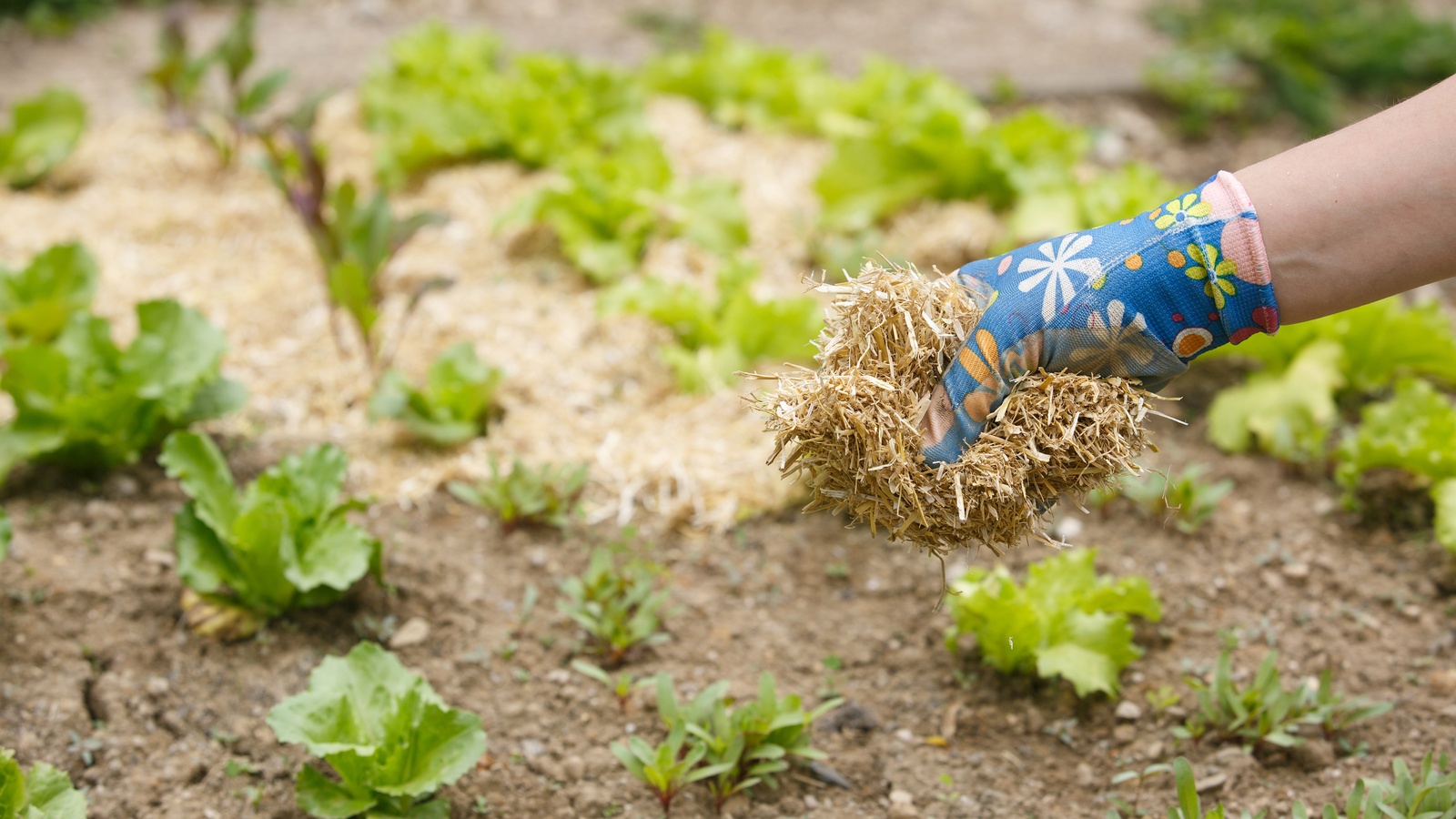
Clean straw, pine needles, loosely shredded dry leaves, and evergreen boughs all make useful insulating materials. I particularly like making use of suitable leaves already available in the garden, provided they aren’t wet, matted, or full of diseased material. You don’t need expensive bags of decorative mulch just to protect a few crowns.
For vulnerable perennials, a roughly 3- to 4-inch loose layer is a sensible starting point where frost heave is the main concern. Recently transplanted perennials can benefit from 3 to 4 inches of loose winter mulch after the soil freezes. Some particularly tender plants in harsh climates may need more, but that is a plant-specific decision rather than a reason to bury the whole flower bed.
Avoid compacted mats of whole, wet leaves, heavy layers of soggy compost, or thick mulch packed tightly against living stems and crowns. The idea is to trap air in an open layer, not create a wet lid over the plant. If you use evergreen boughs, lay them loosely so air and moisture can still move through.
Some perennials are better off without a heavy blanket
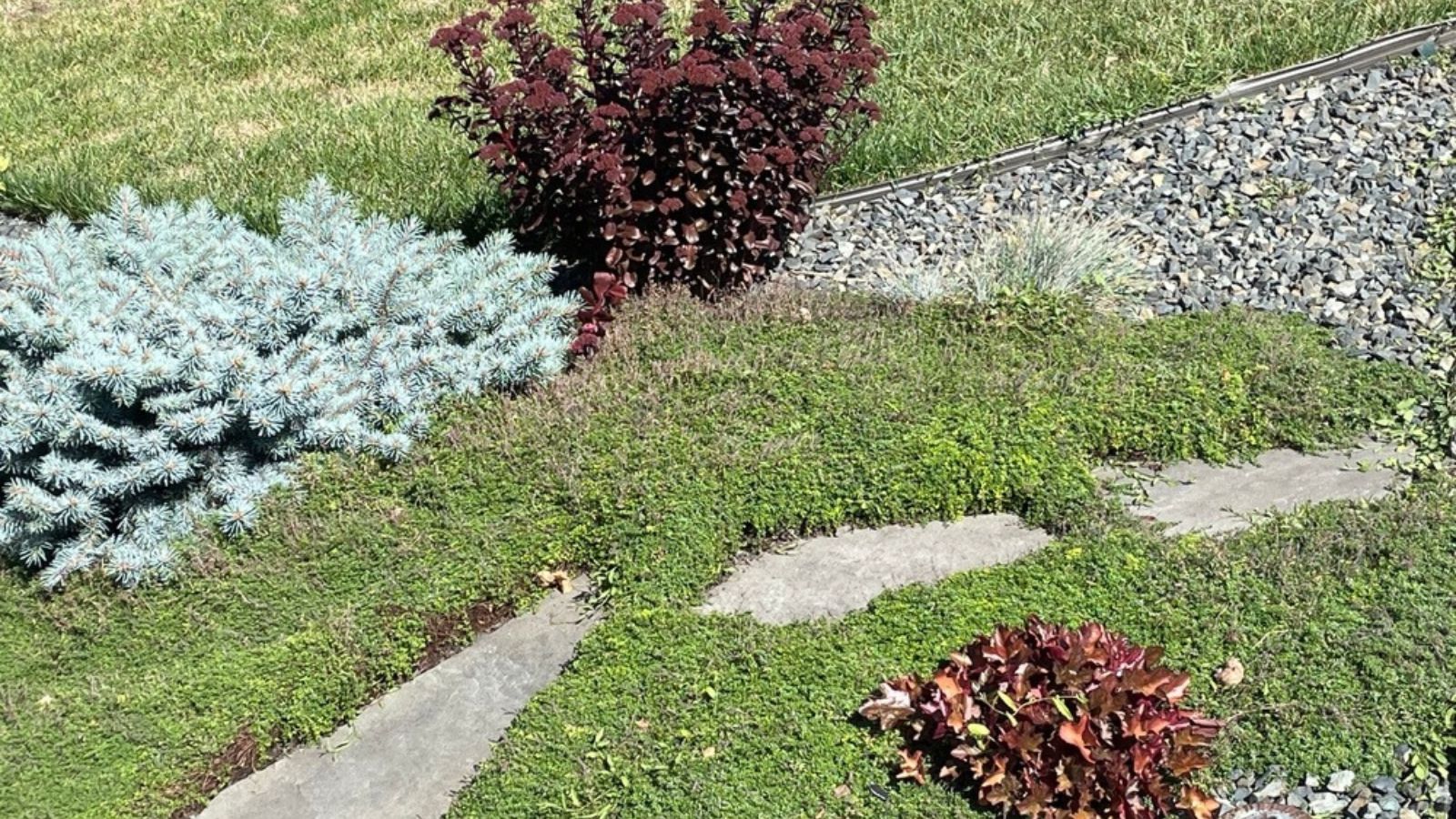
Established, fully hardy perennials in well-drained soil often need no special winter covering beyond their usual garden mulch. Many plants also benefit from leaving healthy dead stems and fallen foliage in place, which provides some shelter and supports overwintering wildlife. I don’t see much sense in buying bags of material to cover plants that aren’t actually at risk.
Be especially careful with plants that need sharp drainage or dislike moisture around the crown. Mediterranean herbs, alpine plants, and some fleshy-leaved perennials can suffer if you heap damp organic material around them. Ground-hugging plants such as thyme may be better left without moisture-trapping mulch over the stems. Fix poor drainage rather than assuming a deeper blanket will solve winter losses.
A very tender perennial is another matter. If it can’t tolerate your typical winter temperatures, mulch alone may not save it. Some plants are better lifted and stored frost-free, moved into protection, or grown as annuals in colder regions. You need to know what plant you’re dealing with before deciding how much protection it needs.
Don’t forget to take it off in spring
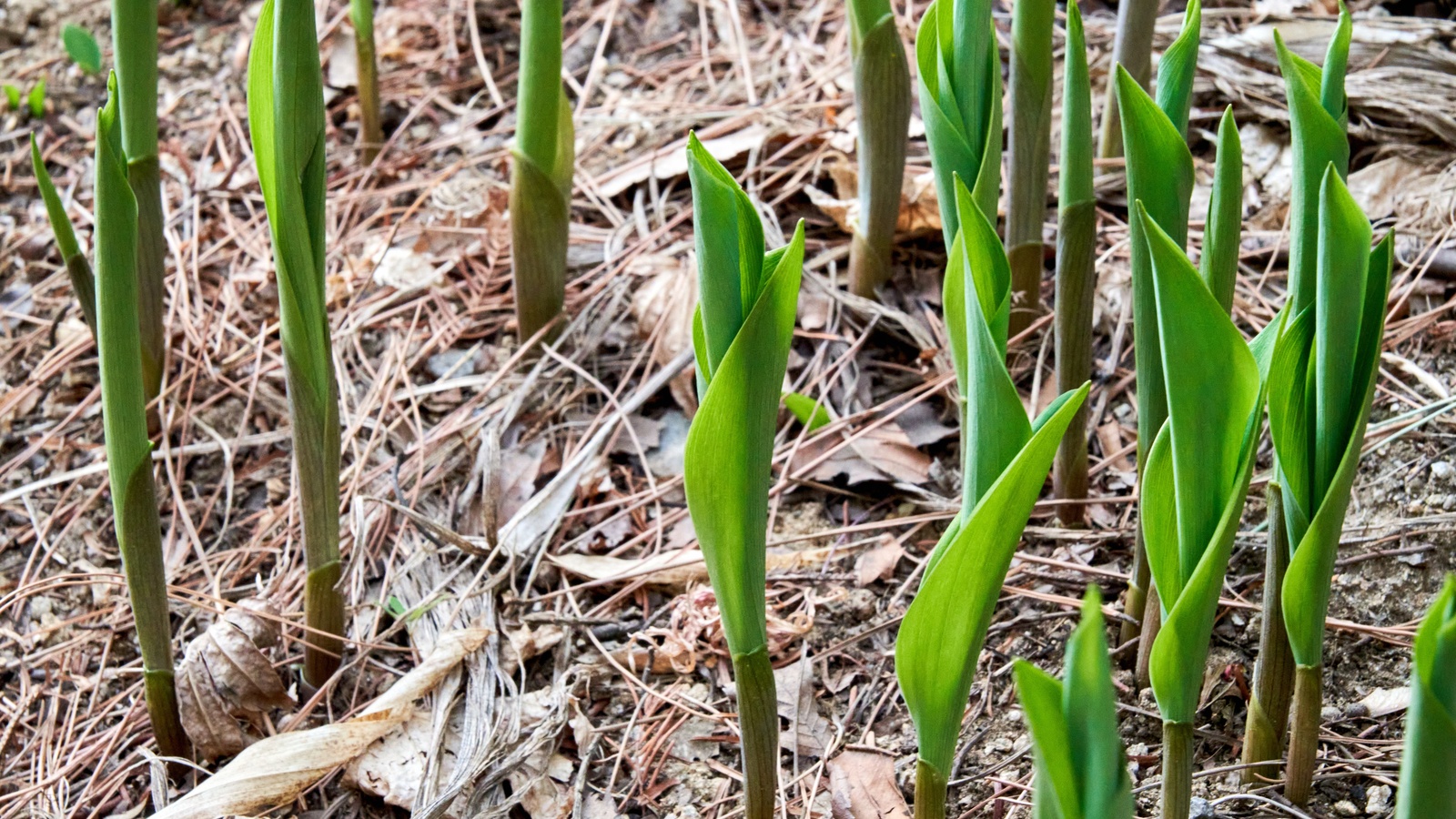
That lovely insulating layer can become a problem when the weather improves. As the upper soil thaws and new shoots start appearing, gradually pull excess winter mulch away from the crowns. Don’t leave emerging growth trapped under several inches of wet straw or leaves, where it can stay damp and struggle to reach the light.
You don’t have to strip the whole bed bare. Move the thicker protective material into the paths or compost heap, or spread suitable material more thinly between plants as a normal garden mulch. Keep a little loose material available if late frosts are common in your area. Removing the extra protective layer once the ground starts thawing helps crowns and new growth emerge normally.
If frost heave has lifted a plant, inspect it when the soil is workable. Settle it back at the proper depth and firm the surrounding soil gently, taking care not to damage exposed roots. And if your garden stays saturated through winter, deal with the drainage before reaching for more mulch.
My advice is to protect the plants that actually need protecting. Wait for the right soil conditions, use a loose and suitable material, and remove the extra layer as spring growth begins. The best winter mulch isn’t necessarily the thickest. It’s the one that solves a real problem without creating another.