

Affiliate disclosure: This post may contain affiliate links. Please see full disclosure.
You know that point in late winter where you’re staring out the window, itching to plant something, but the garden still looks like a cold, muddy crime scene?
Yeah. That’s exactly when you can jump ahead.
If you’re in a temperate climate (most of the U.S. where you get real winter but not permafrost), there are a bunch of vegetables you can plant before the end of February and be way ahead of the game once spring actually shows up.
Some will go straight in the ground if the soil isn’t frozen solid. Some want a bit of protection. Some you’ll start indoors so they’re ready to sprint when it warms up.
Things like radishes are super-fast croppers, so planting now means you can get an extra harvest in before the main season. Carrots are another I like to get an early start on, as, with a row cover to keep the soil a tiny bit warmer in the first few weeks, I can usually sneak in an extra-early harvest, before I’m having to deal with the menace of carrot flies during my main cropping season.
And indoors or in the greenhouse, I like to give my tomatoes and peppers a head start. Getting them going now in a protected environment gives me a much longer growing season and, therefore, a much bigger harvest!
Before you plant anything: frost dates and soil checks
Quick reality check so we’re on the same page:
- Look up your average last frost date for your ZIP code. That tells you how early you can transplant or direct sow tender crops.
- Go outside and actually poke your soil. If it’s frozen like a brick or soupy like chocolate pudding, wait on direct sowing and start those seeds in trays instead.
- As a rough rule:
- Hardy, leafy, and root crops can handle cold soil and light frosts.
- Warm-lovers (tomatoes, peppers, etc.) only go outside after frost, but you can start them indoors in February.
Alright, let’s plant.
RELATED: How to protect your plants from frost
1. Peas

Peas are one of the very first things I trust in the ground. They’re happiest in cool soil, and they sulk if you wait until it’s warm. As soon as you can work the soil and it’s not a solid block of ice, you can usually sow peas. Soil above about 40°F (4–5°C) is fine, and they really thrive in the 45–60°F (7–16°C) range. If you don’t have a soil thermometer, that’s roughly “cold but not painful” to the touch.
Plant pea seeds about an inch deep and two inches apart in rows, then give them something to climb right away, even if they’re just little sprouts. A bit of netting, some twine, a few twigs — anything is better than trying to untangle a fallen pea jungle later. If your soil is very wet and heavy, raise the row a little so the seeds aren’t sitting in a puddle. Slugs love young peas, so tossing a board nearby and checking under it in the morning can help you catch the little slime thieves.
The reason peas are such a good February crop is they use a quiet, otherwise dead-feeling part of the year. You harvest crisp pods in late spring, then that bed can flip over to beans, cucumbers, or even late summer greens. They also pull nitrogen from the air and share it with the soil, especially if you leave the roots in the ground after harvest. You’re getting food now and better soil later from the same short row.
2. Broad (fava) beans

Broad beans are the tank of the bean world. Regular bush and pole beans will turn up their toes in cold mud, but broad beans will sit there and shrug. You can sow them as soon as the soil is workable and not waterlogged. They’re bigger seeds, so plant them about two inches deep and six to eight inches apart. If your winters are brutal, you can start them in pots or modules in an unheated greenhouse or cold frame and transplant once the worst cold has passed.
They don’t need fancy support, but a couple of stakes with string around the clump helps stop them flopping in late spring winds. They’ll handle light frosts just fine. The main thing that bothers them is heat, so starting them very early is the whole point. Watch for black aphids clustering on the top growth; you can literally pinch off the soft tips once pods start forming and the plants will keep going.
From a self-sufficiency angle, broad beans are sneaky-good. You can eat the tiny pods whole, shell the young beans for fresh eating, or let them mature and dry them for winter soups. One little patch gives you an early, protein-rich crop when not much else is producing. If you like to make your own hummus-style spreads or hearty stews, having a stash of homegrown favas in the pantry is a quiet superpower.
3. Spinach

Spinach was built for this time of year. It laughs at cold, and a touch of frost actually makes it sweeter instead of bitter. You can sow it directly outside as soon as the top couple inches of soil thaw and can be raked. It prefers soil in the 40–60°F (4–15°C) range for germination. If your ground is still iffy, you can start it in trays in a cool room or sheltered porch and transplant later.
Outdoors, rake the bed fairly smooth, sprinkle seeds in a line or a broad band, and cover with about half an inch of soil. Spinach seed can be slow and patchy if the surface dries out, so if you can, lay a board or an old piece of fabric over the row and check daily, watering if it dries. As soon as you see sprouts, remove the cover so they get light. Thin plants so they have about four to six inches between them if you want big leaves, or leave them closer and harvest baby leaves often.
The beauty of February spinach is that it bridges the hungry gap. A couple of short rows under a simple low tunnel or even old clear storage totes can keep you in greens when store lettuce is expensive and sad. You can harvest outer leaves and let the plant keep going, blanch and freeze bags of chopped spinach for later, or toss handfuls into soups, pastas, and omelets to stretch meals and add nutrients.
RELATED: How to Grow Spinach – The Ultimate Guide
4. Lettuce

Lettuce is tougher than it looks, especially the leaf and romaine types. It doesn’t like being frozen solid over and over, but it’s very happy in chilly air and cool soil. Late winter is when I start a new wave of lettuce indoors and, if the weather allows, a small backup sowing outside under protection.
Indoors, sow lettuce in cells or shallow trays, barely cover the seeds, and keep them lightly moist. It prefers cool conditions to germinate, so don’t stick it on top of a furnace vent. Give it the brightest light you can manage. Outside, if you have a cold frame, low tunnel, or even old windows you can prop over a bed, you can scatter lettuce seed directly in the soil and treat it like a cut-and-come-again patch.
Planting lettuce before the end of February means you beat the spring rush. You’re harvesting baby leaves for sandwiches and salads well before the garden centers are even selling starts. Because you grew them from seed, you can mix several types in one tray and get a lot more variety for your money. It’s also an easy way to make very cheap, simple meals feel fresh; a bowl of homegrown lettuce under a couple eggs or a scoop of beans suddenly looks intentional instead of desperate.
5. Arugula (rocket)
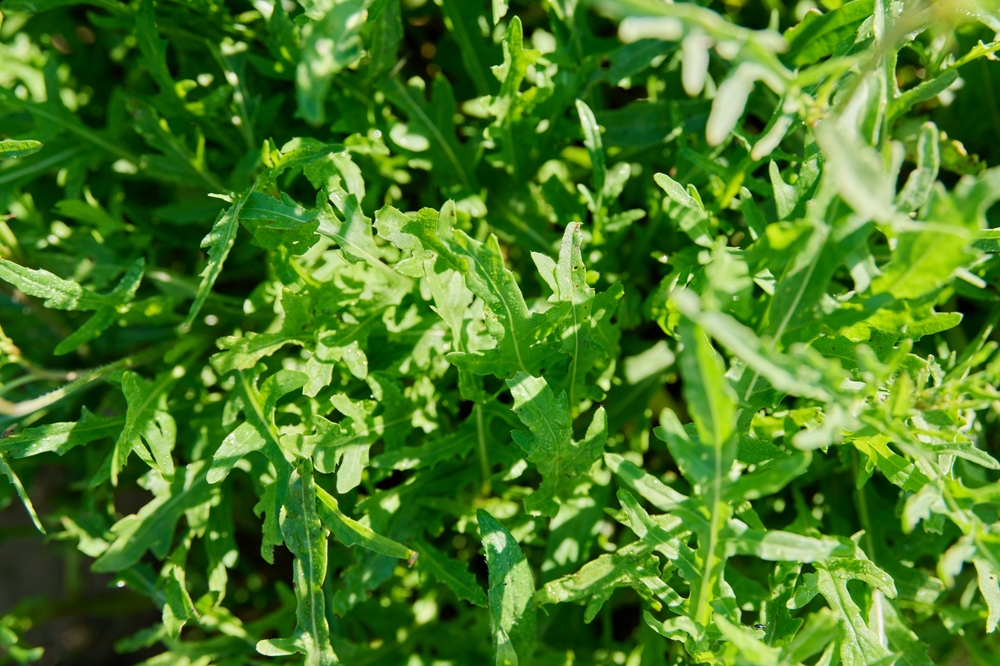
Arugula is the scrappy cousin of lettuce. It doesn’t care if the weather’s a bit rude, and it grows fast in cool spells. It’s one of my favorite “I need greens soon” crops, and late winter is exactly when it shines.
You can sow arugula directly outside in any half-decent soil that isn’t waterlogged. Just scratch a shallow groove, sprinkle the seed fairly thickly, cover very lightly, and water. If you have row cover or even an old sheet, drape it over hoops to buffer wind and cold nights. Indoors, you can grow it in shallow trays on a sunny windowsill for microgreens or baby leaves.
The trick with arugula is to sow small batches often. If you sow a short row every week or ten days starting in February, you’ll always have young, punchy leaves coming on. Older plants can get strong and bitter once the weather flips hot, but in late winter and early spring, they’re perfect. A handful on top of homemade pizza, tucked into grilled cheese, or stirred into hot pasta right before serving adds flavor and vitamins for pennies.
6. Kale
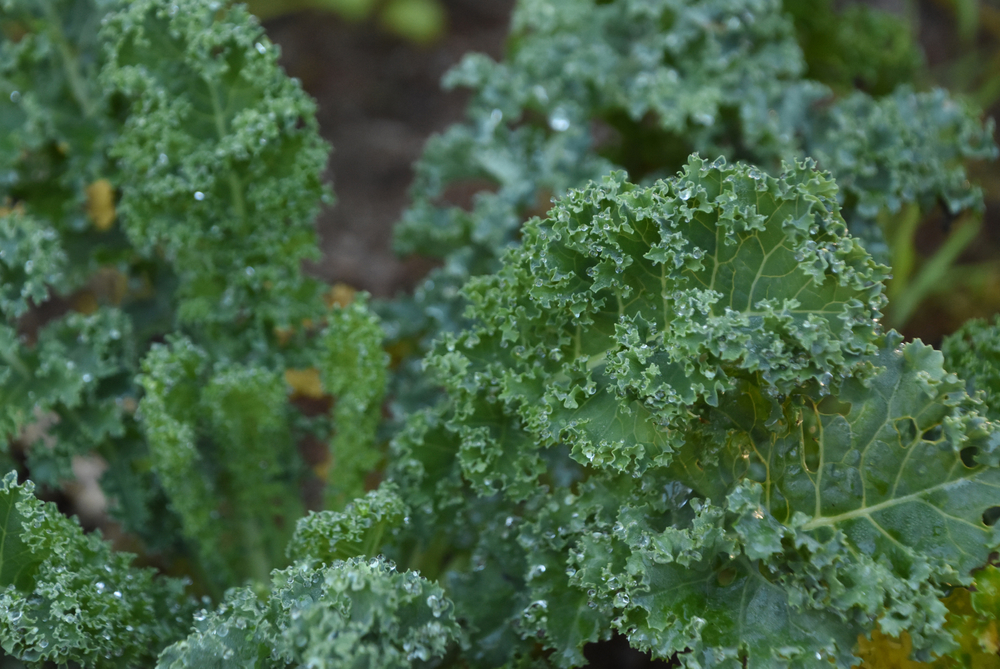
Kale is one of those crops that quietly earns its space over and over. It’s frost-hardy, forgiving, and not nearly as fussy as it gets credit for. Late February is prime time to start it indoors so it’s ready to go out early.
Sow kale in cell trays or small pots, one or two seeds per cell, about half an inch deep. Give it bright light from a window or cheap LED shop light, and don’t let it dry out completely. Once the seedlings have a few true leaves and outdoor temperatures are consistently above the mid-20s°F (-4°C), you can start hardening them off and planting them out, especially if you can throw a bit of row cover over them.
Early started kale plants will have big, sturdy root systems before summer heat and cabbage moths ramp up. You can harvest baby leaves for salads while they’re small and keep taking the larger leaves all season for soups, sautés, and smoothies. One short row can replace an awful lot of bagged greens from the store, and if you let a plant or two go to seed, you’ve got your own seed supply for next year.
7. Swiss chard
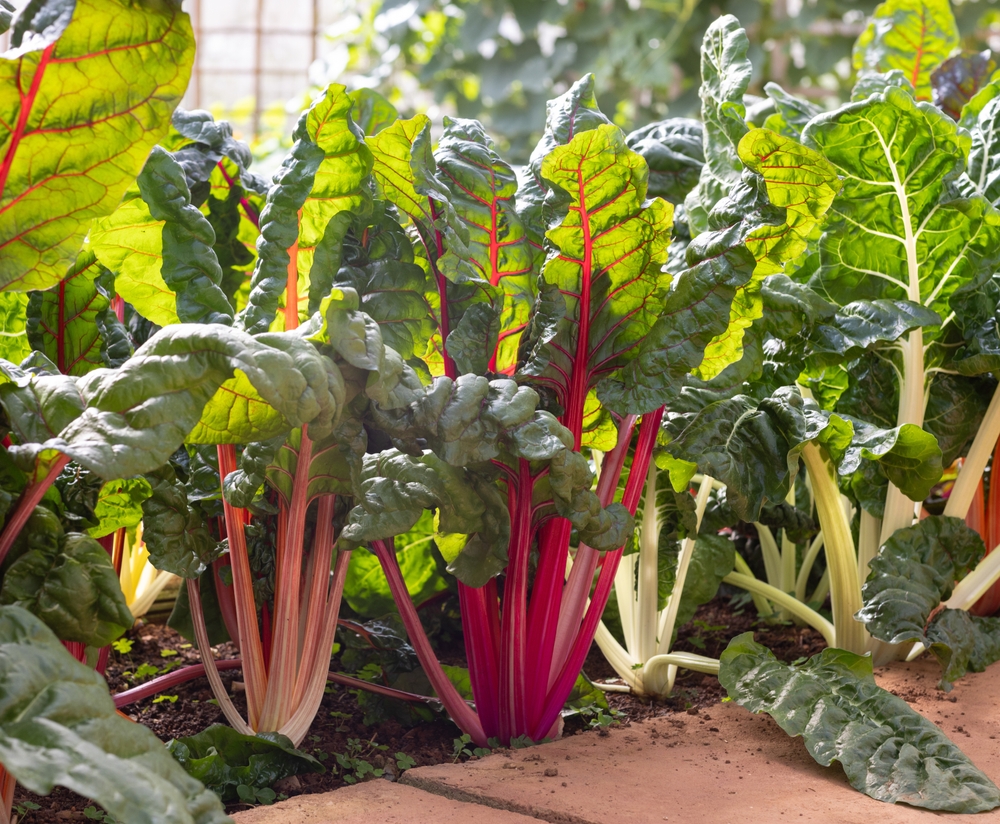
Chard is a workhorse leafy that doesn’t get enough love. It handles cold better than most warm-season crops and keeps chugging along when the weather warms too. Starting it before the end of February means you get early greens and a long, long harvest window.
The seeds are actually little clusters, so when you sow one “seed,” you often get several seedlings. You can start it in modules or pots indoors, or sow it outside if your soil is workable. Indoors, plant seeds about half an inch deep, then thin to the strongest one or two seedlings per cell. Outdoors, sow about an inch apart in the row and thin to about ten to twelve inches between plants as they grow.
Chard gives you tender baby leaves early on, then big glossy leaves and stems for the rest of the season. You can eat it like spinach, like kale, or treat the stems almost like celery in soups and stews. It handles light frosts and bounces back, so a small patch is a very low-risk, high-yield investment. If you’re trying to stretch the grocery budget, having a perennial-feeling “cut and come again” green right outside the door is incredibly handy.
8. Radishes
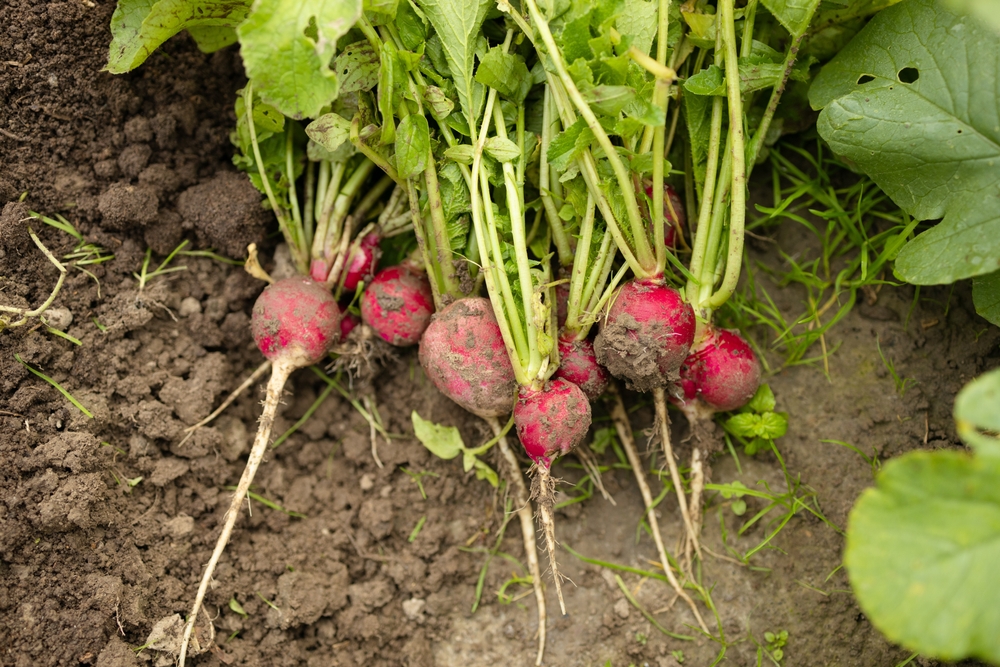
Radishes are the garden’s instant feedback system. If you want a quick win to keep you motivated, sow radishes in late winter. They germinate in cool soil and are often ready in three to four weeks if they’re happy.
You can sow them in straight rows or sprinkle them between slower crops like cabbage and broccoli. Plant seeds about half an inch deep and an inch apart. They don’t need deeply prepared soil, but they do best if the top few inches are loose and not compacted. If your springs are very up-and-down, tossing a bit of row cover over a radish row helps keep them from stalling.
The trick is not to seed the whole packet at once. Do a short row now, another in a week or two, and so on. You can eat them raw with salt, sliced thin in salads, or roasted, which turns them mild and sweet. The greens are edible too if you wash them well and cook them. It’s a lot of harvest for not much space or money, and they break up the soil nicely for whatever you plant after them.
9. Carrots

Carrots can be fussy at first, but they absolutely love a cold start. Late February sowings often germinate better than mid-summer ones because the soil stays moist instead of baking dry.
The key is a fine seedbed. Rake the top layer of soil so it’s crumbly and free of big stones and clumps. Carrot seeds are tiny, so you can mix them with dry sand to help spread them. Sow them very shallowly, just pressed into the soil or covered with a light dusting, and then keep that top layer moist until you see green fuzz. Laying an old board or piece of burlap over the row for a few days can help hold moisture; just start checking for sprouts after about a week and remove the cover as soon as they show.
Carrots started this early grow in cool, steady conditions, which gives them time to develop long, straight roots and good flavor. You can pull some young for baby carrots and leave others to size up. They store very well in the fridge or in a cool, damp box of sand or sawdust, so a single bed of early carrots can feed you for weeks or months and cut out a lot of plastic bagged carrots from the store.
RELATED: Best Herbs and Flowers for Companion Planting Vegetables
10. Beets

Beets pull double duty as root and leafy crop, and they’re quite happy getting started in late winter. The seeds are clusters, so like chard, you get multiple seedlings from one “seed.”
You can sow them outdoors as soon as your soil can be worked. Plant them about a half inch to an inch deep and an inch or two apart, then thin later to three or four inches between plants. If your soil is very cold and wet, starting them in modules indoors and transplanting them gently once they have a couple of true leaves is a good compromise. Be gentle with the roots when transplanting; they don’t like being mangled.
Early beets give you tender greens for cooking and salads, plus roots for roasting, boiling, or pickling. If you like to can or ferment, having beets ready earlier in the season spreads the preserving work out instead of everything hitting at once in midsummer. And from a nutrition and calorie standpoint, they’re a solid, dense food for the space they take.
11. Turnips

Turnips are the definition of humble but useful. Late winter sowings are often milder and sweeter than anything grown in hot weather. If you’ve only ever had woody, bitter turnips, the early ones might surprise you.
You sow them almost exactly like radishes. Draw shallow furrows, sprinkle seeds along, cover lightly, and water. Thin seedlings to three or four inches apart if you want decent-sized roots. They grow quickly in cool weather, and many varieties give you both edible roots and a nice handful of greens.
Early turnips give you options. You can roast them with other root vegetables, mash them with potatoes to stretch a small potato harvest, or dice them into soups and stews. The greens can be sautéed with garlic or tossed into beans and rice. One cheap packet of seed can translate into a lot of meals, and you’re using a part of the calendar when those beds would otherwise sit empty.
12. Green onions (bunching onions)

Bunching onions are one of those things that never feel urgent, but once you grow them, you get annoyed paying grocery store prices again. They don’t mind cold at all, so late February is a perfect time to start them.
The easiest method is to sow a pinch of seeds in each cell of a tray and treat each little clump as one transplant. You don’t need to thin them down to one plant per cell. When they’re a few inches tall and the soil isn’t freezing hard every night, you can plant these clumps out as a unit. Outdoors, you can also just draw a shallow trench, sprinkle seeds, and cover lightly.
Green onions grow slowly but steadily in cool weather. Because they’re clumped, you can pull a stem or two from each bunch as needed and leave the rest to keep growing. Having a persistent row of them means you can add fresh onion flavor to eggs, soups, dumplings, and salads without buying a bunch every week and watching half of it liquefy in the crisper drawer.
13. Bulb onions from sets
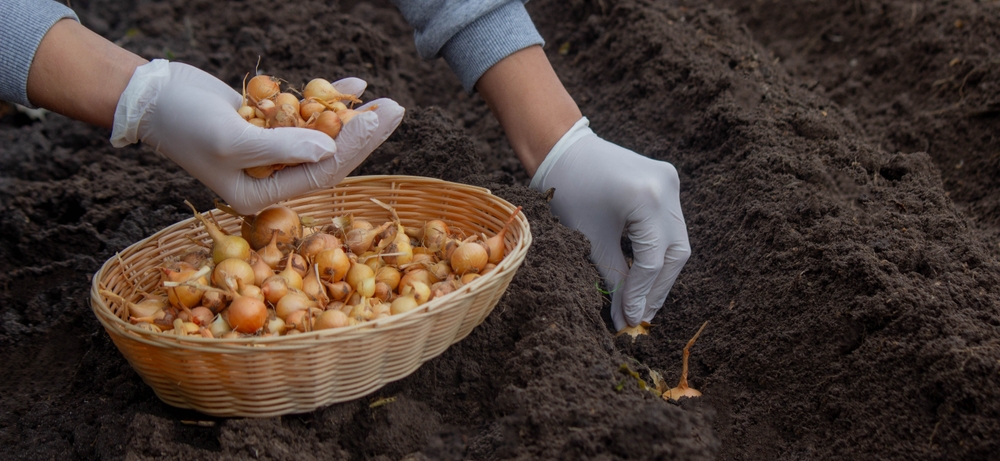
If you want full-size onions without the fuss of starting them from seed, sets are your friend. Late winter is when they go in for most temperate gardens. The soil can be cool, but not frozen solid.
Sets look like tiny dry onions. Press them into the soil so the base is in good contact and just the tip is peeking out. Give them about four to six inches between bulbs in the row, and eight to twelve inches between rows if you can. They’ll sprout green tops even in chilly weather and then size up bulbs as the days lengthen.
Onions are one of those “boring but vital” crops. Having a basket of your own cured onions means you’re not constantly buying them in bags, and you can choose varieties that actually store well instead of sprouting after a week. Planting sets before the end of February in milder temperate areas gives them the long growing season they need to form decent bulbs by mid to late summer.
14. Leeks
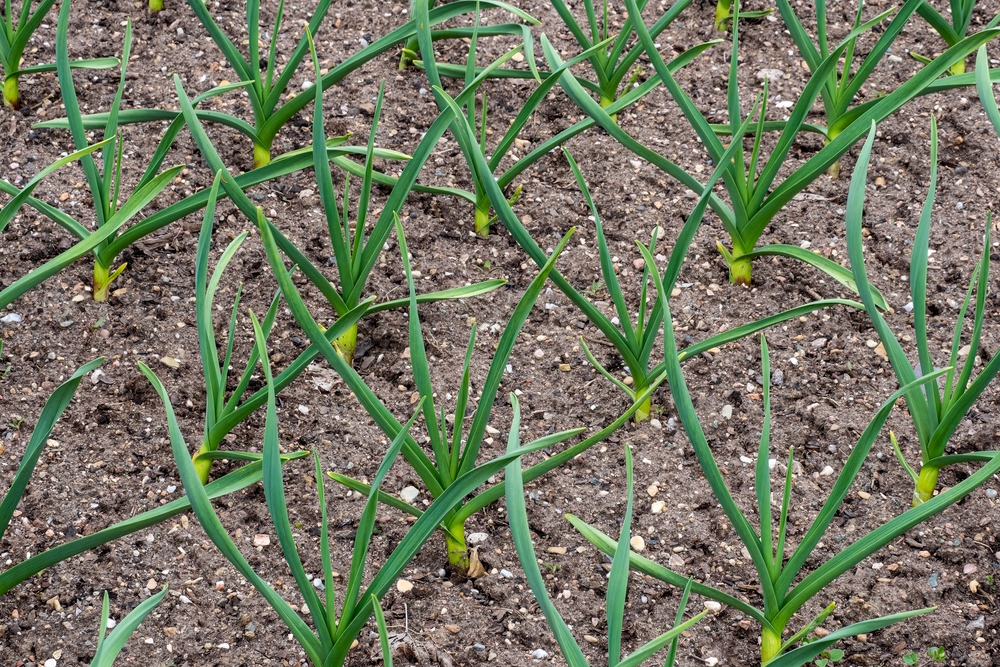
Leeks are slow, which is why getting them started early is such a big deal. They handle cold beautifully once they’re established, some varieties even overwintering in the ground, so you’re safe to get going now.
The simplest way is to sow them thickly in a tray or pot, almost like grass seed. Cover lightly, keep them moist, and give them bright light. As they grow, you can trim the tops with scissors to about four inches tall to keep them sturdy. When they reach pencil thickness and the soil outside is workable, you can transplant them into deep holes or trenches, spacing them about six inches apart.
The reason leeks are so valuable in a self-sufficient kitchen is how far they go in stretching humble food. They make potatoes, beans, and basic broths taste like you put in more effort and money than you did. If you leave some in the ground over winter, you’re literally pulling fresh alliums out of the soil when almost nothing else is harvestable. Starting them before the end of February gives you leeks big enough to really be worth cooking by fall and winter.
15. Cabbage
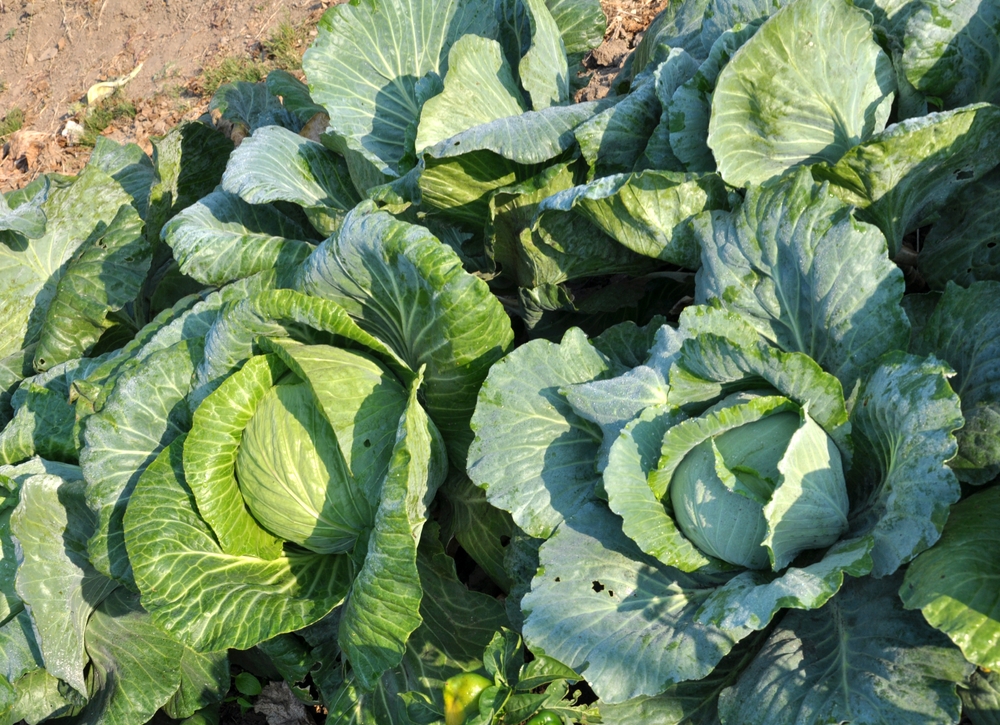
Cabbage can look intimidating, but it’s really just a leafy plant with a long fuse. It thrives in cool weather and tends to suffer in heat, which is why starting it early under cover is a huge advantage.
Sow cabbage seeds indoors in cells or small pots about a quarter to half an inch deep. They need good light to avoid going leggy. Keep the soil moist but not sodden, and try to keep the temperature on the cool side; very warm rooms can make them stretch. Once they have three or four true leaves, you can start hardening them off and planting them outside a few weeks before your last frost, especially if you use row cover to shield them from wind and hungry cabbage butterflies.
Planting cabbage this early gives you time to harvest solid heads before summer heat makes them split or invites every pest in the county. You can eat them fresh, turn them into slaw, ferment them into sauerkraut or kimchi, or cook them down with onions and a bit of sausage into a one-pot meal. A row of cabbages takes some space, but from a food-per-square-foot point of view, they pull their weight.
16. Broccoli

Broccoli is another cool-weather brassica that benefits from a head start. It hates being rushed in heat and does best when it can grow steadily in spring.
Start seeds indoors before the end of February in trays or small pots, around a quarter inch deep. Give them plenty of light and coolish temperatures if you can manage it. Broccoli seedlings like good airflow and steady moisture; soggy and hot is the fastest way to make them sulk. Once your outdoor highs are hovering in the 40s and 50s°F (single digits °C) and the ground is workable, you can start hardening them off, then transplant them a couple weeks before last frost, again using row cover if you have it.
The main head you harvest is just the beginning. If you cut it off cleanly with a bit of stem, the plant will often send out side shoots from the leaf joints that look like small broccoli florets. These side shoots keep your patch productive for weeks. Considering the price of organic broccoli at the store, one short block of plants started early is a very efficient little factory of florets.
RELATED: Broccoli Lifecycle
17. Cauliflower

Cauliflower is broccoli’s fussier sibling, but if you like eating it and hate paying for it, it’s worth the extra care. It prefers the same cool, steady conditions, which is why getting it going indoors in late winter is the move.
Sow seeds in cells or pots, one per cell if you can, at about a quarter inch deep. Give them good light, stable moisture, and try not to let them swing from dry to soggy. They really, really dislike stress. When they’re a few inches tall and your outdoor conditions are cool but not brutal, you can harden them off and plant them out, again a couple of weeks before last frost if you can protect them with row cover.
The payoff for dealing with cauliflower’s moods is big heads you can roast, rice, mash, or tuck into curries and casseroles. Those heads are expensive in the store, especially off-season. Starting your plants before the end of February gives them time to form a solid head before hot weather arrives, which is usually when they either bolt or form sad little buttons instead of a full head.
18. Tomatoes and peppers (indoors only)

Outside, tomatoes and peppers would die a ridiculous, instant death in February. Inside, this is when you give them their lead. If your last frost date is in April or early May, late February is a sweet spot for starting them so they don’t end up too big and sulky in pots, or too small when it’s finally safe to plant out.
RELATED: How Cold is Too Cold for Tomatoes?
RELATED: How Cold is Too Cold For Peppers?
Start with clean pots or cell trays and a good seed-starting mix that drains well. Sow tomato seeds about a quarter inch deep; peppers can be similar, and they appreciate bottom warmth if your house runs cold. A cheap heat mat speeds pepper germination, but you can also use the top of a fridge or just be patient. Once they sprout, they need as much light as you can give them to avoid getting leggy. A basic LED shop light hung a few inches above the leaves works wonders and doesn’t cost a fortune.
Starting tomatoes and peppers from seed rather than buying transplants is where you really feel that self-sufficient, frugal vibe kick in. One packet of seed gives you more plants than you could ever justify buying as starts. You get to choose varieties that fit your cooking style too: sauce tomatoes, slicers, paste types, hot peppers for salsa, mild peppers for stuffing. By sowing before the end of February, you’re lining up sturdy, well-rooted plants ready to go outside as soon as frost danger passes, instead of scrambling to grab whatever sad leftovers are on the nursery rack.
RELATED: How to Grow Bell Peppers