

Affiliate disclosure: This post may contain affiliate links. Please see full disclosure.
Every December, my house smells like pine needles, gingerbread, and old stories. And a surprising number of those stories came from yard sales and thrift stores. Forgotten ornaments in dusty boxes, heavy glass baubles from the ‘50s, old tin Santas that used to hang over somebody else’s fireplace. Weird creepy plastic Santas and those adorable glittery Santa dudes from my 80s childhood.
If you love that warm, vintage Christmas feeling, that brings pangs of nostalgia from your youth, you don’t have to hunt on overpriced online marketplaces. You can but you don’t have to. I personally prefer the fun of the thrifting treasure hunt and the much cheaper price tags! You can find the good stuff locally, and often for pennies, not dollars. Sometimes, those pennies even turn into fast flipping money. And sometimes… well, sometimes you find a piece so charming that you keep it and make it part of your own family traditions.
Let’s talk about exactly how to find the treasures and skip the junk.
1. Go Early… But Also Go Late

There are two golden windows at yard sales: right when they open, and right when they’re ready to close up shop.
In the first hour, you’ll snag the rare treasures. Those heavy glass ornaments, ceramic light-up trees, metal tinsel, wool stockings. The other resellers know this too, so don’t be surprised if you see them lurking around with coffee mugs and tote bags. If you walk in early and spot a box marked “Christmas Stuff: $5,” just grab it. Trust me.
Then there’s the end-of-day magic. Sellers get tired. They want everything gone. “Fill a bag for a dollar” is very real. Vintage holiday decor that didn’t catch someone’s eye earlier suddenly becomes practically free. I’ve bought entire totes of old ornaments this way.
2. Learn the Telltale Signs of True Vintage
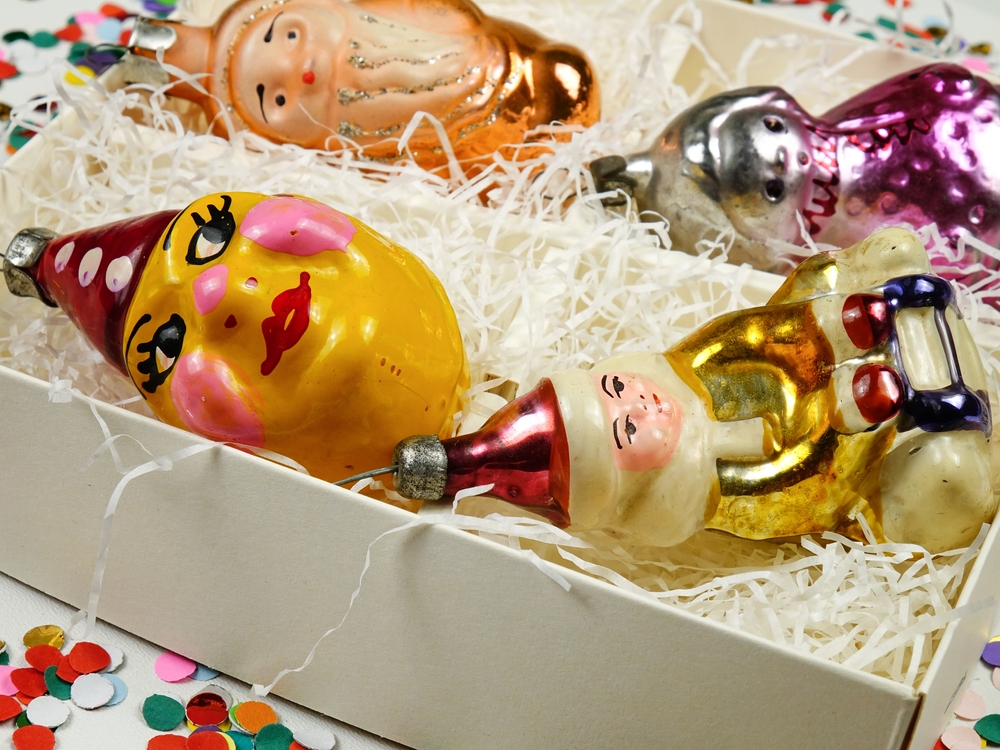
Not all old-looking Christmas decor is actually old. Manufacturers know nostalgia sells. But there are easy clues.
True vintage ornaments have heft. Glass balls are thicker, and the paint shows wear in a way modern fakes don’t. Metal clip-on birds feel cool and dense in your hand. Electric candles from the ’60s have real weight and fabric-covered wiring.
Look for metal caps on ornaments stamped “Shiny Brite,” “Made in West Germany,” “Japan,” or “Poland.” These can be worth far more than you paid. Even the boxes have resale value. And flocked figurines with felt clothes or hand-painted faces? Those are usually real-deal mid-century pieces.
3. Always Check the Holiday Section… But Don’t Stop There
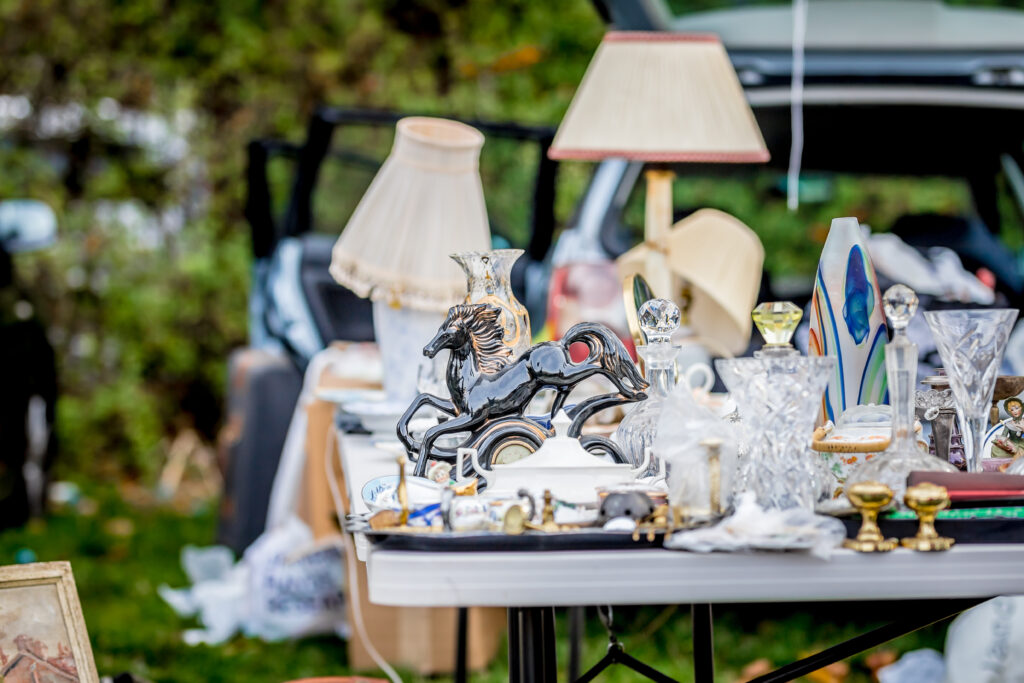
At thrift stores, the obvious spots get picked over fast. If you only look at the seasonal aisle, you’ll miss things.
People stash Christmas decor everywhere: on top shelves, endcaps, stuffed inside bags of mixed toys, tucked under random vases. I once found a whole set of vintage mercury glass picks shoved in a bin marked “Craft Junk: $1.”
Check the knickknacks aisle for ceramic houses. Check linens for embroidered holiday runners. Check the book section for old Christmas cookbooks and sheet music. Look everywhere.
4. Don’t Ignore Broken or Dirty Pieces
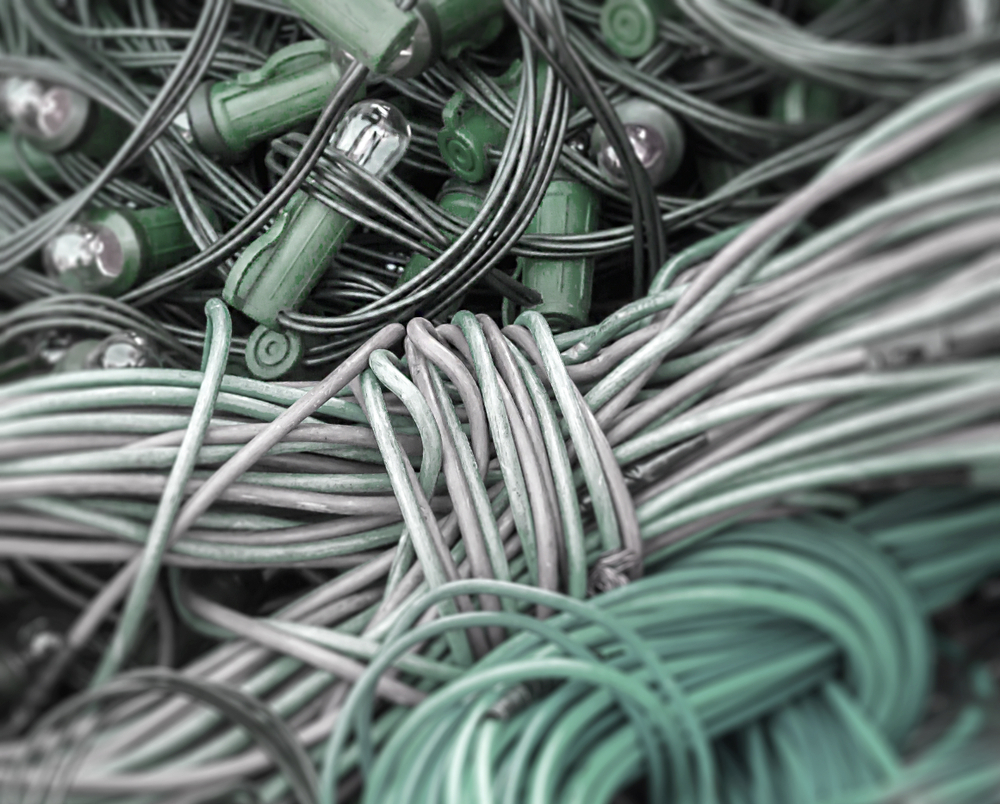
I know… dusty ornaments don’t scream “holiday magic.” But if the bones are good, you can restore them.
A string of old bubble lights with a few missing bulbs? Worth grabbing. Extra bulbs are surprisingly easy to source. A 1970s ceramic tree with one broken peg? Replacement lights cost a few bucks. Even grimy glass ornaments can be gently cleaned with a tiny bit of vinegar and water. Never soak them, just wipe carefully.
Sometimes the dirty, sad-looking pieces are the ones nobody else wants and the ones with the biggest flip value after a little TLC.
5. Bring a Small Flashlight
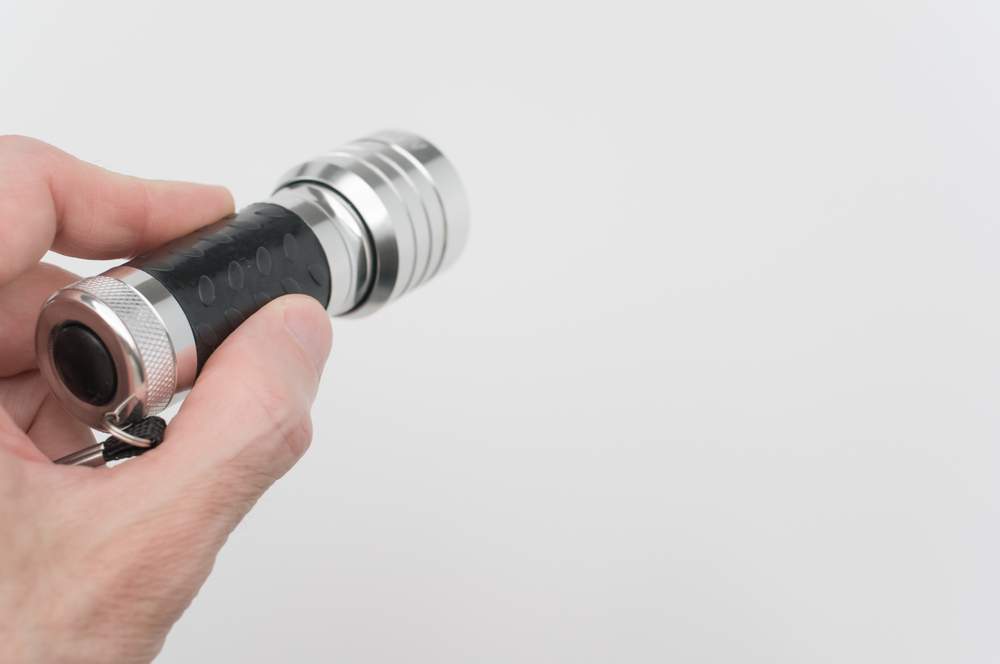
Thrift stores aren’t known for great lighting. Yard sales often shove decor into dark corners of garages.
A mini flashlight (or your phone) helps you check for cracks in glass ornaments, chips in ceramic Santas, or UV damage on old linens. It also helps you read tiny stamps and makers’ marks. I once spotted a nearly invisible “West Germany” on an ornament because I lit it from behind. That 50¢ ornament sold for $18.
6. Look for Original Packaging
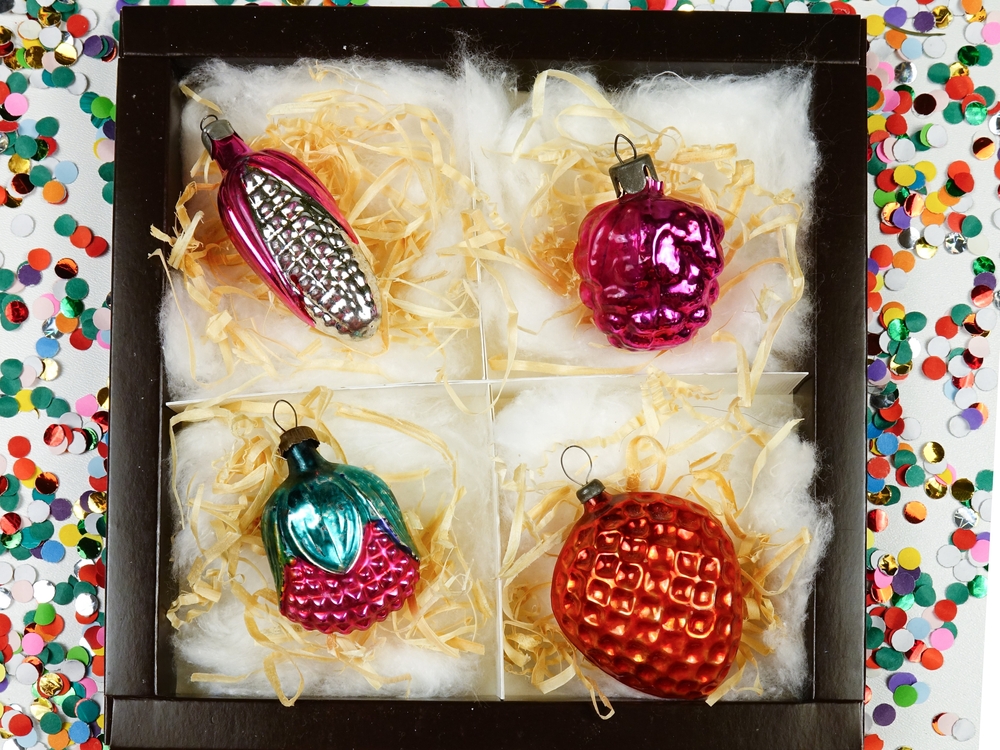
Vintage Christmas packaging is wildly collectible all by itself.
Old Shiny Brite boxes, plastic ornament tubes with mid-century fonts, cardboard light boxes with illustrations of 1950s living rooms. All of these add value. Even if the ornament inside is chipped, the box might sell.
And if you’re keeping the decor, those boxes look adorable stacked in a display or tucked under a tiny tabletop tree.
7. Ask About “Holiday Stuff That Didn’t Get Put Out”
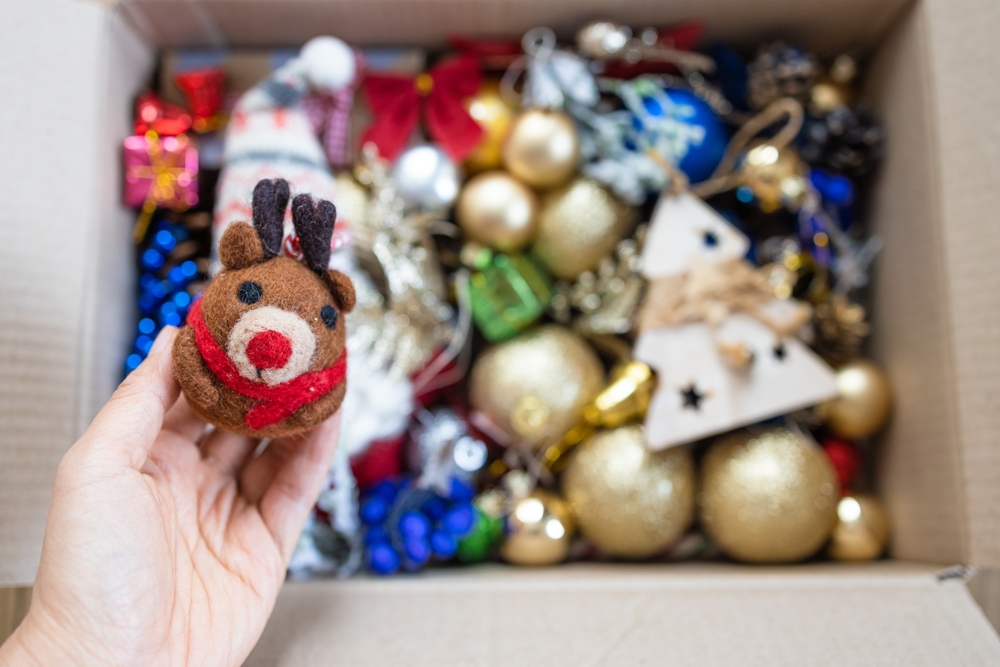
Yard sellers and thrift workers often don’t get everything on the shelves.
At yard sales, just ask:
“Do you have more Christmas decor you haven’t brought out?”
People almost always do. They’ll disappear into their garage and come back with dusty boxes they didn’t feel like dragging out. This is where the real treasures hide. The items they forgot they even owned.
At thrift stores, workers often keep seasonal decor in the back until there’s room on the floor. If you’re friendly, respectful, and regular, they’ll sometimes check for you.
8. Learn the High-Value Categories
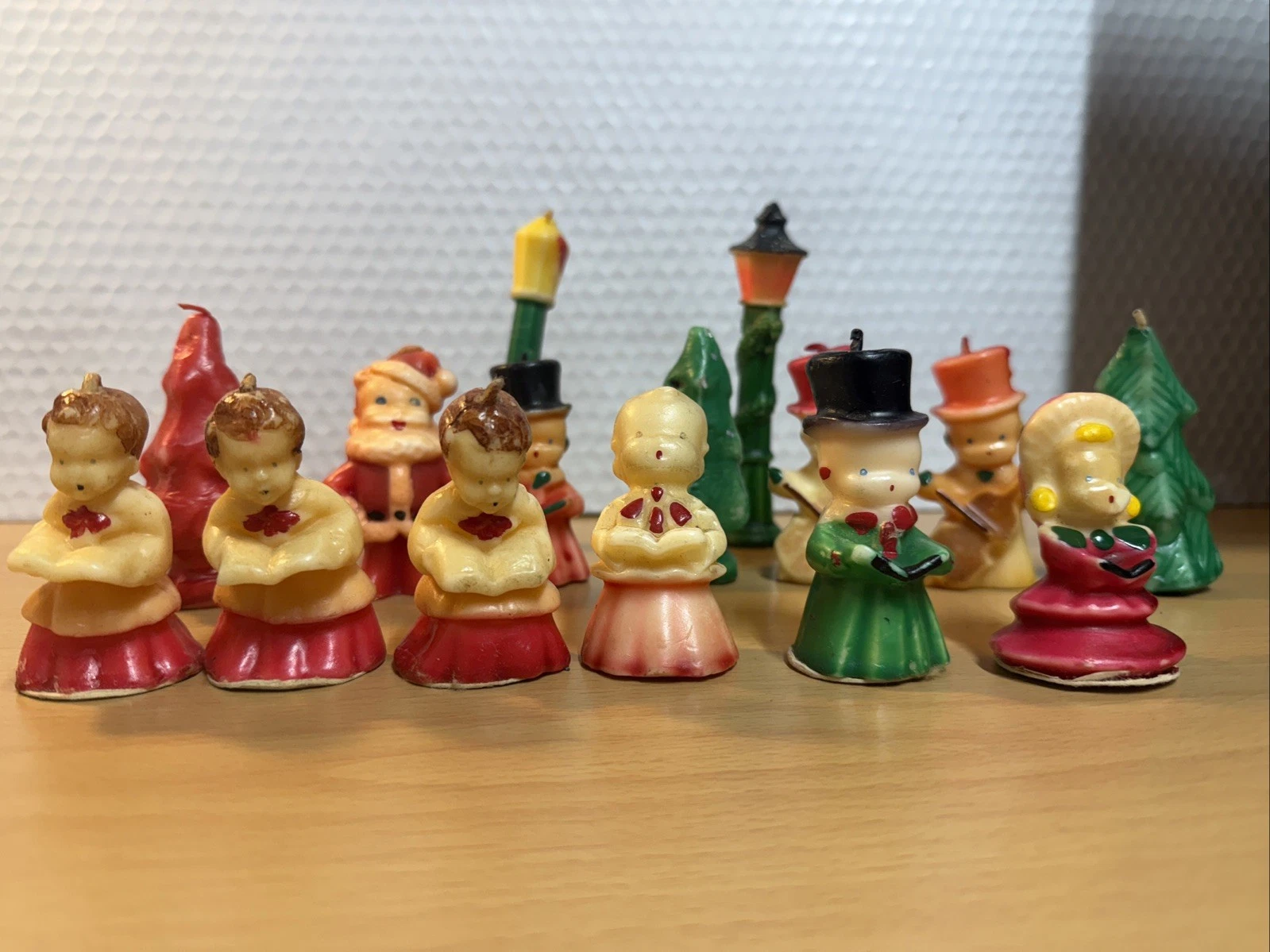
If you’re flipping, some categories consistently fetch top dollar.
- Shiny Brite ornaments (especially rare colors)
- Gurley or Tavern brand candles
- Blow molds (Santas, candles, snowmen)
- Ceramic trees with original lights
- Vintage Advent calendars
- German wooden pyramids and smokers
- Metal tinsel and icicles
- Handmade wool stockings
- ’50s aluminum trees
Knowing what sells helps you evaluate tables fast. It also means you can spot a valuable piece in a box of “everything $1.”
9. Bundle for Better Deals
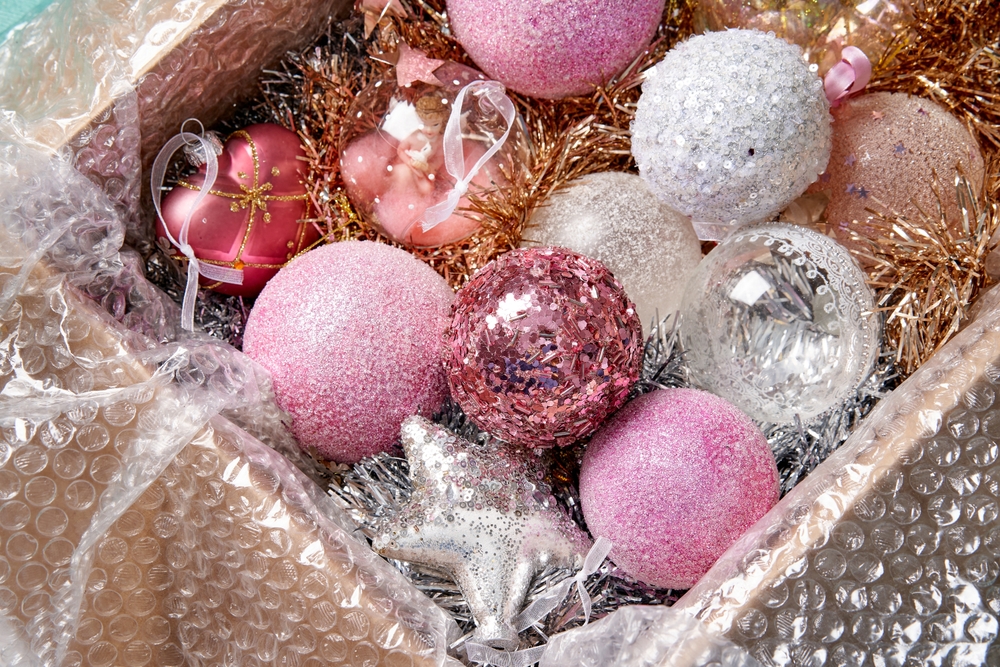
If you find multiple pieces you like, gather them into one box and negotiate as a lot.
People hosting yard sales are thrilled when you help them empty their garage. They’ll often give you a much better price for a bundle than for individual pieces.
For example:
A $4 ceramic Santa, a $3 candle holder, and a $10 box of glass ornaments might total $17. If you ask, “Would you take $10 for all of it?” you’ll be shocked how often the answer is yes.
And if you’re flipping, keeping your cost-per-item low is everything.
10. Develop a Nostalgia Radar
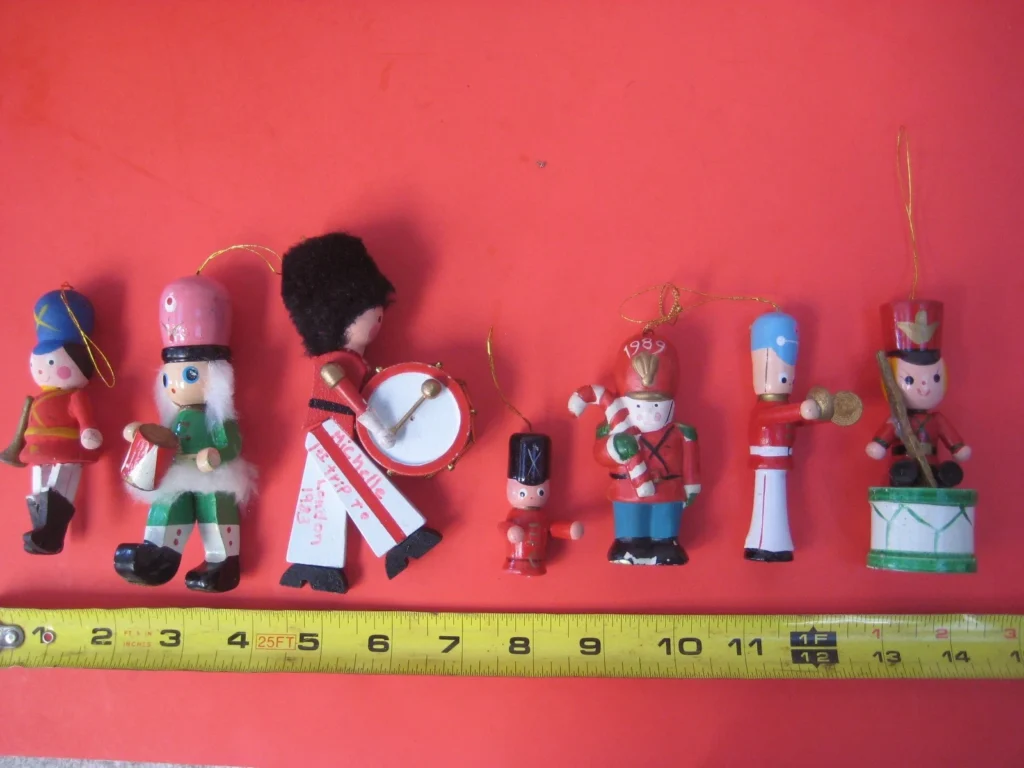
Some of the best pieces aren’t the rarest. They’re the ones that “feel” like Christmas.
Think: thick felt stockings with chain stitching, plastic holly candle rings, 1970s gift wrap, wooden soldier ornaments, glitter-dusted nativity sets. These aren’t always expensive, but they sell because they tug old memories.
Your own nostalgia radar helps you decide what to keep, too. If you pick something up and immediately think of your grandma’s house, that’s a keeper. Those pieces make your home feel warm and lived-in during the festive season. I have an old flocked Disney Goofy ornament from the 80s that has seen better days. He’s balding a little in a few places. But he’s 40! And I love him. He brings back such strong memories every year when I bring him out and put him on the tree.
11. Touch Everything Made of Glass
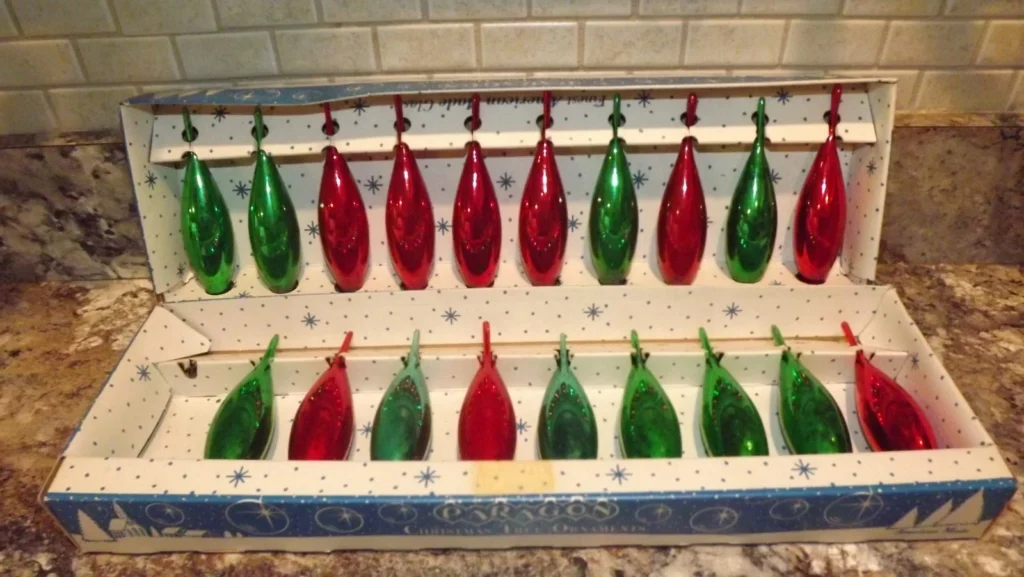
Real vintage Christmas glass has a texture modern decor doesn’t.
The paint was hand-applied. The glitter was actual ground mica. The patterns were stamped, brushed, or blown. And because these pieces were used and loved for decades, many show gentle wear. A tiny scratch or thin spot where the silvering faded, for example.
Touching glass ornaments helps you tell real vintage from modern repros instantly. New ones feel too perfect.
12. Don’t Overlook Handmade Pieces
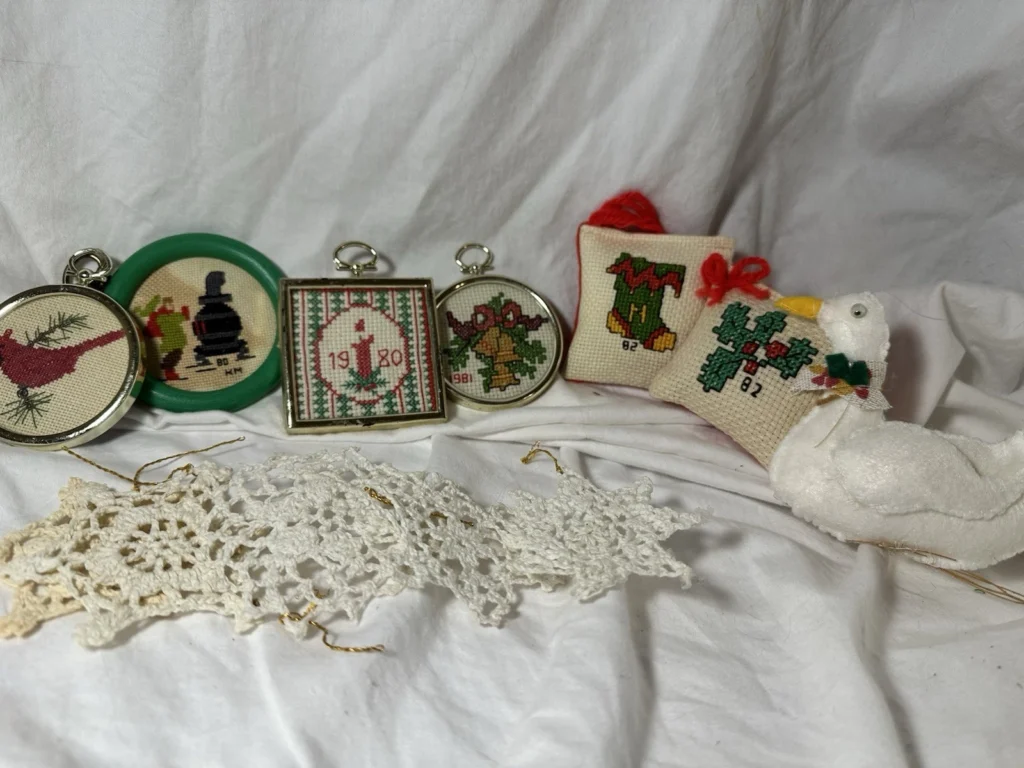
Mid-century crafters were wildly talented. They crocheted snowflakes, appliquéd felt stockings, built miniature villages from cigar boxes, and made ornaments from sequins and pins.
Handmade doesn’t always mean valuable on the resale market. But it almost always means charming. And sometimes, especially with 1960s kits, it is valuable.
If something looks lovingly made, pick it up. These pieces make a home feel personal, and they’re becoming rarer every year. I like to rehome handmade treasures, because I’m a crafter too and I know how much love and effort went into making them.
And I feel terribly sad whenever I see these beautiful treasures that someone poured hours of love, effort, and skill into, just being sold off for a few pennies. Whenever I can, if they’re in good enough condition, I buy them. Some I keep, others I gift.
13. Check for Hidden Makers’ Marks
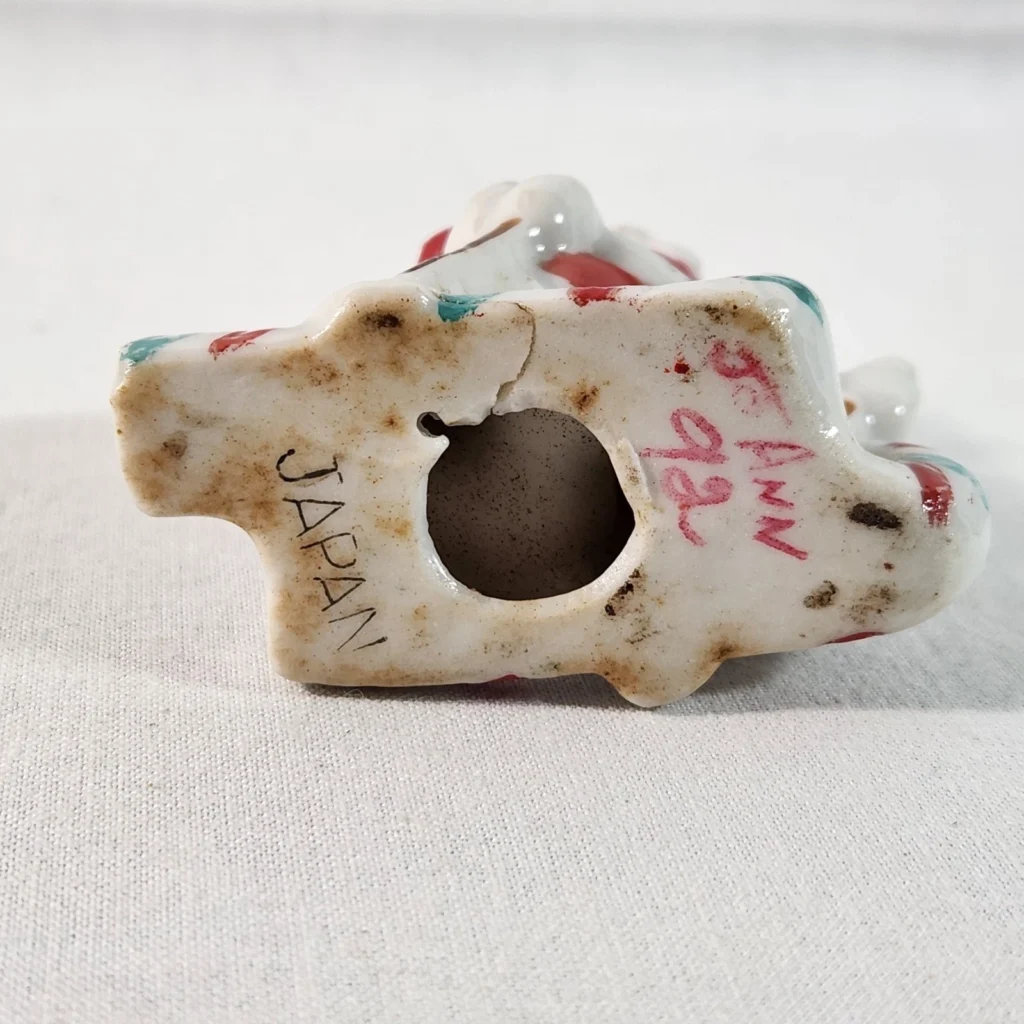
Flip over ceramic figurines. Look at the underside of candle holders. Check the seams on plastic reindeer. Many pieces have stamps or embossing that tell you where they were made.
“Japan,” “Hong Kong,” “West Germany,” “Poland,” “Italy,” and “Taiwan” (pre-1980s) usually signal older, collectible items.
Even cheap feeling plastic pieces can fetch $10–$30 depending on the maker. Knowledge is power. And sometimes cash.
14. Don’t Be Afraid to Haggle (Nicely)
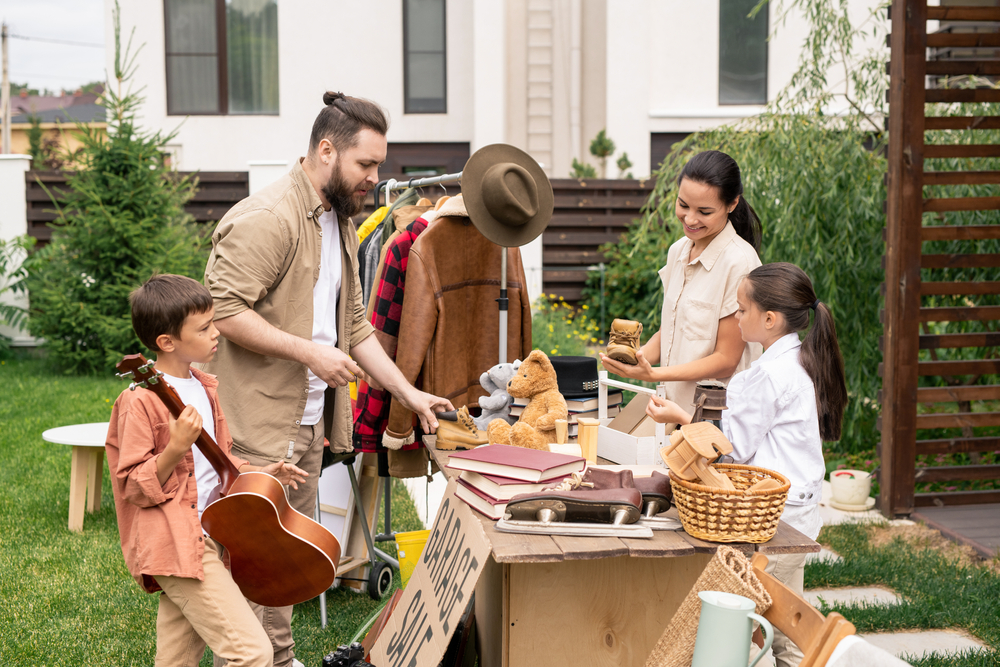
It’s not about being pushy. It’s about being reasonable.
If an item is broken, chipped, faded, or missing a part, point it out gently and ask for a lower price. If something is wildly overpriced, you can ask if they’ll take less. The worst they can say is no.
Most sellers want their stuff gone, especially holiday decor. They won’t want to lug that ceramic Santa back into the garage. So offer a fair number and smile.
15. Keep a Small “Reference Photo Album” on Your Phone

This is my favorite trick.
I have a little photo folder saved on my phone with pictures of valuable brands, labels, and common sought-after items. When I’m in a dim thrift store trying to remember whether a particular box style of Shiny Brites is pre-1960, my little album saves the day.
It’s also handy when you’re unsure whether to flip or keep something. Seeing examples helps you decide what’s worth grabbing immediately.
Final Thoughts

Vintage Christmas decor is more than just stuff . It’s memory, artistry, and a whole lot of charm. Whether you’re hunting for pieces to flip for quick holiday cash or you’re slowly building a warm, storied, old-fashioned Christmas home, yard sales and thrift stores are absolute goldmines.
You just need patience, a good eye, and maybe a little nostalgia in your pocket. Once you start spotting the treasures, you’ll wonder how you ever walked past those dusty boxes before.
And be warned! The first time you find a $1 ornament worth $25… you’re hooked forever.