
Affiliate disclosure: This post may contain affiliate links. Please see full disclosure.
Poinsettias are like holiday background music. They’re everywhere, they’re fine… but after the hundredth one, you kind of want to change the station.
If you’re craving something festive that isn’t another red-and-green poinsettia, you’ve got options. Lots of options. Think bold blooms, tiny “Christmas trees,” winter berries, and plants that actually look good in January too.
We’ll stick to plants that pull their weight as décor: centerpieces, sideboard stars, mantle buddies, and tabletop trees. You handle the cookies; these twelve can handle the vibes.
1. Amaryllis: the drama queen in a pot
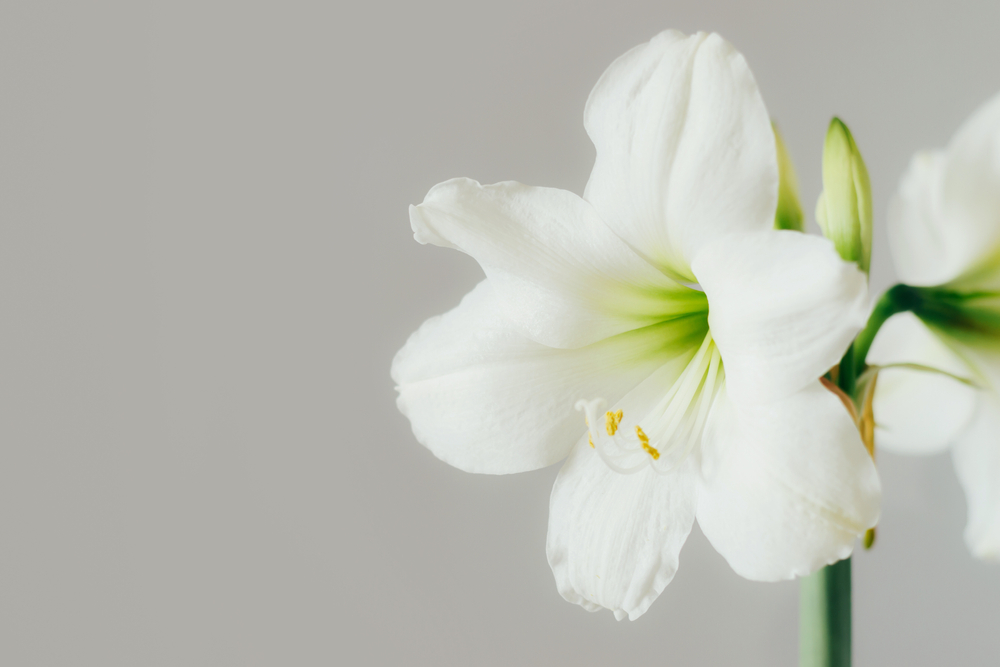
If you want a plant that basically is a centerpiece, go for amaryllis. Those giant trumpet flowers look like something out of a magazine, and one pot on the table can carry the whole room.
Amaryllis bulbs bloom best when they’re a bit snug. University of Maryland says to plant them in a pot only about an inch wider than the bulb, with the top third sitting above the soil. Water lightly until you see growth, then keep the soil evenly moist, not soggy.
Set your pot in bright, indirect light and you’ll usually get blooms in six to eight weeks, depending on the variety and room temperature. Those flowers can last for weeks, and if you keep the leaves growing afterward, you can often get the bulb to rebloom next year.
One important note if you have pets: amaryllis bulbs and foliage are toxic to cats and dogs, so keep them well out of chewing range.
2. Paperwhites: fragrant, glowing white stars

Paperwhite narcissus are the opposite of subtle. They’re pure white, intensely scented, and somehow look fancy even when they’re just crammed into a plain glass bowl with some pebbles.
Paperwhites are popular because they don’t need a cold period to bloom indoors, which makes them perfect for forcing through the holiday season. Country Living suggests starting them in a cool spot around 55–60°F for a week or so to root, then moving them to a brighter, warmer spot around 70°F to get those stems moving.
If you stagger your planting every 10 days or so in fall, “you can have a succession of bloom all through the winter,” according to Illinois Extension. That gives you a rolling wave of fresh flowers from December into January.
They’re gorgeous, but again, pet people need to be cautious. Narcissus species, including paperwhites, are toxic to dogs and cats if eaten.
3. Holiday cactus: the low-key overachiever
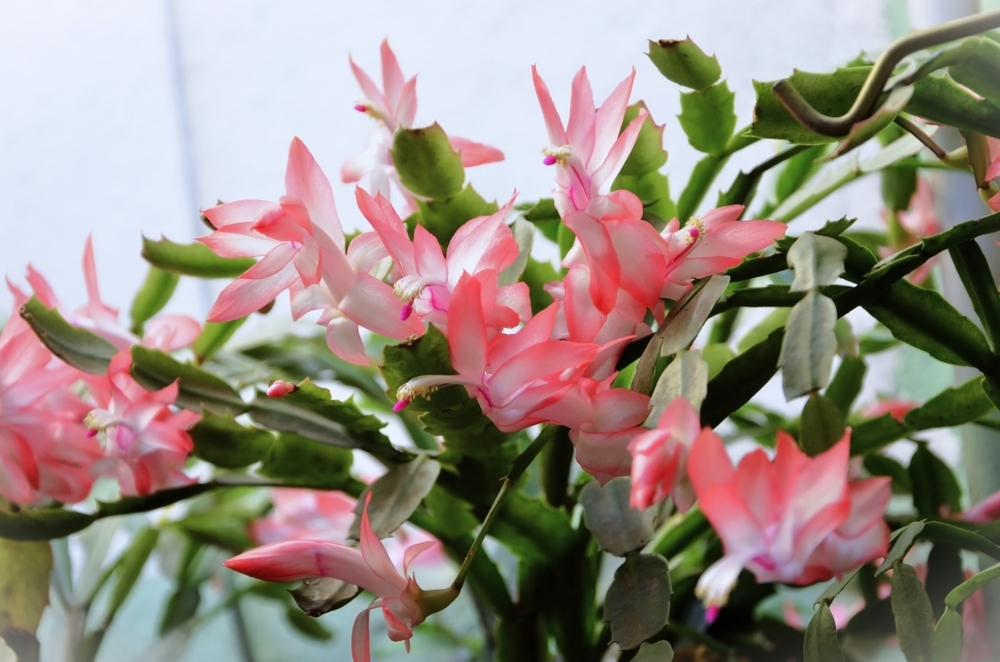
Christmas and Thanksgiving cacti are the laid-back aunt of holiday plants: zero drama, big payoff, and they’ll keep showing up year after year if you treat them right.
Despite the name, holiday cacti aren’t desert plants. They’re tropical epiphytes, and they like bright, indirect light, light but regular watering, and well-draining soil. Mississippi State Extension calls them “the gift that keeps on giving because [they] easily re-bloom every year.”
To set buds, they need cooler nights around 60–65°F and about 12–13 hours of darkness for roughly six weeks. After that, you move them to a brighter spot and enjoy the show.
Good news if you have animals: holiday cacti are generally considered a safer alternative to many traditional holiday plants, and Better Homes & Gardens lists them as a pet-friendlier pick compared with things like mistletoe or lilies.
4. Cyclamen: the upside-down ballerina
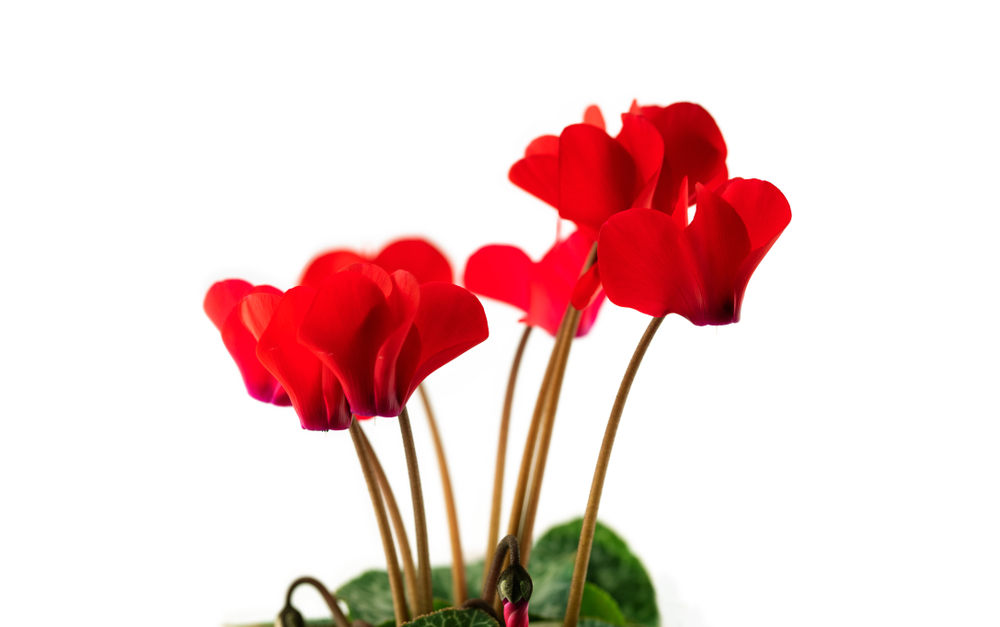
Cyclamen looks like it should be fussy, with those patterned leaves and flowers that flip up like little fairy skirts, but it’s actually wonderfully suited to cool houses in winter.
Cyclamen “thrive in cool, bright conditions,” with ideal room temperatures of about 60–65°F by day and cooler at night. Gardening expert Jessica Damiano notes that they prefer indirect light and high humidity, and they really don’t like hot, dry air.
The trick is watering. Most experts recommend watering from the bottom so the crown doesn’t stay wet and rot. When the plant goes yellow and sleepy in summer, that’s dormancy, not death; you can let it rest cool and dry, then start watering again later to coax another season of blooms.
Cyclamen is toxic to pets, especially if they chew on the tubers, so keep it where curious animals can’t snack on it.
5. Norfolk Island pine: the “real tree” for small spaces
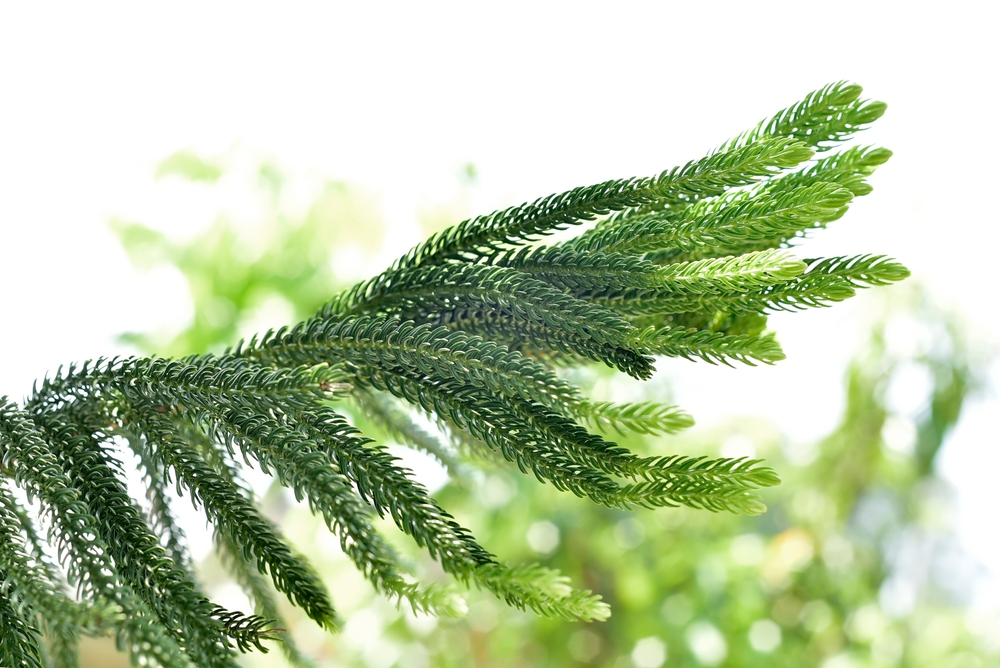
If you want a Christmas tree vibe without a full-size tree, Norfolk Island pine is perfect. It looks like a miniature evergreen, but it’s actually a tropical conifer that lives happily indoors.
Indoors, Norfolk pines need bright light and decent humidity. University of Florida notes that if a plant isn’t thriving, it’s usually not getting enough light or moisture in the air. Water when the top inch or two of soil has dried, keeping things evenly moist but never waterlogged.
You can hang tiny ornaments or fairy lights on it for the holidays, then strip it back to being a normal houseplant in January. With time, it can grow into a pretty impressive indoor tree, so pick a spot where it can stay for years.
6. Rosemary “Christmas trees”: decor you can eat later
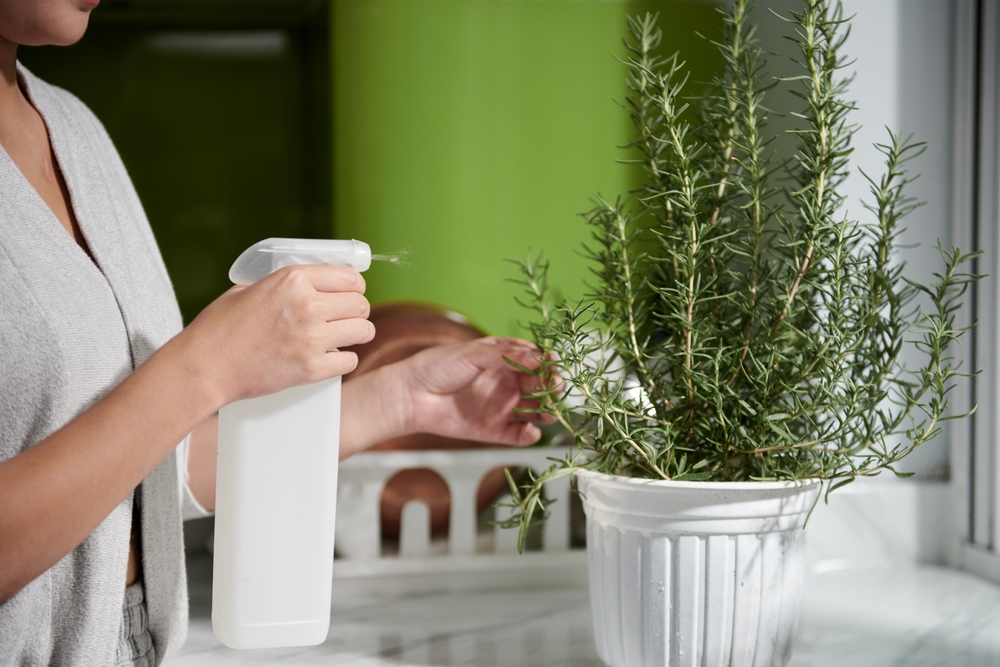
A rosemary topiary shaped like a tiny tree smells amazing and looks surprisingly elegant on a table or kitchen counter. It’s festive without being fussy, and you can literally snip it into your roast potatoes.
Garden writers love them because they’re practical and charming. Fine Gardening points out that rosemary plants can be shaped into mini Christmas trees and still be repotted and grown on after the holidays. Many nurseries sell “rosemary holiday trees” specifically for this purpose.
Care-wise, rosemary likes bright light and hates sitting in soggy soil, so let the top of the potting mix dry slightly between waterings. Over-watering in a tight indoor pot is what usually kills these, not cold. Keep it in the sunniest window you’ve got and it can outlive many traditional centerpieces.
7. Winterberry holly: natural red ornaments
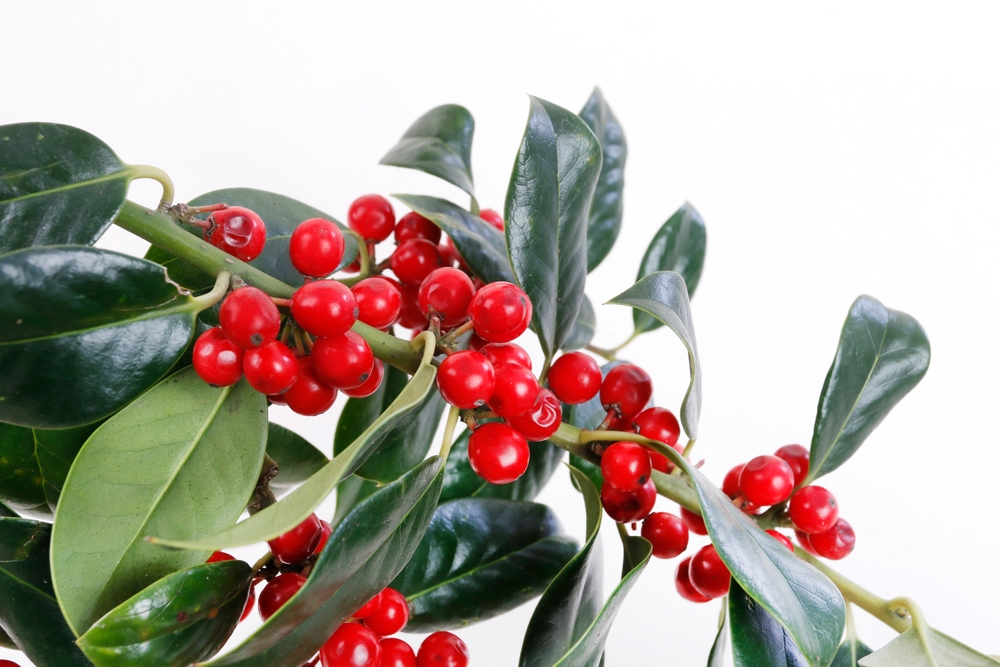
If you’re more into branches and berries than potted blooms, winterberry holly is pure holiday magic. It’s a deciduous holly, so the leaves drop in fall and leave behind bare stems absolutely loaded with bright berries.
“Winter Red” winterberry, for example, is famed for its clusters of red berries that hold into winter and feed birds. You can grow the shrub outdoors, then cut branches for vases, wreaths, or mantle arrangements. It does need both male and female plants nearby to set fruit, so check labels when you buy.
Winterberry is considered poisonous to humans and pets if eaten, though usually at a mild level, so treat it as “look, don’t snack.”
8. Christmas rose (Helleborus niger): blooms in the cold
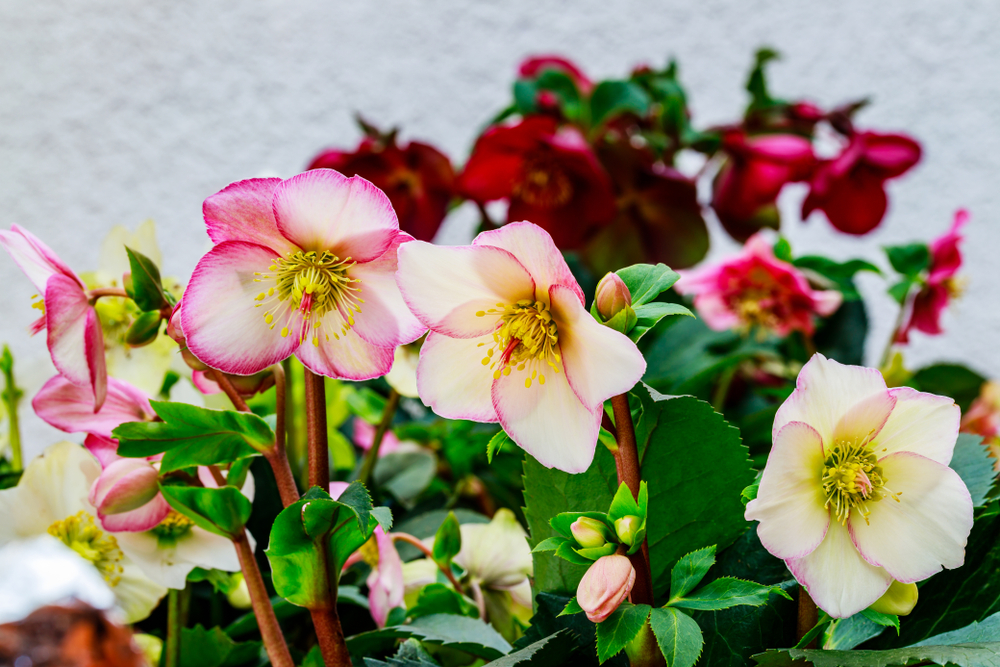
Christmas rose is that plant you stumble across in a winter garden and think, “Wait, something’s actually blooming?” It’s a hellebore, an evergreen perennial that flowers in late winter or very early spring with white blooms that can blush pink as they age.(Gardenia)
North Carolina State notes that Helleborus niger is often called Christmas rose because in milder regions it blooms around Christmas; in colder areas, it’s more of an early spring treat. It likes part shade and cool temperatures, so it’s perfect in pots by a front door or in a sheltered, shady border.
All parts of the plant are toxic if eaten, so again, this is a “for looking at” plant, not a garnish.
9. English ivy: old-school greenery that works hard
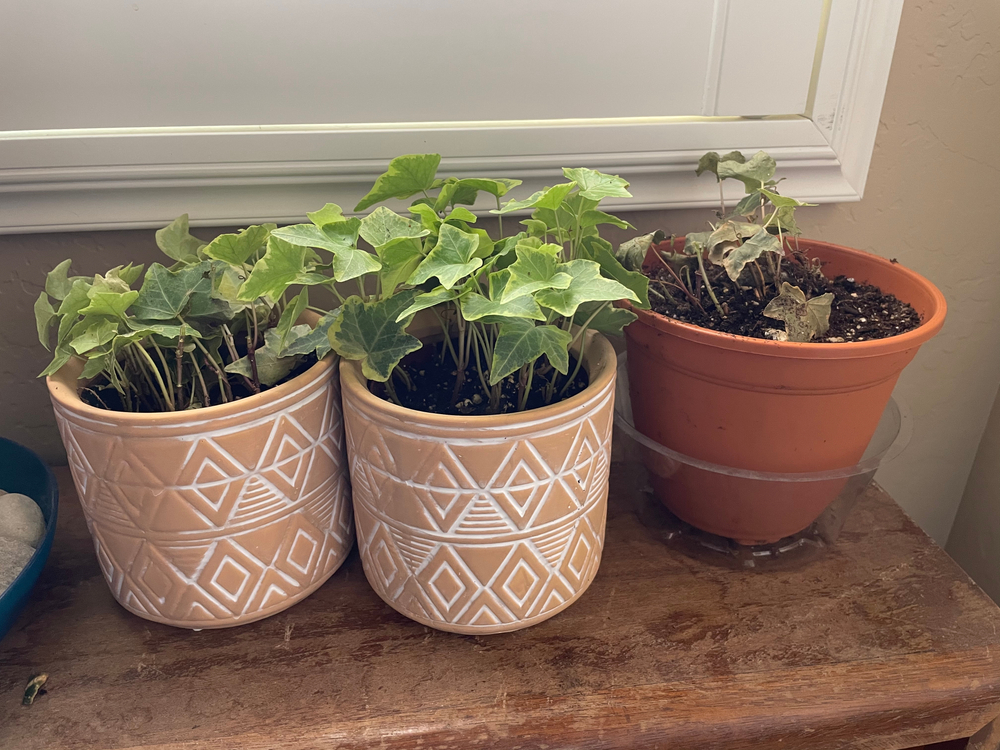
Ivy is classic holiday greenery for a reason. It’s evergreen, it trails beautifully, and you can tuck it into almost any arrangement to make it feel lush and full.
English ivy (Hedera helix) is a common houseplant with woody stems and evergreen leaves that can trail, climb, or be trained into shapes. Growers recommend bright, indirect light and evenly moist, humid conditions indoors, which makes it pretty forgiving through winter if it’s not right over a vent.
Do keep it away from nibbling pets; holly and ivy both land on “toxic to pets” lists, especially if the leaves or berries are eaten. And whatever you do, do not plant this outside. It’s invasive and quill quickly blanket trees, garden beds, sheds, and anything else in its path.
10. Anthurium: glossy hearts that last for weeks

If you like the red of poinsettias but want something sleeker and more modern, anthuriums are a great swap. Those shiny “flowers” are actually colorful spathes with a central spadix, and they can bloom on and off for months.
Anthuriums like bright, indirect light and will sulk in dim corners. The Spruce notes they prefer about six hours of bright, indirect light daily for good growth and flower production. That makes them ideal on a table near a sunny window, but not in harsh direct sun.
You can find them in red, white, pink, and even darker shades, so they slide easily into holiday palettes. Just remember they’re considered toxic to pets and people if chewed, thanks to calcium oxalate crystals that irritate the mouth and gut.
11. Kalanchoe: the long-blooming little workhorse
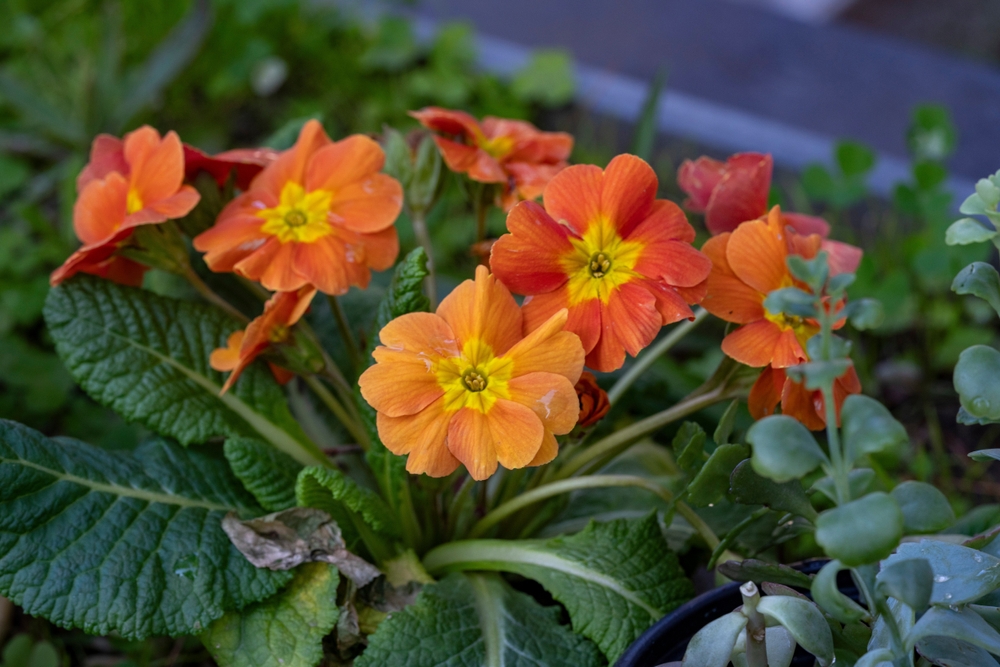
Florist kalanchoe (Kalanchoe blossfeldiana) is one of those plants that quietly shows up in grocery stores every winter loaded with buds, then just… keeps blooming. Gardenia notes it’s also called Flaming Katy or Christmas Kalanchoe because of its long-lasting winter flowers.
It’s a succulent, so the leaves are thick and store water. That means it likes bright, indirect light and doesn’t want to sit in wet soil. The more light you give it, the better it blooms, and low light can make plants leggy with stubborn, unopened buds.
Florists point out that kalanchoes often bloom for about eight weeks from late autumn into winter, which makes them perfect for bridging the gap from early December into the dreary part of January. Like many holiday plants, it’s toxic to pets if eaten, so put it where it can be admired, not sampled.
12. Lemon cypress: a tiny tree that smells like sunshine
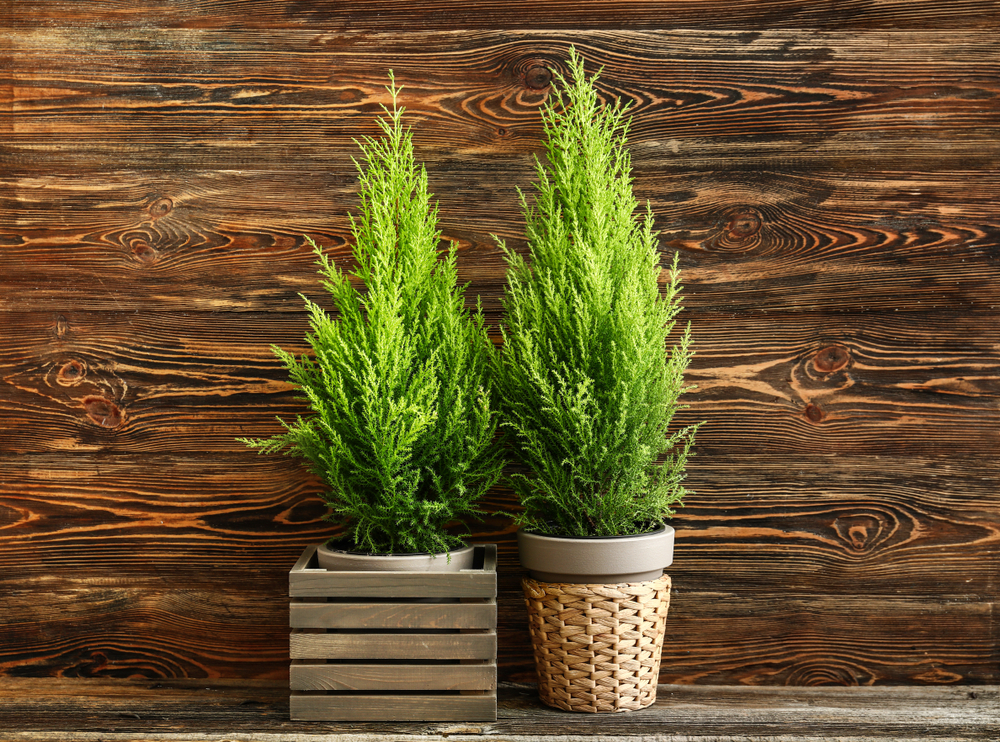
Lemon cypress looks like someone shrunk a bright chartreuse Christmas tree and gave it a lemon-scented upgrade. It’s sold widely as a tabletop holiday tree and can look stunning in a row down the center of a table or on a porch.
This dwarf evergreen has golden-green foliage and a natural columnar shape that doesn’t need much pruning. It likes lots of bright light; The Spruce recommends five to six hours of indirect or morning sun indoors. Southern Living’s plant expert tells readers to give it plenty of light and never let it dry out completely, since it shows damage quickly and may not recover.
Some retailers note that lemon cypress is toxic to pets, so treat it like other “look, don’t chew” holiday greens.
Quick pet-safety note

Many holiday plants are at least mildly toxic if eaten, and some are potentially deadly. That doesn’t mean you can’t have them; it just means you keep them out of reach of curious mouths and paws. The ASPCA maintains detailed toxic and non-toxic plant lists for dogs and cats if you want to double-check specific species. I have a home full of pets, so I tend to only choose pet-safe plants. But I’m not a vet, so if your pet does snack on a plant, call your own vet or a poison control hotline right away for tailored advice.