
Affiliate disclosure: This post may contain affiliate links. Please see full disclosure.
You know that first cold snap when you want to turn your whole house into a cozy little jungle?
Candles going, fairy lights on, poinsettias in every corner… and then the cat hops up and bites the new plant before you can even Google it.
Been there.
So, let’s walk through 15 popular winter houseplants and holiday plants that can be toxic to dogs and cats, plus what actually happens if they snack on them, and how to enjoy winter greenery without an emergency vet bill.
Quick heads-up before we start: I’m not a vet. This is friendly advice from an experienced pet parent, not medical or veterinary advice. If your pet might’ve eaten a plant, call your own vet or a pet poison hotline right away.
1. Poinsettia

That classic red Christmas plant isn’t as deadly as the old rumors say, but it’s not harmless either.
Poinsettias have a milky white sap that can irritate the mouth and stomach in cats and dogs, causing drooling, vomiting, or sometimes diarrhea. Most poison centers now call them “mildly toxic,” but mild still sucks when it’s 11 p.m. and the dog is puking on the tree skirt.
If you really love poinsettias, keep them up high and away from known chewers. One plant on a mantle is safer (and cheaper) than four on the floor where the cat thinks you decorated the salad bar.
2. Amaryllis
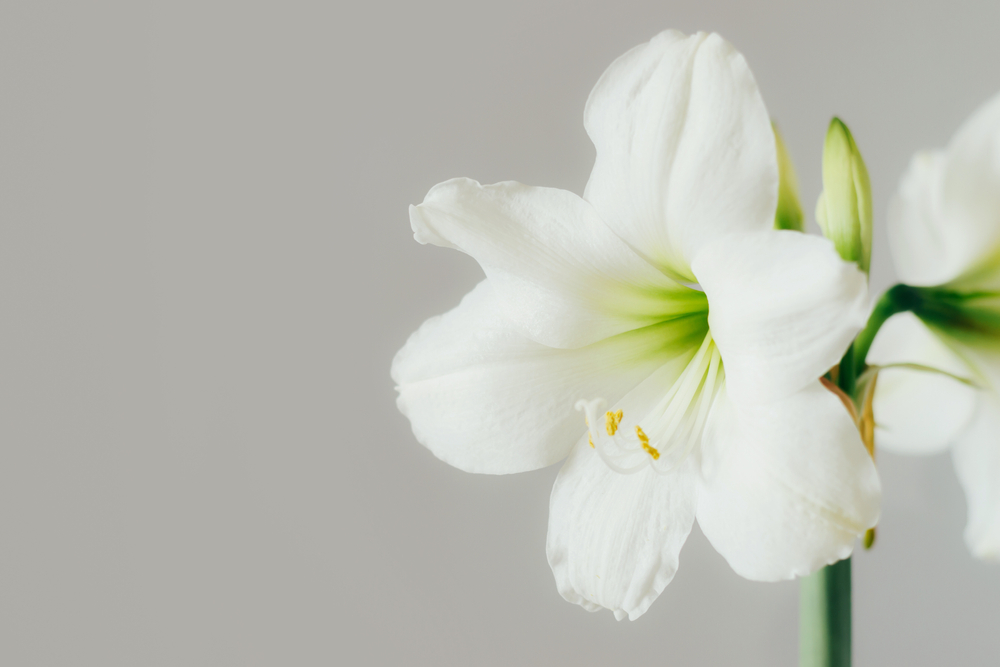
Those big, dramatic trumpet flowers popping out of a bulb in a pot? Gorgeous. Also, very much a “nope” for pets.
Amaryllis bulbs, leaves, and stems contain alkaloids like lycorine that can cause vomiting, diarrhea, drooling, tremors, and low blood pressure in dogs and cats. The toxins are strongest in the bulb, which is exactly the part some dogs like to dig up and chew.
These are a “don’t have it at all” plant in my own pet house. If someone gifts you one, re-gift it to a pet-free friend or keep it in a closed room your animals never access.
3. Paperwhites and Other Narcissus (Daffodils)
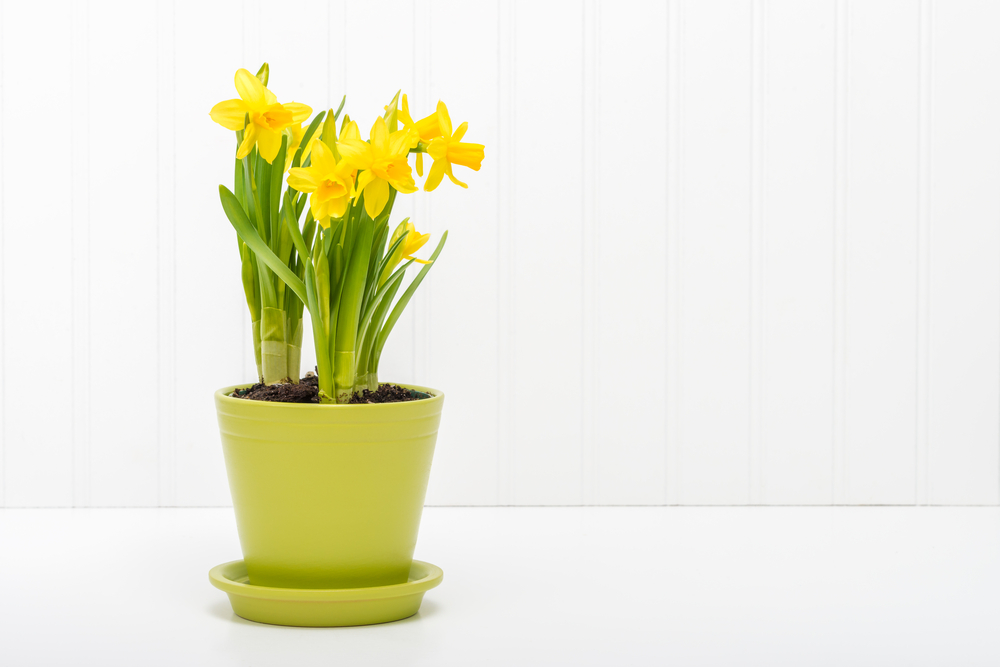
Paperwhites are those fragrant white bulbs people force indoors for winter. They’re part of the Narcissus group, just like daffodils.
All parts of Narcissus plants are toxic, especially the bulbs. They contain alkaloids that can cause vomiting, diarrhea, drooling, abdominal pain, and in serious cases tremors or heart issues. Even the vase water from cut stems can be irritating.
If you love forcing bulbs for winter, keep Narcissus behind a closed door or choose safer options like hyacinths for humans only spaces and pet-safe houseplants in shared areas.
4. Mistletoe
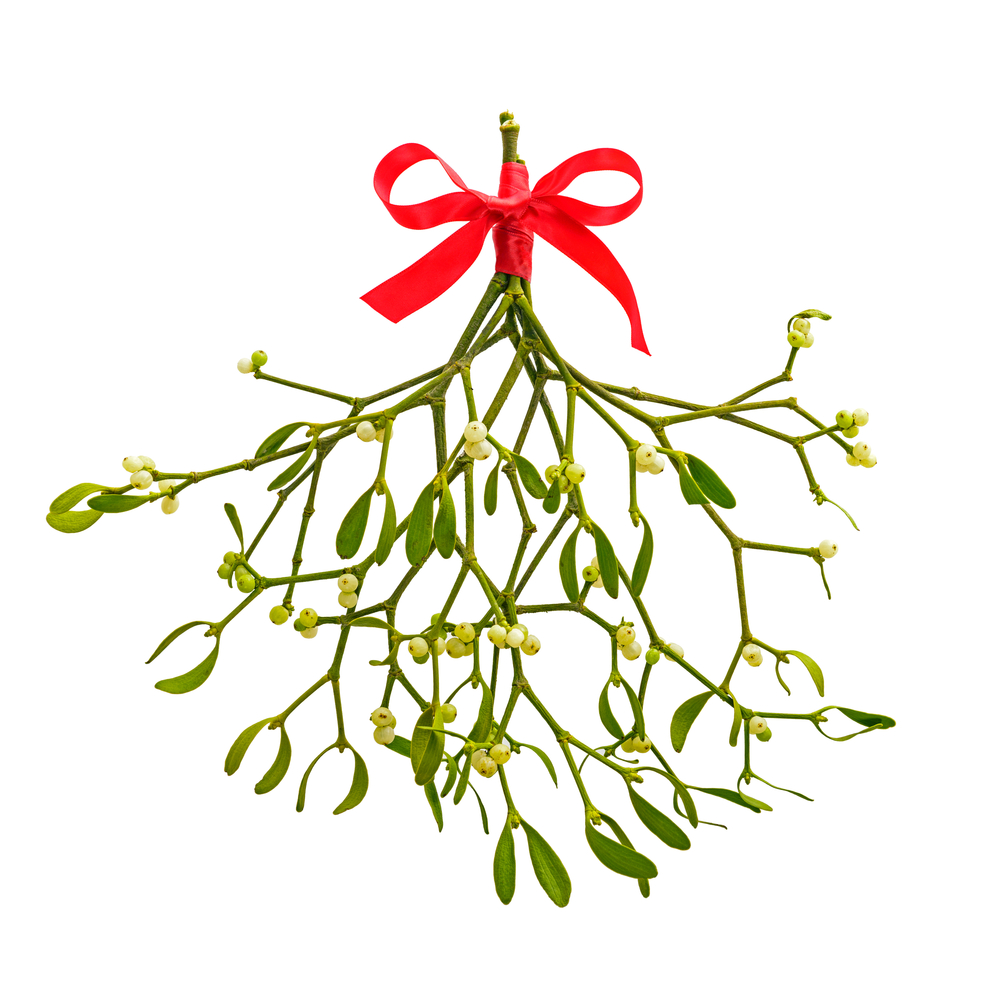
Cute for kissing, not cute for pets.
American mistletoe used in holiday décor can cause vomiting and diarrhea, and in some cases low heart rate and blood pressure or breathing problems if enough is eaten. Cats are extra at risk because they like to climb right into wreaths and garlands.
If you must have the real stuff, hang it well out of reach and sweep up any dropped berries or leaves. Artificial mistletoe is honestly safer and cheaper long-term than another emergency vet visit.
5. Holly
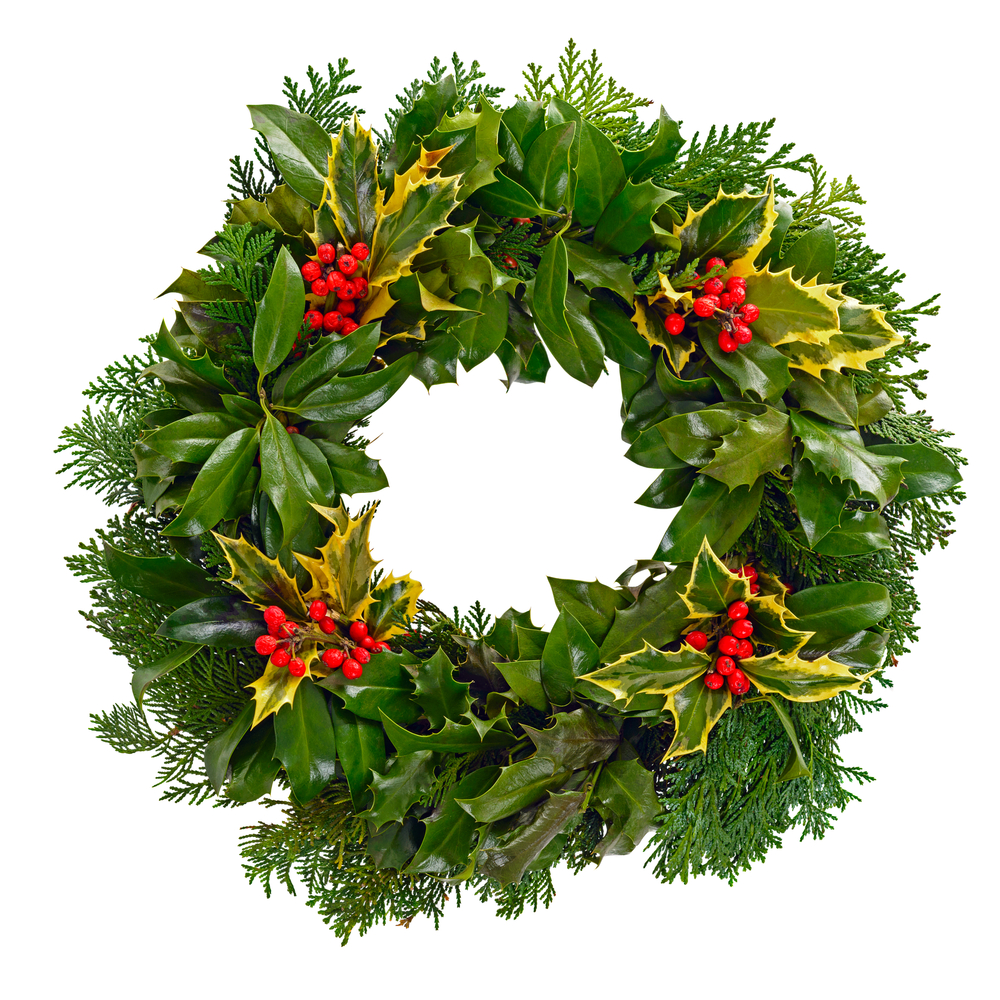
Holly branches and wreaths scream “winter holidays,” but they’re not pet-friendly.
All holly types (English, American, Japanese, etc.) contain saponins that can irritate the gut. Pets who chew the leaves or eat the berries may drool, vomit, have diarrhea, or act depressed. Most sources call the leaves and berries “low toxicity,” but that just means “usually not fatal,” not “no big deal.”
If you decorate with holly, keep it up high, away from pet beds and food dishes, and toss it as soon as it dries and starts shedding.
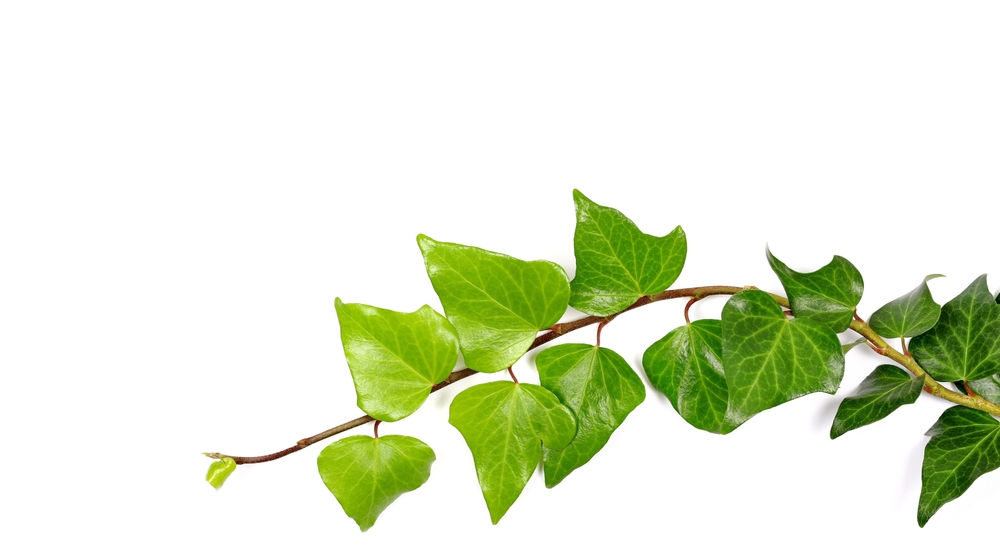
6. English Ivy

A lot of us bring ivy indoors in winter or use it in garlands. English ivy is pretty… and another plant that can cause trouble.
The foliage is more toxic than the berries and contains saponins that can trigger drooling, vomiting, diarrhea, and abdominal pain in pets. It’s usually not instantly deadly, but it can make a dog or cat thoroughly miserable.
If you’ve trained ivy up an indoor trellis, try swapping it for a pet-safer vine in shared spaces and move the ivy to a room behind a closed door.
7. Cyclamen
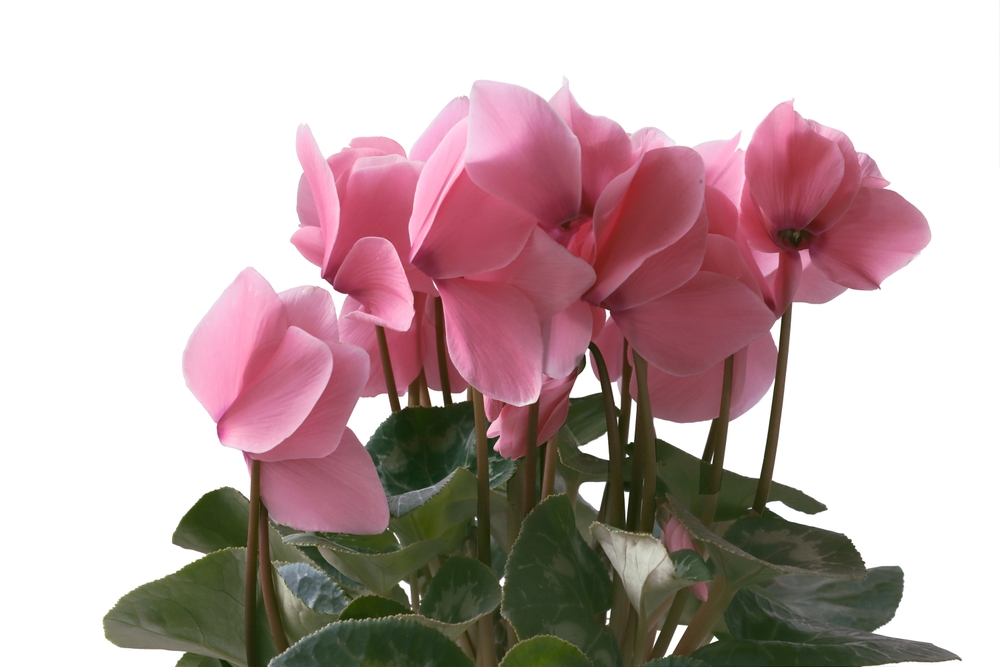
Cyclamen are those cute little winter-blooming plants with swept-back petals and patterned leaves. They’re sold everywhere as “cheerful winter color.”
They’re also toxic. The whole plant contains terpenoid saponins, but the tubers (the roots) are the worst offenders. Chewing the plant can cause drooling, vomiting, and diarrhea; big ingestions of the tuber can lead to heart rhythm problems, seizures, or even death.
If your dog loves to dig in pots or your cat chews everything green, I’d skip cyclamen entirely and look for pet-safe winter bloomers instead.
8. Christmas Rose / Hellebore
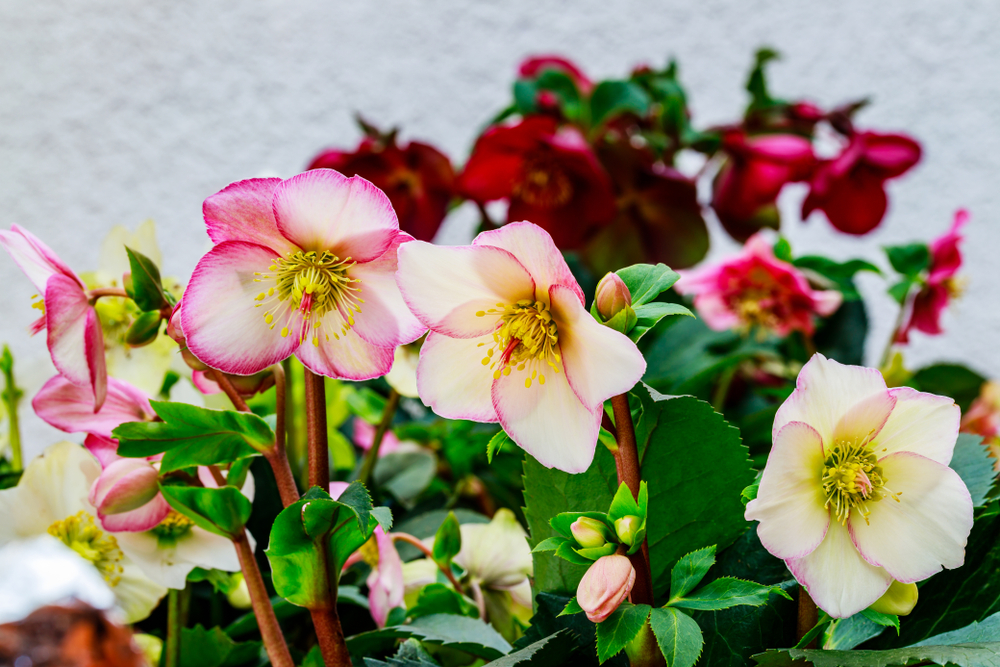
Christmas rose (Helleborus niger) flowers in late winter and early spring and is sometimes sold as a festive indoor plant.
All parts of hellebore are toxic to cats and dogs. It contains cardiac glycosides and other compounds that can cause drooling, abdominal pain, vomiting, diarrhea, and depression, and in bad cases breathing issues, weakness, heart rhythm changes, seizures, or sudden collapse.
This is another one I file under “just not worth the risk” inside with animals. If you grow hellebores outdoors, don’t bring potted ones in where bored pets might snack.
9. Jerusalem Cherry
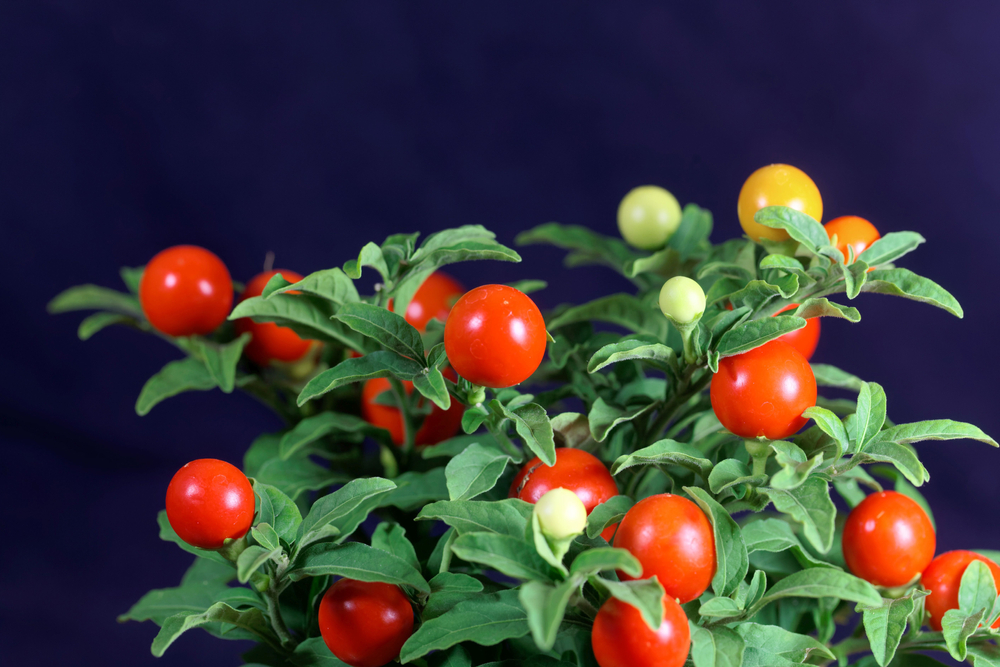
Jerusalem cherry (also called winter cherry) is that little shrub with glossy leaves and bright red or orange berries that looks like a mini tomato plant in a pot.
It contains solanine, a toxin found in some nightshades. All parts are poisonous, especially the berries, and ingestion can cause vomiting, diarrhea, drooling, abdominal ulcers, depression, seizures, breathing problems, and shock in dogs and cats.
Because the berries look like candy or cherry tomatoes, kids and pets are both at risk. If you’ve got animals or toddlers, skip it and go for faux berries instead.
10. Florist Azaleas and Rhododendrons
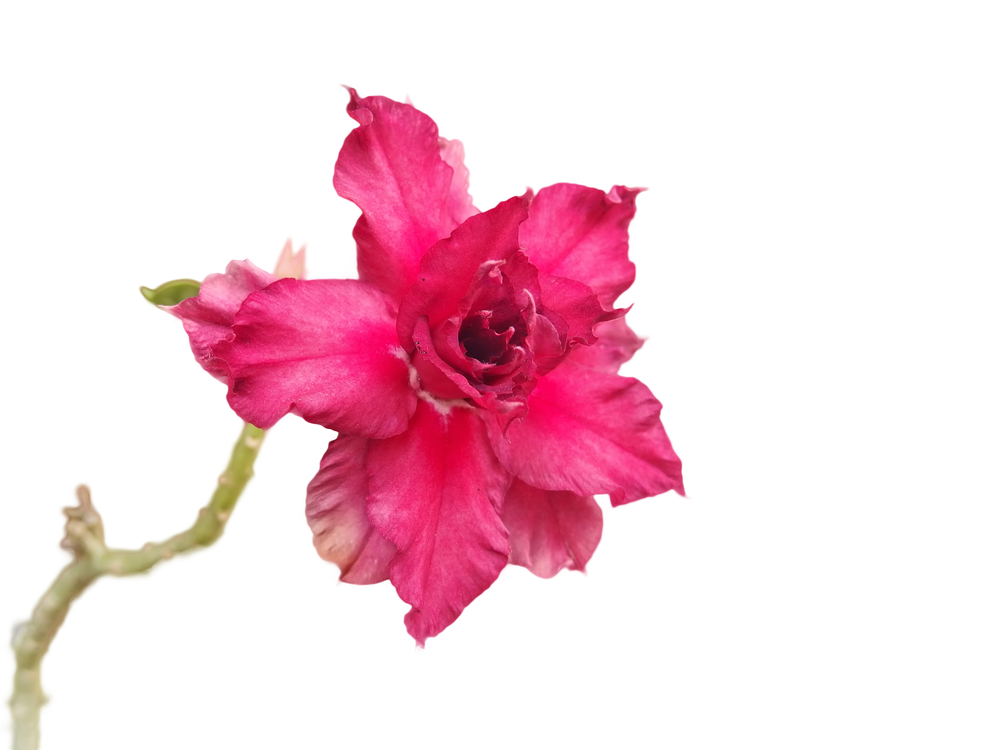
Those small, blooming azalea gift plants you see in grocery stores and garden centers in winter? Bad news for pets.
All parts of azaleas and rhododendrons contain grayanotoxins, which can cause drooling, vomiting, diarrhea, weakness, heart rhythm changes, seizures, and even coma or death in dogs and cats. Even a few leaves can be dangerous.
If someone gifts you one, either keep it in a pet-free room or pass it along to a home without animals. The flowers are lovely, but they’re absolutely not a “set it on the coffee table and forget it” plant.
11. Lilies (True Lilies and Daylilies)
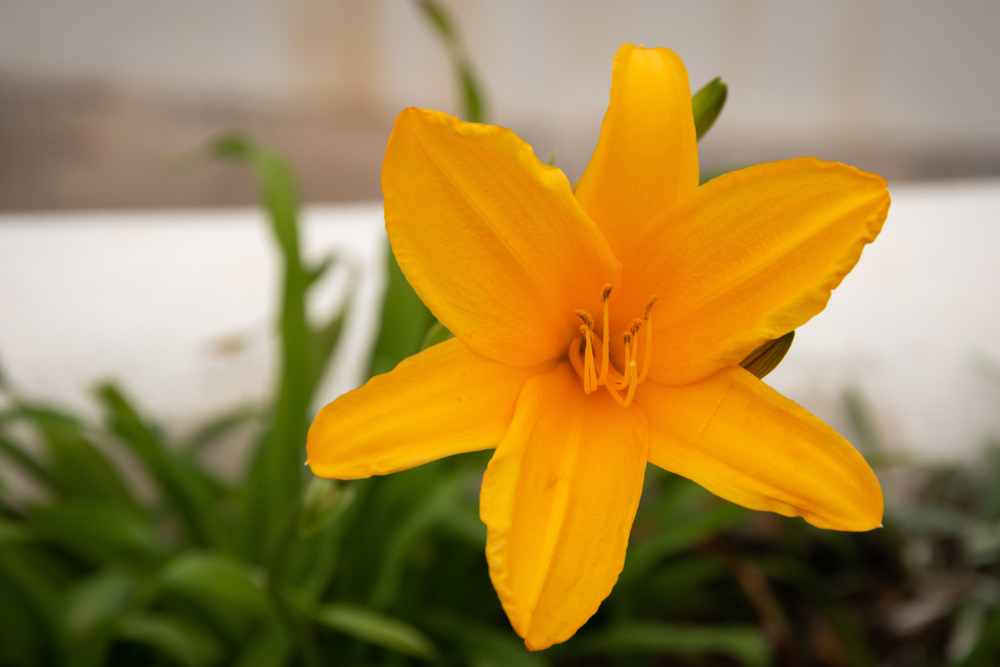
Not strictly “houseplants,” but people absolutely stick lily pots and lily bouquets around the house in winter. For cats, this is one of the biggest emergency dangers.
True lilies (Lilium) and daylilies (Hemerocallis) are so toxic to cats that even a small nibble of a leaf or petal, licking pollen off their fur, or drinking vase water can cause acute kidney failure and death within a few days. Dogs usually “only” get stomach upset, but cats can die from shockingly tiny exposures.
My rule: if you have cats, no true lilies in the house at all, ever. Not as plants, not as cut flowers, not “just on the mantle.” If lilies do show up, get them out of the house immediately and wash any surfaces or fabrics that may have pollen.
12. Kalanchoe
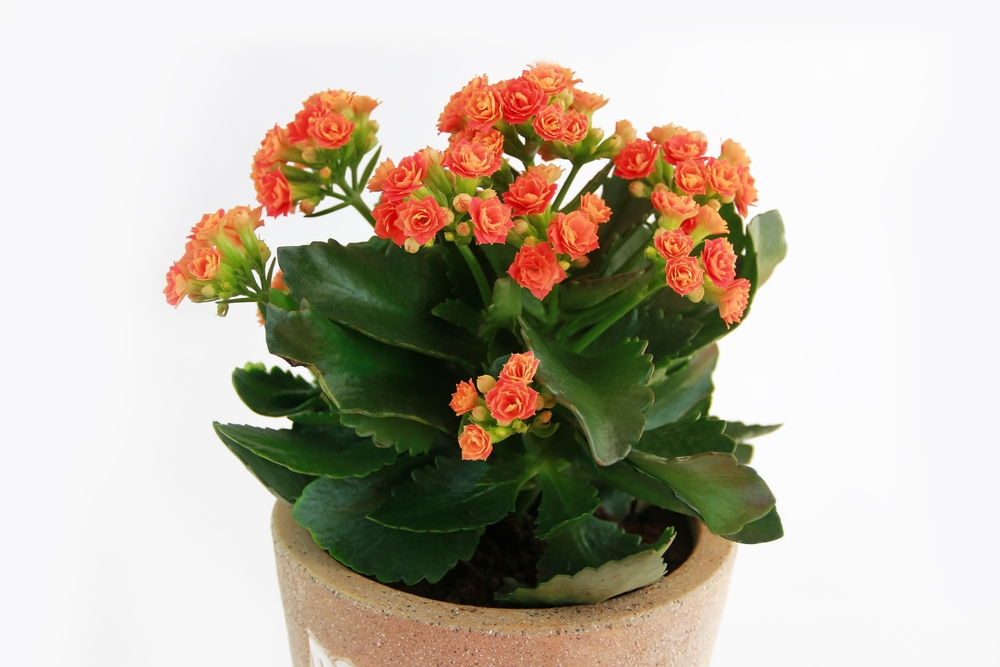
Kalanchoe are chunky little succulents with clusters of bright flowers, sold everywhere as easy, colorful window plants all winter long.
They contain bufadienolide cardiac glycosides, which can cause vomiting and diarrhea, and in rare cases abnormal heart rhythms or more serious signs in pets.
Because the leaves are firm and easy to chew, cats and small dogs sometimes treat them like chew toys. If you keep kalanchoe, put it somewhere your animals genuinely can’t reach, or trade it for a pet-safe succulent instead.
13. Peace Lily
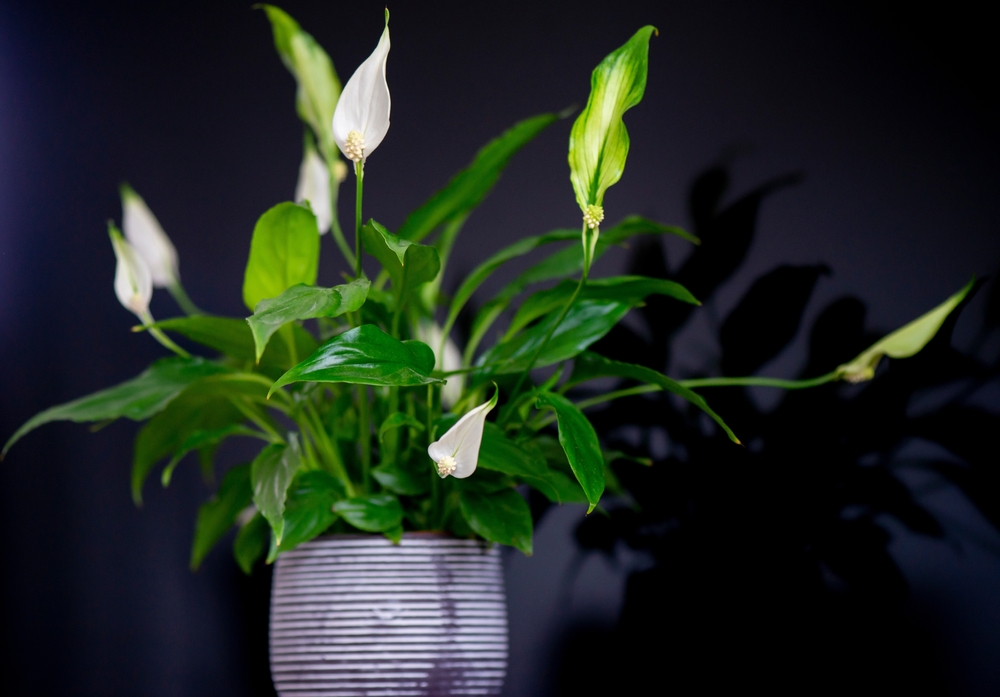
Peace lilies are classic low-light houseplants with white “blooms” that fit right in with winter decor.
They’re not true lilies, but they are toxic. Peace lilies contain insoluble calcium oxalate crystals, which cause intense mouth pain, drooling, pawing at the mouth, vomiting, and trouble swallowing if chewed. Most cases aren’t life-threatening, but it’s still a miserable experience for your pet and may need vet care.
If your dog or cat is a known leaf-chewer, hang peace lilies up high or choose a different “dark corner” plant that’s truly pet-safe.
14. Pothos / Devil’s Ivy
Pothos is the beginner houseplant, tough, fast-growing, and all over social media. Which is exactly why I always flag it for pet people.
All parts of pothos contain insoluble calcium oxalates. Chewing the leaves or stems can cause burning in the mouth, drooling, vomiting, and difficulty swallowing in pets.
Is it usually fatal? No. Can it mean a very upset cat or dog and an urgent vet visit? Absolutely. If you keep pothos, put it way up where nobody can reach the vines, or swap for a trailing plant that’s on the non-toxic list.
15. Aloe Vera

Aloe is another “but it’s good for humans!” plant that doesn’t mix well with pets.
The gel inside the leaf is considered edible, but the leaf skin and latex contain saponins and anthraquinones that are toxic to cats and dogs. Ingesting aloe can cause vomiting, diarrhea, lethargy, changes in urine color, and sometimes tremors or more serious signs.
If you keep aloe for burns (totally reasonable), treat it like medicine: up and away, not on the floor by the sunny window where the dog naps.
So… do you have to give up winter plants completely?
Nope.
A few quick safety habits go a long way:
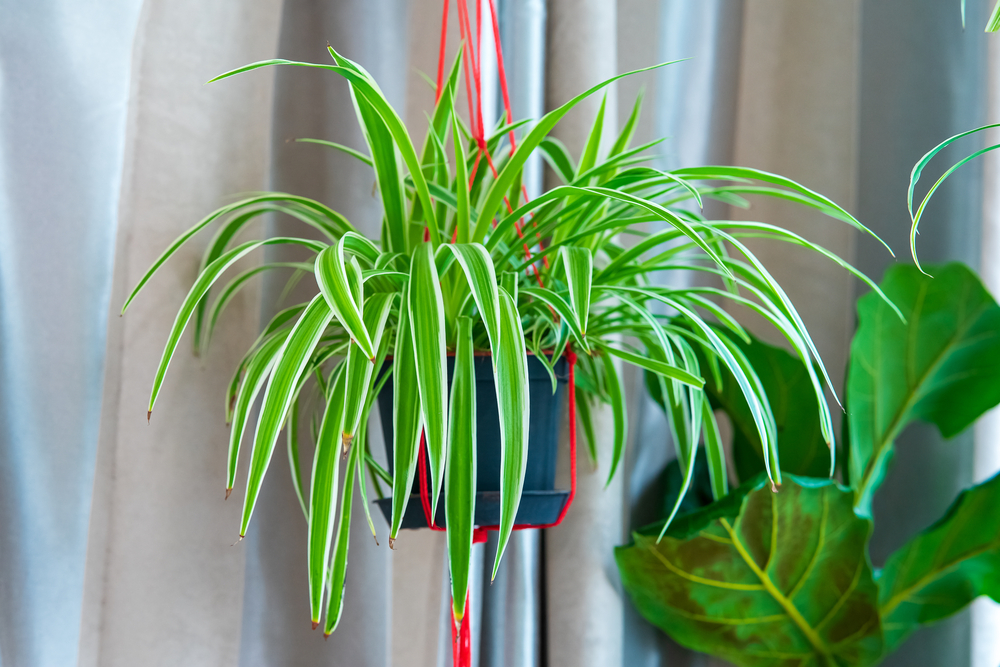
- Pick safer plants for shared spaces. Spider plant, Boston fern, parlor palm, peperomia, and some haworthia are commonly listed as non-toxic to cats and dogs.
- Treat all plants with respect. Even “non-toxic” plants can cause mild vomiting just from general plant material irritating the stomach.
- Place risky plants behind closed doors. If you really want a certain plant, keep it in a room your pets literally can’t access, not just “on a higher shelf” for your acrobatic cat.
- Grow a pet salad bar. A pot of cat grass or wheatgrass is cheap, fast to grow, and gives nibblers something safe to chew instead of your risky houseplants.
And again, if your dog or cat eats any part of a plant and looks off, even if you’re not sure what the plant is, call your vet or a pet poison hotline right away. Better a “false alarm” bill than a very real emergency.