Affiliate disclosure: This post may contain affiliate links. Please see full disclosure.
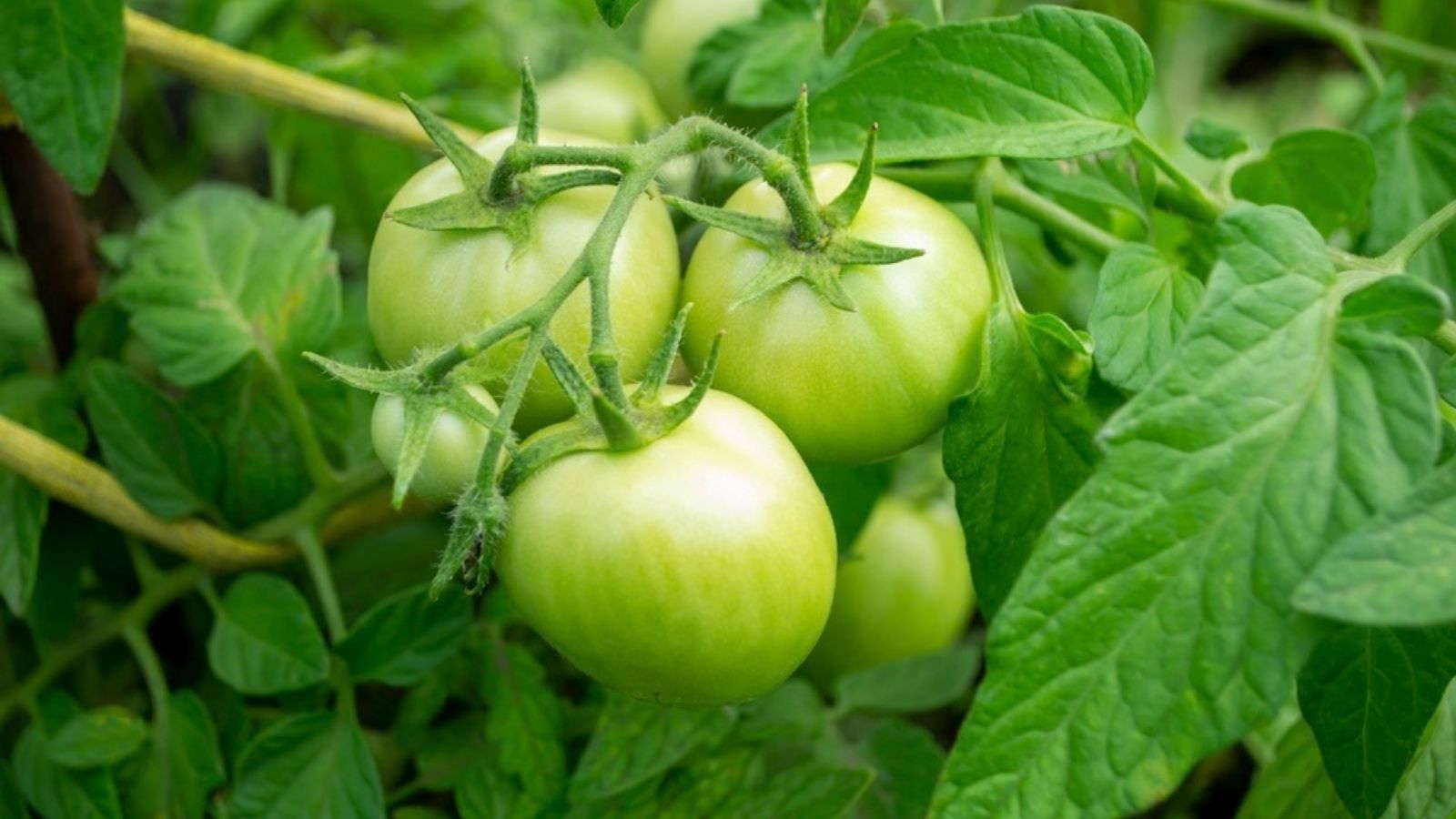
There always seem to be green tomatoes left on the plants when the growing season runs out. By that point, the days are getting shorter, the nights are cold, and you know the plants aren’t going to have enough warmth left to finish the job outside.
I don’t leave good tomatoes out there waiting for frost. Mature green tomatoes can be picked before the first frost and ripened indoors, so bringing them in can stretch your harvest for several more weeks. The important word there is mature, because a tomato that’s green isn’t necessarily developed enough to ripen properly once it’s off the plant.
I sort mine before storing them. Anything damaged, diseased, split, or already starting to rot gets separated immediately. Then I divide the healthy tomatoes by how far along they are, because a tomato that’s starting to blush needs very different treatment from a hard, dark green fruit that still has weeks to go.
Which green tomatoes will ripen indoors?
A tomato needs to reach what’s called the mature green stage before it can ripen properly after picking. At this point, the fruit has essentially finished growing even though it hasn’t developed its final color yet.
From the outside, I look for tomatoes that have reached the normal full size for the variety and have changed from a hard, deep green to a paler, slightly whitish green. Fully developed mature green tomatoes will often ripen satisfactorily indoors, while very immature green fruit usually won’t develop good flavor.
You may also notice a whitish star or streaking around the blossom end, which is another useful sign that the tomato is getting close enough to maturity to finish indoors. Don’t worry if you can’t see one, though. Different varieties don’t all show the same external signs.
If you have a lot of green fruit and you’re not sure whether it’s mature enough, sacrifice one representative tomato and cut it open. A mature green tomato has fully developed seeds and gel beginning to fill the seed cavities. If the seeds are still very soft and the inside is firm, dry, and poorly developed, the rest of the fruit at that stage probably isn’t worth storing for ripening.
That doesn’t mean you have to throw immature green tomatoes away. I use those first in recipes where I actually want green tomatoes rather than storing them for weeks in the hope that they’ll turn red.
Pick them before frost
If frost is forecast and the season is clearly finished, I harvest the tomatoes rather than trying to squeeze another night or two out of the plants.
Cold damages the fruit even before it actually freezes. Several days below 50°F (10°C) can cause chilling injury and increase the chance of green tomatoes developing rot, so there’s very little benefit in leaving mature fruit outside once temperatures have settled properly into fall.
Pick them while they’re dry if you can, and handle them gently. Tomatoes that have been bruised, cracked, punctured, or otherwise damaged won’t store as well as sound fruit.
I also remove the stems before storing a large batch. A stiff stem can easily puncture the tomato sitting beside it in a box, and one small wound is enough to give mold and rot somewhere to start.
Sort the tomatoes before you store them
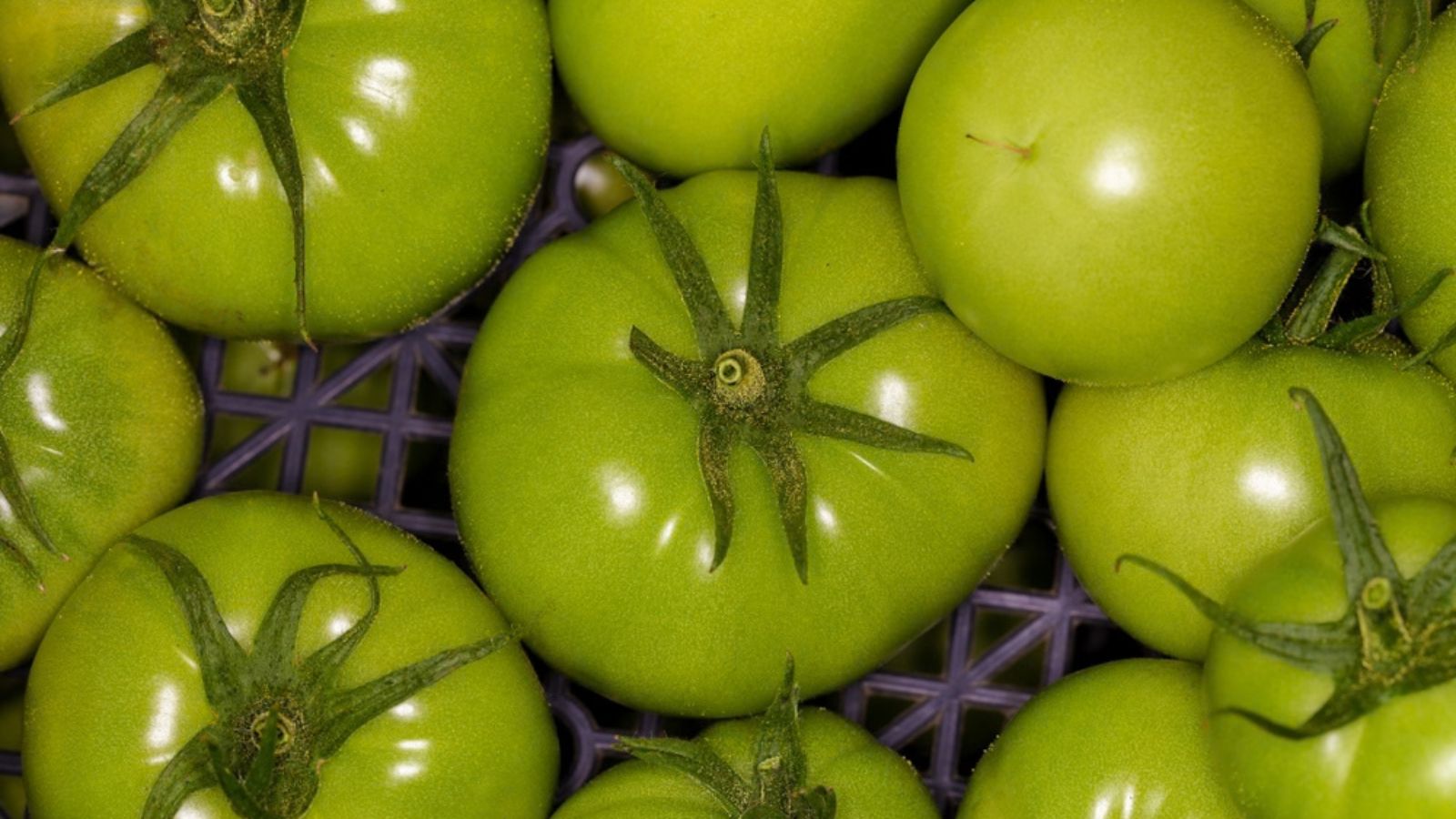
Don’t put the whole harvest into one box without looking at it first. I sort tomatoes roughly into three groups:
- Full-sized but still completely green tomatoes
- Tomatoes that have started changing from green to white, yellow, orange, or pink
- Tomatoes that are already mostly ripe
The ones showing color will ripen first, so I keep them separate and check them more often. The mature green ones can be stored cooler if I want to stagger the harvest rather than suddenly having 30 ripe tomatoes to deal with at once.
Remove anything with soft spots, deep cracks, signs of frost damage, mold, or rot. A slightly ugly tomato is fine; a damaged tomato sitting against six healthy ones for two weeks isn’t.
The best temperature for ripening green tomatoes
Temperature matters much more than sunlight.
For tomatoes I want to ripen fairly normally, I keep them at around 65°F to 70°F (18°C to 21°C). The recommended ripening temperature for mature green tomatoes is about 65°F to 70°F (18°C to 21°C), which is conveniently close to normal indoor room temperature in many homes.
At those temperatures, mature green tomatoes may take a couple of weeks to ripen. Fruit that’s already started changing color will be much quicker.
You don’t need to put them on a sunny windowsill. Tomatoes don’t need light to ripen once they’ve been picked; the right temperature is more important. A countertop, shelf, pantry, spare room, or other reasonably warm place works just as well.
In fact, I prefer somewhere out of direct sun. A windowsill can get surprisingly hot during the day and cold at night, so you have much less control over the conditions.
How to ripen green tomatoes faster
If I’ve only got a few tomatoes and want them ready fairly quickly, I bring them into a warmer room and keep them at around 68°F to 72°F (20°C to 22°C).
Then I use ethylene.
Tomatoes naturally produce ethylene as they ripen, and that gas tells the fruit to continue the ripening process. Exposing mature green tomatoes to ethylene starts and speeds their ripening.
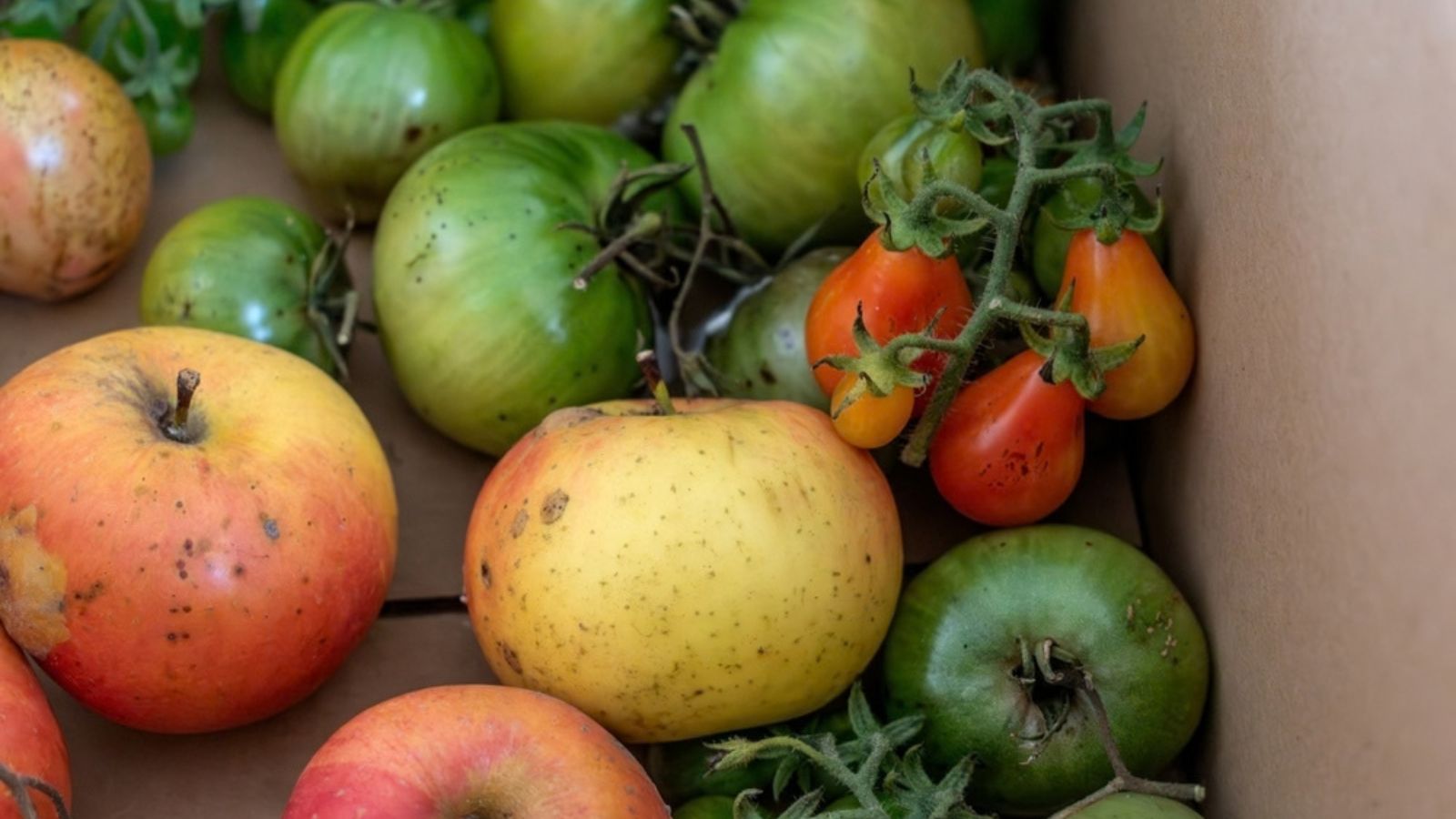
Put a few mature green tomatoes into a paper bag with a ripe tomato, apple, or banana. Fold the top of the bag loosely rather than sealing it completely, then check everything every day or two.
Keeping unripe fruit with a ripe ethylene-producing fruit can speed up the ripening process. The paper bag helps hold some of that gas around the tomatoes without trapping moisture as aggressively as a sealed plastic bag would.
Don’t pack lots of tomatoes tightly together. If one starts leaking or develops mold, you want to catch it before it affects everything else in the bag.
How to slow tomato ripening
Sometimes the bigger problem isn’t getting tomatoes to ripen. It’s stopping all of them ripening at the same time.
If I have a large late-season harvest, I keep the greener tomatoes cooler and bring a few into warmer conditions at a time. Mature green tomatoes can be held at around 55°F to 60°F (13°C to 16°C) to slow the ripening process.
A cool basement, cellar, pantry, or unheated spare room can work well if the temperature is reasonably steady. I wouldn’t intentionally take them much colder than 55°F (13°C), because tomatoes are sensitive to chilling and very low temperatures can interfere with normal ripening, flavor, and texture.
Another useful method is wrapping each tomato loosely in paper and storing them in a single layer in a box. Green tomatoes stored individually in paper at about 60°F to 65°F (16°C to 18°C) can continue ripening slowly over several weeks.
I check stored tomatoes at least every few days. Remove the ones that have started coloring and bring those into a warmer room to finish. More importantly, remove anything showing mold or a wet, soft patch before it has a chance to spoil the fruit beside it.
Don’t put unripe tomatoes in the refrigerator
A refrigerator seems like the obvious place if you’re trying to make produce last longer, but I don’t use one for green tomatoes that still need to ripen.
Tomatoes are susceptible to chilling injury, and prolonged cold can interfere with their ability to develop normal tomato flavor. The colder the fruit is and the less mature it was when harvested, the more of a problem this becomes.
If a tomato is already properly ripe and you’re simply trying to stop it becoming overripe before you can use it, refrigeration is a different matter. For the green tomatoes we’re trying to finish ripening, keep them out.
Keep them in a single layer when you can
For a small harvest, I simply spread the tomatoes across a tray or shallow cardboard box with a little space between them.
Air movement helps, but the bigger advantage is that you can actually see what’s happening. If a tomato starts leaking underneath a pile of 20 others, you’re unlikely to spot it until several fruits are affected.
Storing green tomatoes in a single layer and checking them frequently helps you find and remove damaged or decaying fruit. If you’ve got far too many tomatoes for a single layer, put sheets of paper between shallow layers rather than filling a deep box.
Humidity matters as well. Very dry conditions can make tomatoes shrivel, while very damp, stagnant conditions encourage mold. I aim for a cool, reasonably humid room with some air circulation rather than trying to seal the fruit into an airtight container.
You can ripen tomatoes on the whole plant
If you’ve got space, there’s another method that involves much less picking and sorting at the start.
Pull the entire tomato plant before frost, shake or brush off the excess soil, and hang it upside down somewhere sheltered, cool, and frost-free. Whole tomato plants can be uprooted and hung in a cool, dark place so that mature fruit continues to ripen on the vine.
A garage, shed, or basement can work, depending on your climate and the temperature inside it. Don’t use somewhere that freezes.
I wouldn’t bother with this method for plants affected badly by late blight or other disease. In that situation I’d rather harvest the sound fruit, dispose of the diseased plant material appropriately, and inspect the tomatoes individually.
For healthy plants, though, hanging them can be useful when you’ve got dozens of fruits at slightly different stages and don’t want to deal with all of them at once.
Should you wrap every green tomato in newspaper?
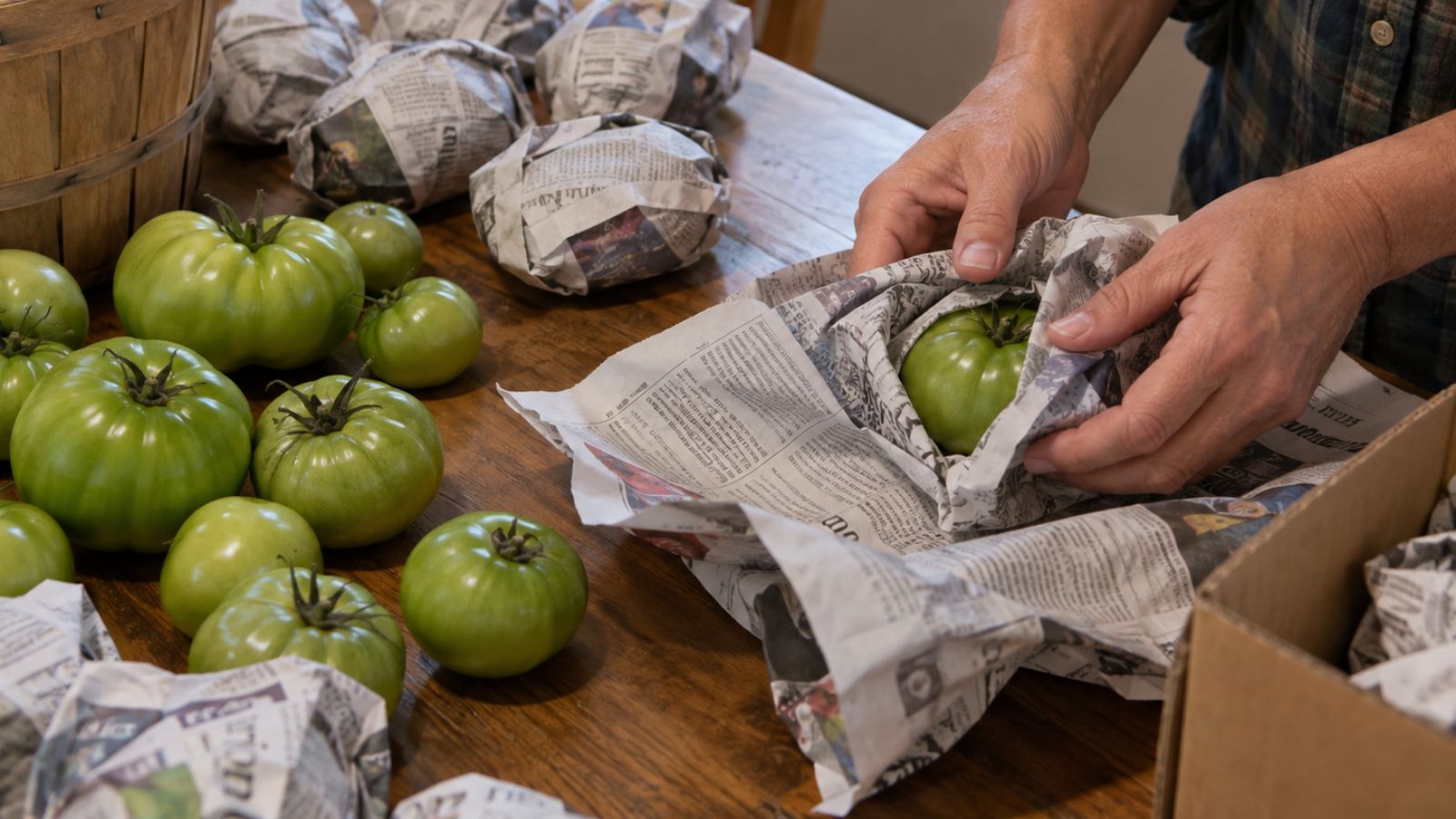
You can, but you don’t have to.
Wrapping tomatoes individually is useful if you’re trying to store a large quantity for several weeks. It stops the fruit rubbing against each other, helps contain the ethylene around each tomato, and makes it less likely that one damaged fruit is sitting directly against another.
For a dozen tomatoes that I expect to ripen fairly quickly, I don’t bother. I put them in a shallow box, keep them spaced apart, and check them regularly.
If I’m trying to stretch a large crop well into fall, then wrapping them and keeping them at around 60°F to 65°F (16°C to 18°C) makes more sense.
How long do green tomatoes take to ripen indoors?
There’s no single answer because it depends on how mature the tomato was when you picked it and how warm you keep it.
As a useful guide, mature green tomatoes kept at around 65°F to 70°F (18°C to 21°C) can ripen in about two weeks. A tomato that’s already showing pink or orange may only need a few days, while a fully green one stored at cooler temperatures can take several weeks.
This is why I sort them. If you keep every tomato under exactly the same conditions, you’ll tend to get a much bigger glut all at once.
Instead, keep the mature green ones cool and bring a few into warmer conditions every few days. You’ll get a steadier supply of ripe tomatoes and have a much better chance of actually using them all.
What if a green tomato isn’t ripening?
First, give it time. A mature green tomato stored cool can sit looking virtually unchanged for quite a while before it starts showing color.
If it’s been in a warm room for a couple of weeks and is still hard, completely green, and showing no sign of change, there’s a reasonable chance it was harvested before it had reached physiological maturity.
You can move it into a paper bag with a ripe tomato or banana and see what happens, but ethylene can’t turn a seriously immature tomato into a properly mature one. Fruit harvested before the mature green stage may fail to ripen fully and tends to have poor quality.
At that point, I wouldn’t keep waiting indefinitely. Use sound green tomatoes in a recipe intended for green fruit and concentrate your storage space on the ones that are actually progressing.
Do indoor-ripened tomatoes taste as good as vine-ripened ones?
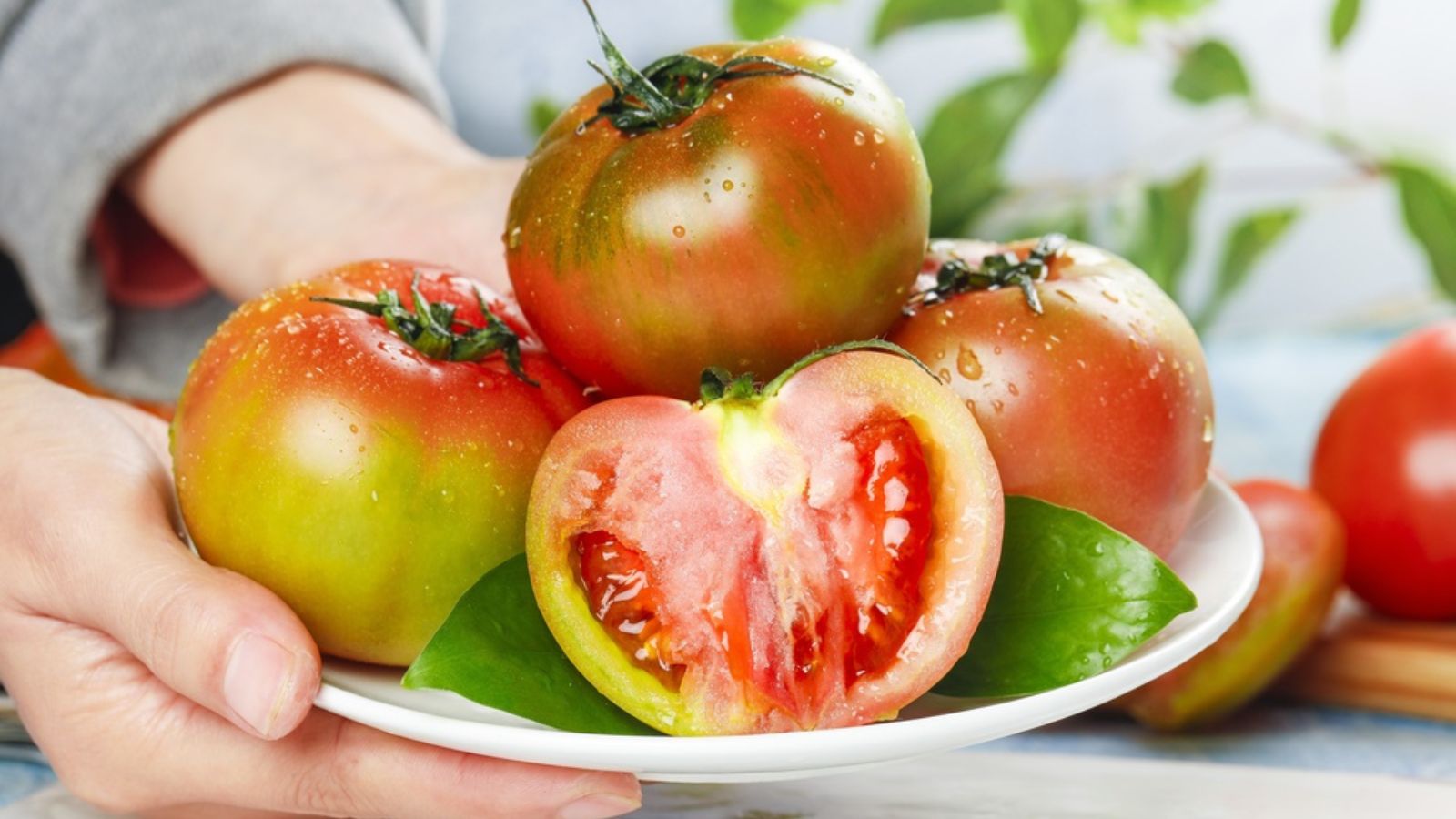
A tomato that’s allowed to mature and begin ripening naturally on a healthy plant generally has the advantage when it comes to flavor. But there’s a big difference between picking a mature green tomato at the end of the season and picking a tiny immature fruit weeks too early.
The closer a tomato is to the beginning of natural ripening when you harvest it, the better the result tends to be. If I have time before frost, I leave fruit on the plant until I see that first lightening or hint of color and harvest it then.
But once cold weather has genuinely arrived, I’m not willing to lose a crop just for the sake of keeping it attached to the plant. Mature green tomatoes can still give you perfectly useful fruit weeks after the plants outside have finished.
Check your stored tomatoes regularly
This is probably the most important part once you’ve put them away.
Don’t wrap 50 tomatoes in newspaper, put the box in the basement, and forget about it for a month. Check them every few days. Move any that are changing color into a warmer place, use the ripe ones, and remove anything soft, leaking, moldy, or damaged.
I also rotate the fruit if it’s sitting directly on a tray or shelf so I can check the underside. A tomato can look fine from above while a soft spot is developing where it’s touching the surface.
Done this way, you can keep a late tomato harvest going for weeks after the plants themselves have finished. You aren’t going to make every tiny green fruit ripen, and it isn’t worth trying. Save the mature ones, control the temperature depending on how quickly you want them, and use the rest while they’re still good.
You might also like….
The End-of-Season Tomato Plant Tasks You Shouldn’t Skip