Affiliate disclosure: This post may contain affiliate links. Please see full disclosure.
There’s nothing like that first spring salad you’ve been babying for weeks.
And there’s nothing like walking out one damp morning to find every leaf lace-worked with holes and shiny trails everywhere.
Slugs.
They drive me crazy. Yes, they’re an important part of the wider ecosystem, but holy cow, they’re annoying in the garden. As I’m a permaculture specialist and organic master gardener, I don’t use chemical interventions. I also strongly recommend you do not, under any circumstances, use slug pellets, as they are hideous things that poison all kinds of other important wildlife. Plus, they’re not that effective long-term unless you keep buying and laying them.
You’ll never get rid of every slug in a healthy, moist garden. But if you recruit the right predators, you can get slug damage down low enough that you’re actually harvesting lettuces and brassicas instead of just feeding the local mollusk population.
1. Ducks
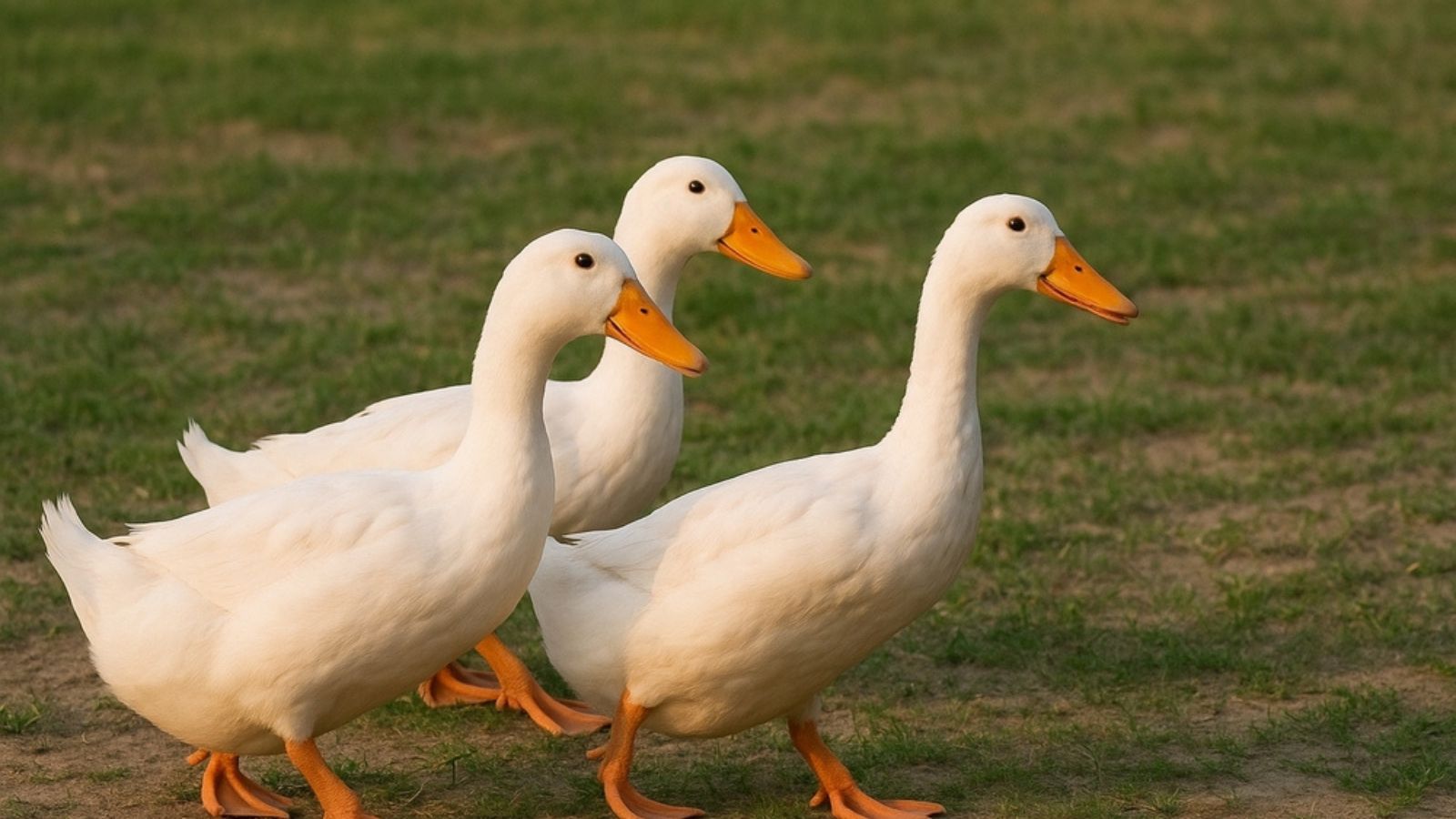
Ducks are probably the first thing a lot of us think of when we picture “natural slug control.”
They’re water birds with soft bills that are built for sifting through damp soil and vegetation. Slugs and snails are basically perfect duck food. They’re soft, easy to swallow, and full of protein. Ducks are among the most effective natural enemies of slugs in fields and gardens, right alongside ground beetles and frogs.
If you keep ducks already, you’ve probably seen the way they work a damp corner after rain. They poke around the base of plants, snuffle under boards and pots, and home in on anything slimy. They’ll eat adult slugs and smaller ones, and they’re very good at cleaning up around paths and in grassy runs between beds.
I treat ducks like mobile, noisy slug vacuums. They’re great in the orchard, along fence lines, and through spent vegetable beds before I replant. They’re not great in beds full of tiny seedlings. They don’t mean to tear things up, but they’re heavy, they waddle, and they have no idea where your rows are.
So if you’re going to use ducks for slug control, think rotation and timing. Let them into problem areas early in the morning or towards evening when slugs are moving. Keep them out of very young brassicas and lettuce, or net those beds so ducks can patrol the paths but not trample the plants. You’ll still have to do some hand-picking, but the sheer number of slugs out there drops fast once a flock gets to know the territory.
2. Chickens
Chickens are much more “scratch first, ask questions later.”
They absolutely will eat slugs if they come across them. Chickens are natural enemies of slugs too, even if they’re not especially dependable about it.
But a chicken’s main superpower isn’t just eating the slugs you can see. It’s going after the eggs and the tiny juveniles hiding in the top couple of inches of soil. When a flock works an area hard, they break up clumps of wet mulch, expose egg clusters, and snap up anything that moves.
Because they’re so destructive, I use chickens more as a reset button, not as constant garden patrol. I’ll run them over beds I’ve finished harvesting, over weedy areas I want to reclaim, and in places where I’ve had a heavy slug season and want to knock things back before the next planting.
A few weeks of chickens digging, manuring, and gobbling slugs can set you up for a much calmer season. But if you love your tidy rows of baby spinach, keep the hens on the other side of a fence.
RELATED: 10 best chicken breeds for eggs
3. Geese
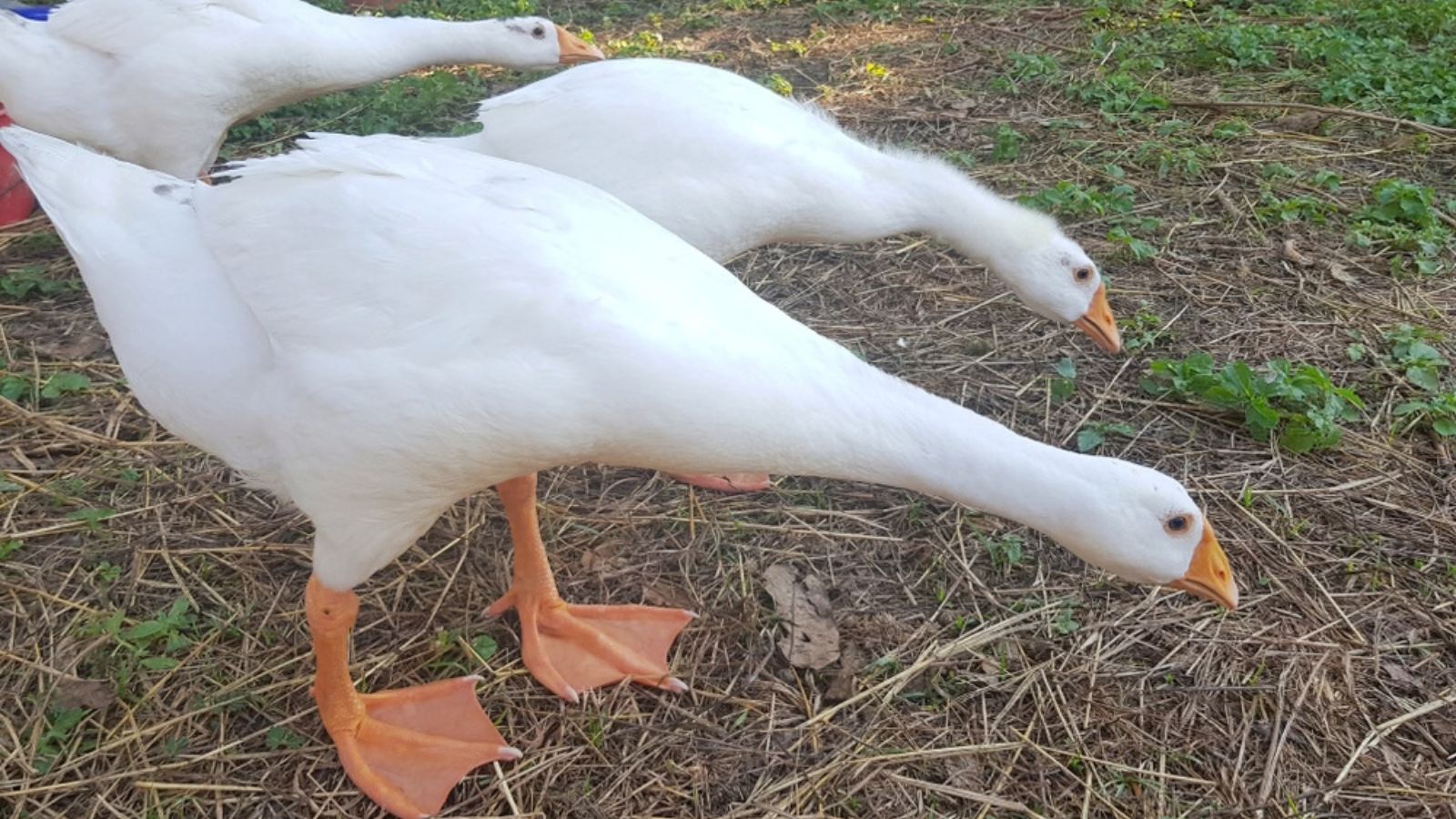
Geese are grass-powered slug control.
They’re natural grazers, not scratchers, which makes them gentler on soil structure than chickens. Geese walk around all day cropping grass, clover, and weeds, and they’ll pick up slugs and snails as they go. Geese feed on slugs in fields and pastures too, right alongside ducks and chickens.
I wouldn’t get geese just for slugs. But if you already want them for weed control under fruit trees or as “guardian” birds, they’re a nice bonus. They tend to work well in orchards and berry patches once the plants are sturdy and woody. They keep the grass down, fertilize, and snack on slugs and snails in the process.
The big caveats are personality and poop. Some geese are sweet. Some are bullies. All of them produce a lot of manure. So they’re better kept to paths, orchards, and rough ground than right in among your salad beds.
RELATED: How to control slugs naturally
4. Turkeys
Turkeys are like big, curious, slightly clumsy chickens that see the entire world as a snack tray.
Wild and domestic turkeys are omnivores. They eat seeds, leaves, fruit, insects, and small invertebrates, including slugs and snails when they find them.
They’re not precise hunters. A turkey working a bed will stomp, peck, and investigate everything. That’s useful in rough pasture or between rows of established perennials, less useful in your carefully spaced onion bed.
So I treat turkeys like chickens on steroids. They’re great for large, mixed plantings and for cleaning up weedy, slug-y ground before you plant. They’re not a fine-tuned tool for among your cabbages.
If you don’t already keep turkeys, I wouldn’t add them just for slugs. They shine best where you have space and want meat birds plus extra pest control.
5. Songbirds and other wild birds

You don’t have to own poultry to get bird power.
Plenty of wild birds eat slugs and snails, especially the slightly bigger, ground-feeding types. Starlings, blackbirds, and killdeer are documented slug-eaters through the colder months, and thrushes and robins have much the same reputation among gardeners. They’ll peck up slugs in lawns, beds, and mulched paths, and they can make a noticeable difference if you actually give them something to work with.
The trick is making your garden feel like safe, worthwhile territory. That means some shrubs and small trees for cover, some open ground or low vegetation to forage in, clean water in a birdbath or shallow basin, and as few poisons as possible. If you remove every bush and spray for anything that moves, the birds have no reason to stick around.
You may lose a few berries and cherries. I consider that a fair trade for birds eating slugs, caterpillars, leatherjackets, and a whole crew of other pests I never see. If you’ve got one crop that always gets hammered by birds, you can net just that area and still keep the rest of the garden open and bird-friendly.
RELATED: Fascinating facts about slugs
6. Frogs
Frogs are tailor-made for eating slugs. They’re ambush hunters that like damp, shady spots, and their whole hunting style is “wait until something soft and wiggly comes past, then snap it up.”
Most frog species that live near gardens eat invertebrates like worms, slugs, snails, and insects. They sit in cool, moist places during the day, tucked under boards, in dense groundcover, or at the edges of ponds, and head out at night to feed.
The good news is you don’t have to build a fancy koi pond to get frogs. A small lined pond, a half-barrel sunk into the ground, or even a big tub with gently sloping sides can work, as long as there’s some shallow area, some plants, and some nearby cover like rocks and leaf litter.
I’ve had frogs show up within a season of adding even small water features, and once they know there’s a reliable wet spot, they tend to stick around. If you have thick mulch and shady spots leading away from the pond, they’ll patrol those areas for slugs.
The big rule with frogs is to avoid poisons. Their skin absorbs whatever is in the water or on the soil. Metaldehyde pellets and similar slug killers don’t just affect slugs, they move up the food chain. If you want frogs as your slug control, skip the blue stuff.
7. Toads

Toads are less glamorous than frogs but might be even more useful in the vegetable garden.
They’re land-based, slightly grumpy looking, and very serious about their job. Toad diets are heavy on slugs, snails, beetles, and other invertebrates that wander within tongue range. Toads will take down surprisingly large slugs relative to their own size.
If you garden in a temperate, somewhat moist area, there’s a good chance toads are already nearby. They just need somewhere safe to live. That “somewhere” can be incredibly simple, like a cracked terracotta pot turned on its side and half buried, a little stone cave, or a board or flat rock raised slightly off the ground in a shady, mulched corner.
Once a toad adopts a hide, it may use it for years, heading out at night to hunt in a relatively small home range. When I’ve had a resident toad in a bed, the slug damage in that bed has always been noticeably less than in the same crop a couple of beds over.
Again, less tidying helps. Toads want mulch, leaf litter, and some longer vegetation, not bare, baked soil.
8. Salamanders and newts
Salamanders and newts are the secret slug assassins a lot of gardeners never see.
They’re shy, they’re quick to hide, and they like cool, moist, messy places, like rotting logs, stone walls, thick leaf litter, and shady bed edges. Their diet is much like frogs and toads. Worms, slugs, snails, and other soft-bodied prey make up most of it.
If you already have trees, hedges, or a bit of natural woodland near the garden, you may have salamanders without knowing it. You can give them a boost by resisting the urge to “sanitize” every corner. Leave some rotting wood. Keep a brush pile. Don’t rake every last leaf under shrubs.
From a self-sufficiency angle, that’s all upside. You’re not spending time bagging organic matter and paying to haul it off. You’re letting it rot in place, feed the soil, and shelter your built-in slug control.
Like frogs and toads, salamanders are very sensitive to chemicals. The more organic and low-spray you can keep that end of the yard, the more likely they are to move in and stay.
9. Ground beetles
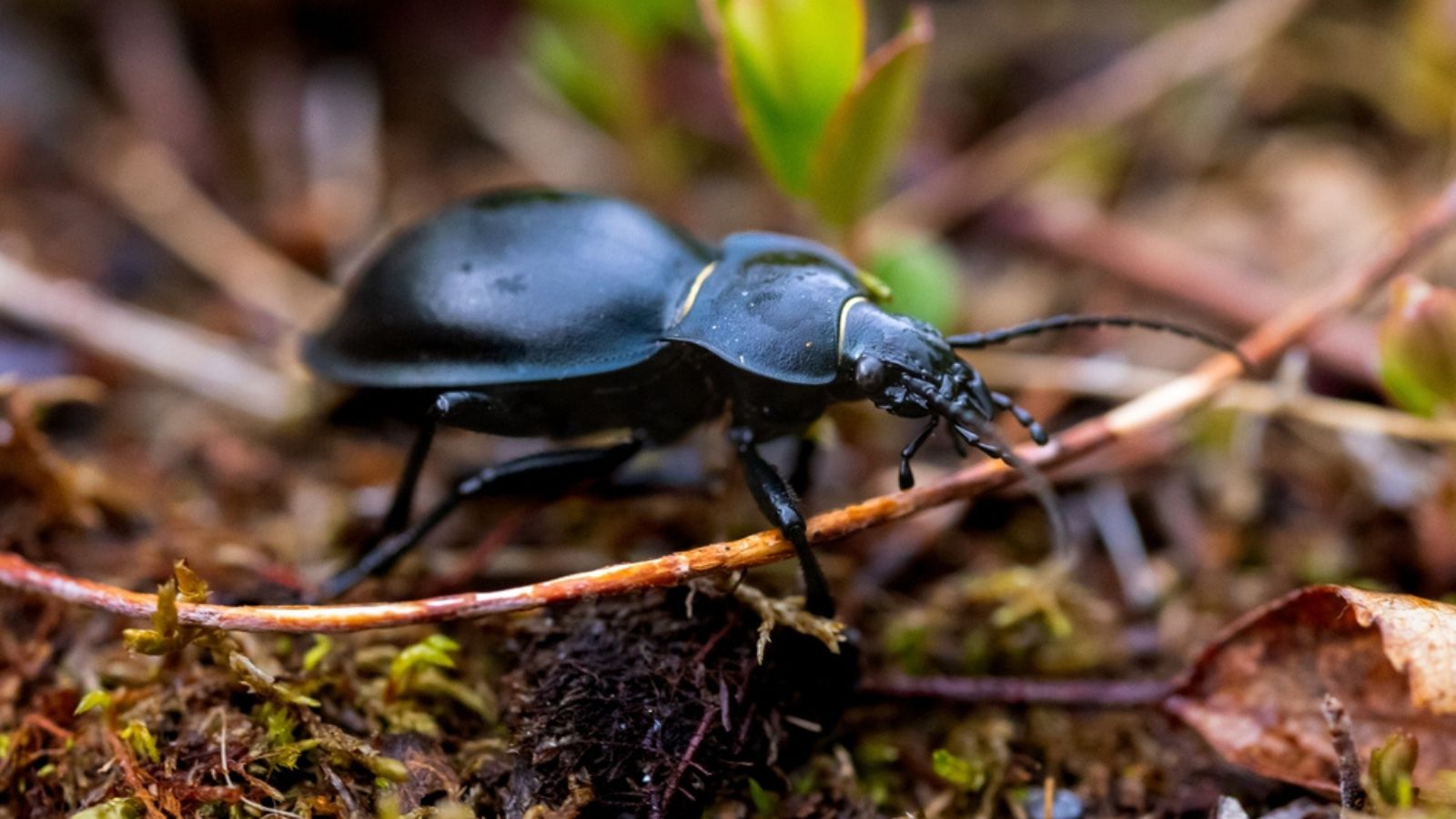
Ground beetles are one of those “boring” insects that quietly do a ton of work for you.
They’re usually dark, shiny beetles that run quickly across the soil at night. Both adults and larvae are predators. Ground beetles are counted among the most significant natural enemies of slugs and snails, especially at the egg and juvenile stage.
You almost certainly already have ground beetles. The real question is whether you’re giving them what they need, or nuking their habitat every season.
They like covered soil, not bare dust. They like things to hide under during the day, stones, bits of wood, thick mulch. And they really like it when you don’t dig their world to pieces every couple of weeks.
If you’re moving toward no-dig or low-till gardening, you’re automatically doing things that help ground beetles. More mulch, less disturbance, and more continuous cover all work in their favor. Over a few seasons, you can end up with a dense beetle population that quietly eats a lot of slug eggs before you ever see damage.
10. Rove beetles
Rove beetles look like someone took a normal beetle, stretched it, and chopped the wing covers short, and plenty of species are serious slug predators.
They’re fast, flexible, and tend to live in rich soil, compost heaps, and leaf litter. Several common rove beetle species are confirmed predators of slugs, snails, and other soft-bodied invertebrates, and turn up on the same predator lists as ground beetles.
You’ll often see them if you fork over compost or move old mulch. They run, they curl their abdomen up like a tiny scorpion when annoyed, and then they disappear again to get back to hunting.
The habitat recipe is the same. Keep organic matter on site, don’t over-till, and leave some cover. A thriving compost system doesn’t just give you free fertilizer, it also breeds rove beetles that then spread out into beds and paths and help with slug control.
11. Firefly larvae
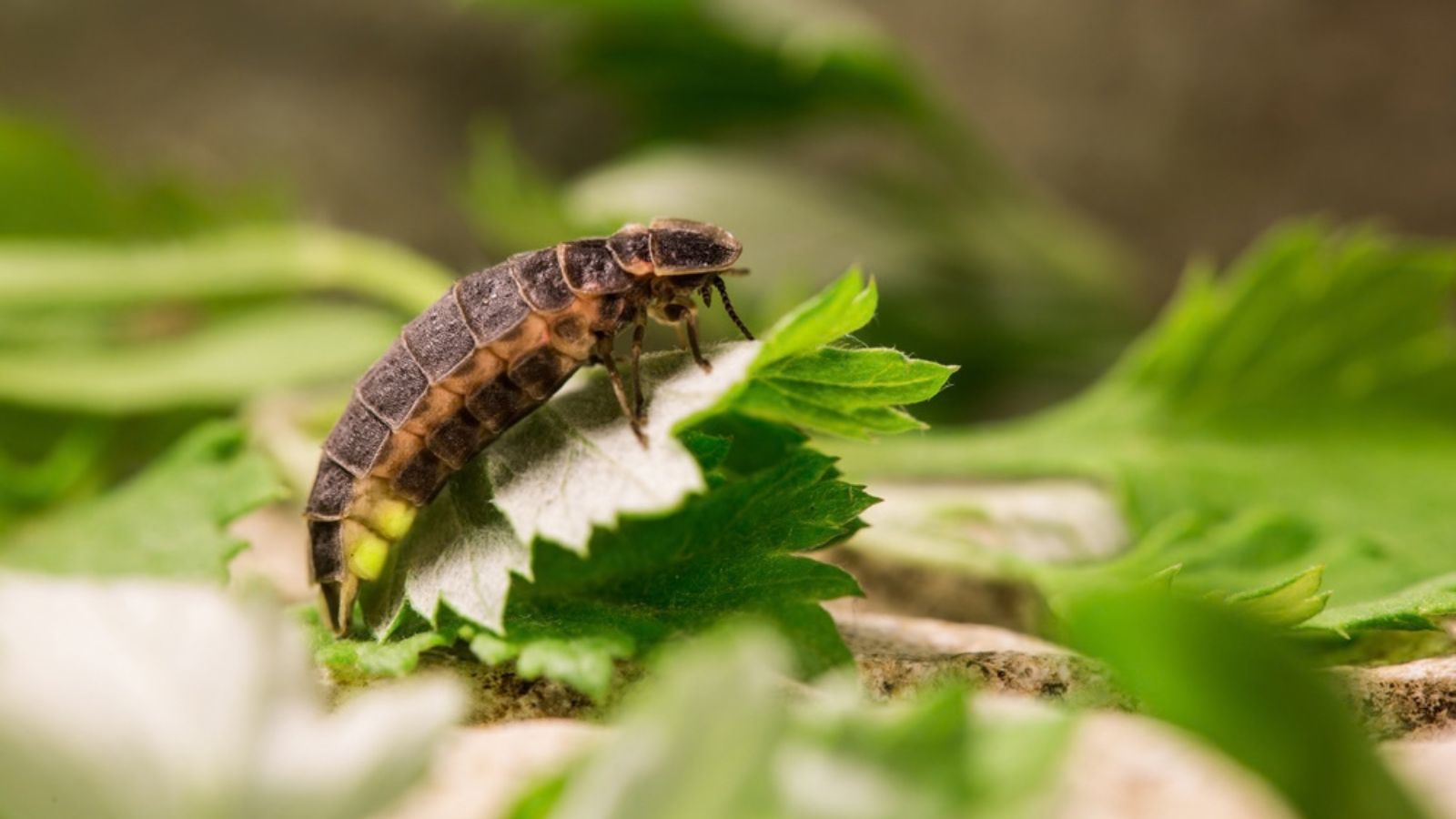
The glowworms that turn into fireflies are basically little slug specialists.
Firefly larvae live in moist soil and leaf litter. They’re predatory and eat snails, slugs, earthworms, and similar soft-bodied prey. They bite, inject a numbing toxin, and then slowly digest their prey, which is slightly horrifying but very effective.
Many species are particularly fond of mollusks. Different firefly groups seem to have slightly different feeding preferences, but slugs and snails show up again and again across most of them.
If you like watching fireflies on summer nights, you’re already benefitting from this. But you can boost them by leaving leaf litter under trees, letting parts of the lawn grow a bit longer, and cutting artificial lighting outdoors where you can. Bright, constant lights confuse adult fireflies and make it harder for them to find mates, which means fewer larvae next year.
The nice thing with fireflies is that what’s good for them is also good for soil moisture, carbon, and your electric bill.
12. Slug-killing nematodes
Nematodes are microscopic roundworms, and one species in particular, Phasmarhabditis hermaphrodita, actively parasitizes and kills slugs in the soil.
Here’s the simple version of what they do. You mix them into water and soak the soil. They move through the moist soil, find slugs, enter through natural openings, and release bacteria that kill the slug. They reproduce inside the dead slug and then move on to infect more.
They’re most effective against slugs that spend a lot of time in the soil or right at the surface, exactly the ones that do so much damage in beds and tunnels and are hard to find by hand. They won’t do much for the big tree-climbing types that live up on walls and stems.
Here’s the catch for US gardeners. The commercial product built on this nematode, sold in Europe for decades, isn’t licensed for sale in the United States. The species itself has turned up in Oregon and California soil in recent years, but that’s a detection, not a product you can order. If you’re gardening in the UK or elsewhere in Europe, this is a genuinely useful purchasable option, and the application basics are straightforward. Soak when soil temperatures sit in a mild range, not baking hot or freezing, and keep the soil consistently moist but not waterlogged for a couple of weeks so the nematodes can move around and do their work. If you’re in the US, keep this one on your radar rather than your shopping list for now.
13. Small snakes
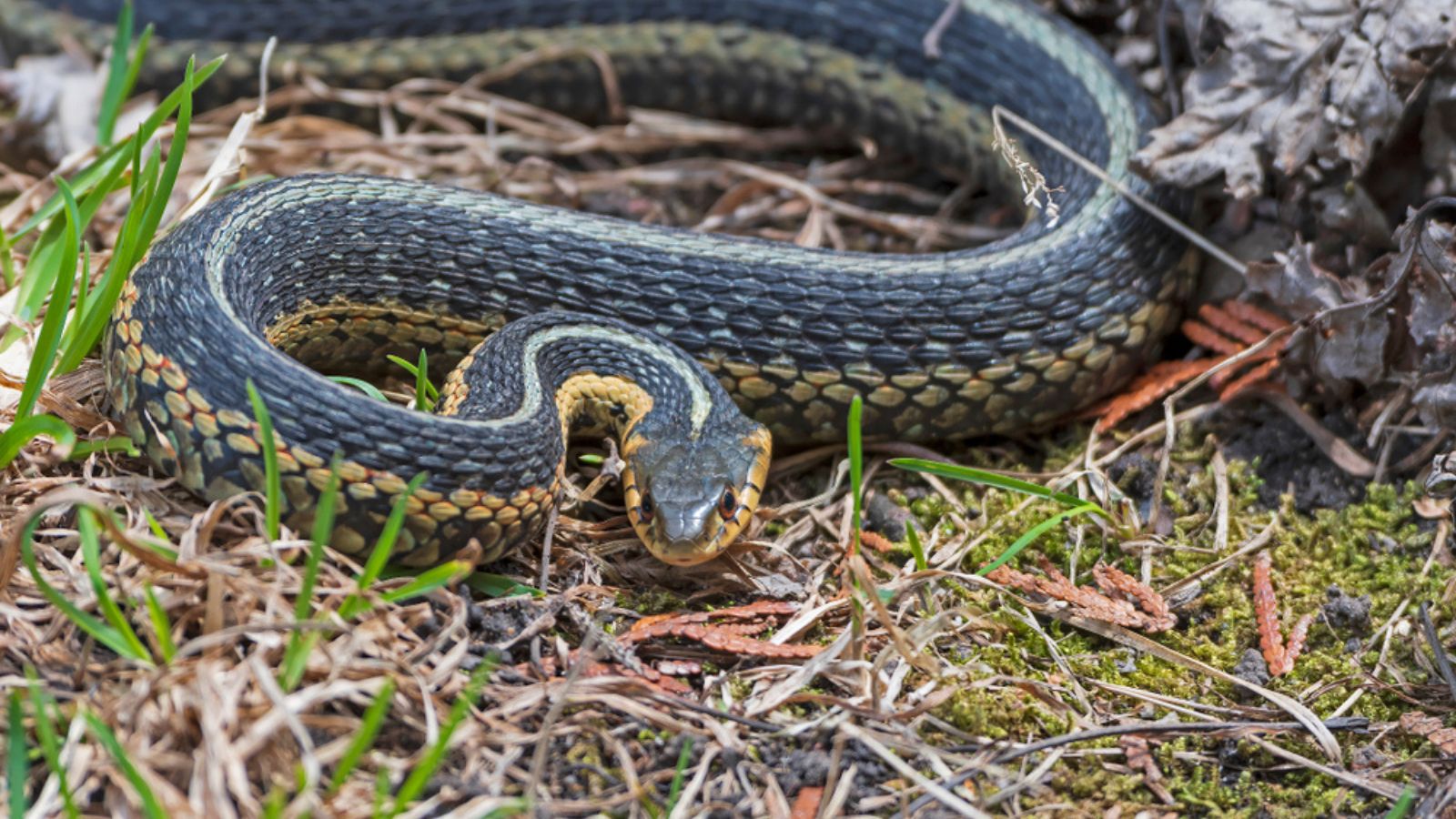
If you garden where non-venomous snakes like garter snakes are common, they can be a quiet asset.
Small, non-venomous snakes, including garter snakes, are counted among the vertebrate predators that feed on slugs. Garter snakes in particular eat a mix of worms, amphibians, fish, and soft-bodied invertebrates, and they’ll include slugs in that mix when they find them.
They like rock piles, old walls, log stacks, and long grass near sunny spots where they can bask. If your garden has those features, you might already have a snake or two on patrol.
Obviously, if you’re in an area with dangerous snakes, you have to balance wildlife habitat with safety and learn to identify your local species. But in a lot of temperate areas, the little garden snakes are harmless to you and helpful against pests.
You don’t import snakes. You just give the ones that already live near you a reason to hang out in your sluggiest spots.
14. Opossums
Opossums are the slightly disheveled night workers who quietly clean up a lot of problems around the garden, slugs included.
Their natural diet is wildly varied. Fruit, grains, carrion, small rodents, insects, worms, and yes, slugs and snails, all make the list. Snails and slugs are a normal part of a free-ranging opossum’s diet, not just an occasional snack.
If you’ve ever seen an opossum shuffling along a fence line at night, snout down, that’s what it’s doing. It’s working its way through whatever edible bits it finds, including plenty of invertebrates.
You don’t really “attract” opossums so much as you decide not to wage war on them. Secure your trash, shut your chicken coop at night, and then let them move through. Keep some shrub cover and safe pathways across the yard, and they’ll help with slugs, snails, beetles, and rodents for free.
They’re not glamorous, but they’re part of the bigger picture of making your garden a slightly wild, self-balancing system instead of a sterile patch you have to micromanage.
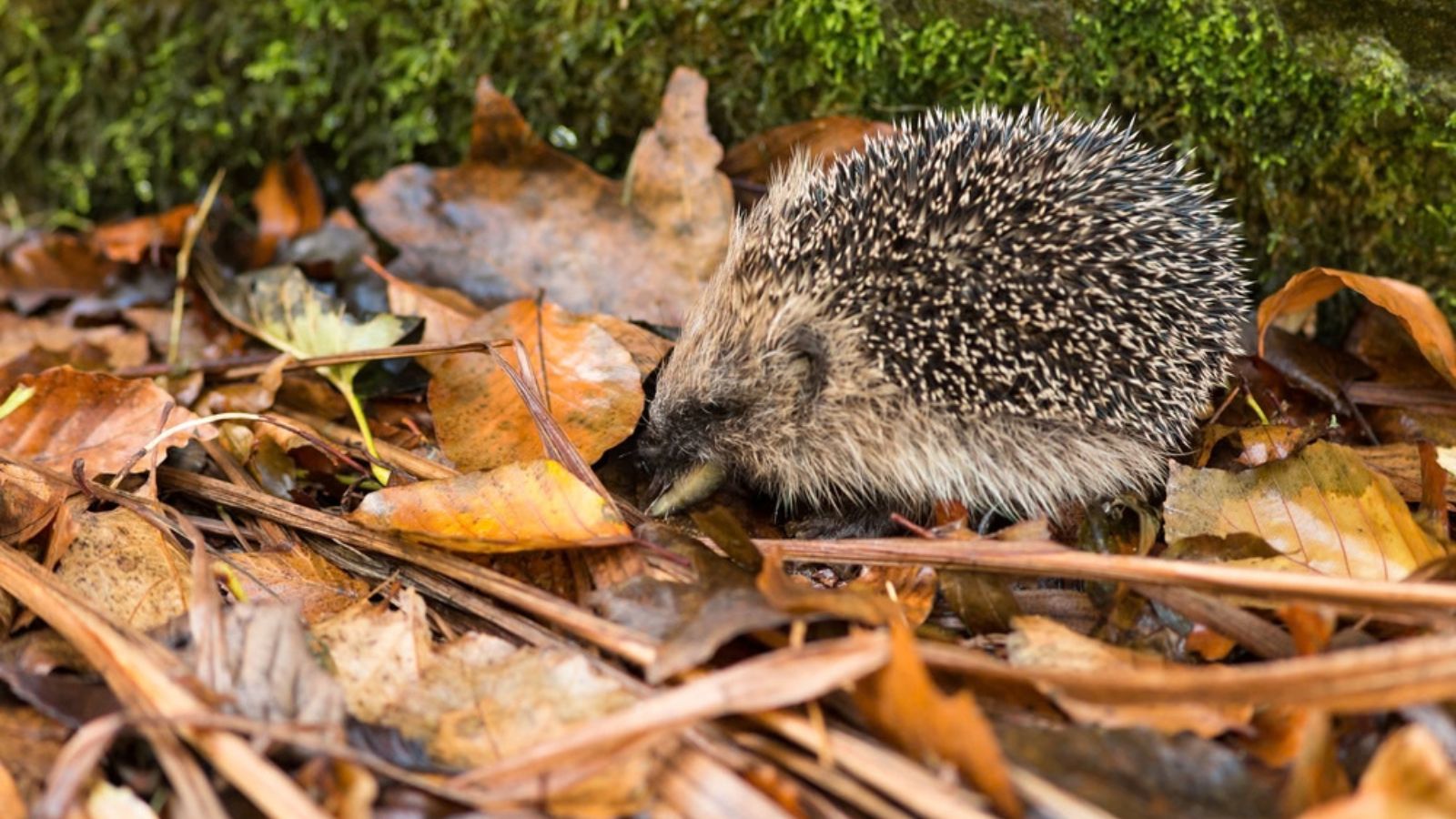
15. Hedgehogs (where they’re native)
Hedgehogs and slugs are a bit complicated.
You’ll see hedgehogs listed as slug and snail predators in a lot of gardening advice, and they do eat some smaller slugs as part of a mixed diet of beetles, caterpillars, worms, and other invertebrates. Slugs and sometimes snails can make up around ten percent of a hedgehog’s diet in some seasons.
But here’s the twist. Slugs, snails, and earthworms are also intermediate hosts for parasites like lungworm, and a diet heavy in them can make hedgehogs seriously ill.
So hedgehogs do eat slugs, but it’s not their dream food. It’s more of a “I’m really hungry and this is what’s here” situation.
If you garden somewhere hedgehogs are native, you can still absolutely support them. Gaps under fences so they can roam, no slug pellets, plenty of beetles and caterpillars in a chemical-free garden, all of that helps them and, by extension, helps you. Just don’t assume a hedgehog will eradicate your slugs. They’re one piece of a bigger web.
If you’re in North America, hedgehogs are not native and shouldn’t be introduced for pest control. You already have opossums, snakes, frogs, beetles, and others ready to step in if you give them a chance.
16. Shrews
Shrews are tiny, ferociously hungry insectivores, and a single shrew can eat something like seven pounds of slugs and insects over the course of a year.
They’re not rodents, despite the mouse-like look. Shrews have a sky-high metabolism and need to eat every couple of hours, day and night, which means they spend most of their short lives hunting. Slugs, snails, earthworms, beetles, and centipedes are all regular menu items, alongside other soft-bodied invertebrates.
You’ll rarely see a shrew. They’re fast, secretive, and tend to work through thick vegetation, leaf litter, and compost edges rather than open ground. The way to support them is the same as for toads and beetles. Leave some brush piles, skip the chemical sprays, and don’t mow every last corner down to bare lawn.
I wouldn’t get a shrew on purpose, you can’t exactly order one, but if you’ve got the kind of slightly scruffy garden edges this whole list has been recommending, there’s a decent chance you already have a few working the night shift without you knowing it.
You might also like:
Ants farming aphids and what to do about it
11 ways to get rid of ants naturally
12 best herbs and flowers to companion plant with vegetables