
Affiliate disclosure: This post may contain affiliate links. Please see full disclosure.
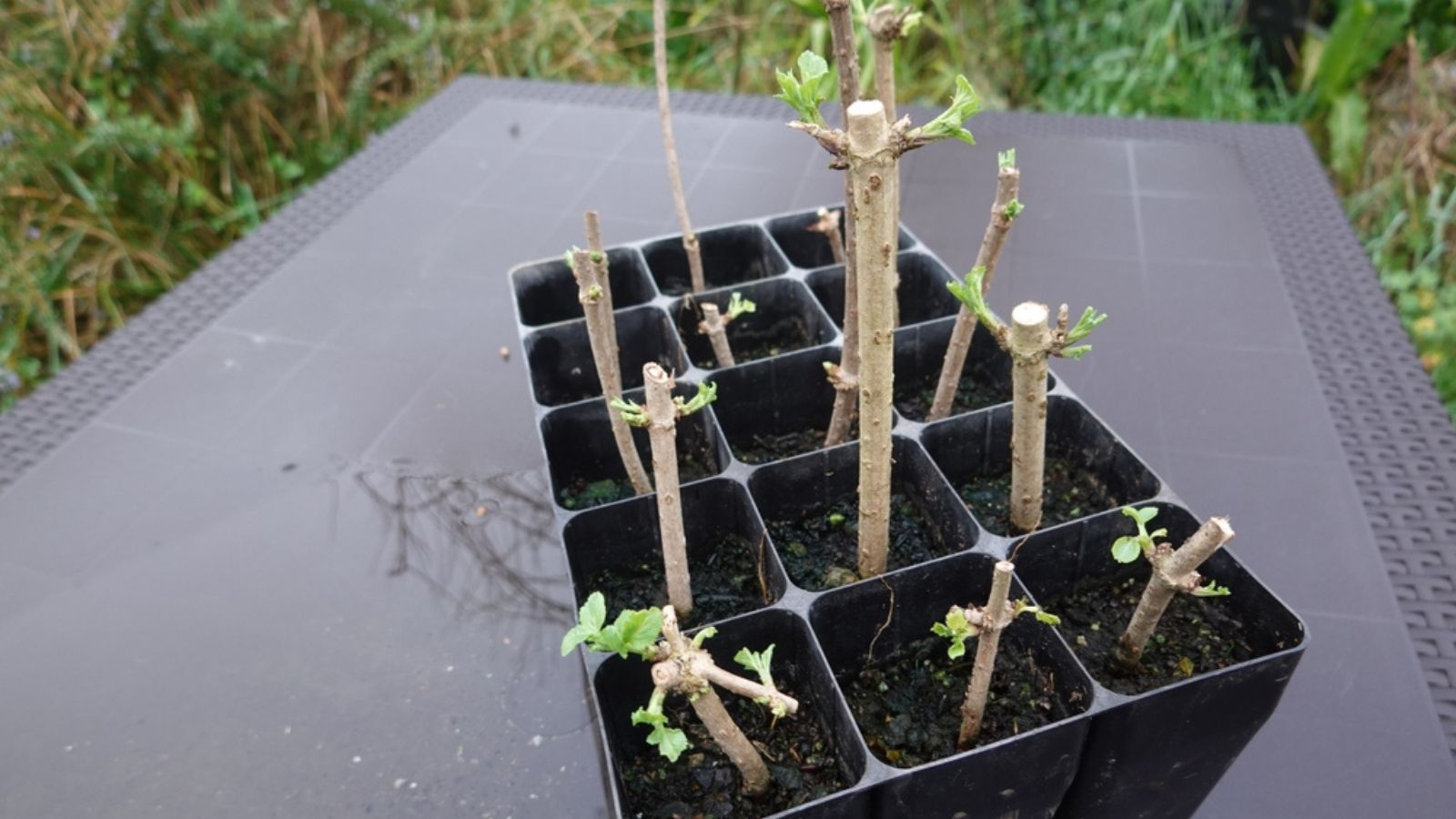
Hardwood cuttings taken after leaf drop this fall will root into free plants by spring, and some of the easiest candidates for it are probably already growing in your own yard. Unlike softwood cuttings, these dormant, pencil-thick stems need no misting system, no grow lights, and often no rooting hormone at all. Here are 25 that work, grouped by what you’ll actually use them for.
Fruit and orchard
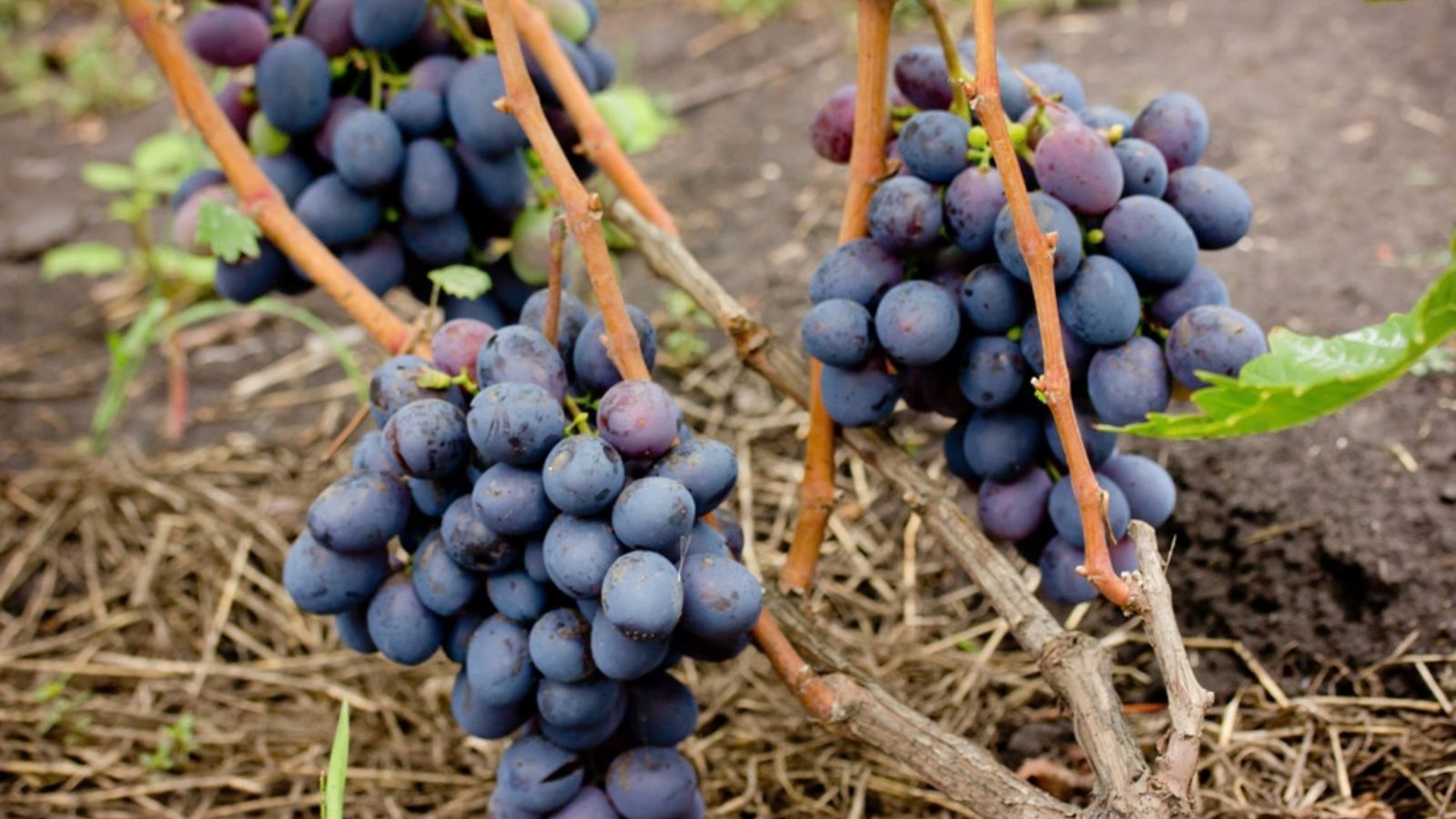
This is where hardwood cuttings earn their keep. A single parent plant can turn into a small orchard’s worth of fruit and berry bushes for nothing but the cost of a few pots and a sheltered spot to overwinter them.
Fig
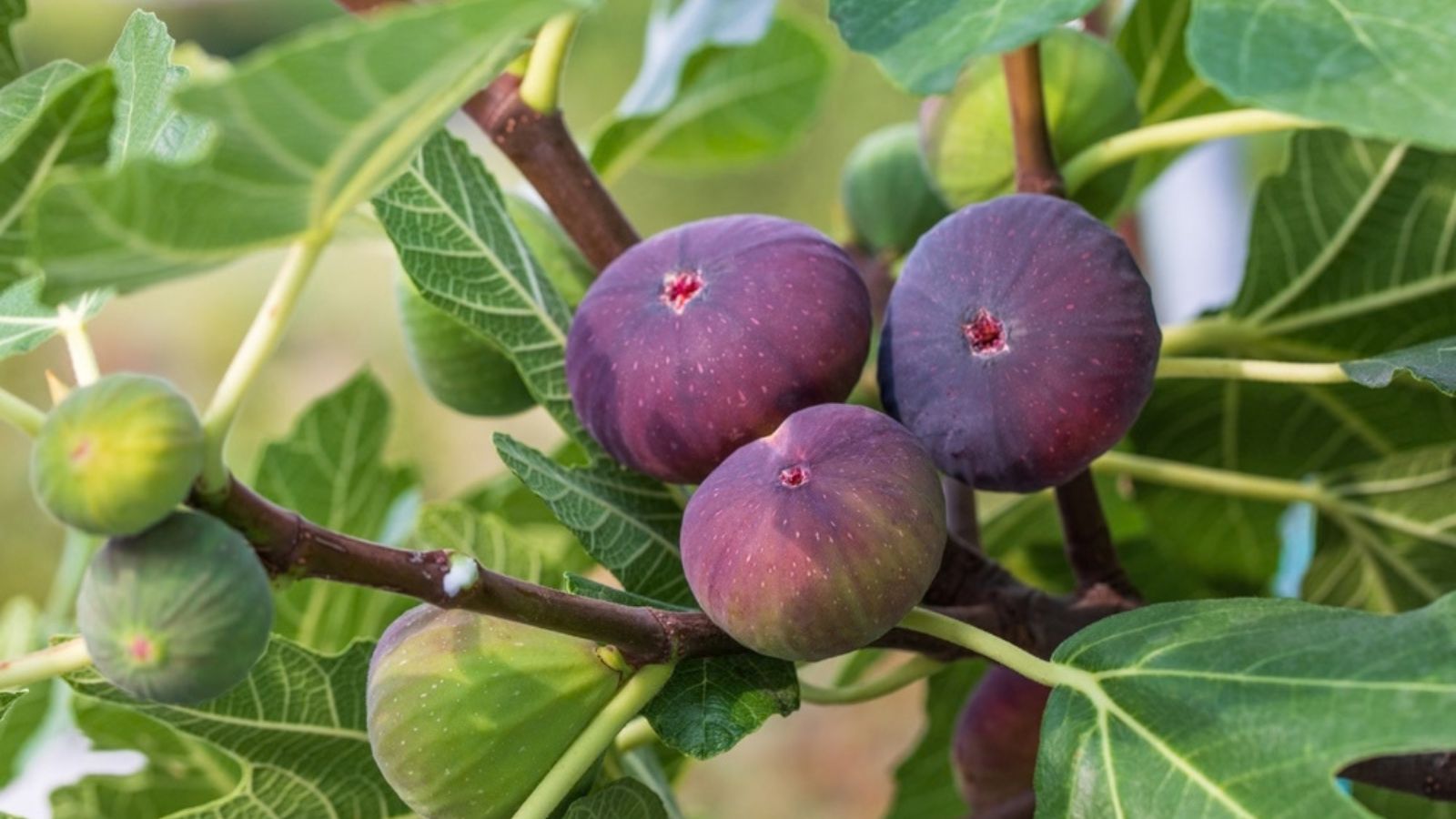
Fig cuttings are about as close to foolproof as hardwood propagation gets. Cut 8 to 12 inches of pencil-thick dormant wood after leaf drop, bury all but the top two buds in a pot of well-draining mix, and keep it somewhere sheltered over winter. I’ve had fig cuttings callus and root with nothing more than that. Stick to varieties already proven hardy in your zone, or plan to overwinter young plants indoors for the first year or two.
Grapes
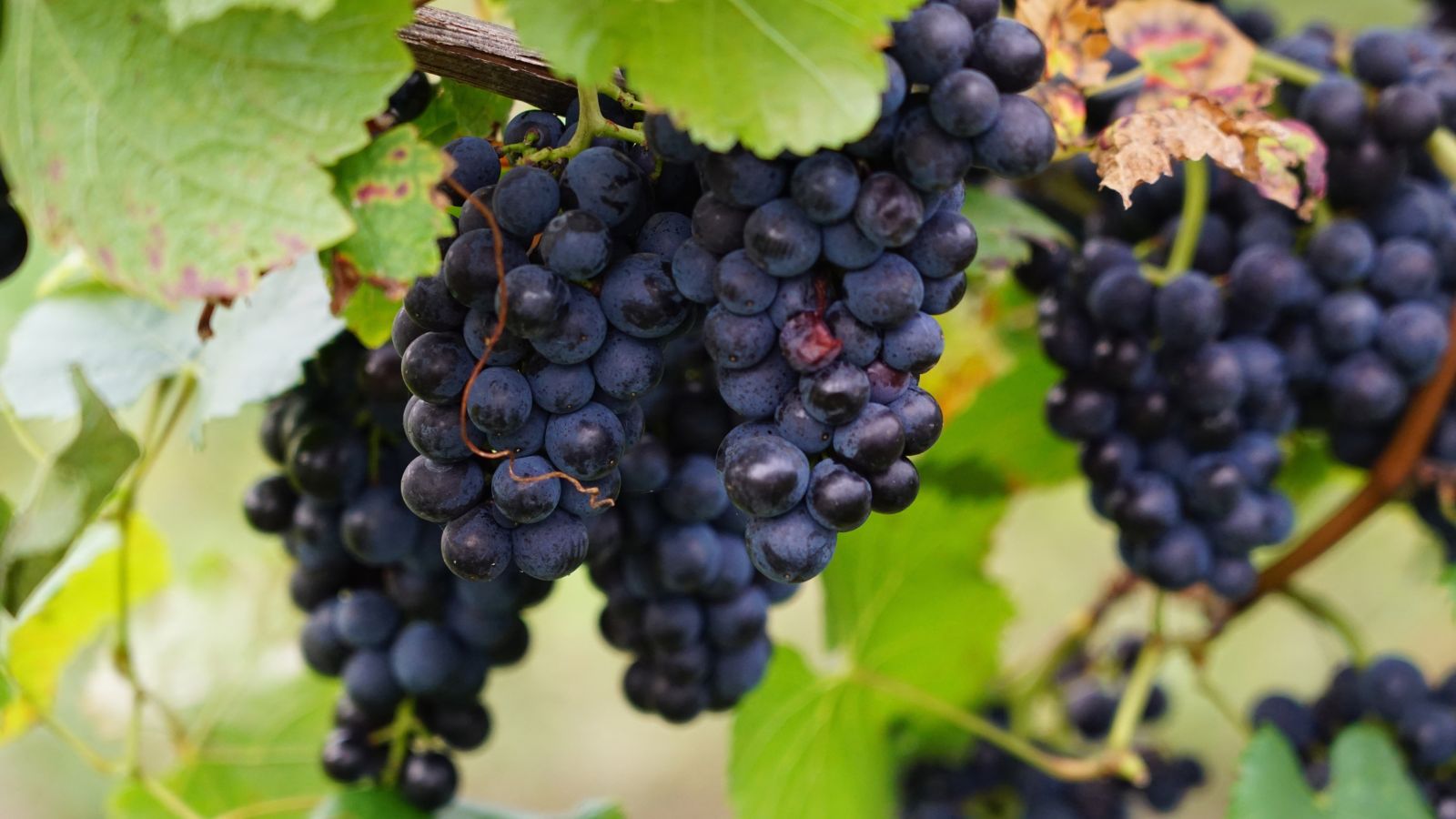
Grape cuttings are taken at dormant pruning time, anywhere from the first hard frost through late winter, and root at close to 100 percent for most home growers. Cut sections with three to four buds, bury all but the top bud in soil or a pot, and keep the medium just barely moist so the cutting doesn’t rot before it roots. It’s the same method commercial vineyards use to clone a specific vine, which makes it a reliable way to multiply a grape you already know produces well.
Mulberry
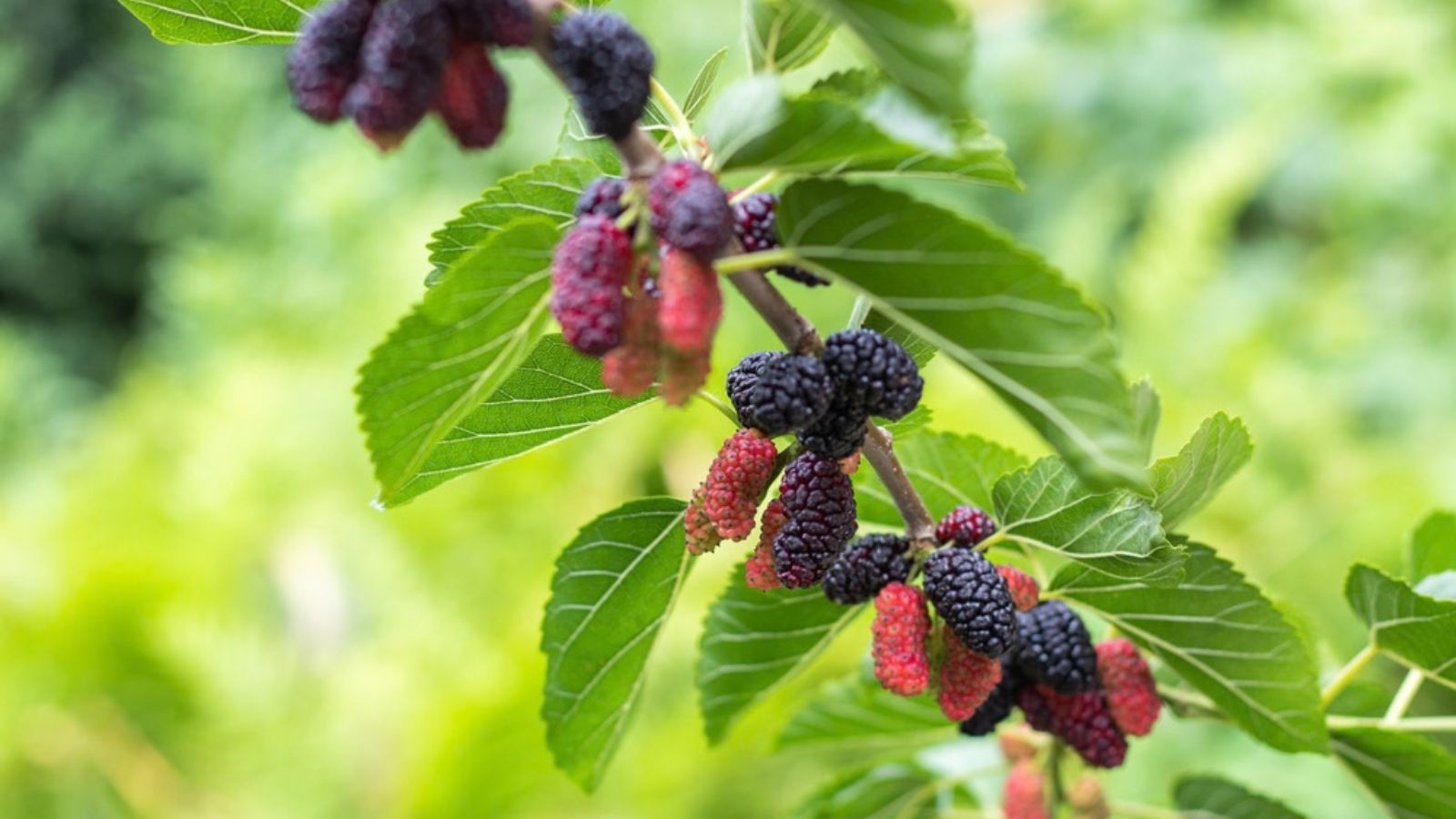
Mulberry roots at close to 100 percent and grows fast enough that you’ll have a real sapling within two seasons. Take 10 to 12 inch sections of last year’s wood and stick two-thirds of the length into the ground or a deep pot. It tolerates poor soil better than almost anything else on this list, which makes it a smart choice for the one corner of your yard where nothing else wants to grow.
Elderberry
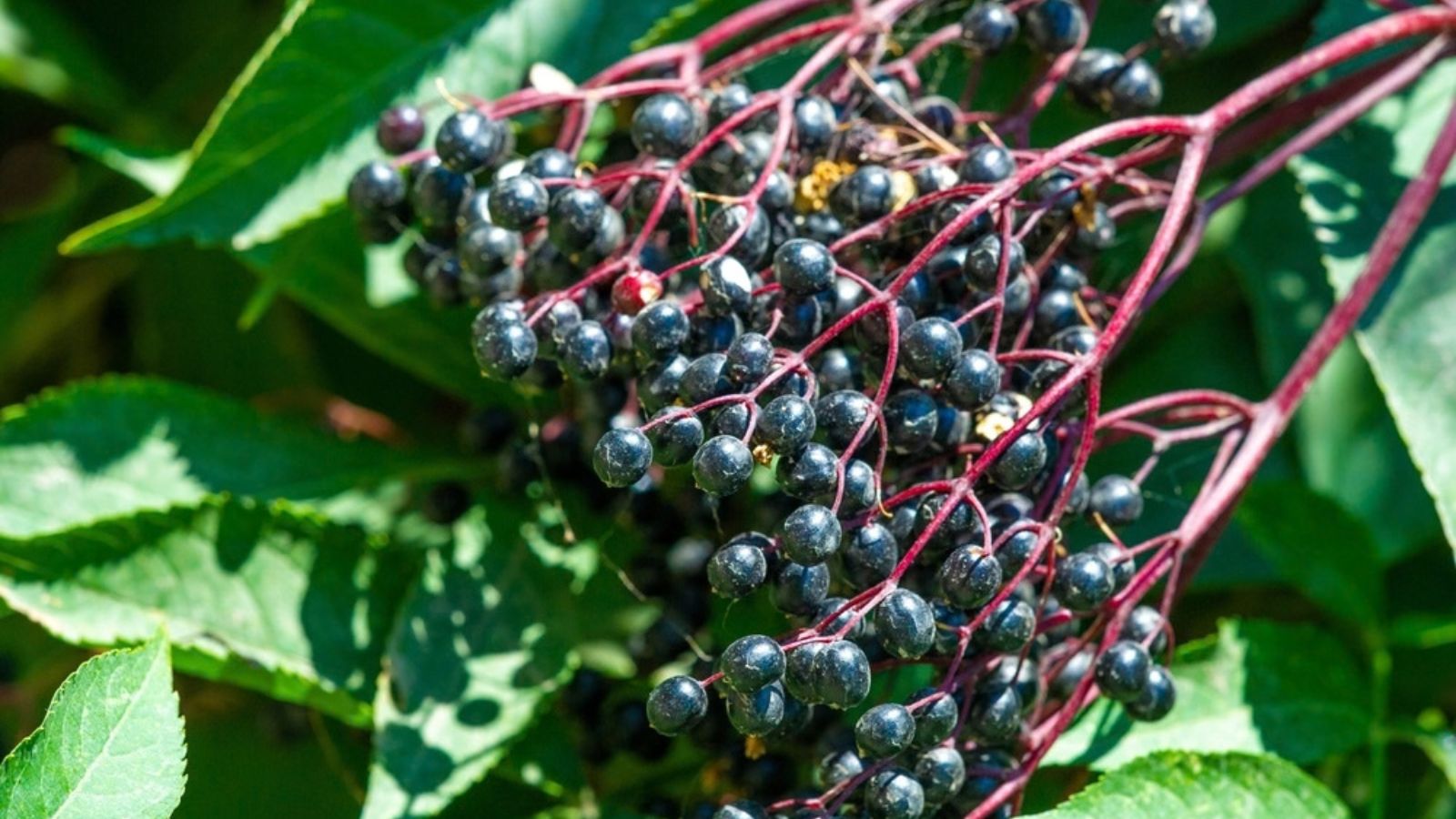
Elderberry cuttings root so easily you can skip the pot entirely and push 10 to 12 inch dormant stems straight into damp garden soil where you want the new shrub. They’ll also root in a jar of water on a windowsill if you’d rather watch the progress. I grow elderberry for syrup every year, and every bush in my patch after the first started as a cutting from an older one. Just remember that you need two different varieties of the same elderberry species for the biggest harvest. So if you start off with two bushes, one of each variety, then once they are large enough for you to take cuttings, take an even number from each and label them so you know which is which.
Currants and gooseberries
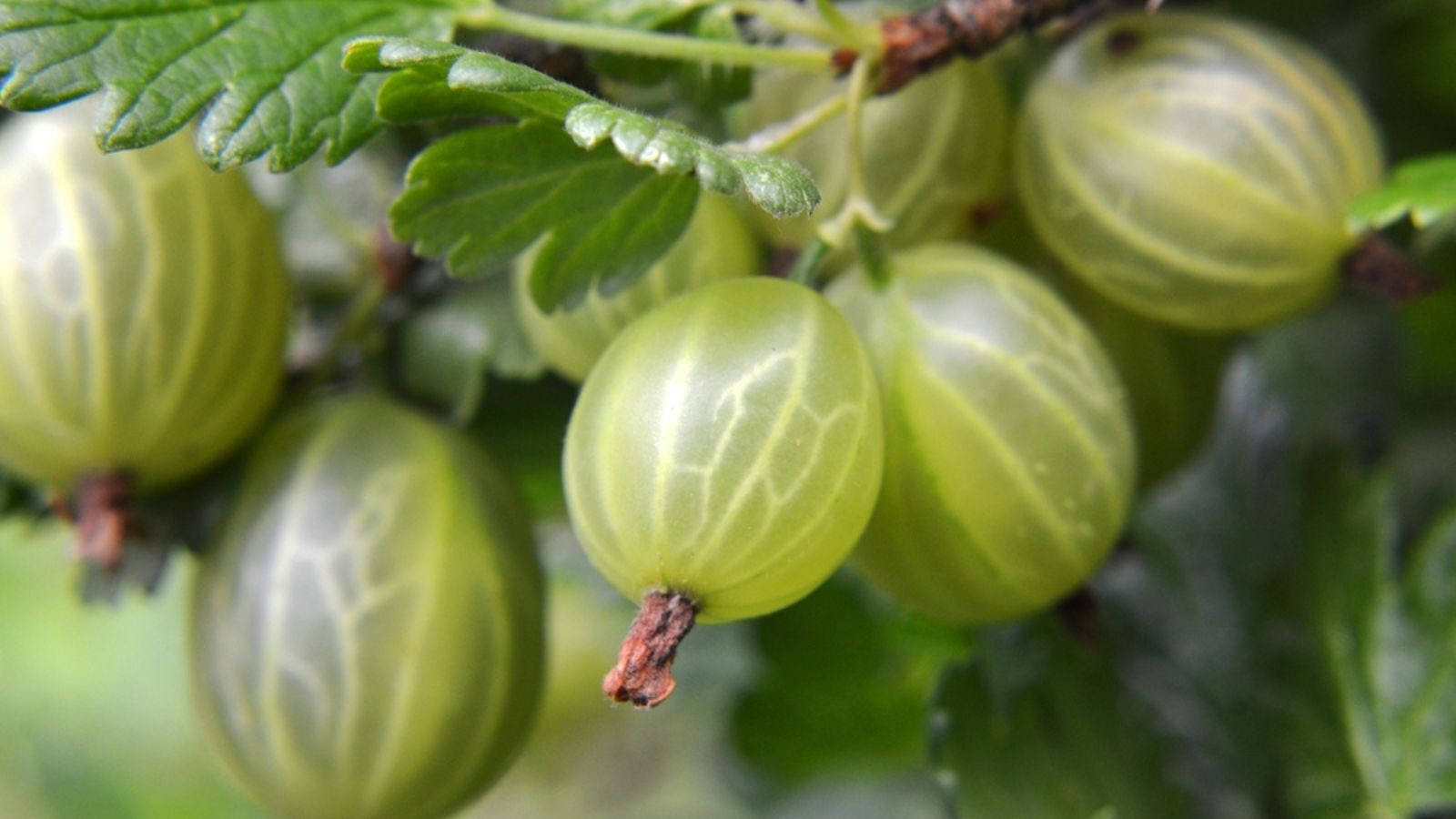
Currants and gooseberries are both in the Ribes family, take cuttings the same way, and root at close to 100 percent, so there’s no reason to treat them as two separate projects. Cut 8 to 10 inch lengths of this year’s wood, strip any buds that would sit below the soil line to cut down on suckering, and bury two-thirds of each cutting. Gooseberries carry thorns along the stem where currants don’t, which is the easiest way to tell your pots apart once they’re in the ground.
Quince
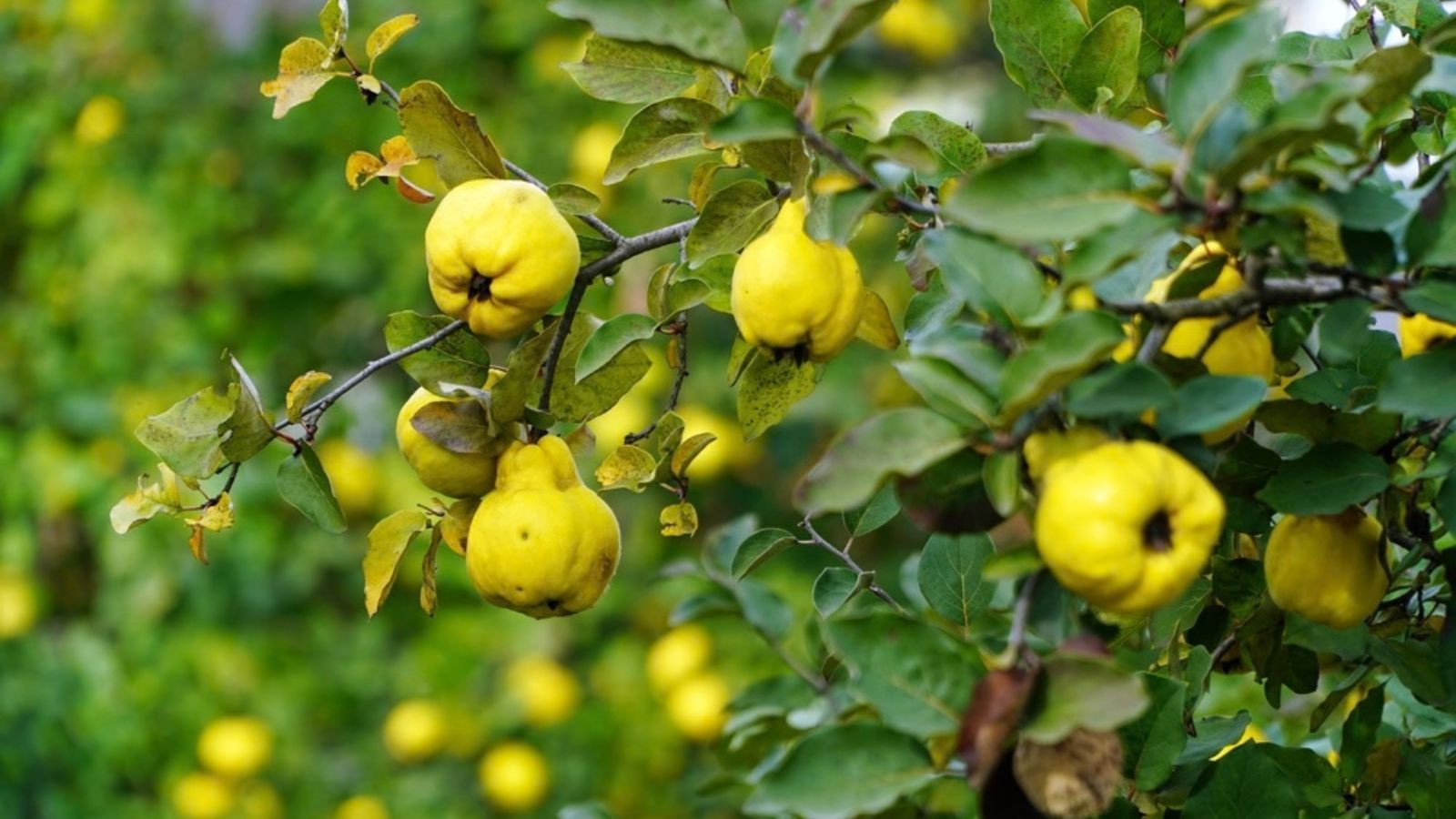
Fruiting quince, Cydonia oblonga rather than the flowering ornamental Chaenomeles, grows true to type from a hardwood cutting, which matters because apples and pears usually need grafting onto rootstock to reproduce a named variety reliably. Take 8 to 10 inch sections of dormant wood, plant most of the length in a nursery bed, and expect roots to form slowly over winter. It’s one of the few tree fruits where a cutting actually gets you a plant identical to the parent.
Pomegranate
Pomegranate roots well from hardwood cuttings, but it only reliably survives outdoors where winters stay above roughly 10°F (-12°C), which is zone 7 or warmer. Take 8 to 12 inch cuttings after leaf drop, stick them two-thirds deep in a pot of sandy mix, and keep them frost-free until spring if you’re further north. Gardeners in cooler zones can still grow it this way, just plan on a container that comes indoors each winter.
Hardy kiwi
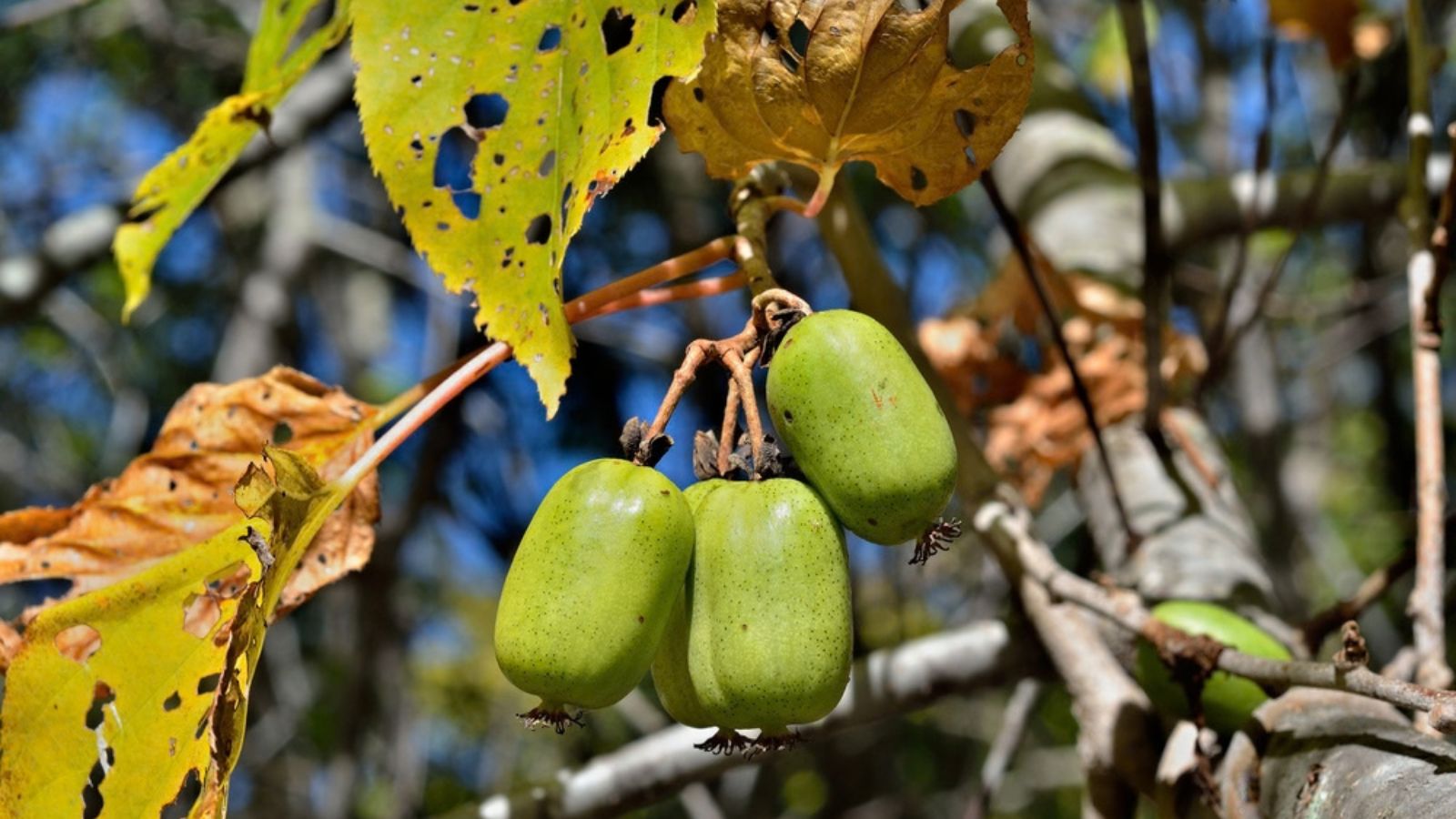
Hardy kiwi, Actinidia arguta, is vining, so a hardwood cutting needs at least two to three buds along a dormant stem to have a real chance at rooting. The advantage of propagating by cutting instead of seed is that kiwi needs separate male and female plants to fruit, and a cutting taken from a known fruiting vine guarantees you know which sex you’re planting. It’s hardy to around zone 4, which makes it one of the few fruiting vines that works well north of where you’d normally expect to grow kiwi.
Blueberry
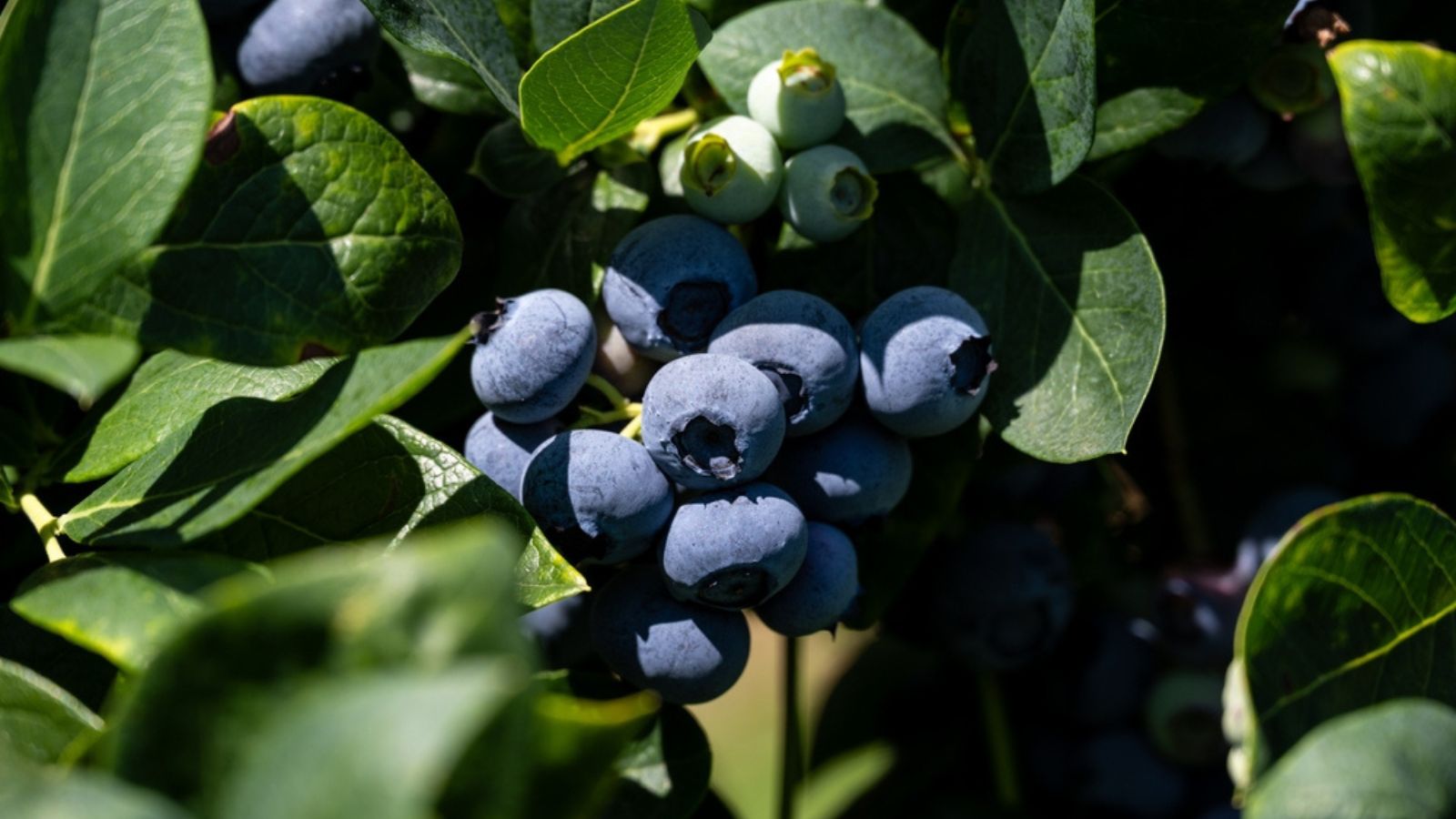
Blueberry is honestly the least reliable plant here from hardwood cuttings. Take 4 to 6 inch cuttings of dormant wood, root them in moist peat rather than ordinary potting mix, and expect it to take months rather than weeks before you see real growth. It’s worth the patience if you’re multiplying a variety you already know fruits well in your garden, just don’t be surprised if your take rate is lower than everything else on this list.
Hedging and windbreak
These three are the plants to reach for if you need a lot of coverage fast and don’t want to pay nursery prices for it. All three root at or near 100 percent, which makes them the easiest entry point if you’ve never taken a hardwood cutting before.
Privet
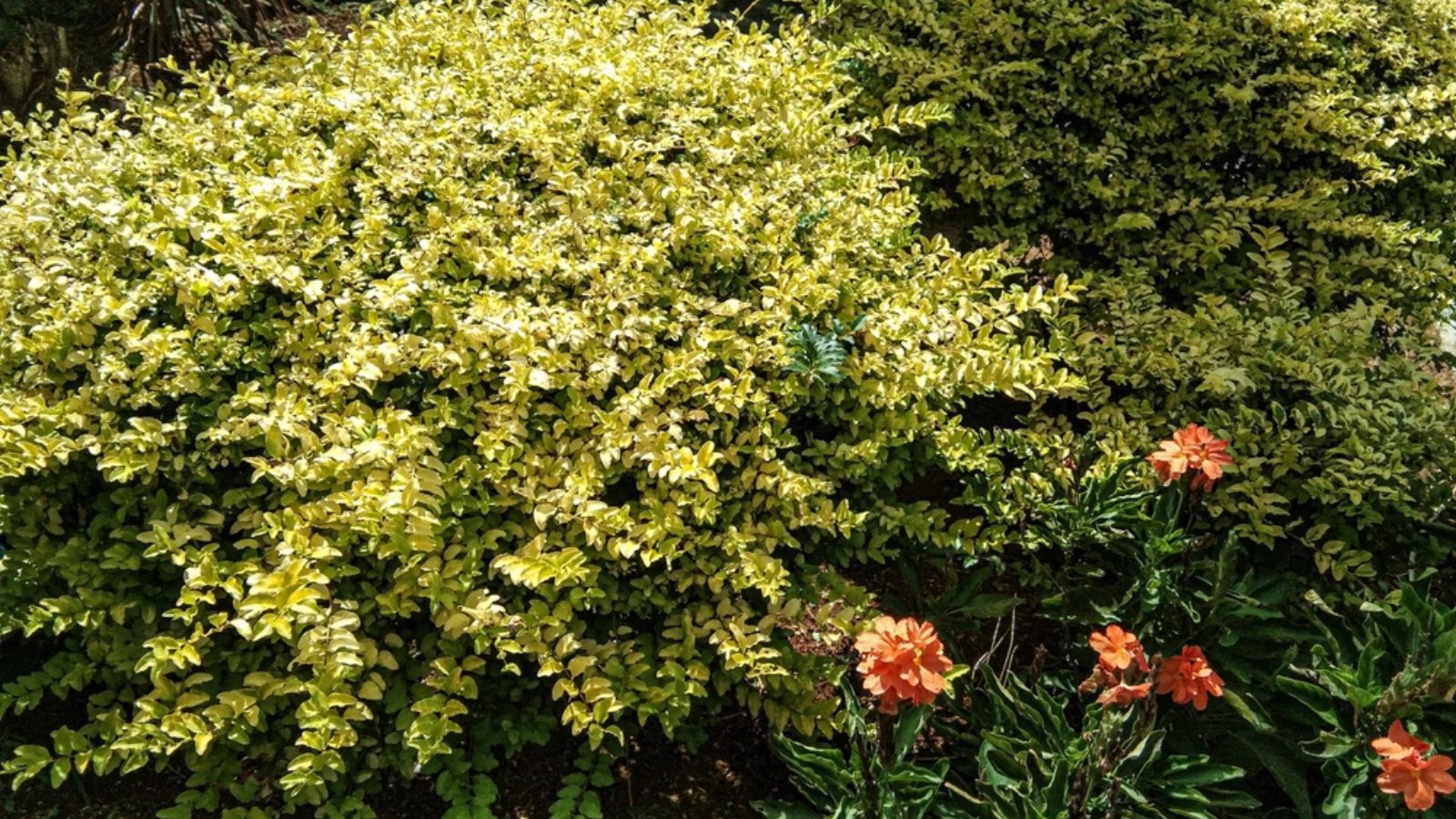
Privet roots at close to 100 percent, often without any help beyond sticking a stem straight into garden soil. Cut 8 to 10 inch lengths of dormant wood, push two-thirds of each into the ground where you want your hedge, and firm the soil around it. It’s the fastest, cheapest way to turn one privet hedge into a much longer one over a couple of seasons.
Willow
Willow cuttings root so readily because the plant’s own tissue is naturally high in indolebutyric acid, the same compound sold as commercial rooting hormone. Cut 10 to 12 inch lengths of dormant wood and push them two-thirds deep into damp soil anywhere you want a new tree or windbreak. Some gardeners soak harder-to-root cuttings in willow water to borrow that natural hormone boost. Beyond the ornamental value, willow earns its keep on a homestead for erosion control along wet ground and as material for basketry.
Forsythia
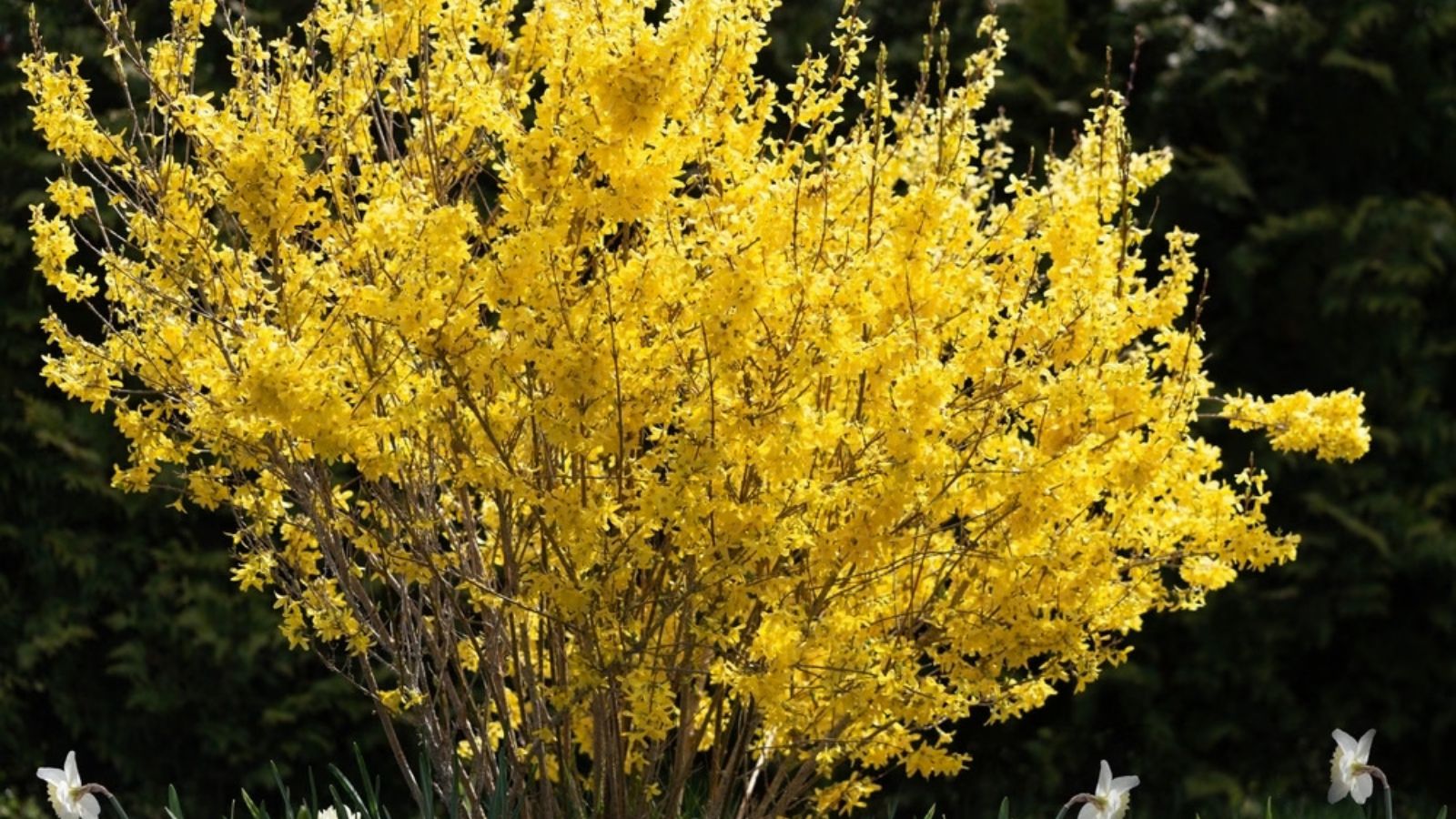
Forsythia blooms on old wood, which means a hardwood cutting taken dormant this fall will still flower on schedule next spring instead of skipping a year. Take 8 to 10 inch sections after the leaves drop, stick two-thirds of the length into a pot or nursery bed, and expect roots by spring. It’s one of the fastest ways to turn a single forsythia into a full hedge of that same early yellow color.
Ornamental and flowering shrubs
This is the largest group here, and for good reason. Most flowering shrubs that go fully dormant and drop their leaves in fall will root from a hardwood cutting, even if a few do better from softwood taken earlier in the growing season. I’ve flagged the ones that need extra care item by item.
Shrub and rambling roses
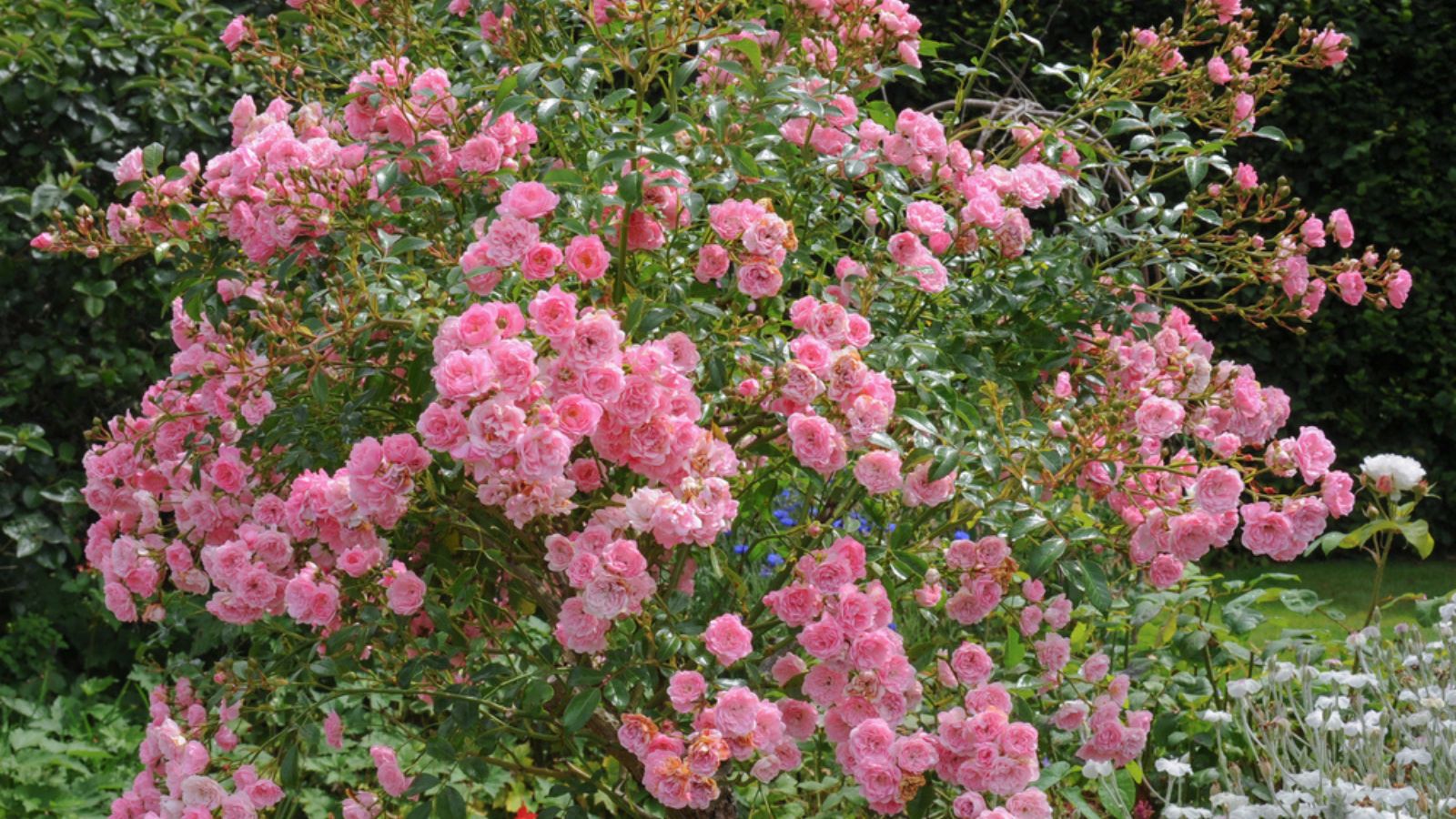
Shrub and rambling roses root readily from hardwood cuttings, and the plant you get grows on its own roots instead of a grafted rootstock, which means any suckers that come up later will be the same rose, not something else entirely. Take 8 to 10 inch pencil-thick canes, strip any remaining leaves, and bury two-thirds of the cutting in soil or a pot. Old garden and landscape roses take especially well this way, more reliably than modern hybrid teas.
Colorful-stem dogwood
Red and yellow twig dogwoods, Cornus sericea and Cornus alba, are grown for the color of their bare winter stems, and hardwood cuttings taken in fall root well enough to multiply a planting fast. Cut 8 inch lengths of this year’s colorful wood, stick most of it into damp soil, and keep the ground consistently moist through the following growing season. Planted in a mass along a pond edge or wet corner of the yard, the bark color really shows against snow.
Weigela
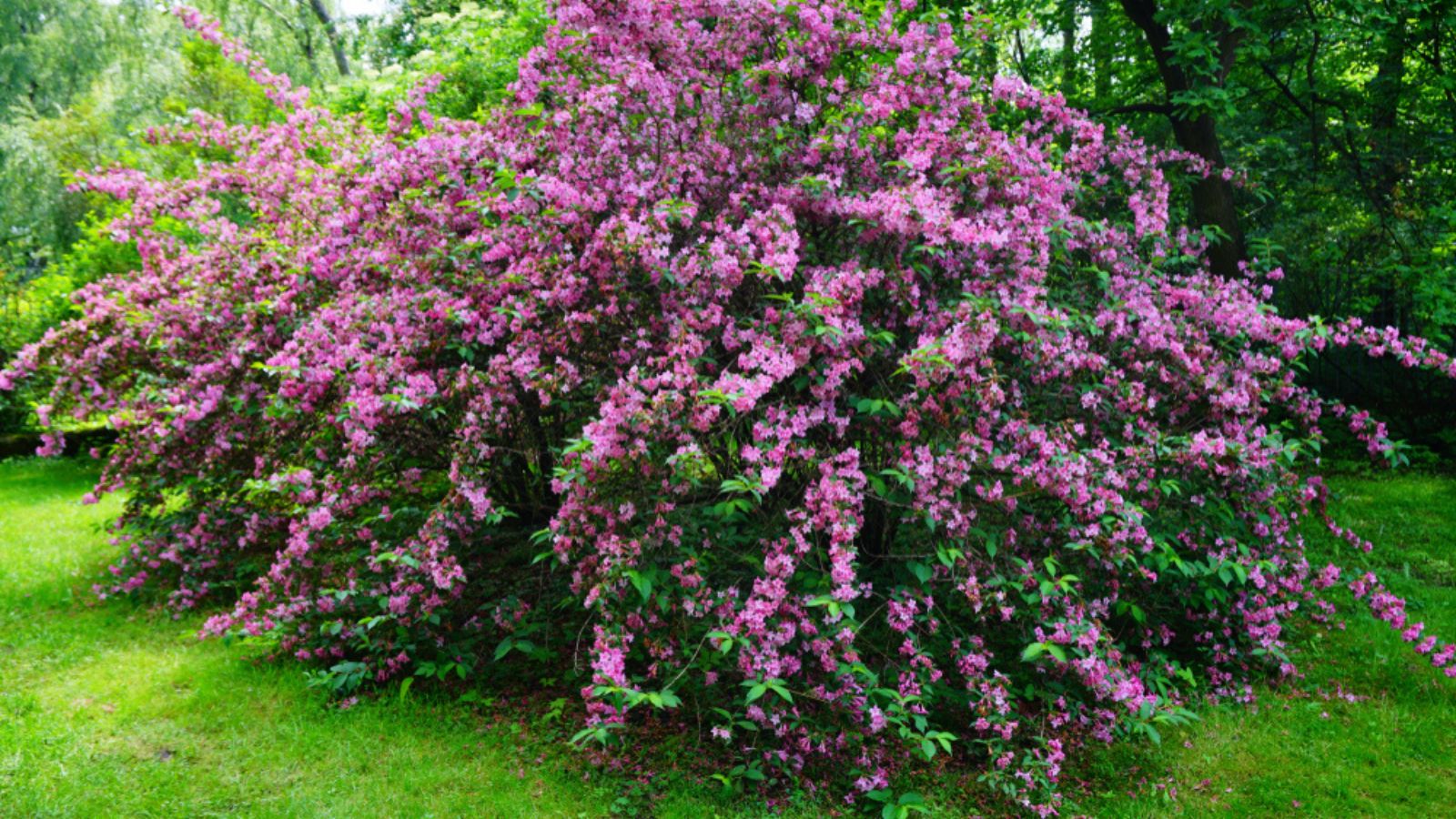
Weigela roots reliably from hardwood cuttings taken after its leaves drop. Cut 8 to 10 inch lengths of dormant wood, bury two-thirds in a pot or nursery bed, and expect new growth by the following spring. It’s an easy way to fill out a border with more of the same arching, early-summer bloomer you already grow.
Spirea
Spirea is one of the plants propagators point to for near 100 percent success from hardwood cuttings, right alongside privet and mulberry. Take 8 to 10 inch sections of dormant wood, stick two-thirds into soil, and expect a rooted, transplantable shrub within a year. It’s a good low-effort way to fill a bare spot with more of a reliable filler shrub you already know works in your yard.
Rose of Sharon
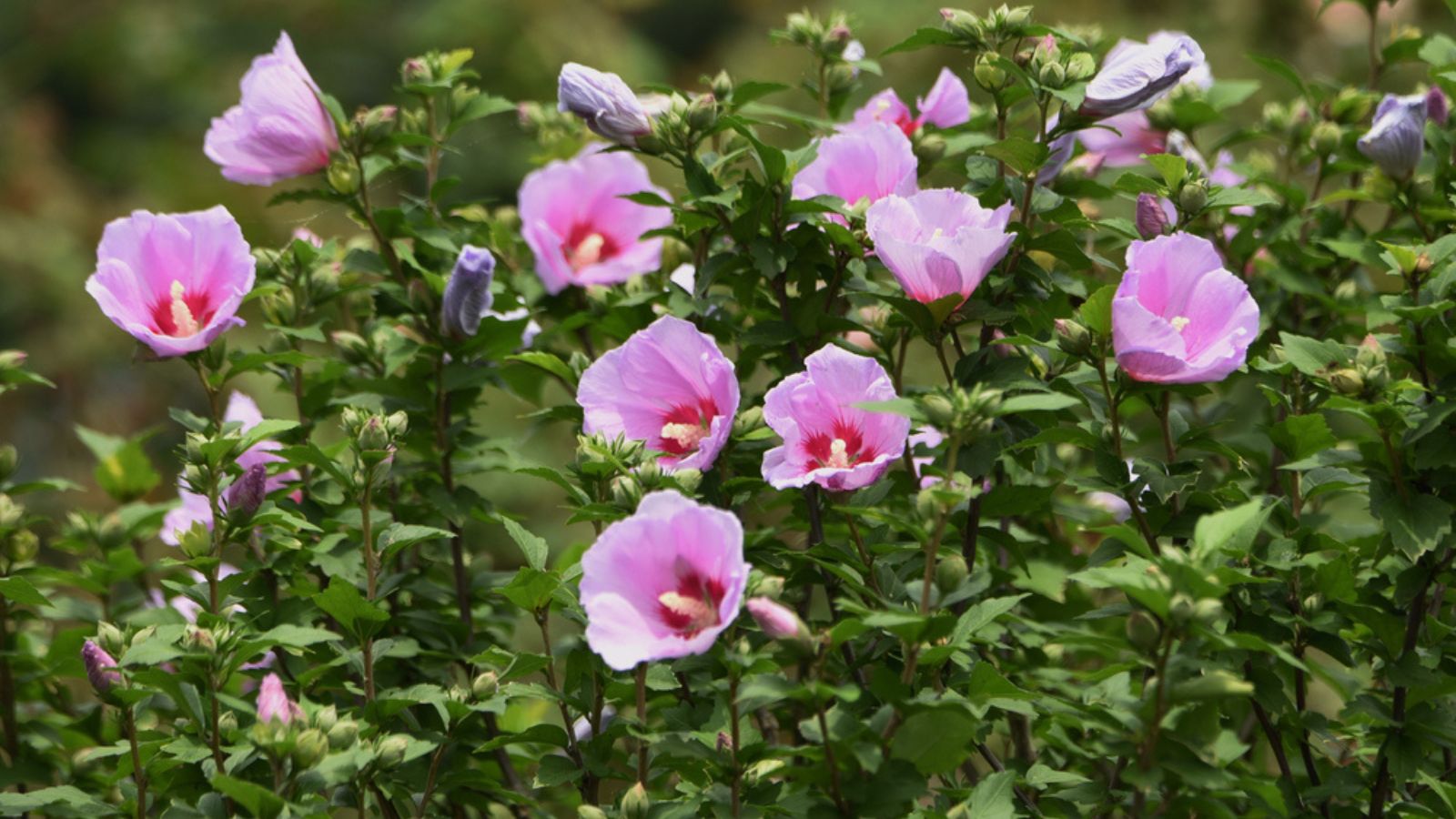
Rose of Sharon will root from hardwood cuttings, but only if it’s kept somewhere it won’t actually freeze while it calluses over winter, a cold frame or unheated garage works fine. Cut 8 to 10 inch lengths of dormant wood after the leaves drop, bury two-thirds in a pot, and keep it frost-free until spring. It blooms later in summer than most shrubs on this list, so a new plant from this fall’s cutting extends your color window into a season when a lot of other shrubs have already finished.
Butterfly bush
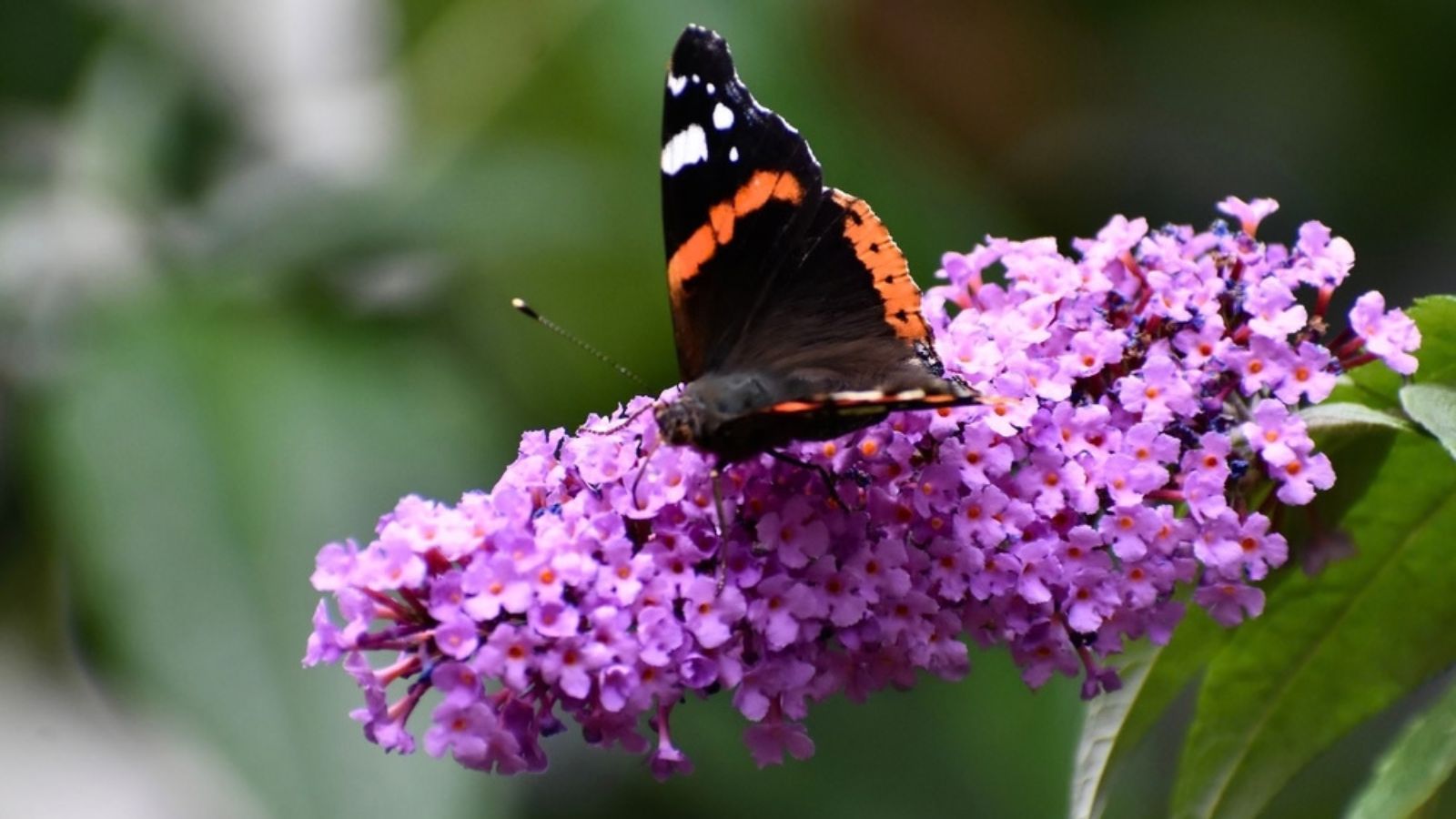
Butterfly bush roots easily from hardwood cuttings, but check your state’s invasive plant list before you propagate more of it, since several states regulate or restrict it for how aggressively it self-seeds. Where it’s not restricted, take 8 to 10 inch sections of dormant wood, bury two-thirds in a pot, and expect strong roots by spring. If your state flags it, look for a sterile cultivar bred specifically not to self-seed.
Panicle hydrangea
Panicle hydrangea, Hydrangea paniculata, is the one hydrangea type that roots reliably from true hardwood cuttings, because it blooms on new wood each year rather than on the previous season’s growth the way bigleaf hydrangea does. Take 8 to 10 inch sections of dormant stem, bury two-thirds in a pot of well-draining mix, and keep it sheltered over winter. If you’re trying to propagate a bigleaf hydrangea instead, you’ll get better results from a semi-hardwood cutting taken earlier, in late summer.
Viburnum
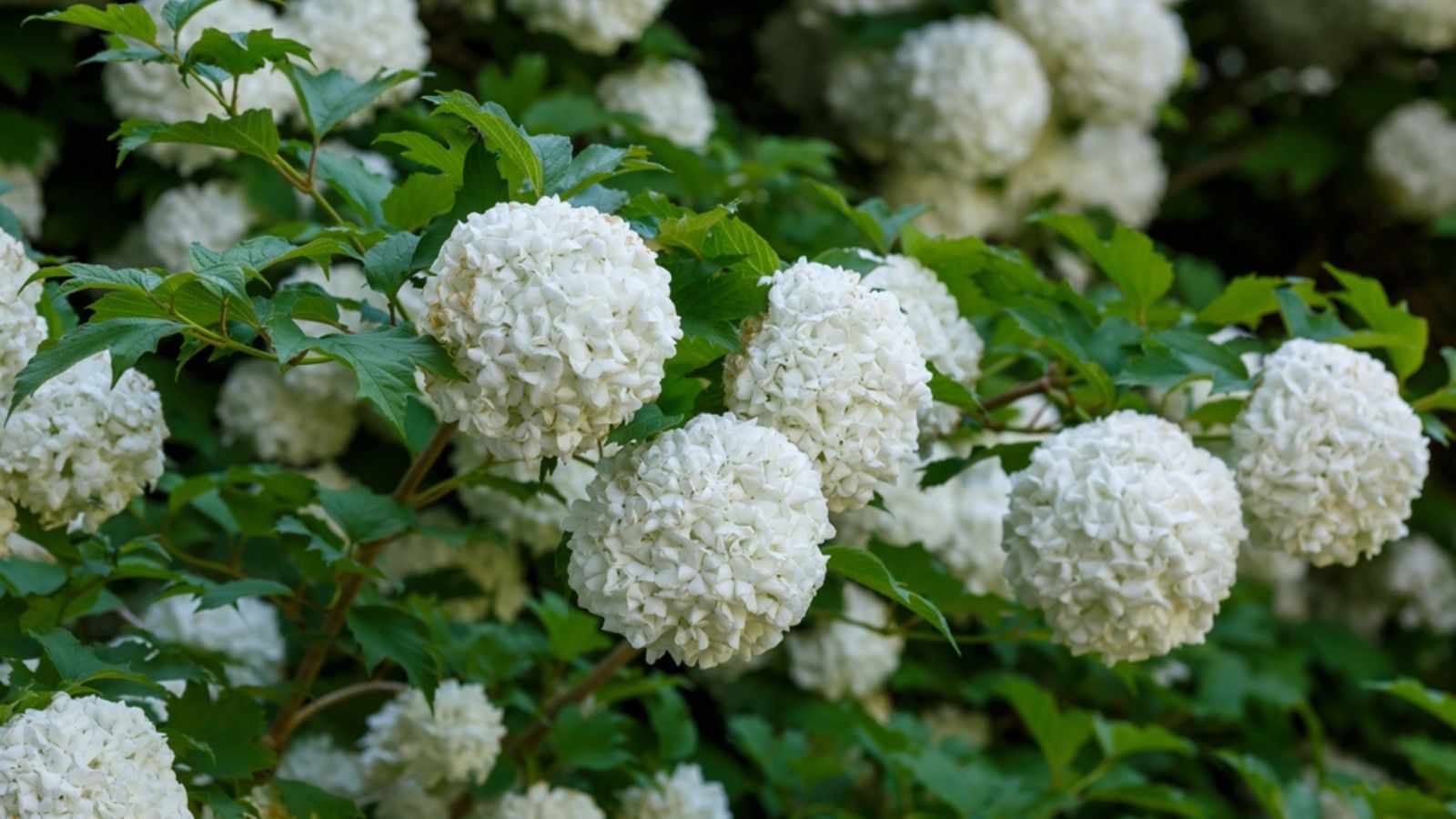
Viburnum is usually propagated from softwood or semi-hardwood cuttings taken in summer, but if you missed that window, hardwood cuttings taken this fall will still root, just more slowly. Cut 8 to 10 inch lengths of dormant wood, bury two-thirds in a pot, and expect roots to take through winter into spring. The berries on most varieties are genuinely valuable for birds, so a second viburnum is never wasted garden space.
Ninebark
Ninebark, Physocarpus, is a North American native shrub that roots well from hardwood cuttings and is worth growing for its peeling, multi-layered bark alone once the leaves drop. Take 8 to 10 inch sections of dormant wood, bury two-thirds in a pot or nursery bed, and expect a rooted plant by the following growing season. It’s also a genuinely good pollinator plant in bloom, which makes propagating a few extras worth the minimal effort.
Beautyberry
American beautyberry, Callicarpa americana, is grown for the clusters of vivid purple-violet berries that cover its bare stems through fall and into winter, and while it’s usually propagated from softwood cuttings in spring, hardwood cuttings taken now will also root. Cut 8 to 10 inch lengths of dormant wood, bury two-thirds in a pot of well-draining mix, and keep it sheltered until spring. It’s a Southeastern native hardy to around zone 6, so gardeners further north should plan to overwinter young plants indoors their first year.
Burning bush
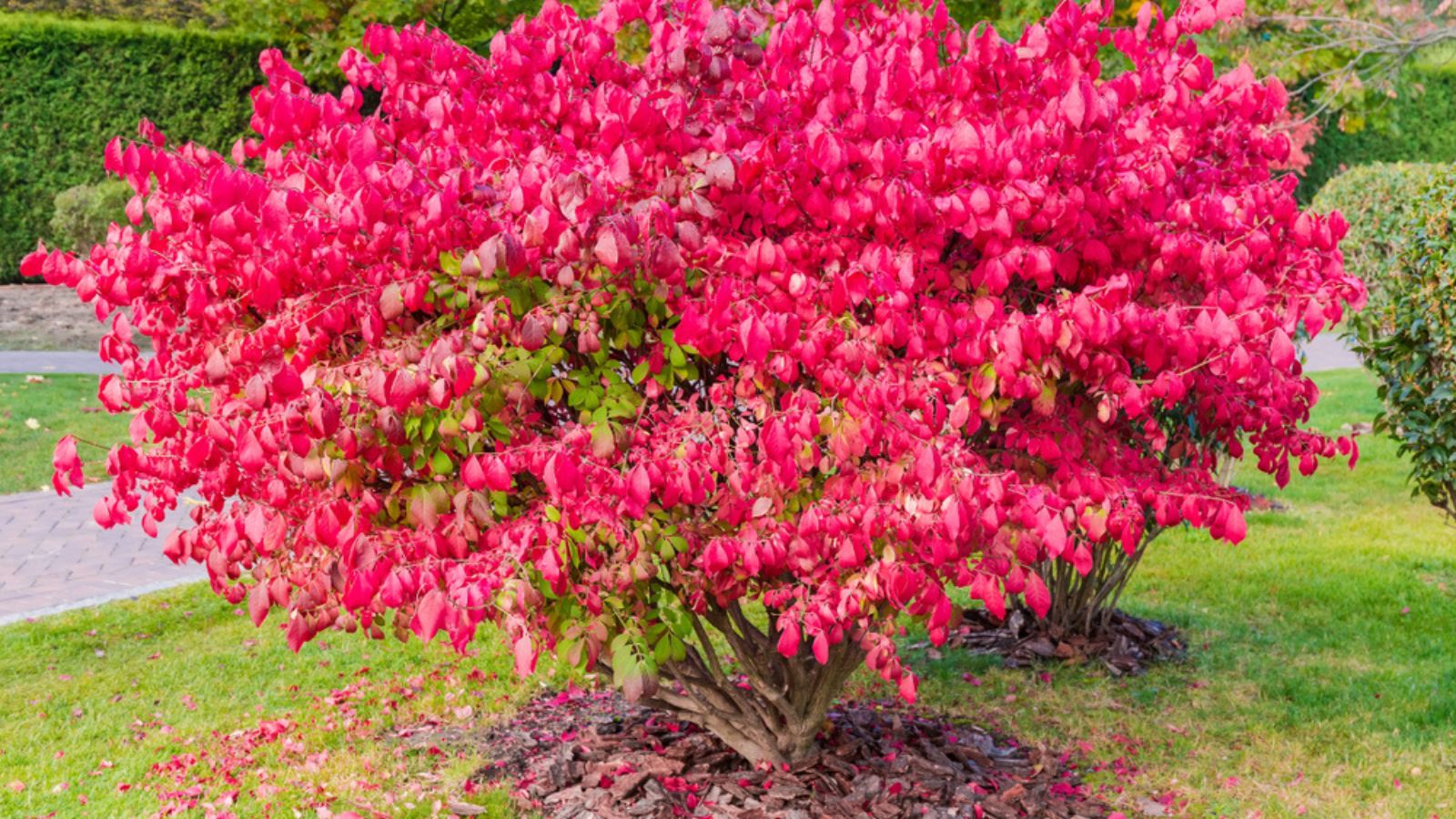
Burning bush, Euonymus alatus, roots easily from hardwood cuttings and is grown almost entirely for its brilliant red fall foliage, but it’s classified as invasive or restricted in a number of states because birds spread its seed into wild areas. Check your state’s noxious weed list before you propagate more of it. Where it’s not restricted, cut 8 to 10 inch lengths of dormant wood, bury two-thirds in a pot, and expect roots by spring.
Crape myrtle
Crape myrtle roots well from hardwood cane cuttings, confirmed by extension research out of Mississippi State and Clemson, but it isn’t reliably cold hardy much past zone 7, so this is really a Southern homestead plant rather than a universal one. Take 6 inch cuttings of dormant cane, bury all but the top two inches in a pot of sandy mix, and space cuttings about 2 inches apart if you’re rooting several at once. Gardeners further north can still grow it in a large container that comes indoors for winter.
Climbers
Only one true climber makes this list, but it’s a strong one and worth knowing the one difference that matters for any vine: leave a couple of extra buds on the cutting, since each node along the stem is a potential point of root and leaf growth.
Honeysuckle
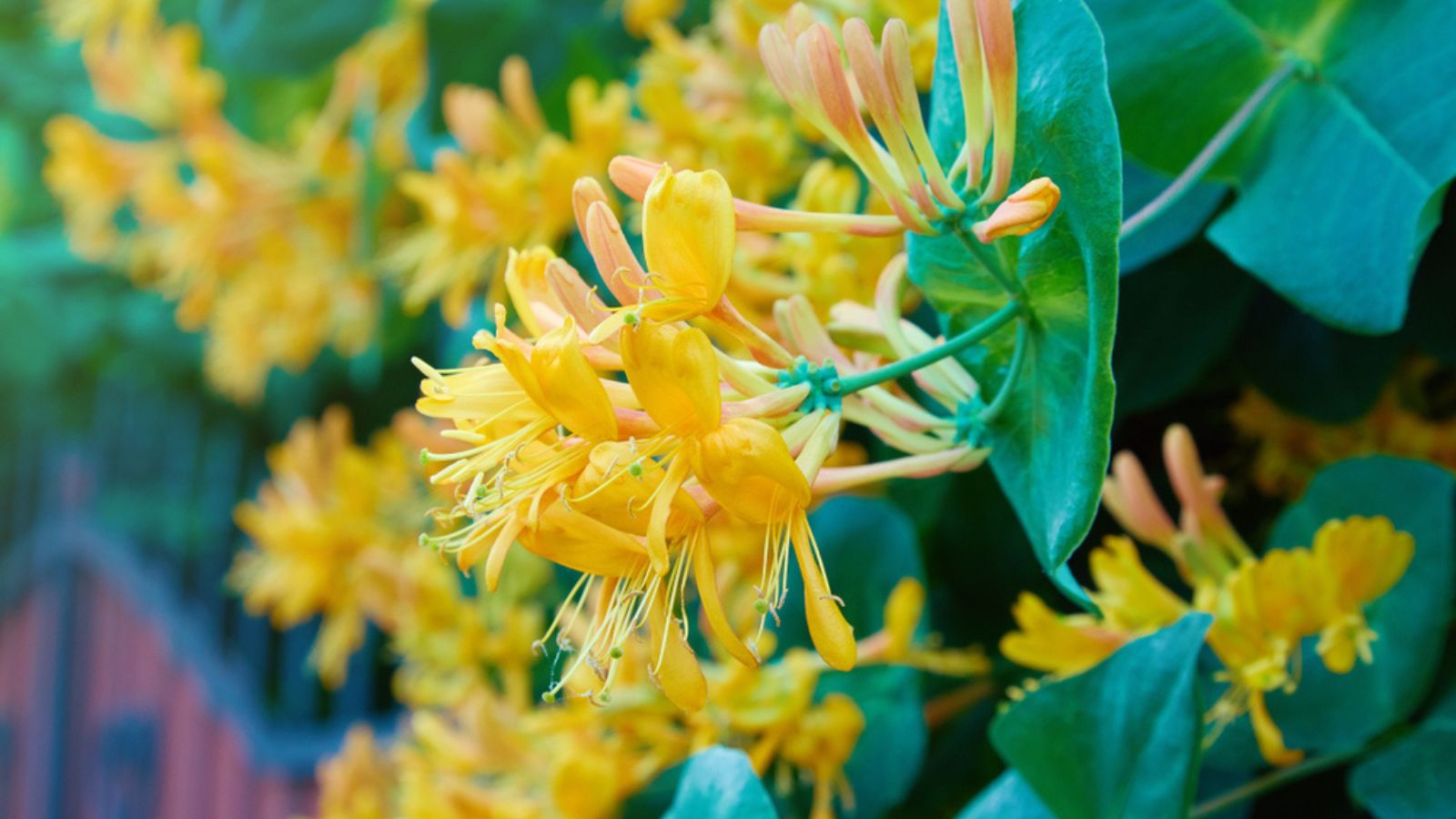
Honeysuckle roots at close to 100 percent from hardwood cuttings, but choose a native type like trumpet honeysuckle, Lonicera sempervirens, rather than Japanese honeysuckle, which is invasive across much of the country and shouldn’t be propagated further. Cut 8 to 10 inch lengths of dormant vine, bury two-thirds in a pot or right where you want it to climb, and expect fast coverage once it’s established. It’s one of the quickest ways to get a vine growing on a fence or arbor without waiting on seed.
You might also like…
17 Garden Supplies You Should Stock Up on in Winter Sales
12 plants you should prune in winter (and 6 you shouldn’t)
10 Ways to Protect Plants From Frost (Including One You’ve Probably Never Tried)