
Affiliate disclosure: This post may contain affiliate links. Please see full disclosure.
Most of my regular readers already know I’m a master herbalist and permaculturist, so finding natural ways to do things is how we do things in our house. Wherever you live, I guarantee there’s bugs nearby that you’d rather keep out of your home. A big one for me is ants. They are a real pain and there are multiple species in my local area as the soil is fine and reasonably sandy, which is perfect ant habitat. Yes, ants are an important part of outdoor life, but I don’t want them in my house. But chemical insect killers and repellers are not an option for me. They go against my principles, plus I have pets and littles around that I don’t want to expose to synthetic nasties. So, as with most things, I choose to go the natural route.
There are loads of ways to control pests naturally. They work by many different mechanisms. They may dehydrate an insect’s exoskeleton, block the scent trail it uses to navigate, or fill your home with a smell wired into its nervous system as danger. I’ve tried so many different remedies, and these are the ones that work the most reliably.
1. Peppermint Oil (Ants & Spiders, Entry-Point Spray)

Peppermint oil disrupts the scent trails ants leave for each other and repels spiders, who dislike the strong menthol on their sensory hairs. Mix 15 to 20 drops with two cups of water and a small squirt of dish soap, then spray it along doorframes, windowsills, and any crack wider than a credit card. Reapply weekly, and after rain if you’re treating outdoor entry points. I keep a bottle by the back door from spring through fall, since that’s when the ants get bold. It won’t touch an existing nest, but it’s genuinely good at stopping new scouts finding a way in.
2. Diatomaceous Earth (Broad Crawling-Insect Barrier)

Diatomaceous earth kills ants, roaches, silverfish, and bed bugs by shredding their waxy exoskeleton, which dehydrates them within 48 hours. Use food-grade DE only, and dust it in a thin, barely visible layer along baseboards, under appliances, and in cracks, not piled in clumps insects will just walk around. It’s a mechanical kill, not a scent repellent, so it works on pests that have already built up resistance to other methods. Wear a mask while applying it, since the fine dust irritates lungs the same way it damages insect bodies. It’s safe around pets once it’s settled and no longer airborne.
3. Cedar Blocks (Clothes Moths, Closets)

Cedar blocks repel clothes moths by releasing thujone, a compound the moths’ antennae read as a warning to stay away. Hang blocks in closets or tuck them into drawers with wool and other natural fibers, since synthetic fabrics aren’t at risk. The scent fades within a few months, so lightly sand the surface to refresh the oil, or replace blocks once you stop smelling them yourself. Cedar won’t kill moth larvae already established in a garment. It’s prevention, not treatment, so check anything stored for a season before you assume cedar handled it.
4. Bay Leaves (Pantry Moths & Weevils)

Bay leaves repel pantry moths and weevils because the essential oils in the leaf are unpleasant to insects that lay eggs in stored grain. Tuck two or three whole leaves into containers of flour, rice, pasta, and dry pet food, and drop a couple loose on pantry shelves for good measure. Replace them every three to four months, since the oils weaken as the leaves dry out. This won’t rescue a bag that’s already infested, so if you spot webbing or small moths flying up when you open a container, toss the whole thing. I keep bay leaves in every dry goods jar in my pantry.
5. Catnip (Cockroaches)
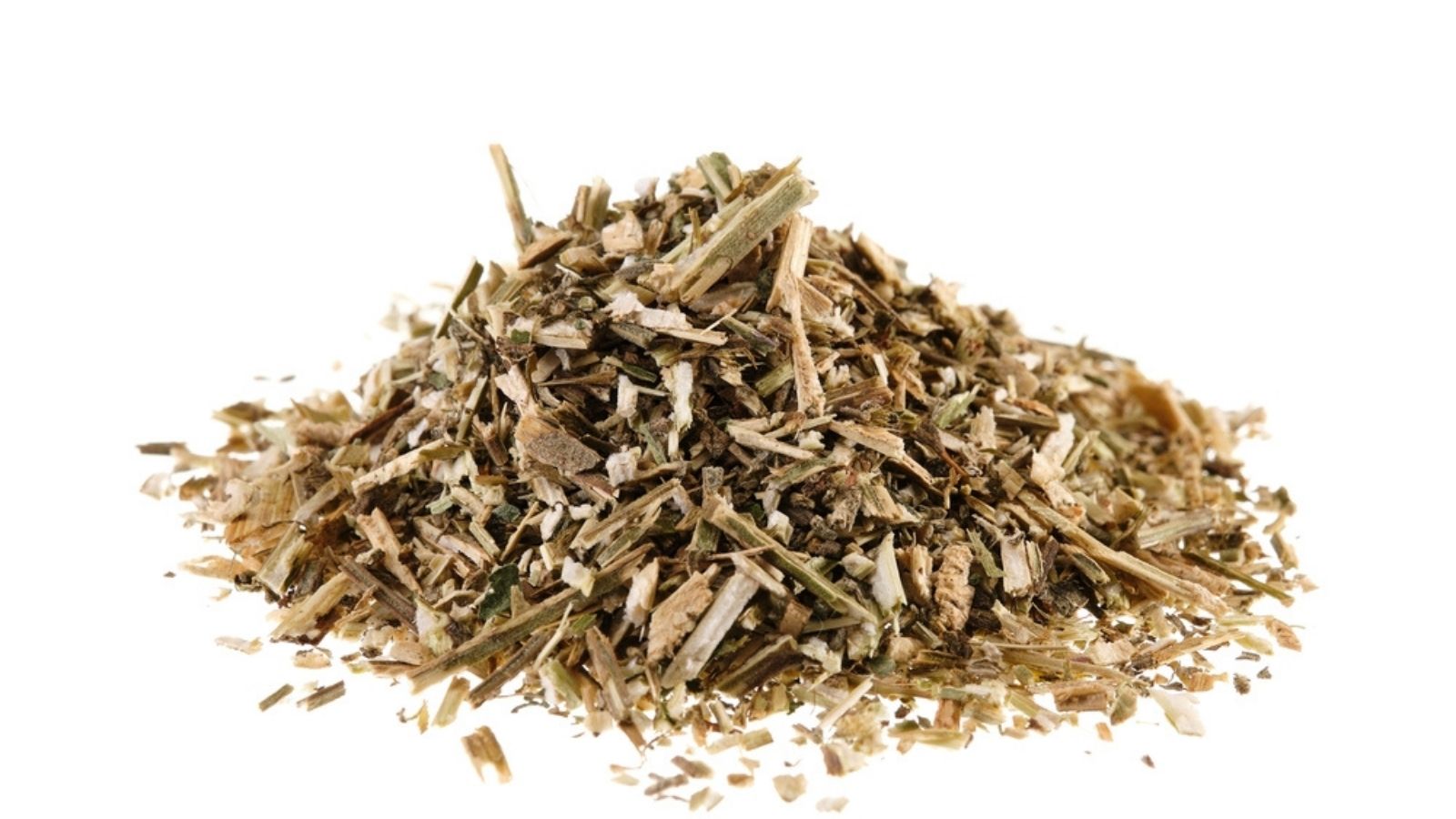
Catnip repels cockroaches thanks to nepetalactone, the same compound that sends cats into a frenzy, which research has shown roaches actively avoid. Dry a handful and place small sachets under sinks, behind appliances, and in other damp, dark spots roaches favor. It’s noticeably gentler than most roach treatments and safe to use anywhere in the kitchen. The obvious catch if you have cats: they’ll find every sachet and destroy it within a day.
6. Cloves in Citrus (Houseflies, Kitchen Pomander)

Cloves pushed into citrus repel houseflies, which avoid the combined scent of eugenol from the cloves and the oils in the peel. Halve a lemon or orange and stud the cut side with whole cloves, then set it on the counter or windowsill where flies tend to gather. It doubles as a decent-looking kitchen decoration, which is more than you can say for most pest control. Replace it every few days once the citrus dries out and the scent fades. It’s a mild deterrent rather than a knockout, so pair it with screens on open windows for anything more than the occasional fly.
7. Apple Cider Vinegar Trap (Fruit Flies & Gnats)

Apple cider vinegar traps fruit flies and gnats because the fermented smell draws them in far more effectively than fresh fruit does. Pour a half-inch into a jar, add a drop of dish soap to break the surface tension, and cover with plastic wrap poked with a few small holes. Flies get in chasing the smell and can’t get back out through the soap-slicked surface. Set a few jars near the fruit bowl or compost bin and check them daily. This is a trap, not a repellent, so it deals with flies already inside rather than stopping new ones arriving.
RELATED POST: 21 Brilliant Ways to Use Vinegar Around the Home for Cleaning and Personal Care
8. Boric Acid and Sugar Bait (Ants & Roaches, Established Infestations)

Boric acid mixed with sugar kills ants and roaches by damaging their digestive system once they carry the bait back to the colony and feed it to others, including the queen. Mix equal parts boric acid, sugar, and water into a paste, and place small amounts in bottle caps or shallow containers along known trails. This is the step up from repellents, for when you’ve got an established problem rather than the odd scout. Boric acid is genuinely toxic if ingested by pets or kids, so keep bait stations somewhere they can’t reach, not out on an open kitchen counter.
9. Eucalyptus Oil (Fleas & Ticks, Pet Bedding)

Eucalyptus oil repels fleas and ticks, both put off by the strong camphor-like scent, which makes it useful for treating bedding rather than pets directly. Mix a few drops with water in a spray bottle and lightly mist dog beds, carpets, and baseboards, letting everything dry fully before pets go back on it. Never apply eucalyptus oil directly to skin or fur, and never use it around cats, since it’s toxic to them even in small amounts. This is a bedding and environment treatment only, never to be used directly on the animal, so pair it with proper flea prevention for the animal itself.
10. Lavender Sachets (General Flying Insects, Living Spaces)

Lavender sachets repel moths, mosquitoes, and flies at once, since the linalool in the essential oil disrupts the scent receptors several insect species rely on. Fill small cloth bags with dried lavender buds and tuck them into linen closets, drawers, and windowsills throughout the living space, rather than confining them to one problem area. Refresh the buds every couple of months as the scent fades, or crush them gently to release more oil. It’s the closest thing to an all-purpose natural deterrent on this list, since it works across pest types instead of targeting just one.
11. Citronella and Lemongrass (Mosquitoes, Outdoor Perimeter)

Citronella and lemongrass repel mosquitoes by masking the carbon dioxide and body heat signals mosquitoes use to find you, rather than by any toxic effect. Plant lemongrass in pots near seating areas, or burn citronella candles upwind of where you’re sitting, since the scent needs to actually reach you to work. Coverage drops off fast with distance and wind, so one candle for a whole patio won’t do much. Both are toxic to cats, so if you’ve got outdoor cats, skip the candles and stick to potted lemongrass instead.
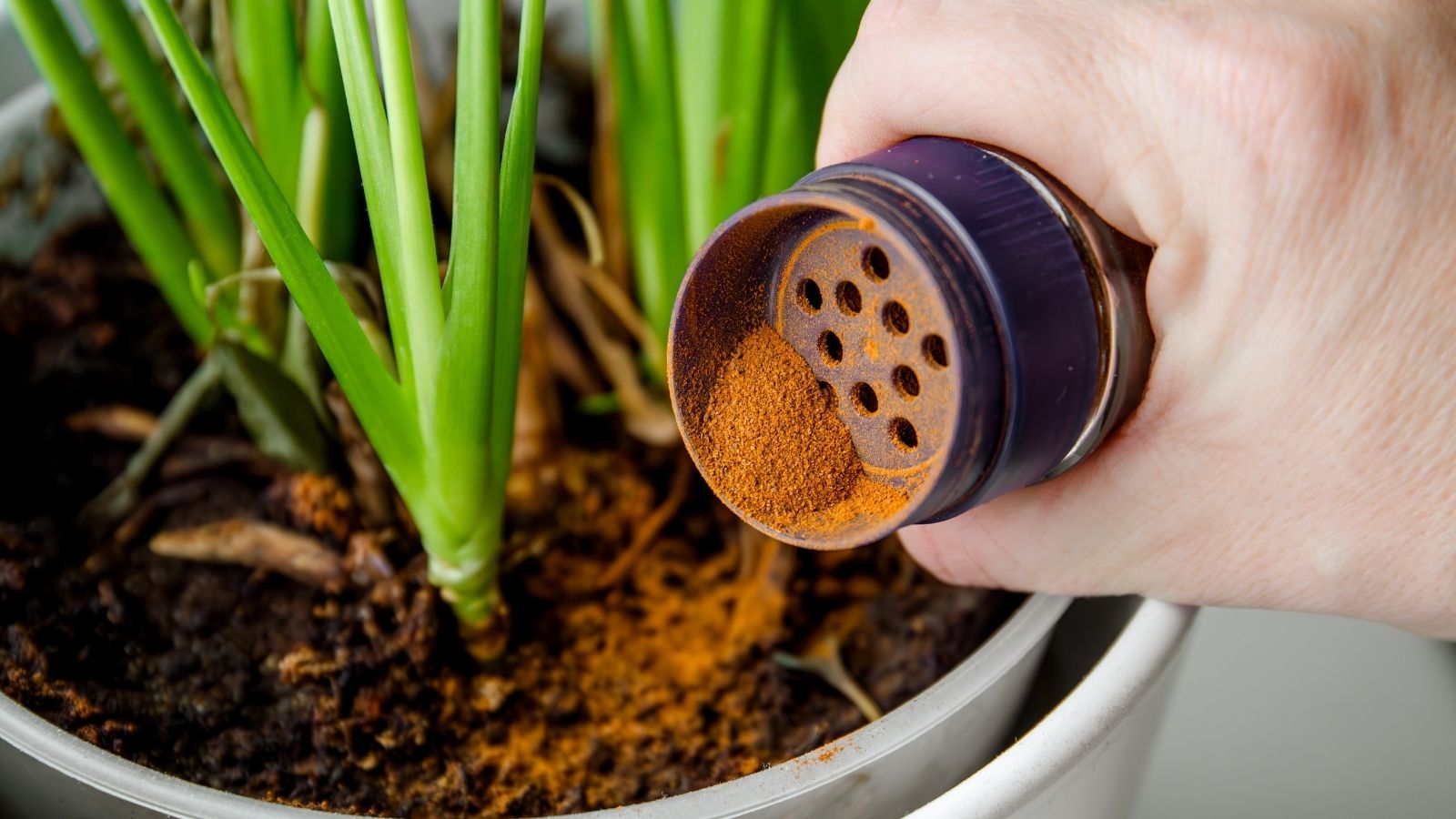
12. Cinnamon (Fungus Gnats, Houseplants)

Cinnamon kills fungus gnat larvae in houseplant soil by acting as a natural fungicide, cutting off the fungus the larvae actually feed on rather than attacking the insects directly. Sprinkle a light layer of ground cinnamon over the top inch of soil after watering, and reapply every week or two until you stop seeing adult gnats hovering near the plant. It won’t harm the plant itself in normal kitchen-spice quantities. This addresses the root cause, overly damp soil that fungus thrives in, so let plants dry out more between waterings alongside the cinnamon treatment.
13. Basil, Potted (Houseflies, Windowsill or Door)

A potted basil plant repels houseflies, which dislike the strong scent of the essential oils in the leaves enough to steer clear of wherever it’s growing. Keep a pot on the kitchen windowsill or just inside a frequently used door, and brush the leaves occasionally to release more scent into the air. Unlike cut herbs or oils, a living plant keeps working without needing to be replaced or refreshed. It needs at least six hours of sun and well-drained soil to stay healthy enough to actually deter anything. As a bonus, you’ll always have fresh basil on hand for cooking.
RELATED POST: The Best Fertilizer for Basil
14. Rosemary and Mint Sachets (Silverfish, Damp Areas)

Rosemary and mint sachets repel silverfish, which are drawn to damp, starchy environments and put off by the strong scent of both herbs. Combine dried rosemary and mint in small cloth bags and place them in bathrooms, basements, and other humid spots where silverfish tend to turn up, rather than dry areas where they’re not a problem anyway. Address the underlying moisture with a dehumidifier or better ventilation, since sachets alone won’t fix a genuinely damp room. Silverfish can survive months without food, so patience matters more here than with faster-breeding pests.
Most of what’s above costs a few dollars and takes five minutes to set up, and the honest truth is combining two or three methods works better than betting everything on one. Start with whatever’s actually bugging you right now, not the whole list at once, and build from there as new problems show up.
You might also like…
11 Ways to Get Rid of Ants Naturally That Really Work!

