

Affiliate disclosure: This post may contain affiliate links. Please see full disclosure.
Wool dryer balls get towels soft again for about a fraction of a cent per load. A set of four to six, felted from one skein of yarn or bought outright, will outlast roughly 1,000 loads before you need to replace them. If your towels come out of the dryer smelling great but don’t actually dry you off anymore, the wax based coating from dryer sheets is the reason, and dryer balls are the fix.
I’ve made my own because I love spinning my own yarn, so invariably I have plenty of wool fibers laying around, but I’ve bought some, too, and both work brilliantly. I can’t look at one without a pang of happy-sad though. My dog, who I lost to cancer at 14.5 years old a few months ago, adored dryer balls. My Oscar Bear had alllllll the balls and toys a dog could wish for, but he count not resist a wool dryer ball!
Why Dryer Sheets Are Working Against Your Towels
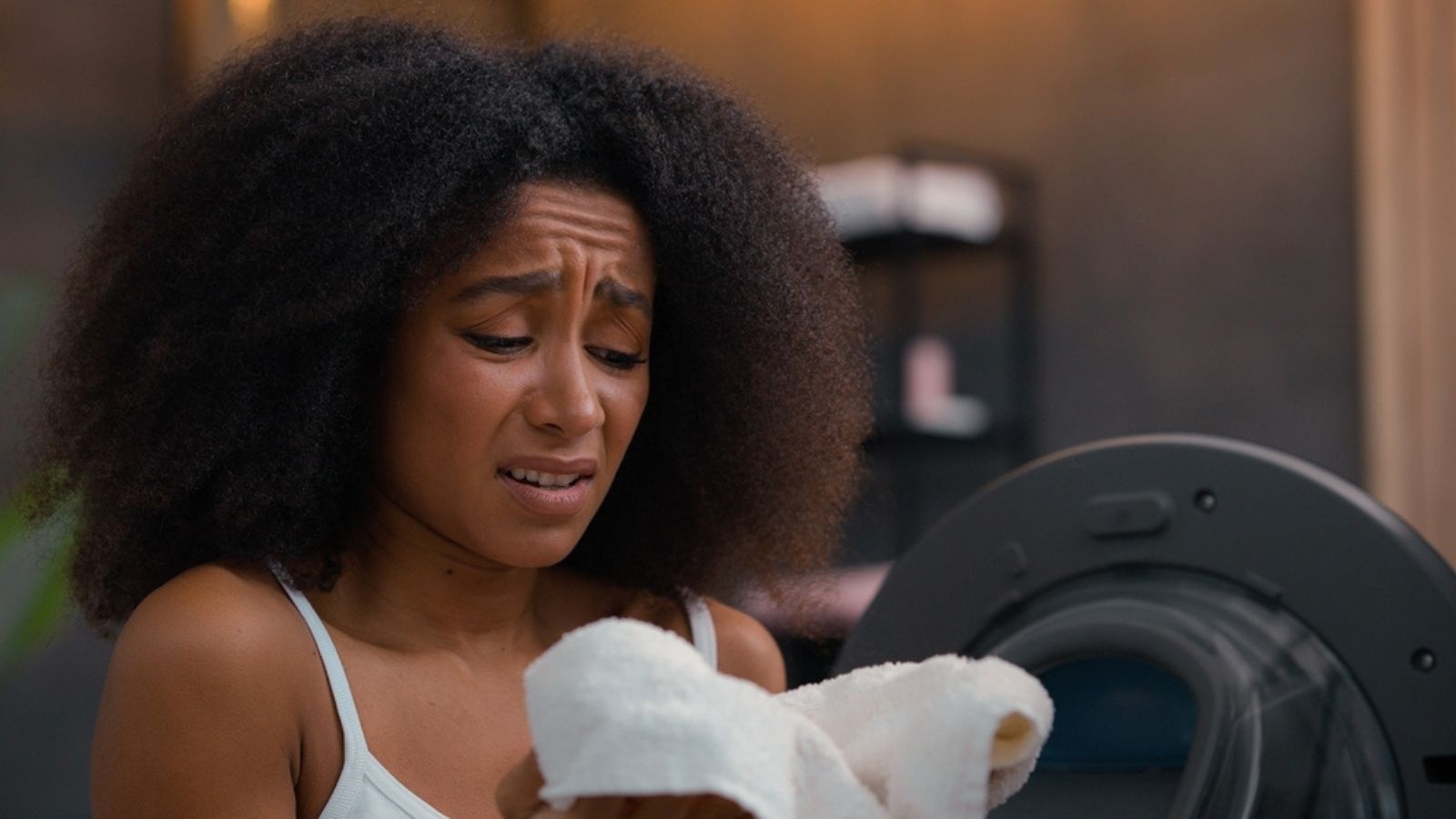
Dryer sheets coat every fiber of a towel in a thin, waxy layer of fabric softener, and that coating is exactly what stops the fabric from soaking up water. Dryer sheets are thin polyester sheets saturated with fabric softening compounds called quaternary ammonium compounds, or quats, and the heat of the dryer melts them onto your laundry.
That coating does what it’s designed to do. It makes towels feel silky and smell good straight out of the dryer. But it also keeps a towel from doing its one job, which is soaking up water, and it builds up load after load until a towel that used to dry you in one pass just smears water around instead.
I ran a set of good cotton towels through about six months of dryer sheets before I worked out why they’d stopped drying me off properly. It took three washes with the strip method below before they felt normal again.
If your towels already feel more water resistant than absorbent, strip them before you switch. Wash them on the hottest setting your fabric allows with one cup of white vinegar and no detergent at all, then run them through again with a half cup of baking soda. That two step wash breaks down the existing residue so you’re starting from a clean slate.
Wool Dryer Balls Soften Towels for Pennies a Load
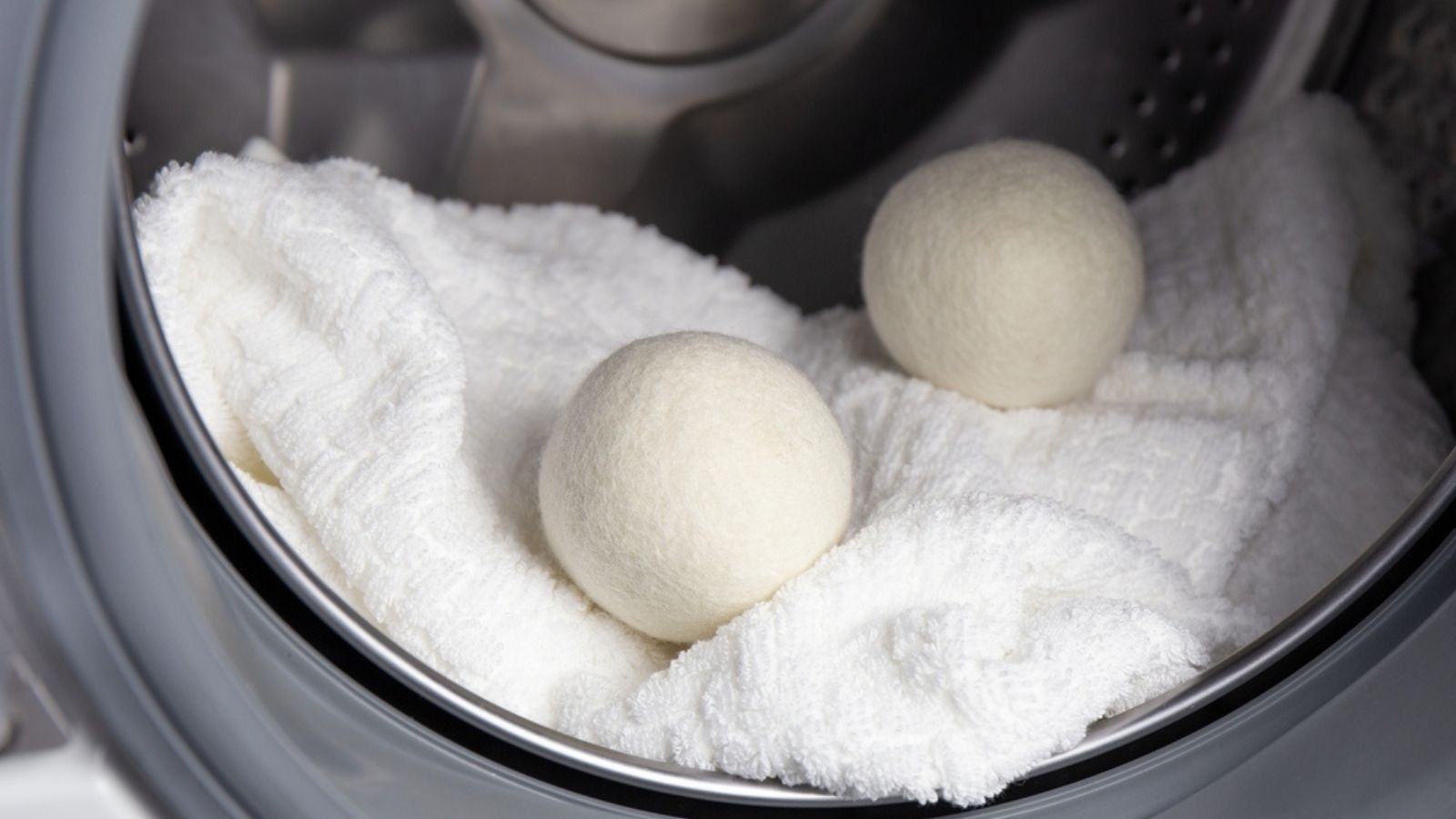
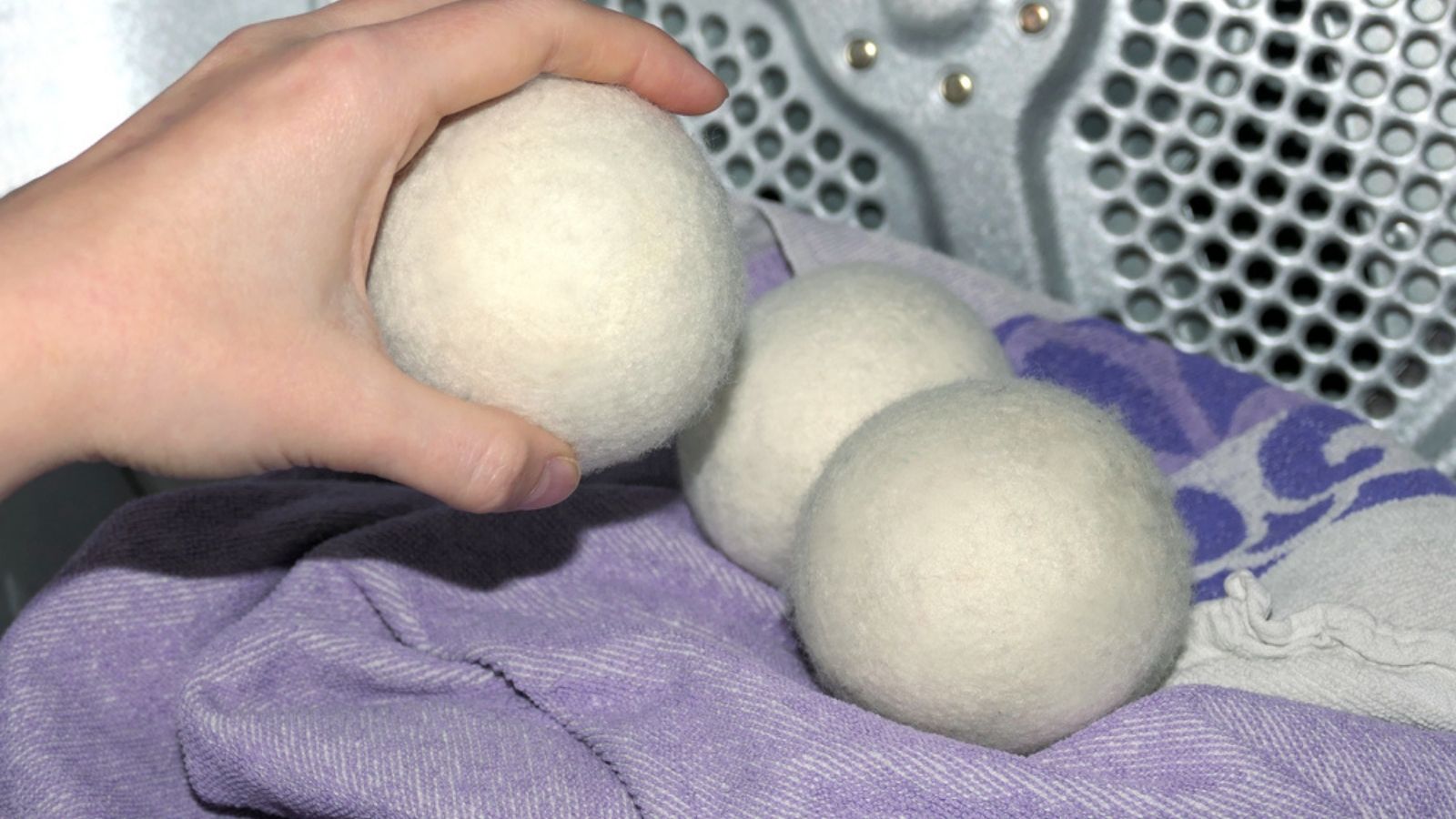
Wool dryer balls cost you once and then keep working for years, which is the real saving over dryer sheets that need replacing every month or two. They’re felted balls of 100% wool, usually about the size of a tennis ball, that bounce through your load instead of lying flat against it. As they tumble, they physically separate your towels from each other, which lets more hot air circulate and works the fibers loose, the same way kneading loosens dough.
How much faster your towels actually dry depends on your dryer and your load size, so treat any single number as a rough guide rather than a promise. One controlled test measured dryer balls cutting drying time by 14 percent, and other home tests report closer to 25 or even 35 percent depending on the dryer and load. Every test I’ve come across points the same direction though, faster drying, softer towels, and zero residue left behind.
I’ve had the same set of six in rotation for four years now, and they still bounce like new.
Make Your Own Wool Dryer Balls From Yarn
You can felt a full set of wool dryer balls from one skein of 100% wool yarn in about twenty minutes of hands on time, and the whole batch costs less than a single box of dryer sheets. The one thing you can’t skip is the yarn itself. It has to be 100% wool, not a wool blend, and never “superwash” wool, because superwash yarn is chemically treated specifically so the fibers can’t bind together and felt.
Wrap the yarn around two fingers about a dozen times, slide it off, and keep wrapping around that starting loop in different directions until you’ve built a ball roughly the size of a tennis ball. Tuck the loose end into the ball to secure it, and repeat until you’ve got four to six balls.
Drop each ball into the toe of a leg cut from an old pair of pantyhose, tying a knot between each one so they stay separated, like a string of beads. Wash the whole thing on your machine’s hottest setting, ideally with a load of towels thrown in for extra agitation, then dry on high heat. Pull them out of the hose and check them. If they’re still soft and the yarn hasn’t fully fused, run them through one more hot wash and dry cycle. Once they hold their shape and you can’t pull the strands apart, they’re done.
If you’d rather skip the felting altogether, a ready-made set will do exactly the same job.
Two More Tricks If You Want a Backup
White vinegar or baking soda in the rinse cycle can also help strip the residue that makes towels feel stiff, without any of the waxy buildup a liquid softener leaves behind. Add half a cup of either to your machine’s rinse dispenser, not the wash, and use one or the other, never both in the same load.
Cutting back on detergent helps too. Most people use far more than a load actually needs, and the excess doesn’t rinse out completely, especially in front loading machines. Try half the amount the bottle recommends and see if your towels come out any less stiff.
RELATED POST: 21 Brilliant Ways to Use Vinegar Around the Home
FAQs
Do wool dryer balls actually work, or is that just marketing?
Yes. They soften and fluff towels by physically separating them in the dryer so air can circulate and the fibers relax, rather than through any chemical coating. The exact drying time improvement varies by dryer and load size, but the softening effect itself is consistent across every test I’ve seen.
How long do wool dryer balls last before I need to replace them?
A well felted set typically lasts around 1,000 loads, which for most households works out to two or three years of regular laundry. You’ll know they’re wearing out when they start to feel spongy or fall apart at the seams instead of holding a firm, dense shape.
Can I use dryer sheets or fabric softener alongside wool dryer balls?
You can, but it defeats the purpose, since the whole benefit of wool balls is skipping the residue that dryer sheets and liquid softener leave behind. If you want the static control dryer sheets offer without the coating, dampen your wool balls slightly with a few drops of water before adding them to the load instead.
Are plastic dryer balls just as good as wool ones?
They create the same tumbling and separation effect, so they’re just as good at cutting drying time. But they don’t absorb any moisture the way wool does, so they’re less effective at controlling static and won’t have the same gentle softening action on towel fibers.
Skipping the dryer sheets is one of those changes that pays for itself almost immediately, especially once you’ve felted your own set of wool balls for next to nothing. Give your towels a good vinegar strip first, switch over, and you’ll notice the difference in the very next load.

