
Affiliate disclosure: This post may contain affiliate links. Please see full disclosure. AI-assisted.
The best 1970s kitchen collectibles are the ones you can recognize, check for damage, and enjoy in your own home. Think mushroom-covered canisters, ridiculously cheerful Pyrex, and the original avocado-green appliances, rather than every old pot someone has described as rare on an auction listing.
I’ve spent years thrifting and collecting, and the thing that still interests me most is finding a well-made everyday object that someone else has stopped noticing. A name, a pattern, an intact lid, and an honest look at its condition tell you far more than a dramatic asking price. The 1970s gave us plenty to look for, from glass and ceramics to early convenience appliances. Some were introduced during the decade; others were popular 1970s versions of older designs.
1. Sears Merry Mushroom kitchen canisters
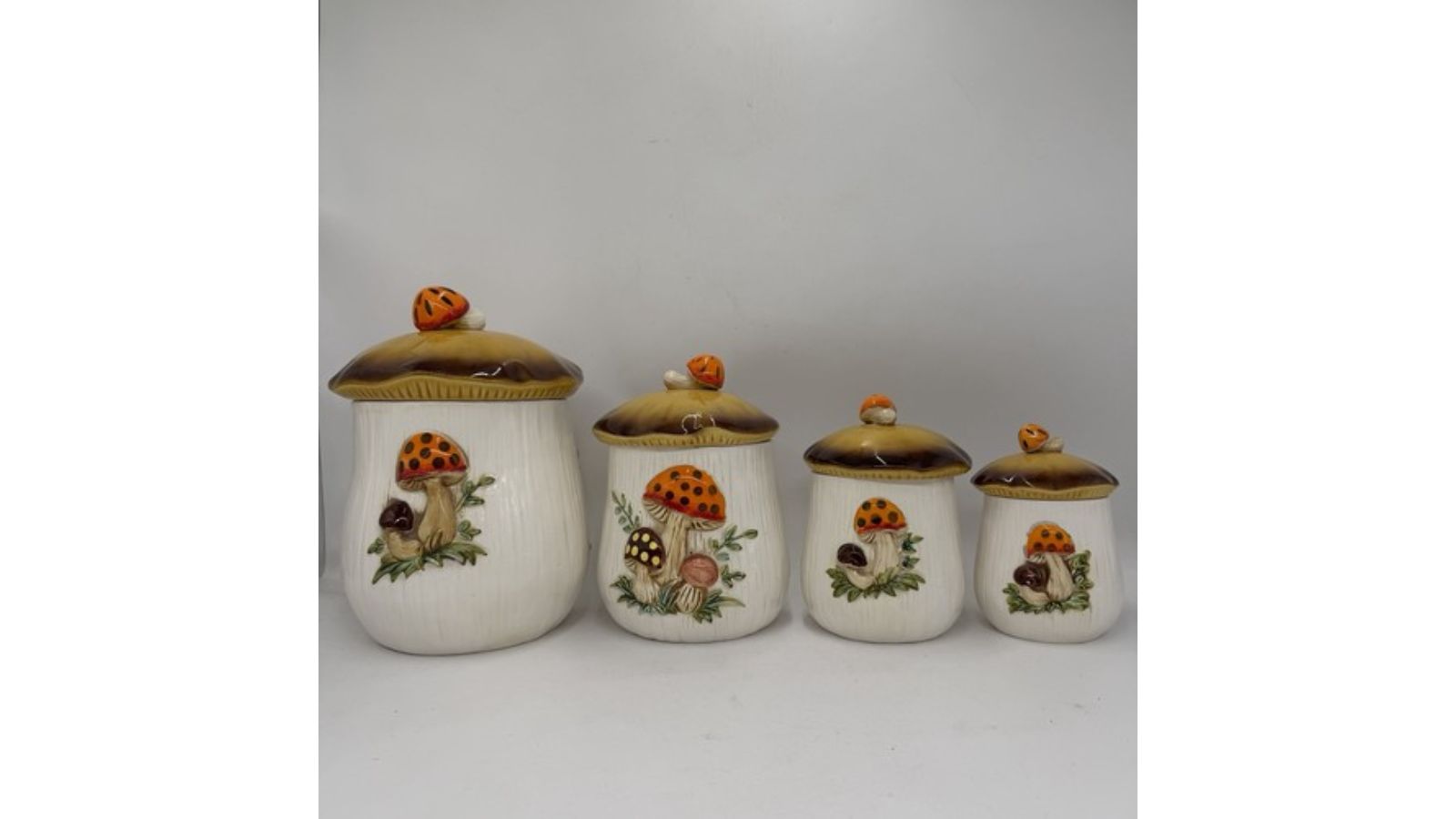
Sears took mushrooms and put them on just about everything, which is precisely why its Merry Mushroom kitchenware is such a satisfying collection to build. The familiar cream ceramics have plump brown, orange, and yellow mushrooms, and the larger range included canisters, spice jars, cookware, and accessories. It appeared in Sears catalogs throughout the 1970s and beyond.
The canisters are the ones I’d examine first. Check that each lid belongs to its container, then look for little chips around the rims, where they’re easily hidden by the lids. A mismatched or missing lid matters more to me than the fact that a canister has lost a little of its shine. If you’re curious how extensive the collection became, the broader range of Merry Mushroom pieces is quite a rabbit hole.
2. Pyrex Friendship mixing bowls
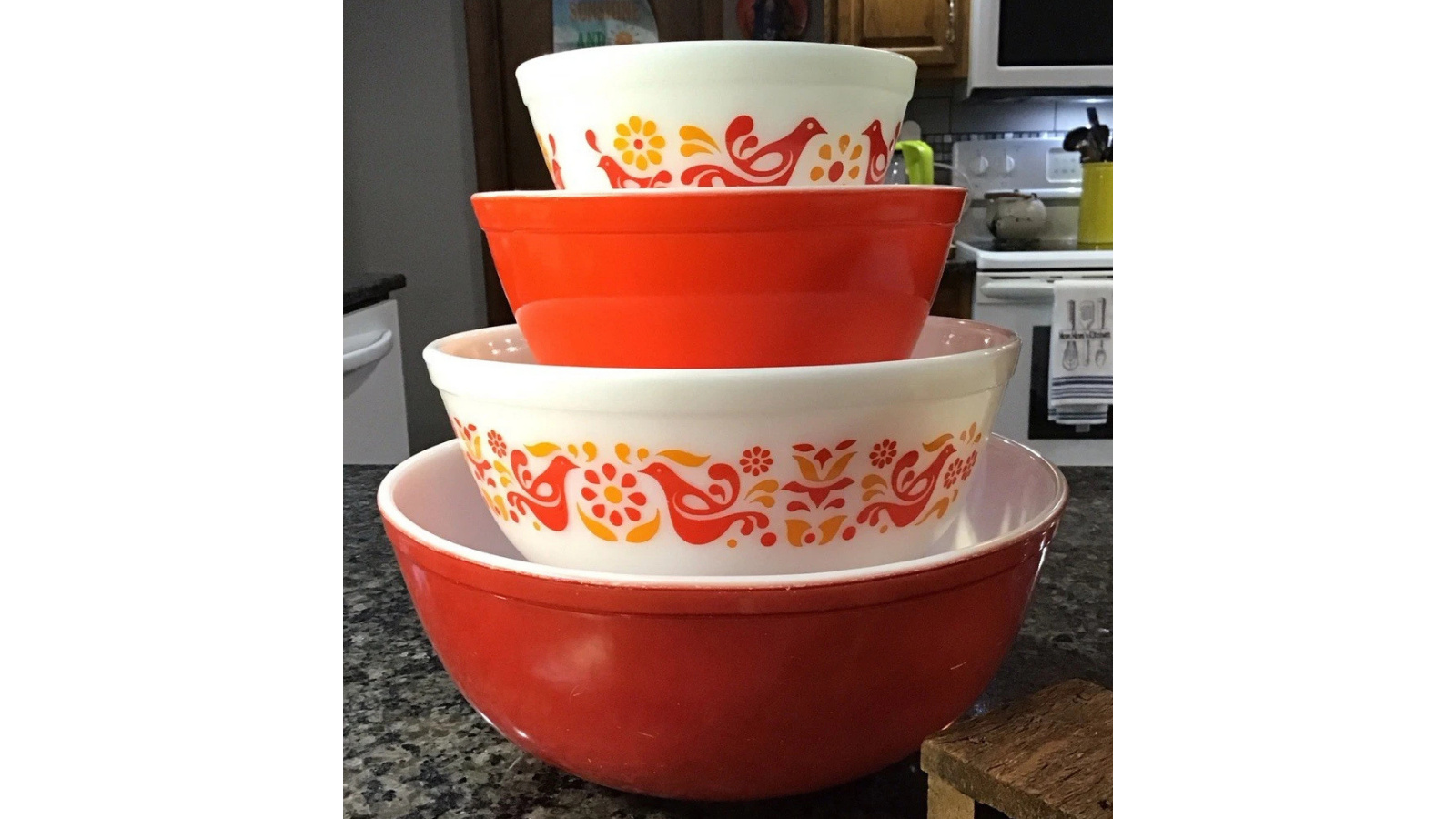
The red-and-orange Friendship pattern is unmistakable: stylized birds, flowers, and a rather charming country-kitchen look. Introduced in 1971 and made through 1974, it appeared on bowls and other Pyrex pieces. There’s also a denser, related promotional design called Penn Dutch, so don’t assume two similar-looking pieces are necessarily from the same set.
Turn a bowl in good light and examine the printed decoration for scratches and faded areas. The pattern can look terrific from a distance while being thoroughly worn on the side that faced the sink for decades. I prefer one crisp bowl to four badly faded ones, even when the complete set looks tempting.
3. Tupperware Servalier canisters with starburst lids

Those squat, brightly colored plastic storage containers with the distinctive sunburst-like lid design are classic 1970s Tupperware. Servalier canisters turn up in the decade’s familiar yellows, oranges, and greens, often as graduated sets. Unlike an anonymous plastic tub, the shape and lid are part of what you’re collecting.
Make sure the lid fits the exact container; old plastics can distort, and a lid that sits on top isn’t necessarily one that seals. Check for staining, strong smells, stress cracks, and lids that have gone brittle. I’d rather use a questionable old container to hold sewing notions than risk storing food in deteriorating plastic. An intact set is lovely kitchen history even when you choose to display it.
4. CorningWare Spice o’ Life casseroles

The Spice o’ Life pattern began in 1972 and put vegetables, herbs, and a distinctly seventies palette on white CorningWare. Look for the familiar square casseroles and saucepans, often with stylized vegetable decoration and French wording. The pattern carried on well beyond the decade, so owning Spice o’ Life doesn’t automatically mean you own a 1970s example.
Inspect the corners for chips, the handles for damage, and the lid for the right fit. Don’t treat every similar vegetable motif as the same pattern, either. CorningWare produced a lot of decorated cookware, and identification is easier if you compare the actual motif and the form rather than relying on a seller’s description.
5. Pyrex Flameglo ombré bowls
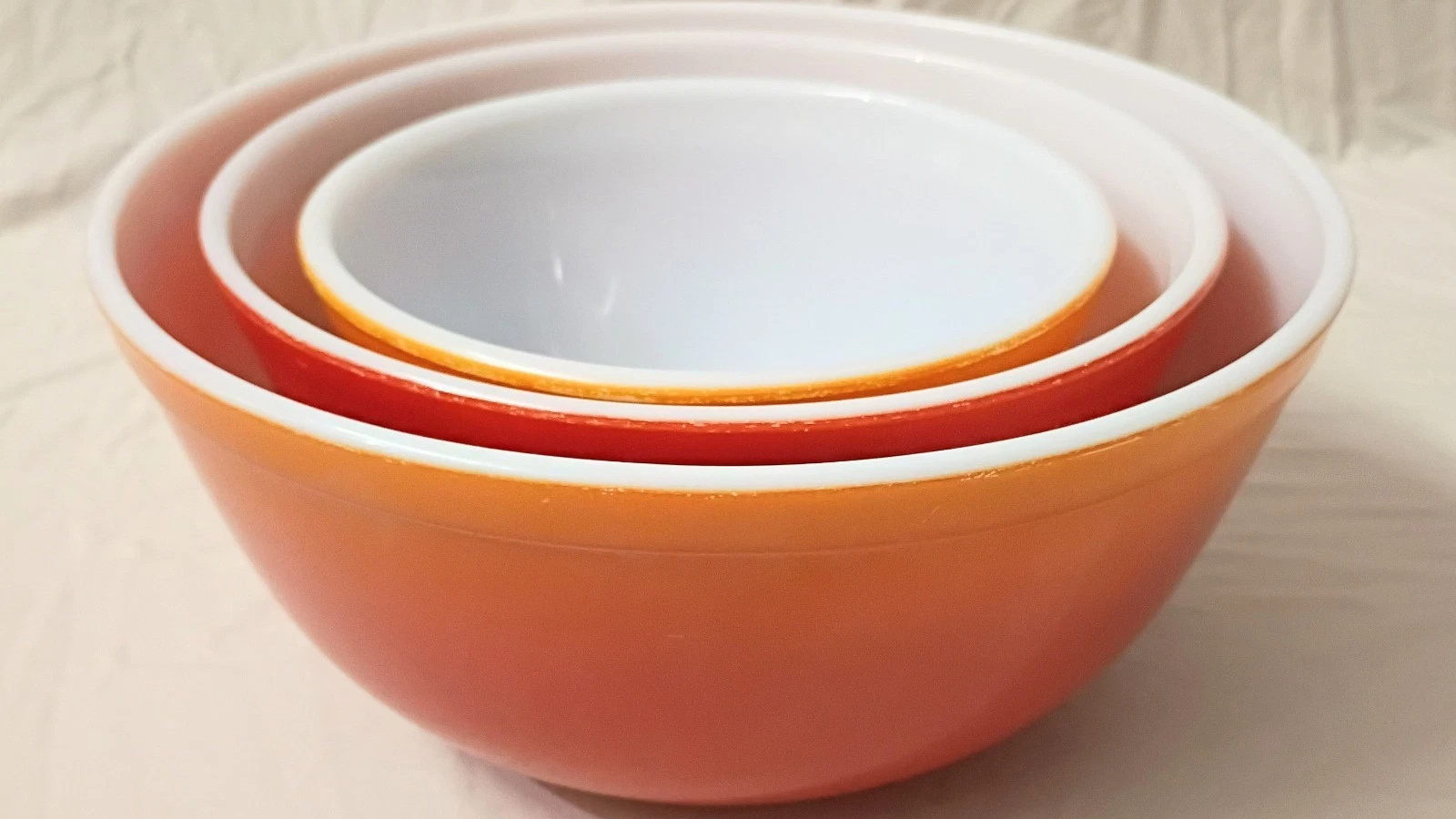
If you spot a Pyrex bowl that fades from rich red into warm orange, check for Flameglo. Corning produced this dramatic gradient pattern from 1974 to 1976, and only on the 400-series mixing bowls. There weren’t matching Flameglo casseroles or refrigerator dishes, whatever an optimistic listing might suggest.
The four nesting bowl sizes make a particularly striking set, but you’re not obliged to wait for all four. Check the colored finish carefully: faded patches, dishwasher clouding, and scratches will show up against the gradient. The little bowl you can actually use is more appealing to me than an expensive stack you’re afraid to touch.
6. Welch’s cartoon jelly glasses

A surprising amount of collectible 1970s drinkware started life as a jelly jar. Welch’s put licensed cartoon characters on reusable glasses, including Warner Bros. characters during the decade. The glass itself is usually quite ordinary. It’s the original printed character artwork and the prospect of putting together a matching series that draw collectors.
Don’t confuse these with the much older promotional glasses that get mixed into 1970s nostalgia collections. Check which character, series, and year you’re buying. Rubbed-off print, missing parts of a design, and rim chips are the flaws to watch for. The great thing about a glass like this is that it can be a small, cheerful addition to a collection without taking over an entire shelf.
7. The first-generation Rival Crock-Pots
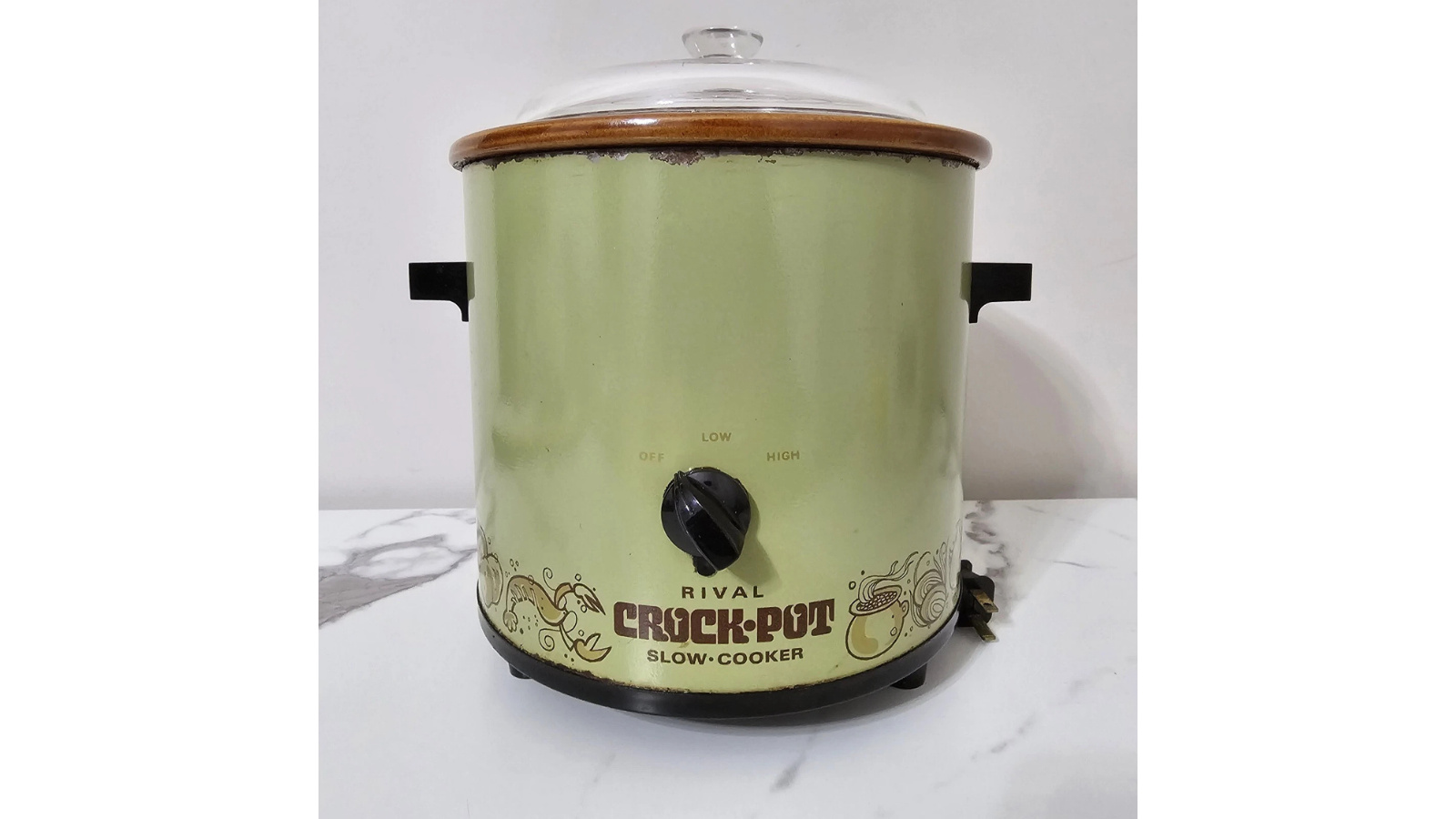
The familiar Crock-Pot became a household name after Rival introduced its rebranded slow cooker in 1971. Early models appeared in harvest gold and avocado green, two colors that could hardly belong to another decade. An original cooker with its matching crock, lid, controls, and recipe booklet has far more character than an isolated base.
These are best approached as display pieces unless a qualified appliance professional has assessed them. Decades-old wiring, thermostats, and insulation aren’t things I’d gamble on simply because the switch still clicks. For actual slow cooking, I’d use a modern appliance with the current safety features and keep the avocado beauty as part of the kitchen collection.
8. Corelle Butterfly Gold dinnerware
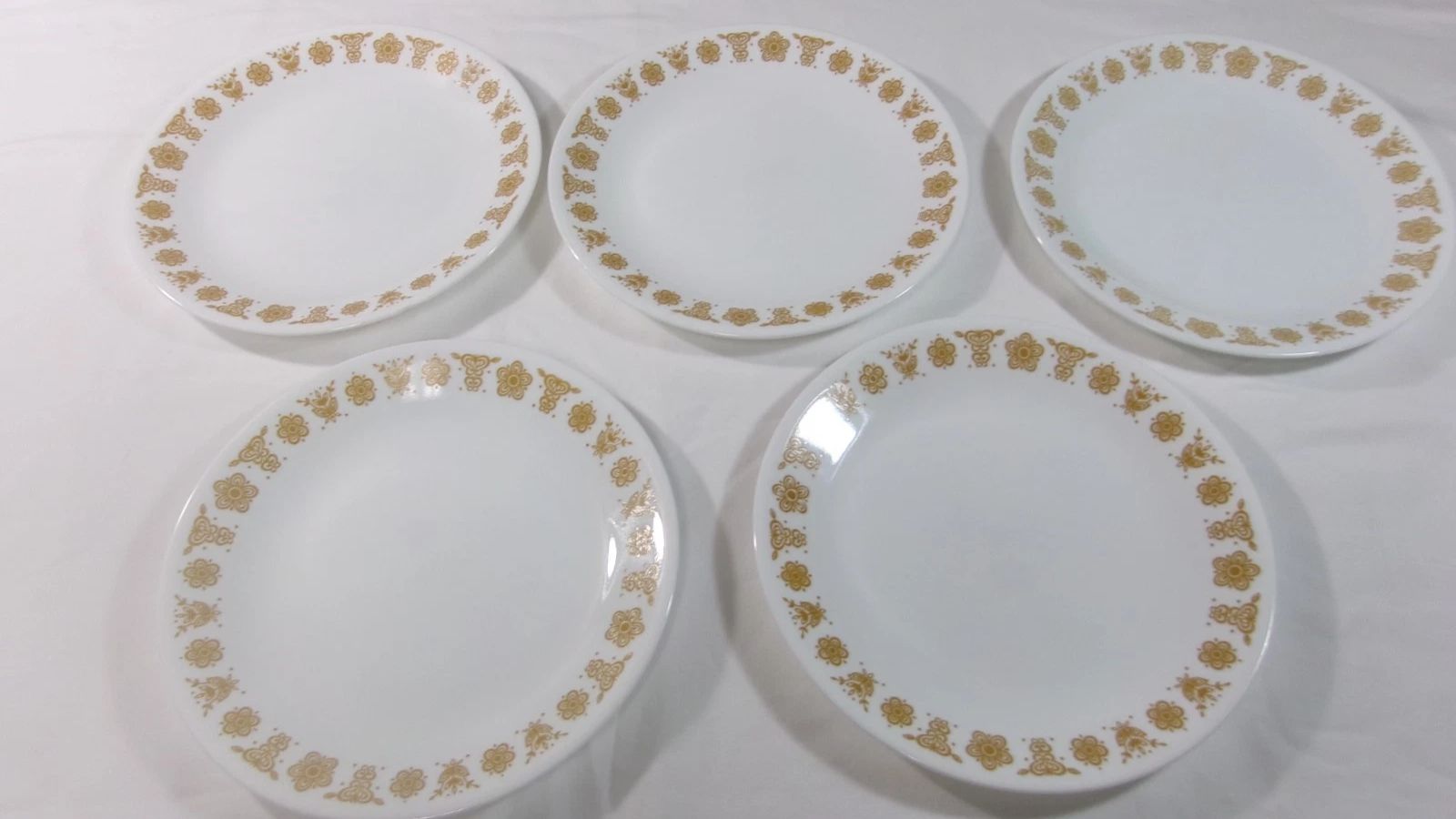
Butterfly Gold was part of the early Corelle era, with delicate gold-colored butterflies and flowers on lightweight white glass plates. The pattern has a closely related Pyrex ovenware family, but Corelle dinner plates and Pyrex mixing bowls aren’t interchangeable products. The Corning Museum holds a Butterfly Gold Corelle plate dated to the 1970s.
A stack of plates can look fine from above while hiding chips on the undersides and worn decoration along the rims. Check each one. I also wouldn’t assume old decorated dinnerware is suitable for serving food today, particularly if the decoration’s composition and condition are unknown. These pieces are pretty enough to enjoy on a plate rack. The matching gold Pyrex pattern is worth learning to distinguish, too.
9. McCoy pepper-shaped cookie jars
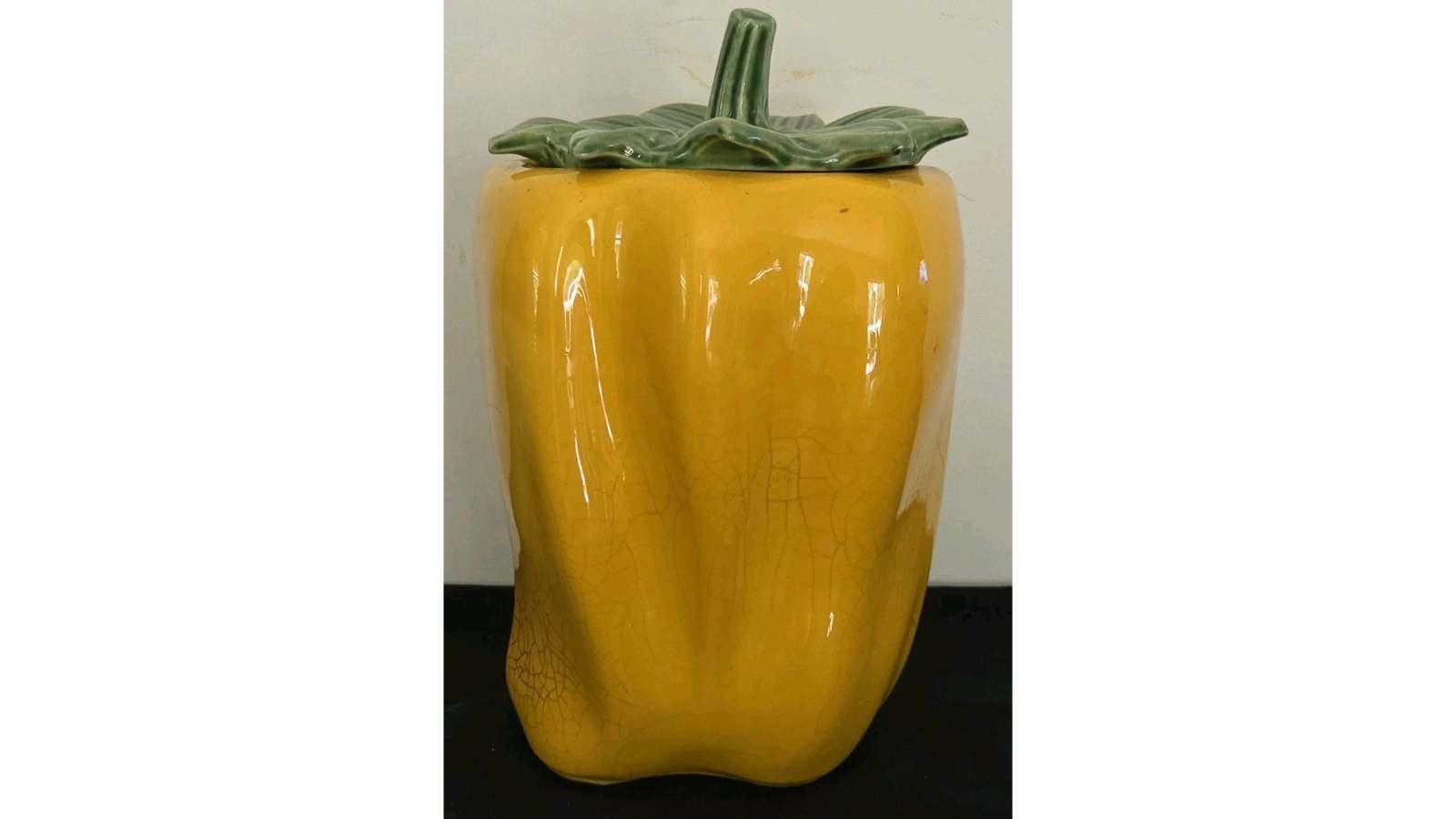
The bulbous pepper-shaped McCoy cookie jar is one of those kitchen pieces that looks almost comically seventies. Genuine examples of this form were made from 1972 to 1980, with green a familiar color and deep purple far less commonly encountered. A maker mark is useful, but marks and colors alone won’t establish authenticity.
Cookie jars are especially vulnerable around the lid and the rim because that’s where hands meet pottery every day. Lift the lid gently, look inside for hairline cracks, and feel for repairs or rough patches rather than buying on the strength of a photograph. You want the right shape and a sound jar, not just a sticker with a famous pottery name.
10. Pyrex Bake-A-Round glass bread tubes

The Bake-A-Round is one of the more peculiar ideas to emerge from 1970s home baking, and I rather like it. Introduced in 1976, it’s a clear glass tube designed to bake round loaves, supported by a special wire rack. It doesn’t resemble the usual Pyrex casserole, which is exactly why people can overlook it.
The rack isn’t an optional accessory if you want the original setup. Check for chips at both open ends of the tube and look closely for scratches or cracks in the glass. An intact rack, tube, and original instructions are a more interesting find than a loose mystery cylinder. If you intend to bake with one, only use it when you’re satisfied it’s undamaged and you have the correct original instructions.
11. Portmeirion Botanic Garden plates
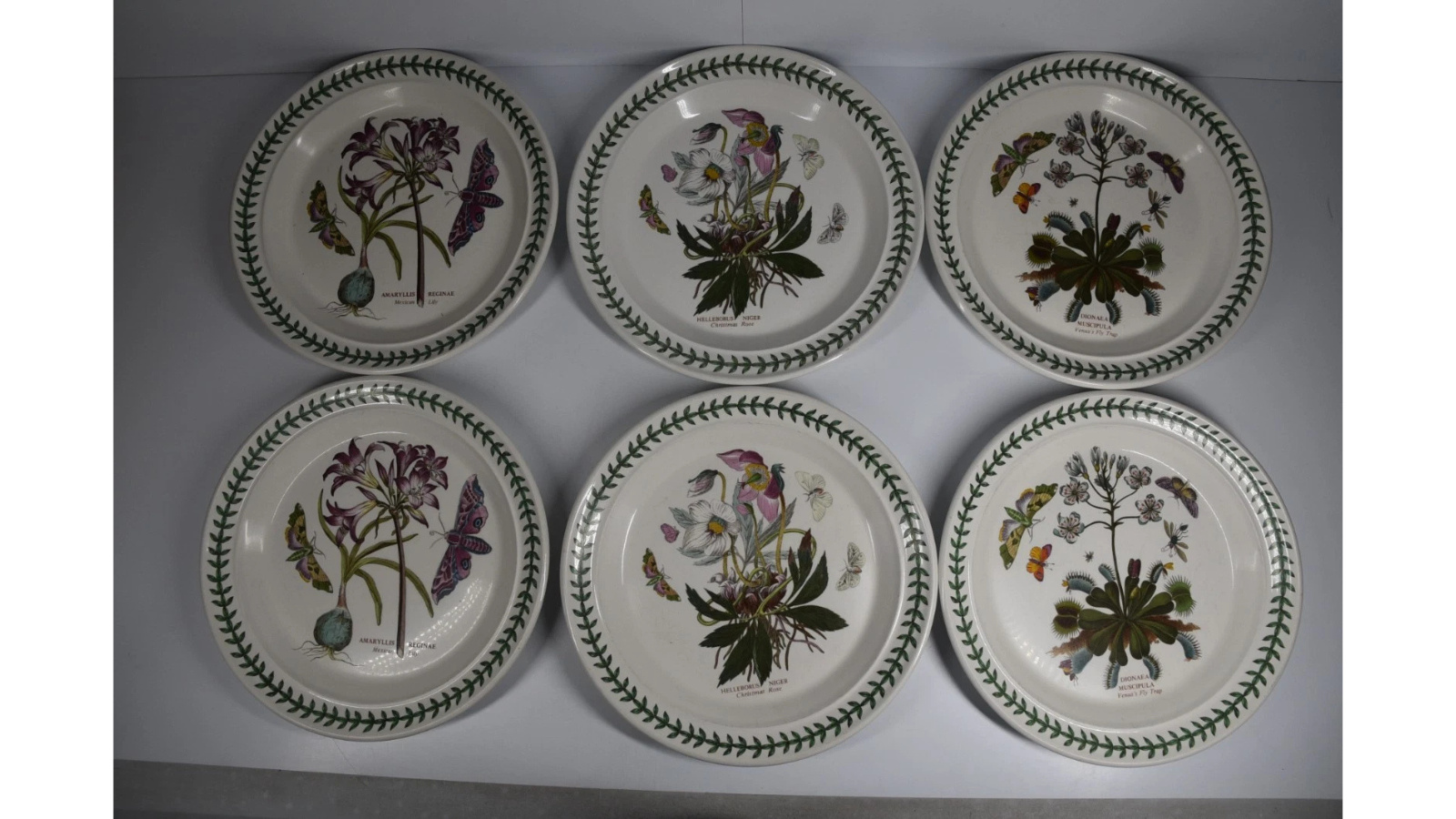
Susan Williams-Ellis designed Portmeirion’s Botanic Garden in 1972, bringing botanical illustrations and a distinctive leafy border to everyday dinnerware. The mix-and-match flowers are part of the appeal. A collection can look coordinated without every plate showing exactly the same bloom.
This pattern is still made, so an old-fashioned rose or daisy doesn’t make a plate a 1970s original. Check the backstamp, manufacturing details, and the individual piece against dated examples before paying extra for an early one. I love collecting useful dishes, but I’d happily choose a clean later example over an early one with a serious crack.
12. Osterizer Galaxie blenders
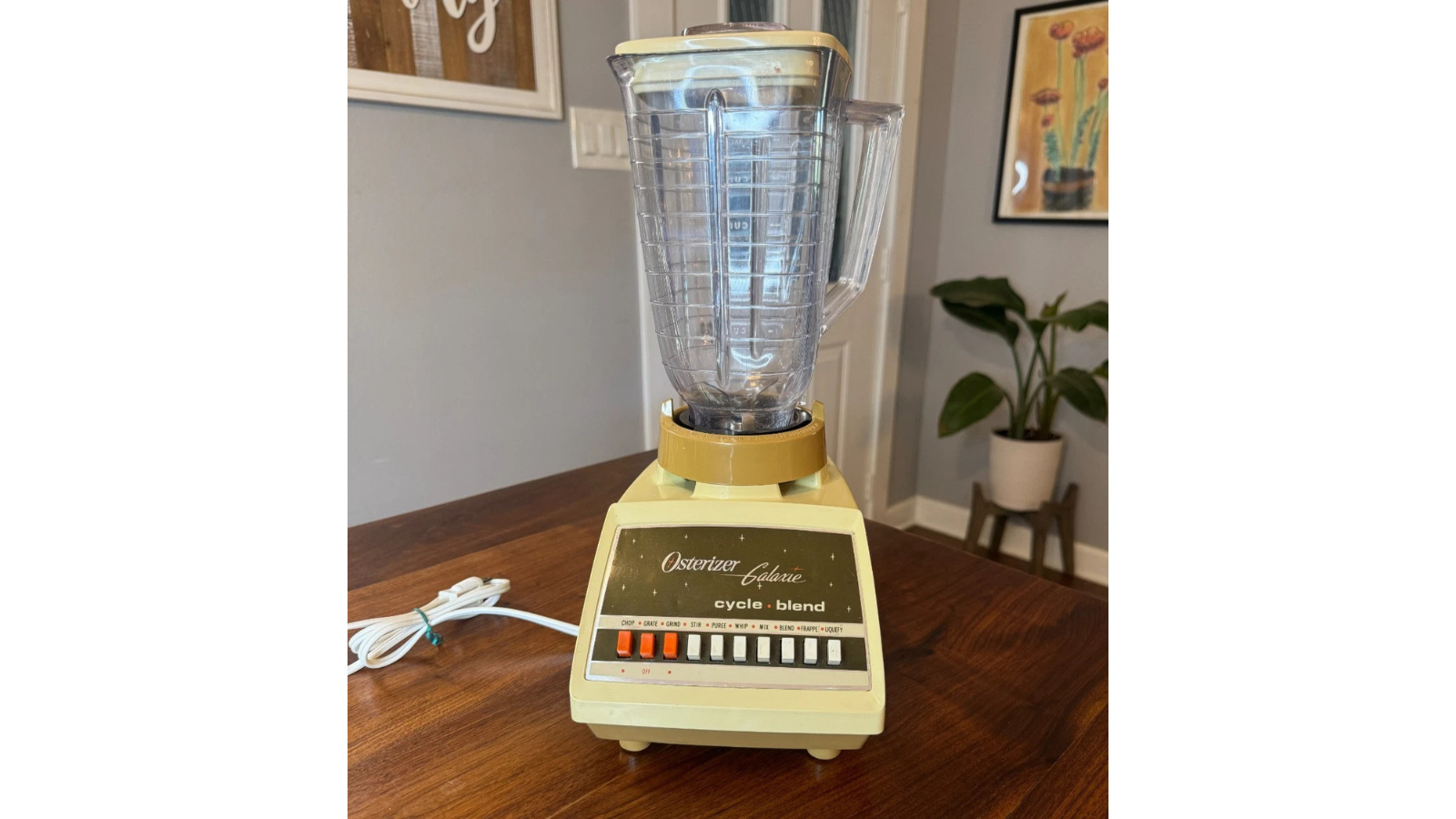
The Osterizer Galaxie is the kind of blender that immediately takes you back to a wood-paneled kitchen. A surviving example in The Henry Ford’s collection is dated 1970 to 1980. Look for the angular base and substantial jar, then check the identifying details underneath rather than assuming every old Osterizer is the same model.
Blender jars, lids, blade assemblies, seals, and motor bases often get separated over the years. A complete, clean set has obvious collecting appeal, but that doesn’t mean it should be plugged in and asked to make a smoothie. Treat old electrical appliances with the same caution as an old Crock-Pot. They’re decorative history first unless professionally checked.
13. Anchor Hocking Soreno glassware

Soreno’s textured, almost bark-like surface makes it easy to recognize, particularly in avocado green. The pattern spans the late-1960s and 1970s look rather than being an invention confined to one year, and it appears in tumblers, serving pieces, and other glass forms. The texture gives even a simple dish a lovely play of light.
Run a careful eye around the rim and base, where tiny chips can hide among the raised pattern. It’s easy to admire the color and overlook the damage. Matching a few glasses or finding a serving bowl in a color you love is plenty of reason to collect it. You don’t need an entire matching dining room.
14. Pyrex Spring Blossom Green Cinderella bowls
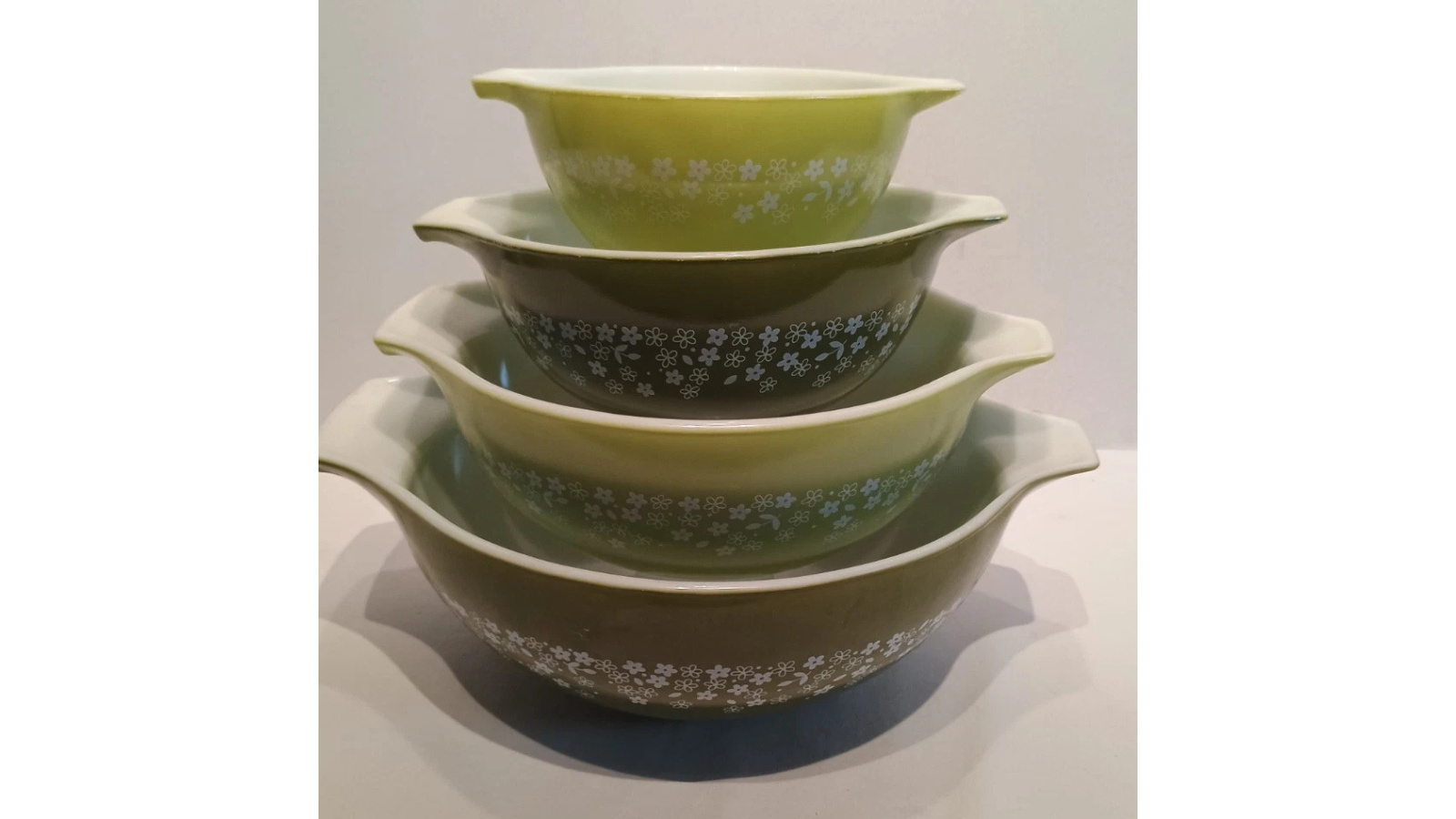
Spring Blossom Green launched in 1972 and became one of the longest-running Pyrex patterns of the era. You’ll often hear it called Crazy Daisy, although that’s a collector nickname rather than the original official name. Its small white flowers on green or green flowers on white make it very easy to recognize.
Look for the Cinderella bowls with their opposite-side pouring handles, and pay attention to pattern variation. The design was revised near the end of the 1970s, so one piece’s exact appearance may differ from another’s. Examine both the rim and the decoration before assuming you’ve found an undamaged matched set.
15. Early Mr. Coffee drip machines

Mr. Coffee helped bring automatic drip brewing into the American kitchen during the 1970s. A museum example dating from about 1975 looks far less sleek than today’s coffee makers, which is part of its charm. The recognizable brand, original carafe, basket, and housing make a more compelling collectible than a stray plastic body.
Check for yellowed plastic, cracks, leaking seals, missing parts, and damage to the cord. Don’t assume a machine is safe to brew with simply because the light comes on. For me, its appeal is the reminder of how quickly kitchen habits changed when convenience appliances began arriving on countertops.
16. Hornsea Saffron storage jars
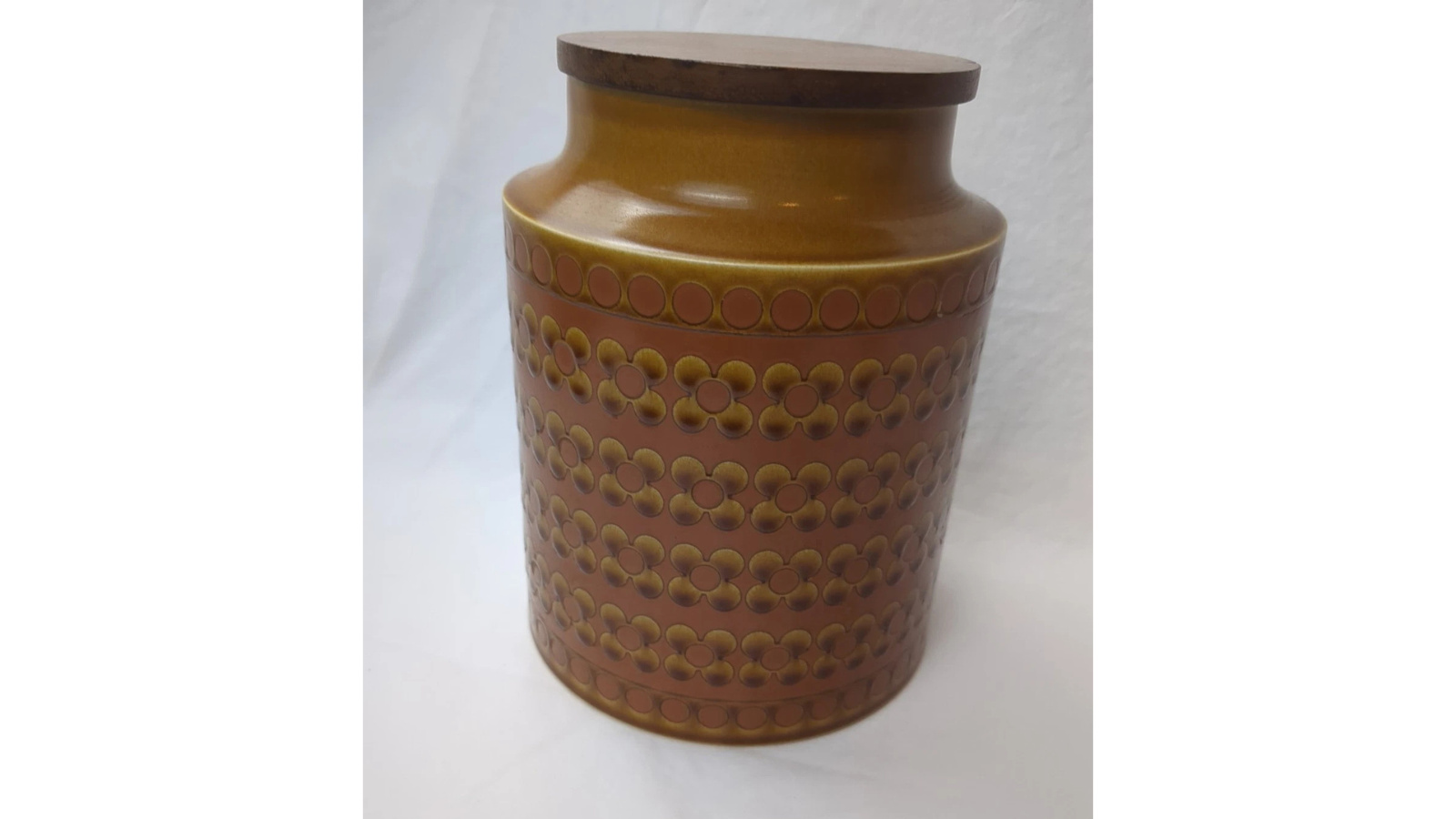
Hornsea’s Saffron range debuted in 1970, with John Clappison’s tightly packed daisies in orange and tan. The storage jars came in different sizes, including small jars marked for tea, coffee, or sugar. They are wonderfully practical shapes as well as a particularly recognizable slice of period design.
These British ceramics are a slightly less predictable find for an American thrifter, and I think that makes them interesting. Check the lid’s fit, the rim’s condition, and any chips concealed beneath the edge. Don’t mix up Saffron with Hornsea’s other patterned lines just because they share a similar shape. The little daisy motif is your starting point.
17. Pyrex Woodland casseroles

Woodland arrived in 1978, with earthy browns and stylized leaves that sum up the decade’s enthusiasm for nature-inspired kitchens. It was made to coordinate with Corelle Woodland Brown and included bowls, refrigerator dishes, and several casserole forms. The bakeware used clear glass lids, which is useful when you’re checking whether a lid belongs to the piece.
Don’t assume every brown Pyrex dish is Woodland, or that every matching-looking lid belongs to it. Compare the actual pattern, shape, and size. A casserole with the proper lid is convenient to store and display, and an intact one deserves a closer look even if earthy brown isn’t usually your thing.
18. Copco enameled fondue pots
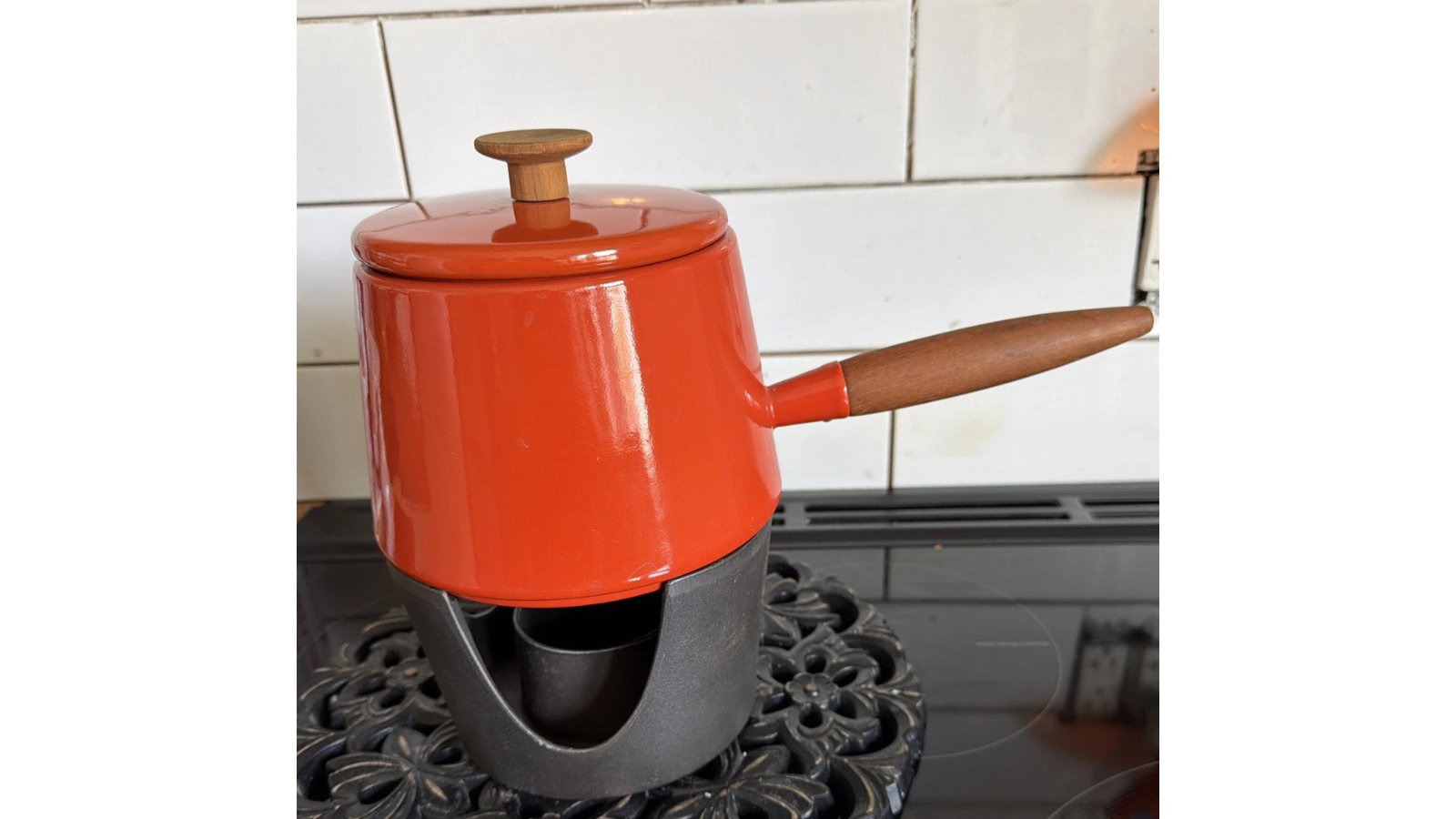
Fondue was one of the 1970s’ most sociable kitchen rituals, and the sculptural enamel cookware is still worth a look. Michael Lax designed a cast-iron and porcelain-enameled fondue pot for Copco around 1970, a design preserved in the Smithsonian American Art Museum’s collection. That makes it a much more specific find than just any brightly colored old saucepan.
Look for enamel chips, rust on exposed cast iron, and the correct components if you’re buying a full fondue set. The pot itself may be beautiful, but an incomplete burner assembly is not something to improvise. If you’re collecting for display, an attractive pot in sound cosmetic condition may be all you need.
19. Libbey printed cocktail and juice glasses

Libbey offered all sorts of lively printed glass designs in the seventies, including Daisy Bouquet, Monarch, and Chocolate Fairmont designs illustrated in 1979 advertising. Their flowers, insects, and graphic motifs are a long way from the plain tumblers you’d pick up at a department store today.
The main thing I check is the printing. A perfect-looking glass with a washed-out design isn’t nearly as satisfying as one with sharp, bright graphics. Also check for scratches and rim chips, and remember that old applied decoration may not tolerate a dishwasher. Hand washing is the gentler choice for decorated collectible glass.
20. CorningWare Wildflower casseroles
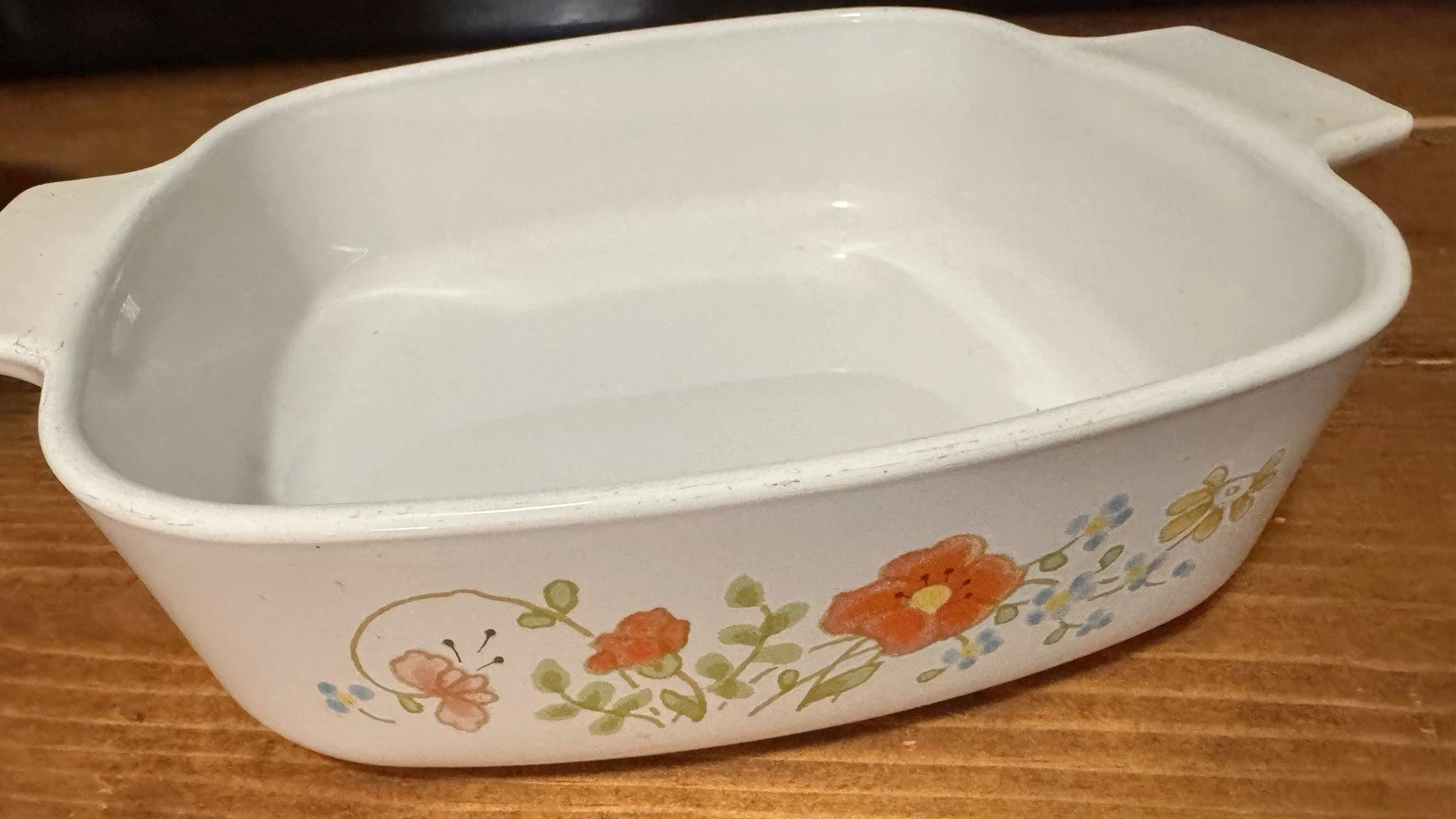
CorningWare launched Wildflower in 1977, with a larger, more colorful floral decoration than the familiar Blue Cornflower design. Its red, orange, yellow, and green flowers are exactly what you’d expect from a kitchen at the tail end of the decade. Wildflower production continued into the 1980s, so verify the age of an individual piece rather than treating every example as a 1977 original.
Look for the correct shape, check the handles and corners, and make sure any lid is the right size. If you collect several CorningWare patterns, comparing Wildflower with Spice o’ Life is a lovely way to see how differently the company interpreted the same era.
21. Seventies Sunbeam Mixmaster stand mixers
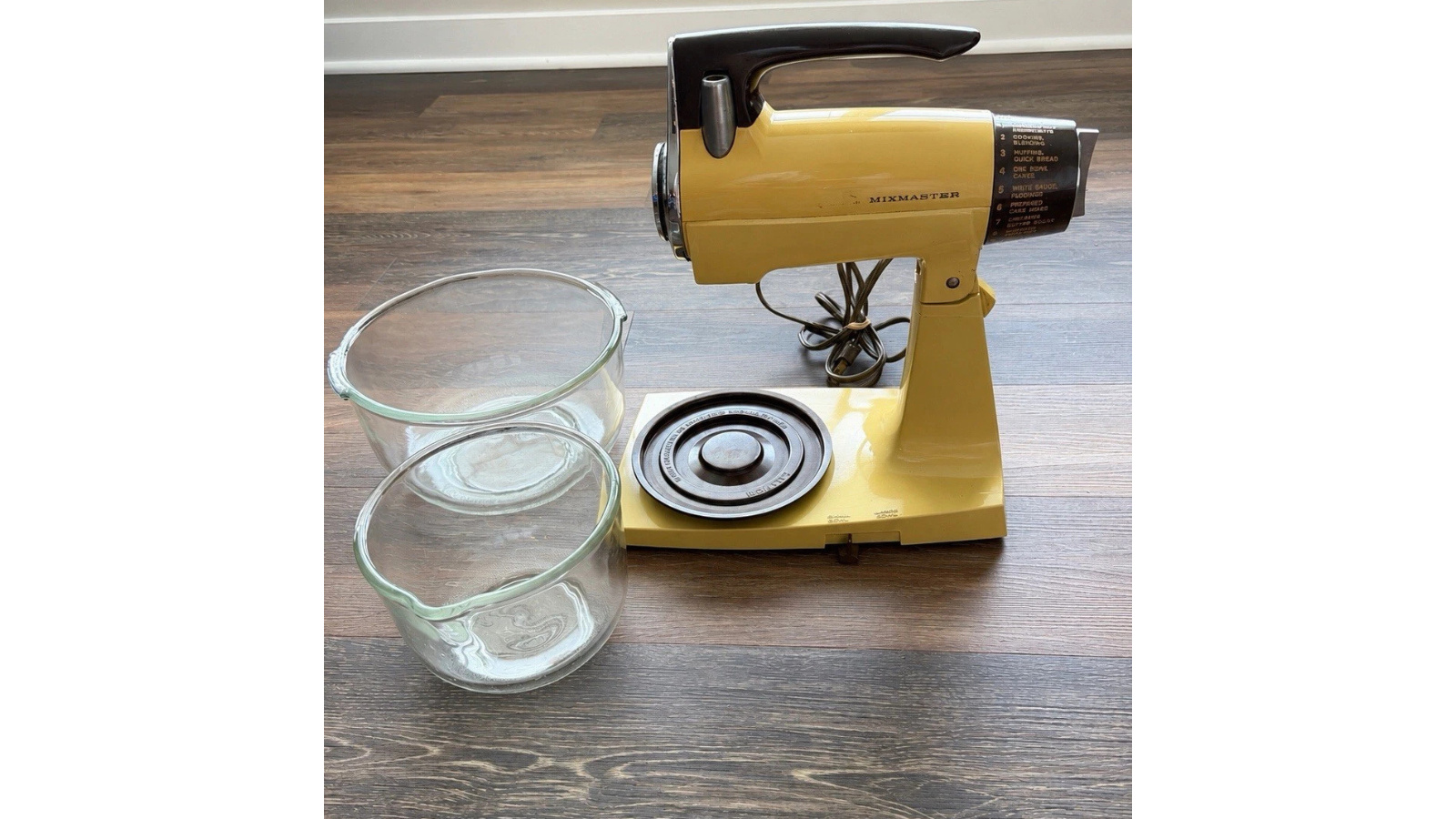
Sunbeam’s Mixmaster had been around for decades by the 1970s, so the name alone isn’t enough to date one. Later machines often carry a model code near the beater openings rather than the older style of identifying plate. That detail is worth checking before you buy a mixer presented as a rare seventies original.
A proper mixer set needs more than the motor head. Look for the original beaters, suitable mixing bowls, and a sound stand and turntable. Missing beaters can turn a bargain into a frustrating parts hunt. And as with the other electric appliances, I’d only consider using a vintage mixer after a qualified safety check.
What matters when you find one

Condition beats nostalgia. For ceramics, I check rim chips, hairline cracks, lid fit, and suspiciously shiny repairs. With glass, I look for clouding, dishwasher damage, faded decoration, and chips hidden at the base. With plastics, staining, distortion, and brittleness matter. For electrical pieces, completeness and safe display come before trying to make them work.
I also separate collectible from food-safe. Some older decorated or glazed pottery can release lead into food if the material or manufacturing is unsuitable, and you can’t establish food safety simply by looking at it. If the history and intended use are uncertain, use the piece for display rather than food preparation or serving.
You don’t need to chase the most expensive examples. A complete cookie jar, a bright mixing bowl, or a couple of beautifully preserved tumblers can be a far better find than a supposedly valuable object you don’t particularly like. That’s the joy of collecting useful old kitchenware: you can appreciate the design, give something a second life, and still have cupboards you actually want to open.
You might also like…
The CorningWare Pattern Collectors Dream Of Finding At A Thrift Store
The Blue-And-White Pyrex Pattern Collectors Dream Of Finding At A Thrift Store
The Pink Pyrex Pattern Collectors Dream of Finding at a Thrift Store

