

Affiliate disclosure: This post may contain affiliate links. Please see full disclosure.
Pumpkin butter is thick, silky pumpkin puree cooked with a little sugar, apple cider, and warm spices until it spreads almost like a soft jam. It’s lovely on toast, spooned into oatmeal, or tucked into a warm biscuit, and you don’t need half a day or a pantry full of sugar to make it.
This small batch starts with one 15-ounce can of plain pumpkin puree, or the equivalent amount of pumpkin you’ve cooked yourself. It makes just enough to enjoy over a few breakfasts, with the option to freeze the rest in small portions. One essential point before you start: pumpkin butter is a fridge-or-freezer food, not a home-canning recipe.
I grow pumpkins and regularly roast and freeze the puree, so I prefer recipes that account for the fact that homegrown pumpkin isn’t always the same thickness as the canned stuff. The pan, not the clock, should tell you when this spread is ready.
Small-batch homemade pumpkin butter recipe

Prep time: about 5 minutes with ready-made puree | Cook time: approximately 20–30 minutes | Yield: roughly 1½–1¾ cups, depending on how much you reduce it. Allow extra time if you’re cooking a fresh pumpkin first.
Equipment: a medium, heavy-bottomed saucepan with high sides, a wooden spoon or heatproof silicone spatula, and clean small storage containers. A splatter screen is handy, although not essential.
Ingredients
- 1 (15-ounce) can plain pumpkin puree, or about 1¾ cups cooked, smooth pumpkin puree (not pumpkin pie filling)
- ¼ cup unsweetened apple cider or apple juice (ordinary sweet cider, not hard cider)
- 3 tablespoons packed light brown sugar, plus up to 2 more tablespoons to taste
- 1 teaspoon ground cinnamon
- ¼ teaspoon ground ginger
- ⅛ teaspoon ground nutmeg
- A small pinch of ground cloves
- ⅛ teaspoon fine salt
- ½ teaspoon vanilla extract
- 1 teaspoon lemon juice, optional, for a slightly brighter flavor
Method
- Put the pumpkin, apple cider or juice, 3 tablespoons of brown sugar, cinnamon, ginger, nutmeg, cloves, and salt into a medium heavy-bottomed saucepan. Stir thoroughly until the spices are evenly distributed and there are no pockets of dry sugar.
- Set the pan over medium-low heat and bring the mixture to a gentle, steady simmer. It should bubble softly rather than boil furiously. Pumpkin puree is thick and can spit hot blobs, so use a deep saucepan, keep your face and hands back, and stir with a long-handled spoon.
- Lower the heat if it starts to splatter heavily or stick. Cook uncovered for around 20–30 minutes, stirring frequently and scraping the base and corners. Fresh, wetter puree can take longer. The pumpkin will darken slightly and become more concentrated.
- To check it, drag your spatula across the bottom of the pan. The mixture should briefly hold a clear trail instead of immediately flooding back together. A spoonful should sit in a soft mound, rather than run off like soup. Remember that it will firm up further when chilled.
- Taste carefully once the mixture has cooled slightly on a spoon. Add another tablespoon or two of brown sugar if the pumpkin needs sweetness. If you want a little sharpness, stir in the optional lemon juice. Take the pan off the heat and mix in the vanilla.
- Divide the pumpkin butter promptly among small, clean, shallow food-safe containers. Refrigerate within two hours of cooking, allowing the portions to chill quickly. Keep one portion in the fridge and freeze the extras once chilled. Don’t leave a full saucepan sitting on the counter until it reaches room temperature.
There isn’t any actual butter in this pumpkin butter. Like apple butter, the name describes the smooth, spreadable texture rather than an ingredient.
Making it with fresh pumpkin

If you’re staring at a pumpkin from the garden, you absolutely don’t need to buy a can. Choose an edible, sound pumpkin, ideally a smaller pie or sugar pumpkin with dense, sweet flesh. Giant carving pumpkins can be watery and bland, and anything that’s already been carved and left out as a decoration shouldn’t be used for cooking.
Wash the pumpkin, cut it in half carefully, scoop out the seeds and stringy center, and set the halves cut-side down on a baking sheet. Roast at 375°F (190°C) until the flesh is completely tender when pierced with a fork, generally about 35–60 minutes depending on its size and thickness. Let it cool enough to handle, then scoop the flesh away from the skin and mash or blend until smooth.
Fresh puree can be considerably looser than canned puree. If yours looks watery, drain it through a fine sieve or a clean cloth-lined colander in the refrigerator first, or simply plan to cook the butter a little longer. Measure about 1¾ cups after you’ve cooked and pureed the pumpkin; freeze any extra plain puree for another day. The same basic cooking-and-freezing approach is useful when you’ve had a particularly productive season with your organically grown pumpkins.
You can also make this with suitable cooked winter squash, such as butternut, if that’s what you have. The sweetness and water content will vary, so start with less sugar and judge the texture as it cooks.
RELATED POST: Best Pumpkin Fertilizers: How to Fertilize Pumpkins Organically
How to adjust the sweetness and texture
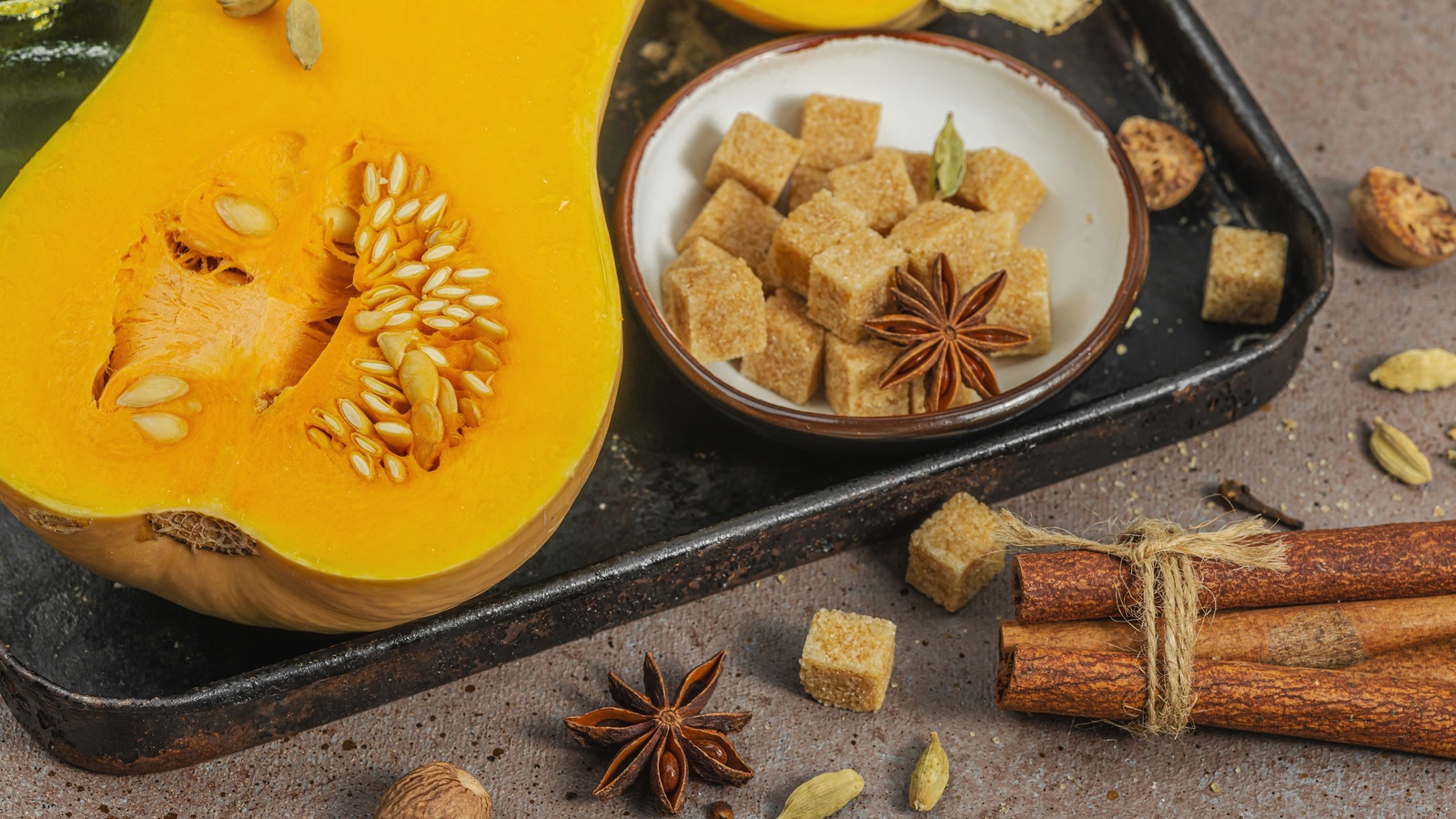
I wouldn’t automatically pile in lots of sugar. A naturally sweet pumpkin may only need the initial 3 tablespoons of brown sugar, particularly if you’re serving the spread on something already sweet. Taste after cooking, when the spices have softened and the pumpkin has reduced. A touch of lemon juice can brighten a flat-tasting batch, but don’t mistake it for a preservative.
If the butter is too thin, it usually needs more evaporation, not extra sugar or a thickener. Keep it over low heat, stir often, and give it another 5–10 minutes before checking again. Homemade pumpkin can take noticeably longer than canned puree. If the mixture is thick enough but slightly grainy, blend it briefly with an immersion blender once it’s no longer bubbling, taking care with hot splashes.
If it becomes too thick for spreading, stir in a teaspoon or two of apple juice or water at a time. If it tastes overwhelmingly of spice, the best fix is a little more plain pumpkin puree, followed by a few extra minutes in the pan. And if you smell burning, reduce the heat immediately. Browned pumpkin is one thing; scorched pumpkin butter isn’t a flavor you can cover up with cinnamon.
How to store pumpkin butter safely
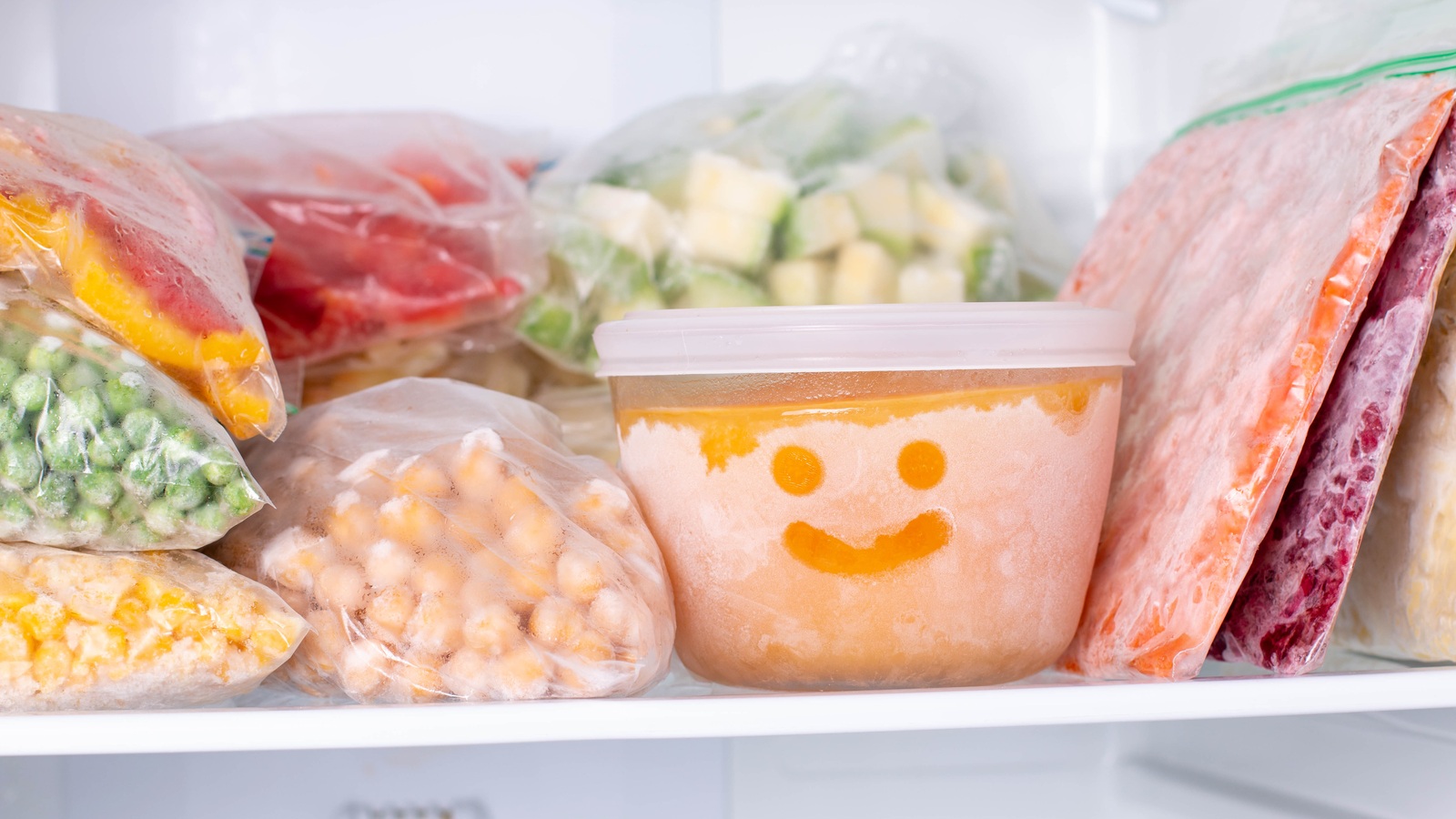
Homemade pumpkin butter belongs in a refrigerator at 40°F (4°C) or below. Use the refrigerated portion within 3–4 days, not several weeks, even when it’s in a clean, tightly closed jar. That short window is why I favor a small batch and freezing most of it straight away.
For freezing, choose clean, small freezer-safe containers, ideally holding about ¼–½ cup apiece. Leave some room at the top so the contents can expand, and label each portion with the contents and date. Freezer-rated plastic containers or silicone portion trays are straightforward. If you prefer glass, use straight-sided, wide-mouth jars explicitly made for freezer use; ordinary glass jars can crack in the freezer.
Once frozen solid, portions from a silicone tray can be transferred to a sealed freezer bag to save space. I would aim to use the frozen spread within about 2–3 months for best flavor and texture, rather than treating that as a hard food-safety expiry date. Thaw only what you need in the refrigerator, never on the counter. If some liquid separates on thawing, a thorough stir usually brings it back together.
If you give someone a jar, tell them plainly that it must be refrigerated and eaten within a few days or kept frozen. A pretty lid and label don’t magically turn it into shelf-stable preserves.
Why pumpkin butter cannot be home-canned
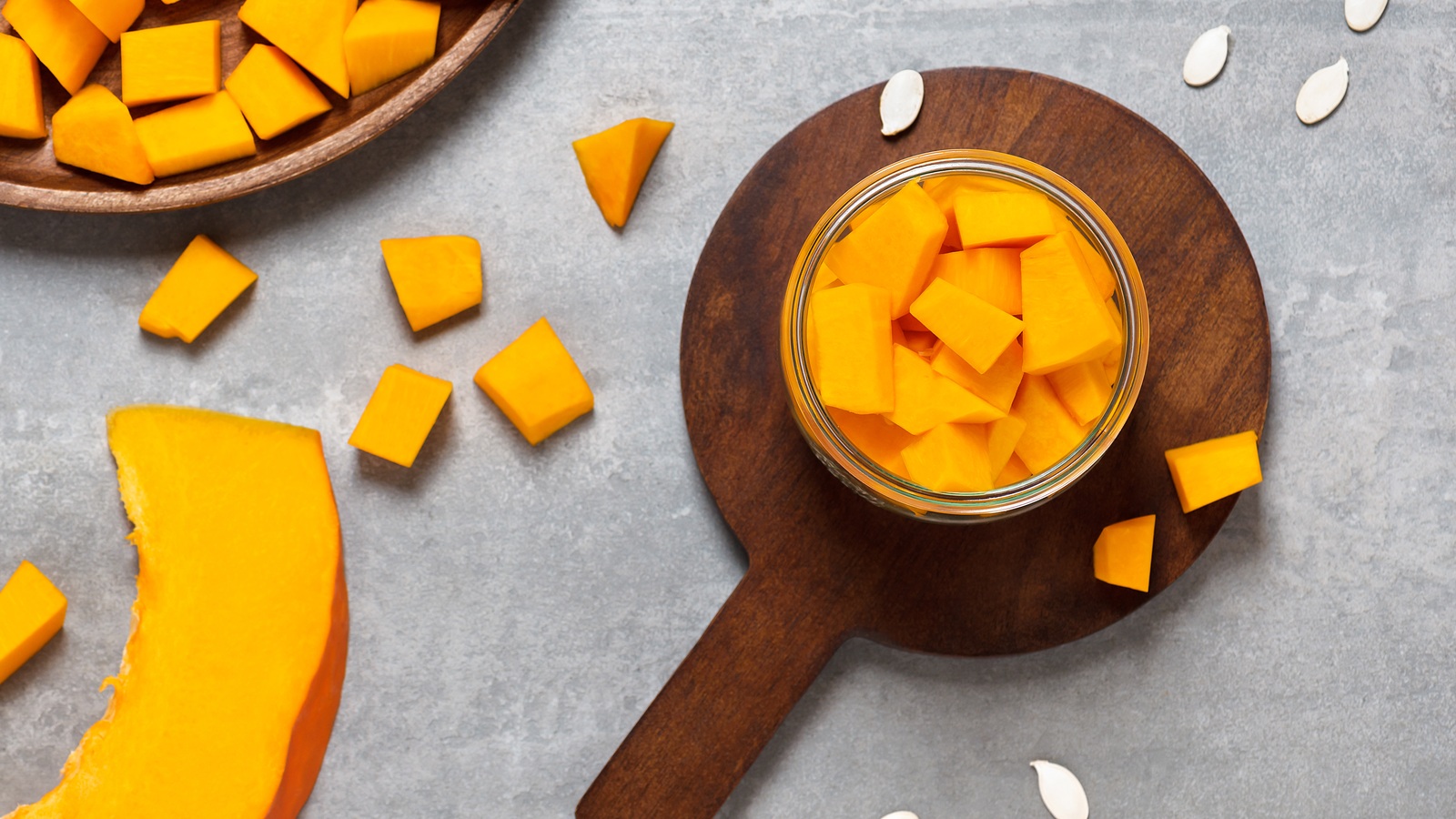
Pumpkin butter is not suitable for home canning in a boiling-water canner or a pressure canner. Pumpkin is naturally low in acid, and thick purees don’t heat through in a way that can be safely predicted using a standard home-canning process. There is no validated home-canning method for pumpkin butter.
Adding extra sugar, lemon juice, vinegar, or a longer processing time doesn’t make an untested recipe safe. Even if you change the acidity, the thickness still affects heat penetration, and no suitable home-processing time has been established. Botulism is a serious risk with improperly canned low-acid foods, so this is one of those times when improvising really isn’t worth it.
If you want shelf-stable pumpkin for later, follow a properly tested pressure-canning recipe for pumpkin cut into cubes. Don’t mash the cubes before processing. For mashed pumpkin or this spiced spread, choose the freezer instead.
Ways to use your homemade pumpkin butter

A spoonful stirred into oatmeal or plain yogurt is an easy start. Spread it on toast, biscuits, English muffins, or pancakes, or sandwich a thin layer between two plain cookies. It also works with cream cheese on a bagel, where the tanginess stops the whole thing becoming too sweet.
For baking, swirl a little through a muffin batter or use it as a filling for pastry, but remember it’s a moist spread, not a direct substitute for pumpkin puree in recipes that rely on specific liquid ratios. I particularly like the idea of freezing it in small portions for exactly this reason: you can pull out a couple of spoonfuls without committing yourself to a whole jar before breakfast.
You might also like…
102 Pumpkin and Squash Recipes

