

Affiliate disclosure: This post may contain affiliate links. Please see full disclosure.
You can plant asparagus crowns in fall in some mild-winter regions, but it isn’t the right season everywhere. If your ground stays workable and well drained through winter, autumn planting may suit your area. Where soil freezes hard, stays soggy, or temperatures drop rapidly, prepare the bed now and plant dormant crowns in spring instead. Either way, a well-planned asparagus bed can give you harvests for 15 years or more.
As someone who grows a substantial amount of my own food, I think asparagus is worth dedicating permanent space to. It’s a crop you plant for future-you, not for dinner next month. But because the crowns can stay put for well over a decade, poor drainage, persistent weeds, and cramped spacing are mistakes that will haunt you for years.
Check whether fall planting is suitable in your climate
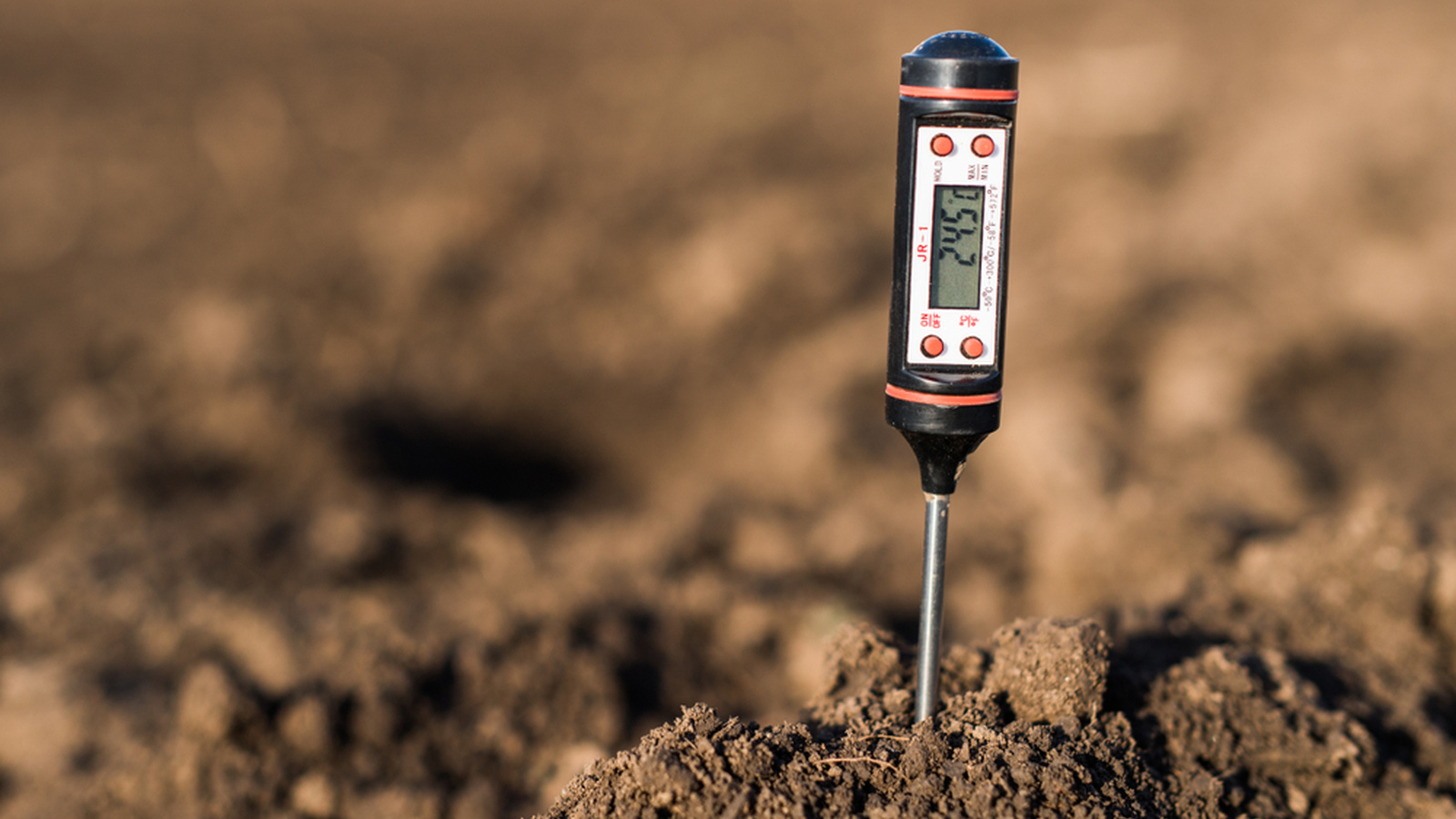
Don’t choose a planting date from a generic national calendar. In Oklahoma, late fall, winter, or early spring planting is suitable. In some milder California districts, the crown-planting window runs from October into March. Those are regional recommendations, not permission to put bare-root crowns into freezing soil everywhere.
Much of the Midwest and Northeast is different. Minnesota’s usual planting window is early May to early June, while many eastern extension guides recommend early spring. In cold regions, use fall to clear perennial weeds, test soil, work in compost, and plan the rows. Order crowns for delivery near spring planting, rather than storing them for months yourself.
Even within a warmer state, drainage matters more than a convenient date. If winter rain sits in your chosen bed for days, fix the drainage or move the bed before planting. Wet, airless ground can rot asparagus crowns. And in very warm, frost-free areas, the lack of a reliable dormant period can limit asparagus production, regardless of when you plant.
Choose a permanent, sunny, well-drained position

Give asparagus a dedicated bed that receives at least six to eight hours of sun, with plenty of room for its mature, fern-like foliage. Those tall summer ferns feed the crown that produces next spring’s spears, so don’t cram asparagus where you’ll need to cut the foliage back to make room for summer vegetables.
I would choose an accessible spot at the edge or north side of a vegetable garden, away from competing tree roots. Clear out bindweed, couch grass, thistles, and other perennial weeds thoroughly before digging. You really don’t want to be trying to remove deep-rooted weeds from between established asparagus crowns.
Loamy soil is ideal, but workable garden soil can be improved. If your ground is heavy clay and waterlogged, a properly drained raised planting area may be better than a deep trench that collects winter rain. If it’s extremely sandy, organic matter and dependable watering will matter more.
Prepare the soil for the next decade
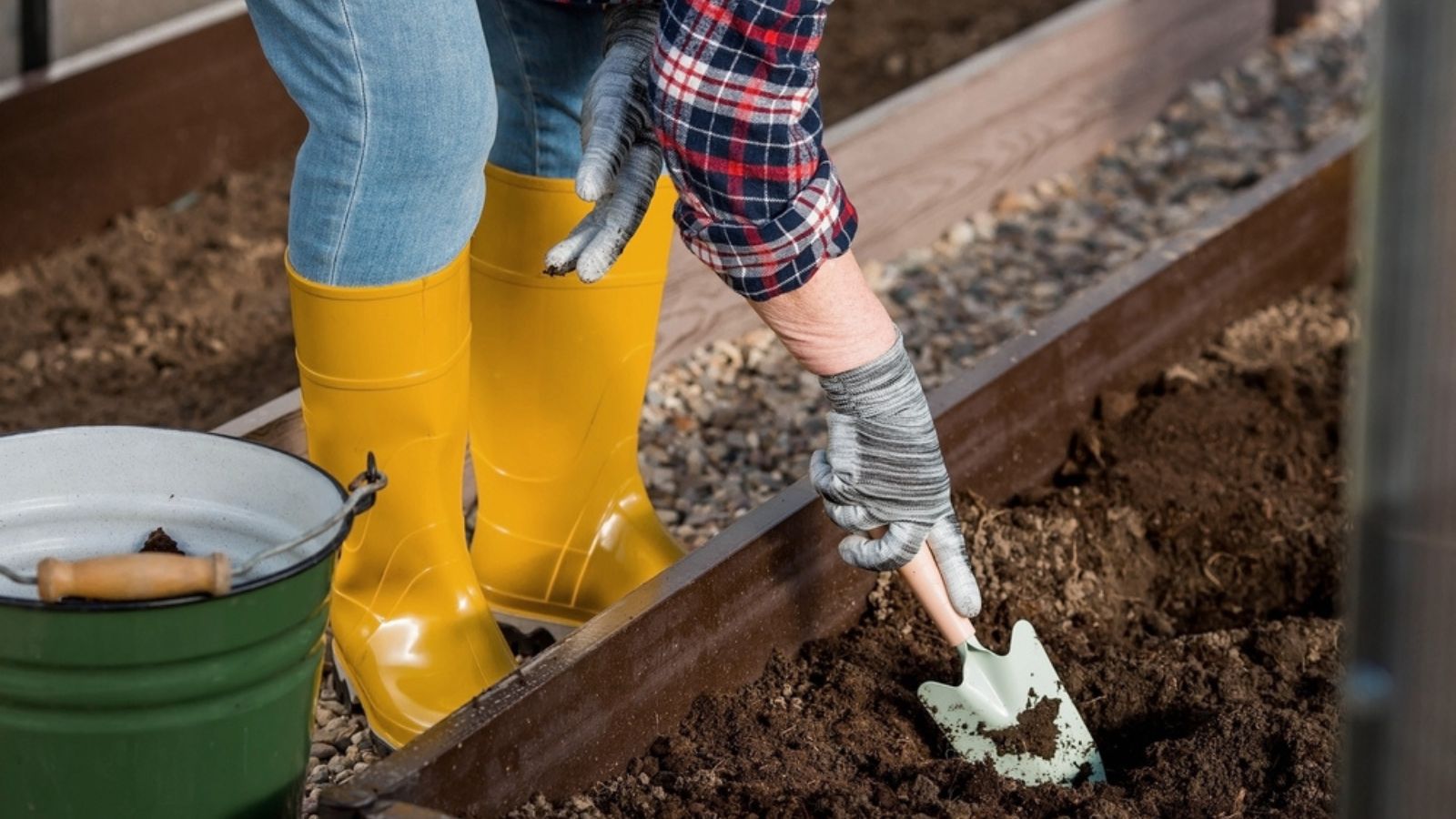
Loosen the whole planting area, not just narrow holes. Mix in well-rotted garden compost to improve soil structure, and take a soil test before adding lime or concentrated fertilizer. Asparagus does well in soil around pH 6.5 to 7.0, although local growing guidance varies slightly. Don’t automatically add lime or bonemeal just because an old planting guide says to. Use what your soil actually needs.
Fall is a particularly useful time to do this groundwork in cooler climates, even if you’re waiting until spring to set crowns. Let the amended bed settle, make sure rain drains through instead of pooling, and keep it weed-free. Good soil preparation is far more valuable than rushing the planting just to tick off an autumn chore.
Space the crowns before you dig

Buy healthy, dormant, one-year-old crowns from a reputable nursery, preferably adapted to your region. They look like a small central bud cluster attached to long, fleshy roots. Avoid crowns with soft, rotten sections or dried-out, brittle roots.
For a home planting, space crowns about 18 inches apart in the row and allow roughly 4 to 5 feet between conventional rows. That looks generous when you’re holding a handful of bare roots, but mature asparagus needs the room. Some intensive-bed systems use different arrangements, so follow a proven local layout rather than squeezing two standard rows into one narrow strip.
If you only have a small garden, I’d rather grow a modest, well-spaced row than buy too many crowns and overcrowd them. Each healthy plant needs room to build the root reserves that support long-term production.
Set the crowns with buds facing upward

Dig a trench about 6 to 8 inches deep and wide enough to accommodate the roots without severe bending. Adapt the depth to your soil and regional guidance: shallow planting is preferred in heavier clay soil. In a mild-climate fall planting, don’t bury crowns in a deep, water-holding channel.
Position each crown with its growing buds facing up and the roots pointing along or across the trench without being crushed. You don’t have to arrange every root like an octopus. Carefully laying crowns head-to-toe in the furrow works well. Handle the roots gently and don’t let exposed crowns dry in sun or wind while you work.
Cover the crowns initially with around 2 to 3 inches of fine soil and water enough to settle soil around the roots. In the usual spring trench method, you gradually add the remaining soil as sturdy ferns grow, until the trench is level by the end of the growing season. For autumn planting in a mild region, follow your local extension’s final-depth instructions rather than leaving an open trench that will fill with winter water.
Look after newly planted crowns through winter

Water after planting, then pay attention to actual soil moisture rather than watering by the calendar. Damp is fine; saturated is not. In areas that get occasional frost, a light layer of loose organic mulch can help moderate soil temperature. Keep heavy mulch away from any newly emerging shoots and don’t pile wet material over the crowns.
Keep the bed weed-free, but avoid deep cultivation that could injure the developing roots. When spring growth starts, let the spears grow into full, feathery ferns. They may look like a missed harvest, but they’re the plant’s food factory. You need those reserves much more than you need a handful of early spears.
Be patient before you harvest

Don’t harvest in the first growing season. In the second year, some local guidance allows a very light harvest from vigorous plants, while other recommendations advise leaving them alone for a full two years. I lean toward the cautious approach, especially for crowns planted outside the usual spring window or plants that established slowly.
When the bed is mature, you can harvest spring spears for a limited season, then stop and allow the ferns to grow through summer. A well-managed asparagus planting can produce for 10 to 15 years, and many beds last longer. Those spring harvests are why I’m willing to give asparagus space that could otherwise hold annual crops. Get the groundwork right once, and the return keeps coming.
You might also like…
Foraging For Beginners: Wild Asparagus