

Affiliate disclosure: This post may contain affiliate links. Please see full disclosure.

Pumpkins are pretty easy to grow, but they do need fertilizer and nutrient-rich soil to produce big, healthy fruits. Whether you want them for Halloweern or you’re planning some fabulous culinary creations, we encourage you to fertilize pumpkins organically to encourage large, firm, fleshy fruits without adding lots of chemicals. In fact, some of the best pumpkin fertilizers you can find are organic fertilizers you can make at home from supplies you already have on hand.

Every year, we grow all kinds of pumpkins, from great eaters like the small/medium size Early Abundance and Triple Treat to fun white ghost pumpkins and huge Big Moose and Atlantic Giants, so we definitely know a thing or two about how to fertilize pumpkins. Here, we take you through what we know to be the best natural fertilizers for pumpkins to get big, healthy harvests.
Why Fertilize Pumpkins?
Pumpkin fertilizer encourages strong root development and boosts flower and fruit production. Both of which increase yield. Plus, fertilizing pumpkin plants provides more food and energy, letting the plants produce bigger fruits. And, because fertilizing plays such an important role in plant health, it can help your pumpkins avoid pests and diseases that tend to attack weaker or inferior specimens.
Having the right balance of plant nutrients – nitrogen, phosphorus, and potassium – is important for getting a great harvest. Pumpkins are heavy feeders and therefore require a strong fertilization schedule.
While a general pumpkin fertilizer is better than none at all, if you want a really impressive pumpkin patch you need to apply the right kind of fertilizer at the right time in the growing cycle.
The Best Organic Fertilizers For Pumpkins
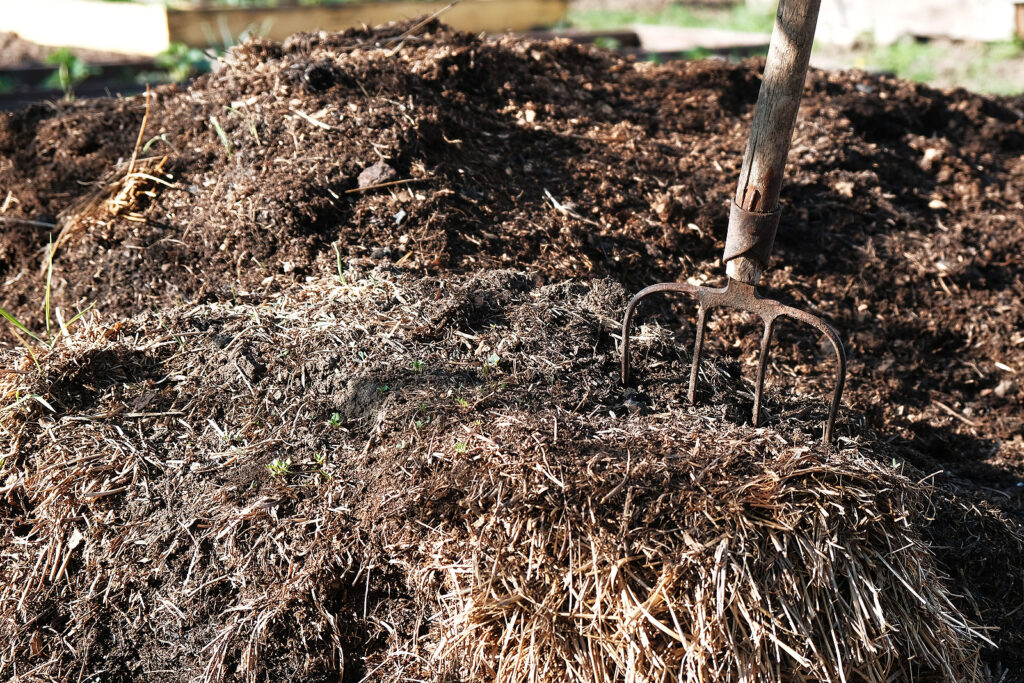
If you don’t have much experience in building soil health, then you can get a soil test kit like this one. It’ll tell you the current condition of your soil so you can make the right amendments with fertilizer. I don’t usually bother with these though, as I know my soil, and I’ve been conditioning it for years, so I go by what my eyes and experience tell me. But in general, the very first thing I do before planting anything is to enrich the beds with well-rotted manure or compost. This provides lots of slow-release nutrients and lots of organic matter that helps to build healthy soil, with a free-draining, open structure.
You have lots of choice when it comes to the best fertilizers for pumpkins, but the best options change according to the growing stage of the plants, as the three key stages have different nutrient requirements. Whatever you choose, make sure it’s organic, natural, and free of chemicals. Remember, plants absorb whatever is in the soil and pass it on to the fruits that you then eat. You really, really don’t want to be eating the chemicals used for synthetic fertilizer.
Best Organic Pumpkin Fertilizers for Early Growth
Any organic fertilizer that’s nitrogen-rich. Nitrogen fuels leaf and stem growth for robust, vigorous plants. This is crucial to get your pumpkins off to the best start, whether you’re growing mini pumpkins or giants. Nitrogen is a key element of chlorophyll. Photosynthesis is the process by which chlorophyll uses the sun’s energy to create sugars to feed the plant. Nitrogen boosts this process, delivering the fuel the plant needs to produce more leaf and stem growth.
Blood Meal
Blood meal sounds a bit gruesome, and it is. What is blood meal? Well, as the name implies, it’s dried blood, usually from cows, but potentially from any animal that’s processed for human food. The blood is harvested and dried to form a powder, so don’t worry – you’re not handling actual liquid blood.
So what is blood meal used for when it comes to pumpkins? Nitrogen! It’s basically entirely nitrogen so makes a great soil amendment for fuelling early growth. Just make sure you follow the instructions on the pack because blood meal is a highly concentrated form of nitrogen, and it’s all too easy to give too much, burning or killing your plants, or making your soil too acidic.
And lastly, make sure you use a high-quality blood meal, like this one, that’s free of chemical additives, so you know exactly what’s going in your soil and eventually your body.
Manure or Manure Tea
Manure from livestock is nitrogen-rich but has more balance, with some phosphorus and potassium. The general guideline is that well-rotted manure is 0.6% nitrogen, 0.5% potassium, and 0.1% phosphorus.
With this ratio, you’ve got a nice nitrogen base to fuel leaf growth and you’re already building up the quantity of phosphorus and potassium that’ll be needed in large quantities in the next growth stages.
And, of course, as it slowly releases its nutrients and breaks down, it adds valuable organic matter to the soil.
Best Fertilizer for Pumpkins During Flowering:
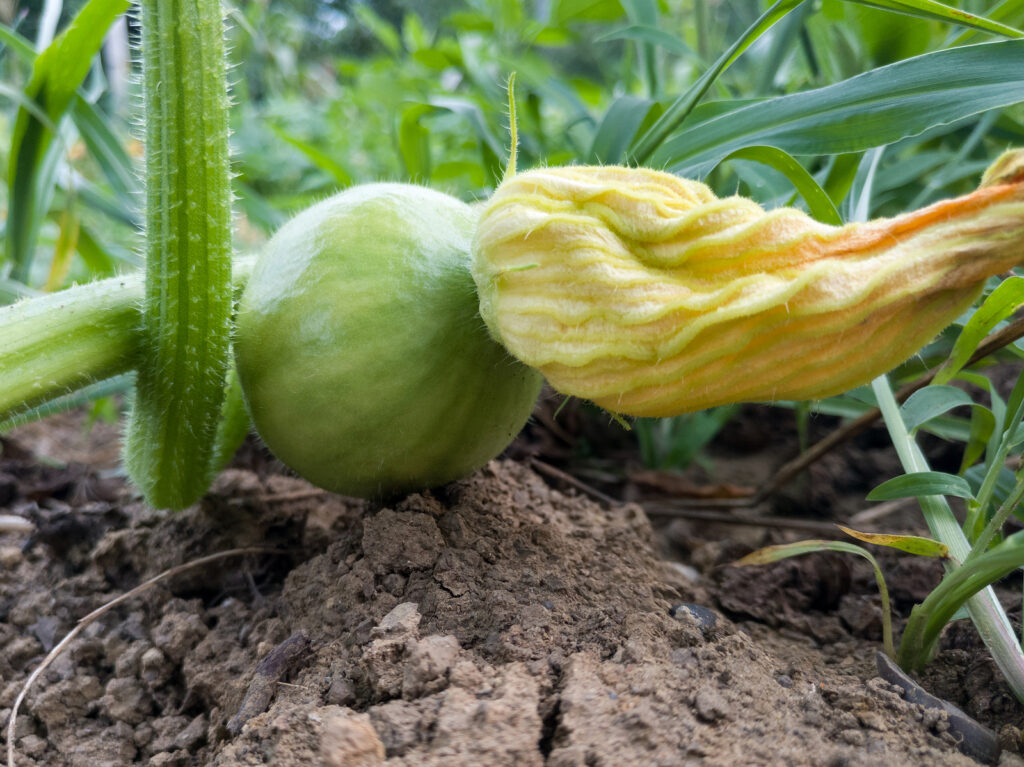
Any natural fertilizer that’s phosphorus-rich. Once your plants start to produce flower buds, they need phosphorus. Pumpkins need a lot of adenosine triphosphate, also known as ATP, to produce flowers and fruits. And phosphorus is a key component of this. Because phosphorus is usually only available in small quantities widely dispersed in soil, pumpkin roots often cannot reach adequate amounts, hence you need to supplement it, particularly during the flowering phase. Without enough phosphorus, your plants may not produce any flowers at all, or they’ll produce buds but they’ll die or fall off before they open or you may find that your plants are even producing small fruits but that they abort/fall off soon after pollination.
If you find yourself wondering, “why are my pumpkin flowers falling off?” or “why are my pumpkin flowers not opening?” or “why are my pumpkins falling off the vine?” the chances are, a lack of phosphorus could be the problem.
Bone Meal
Just like blood meal, bone meal is exactly what is says – finely ground bones. Usually cow bones. You can also get fish bone meal that’s also great as a phosphorous source. This is another product where it’s vital that you follow the application instructions, as too much is as bad as too little. And use it sparingly,. It’s highly concentrated and can cause many problems if used improperly. As with blood meal, make sure you go with a highly rated, trustworthy bone meal like this one so you can be sure it’s safe for use on edible plants.
Chicken Manure
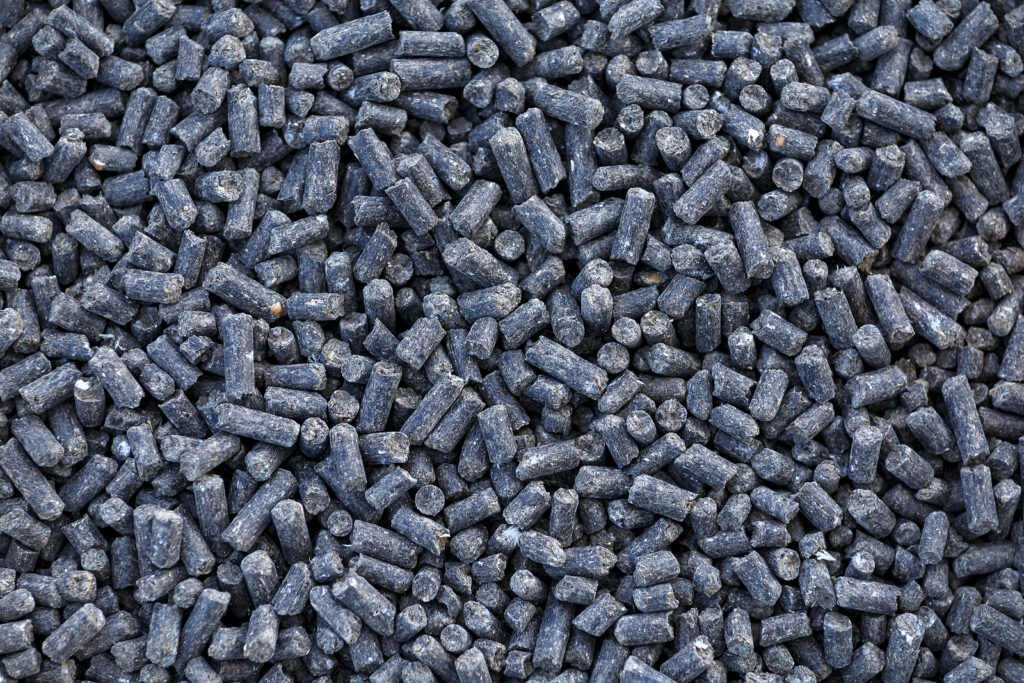
Not all manure is the same, and while all do contain some of each important nutrient, with nitrogen being the primary one, chicken manure contains a significant amount of phosphorus, too. If you have your own chickens, then save their poop and in fact, save all of the ccop sweepings. Let them rot down for a year, then you can just apply it to your pumpkin plants at the right stage. If you don’t have chickens, you can buy bags and buckets of chicken manure pellets. As with other commercial fertilizers, just make sure you buy a reputable product that’s free of additives. When I’m low on rotted chicken poop, I tend to buy this one.
Best Natural Fertilizer for Pumpkins During Fruiting:
Potassium and phosphorus with just a smidge of nitrogen. Potassium is another key component in the production of ATP. Plus it helps to regulate how much water and carbohydrates your plant stores. And it stimulates starch and protein production in the pumpkin fruits, encouraging growth, particularly when combined with phosphorus. Just be careful that you don’t over-fertilize with potassium. If you do, you’ll notice fruits growing too fast and cracking or splitting. If you see this, hold off on any more potassium heavy fertilizer applications.
Kelp or Seaweed
Kelp or seaweed is a fantastic source of potassium and phosphorus. Kelp has the most complete mineral profile of all seaweeds, but any seaweed will work for making seaweed liquid fertilizer. Just get to the beach, grab as much seaweed as you want, get it home and give it a thorough wash to get rid of all the salt. Let it sit in a bucket of water overnight, then rinse again to remove any lingering salt traces. Then place in a bucket, add just enough water to cover the seaweed, and cover the top of the container. Sit it in a hot/sunny spot and stir every few days. In hot weather, you’ll find most of the solids have liquified and the seaweed has finished fermenting in as little as two weeks, and then you’re ready to add it to your plants.
Note, however, that some shorelines are protected, and collecting anything, including seaweed is prohibited, so check local regulations before you fill your bucket.
If you’re not close to a beach from where you can legally collect seaweed, you can buy a good quality natural seaweed fertilizer ready made. I like CleanKelp from Bloom City because it’s good value and 100% natural and it’s easy to mix and apply to the pumpkins.
How to Fertilize Pumpkins Organically
Pumpkin fertilization requirements change at the three key growth stages, so it’s crucial you know what to feed pumpkins when.
Pumpkin Plant Food for the Pre-Flowering Stage
The pre-flowering stage is roughly the first 55 days between germination and the first flower buds forming. During this stage you want to fuel leaf, stem, and root development with your chosen nitrogen-rich fertilizer. If you’re using a commercial nitrogen fertilizer like blood meal, mix and feed according to the instructions on the box, but also use your common sense. If day 55 is approaching and you can see a lot of leaves and vines but absolutely no sign of bud formation, stop applying nitrogen to tell the plant it’s time to focus on flowers and fruit instead of leaf growth. If you’re using manure tea, direct manure application, or compost, the same rule applies – watch what your plants are doing. If the leaves start to yellow or look burned or there’s loads of leaves and no sign of flowers as day 55 draws near, don’t add any more fertilizer.
Pumpkin Fertilization Requirements for Flowering Stage
Now’s the time for phosphorus application to encourage flowering. While you should always follow the directions on the packet for commercial bone meal, you can also do it by eye if you’re cautious. I, for example, add a tablespoon of bone meal around the base of pumpkin plants if I don’t see enough flower formation or there are signs of ill health. I lightly work it into the top 2 inches of soil where it can slowly work its way down to the roots. Don’t go any lower than 2 inches or you’ll likely damage the roots. I’ll then continue to add a little bone meal according to the pack instructions around every two weeks until I’ve got a handful of small fruits developing on each plant.
But again, don’t just blindly follow packet (or my) instructions. Watch your plants – they’ll tell you what they need. If previously happy plants start to look yellow round the edges, they’ve got too much phosphorus so can’t effectively absorb iron and zinc. So stop applying phosphorus.
How to Fertilize Pumpkins During the Fruiting Stage
I’m a big fan of seaweed fertilizer for fruiting pumpkin plants. It provides an almost perfect ratio of minerals and nutrients so meets all the fruiting pumpkin fertilization requirements. As a general rule, whether you go for DIY seaweed fertilizer of a ready-made seaweed product, apply it once a week once fruit starts to set. The added potassium helps the plant to focus on growing big, fleshy pumpkins rather than growing more roots or leaves.
If you notice the fruits growing far too quickly or you see cracks start to appear, stop applying the potassium fertilizer, as this indicates over-fertilization.
Tips for Getting the Biggest, Healthiest Pumpkins
You can’t just stick a pumpkin plant in the ground and hope for the best. If you’re going to give up a lot of garden real estate for your pumpkin patch, you want it to be as productive as possible, so here are some handy tips to help you get the biggest yield from your pumpkin vines.
Ensure Adequate Airflow
Nothing encourages fungal attacks faster than damp, overcrowded environments. So keep your vines free of weeds to allow plenty of airflow all around the plant.
Water the Right Way
Water deeply and consistently, and whatever you do, don’t water overhead. If you can’t do drip irrigation, then place your hose at the base of the plant rather than spraying it overhead. This helps to stop fungal spores splashing up onto the plant from the soil. It’s also a good idea to water early in the morning, before the heat of the day, which can burn pumpkin leaves. Watering at night isn’t advisable either because the plant then stays wet all night, encouraging slugs and snails as well as providing greater opportunity for fungus to set in.
Encourage Predatory Insects and Pollinators
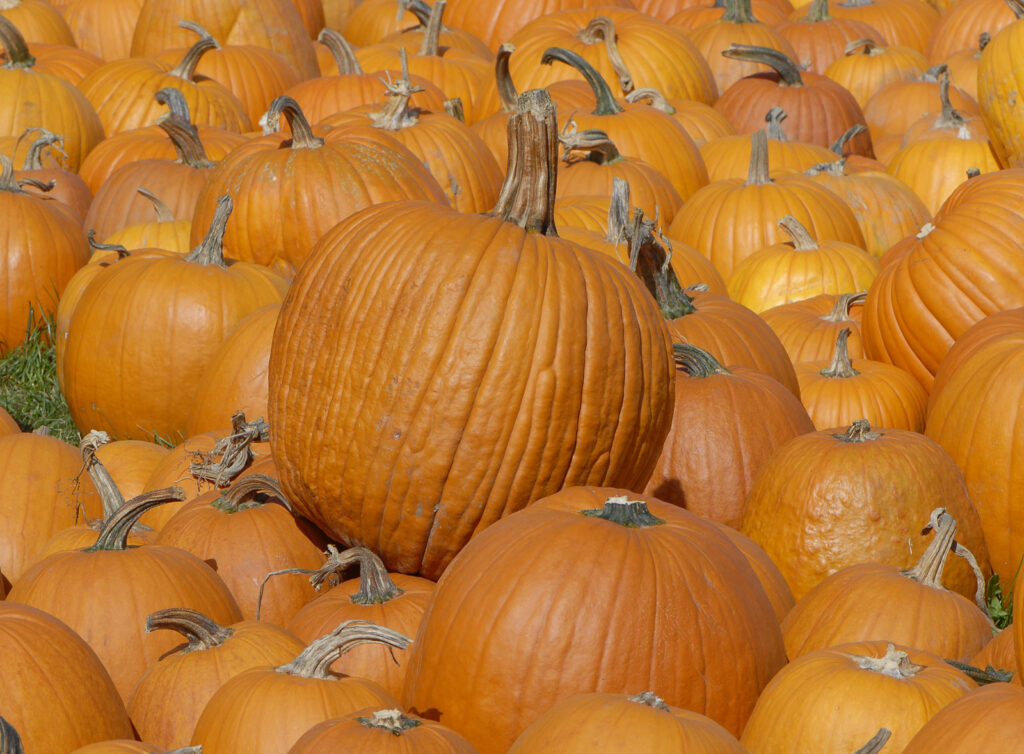
Beneficial insects are vital for a healthy, productive pumpkin patch. Use tall, brightly colored flowers to attract predatory insects like parasitic or predatory wasps, hover flies, lady birds, and praying mantids. These will devour large numbers of insect pests like aphids and squash bugs that can harm your pumpkin plants. The same tall, brightly colored flowers are useful for attracting pollinators like bees, too. Pumpkins have both male and female flowers and, to produce fruit, the females require pollination from the pollen of the male flowers. If you don’t have enough pollinators to flit from flower to flower, you’ll have to pollinate by hand if you want any pumpkins to harvest.
Wrapping It Up
Pumpkins are ridiculously versatile vegetables. Sure, you can carve them for Halloween, but you can do so much more. We use them for soup, for pies, to aid recovery and firm up stools when our dogs have dodgy tummies (it works amazingly well!), and we make pumpkin peanut butter dog treats that our dogs go nuts for. We love pumpkins so much that we put together 102 of the best pumpkin recipes.
Remember, watch what your plants are telling you to avoid over fertilization. And respect their growth stages. High nitrogen for the first 55 days to encourage foliage and root development. Phosphorus for the flowering stage, and potassium for the fruiting stage.

Love this article! My 4 year old daughter and I have been tending to a volunteer pumpkin plant since it popped up at the beginning of July. We are in Oklahoma and it has been brutally hot plus a major drought up until the last couple of weeks. Anyway! When we noticed a lot of buds, but weren’t getting to the flowering stage we followed your bone meal instruction and it worked beautifully and we now have a big patch of beautiful flowers and many more buds, however, all the flowers seem to be male and they bloom and then fall off within a day or two. This has been the case for the last few weeks and we are eagerly awaiting some females so we can get some fruit! Do you suggest we add more bone meal to encourage fruiting or do we go ahead to the seaweed stage? My understanding is that the seaweed is not until we actually see the fruit forming, correct? Thanks for all the help!
Hi Megan, I hope you got some pumpkins already! If not, I’d recommend you lay off the bone meal, as that’s likely to create more and more leaves and male flowers. You can try seaweed, for sure. But it could be that the plant is an unstable hybrid, so isn’t able to produce females. There’s no telling, I’m afraid! But don’t despair – if things don’t work out, try again next year with a super-easy, productive variety like a Jack of All Trades, or go with something fun like a show white ghost pumpkin or a zombie pumpkin.