
Affiliate disclosure: This post may contain affiliate links. Please see full disclosure.

Disclosure: This post contains affiliate links. Click here to read my affiliate policy.
Poultry ticks are pests that feed on chickens much like lice, mites, and fleas — only they’re more insidious because they host a range of dangerous diseases that are harmful to chickens, humans, and animals of all kinds.

For this reason, it’s imperative that you practice tick control measures as soon as you confirm an infestation in your backyard chickens. Keep reading to learn how to identify these bugs so you can quickly work on getting rid of them.
Monitor Your Birds’ Habits
Because adult ticks spend daylight hours hidden in the cracks and crevices of your hen house, your first signs of an infestation may not be entirely obvious. Common symptoms like reduced egg production and hesitance to roost can sometimes be easy to overlook.
Even you do notice these symptoms, you may attribute them to a different problem, such as lice or mites. In any case, simply being on the lookout for strange behavior is an important step in catching an infestation of any kind and remedying it before it becomes serious.
RELATED READING: How to Identify Poultry Worms
One more uncommon but easily recognizable symptom of a tick problem is paralysis in your chickens. The lameness generally affects the legs first, causing loss of balance and coordination, and progresses to the wings. It’s caused by toxins in the tick’s saliva and must be addressed immediately.
Give Your Poultry a Once Over
Even though it’s highly unlikely that you’ll ever find an adult tick while inspecting your chickens during the day, other signs may point to these bugs.
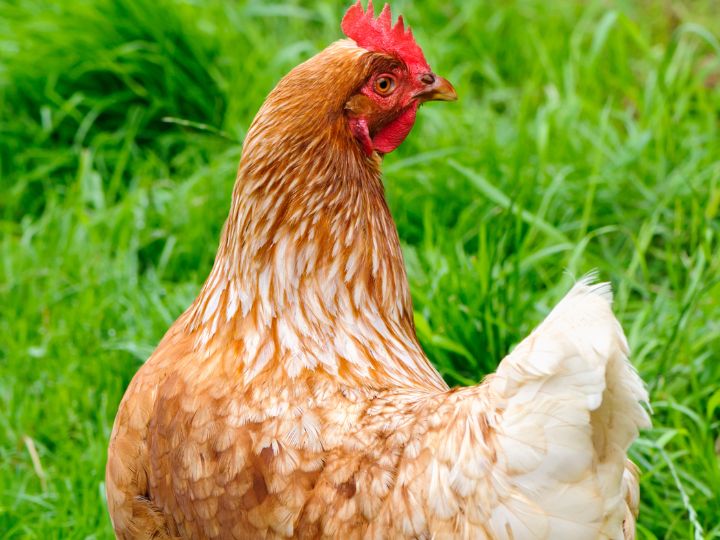
When inspecting your chickens, pay particular attention the skin under the wings; this is the favored spot for tick feeding. Depending on the severity of the infestation, you may notice small red spots or blemishes from tick bites.
In more severe infestations, after an adult female tick has had a chance to lay eggs in the hen house, you may see tick larvae embedded in the skin under a bird’s wings. This is the only point in a tick’s life cycle that it remains on the chicken, feeding for several days until it’s engorged. At that point, the tick will fall off the bird and hide in the coop.
Other signs that you may be dealing with a significant tick population that’s harming your poultry include:
- Weight loss: You may notice your birds losing weight or failing to grow due to blood loss and/or loss of appetite due to stress
- Pale comb and wattle: Normally bright-red combs and wattles may lighten to pink if a chicken develops anemia from blood loss
- Damaged or lost feathers: Feather quality tends to decrease when poultry are infested with ticks because the chickens over-preen
A word of caution about handling fowl that may be infested with ticks: The larvae can easily transfer to humans. Being bitten by a tick puts you at risk of contracting a range of diseases, including Rocky Mountain spotted fever and Lyme disease. When inspecting chickens for tick larvae, wear gloves and long-sleeved shirts and pants, and check your body in the following days for signs of embedded ticks.
RELATED READING: How Much Does it Cost to Keep Chickens?
Carefully Inspect the Chicken Coop
By far the best way to diagnose a tick infestation is to conduct a careful examination of your chicken coops. Fowl ticks thrive in the cracks and crevices of the hen house because these narrow spaces provide protection from dehydration and natural predators. It’s in the coop that ticks spend the majority of the day and lay their eggs.
To look for ticks, you don’t need to inspect the entire coop. Bypass the nesting boxes, and head straight for the roosts. Ticks will hide in the crevices around the roosts because they come out to feed when your chickens are sleeping at night.
There are several ways to detect ticks in the coop. If you come across a larger crack or crevice, insert a putty knife and rub it back and forth a few times. If you see blood upon removing the knife, you likely have ticks. You can confirm this by removing adjoining boards and performing a visual inspection.
For smaller crevices, you can use a pressure washer to flush out ticks. Spray water into the crack for only a few seconds, and then inspect the ejected debris to confirm the presence of ticks.

FAQs about How to Identify Poultry Ticks
While there are some poultry species, such as guinea hens and turkeys, that excel at foraging for bugs, you’ll see hungry chickens eat ticks, worms, grasshoppers, and other insects — free-range birds aren’t particularly picky. Nor are they finicky about the variety of tick, happily gobbling up deer ticks, Lone Star ticks, dog ticks, and any other type that may be local to their environment.
RELATED READING: Best Chicken Breeds for Eggs
Many poultry keepers rely on hens to help with pest control — the average chicken actually consumes about 80 ticks every hour — but it’s important to note that most backyard flocks can only eat so many ticks per day, so they’re not capable of destroying large tick populations on their own. An excess of ticks can contribute to the fowl contracting the external parasites as they’re constantly exposed to them.
Because fowl ticks can infest chickens, there is the mistaken belief that they attract these bugs. The truth is that ticks infect all types of animals, including wild birds, rodents, and even larger animals like raccoons and deer — and they’re at their worst during the summer months.
Chicken flocks are infested with the poultry tick when they come in contact other infested animals or those places where they live and sleep. You can minimize the chances of your birds contracting ticks in this way by making your space inhospitable to wild animals. Accomplish this by tightly covering chicken feed, removing sources of standing water, fencing your property.
By far, the most effective form of tick control is to take away their hiding spaces. After thoroughly cleaning out the chicken coop with a pressure washer, seal up every nook and cranny with caulk. Adding a thick coat or two of paint can also help seal tiny fissures.
Once you’ve tick-proofed the coop, apply a homemade, orange-oil-based insecticide. This mixture will kill any remaining ticks on contact and take care of any new ticks that come in on your chickens.
Remember: To get rid of poultry ticks, you must address the environment that allows them to thrive. So long as you have a hen house with cracks and crevices, the ticks will have a place to hide — and they can be extremely patient. Ticks can go very long periods of time without a meal (up to four years!) Quickly and effectively treating ticks is important for all forms of life on your property as these bugs are happy to hitch a ride on and consume the blood of any animal, including cats and dogs.
While it can be tempting to buy a toxic chemical and spray the coop or your birds, keep in mind that these poisonous substances can be just as dangerous. For starters, they may harm your chickens by causing illness. And any chemical with an egg withdrawal period warning is telling you up-front that you can be exposed to its toxins by eating your chickens’ eggs.