
Affiliate disclosure: This post may contain affiliate links. Please see full disclosure.

Disclosure: This post contains affiliate links. Click here to read my affiliate policy.
Knowing how to spot intestinal parasites in backyard chickens is important to ensuring the health of your flock. Like external parasites, such as lice and mites, worms can cause serious issues, and even death, if allowed to overpopulate. It’s important to learn how to identify poultry worms.
Review the symptoms below for help determining whether the worm load is becoming too much for your chickens. Also learn why an worm egg count is an important step in the diagnostic process.
RELATED ARTICLE:
Symptoms of Intestinal Worms in Chickens
It may seem strange, but it’s perfectly normal for healthy chickens to have to have worms in their digestive tract. Internal parasites are extremely common in warmer climates, and they simply become part of a bird’s day-to-day life.
The problems start when infected birds cannot handle the parasitic load. When the population grows too great and is left untreated, your poultry will suffer.
Bloody Diarrhea and/or Loose Stool
When a hen is infested with certain internal parasites, it may produce abnormal, sometimes bloody, stool. This is due to an infection called Coccidiosis that these worms cause. Coccidiosis assaults the small intestine of the bird, producing loose stool as cells die.
Increased Hunger
You may notice members of your flock consuming more feed than normal. You may even mistake the increased appetite as a sign of healthy chickens. Unfortunately, this isn’t the case — most of the food actually benefits the worms inside the chicken’s body and not the chicken itself.

Slow Growth or Weight Loss
Even though an infested chicken may eat more food, you may notice that its body doesn’t reflect it. Young birds may exhibit slow growth atypical for their age, but older birds may lose weight. Again, this is because worms are hijacking the nutrients in the food that the poultry is eating.
Lethargy
Due to the fact that infested chickens aren’t getting the nutrients they need to thrive, they will eventually start to show signs of lethargy. The hens may show no interest in foraging, have difficulty walking, droop their heads, and isolate themselves.
Pale Combs and Wattles
Another complication of a bird not being about to absorb nutrients from its food is anemia. A tell-tale sign that chickens are suffering from anemia is when their normally bright-red combs and wattles turn pink.
Reduced Egg Production
Because poultry with worms lack energy from malnutrition, you’ll notice that laying hens don’t produce as many eggs as normal. In those eggs the chicken does produce, you may notice a pale yolk for the same reason.
Worms Inside Eggs
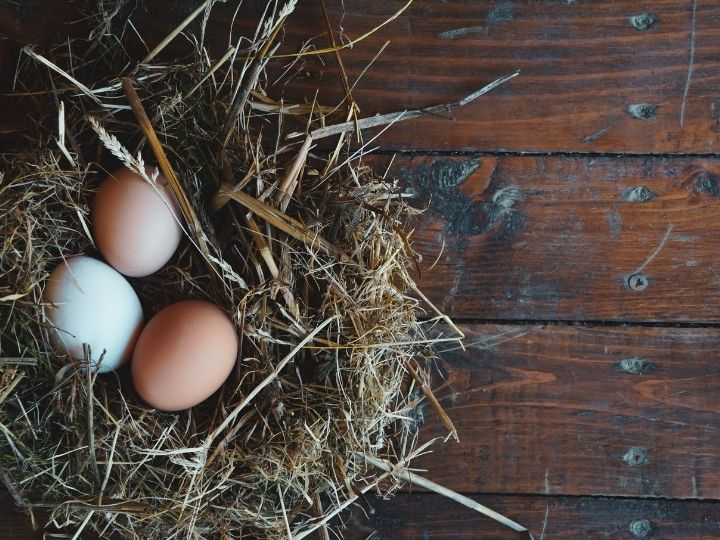
In addition to a pale yolk, you may notice something else when you crack open eggs: worms! The caecal worm is the most likely to migrate into eggs, though there have also been cases on tapeworms appearing there.
Open Beaks and Gasping
When poultry is infested with gape worms — internal parasites that take up residence in the throat and trachea — these birds will display symptoms indicative of their discomfort, such as open beaks, gasping, and head shaking.
Puffed Feathers
Puffed, ruffled feathers are a clear sign that you’re dealing with sick birds. Combining this symptom with others will help you determine what exactly is bothering your chickens.
Testing Worm Egg Count
Since you can’t see most internal parasites with the naked eye, looking for symptoms of worms in poultry is a good way to stay on top of what could turn into a potentially dangerous issue. However, you shouldn’t rely on this method alone to diagnose worms.
Before you proceed with worming chickens you think may be infested, you should take a fecal sample to a local veterinarian. The vet can examine the sample under a microscope to determine the worm egg count — this is a measure of how severe the infestation is.
Chickens — birds in generally, really — with a good immune system can withstand a moderate worm load and face no serious issues. It’s only when the load becomes severe that you’ll see the more devastating side effects, like those described above, and even death.
When hens have a low to moderate count of worm eggs, there’s no need for treatment. You should actually abstain from chemical treatments in these cases as the parasites can become resistant to them, lowering your chances of successful treatment when you really need it.
Instead, you should consider natural preventatives and focus on keeping your entire flock healthy so they can manage the worms on their own.
RELATED READING: How Much Does It Cost to Keep Chickens?
FAQs
Worms infect chickens when the birds consume worm eggs. The parasites and their eggs are typically brought to the area by wild birds or other animals, or in some cases, by other chickens, such as when you introduce new, infected hens to the flock.
There are several ways that worm eggs make it into the digestive tract of fowl. The most common is that the hens accidentally consume infected chicken droppings while foraging for food.
Another way that poultry may contract worms is by eating an intermediate host — typically bugs and other small creepy crawlies, such as slugs.
There are several symptoms that poultry may display when they’re suffering from a serious worm problem. Some of the common signs are:
- Abnormal stool
- Increased appetite
- Lethargy
- Reduced egg production
- Puffed feathers
If you suspect a parasitic infection, it’s best to have a veterinarian conduct an egg count. This definitive test can tell you how bad the infestation is so you can decide whether it’s appropriate to continue with treatment.
There are various species that infect hens, but the most common include:
- Capillary worms — also know as the hair worm, it’s very thin and lives throughout the chicken’s digestive system
- Cecal worms — not typically dangerous to a bird’s health, it’s extremely common and can sometimes be seen inside eggs
- Eye worm — a type of roundworm, it attaches to the corner of the eye
- Gape worms — not common, but classic infestation symptoms include a gaping mouth and gasping
- Gizzard worm — most common in geese; can cause death due to malnutrition
- Round worms — roundworm infestation is the most common internal parasite, and evidence of the infestation can be seen in droppings
A common remedy to treat worms in poultry is to add apple cider vinegar to the chickens’ water. Add one tablespoon of ACV for every gallon, and this natural antiseptic will help keep parasites at manageable levels.
Another natural treatment is garlic; like ACV, you just add several crushed cloves to the water to help poultry keep parasites in check.Remember: Most worms don’t affect humans, but the chemicals you may use to treat the internal parasites might.
You’ll notice that many commercial pesticides call for an egg withdrawal period. This is a period of time in which it’s not safe to eat your chicken’s eggs because the worming chemicals may leech into them.
If you need to de-worm chickens, it’s best to use natural remedies whenever possible. Natural methods are safer for the bird — and for yourself.
Preventing an infestation is easier and safer than having to treat chickens later. Here’s what you can do:
- Keep the chicken coop clean, especially of potentially contaminated fecal matter
- Avoid deep litter systems as they can be a breeding ground for parasites
- Feed your birds from bowls rather than spreading food on the ground
- Treat for insects around the coop that may carry worm eggs
- Use natural preventatives to help poultry fight off infestations
- Move grazing areas often so it’s less likely birds will contact contaminated soil
RELATED READING: How to Prevent Poultry Lice

Thank you for these valuable tips. Happy chickens are healthy chickens and that’s good for us too! I have come to understand the presence of parasites and how they affect animals, plants and us. They are a fact of life, and they do their nasty work when the host is weakest.
Hey Dimi, yes, you’re right. Keeping yourself and your animals healthy is often the best way to avoid parasites.