

Affiliate disclosure: This post may contain affiliate links. Please see full disclosure.

Disclosure: This post contains affiliate links. Click here to read my affiliate policy.
Preventing a potentially dangerous infestation of poultry worms largely involves keeping the area where your birds live as clean as possible. This is because ducks, geese, and chickens love to pick at the ground, putting them at risk for intestinal worms when they make contact with infected droppings or eat bugs that contain worm larvae or eggs.
Treating poultry for worms can be tricky and expensive; if you use a chemical poultry wormer, you have to maintain an egg withdrawal period to make sure you don’t consume any contaminated eggs. And there are no guarantees that the worms won’t become resistant to the chemicals you use.
For these reasons, it’s best to do everything you can to prevent cecal worms, hair worms, roundworms, gapeworms, gizzard worms, tapeworms, and other parasites from infesting the digestive tract of your healthy chickens and other birds.
Here are some tips and and DIY treatments to keep your fowl healthy and parasite-free.
Feed Your Chickens Right
Make sure you invest in premium feed for your birds. Don’t give them too many treats — try to limit treats to about 5% of their daily diet. This way, their digestive systems are primed for preventative treatment.
Place your chicken feed in a sanitized container before distributing it to your flock. Don’t throw the feed on the ground, because it’s more likely to mix with chicken droppings and infect your birds with worm eggs.
RELATED READING: How Much Does It Cost to Keep Chickens?
Keep the Coop Clean
Don’t let all of your chickens’ droppings pile up week after week. To prevent worm eggs in the chicken’s living area, you need to keep your chicken coop clean. Make sure you clean the coop at least once a week. Use a droppings board underneath the roost, and replace litter frequently.
Rotating your pastures and coops is another way of preventing worms in chickens.

Don’t Overcrowd the Coop
If your flock is overcrowded, there’s more potential for the transmission of parasites. Overcrowding also causes high levels of stress for your fowl, particularly laying hens, which weakens their immune systems and allows worms to thrive in their bodies.
Don’t Introduce Infested Birds to Your Flock
Make sure your new animals don’t bring unwanted parasites to the rest of your healthy flock. Ideally, you’ll adopt only newborn chicks and young birds.
However, if you decide to bring new adult birds to your coop, you must quarantine them for at least two weeks. This process gives you time to monitor your new chickens for any health issues that could spread to your other birds.
Protect Your Flock from Wild Birds
If you have free-ranging birds, chances are they’ll come across wild poultry like pheasants and ducks from time to time. These wild birds often carry many diseases, and their droppings can be infested with worms. Try to keep your poultry away from areas where these birds tend to gather.
Mow Your Lawn Regularly
Tall grass invites tons of bugs and worms to thrive, and it conceals the sunlight that can destroy worm eggs. When your chickens peck around in the tall grass, they’re more likely to develop parasitic infections. If you mow your lawn regularly, you’re less likely to expose your birds to worms.
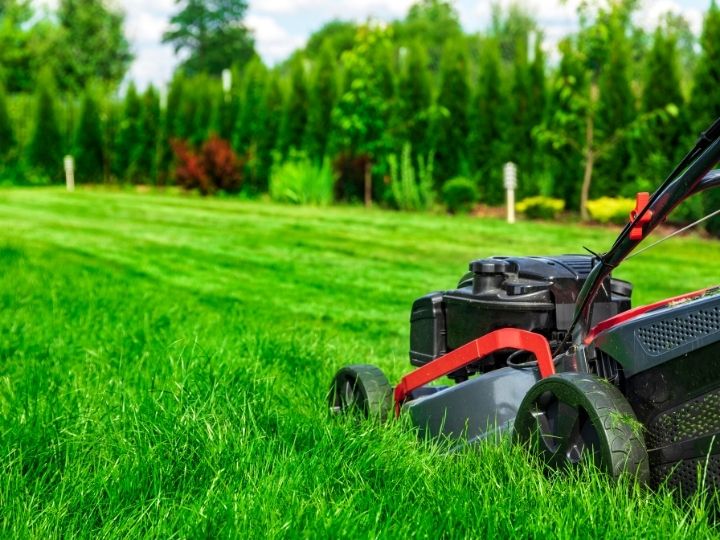
Warding off warm larvae is easier when your pasture is located in a sunny, dry environment.
RELATED READING: How to Care for Chickens in Winter: 22 Simple (But Essential) Tips
Avoid Muddy Conditions
Worms and worm eggs thrive in moist, muddy conditions. That’s why its best to avoid placing your coop or chicken run in a marshy or muddy location.
What if you can’t escape a muddy coop? You can try to prevent the coop from getting too wet by filling the ground with a layer of wood chips. You can also ensure that the pasture has excellent drainage to keep your birds dry and minimize worm egg count.
Sanitize Your Chicken’s Drinking Water
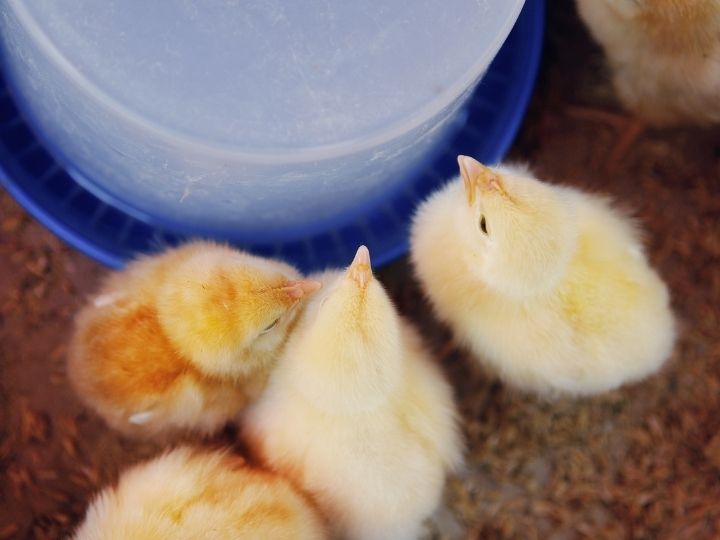
Worms enter your chickens’ digestive tracts when they consume worm eggs. That means it’s essential to keep their water clean. Wash the water dishes frequently, and even consider investing in a poultry nipple drinker so the water is much less exposed to contaminants.
You should also frequently test the water for parasites and other infectants to prevent the spread of disease throughout your entire flock. Try adding a few drops of apple cider vinegar to the water to help keep it fresh and kill worms and their eggs.
Keep Stress to a Minimum
It can actually be normal for a bird to have a low to moderate worm load and still be relatively healthy. What’s important is preventing the worm load from getting out of hand, and you can do that by minimizing stress.
Some ways to support the general health and well-being of your flock include:
- Ensuring their coop will keep them safe from predators
- Making sure nesting boxes are dry, dark, and warm for comfort
- Feeding high-quality food and limit treats and “junk food”
- Giving the birds plenty of space to spread out and roam
Remember: A healthy chicken will have a stronger immune system and better intestinal health — and thus be able to better manage a worm problem — than one that’s stressed.
FAQs
Worms enter the digestive tracts of backyard poultry when the birds consume infected droppings, contaminated feces, and intermediate-host bugs that are carrying worm eggs or internal parasites.
Because worms thrive in a bird’s immediate environment, cleanliness is vital in helping to prevent infection.
There are several signs that can indicate you have worm-infested chickens:
- Diarrhea or foamy droppings
- Visible worms in eggs or chicken’s droppings
- Decrease egg production (in laying hens)
- Gasping and neck stretching
- Head shaking
- Pale comb and wattle
- Weight loss
- Listlessness
- Hunched posture
- Increased feed consumption
Not all worms are visible to the naked eye, so it’s important to recognize the symptoms of a heavy worm infestation so you know when it’s time to take next steps.
RELATED ARTICLE: How to Identify Poultry Worms
You do not have to automatically turn to chemical dewormers or medicated feed, even though conventional advice is that you should be worming chickens and other birds least twice a year.
Taking steps to prevent worm infestations or limit worm count can be just as effective for keeping your backyard chickens healthy.
Feeding your fowl foods and plants that have been shown to act as natural dewormers can help your birds manage their worm load. Some natural dewormers and preventatives include:
- Carrots
- Dill
- Garlic
- Hyssop
- Nasturtium
- Pumpkin
- Squash
Yes, you can use diatomaceous earth (DE) to prevent and treat chickens for intestinal parasites. To treat, simply replace 2% of your poultry’s feed with DE and feed daily.
Diatomaceous earth is a harmless dust made from the fossilized algae. It’s believed that when an intestinal worm comes in contact with the jagged edges of diatomaceous earth, the particle abrade the body and soak up fluids, dehydrating and ultimately killing the worm.