Affiliate disclosure: This post may contain affiliate links. Please see full disclosure.

Disclosure: This post contains affiliate links. Click here to read my affiliate policy.
Poultry lice are common external parasites most chicken farmers have to deal with at some point. Not only are they a nuisance to your chickens, but they can also cause significant harm if left untreated. In extreme cases, lice can lead to anemia in your birds and even death.
Thankfully, there are several steps you can take to prevent these pesky critters from taking hold of your backyard flocks. With a bit of effort, you can keep your chickens healthy and lice-free.

5 Effective (and Proven) Ways to Prevent Lice on Poultry
An infestation of lice can quickly get out of hand if you don’t deal with it early on. They spread quickly from chicken to chicken, and before you know it, your entire flock is infested.
While there are many commercial lice sprays and chemical treatments available, they can be expensive and may not be completely effective. And, as with all issues, from lice to scaly leg mites, prevention is better than a cure.

Keep Your Chicken Coop Clean
The first step in preventing poultry lice is to keep a clean coop. This means keeping their shed and nesting boxes clean and dry. Lice thrive in dirty, cluttered conditions, so a clean cage is a big deterrent. Be sure to clean out the coop regularly, removing all the old bedding and manure.

- Clear out all the clutter where lice could hide, including under the nesting boxes, in the corners, and any nooks and crannies, and disinfect the coop with a vinegar solution to kill any remaining lice.
- Use a hand brush to scrub the walls and coop floor, and pay special attention to the perch where your chickens like to sleep. Be sure to thoroughly scrub the areas underneath roosts too.
- Change the chicken bedding regularly, adding new, fresh straw or wood shavings to help keep a lice-free and clean coop.
RELATED READING: How Much Does it Cost to Keep Chickens?
Check for Lice Regularly
Another important tip for preventing poultry lice is to check your chickens regularly for any signs of infestation. Lice are small, flat, and brownish. They attach themselves to the feathers of your chicken, where they feed on their blood.
To check for lice, carefully part your backyard chickens’ feathers and look for these tiny parasites or their egg clusters. Ensure you check the feather shaft and chickens’ legs as well.
If you see any lice or chicken mites, it’s important to treat them immediately. The longer you delay treating lice, the more time they have to lay eggs and infest your flock.
Use Diatomaceous Earth in the Coop
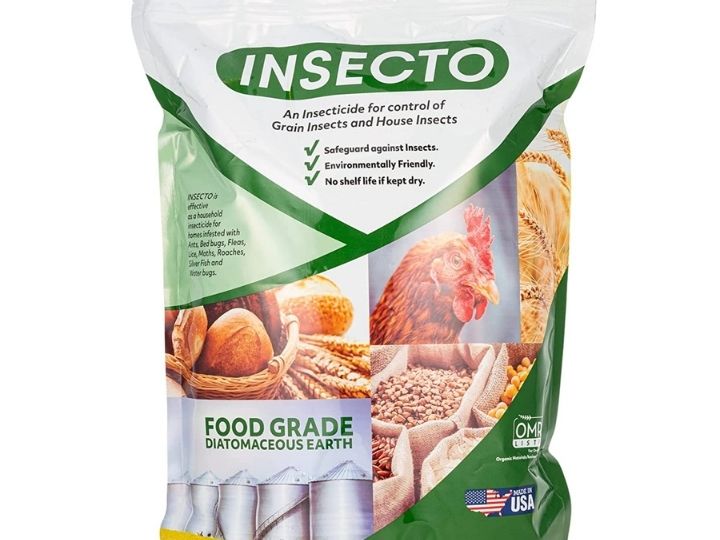
Diatomaceous earth (DE) is an effective, natural way to help prevent chicken lice. This powder is comprised of tiny, fossilized diatoms and works by absorbing the waxy layer that covers an insect’s exoskeleton. This causes the chicken lice to dehydrate and die.
Diatomaceous earth (we use this one) is safe to use around chickens and can be found at most farm supply stores. Ensure you wear a dust mask when applying it, as it can cause respiratory irritation if you inhale the powder.
Sprinkle a thin layer of DE in your chicken coops and nesting boxes. You can also apply it directly to your chickens to help kill any lice present.
You can also use diatomaceous earth in each dust bath so your chickens can apply it to themselves.
RELATED READING: How to Identify Poultry Lice
Place Enough Dust Baths in the Coop or Run
Dust baths are an essential part of chicken care as they help keep your chickens clean and free of lice and other parasites like the Northern Fowl Mite. Chickens love dust bathing and will spend hours rolling around in the dust.
As they dust bathe, the dirt helps remove any parasites present. Be sure to place enough baths in your chicken coop or run so all your chickens can enjoy them. A good ratio is one dust bathing spot per 10 to 15 chickens.
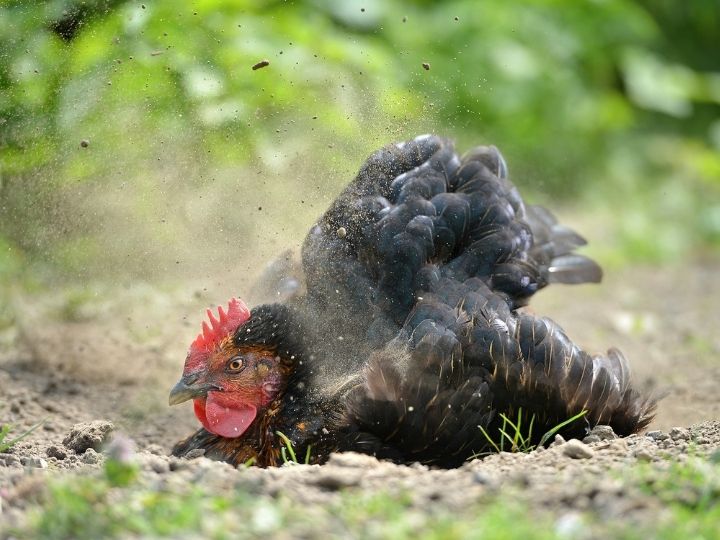
The dust bath area should be shallow, about 8 inches deep for full-grown chickens, and filled with dry, sandy soil and wood ash. You can sprinkle a little diatomaceous earth into the dust bath to help kill any lice and lice eggs that might be present.
RELATED ARTICLE: Why Are My Chicken’s Feathers Turning White?
Quarantine New Birds Before Introducing them to the Flock
A common way lice and other poultry pests find their way into a flock is when chicken keepers introduce new arrivals without quarantining them first. It’s vital to always quarantine new chickens for at least 30 days before letting them mix with your all the chickens in your flock.
Since the entire life cycle of lice is three weeks, it’s a good idea to wait at least four weeks before introducing new chickens to your entire flock. This will help to ensure that any chicken lice and mites they might be carrying are gone.
Additionally, during quarantine, you should look for any signs of disease, such as diarrhea, sneezing, hunching, and closed eyes, to keep your chickens from being ill.
RELATED READING: 10 Best Chicken Breeds for Eggs – With FREE Printable Breed Chart!
FAQs About Preventing Poultry Lice
Lice mainly spread through contact with other chickens or wild birds. This can happen when you introduce birds to an existing flock without being quarantined first. It can also occur if chickens come into contact with wild birds and other animals that carry lice. Poor sanitation in the chicken coop can also lead to a mite or lice infestation.
Some common symptoms of a lice infestation include a pale comb, dull and ragged-looking feathers, decreased egg production, weight loss, redness on the skin, and decreased activity. If you suspect your chickens have lice, it’s best to take a closer look and confirm the diagnosis. Lice can be difficult to spot, as they are tiny and often hide on the feathers.
Yes, severe poultry lice infestations can kill chickens. Poultry lice feed on feathers, dead skin, and a chicken’s blood, which can cause anemia. Lice can also cause stress in chickens, making them more susceptible to other illnesses such as respiratory problems. This can result in weakness and eventually death.