

Affiliate disclosure: This post may contain affiliate links. Please see full disclosure.
A shirt can be beyond wearing and still have a perfectly good collar, button front, or length of sturdy cotton. The same goes for jeans with torn knees but sound pockets, waistbands, and those wonderfully tough seams. Before you send old clothes to the rag bag, look at the useful work that’s already been done for you. Some of these projects need little more than scissors; others make a satisfying weekend’s sewing out of garments that would otherwise be wasted.
Browse the projects
- Practical Projects for Around the House
- Storage That Makes Use of the Original Details
- Bags and Accessories From Old Clothes
- Pet Beds, Hideouts, and Accessories
- Small Handmade Gifts
- Decor Made From Old Garments
- Clothing Transformations You Can Wear Again
Practical Projects for Around the House
Think beyond dusters. The strongest bits of old clothes can become hardworking household things, from an apron you can actually get messy in to a picnic blanket with pockets.
1. Turn a button-down shirt into a work apron

A button-down already comes with more apron structure than a flat piece of fabric: a collar, a front opening, and a useful amount of coverage. Emily keeps the buttoned front, cuts the back away, and turns the sleeves into waist ties. I particularly like that you can make something sensible from a shirt with a worn-out back, provided the front is still sound. It’s a good one for messy crafts and other jobs where you don’t want to sacrifice another good shirt.
2. Weave old jean seams into coasters
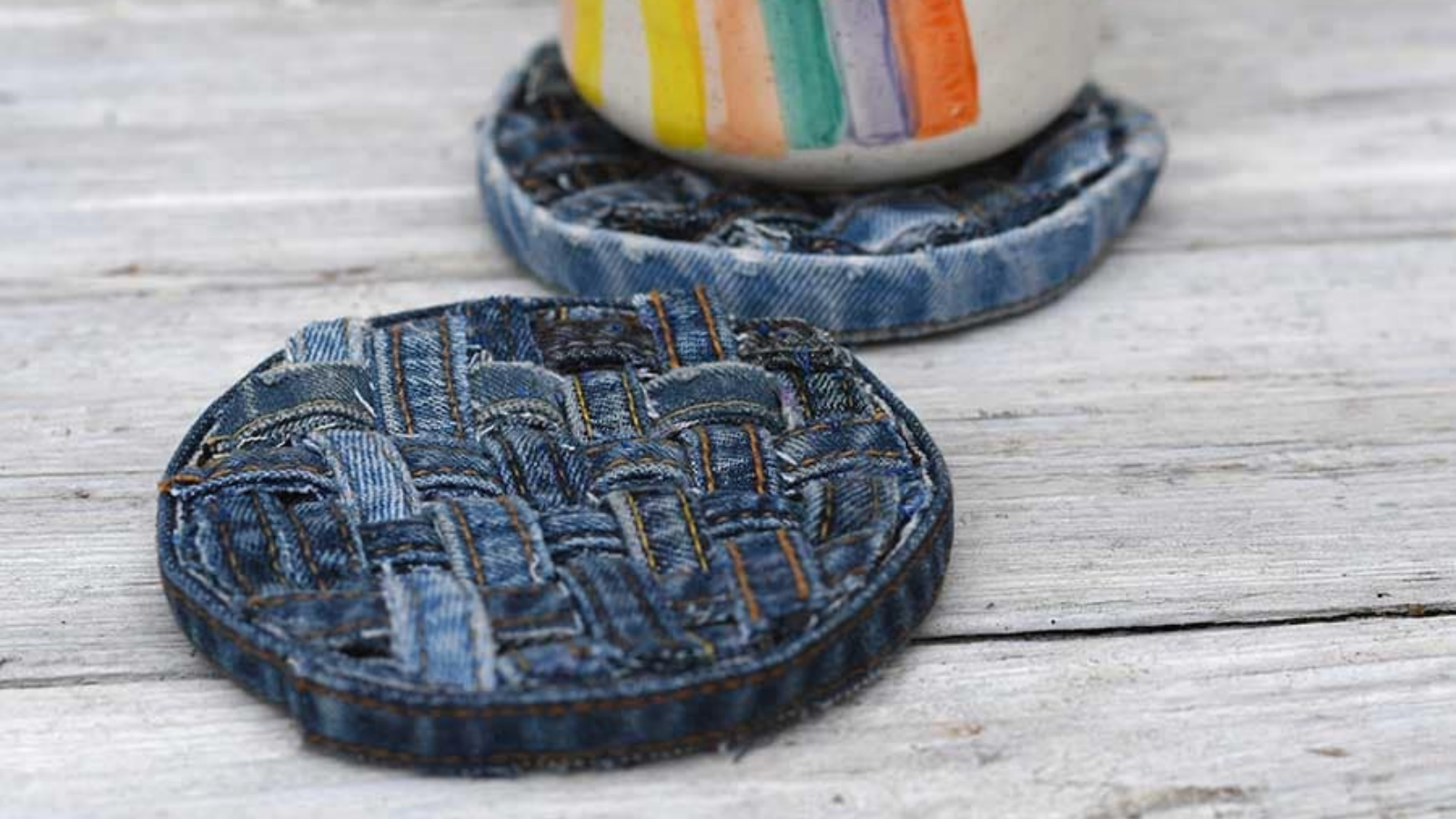
Jean seams are the part that refuses to wear out long after the knees have given up. Instead of unpicking yards of denim, Claire weaves those chunky, double-stitched strips into sturdy coasters, mounts them on cork, and binds the edges with another seam. The finished set has proper texture, and you get to keep all that lovely worn-in fading. A satisfying little project for jeans that aren’t worth patching again.
3. Make an owl doorstop from an old wool sock
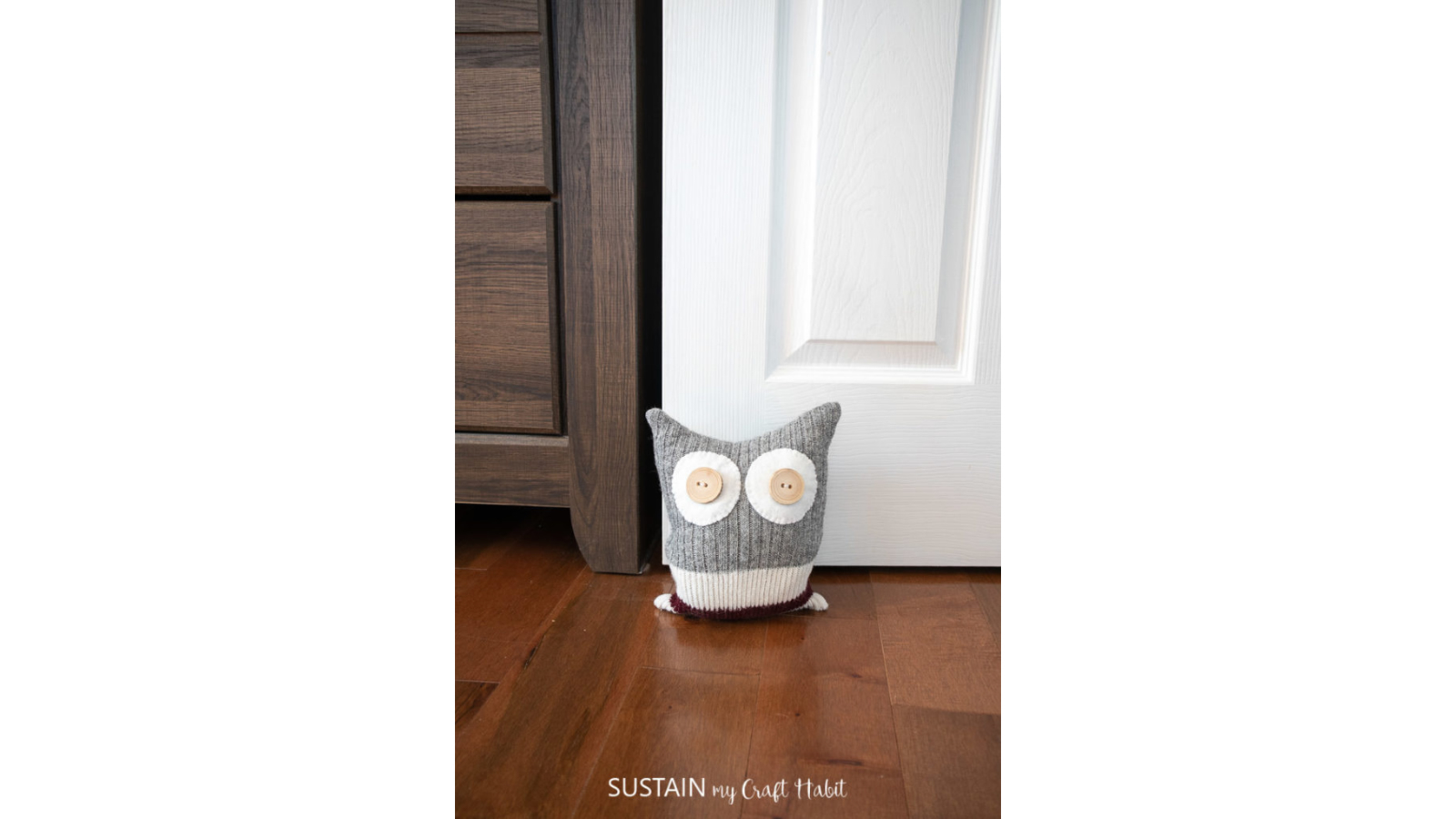
One wool sock, a few felt scraps, and two buttons produce this rather stern little owl. The clever bit is the separate weighted pouch, which gives it enough heft to hold a door without relying on loose filling in the sock itself. Jane and Sonja show how to shape the body and finish the face. I’d keep it out of reach of pets that regard buttons as an invitation.
4. Piece old jeans into a picnic blanket
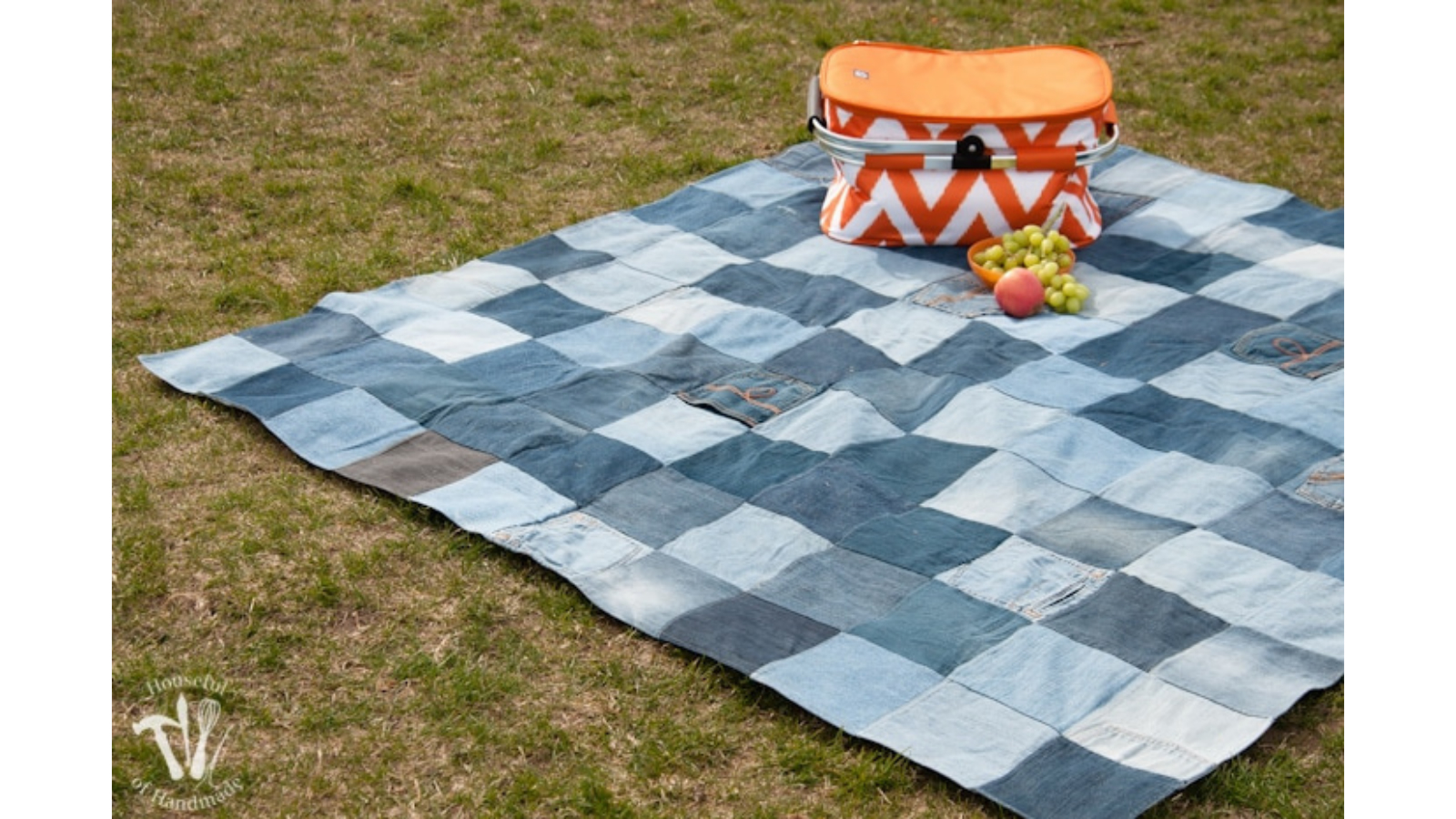
There’s more life in a heap of worn jeans than another pile of cut-off shorts. Kati pieces the legs into a patchwork picnic blanket, leaving some pockets intact for napkins or other bits that tend to blow away outdoors. A fabric shower curtain liner gives the underside some resistance to damp ground. This one takes several pairs of jeans and a fair amount of stitching, but the result is a proper, hardwearing blanket.
5. Cover old play mats with sweaters to make a rug

If you’ve got battered foam play-mat tiles and a few sweaters past their best, this is an unexpectedly neat marriage. Kristen wraps the tiles in sweater fabric, using the interlocking backing to make a soft, textured rug without sewing or braiding. Different knits give each tile its own character, so even similar colors look interesting together. It’s a good use for fuzzy sweater panels that would be awkward to turn into clothing again.
6. Use a shirt’s buttons to close a pillow cover

The best bit about an old button-down shirt can be the buttons themselves. Aly uses the existing front placket as the opening for a pillow cover, so there’s no zipper to fit and no complicated envelope overlap to measure. Four straight seams turn the usable part of the shirt into a removable cover. Choose a stable woven shirt that’s comfortably larger than your pillow insert; thin jersey is more likely to stretch and gape around the buttons.
Storage That Makes Use of the Original Details
Jeans, shirts, and belts arrive with hems, pockets, and fastenings already made. It seems a shame not to put all that careful construction to work again.
7. Sew a small catchall from a jean cuff
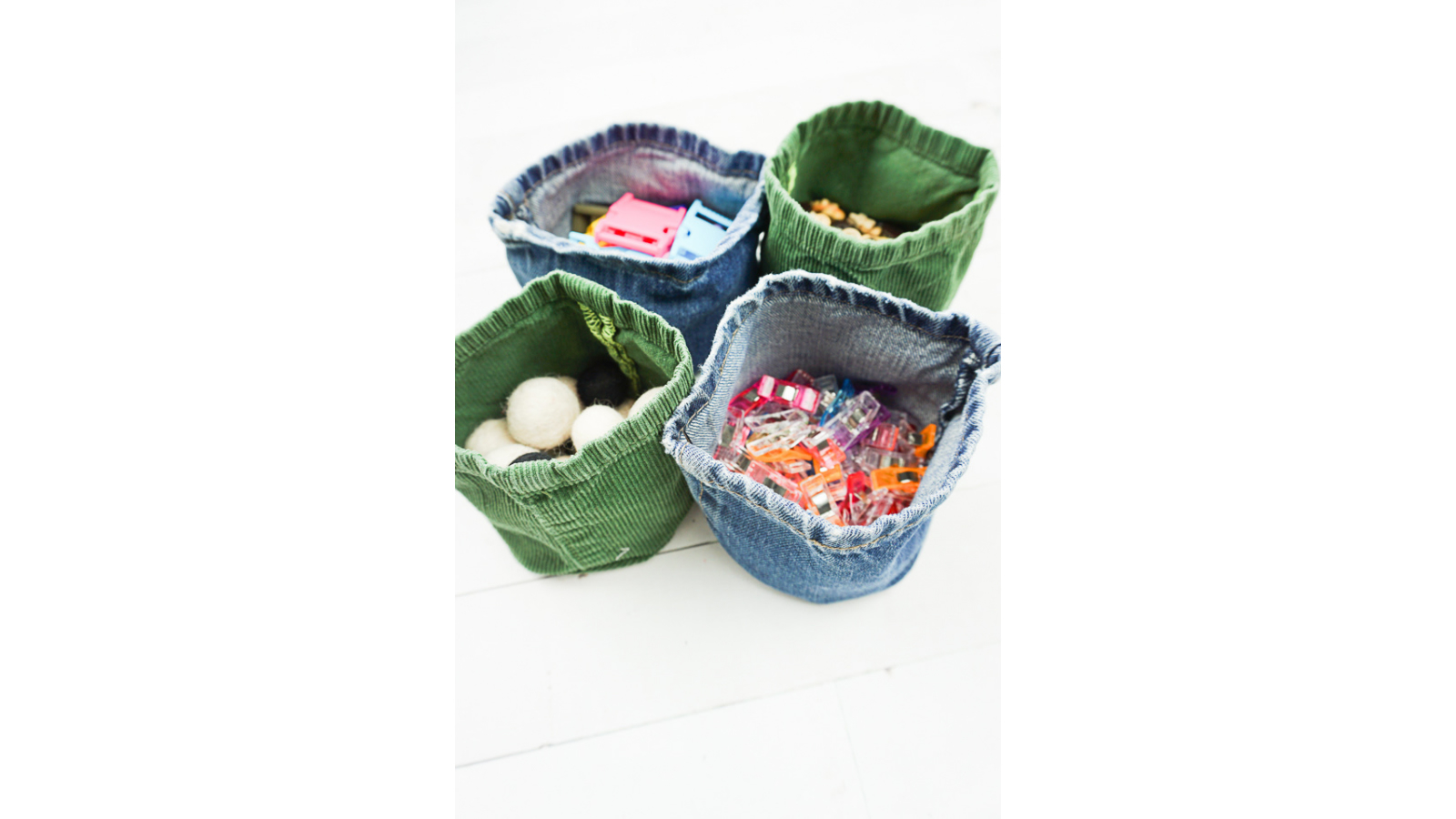
The chunky hem at the bottom of a jeans leg makes a surprisingly good basket rim. Heather builds a small catchall around that already-finished edge and adds a round base, which means you don’t have to wrestle with hemming thick denim again. These are the sort of useful little containers that can live beside a sewing machine, on a desk, or near the front door. And a mismatched pair of worn jeans offers more than one basket.
8. Make a wall organizer from jean pockets
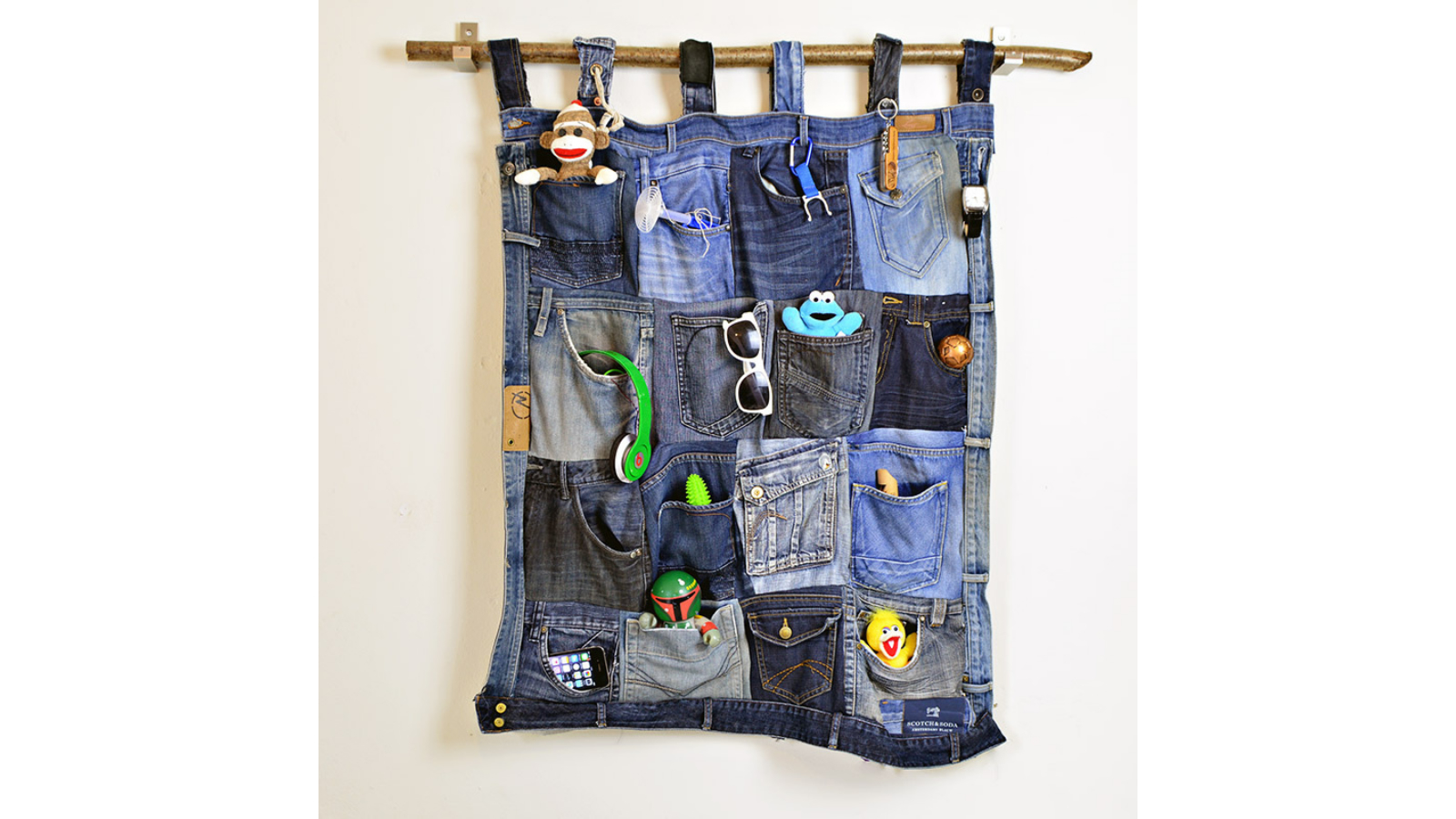
Those jean pockets that never seemed deep enough for a phone are very good at keeping pencils, scissors, and odds and ends off the desk. Claire joins a mixture of front and back pockets into a hanging panel and uses waistbands to frame the whole thing. The contrasting stitching and original labels give it personality without adding decorations. There are quite a few thick seams involved, so this is one for a denim needle and a little patience.
9. Frame a satin blouse as an earring holder
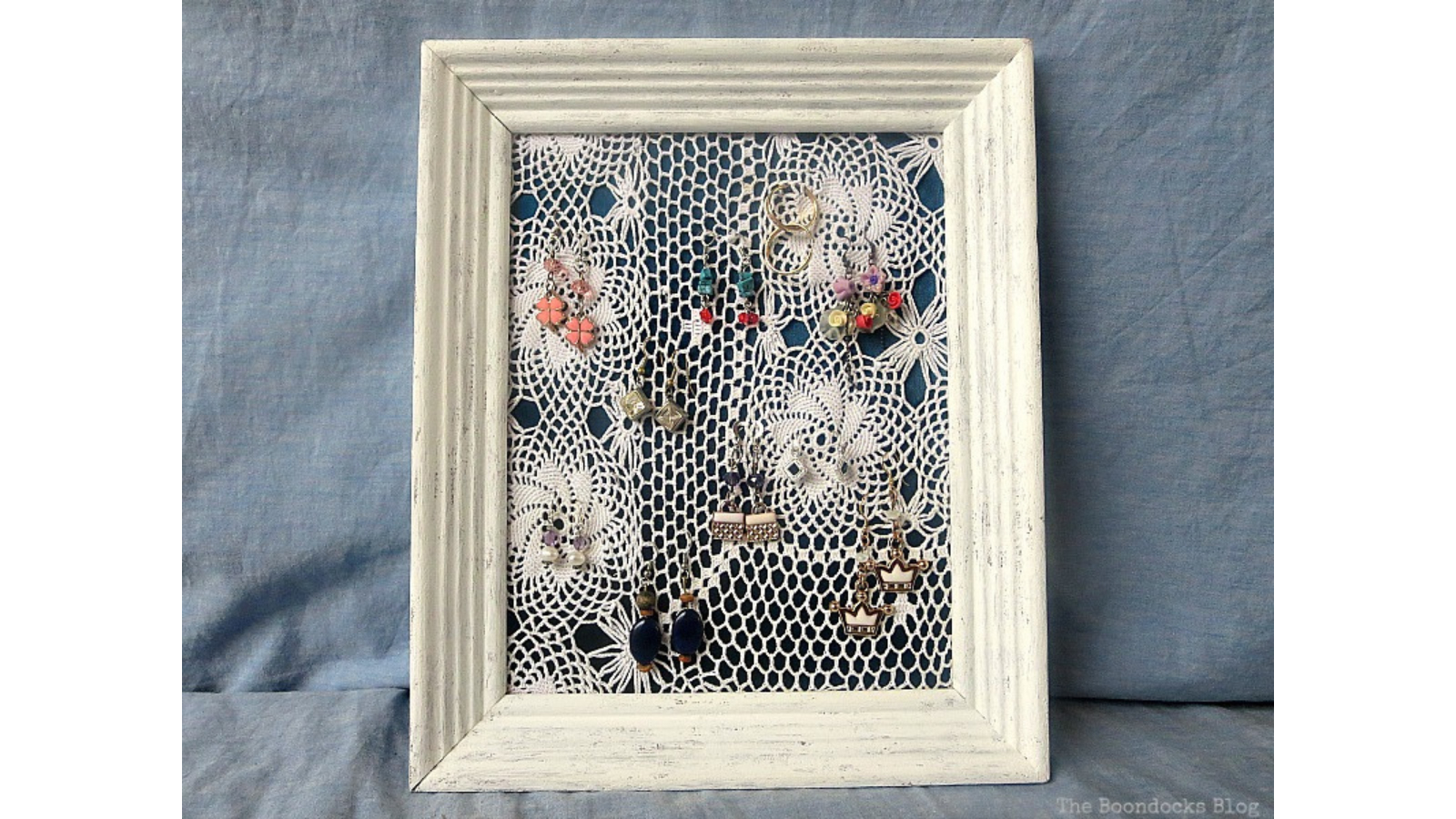
A satin blouse with a gorgeous color can be a shame to part with even when you know you’ll never wear it again. Mary stretches that fabric into a frame, layers a doily over it, and uses the lace openings to hang earrings. It’s decorative, but the real advantage is seeing your earrings at a glance instead of fishing through a box for the matching one. The doily does the holding; the blouse provides the backdrop.
10. Crochet a pencil cup from an old T-shirt

A worn T-shirt can become surprisingly substantial once it’s cut into yarn and crocheted. Kristen works the strips into a round-based pencil cup that stands on the desk, giving soft jersey a completely different job. This takes a crochet hook rather than a sewing machine, and the tutorial includes the yarn cutting and the round-by-round work. A good pick if you’ve been keeping an old tee because you like its color but couldn’t face wearing it again.
11. Hang a shelf with old leather belts

Two old leather belts can do the job of purpose-made shelf straps, and they look better with a bit of age on them. This design loops the belts around a narrow board and fixes them to the wall, keeping the leather buckles visible. It’s a particularly satisfying rescue if the ends are worn but the sections that carry the weight are still strong. Check the fixings and wall type before trusting it with anything heavy.
Bags and Accessories From Old Clothes
A favorite print, a smart necktie, or a waistband that’s barely worn can become something you carry instead of something you wear.
12. Make a market tote from a T-shirt
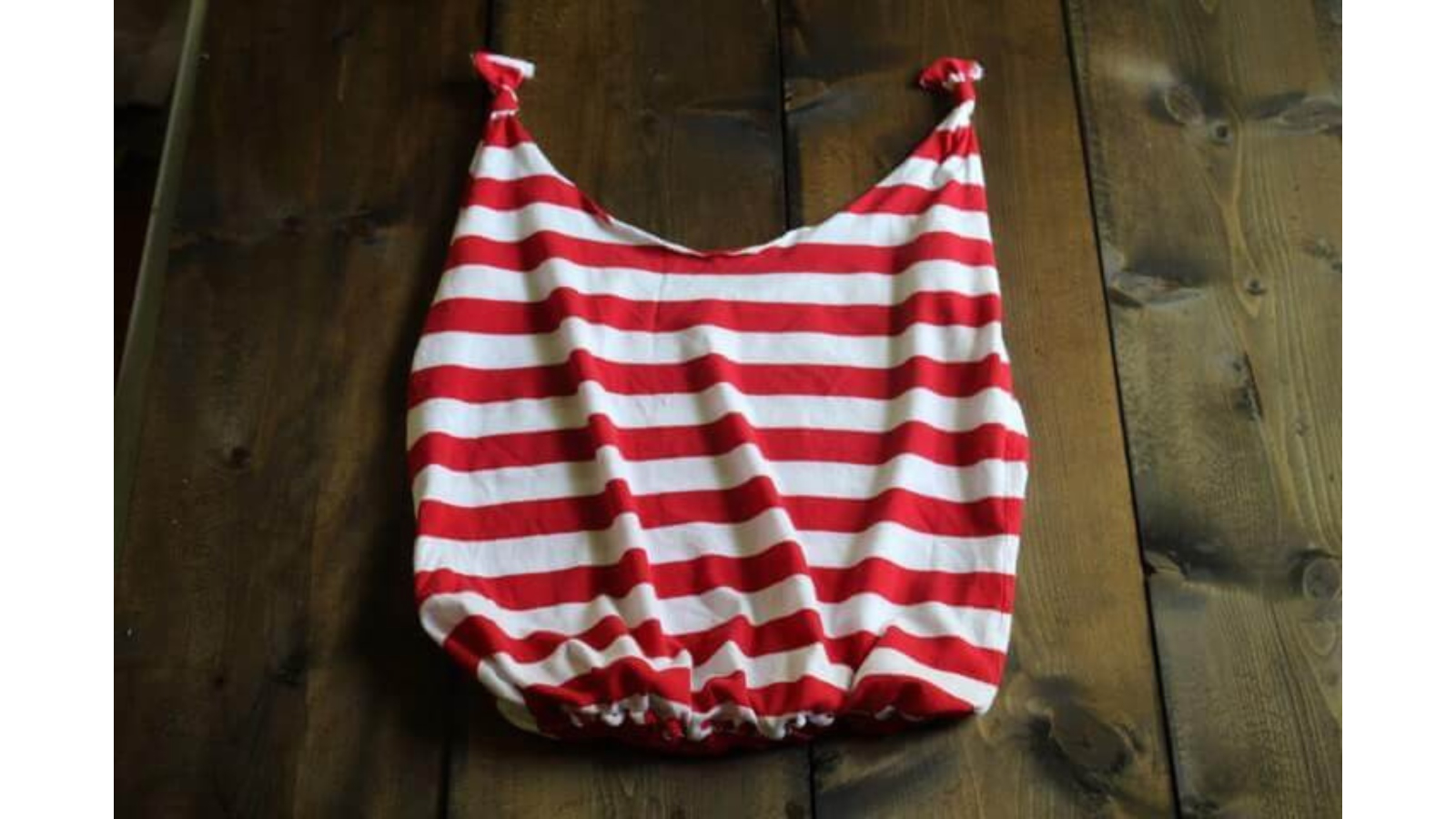
A T-shirt with a print you still love but a fit you don’t is a good candidate for this no-sew market tote. Heather cuts the neckline and sleeves to form handles, then ties the lower edge into a fringe that closes the bag. It stays soft and washable, and the original graphic becomes the design. Choose a substantial shirt and save it for lighter groceries rather than a load of glass jars.
13. Turn an adult T-shirt into a child’s backpack
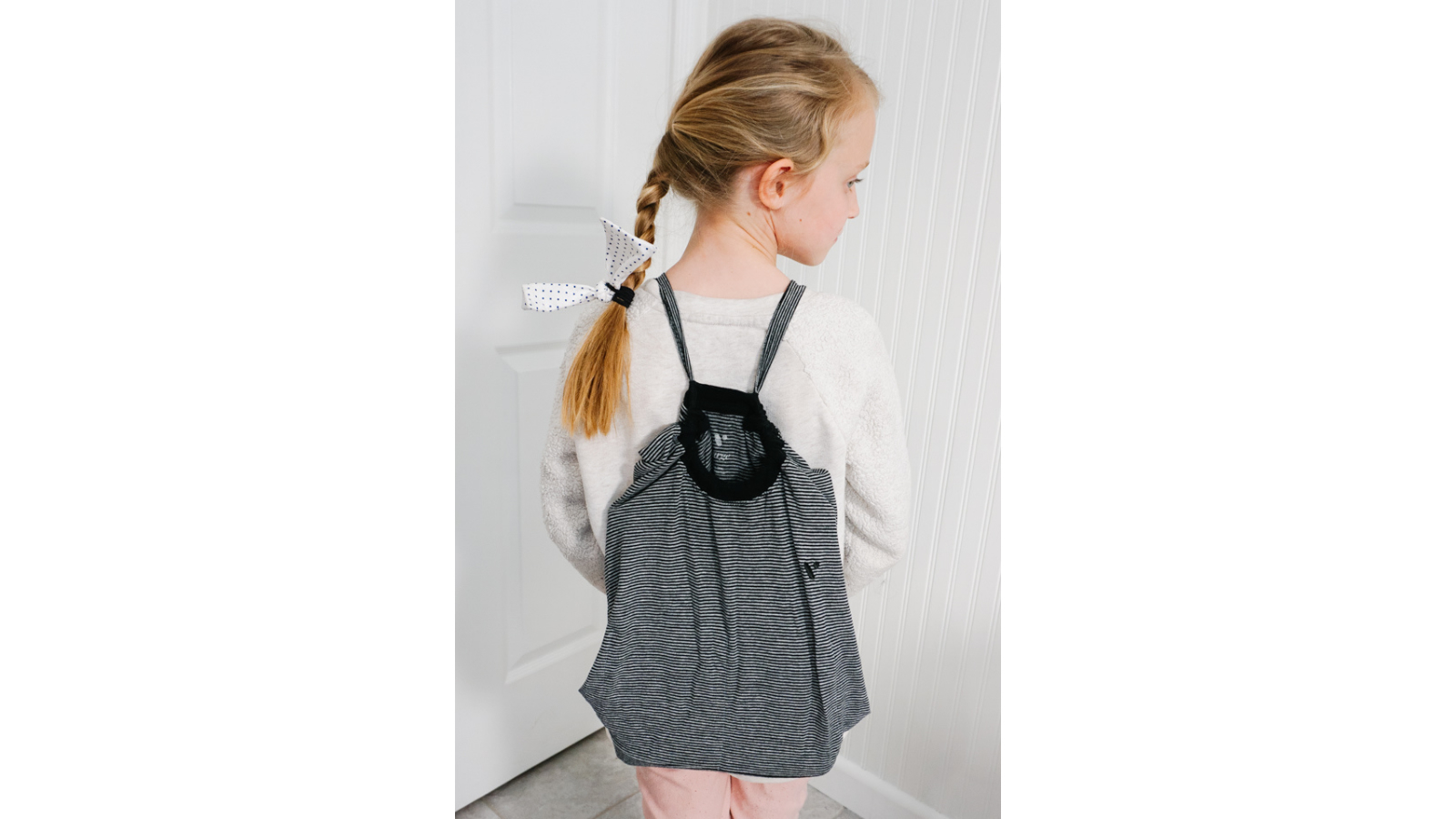
The neckband of an adult T-shirt makes a ready-made drawstring channel, which saves much of the fiddle of sewing a little backpack from scratch. Heather also reuses the sleeve hems to finish pockets, and the graphic can stay in place on the bag. It’s a smart second life for a favorite sports or school tee that’s no longer wearable. The finished bag suits spare clothes, toys, or other light things a child can carry.
14. Turn a necktie into a small snap pouch
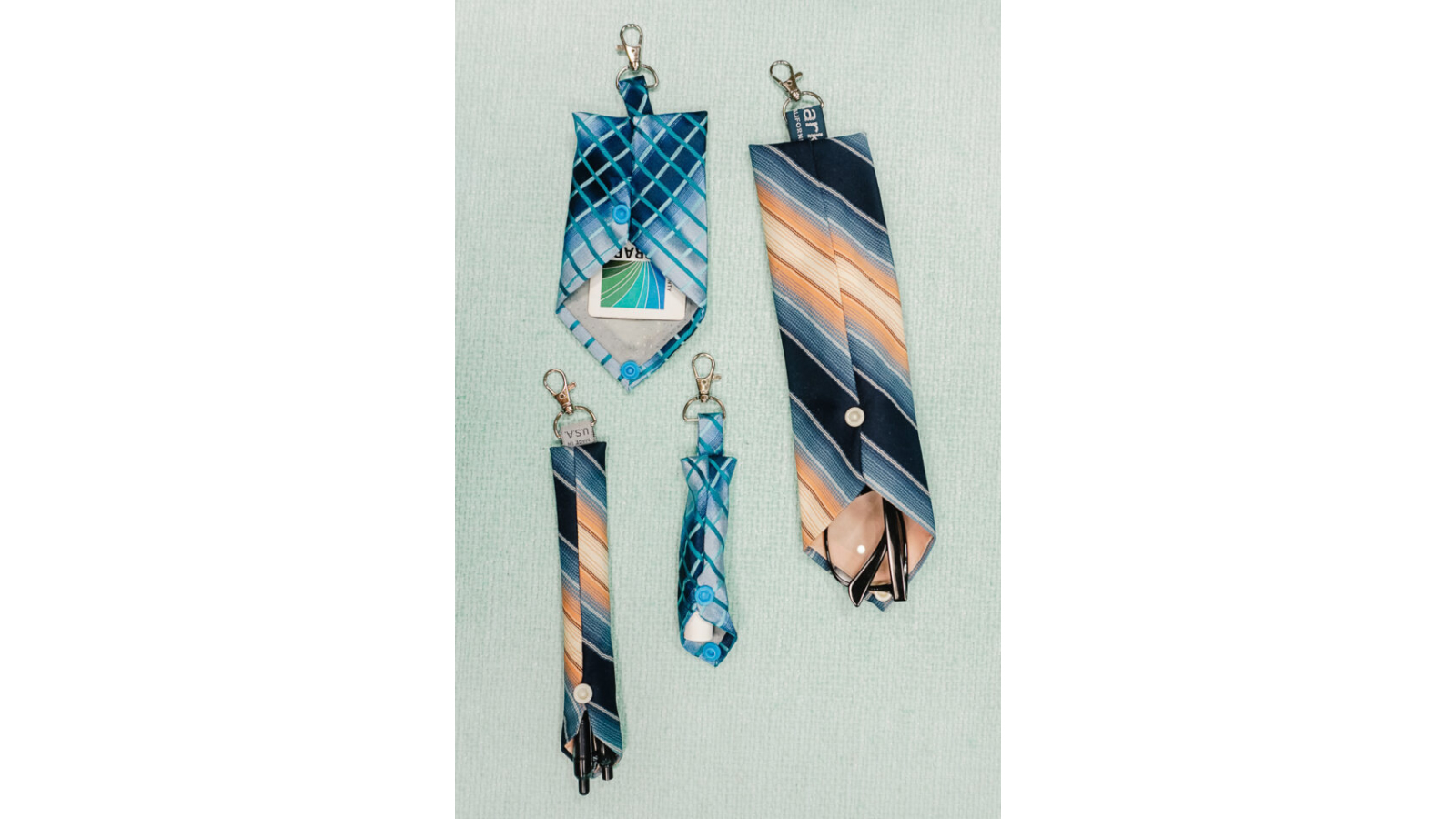
An old necktie already has a beautifully pointed flap, so turning it into a pouch feels almost inevitable. Heather folds that tip over a small pocket, adds a snap, and uses the tie’s existing loop or label as a tab for the clip. The result is just big enough for a few little essentials. Patterned ties make these especially fun, particularly the gloriously questionable ones nobody is volunteering to wear.
15. Make a key fob from a jeans waistband
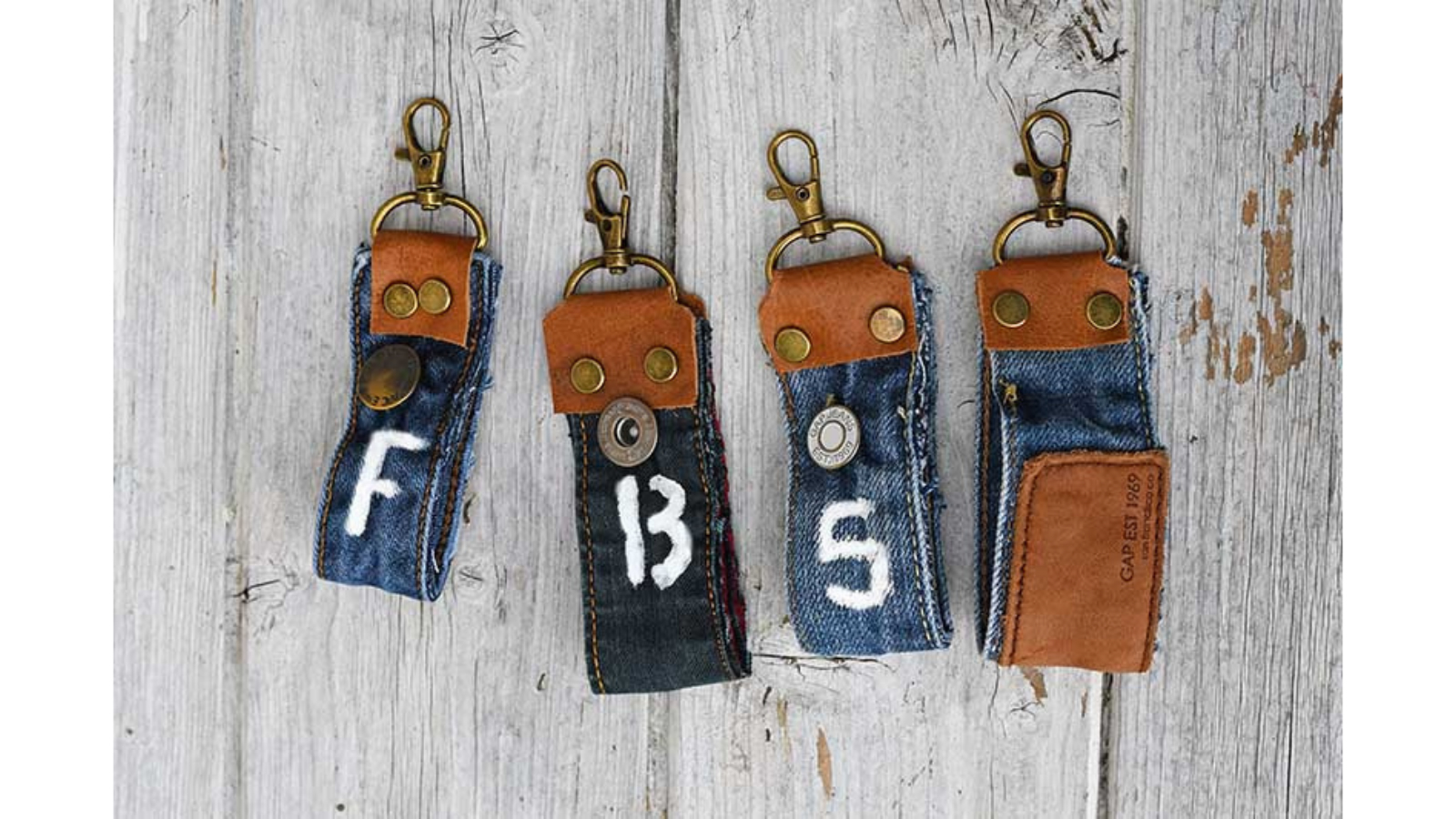
The waistband may be the only bit of a pair of jeans that refuses to die. Claire cuts it into short lengths, keeping the original button on some versions, and adds metal key clips with a leather tab and screw fasteners. You get a sturdy key fob with the fading and hardware already built in. It doesn’t need a sewing machine, although you’ll want the hole punch and fastenings ready before you begin.
16. Braid a stretchy headband from an old tee

Stretchy jersey makes a comfortable headband, but a plain strip can look rather like you’ve given up halfway through a project. Ashley’s five-strand braid gives it more shape and a proper woven-looking finish. The tutorial walks through the braiding and lets you join the ends with either stitches or glue. Use a soft tee with decent stretch; stiff printed sections won’t sit quite as nicely against the head.
17. Make a jersey hair wrap from a soft tee
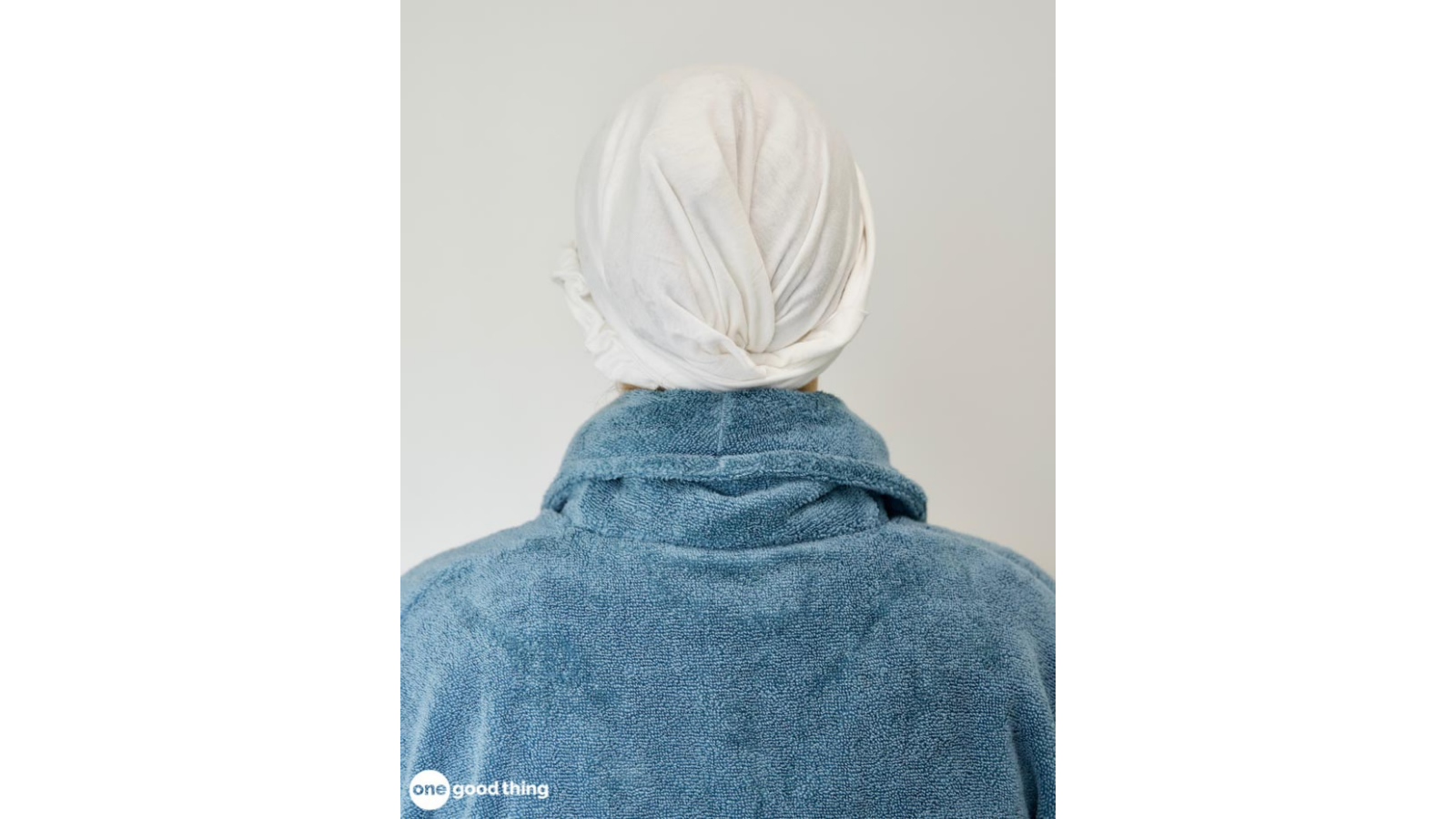
There is a very quick answer for a T-shirt whose best days as clothing are over. Jill cuts the whole lower tube away from the shirt and turns that already-hemmed jersey into a hair wrap. She shows more than one way to fasten it, including a version for containing wet curls while they dry. It’s different from a decorative headband: this one uses the fabric’s width to gather hair without another bulky towel.
Pet Beds, Hideouts, and Accessories
Soft old clothes can make useful pet accessories, but choose projects to suit the animal and supervise play and dress-up.
18. Pull an old sweater over a box to make a cat cave
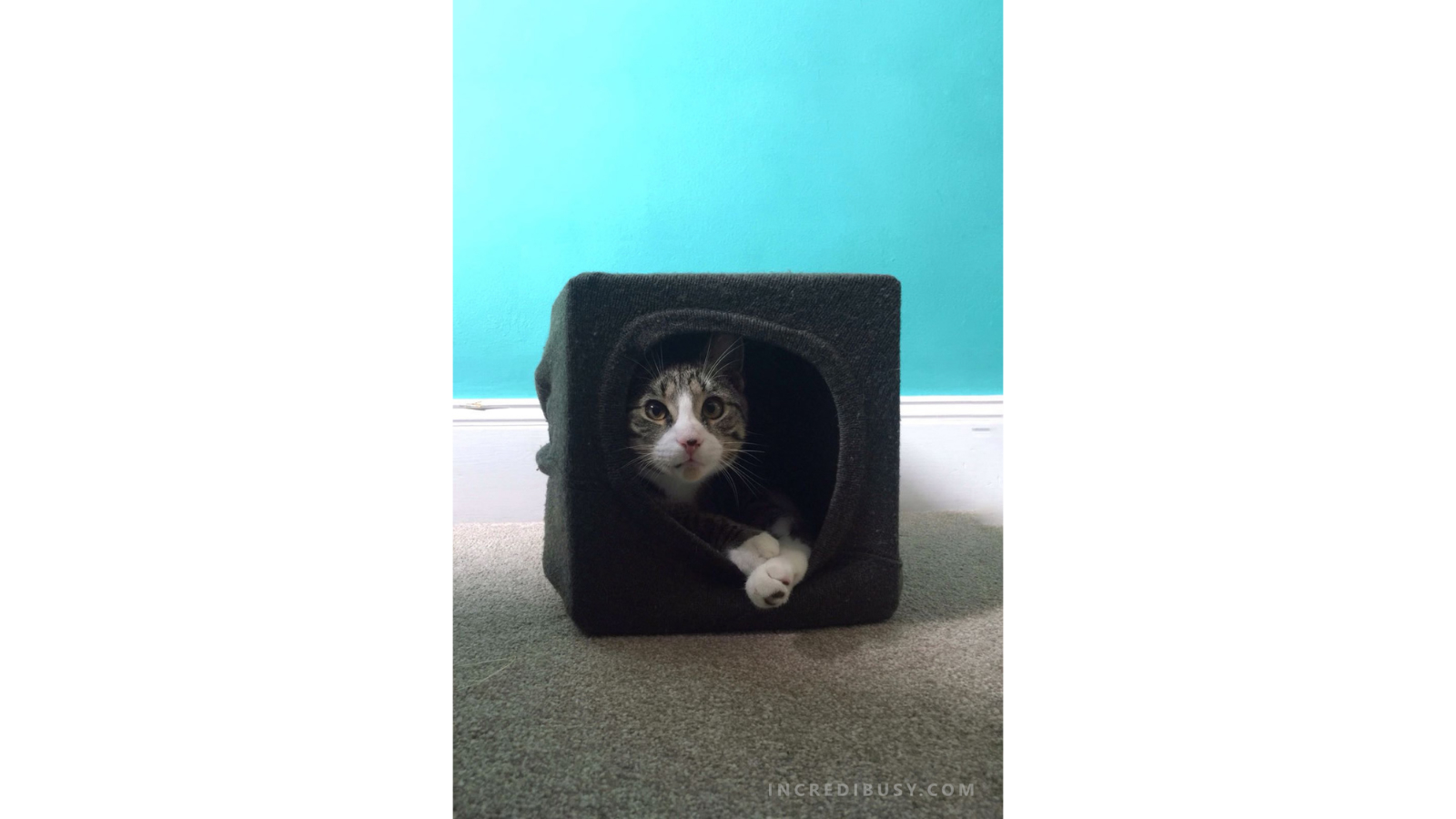
An old sweater can make a cardboard box much more inviting to a cat. Ali pulls the knit over the box so the neck opening becomes a little round entrance, tucks the sleeves away underneath, and adds an old T-shirt inside. The result is gloriously unfussy, and cats are hardly known for judging the price of their furniture. Make sure the box is stable and check for loose yarn that could be chewed or tangled.
19. Turn a shrunken sweater into a pet bed

A sweater that has shrunk past the point of persuasion still has a useful shape for a small pet bed. Melissa stuffs the body with a pillow, fills the sleeves with a rolled blanket, and brings them around to create a padded rim. It looks wonderfully snug without requiring a new foam insert, and there’s a version that makes the stuffing easier to take out for washing. Choose the size to suit the animal rather than assuming every sweater makes a dog-sized bed.
20. Braid an old T-shirt into a supervised tug toy
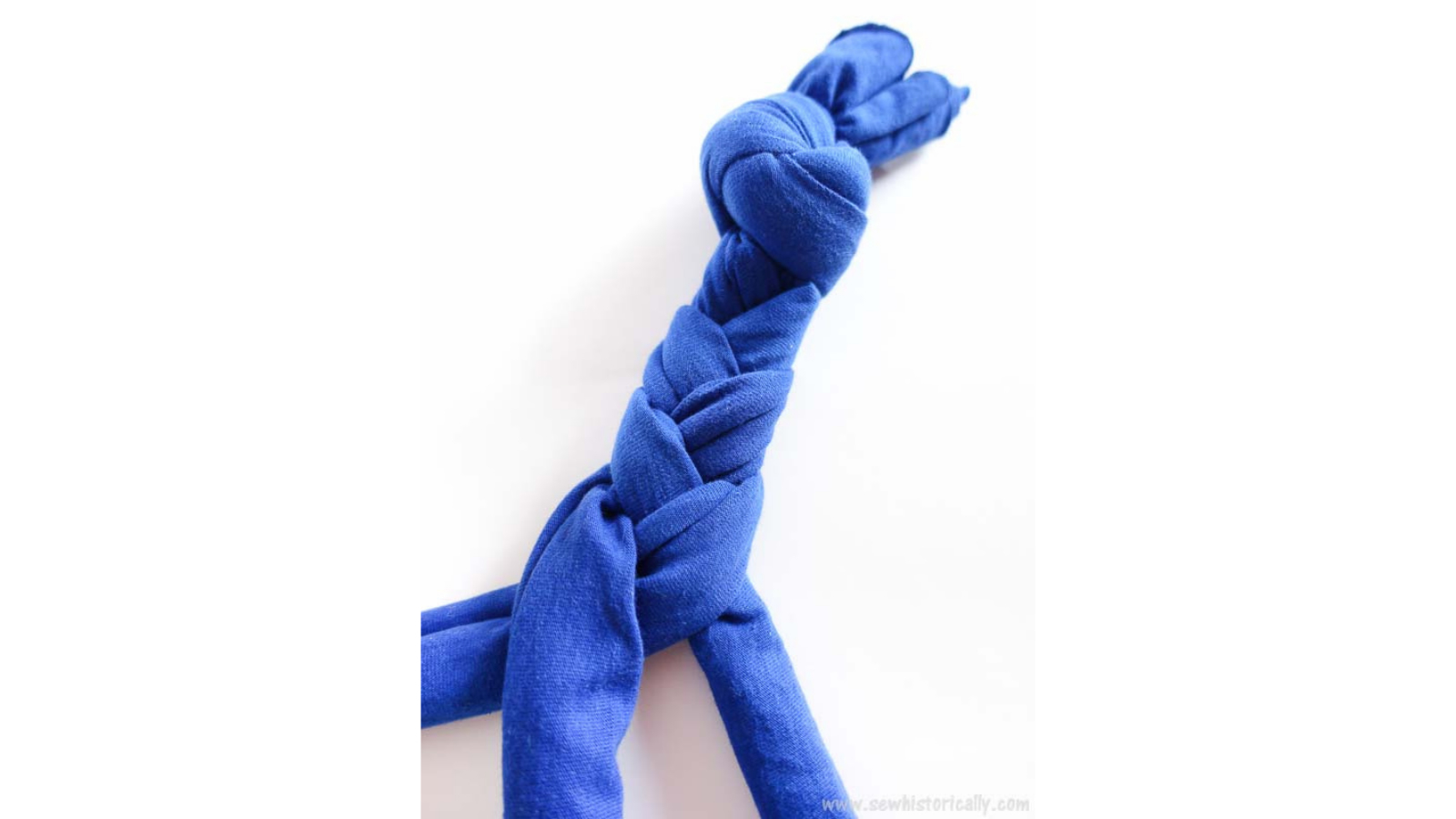
You don’t need a complicated pattern to make a tug toy from an old T-shirt. Lina cuts jersey into three strips, knots them together, braids them firmly, and finishes with another knot. The fabric has some give, which makes it pleasant to handle during a supervised game. It’s still a homemade fabric toy, not something to leave in a crate: replace it when the strands loosen or tear, especially if your dog likes to swallow bits.
21. Turn a shirt collar into a dog photo accessory

A smart shirt collar looks rather splendid on a dog, especially when it’s been rescued from a shirt with a ruined body. Heather cuts away the collar and band, then closes the cut edge while retaining the original button and buttonhole. The result makes a charming supervised photo accessory without sewing a whole costume. It’s not a substitute for the dog’s proper walking collar or harness, and the fit should allow comfortable movement.
Small Handmade Gifts
There’s plenty to work with even when just one good sweater sleeve or cuff survives. These little projects make thoughtful gifts without demanding yards of new fabric.
22. Button a sweater-cuff cozy around a mug

Ribbed sweater cuffs are already shaped to sit neatly around something cylindrical, which makes this mug cozy a sensible little rescue project. Heather adds a button and elastic loop so you can put it on and take it off without stretching the knit over the handle. Make several from the sleeves of one sweater and they become rather good small gifts. Just keep the knit clear of the rim and any hot surfaces.
23. Make mittens that keep the sweater’s cuffs
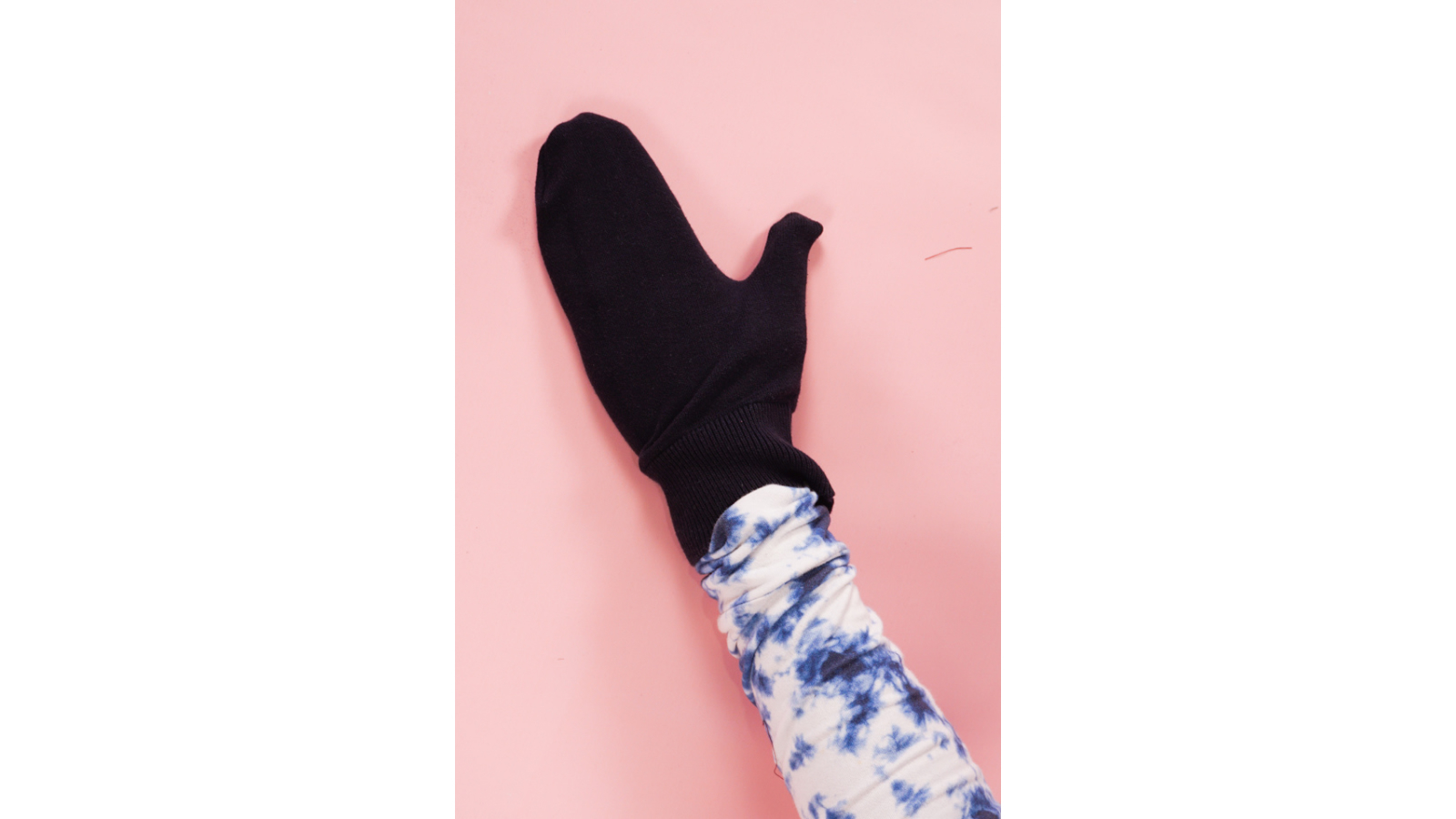
Sweater mittens are worth making from a dense, comfortable knit, not the scratchiest old jumper in the charity bag. Heather uses the existing ribbed cuffs at the wrists, then cuts the hand shapes from the rest of the fabric. That saves the fiddliest bit of finishing, while the original sweater gives each pair a familiar softness. A tightly knitted or felted fabric will behave more predictably than a loose, holey one.
24. Make a bottle gift bag from a sweater sleeve
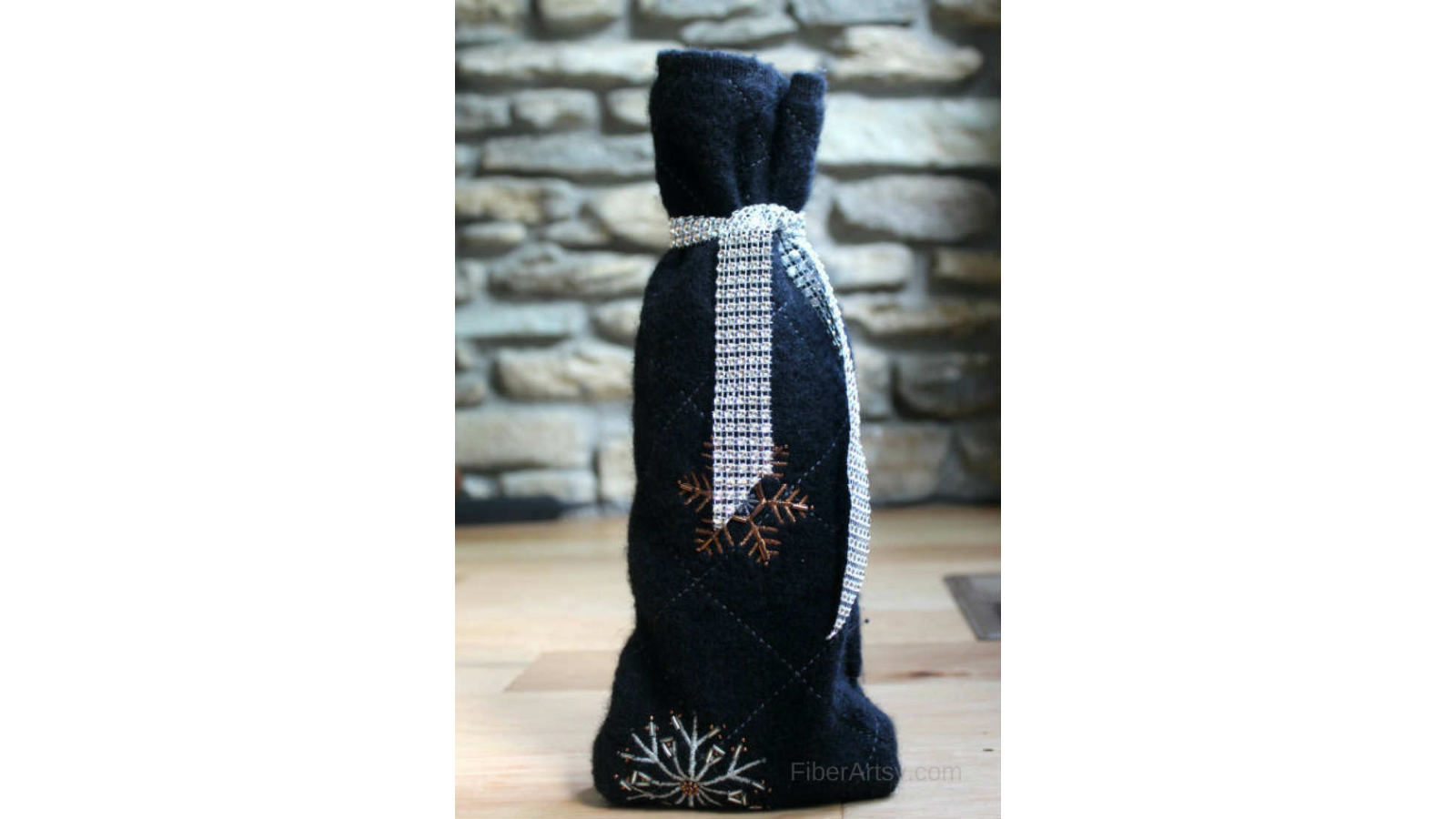
A sweater sleeve is almost the right shape for a bottle gift bag before you pick up the scissors. Annette squares off the bottom so the covered bottle can stand, then ties the top with ribbon. Her example uses a felted wool jacket sleeve, but the idea also works with suitable sweater, fleece, or flannel sleeves. It’s reusable wrapping that looks rather more thoughtful than a disposable gift bag.
Decor Made From Old Garments
Old knits, favorite T-shirt graphics, and faded denim have more than enough texture and character to decorate a room.
25. Make soft pumpkins from thrifted sweaters

Some of the nicest fall pumpkins are the ones that don’t need carving. Jennifer stuffs sections of old sweater, ties them into plump segments with twine, and finishes with a stem and, if you like, knit leaves. The texture of the sweater does much of the decorating, especially with ribbed or chunky knits. It’s a forgiving no-sew project for sweaters with a stain or snag in the wrong place to wear.
26. Make Christmas stockings from old sweaters

Christmas stockings made from old sweaters look as if they’ve belonged by the fireplace for years, which is rather the point. Mary uses the body of the sweater, turns the knit over for a generous cuff, and makes a feature of existing texture and buttons. A sweater with a traditional pattern or contrasting sleeves could produce an especially good pair. Keep the knit supported as you cut and sew so it doesn’t stretch out of shape.
27. Frame a favorite T-shirt graphic in an embroidery hoop

When a favorite T-shirt has become too thin to wear, the graphic may still be worth keeping. Mary stretches the printed section into an embroidery hoop and turns it into wall art, then uses buttons to disguise a small mark in the design. This is especially good for a shirt with a sentimental illustration or a print you simply can’t replace. You keep the part you actually love without storing an entire unworn shirt forever.
28. Make a faux monstera from one jean leg

A faux houseplant made from denim sounds faintly ridiculous until you see how well those blue leaves work. Claire cuts leaf shapes from an old jean leg, stitches in veins, makes the characteristic monstera cutouts, and mounts them on wire stems. The result has a sculptural look that is more interesting than an ordinary fabric flower. There’s a fair amount of fiddly work here, but no watering schedule to forget afterward.
29. Sew a fish windsock from a pair of jeans

Jean legs are long enough to become a proper windsock, and Claire turns them into koinobori-inspired fish with patterned scales and flowing tails. She includes a template and gives you a choice between stenciling the scale pattern and stitching it by hand. The faded denim makes a surprisingly handsome outdoor decoration. It takes more care than simply cutting and knotting fabric, but the fish shape is worth getting right.
Clothing Transformations You Can Wear Again
If the fabric itself is still good, a bit of reshaping can save an unworn garment without making a completely new one from scratch.
30. Turn an old pullover hoodie into a zip-up
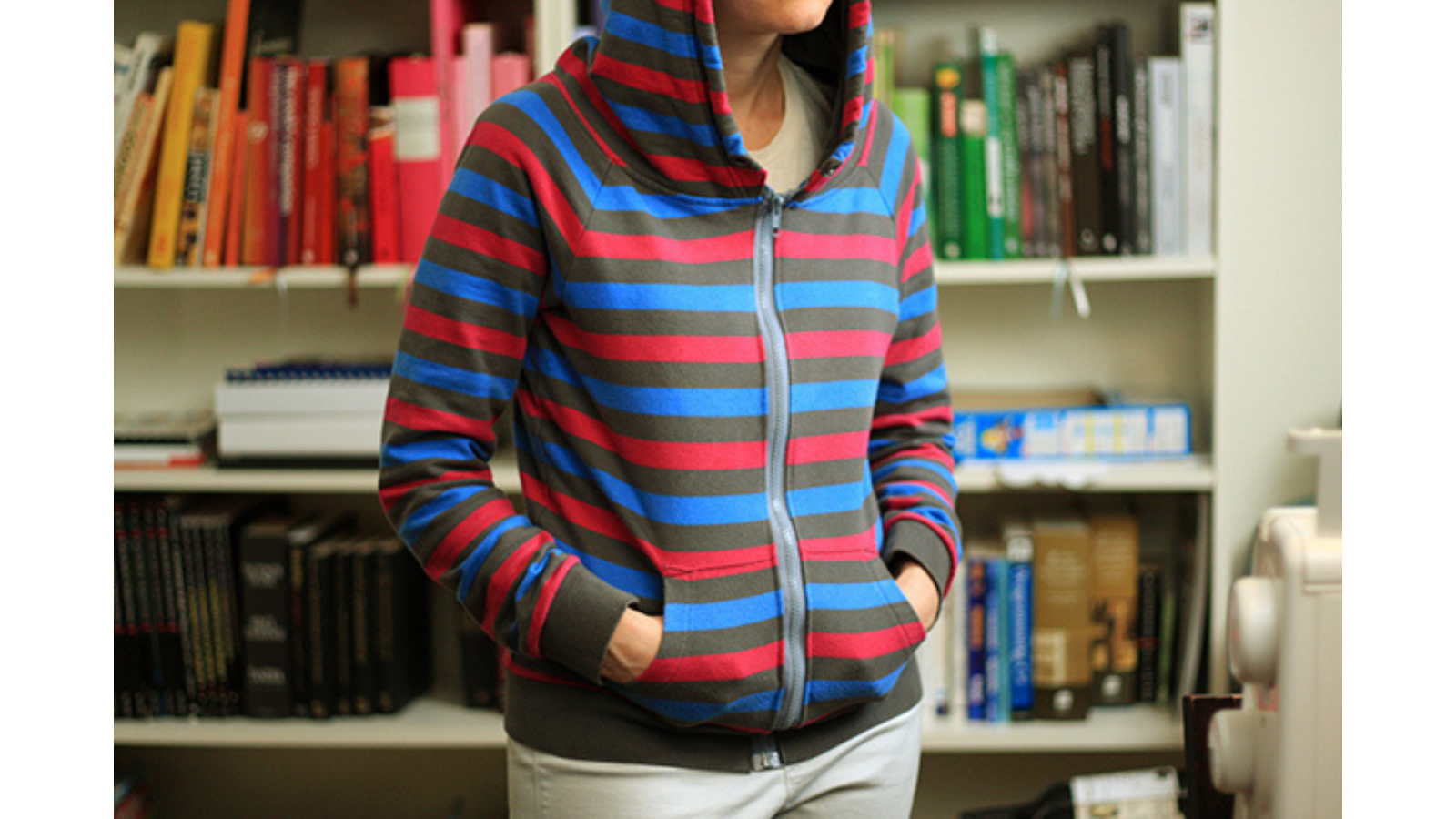
A pullover hoodie that catches at the hips can be irritating enough to sit unworn for years. Abby gives hers a separating zipper, carefully opening the front without cutting through the hood where the fabric overlaps. Basting keeps the zipper in place before the final sewing, which is a detail I’d definitely follow rather than trying to wrestle two stretchy edges into submission. The original sweatshirt stays intact apart from the new front opening.
31. Turn old leggings into a cropped top

This refashion is one of those ideas that’s easier to understand once you see it on someone. Lisa cuts a new neck opening in the crotch of an unwanted pair of leggings, using the legs as the sleeves of a cropped top. The basic version needs only scissors; she also shows how to use a piece of the cut-off leg as a tie detail. It suits soft, stretchy leggings, and you’ll want to try it on before deciding how short to cut the sleeves.
32. Turn a stretchy swing dress into a romper

A loose swing dress can become a romper with surprisingly little sewing, but only if you start with the right shape. Heather uses a stretchy A-line dress with enough width in the skirt for two roomy legs, then marks and stitches a new inseam. The crucial test is whether you can step through the neckline to put it on and take it off afterward. A narrow dress won’t magically grow enough room for sitting down once you sew the legs.
33. Give a maxi dress a new life as a pull-on skirt

Sometimes the skirt of a dress is absolutely fine and the top is the reason it never leaves the wardrobe. Elise saves the long, flowing part of an old maternity maxi dress, adds an elastic casing at the waist, and keeps the original hem. It’s a practical refashion because most of the fabric and all of the length are already there. Particularly good when you still love the print but have no intention of wearing the dress again.
34. Use the original waistband to turn jeans into an A-line skirt

There is something satisfying about keeping the waistband, pockets, and fly of jeans that have worn out elsewhere. Mallory opens up the inseams and uses denim from the legs to fill the triangular gaps, creating an A-line skirt without throwing away the best construction details. The insert pieces need a little planning if you want the skirt to hang neatly rather than twist. Old faded jeans can make a wonderfully characterful finish.
35. Turn outgrown T-shirts into a tiered dress

Outgrown T-shirts can look surprisingly cheerful together when they’re made into a tiered child’s dress. Jordyn uses a shirt that still fits for the top and gathers sections from smaller shirts into ruffles below, joining pieces when a single shirt won’t give enough width. The finished dress carries the colors and prints of the old tees without looking like a patchwork emergency. The tutorial includes a regular sewing-machine option if you don’t have a serger.

