
Affiliate disclosure: This post may contain affiliate links. Please see full disclosure.
Our grandparents weren’t warming every room to the same temperature while walking around in T-shirts. They shut out drafts, kept the heat where people actually sat, used the sun when it was available, and warmed themselves before asking the heating system to work harder. Those habits can still reduce heat loss and make a lower thermostat setting bearable, although the savings depend on the house and the way it’s heated.
I like old household tricks when there’s a practical reason behind them, not because they’re nostalgic. A properly placed draft stopper is useful. A pot of water simmering on the stove just to make a room feel warmer isn’t an energy-saving trick, and using a gas oven to heat the house is dangerous. The trick is to borrow the sensible habits without copying the hazards that came with older homes.
1. Draw heavy curtains before the glass gets cold
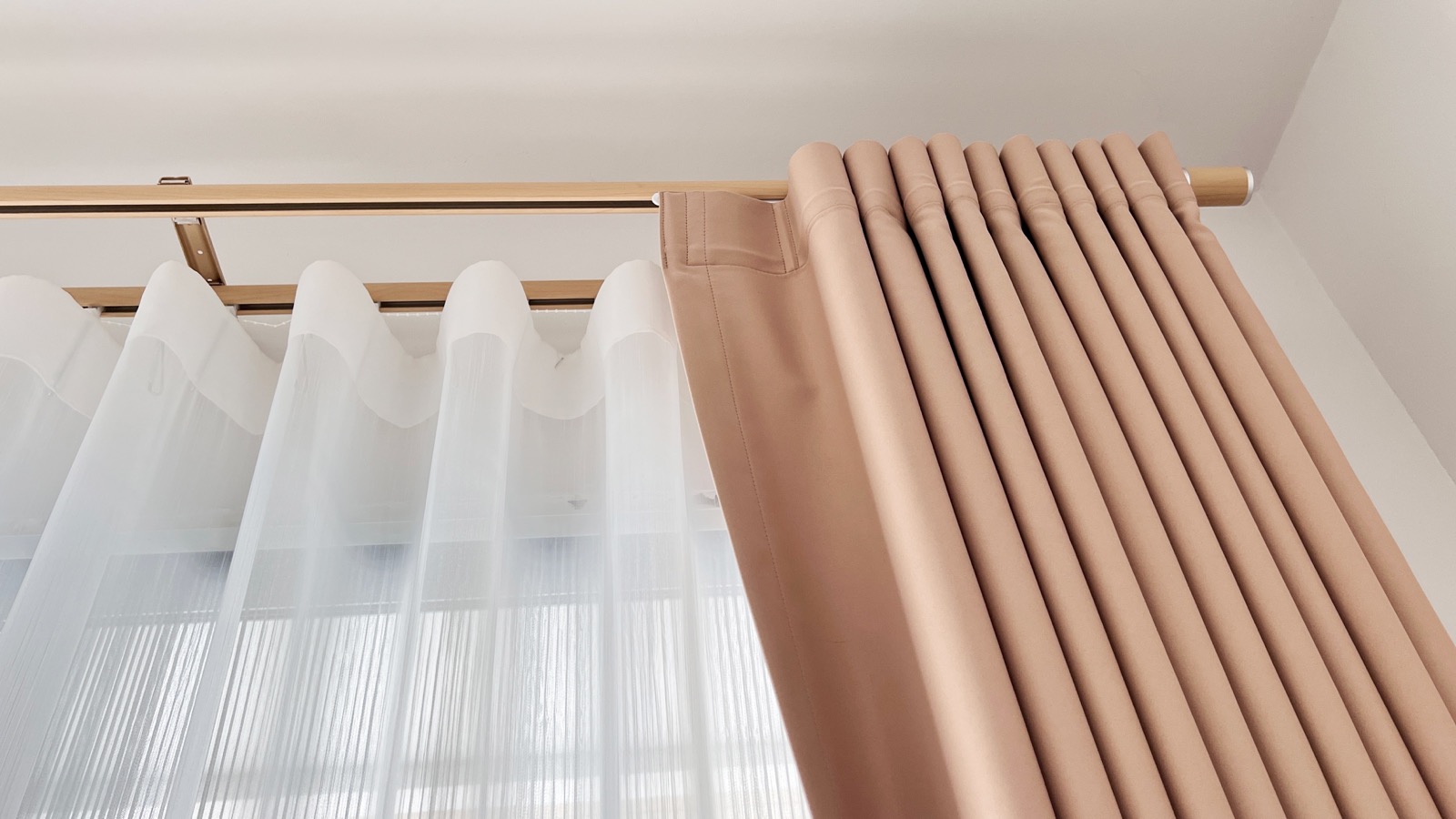
Closing substantial, well-fitting curtains at dusk adds a layer between the room and cold window glass. Don’t wait until you can already feel the chill when you walk past. Closing window coverings at night reduces the discomfort and heat loss associated with cold windows, especially in older houses with less efficient glazing.
Length and fit matter. Let the curtains overlap at the center, cover the whole window, and sit close enough to the wall that air isn’t circulating freely around the edges. Add a removable lining to existing curtains before spending money on an entirely new set. Keep fabric clear of portable heaters and open flames, and don’t let long drapes block a heat register or radiator.
2. Open the sunny side of the house in daylight

The reverse half of the curtain routine is just as important. Open the coverings on windows that receive direct winter sun and let that free warmth reach the room. Then close them again when the sun moves away or evening arrives. Using daytime sunlight and nighttime coverings together is more useful than leaving thick curtains shut all winter.
This won’t help much on a gloomy north-facing window, and a room can lose heat through the glass after the sunlight disappears. I would check which windows genuinely receive winter sun before rearranging the day around them. On a bright morning, moving your reading chair or desk into that pool of light can make the occupied space more comfortable without raising the temperature everywhere.
3. Put a homemade draft snake against the door
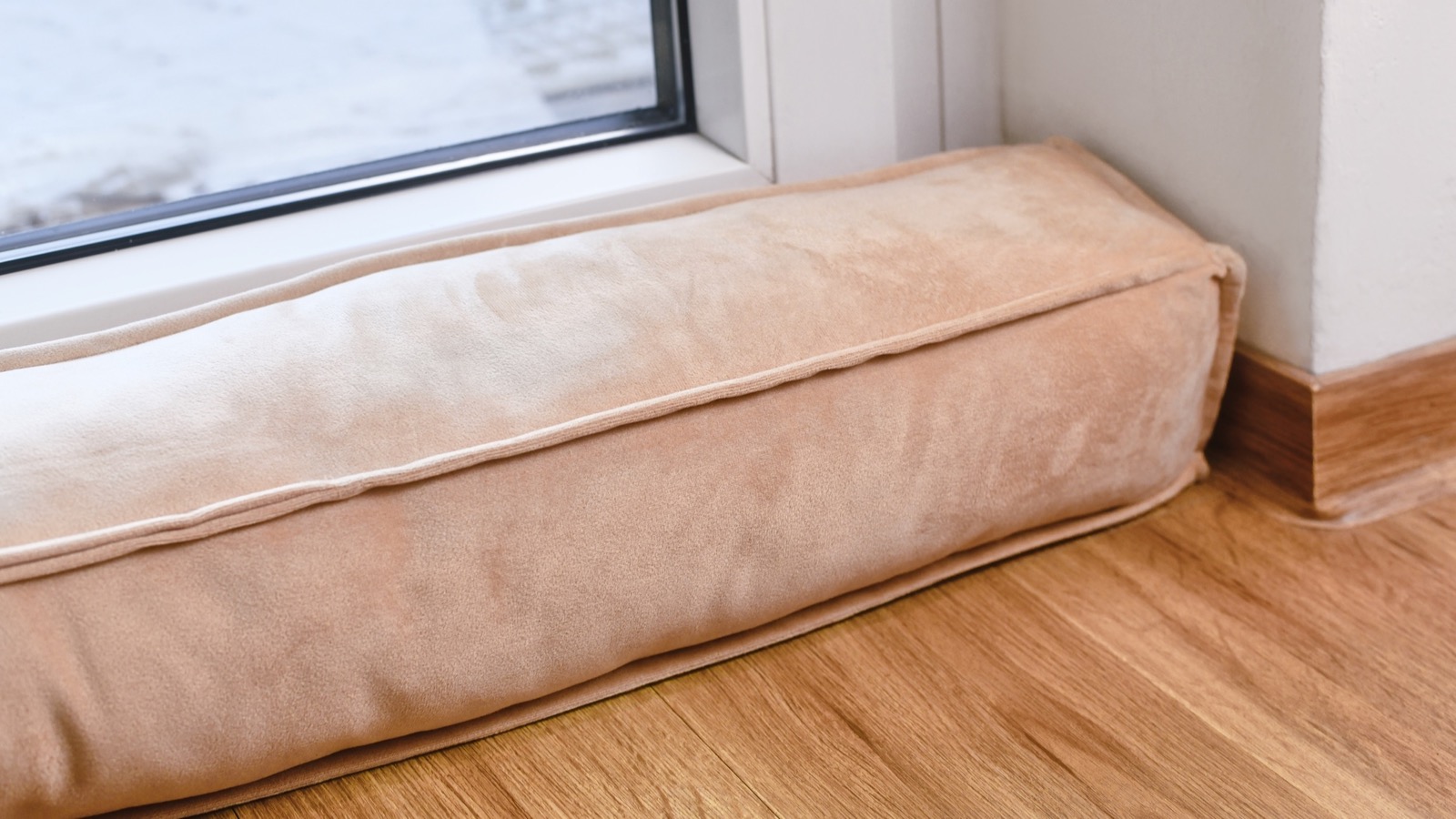
A tightly stuffed fabric tube at the bottom of a drafty door can stop a surprisingly irritating stream of cold air at ankle height. A sleeve from a worn-out sweater, a length of sturdy leftover fabric, or a rolled towel will do. If you make one, sew the seams securely and fill it so it lies firmly against the gap without shedding stuffing all over the floor.
This is a temporary draft fix, not an airtight building repair. It has to be moved when the door opens and won’t help with leaks around the jamb. Draft stoppers are a simple option for leaky door bottoms; for a frequently used exterior door I’d eventually fit a proper sweep and weatherstripping. Never block a required ventilation opening, exit route, or the air supply for a fuel-burning appliance.
4. Fit a seasonal second layer over old windows

Long before replacing every window became the default answer, people used storm sashes to give winter glass an extra layer. The affordable modern equivalent is a properly installed clear interior window film or removable storm panel. It helps reduce drafts and heat transfer without requiring a full window replacement. Clear window film is a recognized low-cost winter weatherization measure.
Seal the film to the frame as instructed, not directly onto damaged paint or damp wood. Keep at least one required emergency escape window fully usable and don’t conceal condensation, rot, or a leak that needs repair. If you rent, check that the adhesive can be removed without damaging the finish. A neatly fitted panel earns its keep; a sheet of loose plastic flapping against the frame doesn’t.
5. Make one occupied room the winter living room

Traditional households often concentrated warmth in the room where everyone spent the evening. That principle still makes sense if your heating system allows individual rooms to be controlled and you can safely keep unused spaces cooler. Put your work, reading, and evening activities in the room that’s easiest to heat rather than heating several empty rooms to the same comfort level.
There’s an important qualification. A single central thermostat and a ducted heating system don’t necessarily let you save money by shutting registers or abandoning entire zones. Heat pumps in particular may work best with steadier settings and adequate airflow. Don’t let rooms with plumbing fall cold enough for pipes to freeze, and don’t keep anyone who is elderly, ill, or less mobile in an unhealthily cold room simply to save a few dollars.
6. Close interior doors where the heating system permits
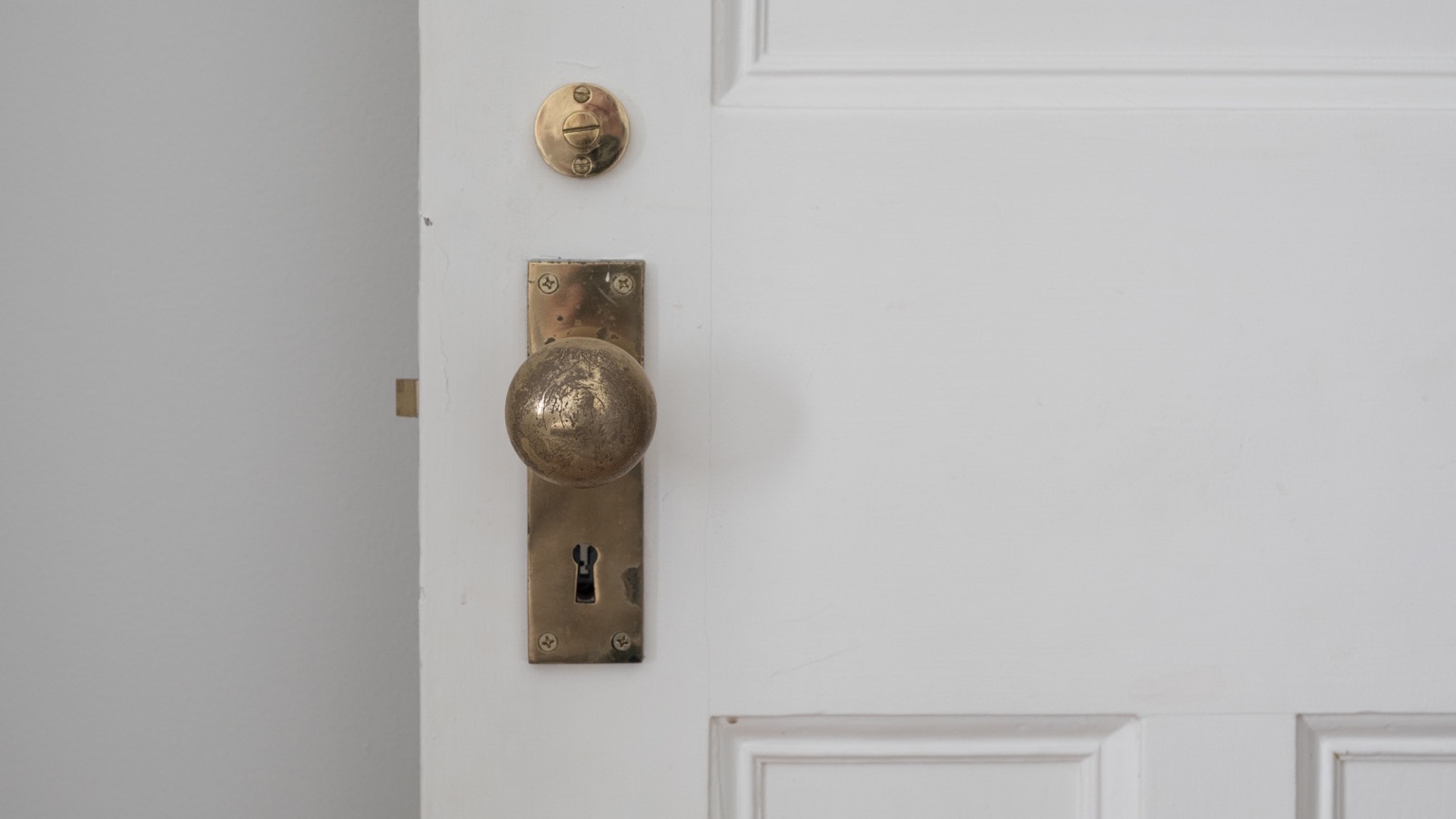
A closed door can make a real difference when the warmth is coming from a properly controlled room-specific radiator, stove, or ductless unit. It limits air exchange with hallways and other spaces. Older houses with separate rooms made this particularly easy, which is one reason closed doors featured so heavily in winter routines.
But don’t automatically close every door in a modern forced-air house. Return-air paths are part of the system, and shutting a room without an adequate return route can create pressure and comfort problems. Follow the heating designer’s guidance and leave necessary transfer grilles unobstructed. I would rather keep the airflow working correctly than chase a small apparent saving by upsetting the whole system.
7. Hang a heavy curtain over a drafty exterior doorway
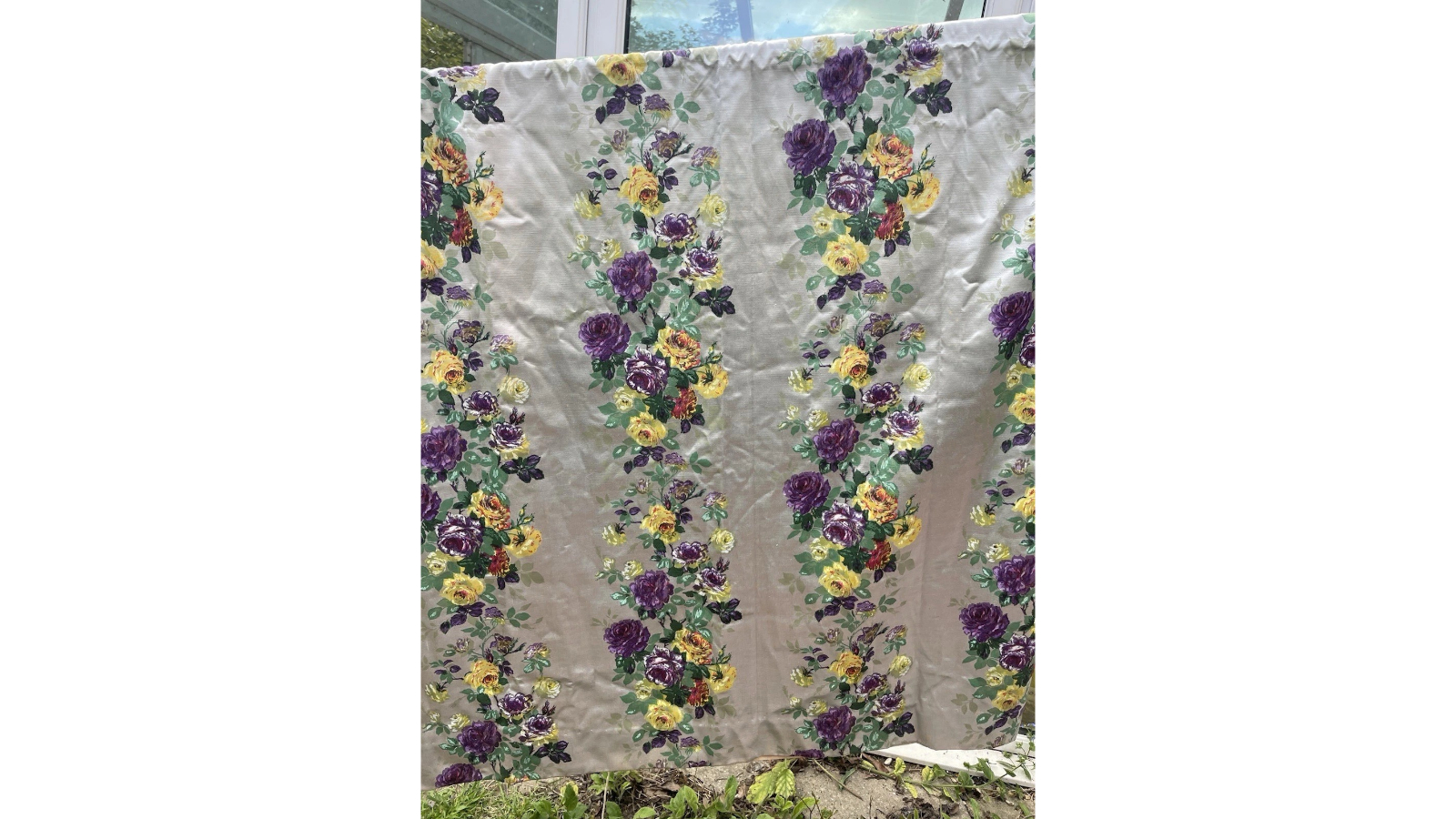
A door curtain, traditionally called a portiere, gives you a second fabric barrier at an entrance that opens straight into a warm room. It is particularly useful in older houses where cold air rushes in each time the front door opens. Mount a sturdy rail above the doorway and choose a curtain long enough to cover the gap, with enough fullness to close properly.
Keep the curtain easy to push aside, ensure the door and lock still operate freely, and never compromise an exit. This isn’t a substitute for repairing failed seals around the door. It’s an extra layer for an awkward entrance, and it can be made from a suitably heavy reclaimed curtain rather than bought as a special ‘winter’ product. That’s the kind of reuse I appreciate.
8. Cover the coldest bare floors with rugs
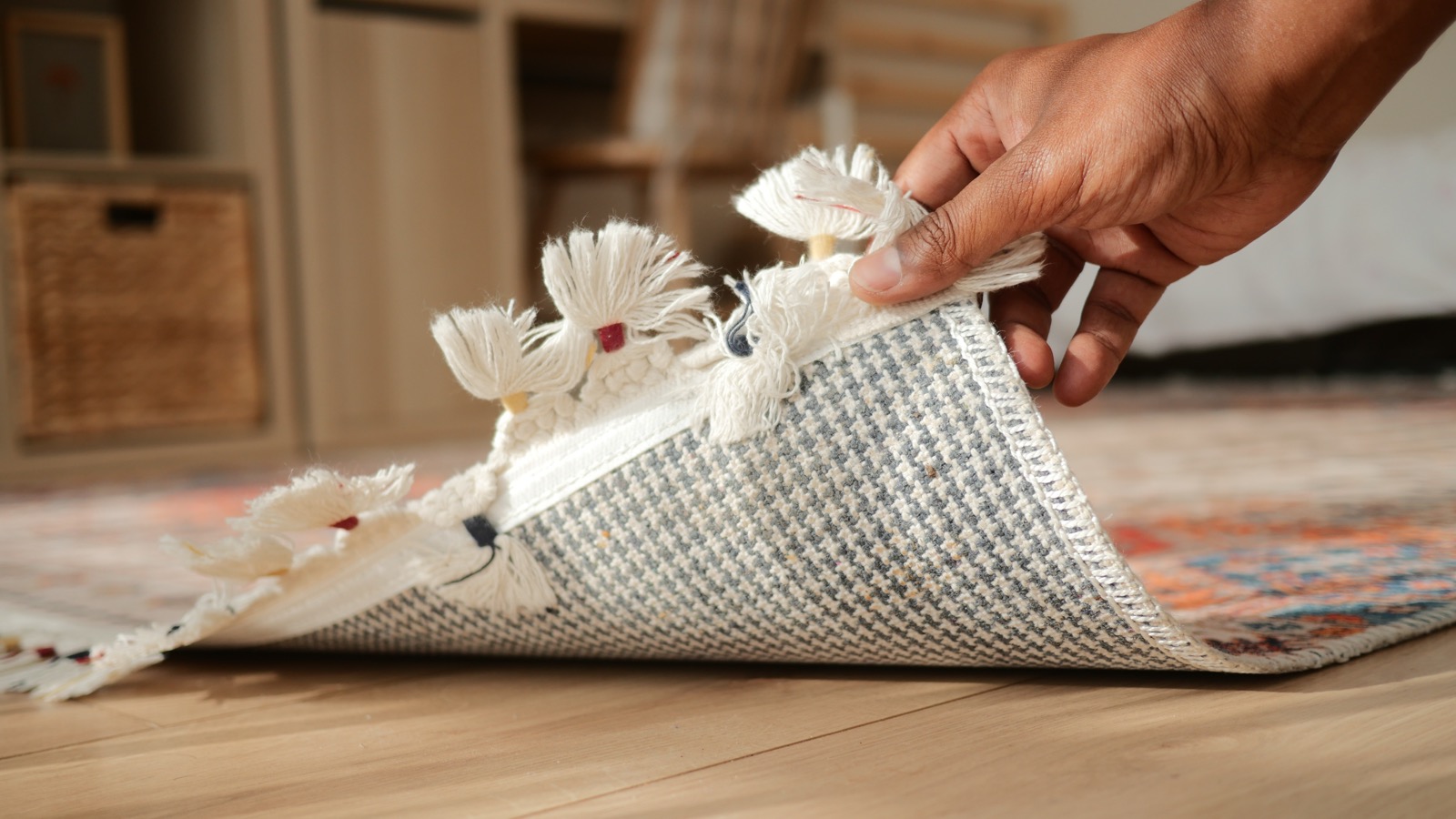
A rug doesn’t magically insulate an entire poorly insulated floor, but it creates a warmer surface underfoot and can improve comfort where you stand or sit for long periods. Put one by the bed, under your desk, or beside the chair where you spend winter evenings. Rugs over cold hard floors are a practical way to make a room more comfortable without turning up the heat.
Choose a washable or durable rug and use an appropriate nonslip underlay. A sliding runner at the top of the stairs is a much worse problem than a cold patch of floor. Don’t cover floor heating vents or put rugs where they conflict with underfloor heating instructions. A rug is a targeted comfort measure, not a substitute for repairing a wet or badly insulated floor.
9. Put on your indoor winter layers before touching the thermostat

A close-fitting base layer, warm middle layer, and socks that actually cover your ankles will generally feel better than a thin shirt topped with one bulky sweater. Layers trap pockets of air around the body, so they’re useful even when the actual room temperature stays the same. Several layers and insulating fabrics help you remain comfortable indoors.
I don’t see the sense in paying to heat a whole house to short-sleeve temperatures through January if everyone would be comfortable in a sweater. But there is a limit: clothes are not a safe substitute for adequate heating. Keep an eye on children, older adults, and anyone with health problems, and raise the heat when needed. A cold body isn’t a money-saving achievement.
10. Use a hot water bottle to warm a person, not a whole room
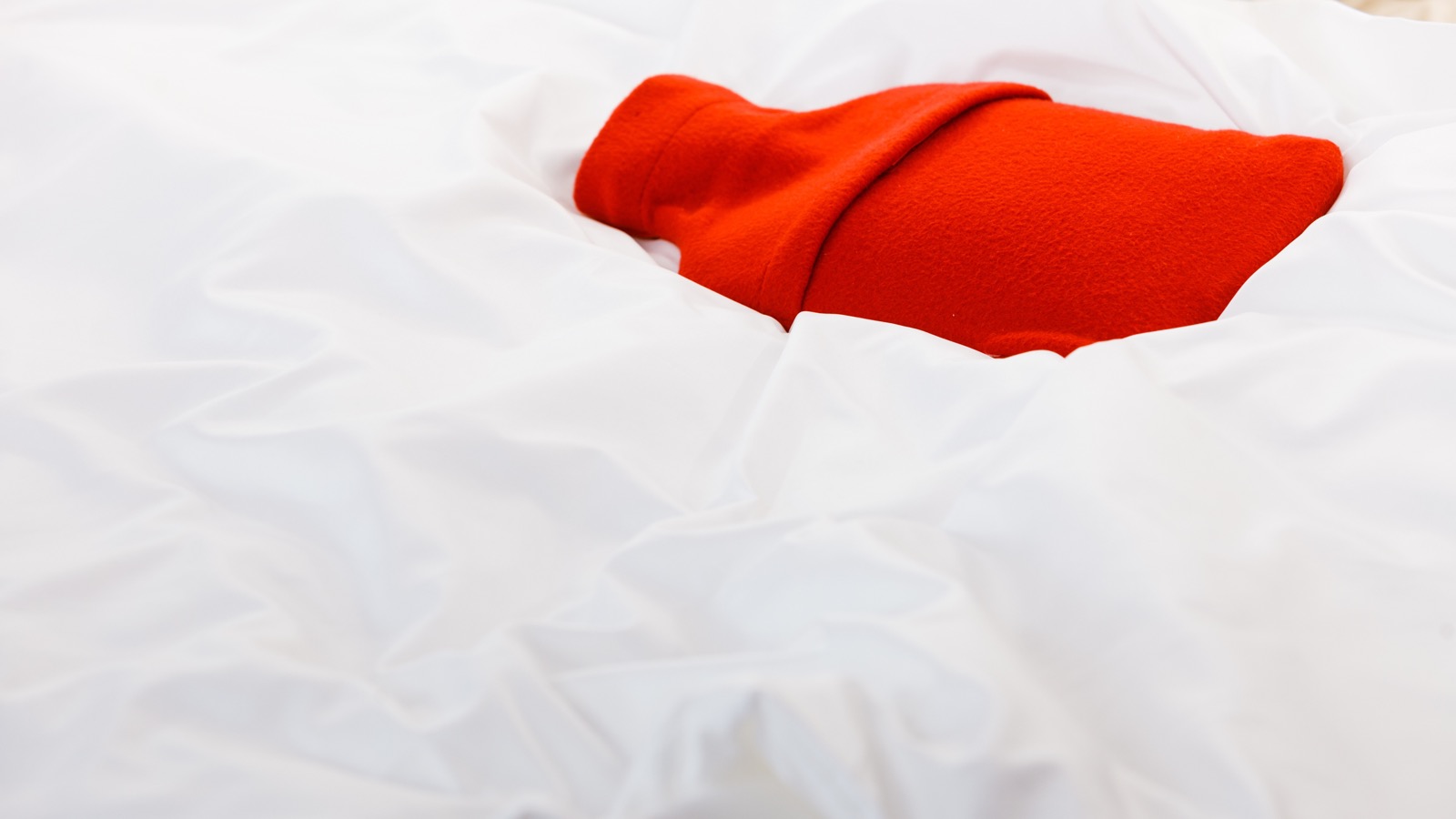
A traditional hot water bottle is useful precisely because it puts warmth where you need it: against a covered lap while sitting, or beside your feet for a short spell. It can make a comfortably heated room feel pleasant without nudging the thermostat higher. I would use a sound modern bottle with a cover, rather than an old rubber one that’s been hiding in a cupboard for years.
Use hot, never boiling, water; don’t overfill; inspect for cracks; and keep the bottle covered. Don’t sit or lie on it, and don’t leave it pressed against one area of skin for long periods. It’s particularly risky for anyone who has reduced skin sensation or can’t easily move away from heat. Warmth is useful only while it’s safe.
11. Prepare a warmer bed rather than overheating the bedroom

Flannel sheets, a suitable comforter, and an extra blanket where you actually need one can make getting into bed much less of a shock. You can also use a safely covered hot water bottle to prewarm the foot of the bed, removing it before you settle down if there’s any risk of pressure or burns. The goal is to improve the bedding’s comfort, not to sleep beside a dangerous heating appliance.
Keep bedding dry and aired, especially in a room prone to condensation. If you use an electric blanket, follow its specific instructions and don’t combine it with a hot water bottle. Warm bedding and sensible room temperatures belong together. Older adults and people with health conditions may need the bedroom warmer overnight than an otherwise healthy adult.
12. Seal the small gaps that a draft snake can’t reach

The old annual ritual of checking windows before winter has a sound modern equivalent: inspect cracked caulk, failed weatherstripping, and gaps around pipes or window frames, then repair the appropriate joints. Caulk suits stationary gaps while weatherstripping suits moving window and door parts. That distinction saves you from gluing a window shut or fitting a seal that makes a door impossible to latch.
Pay attention to the upper floors and attic hatch as well as the front door. Warm indoor air can escape through high gaps and pull colder air in elsewhere. Don’t seal required combustion-air openings, bathroom extraction, or other intentional ventilation. If a draft comes from around a gas appliance, flue, or damaged chimney, that’s not a job for a tube of DIY sealant.
13. Close an unused fireplace damper after everything is cold
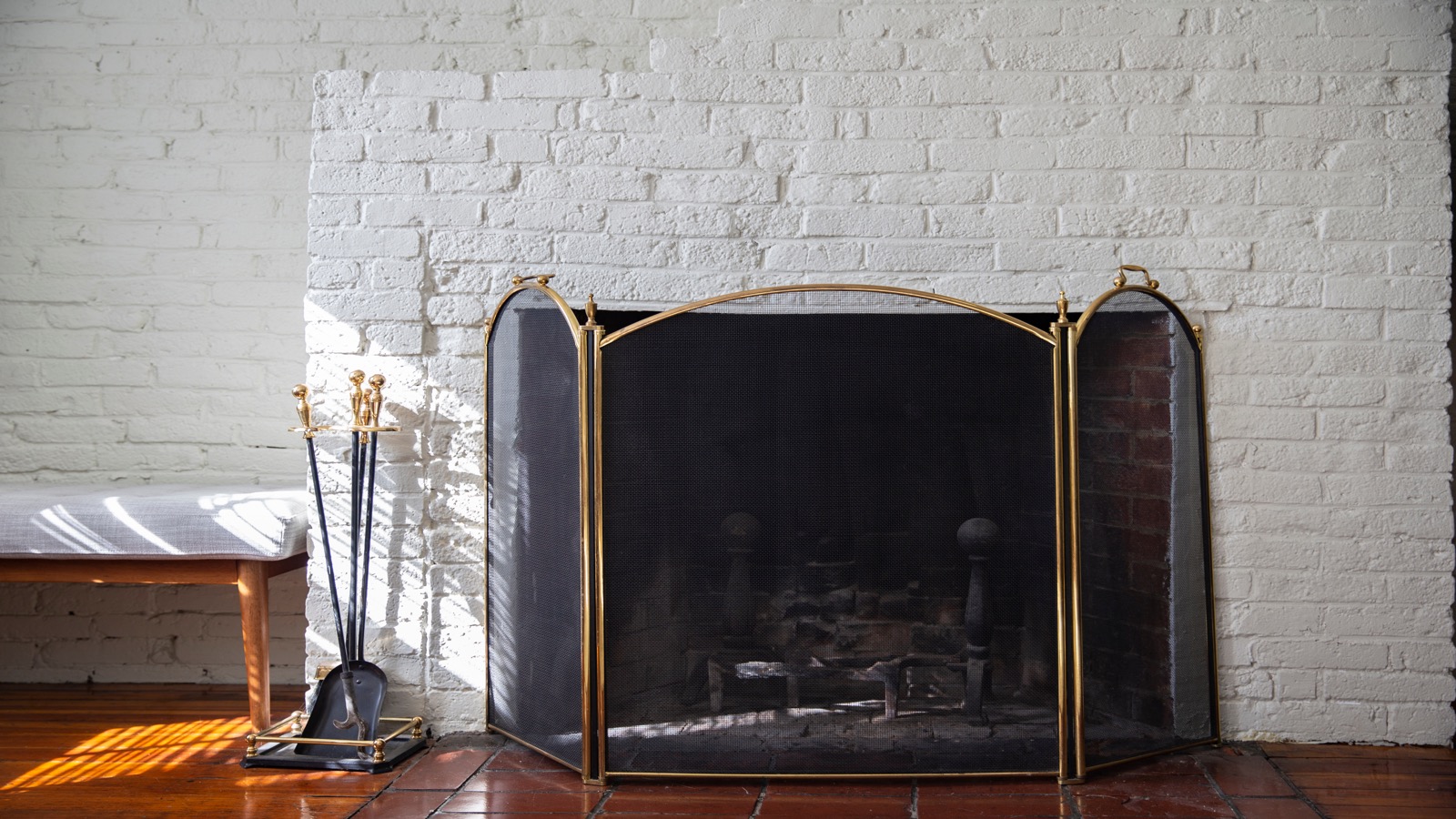
An open flue can let heated indoor air escape even when you haven’t lit the fireplace for days. Closing the damper when a conventional fireplace isn’t in use is a straightforward way to limit that loss.
The safety condition is absolute: don’t close a damper while a fire is burning, embers remain hot, or a gas pilot or other vented appliance still needs the flue. If you’re unsure about the fireplace’s design, have a qualified chimney professional check it before changing anything. Never stuff a chimney with fabric or a homemade plug when a connected appliance may operate. Warm air is expensive, but carbon monoxide is much worse.
14. Turn the thermostat down when the house can safely be cooler
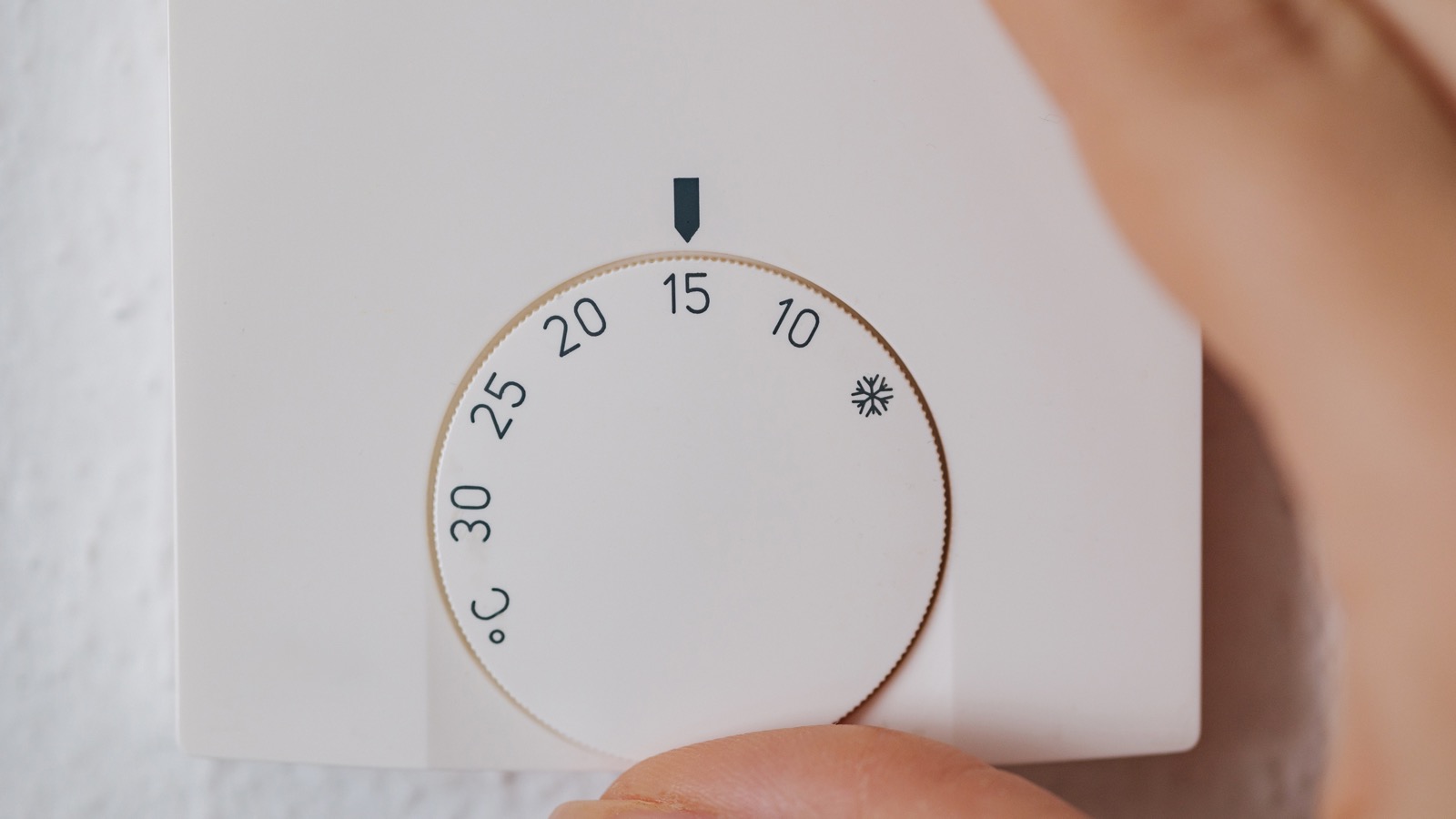
Before programmable controls, people simply turned down the heating when they went out or went to bed. That remains sensible for many conventional systems. A sustained setback of around 7 to 10°F for eight hours can produce meaningful heating savings in suitable homes, although that isn’t a guarantee for every system or climate.
Don’t make a dramatic setback a universal rule. Some heat pumps use more energy recovering from a big temperature drop, and a poorly insulated house in severe weather needs enough heat to protect pipes. Choose a modest change that suits your actual equipment and household health. I would monitor comfort and bills over several comparable weeks instead of relying on a dramatic online savings claim.
15. Stop furniture and curtains stealing the heat you’re already buying
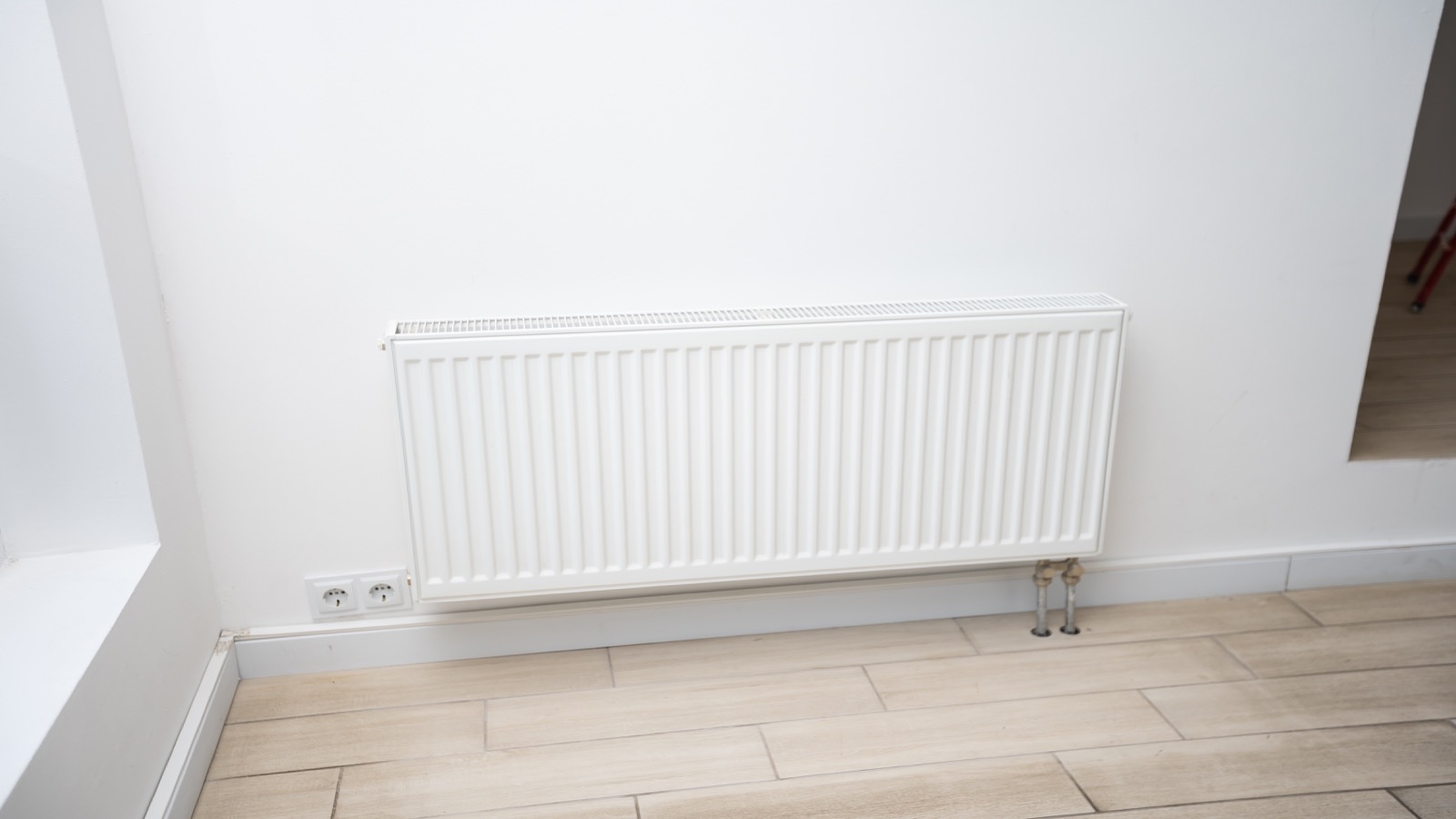
Traditional radiator-heated rooms worked best when the hot surfaces were able to warm the space rather than the back of a sofa. The same common sense applies to modern heating. Pull large furniture away from radiators and heat registers, keep grilles free of baskets and rugs, and make sure curtains don’t cover the source of warm air. Keeping air vents clean and unobstructed helps the system deliver heat where it’s needed.
Never drape laundry over an electric space heater, crowd a woodstove with furniture, or pile blankets near a hot surface. Keep combustibles at least 3 feet from heat sources where that safety rule applies. If a room is cold despite clear registers, check filters and system maintenance rather than trying to trap hot air with furniture.
The biggest savings usually come from combining small habits: keep out unwanted drafts, use the sun when it’s available, heat occupied spaces appropriately, and keep yourself comfortable without making the entire house tropical. Start with the curtains, door gaps, and the room you use most, then watch what actually changes. And if the house remains uncomfortably cold or damp despite all that, the answer is a heating or building repair, not another blanket.
You might also like…
Cooking Safely During a Power Outage
Everyday Off-Grid Skills That Help When the Power Goes Out
20 items under $20 that make a real difference in an emergency

