Affiliate disclosure: This post may contain affiliate links. Please see full disclosure.
Homesteading is a wonderful way to teach your children valuable life skills, responsibility, and the importance of self-sufficiency. By involving your kids in various tasks around the homestead, you can help them develop a strong connection to nature and a deep appreciation for the world around them. Here are 15 tips to get your kids excited about homesteading.
1. Start a Family Garden
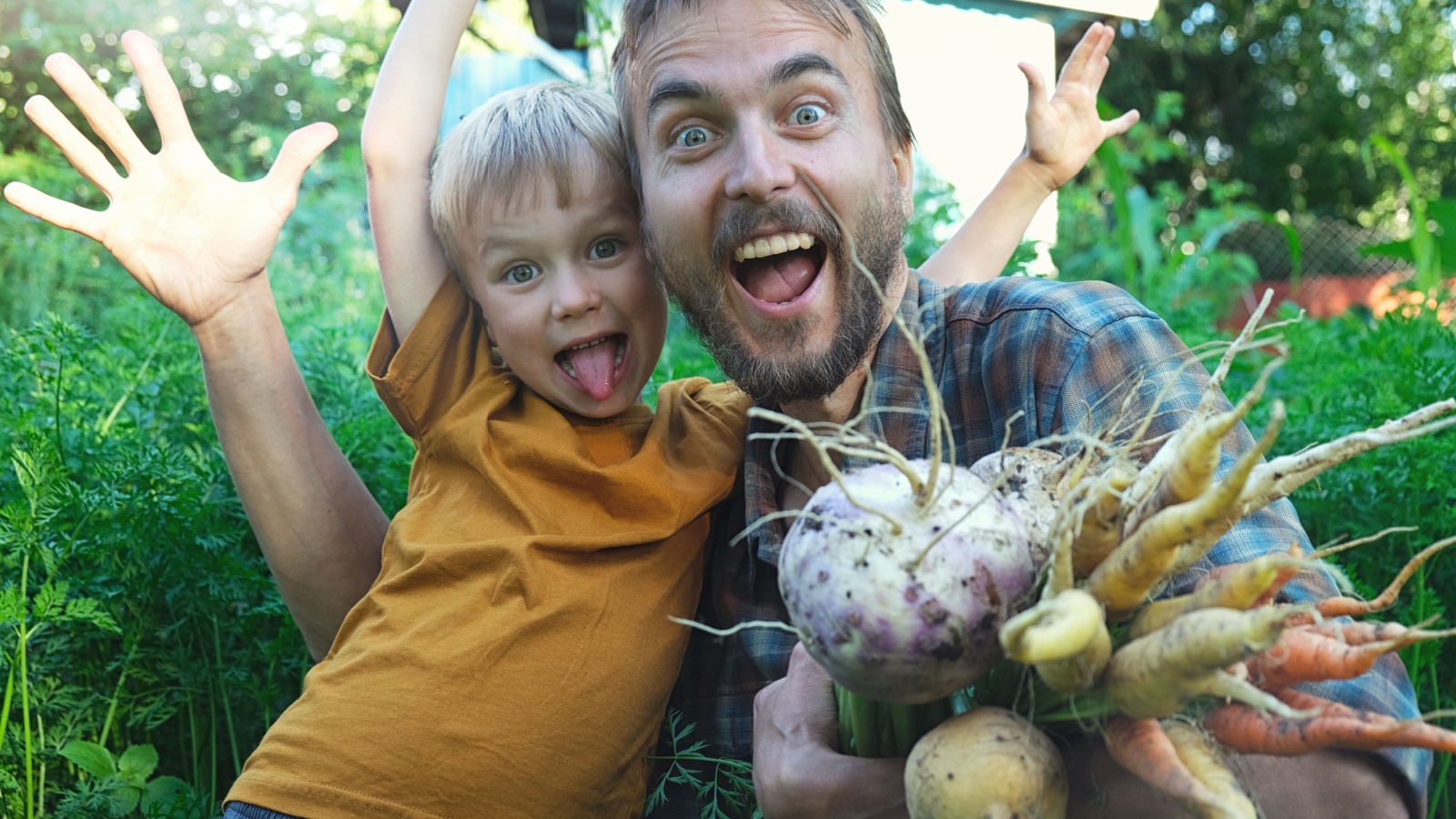
Encourage your children to help you plan, plant, and maintain a family garden. Let them choose some of the vegetables and fruits they want to grow, and teach them about the importance of healthy soil, watering, and sunlight for plant growth.
2. Assign Age-Appropriate Chores
Give your kids daily or weekly chores that are appropriate for their age and skill level. This could include feeding animals, collecting eggs, watering plants, or helping with harvest. Make sure to provide clear instructions and supervise them as needed.
3. Create a Kid-Friendly Compost System
Teach your children about the importance of composting and reducing waste. Set up a simple, kid-friendly compost system and encourage them to collect food scraps and other compostable materials. Explain how composting helps create healthy soil for your garden.
4. Build Birdhouses or Feeders
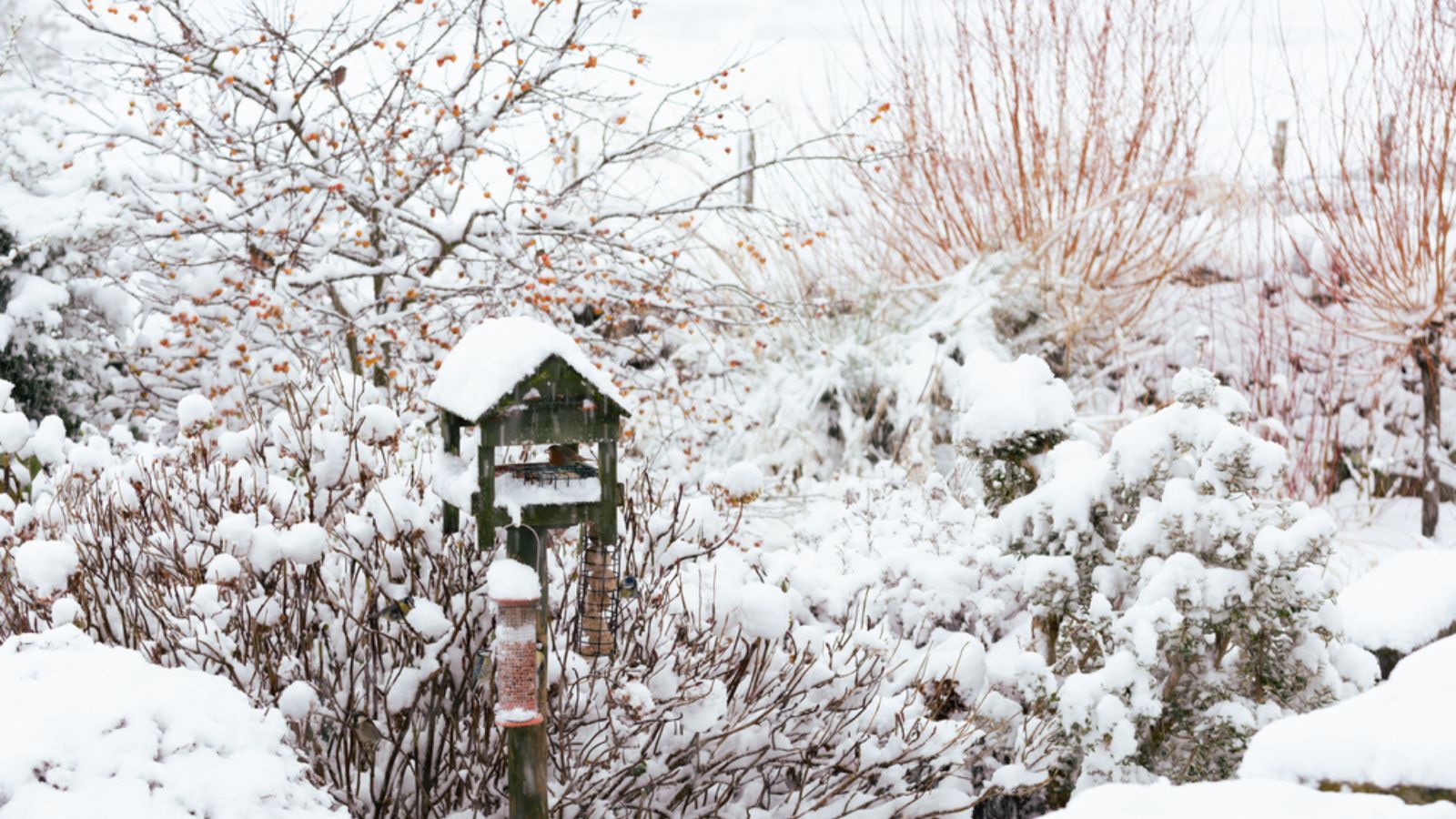
Engage your kids in a woodworking project by building birdhouses or feeders together. This activity can help them develop basic carpentry skills while learning about the importance of providing habitat and food for local birds.
5. Involve Kids in Meal Planning and Preparation
Encourage your children to help plan and prepare meals using ingredients from your homestead. This can include harvesting vegetables from the garden, collecting eggs, or even helping to milk goats or cows if you have them. Cooking together is a great way to teach kids about healthy eating and the farm-to-table concept.
6. Create a Nature Scavenger Hunt
Organize a nature scavenger hunt around your homestead to help your kids explore and appreciate the natural world. Make a list of items they need to find, such as specific plants, animal tracks, or interesting rocks. This activity can help develop their observation skills and curiosity about the environment.
7. Teach Basic Animal Care
If you have livestock on your homestead, involve your children in their daily care. Teach them how to properly feed, water, and groom the animals, and explain the importance of animal welfare. This responsibility can help foster empathy and respect for all living creatures.
8. Start a Family Beekeeping Project
Consider starting a family beekeeping project to teach your kids about the crucial role of pollinators in our ecosystem. They can help assemble and paint the hive, learn about the different types of bees, and observe the fascinating world of these hardworking insects.
9. Encourage Nature Journaling
Provide your children with a nature journal and encourage them to record their observations, thoughts, and sketches about the homestead. This activity can help develop their writing and drawing skills while deepening their connection to the natural world.
10. Make Homemade Crafts Using Natural Materials
Engage your kids in making homemade crafts using natural materials found around the homestead. This could include pressing flowers, making leaf rubbings, or creating decorations from twigs and pinecones. These projects can help develop their creativity and appreciation for the beauty of nature.
11. Plant a Pollinator Garden
Help your children create a pollinator garden filled with native plants that attract bees, butterflies, and hummingbirds. Teach them about the importance of these creatures in pollinating crops and maintaining biodiversity. They can help choose the plants, prepare the soil, and care for the garden.
12. Go on Nature Walks and Picnics
Regularly take your kids on nature walks and picnics around your homestead. Encourage them to observe and identify different plants, animals, and insects. Use these opportunities to teach them about the interconnectedness of all living things and the importance of preserving natural habitats.
13. Create a Worm Bin
Set up a worm bin with your children to teach them about vermicomposting. They can help assemble the bin, add bedding and food scraps, and learn about the role of worms in breaking down organic matter and creating nutrient-rich soil for your garden.
14. Teach Basic Outdoor Skills
Teach your kids basic outdoor skills such as knot-tying, fire-building, and using a compass. These skills promote self-reliance and help develop problem-solving abilities and confidence in navigating the natural world.
15. Celebrate Your Homesteading Successes
Finally, make sure to celebrate your homesteading successes as a family. Whether it’s enjoying a meal made with homegrown ingredients, admiring a beautiful flower bed, or watching baby chicks hatch, take time to appreciate the fruits of your labor and the joy of working together as a family.