

Affiliate disclosure: This post may contain affiliate links. Please see full disclosure.
A jar of taco seasoning earns its shelf space a lot faster than six packets shoved behind the flour. And once you’ve made lemon pepper with enough lemon to actually taste it, it’s hard to go back. Making your own blends lets you decide how much heat you want, whether the salt belongs in the jar or the pan, and whether those sesame seeds should stay whole and crunchy.
I like to start with a small batch of something I already cook often. It’s a good way to put the dried herbs and spices you have to work, and if the first batch wants a little more smoke or a little less cayenne, you won’t have half a pint of it to get through before you can fix it.
Jump to
- Everyday seasonings
- Grill rubs and bold seasonings
- Blends for dishes around the world
- Baking and drink spice mixes
- Mixing, storing, and labeling
Everyday seasonings
The jars that get refilled are the ones that solve dinner. Taco seasoning can do a pound of ground beef, a ranch mix can perk up roast potatoes, and a pinch of dried herbs can rescue a tomato sauce that tastes as if it came straight out of the can.
1. Homemade taco seasoning
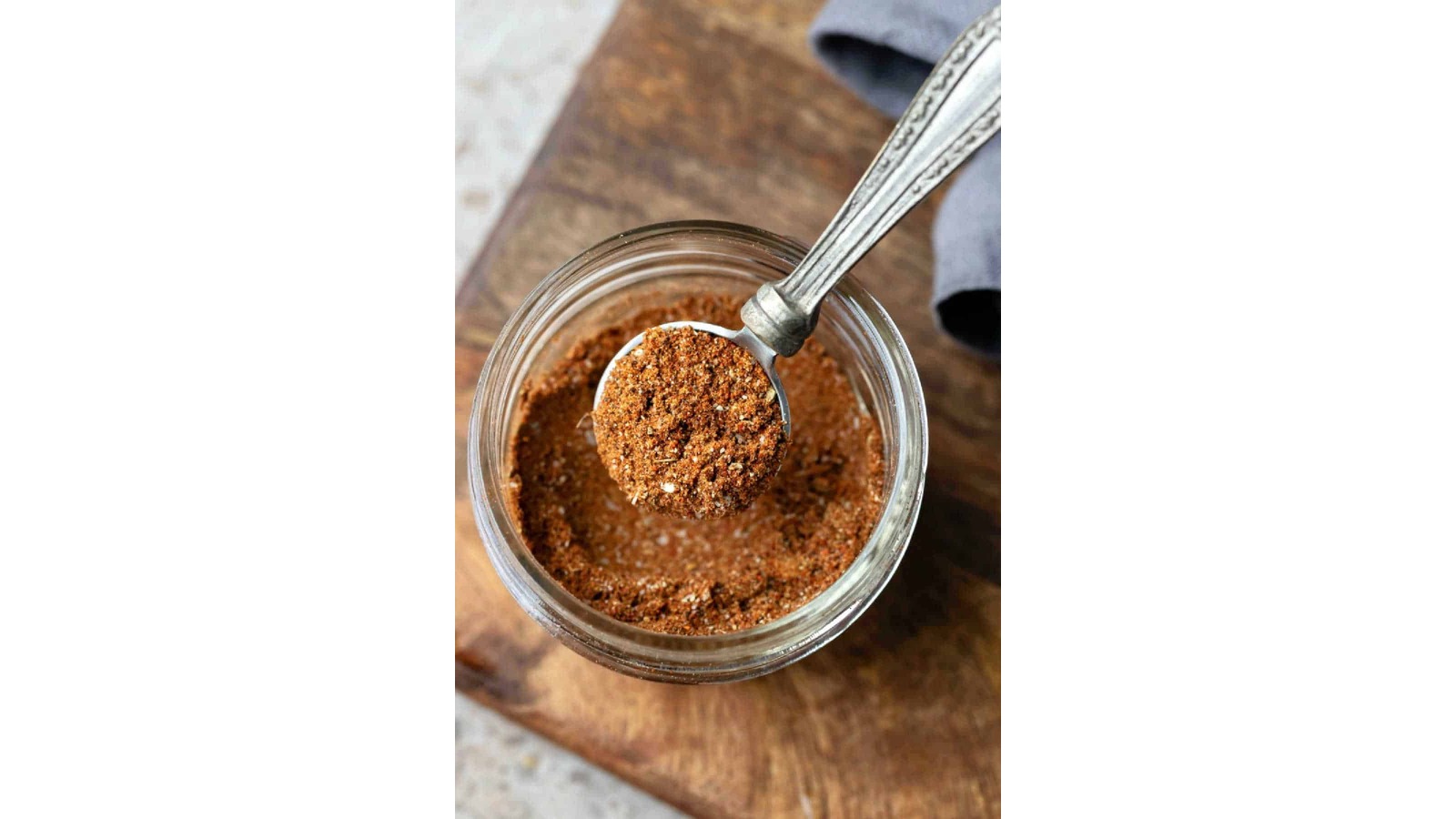
Chili powder and cumin do the familiar taco-night work here, with smoked paprika adding a little campfire flavor to the pan. Kate Dean gives you a starting amount for a pound of ground beef, which is handy if you’re used to emptying in a packet and calling it done. I’d try this with black beans and a spoonful of their cooking liquid, too.
Get the recipe from I Heart Eating
2. Buttermilk ranch seasoning
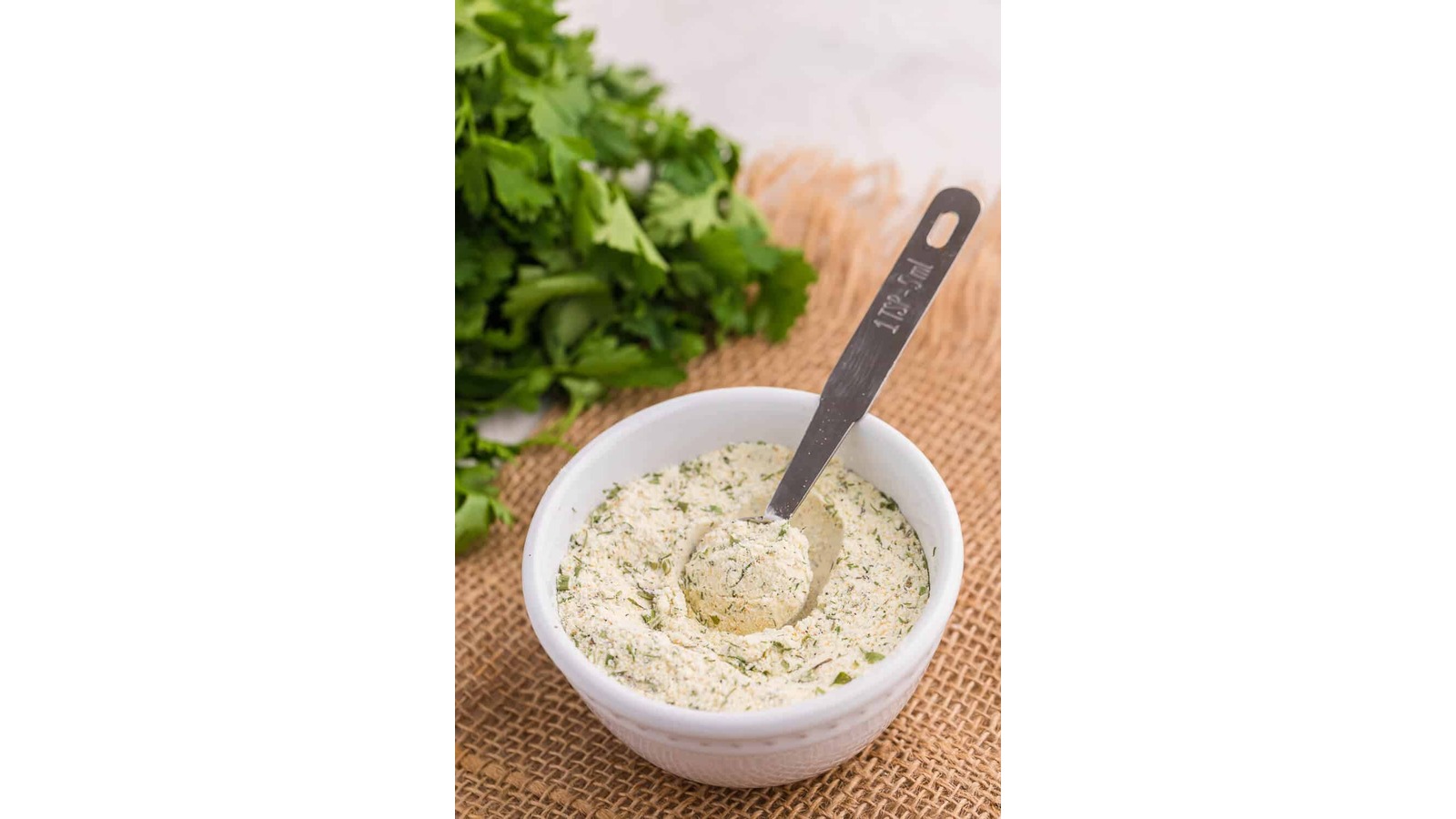
Powdered buttermilk gives this ranch its proper tang, and there’s enough dill and chive for it to taste like something you’d want to dip a carrot in. You can use the mix dry on a tray of potatoes or stir it into a dip. Keep the finished dip in the fridge and follow the buttermilk powder’s storage directions for the dry mix.
Get the recipe from Simply Stacie
3. Italian herb seasoning
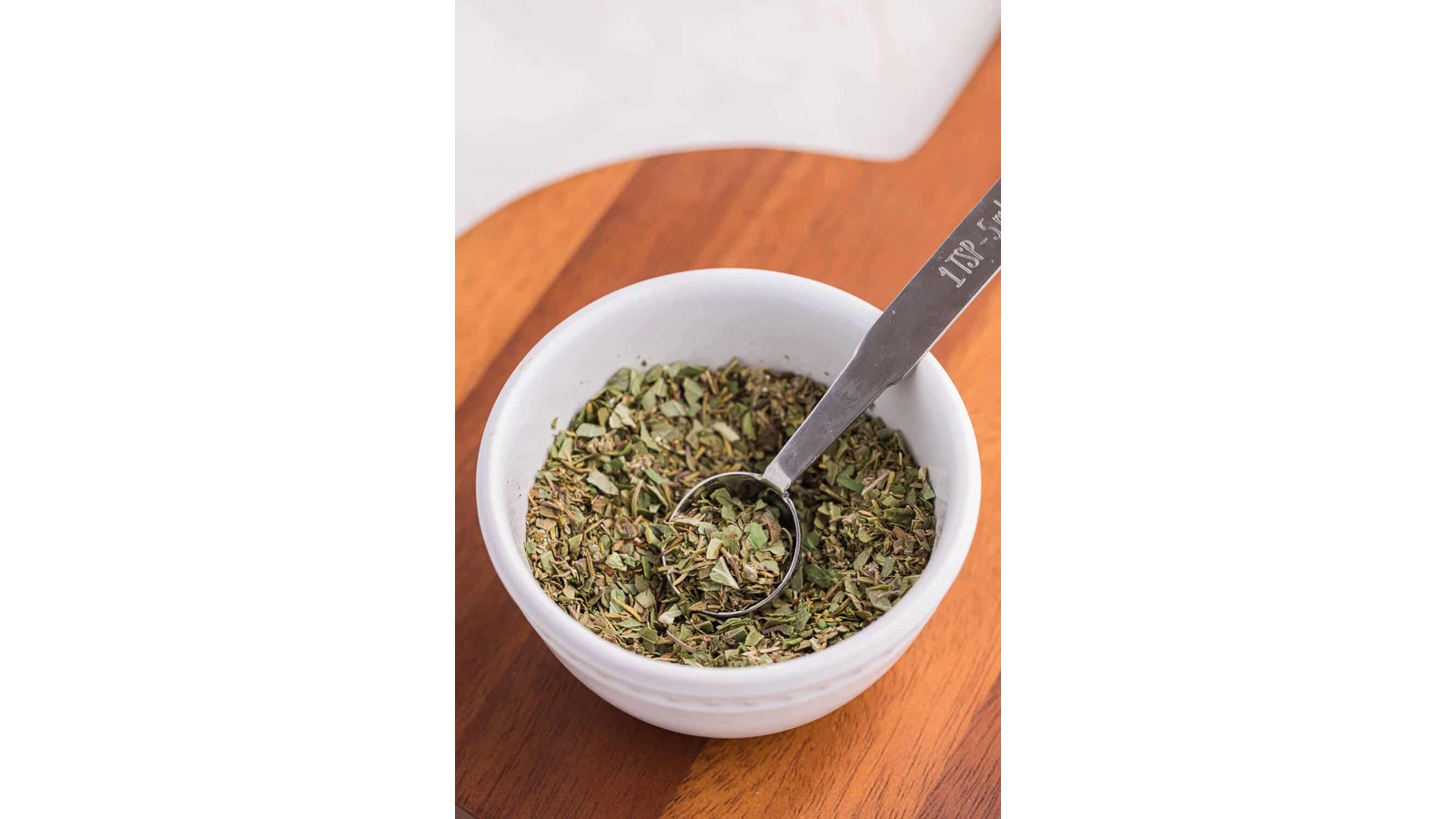
Basil and oregano are the herbs you’ll notice first. Rosemary, marjoram, savory, and sage give the blend a more woodsy flavor, which is why I’d reach for it for meatballs as readily as I would for tomato sauce. Rub a pinch between your fingers as you add it to the pan if the dried leaves are especially coarse.
Get the recipe from Simply Stacie
4. Everything bagel seasoning
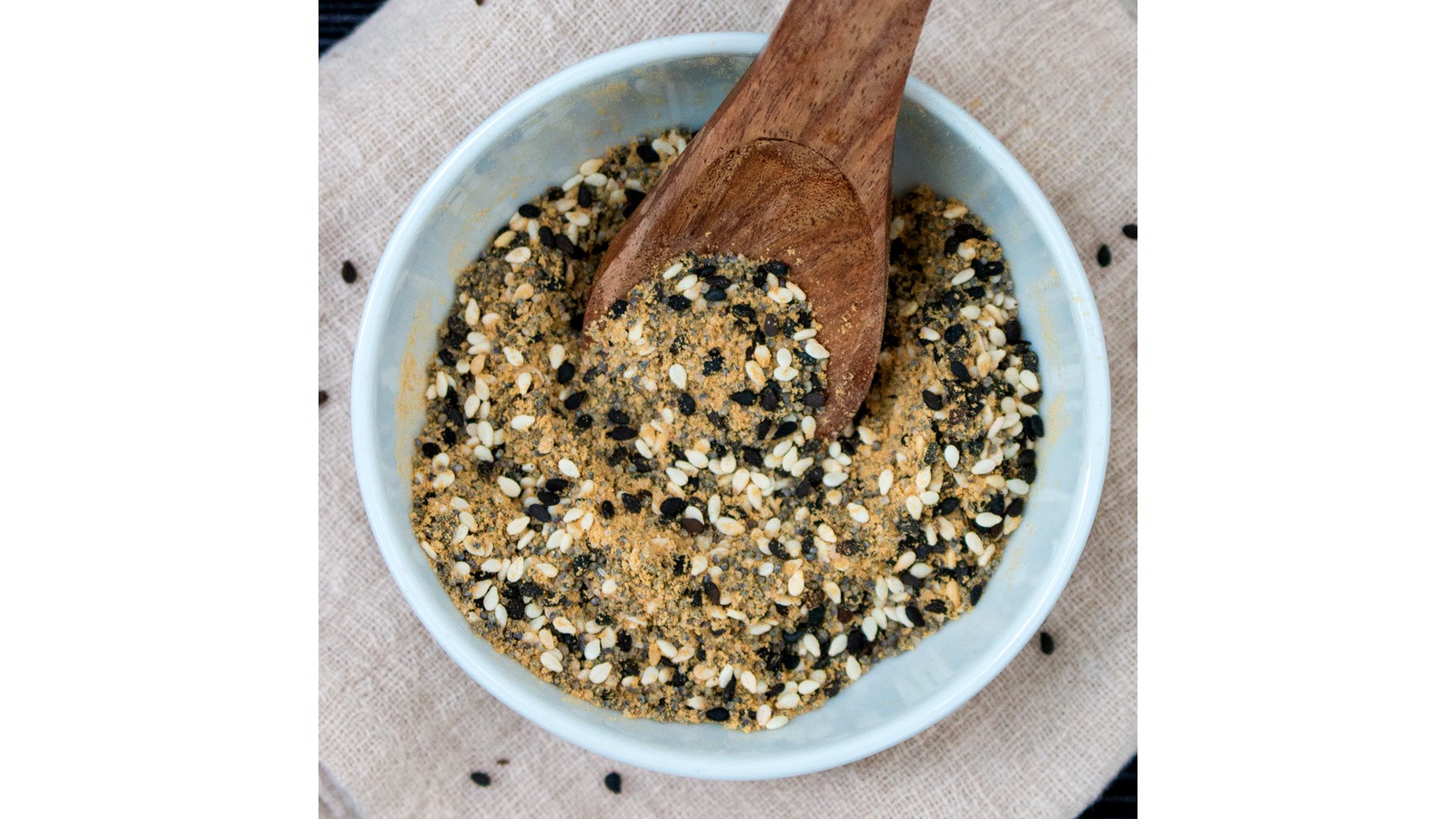
The crunch is half the pleasure of everything seasoning. This one has two kinds of sesame and plenty of poppy seeds, with the salt and powders stirred together first so you don’t get a salty mouthful followed by three bites of seeds. Give the jar a shake before you tip it over an egg or a slice of buttered toast.
Get the recipe from Masala Herb
5. Lemon pepper seasoning

Dried lemon peel does the heavy lifting here. You get the citrus smell as soon as you open the jar, then the bite of black pepper. It’s especially good on fish that needs very little else. The blend already contains salt, so season with that in mind, and save fresh zest for the fish itself.
Get the recipe from Homemade Hooplah
6. Salt-free poultry seasoning
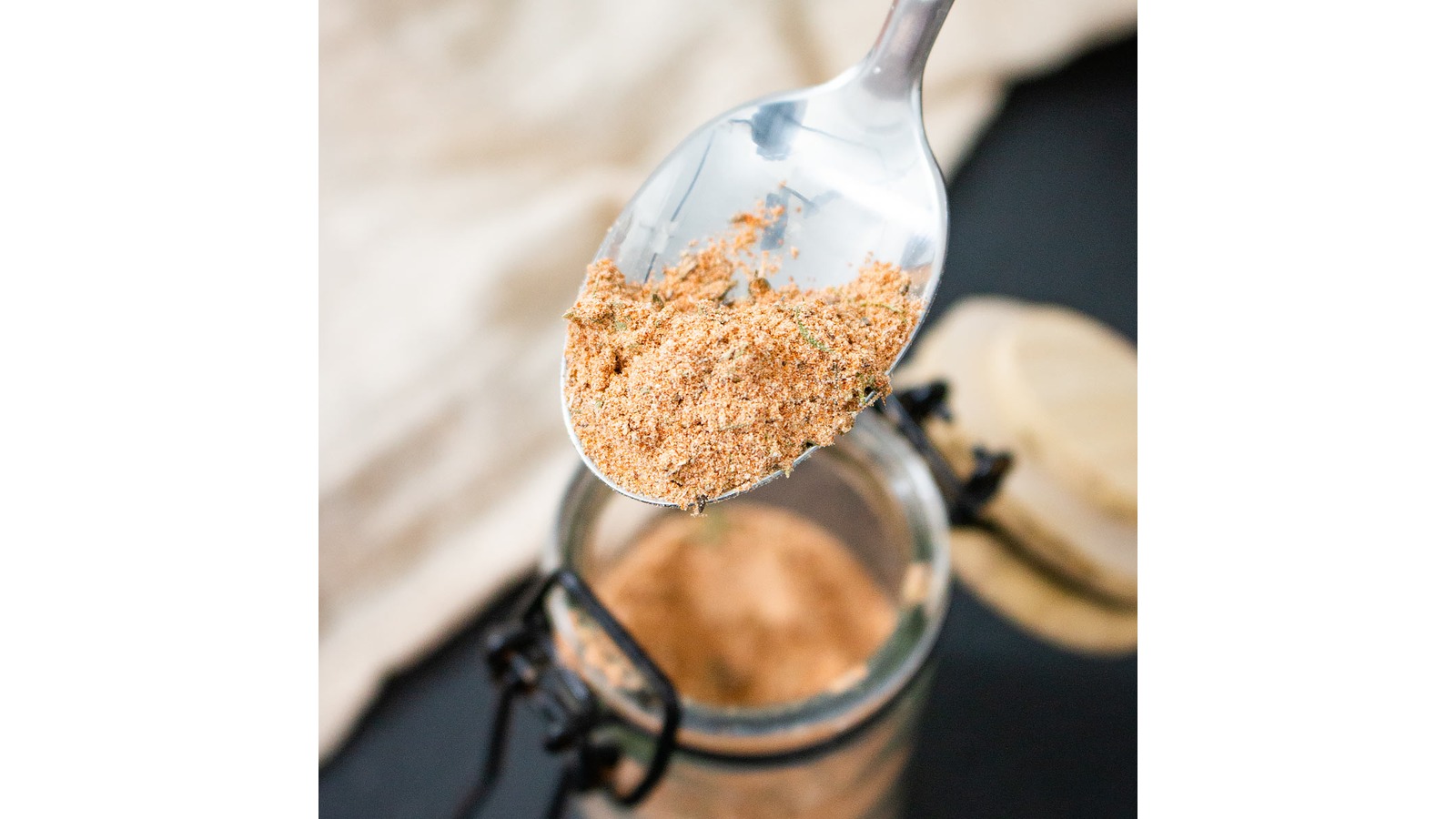
Sweet paprika and thyme make a mellow rub for a whole chicken. Smoked paprika is an option if you’d like the skin to taste a little smokier, even when the bird’s cooked indoors. I’d keep this jar salt-free as written. You can salt a whole bird and a couple of thighs as each needs it and still use the same blend.
Get the recipe from Masala Herb
7. All-purpose adobo seasoning

If a pot of beans needs a bit of help, this is a good jar to reach for. Garlic and onion give it a savory base, cumin adds earthiness, and a little turmeric lends color. Sweet paprika keeps the flavor softer, while smoked paprika works nicely when you’re seasoning vegetables that are going into a hot oven.
Get the recipe from Nuts & Twigs
8. Parmesan garlic bread seasoning

A little powdered Parmesan makes garlic butter taste more like the topping on a proper piece of garlic bread. The flecks of basil, oregano, and parsley show up nicely on a split baguette, too. Mix what you need into softened butter and store the remaining dry seasoning as directed on the Parmesan package.
Get the recipe from Wholesome Farmhouse Recipes
Grill rubs and bold seasonings
A brown sugar rub suits ribs cooked slowly enough for the sugar to darken gently. For high heat or for cooks who prefer a savory crust, pick a sugar-free blend. And give the cayenne-heavy jars a label you can read at a glance.
9. Montreal steak seasoning
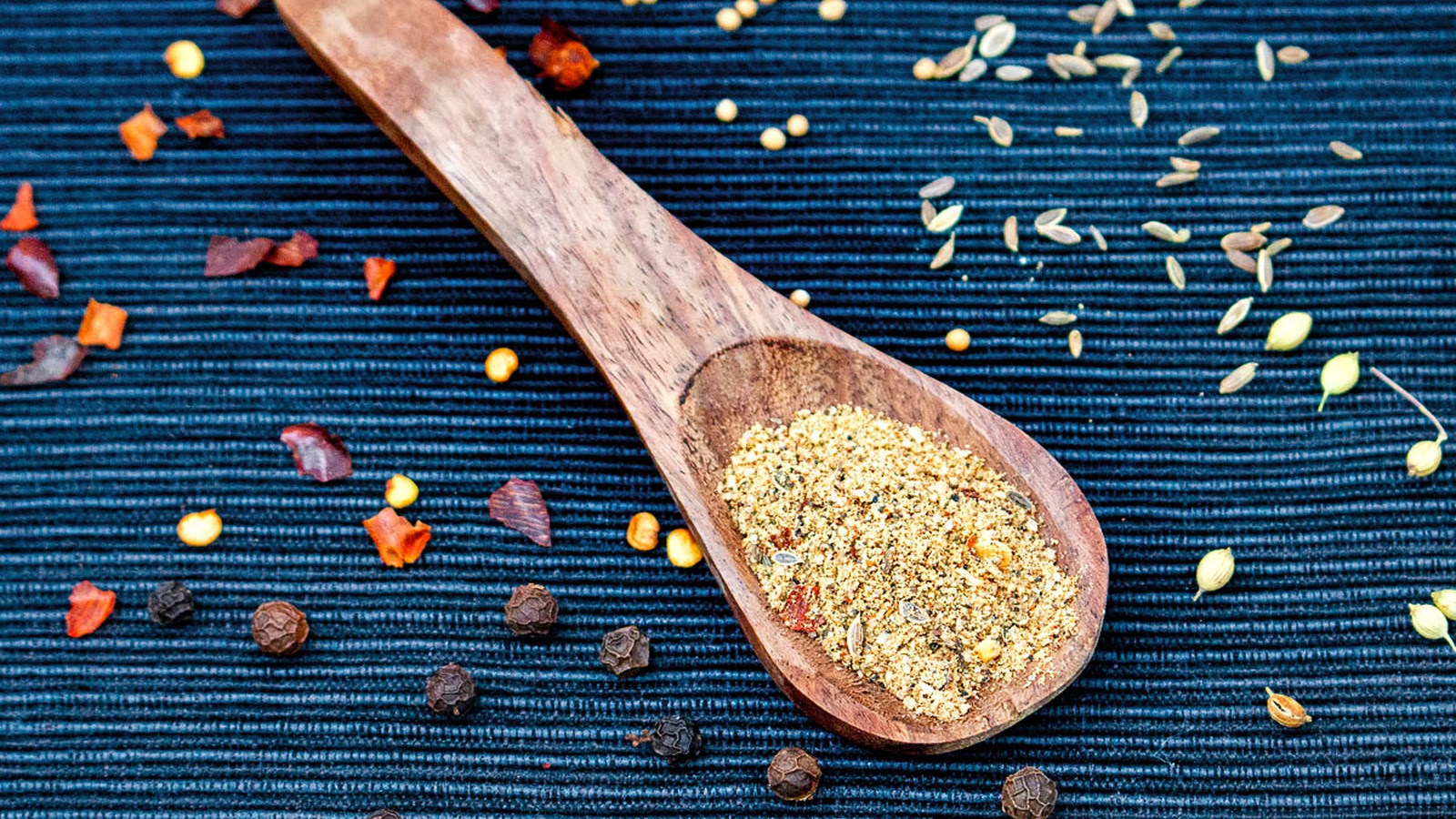
Whole dill seeds give this steak seasoning little bursts of flavor among the pepper, coriander, and mustard. You can put it together with ground spices, but if you have the whole ones and a few minutes to toast them, that’s the version I’d make. Keep the dill seeds whole either way.
Get the recipe from Masala Herb
10. Brown sugar dry rub for ribs

Dark brown sugar gives the ribs a sticky, molasses-scented crust, with paprika, mustard, and cumin to keep it firmly on the dinner side of sweet. I’d use this for slow-cooked ribs where the sugar has time to darken without scorching. It’s the wrong jar to reach for when you’re planning a hard, fast sear.
Get the recipe from Ambitious Foodie
11. Barbecue seasoning without sugar

This is the barbecue jar I’d grab for chicken or pork when I want pepper and paprika to come through clearly. There’s enough cayenne to warm things up without making it the main event. Check whether your chili powder already contains salt before adjusting the seasoning. The blend itself calls for some, too.
Get the recipe from The Nessy Kitchen
12. Cajun seasoning for blackened fish

Paprika and thyme give blackened fish a good savory crust, and you get to decide how much cayenne goes into it. A fairly gentle batch still has plenty of flavor. Stick with the coarse or kosher salt specified in the recipe, since a spoonful of fine salt can pack quite a bit more into the mix.
Get the recipe from Cooking in the Keys
13. Caribbean jerk dry seasoning

Allspice is what I’d look for first in a jerk blend, and you can smell it through the thyme and chile here. Scotch bonnet or habanero powder can make this jar fiercely hot, so start lightly on the chicken. There’s a whole-spice option if you’d like to toast and grind your own.
Get the recipe from Masala Herb
14. Nashville hot chicken seasoning
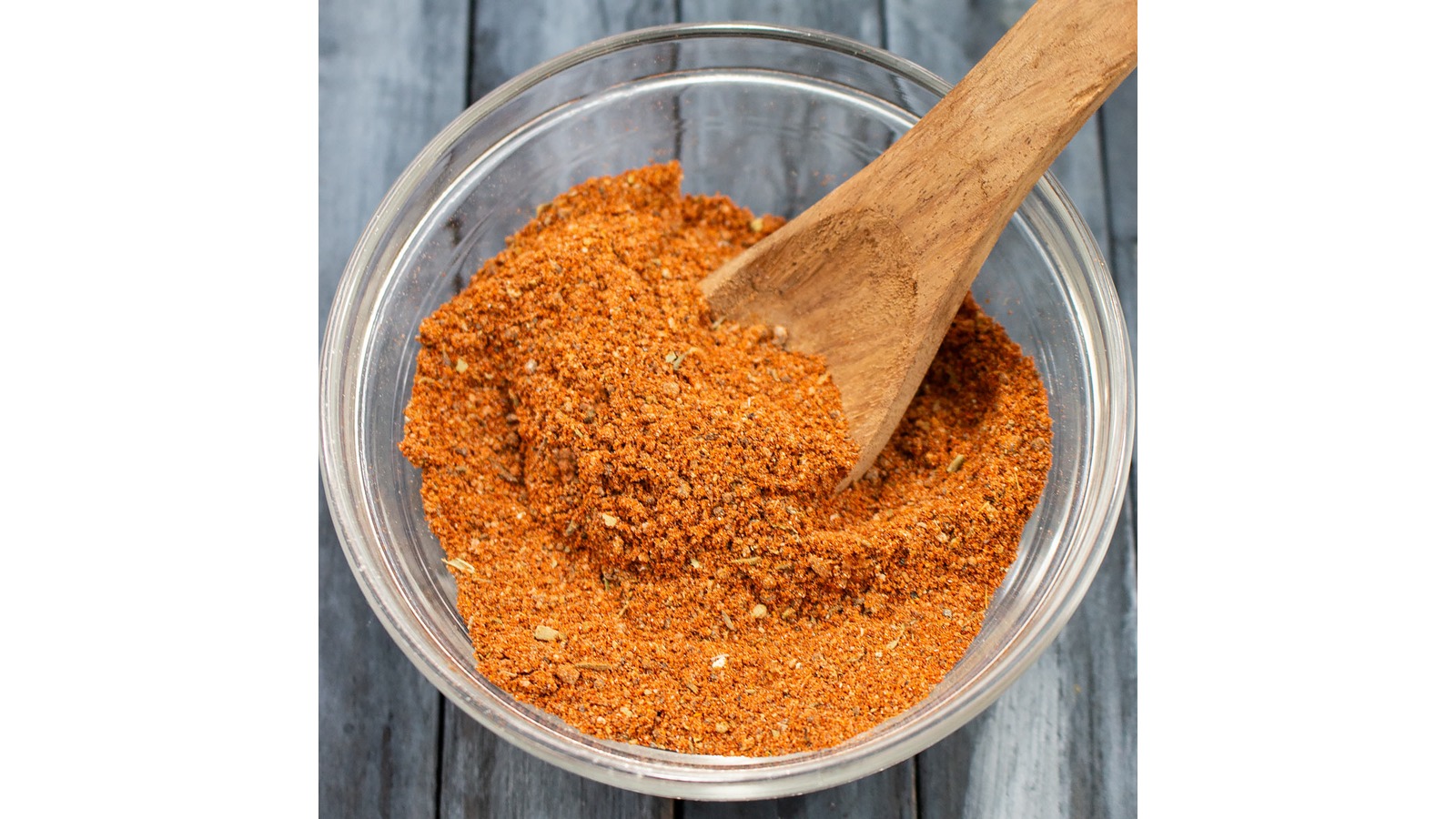
The first thing to know about this jar is that cayenne makes up the bulk of it. Smoked paprika and brown sugar round out the flavor, but neither does much to soften the heat. I’d mark the lid with a very clear “hot,” especially if it’s going in a gift basket.
Get the recipe from Masala Herb
Blends for dishes around the world
A tart pinch of sumac can do for flatbread what a squeeze of lemon does for a bowl of soup. Other seasonings earn their place by smell, texture, or color. These are the jars I’d make with a particular dish in mind, especially if it means buying a spice I don’t usually keep.
15. Lebanese-style za’atar

Sumac gives this za’atar a tart edge that’s lovely against the richness of labneh. Toasted sesame brings the crunch, and thyme and savory leave a woodsy smell on your fingers. Stir some into olive oil for flatbread, or scatter it over the labneh so you get a little of everything in each scoop.
Get the recipe from Masala Herb
16. Chinese five-spice powder

You smell star anise and fennel first when you toast the spices for this blend. Cinnamon and cloves give it sweetness, and Sichuan pepper brings a faint tingle that’s quite different from the bite of black pepper. Start with a little on pork or tofu. Five-spice can take over a dish surprisingly quickly.
Get the recipe from Masala Herb
17. Nori komi furikake

A bowl of plain rice needs very little once you’ve got toasted sesame and flecks of nori to scatter over it. You can crush some of the seeds if you’d like a finer topping or keep them whole for more crunch. Sprinkle it over the bowl at the table so the jar stays away from the steam.
Get the recipe from Earth to Veg
18. Berbere spice blend

Chiles bring the heat to this Ethiopian and Eritrean blend, but there’s plenty going on underneath it. Fenugreek adds a slightly bitter edge, korarima brings its own fragrance, and the smoked paprika in this version is especially good with earthy lentils. Black cardamom is an option if you can’t get korarima, though it gives the blend a smokier smell.
Get the recipe from Earth to Veg
19. Khmeli suneli

Peppermint and dill might sound like unlikely neighbors in a spice jar, but they’re part of what makes this Georgian blend so good in a bean stew. Coriander and fenugreek give the herbs something earthy to sit against. The mix also contains dried celery, which is easy to overlook when you’re writing out a gift label.
Get the recipe from Happy Kitchen
20. Chana masala powder
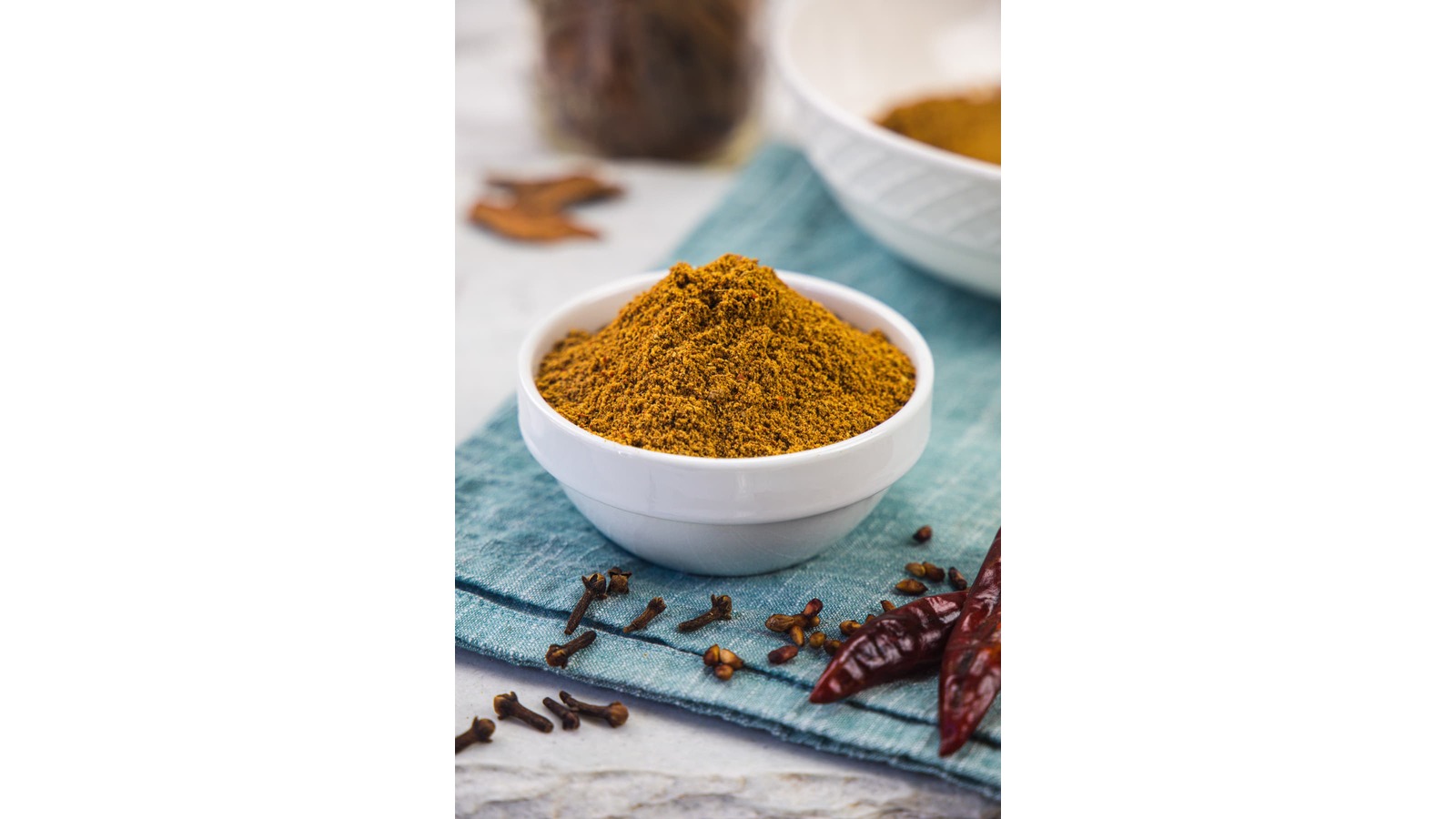
Dried pomegranate and mango powders give chickpeas a tartness that comes through even in a rich sauce. Toasted cumin and coriander give the masala its warmth, while black salt and dried fenugreek leaves deepen the flavor. It’s worth getting the fenugreek leaves for this one. A jar of the seeds will give you a different result.
Get the recipe from Spice Up The Curry
21. Biryani masala powder

If you’ve ever lifted the lid on a pot of biryani and wanted to know where that lovely smell came from, open this jar. Green and black cardamom, mace, star anise, and shahi jeera all have a part in it. Let the toasted whole spices cool before grinding them and adding the powdered spices.
Get the recipe from Spice Up The Curry
22. Pav bhaji masala powder
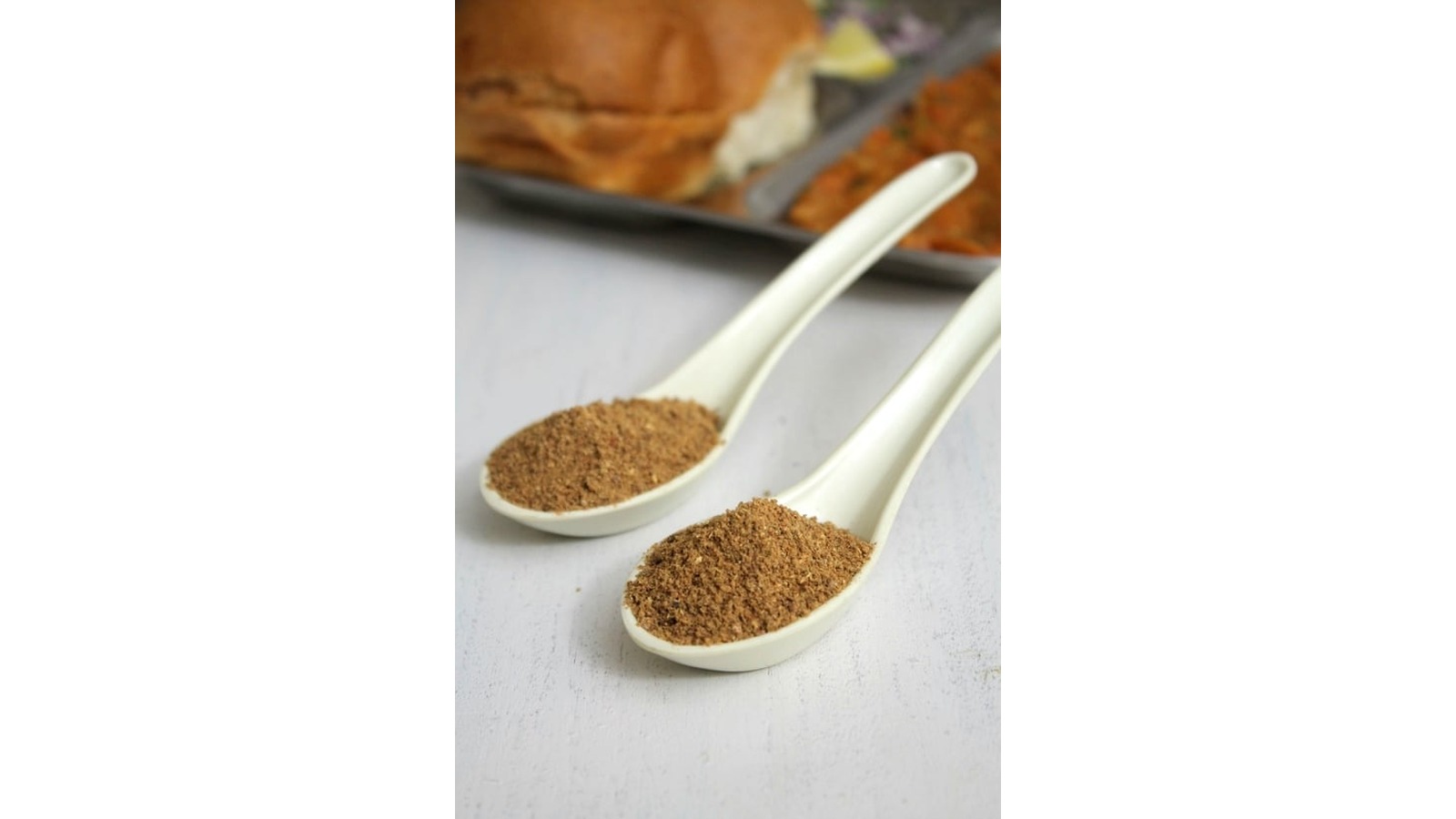
Kashmiri chiles help give pav bhaji its deep red color, and dried mango powder gives the buttery vegetable mash a welcome sharp edge. There’s clove in there, too, and the curry leaves have a fragrance all their own. If you’re shopping for the blend, make sure you come home with curry leaves.
Get the recipe from Spice Up The Curry
23. Sazón with annatto
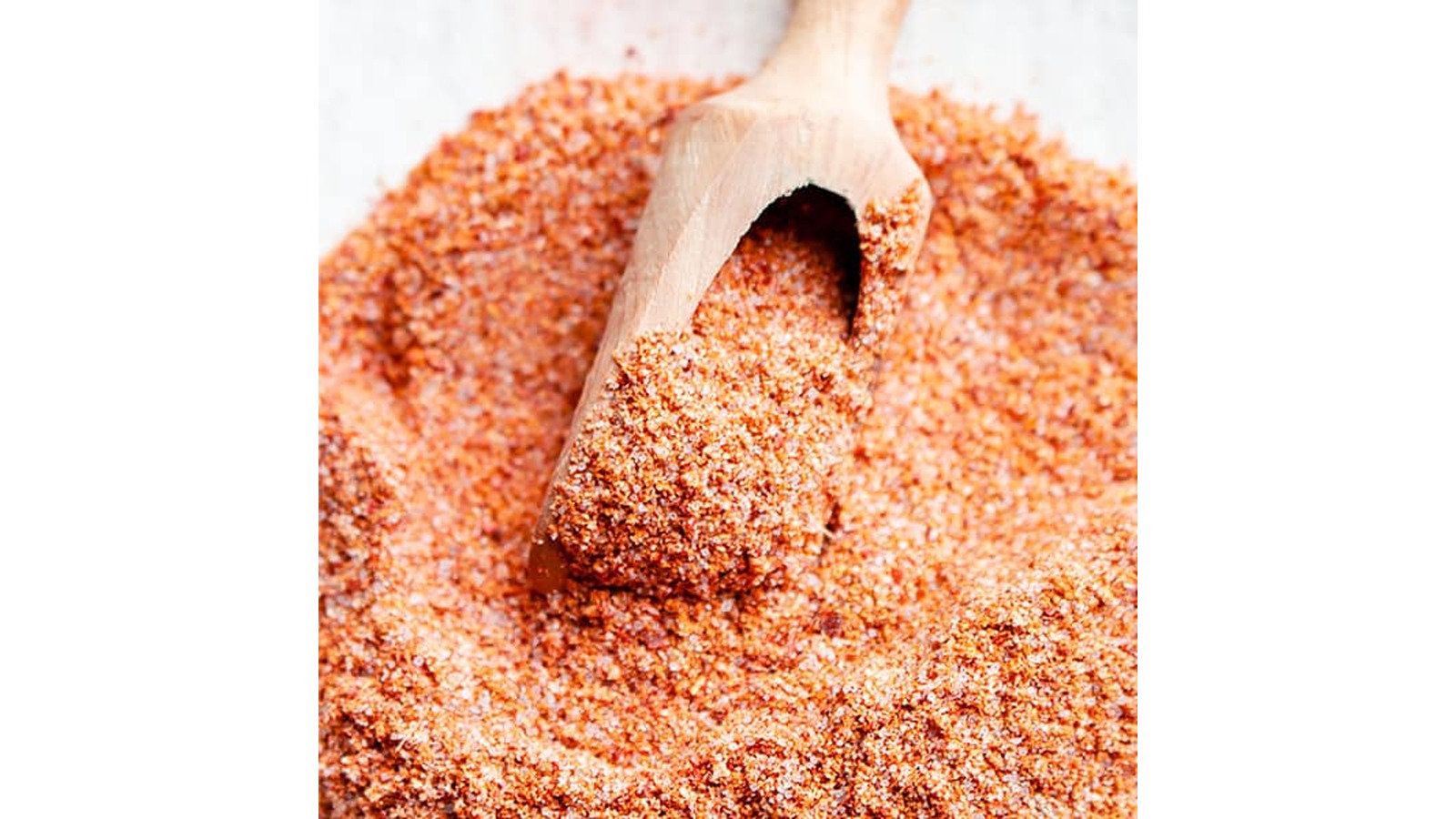
Annatto gives this sazón the lovely orange-red color that turns up in the finished rice. Garlic, cumin, and coriander do much of the flavor work. Ground annatto is worth buying if your grinder struggles with the hard seeds. The recipe gives you a range for the salt, so think about what else goes into the pot when you choose.
Get the recipe from Masala Herb
24. Moroccan-style spice blend

Ginger, cumin, and paprika go in by equal measures, with smaller amounts of cinnamon and clove and a little cayenne. It’s a good mix for carrots, which have enough sweetness of their own to carry those warmer spices. I’d also try it in a chickpea stew, tasting before adding any extra salt.
Get the recipe from Mindy’s Cooking Obsession
25. Herbes de Provence

Savory and rosemary give this blend the smell I want coming from a tray of roast potatoes. Thyme and oregano or marjoram round it out. The basic mix is useful enough to keep on hand, and if you’re curious about the optional culinary lavender, try it in a small batch first. Its perfume can get loud in a hurry.
Get the recipe from Masala Herb
Baking and drink spice mixes
Cinnamon turns up in several of these jars, but the proportions are what make them worth keeping separately. A gingerbread mix should have enough ginger to come through the molasses. For chai-spiced cookies, I’d rather have a blend that smells of cardamom as soon as I take the lid off.
26. Pumpkin pie spice

Cinnamon is the first thing you smell in this pumpkin pie spice, followed by ginger, nutmeg, cloves, and allspice. It’s just as welcome in a loaf of pumpkin bread as it is in the pie filling. If you’re grating the nutmeg fresh, measure it before adding it. A few extra scrapes can tip a small batch surprisingly far.
Get the recipe from Masala Herb
27. Cardamom chai spice mix

A full tablespoon of cardamom gives this mix a floral fragrance that carries through butter and sugar in a batch of cookies. Ginger keeps it from tasting overly sweet. You can also stir some into a milky drink, adding tea and sweetener separately if you want them.
Get the recipe from Barley & Sage
28. Gingerbread spice mix

Ginger gets the same billing as cinnamon here, which gives molasses cookies the little bite I’d expect from gingerbread. There’s an option to add cardamom. I’d leave it out if I wanted the ginger to stand out, and add it for a batch that leaned a little more fragrant.
Get the recipe from Barley & Sage
29. Golden milk spice mix

Turmeric gives golden milk its color and earthy flavor. Cinnamon and ginger warm it up, and black pepper leaves a little bite at the end of a sip. Mix the four spices for the jar and add the milk, oil, and sweetener when you make the drink. The recipe has a printable label if you’re giving the mix away.
Get the recipe from The Fresh Cooky
30. Mexican chocolate spice mix
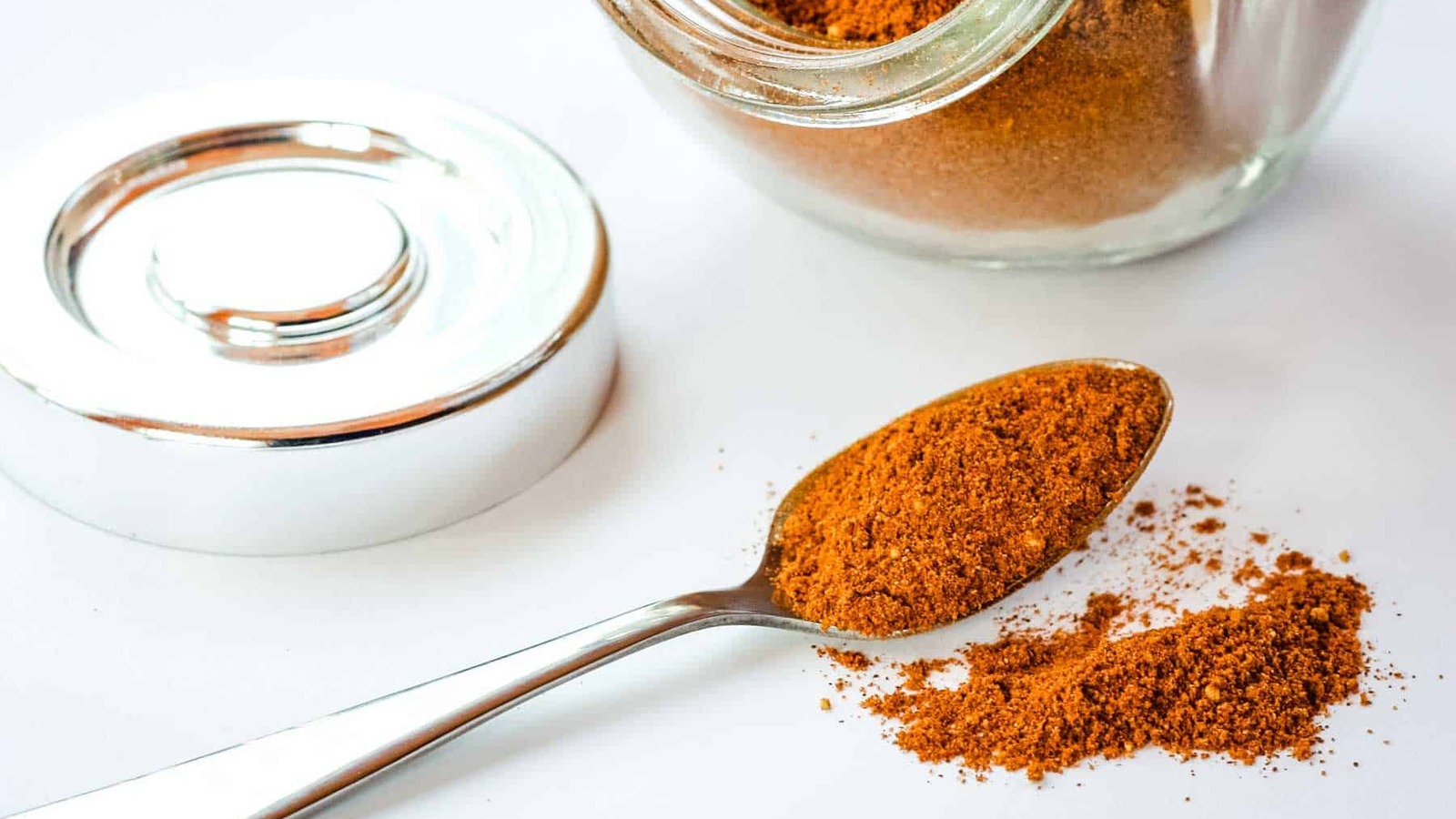
Cinnamon and ginger warm up a mug of cocoa before the cayenne catches up with you. A pinch is plenty for the first cup. The blend is just those three spices, so you can use it in whatever cocoa you already like or add a little to brownie batter.
Get the recipe from Cupcakes & Kale Chips
31. Milk masala powder for masala doodh

Finely ground almonds, cashews, and pistachios give masala doodh a little body as well as flavor. Saffron, fennel, and cardamom perfume the milk as it warms. A jar of this would make a lovely gift for someone who enjoys a spiced milk drink. Label the tree nuts clearly and follow the recipe’s storage directions.
Get the recipe from Spice Up The Curry
Mixing, storing, and labeling
Smell your spices before you start. If the paprika barely smells of anything now, it won’t have much to offer once it’s mixed into a rub. Let anything you’ve toasted cool completely before it goes into a clean, dry jar. Keep the jar tightly closed in a cool, dark, dry cupboard and use a dry spoon to measure away from the steam.
Write the name and mixing date on the jar. For gifts, include the full ingredient list, call out allergens such as milk, sesame, or tree nuts where present, and give the recipient one good way to use it. A note about salt or serious heat is worth the ink. Follow the recipe and ingredient package directions for blends with powdered dairy or ground nuts.
Use the dry ingredients specified for the blend. If you’ve got fresh lemon zest or herbs to use up, add them when you cook. And if you’re buying one unfamiliar spice for a recipe, buy the one that gives the mix its character. Sumac is what makes that za’atar tart, and Sichuan pepper is what makes the five-spice tingle.
You might also like…
25 Best Herbal Gift Ideas to Make or Buy!
35 Easy DIY Christmas Gifts That Look More Expensive Than They Are

