
Affiliate disclosure: This post may contain affiliate links. Please see full disclosure.
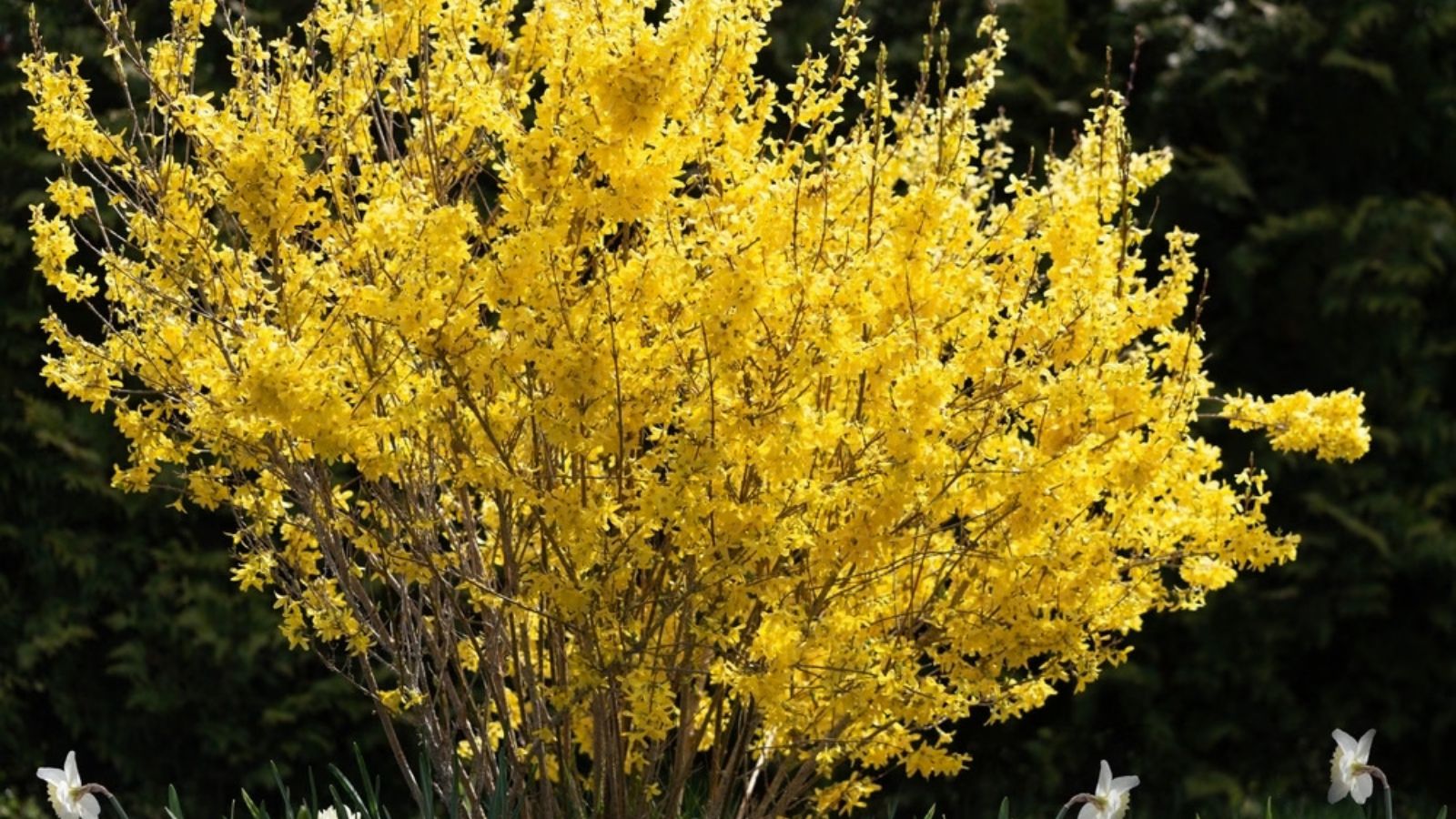
You don’t have to wait for spring to enjoy a vase full of bright yellow flowers. If you have a forsythia shrub in the garden, you can cut a few bud-covered branches after they’ve had enough winter cold, bring them indoors, and persuade them to bloom weeks before the shrub flowers outside. It’s called forcing, although there’s surprisingly little force involved.
I love garden jobs that give you something beautiful without a shopping trip, especially in the quietest part of the growing year. The trick here is timing. Forsythia makes its flower buds during the previous growing season, but those buds need a period of winter dormancy before indoor warmth will coax them open. Cut too early, and all you may get is a vase of bare twigs.
Wait until the shrub has had enough cold

Forsythia is one of the easiest spring-flowering shrubs to force, but it isn’t ready the moment the leaves drop. Its buds need several weeks of cold weather first. About six weeks of dormancy is a useful general guide, although actual readiness depends on the weather and the shrub.
In colder parts of the US, late February is often a good starting point. In milder regions, buds may develop earlier, while a long, cold winter may delay them. The calendar matters less than what you can see on the plant. Look for flower buds beginning to swell, rather than assuming January or February will work everywhere.
If you’re unsure, take just two or three stems as a test. If they refuse to open indoors, leave the rest of the shrub alone for another couple of weeks. That’s a better use of the plant than cutting a huge bunch in the hope that a warm room can compensate for missing winter chill.
Choose plump buds and cut without spoiling the shrub

Look closely at the bare stems. Forsythia’s flower buds are generally rounder and fatter than its narrow, pointed leaf buds. Choose healthy branches carrying plenty of those plump buds, ideally on a day when the temperature is above freezing.
Use clean, sharp pruners to cut stems roughly 12 to 24 inches long, depending on your vase. Make a neat cut back to a side branch or suitable branching point instead of leaving ugly little stubs. Take a few from different parts of the shrub, especially crowded or less visible areas, so the plant keeps its natural shape.
This is one of those occasions when restraint really pays. Forsythia blooms on old wood, which means the branches you remove now would otherwise have flowered outdoors. I wouldn’t give the whole shrub a winter haircut just for a tabletop display. Major pruning is better left until just after flowering, when you’re less likely to sacrifice next spring’s show.
Recut the stems and give them a good drink

Bring your branches indoors promptly. Trim about an inch from the base of each stem with sharp pruners, making a fresh angled cut, then stand them in a sturdy bucket or vase of lukewarm water. Remove any buds or small side twigs that would sit beneath the waterline.
If the branches are particularly dry or were collected while frozen, soak them in a tub of room-temperature water for several hours before arranging them. This can help rehydrate the woody stems and buds. For ordinary, slender forsythia branches, a clean fresh cut and plenty of water are a sensible place to start. There’s no need to smash every stem with a hammer.
Fresh cuts, water, and a cool indoor spot are the essentials. You don’t need special fertilizers or elaborate homemade mixtures to get a few twigs blooming.
Warmth wakes the buds, but don’t cook them

Set the vase somewhere around 60 to 65°F (16 to 18°C), with indirect light and away from radiators, heating vents, or a scorching sunny window. It’s the change from outdoor winter conditions to a milder indoor environment that encourages the buds to open, not extreme heat.
Check the water level often and replace the water every day or two to keep it fresh. If the air indoors is very dry, lightly mist the buds to help stop them shriveling. Once yellow starts showing and the flowers begin to unfold, move the arrangement to a brighter spot, still out of direct sun. Cooler conditions will help you enjoy the flowers longer.
Forsythia usually takes about one to three weeks to bloom indoors. Branches taken closer to their natural spring flowering time generally open faster than those cut early in winter. Don’t assume you’ve failed just because nothing much happens in the first few days.
If the buds don’t open, check your timing first

A branch that produces leaves but few flowers may have had mostly leaf buds to begin with, or its flower buds may have been damaged. Buds that dry out and drop can point to warm, dry indoor conditions or poor water uptake. Refresh the cut ends, check the vase water, and move the arrangement away from direct heat.
If the buds simply stay tight, you may have collected the stems before they received enough winter chilling. More warmth won’t reliably fix that. Try again later in the season with a few plumper branches.
You can also cut a small fresh bunch every couple of weeks once the shrub is ready. That gives you a succession of flowers without stripping all the buds from one plant. It’s a wonderfully simple way to borrow a little spring color while the rest of the garden is still sleeping.
You might also like…
18 winter gardening tips you should know for healthier plants in spring
12 plants you should prune in winter (and 6 you shouldn’t)
Mulching Your Perennials Before Winter? The Timing Could Make All the Difference