
Affiliate disclosure: This post may contain affiliate links. Please see full disclosure.
A Christmas cactus usually drops unopened buds because something changed while they were developing. A cold ride home, a blast of heat from a vent, a move into a dimmer room, or a pot that went from dry to soggy can all cost you flowers. Check the potting mix and what’s happening right around the plant before you change anything else. The buds on the floor are gone, but the firm ones still on the stem can open if you give them steady conditions.
Check the pot before you reach for the watering can
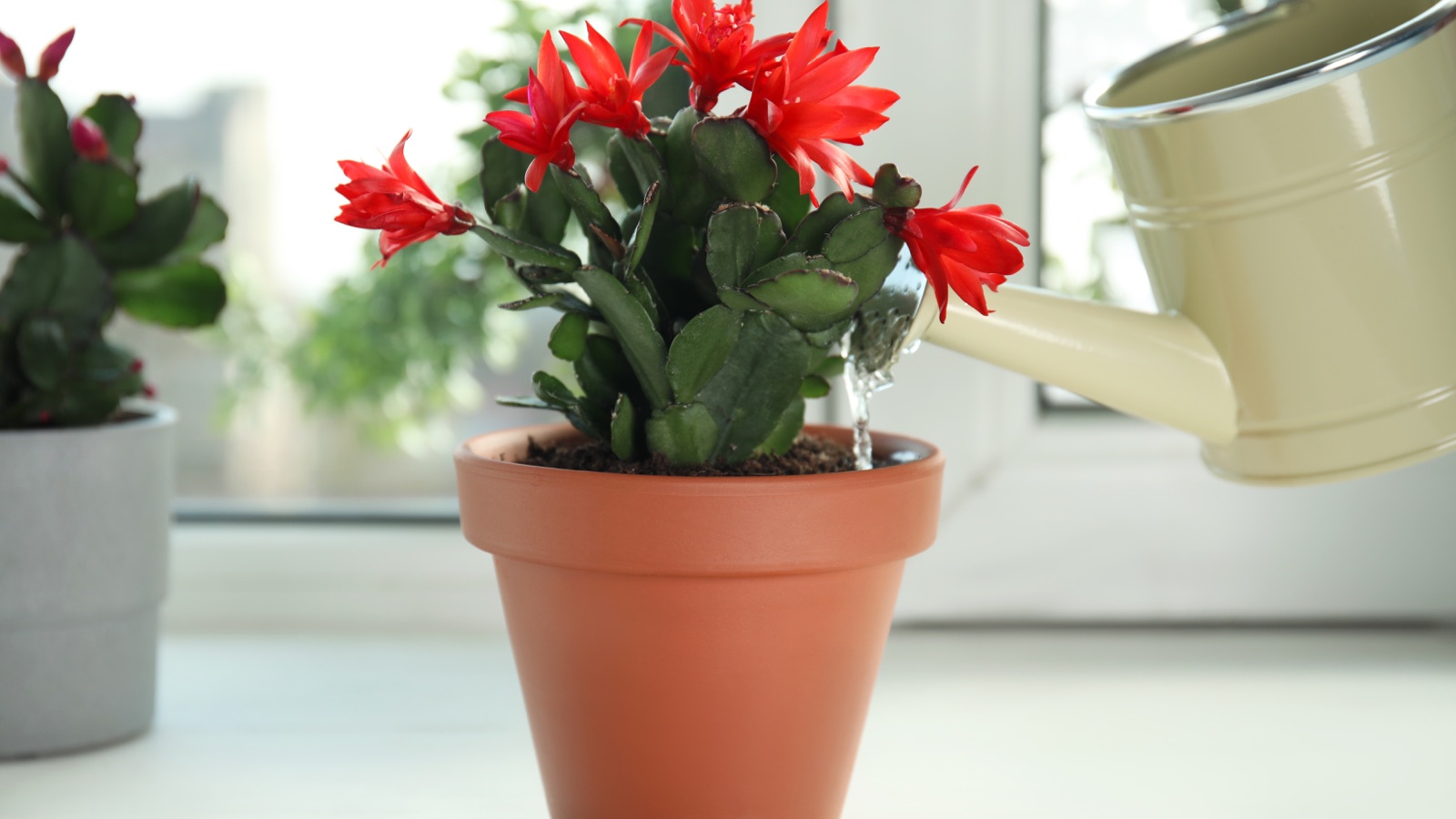
As a master gardener, I put more stock in how the pot feels in my hand than in how many days it’s been since I last watered. Lift the pot and feel the mix about an inch down. If it’s dry at that depth and the pot feels light, water until it runs from the drainage holes. Let the pot drain in the sink and empty the saucer or decorative outer pot before putting it back. That pretty foil sleeve can hold a surprising amount of water.
If the pot is still heavy or the mix is damp, give it time. A dry surface can hide a wet root ball, especially in a plastic nursery pot sitting inside a ceramic one. Check for trapped water between the two. Aim for even moisture while the plant is budding and flowering, with the surface starting to dry between waterings.
Look at the flat green stem segments, too. Wrinkling in a light, dry pot points toward thirst. Wrinkling in persistently wet mix can point to damaged roots that can no longer take up water. If you’ve drained the pot and the stems keep collapsing while the mix stays wet, slide the plant out and check the roots. I’d put off ordinary repotting until spring, but rotting roots need attention now. Remove dead roots and use fresh, free-draining mix and a pot with drainage holes if the plant needs rescuing.
Check the temperature where the buds actually are
Start with whatever changed recently. Did you carry the plant out of a warm shop into a freezing parking lot? Did the heat come on for the season? The thermostat tells you what’s happening across the room. The cactus feels what happens every time the front door opens or the furnace kicks in.
A spot around 60 to 70°F (16 to 21°C) with bright, indirect light is a good starting point. A gently cooler room at night is fine. A windowsill that gets icy behind closed curtains or a shelf that gets a blast from the heater every half hour is a different proposition. If you already have a thermometer, leave it next to the pot and check it first thing in the morning and again when the heat is running. Sometimes shifting the pot back from the glass or out of the airflow is all the rearranging you need.
Keep the light steady once you see buds
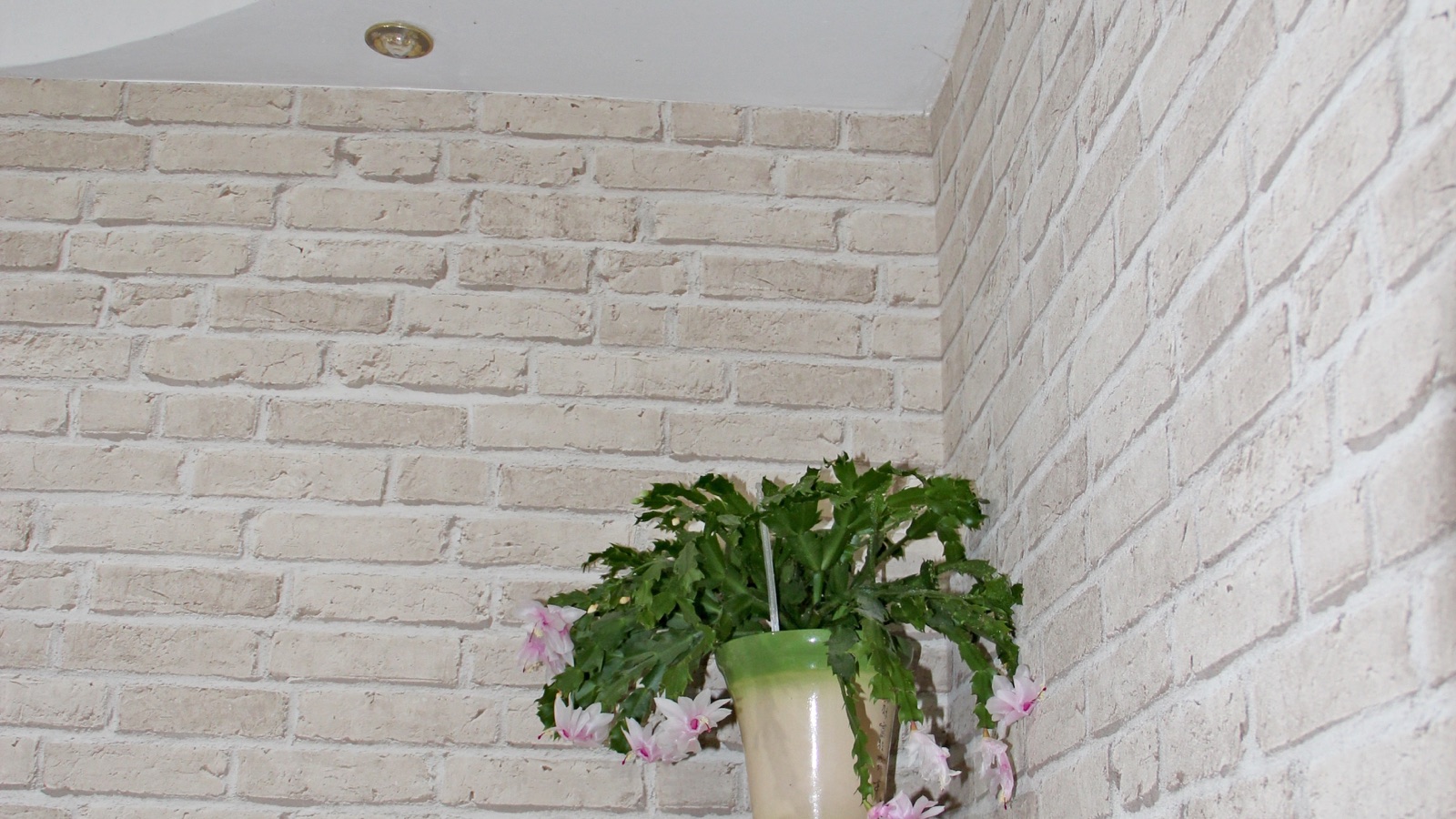
A cactus that set buds on a bright windowsill can struggle when it goes straight to the middle of the dining table. The move can change the light, temperature and humidity in one go. If the current spot is bright and sheltered, leave the plant there while the buds swell. If it’s in a cold draft or a dark corner, pick a better spot once and let it settle. I’d choose a bright window with filtered daylight over a succession of promising shelves.
If you want to move it for display, wait until the first flowers start opening, then choose a place with similar light and temperature. And keep the day’s light separate from the night’s darkness in your diagnosis. Long nights help the plant make buds. Once buds have set, day length no longer controls flowering. Putting a cactus with buds in a dark closet won’t help them open.
Fix dry air without soaking the roots
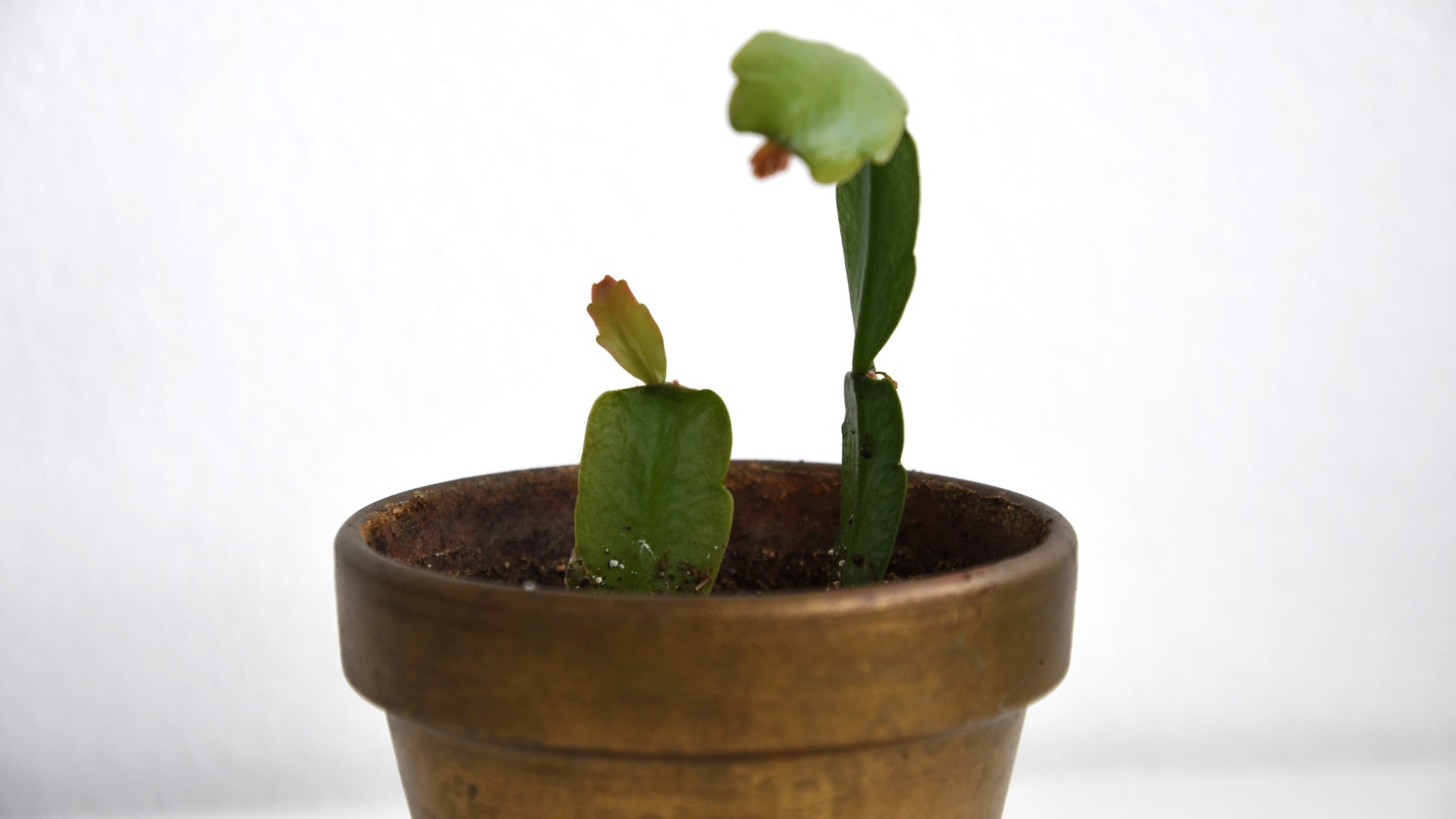
Low humidity can contribute to bud drop, particularly in a heated room. Christmas cacti come from forests in southeastern Brazil, where they grow on trees in airy pockets of organic matter. That combination explains a lot about their care. They’re suited to humid air around the stems and freely draining conditions around the roots.
Get the plant out of the stream of dry air from the heater first. If the room is still very dry and you already have a humidifier, use it to raise the room’s humidity while keeping the plant in good light. I’d only choose a bathroom if it has enough daylight and stays reasonably steady in temperature. Steam from a shower is a poor reason to swap a bright, sheltered spot for a dim one. Check the pot separately before watering. Dry air and wet potting mix can exist right alongside each other.
Give the remaining buds time to open
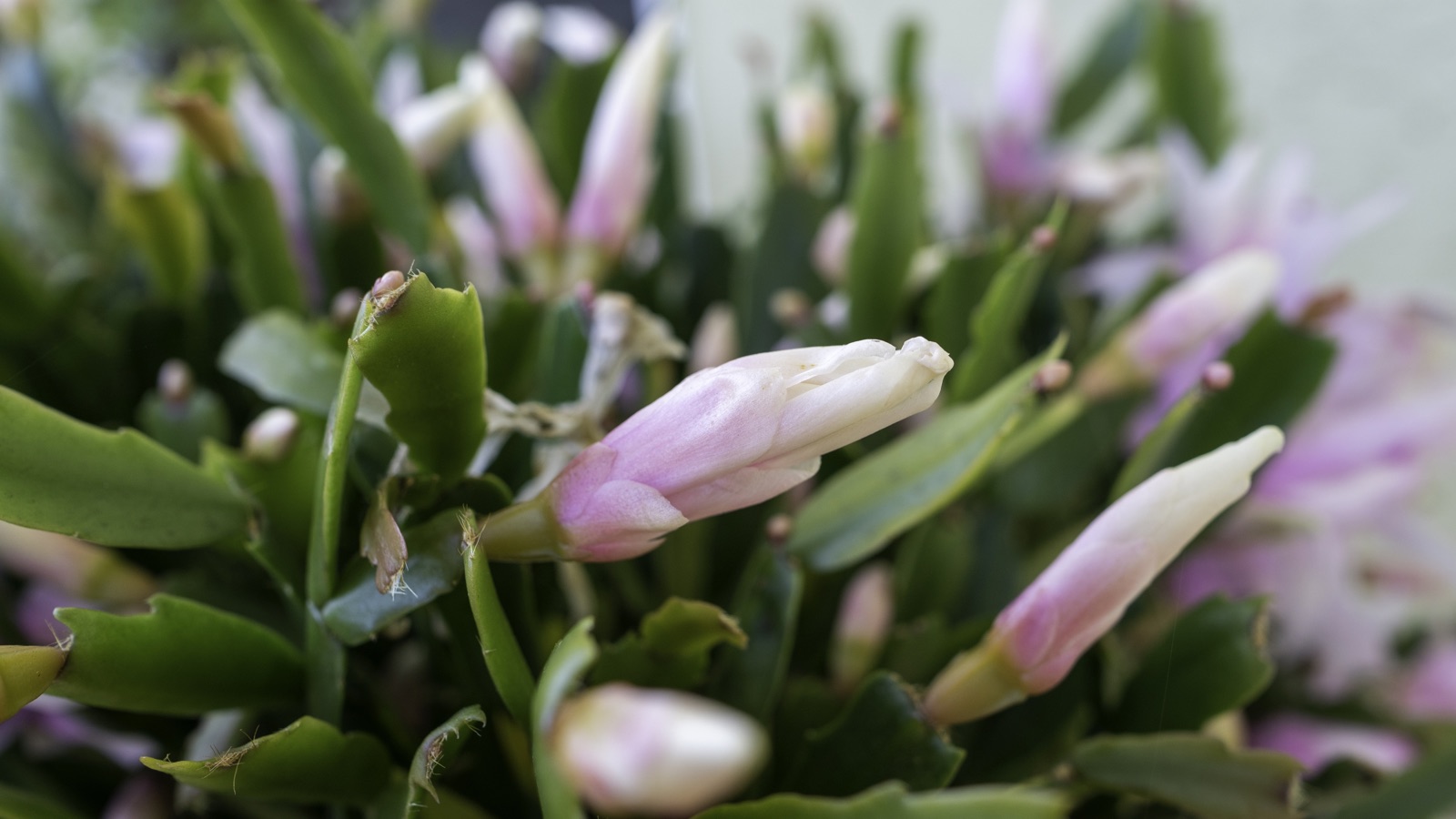
A faded flower that’s already opened has finished its run. A small, closed bud that shrivels or falls is the one to pay attention to. If the green segments are firm and the remaining buds are still plump, keep the light, temperature and moisture steady and see how those buds develop. I’d leave the fertilizer and pruning shears alone while the plant is in flower. If every bud has dropped, focus on keeping the plant healthy for the next round of growth. There’s no reliable quick fix for a replacement flush of flowers.
Set up next season’s flowers before the buds appear
Once the last flowers fade, water a little less often until you see new growth. Spring is a better time to deal with exhausted mix or a pot the plant has genuinely outgrown. A Christmas cactus can flower well in a snug pot, so leave a healthy plant in the one it has if it still drains freely.
In early fall, choose a spot you can leave the plant in from bud formation through flowering. Give it bright, indirect light by day and aim for about 14 hours of uninterrupted darkness at night for roughly six weeks, with cool nights around 55 to 65°F (13 to 18°C). Some varieties set buds with shorter nights, but a bright spare room that stays dark after sunset makes the routine easy. If yours spends summer outside, move it in before the nights get too cold so it can adjust before it’s covered in buds. Once you see buds at the tips, keep the mix lightly moist and leave the plant settled.
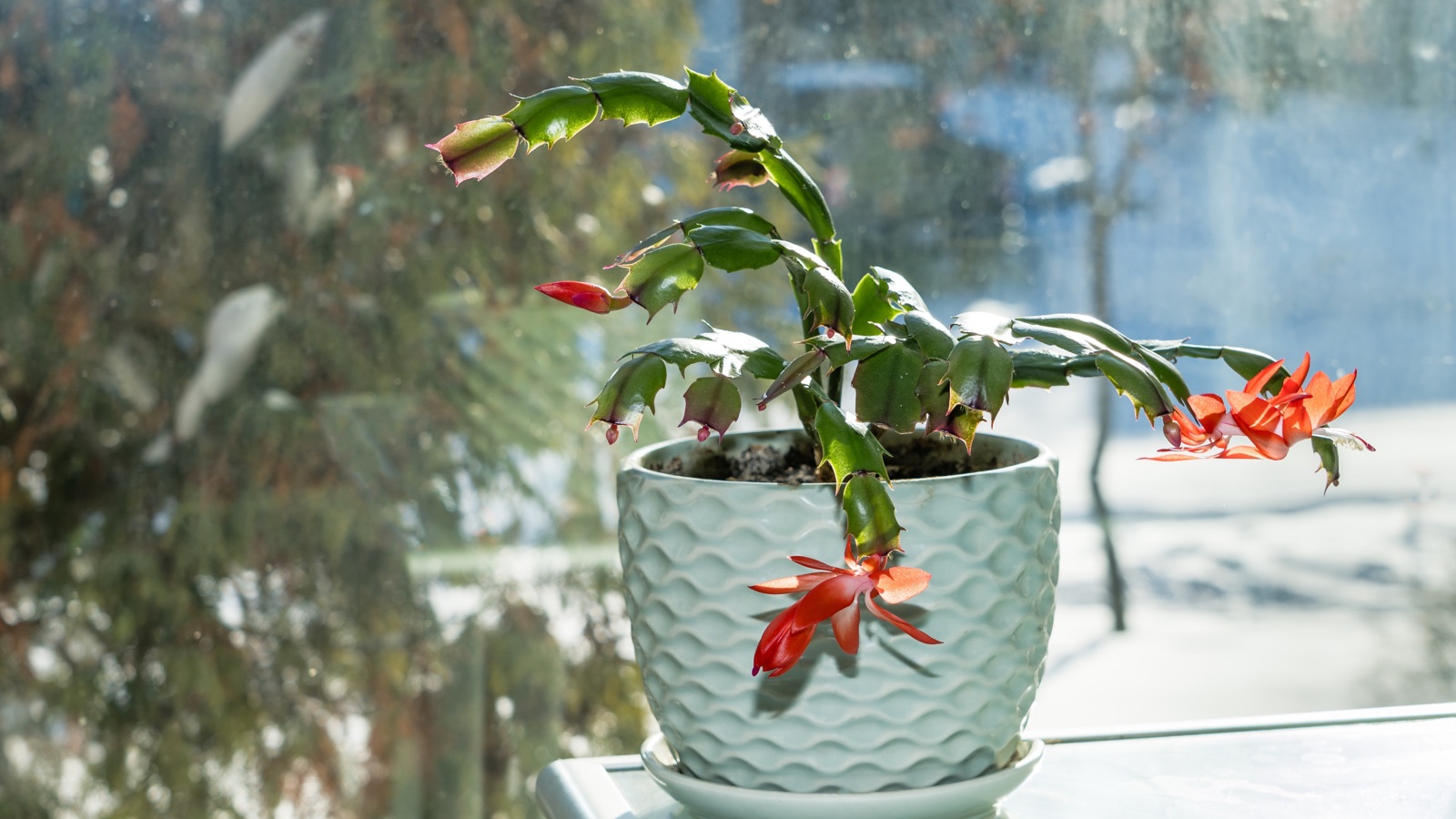
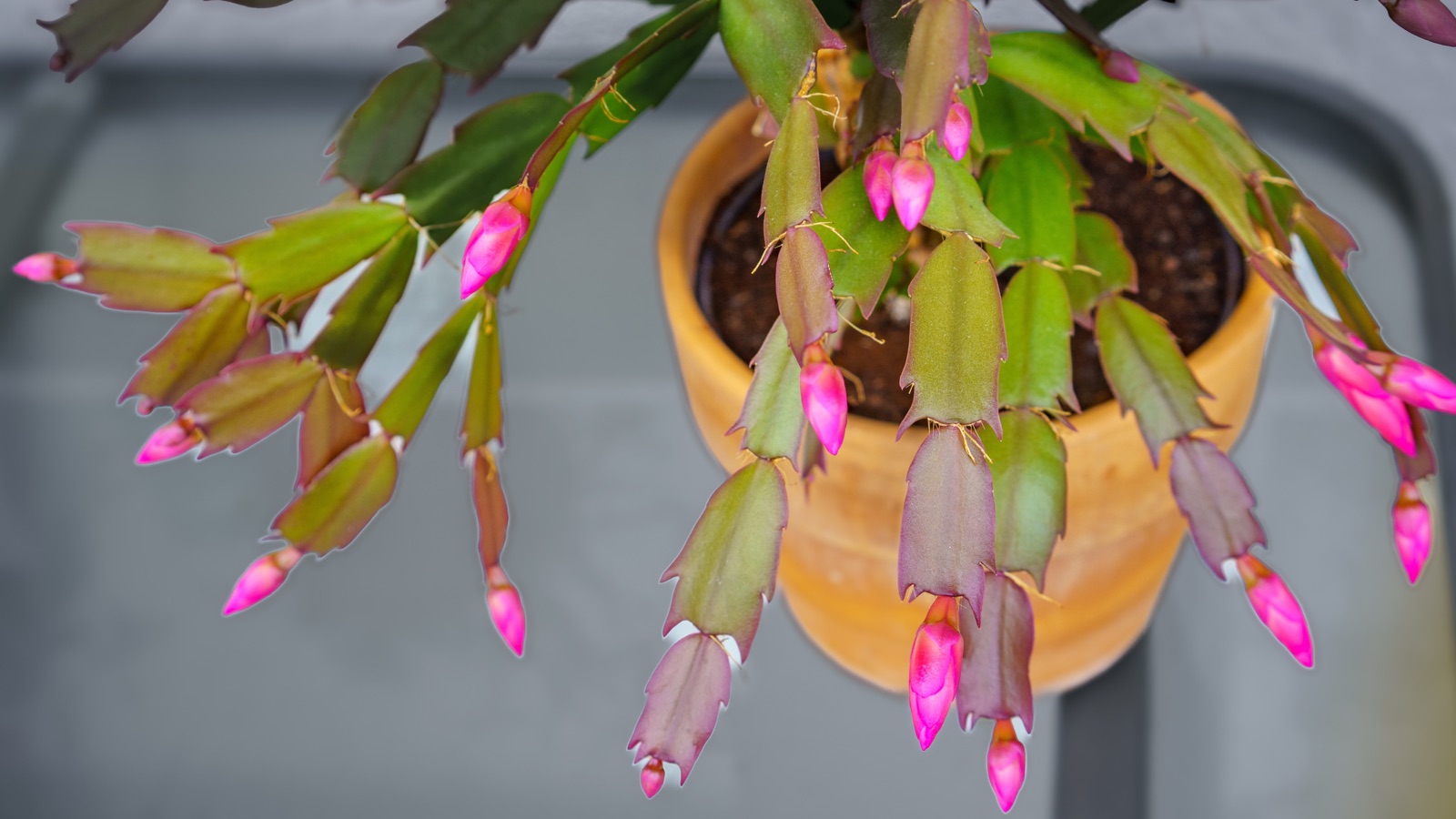
Take a look at those green segments if the timing surprises you. Many plants sold as Christmas cacti are Thanksgiving cacti, with pointed teeth along the segments. A true Christmas cactus has more rounded, scalloped edges. Both respond to the same basic care, but they can flower at different times. I’d jot down when your own plant first starts making buds. Next fall, you’ll know when to have its flowering spot ready.
You might also like…
The Little Change That Could Get Your Christmas Cactus Blooming for the Holidays
Peace lily still drooping after watering? Check this before you water again
Tired of Poinsettias? Try These 12 Gorgeous Festive Holiday Plants Instead