Affiliate disclosure: This post may contain affiliate links. Please see full disclosure.
Shorter days and molting can leave you with an empty egg basket for much of the winter. If the flock slowed down over several weeks and the hens are eating, drinking, and going about their business, that can be perfectly normal. If the eggs disappear all at once, check the birds and the drinker before you put it down to winter. And if a hen looks ill or you’ve had an unexplained death, deal with that first.
Check the drinker and watch who gets to eat
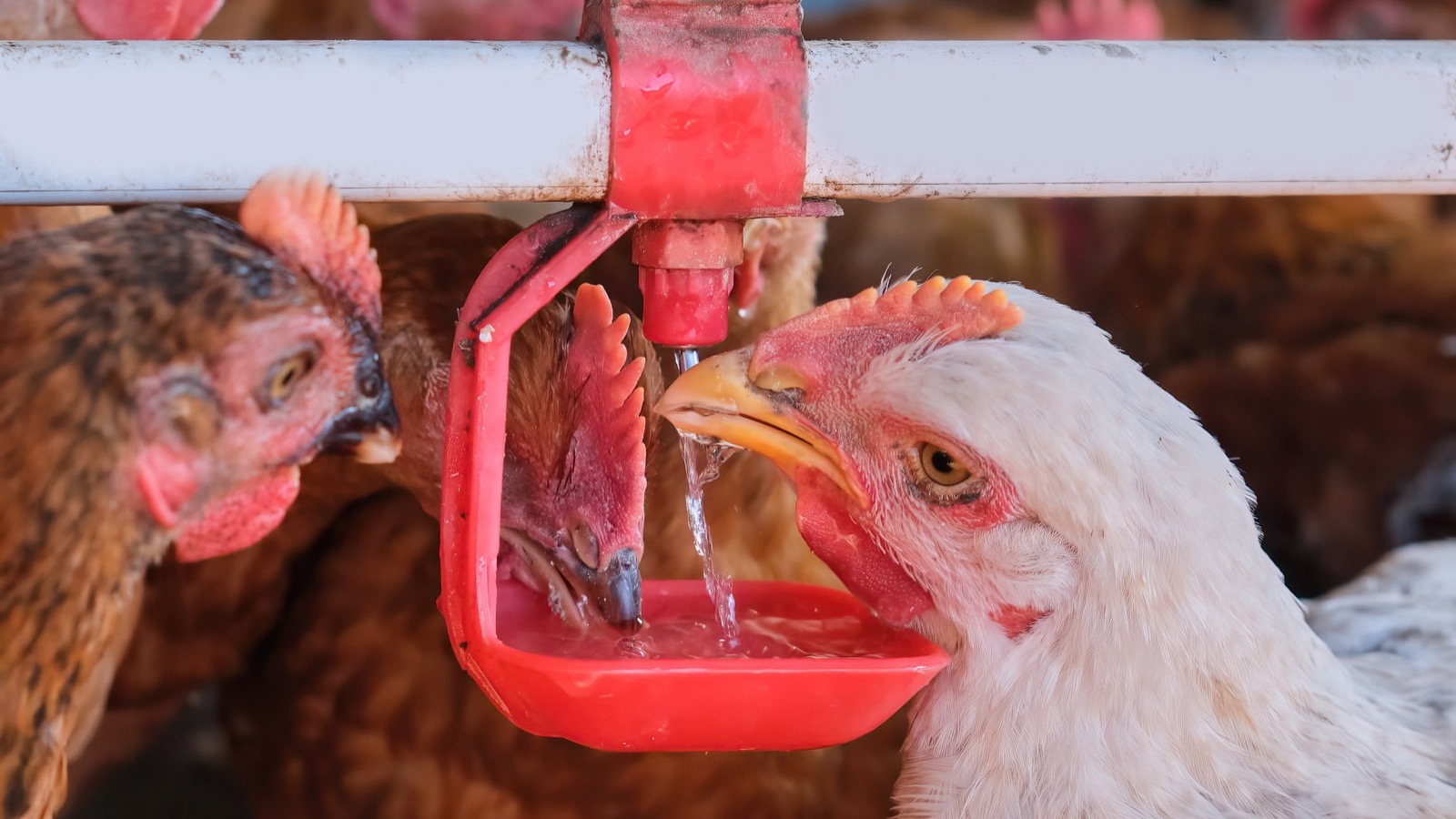
I keep chickens, and an empty nest box is usually my cue to spend a few extra minutes watching the flock. Start with the water. A drinker can look full when the trough has iced over or the nipples have frozen shut. Press a nipple to see if water actually comes out. Check early in the morning and again on days when it stays below freezing. I like having a second drinker ready to swap in so the birds can drink while the first one thaws. They need constant access to clean, unfrozen water.
Do the same with feed. Look for damp or caked feed in the bottom of the hopper and watch the hens eat. A full feeder is little use to the bird that gets chased away every time she approaches. Put a second feeding station far enough away that the bossiest hen can’t guard both. Give quieter birds a way to get there without having to squeeze past her.
For adult layers, start with a complete layer ration with about 16 to 18 percent protein. Keep scratch and kitchen scraps small enough that the hens still eat their proper feed. A scoop of corn may disappear in seconds, but the speed with which they eat it tells you more about how much they like corn than what they need. Offer crushed oyster shell separately for laying hens. It helps supply calcium for shells. It won’t make a hen start laying in the middle of a molt.
Look for new feathers and consider the age of the flock
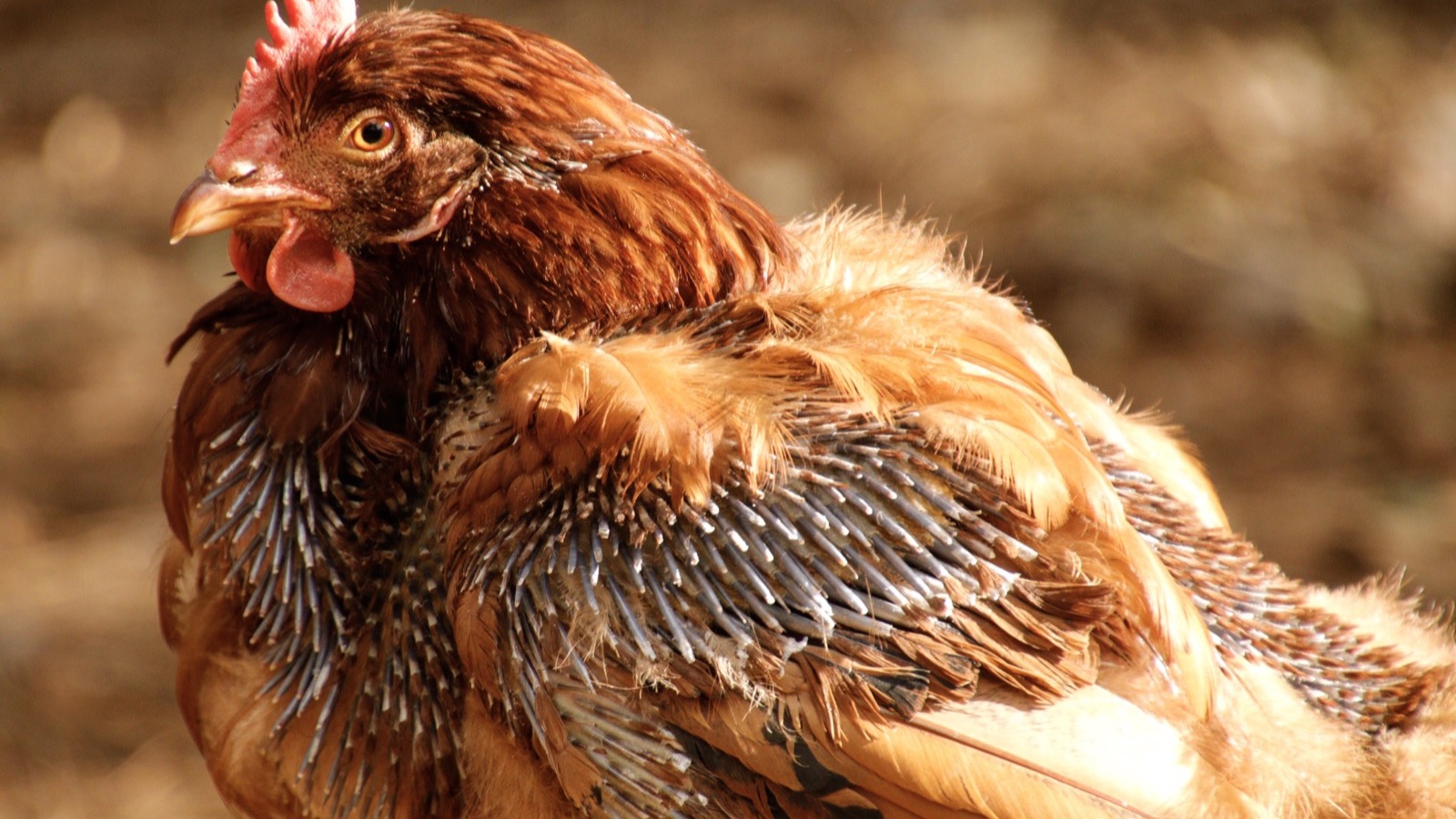
Feathers under the roost and short new quills coming through on an otherwise alert hen are good clues that she’s molting and taking a break from laying. Some birds look as though they’ve lost half their coat overnight. Others replace feathers so gradually you barely notice until you clean the coop. Keep their normal balanced ration available and handle them gently while the new feathers grow.
A molt can take weeks or longer, and a hen that finishes growing feathers in the darkest part of winter may wait for longer days before she lays again. I’d pay more attention to whether she’s eating well and growing those feathers back than to the date she last laid. Bare patches with damaged skin, persistent scratching, or a bird you repeatedly see being pecked deserve a closer look. Weight loss or a hen that stops coming to the feeder calls for a health check.
Age changes the baseline, too. Hens tend to lay most in their first year or two, then lay fewer eggs as they age. Some young hens keep going through their first winter, while older birds in the same coop take a break. Pullets that haven’t started yet may simply need more time to mature. Breed matters as well. I’ve kept Golden Comets and Buff Orpingtons, and I weigh temperament and suitability for the climate alongside egg output. Compare a hen with her own usual pattern before you compare her with the bird next to her.
Decide whether you actually want to add light
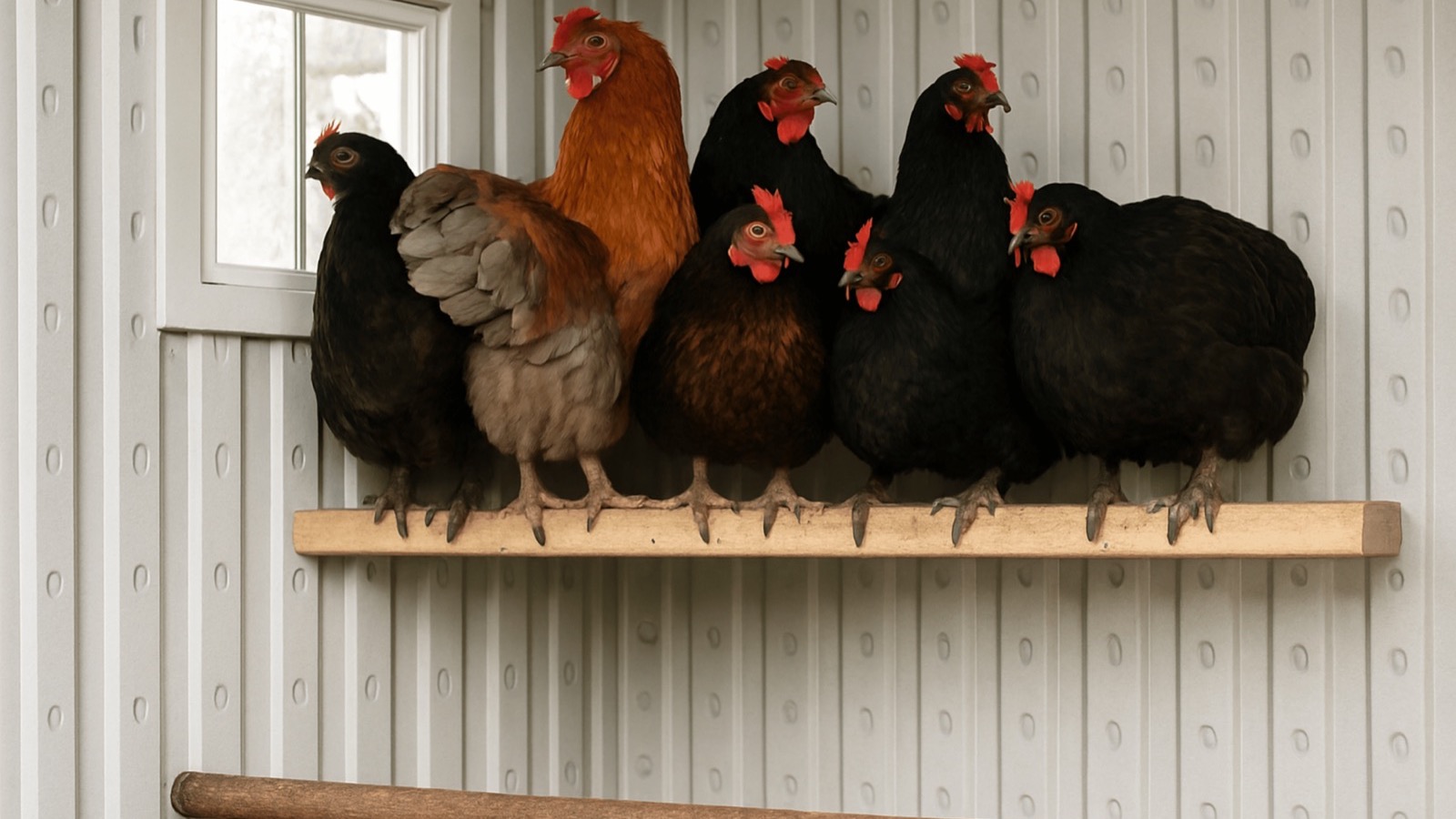
Day length is a major reason healthy hens slow down in winter. Laying often drops when daylight falls below about 12 hours, and a mild spell won’t lengthen the day. Cold can still matter when it freezes the drinker, leaves a bird struggling to keep warm, or keeps the flock crowded indoors. Fix those conditions first.
For a healthy backyard flock, I’m happy to let the days lengthen naturally. If you want steadier winter production from healthy, mature hens, aim for about 14 hours of total light a day, counting daylight. Put a securely installed coop light on a timer before sunrise so the hens can go to roost at natural dusk. Give them a proper dark period every night. If a light is already part of your routine and the whole flock slows down, check whether the timer actually came on after the last power cut.
Look for changes in the coop and eggs outside it
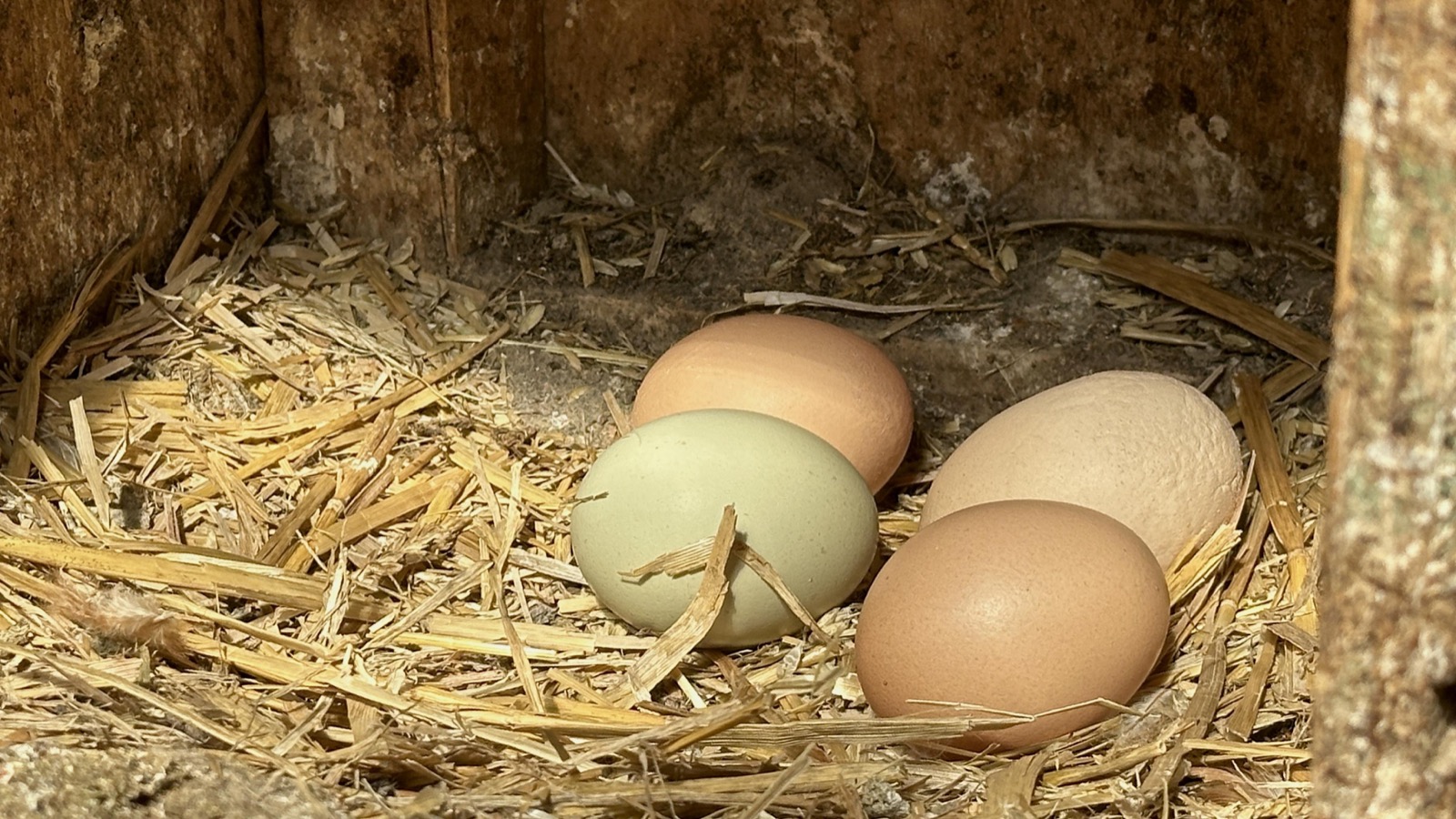
Think back to when the egg count changed. A move, new birds, a predator scare, or weeks of crowding when the run is unusable can all disrupt laying. Check the latch and look for gaps, digging, or tracks around the run. Watch where the birds spend their time. If they’re all avoiding one part of the coop, check for a draft at roost height or wet litter underneath. Keep bedding dry and leave ventilation open above the birds so moisture can escape.
If the hens range, watch where they go after breakfast. A dry corner under a shed or behind a stack of pots can become a nest you didn’t know you had. Check whether the usual boxes are clean, dry, and easy to reach. Collect more often if you find broken shells or dried yolk in the bedding. A broody hen can also stop laying and sit tight in a box, leaving the others to find somewhere else. Look at how she behaves when she gets up. A hen that’s alert and defensive on the nest is a different sight from one that sits hunched and won’t eat.
Know when an empty nest box needs a vet
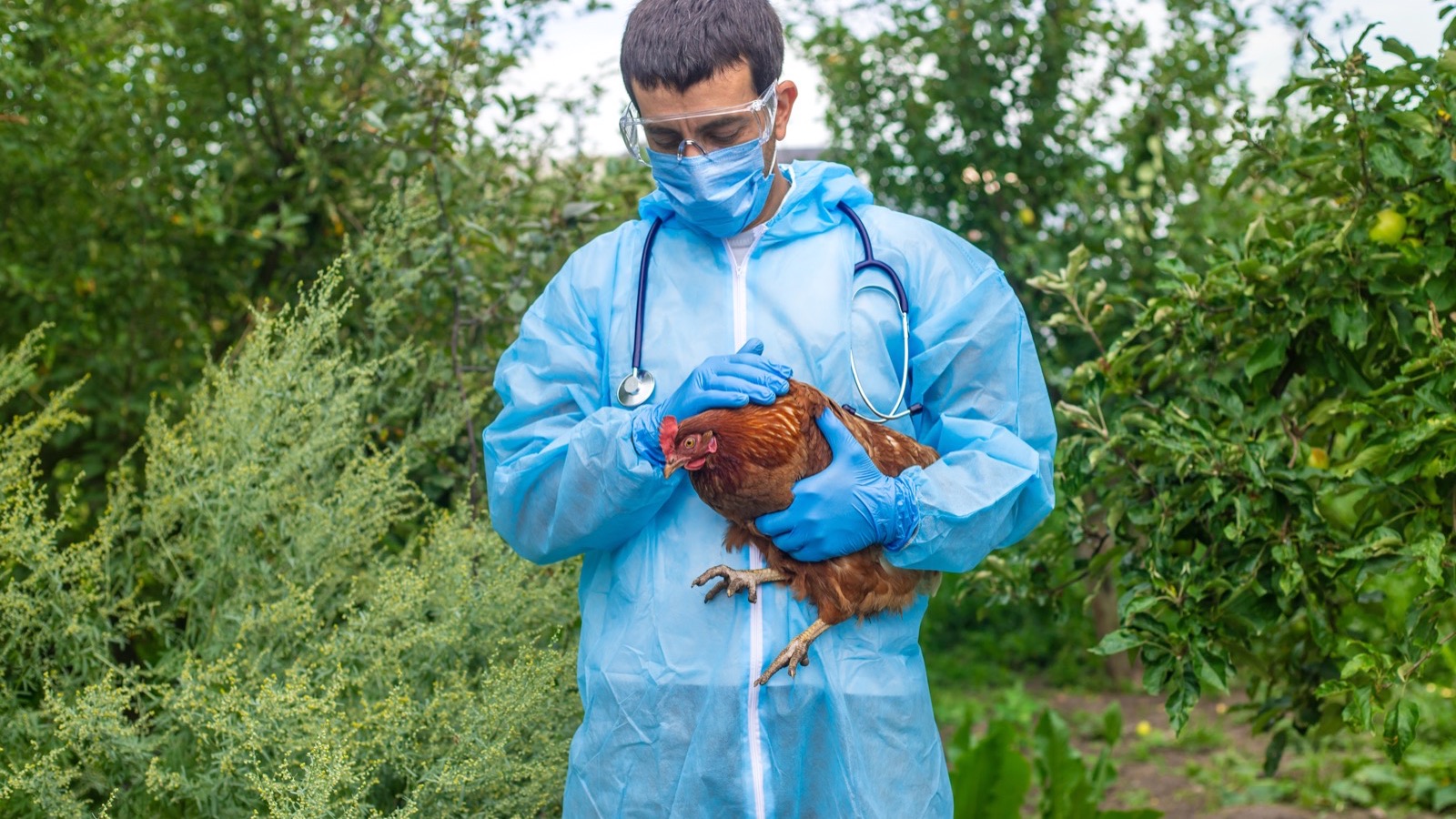
A hen that repeatedly strains or pumps her tail without passing an egg, especially if she’s lethargic, may have a problem passing an egg. Call a poultry or avian vet promptly. Egg binding can be life-threatening, and a vet can check for other causes of the same signs.
A sharp flock-wide drop alongside poor appetite, coughing or gasping, diarrhea, swollen faces, purple combs, or sudden deaths warrants an immediate call. Those can be warning signs of avian influenza or another serious illness. In the US, call your veterinarian or report suspected disease to your state veterinarian or USDA. Call before taking a bird anywhere and pause movements of birds and shared equipment while you get instructions.
If everyone looks well and you’ve checked water, feed, and housing, jot down the daily egg count and which hens are molting. You’ll be able to see whether the flock is gradually picking up as daylight returns or whether a particular bird is falling behind. That record is also handy if you do need to call the vet.
You might also like…
10 Best Chicken Breeds for Eggs