
Affiliate disclosure: This post may contain affiliate links. Please see full disclosure.
I grow plenty of herbs because they’re useful, but I have a particular soft spot for the ones that refuse to stay politely in the herb garden. Pineapple sage (Salvia elegans) is one of those plants. It smells almost ridiculously fruity when you rub the leaves, gets surprisingly large in a single season, and then, just when much of the garden is starting to look tired, it sends up spikes of brilliant scarlet flowers.
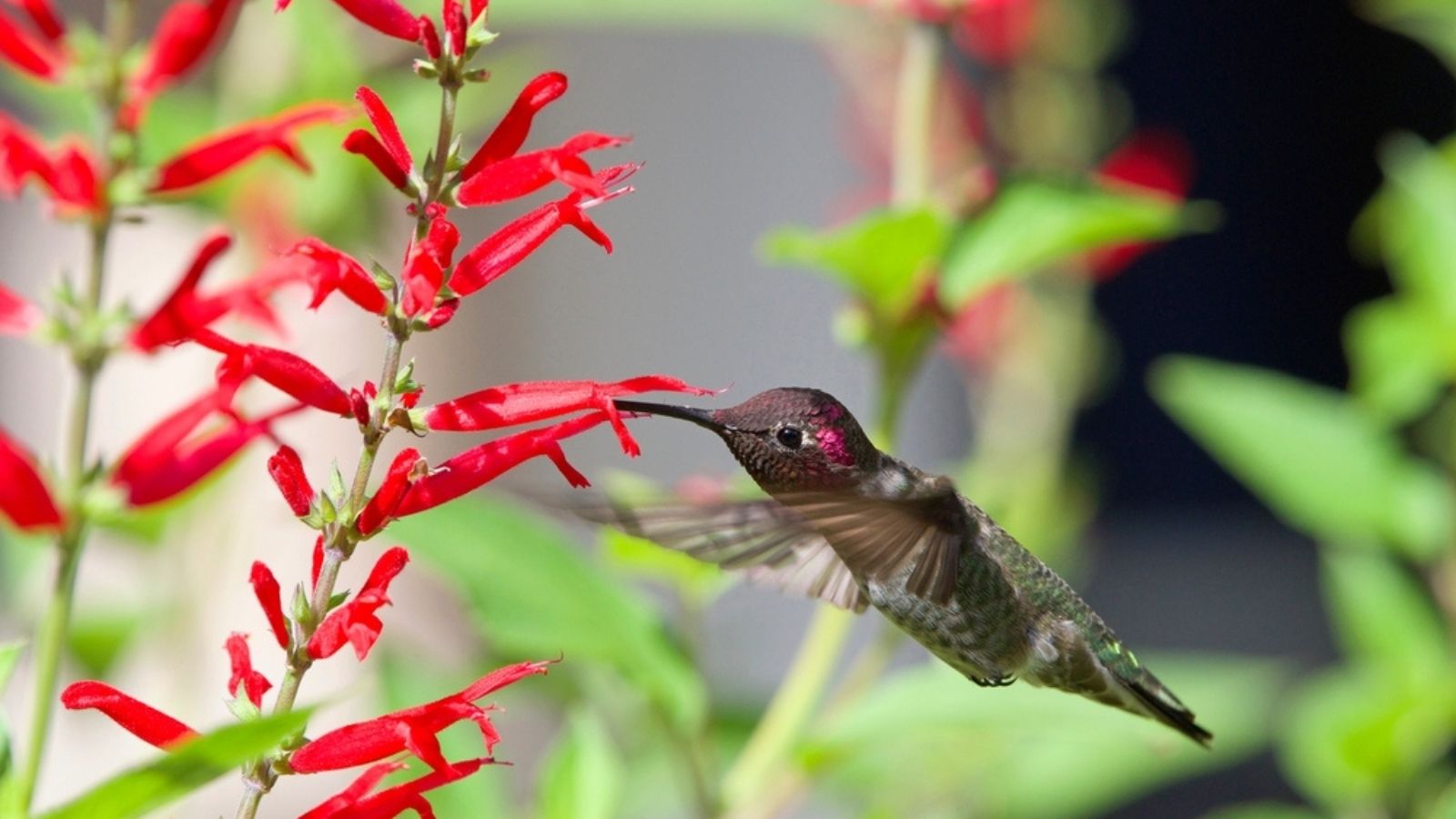
Those flowers are the important bit if you’re trying to attract hummingbirds. Marigolds are colorful and petunias certainly aren’t useless to hummers, particularly the red, more tubular varieties. But if I were choosing one plant specifically to provide a hummingbird food source later in the season, I’d give the space to pineapple sage. Its bright red, tubular flowers are a favorite with hummingbirds, and the plant flowers in late summer and fall, when some other nectar sources are beginning to disappear.
As a master gardener and permaculture specialist, that’s what makes pineapple sage interesting to me. A pretty flower is fine. A plant that gives you fragrant, edible foliage, flowers for pollinators, and another source of nectar toward the end of the growing season earns its keep. It can also become a substantial plant, reaching around 3 to 5 feet tall under good conditions, so this isn’t a delicate little pot herb. Give it some space and it will put on a proper show.
Why hummingbirds go for pineapple sage
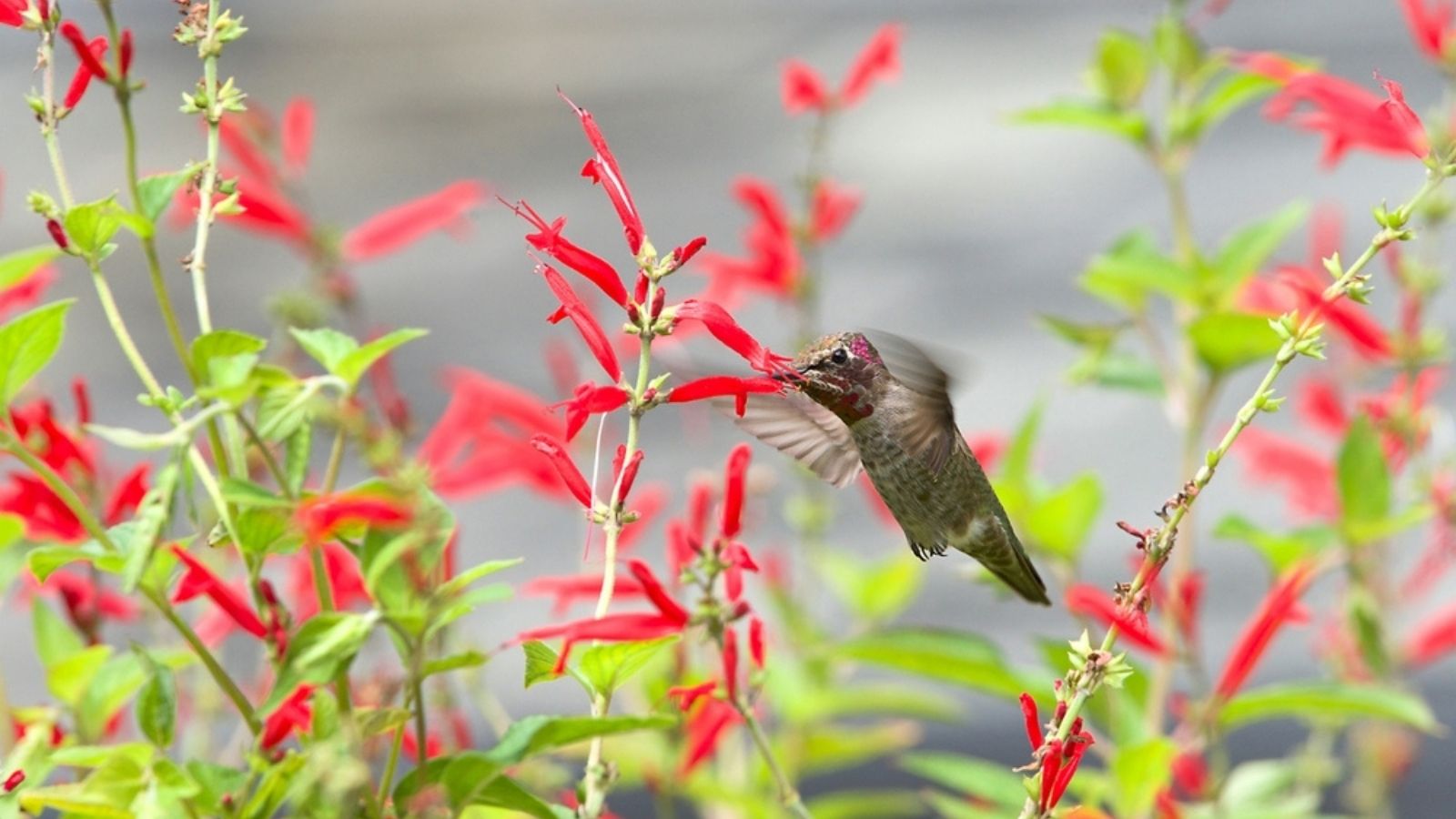
Hummingbirds don’t choose flowers in quite the same way we do. A big, frilly bloom may look fantastic from the patio, but flower shape matters when you’re a bird trying to drink while hovering. Hummingbirds are particularly well suited to feeding from long, tubular flowers, and bright reds, oranges, and pinks are especially good at getting their attention.
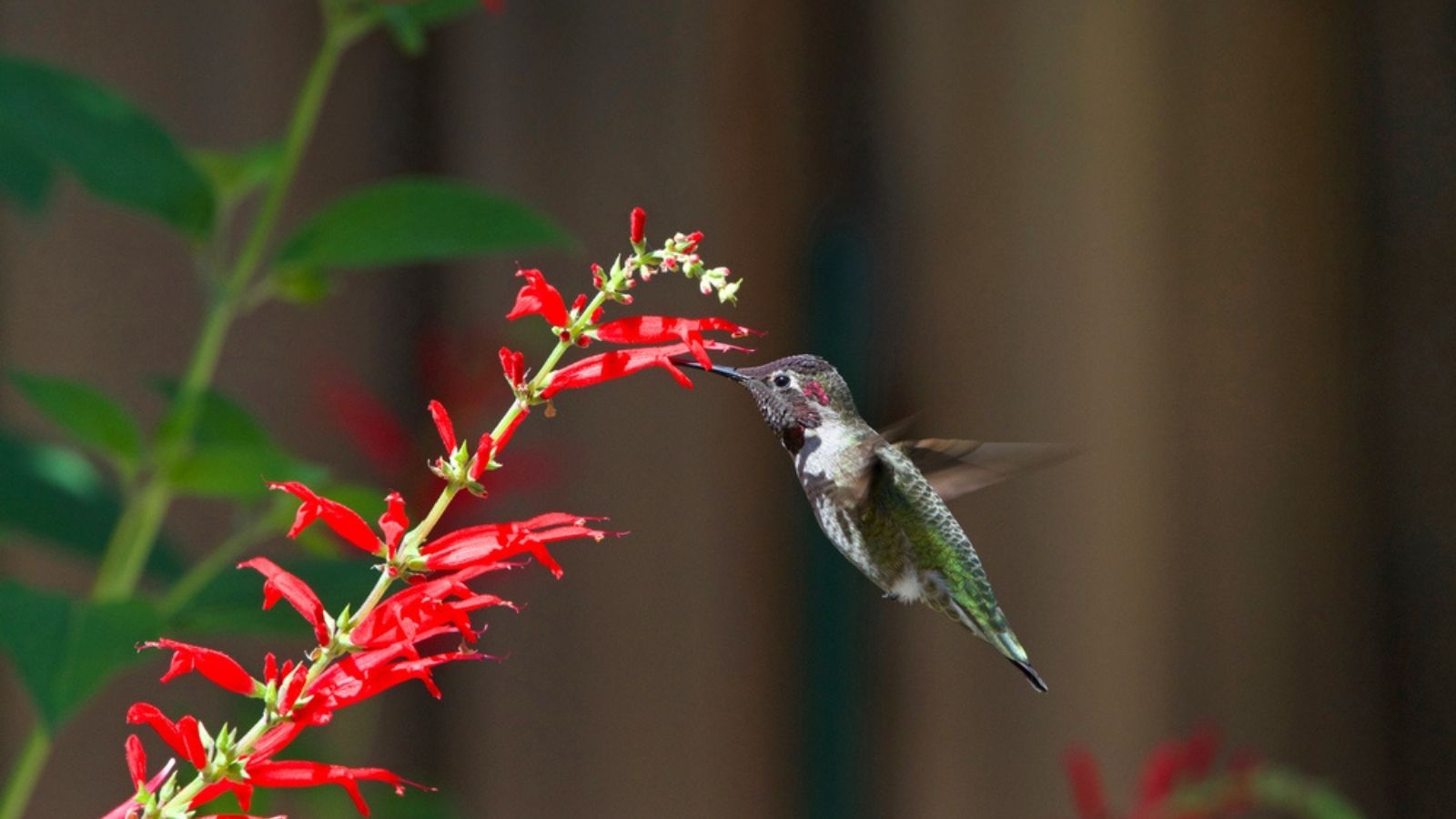
Pineapple sage ticks both boxes. The flowers are narrow, tubular, and vivid scarlet, appearing along upright spikes above the foliage. This is one reason salvias in general are such useful plants if you want more hummingbird activity. There are plenty of sage varieties that hummingbirds will visit, even when the flowers aren’t red.
The other advantage is timing. Pineapple sage is a late bloomer, producing its flowers in late summer and fall. That can make it particularly useful as other plants finish flowering. I like gardens to have something providing nectar for as much of the season as possible rather than one enormous floral buffet in June followed by months of very little.
There is one catch. In colder northern areas, pineapple sage can flower so late that ruby-throated hummingbirds have already started or completed their southward migration. In parts of the Upper Midwest, the flowers may not open until after the birds have left. So I wouldn’t plant it as your only hummingbird flower. Think of it as one late piece of a garden that has been feeding them all season.
RELATED ARTICLE: 12 Flowers You Can Start in Winter To Attract Hummingbirds in Spring
Give pineapple sage enough sun, water, and room
Pineapple sage isn’t difficult, but don’t treat it like the drought-loving culinary sage sitting beside the rosemary. Although it can tolerate some dryness, it grows and flowers best with reasonably consistent moisture. Give it full sun and moist, well-drained soil, and remember how large it can get. I’ve seen people tuck vigorous salvias into tiny gaps and then spend half the summer hacking them back because the plant has swallowed its neighbors.
In colder climates, pineapple sage is commonly grown as an annual because frost kills the top growth and winter temperatures can finish the plant altogether. That doesn’t bother me much. It grows quickly enough to make a decent-sized plant in one season, and you can also take stem cuttings if you want to keep it going rather than buying another plant next spring. Containers work, too, but you’ll need to watch the moisture more carefully because a large, leafy plant can dry a pot surprisingly fast.
I’d put pineapple sage somewhere visible rather than hiding it among the vegetables. Planting nectar flowers in noticeable groups makes them easier for hummingbirds to find, and you’ll get a much better view of the visitors yourself.
And don’t be too impatient if summer rolls on with lots of foliage and no scarlet flowers. Pineapple sage naturally saves its main display for late in the season. The payoff is that sudden flush of red flowers at a point when the rest of the garden can be running out of steam. For me, that’s a much better use of the space than another row of marigolds.

