

Affiliate disclosure: This post may contain affiliate links. Please see full disclosure.
Most people have done it.
You see something small and wiggly on a plant, your brain says “bug = bad,” and your hand is already moving to squash it.
But a lot of the insects in a normal backyard are quietly working for you. They eat pests, pollinate crops, clean up dead stuff, and keep the whole little system ticking over, so you don’t have to lean so hard on sprays and powders.
I’m an organic permaculture specialist, and one of the first things I do when I walk my own garden is count how many different insects I can spot. Seeing insects in my yard tells me my garden is healthy, that my companion planting is working, and that the whole system is thriving. Obviously I don’t want to see aphids, Japanese beetles, or other pests, but the pollinators and predatory ones? Yes, absolutely, I love them.
Let’s walk through some of the common helpers you’ll probably see in a temperate-climate yard.
1. Lady beetles (ladybugs)

Lady beetles are one of the most effective aphid predators you can have working in a home garden, and both the adults and their odd, alligator-looking larvae hunt nonstop through the growing season.
A single adult can eat up to 50 aphids a day, and over a lifetime that adds up to as many as 5,000 aphids. They’ll also eat things like scale insects, mealybugs, and mite eggs, so they’re patrolling more than just your roses.
To keep them around, offer food and tolerate a bit of mess. Let a few aphids exist, plant small, nectar-rich flowers like dill, fennel, yarrow, and asters, and skip the broad-spectrum insecticides that wipe them out right along with the pests.
2. Green lacewings
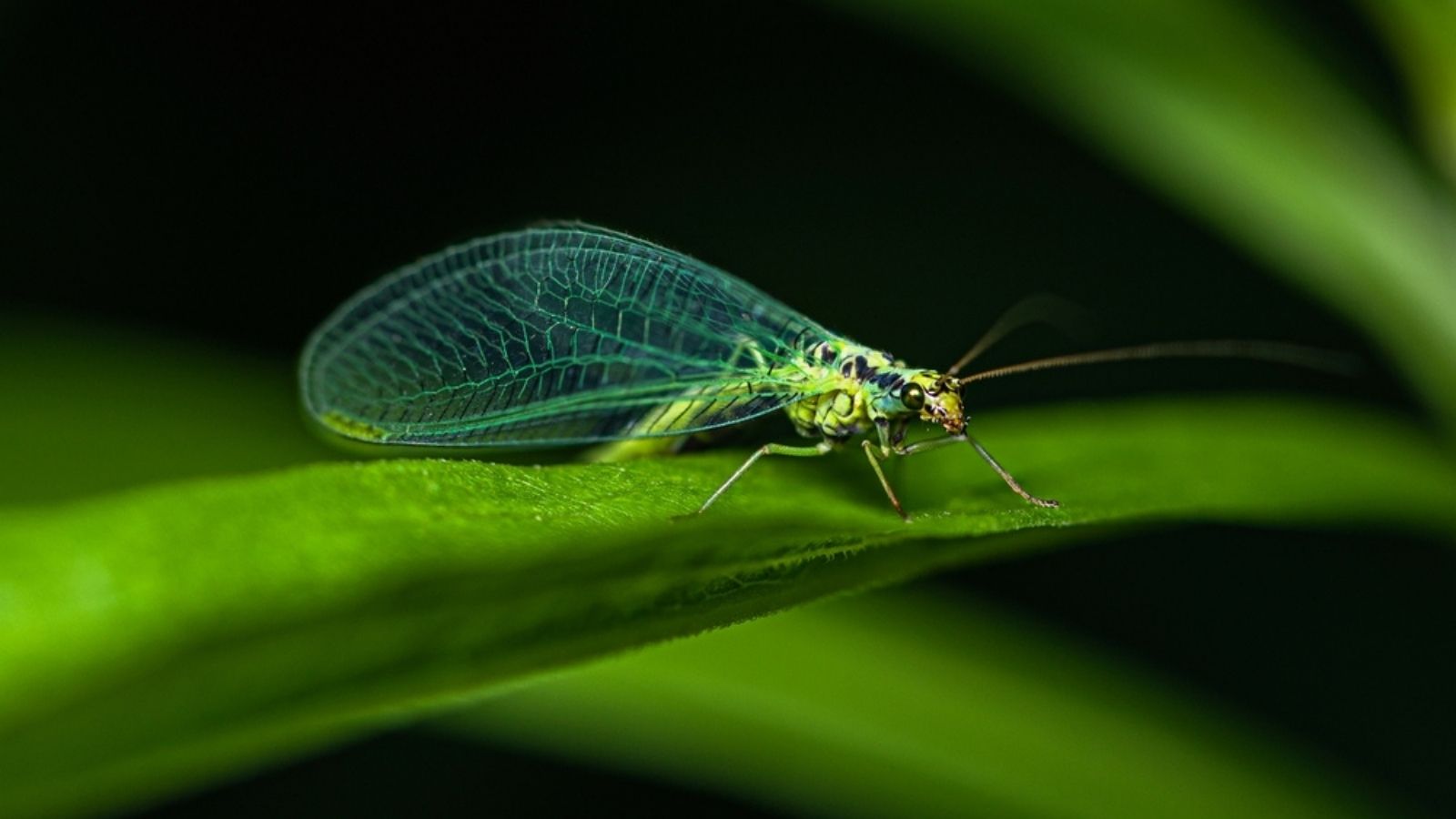
Adult green lacewings are the delicate, bright green insects with see-through veined wings you’ve probably already noticed near porch lights.
The real workers, though, are the larvae. Gardeners call them “aphid lions” for a reason. A single lacewing larva can eat hundreds of aphids in a week, plus mites, thrips, small caterpillars, whiteflies, and other sap-suckers.
They’re common but easy to overlook, because the larvae just look like tiny, brownish, moving commas.
If you want more lacewings, plant umbel flowers like dill, fennel, and cilantro, let a few areas stay a bit weedy, and avoid spraying when you see their eggs, which look like little white stalks with a dot on top.
3. Hoverflies (syrphid flies)

Hoverflies look like tiny wasps or bees that can stand still in mid-air, but they’re actually harmless flies with just one pair of wings.
As adults, they visit flowers for nectar and pollen and help with pollination. Their larvae are serious predators. Depending on the species, a single larva can eat 100 to 400 aphids before it pupates, along with leafhoppers and other soft-bodied pests.
If you’ve ever had a plant covered in aphids and then noticed things suddenly quieting down, there’s a decent chance hoverfly larvae were involved.
They’re drawn to flat, open flowers like yarrow, alyssum, marigolds, dill, and wild carrot. A mixed flower border does more for hoverflies than any “beneficial insect” product on a shelf.
4. Ground beetles

Ground beetles are nighttime hunters that patrol the soil surface and mulch instead of climbing plants, and many species eat slugs, snails, root-feeding grubs, and caterpillars.
If you lift a rock or board at night and see a shiny, dark beetle scuttle away, that’s probably a ground beetle. Some will also chew up weed seeds, sometimes a dozen or more in a single night.
You rarely see them working, but they’re basically a free clean-up crew.
They like cover and moisture. Log piles, stones, leaf litter, and not tilling every inch of soil all help keep ground beetles around. Heavy insecticide use and bare, baked soil do the opposite.
5. Soldier beetles
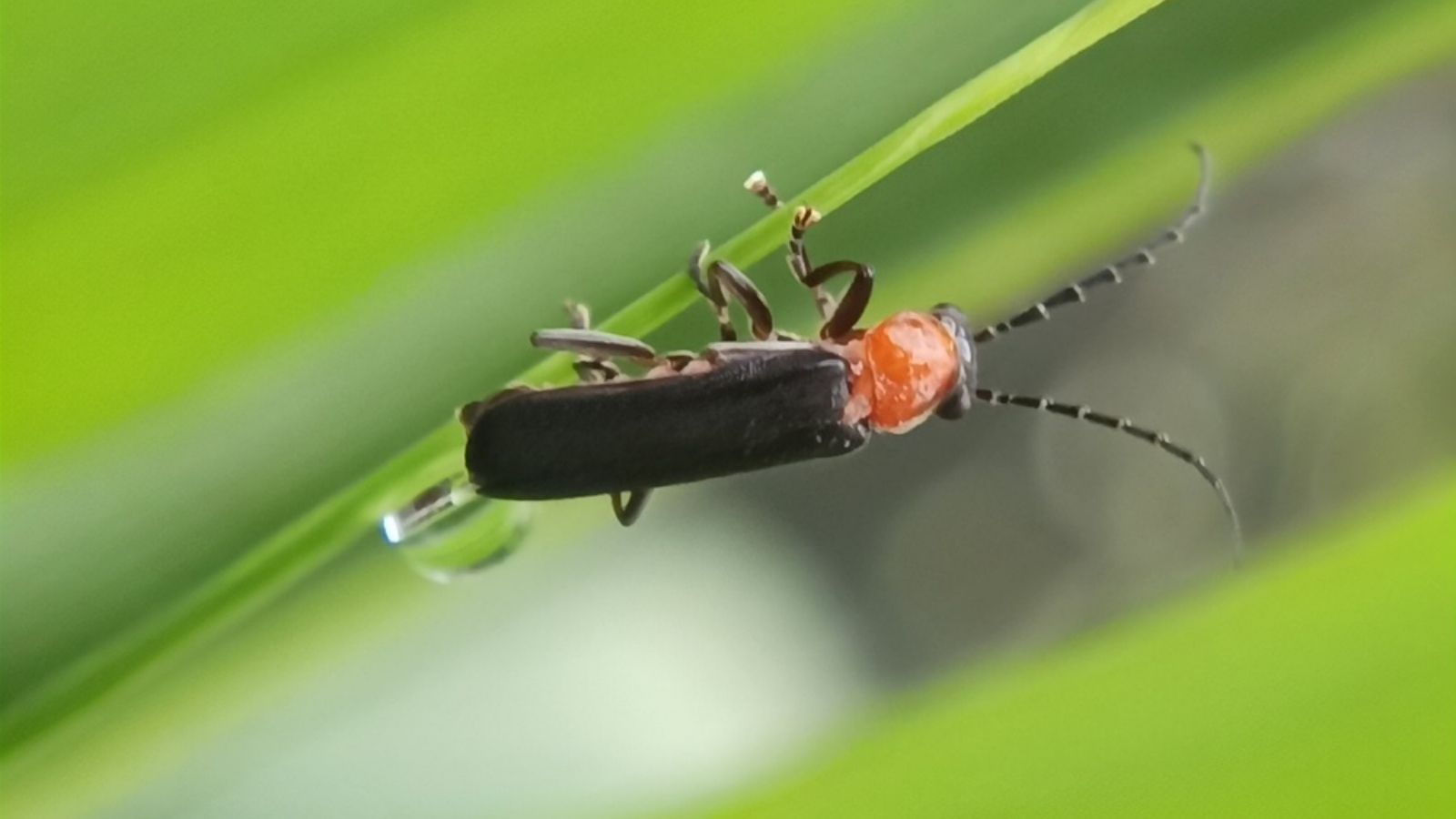
Soldier beetles are narrow, soft-bodied beetles that pull double duty as both predators and pollinators, and you’ll often see them wandering over flowers in summer.
Common species are orange or red with darker markings. Adults eat aphids and other small insects but also sip nectar and pollen. Larvae live in soil and at the base of grasses, where they hunt slugs and other soft-bodied invertebrates.
They don’t harm plants, buildings, or you. If you see them all over your flowers, that’s a good sign your garden is feeding a lot more than just you.
6. Praying mantis
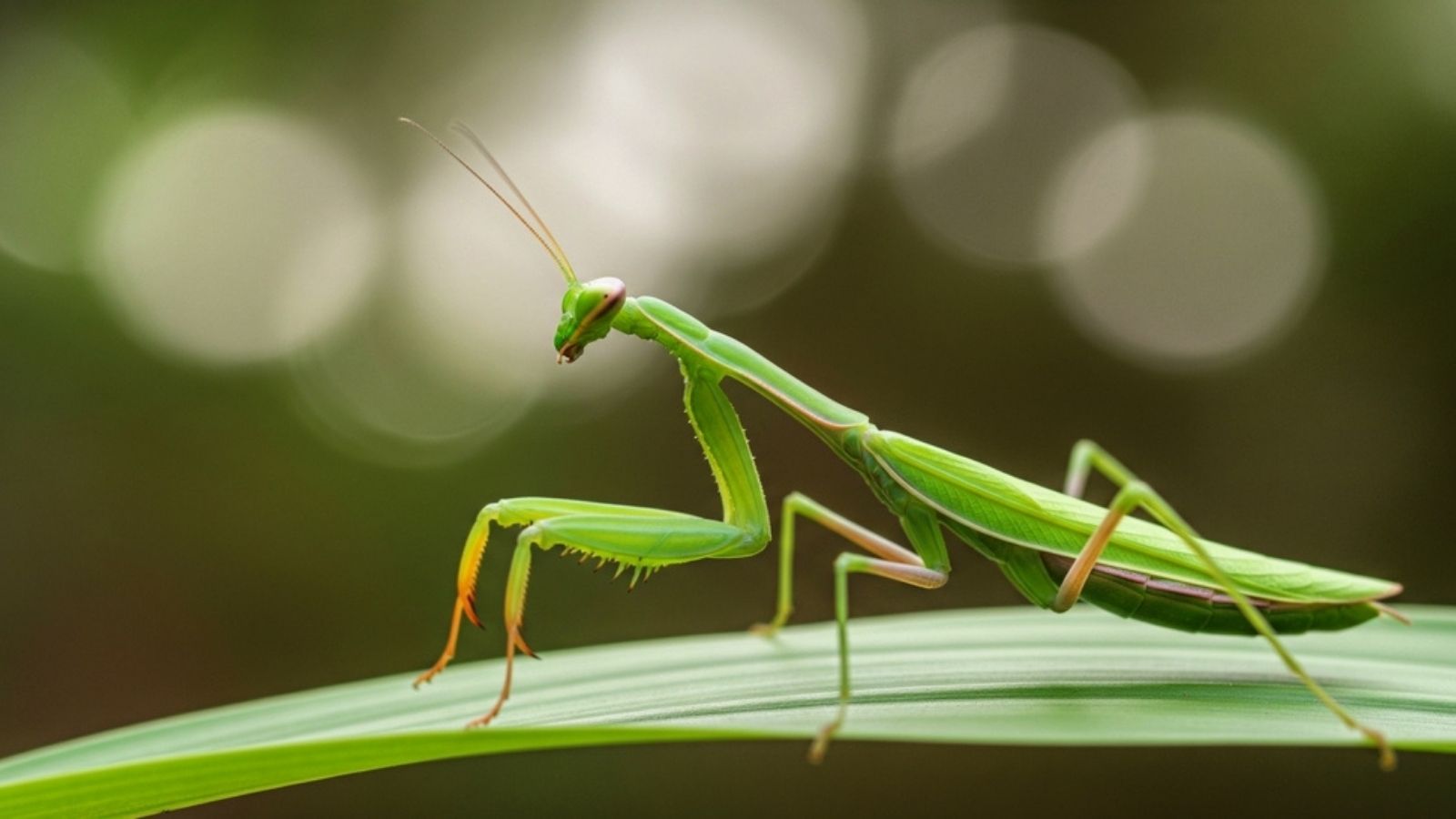
Praying mantises are ambush predators that eat garden pests like grasshoppers, moths, and flies, but they’re not selective about it, and that’s worth knowing before you go out of your way to attract them.
A mantis will just as happily eat a bee, a butterfly, a ladybug, or another mantis as it will a pest. Extension entomologists generally treat them as a neutral factor in the garden rather than a reliable form of pest control, precisely because they can’t tell the difference between a pest and a pollinator.
If you find a mantis egg case, roughly the size of a large marshmallow and made of a papery, straw-colored foam, it’s worth checking the species before deciding what to do with it. The native Carolina mantis is small and has relatively little impact on other insects. The introduced Chinese mantis grows much larger and is a more aggressive predator of pollinators, including, in a few documented cases, hummingbirds.
I don’t buy mantis egg cases for pest control anymore. If you want reliable predators, lean on lady beetles, lacewings, and assassin bugs instead, and let any mantises that show up on their own do what they do.
7. Tachinid flies
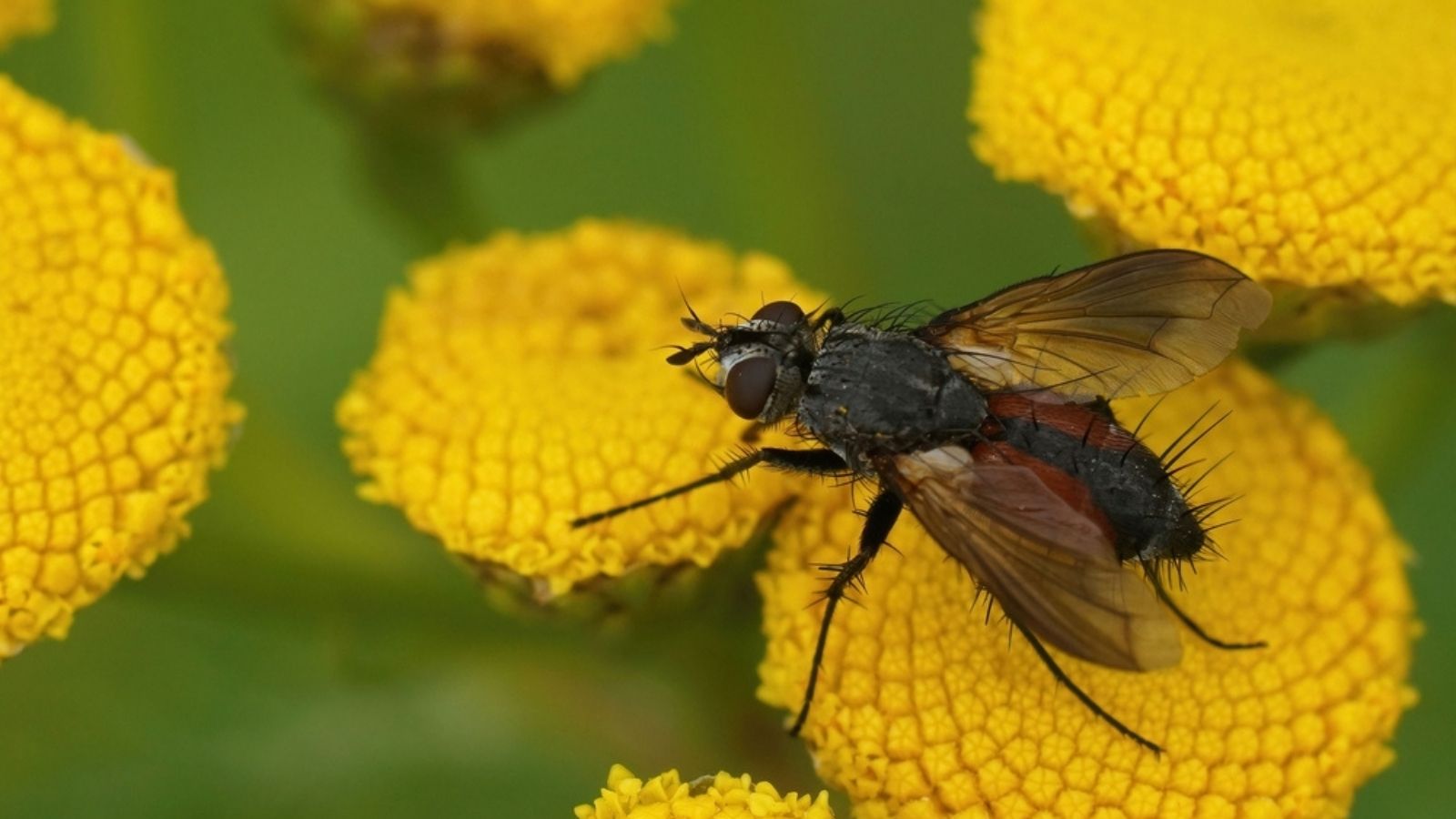
Tachinid flies look like chunky houseflies with bristles, and despite the unfriendly appearance, they’re among your best garden allies.
As adults, they feed on nectar, pollen, and honeydew. Their larvae are parasitoids. They develop inside caterpillars, beetle larvae, true bugs, and other insects, eventually killing the host.
Many species go after cabbage worms, cutworms, various moth caterpillars, and even Colorado potato beetles. So if you see a caterpillar with little white blobs or an off look, think twice before squashing it. It might already be “claimed” by a tachinid or a wasp.
They’re drawn to nectar plants with small, shallow flowers like dill, yarrow, tansy, and wild carrot.
8. Parasitic wasps
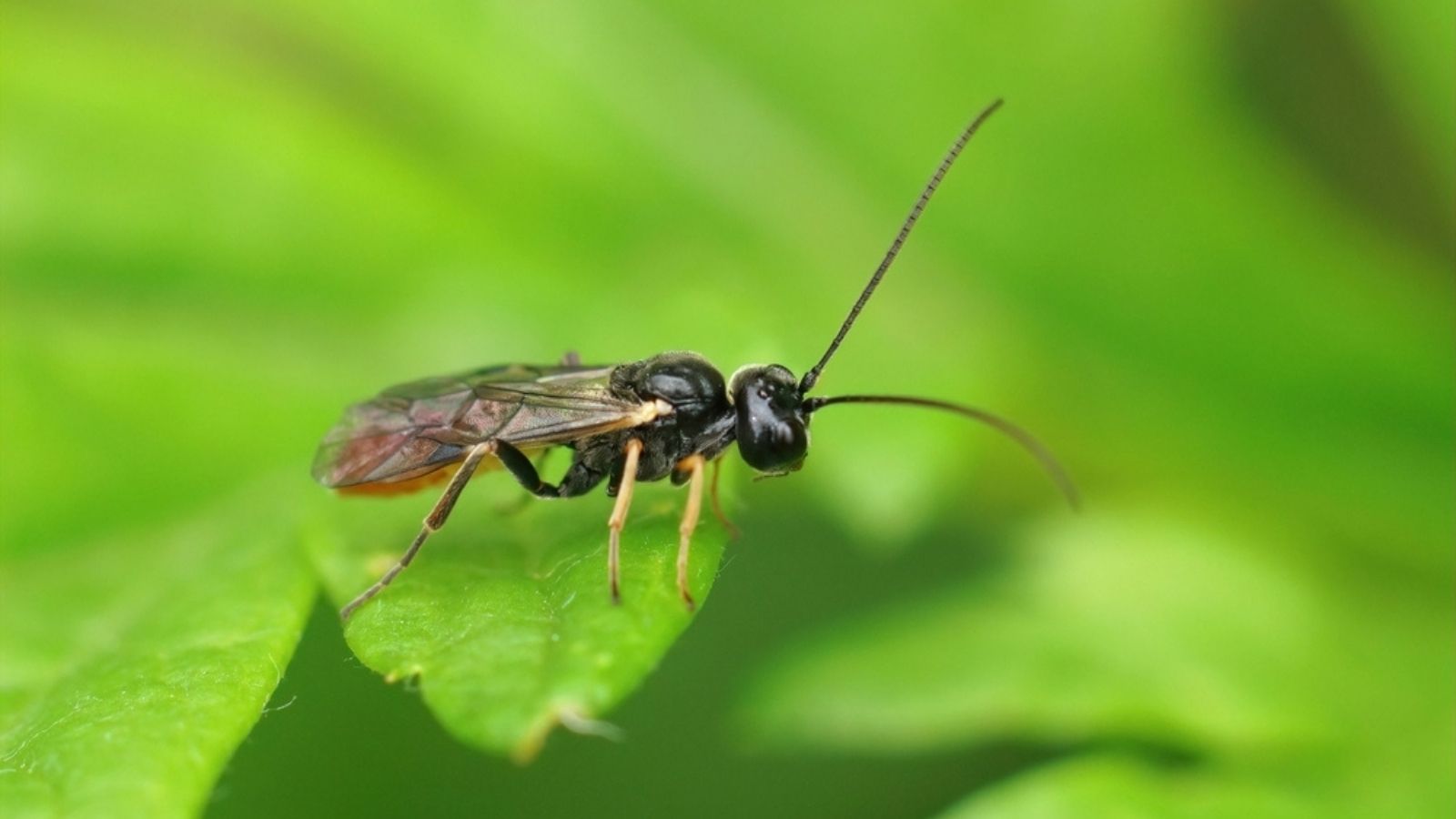
Parasitic wasps are tiny, non-stinging garden helpers that lay their eggs inside or on pests like aphids, whiteflies, beetle grubs, and caterpillars, killing the host as the larvae grow.
These are not the yellow jackets that crash your picnic. Most species are tiny, dark, and easy to miss entirely.
In the garden you’ll see “mummy” aphids, swollen, tan or brown shells, where a parasitic wasp has already done the work for you.
Most species can’t sting people and have no interest in you anyway. If you want more of them, keep flowers blooming through the season and go easy on broad-spectrum sprays, especially the “kills everything” type.
RELATED: How to Control Aphids Naturally
9. Paper wasps and other predatory wasps
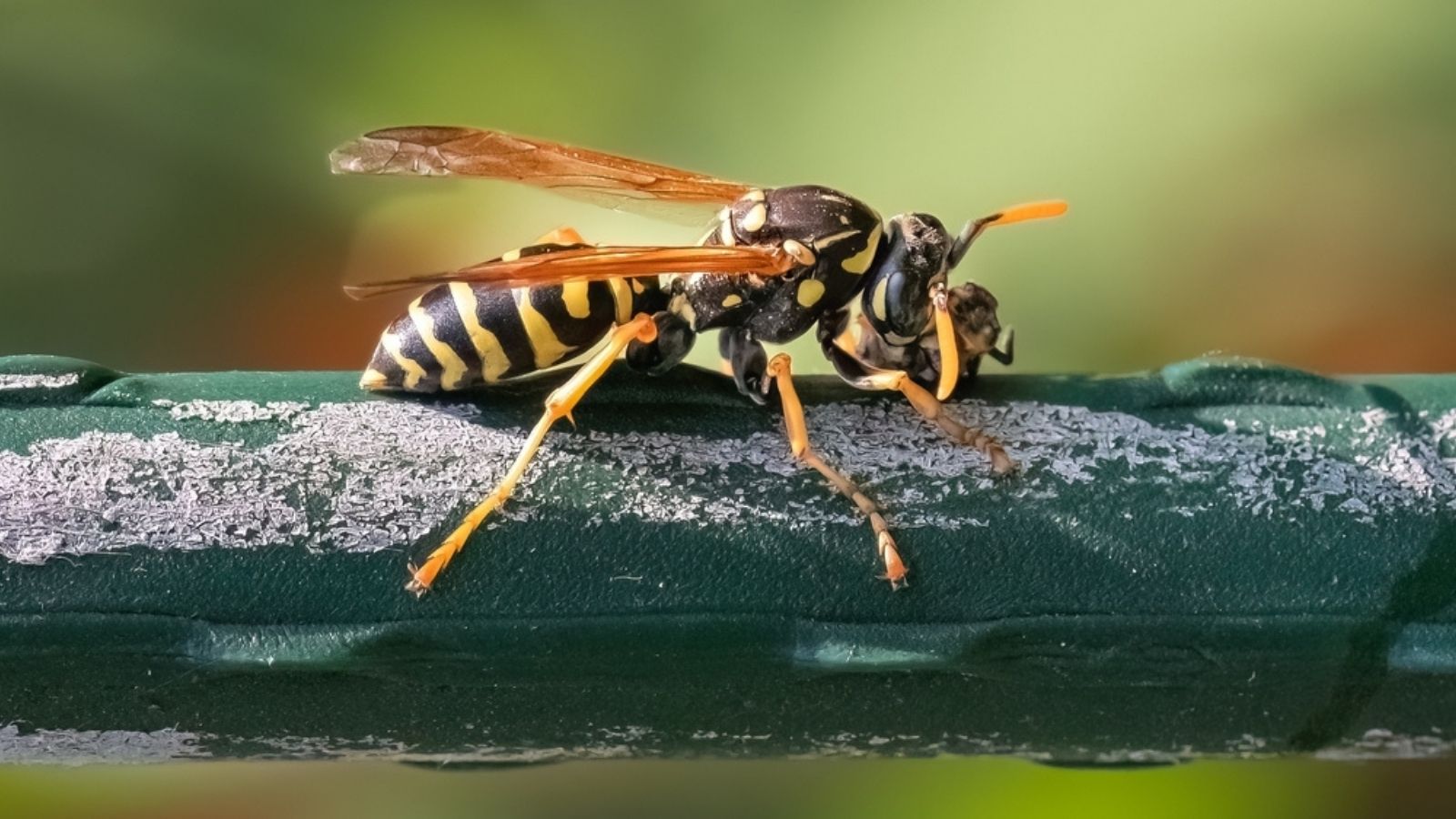
Paper wasps are hunting wasps that collect caterpillars, including hornworms, to feed their larvae, which can mean noticeably fewer caterpillars on your tomatoes and brassicas.
These are the slim, long-legged wasps that build open, papery nests under eaves or in shrubs. They can sting if they feel threatened, so nests near doors and paths do need some thought.
If a nest is out of your way and not bothering anyone, it’s often worth just leaving it alone for the season. You get the pest control for free, and the nest dies off over winter anyway.
10. Robber flies

Robber flies are large, bristly predators that catch other flying insects in midair, including grasshoppers, other flies, wasps, and leafhoppers, injecting a paralyzing toxin that also liquefies the prey.
They perch in open, sunny spots on stems or fence posts, waiting to launch at anything that flies past. Their soil-dwelling larvae are predatory too, feeding on grasshopper eggs and root-feeding grubs before pupating near the soil surface.
They look intimidating, sometimes described as a cross between a bee and a small hawk, and they can deliver a painful bite if you handle one. But they’re not aggressive toward people, and the pest control they provide outweighs the occasional bee or butterfly they happen to catch.
An open, sunny garden with a mix of shrubs and taller plants gives them the vantage points they like. Skip the broad-spectrum sprays and you’ll likely see more of them.
11. Honey bees
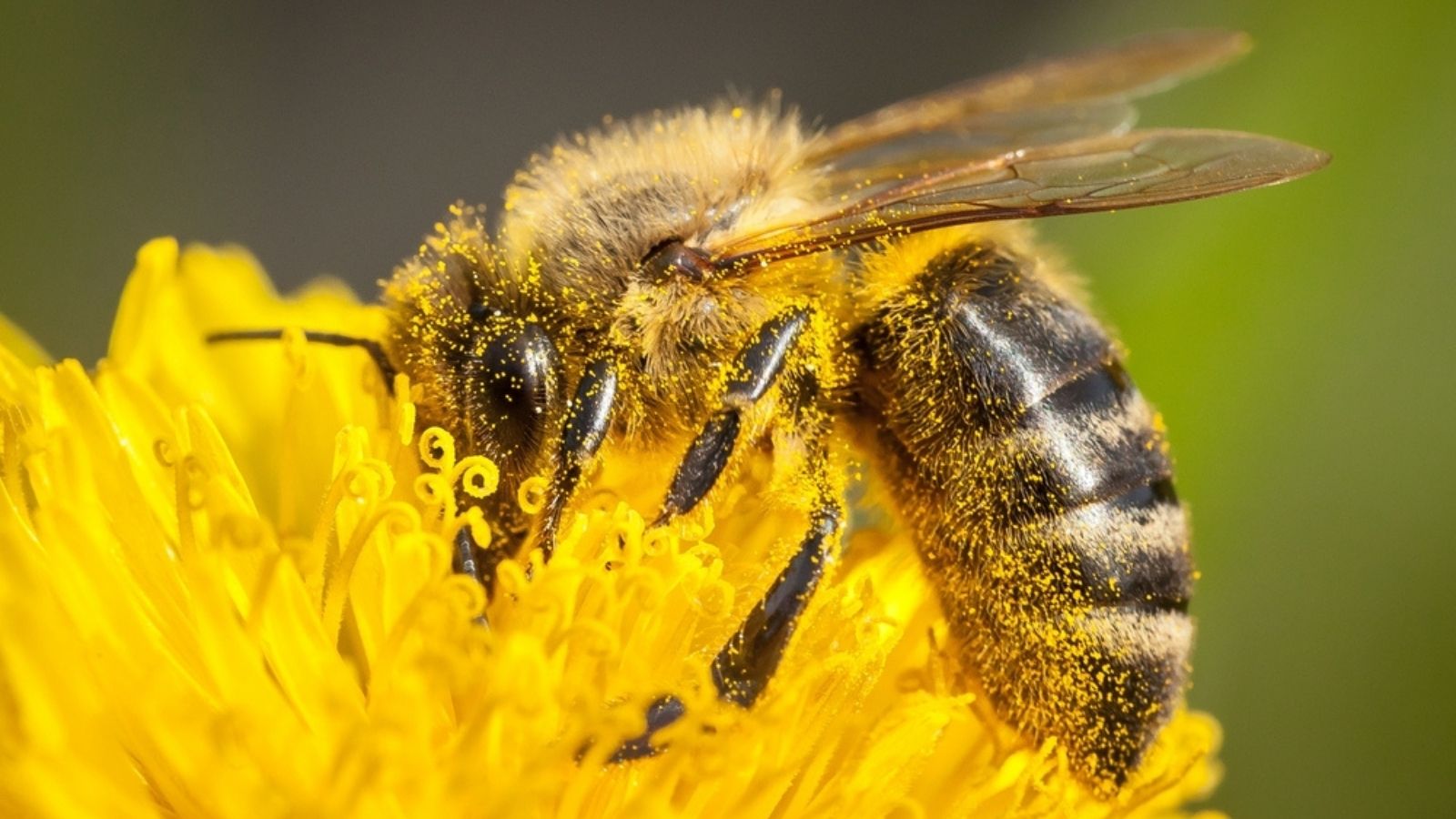
Honey bees get plenty of press, but they remain workhorses for pollination in most temperate gardens.
A healthy hive foraging in your area can visit fruit trees, berries, squashes, cucumbers, herbs, and ornamentals, boosting fruit set on anything that relies on insect pollination.
They’re not perfect. Some crops prefer other pollinators. But if you’re growing apples, berries, cucurbits, or clover, you’ll see the difference when bees are active and when they’re scarce.
You don’t have to keep hives yourself. Plant diverse flowers, avoid spraying when plants are in bloom, and provide clean water, and local beekeepers’ colonies will likely do the rest.
12. Native solitary bees

Most bees in your yard are not honey bees. They’re solitary natives, including mason bees, leafcutter bees, tiny sweat bees, and a whole crowd of others.
They don’t live in big hives, and most are very gentle. Many are actually more efficient pollinators on a per-bee basis than honey bees, especially on fruit trees and early flowers.
Some nest in hollow stems or drilled wood, others in bare or lightly vegetated soil. Leaving some messy corners, stems over winter, and small patches of undisturbed ground does more for these bees than a fancy bee hotel.
From a resilience standpoint, strong native bee populations mean you’re less dependent on one species, honey bees, that has its own health issues.
13. Minute pirate bugs
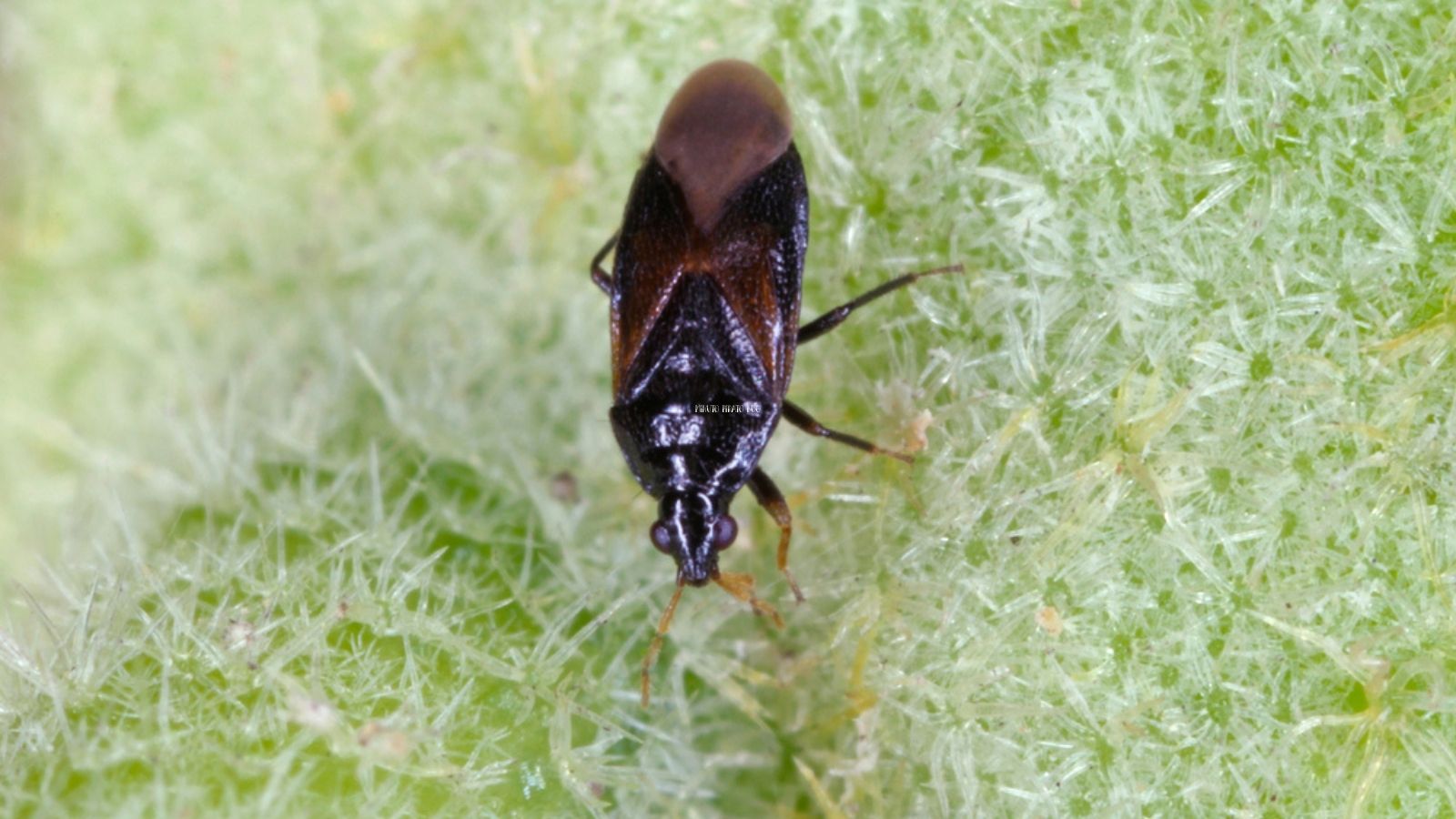
Minute pirate bugs are tiny, black-and-white generalist predators that jab pests with needle-like mouthparts and suck out the juices, with thrips, spider mites, aphids, small caterpillars, and whiteflies all on the menu.
Terrible name, very useful insect. Adults and nymphs alike are only a couple of millimeters long.
Thrips control alone makes them worth keeping around, since thrips are a common, annoying greenhouse and garden pest.
They’re attracted to flowering plants and do well where there’s a steady mix of pollen and prey. The main downside is that, late in the season, a few species will occasionally “test bite” humans, which can sting a bit, but it’s more nuisance than danger.
14. Dragonflies and damselflies
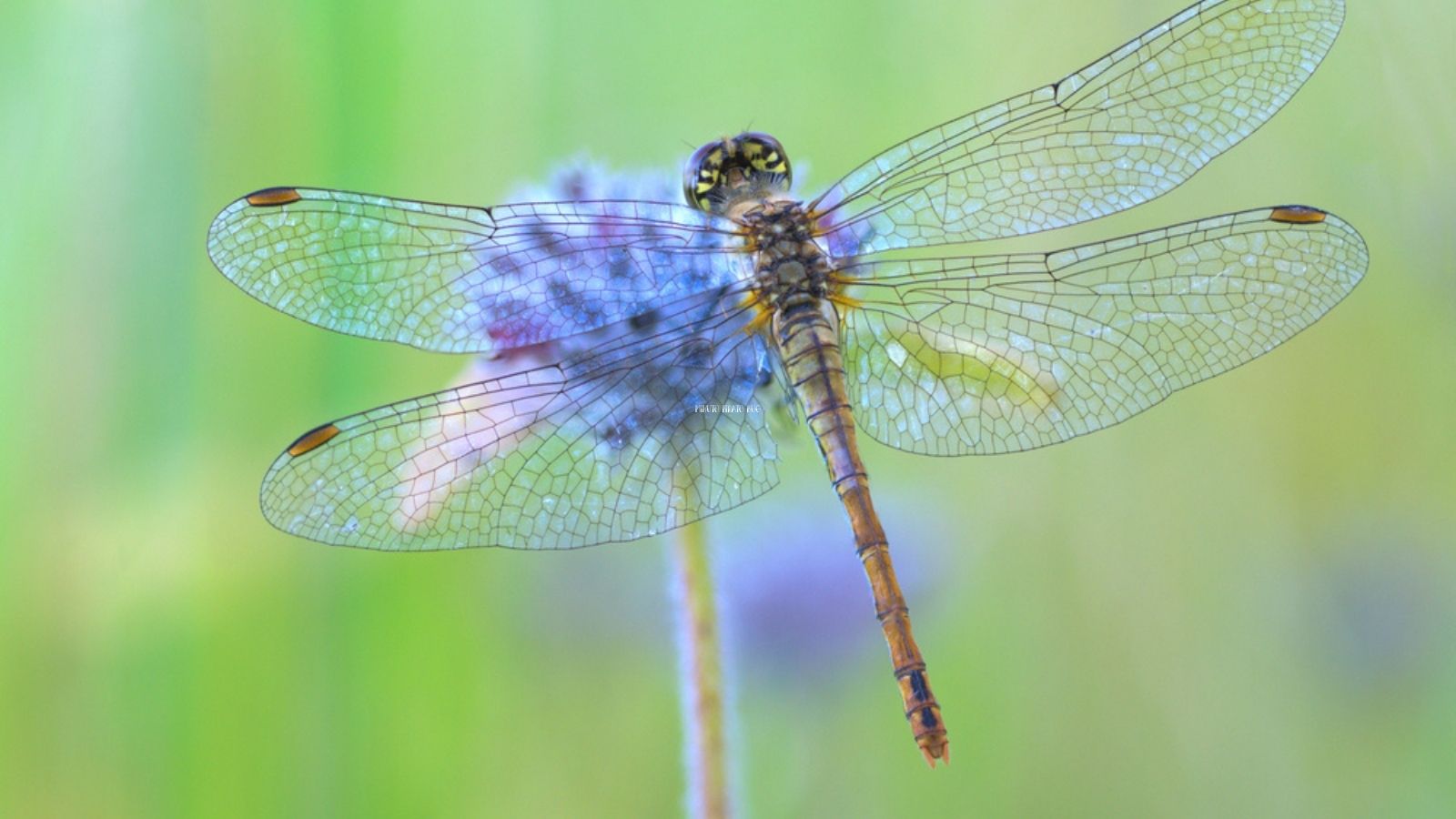
Dragonflies and damselflies hunt in two completely different worlds over the course of their lives, and both stages help with mosquito control.
The nymphs live underwater for months to years, hunting mosquito larvae and other small aquatic prey. In controlled lab studies, a single dragonfly nymph eats about 40 mosquito larvae a day on average, though real garden ponds with far higher mosquito densities won’t always match that rate.
Once they emerge and take to the air, adults switch entirely to hunting flying insects, including adult mosquitoes, midges, and gnats. They’re not a full mosquito-control program on their own, but they help.
If you’ve got room for even a small pond, with some emergent plants and without fish that eat every nymph, you’ll usually see more dragonflies within a season or two.
RELATED: Ants Farming Aphids & What to do About It
15. Fireflies (lightning bugs)

Firefly larvae are predators of slugs, snails, worms, and other soft-bodied invertebrates, which they hunt by following slime trails through the soil and leaf litter.
Everyone loves the lights. The useful bit is mostly hidden. Fireflies spend a big chunk of their life as larvae on or in the soil, and they can help keep slug numbers down around beds and borders.
Adults may feed on nectar or pollen, or not much at all, depending on species. Either way, if you’re working on slug control without pellets everywhere, fireflies are worth encouraging.
They like moisture, long grass, and low light. That means less mowing, fewer chemicals, and darker corners at night, basically, a more relaxed yard.
16. Assassin bugs
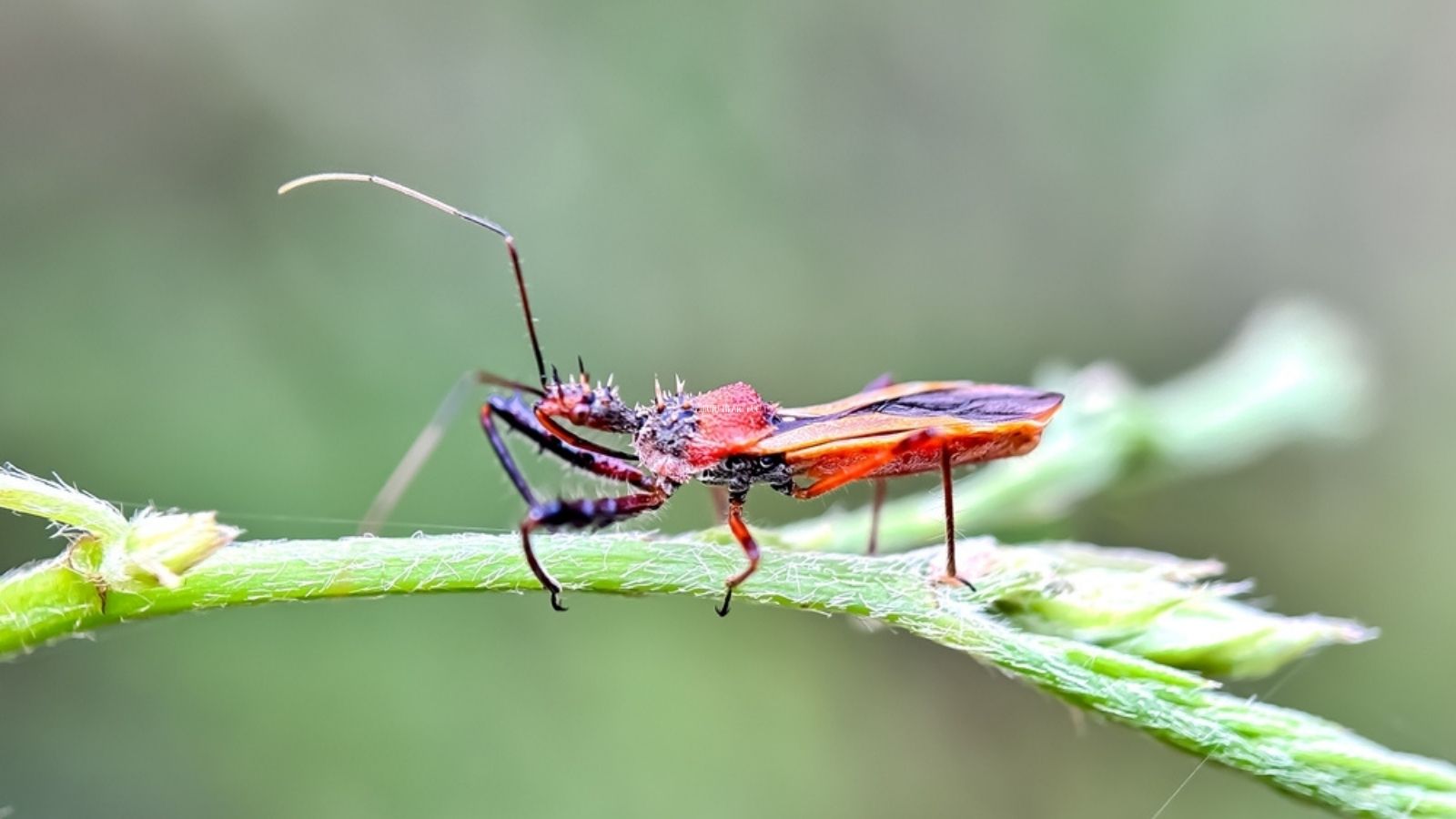
Assassin bugs are true bugs with a solid, beak-like mouthpart that hunt other insects and small invertebrates, including caterpillars, beetle larvae, leafhoppers, and aphids.
Both nymphs and adults sit and wait or stalk their prey, jab it with that beak, inject digestive juices, and then suck the insides out. It’s a very on-the-nose name.
They don’t care whether the victim is a pest or not, which is worth knowing, but in a normal mixed garden they do a lot of free pest control. You’ll often find them on flowers, shrubs, and vegetable plants where there’s a decent amount of insect traffic.
They can bite if you grab them, and it does sting, so they’re a look-don’t-handle insect. But if you leave them alone, they’re just out there thinning the herd so you don’t have to.
Keeping these insects around
The fastest way to lose all sixteen of these at once is a broad-spectrum insecticide. It doesn’t know the difference between the aphid and the lacewing larva eating it, so a single application can undo years of a garden building its own pest control.
Everything on this list responds to the same handful of habits: tolerate a few pests instead of reaching for a spray at the first sign of one, keep something blooming from early spring through fall, and leave a few corners of the garden a little messy. Log piles, leaf litter, and unmowed edges aren’t neglect. They’re housing.
FAQs
Are all wasps beneficial in the garden?
Most of the wasps you’ll find in a home garden are beneficial. Parasitic wasps and paper wasps both hunt or parasitize pest insects, and the vast majority of wasp species can’t sting people at all. The exceptions worth managing are ground-nesting yellow jackets and any nest built somewhere you can’t avoid, like a doorway or a well-used path.
Will beneficial insects hurt my dogs or cats?
Almost none of the insects on this list pose any real risk to dogs or cats. Stinging insects like paper wasps can cause a painful sting if a curious pet snaps at one, and assassin bugs or minute pirate bugs can deliver an unpleasant bite if handled or stepped on. None of them are toxic in the way some plants or slug bait can be. If your dog does get stung or bitten and shows swelling, drooling, or distress beyond mild discomfort, call your vet.
Do I need to buy beneficial insects to get these benefits?
No, and in most cases I wouldn’t bother. Purchased lady beetles and lacewings tend to disperse within a day or two of release rather than staying to work your garden, and purchased praying mantis egg cases can do more harm than good if they turn out to be the larger, more aggressive Chinese mantis. Planting a steady sequence of flowers, tolerating a manageable level of pests, and cutting back on broad-spectrum sprays will draw in far more of these insects, for free, than buying them ever will.
How do I tell a beneficial insect from a pest?
Watch what it’s doing before you decide. An insect sitting still on a leaf eating plant tissue is usually a pest. An insect moving quickly between other insects, or one you find attached to or riding another insect, is more likely a predator or parasitoid at work. When in doubt, leave it a day or two and see whether the aphid colony it’s sitting on starts shrinking.

