

Affiliate disclosure: This post may contain affiliate links. Please see full disclosure.

Dehydrator recipes turn seasonal fruit, garden vegetables and everyday ingredients into chewy snacks, crisp crackers, useful seasonings and meals you can prepare ahead. Apples and herbs are straightforward starting points; fruit leathers, vegetable chips and dried meal components give the machine plenty more to do once you’re comfortable with the basics. My dehydrator gets a lot of use. I make everything from vegetable seasoning to fruit leather to dog treats. I ended up moving from a little cheap one (that was perfectly good for light use) to an all-metal behemoth that takes up a huge amount of space on the counter. It’s worth it though, as it lets me waste less, make food and the grocery budget stretch further, and make delicious, healthful recipes for my entire family, including the four-legged members.
I recommend starting with foods you already eat and a quantity you can realistically use. A few small jars of onions, tomatoes or dried fruit can make more sense than filling every tray with an ingredient your family rarely touches. Preserving food should reduce waste, including the forgotten jars at the back of the cupboard.
Before you start drying food
Use clean equipment, sound ingredients and the preparation for the specific food. A dehydrator removes moisture; it is not a substitute for blanching, cooking, safe handling or refrigeration where those are needed. An adjustable thermostat and enough usable tray space make a difference when choosing a dehydrator for the quantities you plan to dry.
- Prepare the food properly. Cut consistent pieces and follow any blanching, cooking or skin-checking step. Whole blueberries, sliced apples and cooked potatoes need different treatment.
- Use the right trays. Mesh liners help retain small pieces. Purees need food-safe fruit-leather sheets or suitable parchment. Do not use wax paper.
- Follow the food, not just the clock. Humidity, slice thickness, tray loading and the machine affect drying time. Check cooled pieces, including their centers, for the required finished texture.
- Store each food appropriately. Cool dry foods before packing in airtight containers. Follow recipe-specific storage guidance, especially for homemade jerky, dried meat and fish.
For plain dried fruit, condition the cooled pieces in loosely filled, sealed jars for 7–10 days, shaking daily and checking for condensation. Moisture in the jar means the fruit needs more drying. Discard moldy food. Conditioning helps equalize residual moisture between dried fruit pieces.
Choose a recipe category
- Dried fruit and citrus
- Fruit leathers and chewy sweets
- Vegetables and savory vegetable snacks
- Jerky, dried meat and fish
- Kale chips, crackers and savory snacks
- Cookies, granola and dried sweet snacks
- Dried herbs, powders and seasonings
- Meal ingredients and make-ahead meals
- Dehydrator dog treats
Dried fruit and citrus
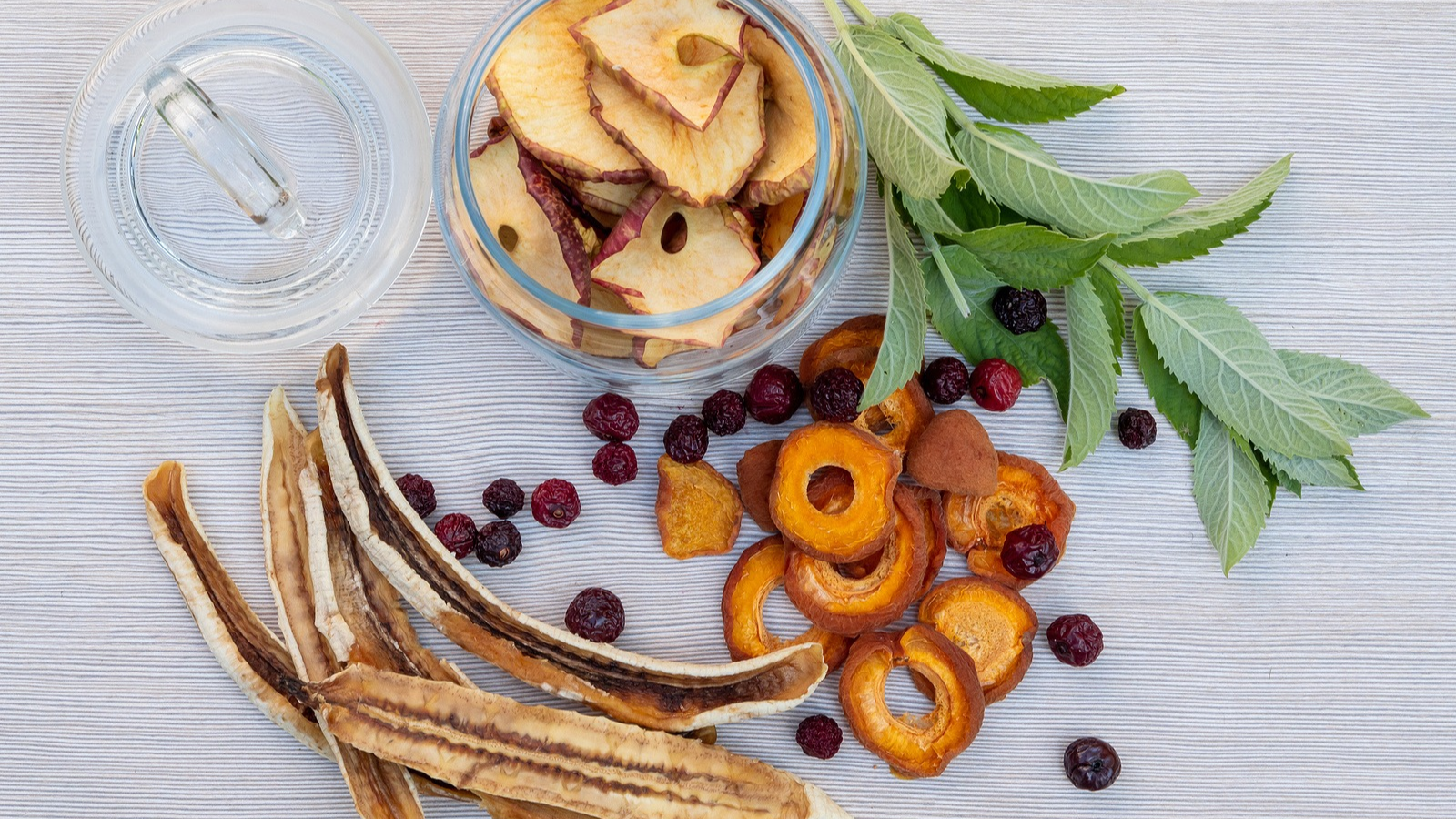
This is where I’d start if you’re new to dehydrating. Fruit is forgiving, the flavors are wonderful, and there’s something very satisfying about turning a glut of apples or berries into jars of snacks. Don’t expect everything to come out like crunchy store-bought chips, though. Plenty of dried fruit is supposed to be chewy.
1. Dried apple slices
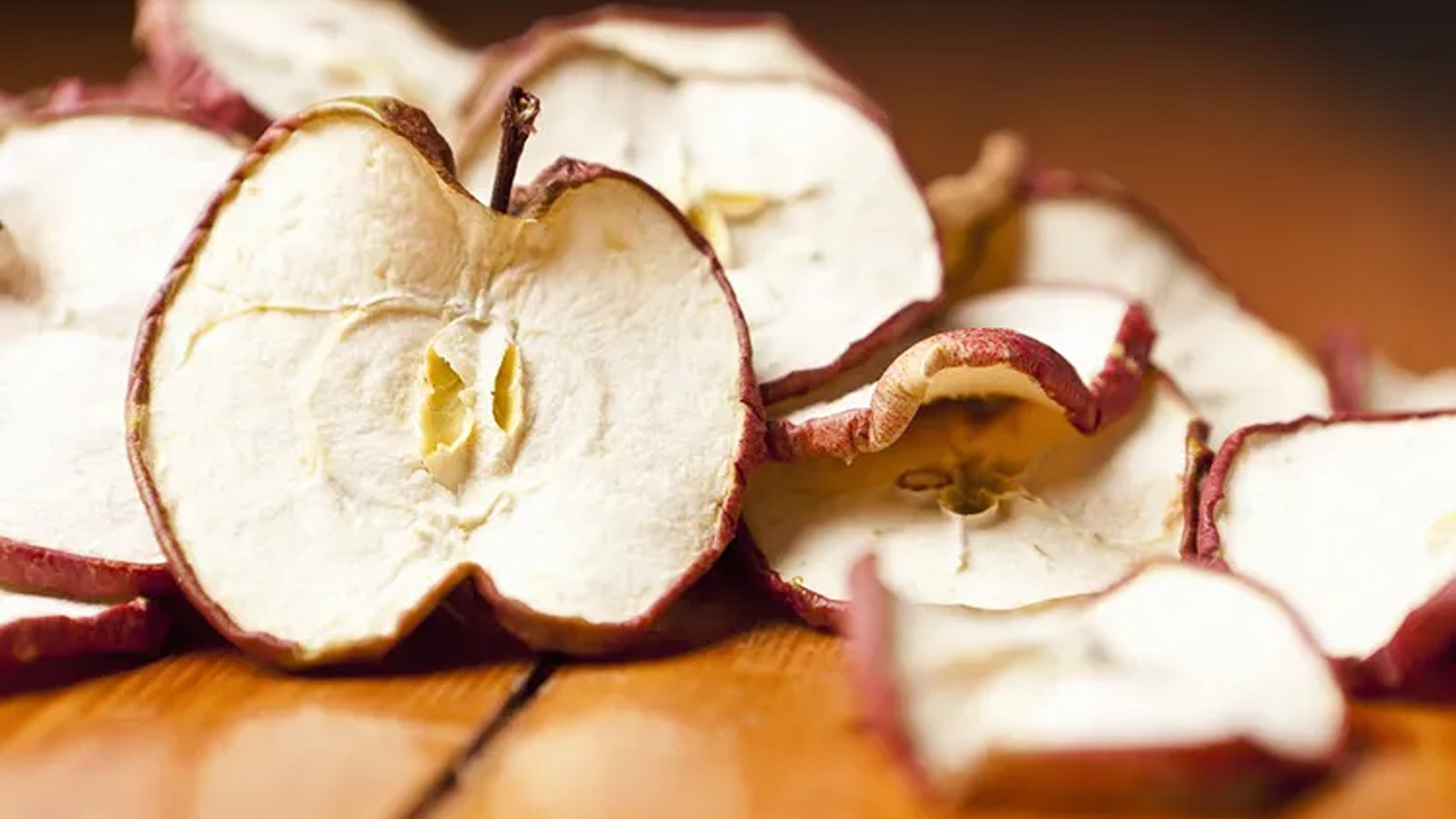
When the apple harvest gets ahead of you, a batch of dried slices is one of the easiest ways to catch up. They have that lovely concentrated apple flavor, without the stickiness of a fruit leather, and they’re brilliant chopped into oatmeal or tucked into a lunchbox. The recipe also covers how to keep the slices from turning brown before they reach the trays.
2. Chewy dried bananas

Anyone expecting supermarket-style crunchy banana chips might be surprised by these. Dehydrated bananas are darker, sweeter and satisfyingly chewy, more like banana candy than crisps. They’re a very good answer to the bunch on the counter that’s suddenly decided to ripen all at once, provided the fruit is still sound rather than spoiled. I also like that there’s no pressure to make each piece look perfect. This is practical pantry food, not a photography competition.
3. Dried blueberries

Blueberries are stubborn little things to dehydrate. That skin does an excellent job of keeping the juice in, which is wonderful on the bush and less helpful in a dehydrator. The recipe explains how to break through that barrier. Once dried, they’re a handy addition to homemade granola, muffins and trail mixes, especially when you’ve got a glut of fresh berries.
4. Dried cantaloupe
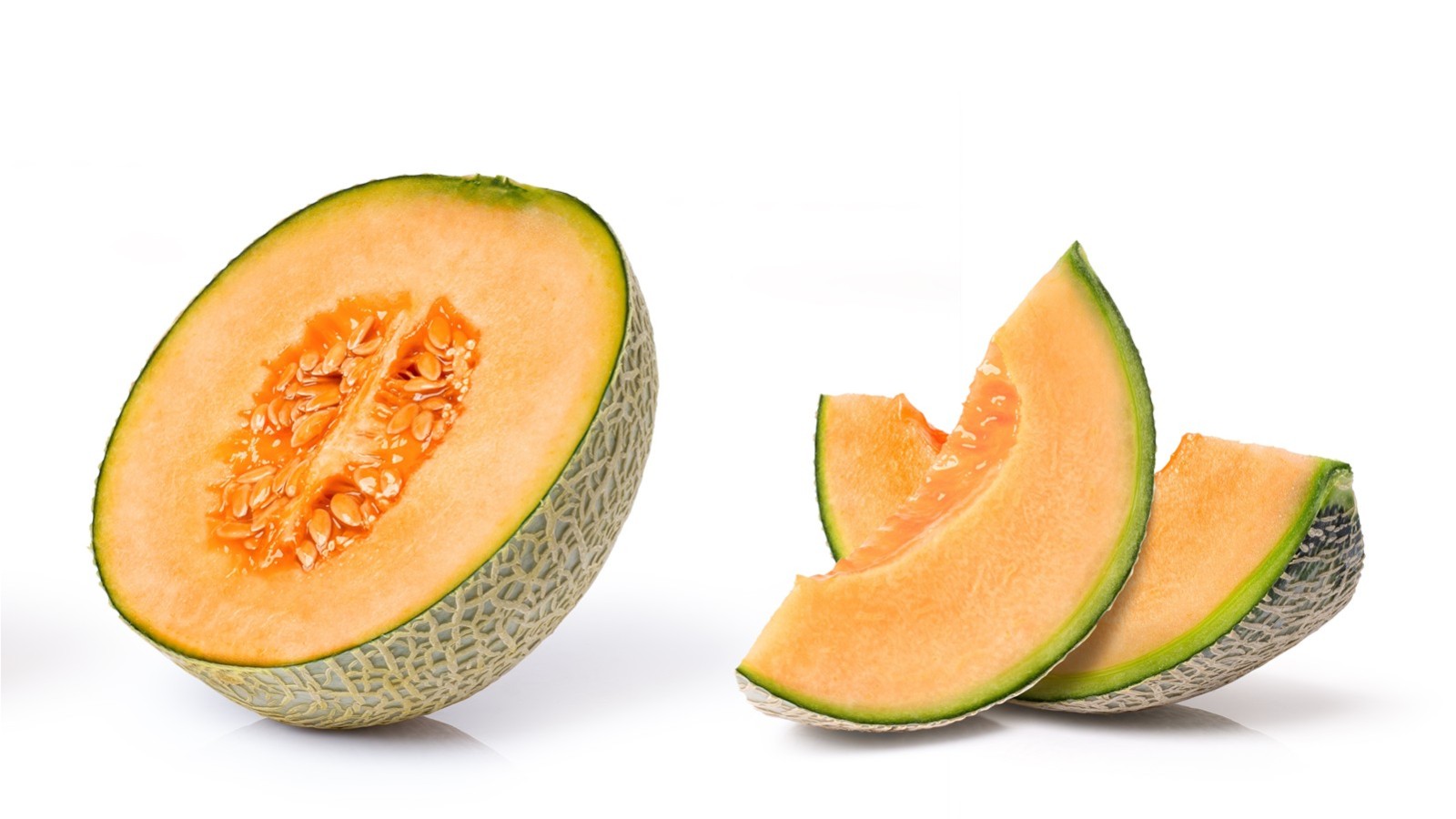
Dried cantaloupe isn’t nearly as common as dried apples or bananas, which is a shame. Ripe melon develops a rich, almost candy-like sweetness and a satisfying chew. It’s also quite a transformation: all that juicy flesh shrinks dramatically. Use a properly ripe melon, remove the rind and seeds, and follow the recipe’s slicing directions so the middle doesn’t stay damp.
5. Dried cherries
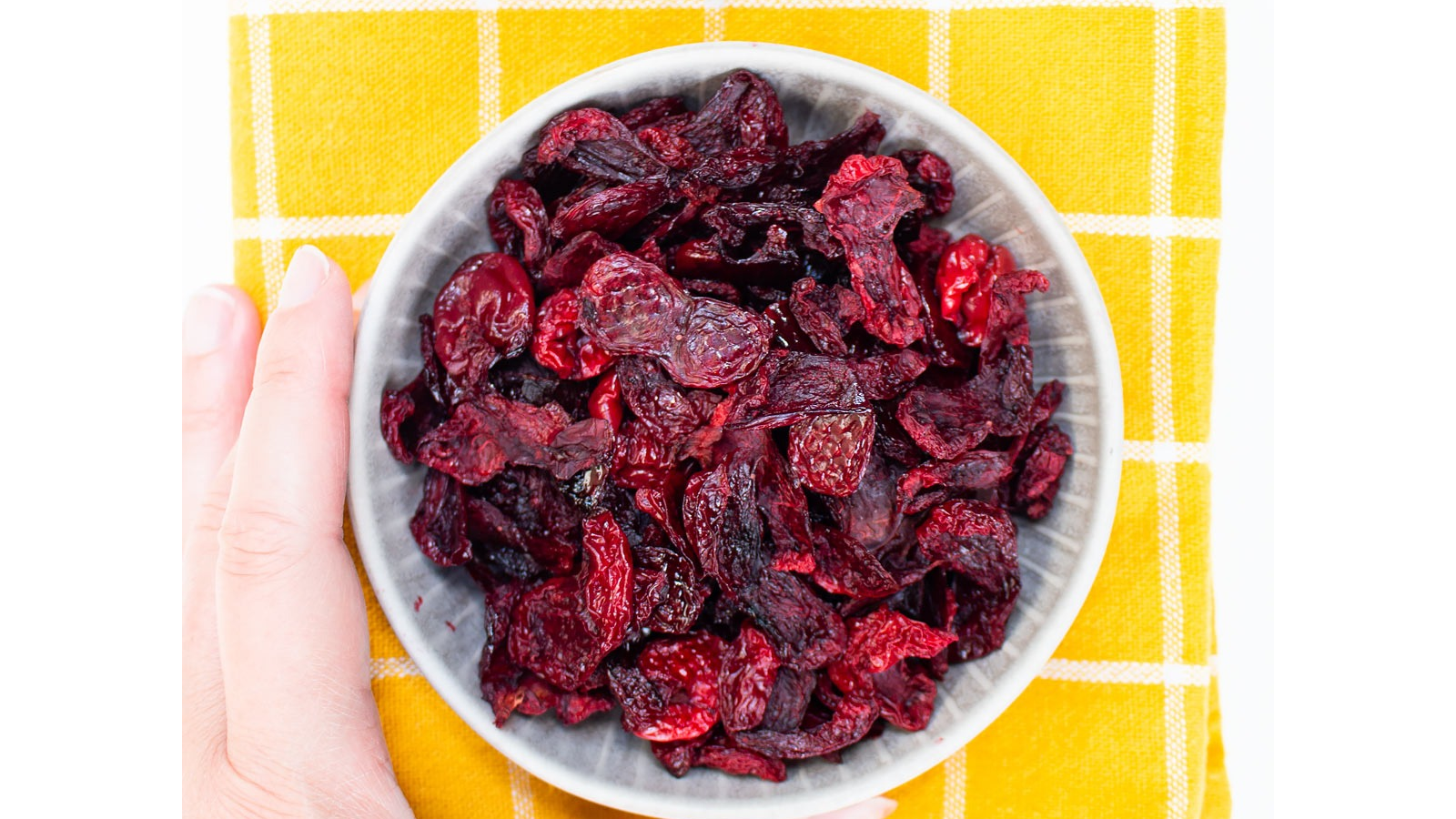
Pitting cherries is the fiddly part. The reward is a jar of sweet-tart fruit for oatmeal, cookies and trail mix long after the season ends. If you have a whole tree’s worth to deal with, a cherry pitter suddenly stops looking like an unnecessary gadget.
6. Dried cranberries

Dried cranberries don’t have to be the heavily sweetened ones from the grocery store. With a homemade batch, you get to decide how tart you want them. They’re particularly useful in baking, granola and winter salads, where a little sharpness is welcome. The skins need opening up before drying, though; intact cranberries can sit there looking busy while the insides stay wet.
7. Dried figs

Fresh figs disappear far too quickly when they’re perfectly ripe, so drying is a lovely way to keep some of that honeyed sweetness for later. The little seeds give dried figs their distinctive bite, and the finished fruit is excellent with nuts or chopped into baking. Larger figs need more attention than the little ones, so don’t rush this batch.
8. Homemade raisins

Making raisins is almost comically simple in principle: start with grapes, remove the water, and try to be patient. In practice, those grape skins make it a slow job. The recipe explains how to prepare them, and you can experiment with different varieties to see which flavor you prefer. Homemade raisins are especially satisfying if you’ve grown the grapes yourself.
9. Dried kiwi
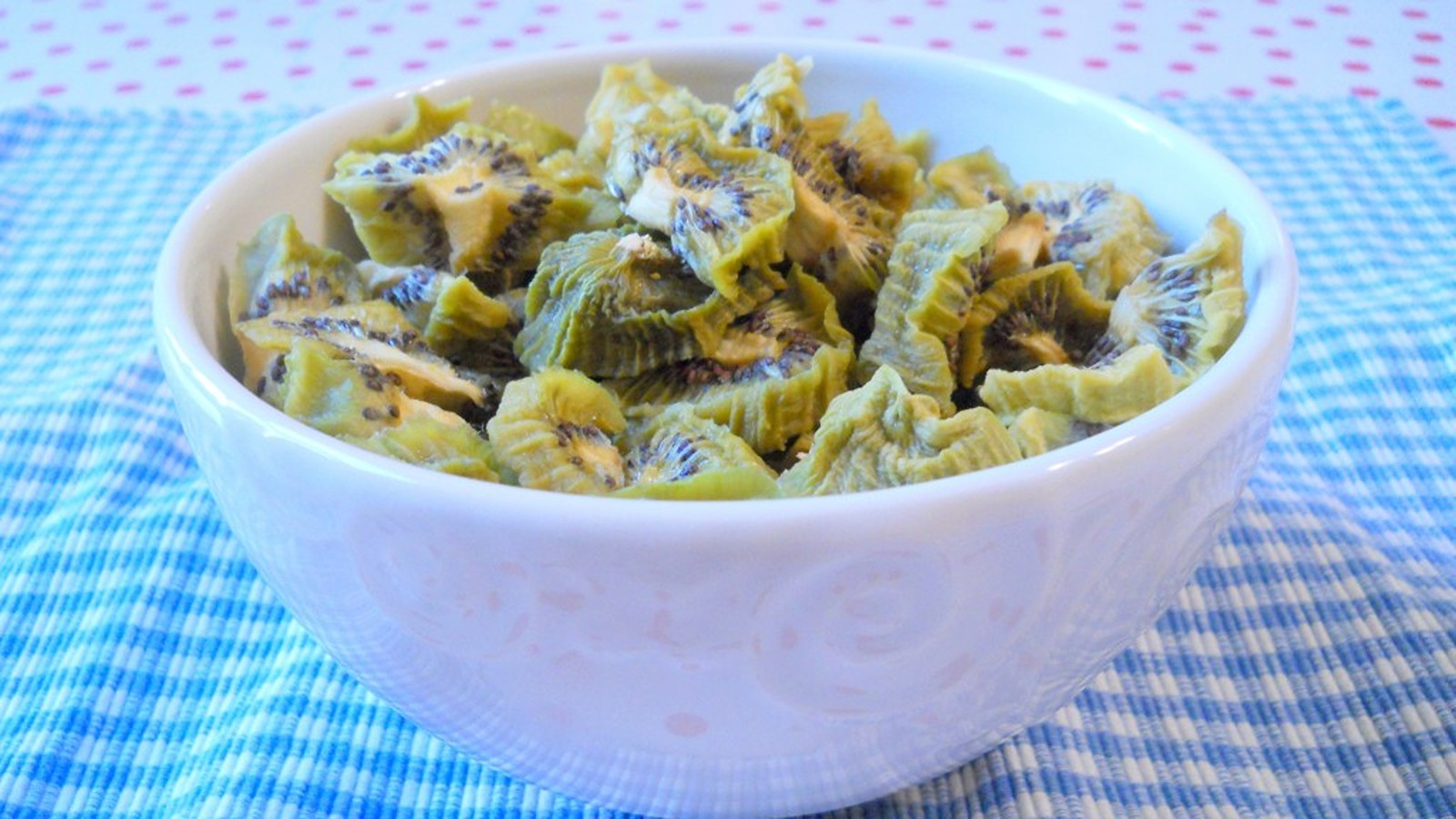
Dried kiwi is a lovely sweet-and-sour snack, with the little black seeds still dotted through every slice. The green flesh darkens as it dries and the flavor gets punchier. Use fruit that’s ripe enough to taste good but firm enough to cut neatly.
10. Dried lime slices
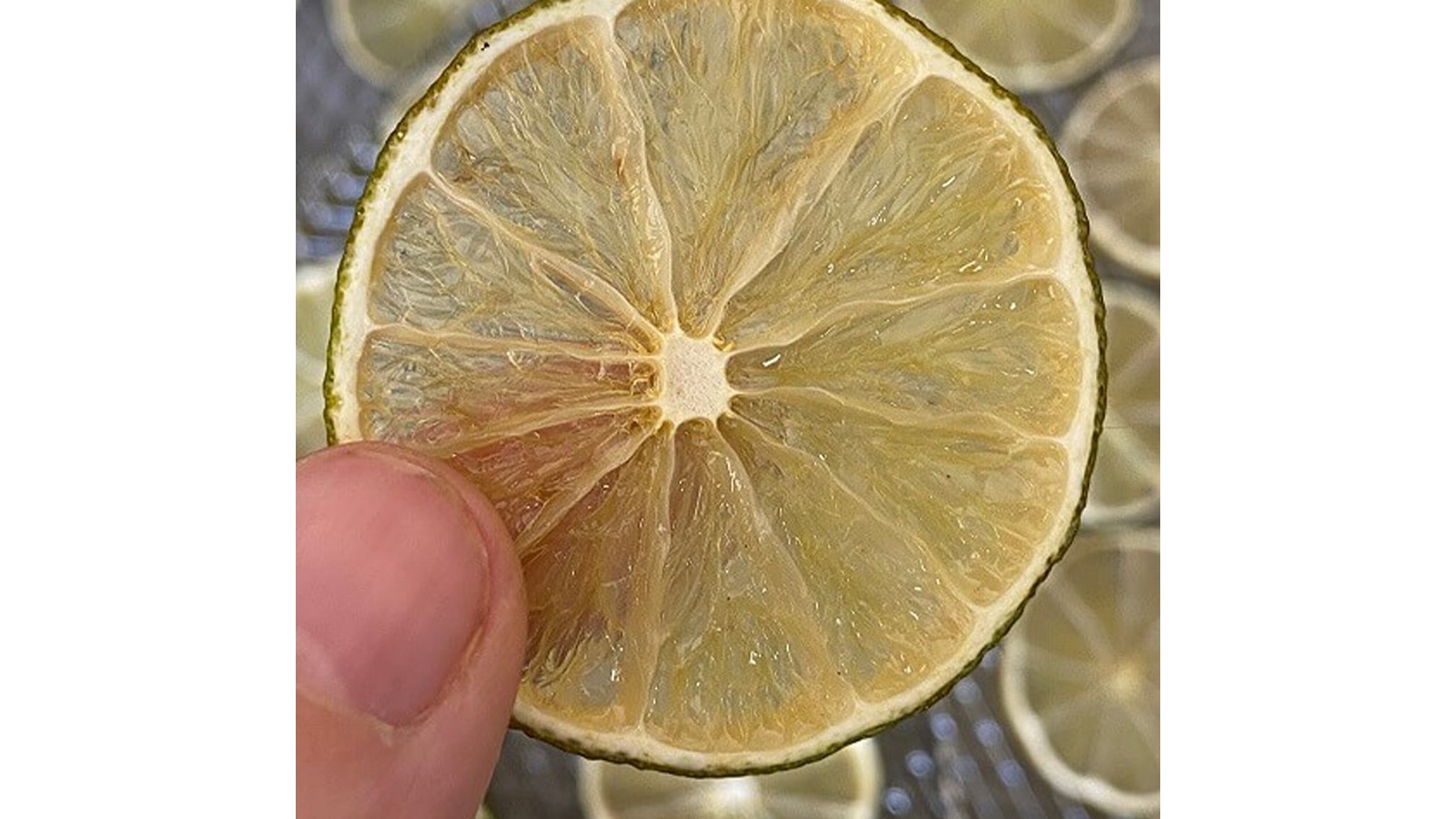
A few dried lime wheels can make an ordinary glass of water or a homemade drink look rather more interesting, and they’re useful when fresh limes aren’t available. This recipe uses an appliance with a dehydration function, not the blast of heat you’d use for air-frying fries. That’s an important distinction if you want dried citrus instead of scorched citrus.
11. Dried orange slices
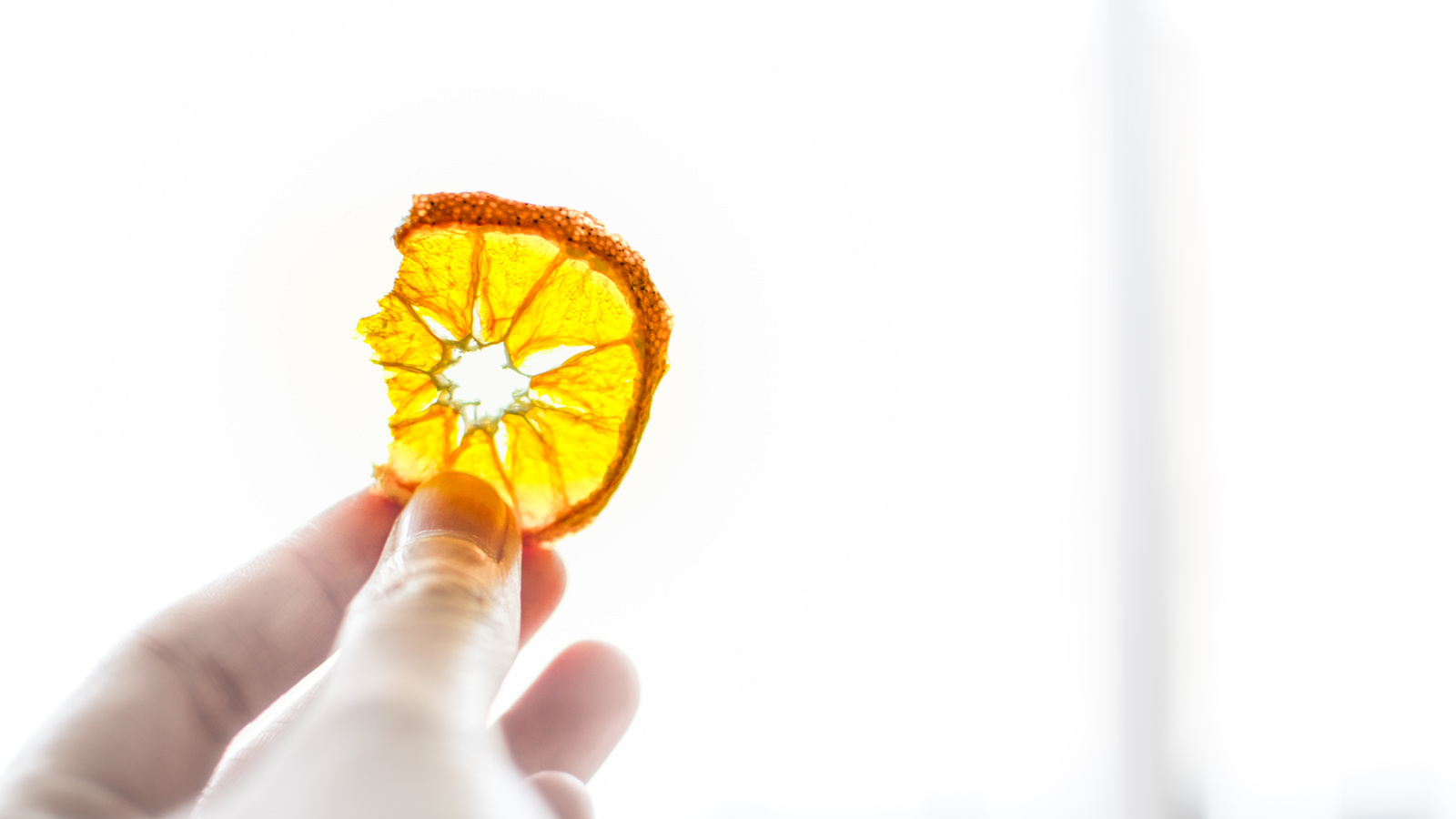
Orange slices are one of those things that look lovely in a jar and actually have a use. Add them to tea, mulled drinks or suitable recipes for a little citrus flavor and fragrance. I keep anything intended for eating separate from the dried oranges used for decorations; once craft supplies and glue get involved, they’re no longer pantry ingredients.
12. Dried persimmons
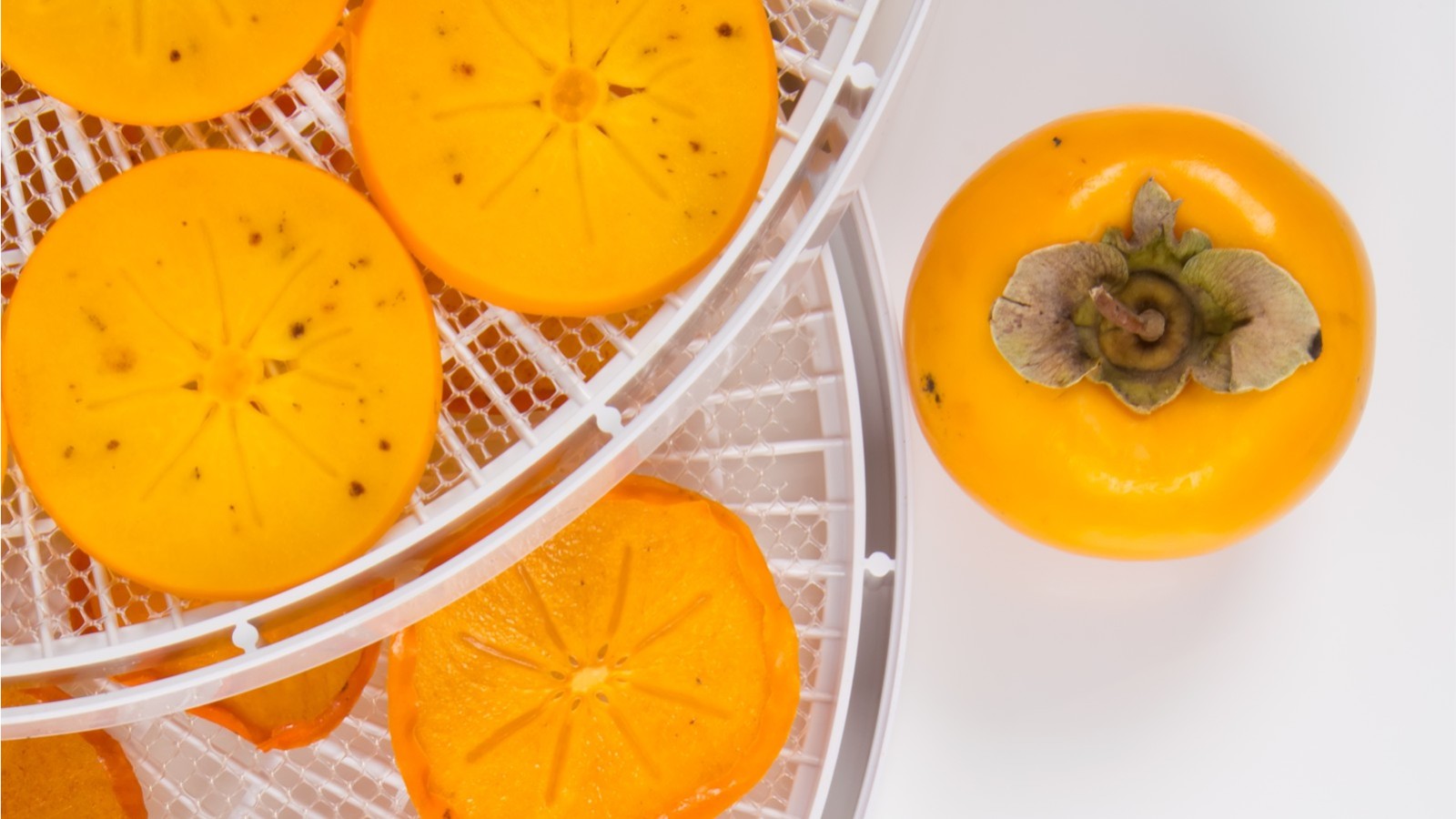
If you have a persimmon tree, you’ll know the fruit can all seem to ripen at once. Dried persimmon is wonderfully sweet, with a soft, chewy texture that makes it feel like a proper treat. Variety and ripeness matter here: an astringent persimmon isn’t magically fixed by dehydration, while a very soft one can be a nuisance to slice.
13. Dried pineapple

Fresh pineapple is delicious, but dried pineapple is a different sort of treat altogether. It’s chewy, intensely fruity and has a lovely sharp edge that stops the sweetness becoming cloying. A whole pineapple takes up plenty of space on the trays before it shrinks down, so this is a satisfying one to watch. Don’t forget to remove the tough rind.
14. Dried plums

Plums are terrific for drying, particularly when the tree produces more than anyone can eat fresh. Depending on the variety, the finished pieces can be sweet, tart or somewhere in between, and they don’t have to look like the soft prunes in supermarket packets. Remove the stones first, then give those thick halves the time they need.
15. Dried raspberries
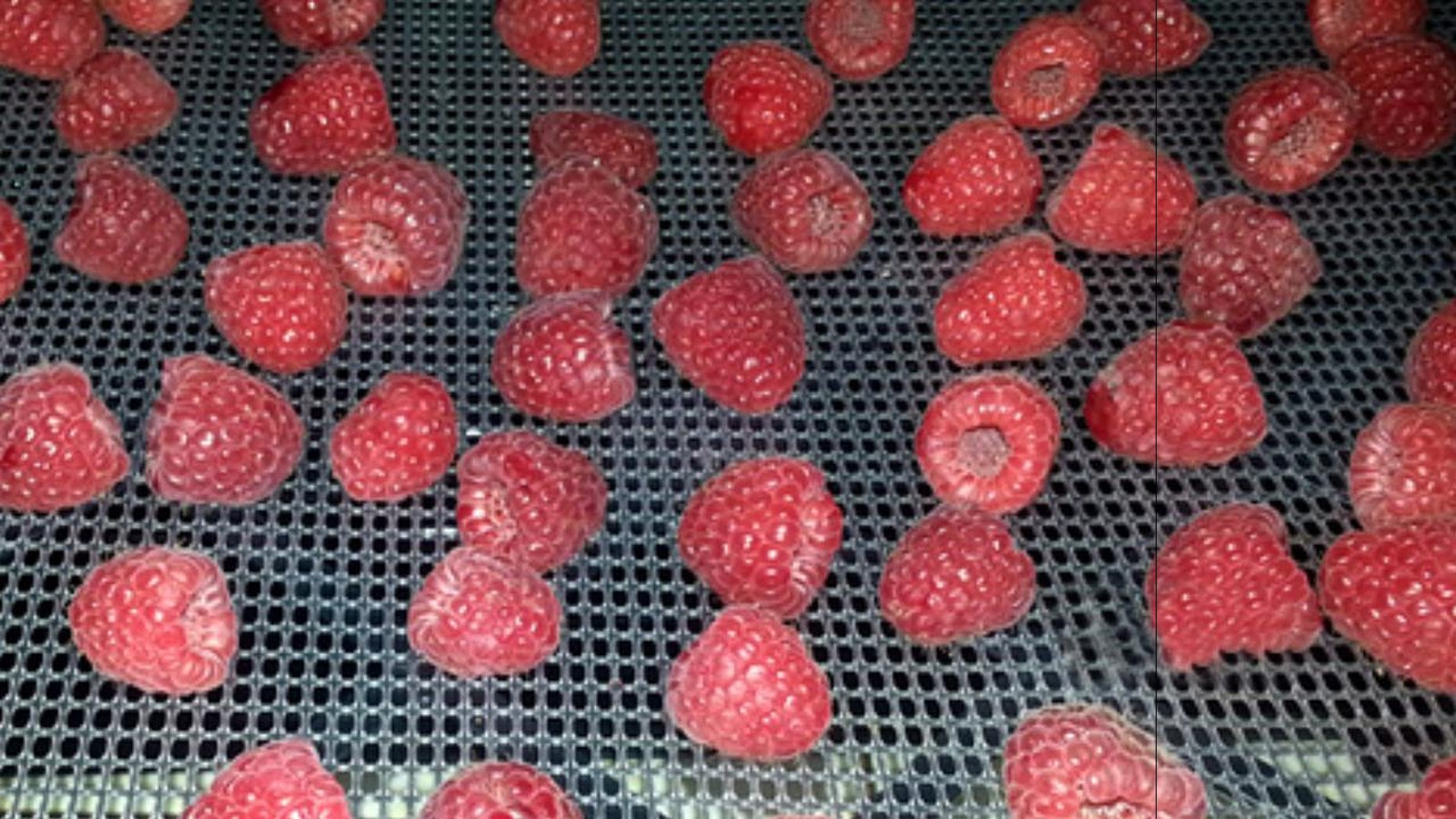
Raspberries are a striking example of just how much fruit can shrink in a dehydrator. There’s a lot of flavor in the finished berries, but they’re delicate and can become quite crumbly. That’s no bad thing if you’re planning to scatter them over breakfast or crush them into a tangy powder for baking.
16. Dried strawberries

Strawberries are almost unfairly easy to enjoy dried. Good, fragrant berries become little slices of concentrated summer, perfect for oatmeal, granola or straight-from-the-jar snacking. It’s tempting to buy a huge box of disappointing strawberries and hope dehydration will improve them, but drying concentrates the flavor that’s already there. Start with berries worth eating.
17. Dried apricots
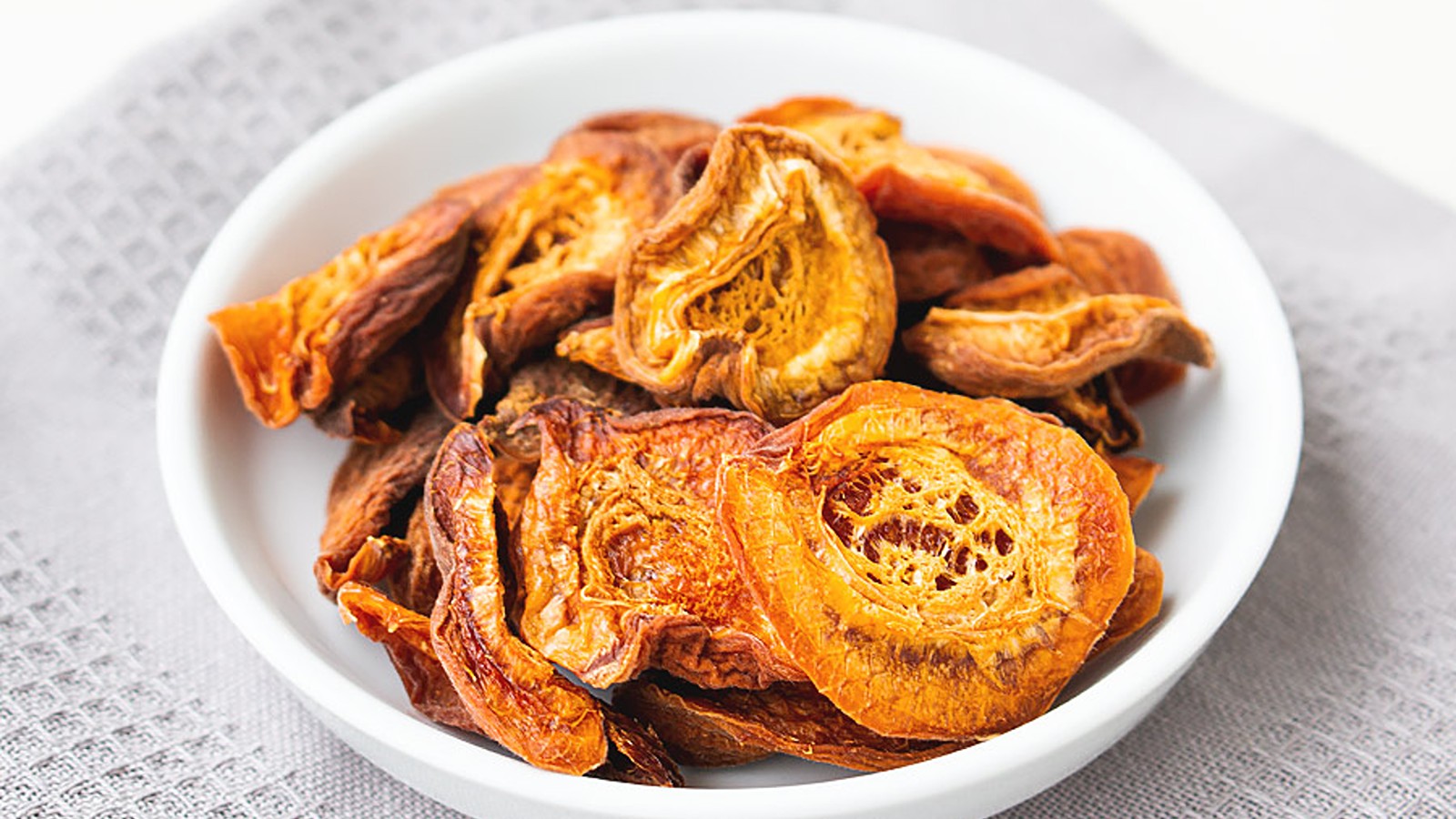
Homemade dried apricots may not have the vivid orange color of the commercially treated kind, and that’s absolutely fine. What matters is the fragrant, tangy-sweet fruit underneath. Halves make substantial chewy snacks, while smaller pieces work nicely in baking. If the apricots are especially large, quartering them can make drying much more manageable.
18. Dried mango
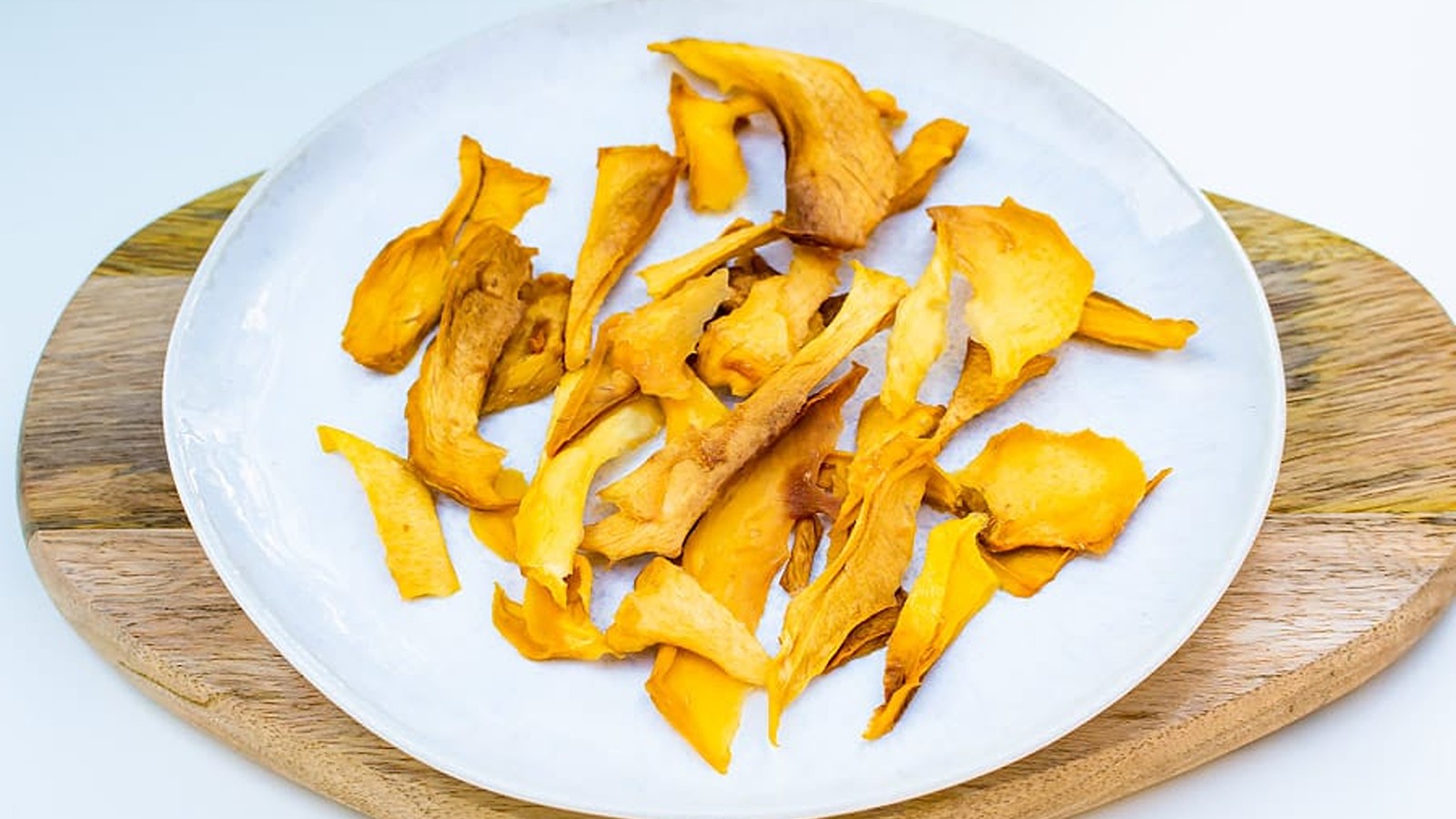
Dried mango is expensive to buy, so a homemade batch is especially appealing when ripe mangoes are on offer. You get soft, chewy strips full of tropical flavor without needing a sugary coating. Cutting around the big, flat stone is the only particularly fiddly part.
19. Dried peach slices
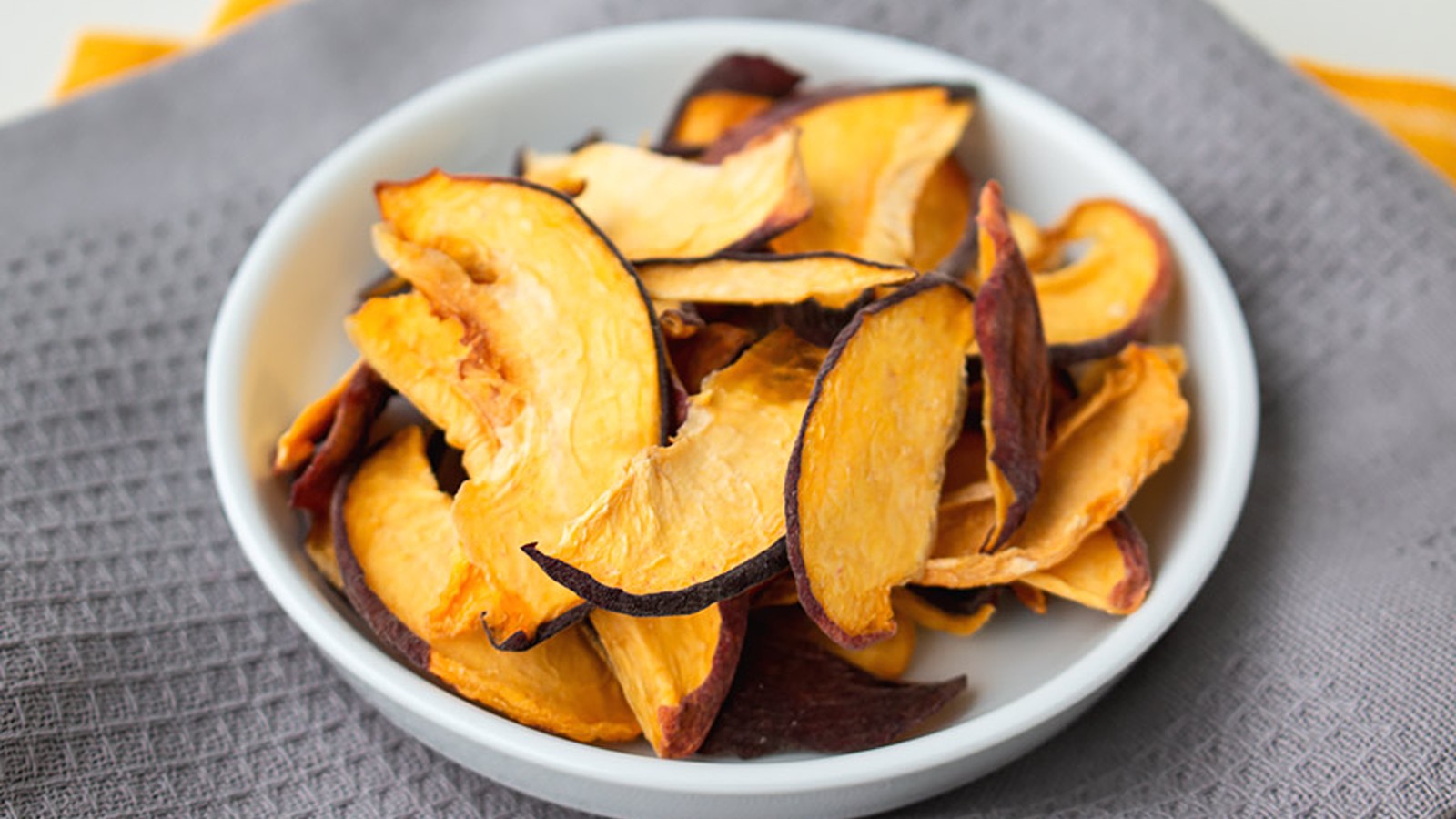
Dried peach slices capture the smell and flavor of ripe peaches in a much smaller package. They’re lovely as a snack and useful chopped into breakfast bowls or baked goods. A firm-ripe peach is easier to work with than one that’s collapsing into juice, and there’s no need to peel it unless you dislike the texture of the skin.
20. Dehydrated rhubarb pieces
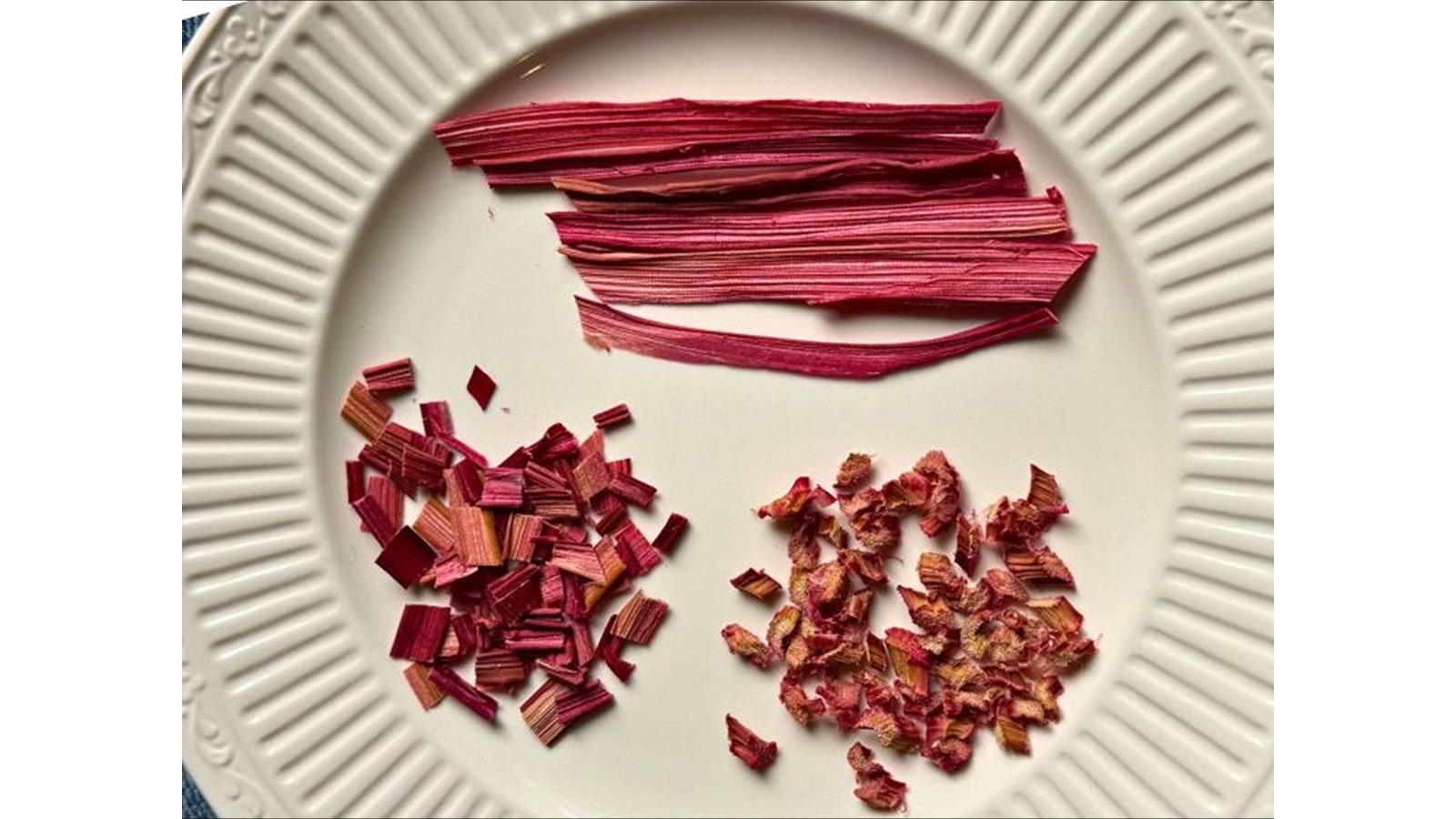
Rhubarb isn’t just for crumble and jam. Drying the stalks gives you intensely tart little pieces that can go into cooked recipes or suitable infusions. Don’t confuse these with the sweetened fruit leathers further down the list; this is rhubarb in all its gloriously sharp character. And, as always with rhubarb, the leaves do not belong in the food.
21. Dried lemon slices

Lemon slices are especially handy if you enjoy citrus in hot drinks but don’t always have a fresh lemon on the counter. A jar of dried rounds takes up very little space and makes an attractive garnish, too. Use lemons intended for eating, rather than dipping into the decorative citrus supply, and keep moisture well away from the finished slices.
22. Cinnamon-sugar pear chips

Pears and cinnamon are a lovely combination, and the little bit of sugar in this recipe pushes them into treat territory. These aren’t quite the same as plain dried pears: the sweet-spiced coating makes them feel more like a snack you’d put out for visitors. Pear variety and slice thickness affect whether your chips finish crisp or pleasantly chewy.
23. Spiced dried pears

One batch of pears, several ways to make them interesting. The original recipe explores different spice combinations, including warming flavors such as cardamom and ginger. I like that approach far more than filling a huge jar with one flavor and getting bored halfway through. It’s also a useful way to work out what your family actually enjoys before drying a large harvest.
24. Dried blackberries

All those juicy little pockets around blackberry seeds make drying slower than you might expect. The reward is a wonderfully intense berry flavor. Keep the dried fruit for granola and baking, or crush the more brittle pieces into a tart powder.
25. Dried mulberries

Mulberries rarely hang around for long once they’re ripe, and they’re not the easiest fruit to transport without squashing. Drying a sound harvest gives you more time to enjoy it, whether it’s a small crop from your own tree or fruit you’ve managed to get hold of locally. They’re sweet in cereal and snack mixes, but the finished texture can vary quite a lot between varieties. It’s worth treating a first batch as an experiment rather than assuming every mulberry will dry like a raisin.
Fruit leathers and chewy sweets
Fruit leather is where the dehydrator starts getting really fun. You can use ripe fruit that’s too soft for neat slices, combine flavors, and turn a puree into rolls that feel like a treat. A proper fruit-leather sheet is essential; trying to pour puree through an ordinary mesh tray would make a spectacular mess.
26. Apple–pear cinnamon fruit leather
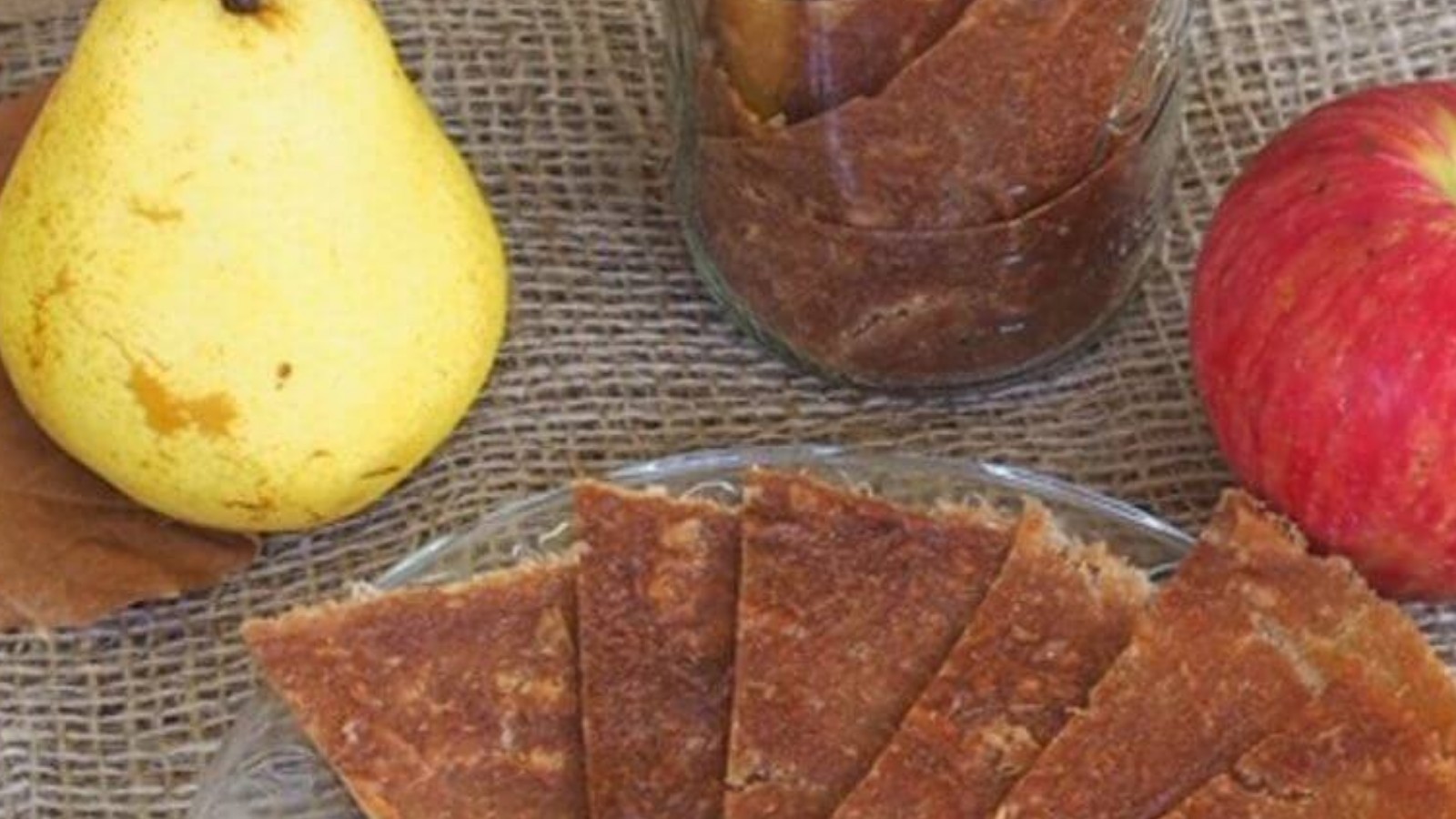
Apples, pears and cinnamon are hardly an adventurous combination, but there’s a reason they work so well together. The pears bring natural sweetness, the apples give the mixture body, and the cinnamon makes the whole thing smell like a comforting dessert. This is a particularly good fruit leather for using ripe fruit that has become too soft to slice neatly.
27. Rhubarb fruit leather
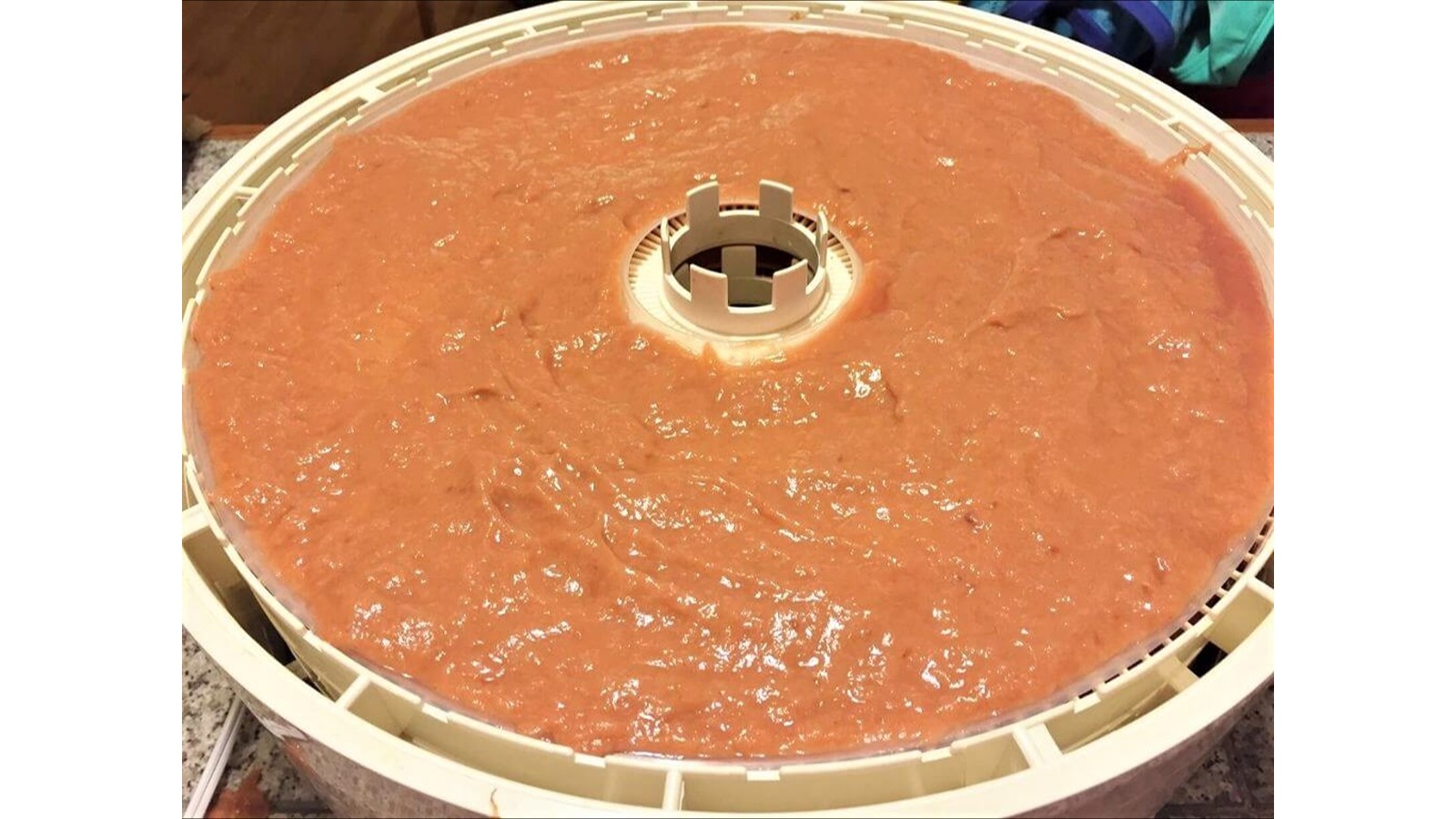
If you love the sharpness of rhubarb, this fruit leather is for you. It’s a change from the relentlessly sweet rolls that dominate homemade snack recipes, and you can adjust the sweetener to suit your palate. The rhubarb is cooked before being pureed, which makes it easier to turn those fibrous stalks into a flexible sheet.
28. Strawberry–rhubarb fruit leather

Strawberries and rhubarb belong together, but this recipe has a bit more going on than the usual two-ingredient combination. Raspberry jam and lemon join the fruit, giving the finished leather extra depth and a proper sweet-tart kick. It’s a good candidate for a bumper rhubarb harvest when you’re tired of making another crumble.
29. Apple-cinnamon fruit rolls
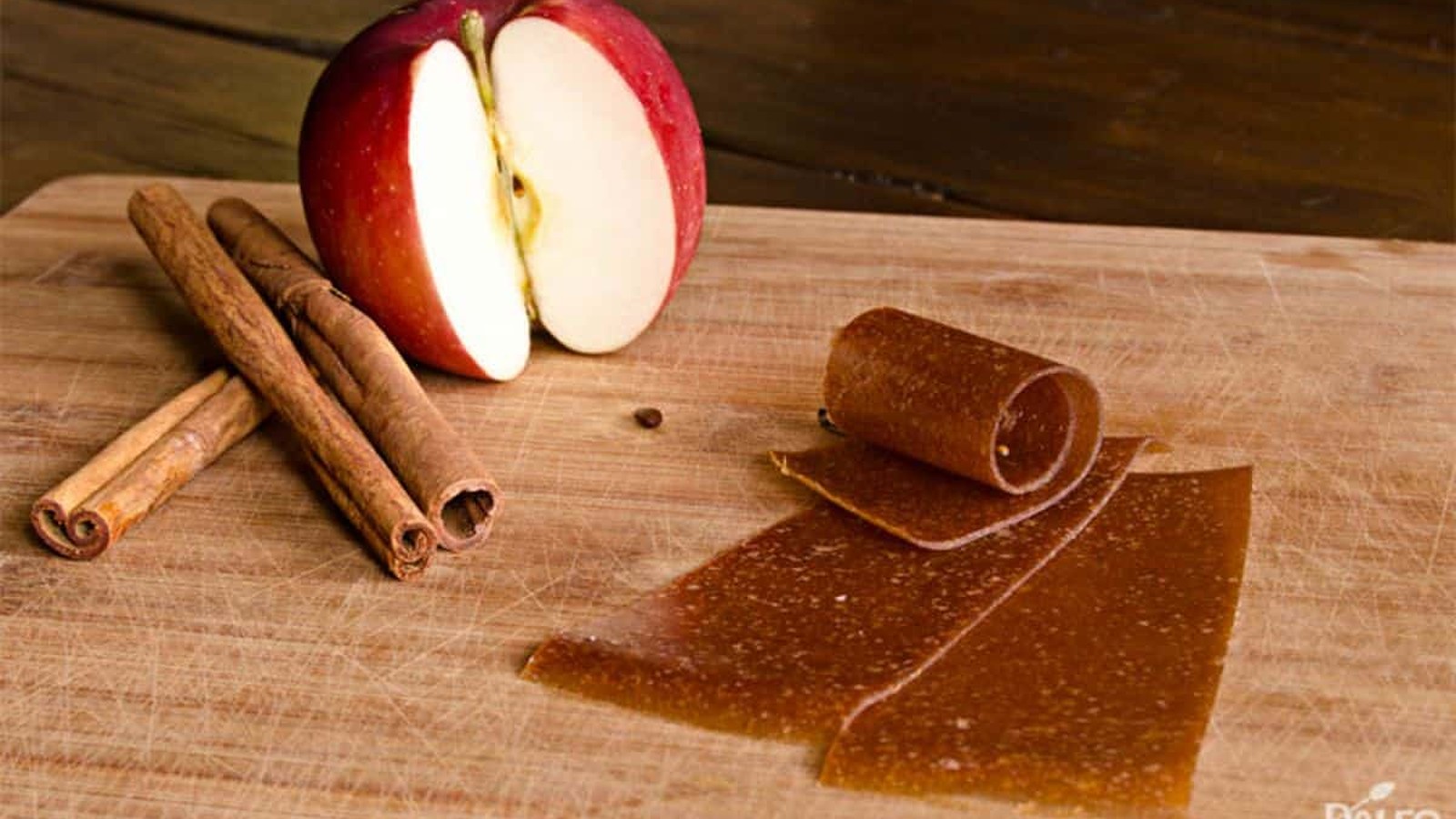
Think of these as a homemade version of the apple-and-cinnamon fruit rolls many of us remember from childhood, only with ingredients you can actually identify. The fruit mixture becomes a flexible sheet that you can cut and roll into snack-sized strips. It’s an appealing first fruit leather for anyone who doesn’t want to venture straight into exotic flavor combinations.
30. Piña colada fruit roll-ups
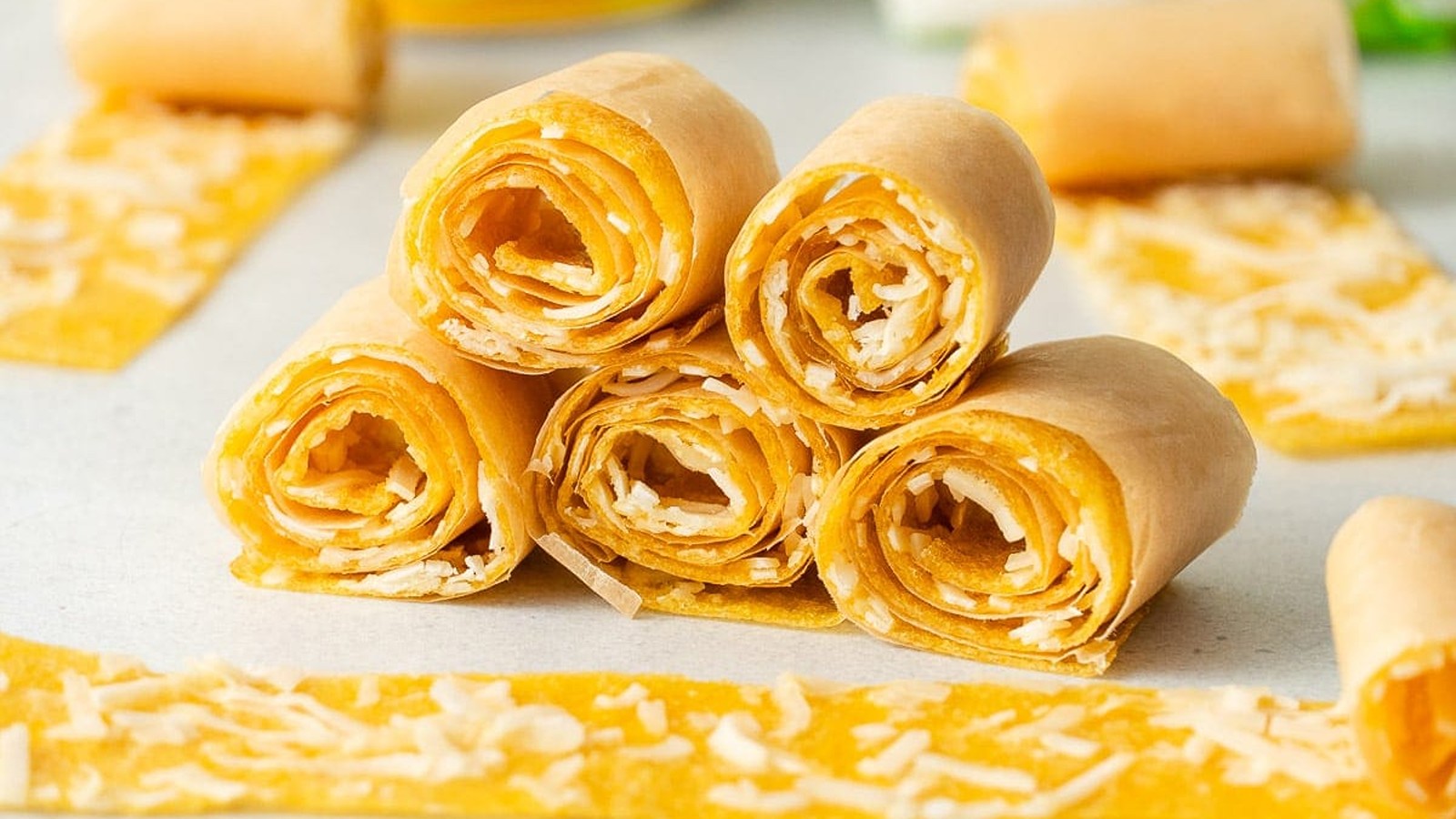
Pineapple and coconut make these roll-ups taste a little like a tropical holiday, without any need to open a bottle of rum. The coconut also gives the fruit leather a more interesting texture than a plain fruit puree. They’re particularly nice packed as individual rolls for outings, provided you follow the recipe’s drying and storage directions.
31. Watermelon candy
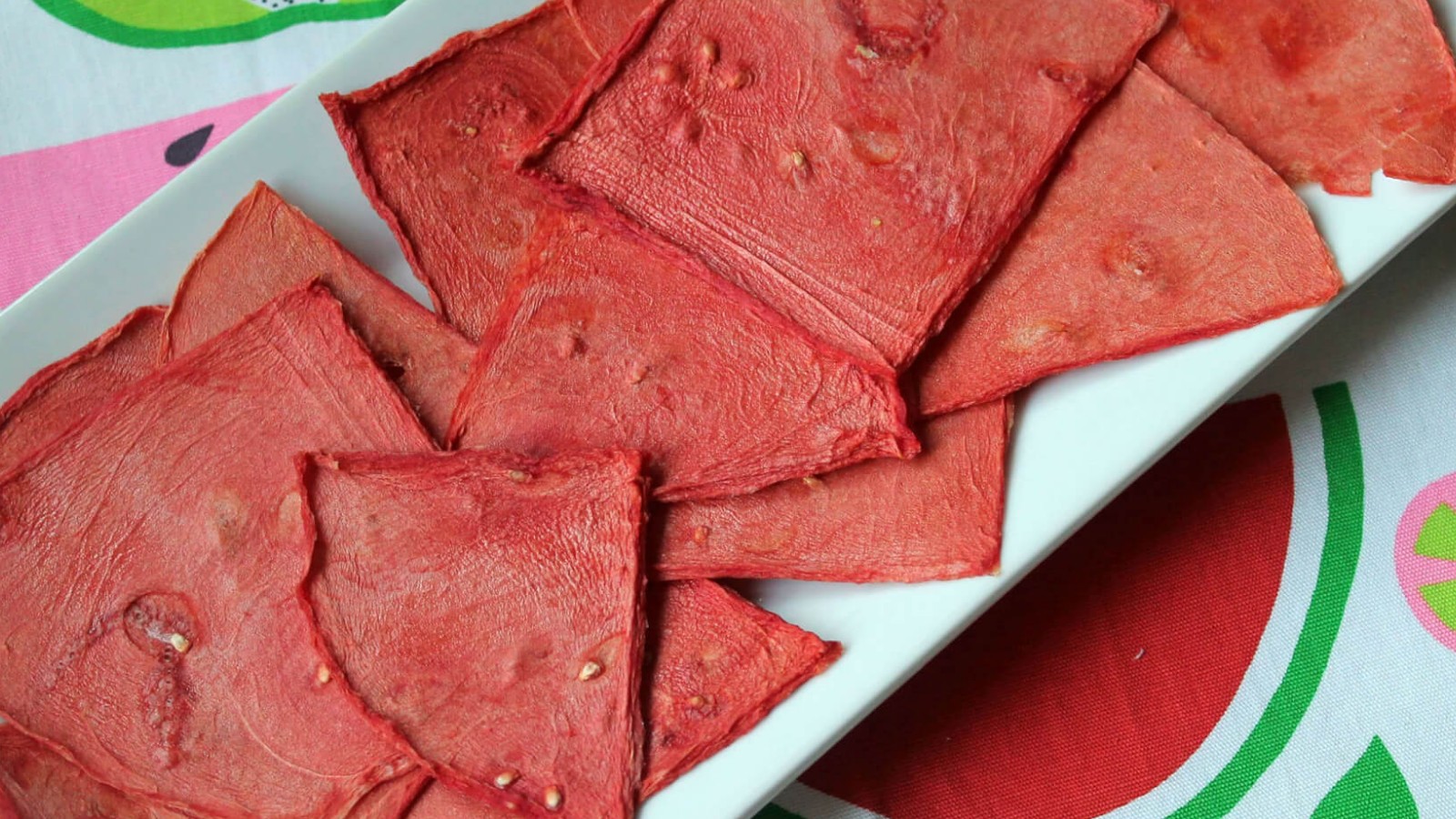
A whole watermelon seems to contain an impossible amount of water until you dry it and see what’s left. The thin pieces turn into concentrated, sticky-chewy candy, with no extra sugar required when the melon is ripe. This isn’t a quick way to make a mountain of snacks, though; expect a surprisingly small yield from a very large fruit.
32. Homemade fruit roll-ups
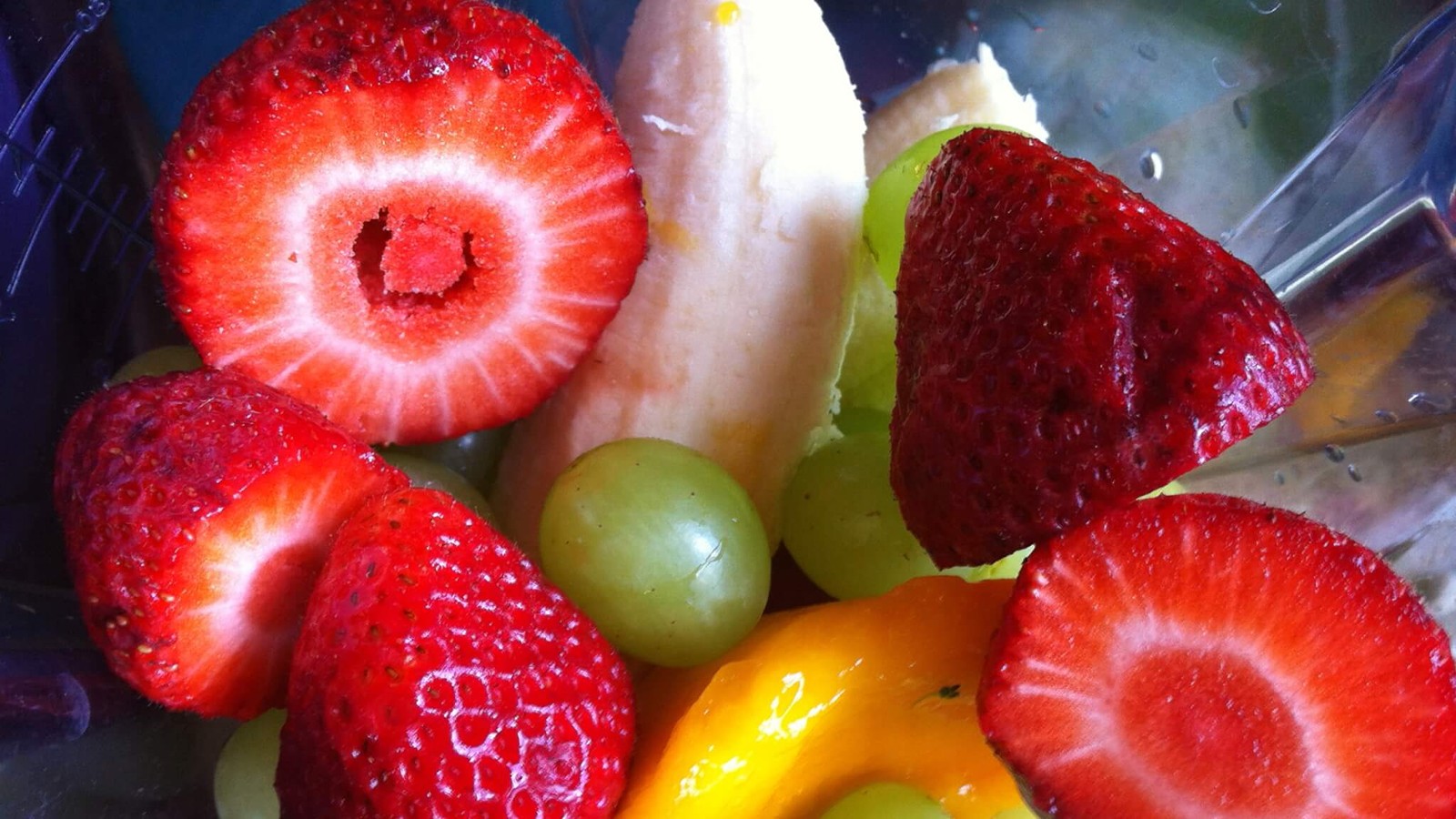
This is the flexible, mix-and-match option for anyone with odd amounts of ripe fruit to use up. Rather than committing to one particular flavor, you can work with combinations that suit the recipe’s proportions and drying method. Cut the finished leather into strips and roll it in parchment for a useful homemade snack that doesn’t require individual wrappers.
33. Zucchini gummy candy

Here’s a clever answer to the inevitable zucchini glut: turn some of it into chewy candy. The squash takes on the flavor of the juice it’s cooked in, so the finished pieces taste nothing like a plain dried vegetable. There’s still juice and sweetener in the recipe, of course, but it’s a fun way to use zucchini when savory recipes have lost their appeal.
34. Cultured fruit leather
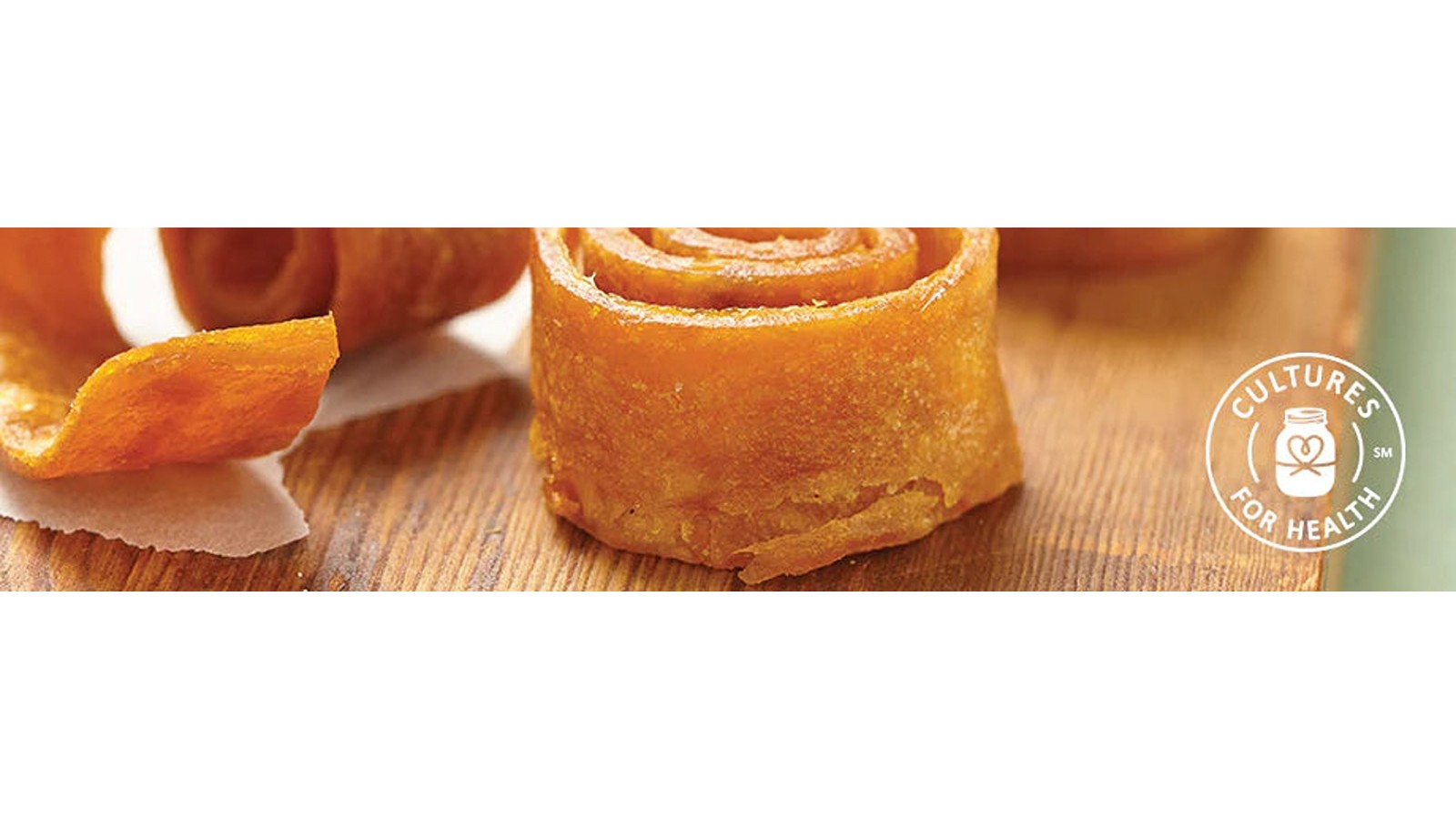
Cultured fruit leather is a little more involved than blending fruit and spreading it on a tray. The mixture is fermented first, which changes the flavor and introduces a pleasantly tangy note. This is one to follow carefully rather than improvise, particularly during the fermentation stage. I wouldn’t make grand probiotic promises about the finished, dried leather.
35. Kombucha SCOBY ginger chews
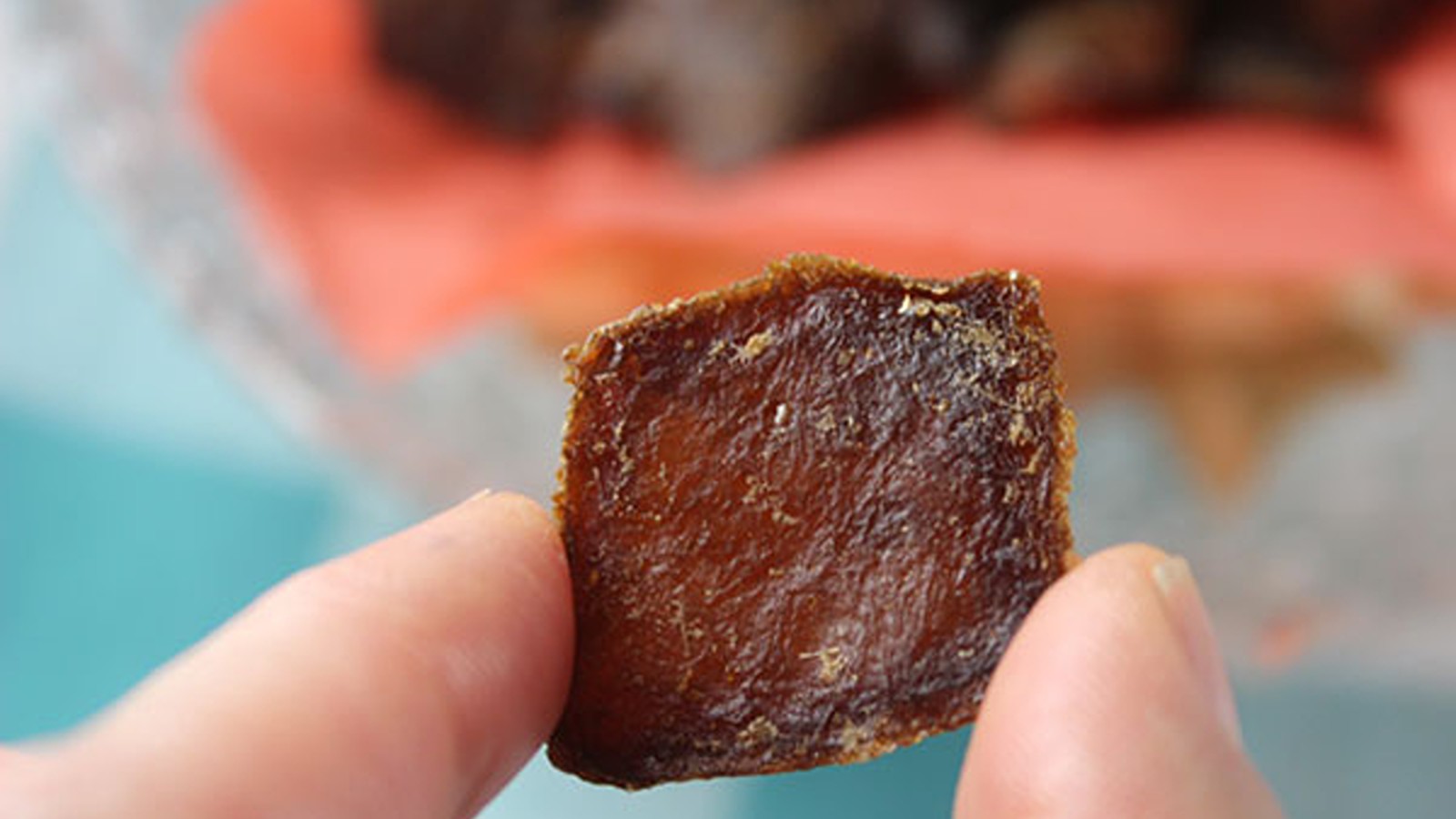
If you brew kombucha, eventually you have to decide what to do with all those spare SCOBY pellicles. These ginger chews are one possibility: sweetened with honey and coconut sugar, with the ginger providing some bite. It’s an unusual treat for people who like experimenting in the kitchen, not something I’d describe as a health food just because it started with kombucha.
36. Mango–strawberry swirl fruit leather

Golden mango and red strawberry purees make these fruit leathers look far more complicated than they are. Swirl the colors together without mixing them completely, and you’ll get beautiful rolls with two distinct fruity flavors. They’re almost too pretty to eat. Almost.
37. Fruit and vegetable candy bites
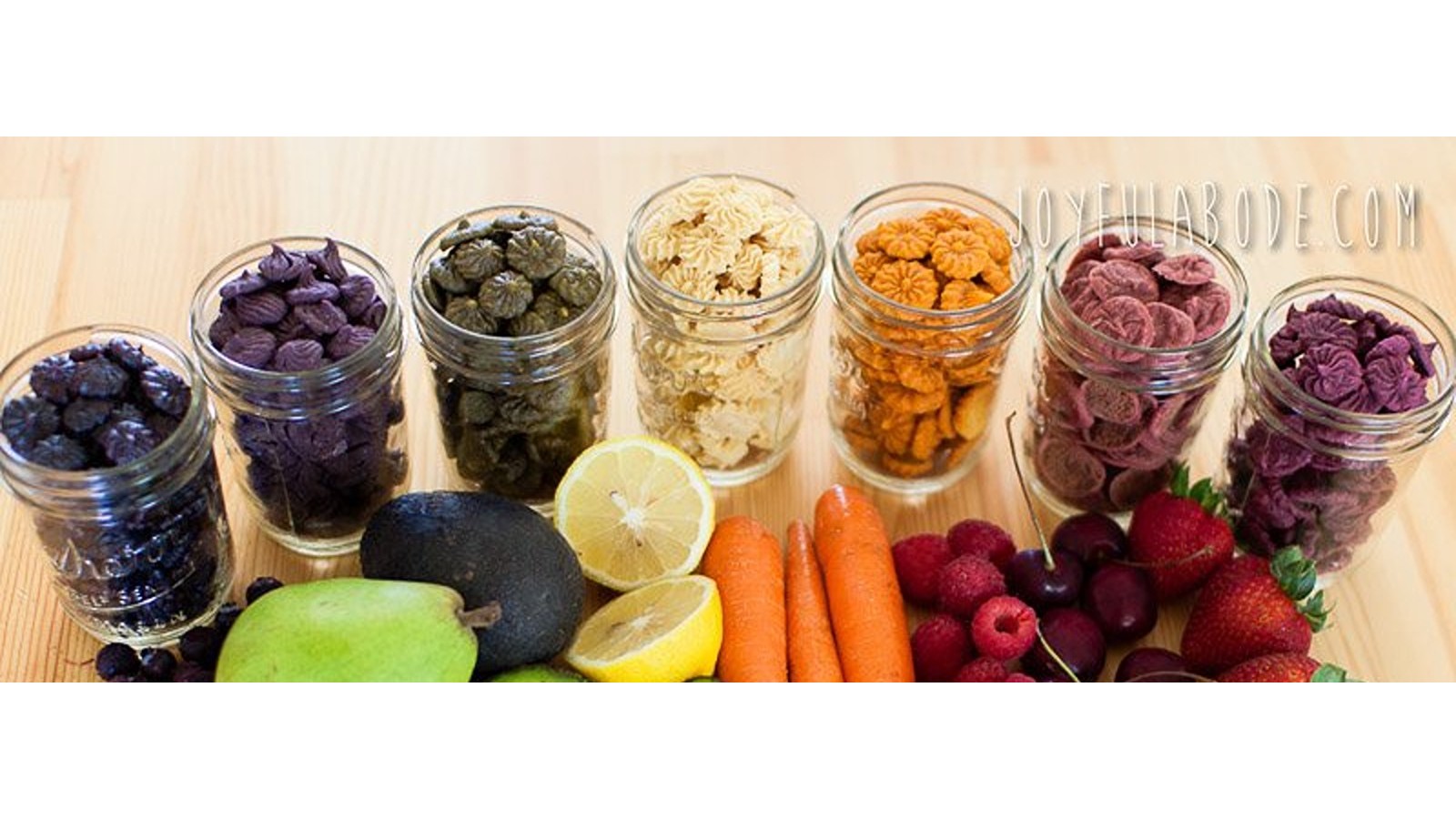
The idea of homemade fruit-and-vegetable candy might sound a bit worthy until you see the brightly colored little pieces. This recipe uses a coconut-butter coating to turn the dried bites into something more playful than a basic vegetable snack. It’s not remotely the same thing as a bag of Skittles, but it is a fun project if you like trying unusual dehydrator recipes.
38. Apple–ginger fruit leather

Apple and ginger is one of those combinations that manages to be cozy and lively at the same time. Fresh ginger brings a proper kick, while lemon and maple syrup round out the cooked apple puree. I’d choose this over another plain apple roll when I wanted something a little less predictable in the snack jar.
39. Rhubarb sour strips
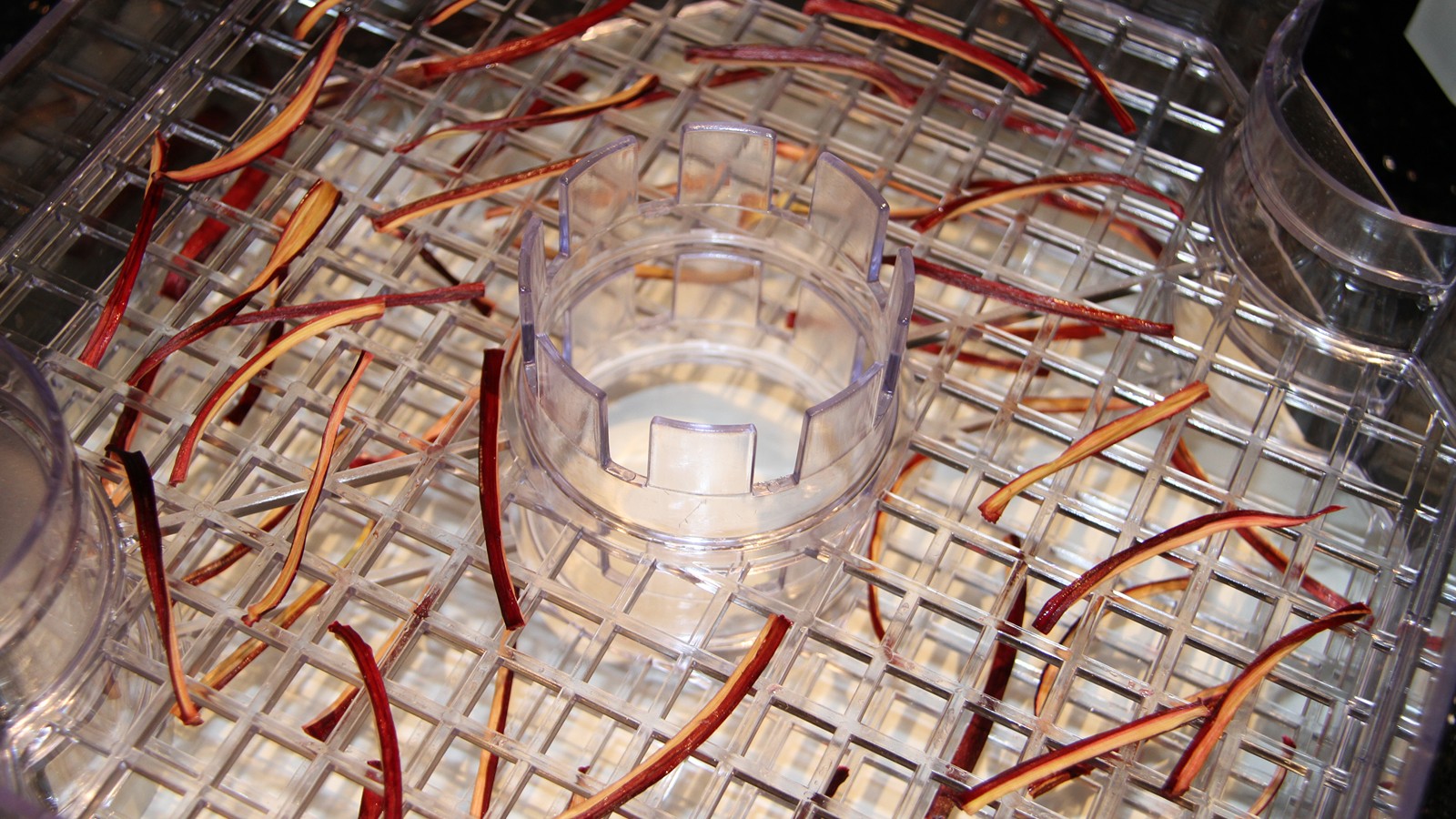
Rhubarb sour strips are for people who actually enjoy a good pucker. The stalks become chewy, tart ribbons, with a little sugar to take the edge off without turning them into ordinary fruit candy. They’re a refreshing change from strawberry-heavy fruit leathers, and they make good use of a crop that often arrives all at once.
40. Chili-lime tropical fruit leather

Sweet watermelon, mango and pineapple meet lime and chile in these colorful fruit leathers. You get sweetness first, followed by citrus and a little heat, which is much more interesting than another plain fruit roll. Go easy with the seasoning until you know how spicy you want them; a little can make quite an impression once everything has dried.
Vegetables and savory vegetable snacks
A big harvest doesn’t always leave you with enough freezer space, and that’s where drying vegetables comes in. Some of these are snacks you can eat straight from the jar; others are ingredients to rehydrate in soups, sauces and stews. They’re not interchangeable, so decide what you want to make before loading the trays.
41. Dehydrated asparagus
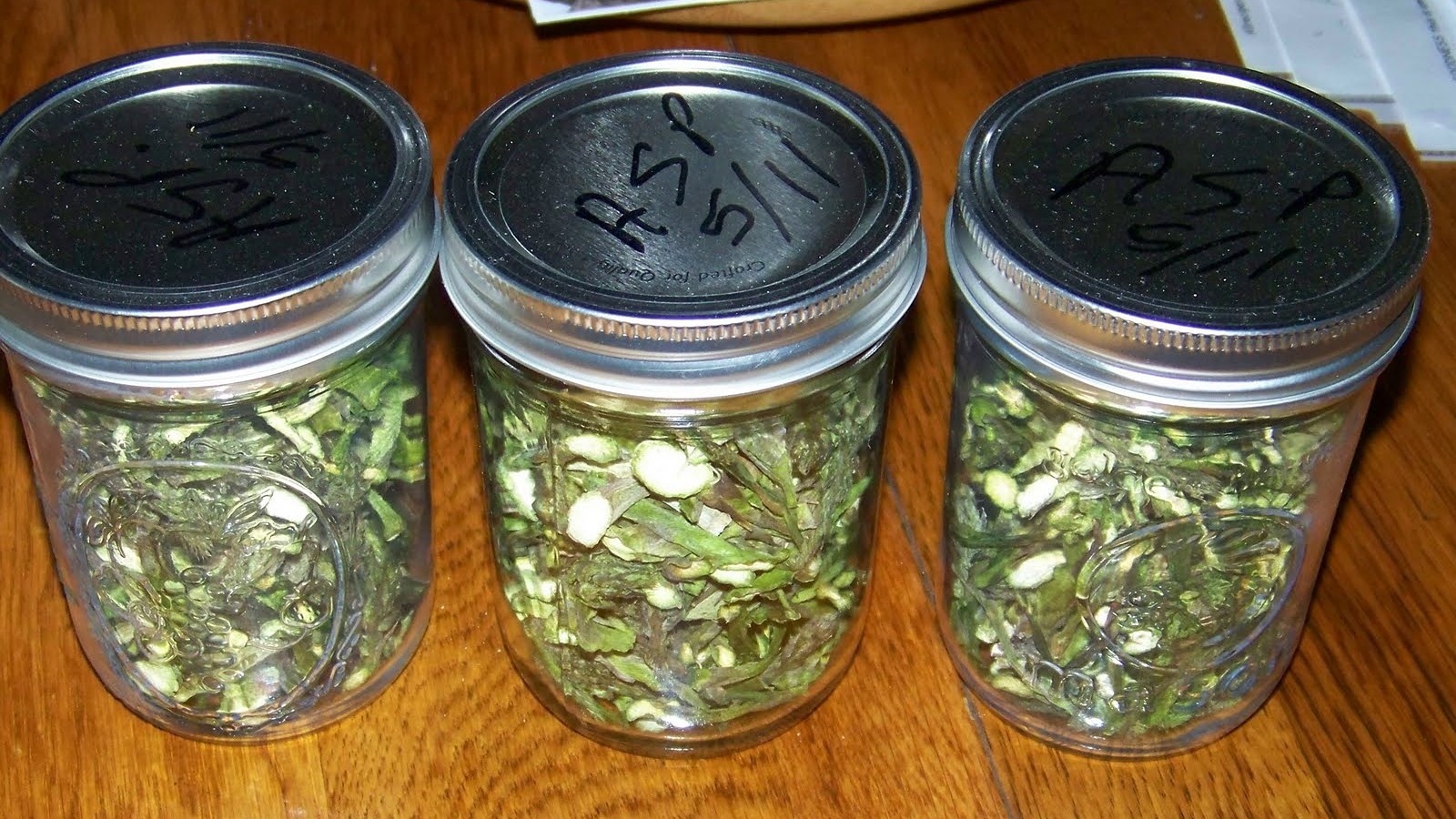
Asparagus season never seems to last quite long enough, especially when the garden suddenly produces more spears than you can eat. Drying some of the harvest gives you an ingredient for winter soups, casseroles and cooked dishes. You’re not going to recreate the texture of freshly picked asparagus, but you can keep that distinctive flavor on hand long after the beds have stopped producing.
42. Dehydrator sun-dried-style tomatoes

You don’t need an Italian summer or a string of cloudless days to make intensely flavored dried tomatoes. A dehydrator does the job without the weather gamble. They’re superb chopped into bread dough, soups and pasta sauces. Keep the finished tomatoes dry unless you’re following a properly tested oil-preservation method; a casual jar of homemade tomatoes in oil is not a safe pantry shortcut.
43. Dried mushrooms

Dried mushrooms are one of the most useful ingredients to have in a pantry. A small amount brings a deep, savory flavor to stews, risotto and sauces, and the soaking liquid can be useful in cooked dishes too. Use known edible mushrooms, never a hopeful guess from the woods. Drying isn’t going to make a poisonous species edible.
44. Beet chips
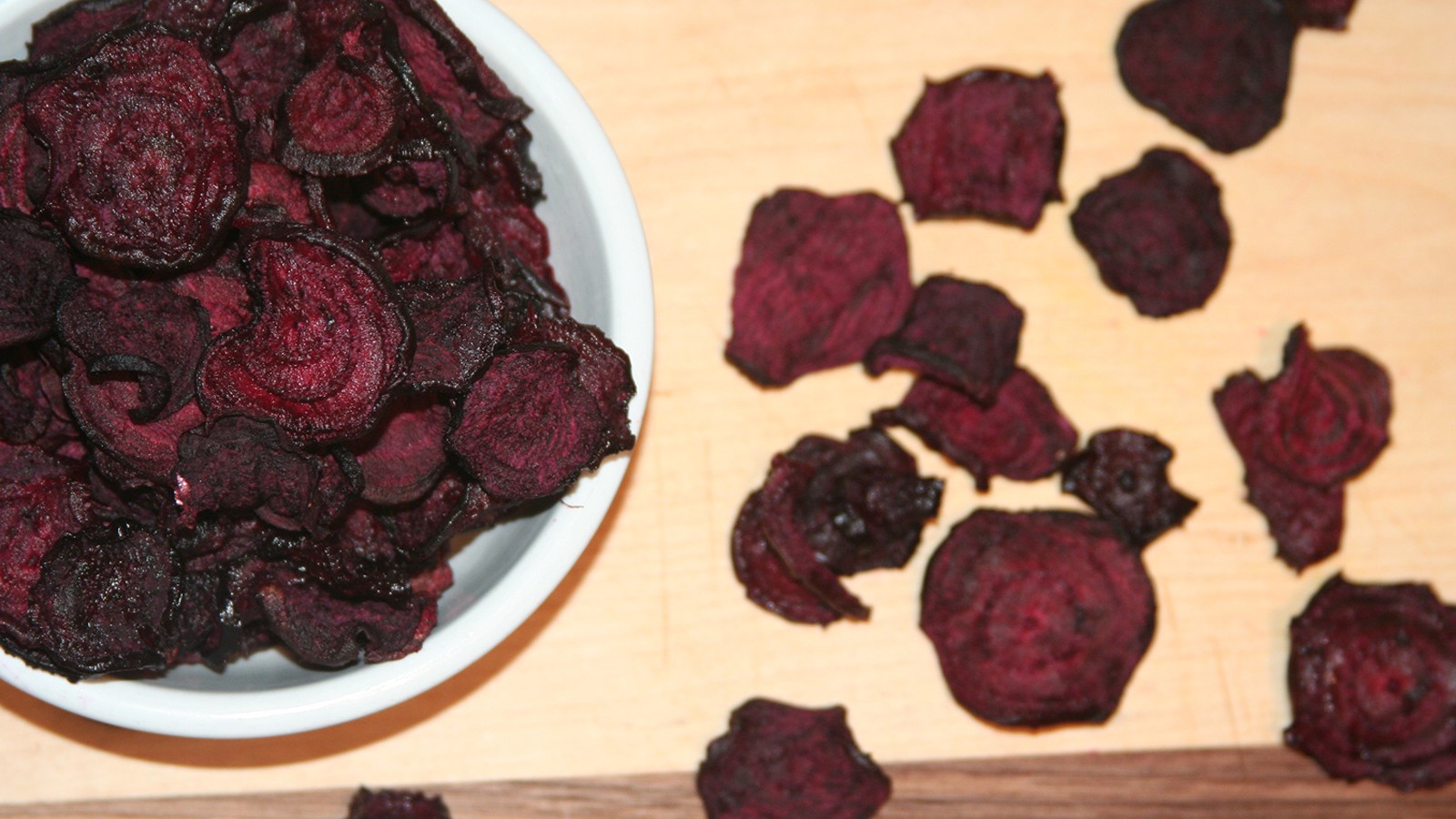
Beet chips have an earthy sweetness and a gorgeous jewel-like color. They’re a great way to use part of a harvest when you’ve had your fill of roasted beets. A mandoline helps with thin slices, but use the guard. Fingertips are not an ingredient.
45. Carrot chips
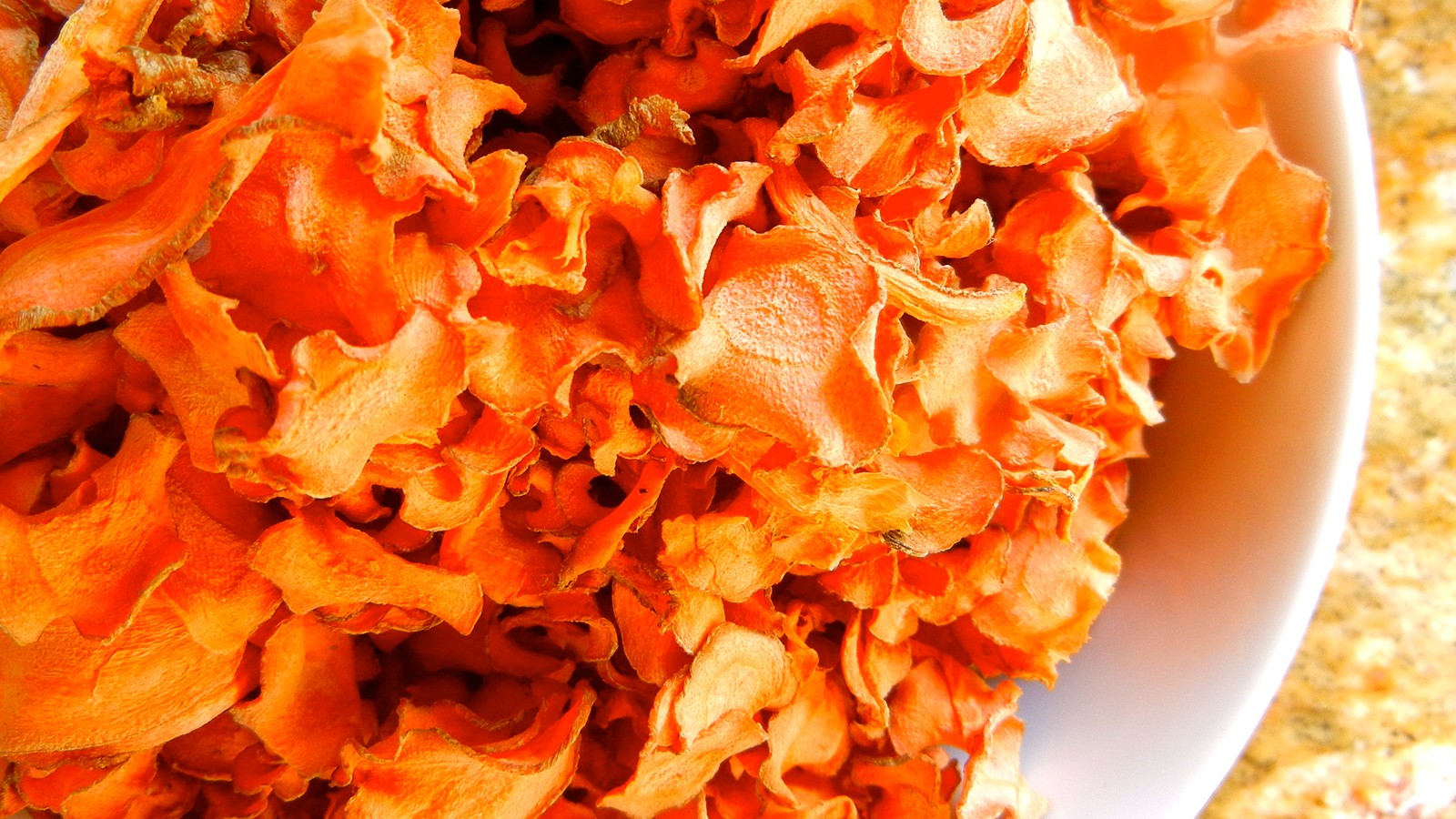
Carrots don’t get much attention as a homemade chip, but their natural sweetness makes them worth trying. Depending on the thickness and method, you’ll get something between crisp and pleasantly chewy rather than a perfect copy of a fried potato chip. Experiment with seasoning once you’ve tried a plain batch; carrots can handle both savory spices and a touch of sweetness.
46. Dried carrot greens
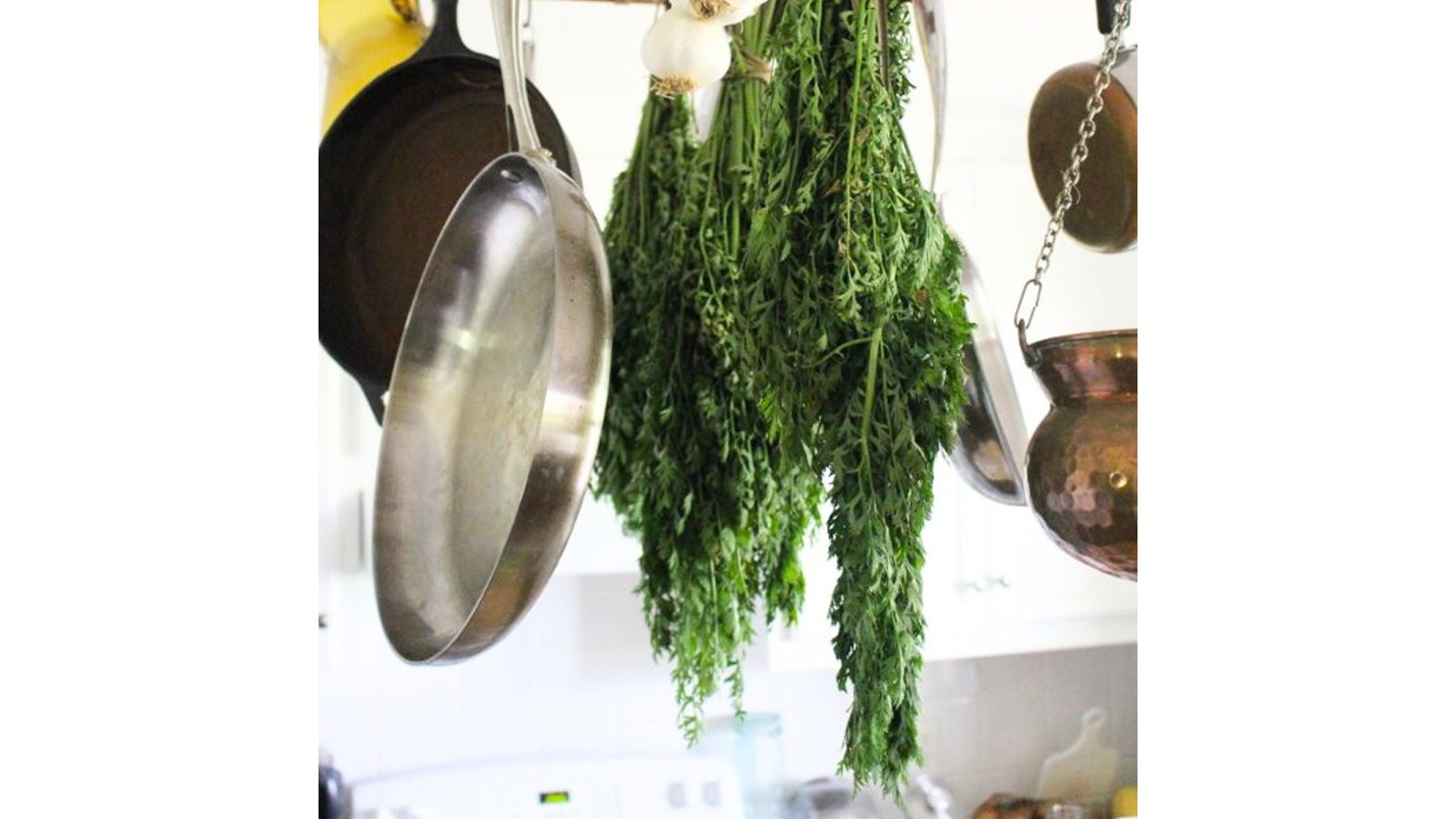
Don’t throw away perfectly good carrot tops just because you’re keeping the roots. The greens have a grassy, slightly herbal flavor that works nicely in small amounts in soups, stocks and seasoning blends. Wash them thoroughly because garden grit has a remarkable talent for hiding in leafy bunches. It’s an easy little preservation project when you’re harvesting carrots anyway.
47. Cauliflower jerky

Cauliflower jerky sounds peculiar, but that’s part of its appeal. The mild florets take on a well-seasoned marinade and become chewy, savory bites. Nobody needs to pretend they’re indistinguishable from beef jerky; they’re their own snack. It’s a fun option for someone who enjoys punchy flavors and wants something different from another tray of vegetable chips.
48. Dehydrated celery
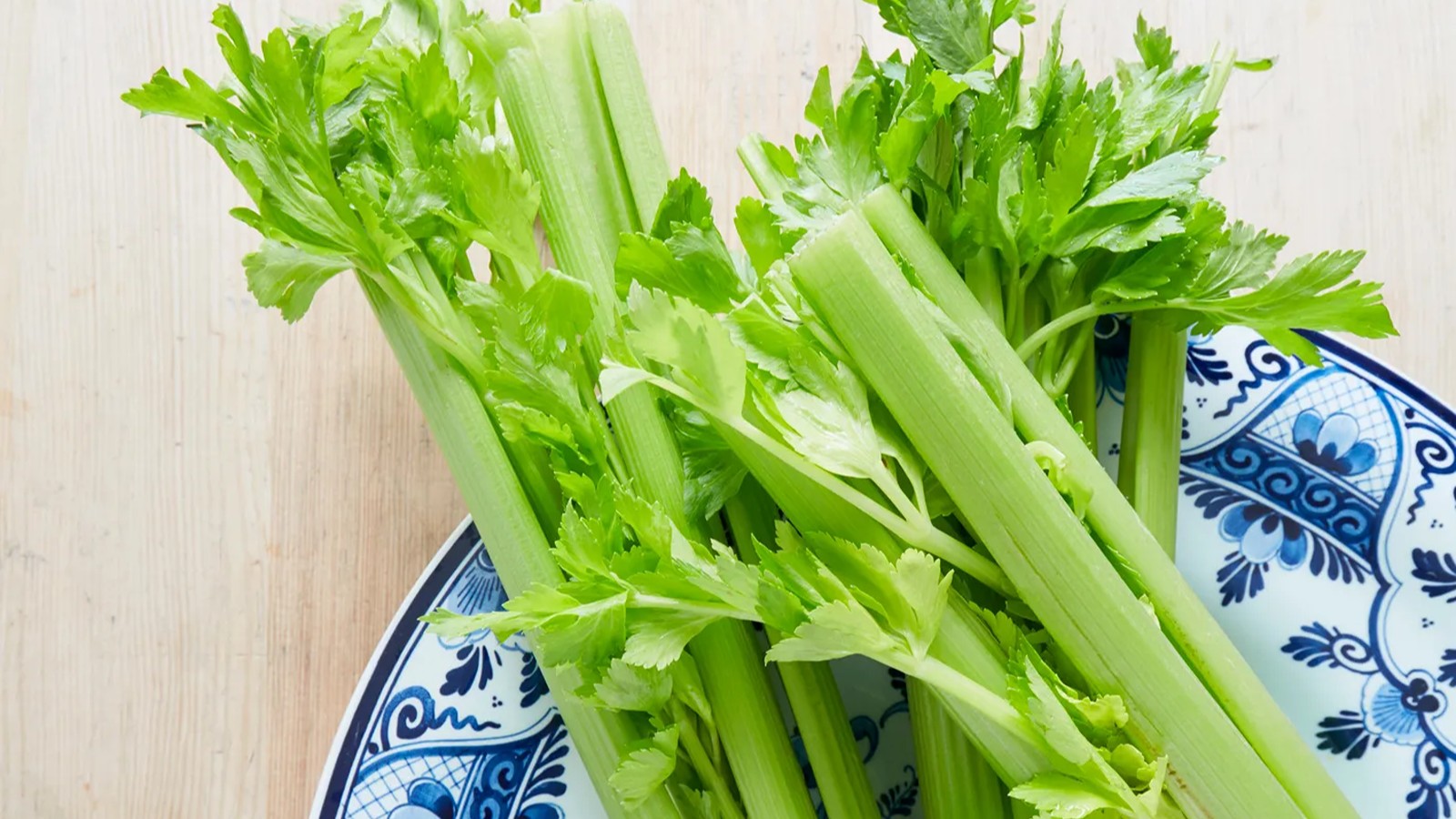
A bunch of celery occupies a ridiculous amount of refrigerator space when you only need one stalk. Dried celery solves that rather neatly. Toss a little into soups, stocks or stews for its familiar savory flavor, without discovering another limp bunch in the crisper drawer.
49. Dehydrated green beans
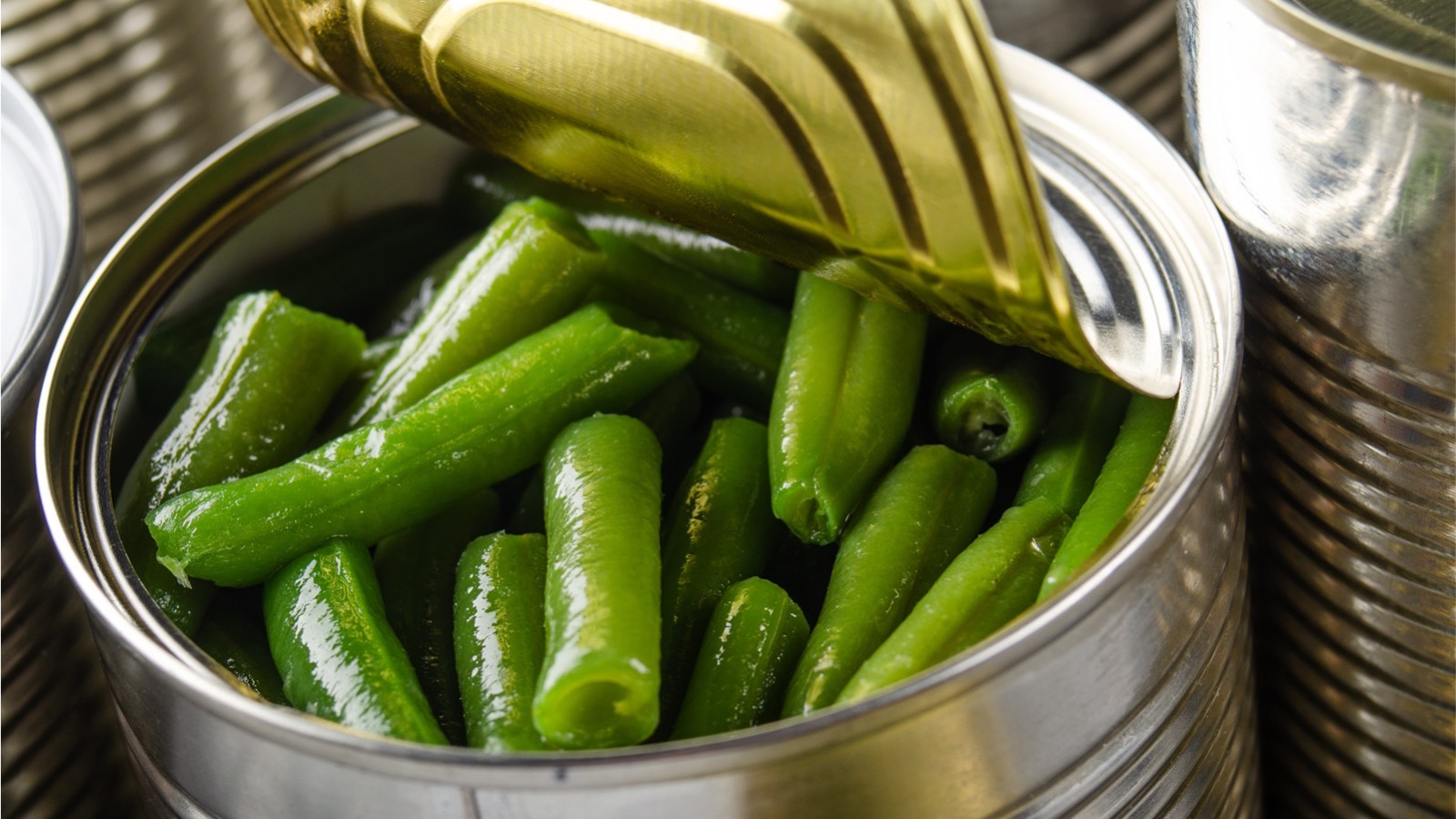
Green beans are one of those garden crops that go from a handful to a mountain almost overnight. Dehydrating them gives you a compact ingredient for soups and other cooked meals, rather than trying to keep them as a fresh-style side dish. Check whether you’re starting with fresh, frozen or canned beans, because the preparation isn’t the same for all three.
50. Dehydrated hash browns

If you enjoy hash browns on camping trips or busy mornings, dehydrated shredded potatoes are an appealing thing to have ready. You do the cooking and preparation work beforehand, then rehydrate and brown the potatoes when it’s time to eat. They’re not quite an instant breakfast on their own, but they’re a lot more convenient than peeling potatoes at a campsite.
51. Dehydrated jalapeños

Jalapeño plants can be astonishingly productive, and you don’t need a refrigerator full of hot sauce to use the harvest. Dried jalapeños add a lively kick to chili, soups, dips and homemade seasoning blends. The real warning here isn’t complexity; it’s pepper fumes. Ventilate well, and don’t rub your eyes after chopping a mountain of chiles.
52. Dehydrated peas
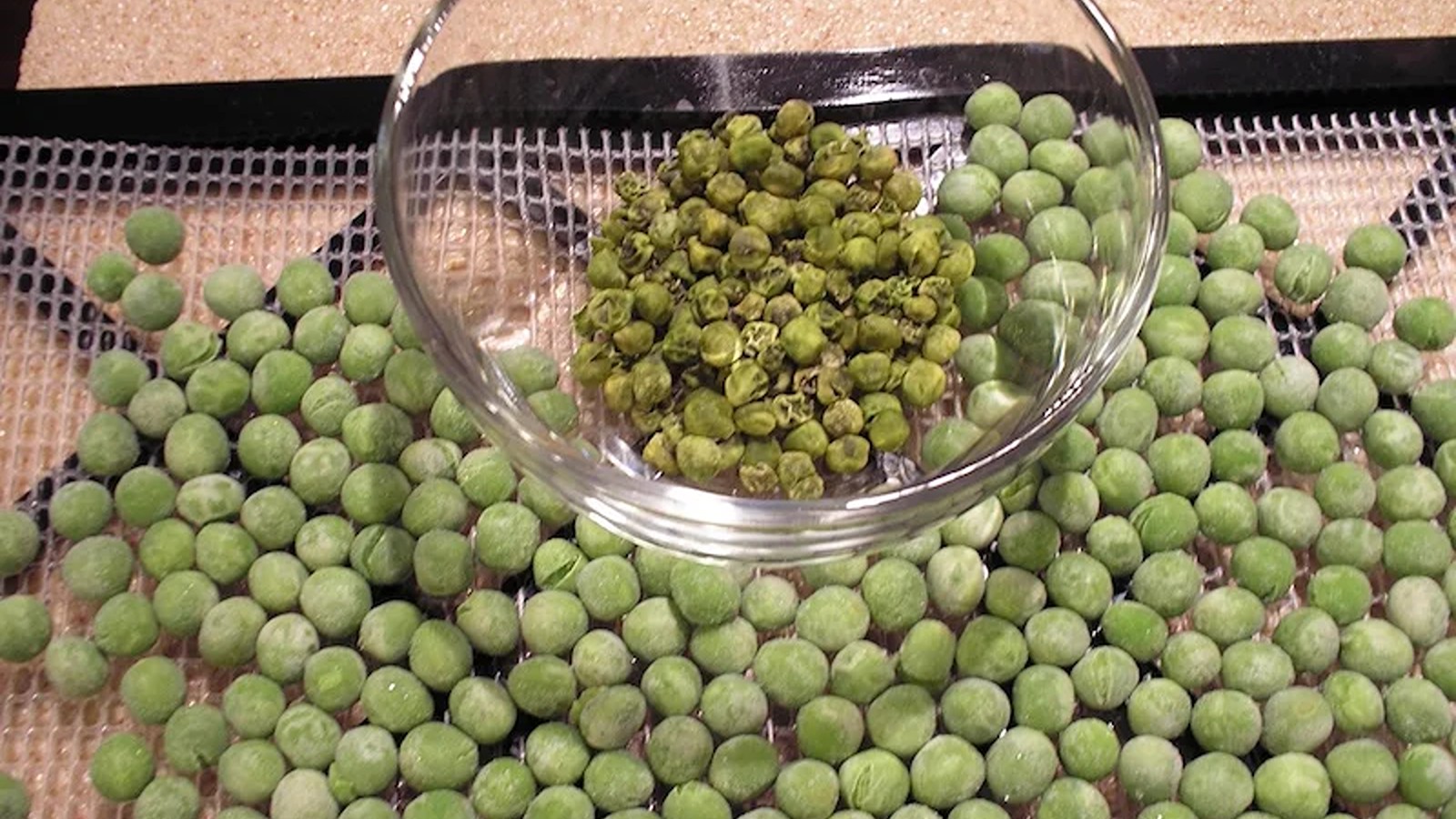
A jar of dried peas doesn’t look particularly exciting, but it’s surprisingly useful when you’re assembling quick rice dishes, soups or camping meals. The peas add color and sweetness without needing freezer space. This is also a good example of why food preparation matters: fresh, frozen and canned peas don’t all start at the same point.
53. Dried scallions
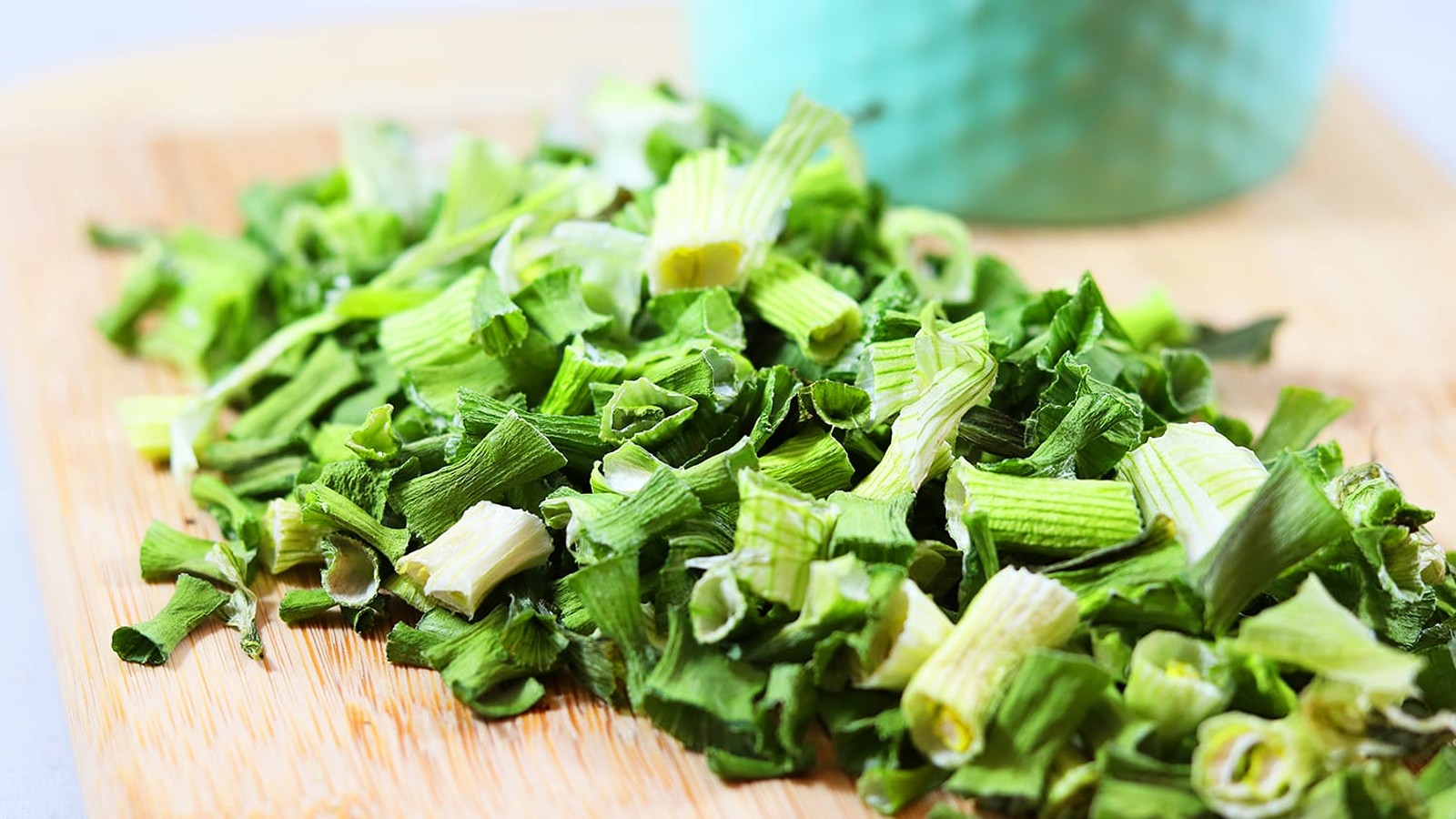
Scallions are great until you buy a bunch for one recipe and the remainder turns slimy in the fridge. Drying the extras gives you little pieces of onion flavor for soups, noodles and homemade seasoning blends. The green tops and thicker white portions behave differently, so the recipe helps you deal with both rather than treating the whole bunch as identical.
54. Dehydrated spinach

Spinach is practically a magic trick in the dehydrator: a huge pile of fresh leaves becomes a surprisingly small amount of dried greens. That’s useful if you grow it in quantity or keep buying bags you can’t finish. Crumble the dried leaves into soups, sauces or cooked dishes, or grind them into powder. Just don’t expect them to turn back into salad leaves.
55. Dried onions

If you’ve ever dehydrated onions, you’ll know the smell announces your project to the entire house. The reward is a supply of chopped onion that’s ready for soups, stews, rubs and seasoning mixes. It’s particularly useful during a good onion harvest. I’d run this batch away from delicate fruit unless banana-with-an-onion-aftertaste is somehow your thing.
56. Dehydrated chile peppers
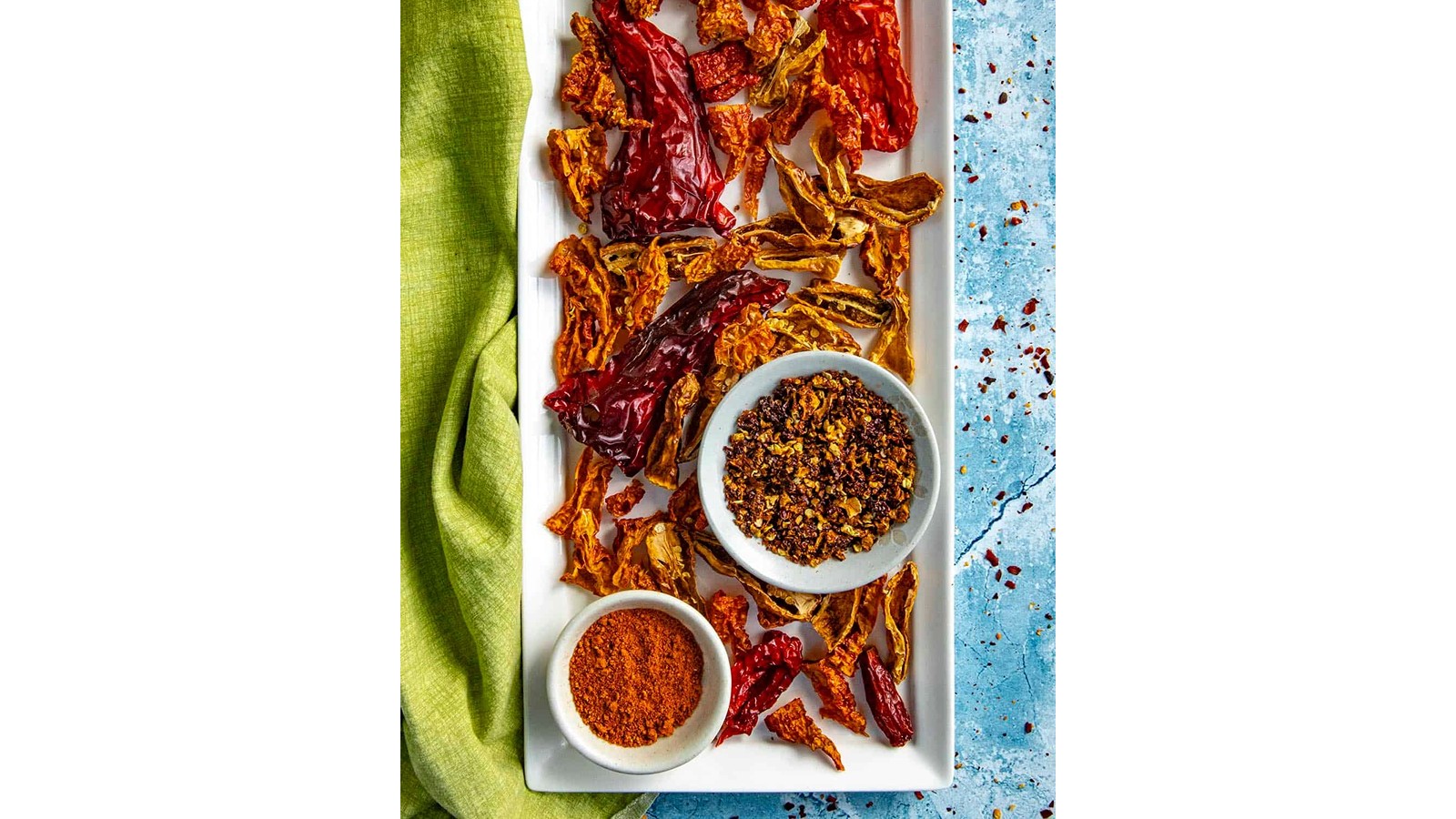
A homegrown chile harvest is far too good to lose just because you can’t use every pepper fresh. Drying lets you keep individual varieties for crushing, grinding or rehydrating later. It’s also a chance to make powders with exactly the heat and flavor you enjoy. Gloves, good ventilation and a little caution around airborne chile dust are all worthwhile.
57. Dehydrated sweet potatoes
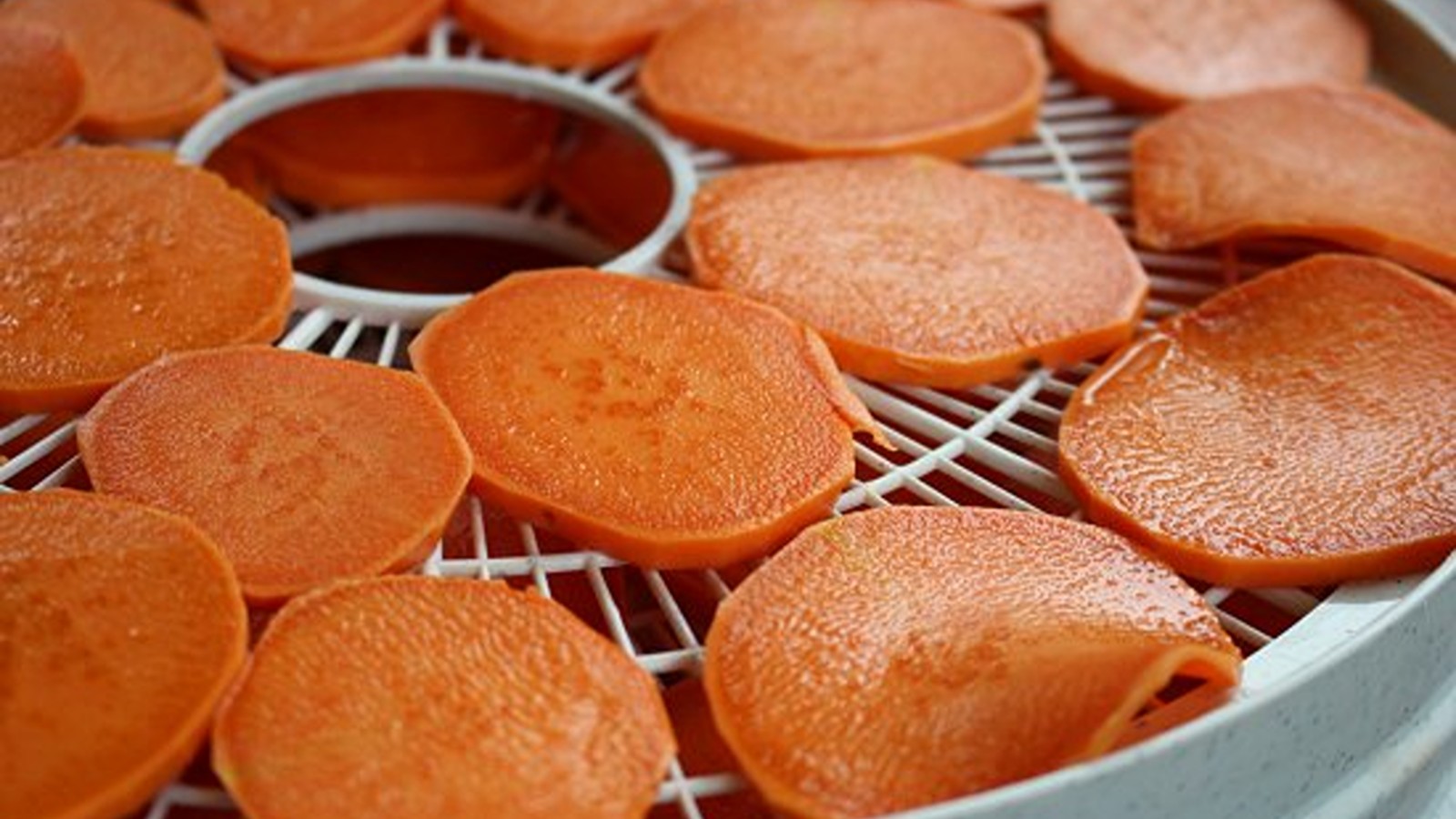
Sweet potatoes are useful dried as an ingredient for meals rather than as a substitute for freshly roasted wedges. Cooked pieces can go into soups, stews and camping mixes, and they’re easier to portion once most of the moisture is gone. Think about the final dish before cutting them. A giant chunk won’t be much help when you’re trying to rehydrate dinner quickly, while pieces that are too tiny can disappear into the sauce. This is one of those jobs where a little planning makes the finished food much more useful.
58. Dried turnips
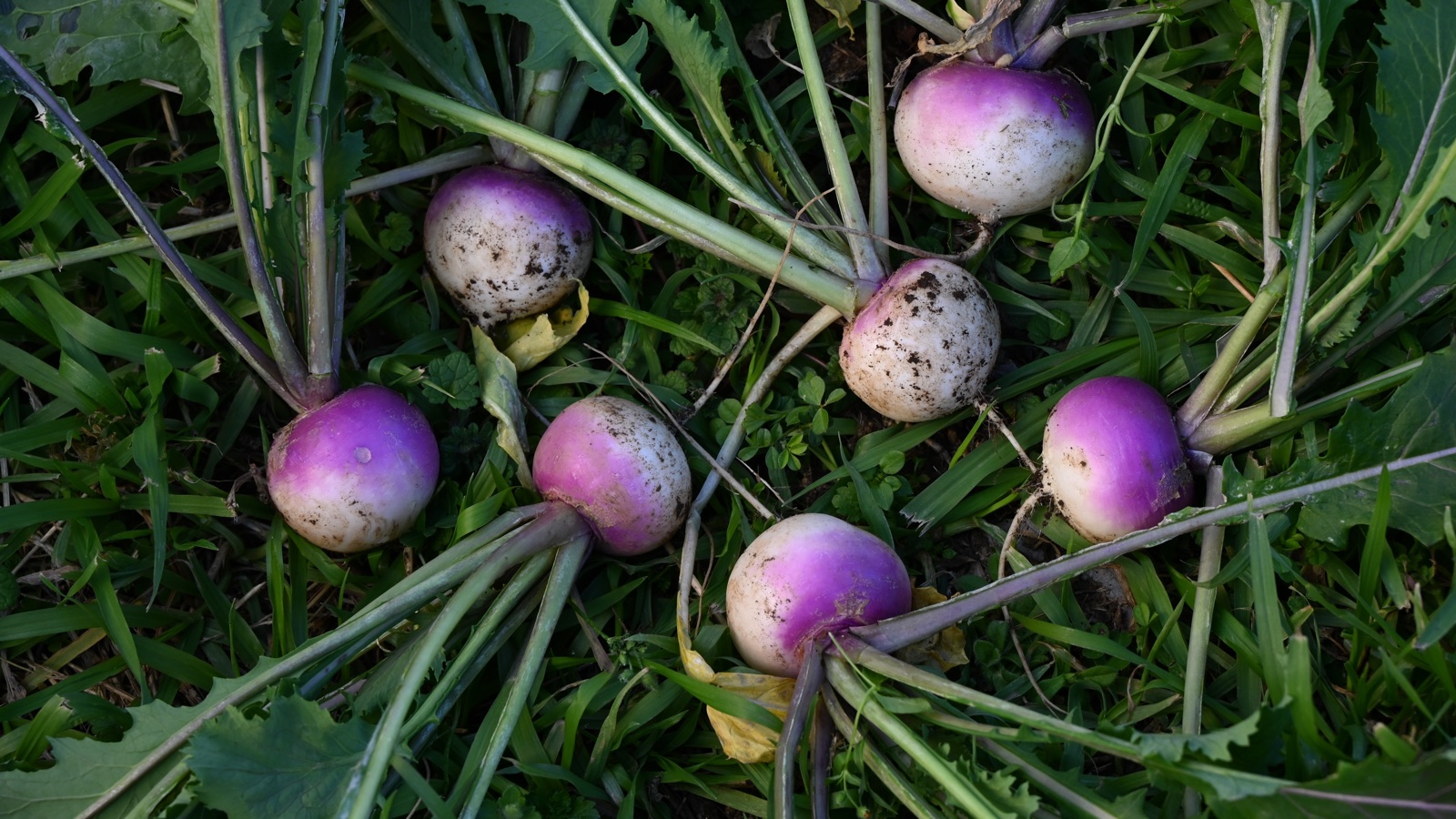
Turnips aren’t everyone’s favorite vegetable, and drying won’t disguise their earthy, peppery flavor. But if you’ve got a decent crop, dried pieces work nicely in soup and stew mixes. Start with a small batch rather than filling the whole dehydrator if you’re still being persuaded.
59. Marinated dried eggplant

Marinated eggplant is much more exciting than a jar of plain dried slices. The seasoning gives the mild vegetable a bold, savory character that can be useful in cooked dishes or served as the original recipe suggests. This is one where I’d follow the source’s preparation and storage directions closely, especially because the marinade involves oil.
60. Homemade potato flakes

Homemade potato flakes might sound like recreating something that’s already cheap to buy, but they give you control over the starting potatoes and ingredients. Cooked mashed potato dries into a product you can rehydrate or use to thicken soups. Save the butter, cream and other rich additions for serving rather than loading the dehydrator with a fatty mash.
61. Dehydrated zucchini chips
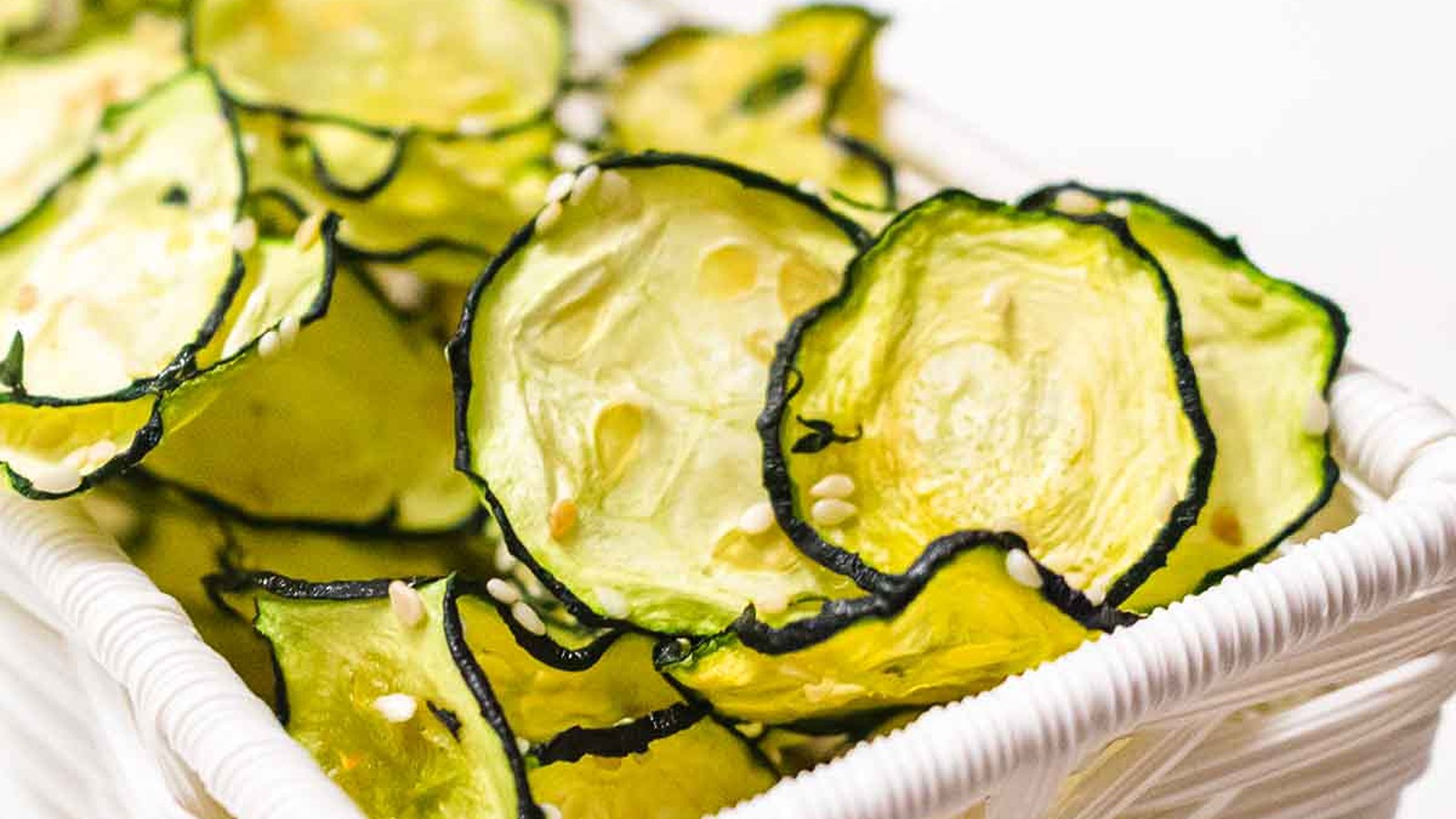
When zucchini season gets properly out of hand, another loaf of zucchini bread isn’t always the answer. Thin dried zucchini chips are a good savory alternative, especially because the mild squash takes on seasoning so well. A little spice can go a long way once the slices shrink, so there’s no need to bury them under a mountain of seasoning.
62. Dehydrated sweet corn
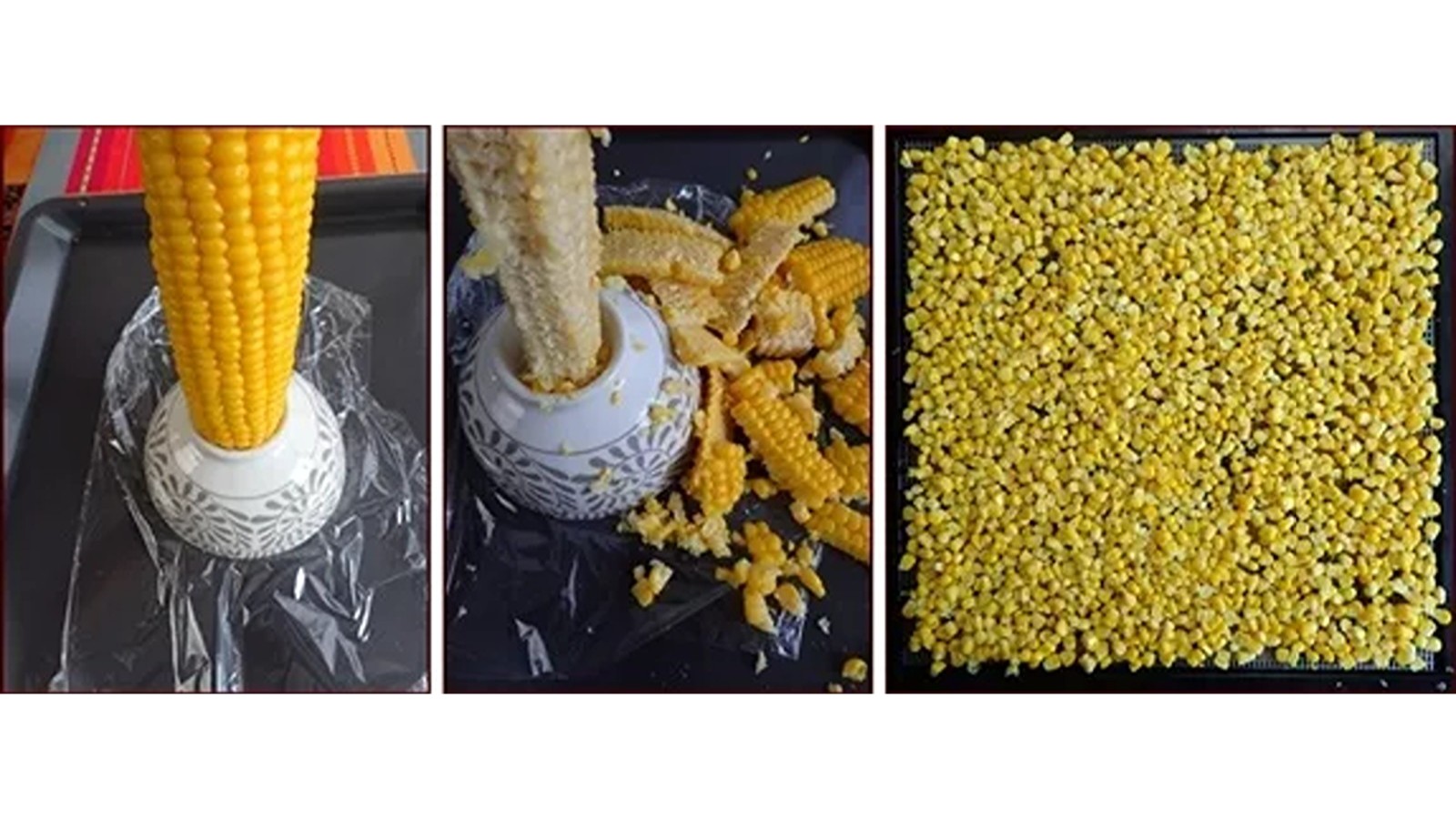
Sweet corn is wonderful straight from the cob, but drying some kernels gives you that summery sweetness in soups, rice dishes and homemade meal mixes later in the year. It’s satisfying to turn a bulky harvest into jars of useful ingredients. The recipe covers how to prepare the corn before drying, which makes a difference to the finished texture.
63. Smoky eggplant bacon
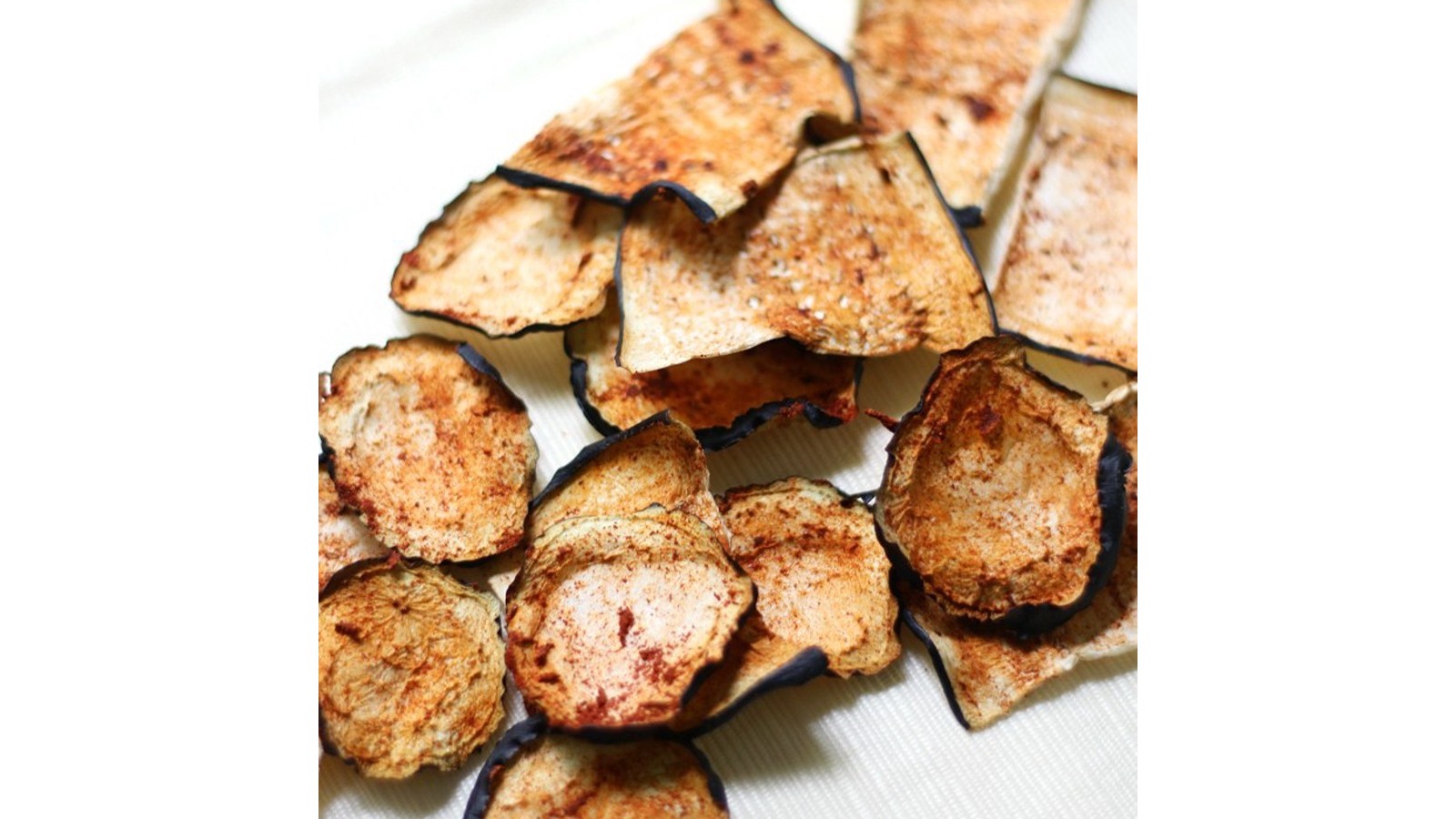
Smoky eggplant bacon is a plant-based topping with enough flavor to stand on its own. Paprika, garlic and onion give the slices a savory edge, and the finished pieces can be scattered over salads or other dishes. I wouldn’t waste time arguing that it tastes exactly like pork bacon. It’s far more interesting as crisp, smoky eggplant.
64. Dehydrated broccoli

Broccoli is another vegetable that doesn’t look especially glamorous once dehydrated, but it’s useful in the right meal. Small florets can be rehydrated in soups, casseroles or pasta dishes, saving freezer space when the garden is producing well. The steaming step matters; this is about preserving a cooking ingredient, not simply shrinking raw broccoli on a tray.
65. Dried Korean radish strips
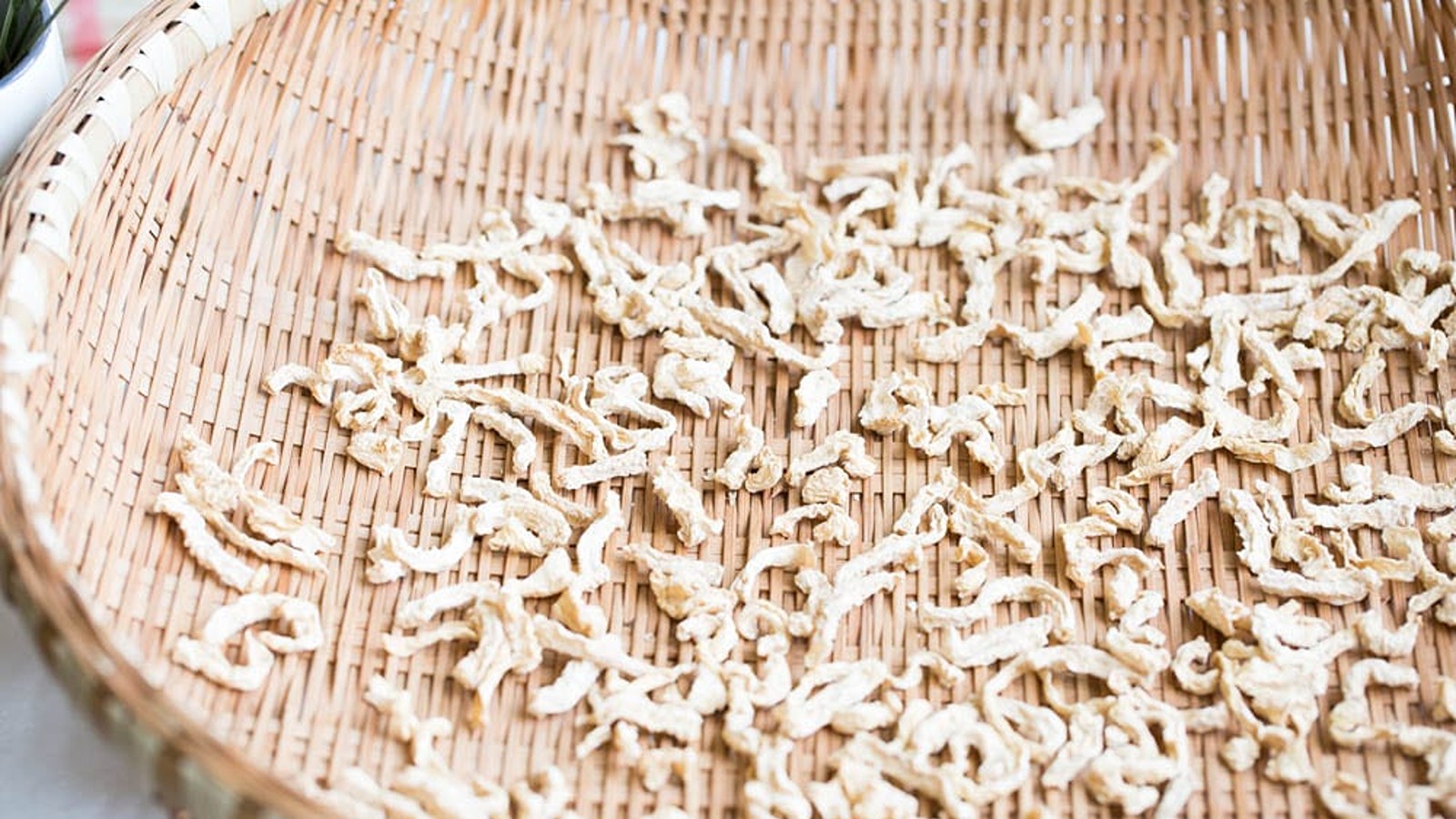
Dried Korean radish strips are a reminder that dehydrating isn’t just an American homesteading technique. These strips are traditionally rehydrated for seasoned Korean side dishes, where their chewy texture is part of the appeal. It’s worth following the original preparation rather than treating the radish like a generic vegetable chip. The finished result has a very different purpose.
66. Dehydrated butternut squash
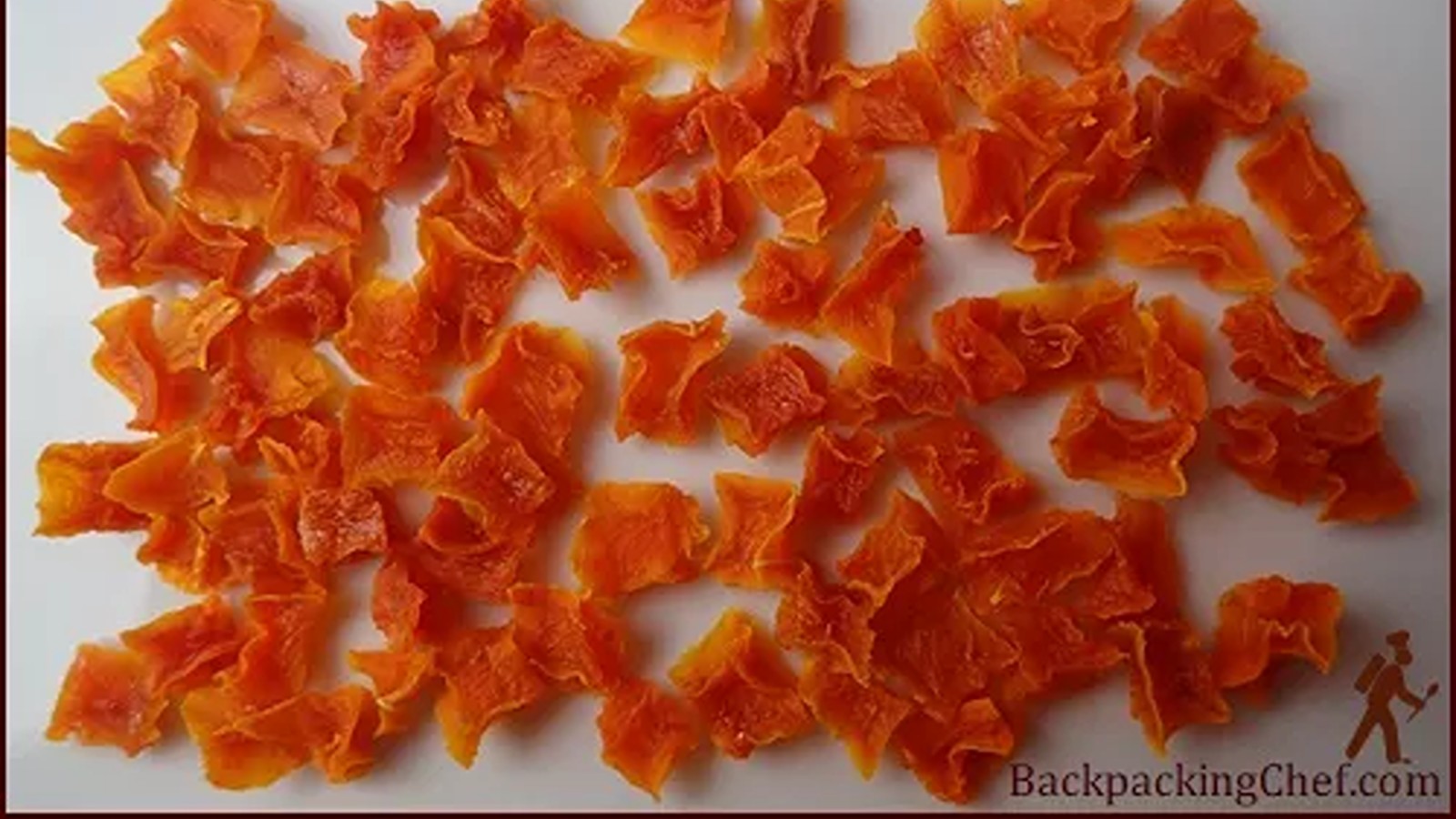
Butternut squash stores well whole under the right conditions, but once you’ve cut one open there’s often more than you need. Drying cooked cubes gives you a handy ingredient for soups and meal mixes without filling the freezer. This method starts by steaming the squash, so you’re preserving something that’s already been prepared for cooking rather than drying raw cubes and hoping for the best.
67. Dehydrated okra
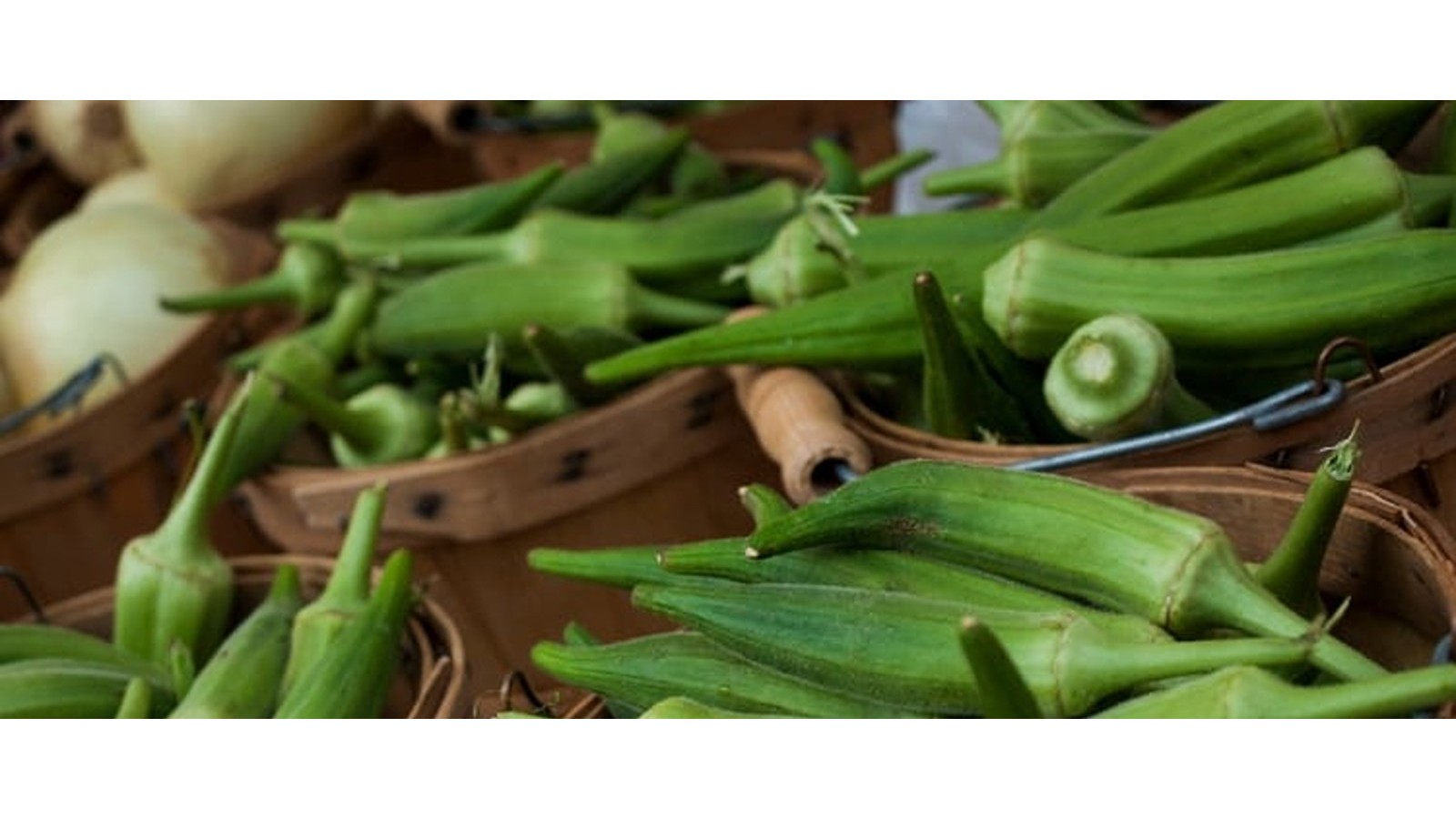
Okra can be wonderfully productive in a warm garden, and dried pieces are particularly useful for gumbo and other simmered dishes. They’ll rehydrate as they cook and contribute some of the thickening quality okra is known for. This isn’t necessarily the same as making seasoned okra chips for snacking; the aim here is a useful ingredient for future meals.
68. Dehydrated cabbage
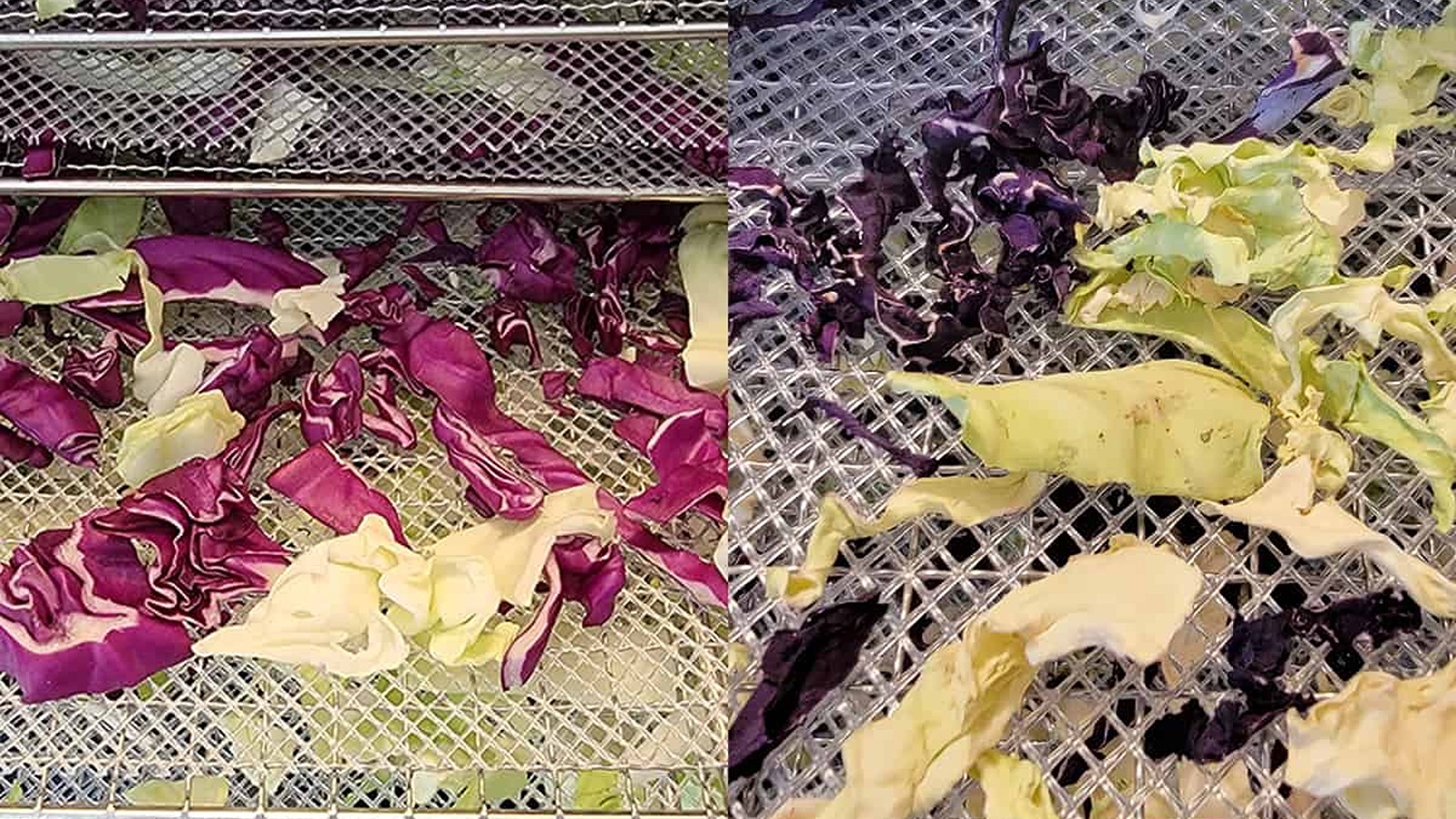
A huge cabbage can linger in the refrigerator forever once you’ve made the slaw you wanted. Dried cabbage takes up a fraction of the space and works well in soups, stews and noodle dishes. That’s particularly handy when several heads are ready to harvest at once.
69. Dehydrated cucumber chips
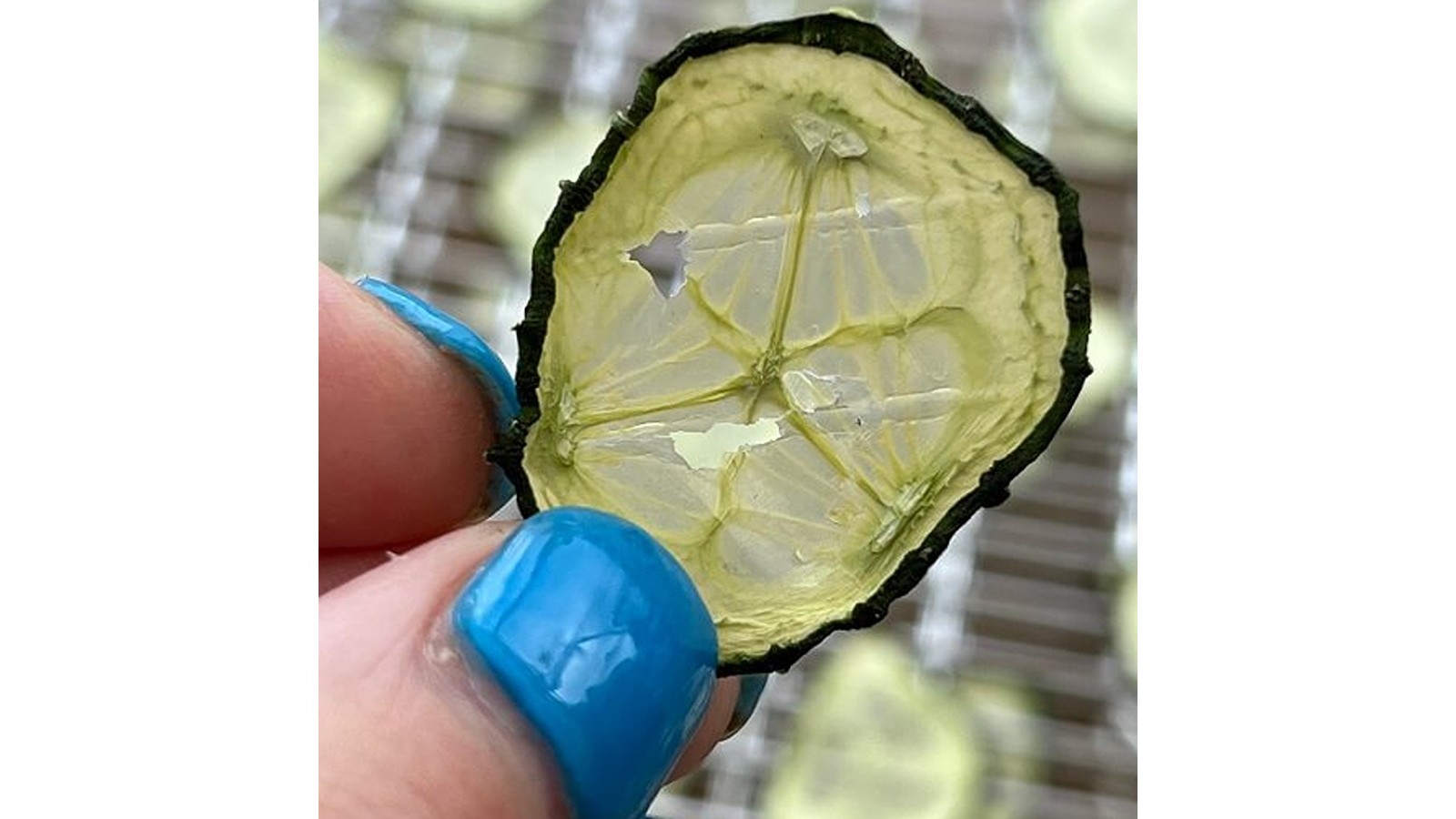
Cucumbers are mostly water, so turning them into chips feels almost like a disappearing act. The finished slices are light and can be surprisingly crisp, especially with a little seasoning. It’s worth trying if the cucumber plants are producing faster than you can make salads. This recipe uses an air fryer with a genuine dehydration setting, which isn’t the same as ordinary high-heat air frying.
Jerky, dried meat and fish
Marinade gives meat flavor, but it does not replace a proper heating step. For jerky, use a verified procedure that heats the meat to 160°F (71°C). Poultry needs to reach 165°F (74°C). Measure the food with a thermometer; the dehydrator dial is not a meat-temperature reading. Refrigerate or freeze homemade jerky, dried meat and fish. Ingredients intended for cooked meals also need proper rehydrating and reheating.
70. Classic beef jerky
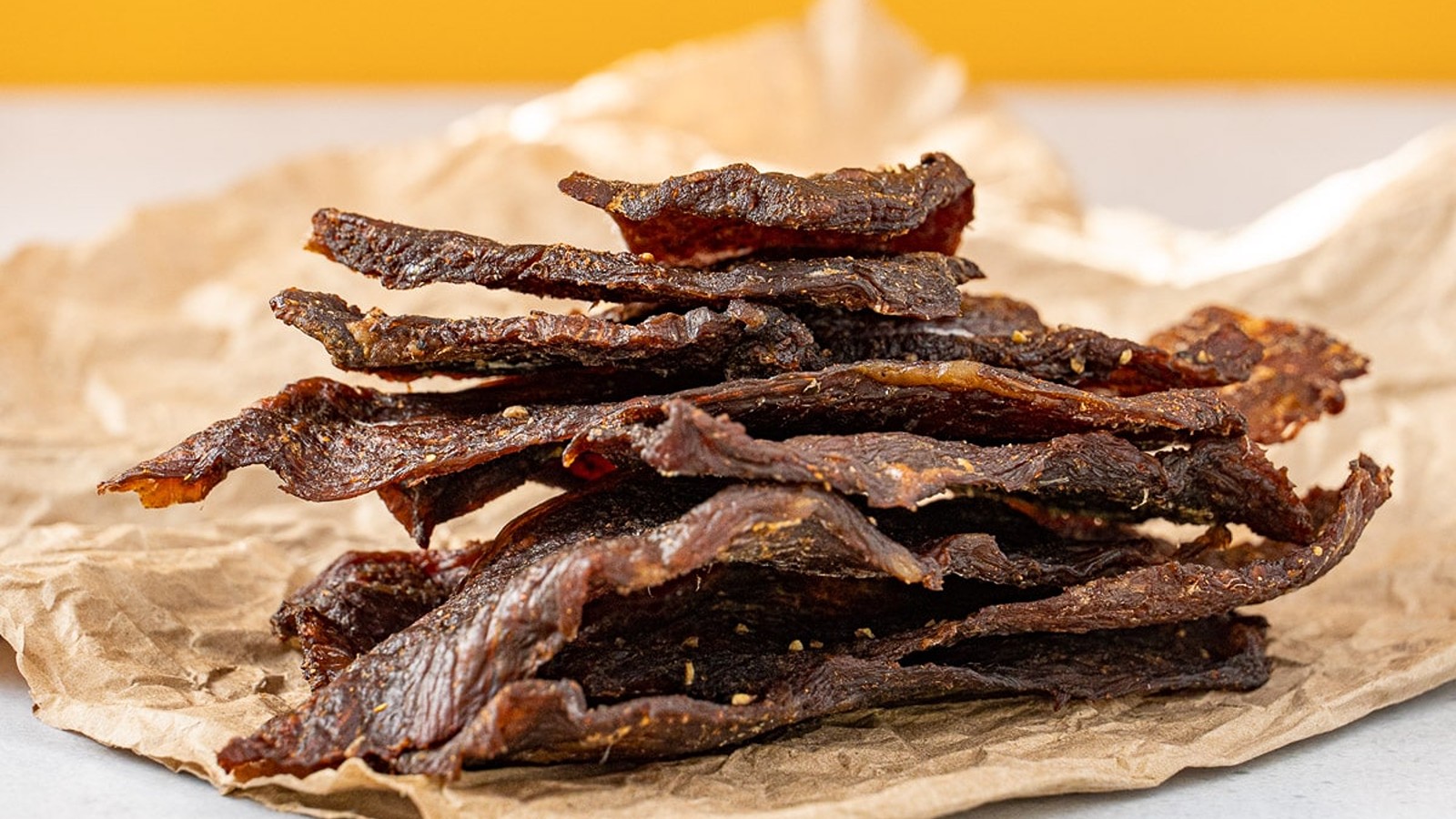
A simple beef jerky is a good place to start before getting carried away with complicated marinades. Soy sauce, Worcestershire and black pepper give this version a familiar savory flavor that doesn’t rely on loads of sugar. Lean beef works best, and the grain of the meat affects how chewy the strips will be. Don’t let the straightforward ingredient list lull you into skipping the safety steps, though. Use the verified heating guidance in the jerky section above; a delicious marinade is not a food-safety treatment.
71. Spicy peppered beef jerky

If you like jerky with a proper peppery bite, this one puts freshly ground peppercorns front and center. Garlic and smoked paprika add some depth, while a little brown sugar rounds out the sharper edges. It’s a nice alternative to recipes where sweetness overwhelms the beef. The meat still needs the safe heat treatment outlined above before low-temperature drying.
72. Cajun beef jerky
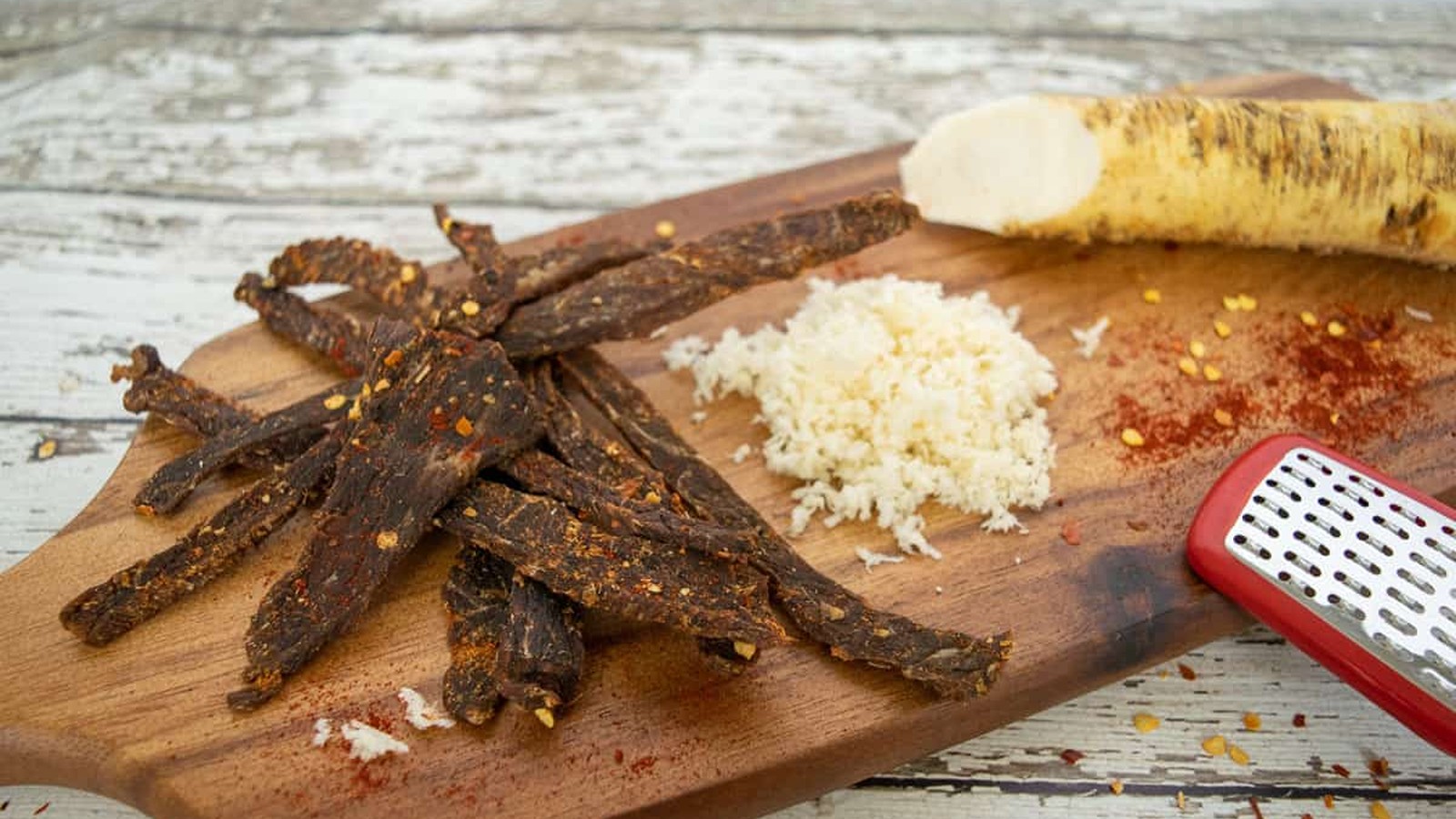
Cajun seasoning brings warmth and a little fire to this beef jerky, with cayenne, paprika, herbs and a vinegar-based marinade. The result should appeal to anyone who prefers savory snacks to sticky-sweet ones. Eye of round makes a lean starting point, and cutting across the grain can help keep the finished strips from becoming a jaw workout.
73. Chili-garlic chicken jerky

Chicken jerky is a change from the usual beef versions, and chili-garlic seasoning gives the lean meat plenty of personality. Poultry needs particular care, though: it must reach 165°F (74°C), measured in the meat, before you rely on low-temperature drying. And because this is seasoned with ingredients for people, don’t pass it off as a homemade dog treat.
74. Honey-peppered venison jerky
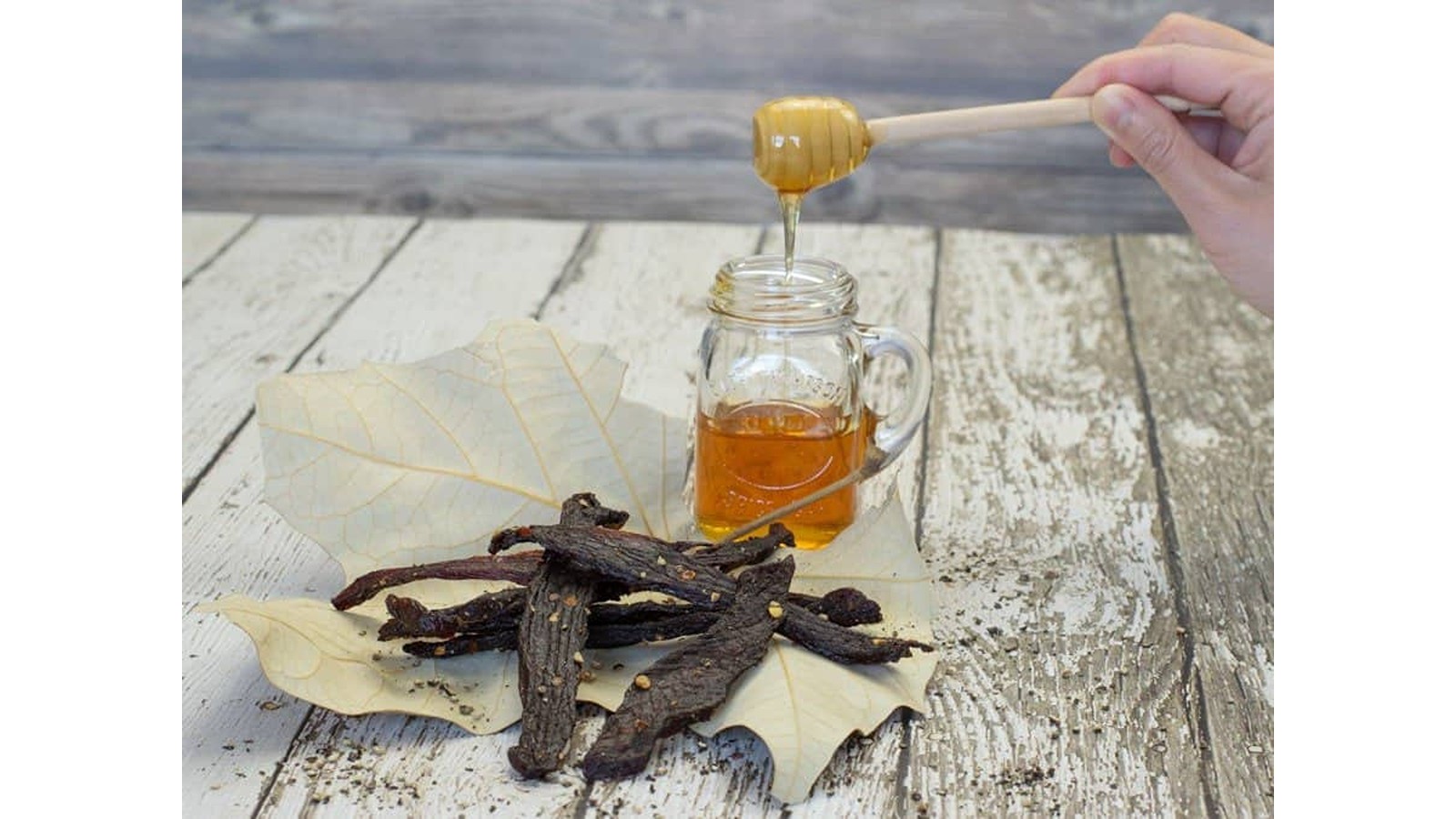
Venison has a distinctive flavor that stands up beautifully to a punchy marinade. Here, honey meets cracked black pepper, red pepper flakes, ginger and a little sesame oil. It’s an appealing use for lean venison, especially if you want something different from a conventional soy-heavy jerky. Spend the time trimming away silver skin; it won’t become magically tender in the dehydrator.
75. Dehydrated cooked turkey
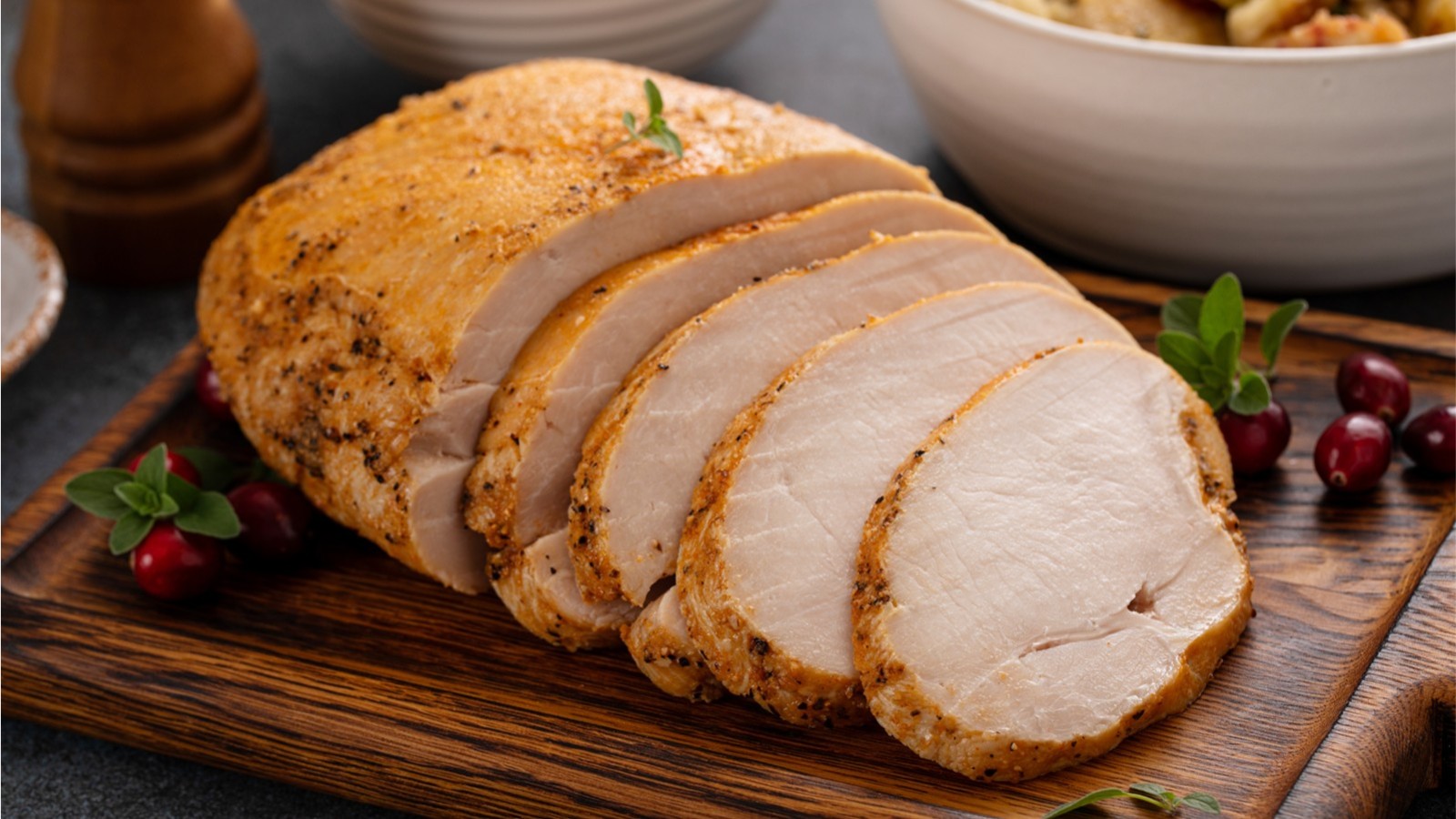
Cooked turkey isn’t the first thing most people think of when planning dehydrator recipes, but it can be useful in soups and camping meals. The important distinction is that you’re starting with properly cooked meat, not making raw turkey jerky. Follow the source’s handling and drying steps, then keep the finished turkey refrigerated or frozen rather than treating it as an indefinite pantry staple.
76. Habanero Tabasco jerky
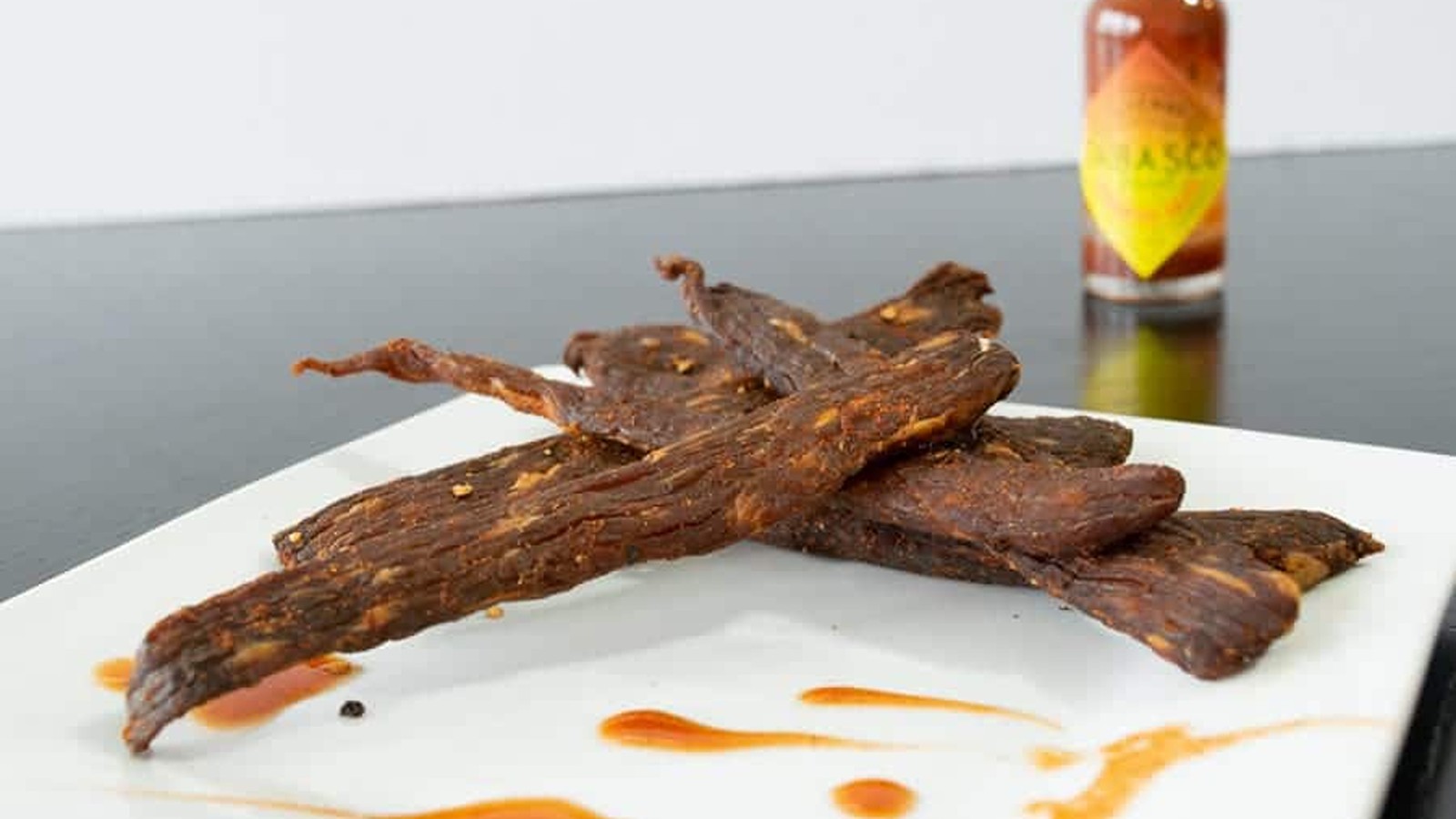
There is spicy jerky, and then there is habanero-and-Tabasco jerky. This is for people who genuinely enjoy the latter. Make a small test batch before committing a whole roast, and taste the marinade before it touches raw meat. You have been warned.
77. Dehydrated ground beef
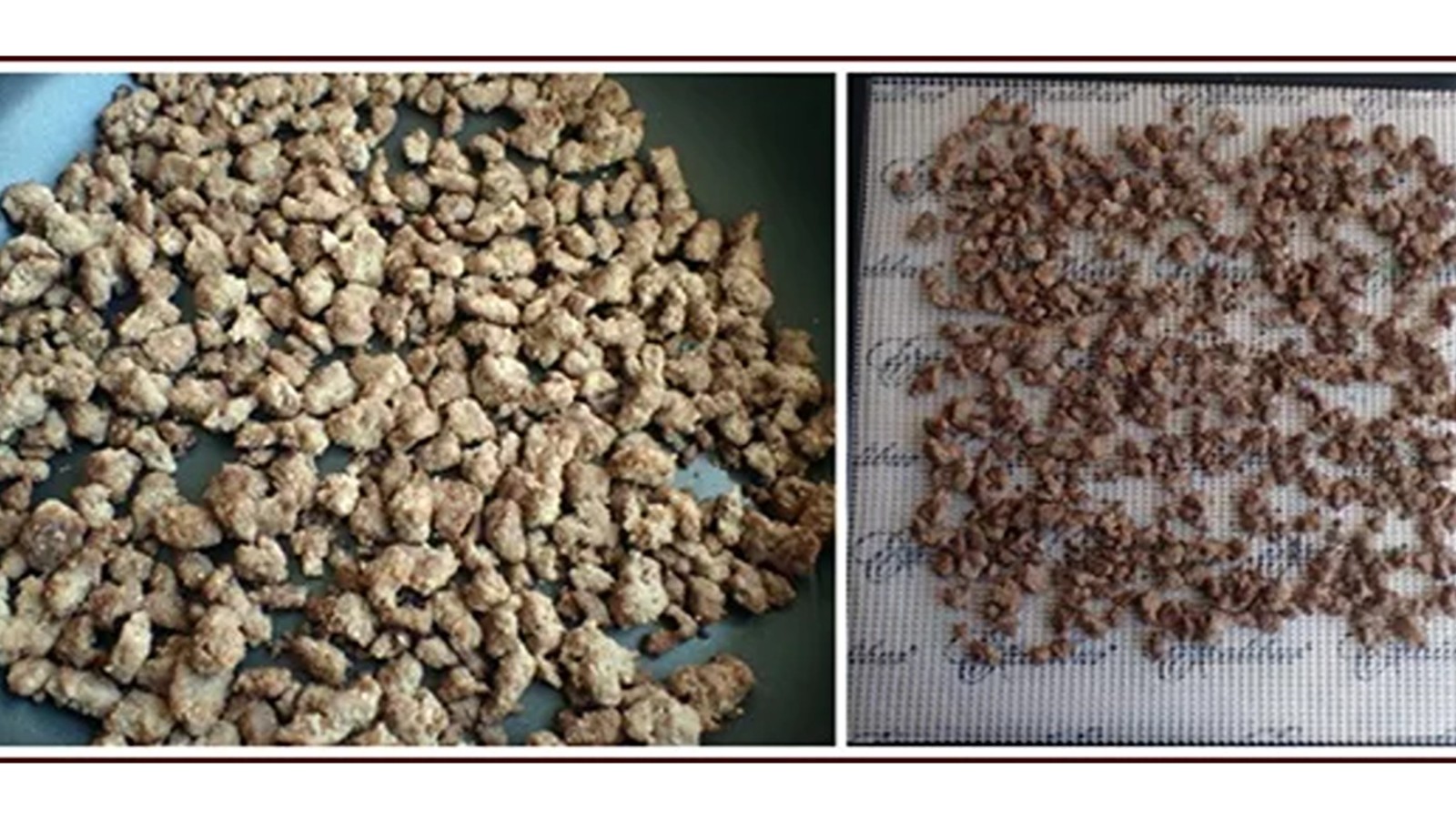
If you make dehydrated backpacking meals, cooked ground beef is a useful ingredient to understand. It can be added to rice dishes, sauces and hearty soups without hauling fresh meat along. Choose lean beef, cook it properly and break it into manageable pieces. Unlike commercial shelf-stable products, homemade dried ground beef is best kept refrigerated or frozen until needed.
78. Kentucky bourbon beef jerky

Bourbon sounds like an extravagant ingredient for jerky, but it brings a lovely rounded flavor to the marinade. Paired with the savory beef, it makes a good change from the usual pepper or teriyaki variations. This is about flavor, not preservation: the alcohol doesn’t replace proper meat handling, heat treatment or appropriate storage.
79. Korean-style beef jerky
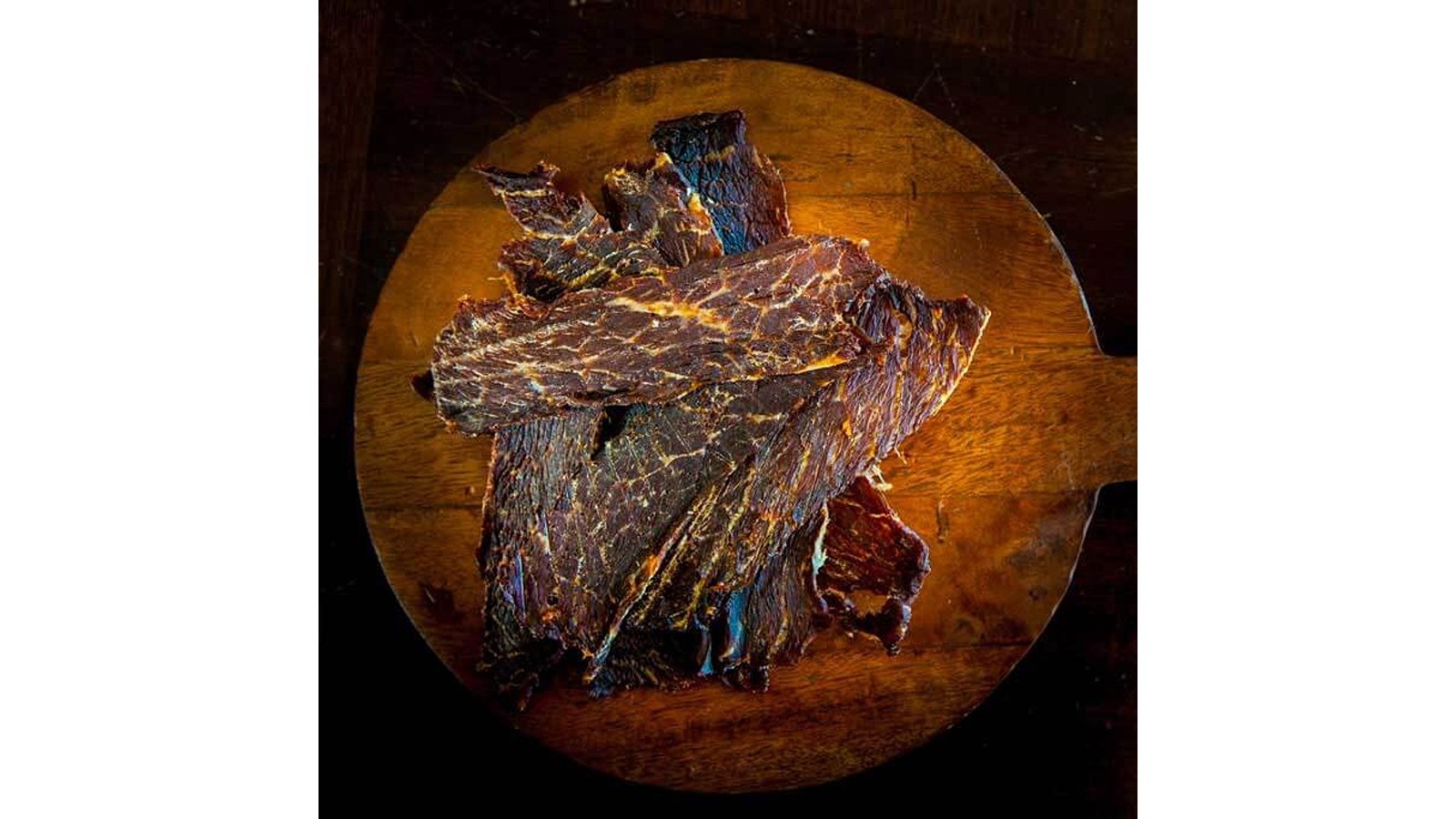
Soy, sesame oil, garlic and brown sugar give this Korean-style jerky a fragrant sweet-savory balance. It’s particularly appealing if you like sesame flavors but don’t want a marinade with a shopping list the length of your arm. Thin beef slices let the seasoning reach more of the meat, while the jerky safety guidance above still applies.
80. Lamb jerky

Lamb makes a distinctive jerky, particularly if you already enjoy its richer flavor in other dishes. This isn’t one for hiding behind an overpowering sweet glaze. Trim the fat carefully, remove stubborn connective tissue and follow a verified jerky heating procedure. It’s a useful reminder that beef isn’t the only meat worth considering when you’re making a small homemade batch.
81. Malaysian-style pork jerky

This Malaysian-style pork jerky uses tenderloin with soy sauce, chili-garlic sauce and sesame oil, creating a flavorful savory snack. It’s a different preparation from the sweet minced-pork sheets you may have seen elsewhere. Use the specific method linked here, with the appropriate heat treatment, rather than swapping between two very different kinds of pork jerky.
82. Mexican heat beef jerky
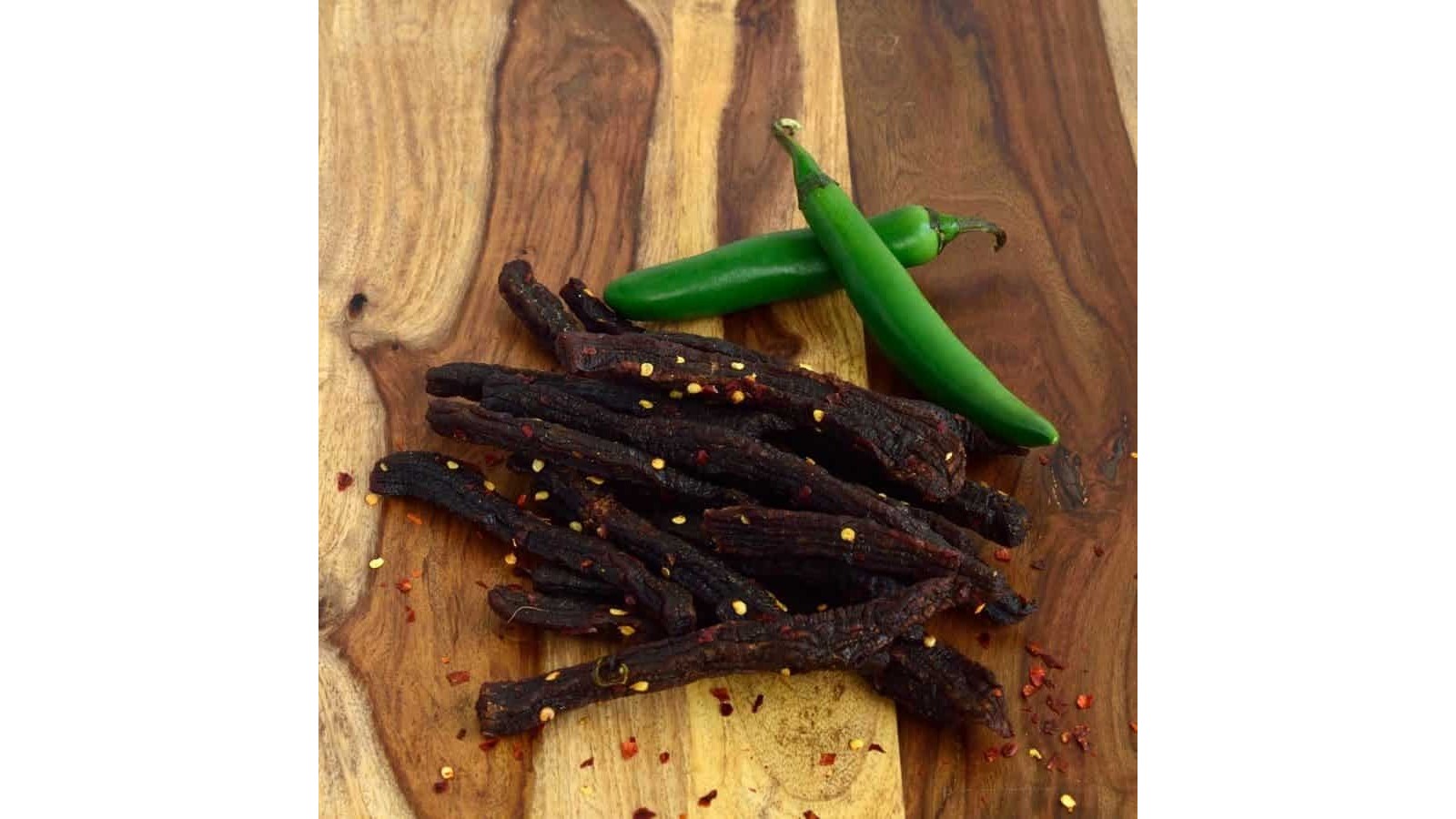
This one is for chile lovers. Mexican heat beef jerky focuses on a hot, savory marinade rather than an especially sweet glaze, giving the beef a proper kick. Because everyone has a different idea of what counts as ‘hot,’ a small test batch makes more sense than discovering too late that you’ve made a month’s supply of something you can’t eat.
83. Chili-lime beef jerky
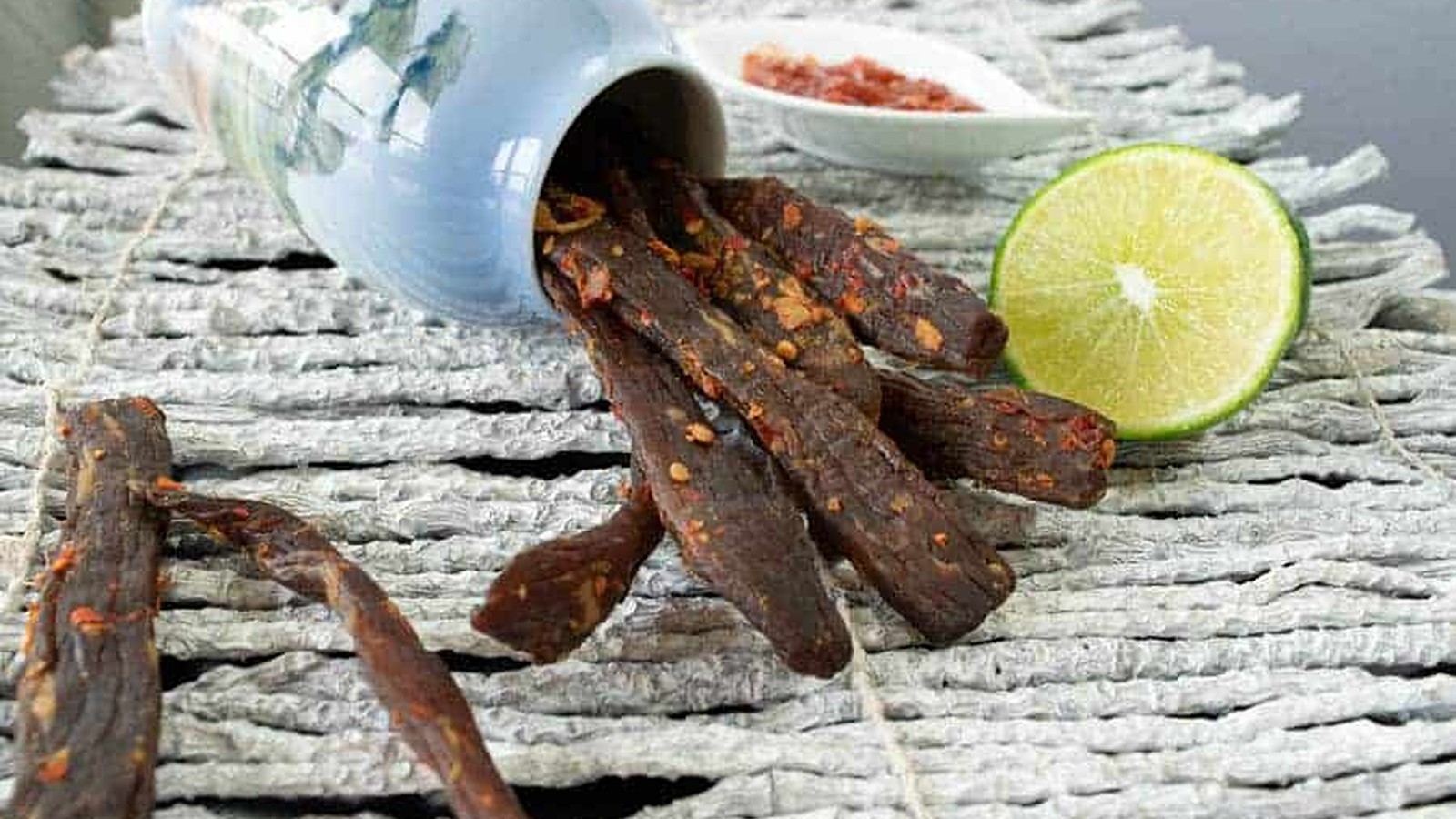
Lime juice and zest give beef jerky a fresh, sharp edge that works beautifully with chile. Soy sauce, Worcestershire and chili-garlic sauce round out the marinade, so you’re getting more than just heat. It’s a lively change from conventional pepper jerky. The citrus contributes flavor, but it doesn’t make raw meat safe to dry without proper heat treatment.
84. Dehydrated canned tuna

Canned tuna is already cooked, which makes it useful for a very different dehydrator project from raw fish jerky. Dried tuna can go into rehydrated, thoroughly heated camping meals without the weight of a can. Choose water-packed tuna as directed, and treat the dried fish as perishable: refrigerate or freeze it until you’re ready to use it.
85. Coconut-water beef jerky
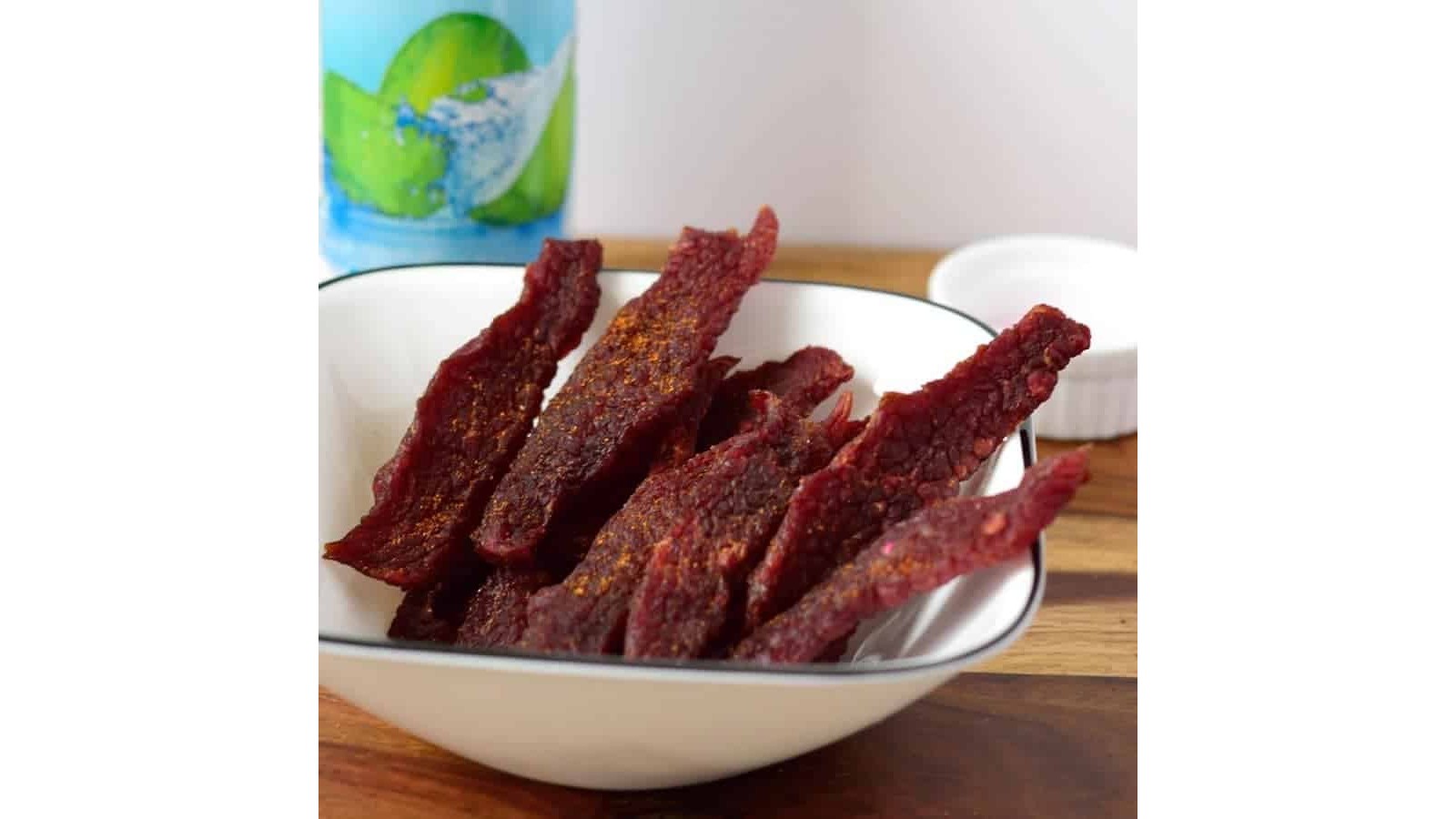
Coconut water is an unexpected ingredient in a beef jerky marinade, but it helps give this version a gentle sweetness alongside ginger and cayenne. It’s a fun alternative if you’re bored with the familiar soy-and-sugar combinations. Follow the linked recipe carefully, particularly if it specifies curing salt; that’s not an ingredient to guess at or casually substitute.
86. Spicy herbed beef jerky

Fresh herbs aren’t the usual star of beef jerky, which is why this spicy herbed version caught my attention. They bring a more aromatic flavor to the marinade, with heat that doesn’t have to come from a thick, sugary sauce. It’s a good choice for people who prefer savory snacks and enjoy experimenting beyond standard teriyaki.
87. Sweet and spicy beef jerky

Sweet-and-spicy jerky is popular for a reason: the sweetness takes the edge off the heat without making the finished snack bland. This recipe gives you another variation to try if plain pepper jerky isn’t your favorite. Keep the meat chilled while it marinates and follow proper jerky heating instructions, even if the recipe’s drying time looks reassuringly precise.
88. Beef heart jerky

Beef heart can be excellent for jerky if you enjoy using less familiar cuts rather than relying on the same lean roast every time. The preparation is the important part: heart has connective tissue that needs careful trimming before you slice it. With the right seasoning and safe heating, it becomes a distinctly savory way to use more of the animal.
89. Teriyaki jerky

Teriyaki is a crowd-pleasing jerky flavor because it balances salty, savory and sweet without requiring anyone to love hot peppers. This is a sensible option for a mixed household where ‘just a little chile’ means wildly different things to different people. Drain off excess marinade before drying, so you’re not trying to evaporate puddles of sauce as well as moisture from the meat.
90. Homemade venison jerky

Venison jerky is a natural choice when you have a supply of lean deer meat and want something you can portion into small snacks. The soy-and-Worcestershire marinade in this recipe keeps the flavor familiar without overpowering the meat. It includes oven and dehydrator options, but whichever you choose, pay attention to the proper heating and storage instructions.
Kale chips, crackers and savory snacks
The dehydrator can do far more than shrink slices of fruit and vegetables. Think punchy kale chips, proper seed crackers, savory nuts and even the preparation for homemade prawn crackers. This is the section for experimenting with flavors and textures, and for discovering that not every good snack needs to come out of an oven.
91. Dehydrated zucchini blossoms

Zucchini flowers are such a short-lived treat that it’s worth doing something interesting with them when the plants are flowering generously. This recipe includes a simple dehydrated blossom variation using male flowers, a little oil and sea salt. The result is a delicate, crisp snack, not something you can make from a pile of old, wilted flowers at the end of the week.
92. Kombucha SCOBY jerky

If you have a healthy spare kombucha pellicle and no desire to start yet another batch of kombucha, savory SCOBY jerky is an unusual option. Seasoning and drying turn it into chewy pieces with a texture unlike ordinary vegetable chips. It’s definitely one for curious eaters, and there’s no need to pretend it has magical probiotic powers once it’s been dehydrated.
93. Smoky sunflower kale chips

The sunflower-seed coating is what makes these kale chips particularly appealing. Instead of a few bare leaves dusted with salt, you get a richer, smoky, barbecue-style snack with a satisfying crunch. It’s an especially good recipe if you’ve tried plain kale chips and wondered what all the fuss was about. The coating brings the flavor, but it also needs to dry properly. Damp clumps of seasoning are nobody’s idea of a good chip, however nice the spice blend smells.
94. Carrot pulp crackers
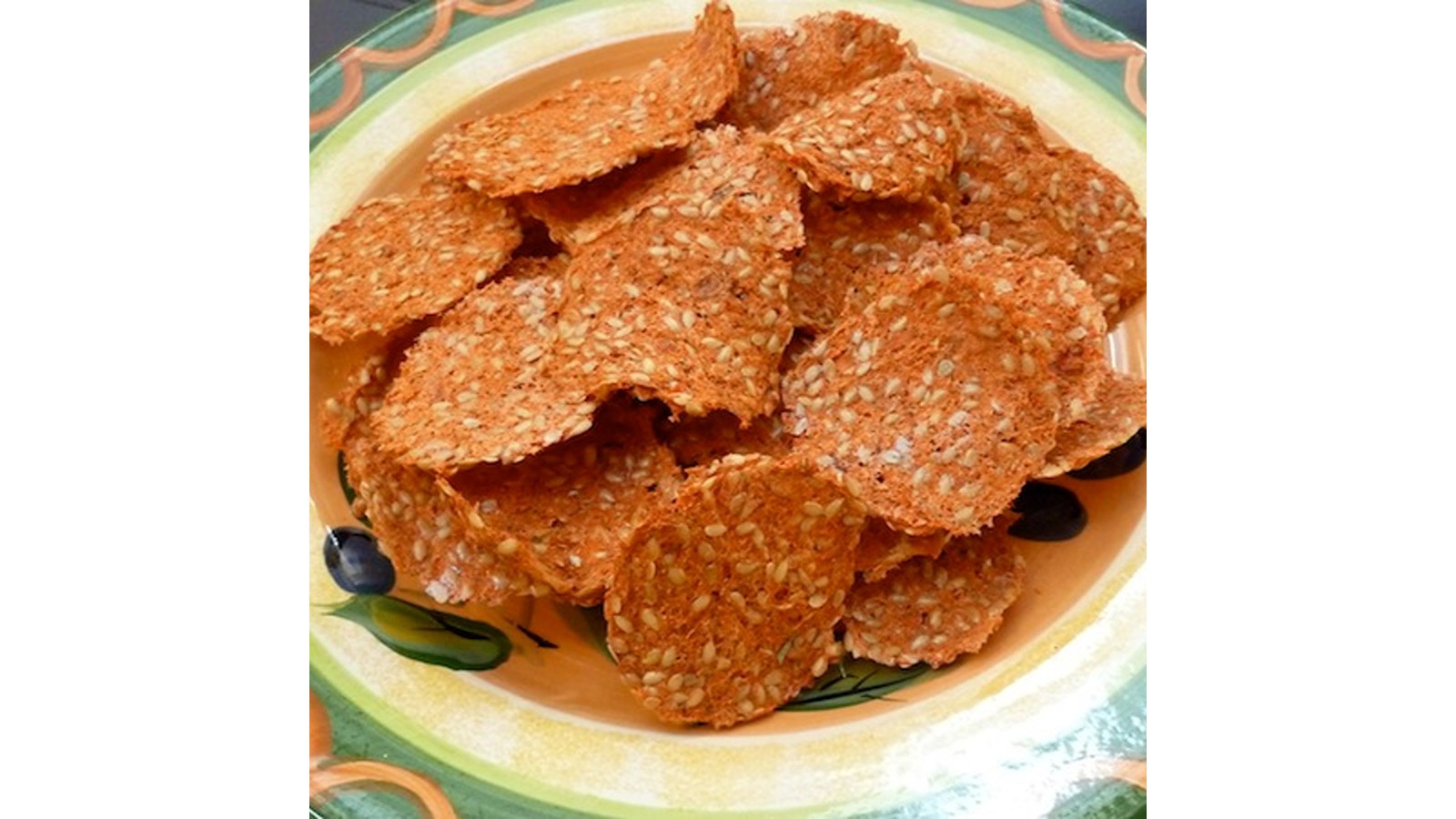
Carrot juice leaves behind an astonishing amount of pulp. Rather than throwing it straight onto the compost pile, use some for these savory crackers. The recipe adds binding ingredients to turn fresh pulp into a proper snack, not just a tray of dried vegetable scraps.
95. Green goddess kale chips

Green goddess seasoning and nutritional yeast turn kale into something much more interesting than a bowl of wilted greens. The flavor is herby and savory, with a cheesiness that doesn’t depend on dairy. Kale chips are especially good when they’re crisp enough to shatter gently as you bite, so give the coating time to dry as well as the leaves.
96. Cheesy garlic kale chips
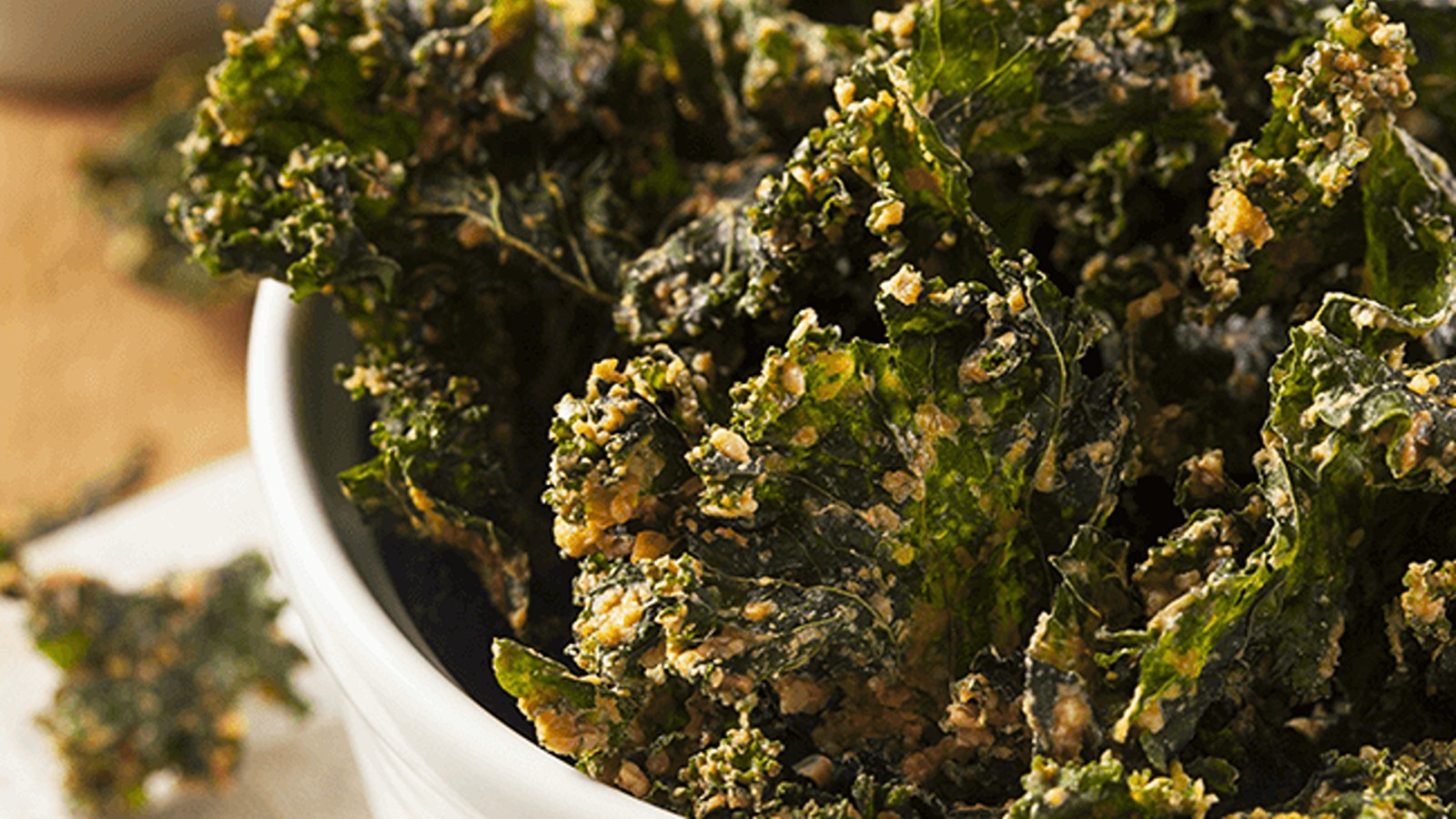
Garlic and nutritional yeast are a pretty dependable combination for making vegetables taste good, and kale is no exception. These chips have a savory, cheesy flavor without actual cheese, making them useful for dairy-free snacking. Remove the woody stems before coating the leaves; they’re not going to turn into pleasant little crisps however long you leave them in the machine.
97. Walnut–zucchini crackers
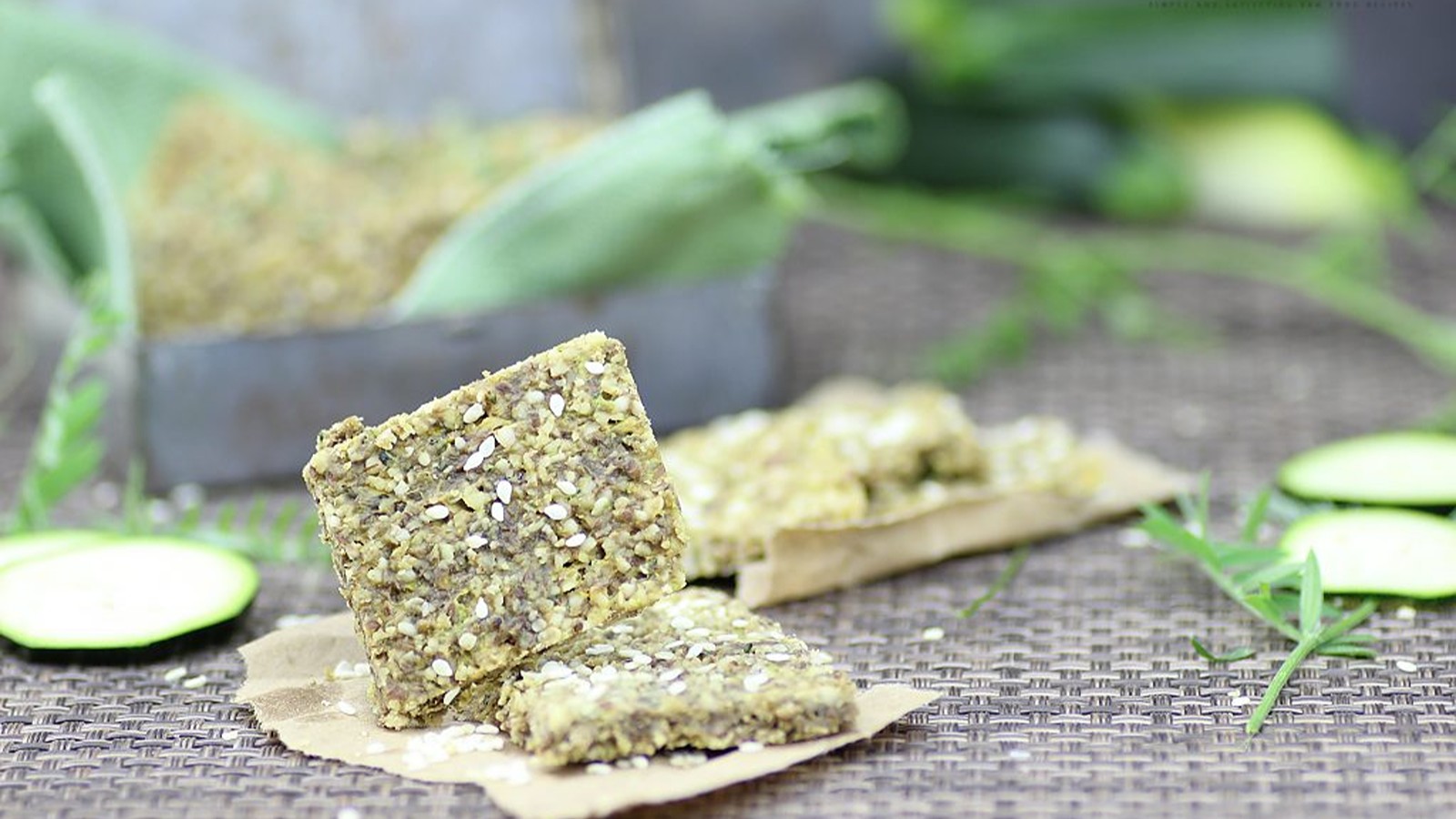
Walnuts and zucchini might sound like an odd partnership until you see them transformed into sturdy, seed-studded crackers. Flax and hemp help bind the mixture, while walnuts add richness. These are the sort of crackers that can stand up to a decent dip, though it’s best to add anything moist just before eating rather than softening the whole batch.
98. Coconut bacon
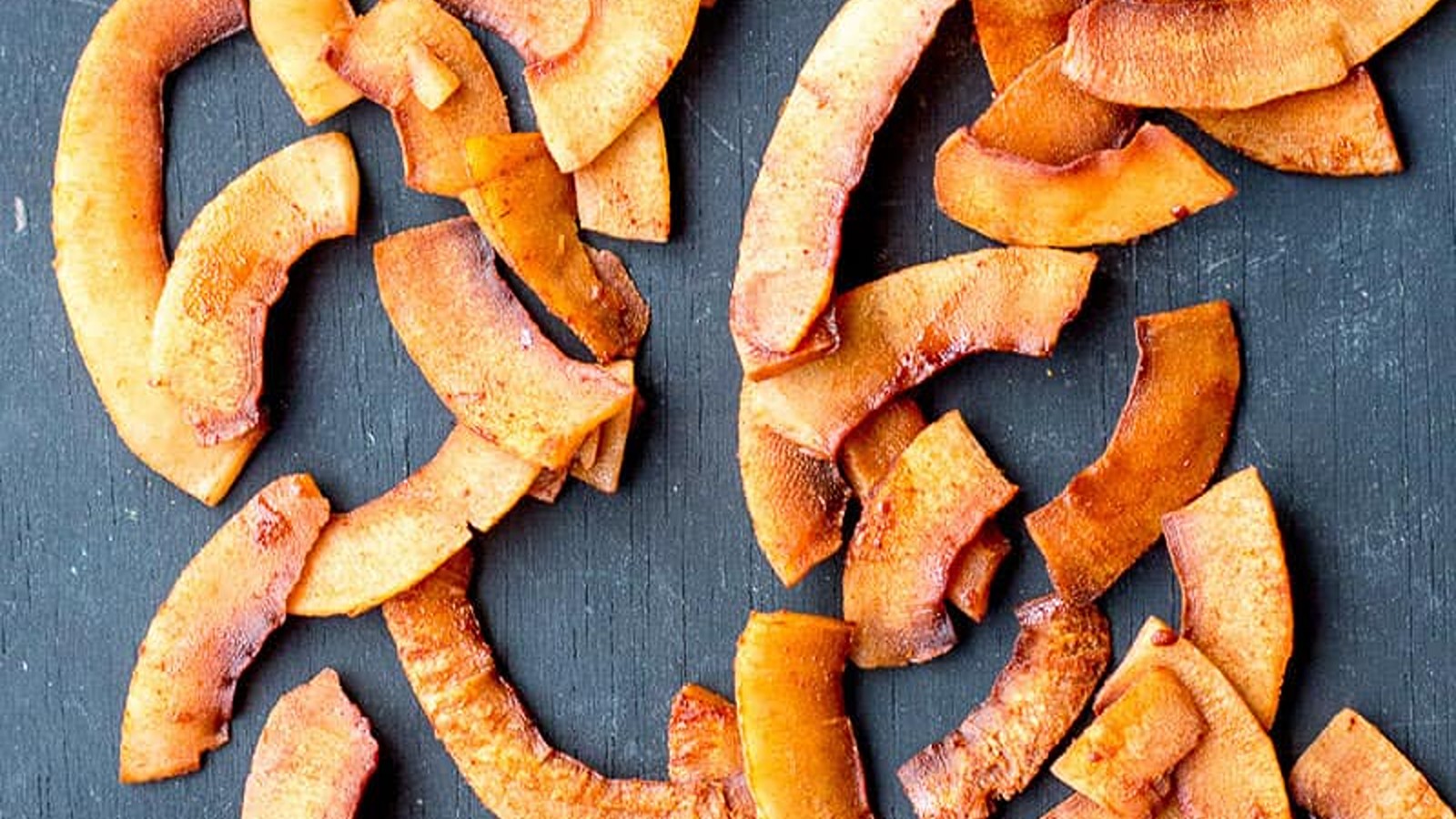
Coconut bacon is a wonderfully cheeky idea. Large coconut flakes are coated with tamari, maple syrup and smoky seasoning, then dried into crisp, savory little pieces. The result isn’t pork, but it is a useful topping for salads, roasted vegetables and other dishes that could do with a salty, smoky crunch. It’s one of the more inventive uses for a dehydrator.
99. Corn and bell pepper chips

Corn, yellow bell pepper, cashews and flax form the base of these savory dehydrator chips. They’re good with salsa or a bean dip, and make a nice change from ordinary crackers. Expect a different crunch from fried tortilla chips; they’re worth enjoying on their own terms.
100. Dill pickle kale chips

If you like the tang of dill pickles, this is a much more interesting kale chip than another plain salted batch. The pickle-style seasoning gives the leaves a sharp, savory edge that’s surprisingly snackable. Remove the coarse stems and coat the kale properly, then let the dehydrator do the work. They deserve to be eaten crisp, not abandoned in a damp bowl.
101. Habanero kale chips

Habanero kale chips are not for the faint-hearted, or for anyone who thinks black pepper is adventurous. The hot pepper gives the coating a proper kick, while the dried kale supplies crunch. Start with a modest batch and handle the peppers carefully. I wouldn’t serve these to unsuspecting guests without warning them what they’ve just picked up.
102. Roasted red pepper hummus powder
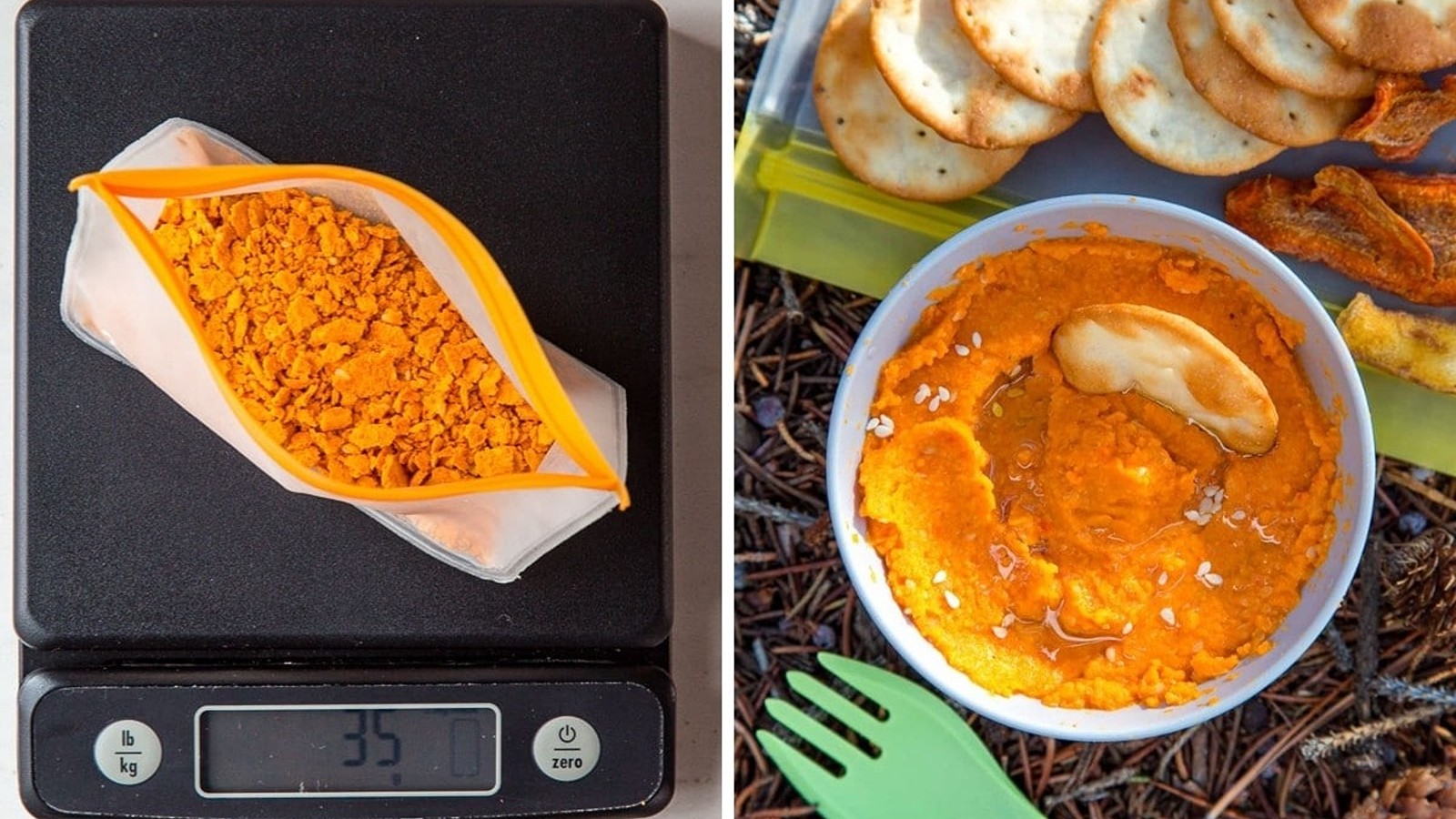
This is a clever way to take hummus camping without carrying a tub that needs keeping cold. Roasted red pepper hummus is dried and turned into a powder, then rehydrated when you want to eat it. The oil is added afterward, which makes much more sense than trying to dry a rich, oily dip. It’s also handy for lightweight packed lunches.
103. Mexican-style savory crackers

These Mexican-style crackers are the kind of savory snack that can hold its own alongside salsa, guacamole or a bean dip. The seasoning gives them plenty of flavor, so they aren’t just a vehicle for toppings. They’re made as a sheet and divided into pieces, which is easier if you score the mixture before it dries into something you can’t cut neatly.
104. Tamari-sesame almonds
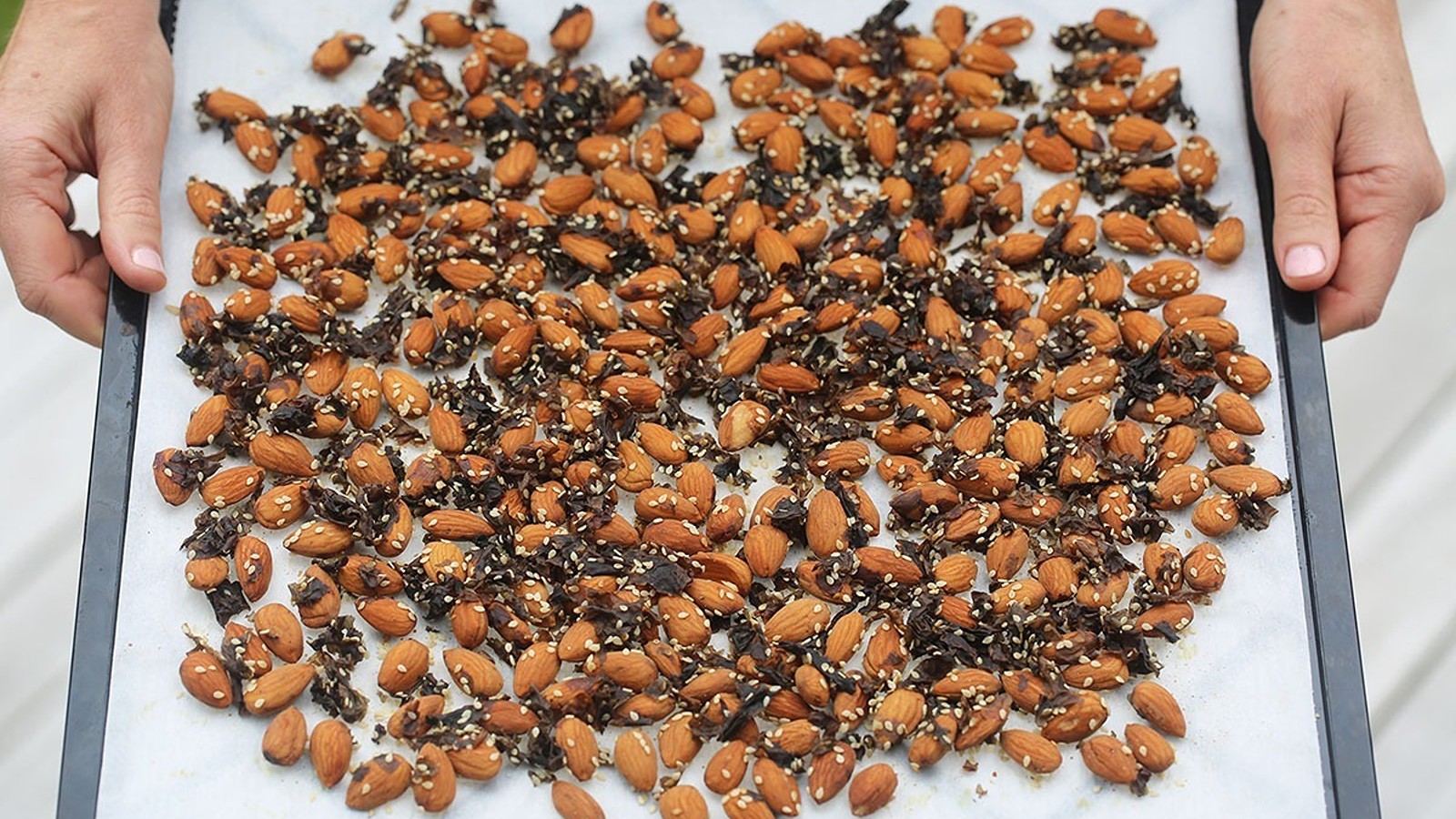
Tamari and sesame are a lovely match for almonds, giving them a salty, nutty coating that makes plain roasted nuts seem rather dull. They’re excellent by the handful, but also worth scattering over a salad or grain bowl. This recipe includes a dehydrator approach, so follow that rather than assuming the oven and dehydrator instructions are interchangeable.
105. Sunflower, sesame and flax crackers
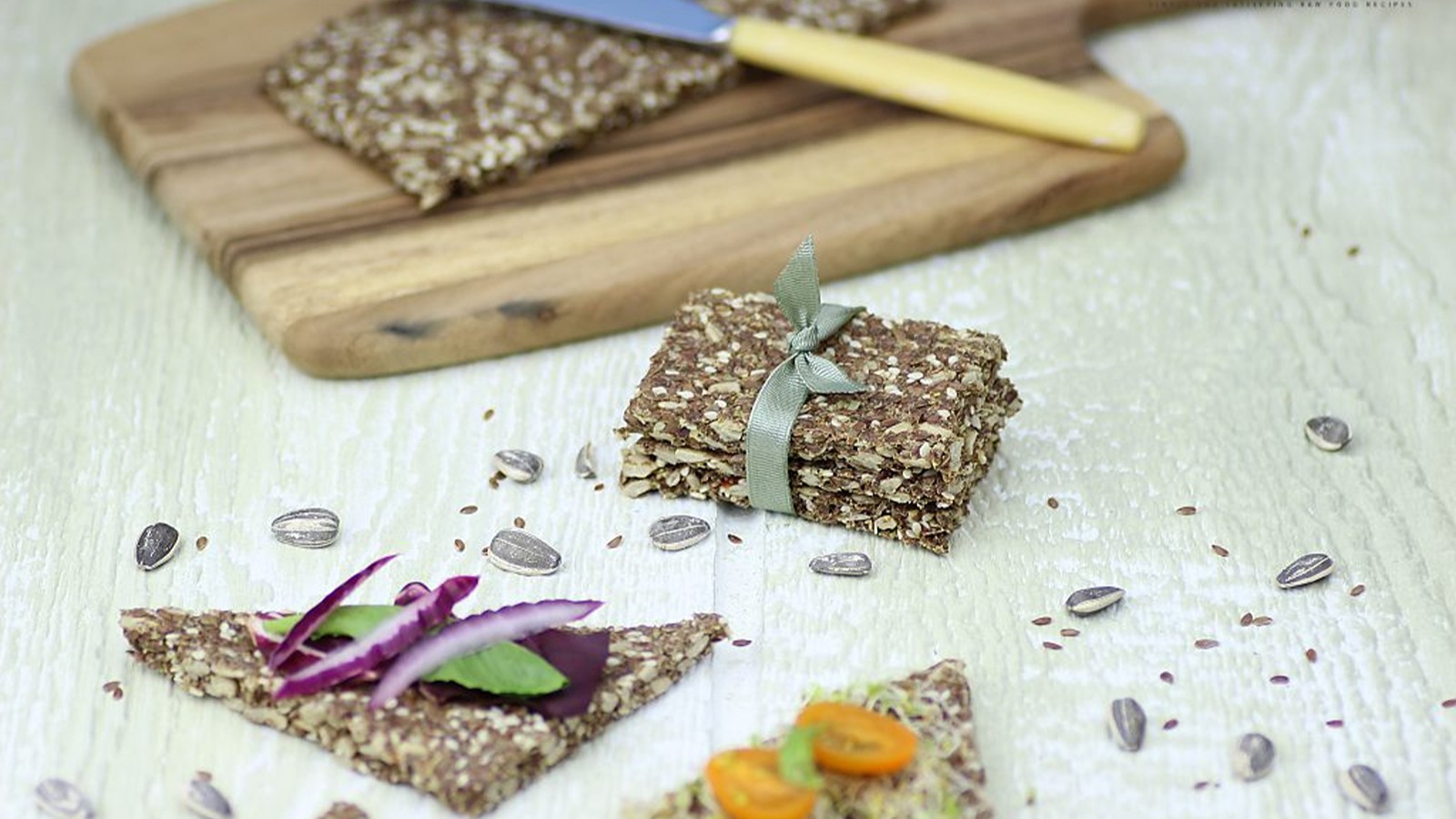
Sunflower, sesame and flax seeds form the basis of these substantial crackers, with Italian herbs providing a savory finish. They’re a good option when you want something to serve with dips that isn’t made with ordinary flour. You’ll get the best-looking pieces if you score the sheet before it’s completely crisp; otherwise it can become a rather enthusiastic pile of crumbs.
106. Barbecue zucchini chips
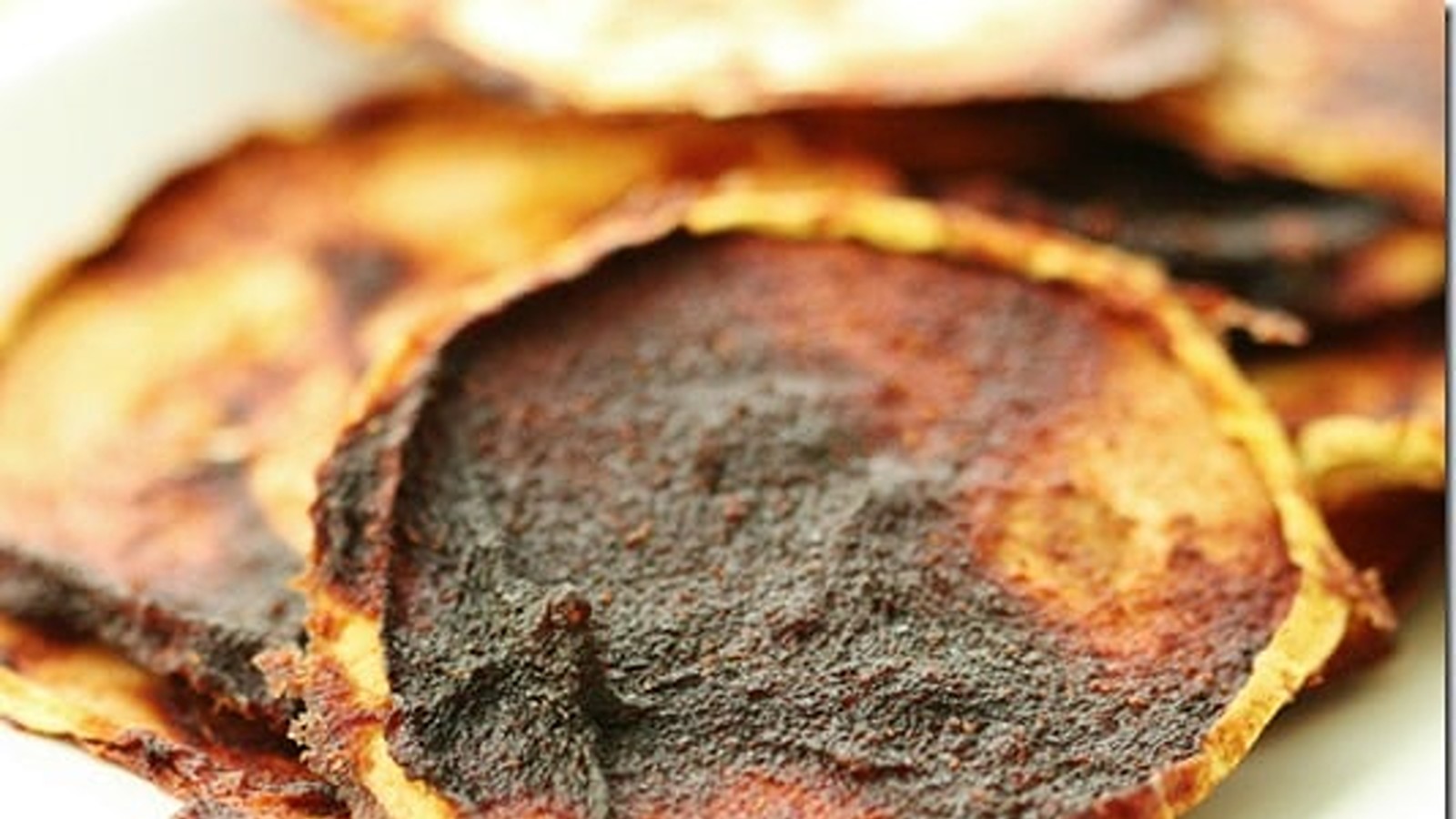
Barbecue seasoning makes zucchini a far more tempting snack than it has any right to be. The mild slices carry that smoky, savory flavor well, and drying turns them into little chips you can munch by the handful. They’re particularly worth trying during a summer zucchini glut when you’ve already exhausted your enthusiasm for muffins and fritters.
107. Garlic chia crackers

Chia seeds are excellent at binding a cracker mixture, and this version adds garlic and greens for a more interesting savory flavor. The recipe offers a spinach-and-garlic alternative to wild garlic, which is the one I’d choose unless I was absolutely certain of my foraging identification. A tasty snack is not worth taking a chance on the wrong plant.
108. Flax crackers
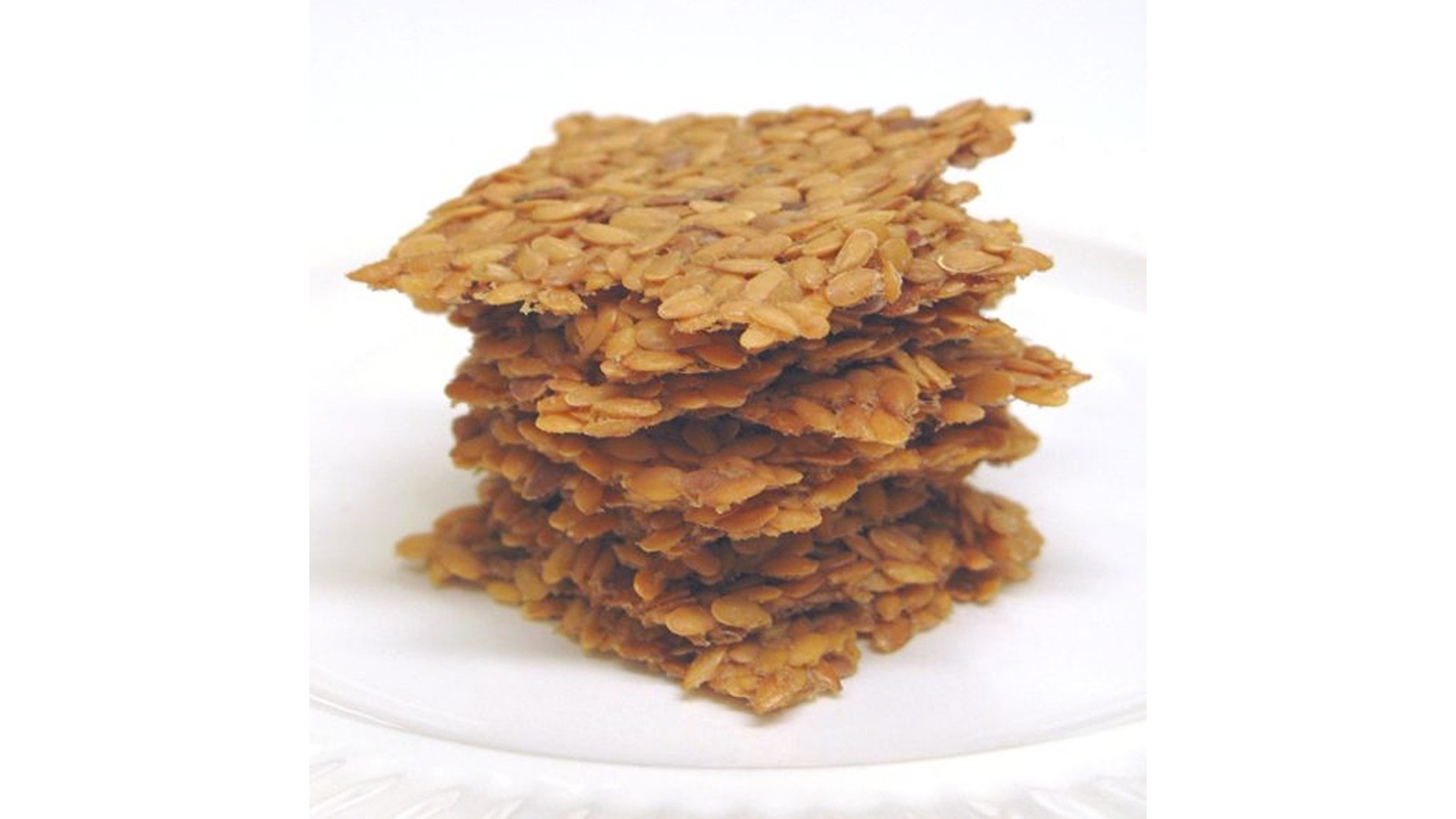
Flax crackers are one of those recipes that demonstrate just how useful seeds can be in a dehydrator. Once soaked, flax forms a gel that holds everything together without needing ordinary flour. The finished crackers have a hearty, seedy character and are good with dips or toppings. Score them while the sheet is flexible unless you enjoy playing cracker roulette with the final shapes.
109. Onion-nut crackers

Onions and nuts give these crackers a rich, savory flavor that’s more substantial than a simple seeded crisp. They’re particularly good as a base for a little fresh topping or alongside a bowl of soup. The recipe is a useful change if you like dehydrated crackers but are tired of ones that taste mainly of flax.
110. Prawn crackers

Prawn crackers are a good example of a recipe where the dehydrator does an important job but not the entire job. A cooked prawn-and-starch mixture is shaped, sliced and dried before the pieces are cooked again so they puff. The thin, hard discs from the dehydrator aren’t meant to be eaten as they are. Follow the full process for the actual airy crackers.
111. Herby tomato chips
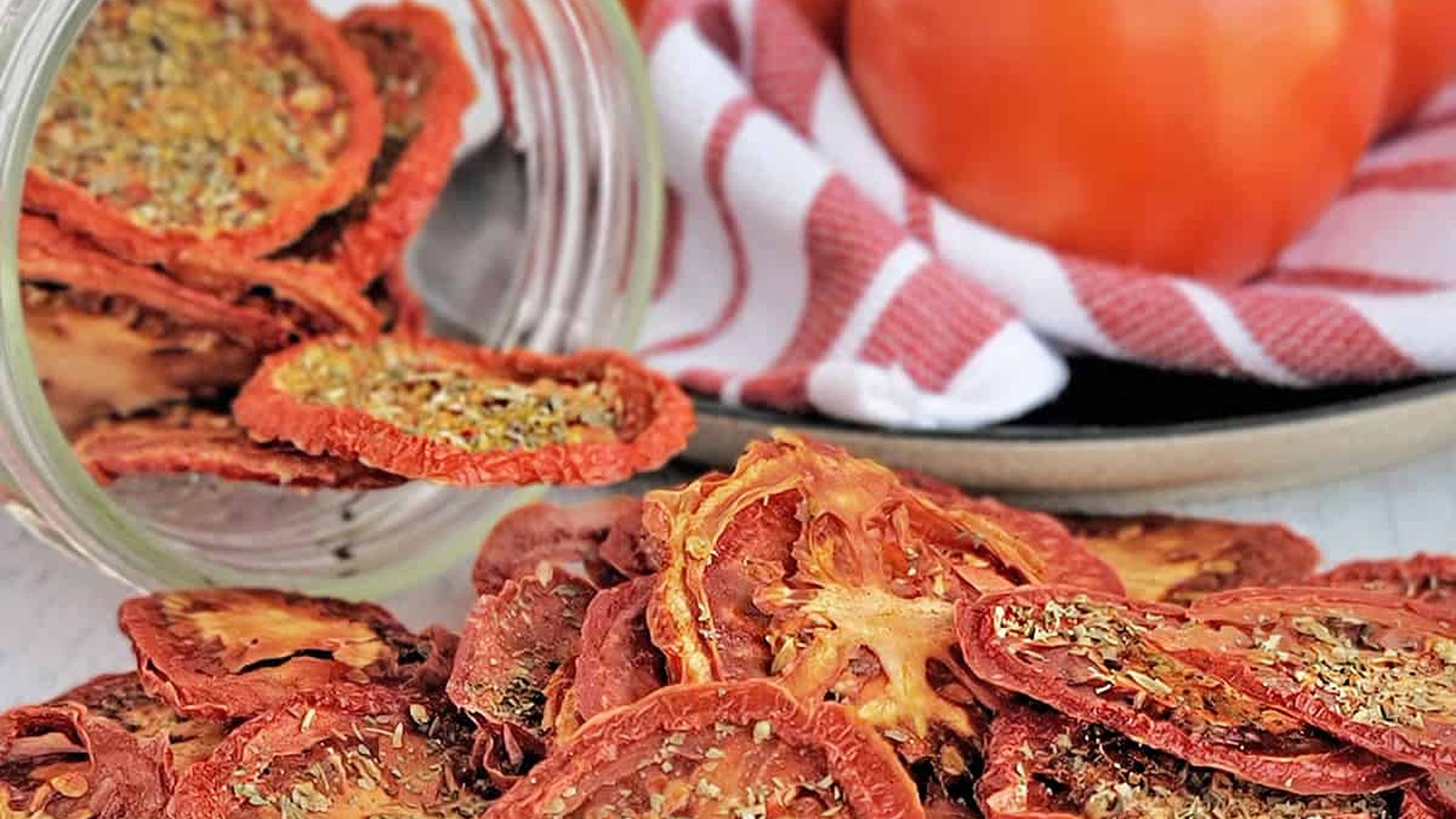
Tomatoes have so much flavor when they’re properly ripe that turning them into chips almost feels like cheating. Add herbs and remove much of the water, and you get little pieces with a punchy, savory taste. They’re lovely on their own or crumbled over other foods. Choose good, meaty tomatoes; bland ones don’t suddenly become spectacular because they’ve been dried.
112. Dill pickle chips
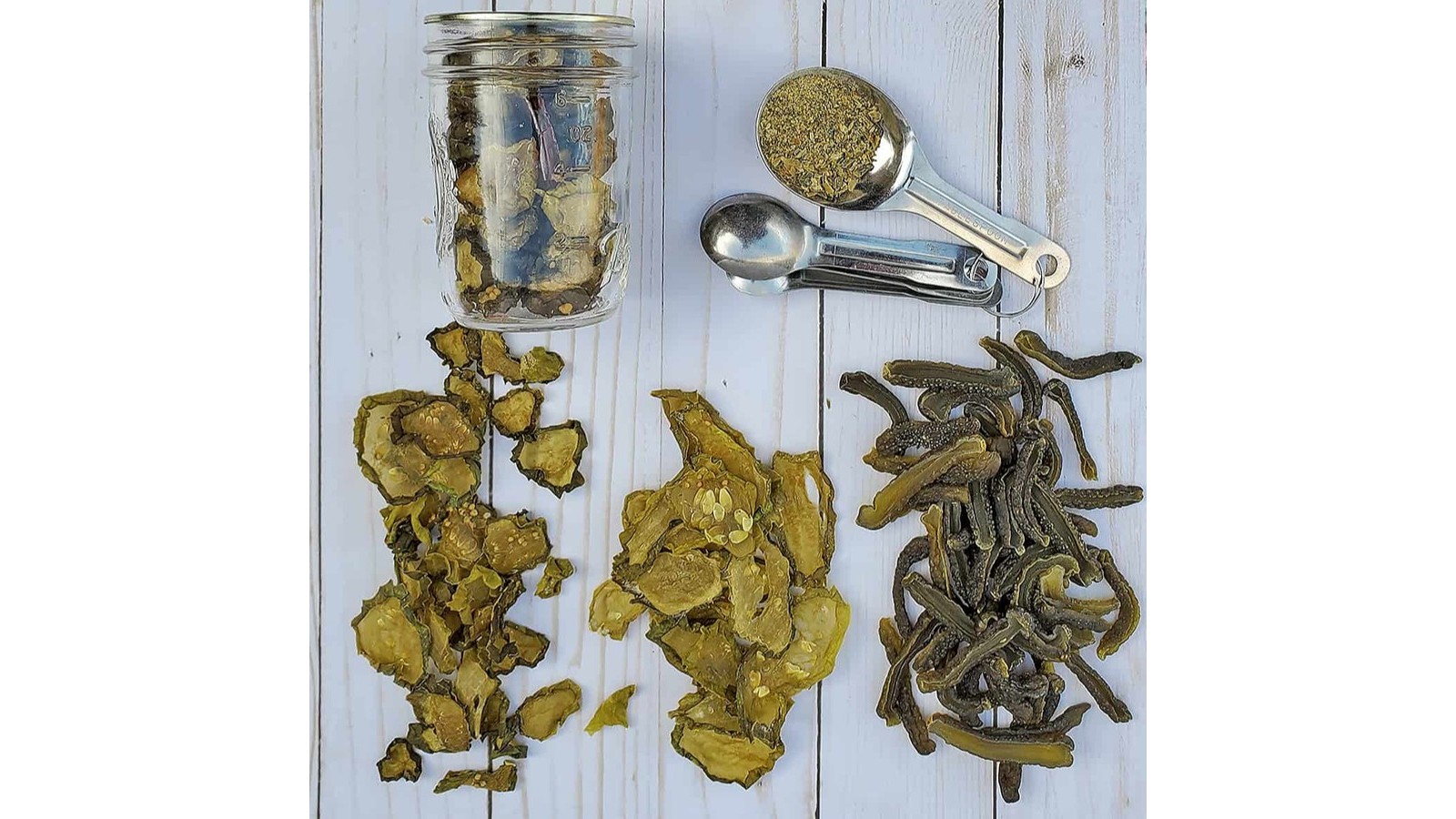
Dried pickles sound strange until you remember that pickle flavor is basically an invitation to keep snacking. These chips concentrate the salty, sour bite into thin pieces you can eat or grind into seasoning. Pickle powder on popcorn is a particularly entertaining possibility. Pat off the excess brine before drying, or you’ll make the machine work harder than necessary.
113. Almond and herb pizza crust
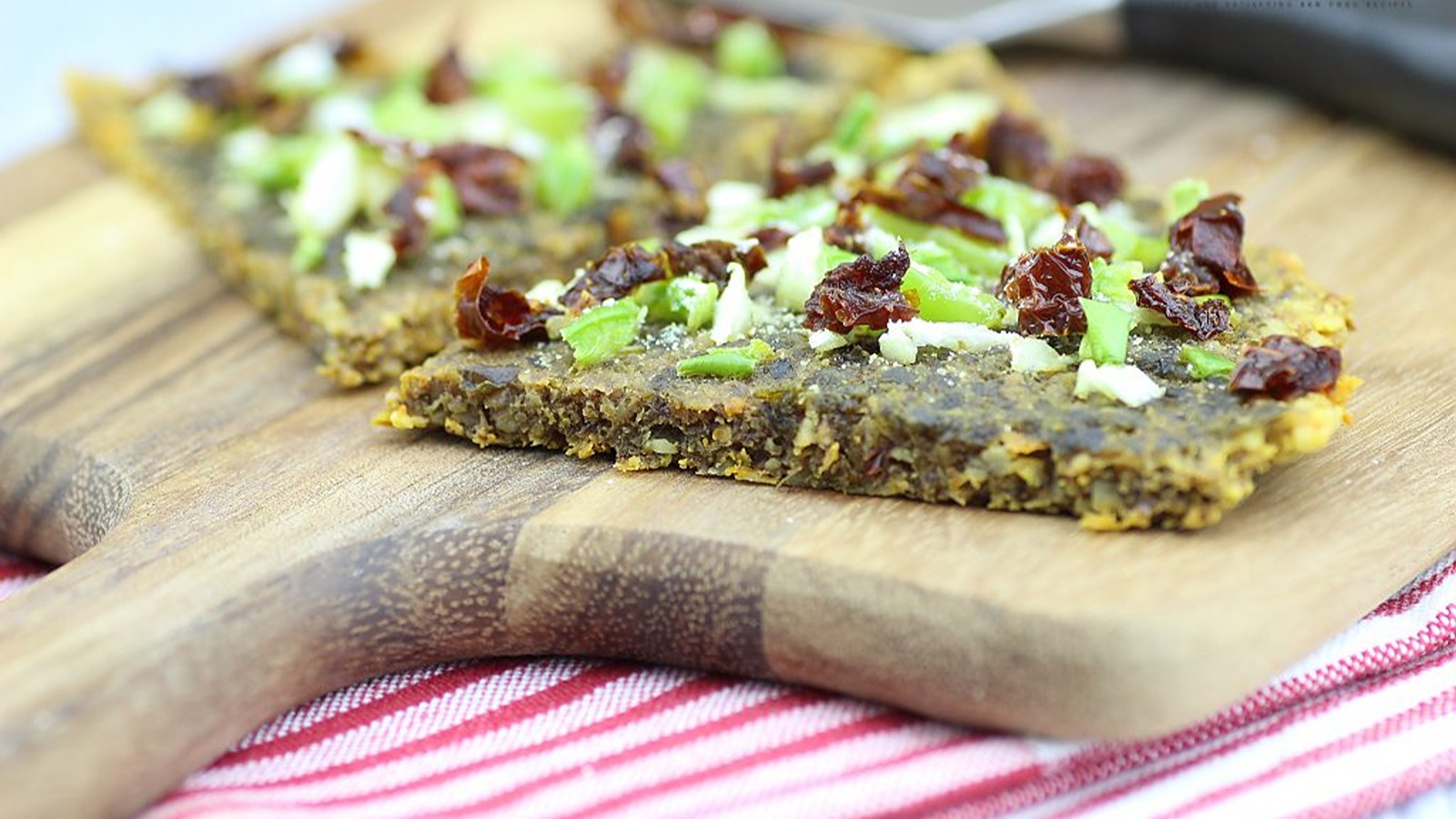
Almonds, flax and herbs make a sturdy little pizza base for anyone curious about raw-style dehydrated dishes. The mixture is shaped and dried first, then topped when you’re ready to eat. That’s the part worth remembering: fresh tomato or other moist toppings belong on at serving time, not in the container with dry crusts you want to keep crisp.
114. Sourdough croutons
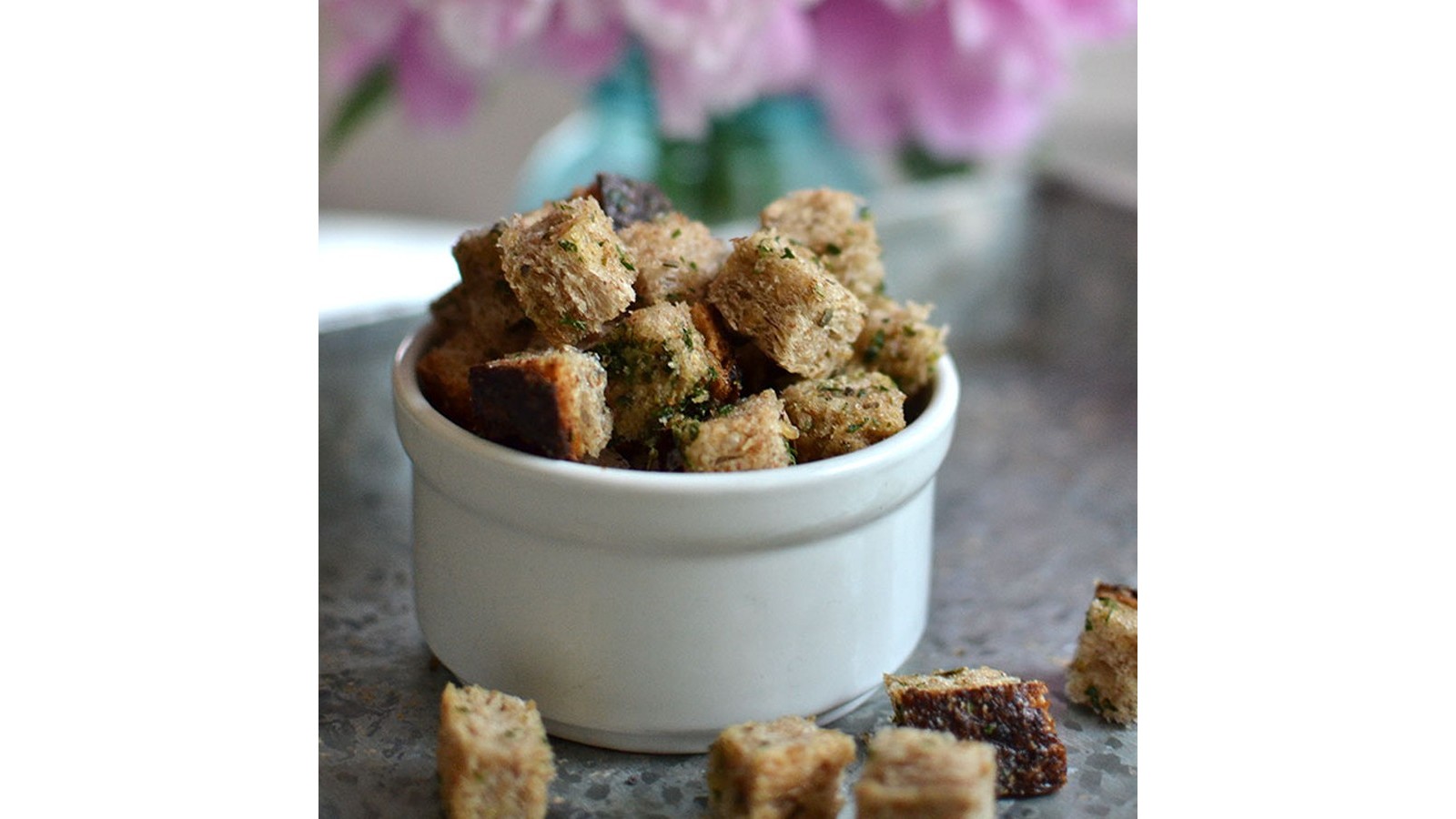
The end of a good sourdough loaf deserves better than going furry in the bread bin. Cut sound leftover bread into croutons for soups or salads, and add suitable seasoning if you like. It’s a simple, satisfying way to waste less. Moldy bread, however, belongs in the bin.
Cookies, granola and dried sweet snacks
If you’re only using your dehydrator for plain apple slices, you’re missing some of the fun. These recipes include cookies, crunchy nuts, fruit-flavored granola, pumpkin bark and a few things you probably wouldn’t have thought to dry. Some are everyday snacks; others are unapologetically treats. There’s room for both.
115. Caramel apple chips
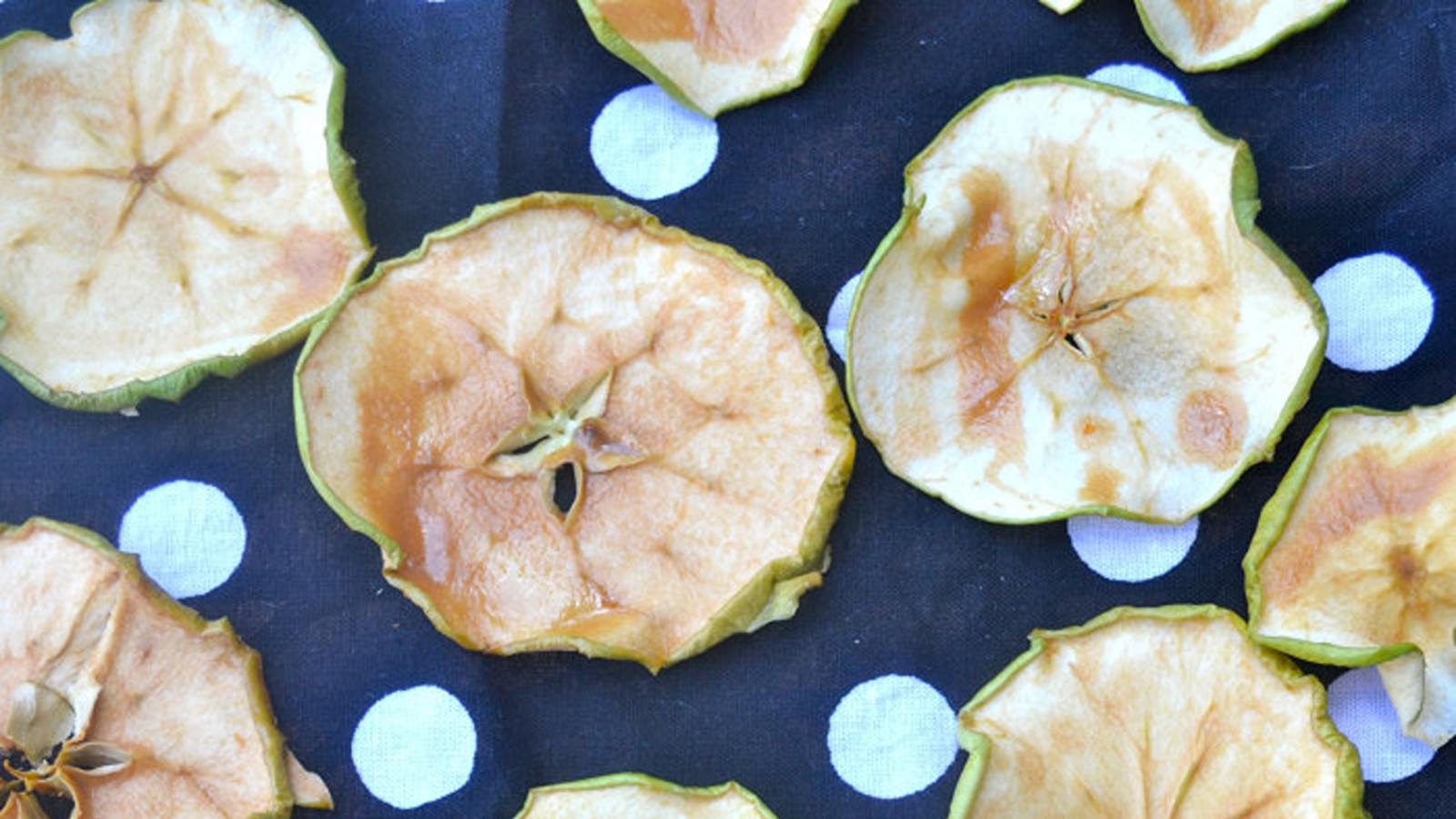
Caramel-coated green apple slices have a lovely sweet-tart contrast that makes them feel more like a treat than everyday dried fruit. They’re especially appealing if you enjoy caramel apples but don’t fancy eating one on a stick. This is not the recipe I’d choose for filling a year’s worth of pantry jars: the coating can soften as it picks up moisture, and the finished chips are better treated as something to enjoy fairly soon. A modest batch for a fall gathering sounds much more sensible.
116. Cinnamon walnut crunch
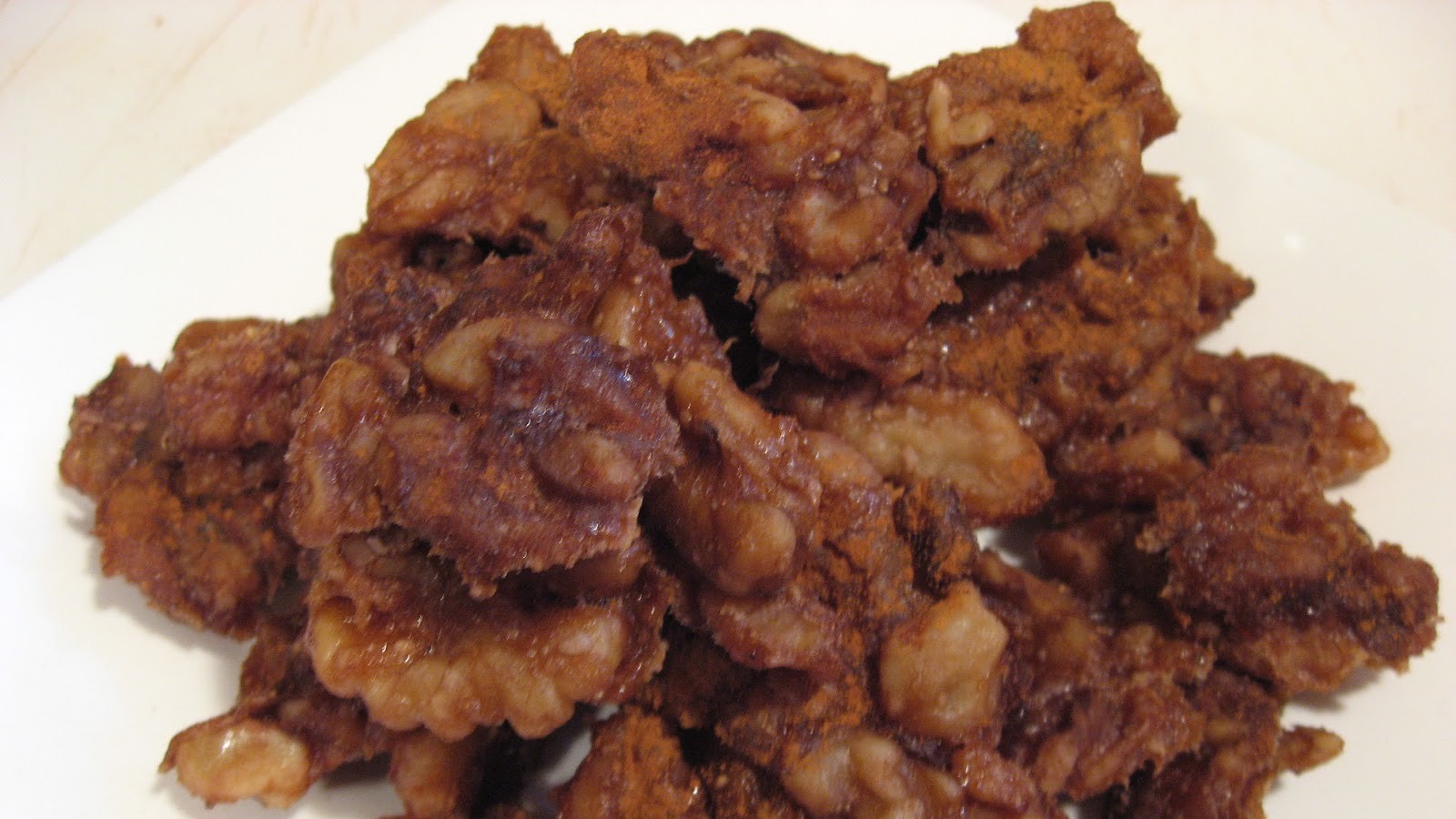
Cinnamon walnuts are the kind of thing you put out in a little bowl and then discover everyone has been ‘just trying one more.’ The warming spice makes them lovely with oatmeal, yogurt or baked fruit, too. This recipe starts with soaked nuts, so follow the preparation and give the larger pieces the drying time they need before packing them away.
117. Coconut sesame cookies

Coconut and toasted sesame seeds give these little cookies far more texture than their short ingredient list suggests. They have a nutty, gently sweet flavor, with brown sugar or Sucanat providing the sweetness. If you’re expecting a fluffy oven-baked cookie, these are something quite different: a compact dehydrated treat that’s worth trying on its own terms.
118. Dehydrated marshmallows

If you’ve ever bought the little crunchy marshmallows for hot chocolate, you’ll understand the appeal of making your own. Ordinary marshmallows become light, crisp pieces that are fun in cocoa, baking or homemade snack mixes. The best bit is that the drying process doesn’t require any elaborate preparation. Just remember that once they absorb moisture again, their wonderful crunch starts to disappear.
119. Lemon cookies

These lemon cookies are a refreshing change from the chocolate-and-date combinations that turn up so often in raw-style desserts. The citrus gives them a bright flavor, and the dehydrator produces a texture quite unlike a conventional oven cookie. They’re a good little project when you want to make something sweet but don’t fancy filling every tray with plain fruit slices.
120. Pumpkin pie bark

Pumpkin puree, maple syrup and warming spices turn into brittle little sheets of pumpkin pie bark. Eat them as they are or add water to make a soft pudding. You get the familiar autumn flavor without making a whole pie, which is rather appealing when there’s a half-used can of puree to deal with.
121. Tangerine-coconut granola

Tangerine gives this coconut granola a fragrant citrus note that makes it feel a little more special than everyday breakfast cereal. The clusters can be eaten as a snack or scattered over yogurt and fruit. Because the mixture has larger pieces, pay attention to the recipe’s drying finish rather than assuming the crisp-looking edges tell the whole story.
122. Fruit-based sprinkles

Homemade fruit-based sprinkles are a fun alternative to conventional colored sugar decorations. Raspberry and citrus zest bring their own flavor as well as color, so they’re particularly nice on desserts where that tartness makes sense. Don’t expect them to behave exactly like commercial sprinkles or stay vivid in every recipe, but they’re a charming small project.
123. Strawberry-coconut granola bars
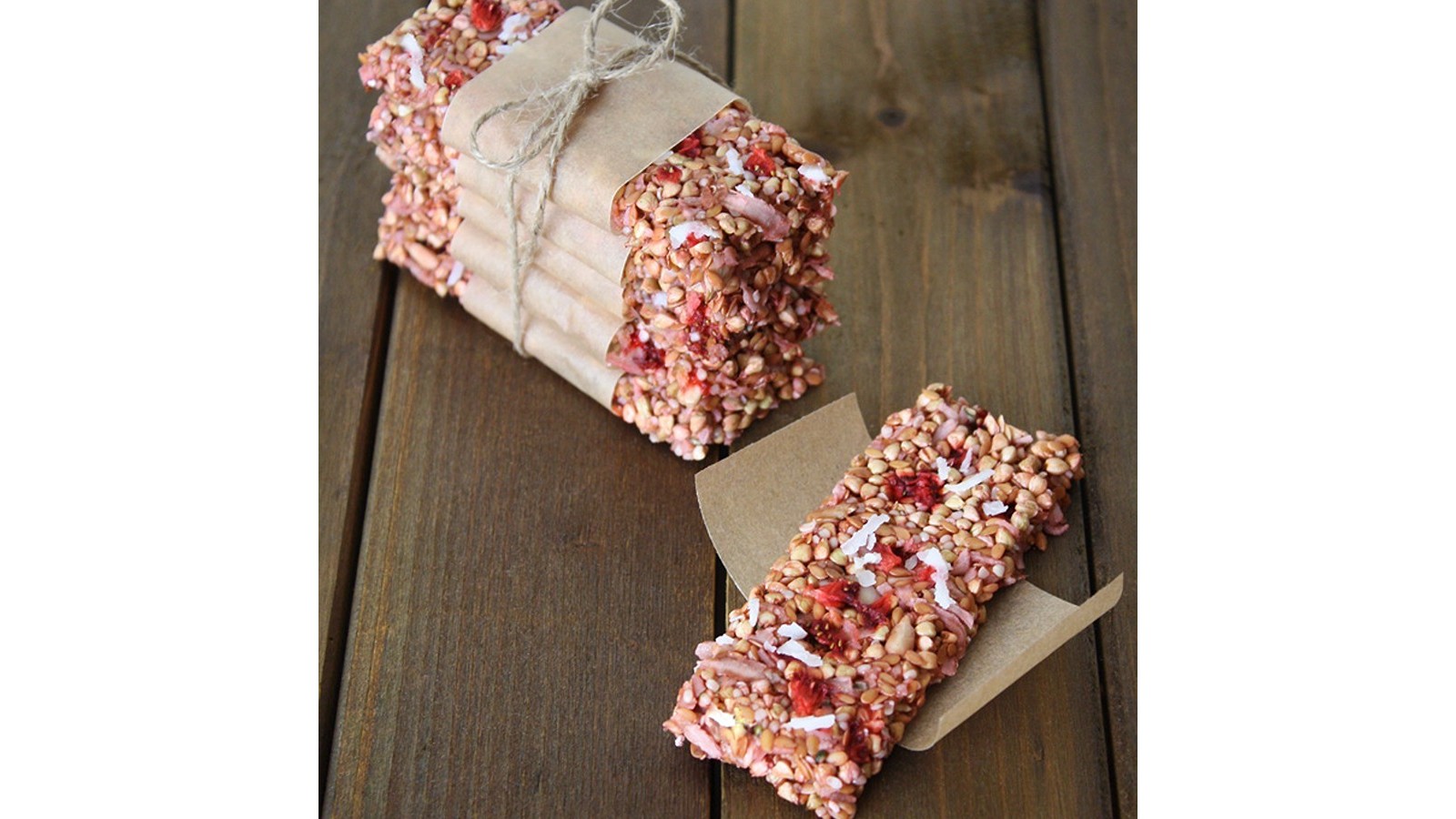
Strawberry sauce, coconut, seeds and buckwheat or oats make these granola bars much more interesting than another plain cereal-and-syrup square. They’re a useful portable snack, especially if you like fruit-forward flavors. The mixture is spread and scored before the bars finish drying, giving you something a little neater than a pile of homemade granola chunks.
124. Dried coconut flakes
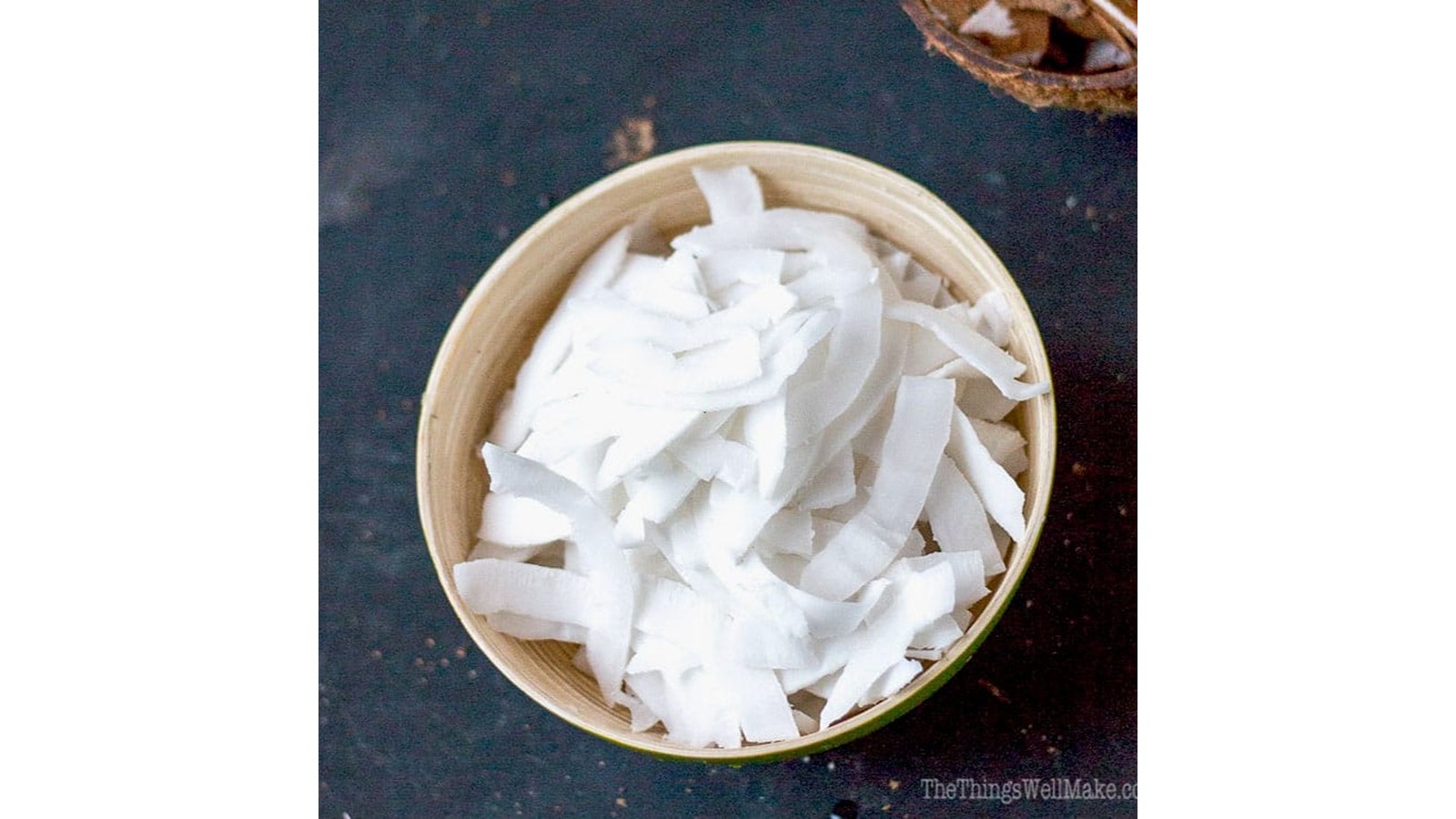
Fresh coconut has such a lovely flavor that it’s worth keeping some as simple dried flakes rather than seasoning every batch. They’re useful in baking, granola and snacks, and you can toast a portion later if you want more color. Coconut contains plenty of natural fat, though, so dried doesn’t mean it can sit in a warm cupboard forever without losing quality.
125. Vanilla-cinnamon buckwheat crispies

Buckwheat crispies make a crunchy topping for yogurt, fruit or breakfast bowls, with cinnamon and vanilla supplying the flavor. They’re a particularly good idea if you want something other than oats in your homemade cereal. This recipe starts with prepared buckwheat groats, which need rinsing and draining properly before drying into little crisp pieces.
Dried herbs, powders and seasonings
This is probably one of the most practical ways to use a dehydrator. A good harvest of herbs, garlic or tomatoes can turn into small jars of ingredients you actually reach for every week. The trick is to make amounts you’ll use while the flavor is still good, rather than accumulating an impressive collection of dusty jars.
126. Dried lemon peel

A lemon doesn’t have to finish its useful life when you’ve squeezed out the juice. Save clean peel and turn it into a fragrant ingredient for baking, dressings or homemade spice blends. A little goes a long way, especially if you’re grinding it into powder. Avoid taking too much of the bitter white pith unless the recipe specifically calls for it.
127. Orange peel powder
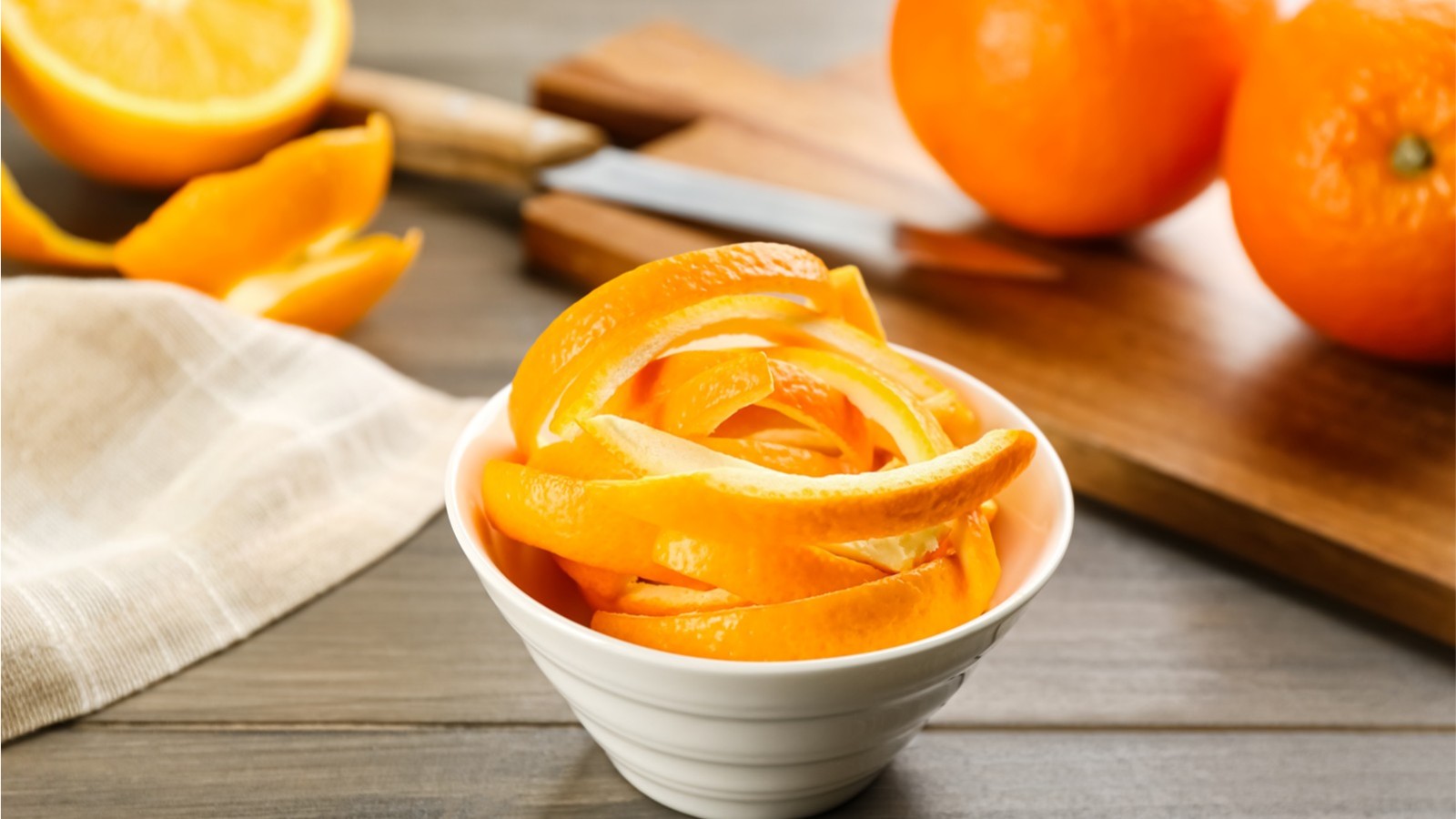
Orange peel powder is the sort of tiny pantry ingredient that’s surprisingly handy once you have it. Add a pinch to chocolate baking, spice blends or suitable drinks when you want citrus flavor without extra liquid. It’s also an excellent use for peels that might otherwise go straight into the compost. Use clean, food-quality fruit and dry the peel completely before grinding.
128. Tomato powder
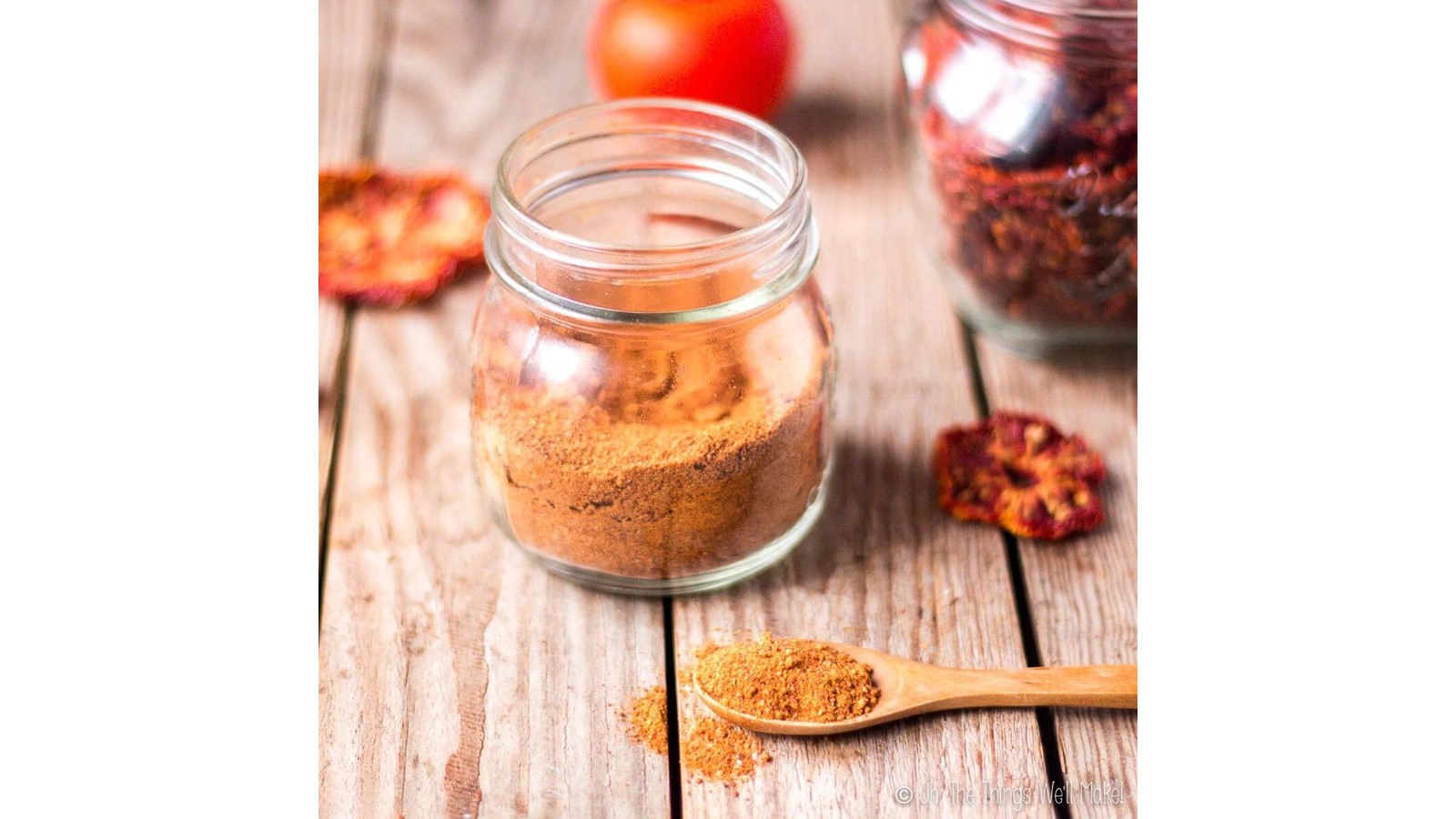
Tomato powder deserves a place in more kitchens. A spoonful can boost the flavor of soup, a sauce or even bread dough without opening a tin of tomato paste for one little dab. The trick is starting with properly dried, brittle tomatoes, then keeping the resulting powder away from moisture. A small jar is much easier to use up while it’s still flavorful.
129. Beetroot powder
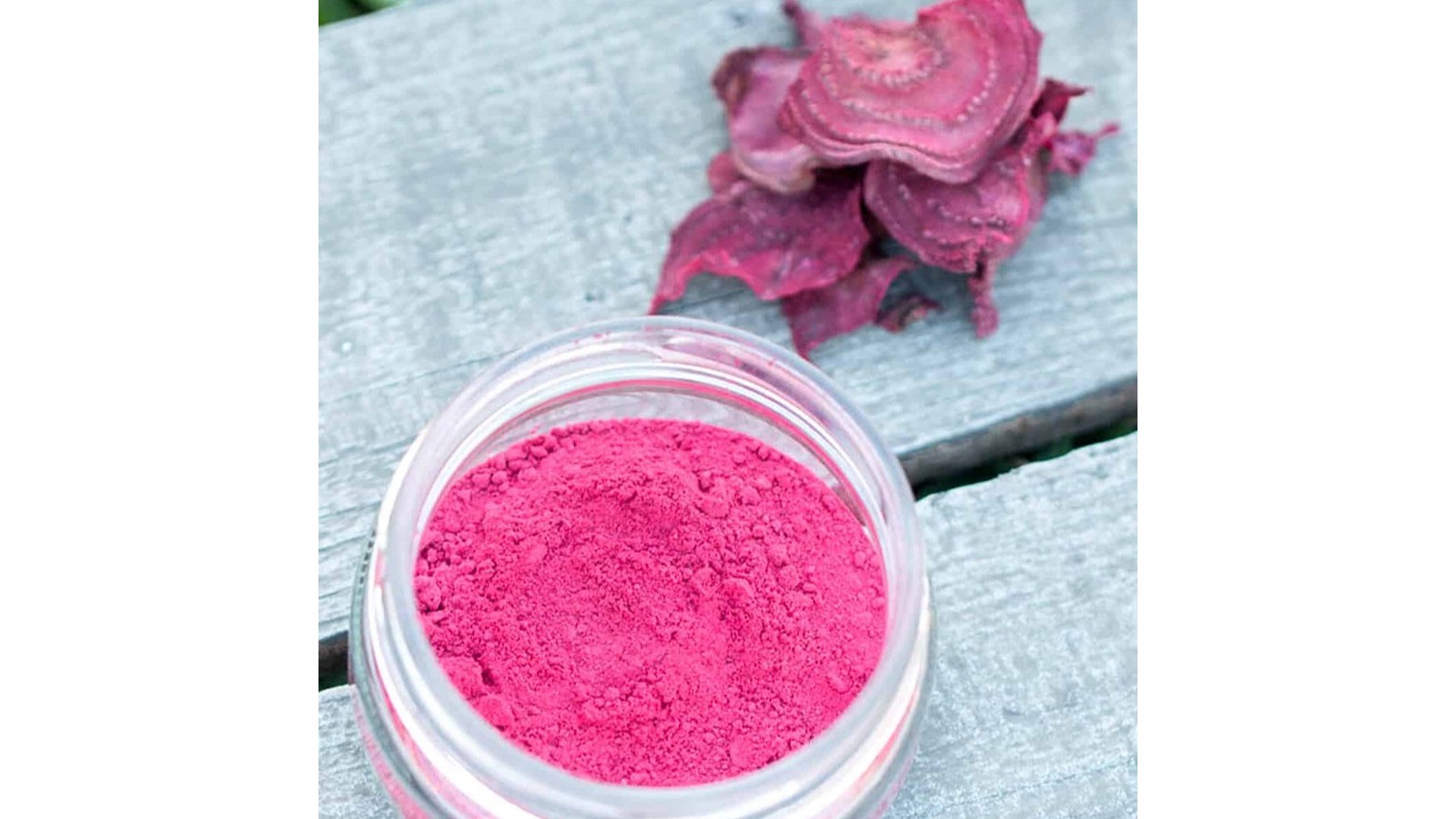
Beetroot powder adds earthy flavor and a striking pink-red color to food. It’s fun to experiment with in dough, frosting and other suitable recipes, though the color can change with acidity and heat. Start small; turning an entire batch aggressively beet-colored is surprisingly easy.
130. Homemade chile powder
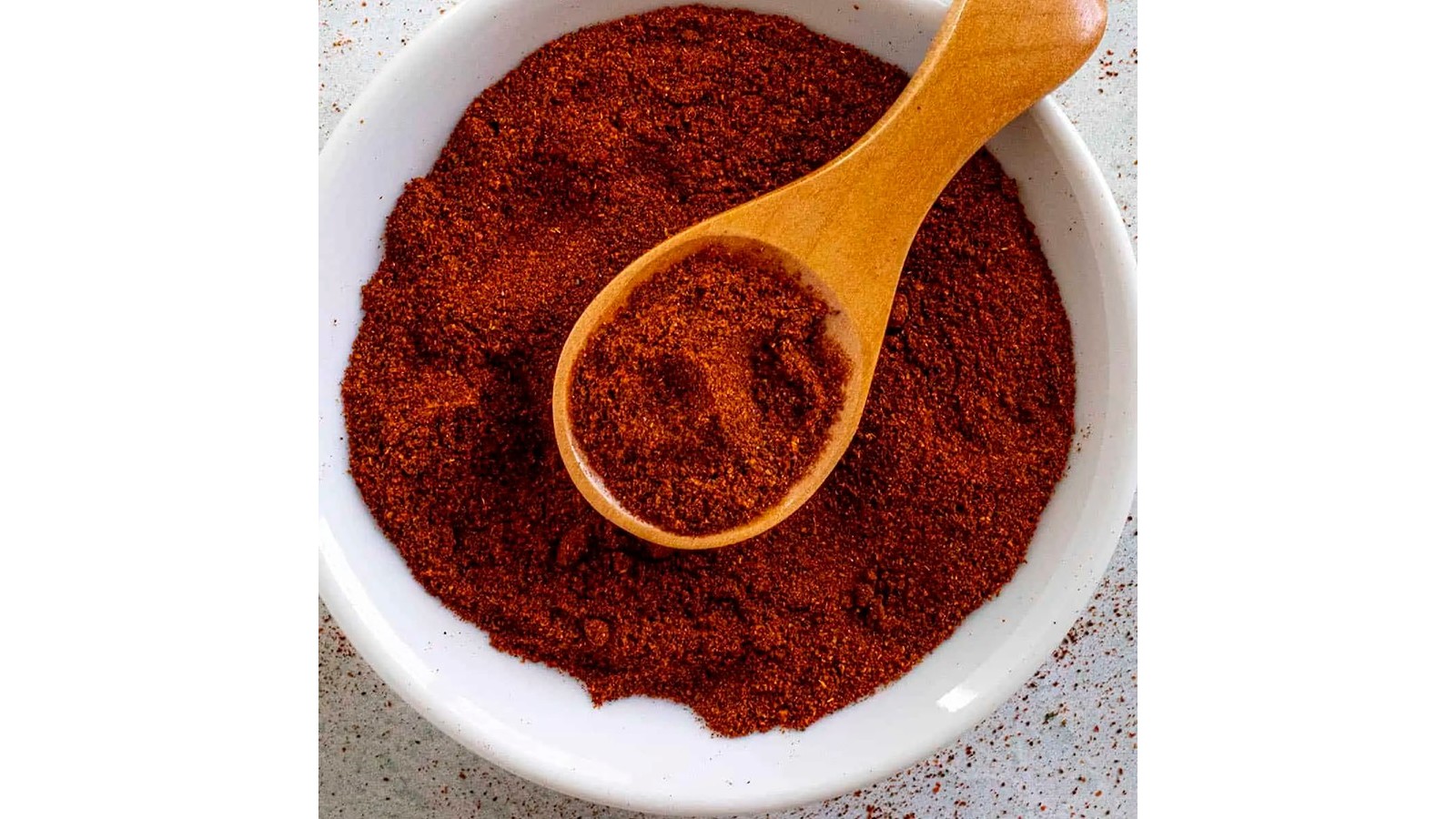
Homemade chile powder means you can choose the peppers, the heat and whether you want a single-variety powder or a blend. That’s especially satisfying if you’ve grown several kinds of chiles and want to keep their flavors distinct. Label the jars properly, because guessing which red powder is mild and which is ferocious is not a game everyone wants to play at dinner.
131. Garlic scape powder
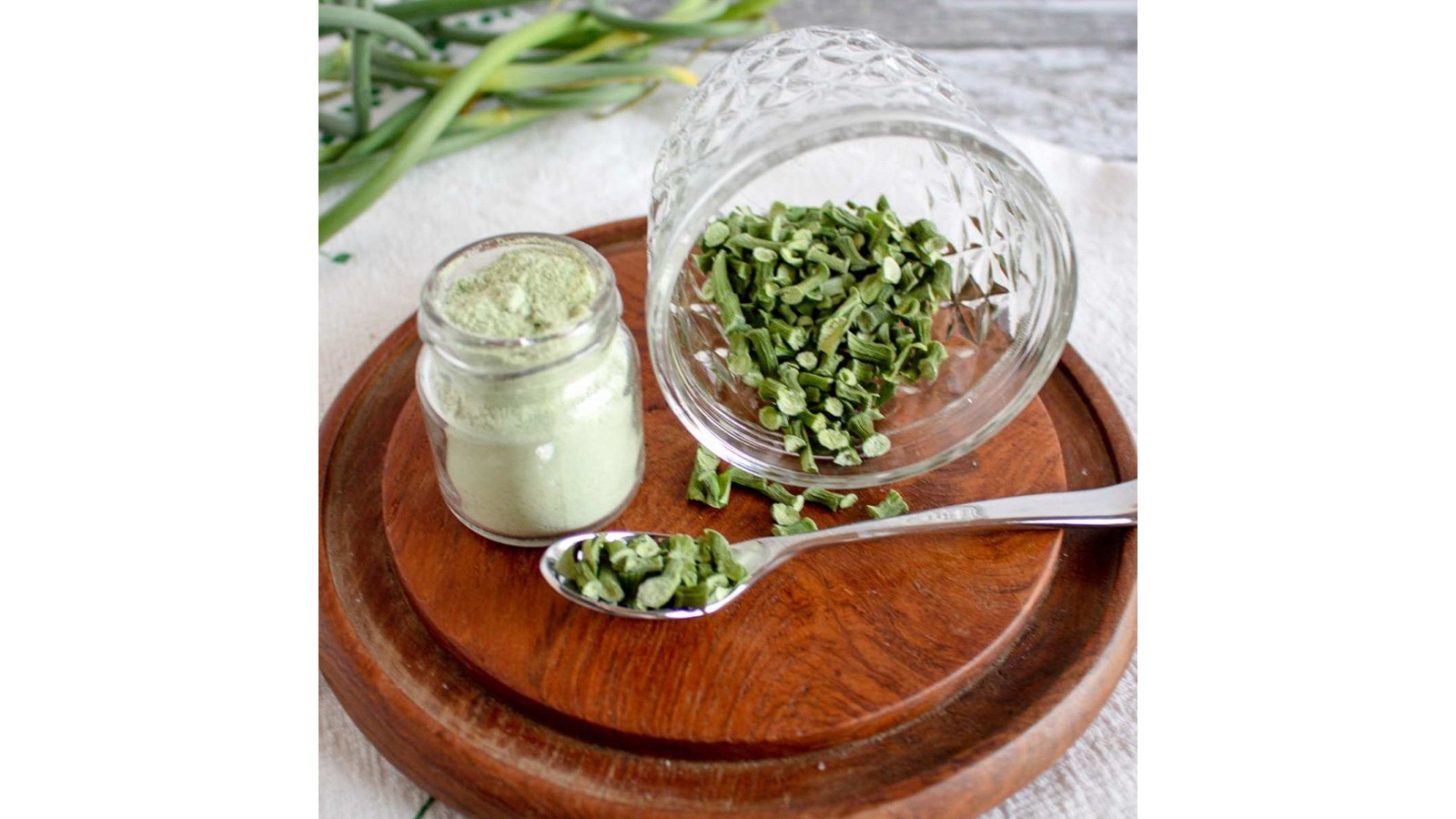
Garlic scapes are one of those fleeting garden treats that are easy to get excited about and then run out of time to use. Drying them into powder gives you a gentler garlic seasoning for soups, dressings and savory baking. It’s a useful way to preserve the harvest from hardneck garlic before the bulbs themselves are ready to lift.
132. Dried chives
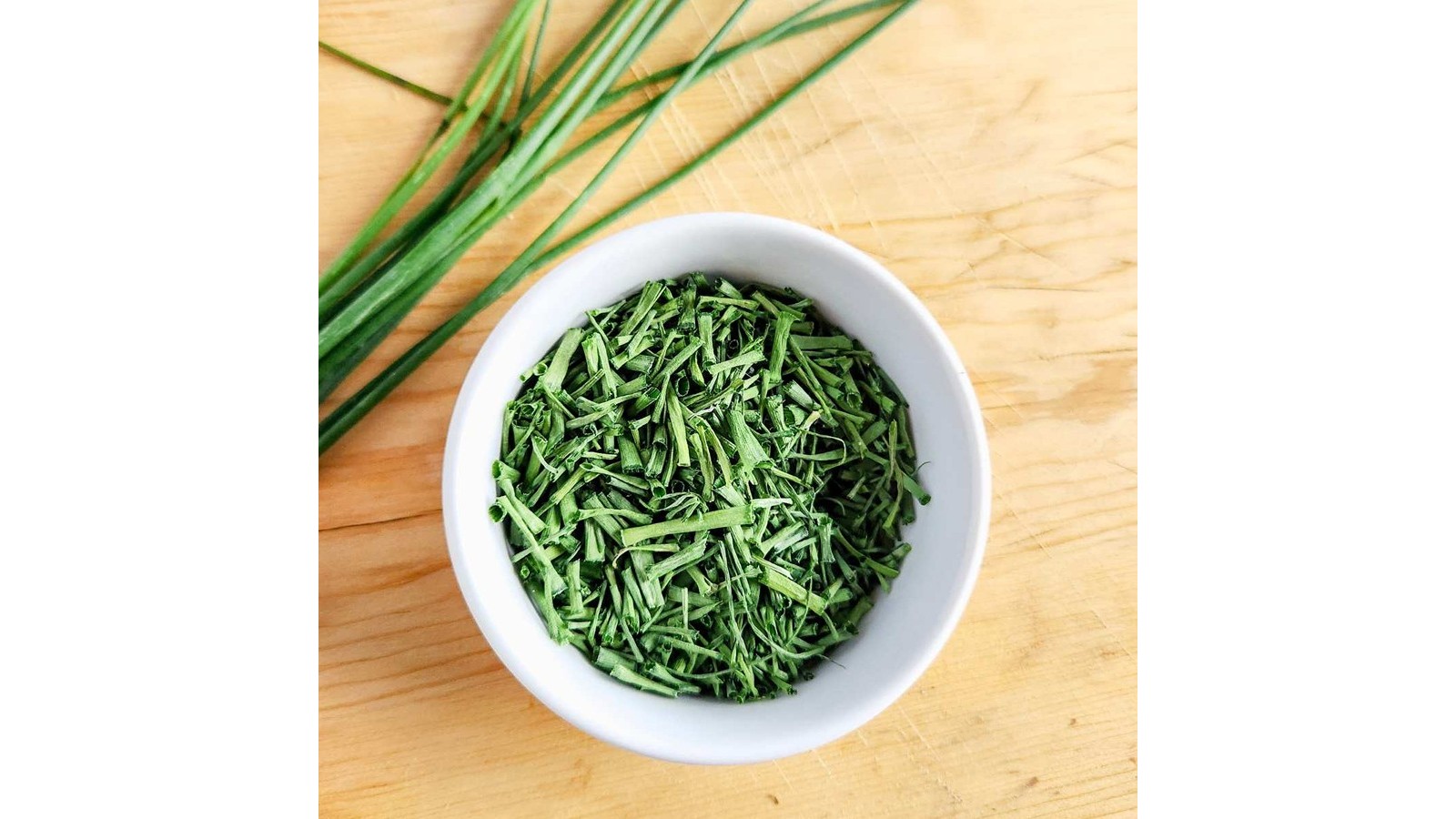
Fresh chives are gorgeous on potatoes and eggs, but the delicate leaves don’t last forever once cut. Drying a little jarful is a practical way to keep some of their mild onion flavor for later. A fine tray liner helps with the tiny pieces, which seem determined to escape through every available gap as they shrink.
133. Dried rose hips
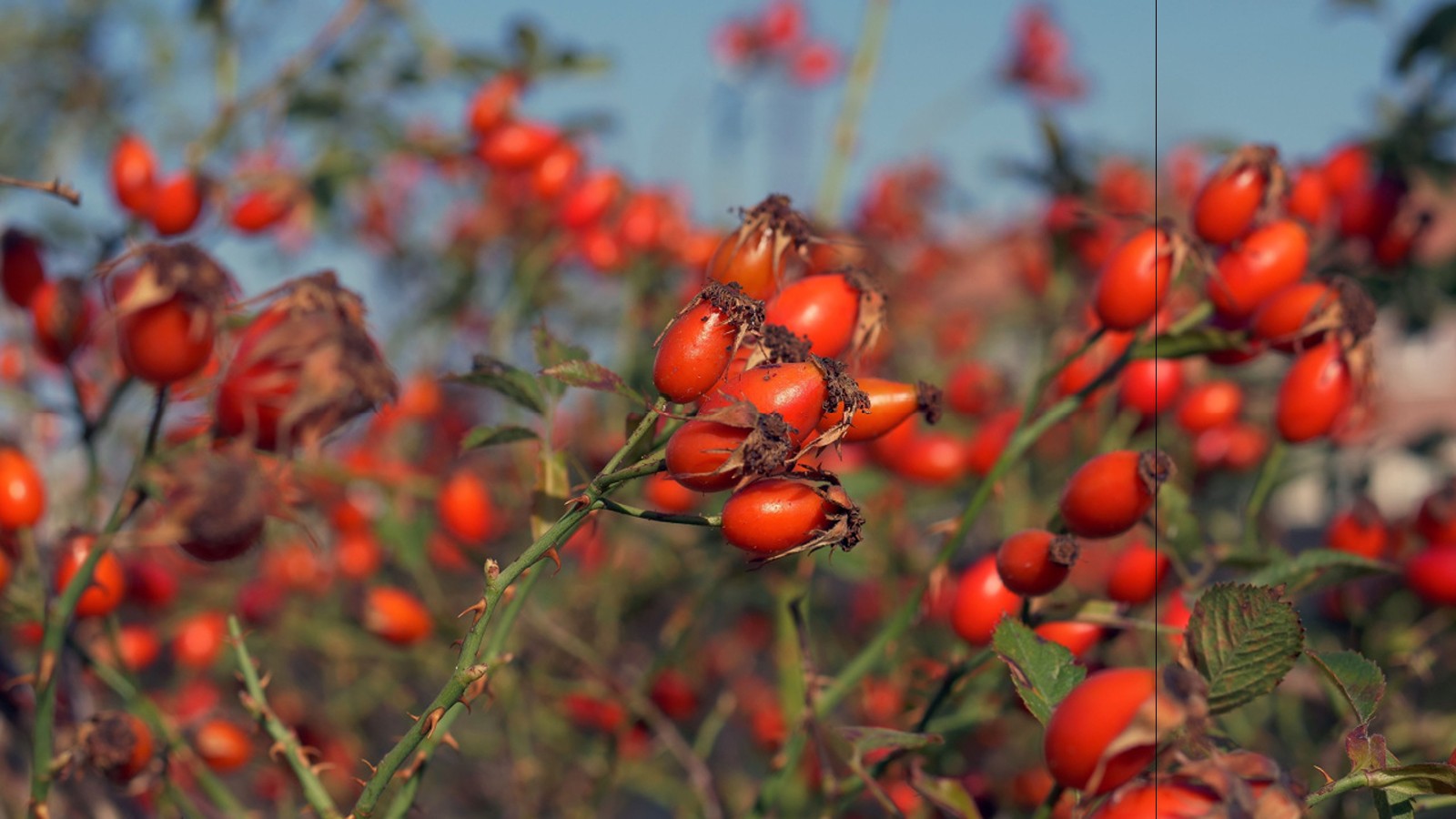
Rose hips are worth considering if you have correctly identified, unsprayed roses and enjoy making your own tea ingredients. They aren’t a casual pick-and-dry project, though: the seeds and irritating hairs need proper attention. Follow the original instructions carefully and use only hips suitable for food. It’s a rewarding preservation job when you know what you’re harvesting.
134. Dried basil
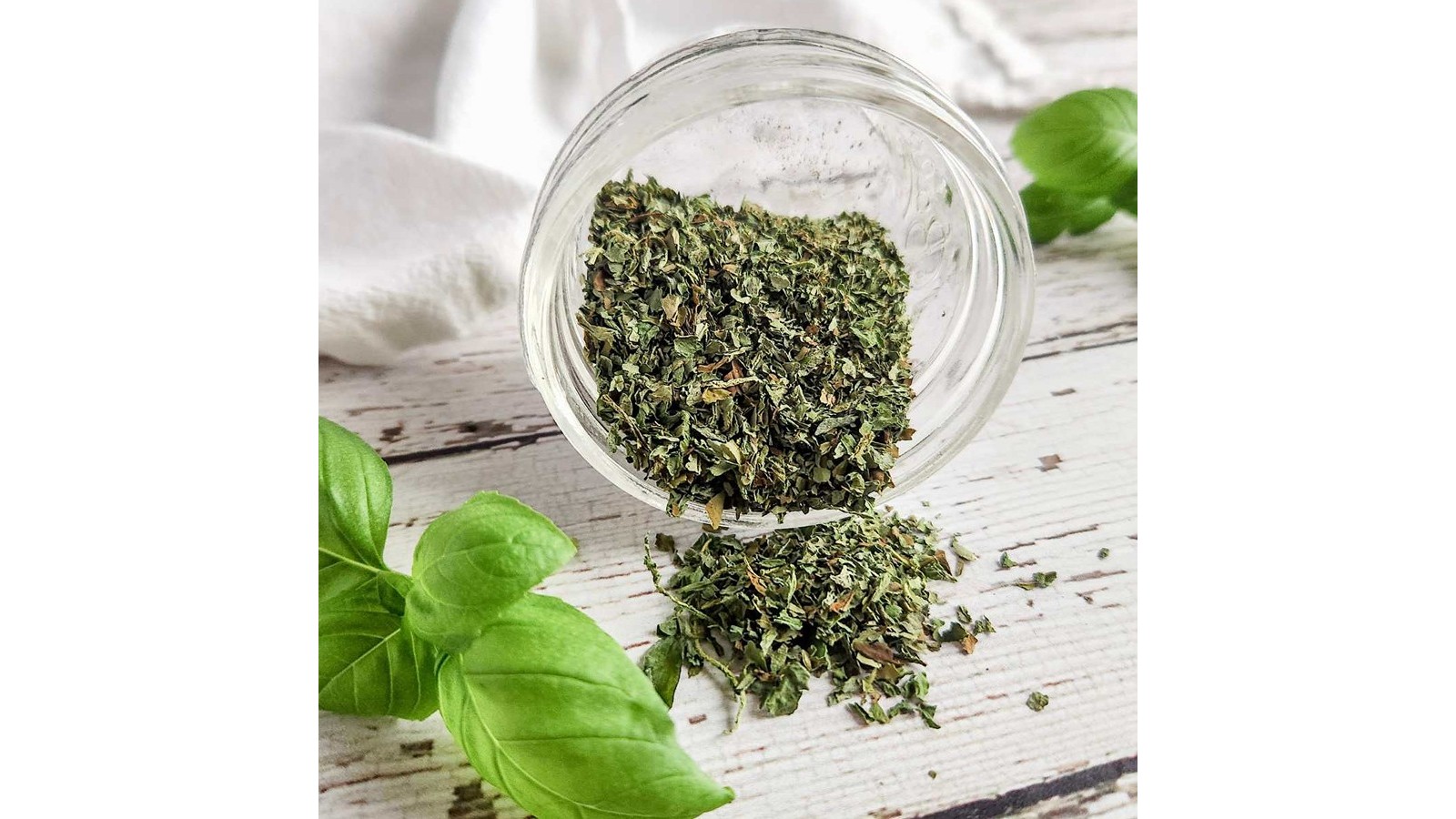
Basil is one of the great summer garden luxuries, but a huge harvest doesn’t last forever on the kitchen counter. Drying some leaves gives you a ready seasoning for tomato sauces, soups and cooked dishes. The flavor won’t be identical to fresh basil, of course, so don’t expect a pinch of dried leaves to replace a whole handful in a Caprese salad. For recipes that simmer or bake, though, the dried herb can be extremely useful. Keep the leaves fairly whole until you need them, rather than reducing the whole harvest to dust.
135. Homemade garlic powder

Good garlic powder has a much more useful role in the kitchen than simply rescuing a recipe when you’re out of fresh cloves. It distributes garlic flavor evenly through rubs, seasoning blends and homemade crackers. Making your own is also a way to use a portion of a big garlic harvest. The key is drying the pieces thoroughly before they go anywhere near the grinder.
136. Ginger powder
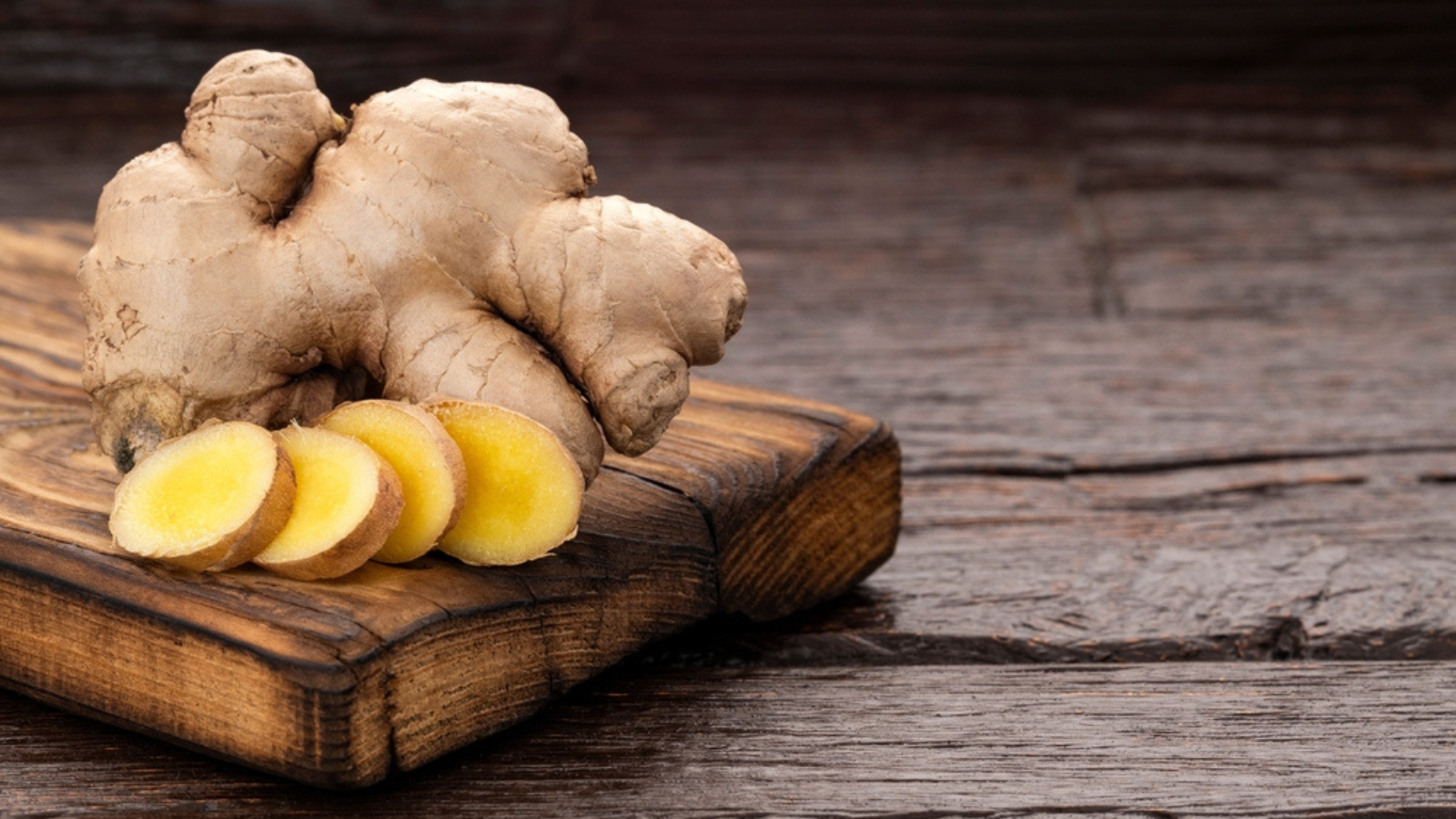
Fresh ginger is lovely, but buying a whole hand of it for a teaspoon can feel wasteful. Dried ginger powder gives you a convenient ingredient for baking, warming drinks and spice blends. You can grind the dried slices all at once or leave some whole until needed. Either way, it’s a useful little project if you regularly find forgotten ginger shriveling in the refrigerator.
137. Citrus salts
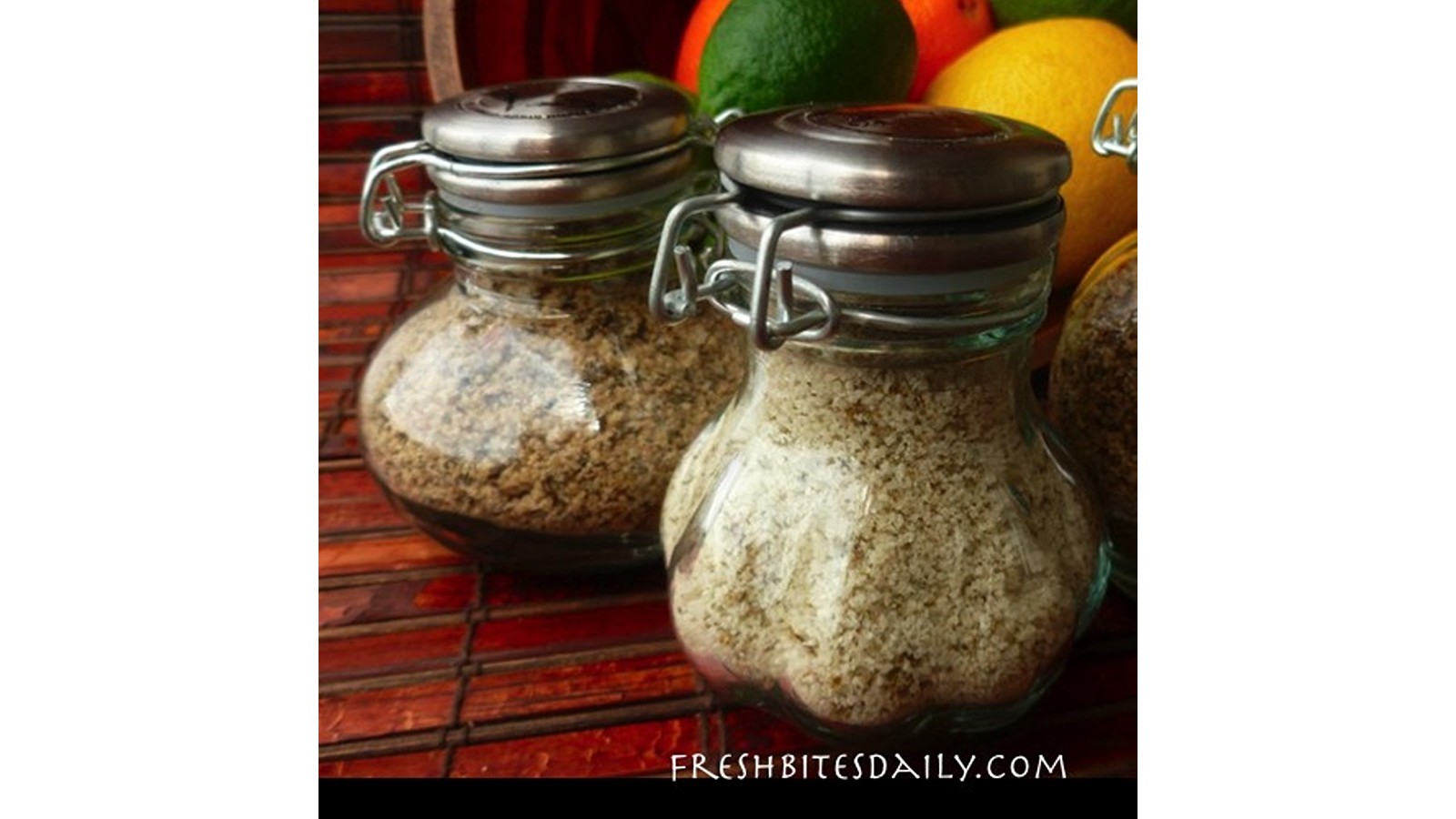
Homemade citrus salt looks pretty enough to give away, but it’s a proper kitchen ingredient too. Lemon, lime or orange zest adds fragrance to salt for vegetables, fish and other savory dishes. I like the idea of making a couple of small jars with different citrus fruits rather than assuming one blend will suit everything. The zest needs drying as directed before the salt is stored.
138. Onion powder
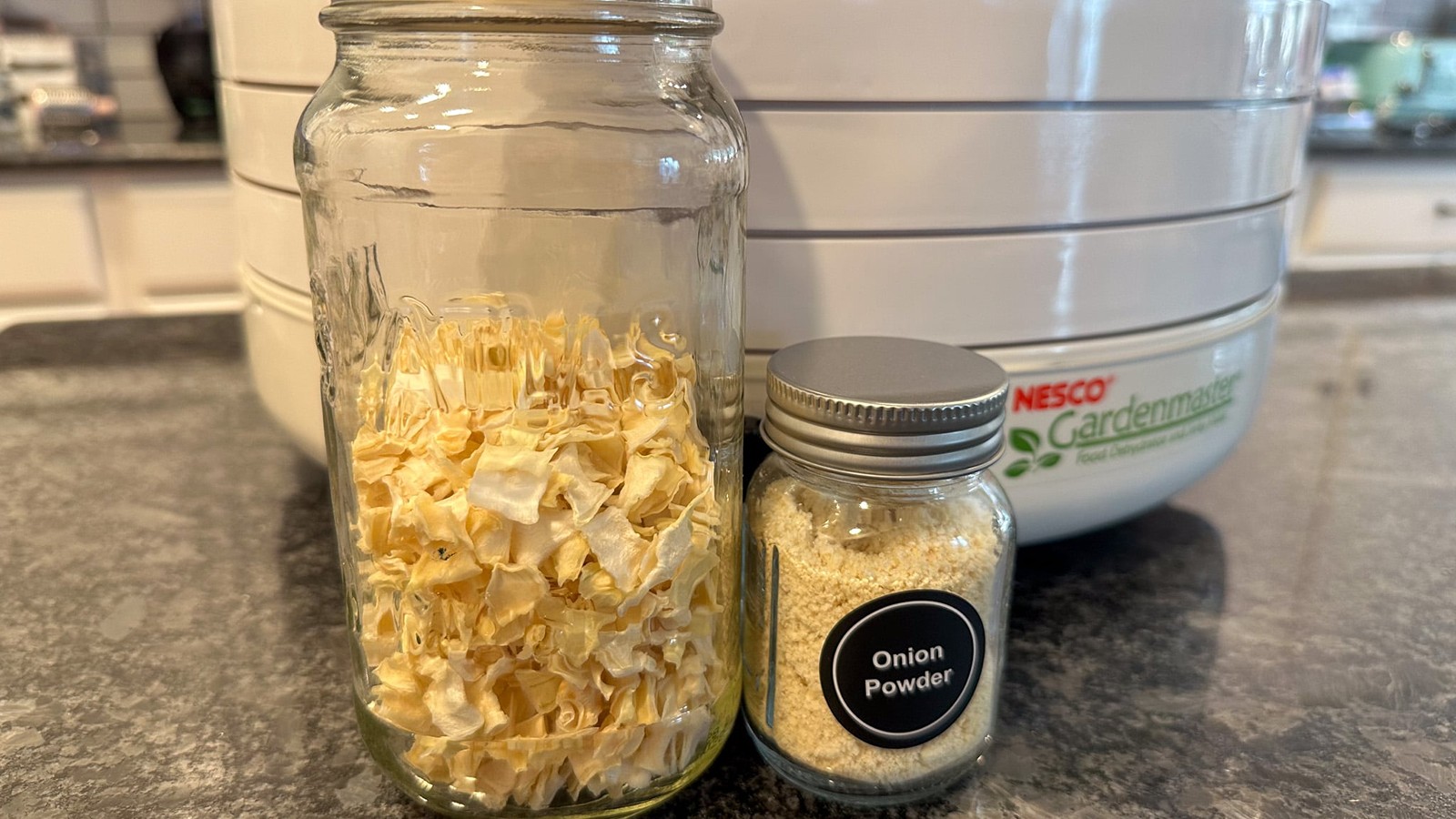
If you use onion powder regularly, making your own from dried onions is a satisfying next step. It brings onion flavor to rubs, sauces and homemade mixes without visible pieces of onion. It’s also a sensible way to preserve a good harvest. Just remember how potent freshly ground onion powder can be, and don’t lean over the grinder for a big enthusiastic sniff.
139. Dried peppermint and spearmint
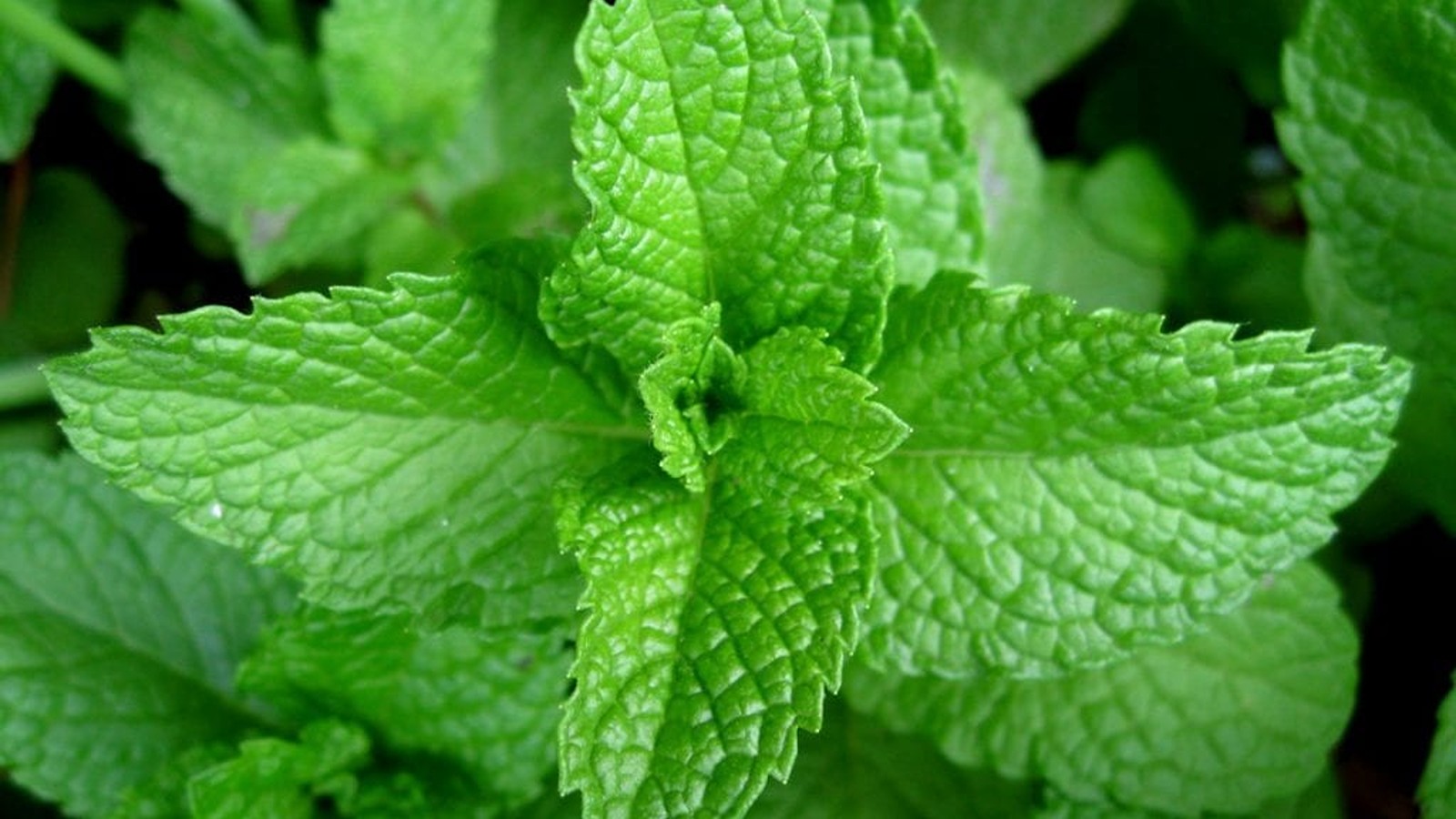
A jar of dried mint is wonderful to have when the garden beds are bare and you fancy a pot of herbal tea. Peppermint and spearmint have noticeably different characters, so keep them separate if you like both. Use properly identified culinary plants and protect the dried leaves from light and damp so you’re not left with a jar that smells of very little.
140. Dried rosemary
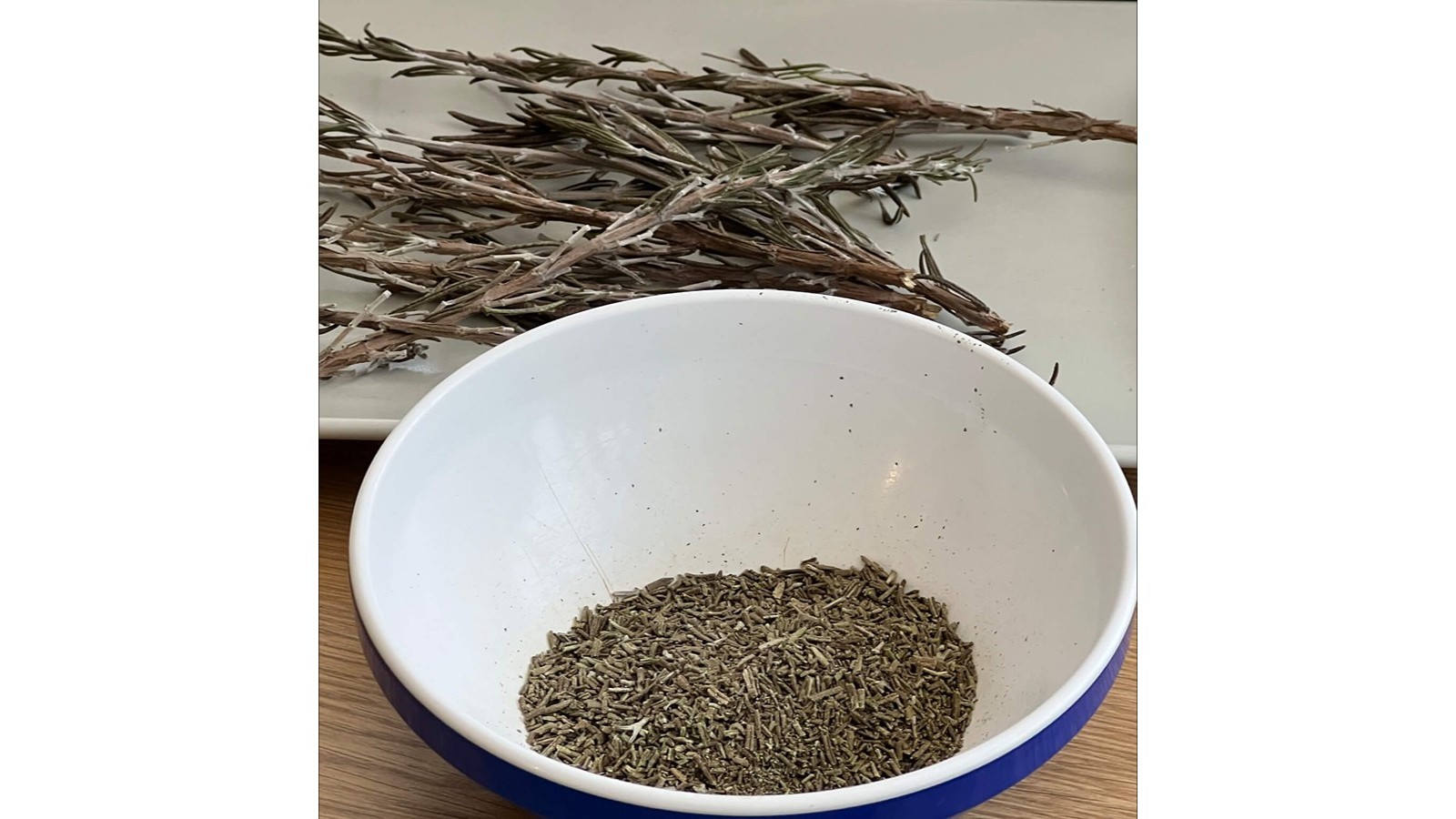
Rosemary is one of those herbs where a little goes a long way, fresh or dried. Its piney, aromatic flavor is lovely with roasted vegetables, beans and hearty winter dishes. Drying a few sprigs means you can crumble off exactly what you need. The needles can be quite tough, so crush them well rather than leaving long, woody bits in dinner.
141. Carob flour
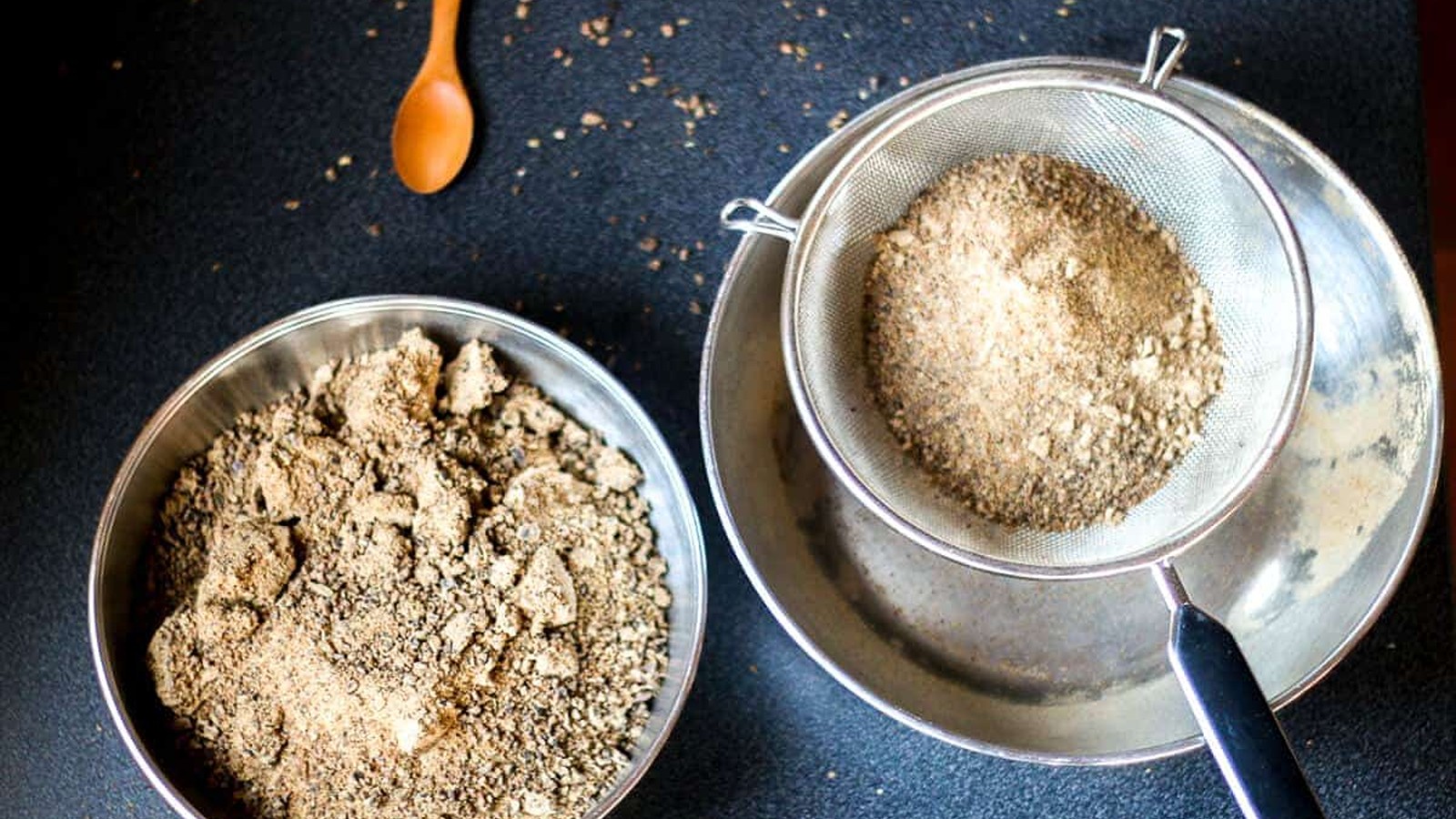
Carob flour is an interesting project if you can get suitable carob pods and want to make something beyond the usual fruit and herb powders. It has a naturally sweet, earthy flavor that works in some recipes where cocoa might otherwise appear, though it isn’t a direct flavor match. The seeds are exceptionally hard, so follow the source’s preparation rather than feeding whole pods into a grinder.
142. Dried sage
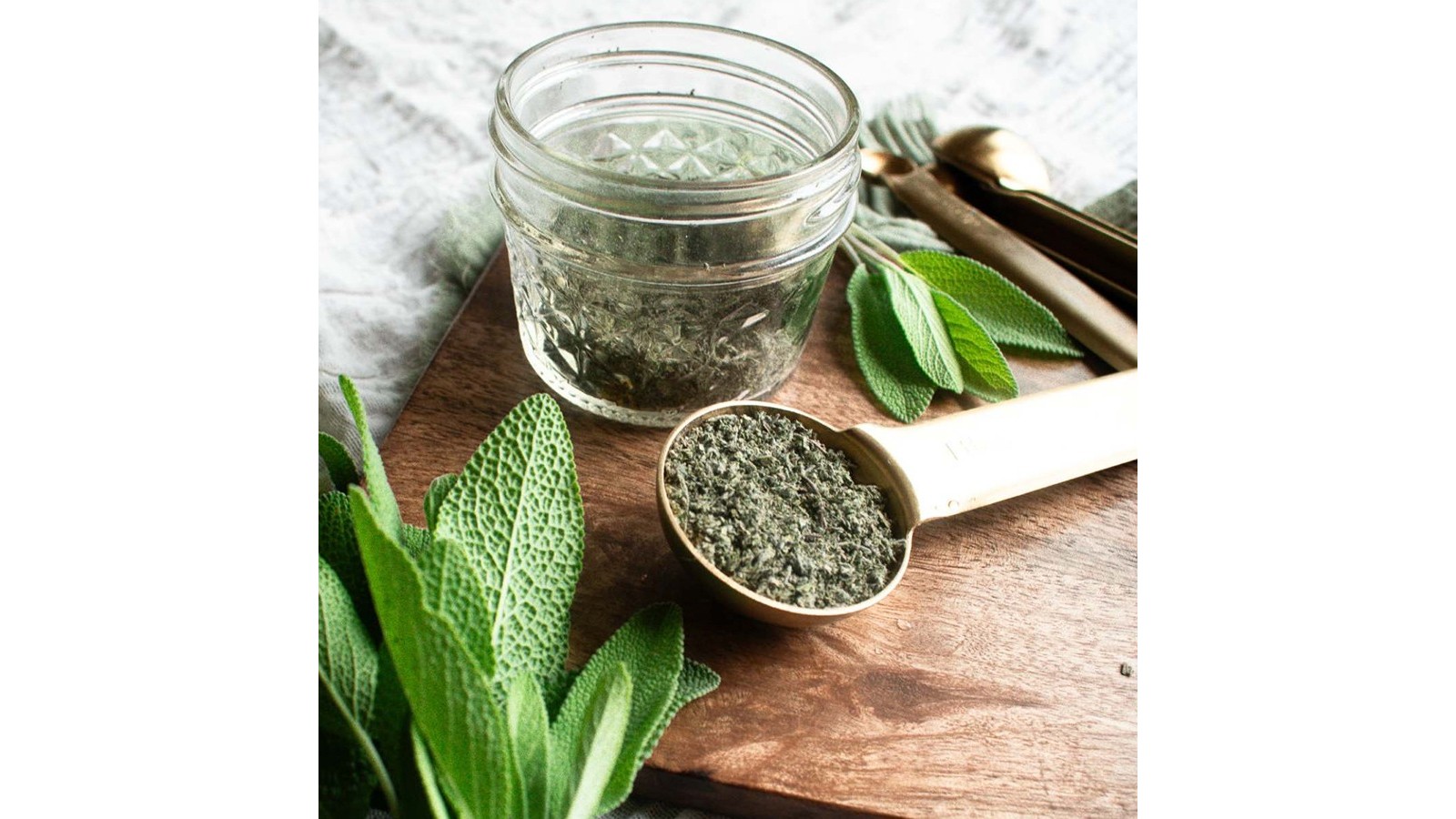
Sage plants can be generous, and thankfully you don’t need an enormous amount to flavor a winter’s worth of stuffing, beans and soups. The dried leaves are quite assertive, so even a small jar goes a long way. It’s a satisfying herb to preserve in autumn, particularly when you’re tidying the garden and deciding what deserves a place in the pantry.
143. Dried parsley

Parsley often ends up being bought in a bunch when a recipe needs only a tablespoon. If you have a garden crop, the problem can be even bigger. Drying the surplus won’t give you the bright texture of fresh parsley, but it makes a useful addition to soups, sauces and seasoning blends. It’s a much better fate than discovering another limp bunch in the crisper.
144. Natural food-coloring powders
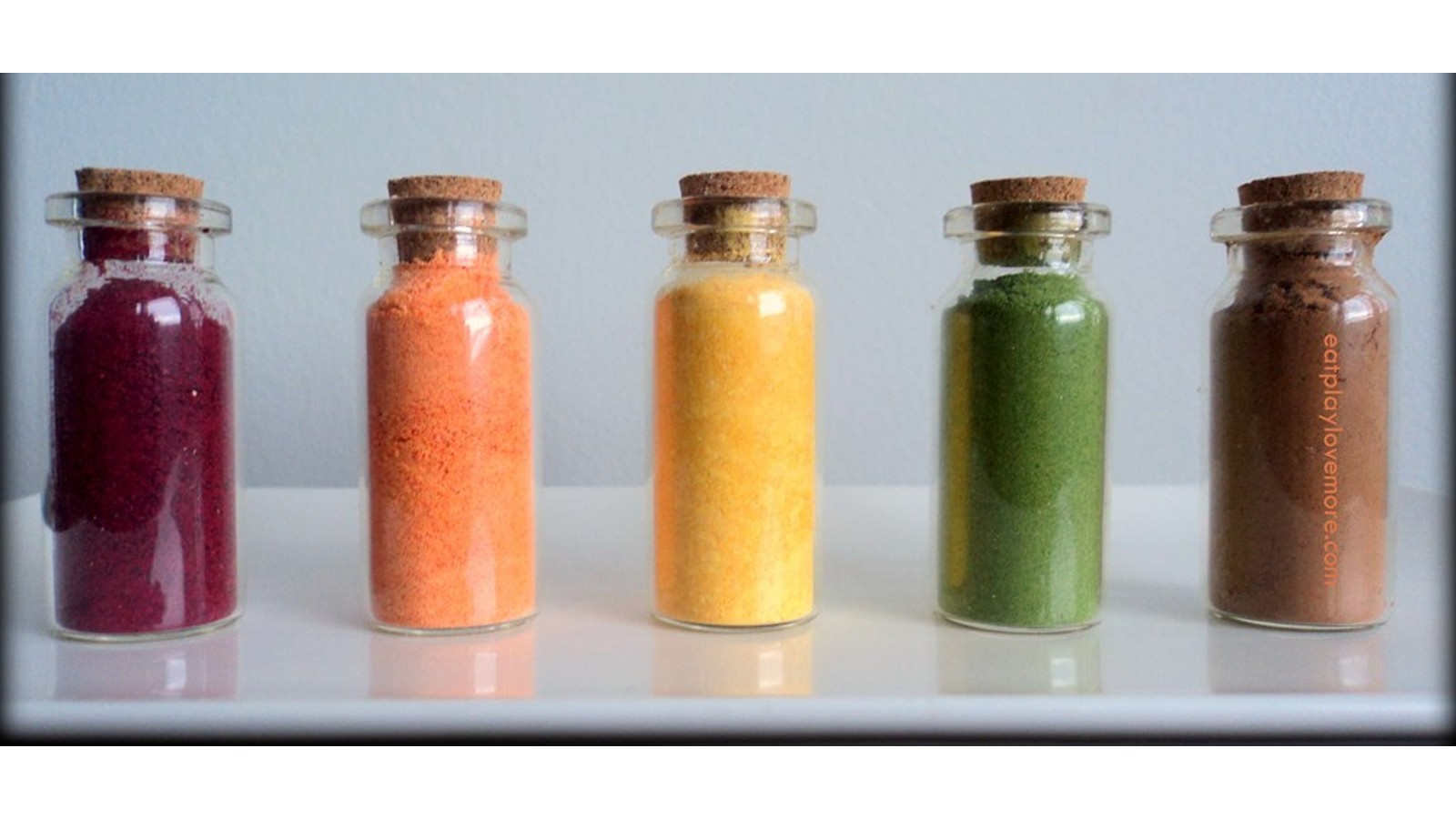
These natural coloring powders are a good reminder that edible plants can do more than flavor food. Dried and ground ingredients provide different shades, although the final color depends on the recipe, acidity and heat. They’re worth experimenting with for homemade baking and decorations, but don’t expect every bright powder to give exactly the same result as a synthetic food dye.
145. Dried lemon balm

Lemon balm is lovely for herbal tea, particularly when the garden is producing more than you can drink fresh. Dry the delicate leaves gently, then keep a small jar for winter tea blends. Use properly identified lemon balm, not just any pleasantly lemon-scented leaf.
146. Vanilla bean powder
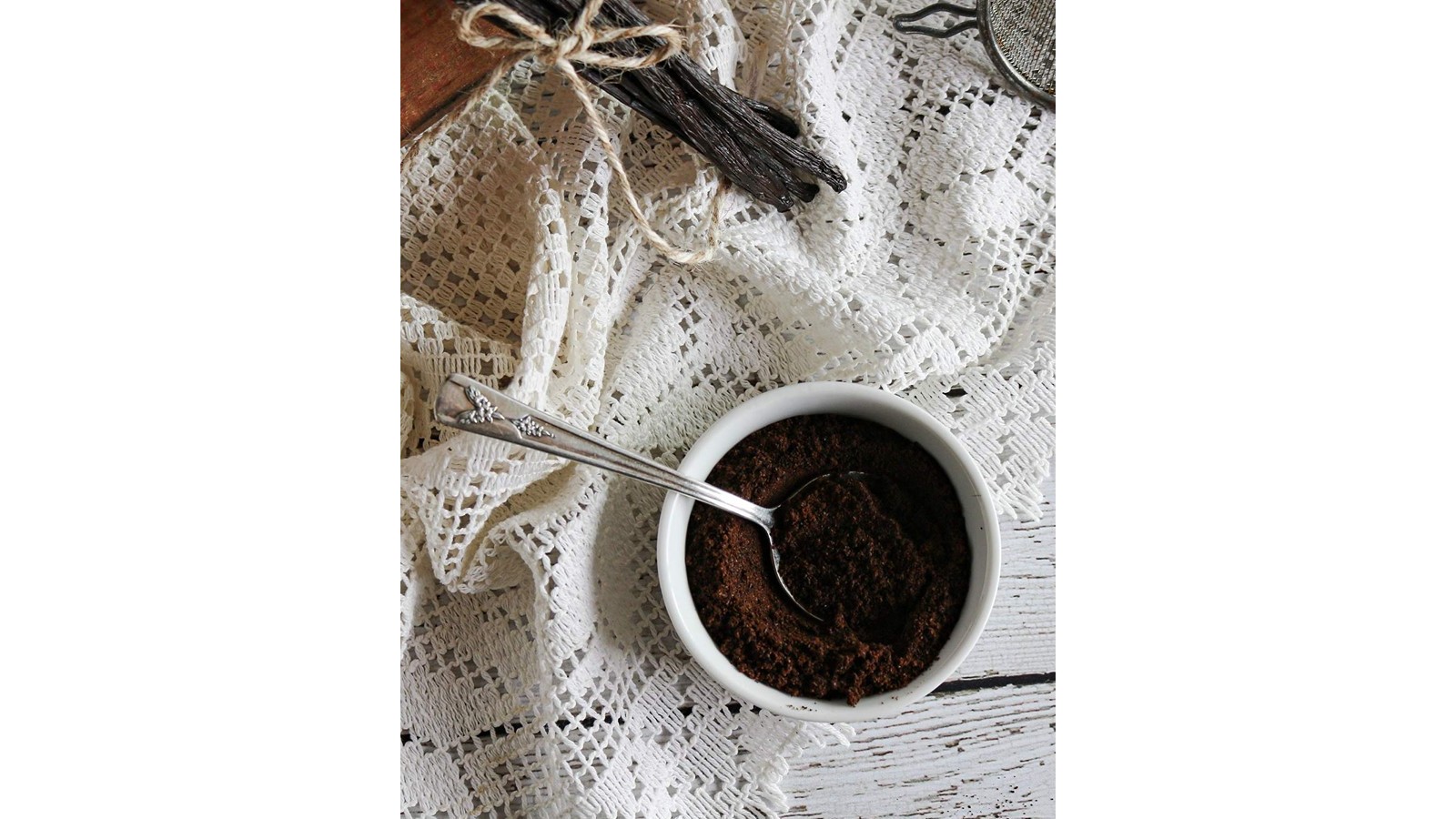
Vanilla bean powder is a lovely ingredient for baking and dry mixes, especially when you don’t want to add liquid vanilla extract. This method uses properly cured vanilla pods that are dried further and ground. It’s not a shortcut for dealing with freshly picked green beans. Given the price of vanilla, I’d make a small batch and use it where that beautiful aroma can really shine.
147. Dried dill fronds
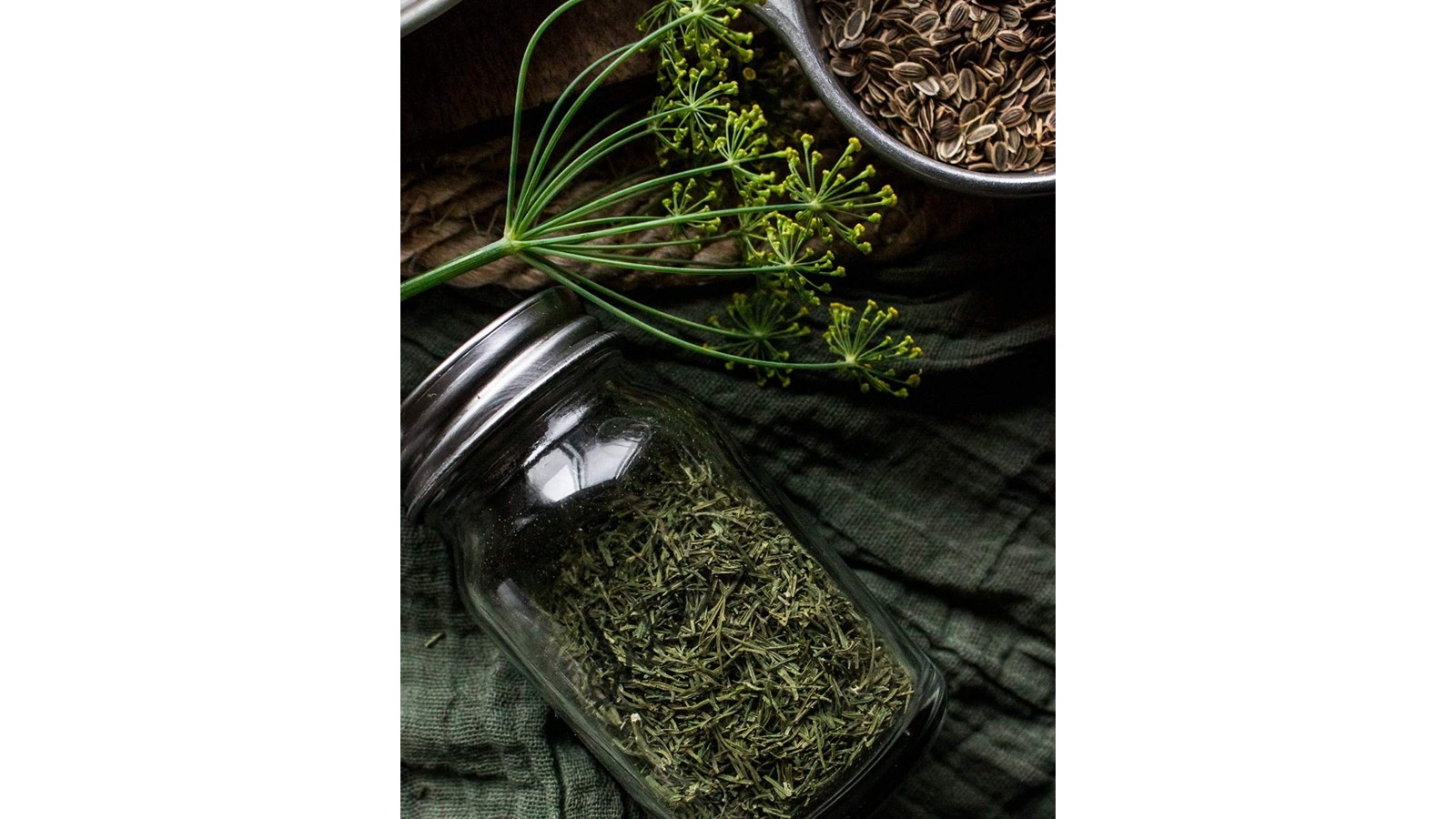
Dill has such a distinctive flavor that even a small jar of dried fronds can be useful. Think potatoes, dressings, soups and homemade seasoning blends rather than limiting it to pickles. The leaves are so fine that they’re inclined to disappear through coarse dehydrator trays, so use an appropriate liner. And don’t confuse the delicate fronds with dill seeds; they aren’t interchangeable in every recipe.
148. Dried oregano
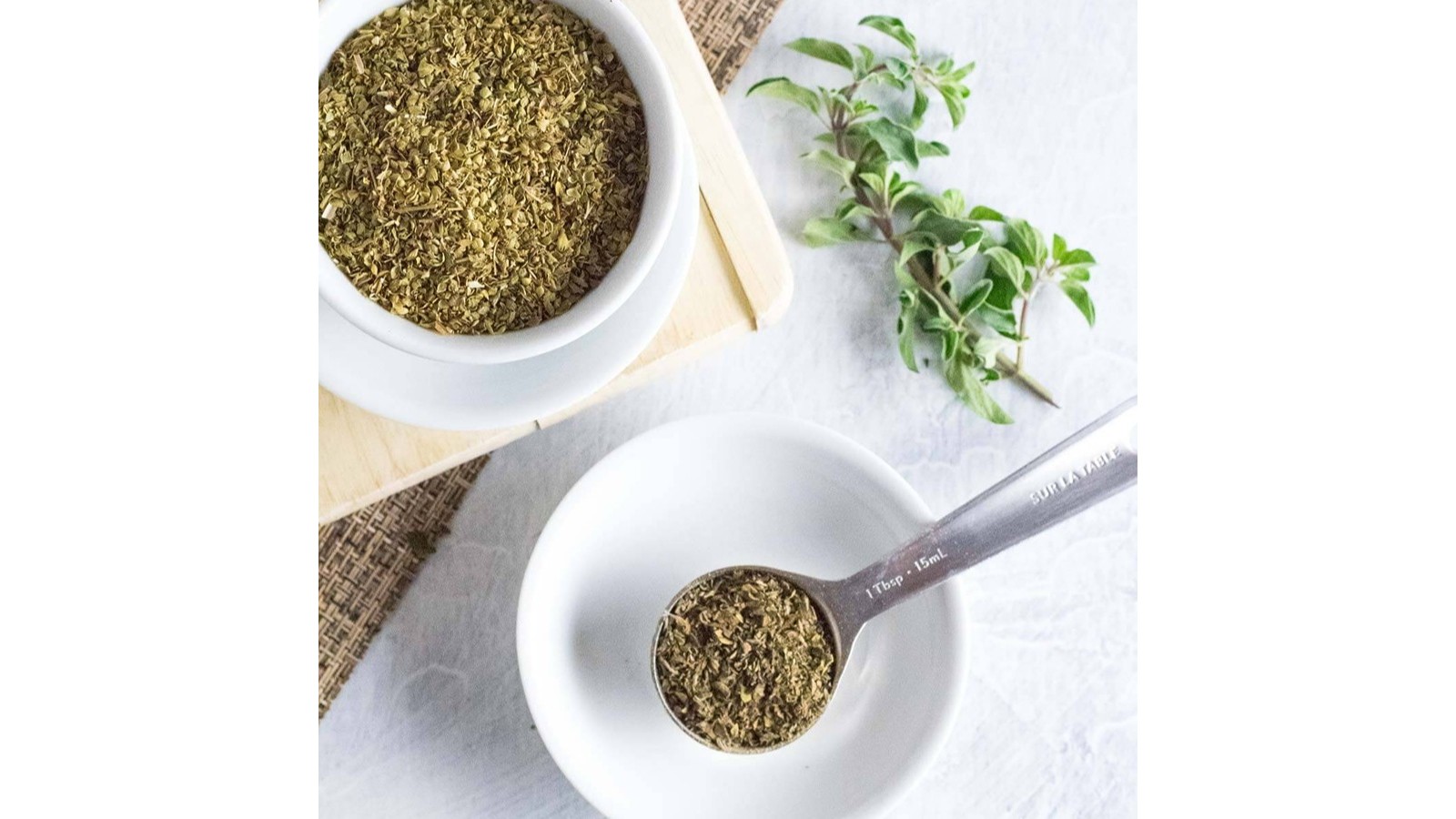
Oregano is one of the herbs I would make space for in even a tiny kitchen pantry. Dried leaves work beautifully in tomato sauces, bean dishes, pizza seasoning and savory mixes. If you’ve grown your own, a surprisingly modest harvest can go a long way. You can also keep different oregano types separate, rather than losing their character in one anonymous jar of mixed herbs. Dry the sprigs gently, then strip the leaves and crumble them as needed instead of turning everything into dust on day one.
149. Dried thyme
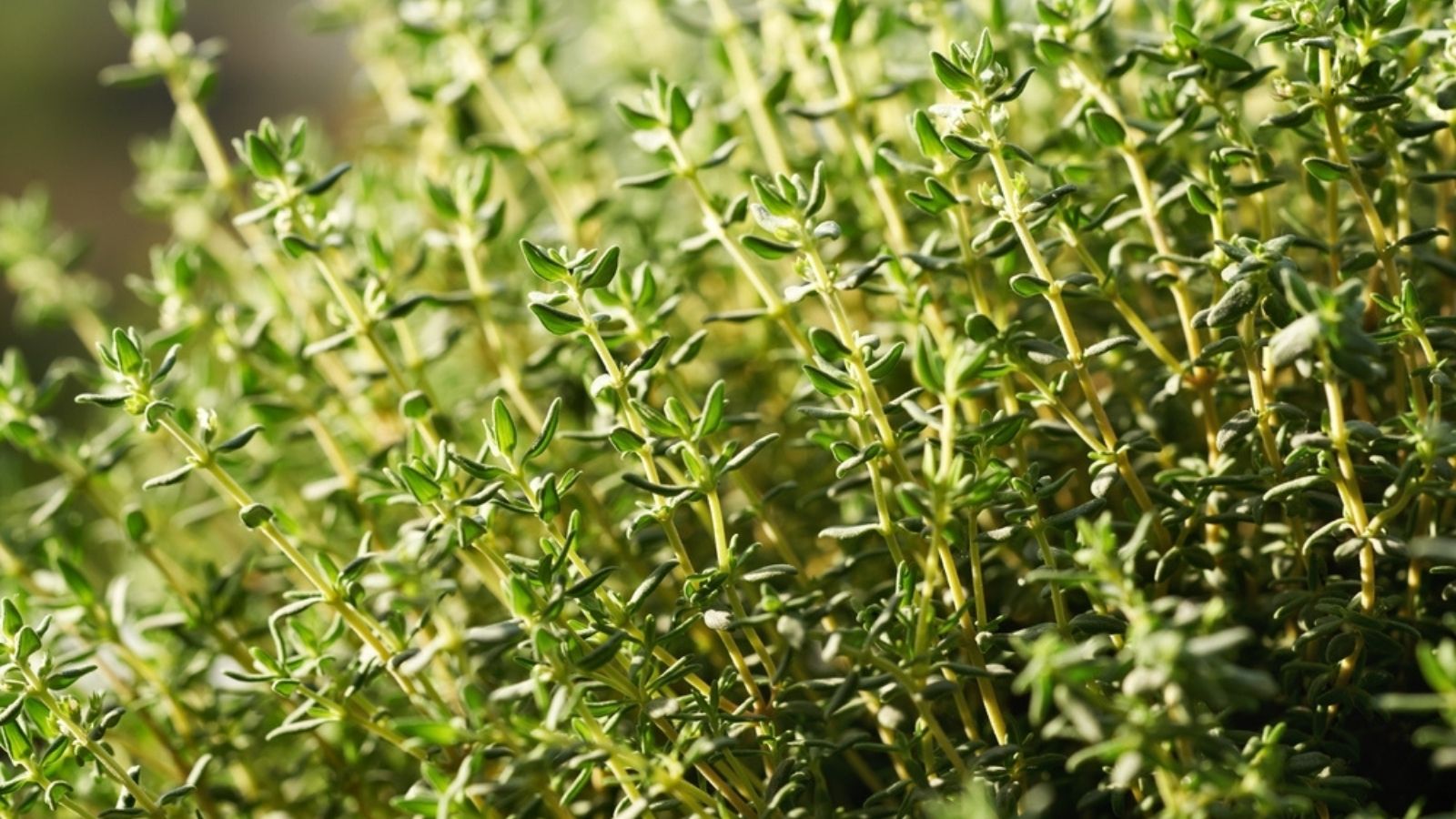
Thyme is fiddly to strip when fresh, so drying the sprigs first can actually make the job easier. The tiny leaves are lovely in stews, soups and roasted vegetable dishes, with a flavor that stands up well to cooking. It’s worth keeping the varieties separate if you grow more than one, especially when lemon thyme is involved.
150. Dried cilantro
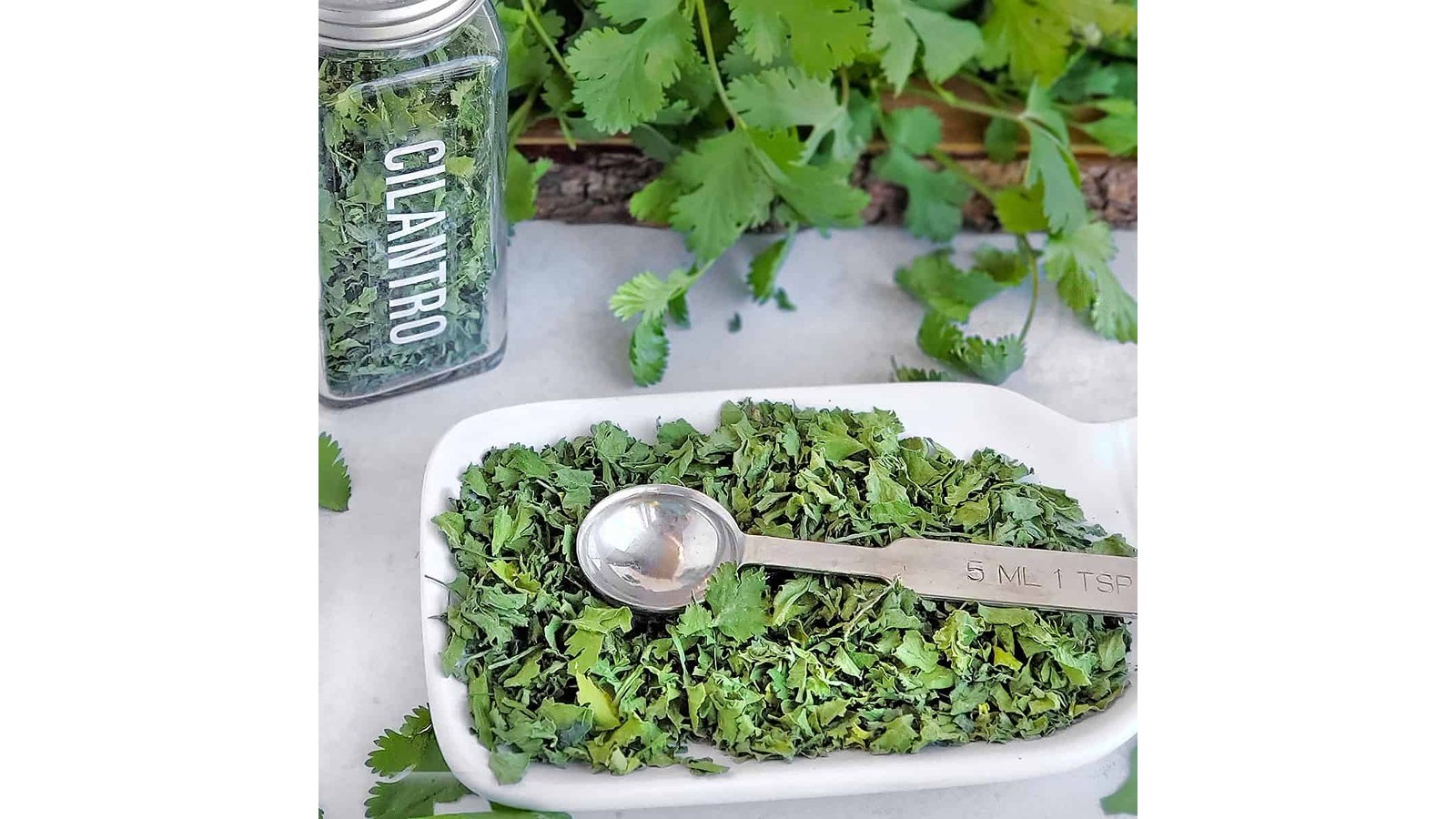
Cilantro is one of those herbs people seem to either adore or avoid completely. Drying it won’t preserve the same bright, fresh flavor you get from chopping leaves over a finished dish, but it can still contribute to cooked sauces, soups and seasoning blends. If you enjoy cilantro and have a crop about to bolt, it’s another way to use some of the leaves.
Meal ingredients and make-ahead meals
Dehydrating whole meals and meal components takes a bit more thought than drying apples, but it can be incredibly useful. You can prepare soup, chili, pasta sauces and breakfast mixes in advance, then carry far less bulk when camping. Some ingredients need to be cooked first, and foods containing meat or fat deserve particular care with storage.
151. Sweet potato bark
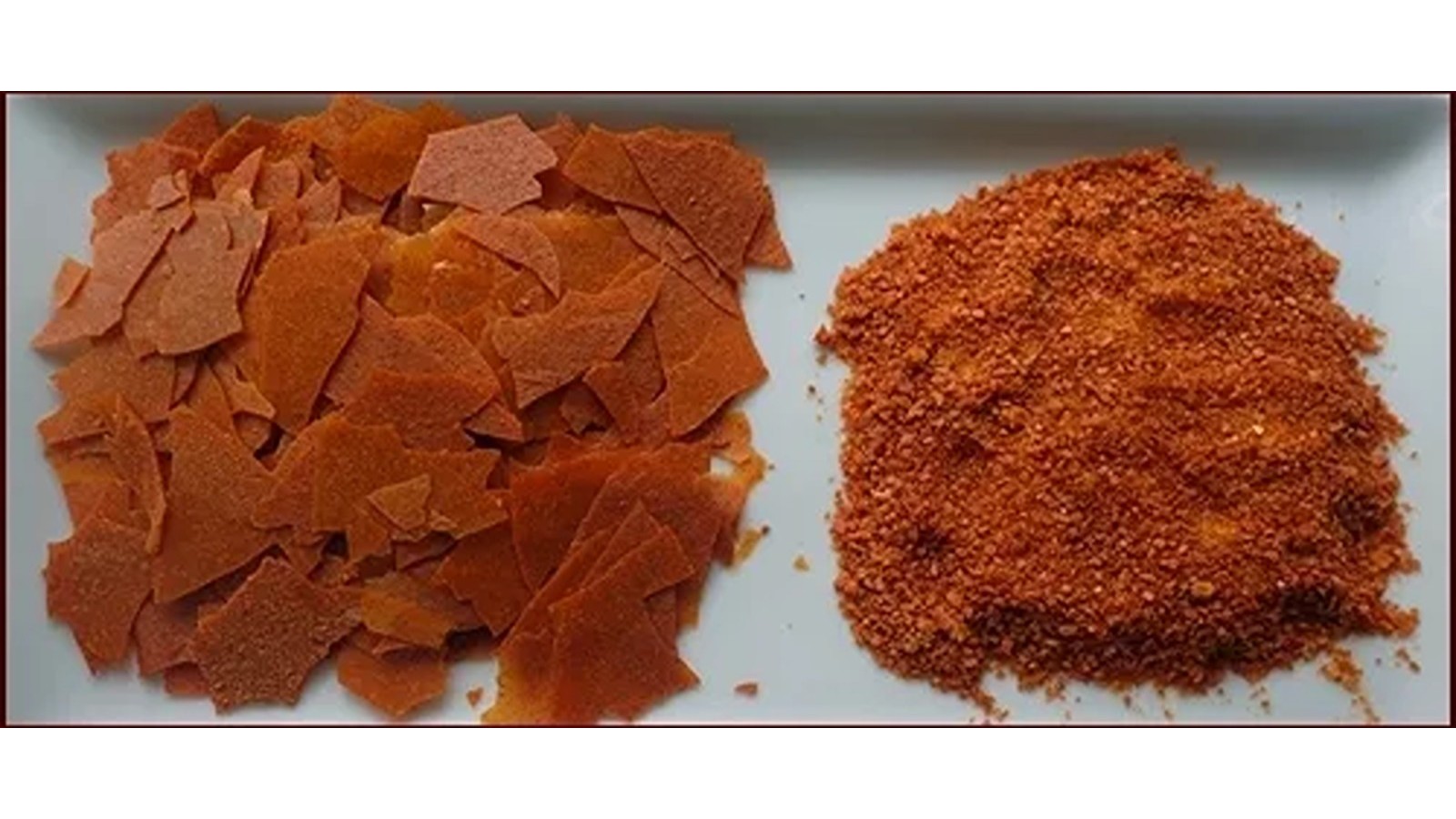
Sweet potato bark sounds like something you’d find on a woodland walk, but it’s actually cooked sweet potato puree dried into thin sheets. You can break it into pieces for lightweight meals or rehydrate it when you want a quick sweet potato component. It’s particularly useful for backpacking, where carrying fresh sweet potatoes would be a fairly absurd use of space and weight.
152. Quinoa burrito bowls
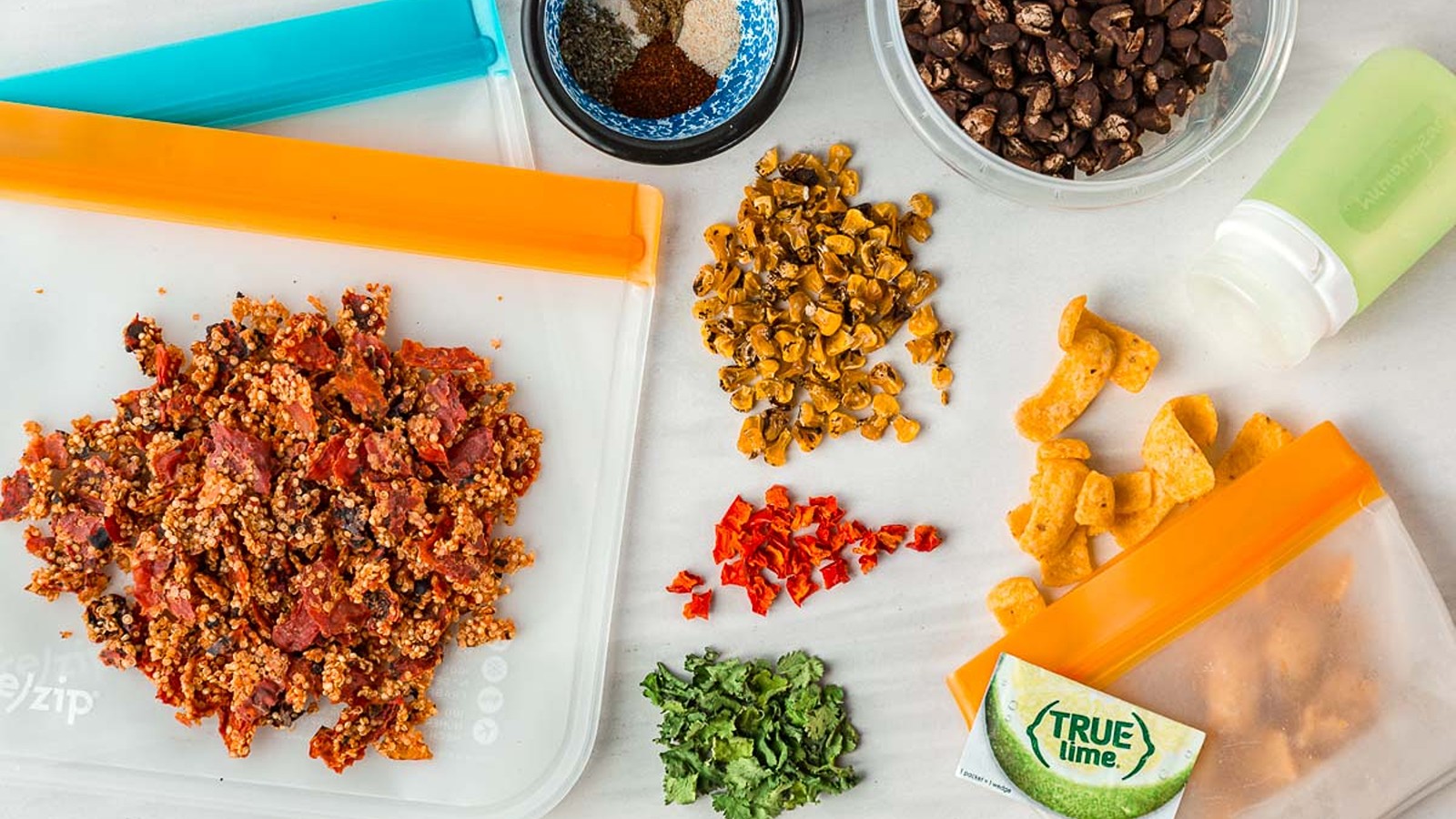
A quinoa burrito bowl is a proper meal, not just a packet of dried vegetables pretending to be dinner. Black beans, tomatoes, corn, peppers and seasoning make it satisfying, while lime adds some brightness. The ingredients are dried in suitable components and packed for later. Add the oil and crunchy extras at the end rather than trying to dehydrate the whole finished bowl.
153. Dehydrated minestrone
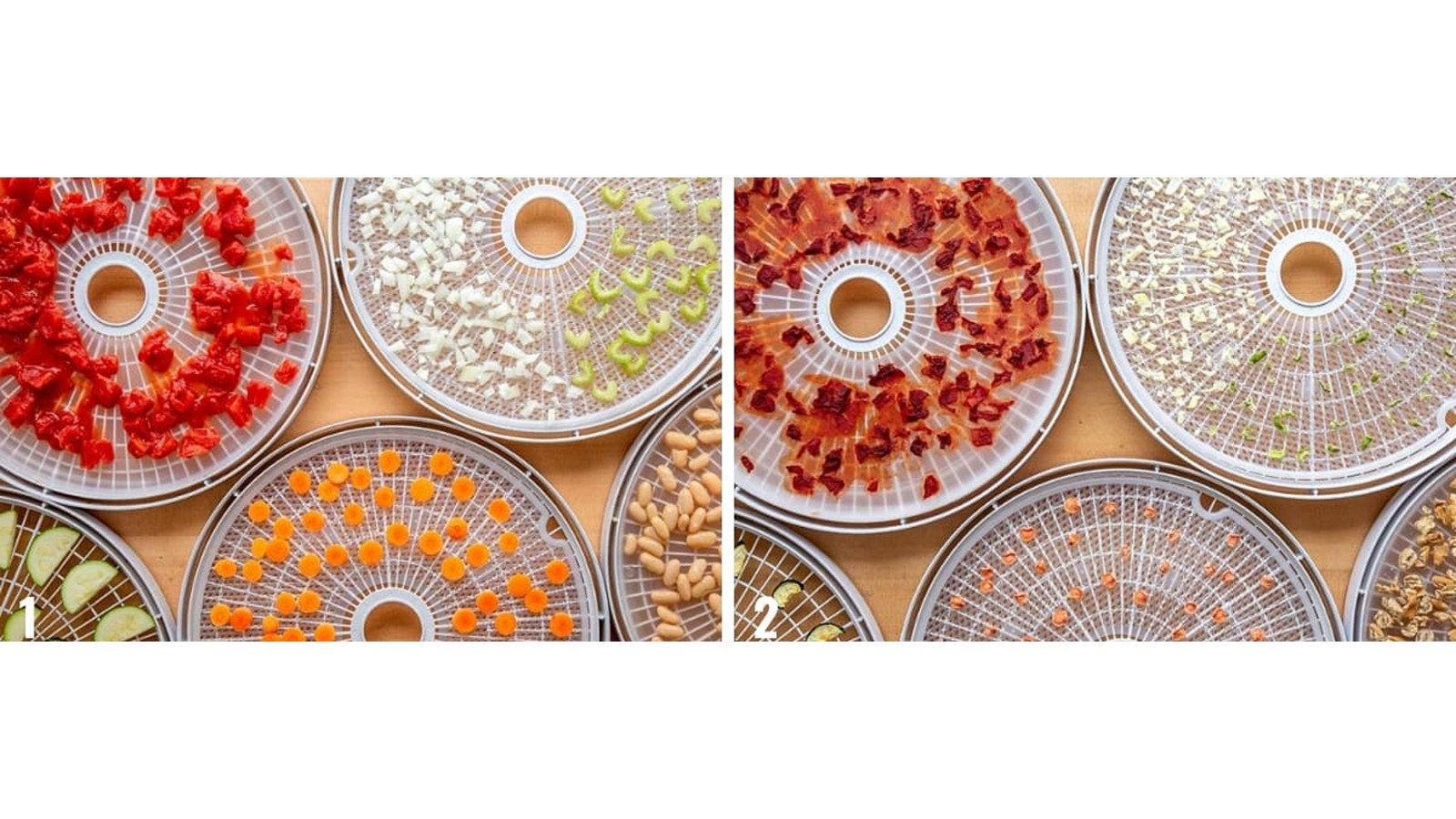
Minestrone makes sense as a dehydrated meal: beans, vegetables and pasta become a compact homemade soup kit. Prepare and dry the suitable components in advance, then simmer them together when it’s time to eat. That’s handy for camping, but every bit as appealing on a cold, busy evening at home.
154. Sweet potato and peanut stew
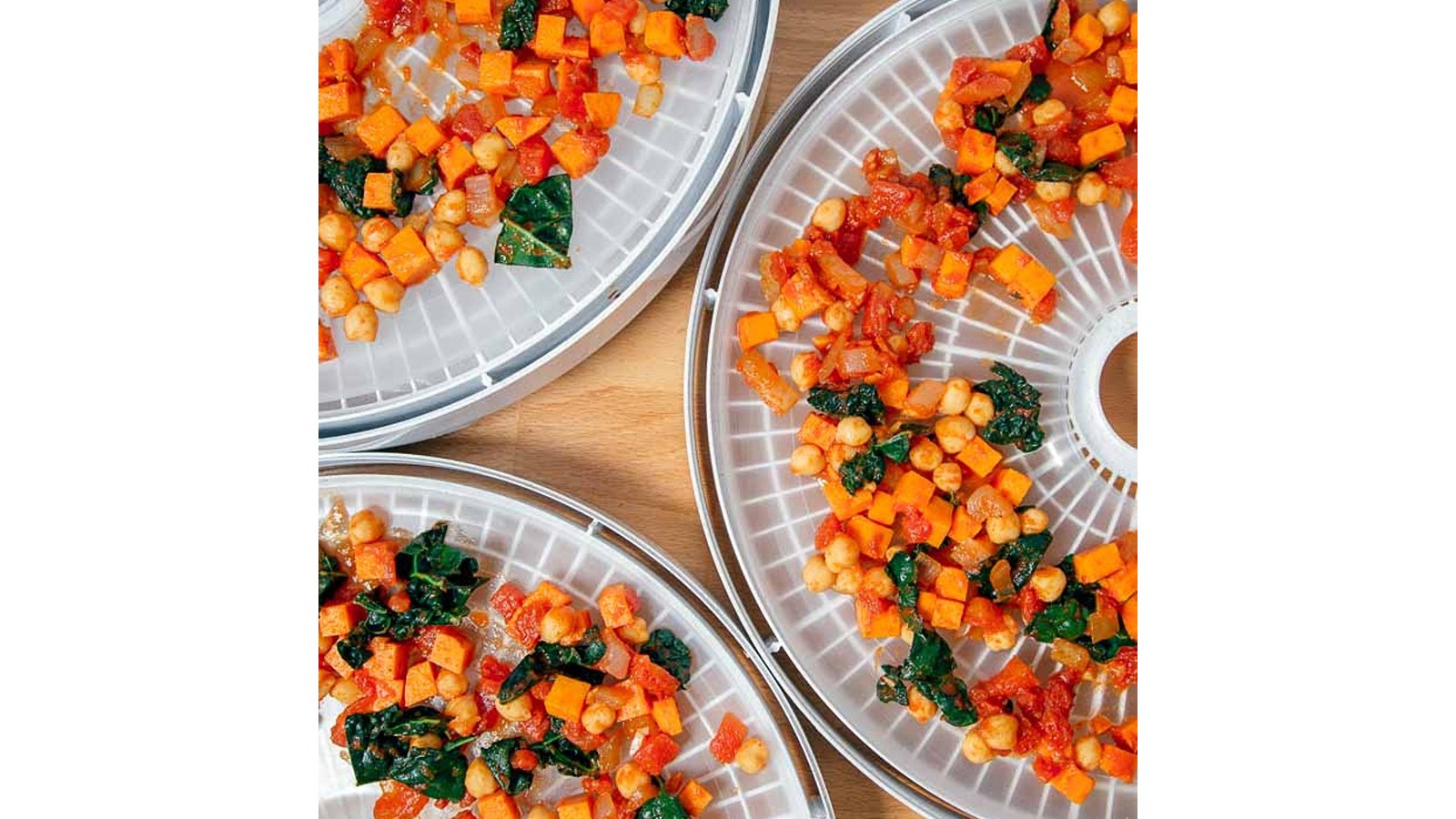
Sweet potato, chickpeas, tomatoes and kale make a satisfying base for this peanut stew. The clever part is keeping the peanut butter and extra oil separate until reheating, so you’re not trying to dry a rich, fatty sauce. Once everything is rehydrated and properly heated, those additions give the meal its lovely richness. It’s a properly hearty dinner for a cold day outdoors, not another flimsy dehydrated snack that leaves everyone hunting for food an hour later. The combination also makes a welcome change from the usual pasta-heavy camping meals.
155. Bean bark

Bean bark is an excellent name for something that sounds rather less appealing when described as ‘dried bean puree.’ Cooked beans are blended and spread into sheets, then broken into manageable pieces for quick meals. It’s particularly handy if you want a bean-based soup or sauce without carrying cans. Use the lean preparation in the recipe and add rich ingredients when serving.
156. Homemade bread crumbs
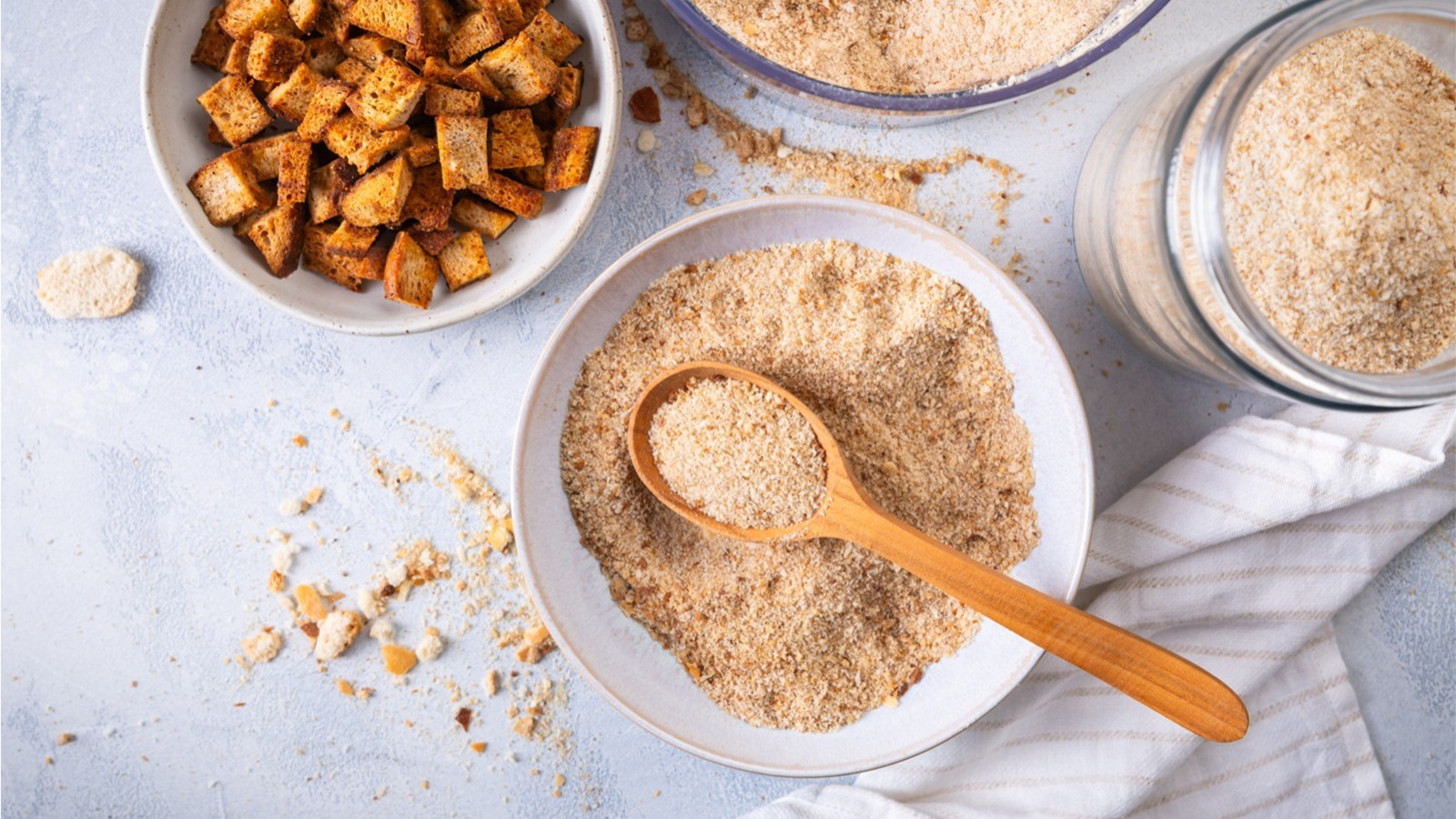
Bread crumbs are hardly glamorous, but they’re one of those things you suddenly need when there’s no packet in the cupboard. Drying sound leftover bread and grinding it gives you a useful ingredient for toppings, coatings and recipes that call for crumbs. It’s also a very simple way to waste less bread, provided you start before any mold has appeared.
157. Dehydrated cooked beans
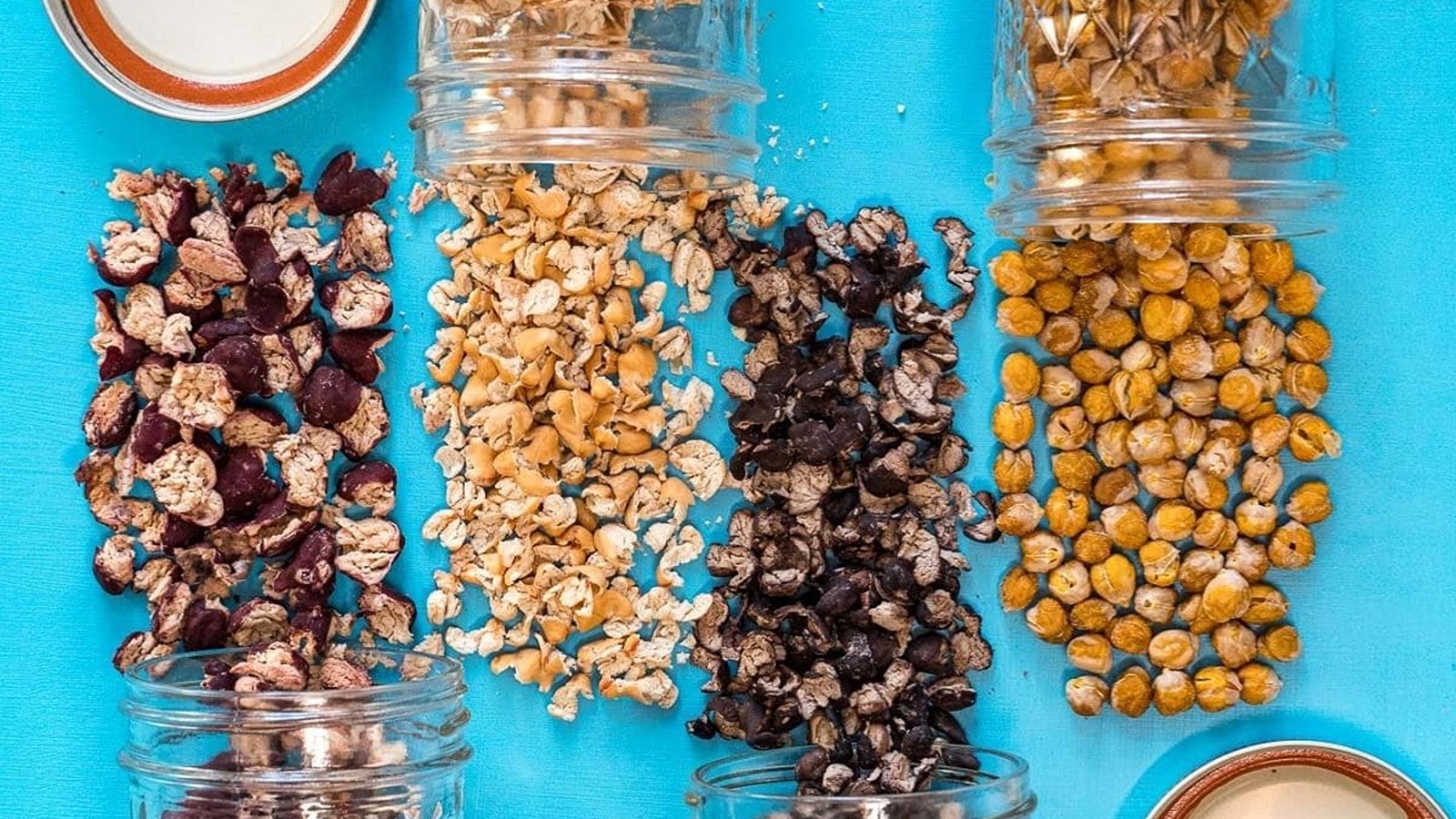
Cooked beans take up a lot of room when stored in cans or jars, so dehydrating a prepared batch is appealing for lightweight meals. They can go into soups, chili and rice dishes once properly rehydrated and heated. Start with cooked or canned beans, not raw dried beans; those need their own safe cooking process before you get anywhere near the dehydrator.
158. Dehydrated cooked rice
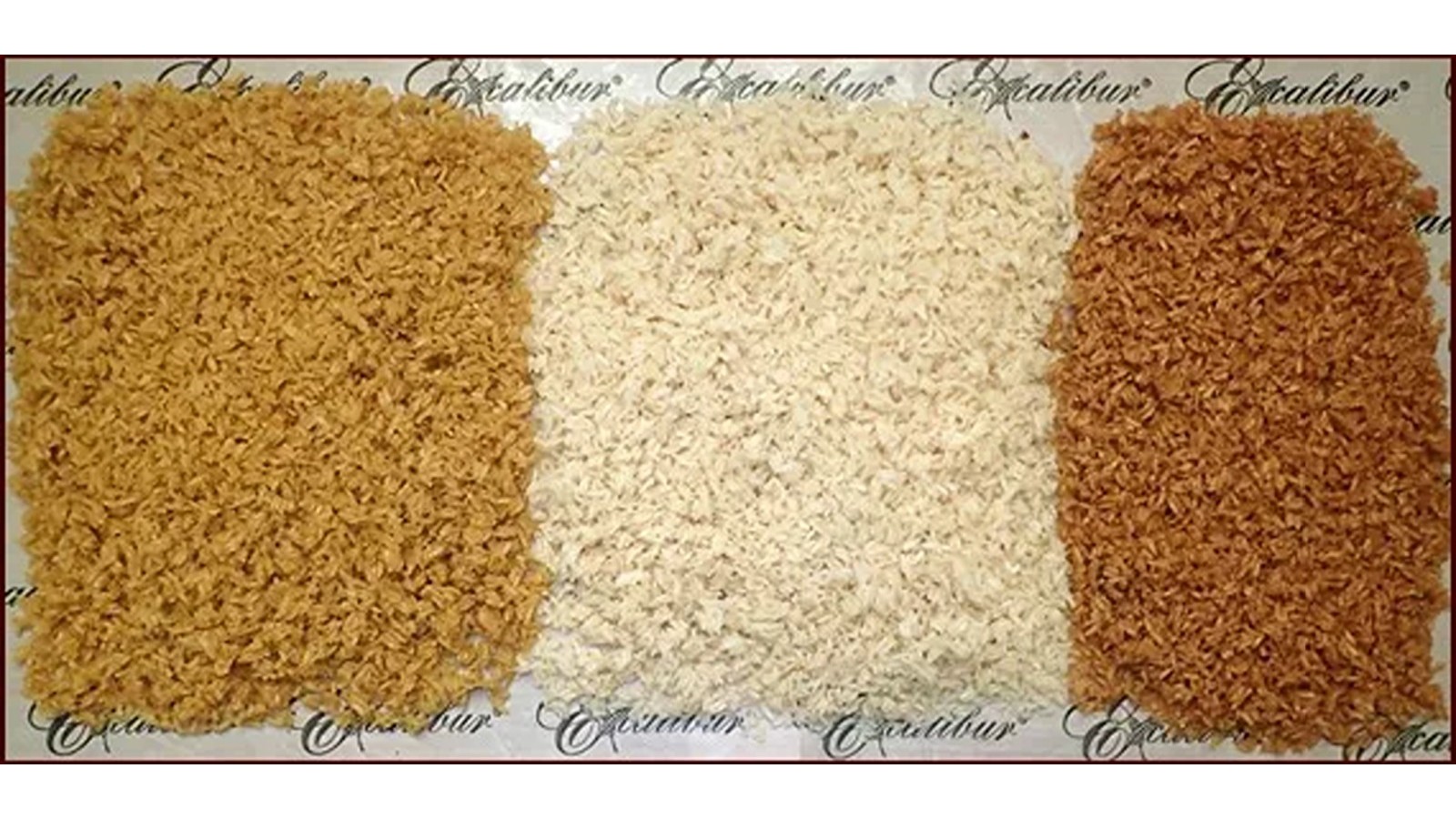
Instant-style rice isn’t magic, and you can make a version at home by cooking rice first and drying it properly. The resulting grains are handy for lightweight meal kits because they rehydrate more quickly than raw rice cooks. Food handling is particularly important here: cooked rice left sitting warm is not something to ‘save’ by drying it later.
159. Apple–cinnamon quinoa porridge
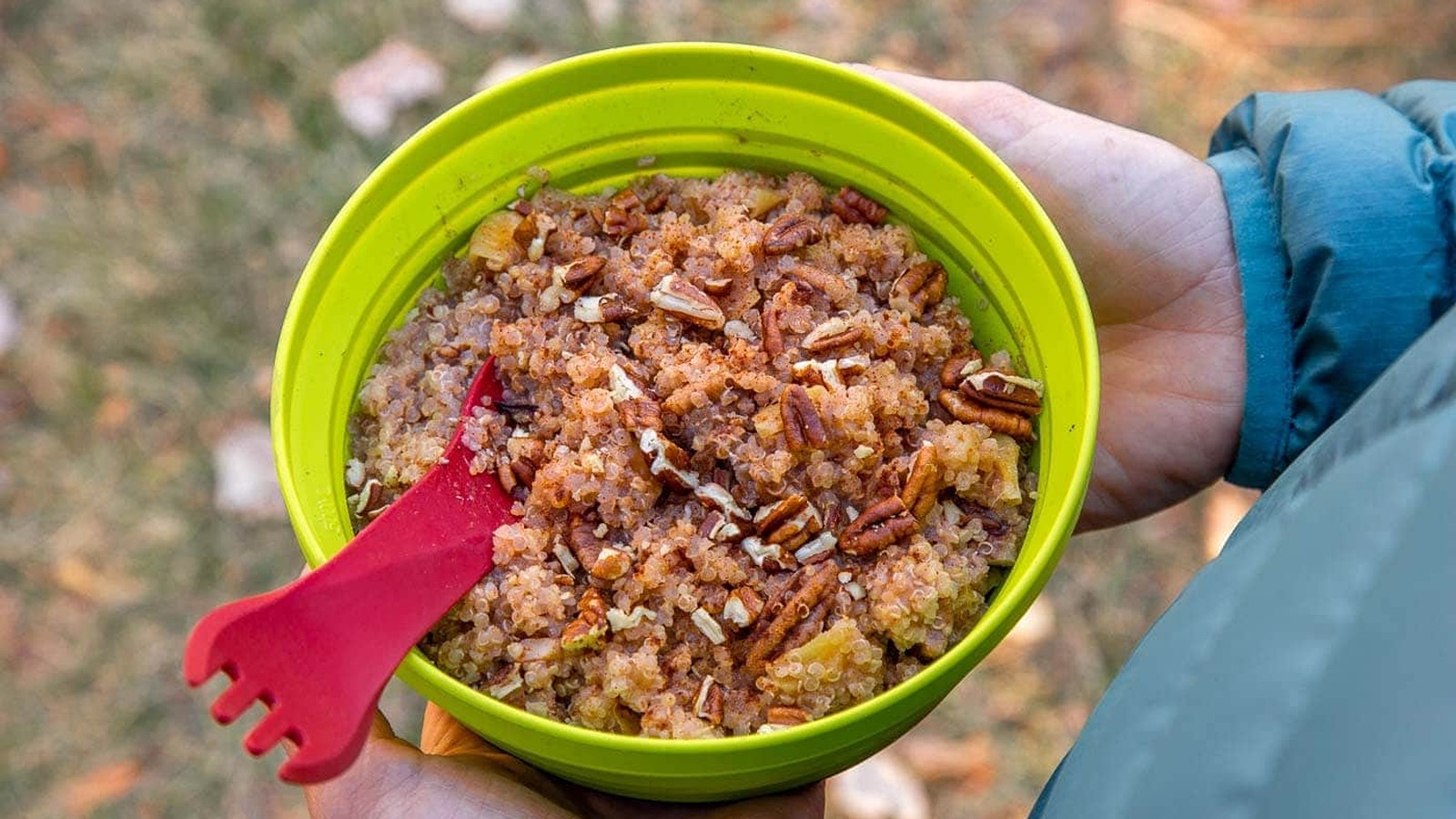
Apple, cinnamon and maple syrup make this quinoa porridge sound more like a treat than a backpacking breakfast. The cooked quinoa is dehydrated ahead of time, with coconut milk powder and pecans packed as directed for serving. Add hot water and reheat when you want a warm bowl of breakfast without carrying fresh apples or doing a full cooking session.
160. Raspberry–coconut quinoa porridge
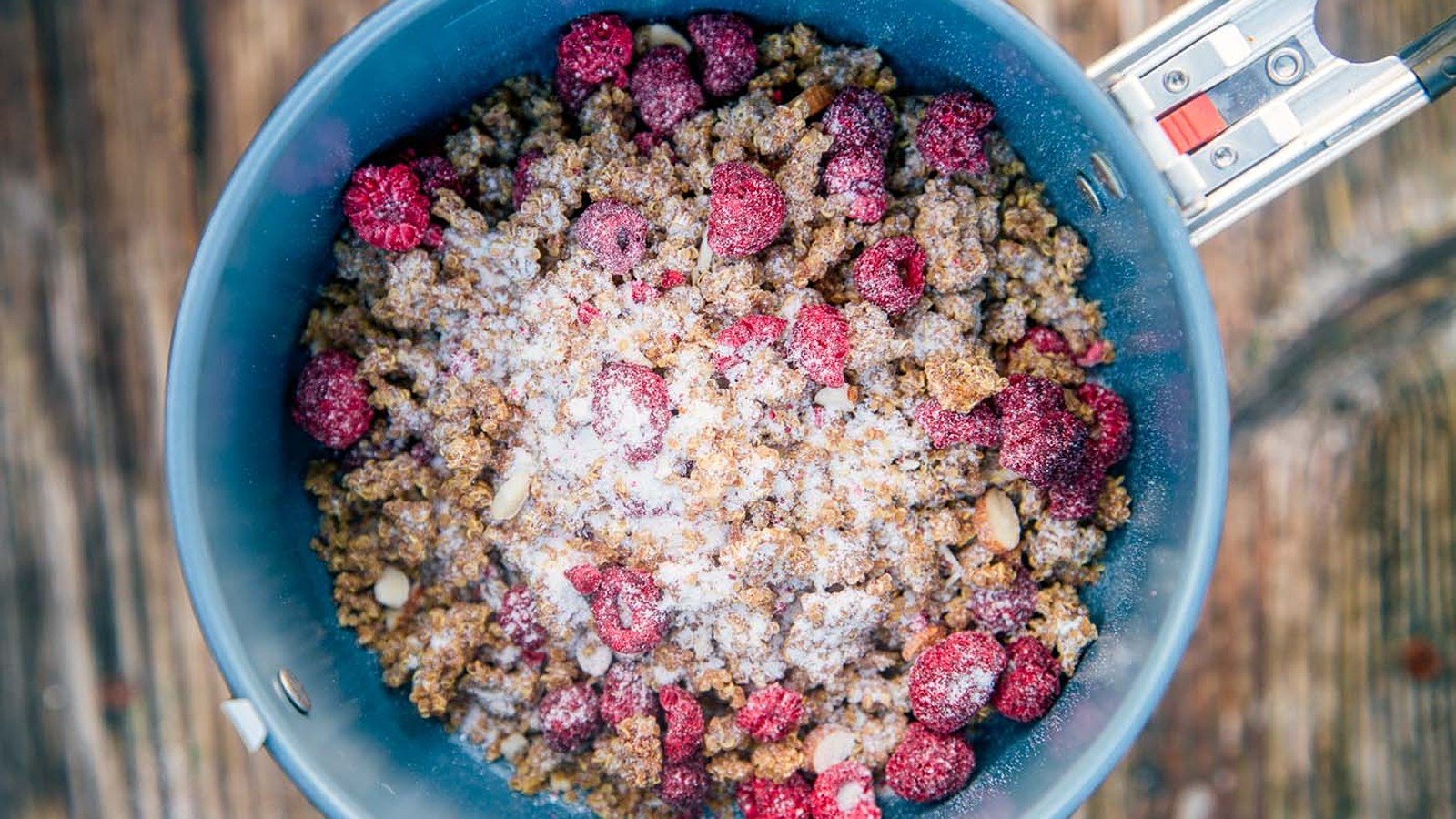
Raspberry and coconut are a lovely breakfast combination, especially with quinoa as a change from the usual oatmeal. This version uses dried cooked quinoa and packs the raspberry, coconut and almond additions separately. One detail worth noting before shopping: the recipe calls for freeze-dried raspberries, so you don’t need to set up a separate tray of fresh berries.
161. Tomato sauce leather
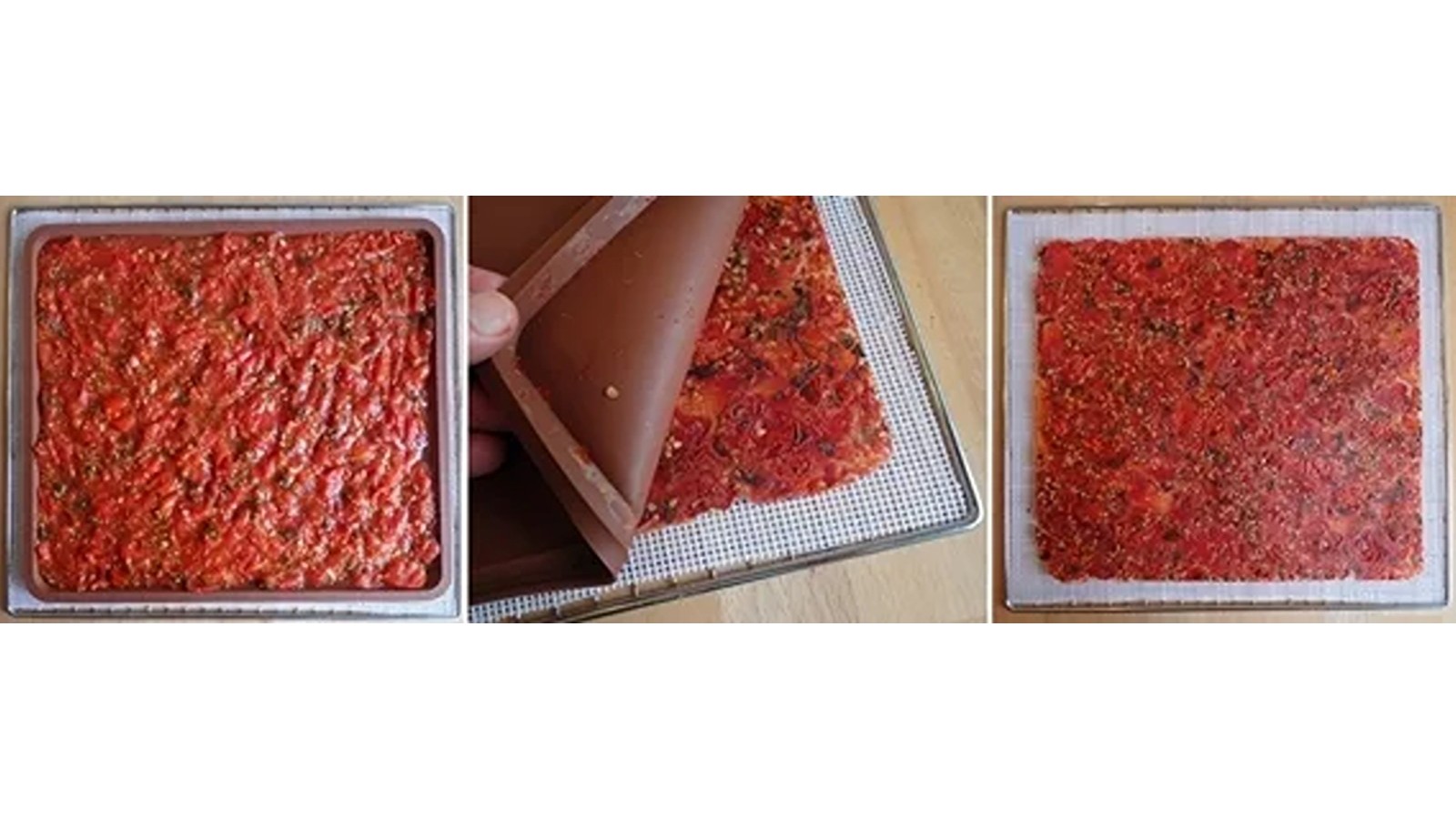
Tomato sauce leather makes homemade camping food much lighter. Dry a suitable low-fat sauce into a flexible sheet, tear it into portions, then rehydrate it for pasta. It’s a lot less bulky than carrying jars. Add oil and cheese at the end, where they’ll actually improve the finished meal.
162. Vegetable risotto
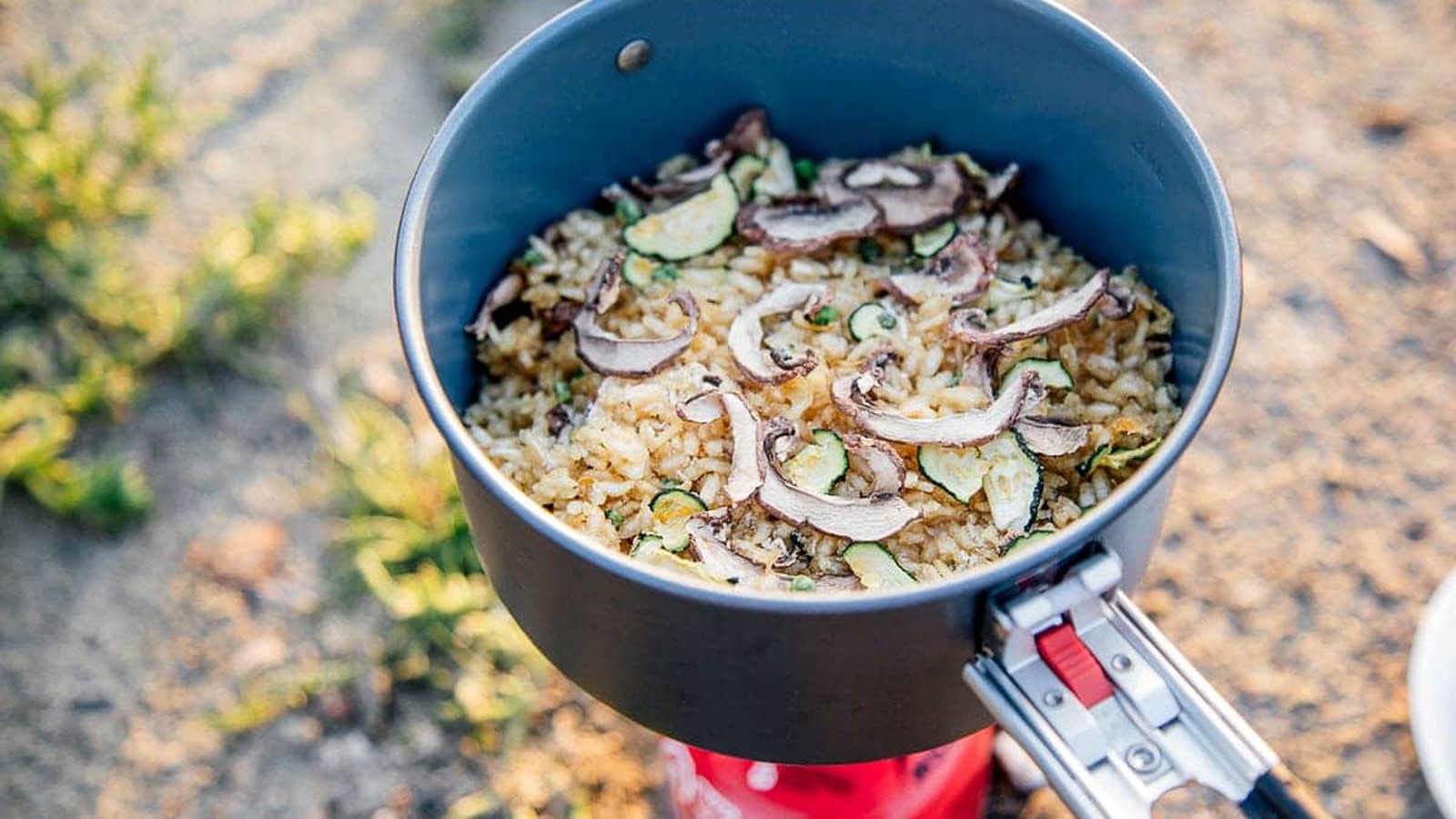
Risotto feels like an extravagant camping meal until you realize most of the work can be done at home. Cook the rice with vegetables, dry the prepared mixture, then rehydrate it when you want something warm and comforting. Zucchini, mushrooms and peas make this version satisfying, while the finishing oil and Parmesan are added later for flavor and texture.
163. Red lentil and bean chili
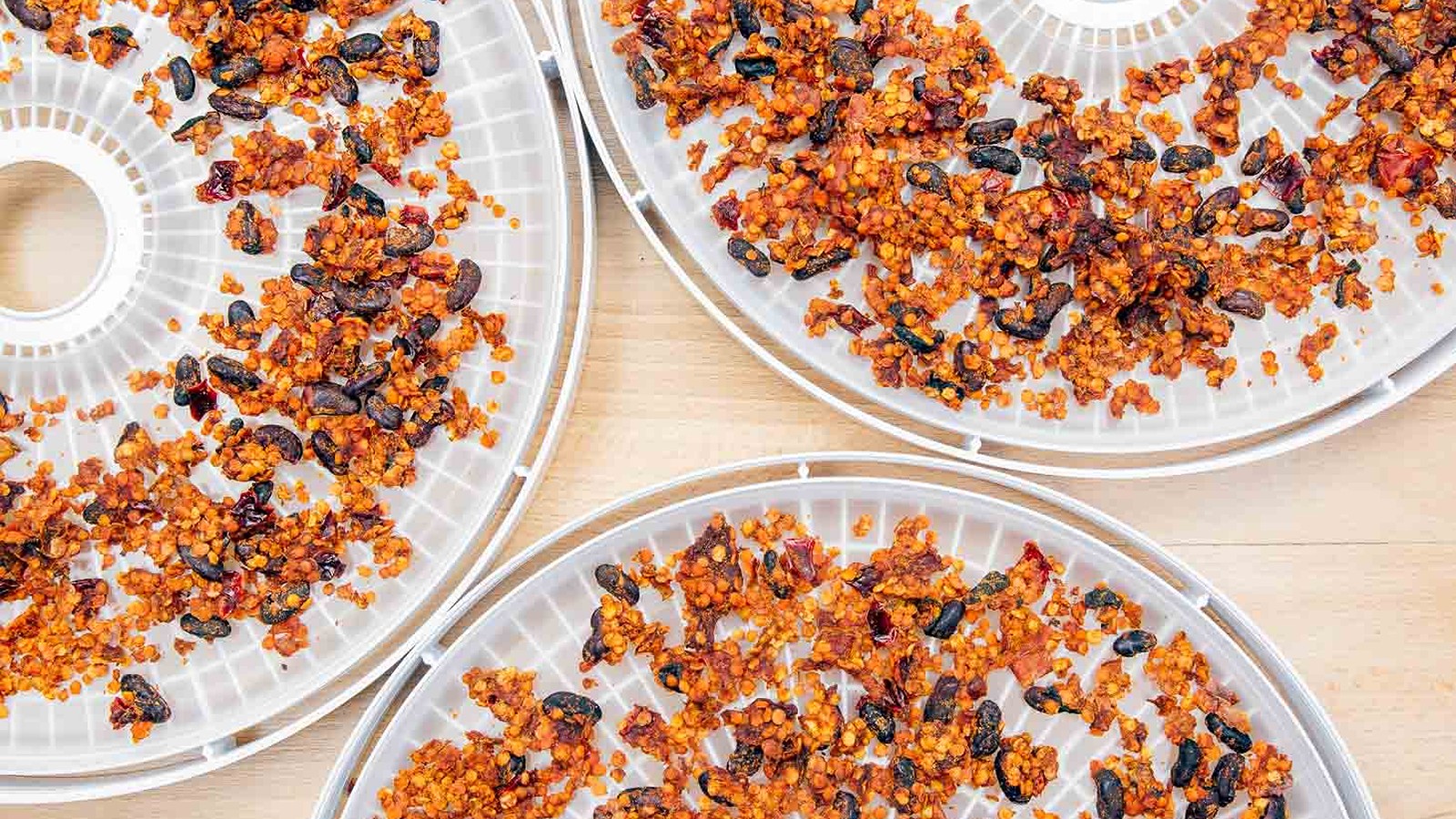
Red lentils and beans make this chili substantial enough for an actual dinner, with tomatoes and vegetables adding plenty of flavor. Because the cooked meal is dehydrated ahead of time, it suits camping trips when you don’t want to simmer dry lentils for ages. It’s also a handy meat-free recipe for anyone who finds most camping food rather too dependent on jerky.
164. Pasta primavera
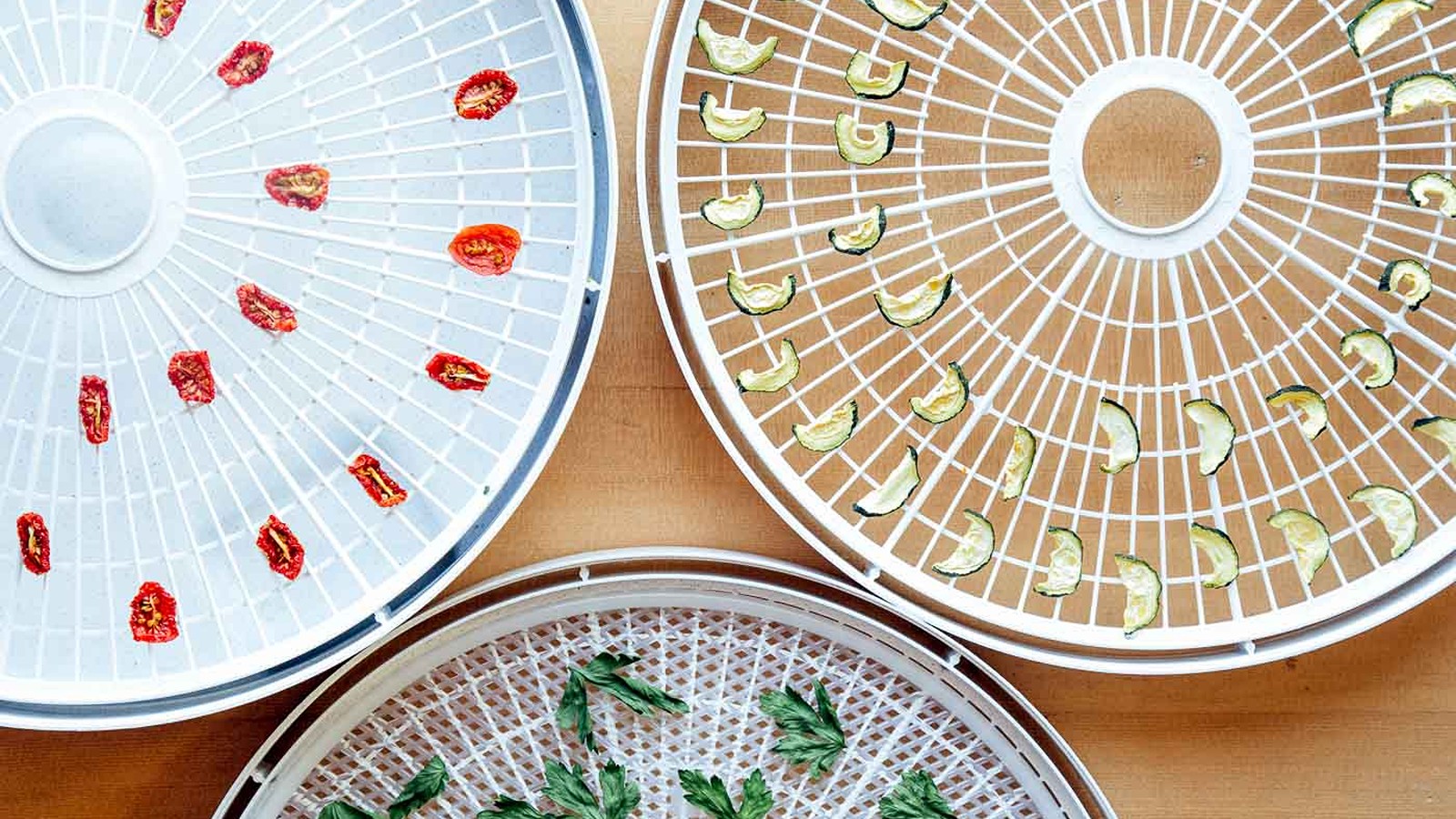
Pasta primavera is exactly the sort of dish that benefits from a little summer preserving. Zucchini, squash, tomatoes and capers bring plenty of flavor to pasta, even when you’re cooking it far from home. Dry the suitable vegetable components ahead of time and pack the oil and cheese separately. You’re carrying the useful bits of a garden-fresh dinner without the bulk of the fresh produce.
165. Red lentil marinara
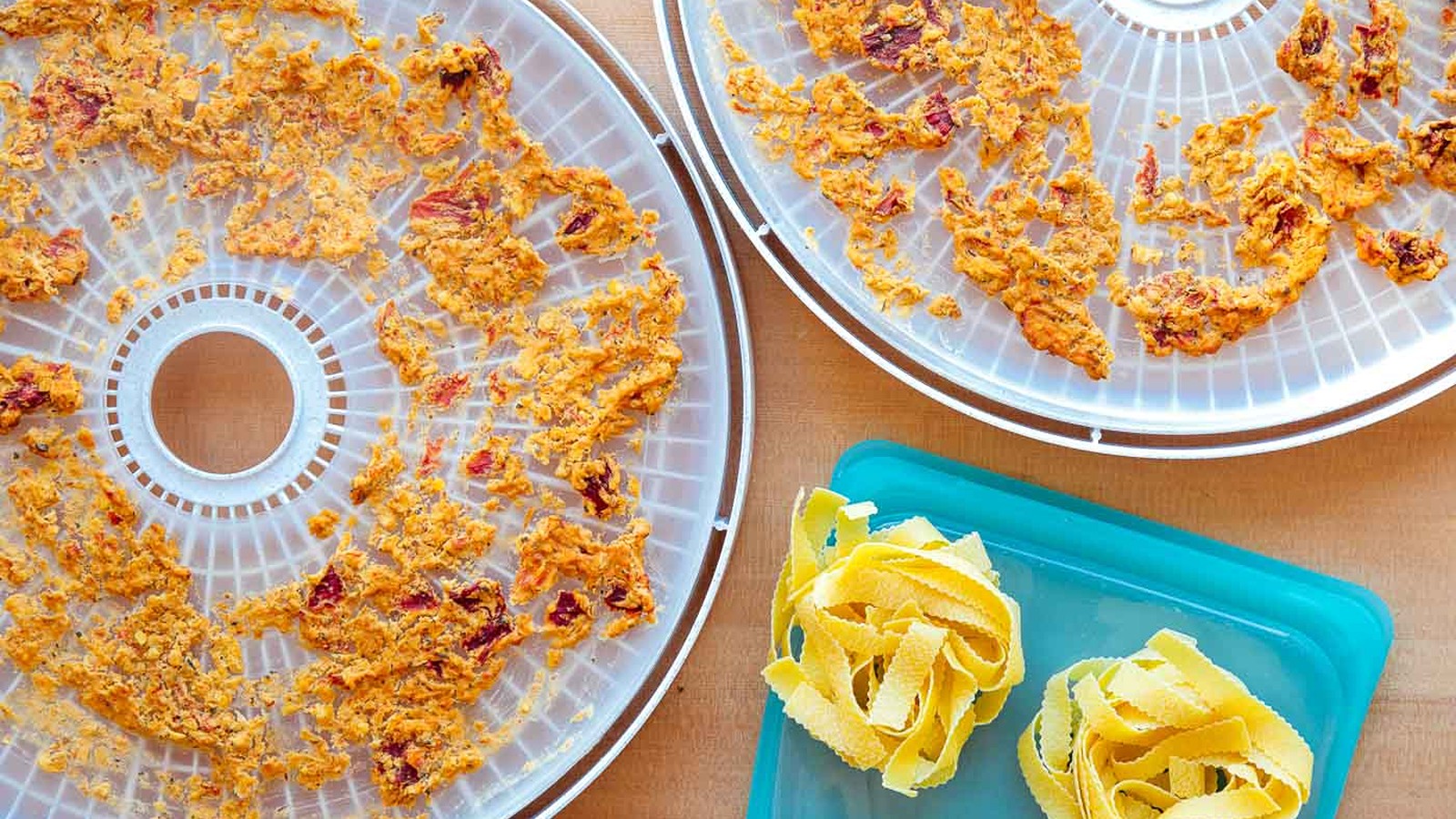
Red lentils turn a simple tomato sauce into something much more filling, which is why this marinara works nicely as a dehydrated meal component. It’s a useful choice for pasta nights outdoors or quick make-ahead dinners at home. The lentils are cooked into the sauce before drying; later, you rehydrate the sauce and prepare the pasta until everything is properly cooked.
166. Strawberries and cream quinoa porridge
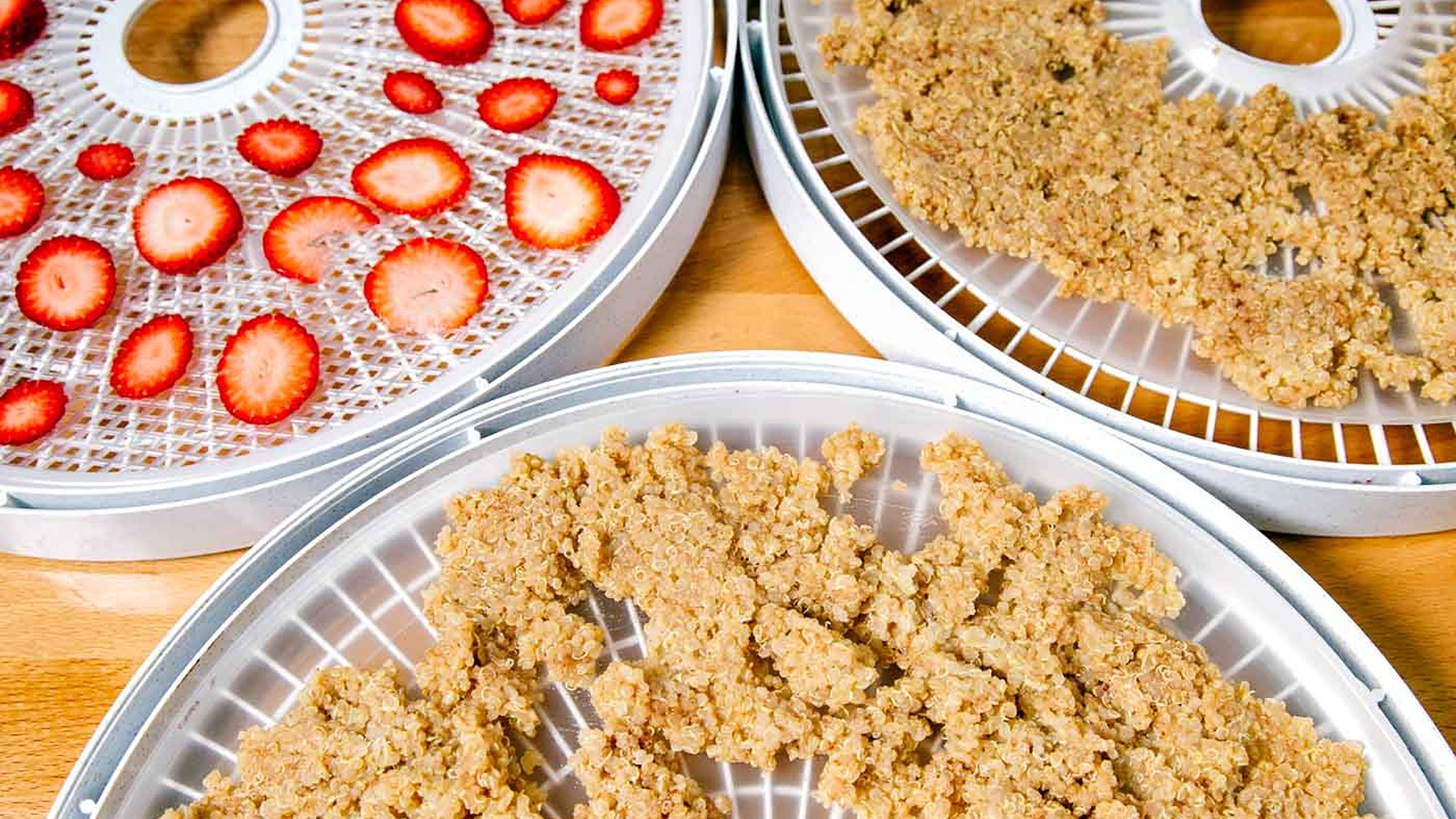
Strawberries and cream sounds rather luxurious for backpacking, but the ‘cream’ in this version comes from coconut milk powder, not fresh dairy. Cooked quinoa and strawberry slices are dried ahead of time, while toasted coconut adds texture at serving time. It’s a lovely way to turn a summer fruit into a breakfast you can enjoy when strawberry season is a distant memory.
167. Dehydrated chili mac
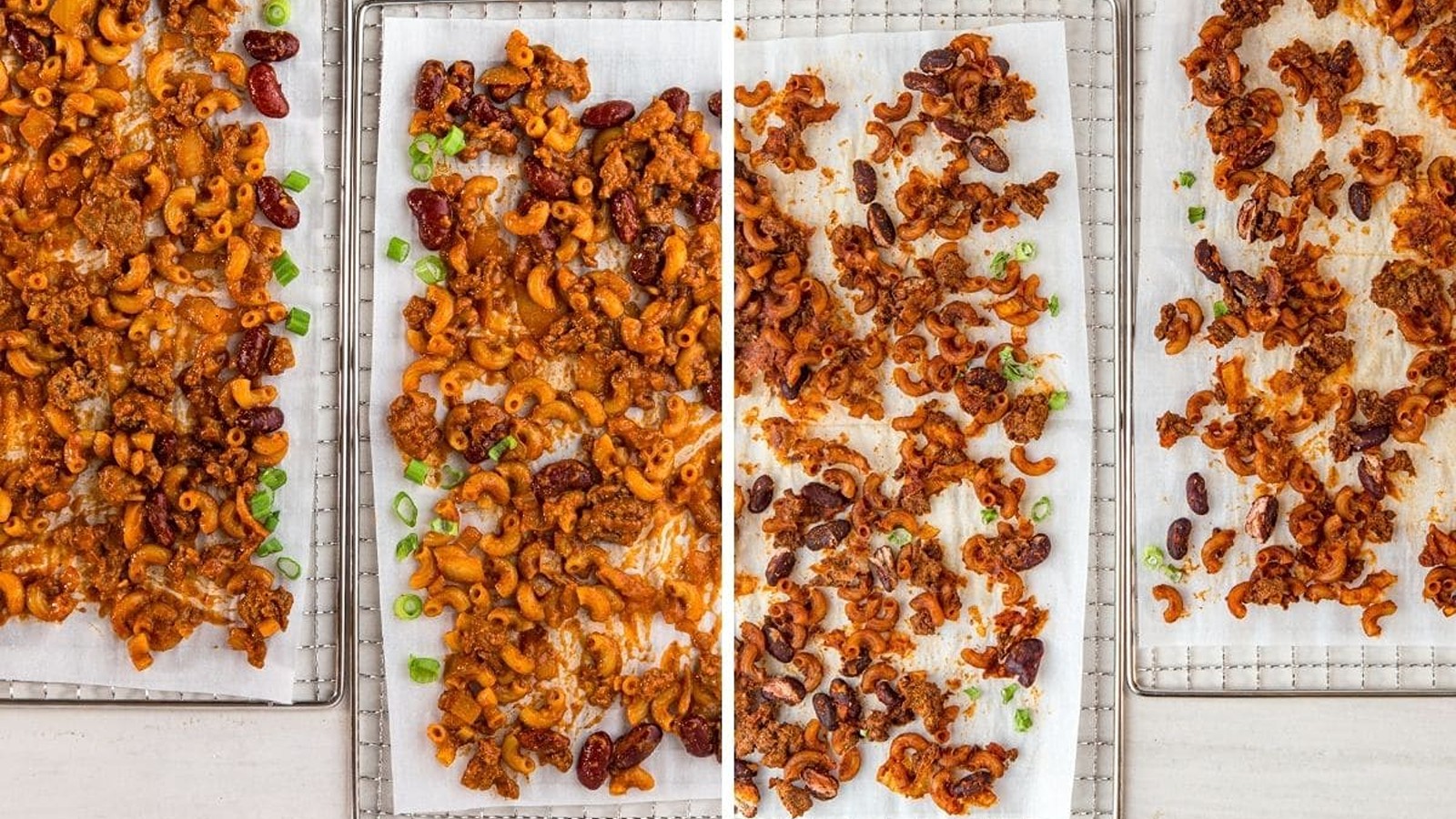
Chili mac is comfort food with a backpacking twist: beef, beans, tomatoes, seasoning and little pasta shapes in a hearty meal you prepare ahead. It’s also one of the recipes where sensible food handling matters more than saving a few ounces. Use lean, properly cooked beef, freeze the dried portions until needed, then rehydrate and heat the meal thoroughly.
168. Dehydrated bulgur
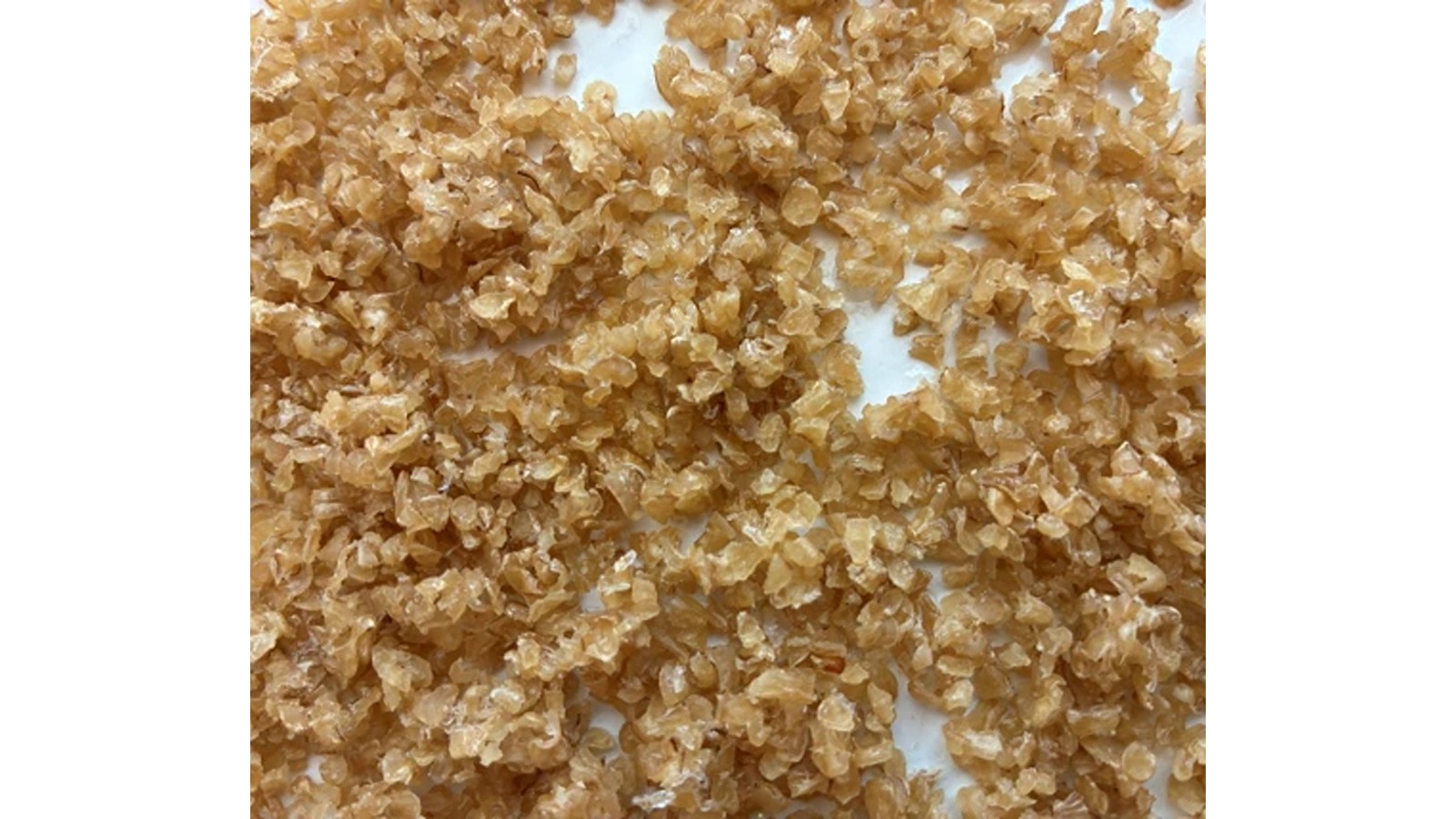
Bulgur has a lovely nutty character that makes it a useful base for savory meal mixes. Cooking and dehydrating it ahead of time means you can put dinner together with less fuel and fuss later. It’s a good change from rice or quinoa when you want variety in your camping food. Just remember bulgur is wheat, so it isn’t a gluten-free grain.
169. Dehydrated cooked lentils
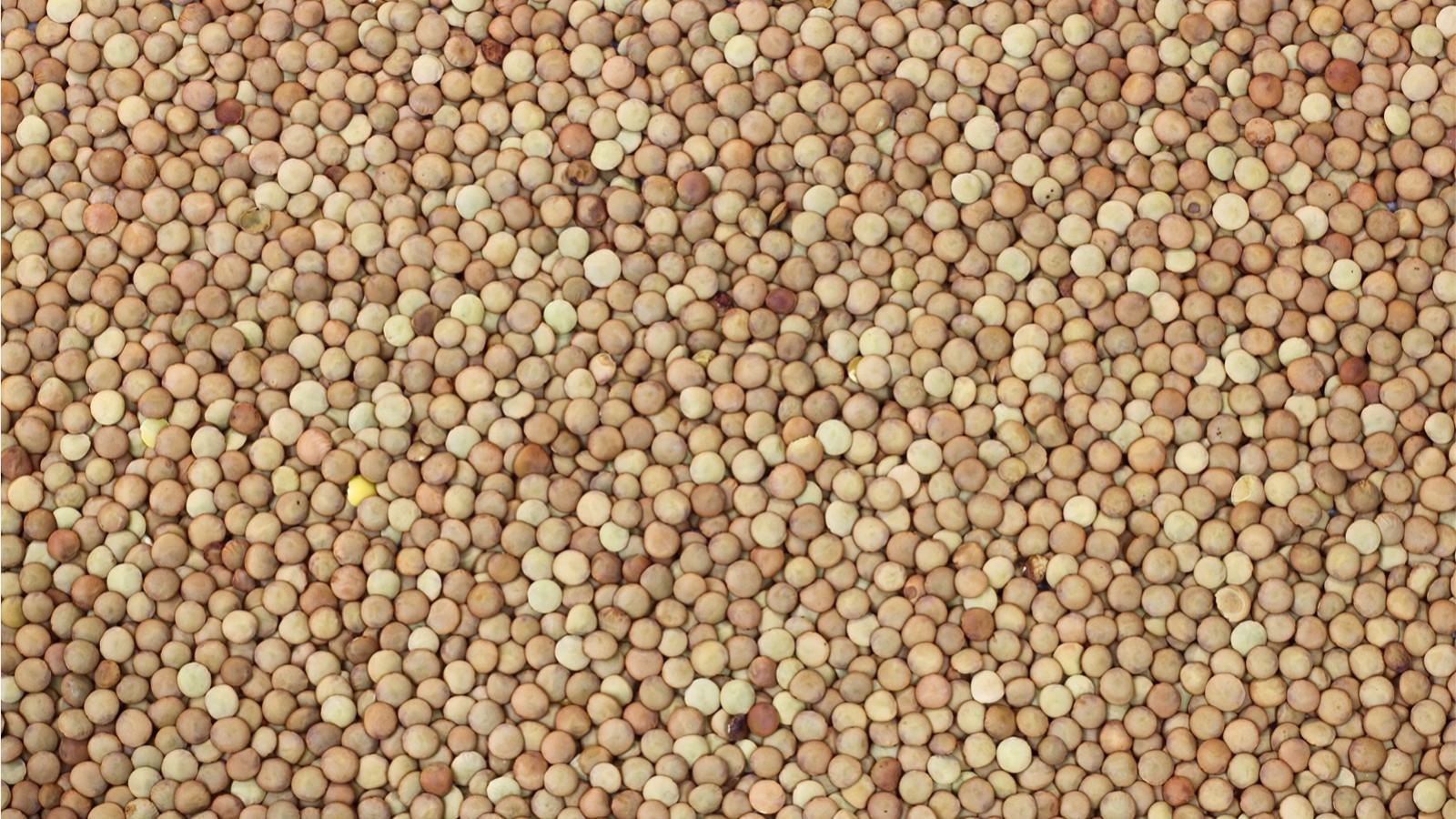
Lentils are inexpensive, filling and wonderfully versatile, which makes them worth keeping in a few different forms. Drying cooked lentils gives you a useful ingredient for quick soups, grain bowls and make-ahead meals. Begin with properly cooked lentils and handle them promptly; this isn’t an alternative way to prepare uncooked dried pulses without their normal cooking step.
170. Dehydrated cooked quinoa
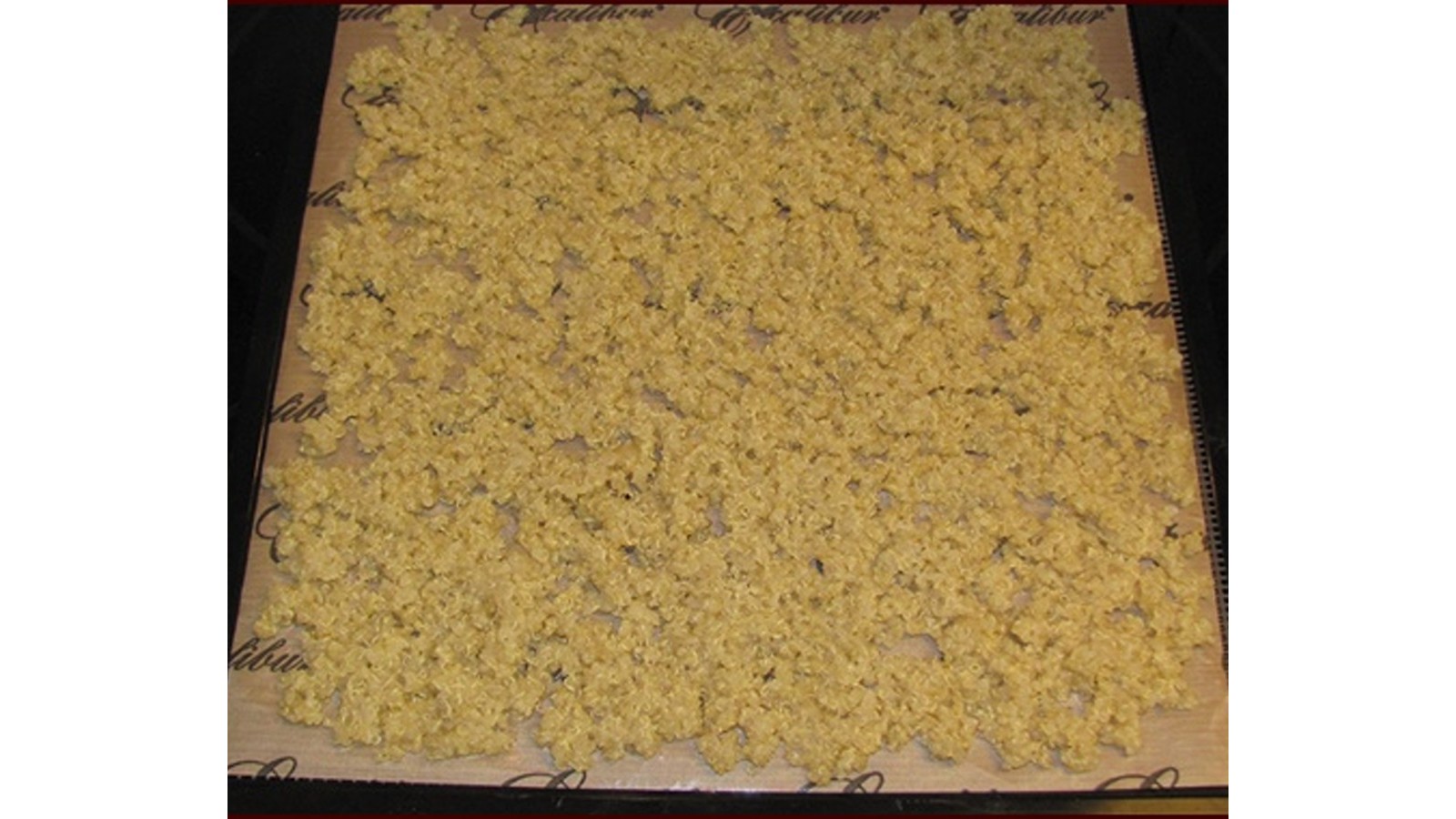
Cooked quinoa dries into little grains that are useful in everything from savory camping bowls to warm breakfast mixes. If you’ve already got the dehydrator running for other meal components, it’s a good one to understand. Rinse and cook the quinoa first, then dry it in a thin layer. You want convenient food for later, not little cemented blocks of grain.
171. Dehydrated salsa
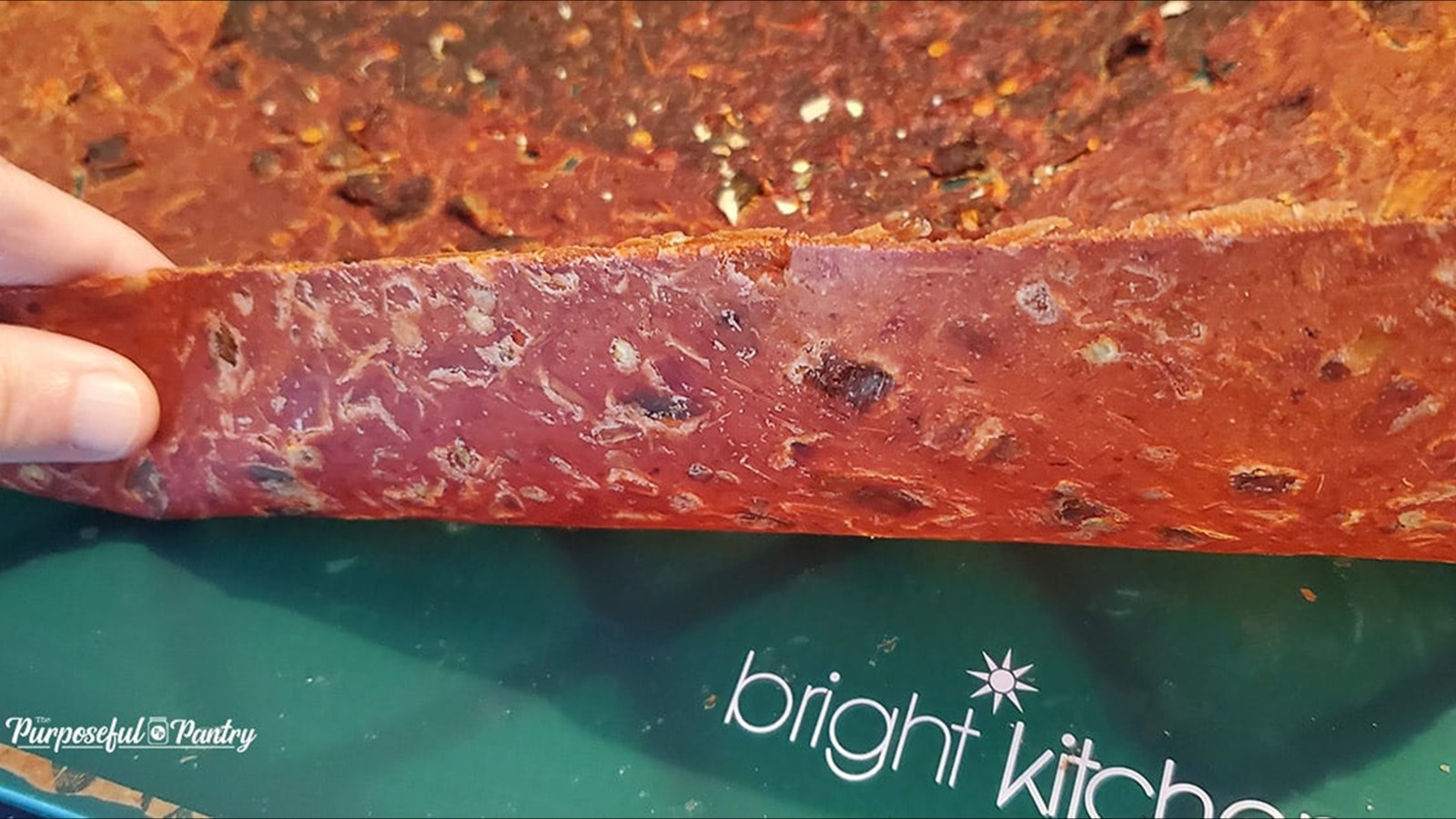
Salsa leather answers the question of how to take a jar of salsa camping without carrying the jar. Dry a suitable low-fat salsa or picante sauce into pieces, then add them to rice, beans or other cooked meals. A very welcome alternative to bland trail food.
172. Dried sauerkraut

Sauerkraut might not seem an obvious dehydrator candidate, but its tangy flavor makes dried pieces useful in savory soups, noodle dishes and camping mixes. The cabbage needs draining well before drying, and the finished result is a cooking ingredient rather than a crisp fresh-style slaw. It’s a quirky option if you make a lot of sauerkraut and enjoy experimenting with it.
Dehydrator dog treats
For dogs, I recommend choosing treat ingredients around the individual dog and keeping portions small. These are extras alongside a complete, balanced diet. Check peanut butter for xylitol, which is dangerous for dogs, and use the stated ingredients rather than substituting freely from human snack recipes.
173. Peanut butter banana dog treats

Banana and peanut butter sounds like a treat plenty of dogs would be delighted to investigate. This recipe coats banana slices lightly before drying them into small rewards. The ingredient check matters here: the peanut butter must contain no xylitol, which is dangerous for dogs. And while they’re homemade, they’re still treats, not a replacement for a balanced diet. Adjust the size to your individual dog and be realistic about portions, particularly if you’re handing them out frequently during training.
174. Minted sweet potato dog chews

These sweet potato chews use culinary mint and parsley for flavor, giving you a different option from the usual plain dried vegetable strips. They’re easy to portion for dogs of different sizes, but that doesn’t make them suitable for every dog. Use the specified herbs, never mint essential oil, and supervise chewing, particularly if your dog tends to gulp treats.
175. Fruit and vegetable dog leather

Fruit and vegetable leather isn’t just for human lunchboxes. These dog-friendly versions use combinations such as cooked carrot with unsweetened applesauce or peach with blueberry, creating little flexible treats you can cut to size. Stick to the specified ingredients rather than throwing in whatever fruit happens to be left over. Store unused portions as directed and keep treats a small part of the overall diet.
Common dehydrating questions
How long does homemade dehydrated food last?
The food, final dryness, packaging and storage temperature all matter. For many plain dried foods, recommended storage times range from four months to a year. That is not a blanket shelf life for meat, fish or oily snacks. Label the food and date, pack small portions and check regularly for moisture or spoilage.
Why are my banana chips chewy?
Ripe bananas often dry into a chewy snack. A dehydrator removes water without frying the fruit, so it will not automatically produce the crisp texture of a fried banana chip. Slice evenly and follow the recipe’s drying endpoint rather than turning up the temperature to chase a different type of snack.
Can I dry different foods at the same time?
I recommend grouping foods that need the same drying temperature and have compatible flavors. Keep onions, garlic and strongly seasoned ingredients away from delicate fruit. Check trays individually and remove finished food when it is ready instead of leaving everything in until the slowest tray finishes.


Without trying to blow my own trumpet,I have a First Class BSc.Honours and a Ph.D in Food Technology.I also have a dehydrator a vegetarian wife and 3 dogs plus a neighbors table boarder dog [ie comes to us for food,treats and walks while his owners/servants are working-we work from home].This has been a magic website and very accurate in its technology.I really thank you very much for putting all these recipes together-fantastic!Many more recipes than I would have expected to be possible.
Glad you found this useful. I love my dehydrator – particularly for dog treats!
Thanks for all info here! ?
This is interesting for all those who are into making recipes as an amateur or a professional. I am sharing this post onward so that people interested in dehydrating their recipes learn something new. Great post.
Glad you found it useful. We love dehydrating our produce – it’s a great way of reducing waste.
Oh! This is interesting! Didn’t know about this before. In fact its my first time to hear/read about dehydrator foods. And those were a lot!
Cool! I can search plenty options on what is available in our pantry. I love mangoes so I think I will be doing that. Thanks for the recipes.
I honestly did not know that there is such thing as dehydrating fruits and vegetables! I only know of juicing and blending as processes done with food. I actually am amazed with technology nowadays. Dried mangoes and dates are familiar to me but the other fruits and vegaetables are like uncharted waters. This also a great way of lessening the food waste! I get mad at myself whenever I throw away food.
this is awesome. seriously haven’t heard of a dehydrator before and its use. i like the idea of zero waste management and the cool way it could preserve food. something really new to me and i wish this is something affordable. would also like to try it at our household.
I only new about sun-dried food as we use to do that.Otherwise it is always we buy dehydrated food items from grocery stores.I never thought or heard of dehydrating with such equipment which is easy to use at home.I will check the suggested dehydrators.It is really nice if I can make dehydrated fruits and vegetables at home in a healthy way!
I have never even heard of a dehydrator before, but it sounds like an amazing kitchen tool! I want to get my hands on one of these. It’s so amazing how you listed down all the possible kinds of treats you can produce just by using a dehydrator. You can even use it for doggie treats! So cool! I’m trying to have a “zero waste” lifestyle by making sure that everything in the kitchen is used up, and I think a dehydrator would be a good way to support that lifestyle.
Hi Katy! We are actually considering the use of dehydrators since we are shifting to a greener lifestyle. We like the idea of minimizing food waste. Thank you so much for these recipes. Saving this one for future reference.
Wow, I couldn’t believe that there’s such a thing as this. I have just heard about dehydrator and seemed to be really interesting as you have elucidated it clearly and really in detailed. I also love that you have provided us a long list of recipes where we can get an idea and would love to try it as well. This is just truly a new concept of preserving food without a waste. Thank you so much for sharing this with us.
wow, the things that you can do with a dehydrator is just amazing. I didn’t think of it. It proves to be really useful
Dehydrator is the latest trend I have read. Interesting how this concept helps in preserving food. The strawberry leather strip looked yumm to me and many other products looked new to me. Mangoes and dates are common here , I hope other dehydrated products hit the shelves here soon.