
Affiliate disclosure: This post may contain affiliate links. Please see full disclosure.
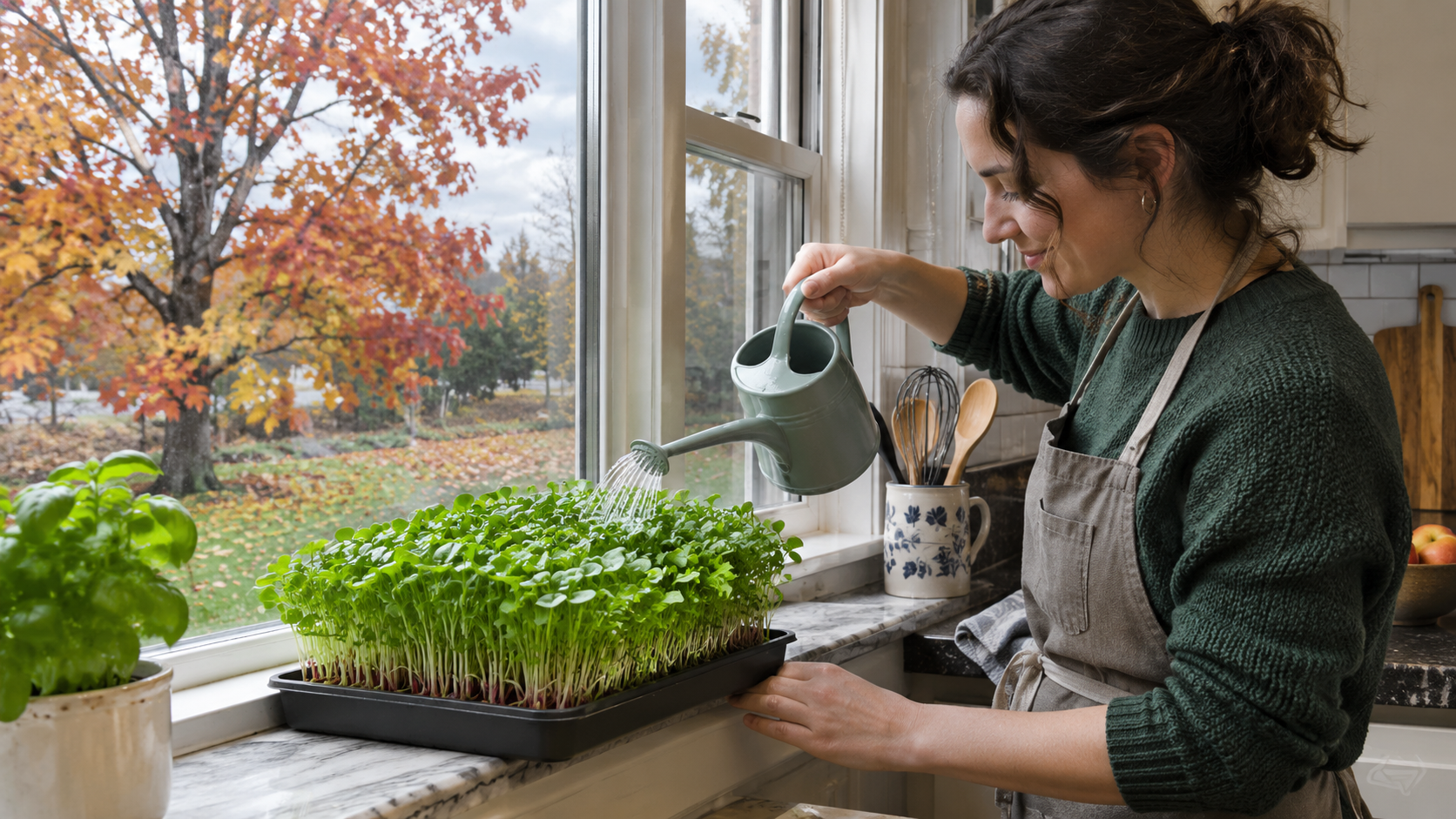
Radish microgreens, pea shoots, loose-leaf lettuce, and scallions are among the easiest vegetables to grow indoors in winter. They give you something worth eating while they’re young, rather than asking you to wait months for a fully grown plant. A sunny window can support some quick crops, but for regular winter salads, I’d choose a small grow light over another armful of seed packets.
I grow a substantial amount of my own food, so I love the idea of keeping a little productive growing space going when the garden slows down. But there’s no point pretending a windowsill will replace your vegetable beds. Think fresh handfuls for sandwiches, salads, and stir-fries, not a week’s worth of groceries. Choosing crops for their leaves and shoots rather than their fruit makes that entirely achievable.
Give winter vegetables enough light to produce a real harvest
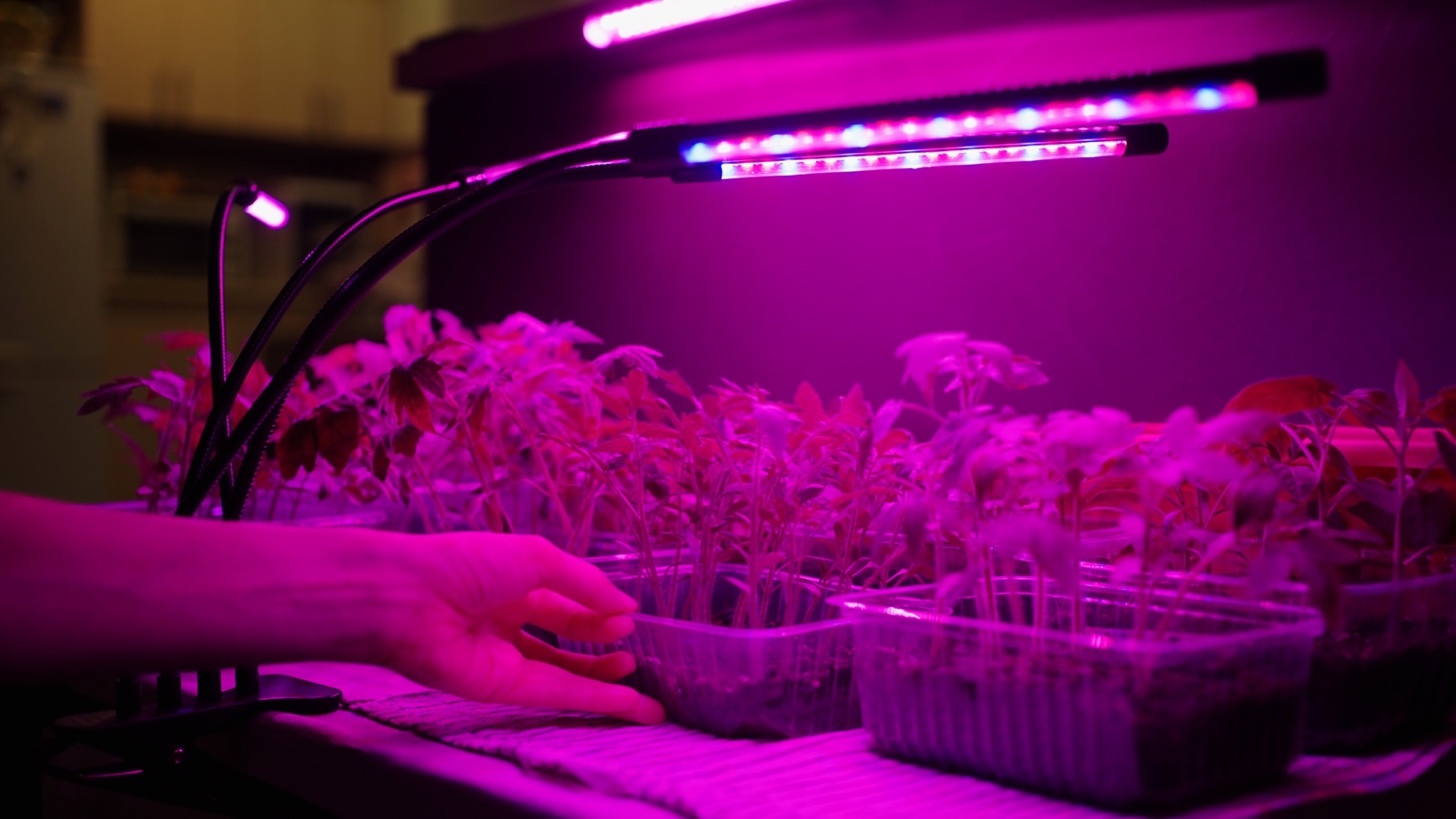
Winter sunlight is often the limiting factor, even indoors. A south-facing window in the northern US might look bright to you, but short days, low sun, nearby buildings, and window glass can leave vegetables with too little usable light. If seedlings are pale, skinny, leaning hard toward the glass, or barely putting on new growth, they’re telling you something. More fertilizer won’t make up for missing light.
For microgreens and an occasional batch of pea shoots, a genuinely bright window may be enough. If you want lettuce, spinach, kale, and other baby greens to keep cropping during December and January, I recommend a white or balanced-spectrum LED grow light. Depending on the fixture and crop, around 12 to 16 hours of useful light per day is a practical starting point. Light intensity matters as well as hours, so follow the manufacturer’s distance recommendations and put the light on a timer. Plants still need a dark period.
You don’t need a costly hydroponic tower. Clean food-safe trays, a few pots with drainage holes, saucers, and fresh indoor potting mix will do. Use shallow trays for microgreens and deeper containers for plants you want to keep growing. Protect them from cold window glass and hot radiators, and don’t leave roots standing in stagnant water.
1. Radish microgreens for the quickest peppery greens
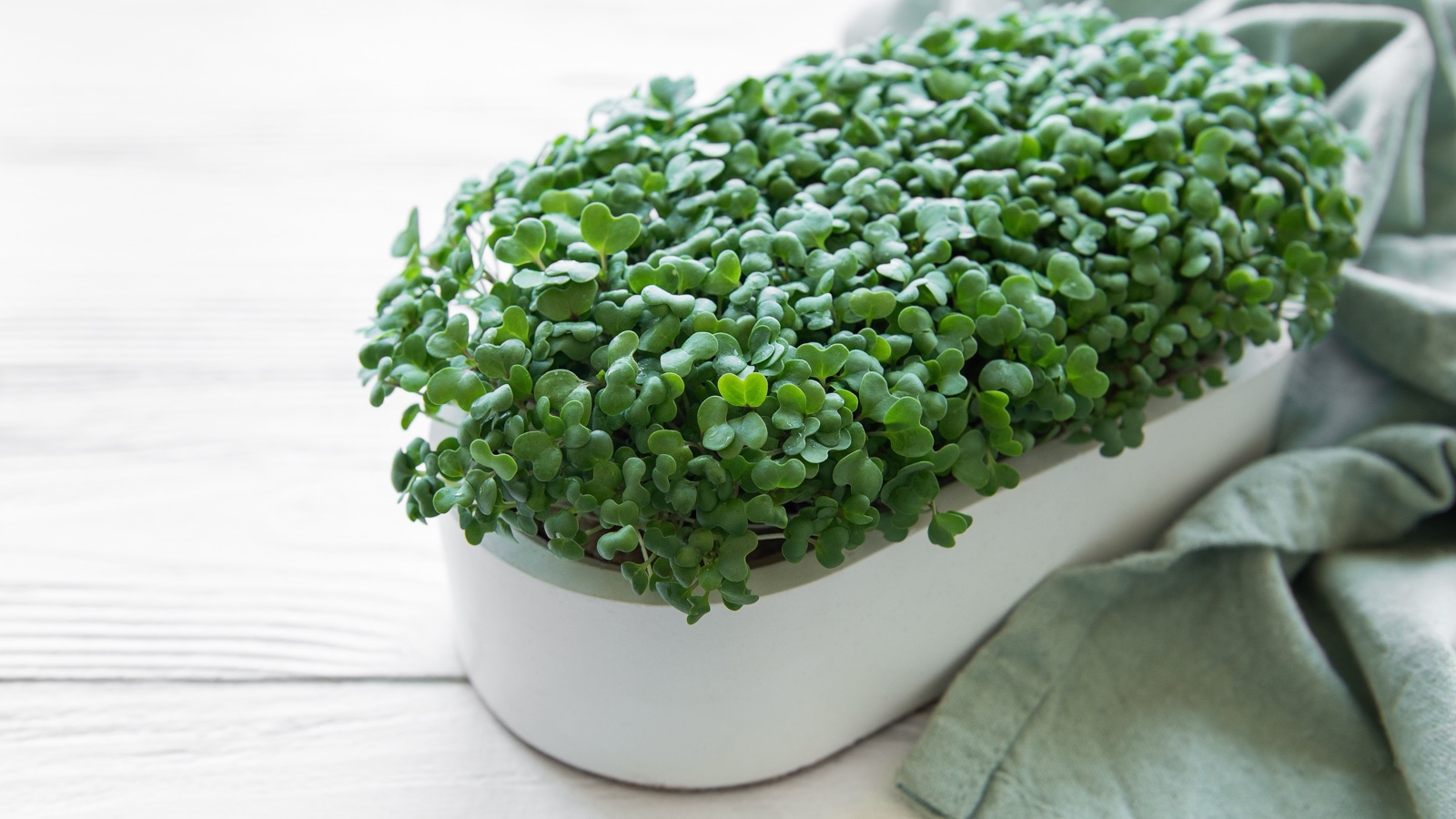
Radish microgreens are my first recommendation if you’ve never grown food indoors. You harvest the tender stems and young leaves long before the plant needs to develop an actual radish. The flavor is surprisingly punchy, and you can use them in sandwiches, winter salads, or over a bowl of soup.
Scatter untreated seed fairly densely over a shallow container of moist seed-starting mix and press it into contact with the surface. Give the seedlings bright light as they emerge and keep the mix damp rather than soggy. Microgreens commonly take about 7 to 21 days from sowing to harvest, depending on the species and conditions. Snip above the growing medium when the first true leaves appear. Don’t expect the remaining stubble to grow a second crop. Start a fresh tray.
2. Pea shoots for sweet, crunchy tendrils
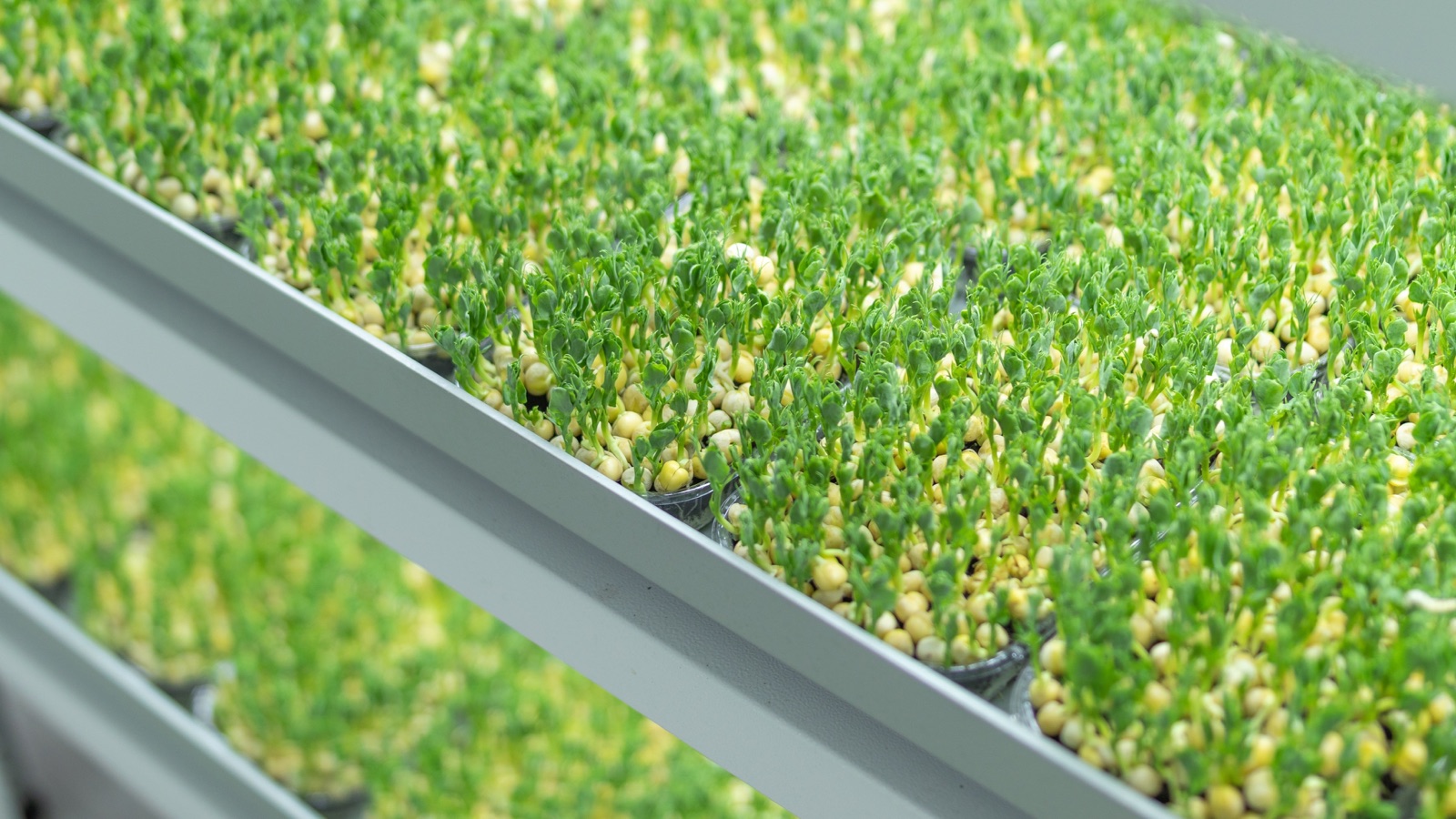
Pea shoots give you much of the flavor of garden peas without the trellis, flowers, or pods. They’re more substantial than tiny microgreens, with crunchy stems and tender leaves that are lovely in a stir-fry or eaten fresh.
Buy untreated peas intended for producing edible shoots. Soaking the larger seeds before sowing can speed germination, then you can plant them close together in a shallow tray with good drainage. Keep them in bright light and harvest the tender growth when the shoots are several inches tall. Cut above the lowest healthy leaves if you want to try for a second flush. Some varieties oblige, but don’t build your winter food plan around unlimited regrowth from one batch of peas.
3. Garden cress for a little crop in almost no space
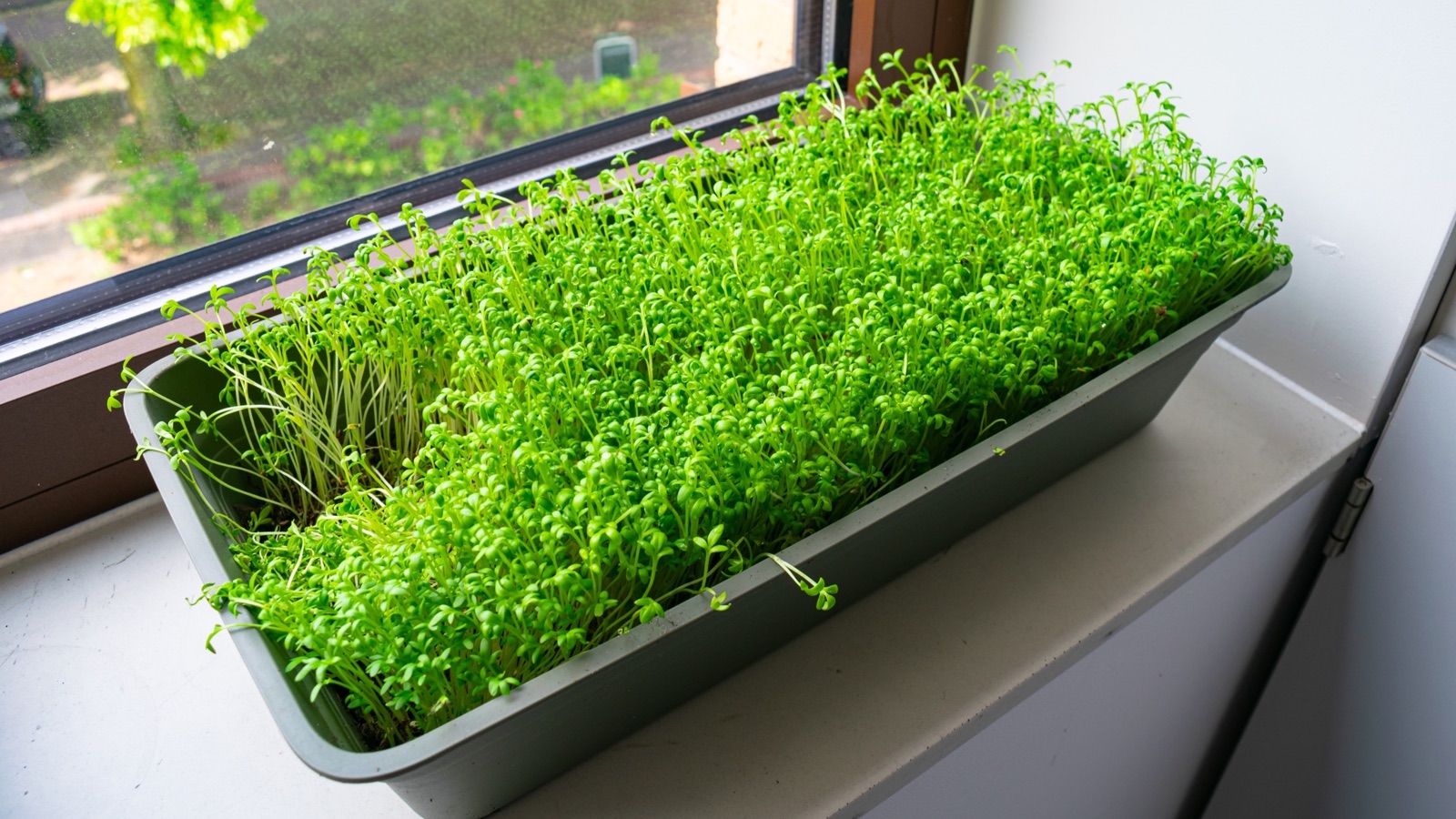
Garden cress doesn’t need much room to be worthwhile. Its young, peppery leaves are perfect for egg sandwiches and cheese on toast, and it makes a good first growing project if all you have is a small section of a kitchen windowsill.
Sow over a thin layer of clean, moist growing medium and keep it evenly damp, never waterlogged. Give the germinated seedlings enough light to develop color and sturdy stems. Cut the young growth while it’s tender and resow for another batch. It’s a garnish-sized harvest rather than a substitute for salad lettuce, but that is exactly why cress fits a tiny indoor garden.
4. Loose-leaf lettuce for repeated salad pickings
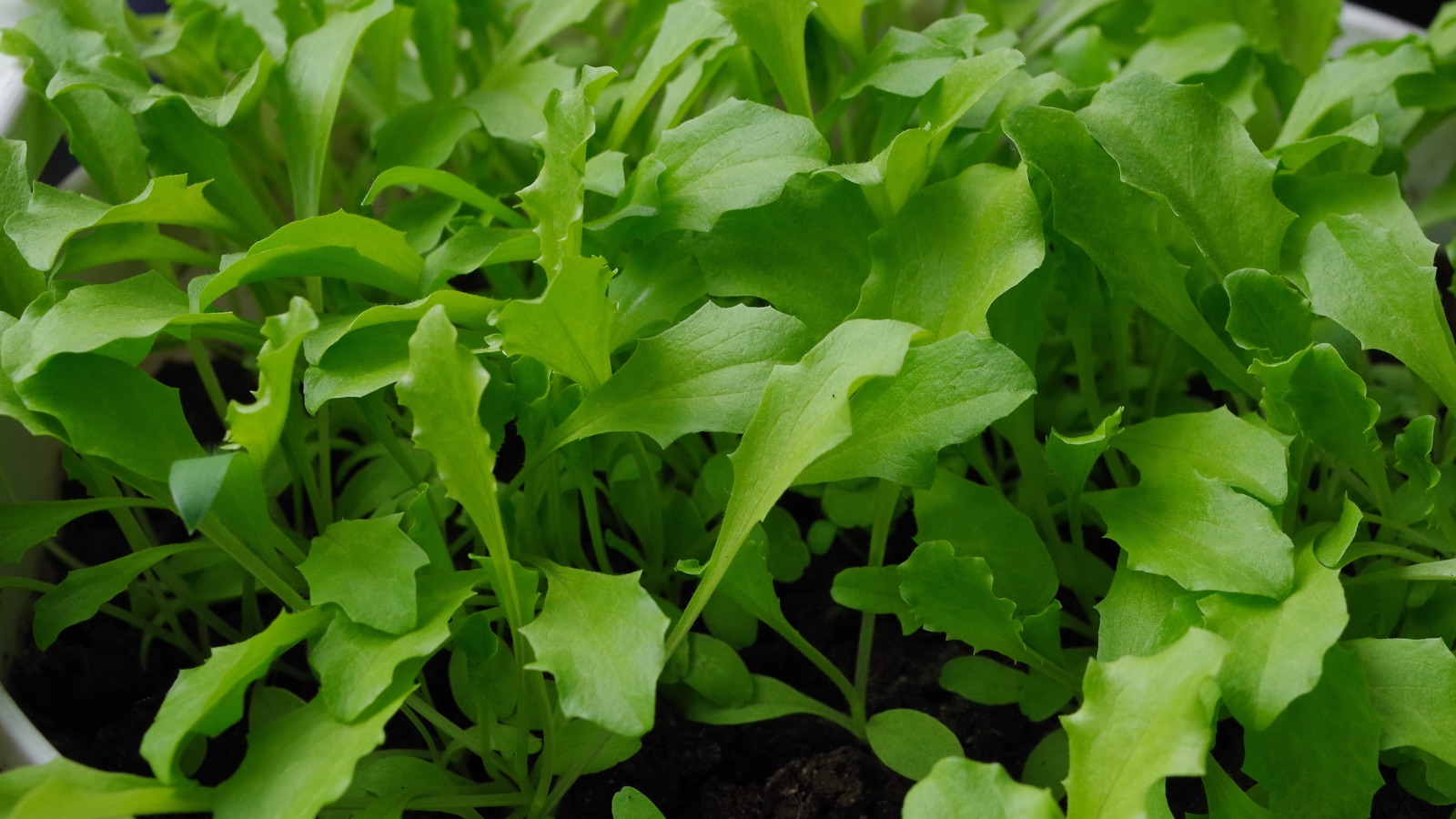
For a longer-running crop under a light, I recommend loose-leaf lettuce. Leaf varieties such as ‘Salad Bowl’ are much more sensible indoors than trying to grow a perfect full-sized iceberg head. You can harvest the outer leaves or take small cuts while leaving the growing center intact.
Use a broad pot or window box, thin crowded seedlings, and keep the potting mix consistently moist without saturating it. Under decent lighting, baby greens may reach cutting size in about three to six weeks. A dim winter window can slow that considerably. Take a few leaves, let the plants recover, and sow another container before the first one is exhausted. One small pot won’t keep a family in salad all winter.
5. Arugula for plenty of flavor in a handful
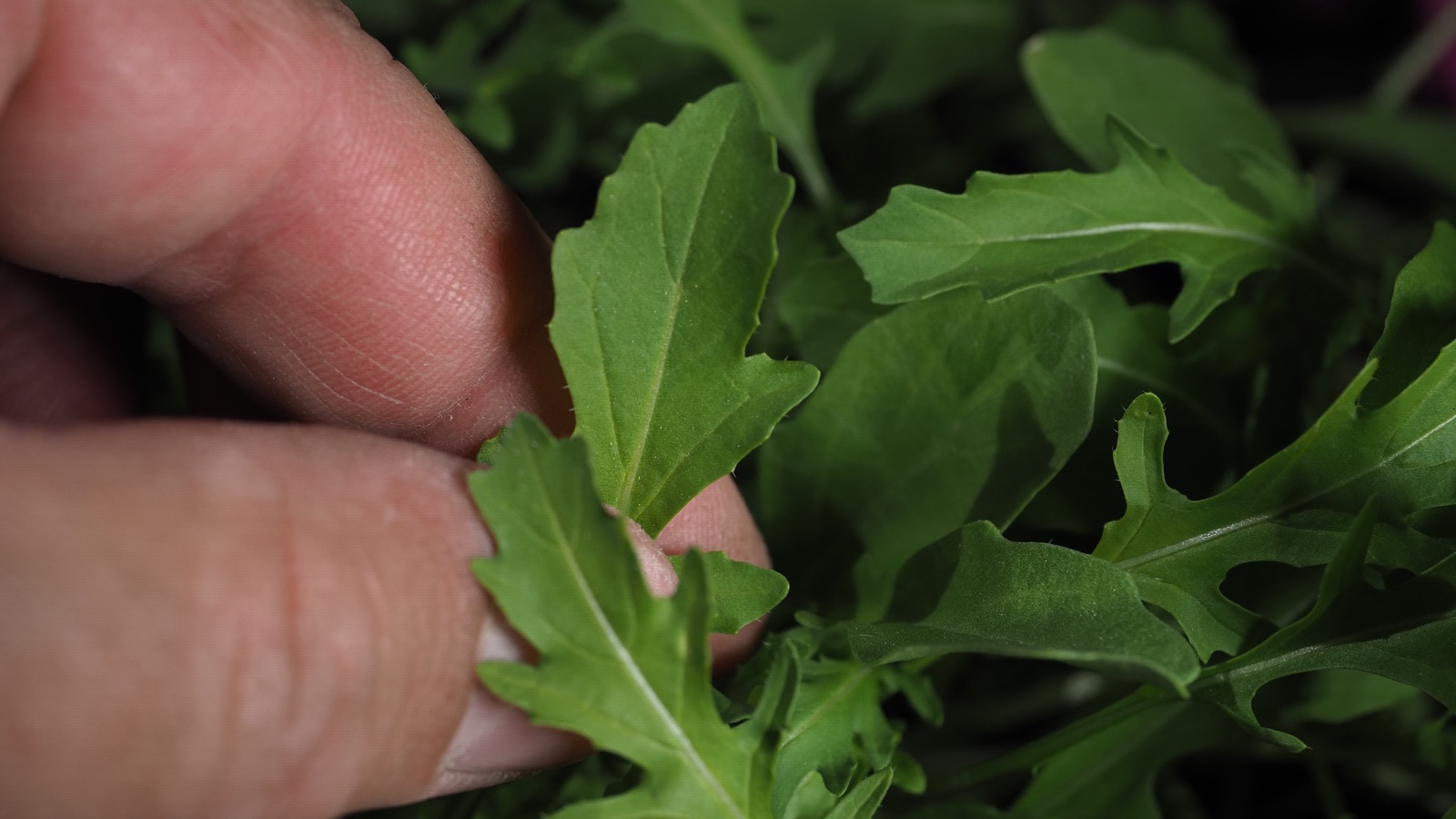
Arugula, also known as rocket, has a peppery bite that makes a small harvest useful. A handful livens up a sandwich or adds a fresh finish to pizza after it comes out of the oven. It’s a particularly practical choice when you’re growing for flavor rather than sheer volume.
Sow in a shallow-to-medium-depth pot, thin enough for air to move between the leaves, and harvest young. Arugula tolerates less-than-ideal light better than many vegetables, but that doesn’t make a gloomy corner into a productive growing space. Use the grow light if leaves are slow and stretched. Harvest outer leaves while leaving the center growing, then replace plants that are tired or no longer producing well.
6. Mizuna for a mild mustardy salad green
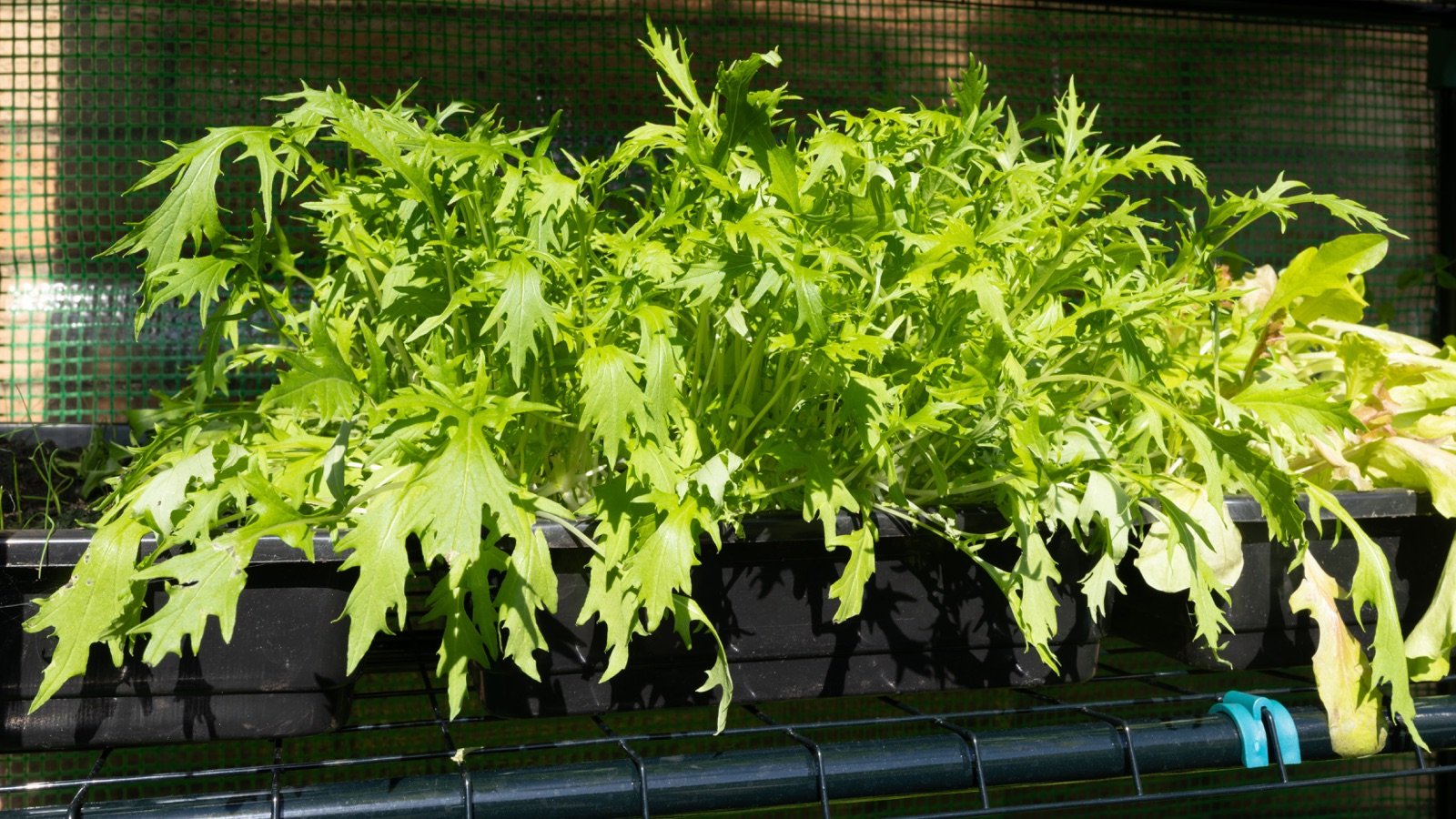
Mizuna gives you delicate, deeply cut leaves with a gentle mustardy flavor. It adds texture to a mixed salad without needing to develop into a full-sized plant, making it worth a place on a small growing shelf.
Sow it for baby leaves in moist potting mix, then thin the seedlings enough to avoid an airless tangle. Cut young leaves when they look useful rather than waiting for large clumps. Mizuna can tolerate a little less light than fruiting vegetables, although a grow light will give you a more dependable winter crop. I prefer two modest sowings a couple of weeks apart to one container that gets completely overgrown.
7. Baby bok choy for crisp stems as well as leaves
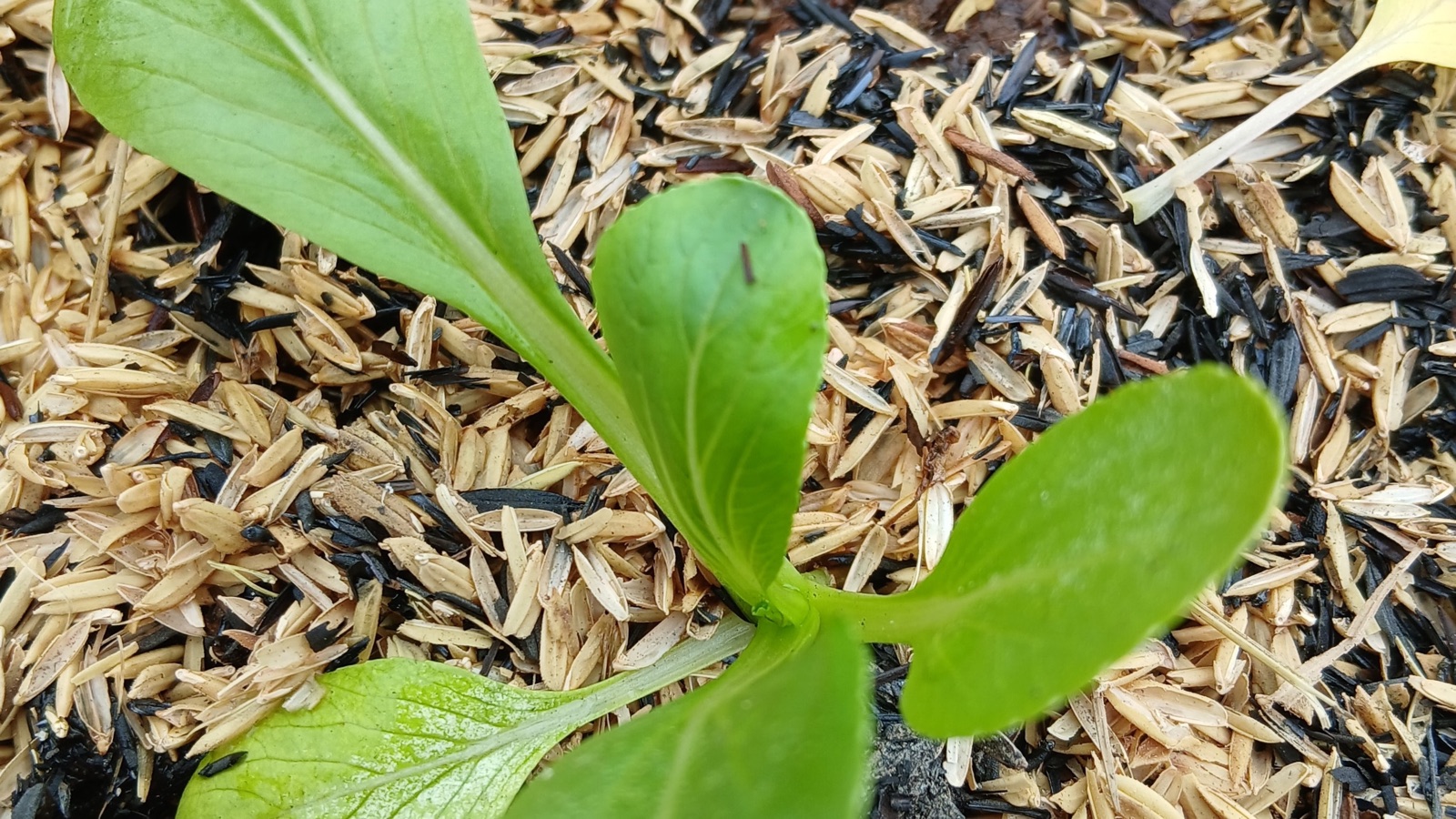
Bok choy, sometimes sold as pak choi, gives you something different from soft salad greens: tender leaves attached to crisp, juicy stems. Compact or baby varieties work particularly well when you want a quick addition to noodles or stir-fries.
Give individual plants a little space rather than sowing one impenetrable mass. You can harvest baby plants whole, or take some outer leaves while leaving the center intact. It needs more root room than a tray of microgreens and will grow better under supplemental light during the darkest months. If you’re deciding between a pot of bok choy and a winter cucumber vine, the bok choy is the much more realistic meal.
8. Mustard greens for a spicy cut-and-come-again mix
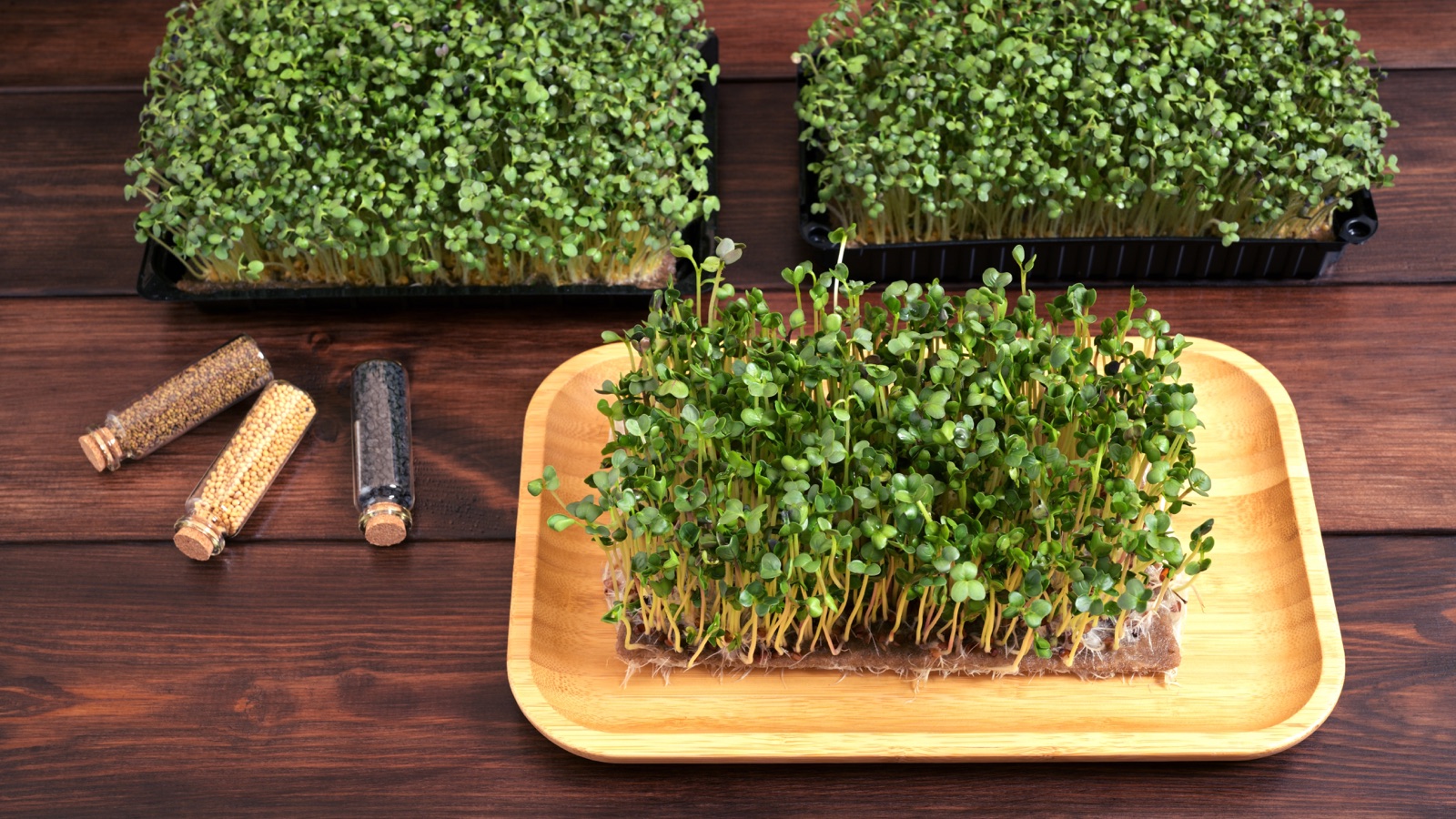
Mustard leaves range from pleasantly peppery when young to very punchy as they mature. Red-leaved varieties also add color to an indoor salad, which is useful when you’re getting bored of the same bowl of lettuce.
Grow mustard with space between the plants and pick the leaves young for the best salad texture. You can grow it as a dense microgreen crop too, but the harvest is different. Microgreens are usually cut once; baby-leaf plants left with their growing points intact can offer additional pickings. Good light matters if you want tender leaves instead of weak, floppy shoots.
9. Baby spinach for cool, bright rooms
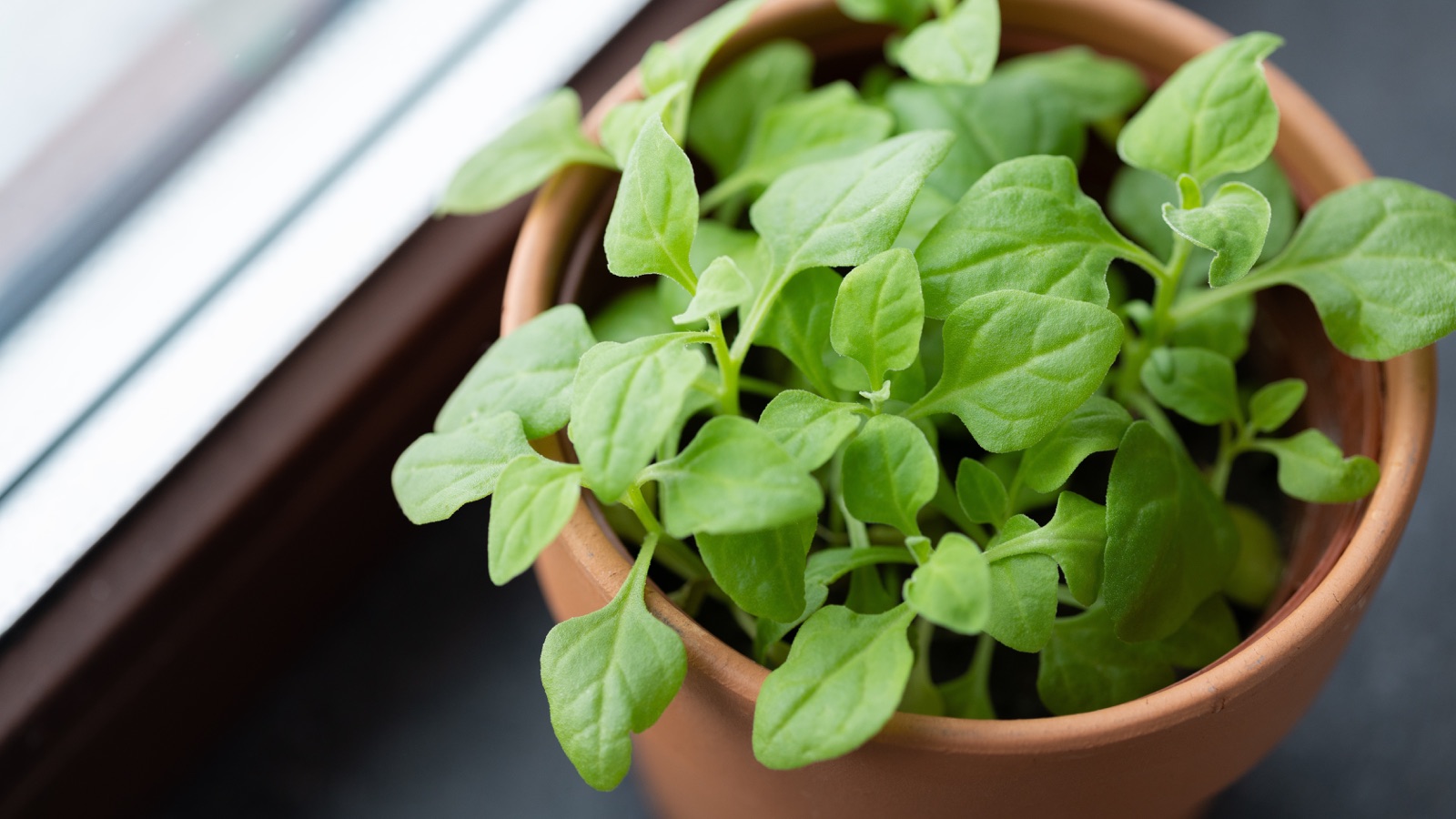
Spinach prefers cooler conditions than most fruiting vegetables. Its small leaves are good eaten raw and just as useful stirred into eggs, pasta, or a pan of vegetables. But I wouldn’t rank spinach above microgreens if your only light is a gloomy kitchen window.
Give spinach a decent-depth container, thin it properly, and keep moisture steady. A bright spare room with a suitable grow light is usually better than a hot spot directly over a radiator. Take larger outer leaves once the plants have established, leaving the center to grow on. If your priority is a very fast edible result, grow radish shoots first and move to spinach once your lighting setup is working.
10. Baby kale for useful leaves without giant plants

Kale doesn’t have to become a huge garden plant before you eat it. Young kale leaves are tender enough for a salad and can also be tossed into soups and stir-fries. Growing it for baby leaves means the pots stay manageable and you don’t have to provide space for full-sized stalks.
Sow several seeds into a broad container, then thin them so individual plants have room for light and air. Pick the lower young leaves or take modest cuttings without damaging the centers. Under good light you can get more growth, but expect smaller portions than from established plants outdoors. I would rather harvest a useful handful regularly than nurse a giant, underlit kale plant through winter.
11. Swiss chard for tender leaves and colorful stems

Chard uses more space than cress or arugula, but it earns that space when you want something you can cook as well as eat raw. The baby leaves are mild, and the stems of colorful varieties make even a small pot attractive.
Choose a reasonably deep container and don’t crowd it. Chard seed clusters may produce multiple seedlings, so thin them rather than leaving every sprout in place. Pick outer leaves and allow the center to keep growing. You’ll get a better return under a grow light than on a dim windowsill, but a tiny pot isn’t going to produce full grocery-store bunches. Grow for tender young leaves and the crop makes much more sense.
12. Scallions for green onion tops through winter
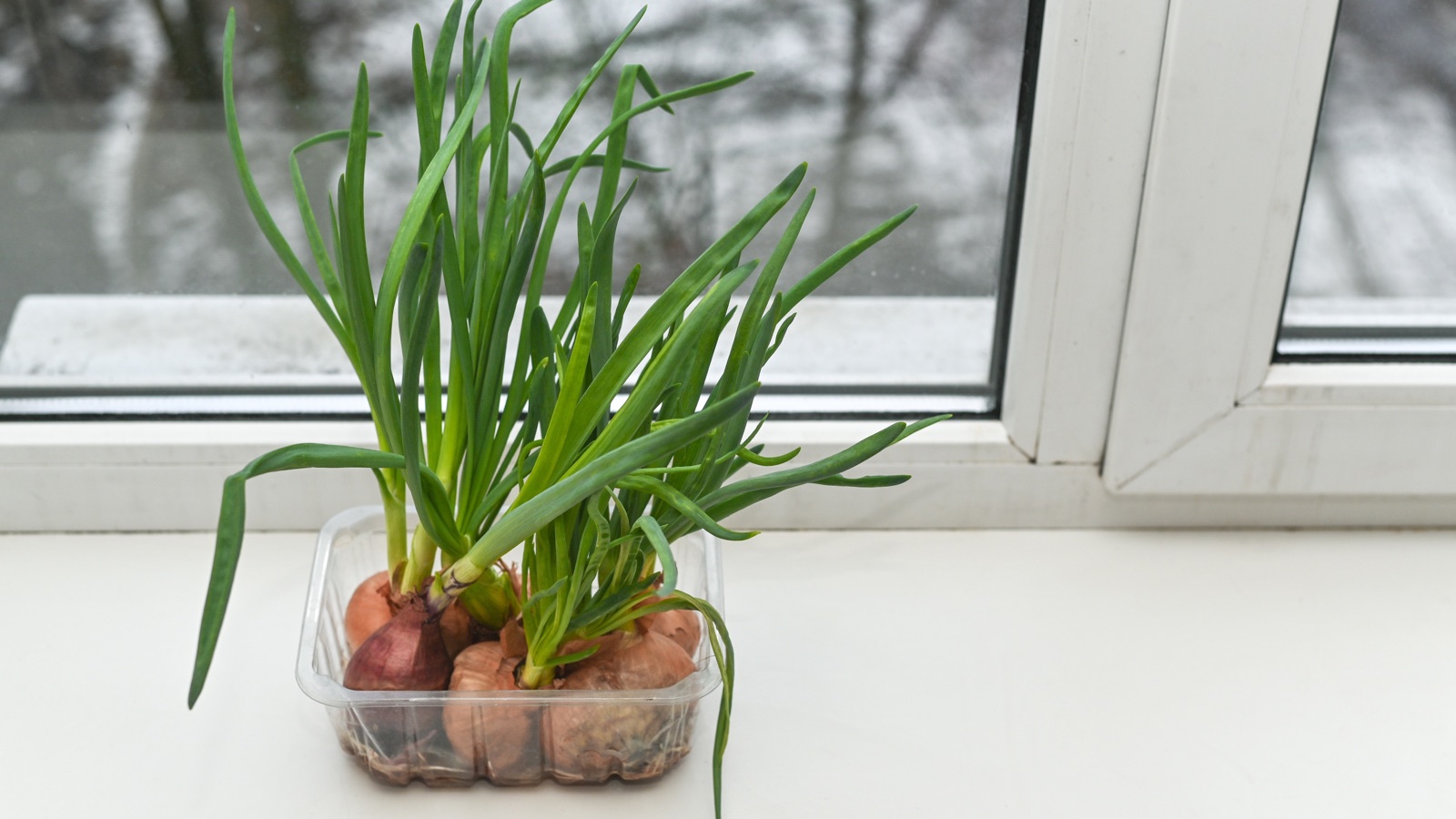
Scallions, also called green onions, are wonderfully useful in the kitchen because you eat the narrow green leaves rather than waiting for a large bulb. A few freshly snipped tops are enough to improve soup, scrambled eggs, noodles, or baked potatoes.
For a continuing crop, sow bunching-onion seed in a pot of fresh mix or plant healthy rooted starts and keep them in bright light. A grow light encourages more reliable winter growth. You can also put the rooted white bases of store-bought scallions in a little water and get a second flush of leaves. Just don’t mistake that for unlimited production. Those tops initially regrow using the plant’s stored energy. Transfer healthy rooted bases into potting mix if you want to keep them longer, and replace weak plants.
Be realistic about how much you’ll harvest
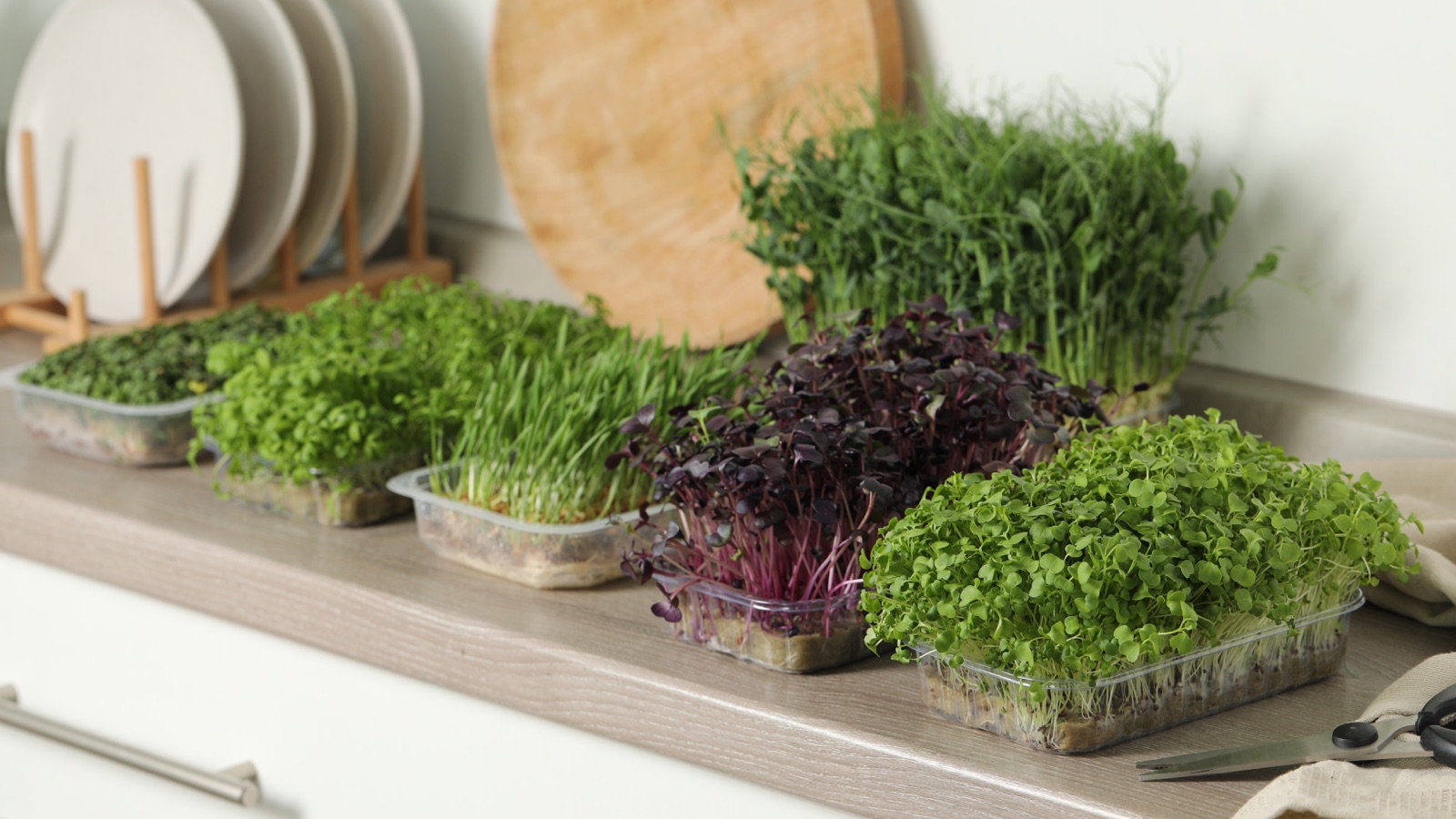
Microgreens commonly reach harvest in 7 to 21 days, while well-lit baby greens often take about 21 to 40 days to reach a first cut. Those are useful planning ranges rather than promises. Crop, light intensity, temperature, and crowding all make a difference. Some baby greens may regrow after one or two cuts; most microgreens are harvested once. Sow little and often rather than expecting a single tray to keep feeding you indefinitely.
My advice is to begin with radish microgreens, pea shoots, and one pot of leaf lettuce under a modest light. That’s enough variety to see what your household actually uses. Then add an Asian green or arugula. There is no point filling a room with salad plants if you only eat a couple of leaves a week.
Keep indoor crops clean, healthy, and worth eating
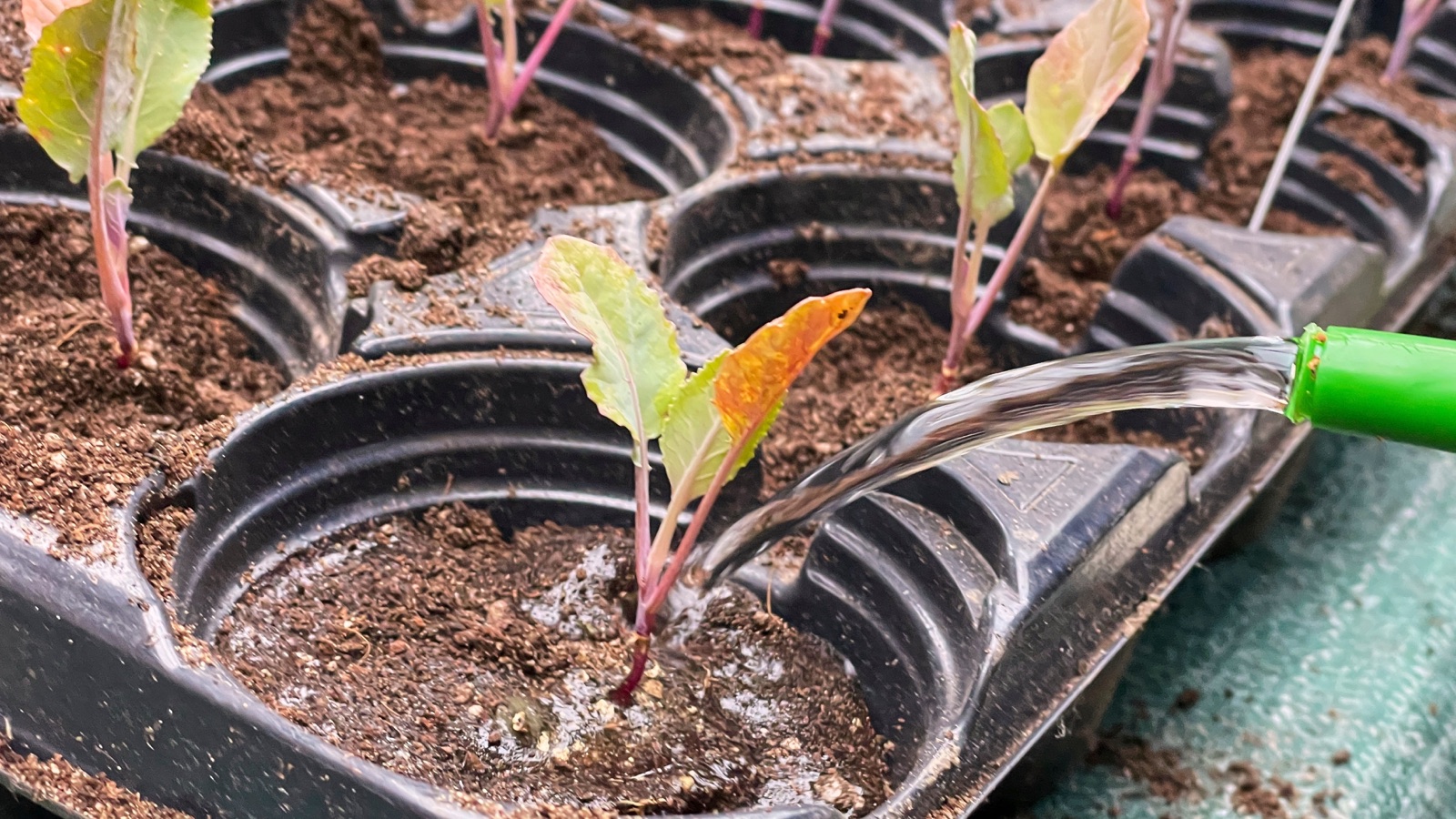
Use clean, food-safe containers and fresh, lightweight growing medium, and make sure excess water can drain away. Give pots some airflow and check the mix before watering rather than following a fixed daily schedule. For microgreens eaten raw, start with untreated seed suitable for edible growing, use clean equipment and potable water, and wash the harvested greens before eating. Discard batches with suspicious mold or slimy stems. Do not grow edible shoots from tomato, pepper, eggplant, or potato seeds.
Microgreens aren’t the same thing as jar-grown sprouts. Microgreens grow in a medium and are snipped above it, while sprouts are generally eaten with the germinated seed and root. Their handling and food-safety considerations differ. For a simple winter vegetable project, I recommend trays of microgreens rather than adding raw sprout production to your routine.
It’s possible to grow fruiting vegetables indoors, but peppers and cucumbers need a far more demanding arrangement. They require much stronger sustained light, larger containers, sufficient nutrition, and attention to pollination when insects aren’t around. A plant may survive for months without providing a meaningful harvest. If you want straightforward food in winter, grow leaves and shoots first. Persuading a cucumber vine it’s midsummer can wait.
You might also like…
How to Store Leftover and Saved Seeds Without Losing Next Year’s Crop
12 Winter Garden Tasks You Should Finish Before January