
Affiliate disclosure: This post may contain affiliate links. Please see full disclosure.
You scrub the kitchen counters, vacuum the floors, take out the trash, and generally keep your home clean. Then you turn on the kitchen light one evening and see a cockroach scuttling behind the refrigerator.
Lovely. Just what you wanted.
The trouble is, cockroaches aren’t particularly fussy about where they live. Even the cleanest homes can attract them, because they’re looking for food, moisture, warmth, and somewhere to hide. And some of the smells that attract cockroaches aren’t the obvious ones, like rotting food or overflowing garbage.
In fact, some of the things that smell lovely to us can appeal to roaches, too. Sweet candles, fermented drinks, and even certain bathroom products can attract their attention. Other household smells can indicate damp, sheltered places where cockroaches thrive.
So, before you start spending a fortune on pest control products, check these 10 surprisingly common household attractants.
1. Musty cardboard boxes and old paper
Keeping old cardboard boxes because they might come in handy? I get it. Why throw away a perfectly good box when you might need it for storage, shipping something, or another DIY project?
Unfortunately, cockroaches are rather fond of cardboard. The corrugated layers provide plenty of tight hiding spaces, and cockroaches can actually eat cardboard, book bindings, and the starch-based glues used in paper products.
Damp cardboard is particularly troublesome. A stack of boxes in a warm, slightly musty garage, basement, or storage cupboard can provide moisture and shelter, while giving cockroaches somewhere to remain undisturbed.
And here’s another unpleasant thought: cockroaches and their egg cases can hitch a ride into your home inside cardboard packaging. So those delivery boxes might already have unwelcome passengers.
What to do: Break down and recycle cardboard boxes you’re not using, and avoid storing them directly on damp floors. If you want to keep boxes for future projects, flatten them and store them somewhere clean and dry.
For long-term storage, I prefer sturdy reusable containers with tight-fitting lids. They’re easier to clean, better at protecting their contents, and less inviting to pests.
2. Sweet-smelling candles, vanilla fragrances, and potpourri

I love a house that smells good. Vanilla, cinnamon, freshly baked cookies, warm caramel — all those lovely, comforting fragrances.
But here’s something you might not realize: some of those sweet scents can appeal to cockroaches, too.
It’s not just about actual sugar or cookie crumbs. Cockroaches use their sense of smell to find food, and they can be attracted to vanilla and chocolate odors, even when the scent is presented separately from the food itself.
That’s interesting because it helps explain why sweet-scented candles and potpourri are sometimes identified as possible cockroach attractants.
Now, that doesn’t mean lighting one vanilla candle will suddenly bring every cockroach in the neighborhood running to your kitchen. The effect depends on the fragrance compounds, the cockroach species, and other conditions in your home. But it’s worth considering if you’re already having problems.
And don’t forget that scented candles aren’t the only source of these fragrances. Air fresheners, wax melts, reed diffusers, and scented decorative products can release similar food-like aromas.
What to do: If you’re dealing with cockroaches, try swapping intensely sweet, food-scented products for unscented alternatives while you tackle the infestation.
Pay particular attention to potpourri containing real dried fruit or other organic materials. Keep decorative items clean, and don’t use pleasant fragrances as a substitute for removing the food and moisture sources cockroaches need.
You don’t have to give up a lovely-smelling home. Just be a bit more selective about the fragrances you use when pests are already a problem.
3. Stale beer, fermenting fruit, and yeasty smells
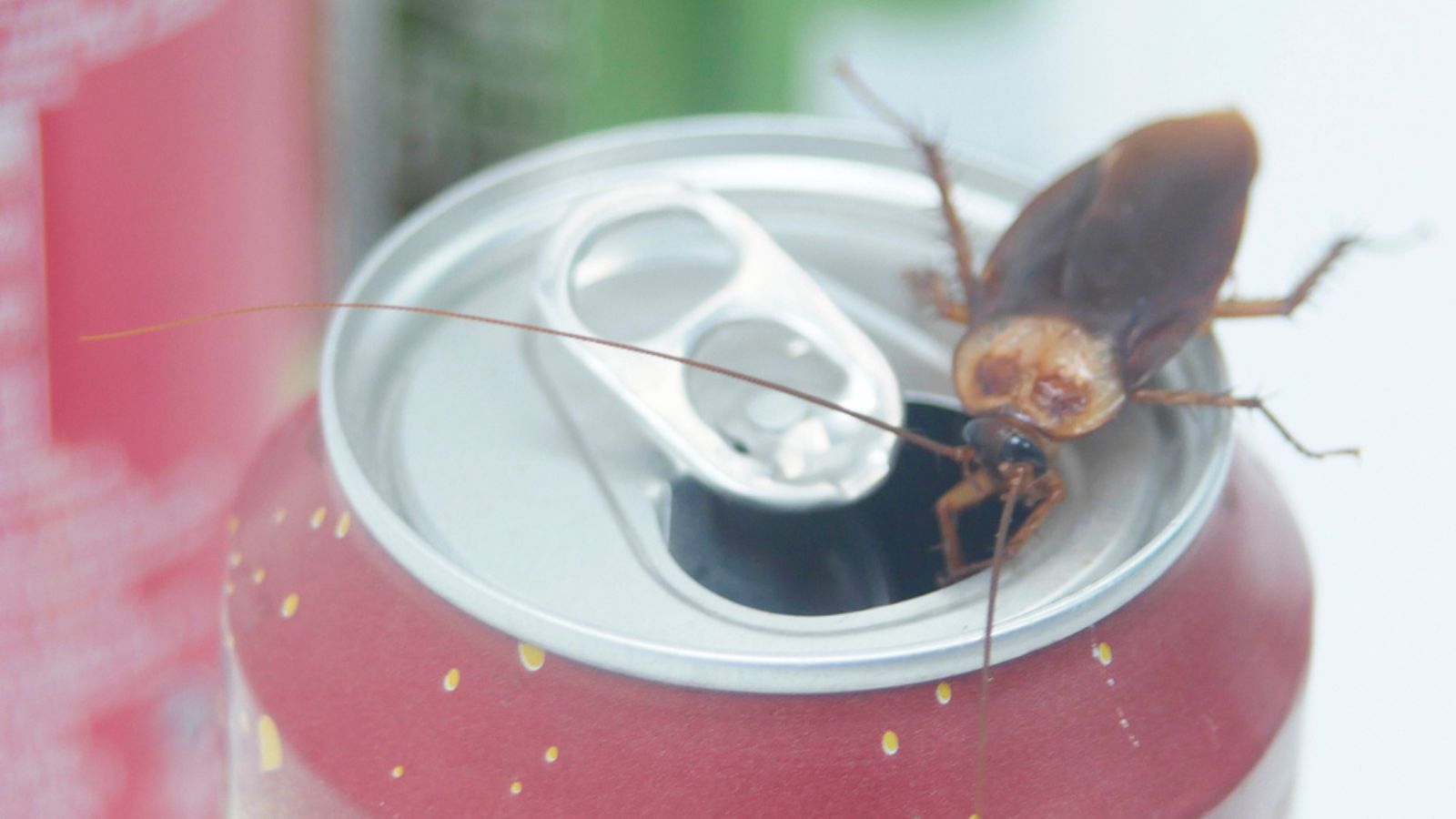
Here’s one that actually has some fascinating science behind it.
Cockroaches are attracted to certain odors released during fermentation. When yeast breaks down sugars, it produces alcohol and other volatile compounds — chemicals that travel through the air and create recognizable smells.
And cockroaches can detect some of them.
In fact, stale beer has been shown to attract German cockroaches, with researchers identifying ethanol and other food-related compounds that help explain the attraction.
It’s not just beer, either. American cockroaches will eat fermenting fruit, and yeasty, fermenting materials can provide both appealing odors and accessible nutrients.
Think about half-finished beer bottles, forgotten drinks, overripe fruit in the kitchen, or a sticky spill underneath the recycling bin.
If you make your own beer, cider, or fermented foods, there’s no need to abandon your hobby. But it’s worth keeping your brewing area clean and making sure fermenting ingredients aren’t left exposed.
What to do: Rinse bottles and cans before putting them in the recycling, wipe up spills properly, and empty bins regularly.
Keep ripe and overripe fruit covered or refrigerated when appropriate. And if you’re fermenting food or drinks at home, use suitable covered vessels and clean up any overflow or sticky residue.
4. Smelly kitchen drains and damp plumbing
You can have a sparkling clean sink and still have something pretty unpleasant lurking underneath it.
Food scraps, grease, soap residue, and other organic materials collect inside drains and around plumbing fixtures. Over time, they can produce that unmistakable sour, musty smell.
And those same conditions can appeal to cockroaches.
Organic buildup inside drains can provide food and shelter for cockroaches, particularly where there’s plenty of moisture. Some species are especially associated with damp drains, sewers, and plumbing areas.
But there’s another problem people often overlook: gaps around pipes.
Cockroaches don’t necessarily have to climb through the drain itself. They can enter through openings around plumbing, then settle into dark, damp spaces beneath sinks and behind cabinets.
What to do: Clean sink strainers regularly and remove trapped food debris. If your drains are slow or smell unpleasant, deal with the buildup rather than pouring random combinations of cleaning chemicals down them.
Check underneath sinks for leaking joints, damp patches, and standing water. Repair leaks and seal suitable gaps around pipes.
Don’t forget the bathroom, either. A dripping faucet or leaking toilet can provide a reliable water supply even when there’s no food nearby.
5. The smell of pet food and dirty feeding bowls
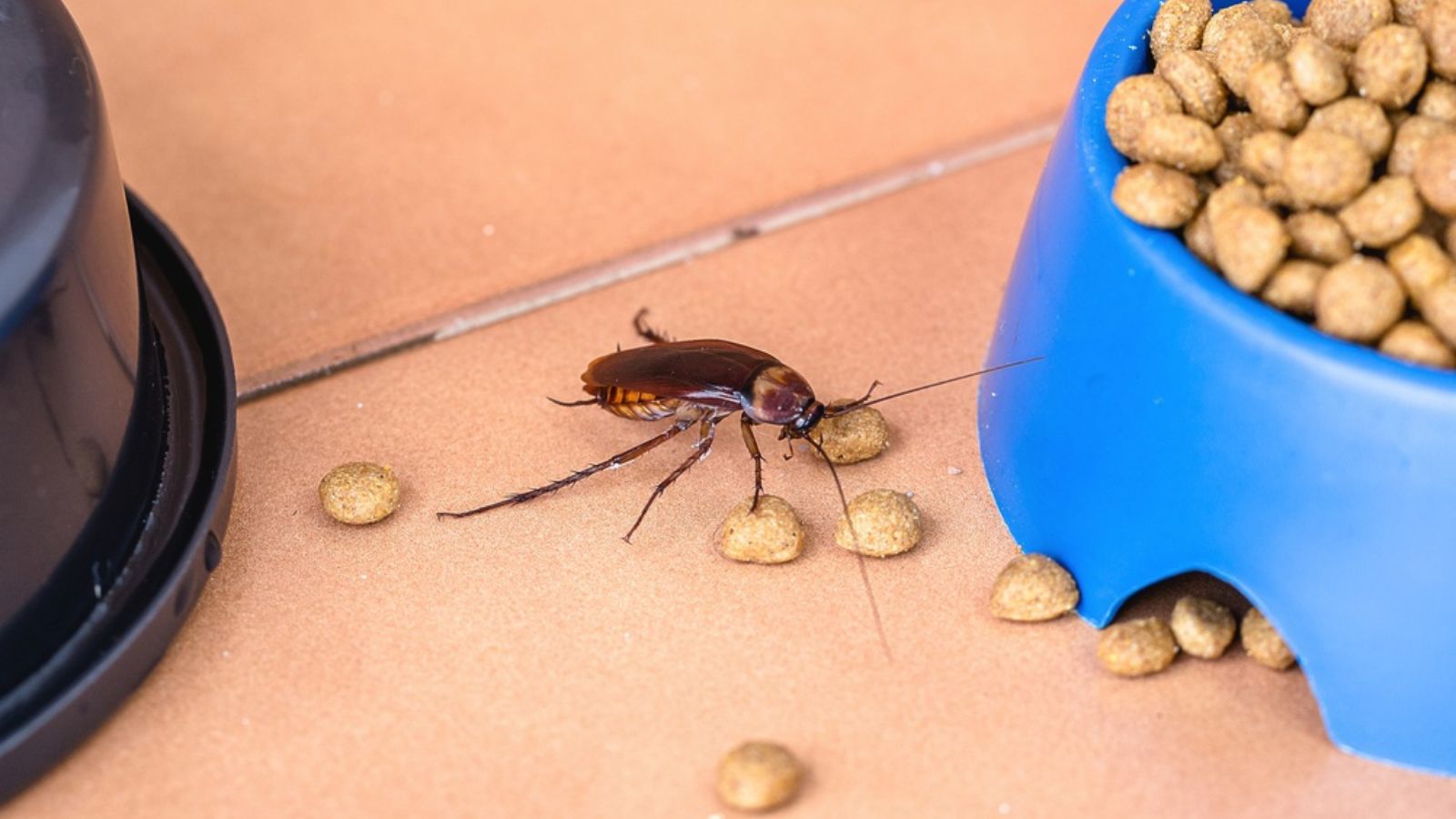
If you’ve got dogs or cats, this one’s worth paying attention to.
Cockroaches don’t care whether a food is intended for people or pets. If it’s edible, they’re quite happy to help themselves.
In fact, American cockroaches will eat pet food left out overnight. Dry kibble, wet food, biscuits, and other pet treats can all provide an easy meal.
And it’s not always the food sitting in the bowl that’s the problem.
Think about the little crumbs that collect beneath feeding mats, the residue around wet-food bowls, or the bits of kibble that get kicked underneath the kitchen cabinets.
Those scraps might not smell particularly strong to us, but cockroaches have a very different sense of smell.
What to do: Clean feeding bowls after meals, pick up food spills, and store pet food in tightly sealed containers.
If you feed your pets scheduled meals, remove uneaten food afterward rather than letting it sit around overnight.
Obviously, don’t deprive your animals of the water they need just to discourage cockroaches. Keep drinking bowls and their surroundings clean, and focus on eliminating other moisture sources and hiding places.
And remember to check wherever you store treats. Those half-empty bags of biscuits can leave a surprising number of crumbs in cupboards and drawers.
6. Sweet-smelling toiletries, soap, and toothpaste
This is one of the stranger items on the list.
Soap and toothpaste are supposed to help us stay clean, so you’d hardly expect them to provide a snack for cockroaches.
But these pests are seriously adaptable scavengers.
German cockroaches can feed on soap and toothpaste, while American cockroaches may eat soap and some cosmetics.
That doesn’t mean every fruity shampoo or vanilla-scented body wash is an irresistible cockroach lure. But sweet fragrances, accessible residues, and the damp conditions common in bathrooms can make these spaces worth investigating.
And if you’ve ever looked behind a bathroom faucet or beneath a soap dish that’s been neglected for a while, you’ll know just how much residue can accumulate.
What to do: Keep toothpaste tubes closed, wipe away spills, and clean soap dishes and bathroom surfaces regularly.
Don’t leave wet washcloths or sponges sitting in puddles. Store spare toiletries in closed cupboards or containers, and check underneath the bathroom sink for leaks.
The aim isn’t to stop using scented products altogether. It’s to avoid giving cockroaches easy access to moisture, residues, and undisturbed hiding places.
7. Sweaty laundry and damp clothing
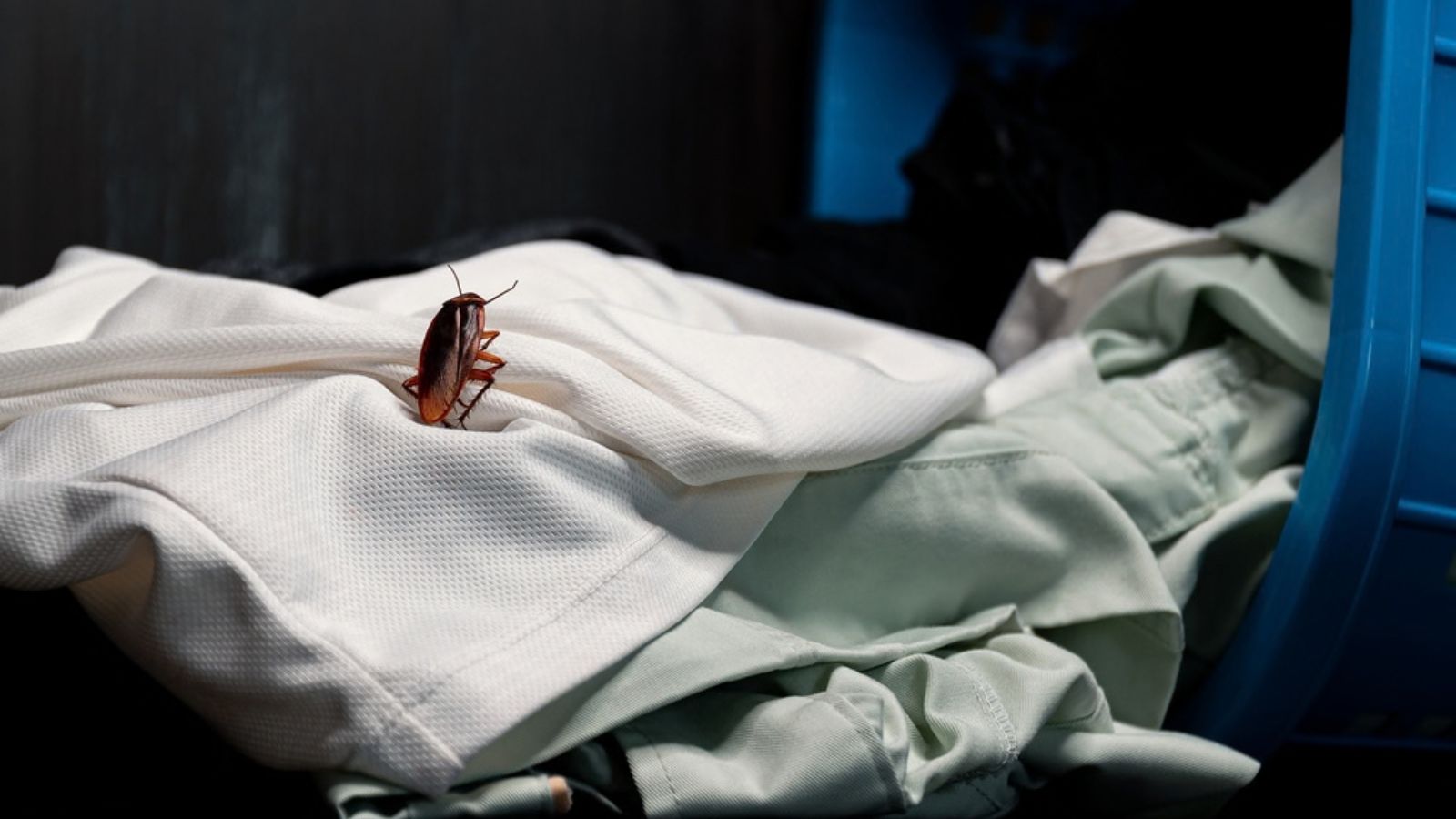
Nobody enjoys dealing with a pile of sweaty gym clothes.
Apparently, some cockroaches are rather less bothered by it.
Dirty laundry, particularly clothing carrying sweat, perfume residue, and food spills, has been identified as a potential cockroach attractant. And a laundry hamper full of damp clothes provides something else these pests appreciate: warmth, moisture, and shelter.
There’s an important distinction here, though.
A freshly worn shirt isn’t automatically going to attract cockroaches. It’s the combination of odors, possible food residues, moisture, and piles of undisturbed clothing that can become troublesome.
And warm, damp laundry areas are known cockroach-friendly environments, especially when there’s a leaking washing machine or persistent condensation.
What to do: Don’t leave wet towels and sweaty workout clothes sitting in a heap for days.
Let damp items dry before putting them into a laundry hamper if you can’t wash them immediately, and deal promptly with clothes covered in food or drink spills.
Keep the laundry room ventilated and check behind the washing machine for leaks or puddles.
You don’t need to wash every piece of clothing after wearing it once. That would be a dreadful waste of water, electricity, and detergent. Just avoid letting wet, dirty laundry accumulate in warm, hidden corners.
8. Damp potting soil and decaying houseplant material
I love houseplants. They brighten up a room, make an indoor space feel more natural, and give you something green to enjoy when the garden outside looks a bit miserable.
But those pretty indoor plants can sometimes create conditions that cockroaches like.
The issue usually isn’t the scent of a healthy plant. It’s the combination of moist potting mix, decomposing leaves, standing water, and sheltered spaces beneath pots.
Cockroaches seek out dark, moist places where they can hide, and a permanently wet plant saucer can provide an easily overlooked water source.
Some cockroach species also feed on decaying plant material, fungi, and other organic debris.
Now, I certainly wouldn’t recommend getting rid of your houseplants. But I would pay attention to how you’re watering them.
What to do: Water according to each plant’s needs, rather than keeping every pot constantly wet. Empty excess water from saucers when appropriate, and remove dead leaves and other decaying material.
When you bring outdoor plants inside for winter, check underneath the containers and around their drainage holes for hitchhiking insects.
And don’t assume all houseplants should dry out completely between watering. Some need consistently moist growing conditions. The trick is avoiding unnecessary standing water and soggy, neglected corners.
9. Old cooking grease and oily kitchen smells
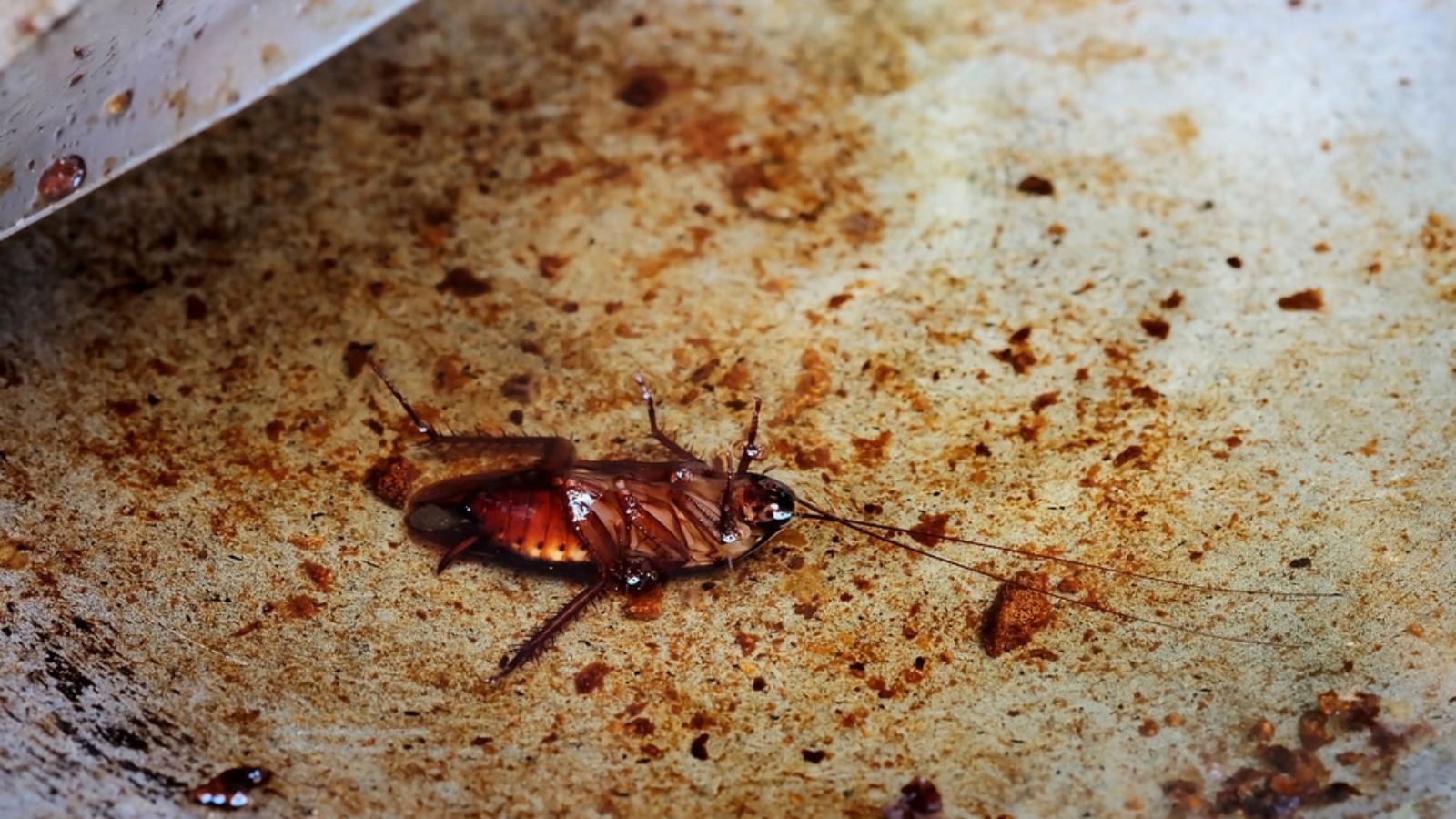
You know that horrible sticky film that collects on top of kitchen cabinets and around the extractor hood?
That’s airborne cooking grease.
It gradually settles on surfaces every time you fry food, and it can collect in places you rarely think to clean.
Unfortunately, greasy food residues are among the things cockroaches readily eat.
That’s why a kitchen can look clean at first glance but still provide plenty of food for pests.
Behind the stove, beneath the toaster, around the extractor hood, and between appliances are all places where grease and food particles can accumulate unnoticed.
And because these areas are often warm and sheltered, they can provide more than just a food source.
What to do: Make a habit of checking the places you don’t normally wipe down.
Clean the extractor hood and its filters according to the manufacturer’s instructions. Remove grease from cabinet fronts, tiles, and the spaces around cooking appliances.
Every so often, move smaller appliances and clean underneath them. If you can safely access the areas behind larger appliances, check those too.
Warm water, dish soap, and a suitable degreaser are usually enough for everyday buildup. You don’t need to coat the kitchen in harsh chemicals to get it properly clean.
10. The smell of pantry foods and poorly sealed packaging
Having a well-stocked pantry is one of the simplest ways to make your household more self-sufficient.
Rice, pasta, flour, oats, dried beans, cereals, and other shelf-stable ingredients mean you can put together meals without constantly running to the grocery store.
But unfortunately, some of those same foods appeal to cockroaches.
These pests readily feed on starches, sugars, grains, and other common pantry foods. And flimsy packaging doesn’t necessarily keep them out.
A folded cereal packet, an open bag of flour, or a cardboard box of crackers can provide an opportunity for hungry cockroaches.
And once pests have contaminated your food, you may have no choice but to throw it away. That’s a horrible waste, particularly when you’ve spent time and money building up your pantry supplies.
What to do: Store dry ingredients in airtight, pest-resistant containers, particularly if you’re buying in bulk.
You don’t need expensive matching pantry jars. Clean, food-safe containers with properly fitting lids are perfectly adequate.
Wipe the shelves regularly, clean up spilled grains and flour, and rotate your supplies so older food gets used first.
And check bags and boxes before putting new groceries away. Cockroaches can sometimes enter homes hidden in food packaging and other infested items.
How to stop attracting cockroaches without using loads of chemicals
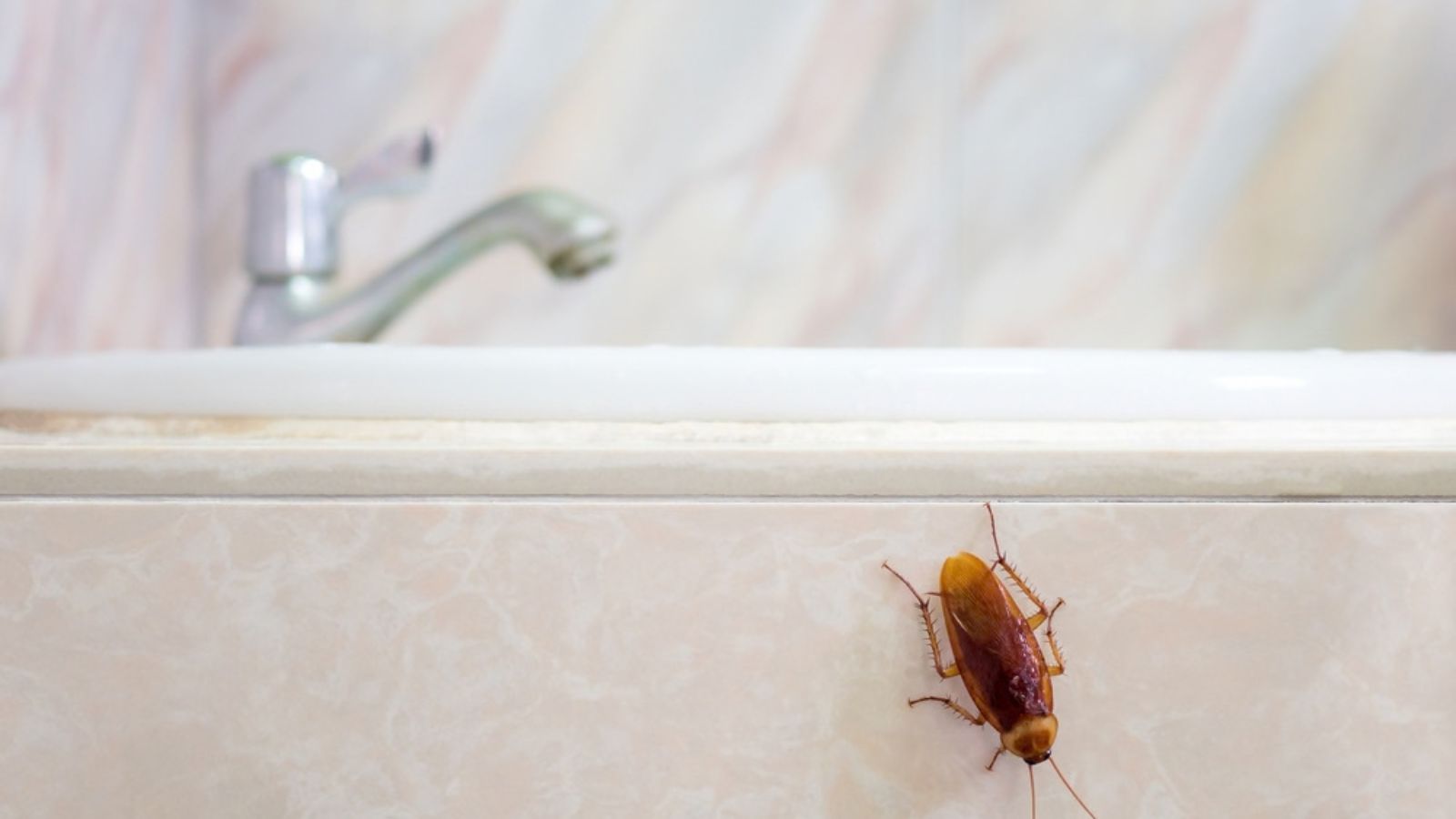
I’m a big fan of preventing pest problems before reaching for chemical treatments. And with cockroaches, that means understanding what makes your home attractive to them.
You can’t control every insect wandering around outside, but you can make your home a much less appealing place to settle.
Start by removing obvious food sources, cleaning hidden grease and crumbs, fixing plumbing leaks, and reducing damp clutter.
Then check the places where pests could enter, particularly around pipes, exterior doors, windows, and utility openings.
If you’ve already seen cockroaches, monitoring traps can help you work out where they’re active. Put them along edges and in likely hiding areas, where children and pets can’t reach them.
And if an infestation has established itself, don’t rely on scented oils or homemade sprays to solve the whole problem. They may affect insect behavior, but they won’t reliably eliminate a population hiding inside walls and cabinets.
Where treatment is necessary, targeted bait products and crack-and-crevice treatments are generally preferable to spraying entire rooms. Follow the product label and keep pesticides away from pets, children, and food preparation areas.
If you’re seeing roaches regularly, especially smaller German cockroaches, professional pest management may be needed.
Can you get cockroaches in a completely clean house?
Yes. And that’s worth remembering before assuming you’ve somehow failed at keeping your home clean.
Cockroaches can enter even spotless homes, sometimes arriving in boxes, bags, furniture, or groceries. They can also move through gaps around doors, plumbing, and building structures.
Keeping your home clean helps reduce food and hiding places, but it can’t guarantee that cockroaches will never get inside.
The important thing is making it difficult for them to settle, feed, and reproduce.
Which smells attract cockroaches the most?
There isn’t one smell that attracts every cockroach species equally. Different species respond to different food odors, environmental conditions, and chemical signals.
But we do know that some cockroaches respond strongly to certain food-related smells.
For example, beer and fermentation-related compounds attract German cockroaches, while vanilla and chocolate odors can influence their foraging behavior.
And it’s worth remembering that something doesn’t have to smell unpleasant to be attractive to pests.
Keep the lovely smells, lose the cockroach-friendly conditions
You don’t need to throw out your favorite candles, stop growing houseplants, or turn your home into a sterile, fragrance-free box.
But it does make sense to pay attention to the smells, food residues, and damp little hiding places that can make a home attractive to cockroaches.
Sweet fragrances may appeal to some species, fermenting foods can attract others, and even ordinary household materials like soap and cardboard can provide food when conditions are right.
I’d start with the things that cost little or nothing to fix. Clean behind the appliances, deal with leaks, organize your pantry, and get rid of unnecessary damp clutter.
Those practical changes will do far more to discourage cockroaches than simply covering up unpleasant smells with an air freshener.
And you’ll have a cleaner, more organized home into the bargain.