Affiliate disclosure: This post may contain affiliate links. Please see full disclosure. AI-assisted.
To keep paperwhites from flopping, start the bulbs in plain water, then switch to a 5% alcohol solution once they have roots and 1 to 2 inches of green growth. Mix 1 part plain 80-proof vodka or gin with 7 parts water. It’s a small change that can give you flower stalks roughly a third shorter, with blooms the same size and just as long-lasting.
The timing matters. If you’re starting a bowl of bulbs on pebbles, you can get ahead of the problem. If the flowers are already leaning over the rim, give them something to lean on. The alcohol slows new growth, so it won’t take inches off a stalk that’s already grown.
Start with plain water and wait for roots
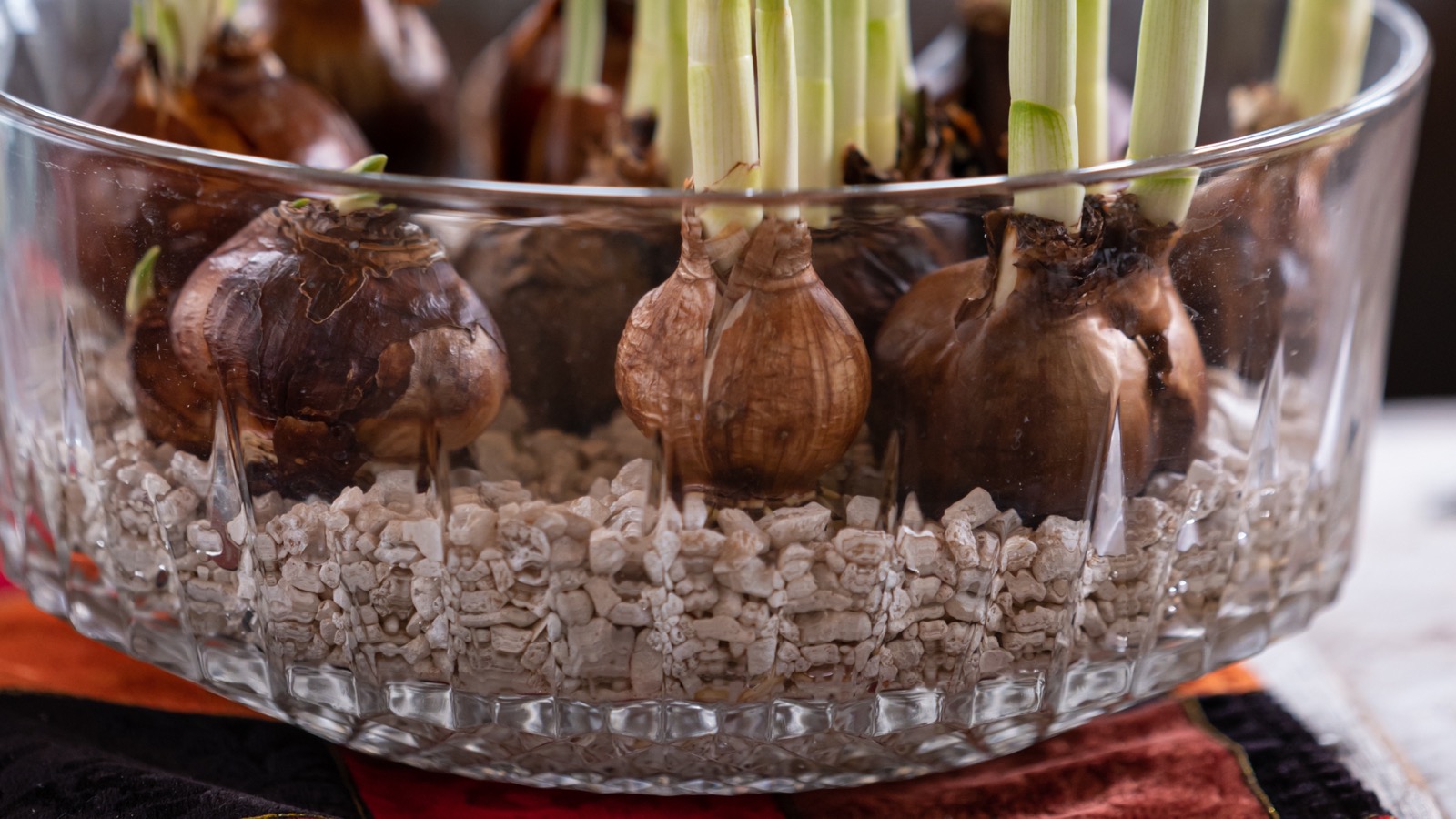
Set the bulbs point up in a watertight bowl with washed gravel or pebbles. Tuck a few extra stones around the sides so each bulb sits firmly, with its tip exposed. Add just enough plain water to reach the base of the bulbs. Once you can see roots extending into the water, keep the bulb bodies above the waterline. Bulbs left sitting in water can rot.
I’d use a wide, steady bowl or a clear, straight-sided vase you already own. With glass, you can see the waterline from the side, which is handy once the roots fill in and the leaves start to hide what’s going on. If a bulb rocks when you touch it, tuck another pebble beside it now. Shorter stems won’t do much for a bulb that’s loose in the bowl.
Switch when the roots are growing and the shoots stand about 1 to 2 inches above the tops of the bulbs. That can take about a week. In decades of growing, I’ve learned to trust what the plant is doing over what the calendar says it ought to be doing. If you can see green tips but the roots are barely there, give the bulbs a little more time in plain water.
Mix the vodka solution before it goes in the bowl

For 1 cup of solution, measure 2 tablespoons of 80-proof vodka or gin and 14 tablespoons of water (¾ cup plus 2 tablespoons). Check the label for 40% alcohol by volume (ABV). That’s what 80 proof means in the US, and it’s the starting strength that makes the 1-to-7 recipe come out to 5%.
Hold the bulbs and stones in place with one hand and slowly tip out the plain water. If the bowl is awkward to pour from, use a clean turkey baster to draw out the water between the stones. Add the premixed solution until the roots can reach it, keeping the bulb bodies above the liquid. Top up with the same diluted mix as the level drops through flowering.
Measure both parts in a separate jug. Pouring a splash of straight gin into a bowl with an unknown amount of water makes the final strength anyone’s guess. Cornell’s home instructions give a 4% to 6% range, and 5% is easy to measure. In the published trials, 10% ethanol damaged roots and produced smaller, shorter-lived flowers. There’s no advantage to pushing the dose.
Why the stems stay shorter and the flowers still open
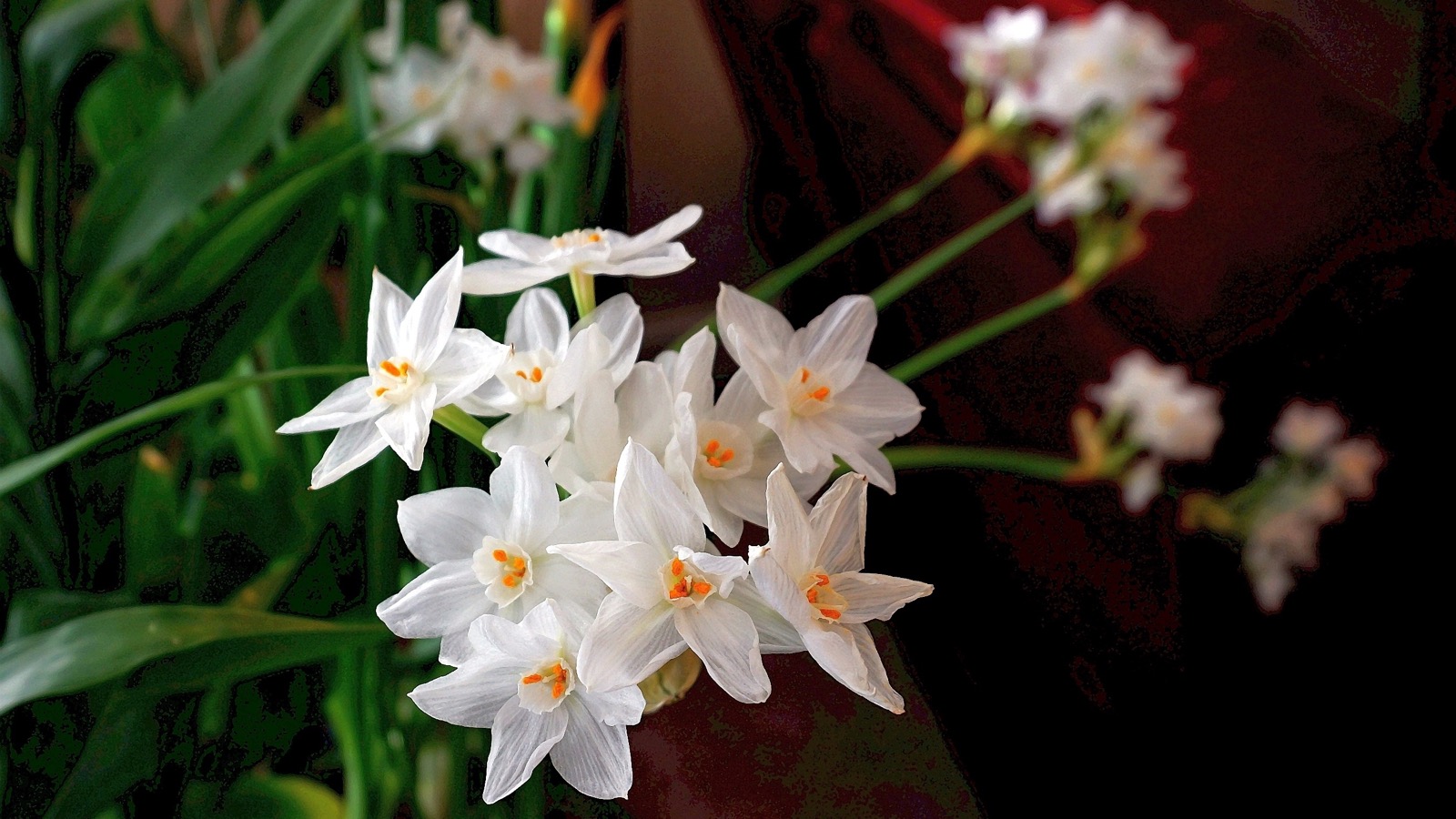
Cornell’s Flower Bulb Research Program tested ‘Ziva’ paperwhites grown in gravel. At full bloom, average stalk height dropped from about 22 inches in plain water to about 13 inches at 5% ethanol. In a separate test with diluted vodka and gin at 4%, the stalks were roughly a third shorter than those grown in plain water. The leaves stayed shorter too, and the flowers still reached their usual size and lasted as long.
A shorter stalk has less leverage when those clusters of flowers open and pull it to one side. The alcohol may make it a little harder for the roots to take up water, slowing the growth of the leaves and stalks. That’s a possible explanation, and the exact mechanism is still uncertain.
Skip the beer and wine, even if the alcohol percentage looks right

A beer that’s already 5% ABV might seem like it would save you the measuring. But even when the beer, red wine and white wine were adjusted to 4% alcohol in the trial, they left paperwhites badly stunted and unhealthy, with visible signs of microbial growth. The sugars in beer and wine are a likely part of the problem. Stick with plain vodka or dry gin. I’d leave the sweetened spirits and flavored liqueurs in the cupboard too.
Prop up paperwhites that are already leaning

If the flowers are open and the stems are tipping, slip two or three bamboo stakes or spare chopsticks around the edge of the bowl. Loop soft twine around the stakes to make a loose ring just below the flower heads. Give the stems enough room to sit naturally so the string doesn’t pull them into a tight bunch. A tall, straight-sided vase can also provide support if you use it from the start.
I’d use the same stakes for bulbs already growing in potting mix. The Cornell method was tested with roots growing among pebbles, where you can drain and replace the water. For a soil-grown pot, give the shoots bright light away from radiators and heating vents and keep the mix evenly moist. Once the flowers open, move the pot out of direct sun to help the blooms last longer.
One thing I’d factor in before picking a spot is who can reach the bowl. Paperwhites are among the winter houseplants that are toxic to dogs and cats, and the bulbs can also make children ill if eaten. Set the whole arrangement, including the watering solution, somewhere children and pets can’t reach it.
You might also like…
Christmas cactus dropping its buds? Here’s what to do about it
Poinsettia losing its leaves already? Here’s how to keep it alive through Christmas
Peace lily still drooping after watering? Check this before you water again