

Affiliate disclosure: This post may contain affiliate links. Please see full disclosure.
By January, a lot of dogs are climbing the walls and a lot of humans are… over it.
Short days, icy sidewalks, wet boots everywhere, and a dog staring at you like, “So. Enrichment?”
Your dog doesn’t need a full-on mountain expedition to have a great winter. Short, low-effort adventures count. In dog-brain world, “we did something different together” is the gold star.
Quick note before we get going: I’m not a vet or a trainer, just a giant dog nerd. Always work within your dog’s limits, watch for cold stress, and ask your own vet if you’re not sure what’s safe for your particular pup. I just recently lost my amazing little senior terrier, Oscar. That wonderful little dude made it to 14.5 years old and he LOVED winter in a big way. Ice, snow, howling wind – that was his favorite weather and so we spent a huge amount of time going on long, chilly, winter adventures. My young whippet, however, loves the snow and ice, but only for about 10 minutes, even if she’s wrapped up in two coats. So … yeah, I had to adapt walks and adventures for each of them. And that’s okay. They are all different, just like us.
1. The Frosty Sniffari Walk
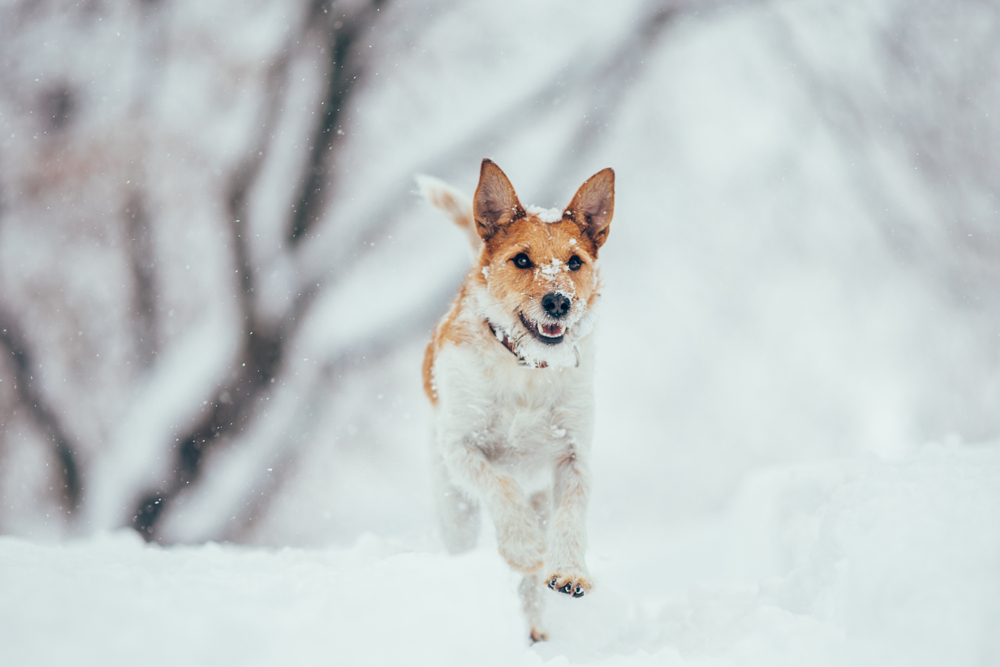
Take your regular walk… and slow it way down. That’s it.
In winter, smells move differently in cold, damp air, and snow holds scent like a sponge. Let your dog zig-zag, backtrack, and shove their nose into every snowbank and shrub instead of marching from A to B. Ten minutes of full-nose “sniffari” is more tiring than a brisk, no-sniff mile. The walk is theirs, not yours. If they want to snuffle and sniff slowly and only make it half their usual distance in the regular amount of time, that’s okay. It’s far more enriching for them to do all the sniffing and scenting than it is to simply route-march from point A to point B.
Keep it short if it’s really cold, and watch paws. If your dog starts holding up feet, licking their pads, or trotting weird, it’s time to head home and rinse off salt. If there is salt laying around, avoid it even on their paws if you can, even if that means walking somewhere else. And wash their feet off when they’re home, as that kind of sale is super-dangerous for them.
2. Snow Zoomies in a Safe Space
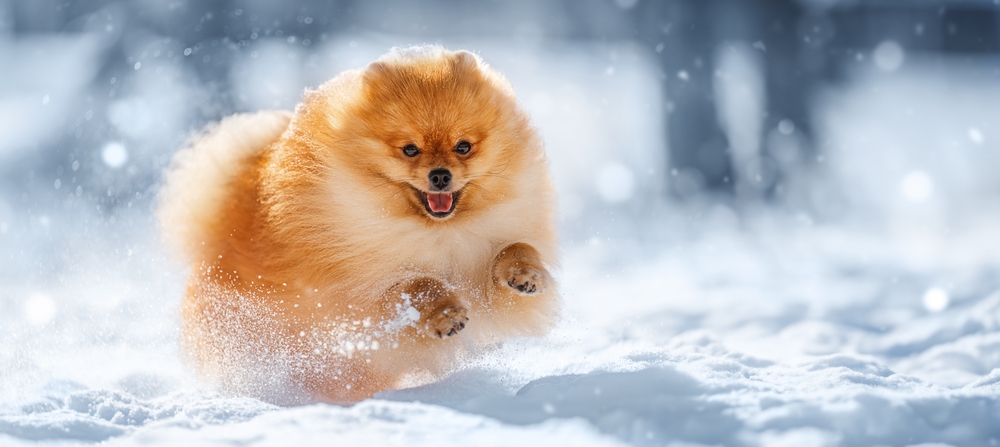
If you’ve got a fenced yard, a quiet park, or a friend with a safe field, snow zoomies are peak winter joy.
You don’t have to do much. Put your dog on a long line if it’s not fenced, bring a favorite toy, and let them bunny-hop and plow through drifts. Toss a ball a short distance, or just jog a few steps and watch the chaos.
Keep a close eye on ice; dogs can wrench joints slipping the same way we do. Short sessions are best, especially for younger pups and seniors.
3. “New Route, Same Time” Micro Adventure
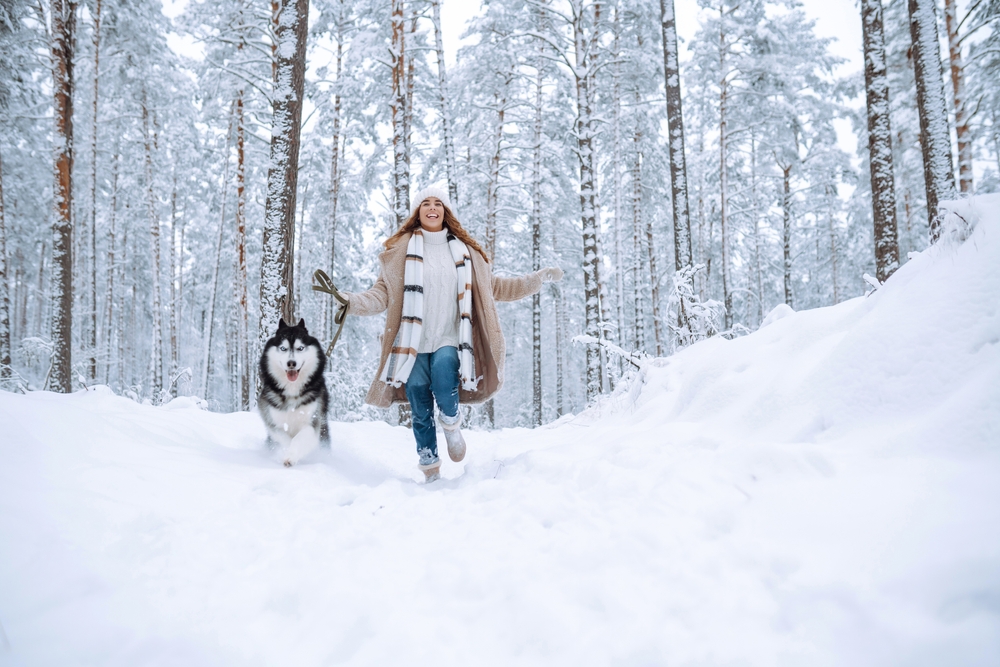
You don’t need a road trip for novelty. Just walk a different loop.
Drive or walk to a nearby neighborhood you never use, a different side of the same park, or even the other side of the same block. New mailboxes, new fire hydrants, new trash day smells… it’s like a whole new social feed for your dog’s nose.
From your side, it’s the same amount of time you’d normally spend walking, but your dog comes home more tired because their brain actually had something new to process.
4. Drive-Thru and Park-and-Sniff

This one’s for days when you don’t really want to walk, but you also don’t want to feel guilty.
Buckle your dog in, swing through a drive-thru coffee place, and then park somewhere with a safe patch of grass or snow. Sip your drink while your dog sniffs on a long line around the car. Even five or ten minutes of “new smells, new sounds” is a mental reset. For you and the dog. Take it slow, enjoy your coffee while you stroll, and you both get a little “me” time.
If your dog is into people-watching, choose a spot with mild activity: people walking past, distant traffic, kids playing. Just keep it low-key so they don’t get overwhelmed.
5. Pet Store Field Trip
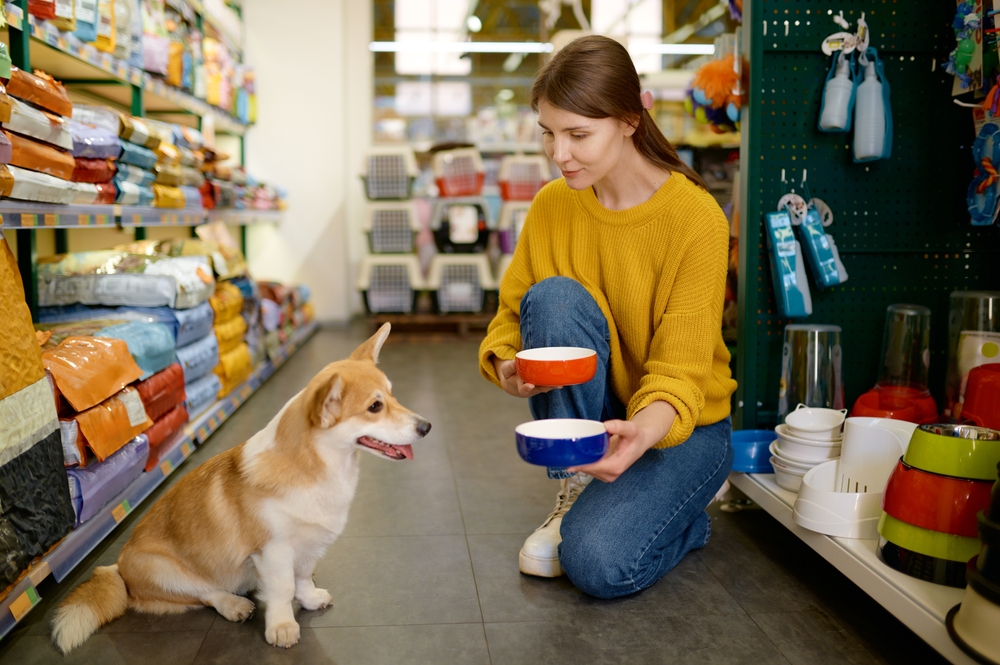
Pet stores are basically indoor theme parks for dogs.
Go at an off-peak time (weekday morning if you can) when the aisles are quiet. Let your dog sniff bags, bins, and toy racks, and practice simple cues like sit, watch, and loose-leash walking between aisles. You don’t have to buy more than a single chew or a can of food.
If your dog is nervous, stay near the entrance and just let them sniff the floor and look around, then leave on a good note. The adventure is “we went somewhere new and survived it.”
6. Treat Scavenger Hunt in the Snow

This one looks like you’re just tossing kibble around, because… you are. It’s still a big deal to your dog.
Grab a handful of kibble or small treats and scatter them across a snowy patch, then let your dog sniff them out. For beginners, toss them close and in a small area. For advanced noses, throw them wider and into light powder.
Scenting in cold air is hard work. Five minutes of “find it” in the snow will leave most dogs happily tired and much calmer inside.
Caution! ONLY attempt this one where you know there’s no salt, ice melt, or other dangerous chemicals. Your backyard is usually the perfect spot, unless it gets salt splash from a nearby road.
7. Lights-and-Sounds Evening Walk

If your dog is pretty chill about noises and motion, a twilight walk in a more “people-y” area can be a whole sensory adventure.
Head to a neighborhood with winter lights, or a small downtown with shop windows and gentle traffic. Let your dog sniff around light posts and tree pits, watch people go by, and listen to the clatter and hum of winter evenings.
If your dog is worried about this kind of thing, keep it short, stay at the edge of the action, and bring extra-high-value treats. You want them to think, “Oh, that was interesting and safe,” not “never again.”
8. Log-Hop and Leaf-Pile Woods Walk
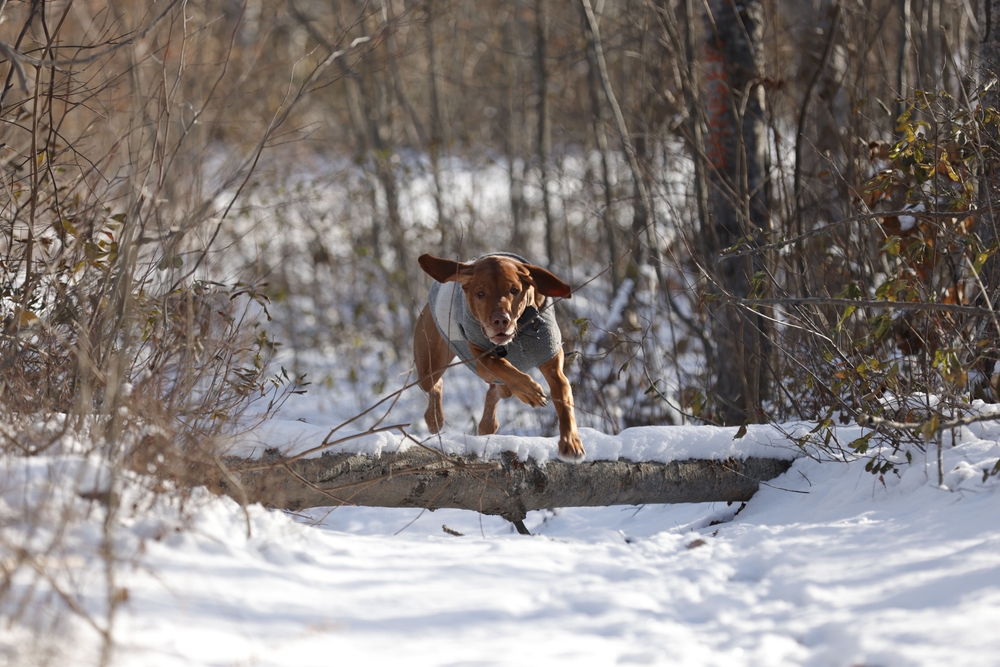
Even a tiny patch of woods or a scruffy trail counts as “big nature” to your dog.
On a dry day, drive to the nearest little trail or woodlot and wander slowly. Let your dog climb over logs, sniff under brush piles, and crunch through leaves or snow. Offer easy “obstacles” like stepping onto a stump or walking between two trees.
This kind of gentle off-road walking works their body and brain differently than sidewalk miles. You don’t need a big hike; 20–30 minutes of woods puttering is plenty.
9. Duck-Watching at the Pond

Urban or suburban pond? Perfect low-effort winter adventure.
Load your dog in the car, drive to a pond or small lake where there are likely ducks or geese, and find a safe spot to watch from a distance. Most dogs are fascinated by waterfowl noise and motion, even if they just sit and stare.
You’re basically doing a stakeout together. Bring a thermos, let your dog sniff the air and terrain, watch birds paddle around for 10–15 minutes, then head home. Just make sure your dog is secure and can’t lunge into the water or chase wildlife.
10. Garage or Carport Adventure Course
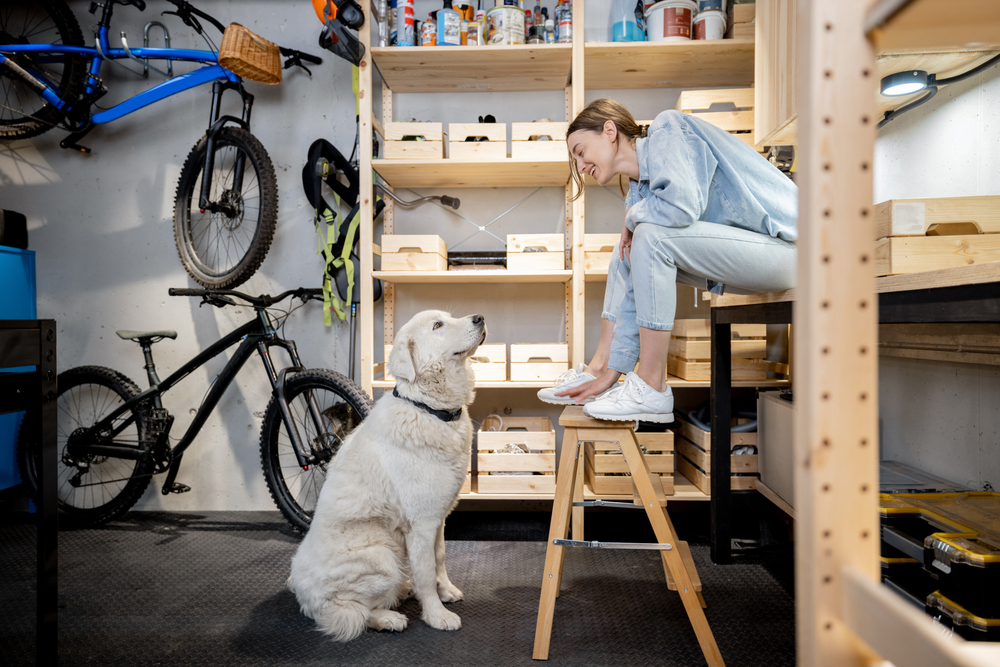
When it’s too icy to safely walk, turn your garage, carport, or even a cleared section of basement into a mini adventure.
Use what you already have: a sturdy box to step on, a broom on paint cans to “jump” over (or walk over like a pole), a folded blanket to walk across, a plastic bin to step in with front feet. Lure your dog slowly and let them explore each thing.
You’re working on confidence and body awareness while you stand there in your regular clothes, no parka required. Keep it short, keep it safe, and pay in treats and praise.
11. One-New-Thing Walk Challenge
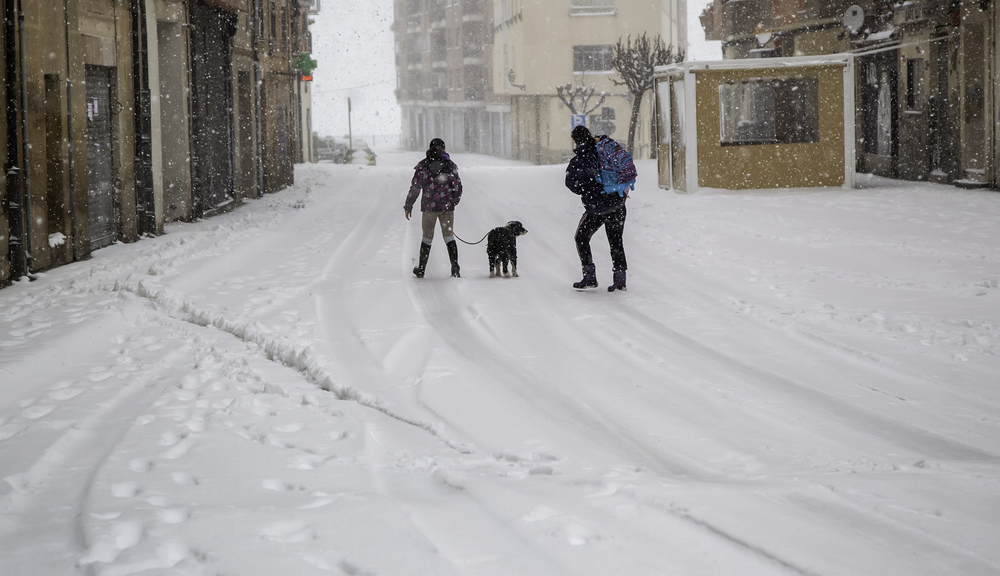
This is my favorite for when winter feels endless and motivation is low.
Pick one small new thing to add to your dog’s usual walk. Maybe you walk down one new side street. Maybe you stop at a different corner and practice “sit” while cars go by. Maybe you climb one low set of steps you usually ignore.
Do one new thing, on one ordinary walk, once or twice a week. To your dog’s brain, that’s a steady trickle of “micro adventures” all winter long, and you didn’t have to reorganize your whole life to do it.
A few reminders
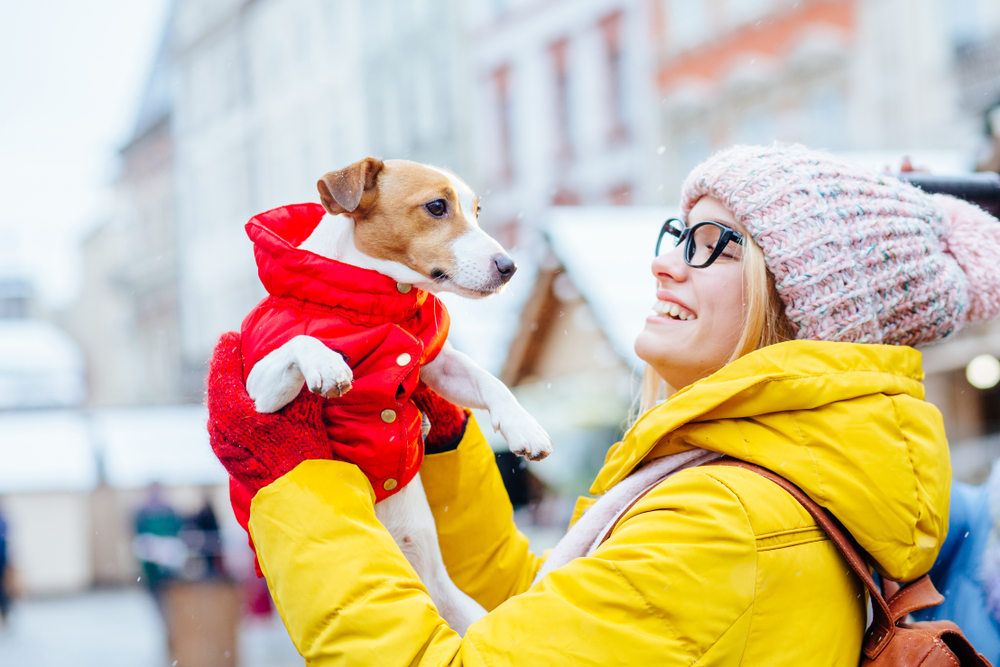
A couple of quick safety reminders before you zip up your coat:
Watch your dog’s body language in the cold. Shivering, tucked tail, lifting paws, or lagging behind all mean “I’m done.” Short-haired, tiny, very young, or elderly dogs often need a coat and shorter sessions. Check paws after any walk where there’s salt, ice melt, or crusty snow, and rinse them in lukewarm water if needed.
And if your dog has joint issues, breathing problems, or anything else medical going on, run winter plans past your vet first.
But within those bounds? Tiny, low-effort adventures absolutely count. To your dog, the story is simple: “We went somewhere, we did something, and my person was with me.” That’s the part that matters.

