
Affiliate disclosure: This post may contain affiliate links. Please see full disclosure.
Celery lasts longer when you store it differently depending on how you plan to eat it. Keep an uncut bunch cold and wrapped, put prepared sticks in a clean container of water, and chop anything destined for soup before it starts going soft. You can even rescue celery that’s lost its snap and grow fresh little leaves from the base. What you can’t do is turn a slimy old bunch into safe food or guarantee that every supermarket purchase will stay crisp for three weeks.
I don’t think you need special vegetable storage gadgets for any of this. The useful tricks are mostly about controlling moisture, checking the celery before it deteriorates, and being realistic about which parts you want crunchy and which you’re happy to cook.
Choose a firm bunch to begin with

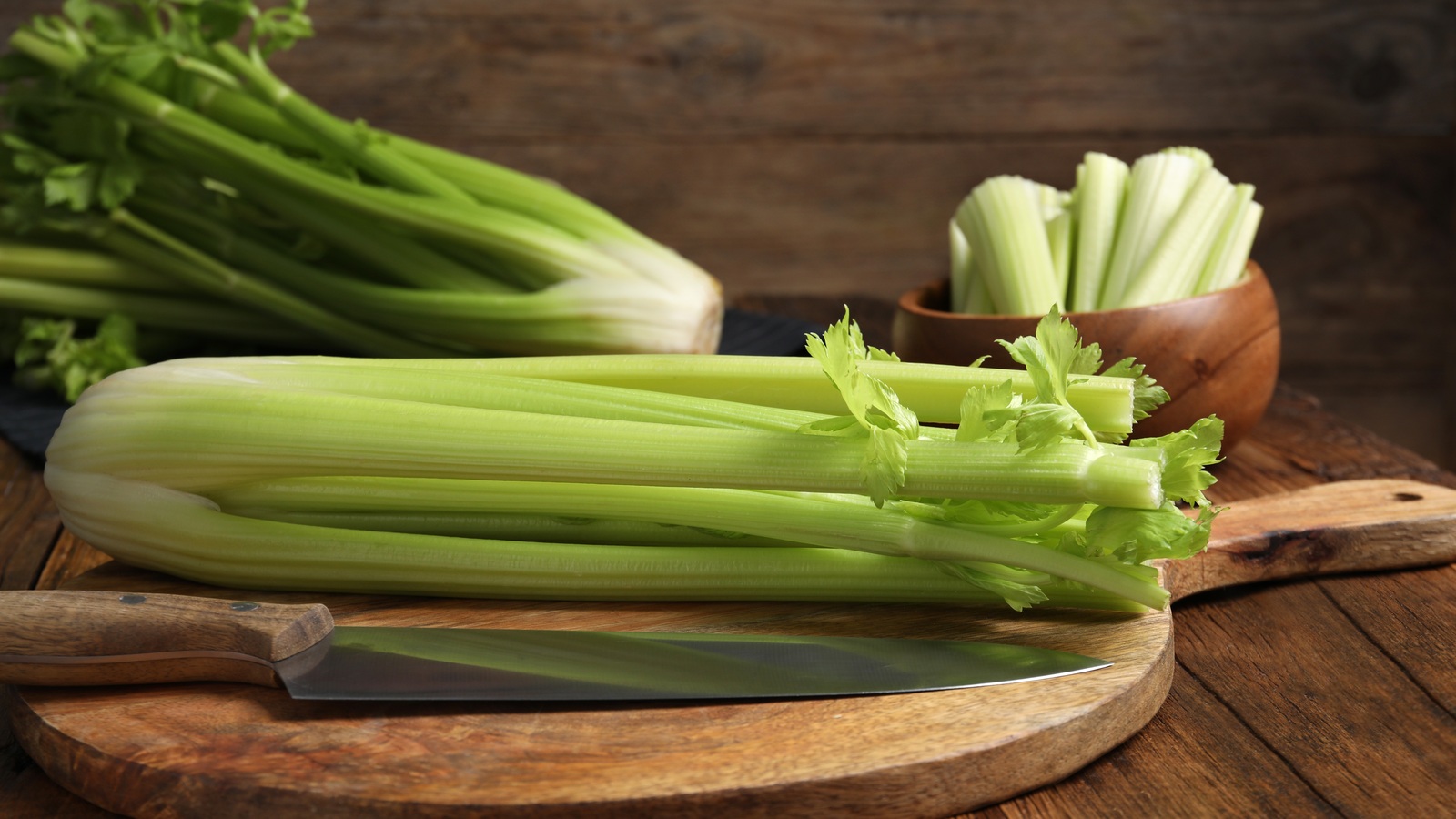
Storage can’t undo a week of poor handling before the celery reached your fridge. When you’re shopping, look for a compact bunch with firm, plump, closely packed stalks. The leaves, if attached, should look fresh rather than yellow or droopy. Good-quality celery has firm, well-formed stalks without pithy centers, major cracks or decay.
Check the cut base too. A slightly dry cut end isn’t unusual, but mushy patches, a sour smell, or slime are reasons to choose another bunch. If the stalks are already bendy when you buy them, don’t count on any storage trick keeping them crisp until next weekend.
Put celery into the refrigerator when you get home rather than letting it spend the afternoon on the kitchen counter. It’s mostly water, and losing that moisture is what turns a nice snappy stalk into something that bends like a drinking straw.
Keep a whole bunch wrapped in the crisper drawer
If you’re going to pull off one or two stalks at a time, leave the rest attached to the base. Whole celery loses moisture more slowly than celery that’s already been sliced into sticks. Keep it unwashed until you’re ready to prepare it, unless there’s a particular reason it needs cleaning first.
One practical method is to take the bunch out of its tight store packaging, wrap it in aluminum foil, and put it in the refrigerator’s crisper drawer. Fold the foil around the whole bunch so it holds moisture without crushing the stalks. Whole, unwashed celery wrapped in foil is a recommended refrigerator-storage method. Open it up to remove what you need, then wrap the remainder again.
If you’d rather avoid foil, a clean, roomy reusable container or produce bag that limits drying can also work. The main thing is to avoid leaving the celery exposed in a dry refrigerator or letting it sit in condensation and puddles inside a dirty bag. Check it every few days and remove any damaged stalks before they spoil the rest.
You’ll see claims that the foil trick keeps celery fresh for three or even four weeks. It sometimes can. I wouldn’t plan a month’s meals around it, though. Celery’s storage quality depends heavily on how cold and humid the storage conditions are, and you don’t know how long your bunch spent in transit or on the shelf before you bought it. A week or two of good quality is a more sensible expectation for an ordinary home fridge, with longer storage a bonus.
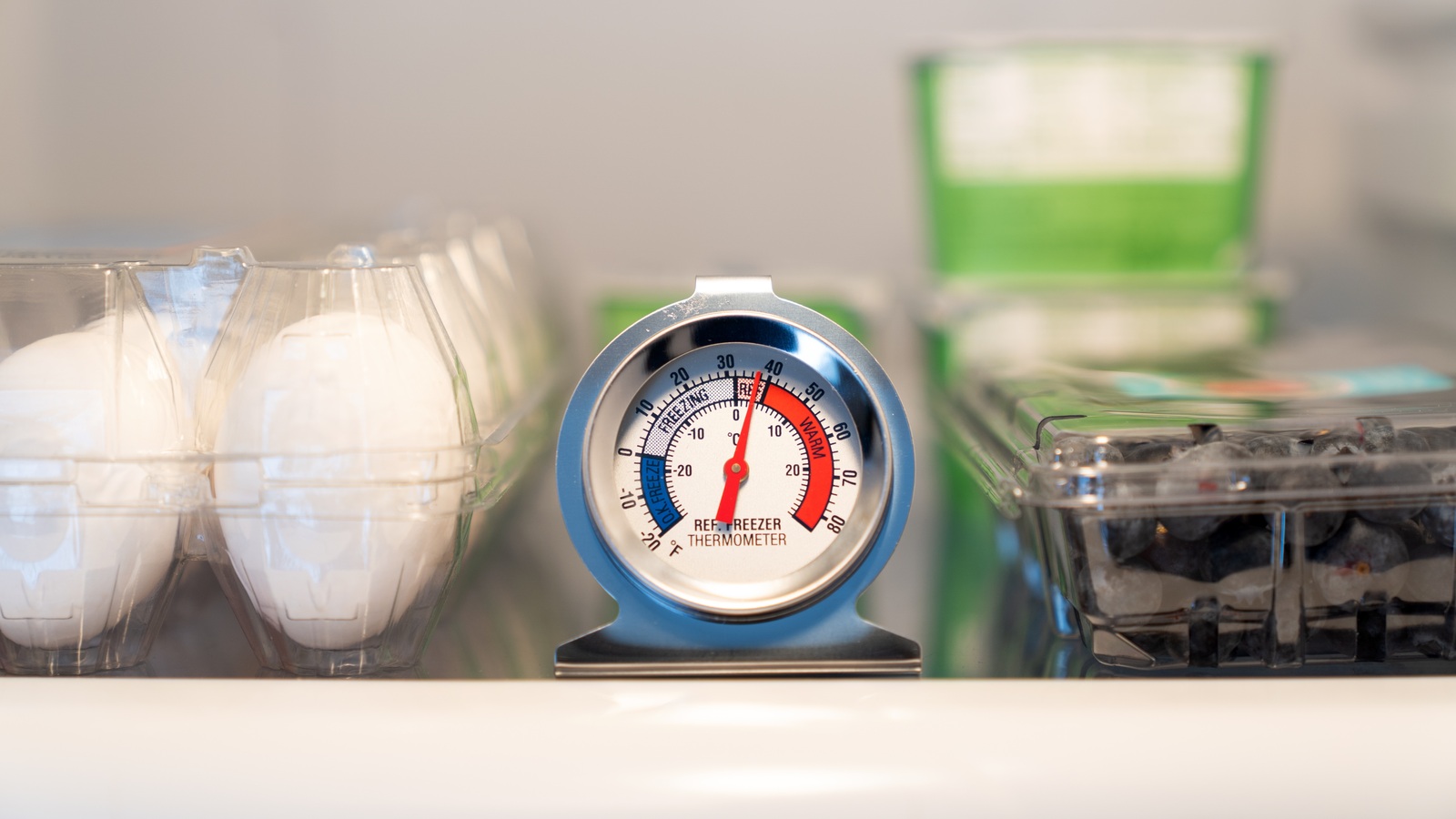
Keep your fridge at 40°F (4°C) or below. If the crisper drawer runs noticeably warm or celery regularly spoils quickly, check the temperature with a refrigerator thermometer rather than assuming the dial setting is accurate.
Store cut celery sticks in fresh water
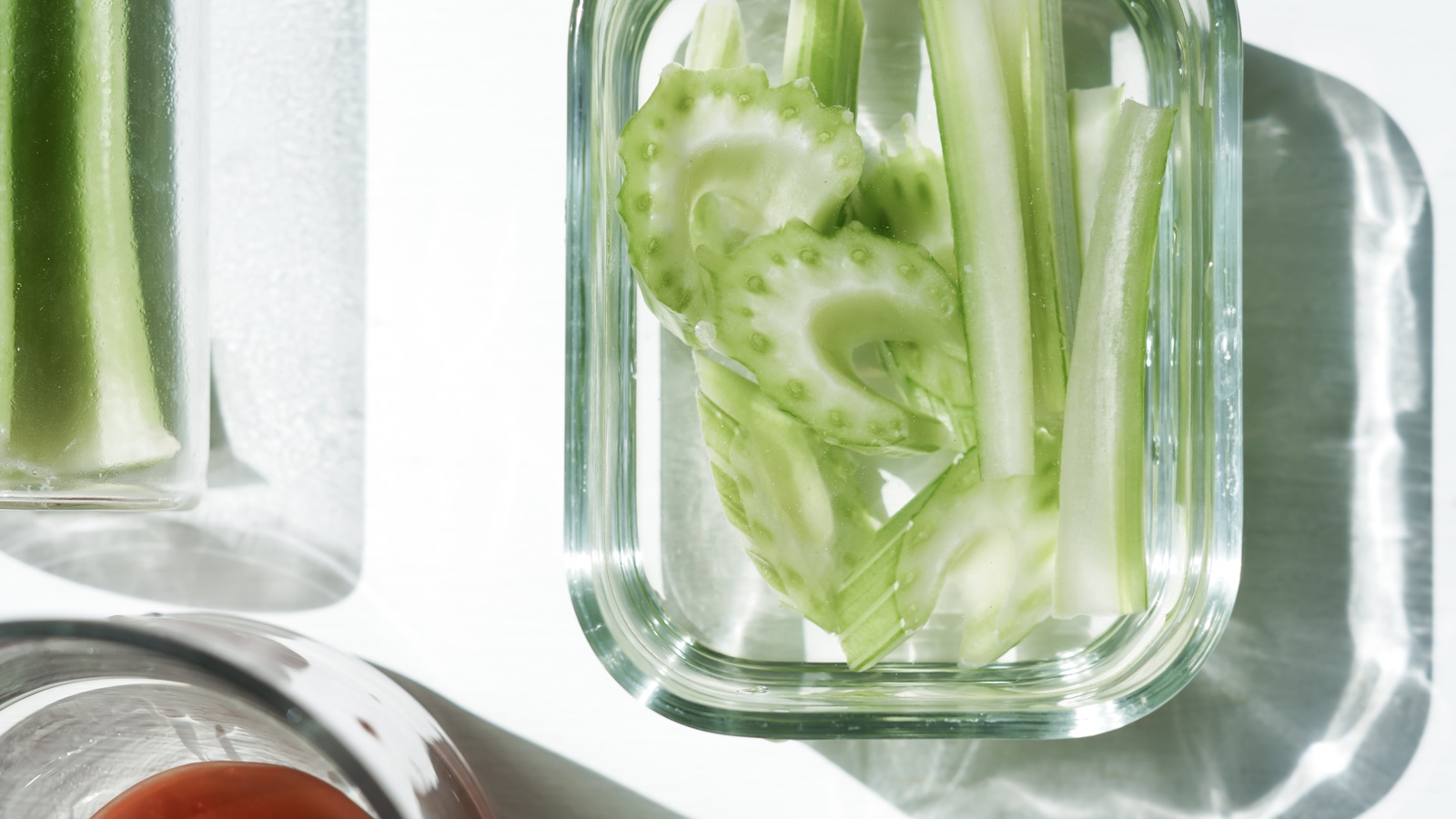
Once you’ve washed and cut celery for lunches, snacks, or dipping, don’t treat it like a whole bunch. The exposed ends dry out more easily, so a container of cold water is useful.
Wash the stalks under running water, trim the ends, and cut them into sticks of whatever length will fit your container. Submerge them in clean, cold drinking water, close the container, and refrigerate. Keeping washed, cut celery submerged in a sealed container helps maintain its crispness. A reused food-storage tub works just as well as a purpose-made vegetable box.
Change the water every day or two, and wash the container when you do. Don’t leave the same murky water sitting around for a week. If you’re packing sticks in lunchboxes, take out only what you need, drain them, and put them in a clean food container. The rest should stay refrigerated.
I’d plan to use prepared sticks within several days, even if they stay crunchy a little longer. Cutting creates more surfaces where deterioration can start, so this isn’t a promise that a tub of celery will remain safe and delicious for two weeks. If the water turns cloudy, the stalks feel slippery, or they smell wrong, don’t serve them.
Prep celery for cooked meals before you forget about it
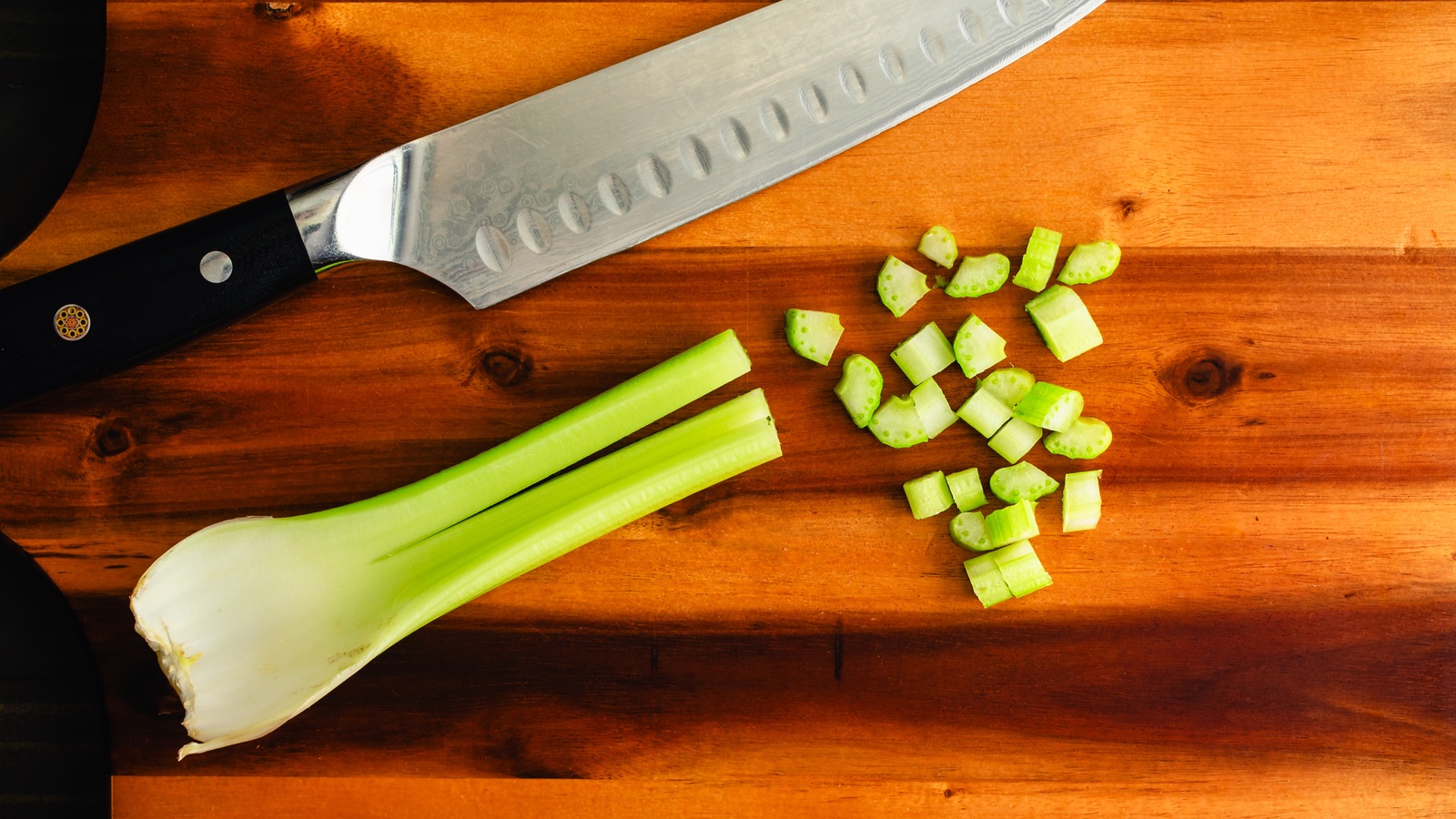
If you’re only buying celery for soups, pasta sauces, casseroles, and stocks, there’s not much point struggling to keep every stalk perfectly crunchy. Wash it, trim any tough damaged ends, and dice a portion while you’re preparing the other ingredients.
Keep a small covered container of chopped celery in the fridge for the meals you’re actually cooking over the next couple of days. You can also make a little cooking base with diced celery, onion, and carrot, but keep the raw vegetables refrigerated and cook or freeze them promptly. Don’t leave a wet, chopped mix in a big bowl at the back of the refrigerator for the whole week.
For a longer-lasting supply, freeze a few recipe-sized portions before the celery starts turning limp. I think this is where the biggest food-waste saving happens: not making a bunch last indefinitely, but turning the surplus into something you’ll genuinely use.
Revive limp celery with cold water
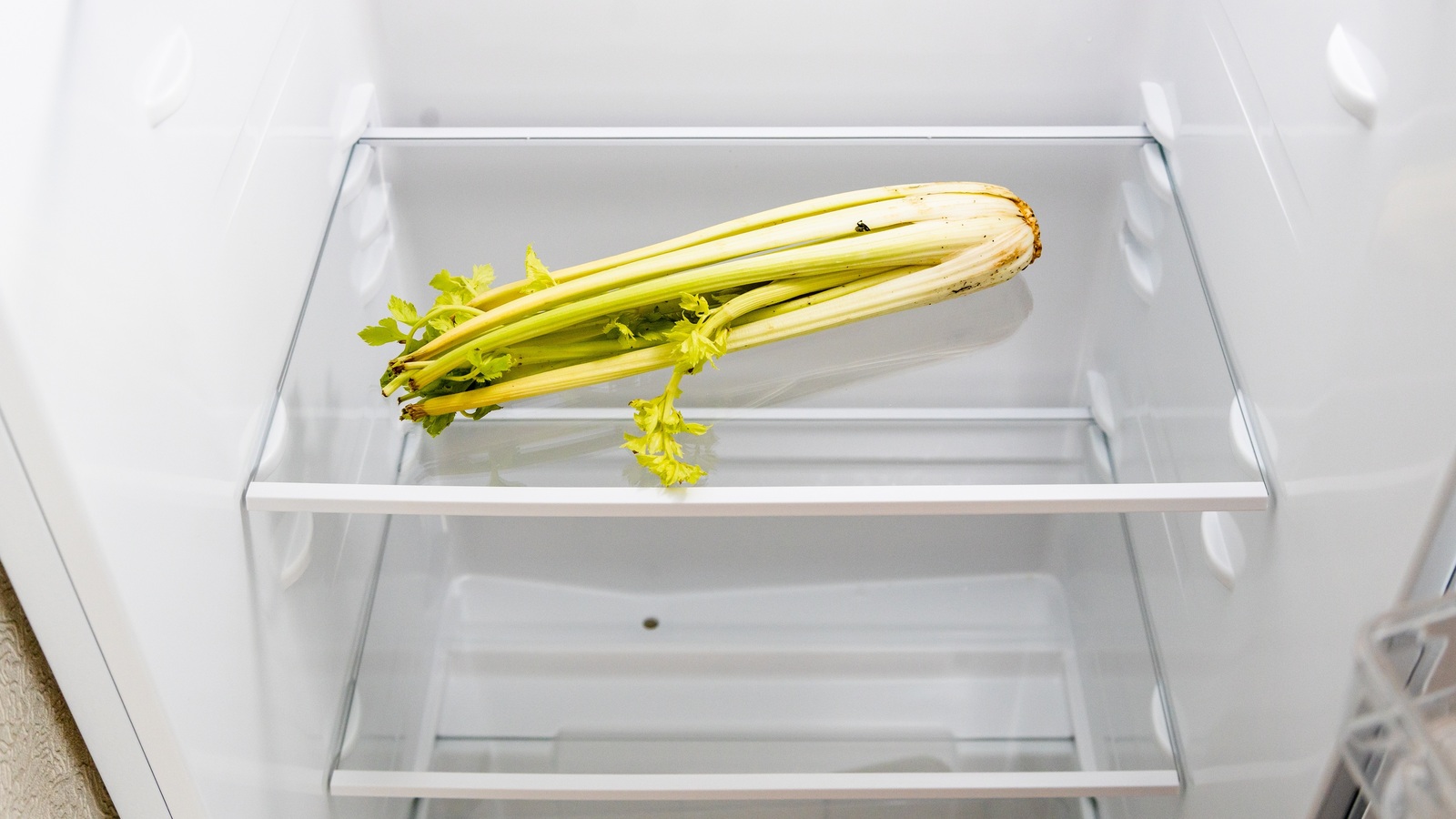
A stalk that’s merely floppy isn’t automatically spoiled. Celery holds its crunch because water fills and supports its cells. As it dries out, the stalk becomes bendy. If it’s still clean, smells fresh, and has no signs of rot, you can often get some of that snap back.
Trim a thin slice from the bottom of each limp stalk and put the stalks into a bowl or tall container of very cold water. Refrigerate for about 30 minutes, then check them. Give them another half hour if they still need it. Soaking slightly wilted celery after trimming the cut end can restore firmness.
You may find that a particularly dehydrated stalk never becomes properly crisp again. That’s fine if the celery is otherwise sound: dice it for soup or sauté it with onions rather than insisting it has to be a raw snack. Rehydrating helps with water loss. It doesn’t reverse decomposition, kill pathogens, or make rotten celery edible.
Know when celery needs to go
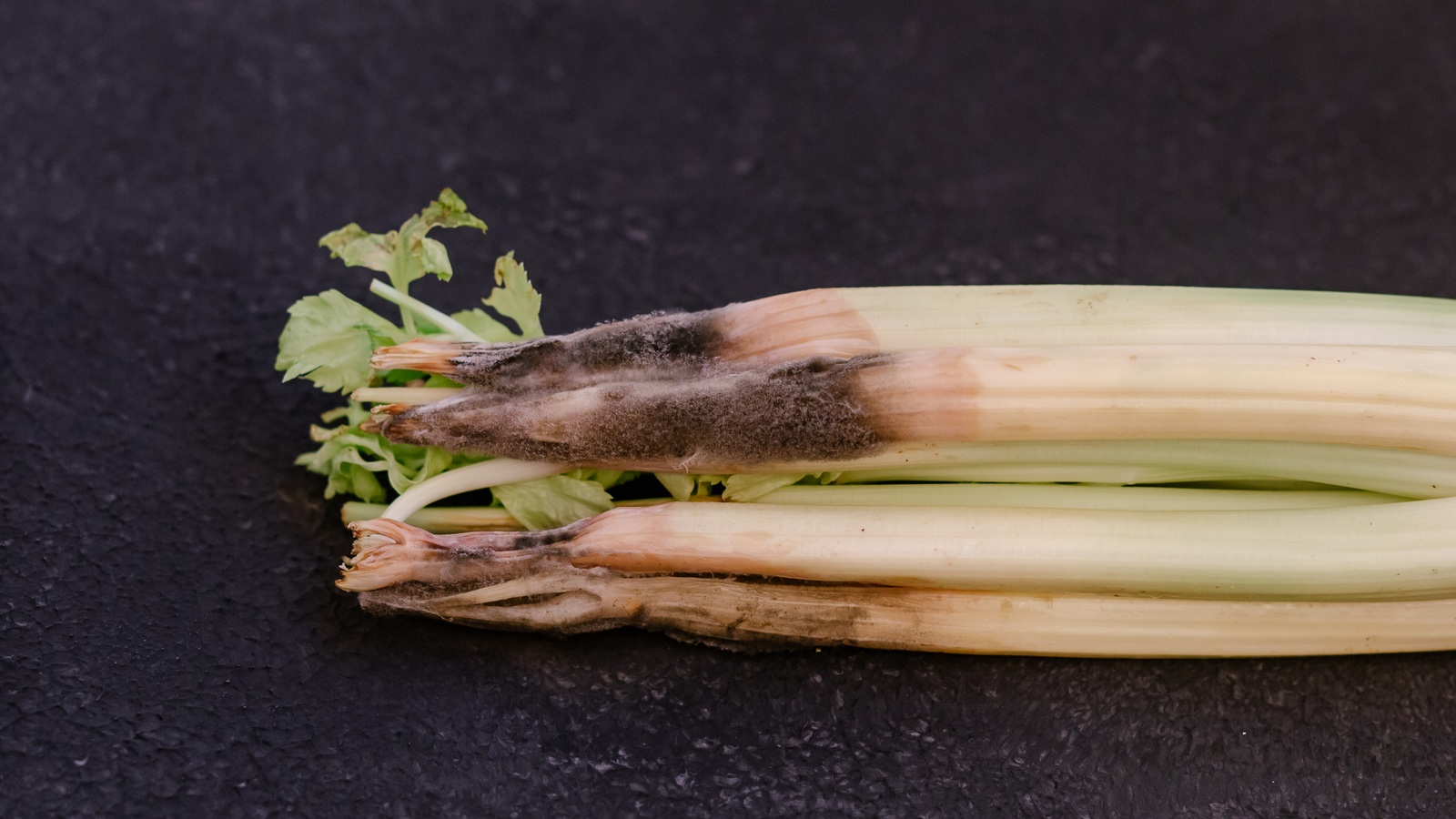
There’s a difference between a stalk that’s a bit tired and one that’s deteriorating. A bendy but firm, fresh-smelling stalk may be worth reviving or cooking. Throw celery away if it develops spreading soft or water-soaked patches, slime, visible mold, an unpleasant sour or rotten odor, or substantial decay around the base. Produce that looks rotten should be discarded.
A little superficial browning or one bruised area on an otherwise firm, sound stalk is different. You can trim away the damaged part, wash the rest, and use it promptly. But if much of the bunch is becoming slippery or rotten, don’t try to salvage it by chopping off the most obvious bad pieces and cooking the remainder.
And don’t use the cold-water trick on celery that’s already slimy. The water may improve its appearance a little, but it hasn’t made it safer to eat. If you’re in doubt about a badly deteriorated bunch, compost it if suitable or dispose of it.
Freeze the surplus for soups, sauces, and stews
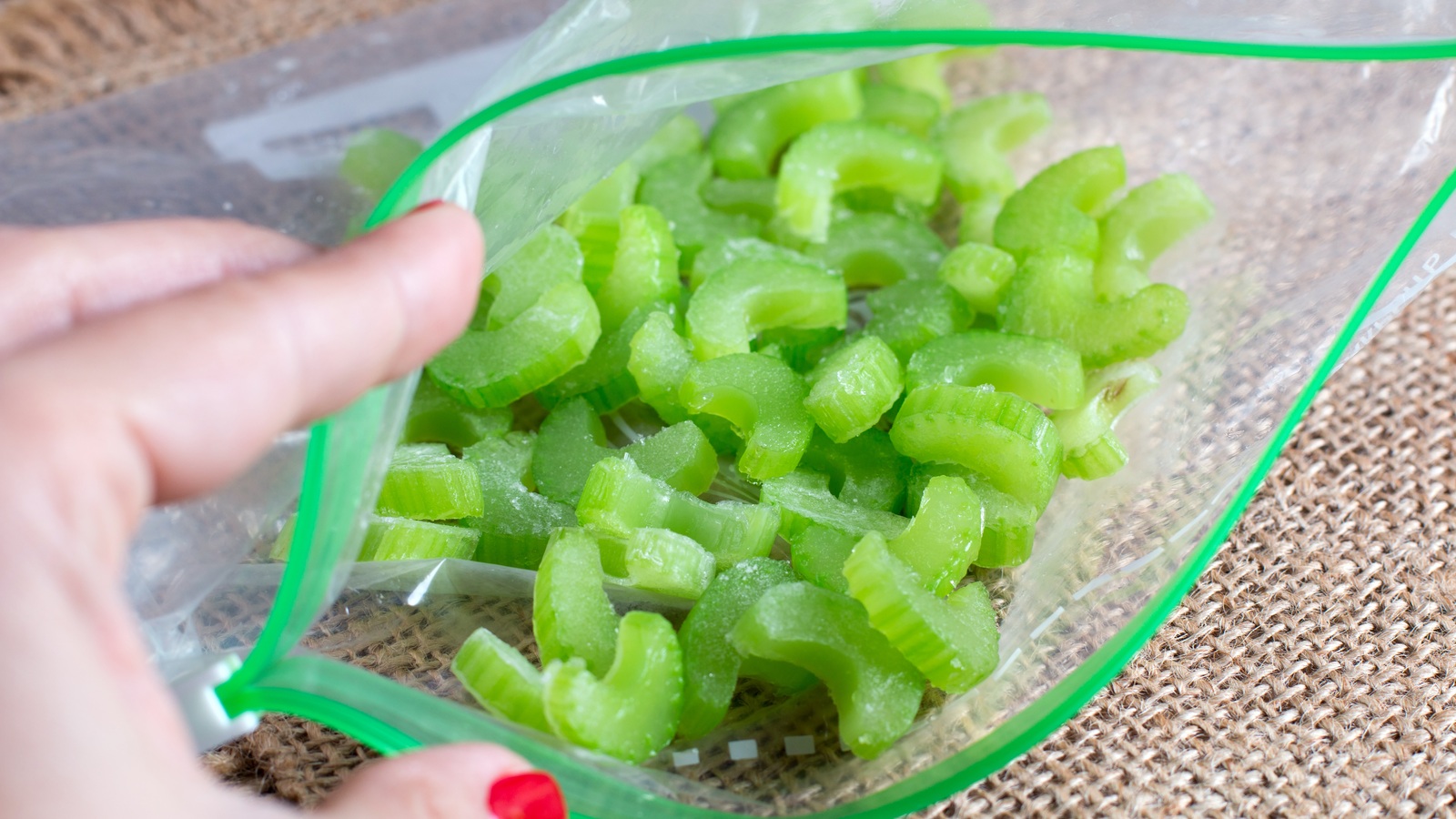
Celery freezes well enough as a cooking ingredient, but not as a crunchy snack. Freezing damages the cells that give fresh stalks their snap. When it thaws, it will be softer and wetter, which is absolutely fine when it’s going into a pot of soup.
The tested home-freezing method is straightforward. Trim and wash the stalks, cut them into pieces about 1 inch long, blanch in boiling water for 3 minutes, then cool, drain, pack, and freeze. Blanching is worth doing for a supply you’ll keep for a while because it slows the enzyme activity that gradually damages frozen vegetables.
How to freeze celery step by step
- Choose sound celery, not pieces that are already rotting. Remove the tough ends, wash under running water, and cut into soup-sized pieces.
- Bring a generous pan of water to a full boil. Add the celery, return the water to the boil, and blanch for 3 minutes.
- Lift the pieces out and cool them immediately in iced water so they stop cooking. Drain very thoroughly and pat them dry. Excess surface water makes them freeze into one big lump.
- Divide them into the amounts you typically use in a recipe. Pack into labeled freezer bags or airtight freezer containers, pressing out excess air, and freeze promptly. If you want loose pieces, spread them on a tray to freeze briefly before bagging.
- Add the frozen celery straight to simmering soups, stews, stocks, or sauces. There’s usually no need to thaw it first.
For quick weeknight cooking, some people freeze chopped celery raw. You can do that, but I wouldn’t present it as equivalent to blanching. Unblanched celery is more likely to lose flavor and quality as it sits in the freezer, so I’d keep that shortcut for a small quantity I’m planning to cook soon.
There’s another good trick if you regularly make soup: freeze separate portions of celery, chopped onion, and carrot together after appropriate preparation, or freeze a fully cooked vegetable base. That means the basic ingredients are already there when you need them. Just remember that carrots have their own recommended blanching time if you’re freezing them raw.
Use the leaves and the smaller inner stalks
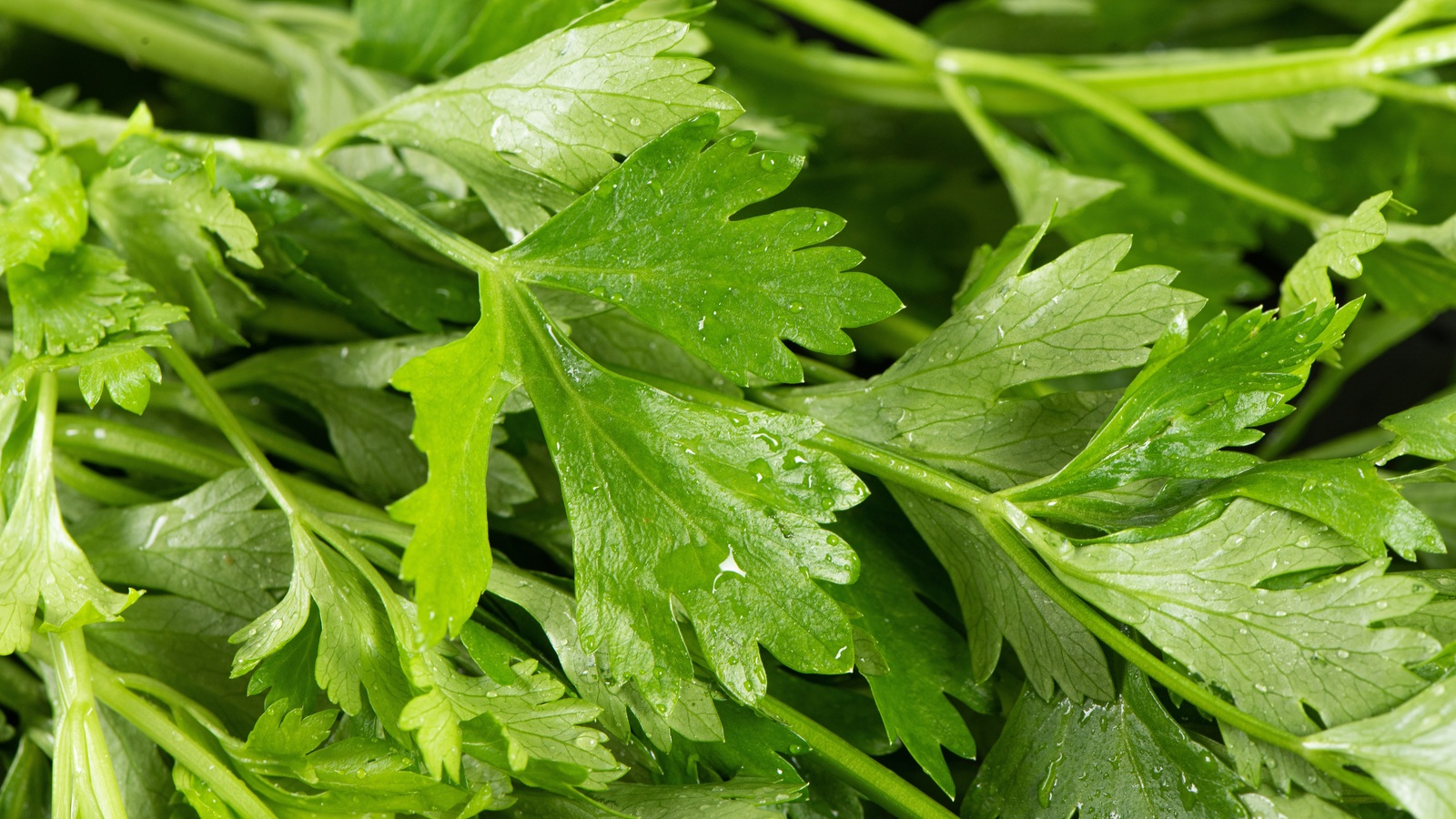
The leaves aren’t packaging. Celery leaves are edible and have a stronger celery flavor than the stalks, so it’s a waste to throw away a good leafy top simply because a recipe says ‘two ribs of celery.’
I prefer the tender, pale inner leaves finely chopped into potato salad, egg salad, or a green salad. The darker outer leaves can be more assertive, so they’re better used a little at a time in soup, stock, bean dishes, or a tomato sauce. Taste a small piece first. If it is unpleasantly bitter or tough, use less or leave it out rather than overwhelming dinner.
To keep detached leaves fresh for a few days, rinse them only when needed, or wash and dry them thoroughly if you’re prepping ahead. Wrap them loosely in a clean paper towel and put them in a container in the fridge. Wet leaves shoved into a plastic bag tend to deteriorate quickly.
The narrow, pale stalks in the middle of the bunch are useful too. They’re often tender enough to slice finely into a salad or serve with hummus. You don’t need to discard them because they’re too short for a snack tray.
Make something useful from the tougher stalks and trimmings
The large outer stalks can be tougher and stringier than the heart, but that doesn’t make them waste. If you want to eat them raw, you can lift the strings from a cut end with a small knife and pull them down the stalk, or use a vegetable peeler lightly along the ridged outside. For cooking, a small dice and a little extra simmering are usually enough.
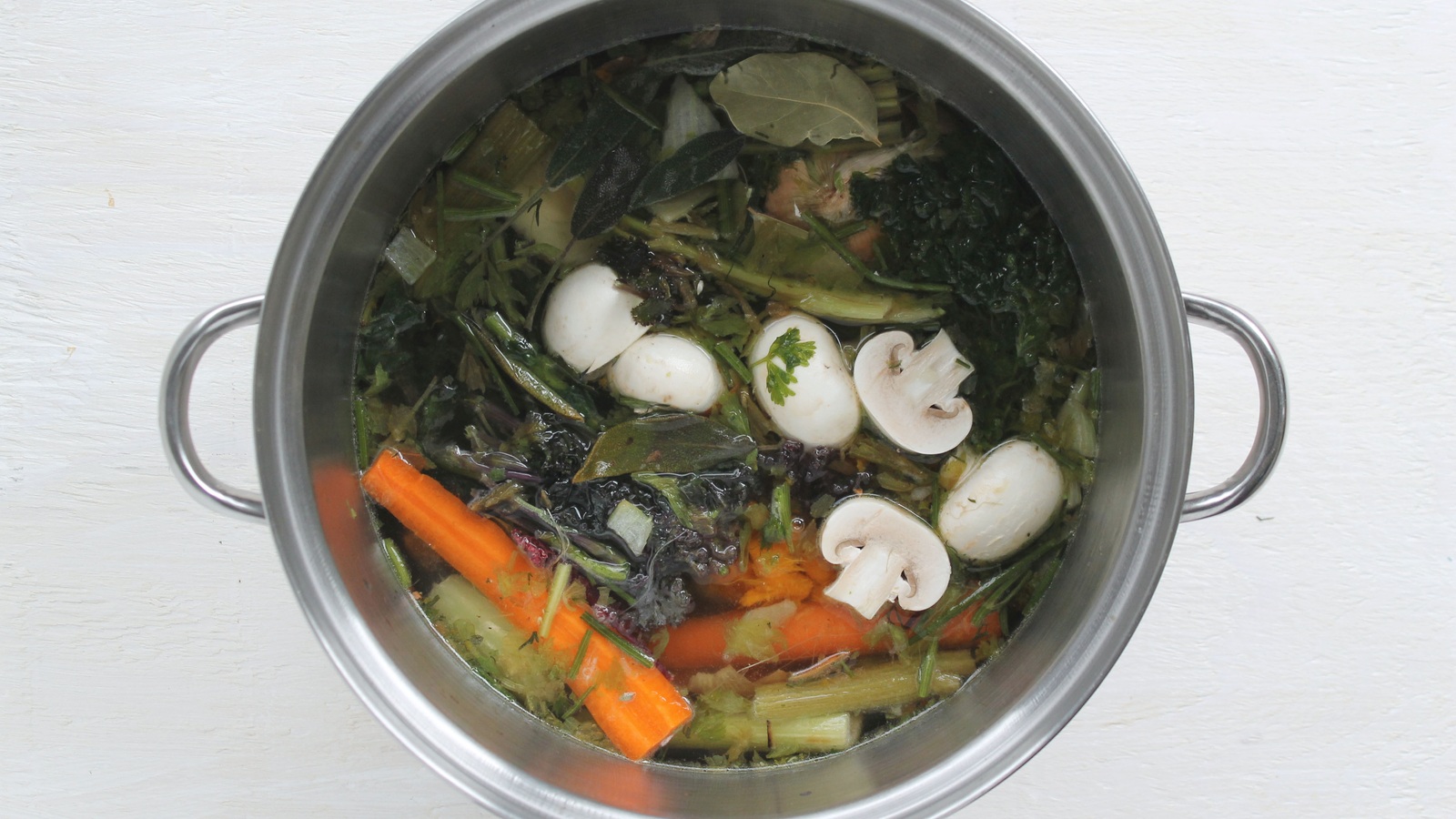
Save clean, sound celery trimmings for stock. The tops, leafy stems, and well-washed offcuts bring plenty of savory flavor. Freeze them in a bag with usable onion and carrot trimmings until you have enough for a batch. Avoid dirty roots, spoiled leaves, moldy pieces, and anything with a strong off flavor. A freezer scrap bag is handy; a freezer rubbish bin is not.
Chopped celery is also useful sautéed with onions at the start of lentil soup, chili, tomato sauce, and rice dishes. You can finely dice a few extra stalks and add them to a pan of beans or a hearty casserole without the finished meal tasting especially celery-heavy. That’s often the simplest way to get through a surplus.
Regrow the base for fresh little leaves and shoots
Once you’ve used the stalks, the solid base can sometimes produce another flush of green growth. This is one of my favorite kinds of low-effort kitchen growing project: it makes use of something you’d normally throw away, costs almost nothing, and lets you watch the plant respond within days.
As a master gardener, I’d treat this as a way to grow a little extra celery greenery, not a promise of a second full-size bunch. The base has stored energy and a growing point in its center. It can push out new leaves and short stalks, but it’s unlikely to give you a supermarket-sized celery head from a glass of water.
Start the celery base in shallow water
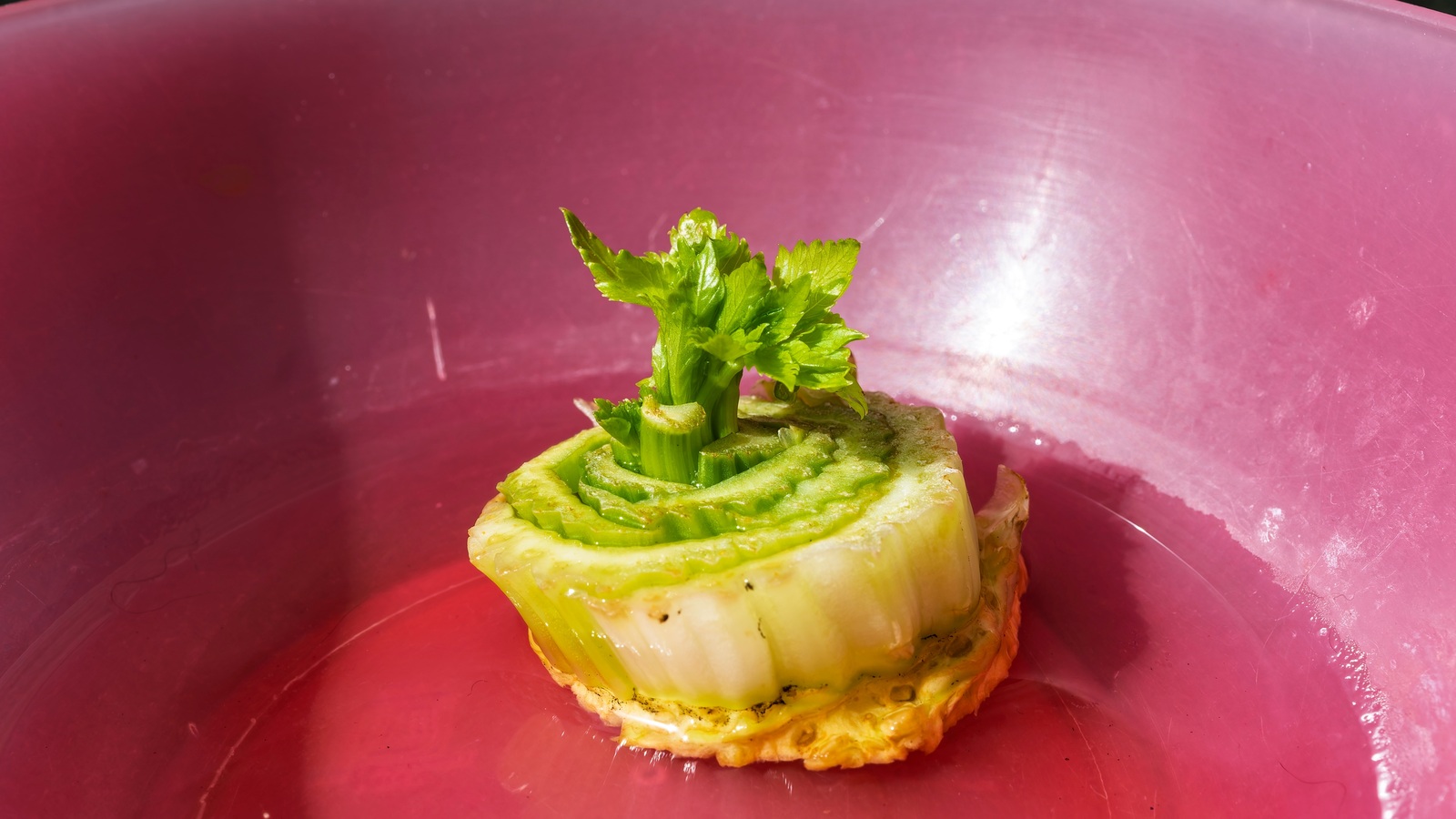
Cut the stalks off about 2 inches above the solid base, leaving the central growing point intact. Choose a fresh, healthy base with no signs of slime or rot. Rinse off soil and debris, then stand it cut side up in a shallow bowl with around 1/2 to 1 inch of water touching the bottom. Don’t submerge the whole stump.
Put it on a bright windowsill and change the water daily, rinsing the bowl and base gently as needed. You may see pale green leaves pushing up through the middle after several days. A celery base can develop new leaves and roots in water before being moved to soil.
If the base turns soft, smells unpleasant, or grows mold, discard it. Leaving an old vegetable stump in stagnant water won’t turn it into a productive plant.
Move it into potting mix once it starts growing
Water is useful for getting celery started, but I wouldn’t leave it sitting in a glass indefinitely and expect much of a harvest. Once it has fresh central growth and roots have started forming, often after a week or two and sometimes longer, transfer it to a pot with drainage holes and good-quality potting mix. Set the old base into the mix while keeping the new leafy center exposed.
Water it in and keep the mix evenly moist, not soggy. Give it plenty of light, but protect a newly transplanted base from harsh midday sun until it’s established. Celery prefers reliably moist soil and fairly cool growing conditions; hot weather and irregular watering can produce tough, strongly flavored growth. In a suitable season you can move it outdoors after hardening it off, or continue in a bright container.
Pick a few fresh outer leaves once the plant has enough healthy growth to spare them, always leaving its central shoots intact. Rinse before eating and use the young leaves like a strongly flavored herb in soups, salads, egg dishes, or herb butter. Small stalks may become usable if the plant establishes well, but don’t strip all the new growth at once.
The old base doesn’t have unlimited energy, and some will fail despite reasonable care. If you want regular full-sized bunches, grow proper celery plants from seed or starts. Regrowing a scrap is better viewed as a bonus crop and a satisfying little experiment.
Make the whole bunch earn its space in the fridge
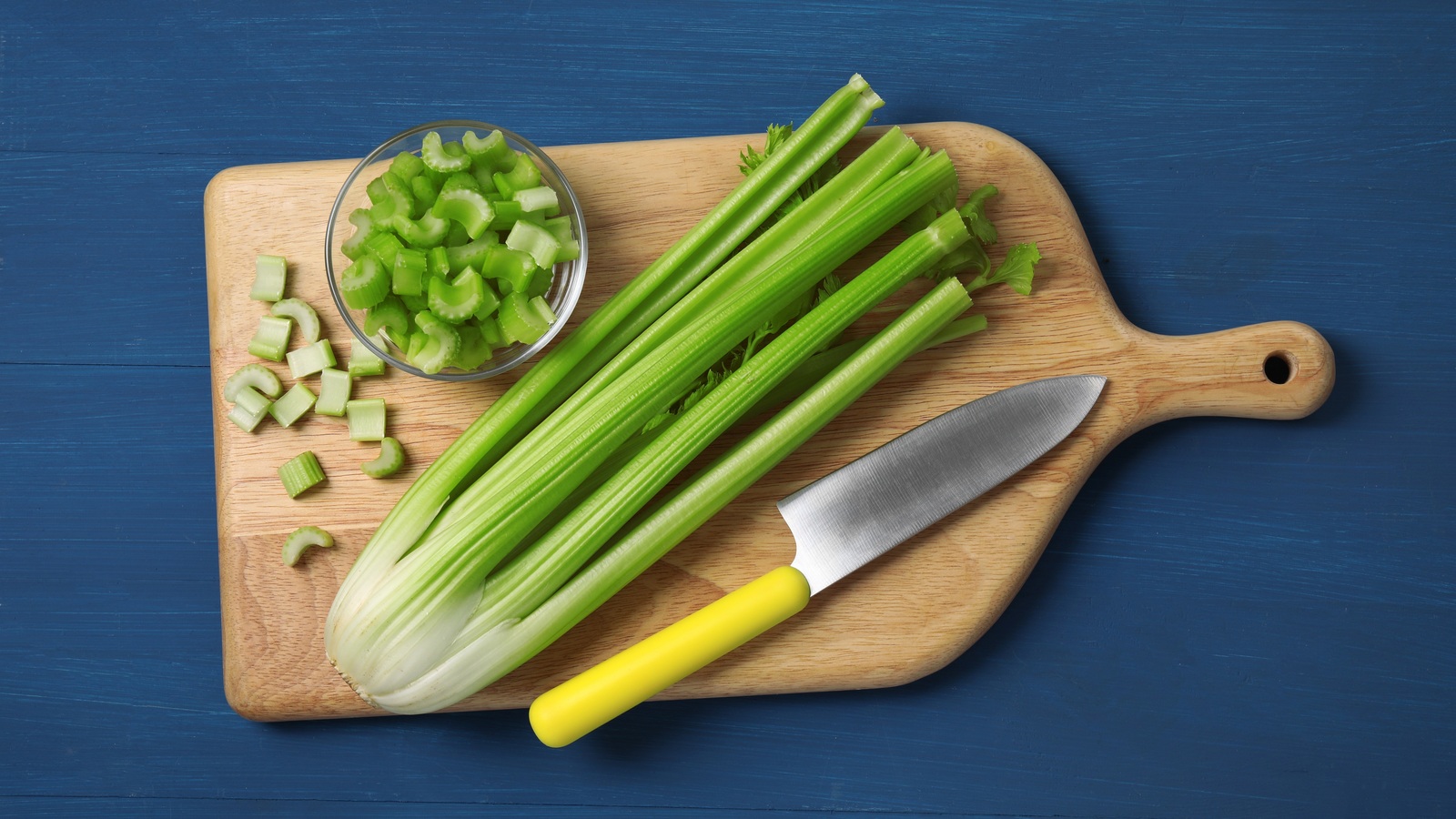
When you bring home celery, decide what you’ll actually use raw, what you’ll cook in the next few days, and what can go straight into the freezer. Keep the main bunch wrapped until you need it, make a small container of sticks rather than cutting everything at once, and set aside the clean leaves for a meal where their flavor is welcome.
If the stalks start to soften, try cold water while they’re still sound. If you’ve already got more than you’re going to use, freeze the extra rather than hoping it will last another week. And if the base is fresh enough to regrow, give it a spot on the windowsill. Even a few handfuls of new leaves are better than watching the entire thing go slimy at the back of the refrigerator.
You might also like…
17 Easy Ways to Make Your Food Last Longer
50 Halloween Recipes for Spooky Parties, Easy Dinners, and Creepy Treats

