Affiliate disclosure: This post may contain affiliate links. Please see full disclosure.
If your indoor herbs keep dying in winter, check how much sun reaches the leaves and how long the potting mix stays wet. Short days can leave an herb growing so slowly that its old watering routine keeps the roots soggy. At the same window, cold glass can chill basil at night, while a heating vent dries out the pot next to it. Check each plant before you give them all another drink.
Count the hours of sun that reach the leaves

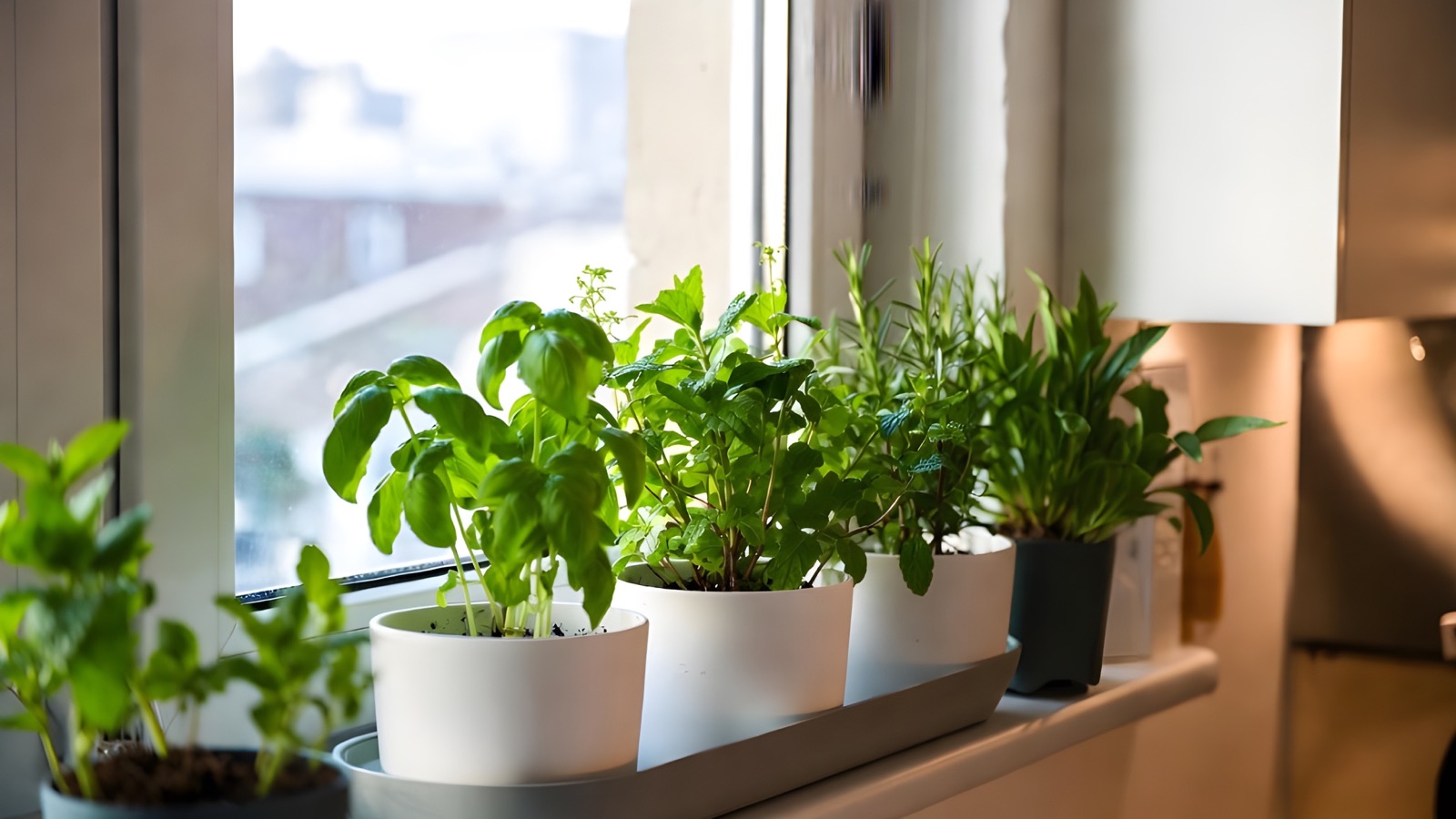
I grow a lot of my own food, and I’d give up a bit of counter space for good light every time. A kitchen can look bright at noon while the herbs tucked under a cabinet spend most of the day in shade. Watch where the sun actually lands on a clear day. A south-facing window is a good place to start, and an unobstructed west-facing one may do better than a south window shaded by a porch roof.
For most herbs, aim for four to six hours of direct sun where you can get it. New stems that lean hard toward the glass or come in thin with long gaps between leaves are asking for more light. Move the pots closer to the light while keeping the leaves off cold glass. Judge the change by the next set of leaves. The stem that’s already stretched will stay stretched.
Water each pot when it needs it

Lift the pot and feel the mix just under the surface. A drooping herb in a light pot with dry mix may need water. A drooping herb in a heavy pot that’s been wet for days needs a drainage check. Slip the nursery pot out of its decorative cover and tip out any standing water. If the mix stays wet and the plant keeps collapsing, look at the roots. Soft, dark roots can indicate rot, which makes it harder for the plant to take up water even when there’s plenty in the pot.
Use a container with drainage holes and a loose potting mix. When it’s time to water, wet the mix evenly until water runs out, then empty the saucer. Check basil, chives, and parsley before the mix dries right through. Let thyme, sage, and oregano dry more between waterings. I’d give those herbs separate pots. It’s much easier to water the parsley when it needs it if the thyme isn’t sharing the same damp soil.
Check the sill after dark and when the heat comes on

Put your hand where the leaves sit after sunset. If there’s a cold draft or the foliage touches the glass, move the pot back or find a brighter spot in a warmer room. Take particular care with basil. Prolonged temperatures below 50°F (10°C) can cause it to fail. A bright, cooler room may suit an overwintering rosemary better than it suits a pot of basil you want to harvest regularly.
Check for hot air, too. If the leaves on the vent side are crisping or a small pot dries much faster than its neighbors, shift it out of the airflow and check the mix again. Dry air can be a problem while the roots are still wet. If the room is very dry and you already have a humidifier, you can raise the humidity around the plants without soaking the soil. I’d fix the vent and window problems before buying anything. Regular misting only changes humidity briefly, and wet leaves can encourage fungal trouble.
Grow the herbs your winter setup can support

On a reasonably bright sill, I’d start with chives, mint, or parsley. They’ll tolerate a little less light than rosemary or thyme, although you should still expect modest pickings in winter. A small division from an established pot of chives or mint is a practical way to start. Keep mint in its own pot and take a few sprigs at a time while the plant is growing slowly.
Give thyme, oregano, and rosemary your brightest spots and a mix that drains freely. With rosemary, keeping a plant healthy until spring is a worthwhile result on its own. If you have a healthy plant you want to keep going, you can start a smaller rosemary plant from a cutting. If you want basil for regular winter cooking, give it warmth and strong light, and sow a fresh pot as the older plants decline. Basil is an annual. Even under good conditions, one tired plant may have little left to give.
Add a grow light if the window can’t do the job
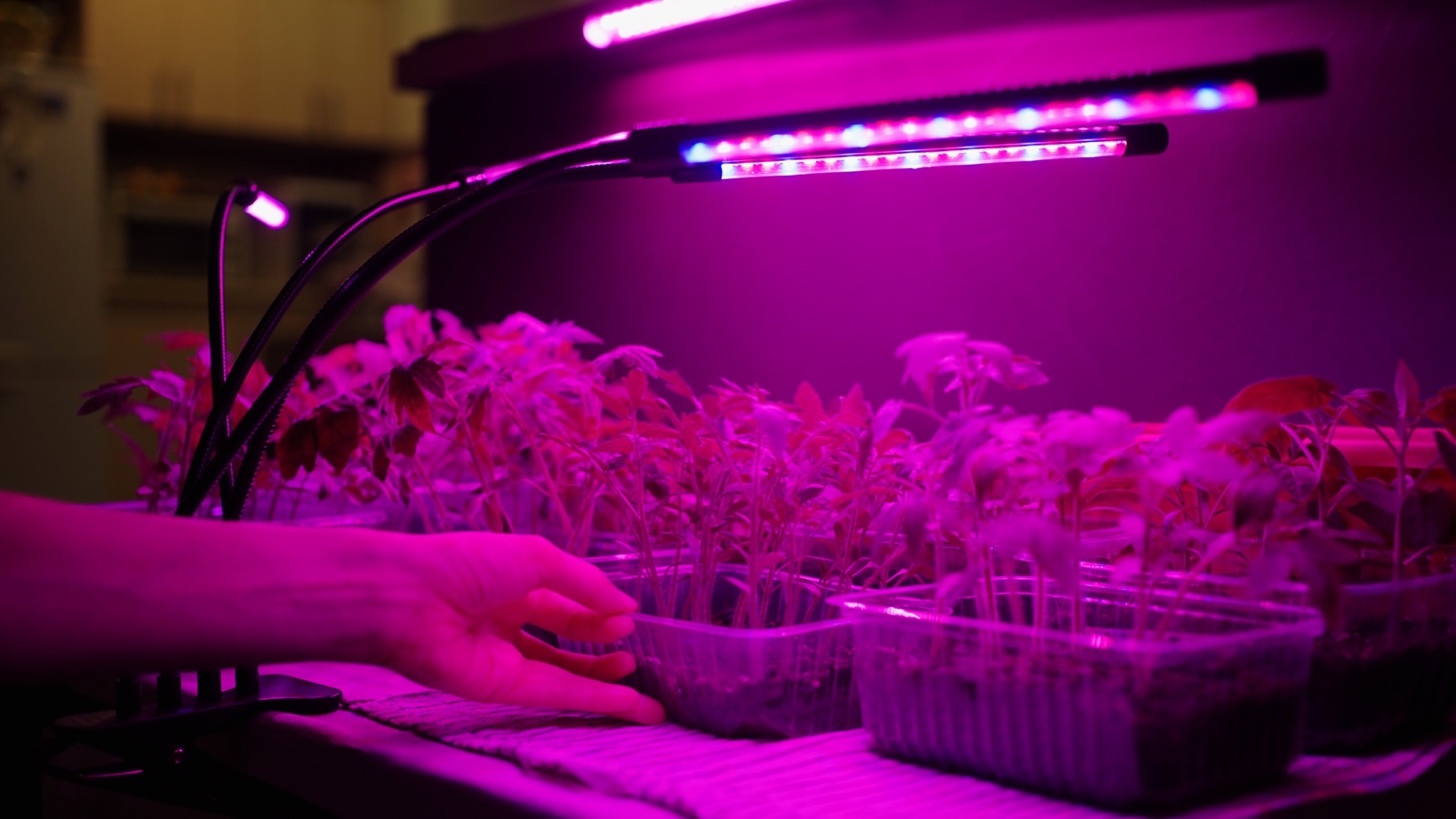
A light is worth considering if your brightest window gives very little direct sun, new growth keeps stretching, or you want enough basil to snip regularly. If your chives and mint are putting out healthy new leaves and you only want the occasional garnish, I’d use the window and leave it at that.
For a few pots, start with a small white or full-spectrum LED grow light on a timer. Set it directly above the leaves and use the fixture’s recommended distance. How much light reaches the leaves depends on the fixture and its distance, so a single hanging height won’t suit every lamp. Start around 14 hours a day under lights where daylight is weak, and give the plants darkness overnight. Raise the light as the herbs grow and check that shorter pots at the edges are getting enough. Look for sturdier new stems and check the pots more often once growth picks up. They may start using water faster than they did on the windowsill.
You might also like…
How to Freeze Garden Herbs in Useful Portions Before Frost
How to Dry Herbs for Making Tea
16 Best Herbs and Flowers for Companion Planting With Vegetables