Affiliate disclosure: This post may contain affiliate links. Please see full disclosure.
Freeze garden herbs in the amounts you actually cook with, and you’ll be using that last harvest long after the plants have stopped growing. A tablespoon of chopped parsley for soup, a small basil-and-oil portion for tomato sauce, or a few rosemary sprigs for roast potatoes is far more useful than a freezer bag stuffed with whole bunches you can’t easily separate.
And the timing matters. Frost can finish off tender basil almost overnight, while established thyme, sage, and chives may still be quite happy outside. You don’t need to strip every herb bed bare just because the nights are getting colder. The sensible approach is to harvest the plants that are at risk, preserve the excess from the hardier ones, and choose a freezing method that suits what you’ll eventually cook.
Harvest before frost damages the leaves
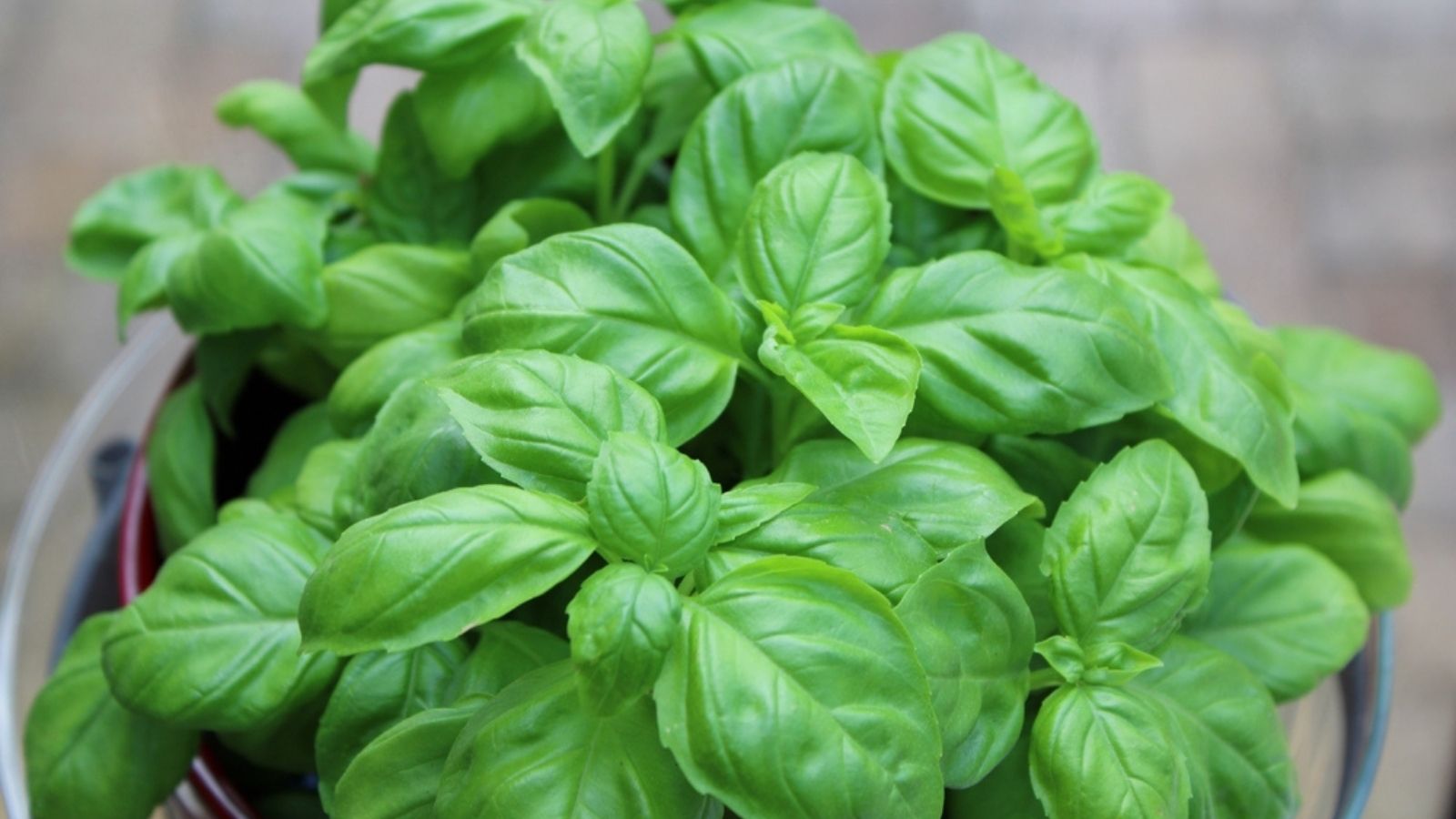
Basil is the one I’d make a priority when frost is forecast. It’s a tender annual, and freezing temperatures can damage the foliage of this warm-season herb. Marjoram and tender potted herbs also deserve attention before a cold snap. Check plants individually rather than assuming that every herb has the same last harvest date.
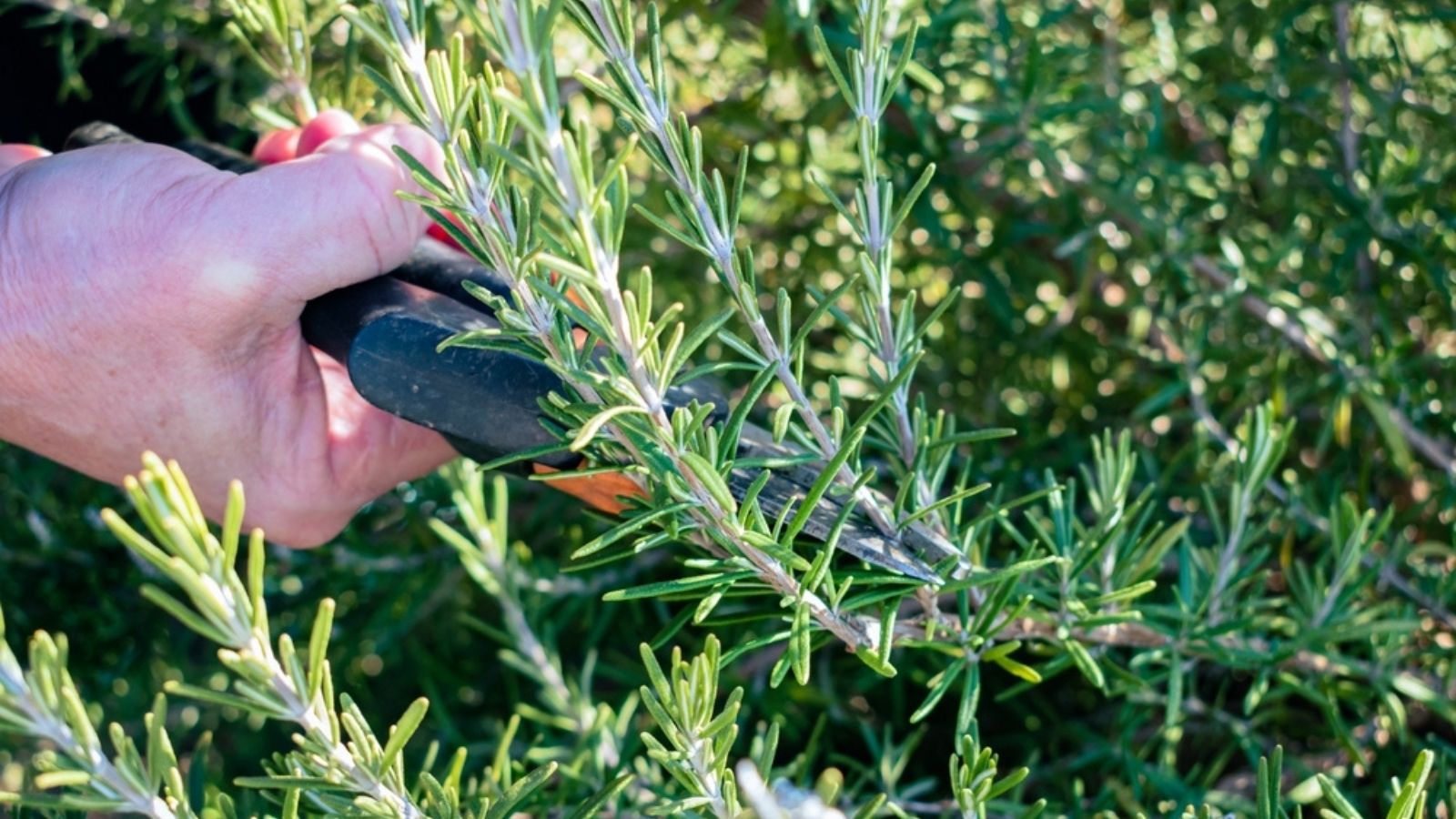
On a dry day, snip sound, leafy stems after the morning dew has evaporated. Leaves harvested before flowering generally have a stronger flavor, although there’s no need to throw out every flowering stem if the leaves still taste good. Choose healthy growth and leave behind anything yellow, moldy, slimy, pest-ridden, or badly weather damaged.
With perennial herbs, be more restrained. I grow rosemary, thyme, sage, and mint, and I wouldn’t give any established perennial a severe haircut immediately before winter simply to fill the freezer. Heavy late-season cutting can encourage tender growth that doesn’t harden off properly before frost. Taking a few usable sprigs is different from cutting an entire plant to the ground. How late you can harvest depends on the species and your climate.
Wash the herbs, then get rid of surface moisture
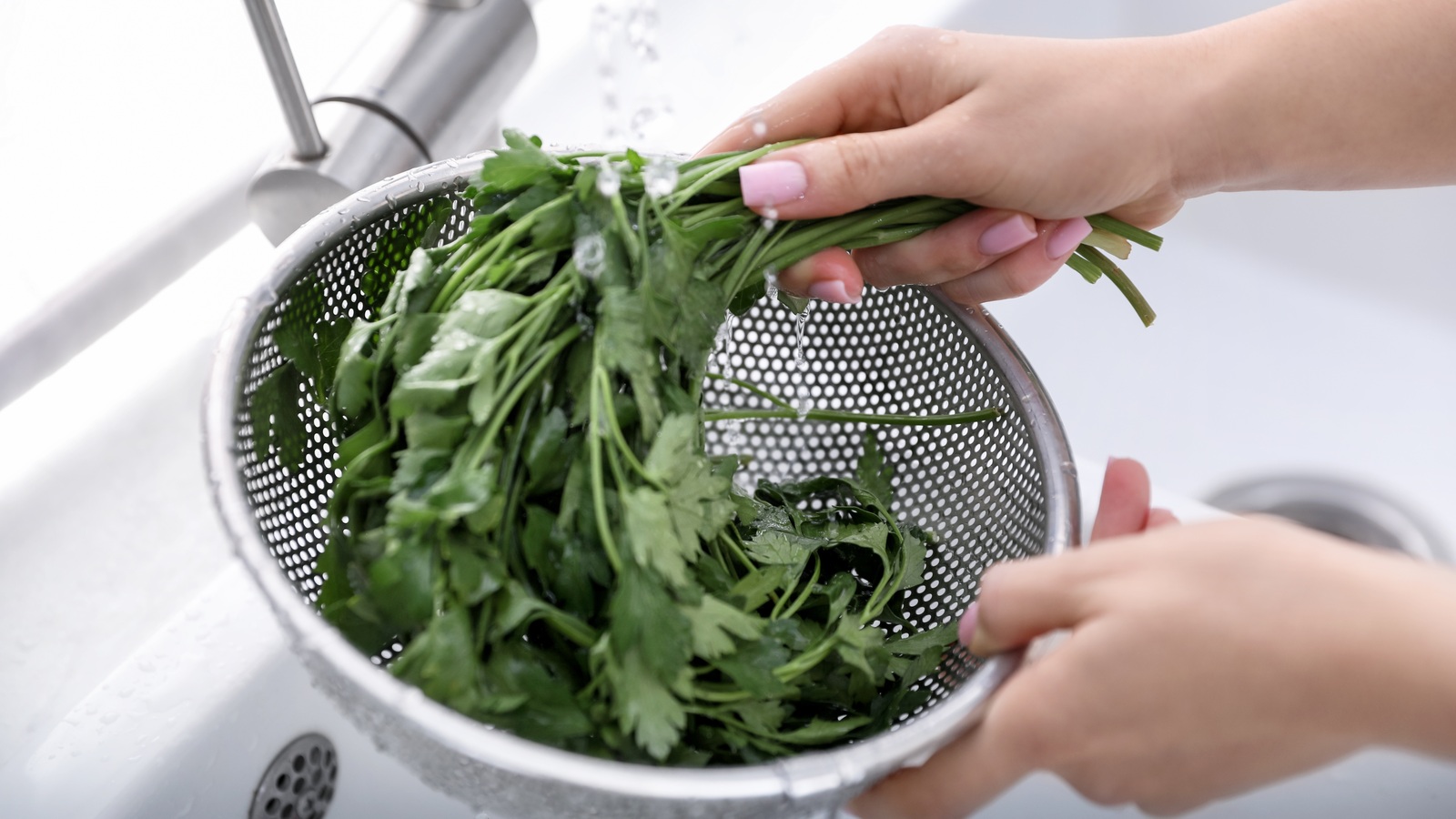
Even homegrown herbs need checking. Look under the leaves for insects and bits of soil, remove damaged foliage, and rinse the harvest gently in cool running water. Don’t use dish soap or other household cleaners on edible leaves. Spread the rinsed herbs on a clean towel and let the surface moisture dry off before you start packing them.
A salad spinner is handy for parsley, cilantro, and other reasonably sturdy leaves, but don’t crush soft basil or bruise tender shoots just to speed things up. Finish by patting them dry. You’re not trying to dehydrate them. You just don’t want enough water clinging to the leaves to turn a bag of herbs into an icy brick. Work with manageable batches and get them into the freezer promptly rather than leaving chopped herbs on the counter for hours.
Choose the freezing method to suit the herb
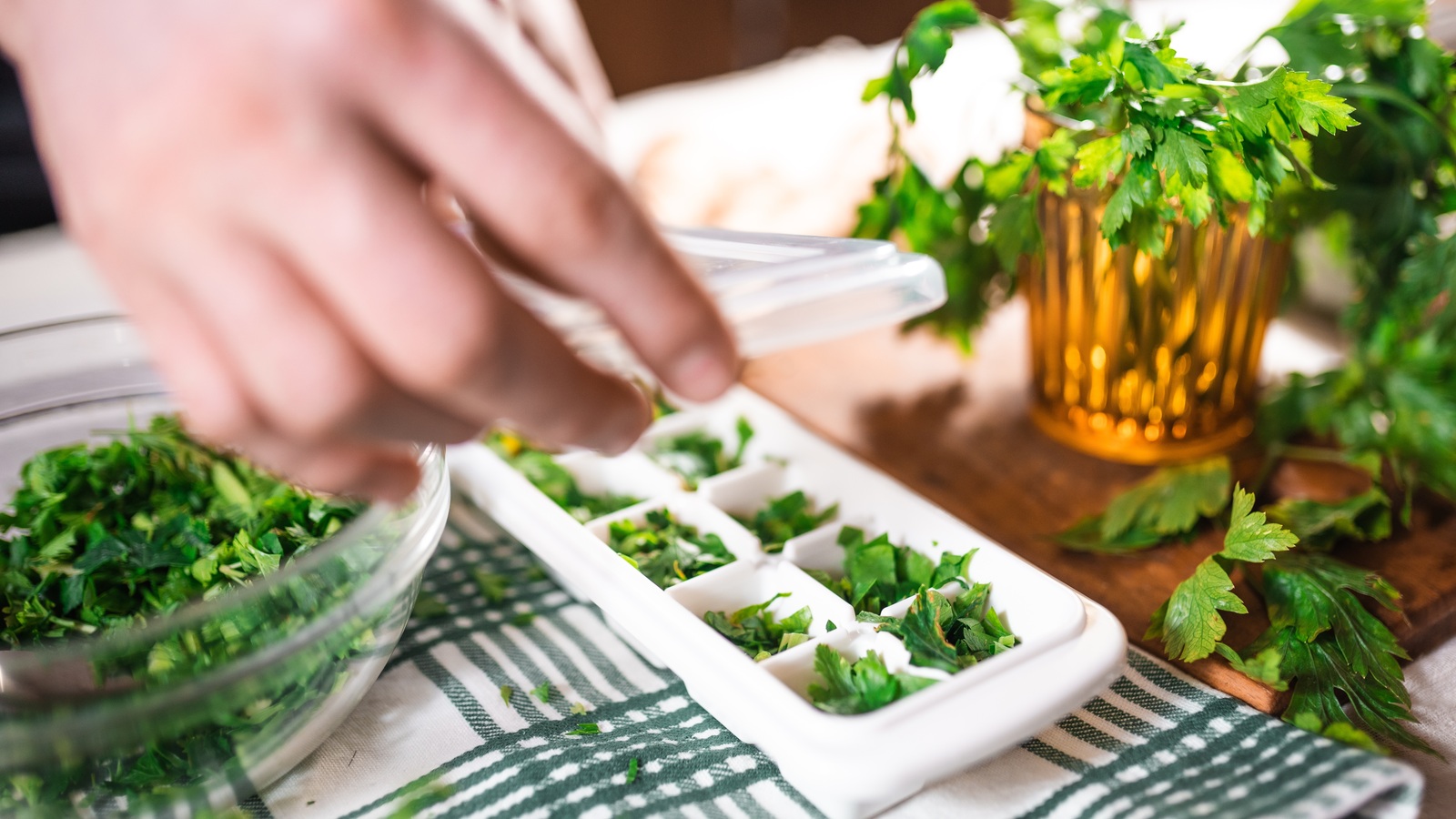
There’s no single best method for everything in a herb garden. The most useful question is whether you want loose leaves to shake into a recipe, a little bundle of whole sprigs, or a measured portion for soup or a frying pan.
Basil: chopped in oil or frozen for cooked sauces
Basil is one of the herbs I would prioritize for little cooking portions. Chop the clean leaves and freeze them with a little oil for pesto-style mixtures or sauces, or use water if they’re destined for soup. The leaves can also be frozen individually on a tray, but they often darken and turn limp when thawed. Oil tends to help basil hold its color better than dry freezing. None of these methods will give you fresh-looking salad leaves in January.
Parsley, cilantro, dill, and chives: loose or measured portions
Flat-leaf parsley and cilantro are especially handy chopped and frozen loose, because you can shake a little into a sauce without having to melt a whole cube. Water cubes work just as well if you usually use them in soup, rice, or stews. Keep the types separate unless you deliberately want a cooking blend.
Chop chives before freezing. Long hollow leaves break and clump more awkwardly once frozen, and chopped chives are easier to use by the teaspoon. Dill can be chopped into cubes or frozen in small bundles on its stems; its fronds will soften, but they’ll still season cooked fish, potatoes, and sauces. Tarragon is another good candidate for small, tightly packed portions when you have more than you’ll use fresh.
Rosemary, thyme, oregano, and sage: keep some sprigs whole
For rosemary and thyme, freezing small sprigs is often less work than stripping dozens of little leaves while they’re fresh. Wrap a few stems together or freeze them on a tray, then package them well. You can lift out a sprig for a roast or a pot of beans and remove the woody stem before serving. Sage leaves can be frozen whole, while oregano is useful either as loose leaves or in cooking cubes.
These tougher herbs also dry well. If your freezer is already full, you may be better off drying some of them instead of devoting half a drawer to rosemary. That’s a different job from preserving herbs for tea, where the choice of plant and the way it’s dried matter more; I have a separate method for drying homegrown herbs for tea.
Mint and lemon balm: think about hot drinks and cooked recipes
Mint and lemon balm can be frozen as leaves, but I’d also make water cubes if you’re planning to use them in hot tea, a fruit compote, or a cooked syrup. A cube of mint leaves in a glass of cold water will add flavor as it melts, but the leaves won’t stay as pretty as freshly picked ones. For a summer drink where appearance matters, fresh leaves are still the better choice.
Freeze loose leaves and sprigs without making one big clump
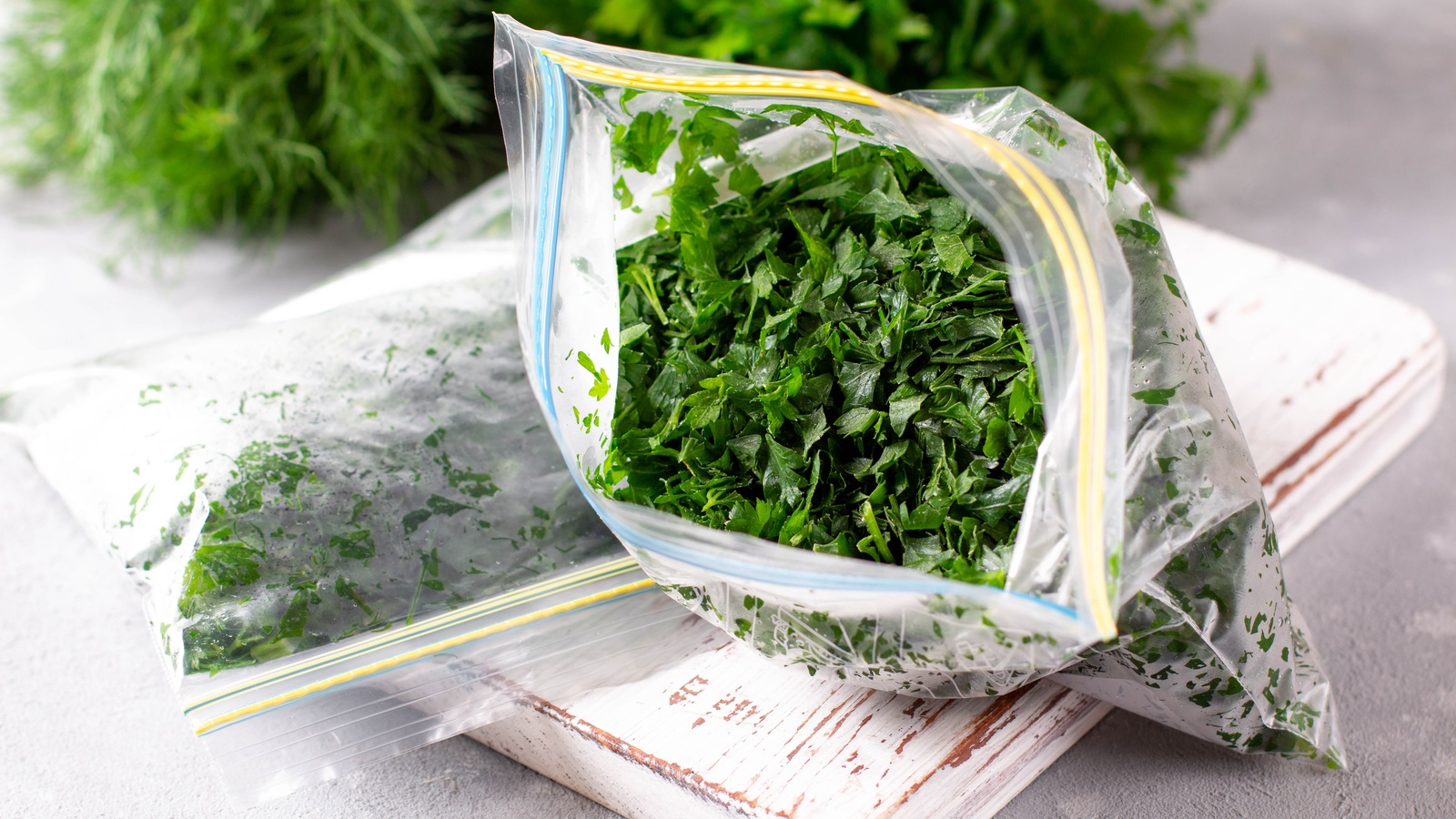
For the herbs you want to grab by the handful or pinch, use the tray method. Strip tender leaves from any coarse stems, leave small rosemary or thyme sprigs intact if you prefer, and chop long chives or lemongrass into useful lengths. Spread everything in a single layer on a parchment-lined baking sheet or shallow freezer tray. Keep the layer thin rather than heaping wet leaves in the center.
Freeze until the leaves are firm, usually around one to two hours depending on their size and your freezer. Then quickly transfer them into a freezer-grade bag or airtight container, press out excess air, and label it with the herb and date. Tray-freezing herbs separately before packaging makes it easier to remove a portion later. Don’t leave delicate leaves sitting uncovered in the freezer for days.
If you only have a couple of sprigs of thyme, there’s no need to dirty a whole baking sheet. Wrap them snugly, bag them, and freeze them together. The point of spreading herbs out is to make larger batches manageable, not to turn an easy preservation job into an elaborate production.
Make water cubes for soups, stocks, and stews
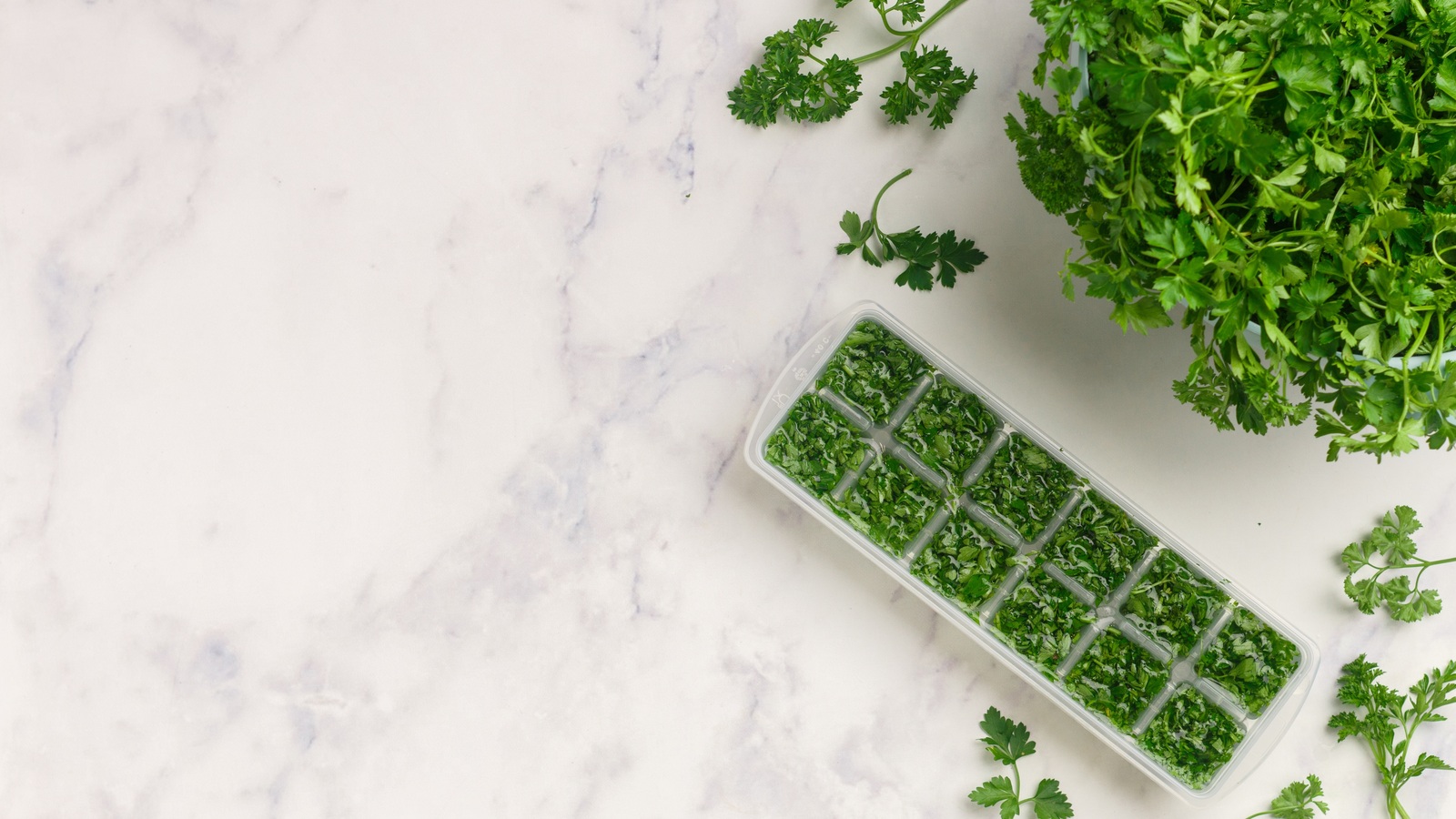
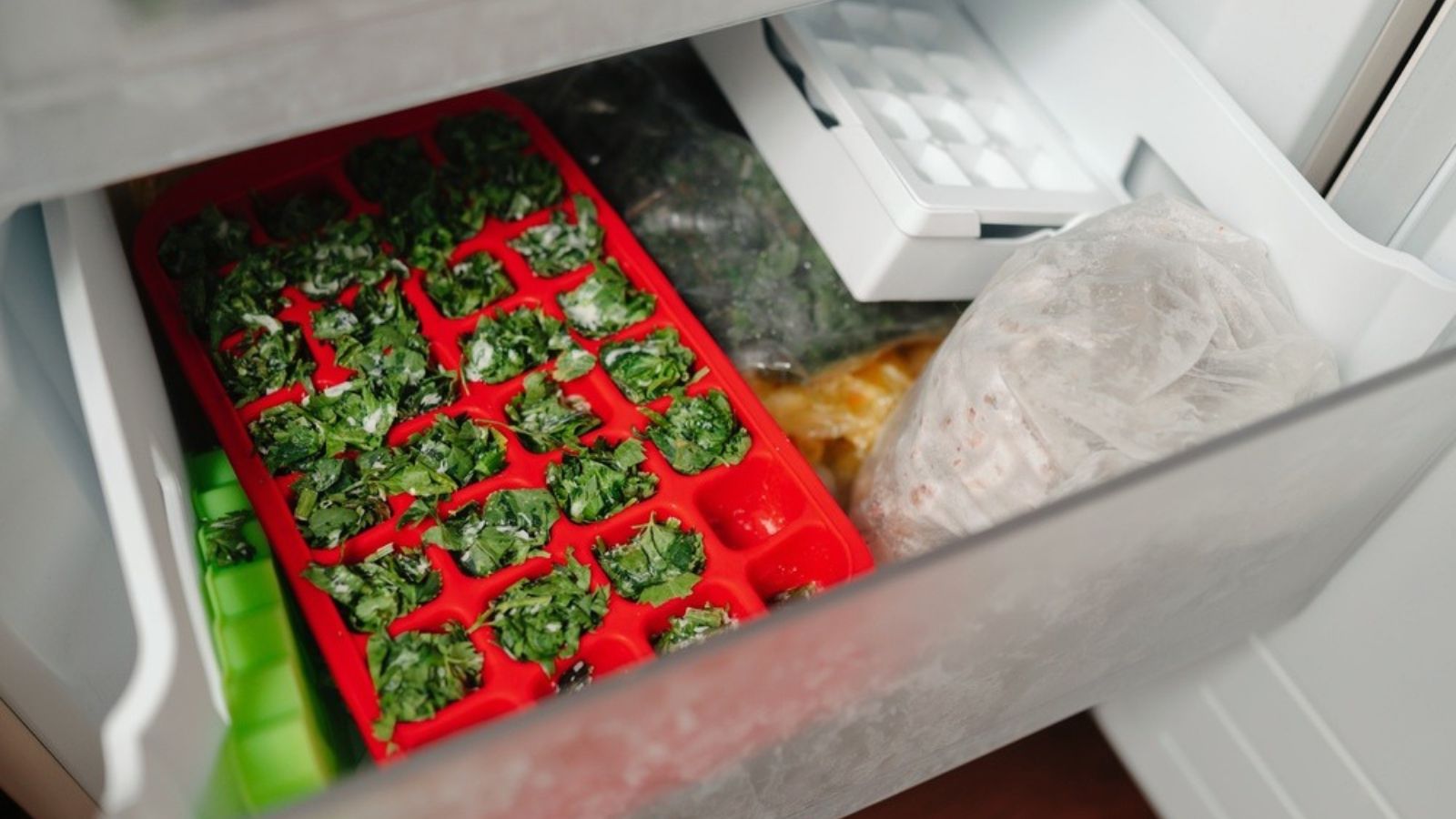
Water cubes are ideal when a little extra liquid won’t matter. Finely chop the herbs as you would for cooking. Put about one tablespoon into a small ice-cube compartment, add water to cover the leaves partway, and freeze. Once that first layer has hardened, top up with a little more water to hold the floating leaves inside the cube, then freeze again. A tablespoon of herbs per ice-cube compartment is a useful starting quantity.
Pop the solid cubes out into labeled freezer bags. Don’t leave them in an open tray where they’ll pick up freezer smells. If your molds are enormous, choose smaller ones or put just a teaspoon of herb into each compartment. What matters is knowing what’s in a cube. Mark the bag ‘parsley, 1 tbsp per cube’ or ‘chives, 1 tsp per cube,’ not merely ‘green herbs.’
Drop a frozen parsley cube into soup, a cilantro cube into a simmering bean dish, or a mint cube into water for tea. Remember that water cubes contribute their own liquid to the dish. That’s usually irrelevant in a big pot of stew but less helpful when you’re trying to season a small amount of butter or a dry pan sauce.
Use oil for herbs destined for a pan, but freeze it immediately
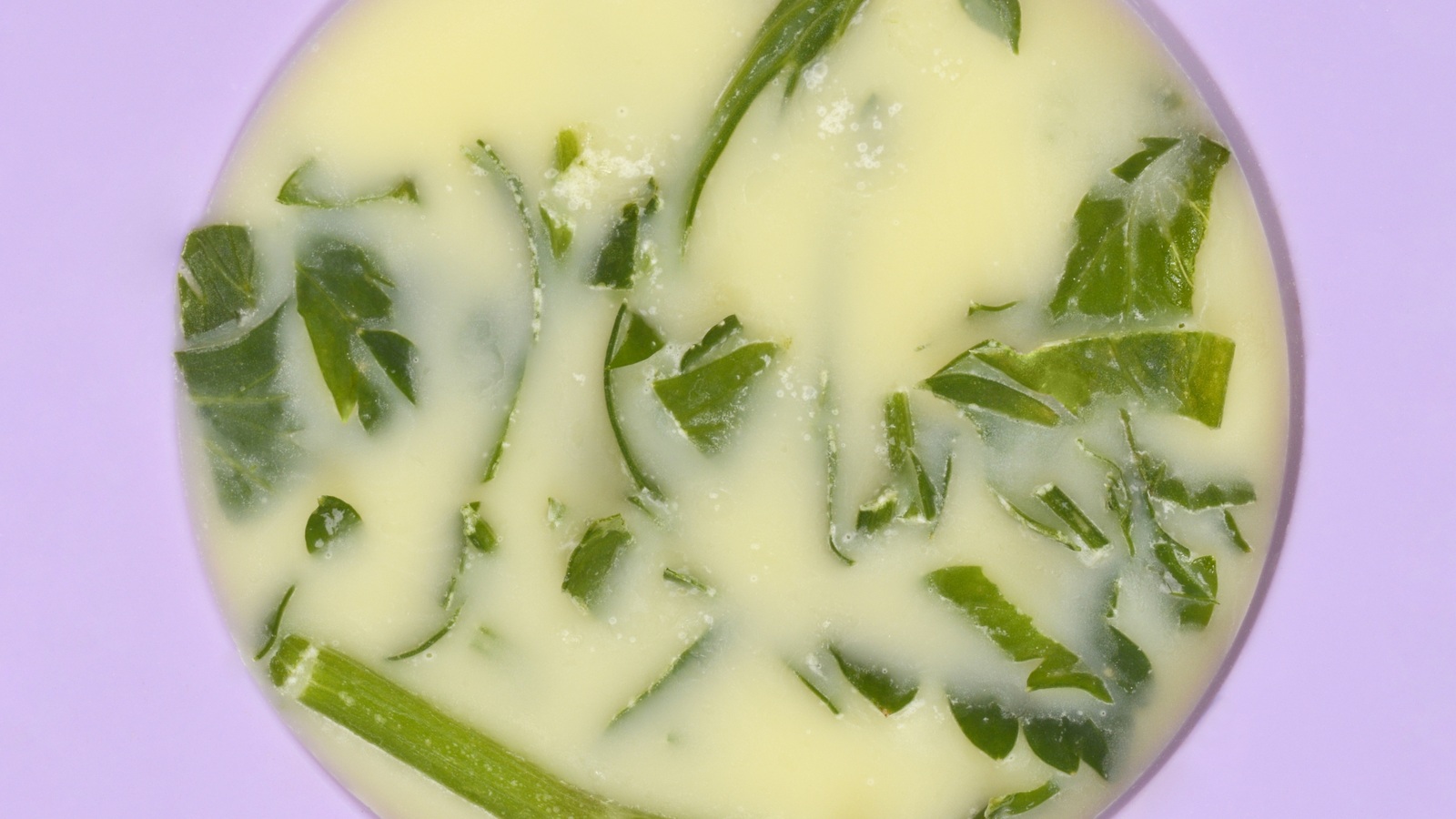
For basil, oregano, rosemary, or a blend you often cook in oil, make small herb-and-oil portions. Chop the leaves and mix them with a little olive or neutral oil before spooning the mixture into a silicone ice-cube tray. For a larger harvest, about 1/3 to 1/2 cup oil per 2 cups of chopped herbs is a workable starting point. You can scale that right down for a few cooking portions. You don’t need a tray full of oil with a lonely basil leaf floating in the middle. A fairly herb-heavy mixture gives you more flavor and makes each portion easier to use.
Another option is to spread the chopped herb-and-oil mixture in a thin, even layer inside a freezer bag, press the excess air out, and freeze it flat on a plate. Small pieces can then be broken from the frozen sheet, which is particularly handy if one cooking task needs a teaspoon and another needs two tablespoons. Because of the oil, the mixture may remain softer than a solid water cube.
There is a food-safety rule you mustn’t skip. Fresh herbs in oil create a low-oxygen mixture that can support the bacteria responsible for botulism if stored incorrectly. Freeze homemade herb-in-oil mixtures promptly for long-term storage; do not leave them on the counter or keep them in the pantry. If you refrigerate a freshly made mixture instead, the general guidance is to use it within four days. The freezer method is the one to choose for a winter supply, and the cubes should stay frozen until you use them.
Use frozen herbs straight from the freezer
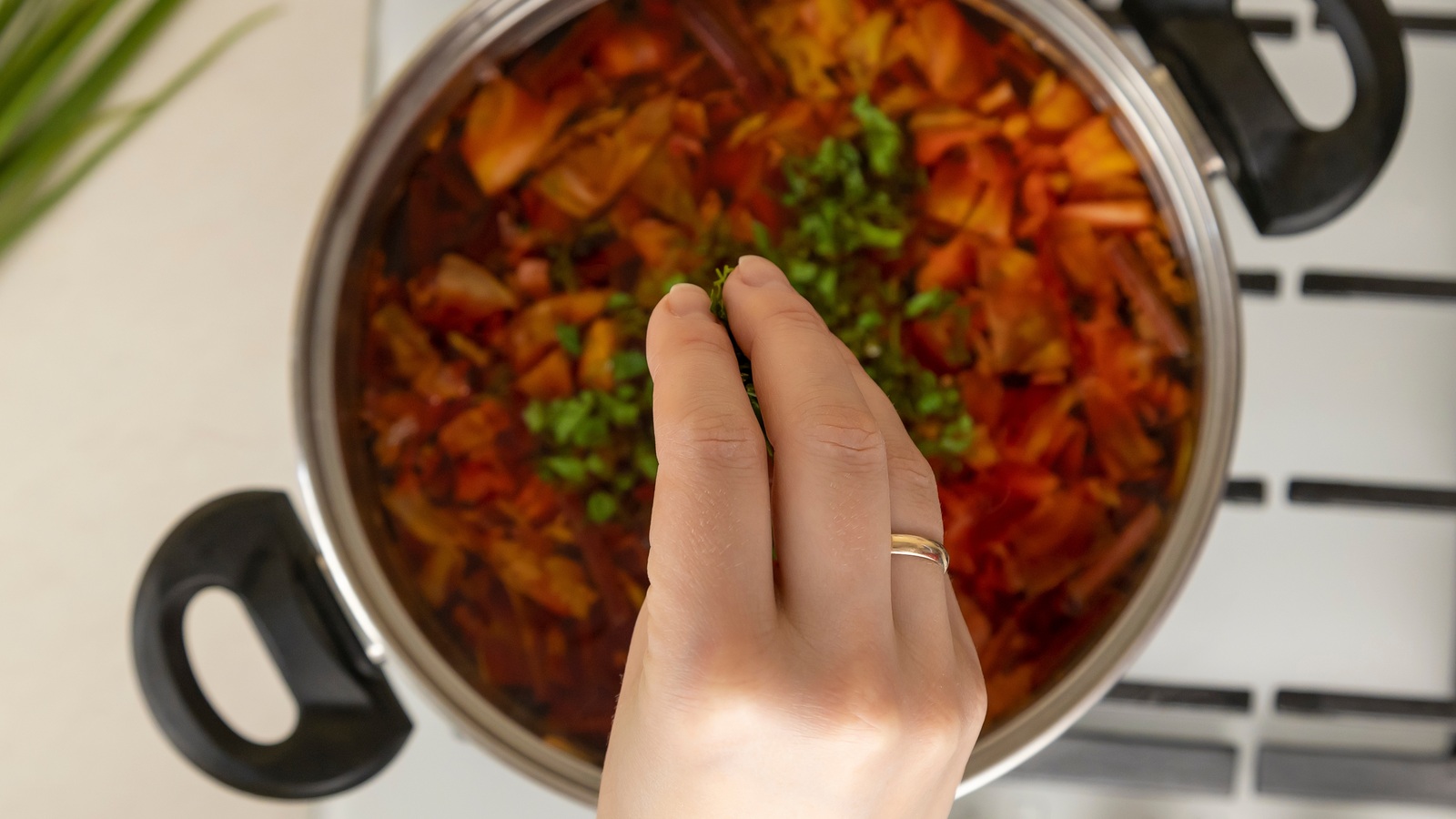
The easiest way is usually not to thaw them at all. Add loose leaves or a water cube directly to a hot soup, stew, tomato sauce, curry, or casserole. Drop an oil portion into the pan as you start cooking, accounting for the oil already in it. For long-cooking dishes, rosemary and thyme can go in earlier; parsley, dill, chives, and basil are often better added later so their flavor isn’t cooked away.
Frozen herbs are generally suitable in the same quantity as fresh herbs, but the taste of your batch and how finely you chopped it will make a difference. Start with the amount you’d normally use, then taste. If a recipe needs a few tablespoons of chopped fresh parsley, reach for the equivalent measured frozen portion rather than guessing how much an enormous ice cube contains.
Frozen herbs won’t behave like fresh garnishes. Ice crystals damage the leaf cells, leaving them limp, dark, or watery after thawing. That doesn’t mean the flavor has vanished, but it does mean you won’t get the crisp texture of raw chives on a salad or the clean appearance of a basil leaf on a pizza. For fresh dishes, you’re often better off using a different seasoning or keeping a small live plant indoors.
How long will frozen herbs stay good?
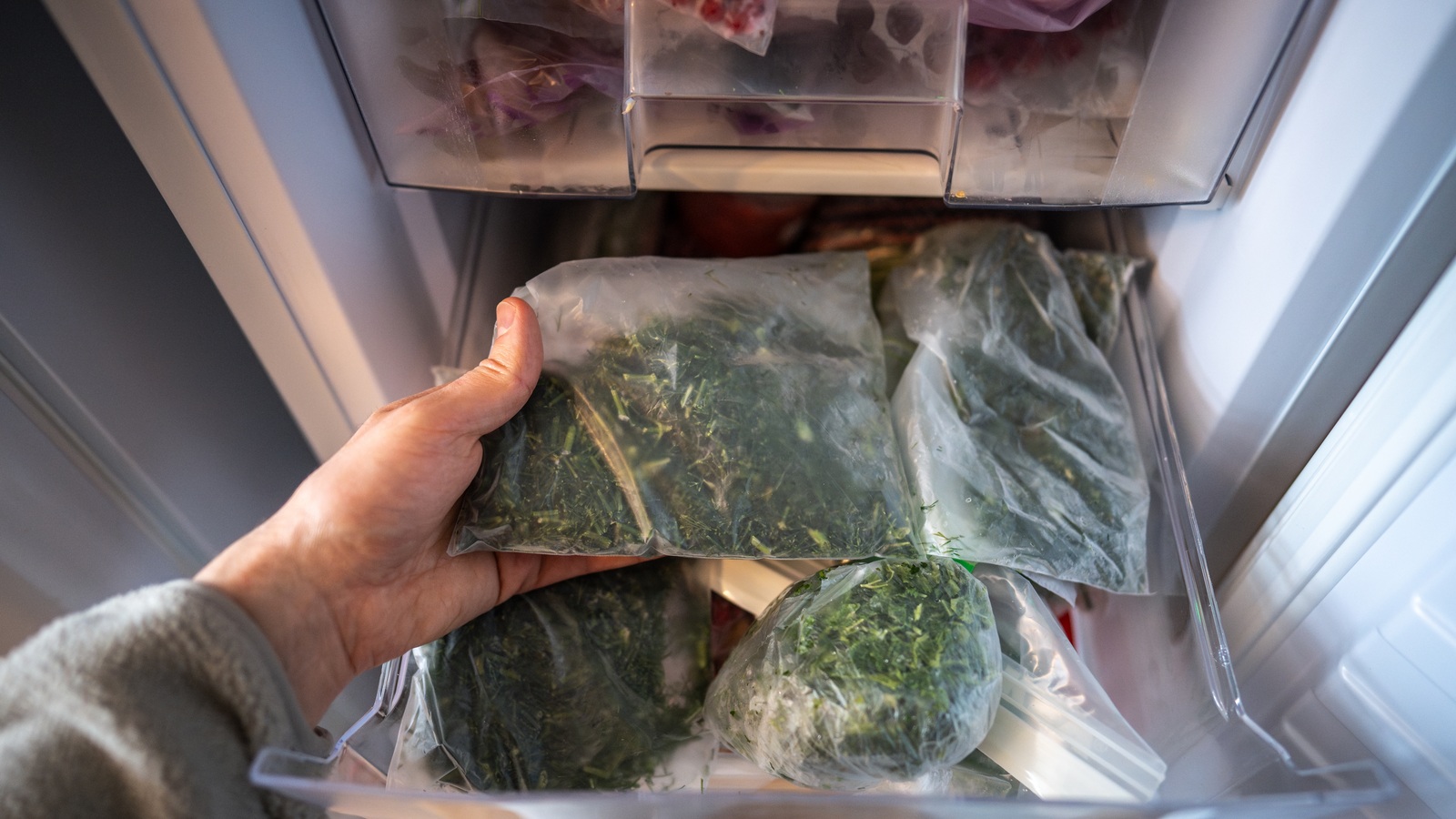
For the best flavor, aim to use your frozen herbs within roughly three to six months. Some university food-preservation guidance suggests using them within six months for quality. Keep them well wrapped in a freezer at 0°F (-18°C) or colder. That’s a quality target rather than a claim that an herb becomes unsafe on a particular date. Properly frozen food can remain safe much longer, but herbs lose aroma and become freezer-burned if they sit around unprotected.
Strong-smelling herbs such as rosemary and mint can pass their smell to other freezer foods, so use genuinely airtight packaging or an extra layer around particularly pungent batches. Store the newest portions behind the older ones. And take what you need quickly rather than allowing the bag to warm up on the worktop and then freezing everything together again.
A few mistakes that aren’t worth repeating
Don’t freeze visibly frost-blackened or decaying leaves and expect them to recover. Don’t pack freshly washed, dripping herbs into a bag. Don’t make giant cubes if the recipes you cook only need a pinch. Don’t label everything ‘mixed herbs’ unless you’ve actually made a blend you’ll recognize and want.
And don’t feel you have to freeze every single sprig. Some herbs are more practical dried, some hardy plants can be picked through part of winter, and some leafy herbs are worth growing indoors in small quantities. I would sooner have six clearly labeled, useful portions of basil than a whole freezer shelf of herbs that nobody ever cooks with.
Before the next frost, check what still looks healthy, harvest the tender herbs first, and portion them for meals you know you’ll make. A little thought while the leaves are fresh saves a surprising amount of fiddling around when you’re standing at the stove in January.