Affiliate disclosure: This post may contain affiliate links. Please see full disclosure.

An easy way to brighten up any outdoor space is with a flowerbed full of your favorite plants and blooms. But if you’re a novice gardener and don’t want to pay for a landscaper, where do you start? You need an easy flowerbed that brings color and beauty to your garden.
Fear, not my green-fingered friends, we’ve dug the internet thoroughly for the best flowerbed ideas for any garden. Whether you have acres of space or just a few feet to play with, we have the perfect flower bed for you.
All of the ideas on this list are easy flowerbeds that don’t require a lot of experience. But to make it as simple as possible for you, we’ve included a handy guide for making a flowerbed, so you can dive (or dig) right in.
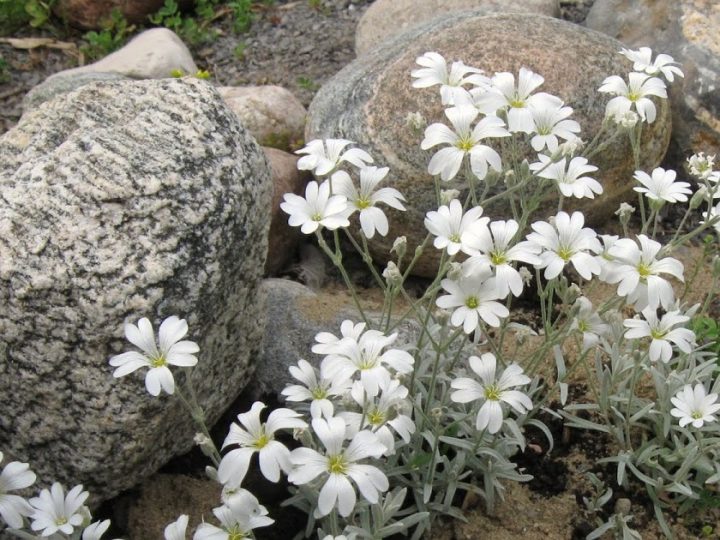
River rocks are a stunning addition to your garden with their wide variety of colors, plus they are cheap and easy to work with. Using your river rocks, create a dry creek, then plant ornamental grasses and shrubs along the border. For an extra pop of color choose grasses in various shades of purple, blue, and green. Remember hardy grasses have the added benefit of being easy to care for.
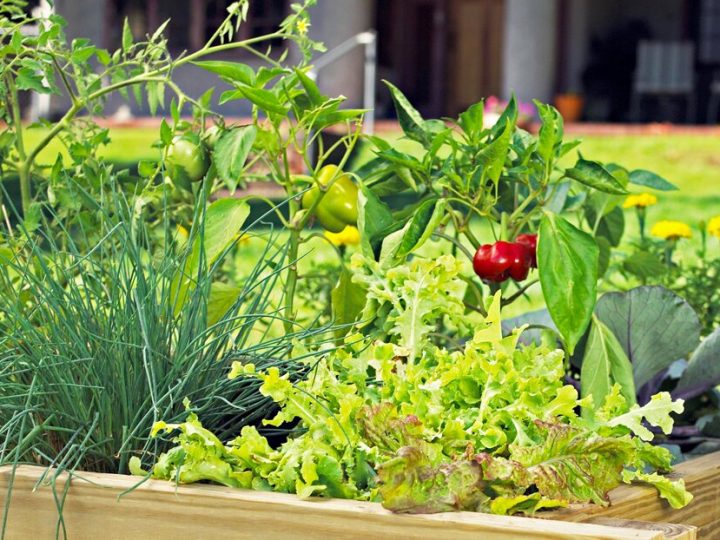
There is no need to pay a gardener to build a raised garden bed for you. This raised bed is done in a few simple steps and solves several garden problems, such as hard or poor soil, having fewer weeds to deal with, and the ability to plant earlier in spring. All you need for this raised flowerbed is a few wooden boards, the usual tools, and a free afternoon.
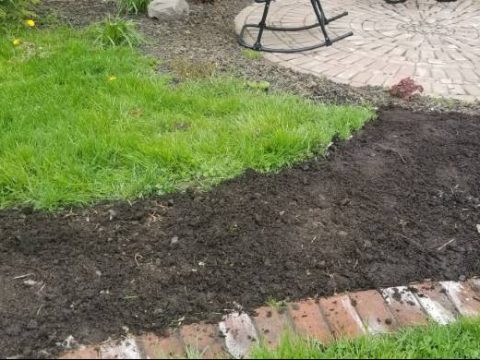
Some gardeners believe that digging the soil destroys its structure. You can build an easy no dig flower border by adding a few inches of compost on top of the soil and planting your seeds or seedlings with a dibber. The same principle applies to a no-dig vegetable bed or border, and the ‘no-dig’ method is believed to result in beds with fewer weeds and a better yield of vegetables.

Whether you’re short on space or have a large garden, you can create a colorful and interesting feature with a vertical flower tower. There are so many different variations, with the opportunity of upcycling what you may usually throw away. You could repurpose pallets, an old filing cabinet, step ladders, stacked plant pots, and so much more. Just remember with whatever you use, you have the proper drainage.
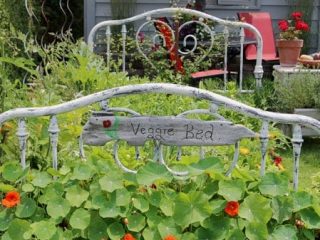
Next time you come across an old bed frame at a yard sale, don’t walk past, get it for a good price, and take it home for your garden. Secure the bed frame in your flowerbed and plant your favorite flowers, herbs, or vegetables between the head and footboard. I think tulips and hydrangeas will look so pretty, especially if you add some climbing plants - like honeysuckle or jasmine on the frame itself.

If you like to sit and enjoy the quiet peaceful atmosphere of your outside space at night, you’re sure to enjoy a moonlight flowerbed. Choose plants with light blooms that open at night to reflect the moonlight, creating a magical ethereal glow. Good examples are the aptly-named moonflower, night-blooming jasmine, mock orange, and sweet autumn clematis. Add the silvery hues of artemisia and blue fescue to add an extra dimension.
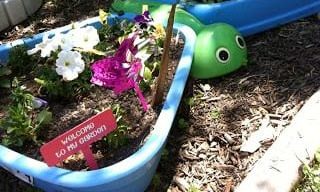
If you’re on a budget, so many great flowerbeds can be created by repurposing old items and giving them a new lease of life in your garden, in this case, a forgotten kiddie pool. All it needs is a few holes for drainage, some planting soil, and your favorite flowers and you’ll have many more years of enjoyment from what would have been trash.
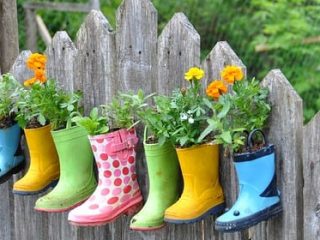
Talking of things the kids don’t use anymore if you have any old wellies that no longer fit, they can make a great hanging flowerbed with very little work. A few holes in the bottom of each boot and a string to hang them from your fence or wall and you have a colorful and unique hanging flowerbed. Ideal if you have a small garden and want to brighten it up.

For a rustic and natural look that will add a punch of color to your garden, as well as attract pollinators, choose wildflowers. They add a lovely texture to your beds and borders and are low maintenance when compared to other flowering plants. You’ll have no trouble finding a drought-tolerant wildflower seed mix from your local nursery that you simply sprinkle into your flower bed.
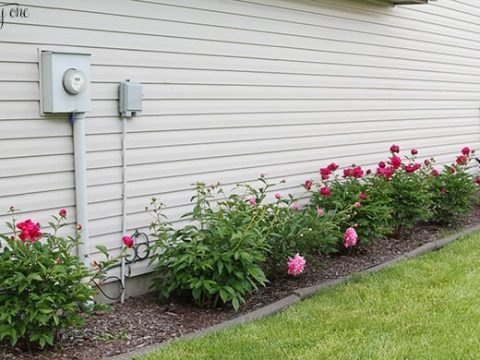
Peonies are easy to grow, do particularly well in colder climates, and love full sun, so when considering your flowerbed, try to make sure it’s south-facing unless you live in a warmer climate. Plant in the fall and the following spring you will have vibrant pink blooms.
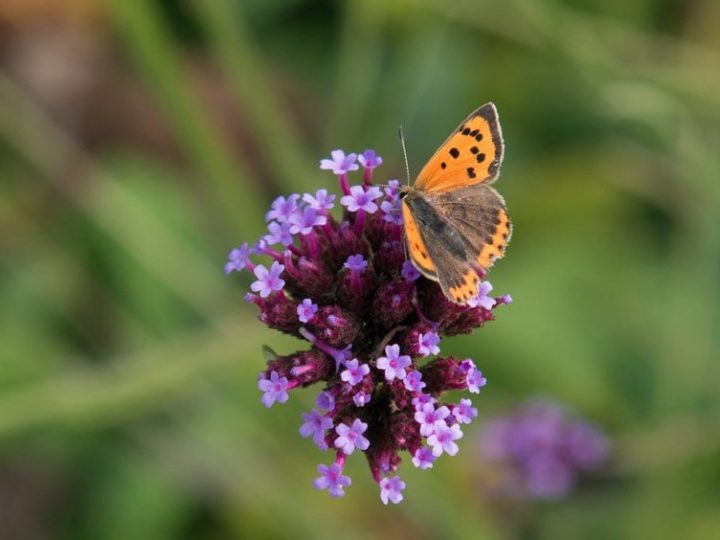
If you have some sunny space in your garden or communal space, why not invite butterflies - an important pollinator - over with a colorful flowerbed. Butterflies love the nectar of seasonal perennials such as primroses, forget-me-knot, cornflower, and asters, while wildflowers and grasses are the perfect environments for eggs and larvae.
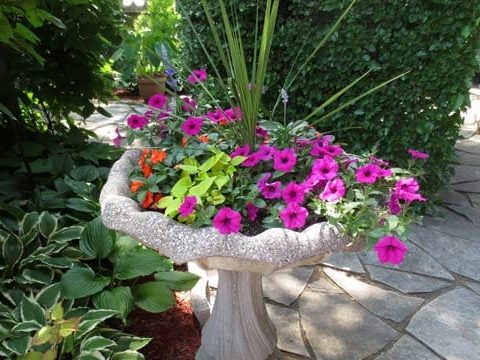
Have a birdbath that’s cracked and no longer holds water? It will make the perfect decorative flowerbed. If there is significant cracking you can plant straight into the bowl or if not, you can insert containers to ensure proper drainage. Flowering annuals and succulents are good choices, as are vines, which will look better and better the longer they grow.
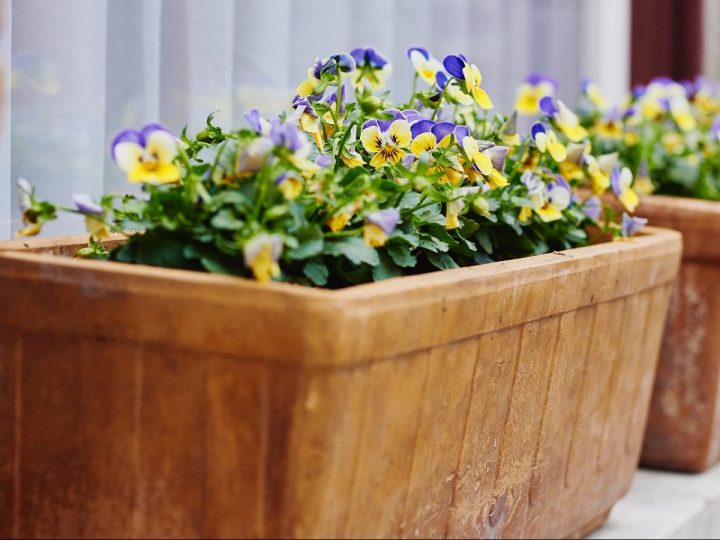
A window box flower garden is a great way to grow delicate trailing flowers - such as petunias, the tropical red chenille plant, and black-eyed Susan vines - that are vulnerable to insect pests and mud splatter on the ground. You could pop a few edibles in there too for handy herbs whenever you need them.
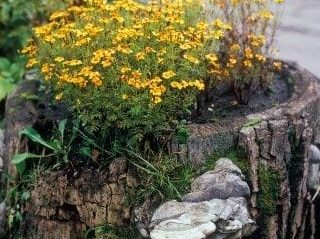
Have an old tree stump in your yard that is too hard to dig out? Why not make the best of it and turn it into a flowerbed? It’s super simple to do, even for gardening beginners and the choice of flowers is entirely up to you.
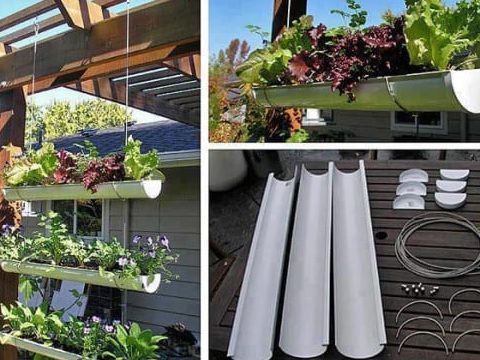
If you have a small garden make use of the vertical space with this hanging gutter flower garden. It’s a great little DIY project and the result is very effective. Just don’t forget to drill plenty of holes for drainage and choose plants with a shallow root system, such as periwinkle, barrenwort, or English ivy, if you want a lovely trailing effect.
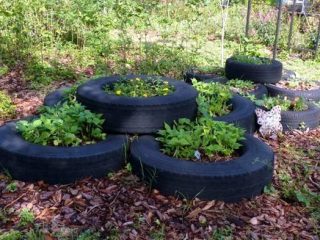
If you have some old tires at hand, building a fun and effective tire flower bed is easy. Simply stack your tires in your desired configuration, fill with soil and add some plants, just not edible ones as trace chemicals from the tires may leak into the soil. No drainage is needed, but it may dry out quicker than a garden bed, so don’t forget to water regularly.
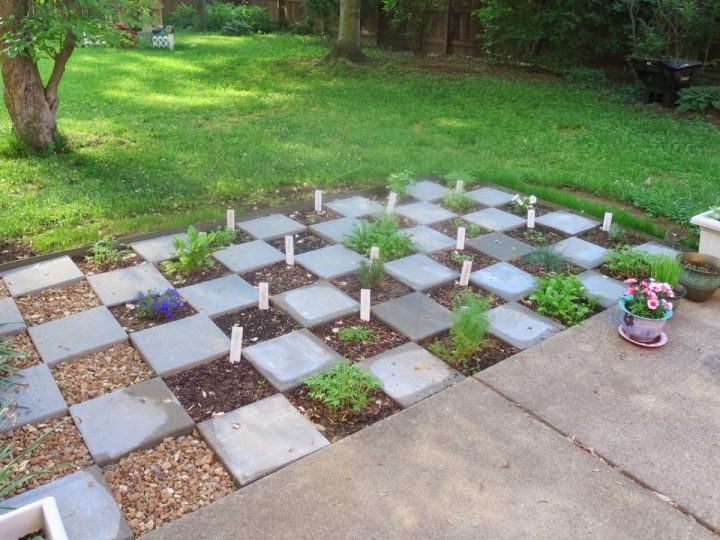
Have a few paving slabs leftover and not sure what to do with them? Why not create a pretty checkerboard herb garden. Either plant from seed, seedlings, or mature plants, using a single square for a single herb or family of herbs. It may take a little work to start with, but you’ll end up with a beautifully fragrant space and some fresh ingredients to perk up your meals.
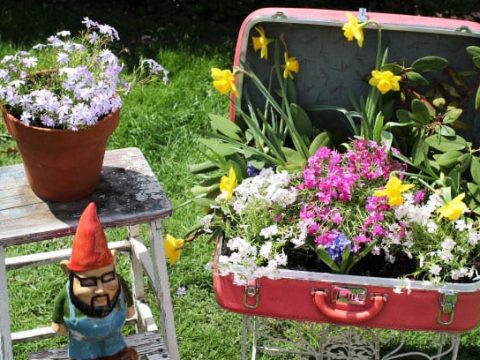
If you have no outside green space, you can still brighten up your paved space with a charming vintage suitcase flowerbed. You can pick up a vintage suitcase for just a few dollars and turn it into a flowerbed by drilling a few holes for drainage, adding some soil, and planting your favorite flowers. I love the tall daffodils sprouting out of the suitcase.

While not technically a flower bed, if you have some old bricks or concrete blocks lying around, you can easily create your own raised bed vegetable garden. You’re using up minimal space, while still growing something useful. Start with the easy to grow salad leaves, radishes, or spring onions or whatever else you fancy. This raised garden will work just as well with your favorite flowers and herbs too.

An easy way to bring a little extra color and life to your garden is to create a small flowerbed around an existing tree. It doesn’t require much work and if you plant bulbs such as daffodils, you can enjoy your tree flowerbed every spring. Your tree may not have yet burst into life, but your bed around it certainly will.
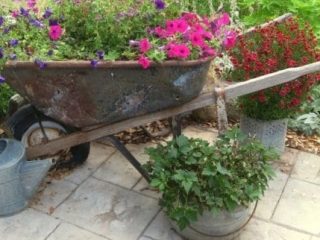
Don’t throw away that wheelbarrow with the broken wheel, give it a second life as a stunning and unusual flowerbed. Colorful blooms spilling over the edges of a rustic and industrial wheelbarrow is the perfect juxtaposition, but you could also use succulents or even create an unusual herb garden. If you don’t have a wheelbarrow to hand, you’ll have no problem finding one cheaply at a flea market.
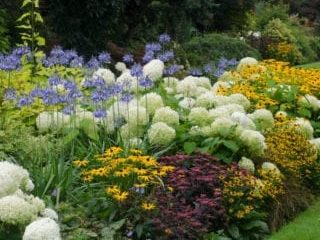
A mounded flowerbed offers improved drainage, a deeper volume of loosened soil, and warmer soil in early spring. Plus, they are relatively easy to install. Mounded flowerbeds work well with hardy plants like hostas and decorative plants. I just love all the beautiful shades of green.
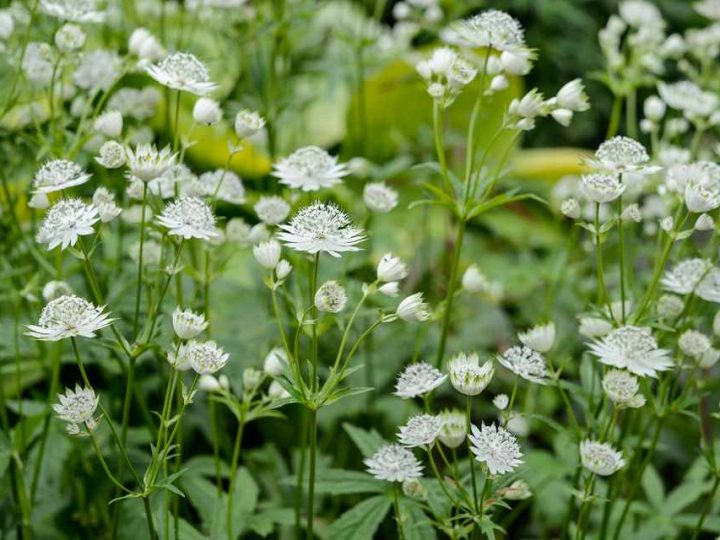
You might think it’s impossible to grow a pretty flowerbed in a shady garden, but that’s not true. Utilize the shady spaces along fences and buildings as shade garden flowerbeds. The key is choosing plants that love the shade, such as ferns, hostas, bellflower, and snowdrops.

Roses are a fine addition to any garden. Not only are they beautiful, but they are extremely versatile, growing well in containers, borders, and beds. To create a flowerbed that fills your garden with a wonderful perfume choose the heritage, generous gardener, Emily Bronte, and Silas Marner varieties of rose.
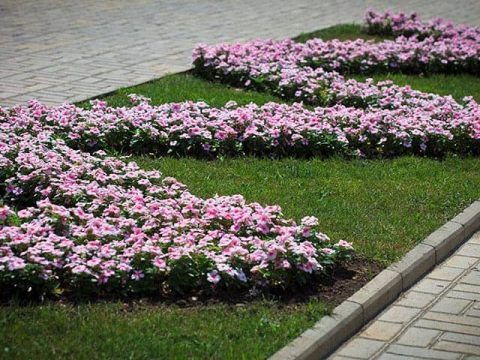
I’m not suggesting going for an intricate floral design, sometimes the simplest patterns of flowers can have the biggest impact. Make some edging or a section of your lawn more interesting with this simple zig-zag design. By creating an unusual shape with the bed itself, you don’t have to worry about where to plant what. Just sprinkle the seeds and wait for the magic to happen.
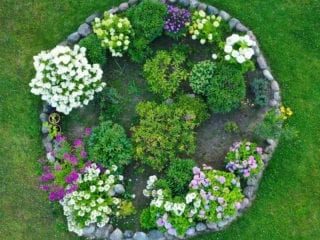
It’s the symmetry of a circular flower bed that makes the simple design so appealing, but how do you create the perfect circle shape? It’s rather simple. Drive a large dowel or something similar into the ground where you want the center of your bed to be and attach a string half the length of the diameter. Pull the string taught and guide it in a circular path, marking the ground as you go.
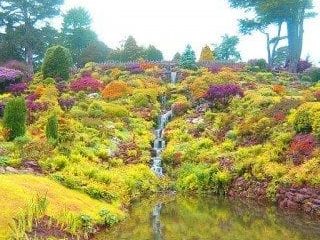
Monochromatic flowerbeds make use of a single color to create a stunning display. Add extra interest by using a variety of shades, textures, and flower size. For example, a yellow monochromatic garden can include the pale yellow primrose and cowslips, and the vibrant gold of forsythia and marigolds.
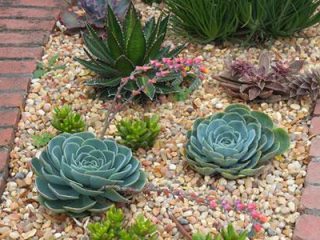
Perfect for warmer climates, succulents can make a beautiful and varied flowerbed that requires very little attention. Layer with rocks, bricks, wood chips, and whatever else you like, to create a stunning flower bed that is surprisingly low maintenance.
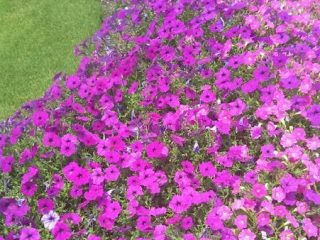
A gradual change of color from light to dark in a flowerbed creates an impactful focal point. One option is to layer varied purple hues of the same flower (in this case dianthus) to create a smooth blend in your flower bed. Or you could use similar shades of flowers of different species to create lots of texture, such as pink tulips, pansies, and rose campion.
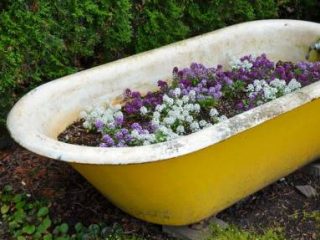
What could make a better raised garden bed than an old vintage bath? Not only do they have a great shape, but drainage is already built-in thanks to a handy plughole. A vintage bathtub will add a touch of charm to your outdoor space and we love how the bright yellow of this tub contrasts with the varied shades of purple blooms.
How to Make a Flowerbed
You’re sure to have been inspired by some of the stunning flowerbeds from the list above, so now it’s time to take that inspiration into your outside space. But hold on a minute! Although all of our flowerbed ideas are easy, it isn’t as simple as just going outside and digging a hole.
There are several things to consider when making a flowerbed.
Where Should You Put Your Flowerbed?
Before starting your flowerbed, you need to do a little planning. Take a look around your outside space and note the available light, nearby structures, and if any utility lines are running under where you’re planning on digging.
You may also want to locate the nearest water source for ease of watering.
The quality of the soil is also important, so at the very least you should test your soil’s pH. If the pH isn’t in the correct range, your new flowers won’t be able to take up nutrients from the soil.
There are many reliable soil pH testing kits available – these strips are accurate and good value – but there is an easy way you can test it at home:
- Add 2 tbsp of soil to a ¼ cup of vinegar, if you get fizzing you have alkaline soil – counteract this with ground sulfur.
- Add 2 tbsp of soil moistened with distilled water to ½ cup of baking soda, if it fizzes you have acidic soil – counteract this with finely ground limestone.
- If there is no reaction to either, you have neutral soil, which is best for microbial activity and for plants to absorb nutrients.
Special Note!
This DIY pH test cannot tell you with any accuracy how acidic or alkaline your soil is, it can only tell you if it is/is not. Some plants benefit from acidic soil and others prefer an alkaline environment.
So, given how inexpensive the strips are, I’d strongly advise you to use those instead to see if you really do need to make any significant soil amendments.
You can further improve the quality of your soil by adding plenty of organic matter in the form of compost, which helps aeration and drainage in heavy soils and conserves essential moisture in lighter soil. See our ultimate guide to organic gardening for detailed compost and soil management information.
What Type Of Flowerbed Should You Make?
There are several types of flowerbeds to choose from, so there will be one to suit your outdoor space.
Raised Flowerbed
A raised bed is one that is built up from the ground and is a good choice if your soil is difficult to dig or of poor quality. Plus there are the added benefits of having soil warm enough for planting earlier in the spring, fewer weeds, better drainage, and cutting down on wear and tear on your knees and back.
You could construct your own raised bed relatively easily with simple materials, such as stone, brick, timber, or reclaimed railway sleepers. Fill your raised bed with a drainage material base (such as gravel) if needed, and enriched soil suited to the flowers you wish to grow.
If you’re not confident in making your own raised bed, there is a huge selection of raised bed kits that make the whole process so easy. Amazon has a fantastic selection, including multi-tiered kits, ones with legs, self-watering styles, and more.
In-Ground Flowerbed
An in-ground flowerbed is exactly what it sounds like, a bed dug directly into the ground. They tend to be the better option if you live in a hot and dry climate and have decent soil quality and structure.
Benefits of an in-ground flowerbed include less cost and labor, less watering, and more natural insulation for your soil. However, you should be aware that with an in-ground bed, it takes longer to build high-quality soil, you’ll have more weeds initially, and may experience soil compaction or lack of nutrients, which may harm your plants.
But this can be remedied with proper soil management. See our organic gardening guide for more info on soil management and amendment.
Mounded Flowerbed
A mounded flowerbed is just a raised bed without a frame. Without a frame, the soil tends to have better drainage, and there is a deeper volume of loosened soil for roots to explore and expand. You also cut back on costs by not having to buy a frame and you avoid the potential toxicity of the framing materials.
Mounded beds tend not to last as long as framed raised beds. Over time the mounded soil tends to erode and sink back to ground level. Plus, they usually take up more space than framed beds for an equivalent growing space.
Other Types of Garden Beds
- Tower Flowerbed – Essentially a vertical garden – either free-standing or wall-mounted – a flower tower can be made with a pre-built kit like this Mr Stacky 5-tier planter, or made by repurposing materials such as wooden palettes or stacked flower pots.
- Hanging Flowerbed – Such as hanging baskets and window boxes, which work well in small spaces and plants with shallow root systems.
- Border Flowerbed – Beds that sit against a backdrop such as a fence, house, or walkway.
What Size and Shape Should Your Flowerbed Be?
It’s all about working with your outside space to find the best position, shape, and size of your flowerbed. Play around with the design by sketching out your flowerbed with spray paint or flour to help you visualize how it might look.
Don’t forget about edging, which is great for defining your flowerbed so it stands out. You can use any leftover materials such as old bricks, paving slabs, or wooden boards from a palette. Or you can use pre-made edging that’s constructed from plastic, wood, or wire, just make sure you measure twice before you buy or make any cuts.
Preparing to Make a No-Dig Flowerbed
Most people prefer the ‘no-dig’ approach when creating a flowerbed as it’s an easier and less labor-intensive option.
As with the ‘dig’ method, the no-dig method starts with eliminating the grass. It’s best to start the process in autumn as the grass begins to go dormant, ready for planting the next spring. Follow these simple step-by-step instructions for the perfect no-dig flowerbed.
- Mark the desired outline of your flowerbed on the grass and cover it with thick, clean cardboard, cut to your design.
- Saturate the cardboard (several layers of newspaper will also work) with water and top with four to six inches of good quality compost or rich topsoil.
- Cover the soil with a thick layer of organic mulch, such as straw, and leave for at least three months, which gives enough time for the grass to die off and enrich the soil.
- After three months, you’re ready to start your no-dig flowerbed.
- If you like, finish off your flowerbed with some edging, such as log or stone effect borders, or brick or tile edges, etc. Or you could try some quirky upcycling, such as using wood offcuts, old glass bottles, or even thrifted dinnerware. It’s a great way to add your unique personality to your flowerbed.
- Start planting.
TIP!
If you want to start your bed right away, add at least 8 inches of topsoil and plant your flowers. However, you will need to water the soil more in the first year and stick to plants with a shallow root system – such as lavender and rhododendron – during your first season.
Choosing the Right Plants for Your Garden Beds
You’ve chosen the type of bed you want, you’ve removed the grass, and you’ve got lovely enriched soil, it’s now time to choose your flowers.
Of course, it’s wise to choose flowers that thrive in your climate and the amount of sun exposure to your bed, but apart from that, pick the flowers you love. When you’re picking out seeds and bulbs, each one will come with information on when, where, and how to plant.
To create the most visually appealing flowerbed it is all about symmetry (unless you like the rustic meadow look, of course). If you have a border flowerbed, graduate from tall plants at the back to smaller ones at the front. If you have an island bed (a raised bed that doesn’t back onto anything) start with the tallest plants in the center and fan out to the edges with smaller flowers.
Don’t forget about trailing plants. While they are not suitable for in-ground flowerbeds, they look gorgeous trailing over the edges of raised flowerbeds, tower flowerbeds, and hanging flowerbeds. Here are a few of our favorites…
| Tall Plants | Medium Plants | Short Plants | Trailing Plants |
| – Sunflowers – Hollyhocks – Gladioli – Foxglove – Cosmos – Delphinium – Oriental Lily – Joe Pye Weeds | – Tulips – Daffodils – Black-Eyed Susans – English Lavender – Calendula – Yarrow – Echinacea | – Pansies – Nasturtium – Sweet Alyssum – Sedum – Baby’s Breath – Delosperma – Moss Rose | – Lobelia – Flower Amaranth – Clematis – Creeping Zinnia – Oxalis Versicolor |
What flowers you plant is really up to you. If you’re a fan of a certain color, choose flowers in different hues of that shade. If you want to attract pollinators to your garden, plant flower varieties that bees and butterflies are known to love, such as snapdragon, milkweed, lavender, and marigold. If you like to decorate your home with flowers, choose ones that you can cut and bring indoors.
Or if you want to enjoy your garden at night, consider a moon garden, which consists entirely of white and silver flowers that beautifully reflect the moonlight.
Don’t Forget To Plan
So there you have it, all you need to know about creating your flowerbed to bring some character and life to your outside space. Just remember to carefully plan and prepare.
- Check the quality of your soil
- Check levels of sunlight
- Sketch out your designs
- Measure everything twice
- Choose plants suited to your environment
That being said, don’t be afraid to experiment with bold flower choices, vibrant colors, and some unusual edging. Look for interesting containers and materials at the thrift store or at yard sales that could be made into a unique planter that shows off your personality. Your outside space should reflect you and be something you enjoy looking at. Have fun with it…and don’t forget to water now and then.
For a flowerbed to be successful, it’s all about the soil to start with. You want the pH of the soil to be between 5.5 – 7 and to be enriched with organic material. So, when preparing the ground for your flowerbed take care of the soil and your flowers will thank you.
If you’re new to gardening, it can be difficult to know where to start. But, if you break it down into manageable steps, it becomes a whole lot easier. Start by drawing a design out on paper, research what flowers you would like to plant, and go from there.
A ‘no-dig’ flowerbed is the most fuss-free way of creating a flowerbed for beginners and we have created a handy step-by-step guide for you in this article. But, if you want to try out your gardening skills, perhaps you could try with an unusual planter – such as transforming an old vintage suitcase or trunk into a starter flowerbed. It’s a great way to start getting your fingers green.
Taller flowering plants, such as pampas grass and foxglove – look beautiful when in bloom at the front of your house. Smaller plants like a variety of succulents can fill in the gaps to create stunning contrast. However, that is just one idea, there are so many different flowerbed designs to try, and we encourage you to experiment.
Preparing the ground for your flowerbed is always going to take a little bit of work, but you can choose plants that don’t require much looking after. Examples of low maintenance plants include:
– Hardy hibiscus
– Coneflower
– Hosta
– Black-eyed Susan
– Sedum
There are a number of benefits of mounded flowerbeds, including:
– Improving soil quality and drainage
– Increasing the area available for planting
– Warming of the soil earlier in spring and for a longer season
– Fewer weeds
– No soil compaction